27 Archaeological Hoaxes That Fooled Experts for Years
There’s something deeply human about wanting to find proof — proof that the past was stranger, grander, or more mysterious than the record shows. Archaeologists, historians, and scientists are not immune to that wanting.
In fact, sometimes that hunger is exactly what a clever forger counts on. The history of archaeology is littered with fakes that passed through expert hands, fooled peer review, and made headlines before someone, somewhere, noticed something that didn’t quite add up.
Some of these hoaxes lasted years. A few lasted decades.
One held on for over forty years before the truth surfaced. These are the frauds, the fabrications, and the elaborate cons that remind you that expertise is not the same as certainty.
Piltdown Man
Piltdown Man is the gold standard of archaeological embarrassment. Discovered in 1912 in East Sussex, England, the skull fragments were presented as the long-sought “missing link” between apes and humans — and the scientific community accepted them for over forty years.
In 1953, fluorine dating and closer examination revealed what someone had done: attached an orangutan jaw to a medieval human skull, filed down the teeth, and stained the whole thing to look ancient.
The Cardiff Giant

Someone carved a ten-foot stone “giant” out of gypsum in 1869, buried it on a farm in Cardiff, New York, and then conveniently arranged for workers to “discover” it while digging a well. Cig merchant George Hull had commissioned the figure specifically to embarrass a Methodist preacher who’d argued that giants once walked the earth — and then decided to profit from his own joke.
Even after geologists declared it a statue, not a petrified man, thousands of paying visitors kept showing up.
Beringer’s Lying Stones

Johann Bartholomew Adam Beringer was a German professor who, in 1726, found dozens of carved stones near Würzburg bearing images of birds, insects, and even Hebrew letters — which he published in a lavish illustrated book claiming they were genuine fossils. The stones had been planted by two colleagues who resented him, and the trap worked almost too well: Beringer reportedly kept digging even after some stones turned up bearing his own name.
The book became a legend, though perhaps not the kind he’d hoped for.
The Kensington Runestone
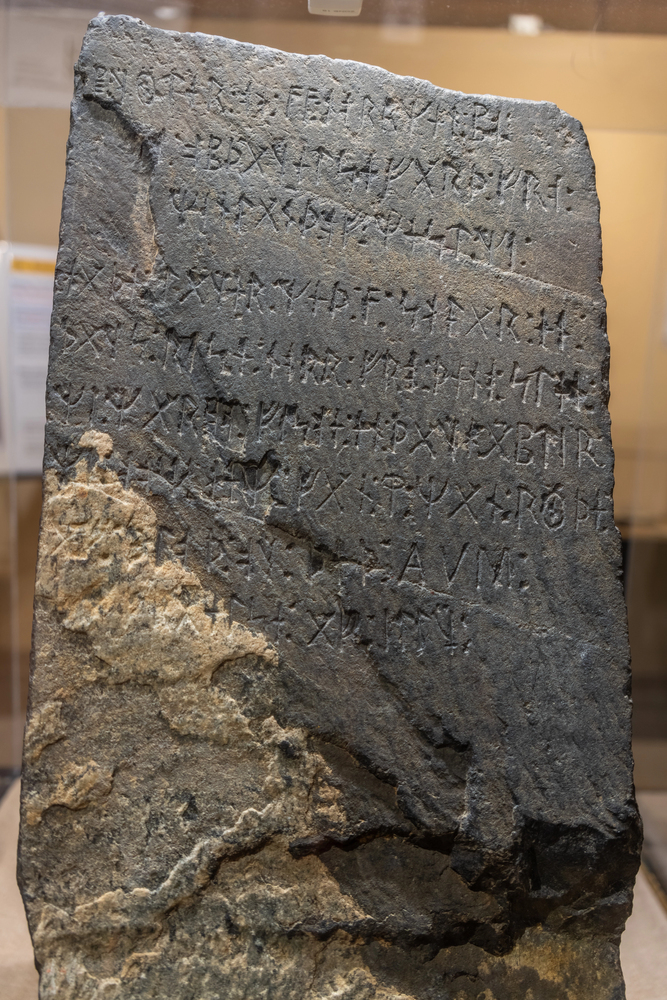
Unearthed in 1898 by a Swedish-American farmer in Minnesota, the Kensington Runestone supposedly proved that Norse explorers had reached the American interior in 1362. Runologists examined the inscription and found anachronistic language — dialect forms that didn’t exist in 14th-century Norse — and the consensus among linguists has been skeptical ever since.
And yet the stone still draws visitors to the Runestone Museum in Alexandria, Minnesota, where debate about it refuses to die quietly.
The Vinland Map

The Vinland Map appeared in 1957, presented as a 15th-century world map showing a landmass west of Greenland labeled “Vinland” — which would have made it pre-Columbian evidence of Norse contact with North America. It was beautiful, plausible, and — as ink analysis in 1974 and again in 2021 confirmed — forged, the ink containing a titanium compound that didn’t exist before the 1920s.
To be fair, it fooled Yale University for a while, which is saying something.
The Shroud of Turin Controversy
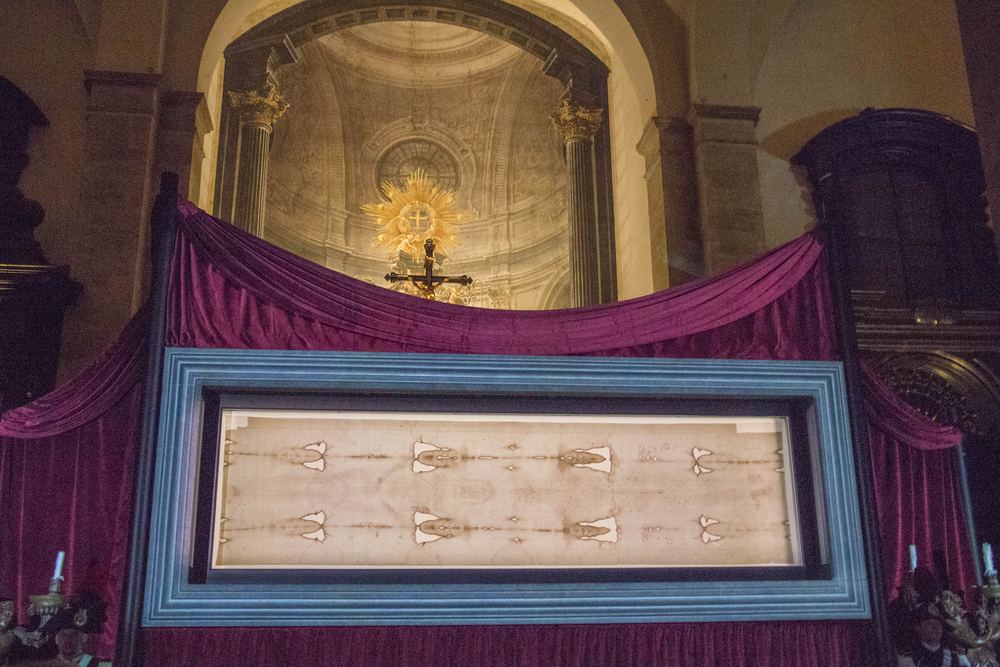
The Shroud of Turin is one of the most analyzed objects in human history, a linen cloth bearing the image of a man consistent with crucifixion wounds, venerated for centuries as the burial cloth of Jesus. Radiocarbon dating in 1988 placed the cloth’s origin between 1260 and 1390 CE, squarely in the medieval period — not the first century.
The debate hasn’t ended, with some researchers arguing the tested corner was a medieval repair patch, but the scientific consensus remains unconvinced by the relic’s claimed age.
The Etruscan Terracotta Warriors
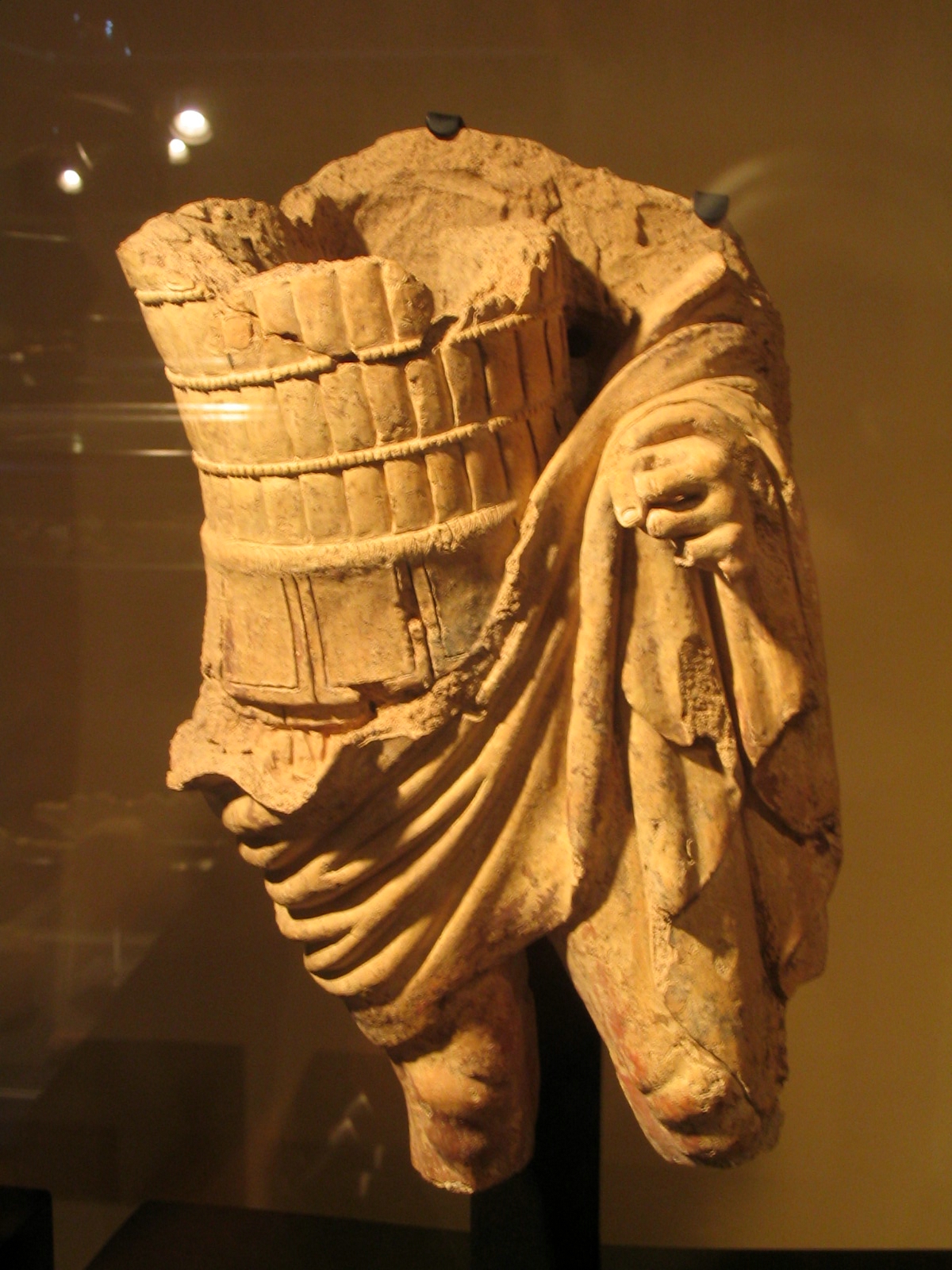
Three imposing Etruscan terracotta warrior figures were donated to the Metropolitan Museum of Art in New York between 1915 and 1921, where they stood for decades as prized examples of ancient craftsmanship. In 1961, a sculptor named Alfredo Fioravanti confessed that he and a group of Italian craftsmen had made the statues themselves in the early 20th century.
The tell was a thumb print — one that matched Fioravanti’s own hand — preserved in the clay of one figure’s base.
Archaeoraptor

Archaeoraptor arrived in 1999 with the kind of fanfare that makes scientists nervous in hindsight: a National Geographic cover story calling it the “missing link” between dinosaurs and birds, a creature seemingly caught mid-transition in Chinese rock. The fossil had been smuggled out of China, sold, and — as it turned out — assembled from pieces of at least two different animals by a Chinese farmer looking to increase its market value.
National Geographic issued a rare public correction.
The Tasaday Tribe

In 1971, Philippine government official Manuel Elizalde announced the discovery of the Tasaday, a Stone Age tribe living in isolation deep in a Mindanao rainforest, untouched by the modern world. The story captivated the world — and then, when the reserve was opened after Marcos’s fall in 1986, journalists found local farmers who said they’d been recruited to perform Stone Age living for cameras.
The Tasaday debate still hasn’t fully resolved, with some anthropologists still arguing for partial authenticity, but the original claims were almost certainly exaggerated to a degree that crosses into fraud.
Fiji Mermaid
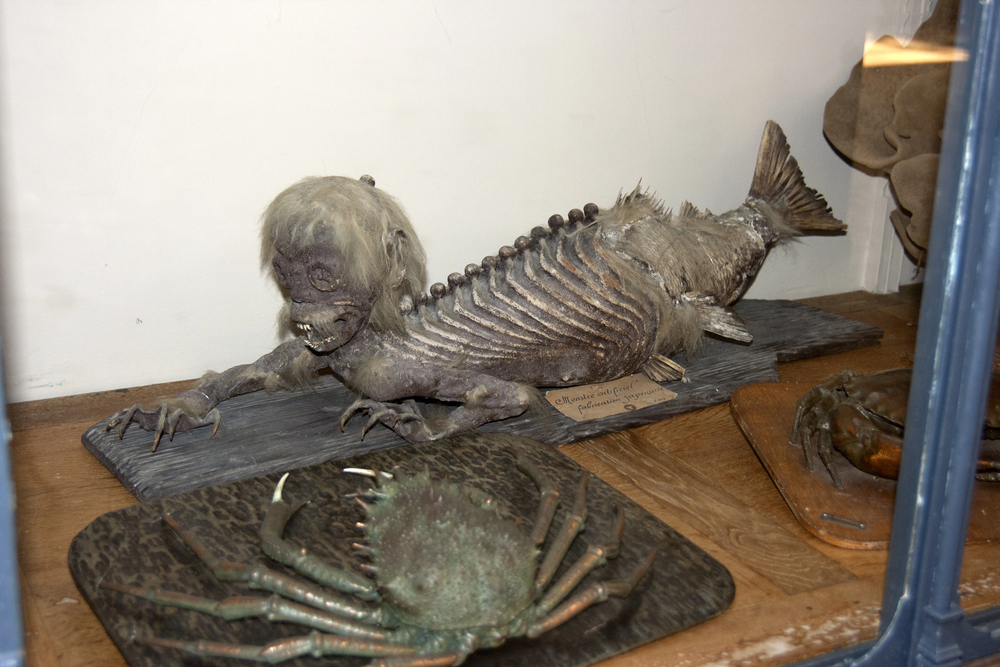
P.T. Barnum didn’t invent the Fiji Mermaid — that credit belongs to an earlier showman — but he was the one who made it famous, exhibiting the thing in 1842 as the genuine preserved body of a half-fish, half-human creature. It was the dried torso of a monkey sewn to the back half of a large fish, papier-mâché filling in the gaps.
Experts said so almost immediately. Crowds paid to see it anyway.
The Shapira Strips
Moses Wilhelm Shapira arrived in London in 1883 carrying strips of leather he claimed bore the oldest known manuscript of Deuteronomy, possibly the original ancient text — a discovery that would have been priceless. The British Museum’s experts, including the prominent Hebraist Christian David Ginsburg, examined them and declared the strips forgeries within weeks.
Shapira, humiliated, took his own life not long after; over a century later, some scholars began quietly reconsidering whether the original verdict was too hasty.
The Calaveras Skull

In 1866, miners working in Calaveras County, California dug up a human skull from beneath a layer of volcanic rock, presenting it as evidence that humans had lived in the Americas during the Pliocene era — millions of years earlier than any accepted timeline. Scientists including Josiah Whitney championed the find; skeptics noted the skull looked suspiciously recent.
It took decades for the consensus to settle on the most obvious explanation: someone had planted it as a prank on the geologists.
The Michigan Relics
Starting in the 1890s, thousands of clay tablets, copper artifacts, and inscribed objects began appearing in Michigan, supposedly evidence of an ancient Middle Eastern civilization in the American Midwest. James Scotford, a cabinet maker, was almost certainly manufacturing them — the “finds” multiplied wherever he happened to be working — but a Mormon sect adopted them as evidence supporting their theology, which gave the hoax an unusually long institutional life.
By the time the Smithsonian Institution investigated and dismissed them, the relics had already entered a kind of folk archaeology that’s proven stubborn to dislodge.
The Glozel Tablets
A French farmboy named Émile Fradin stumbled upon a cache of inscribed tablets, bones, and clay figurines near Glozel, France in 1924 — objects that, if genuine, would have revolutionized the understanding of prehistoric writing. Some experts authenticated them; others called them modern forgeries; the controversy turned into one of the most bitter feuds in 20th-century French archaeology, complete with criminal accusations and lawsuits.
Thermoluminescence testing in the 1970s produced contradictory results, and the debate, though largely settled against authenticity, still has its committed defenders.
The Protocols Forgery Artifacts

Beyond textual forgeries, physical objects have been manufactured to “confirm” the Protocols of the Elders of Zion — a fabricated antisemitic text — including coins and seals presented as evidence of a secret ancient conspiracy. These items were deliberately constructed to give invented history a physical weight that documents alone couldn’t provide, and they circulated through communities already primed to believe.
The artifacts themselves were crude, but the intent behind manufacturing them was not academic fraud for prestige — it was something considerably darker.
The Acambaro Figurines

Between 1944 and 1964, German merchant Waldemar Julsrud amassed roughly 33,000 ceramic figurines from around Acambaro, Mexico — including detailed depictions of what appeared to be dinosaurs alongside humans, which he claimed proved humans and dinosaurs coexisted. He paid local farmers per figurine, which is essentially an instruction manual for how to generate an inexhaustible supply of manufactured artifacts.
Thermoluminescence testing found dates that were wildly inconsistent, and the sheer uniformity of “discovery” conditions buried the claim’s credibility.
The Wales Fairies Photographs

In 1917, two young cousins in Cottingley, England (not Wales, despite frequent mislabeling) produced photographs appearing to show them surrounded by actual fairies — and the images fooled Arthur Conan Doyle, among others, for years. The fairies were paper cutouts propped up with hatpins, a technique so simple that the cousins reportedly assumed adults would see through it immediately.
They didn’t, and Doyle published them as proof of the paranormal in 1920.
The Hochdorf Chieftain’s Tomb Controversies
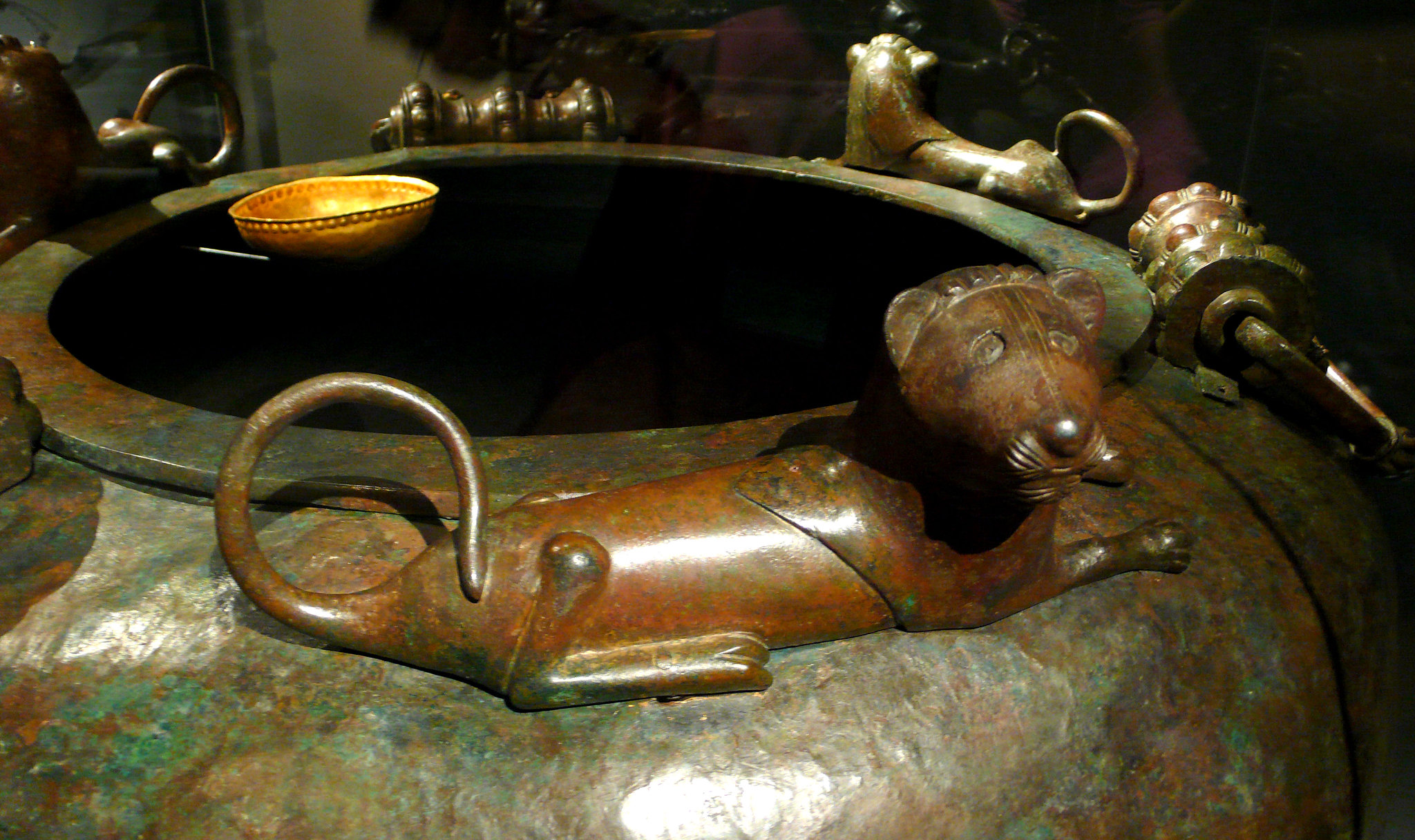
The original Hochdorf tomb, discovered in Germany in 1978, was genuine — a spectacular Celtic burial site dating to around 530 BCE. But the discovery triggered a wave of nearby “finds” by amateur diggers hoping to profit, some of which turned out to be deliberate plants designed to sell to collectors who’d grown hungry after the authentic discovery.
The real tomb’s fame had essentially created a market for fakes, which is how prestige archaeology works against itself.
The Rohonc Codex

The Rohonc Codex surfaced in Hungary in the early 19th century: an illustrated manuscript in an unknown script that scholars have been attempting to decode for nearly two centuries. The leading hypothesis — supported by paper analysis showing the manuscript was made after 1529 — is that it was fabricated by a Hungarian nobleman named Samuel Literati Nemes, who had a documented habit of forging historical documents to inflate their value.
So the script may not be undeciphered because it encodes something ancient: it may be undeciphered because it encodes nothing at all.
The Shrewsbury Forgeries
Thomas Chatterton didn’t work in archaeology exactly, but his 15th-century “Rowley Poems” — which he fabricated in the 1760s using artificially aged parchment — established a template for forged medieval texts that influenced generations of later fraudsters. Chatterton’s skill with archaic language was remarkable enough that some contemporaries championed the poems even after his death, unwilling to accept a teenager had manufactured them whole.
His story became a cautionary tale so romanticized by the Romantic poets that the fraud itself was almost forgotten inside the myth.
The American Stonehenge Inscriptions

Mystery Hill in New Hampshire — now marketed as “America’s Stonehenge” — has attracted claims since the 1930s that its stone structures are evidence of ancient Phoenician or Celtic visitors to North America. Professional archaeologists have consistently found evidence consistent with 18th and 19th-century Colonial construction, not pre-Columbian seafarers.
The inscriptions declared to be “Ogham script” by enthusiasts have been assessed by actual specialists in Ogham and found to be natural scratches or modern carvings — which hasn’t stopped the site from charging admission.
The Davenport Tablets

In 1877, the Davenport Academy of Natural Sciences in Iowa announced the discovery of inscribed slate tablets inside a burial mound — tablets bearing what appeared to be Egyptian hieroglyphics alongside other markings. The find seemed to validate theories of ancient Egyptian contact with America, which were fashionable at the time; it also, as it emerged later, validated the gullibility of amateur scientists hungry for confirmation.
The tablets had been planted inside the mound by a local prankster who later admitted it, though the Academy took years to fully accept the humiliation.
The Moab Man
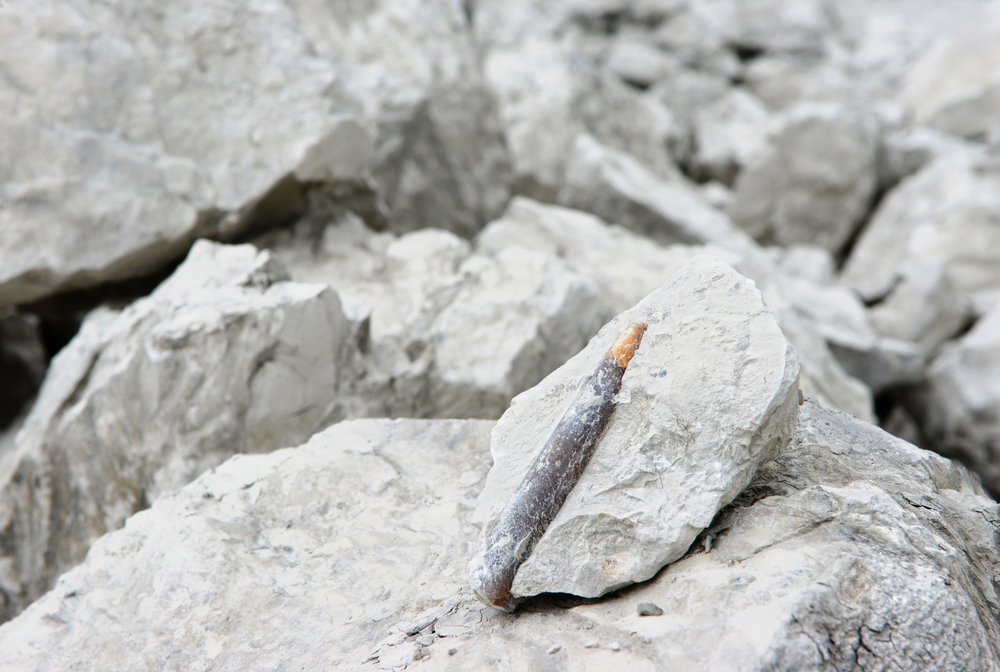
In 1971, Lin Ottinger, a rock shop owner in Moab, Utah, discovered human bones embedded in Cretaceous-era rock — which would have placed Homo sapiens in the geological record some 100 million years too early. The bones turned out to be intrusive burials: relatively recent human remains that had been buried into older rock formations through natural or deliberate disturbance, a not-uncommon phenomenon.
The claim made headlines before the explanation did, which is often how these things go.
The Spurious St. Edmund Relics
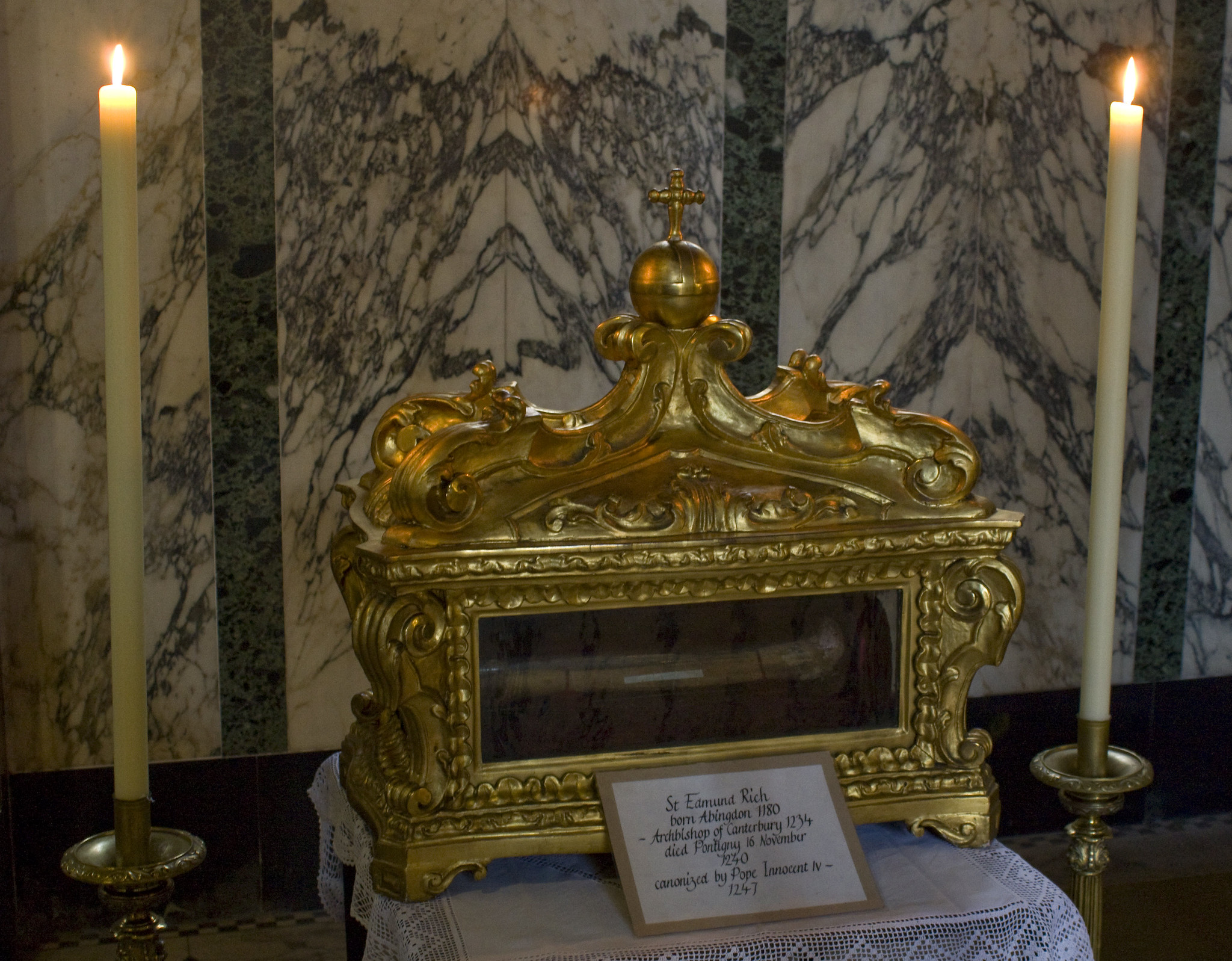
During the medieval period, the Abbey of Bury St Edmunds in England maintained relics purported to be the physical remains of King Edmund, martyred in 869 CE — relics that attracted pilgrims and enormous donations for centuries. Rival institutions produced competing relics claiming equal authenticity, and at least some of the “bones of saints” circulating in medieval Europe were demonstrably animal bones or fragments with no provenance at all.
The trade in false relics was so widespread that it functioned as a parallel economy, one that nobody with institutional power had much incentive to disrupt.
The Bat Creek Stone
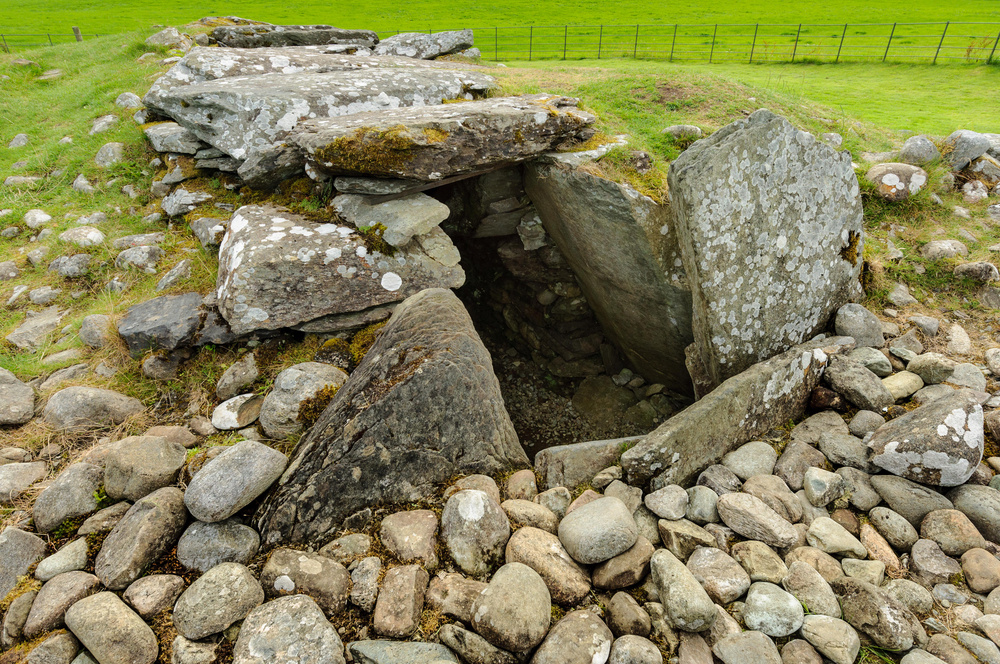
Found in 1889 during a Smithsonian-sponsored excavation of a burial mound in Loudon County, Tennessee, the Bat Creek Stone bore an inscription that the original investigators read as Cherokee. In 1970, Semitic scholar Cyrus Gordon reexamined the inscription and argued it was actually ancient Hebrew, evidence of pre-Columbian Jewish contact with America.
Later analysis suggested the inscription closely matched a 19th-century Masonic publication, and the stone’s unusual positioning in the mound was more consistent with planting than discovery — though the debate among fringe researchers continues regardless.
The Ptolemy Map Interpolations
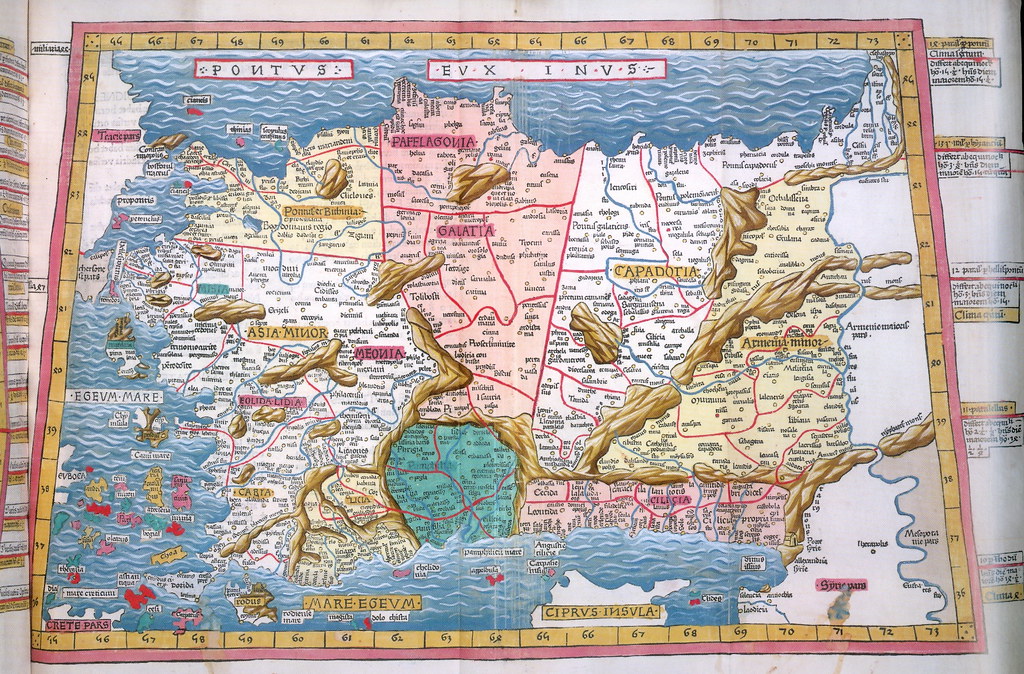
Ancient maps attributed to the Greek-Egyptian geographer Ptolemy were transmitted through medieval copies rather than originals, and scholars have long suspected that later scribes inserted data — coastlines, place names, geographical features — that reflected their own era rather than Ptolemy’s 2nd-century knowledge. These weren’t hoaxes in the theatrical sense: no single forger stood to profit from the alterations.
But the effect was the same — maps presented as ancient evidence that quietly contained medieval additions, quietly misleading centuries of scholarship about what the ancient world actually knew.
The Ica Stones
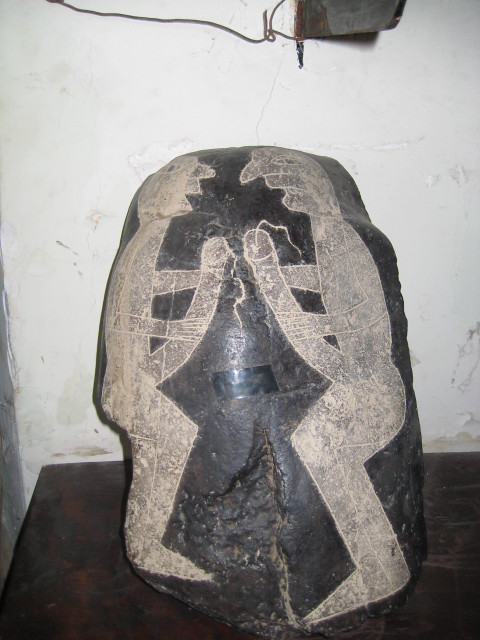
Since the 1960s, thousands of engraved stones from the Ica region of Peru have circulated with claims that they depict ancient humans observing dinosaurs, performing brain surgery, and using telescopes — evidence, proponents argued, of an advanced lost civilization. Peruvian farmer Basilio Uschuya eventually admitted to carving many of the stones himself, explaining he could produce a convincing one in a few days.
The stones remain popular in certain corners of alternative archaeology, where the confession has been quietly set aside.
What the Fakes Actually Tell You
Forgeries succeed, when they do, because of the space between what’s known and what’s hoped for. Every major hoax on this list found its footing not in ignorance but in ambition — the ambition of the experts who wanted the find to be real, the institutions that needed it to be significant, and the audiences who preferred the dramatic version of the past to the complicated one.
That’s not a failure unique to archaeologists or Victorian gentlemen-scientists. It’s a failure of wanting.
The fraudsters didn’t outsmart the experts so much as they identified the specific thing those experts most wanted to believe — and then handed it to them, gift-wrapped in dirt. The Piltdown skull sat in the British Museum for forty years not because scientists are foolish, but because the missing link was the exact shape of the gap they were desperate to fill.
So the lesson here isn’t about credulity. It’s about the peculiar blindness that comes from expertise meeting desire — and how the most elaborate critical faculties in the world can stall completely when they’re pointed at something they already want to find.
More from Go2Tutors!

- The Romanov Crown Jewels and Their Tragic Fate
- 13 Historical Mysteries That Science Still Can’t Solve
- Famous Hoaxes That Fooled the World for Years
- 15 Child Stars with Tragic Adult Lives
- 16 Famous Jewelry Pieces in History
Like Go2Tutors’s content? Follow us on MSN.