27 Breakfast Foods From Childhood Kitchens
Somewhere in a cabinet near the toaster, there was a box with a mascot on it. It promised energy, fun, or at the very least a prize at the bottom, and most mornings it delivered a bowl of sugar and a cartoon to go with it.
These are the cereals, mixes, drinks, and frozen items that filled American kitchens from the late 1800s through the 1980s. Some are still on the shelf, a few are gone, and all of them can bring back memories for people who ate them before school.
Kellogg’s Corn Flakes and the Sanitarium Experiment
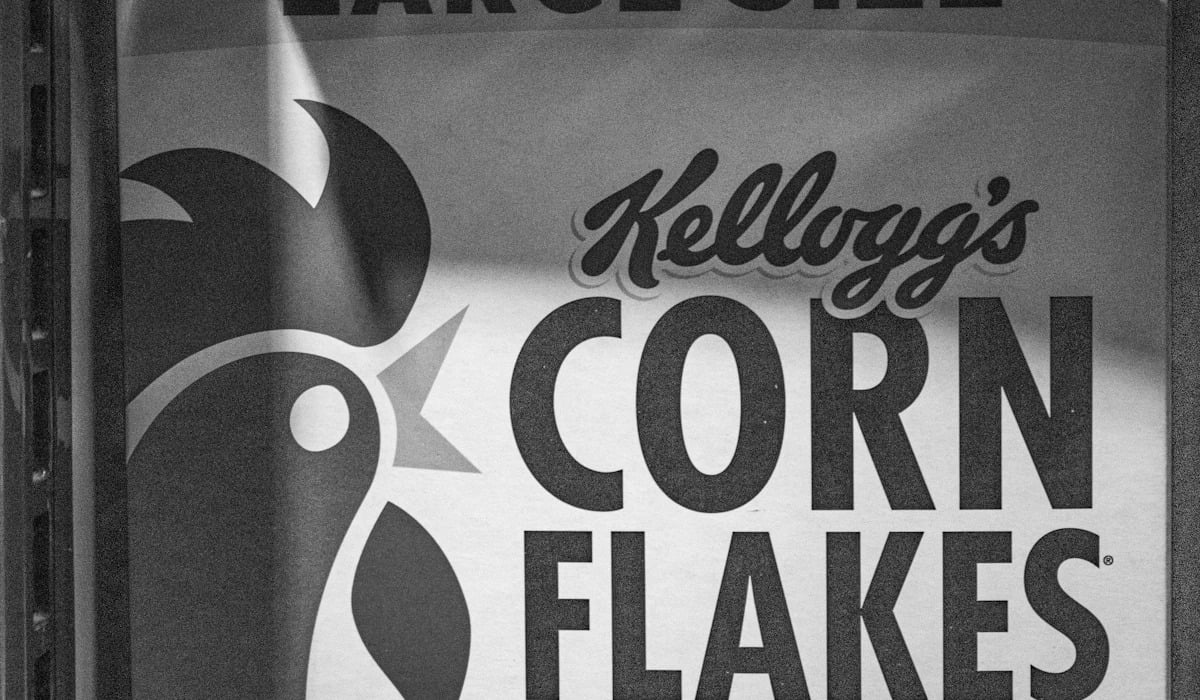
W.K. Kellogg founded the Battle Creek Toasted Corn Flake Company in 1906, turning a kitchen experiment into a national habit.
The original flakes grew out of work involving his brother, John Harvey Kellogg, at the Battle Creek Sanitarium, where the brothers experimented with cooked grains and flaking techniques. Early batches used wheat before W.K. continued experimenting with corn, which produced a crispier flake.
For many households, it was simply the box that came first.
Cheerios and the Cereal That Used to Be CheeriOats
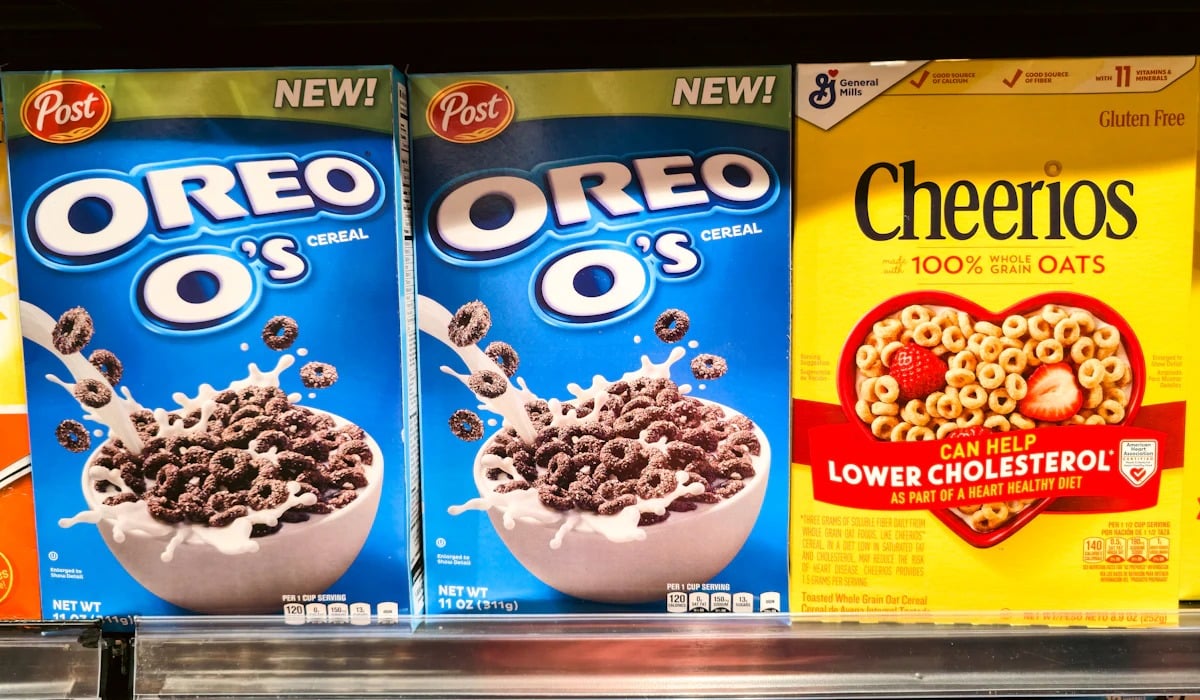
General Mills introduced the oat ring in 1941 under the name CheeriOats. The name changed to Cheerios in 1945.
Its plain, toasted flavor made it a popular finger food for toddlers, who could scatter it across high chair trays everywhere. It has remained one of the country’s best-known cereals ever since.
Rice Krispies and the Three Elves
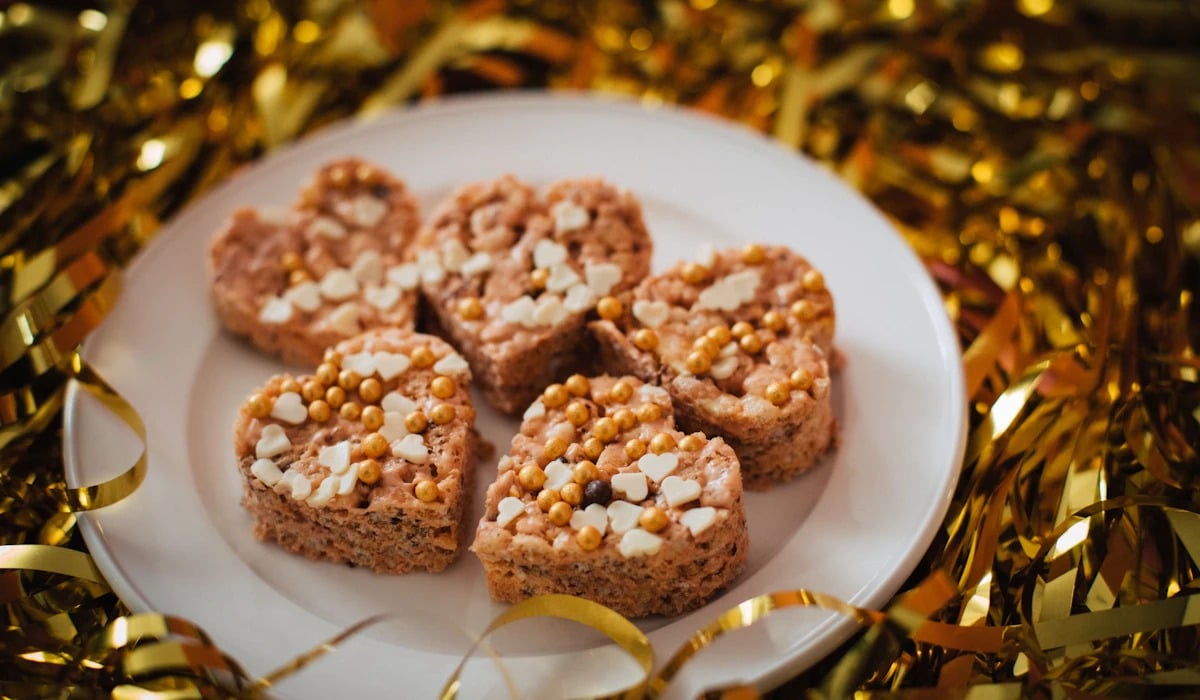
Kellogg’s launched Rice Krispies in 1928, built around the novelty of rice that crackled when milk hit the bowl. The trio of elves named Snap, Crackle, and Pop arrived in the 1930s to turn that noise into a brand.
The cereal’s sound became its entire sales pitch, which is a rare thing for something eaten before 8 a.m. Few products have made a kitchen noise so famous.
Lucky Charms and the Marshmallow Experiment
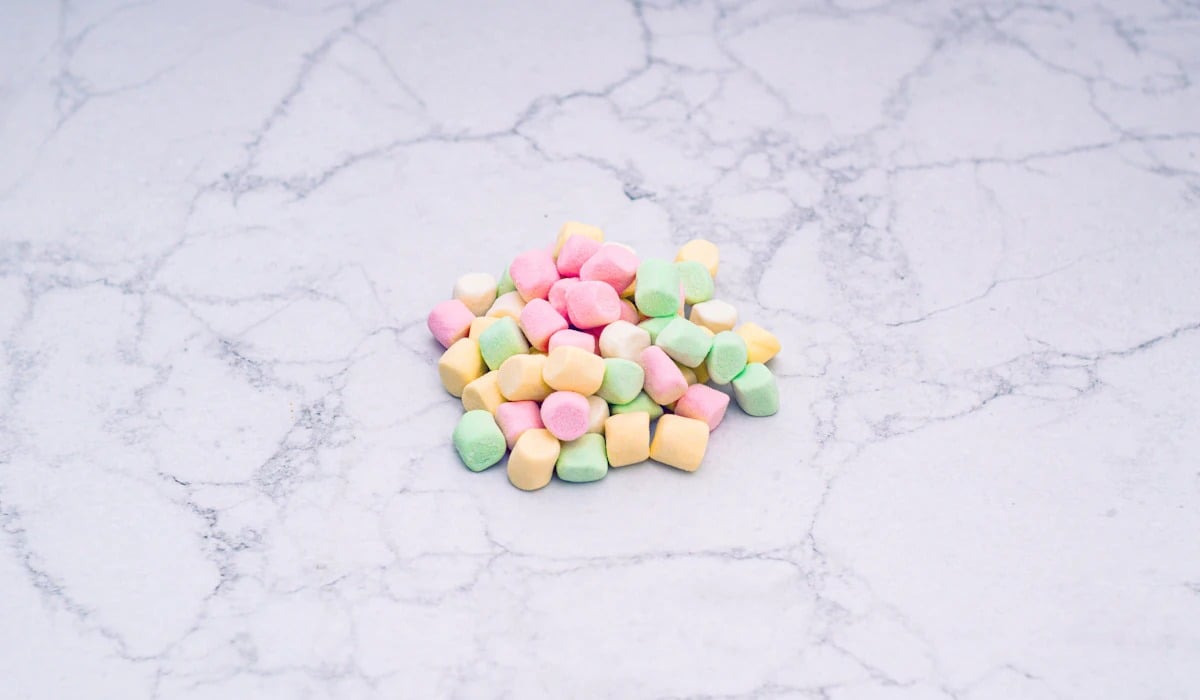
John Holahan, a product developer at General Mills, created Lucky Charms in 1964 by mixing toasted oat pieces with marshmallow bits inspired by circus-peanut candy. The first marshmallows came as pink hearts, yellow moons, orange stars, and green clovers.
The idea of putting candy-style pieces into a mainstream cereal was a gamble at the time. It paid off enough that marshmallow pieces became a permanent part of the cereal aisle.
Cap’n Crunch and the Sugar Coating That Resisted Milk
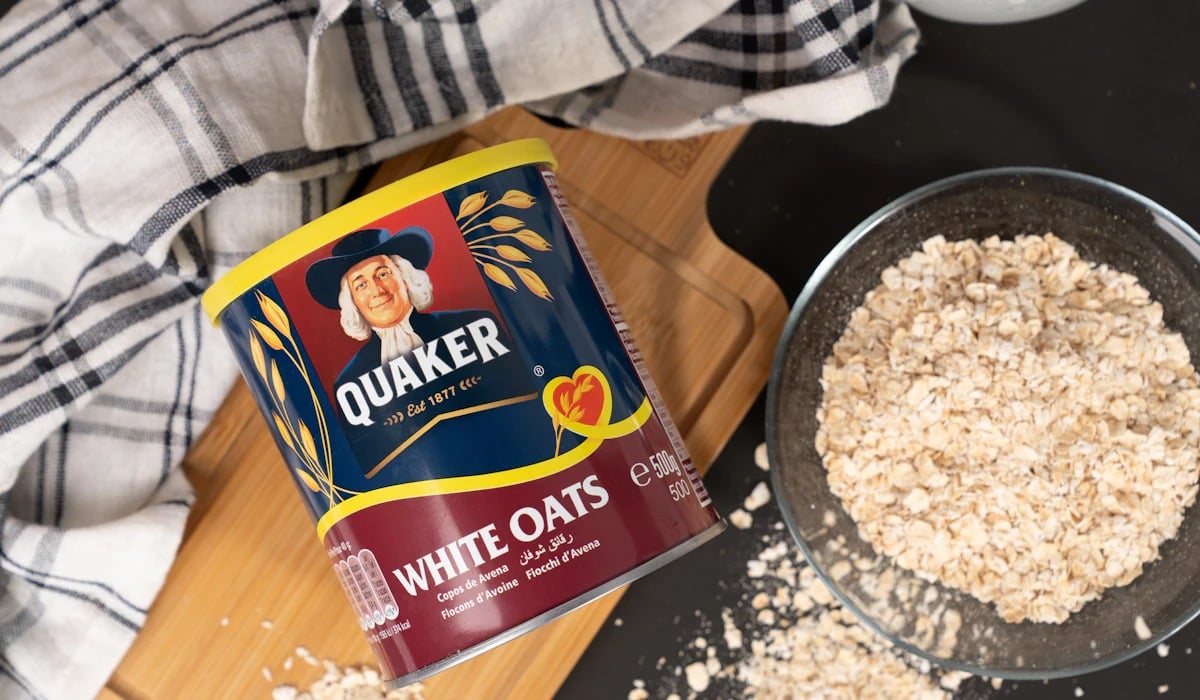
Quaker Oats introduced Cap’n Crunch in 1963, built around a corn and oat cereal with a distinctive sweet coating. Pamela Low, a food technologist at Quaker, developed the sugar coating, which was designed to hold up in milk longer than other cereals.
The result was a bowl some eaters remember for cutting up the roof of their mouths. Kids ate it anyway, and the Captain stayed on the box for decades.
Eggo Waffles and the Frozen Froffles
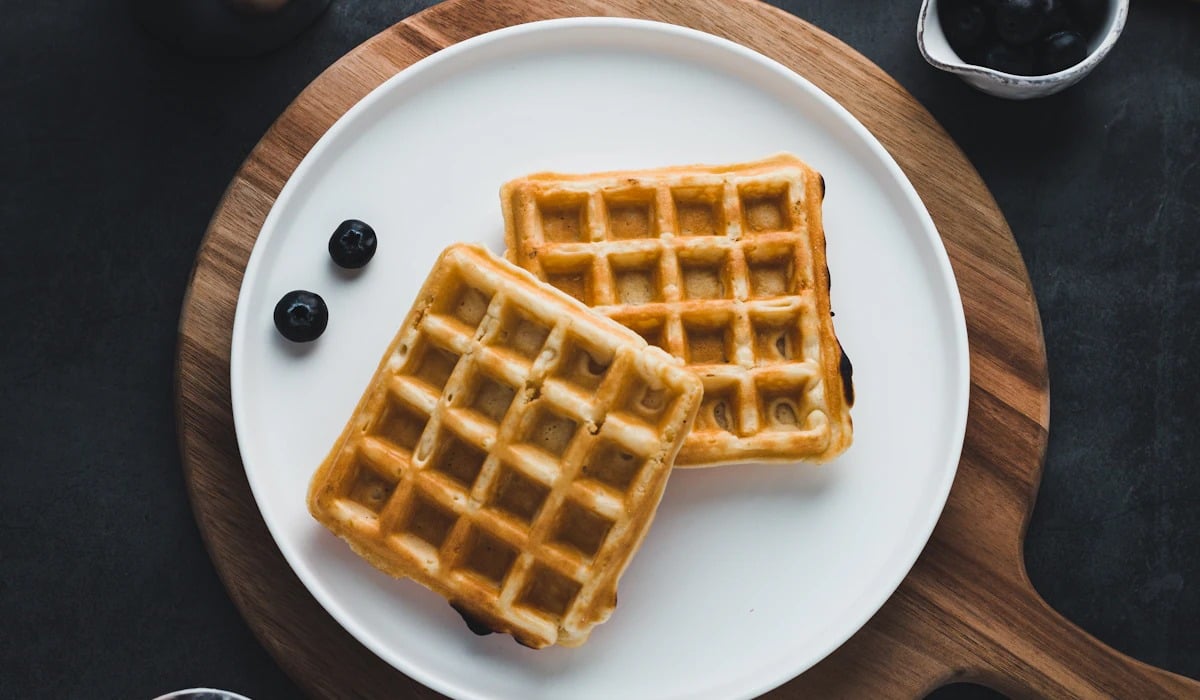
Brothers Frank and Anthony Dorsa began selling a frozen waffle in San Jose, California, in 1953, first under the name Froffles. The name changed to Eggo in 1955, a nod to the eggy flavor the brothers were chasing.
Kellogg’s acquired the brand in 1968, and the toaster waffle became a fixture of rushed school mornings. A box in the freezer meant breakfast could be ready in just a few minutes.
Toaster Strudel and the Icing Packet
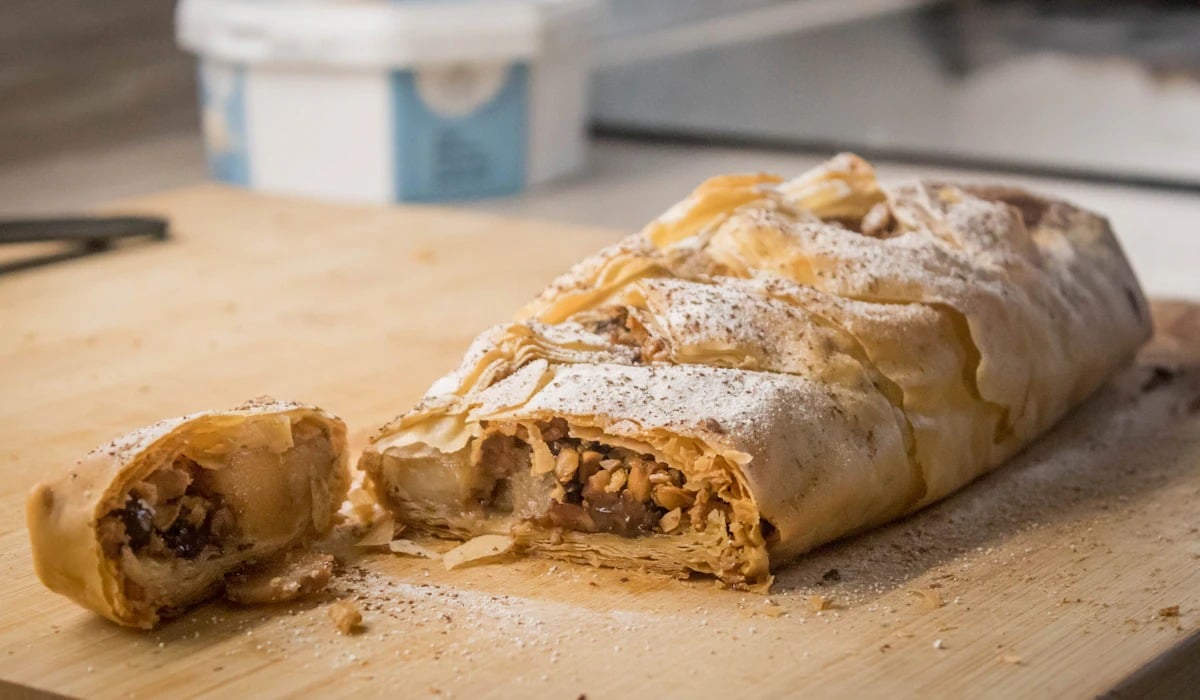
Pillsbury introduced Toaster Strudel in 1985, a frozen pastry meant to be warmed in the toaster. The real hook was the small packet of icing that came in the box, letting children draw squiggles on their own breakfast.
The pastry itself was flaky and filled with fruit or other sweet fillings, but the icing was what kids remembered. It turned a frozen item into an art project.
Tang and the Orange Powder From Space
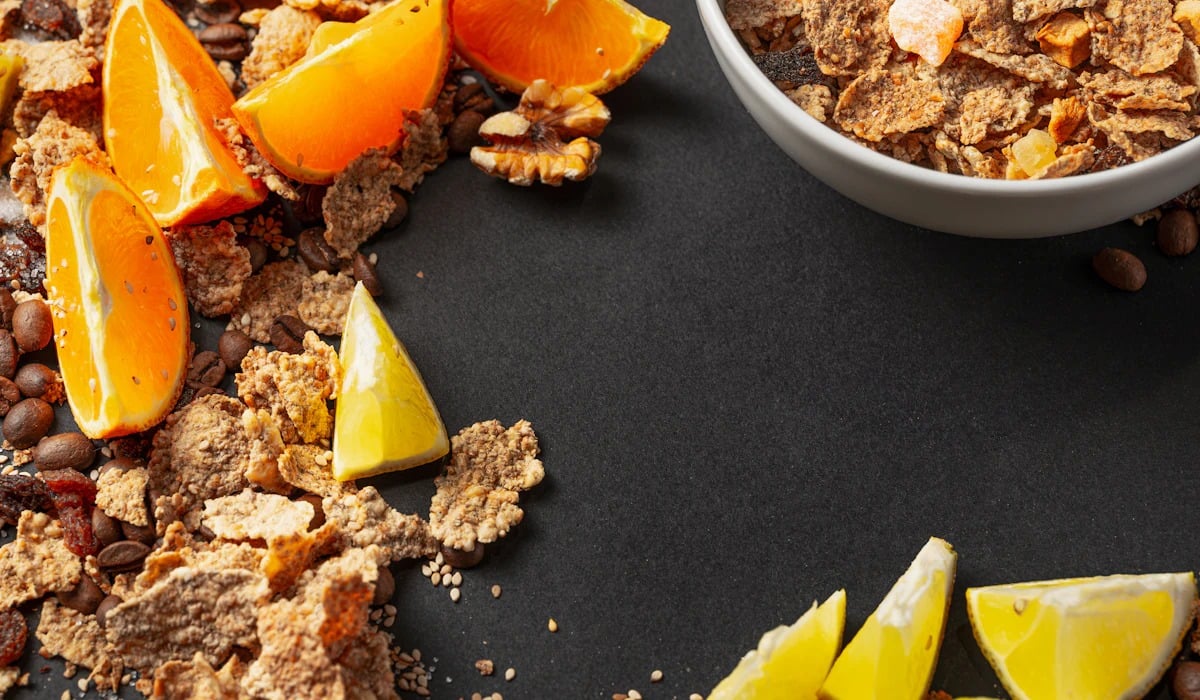
General Foods introduced Tang in 1957, and its inventor was food scientist William Mitchell. The powder sold modestly until NASA’s space program helped make it famous in the 1960s.
The drink became closely associated with astronauts and the space race, and families stirred it into pitchers across the country. Children treated it as an almost scientific beverage.
NASA did not invent Tang; its association with spaceflight helped raise its profile.
Count Chocula and the Monster Cereals
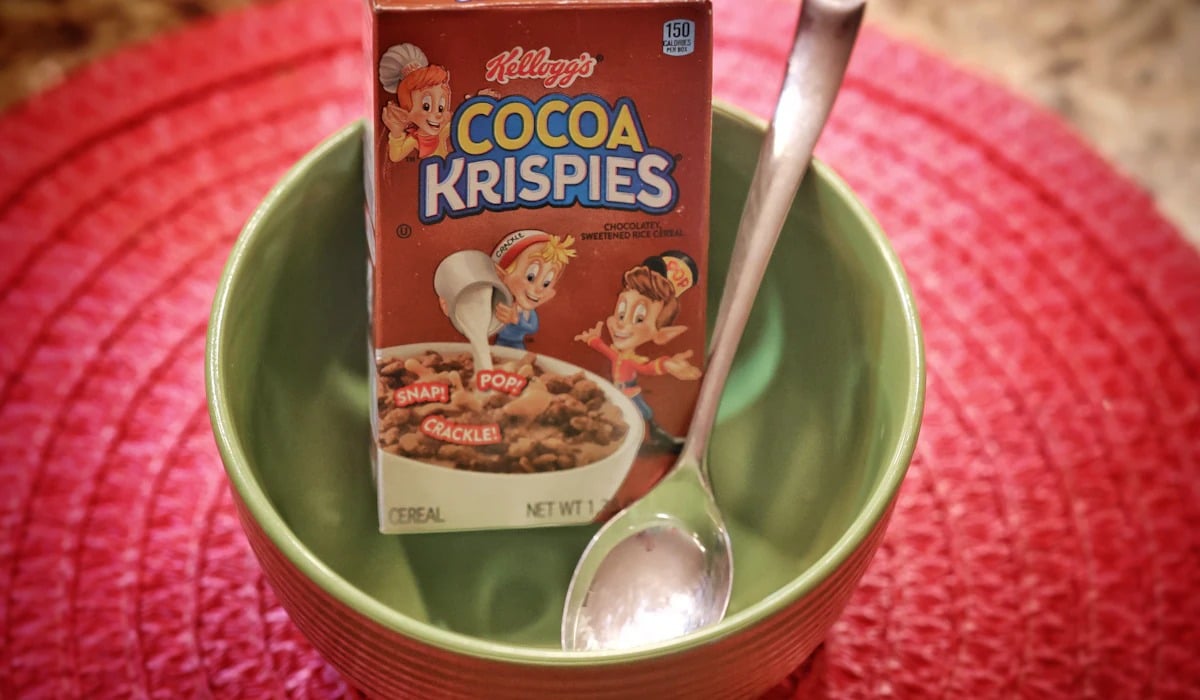
General Mills released Count Chocula and Franken Berry in 1971, introducing cereals themed around classic movie monsters. Count Chocula was chocolate-flavored with marshmallow pieces, and the character wore a cape on the box.
The cereals arrived with a seasonal appeal, since they were especially popular around Halloween. Collectors now track vintage boxes, and their value depends heavily on condition and whether the box is sealed and complete.
Frosted Flakes and Tony the Tiger
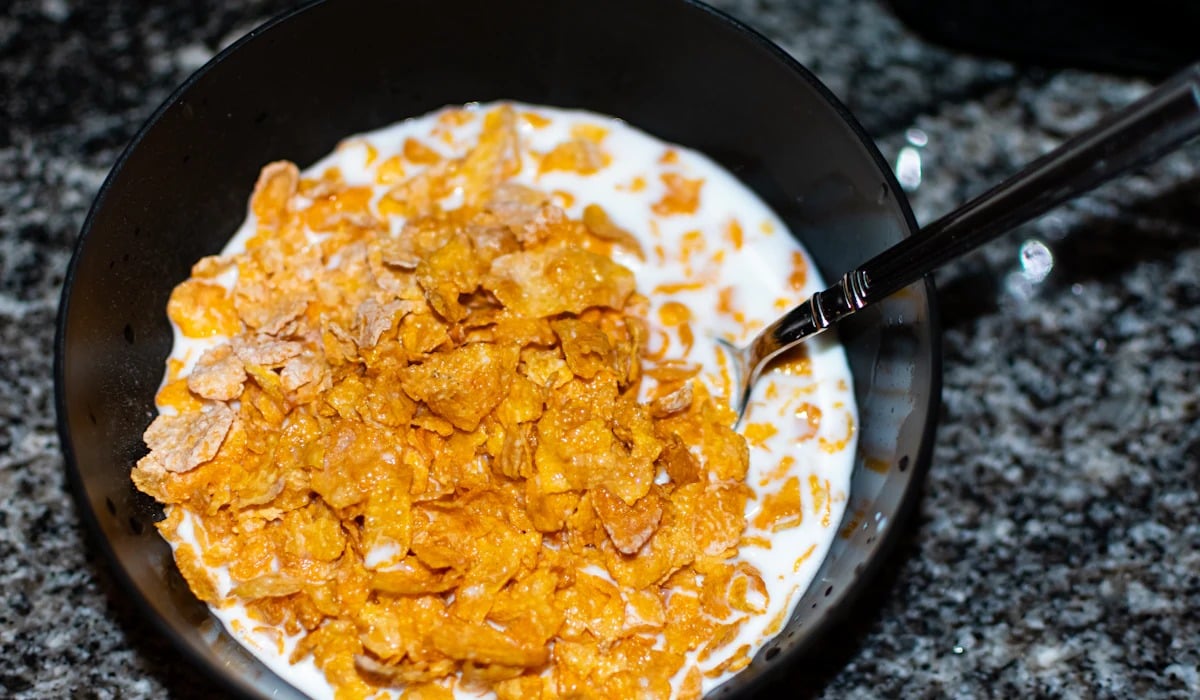
Kellogg’s introduced Sugar Frosted Flakes in 1952, taking the plain corn flake and coating it in sugar. Tony the Tiger appeared with the cereal and delivered a famous catchphrase in a booming voice.
The word “sugar” was later dropped from the name, but the tiger stayed. For many children, this was the first cereal that tasted like dessert.
Trix and the Rabbit Who Never Got a Bowl
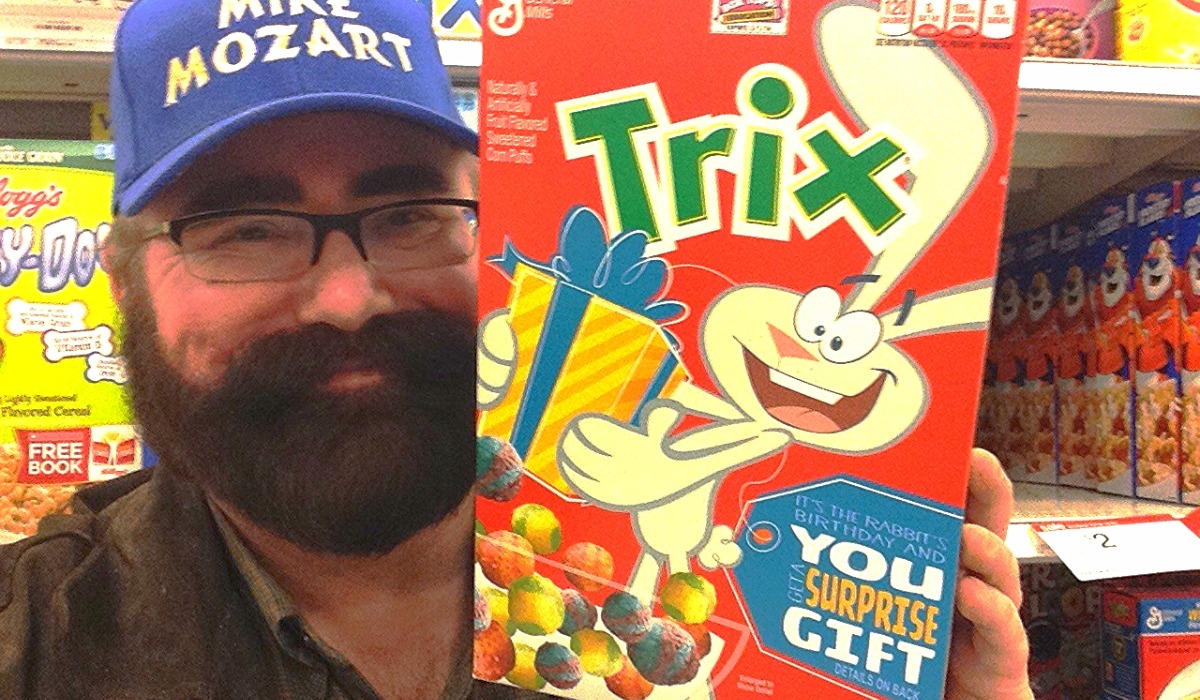
General Mills introduced Trix in 1954, a fruit-flavored cereal sold in bright colors. The cartoon rabbit on the box was perpetually trying to get a bowl and perpetually being refused by children.
The slogan, which told the rabbit that Trix were for kids, became one of the most recognizable lines in cereal advertising. The gag kept the cereal in the public eye for generations.
Froot Loops and the Toucan
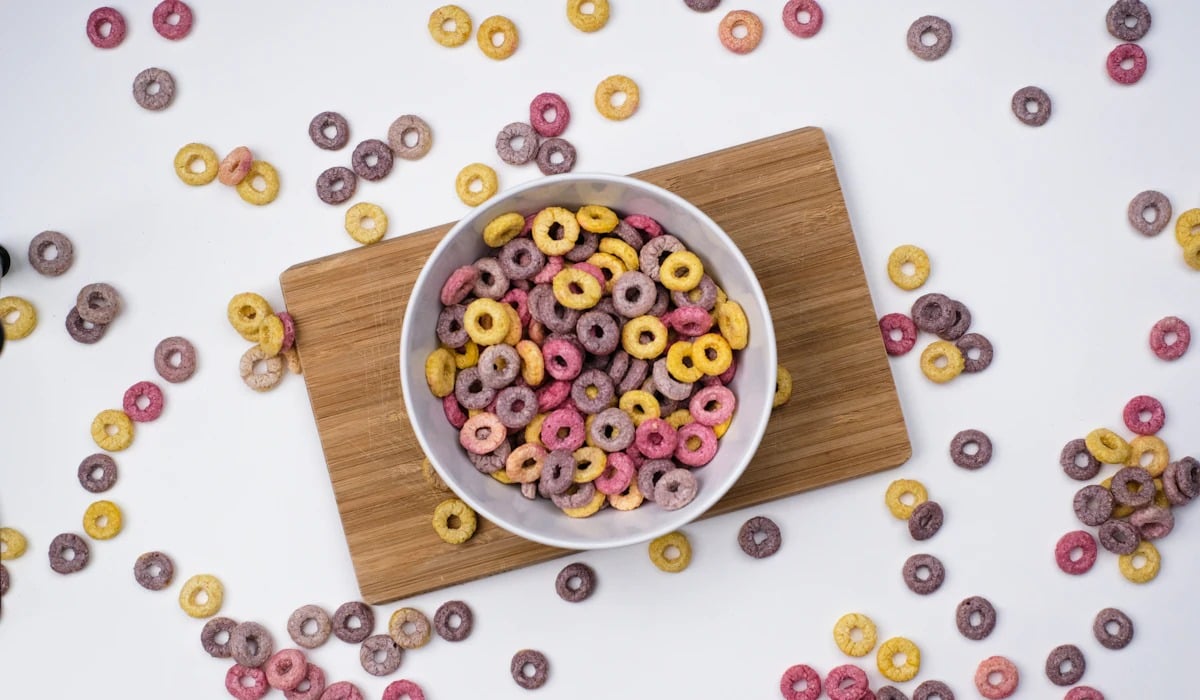
Kellogg’s introduced Froot Loops in 1963, a ring cereal in multiple fruit flavors and colors. The deliberate misspelling of fruit became part of the brand identity.
Toucan Sam, the mascot, followed his nose to the bowl with a rhyming jingle. Every ring tasted roughly the same, despite the different colors, which never stopped anyone from picking favorite colors.
Life Cereal and Mikey
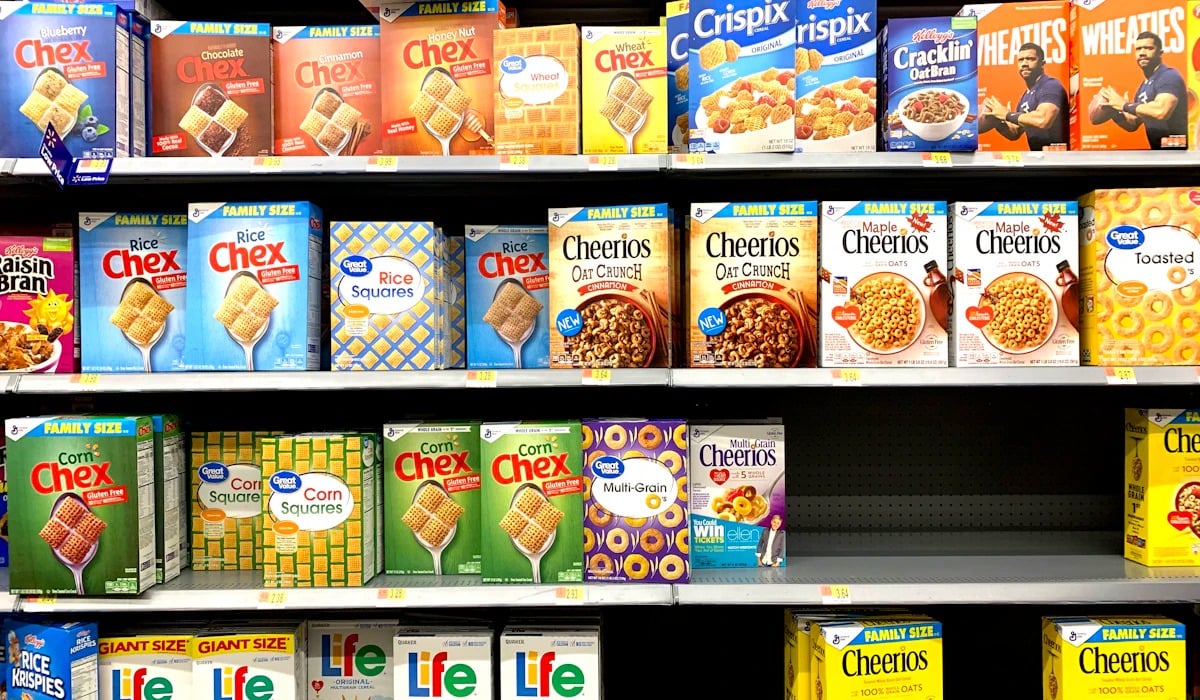
Quaker Oats introduced Life in 1961, a square multigrain cereal marketed to parents as a sensible choice. The brand became far more famous in 1972, when a commercial featured three brothers testing the cereal and passing it to a skeptical youngest sibling named Mikey.
Child actor John Gilchrist played Mikey, and the line “Mikey likes it” entered everyday speech. The ad ran for years and turned a sensible cereal into a cultural reference.
Wheaties and the Breakfast of Champions
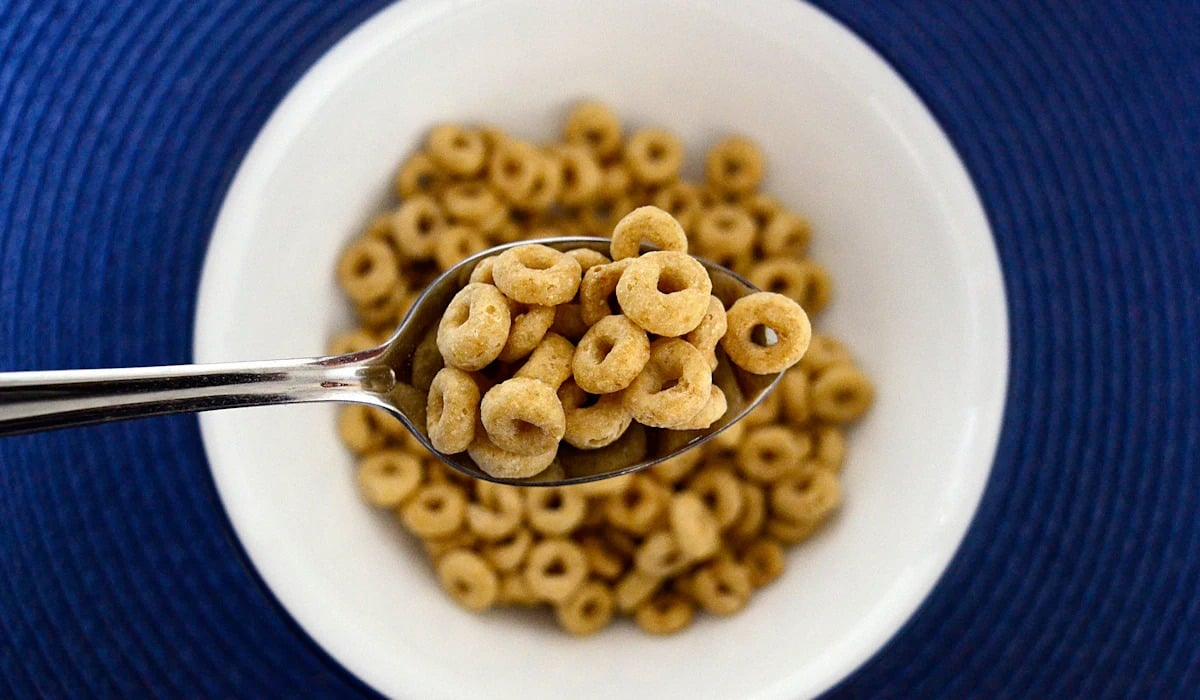
The Washburn Crosby Company gave Wheaties its name in 1924, after the company began selling its toasted wheat flakes nationally. The slogan “Breakfast of Champions” followed, and in 1934 Yankees slugger Lou Gehrig became the first athlete on the box.
Putting a sports figure on a cereal box created a template that endures. The orange box became a shorthand for athletic achievement.
Grape-Nuts and the Gravel Texture
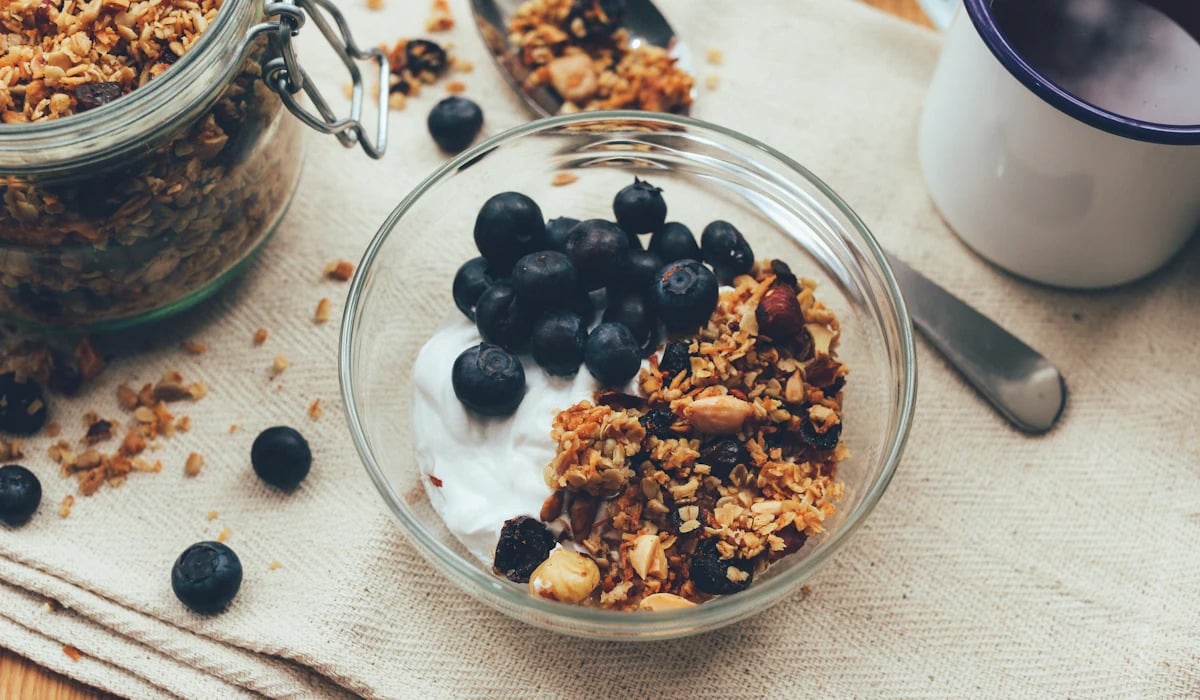
C.W. Post introduced Grape-Nuts in 1897 in Battle Creek, Michigan, a dense cereal made from baked wheat and barley.
The name is misleading, since it contains neither grapes nor nuts. Its crunch made it a favorite of people who liked chewing their breakfast, and it was marketed as a healthful food from the beginning.
Plenty of kids avoided it, and plenty of grandparents never would.
Cream of Wheat and the Steaming Bowl
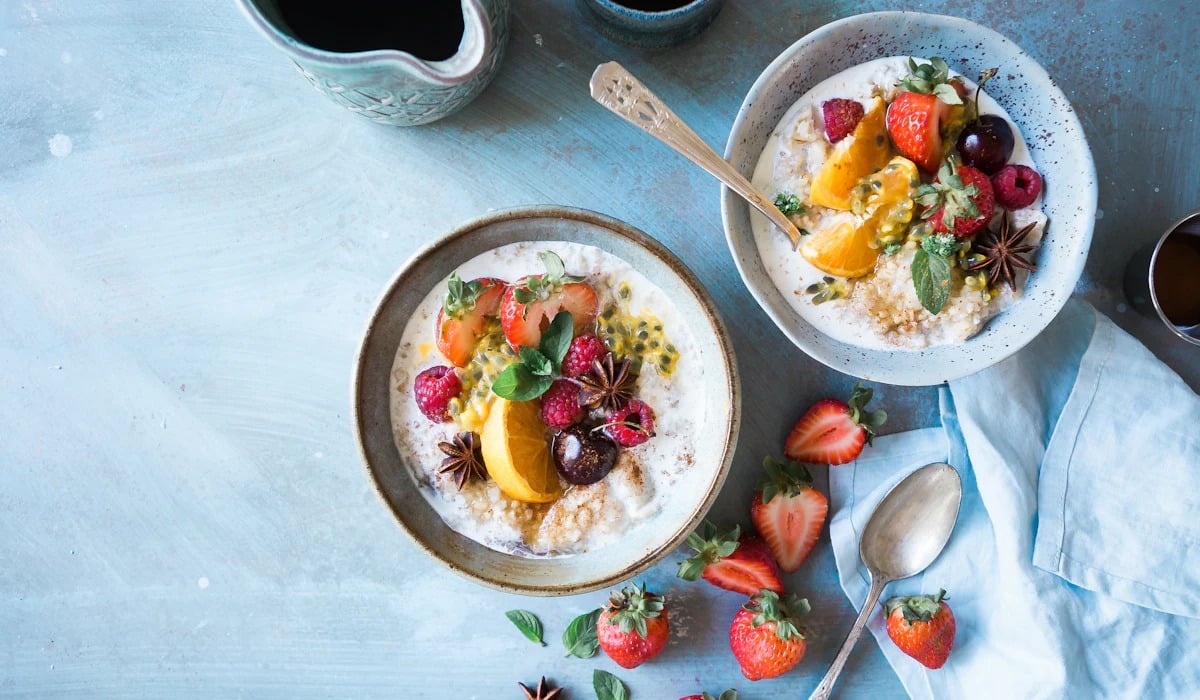
Cream of Wheat was created in 1893 in Grand Forks, North Dakota, as a smooth hot cereal made from farina. Cold mornings in much of the country called for it, ladled thick and topped with butter and brown sugar.
Its box and advertising became fixtures for decades. For many families, it remains a familiar example of the hot cereal grandma used to make.
Shredded Wheat and the Biscuit
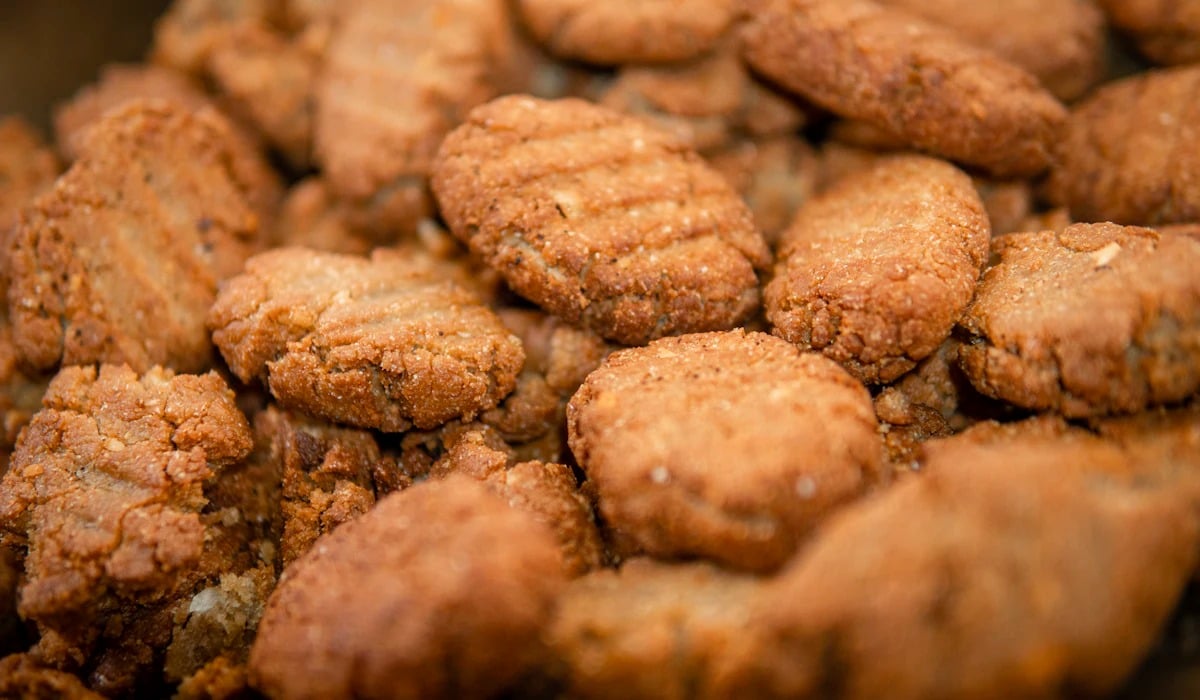
Henry Perky of Denver patented a machine for shredding cooked wheat in 1893, and the result was a pillow-shaped biscuit. He opened a factory at Niagara Falls in 1901, and Nabisco later acquired the business.
Eaten with milk, the biscuits went soft within seconds, which was either a feature or a flaw depending on who was eating. The familiar biscuit shape has endured for generations.
Kix and the Kid-Tested Slogan
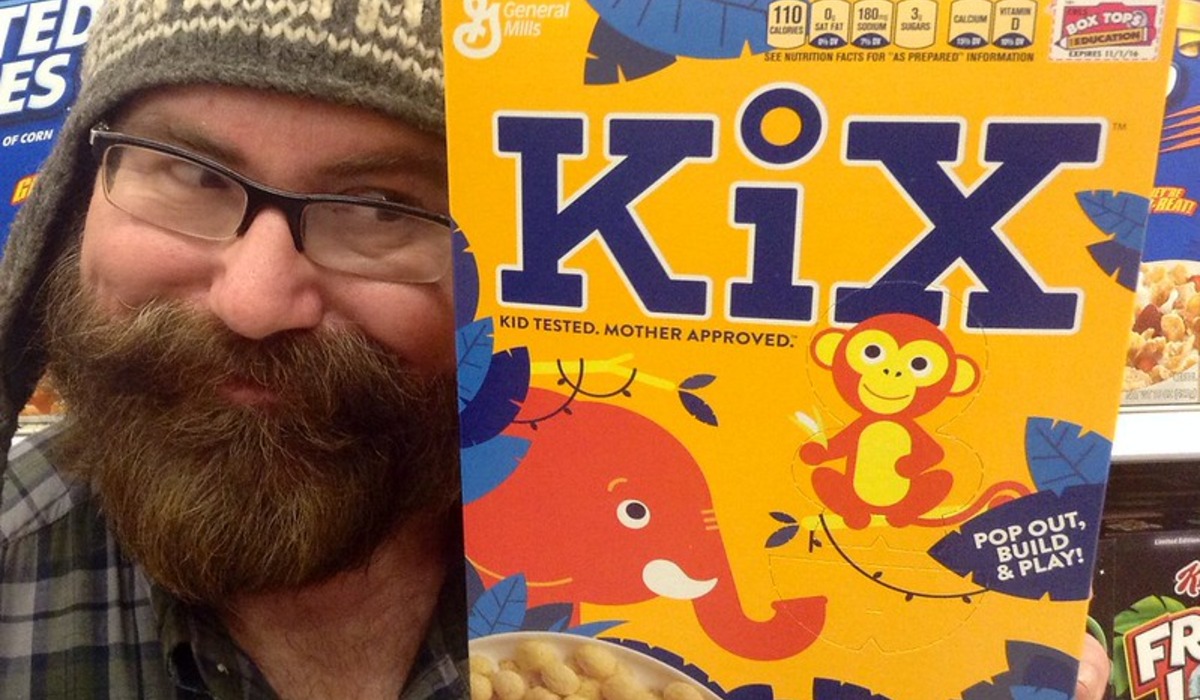
General Mills introduced Kix in 1937, a puffed corn cereal that stayed light and crisp in milk. The brand built its identity on the slogan “Kid tested, mother approved,” which spoke to both audiences at once.
Its simplicity made it a long-running staple in homes where parents wanted a straightforward alternative to more heavily sweetened cereals. It remains a reminder that not every childhood breakfast needed a cartoon.
Carnation Instant Breakfast and the Milk Shake in a Packet
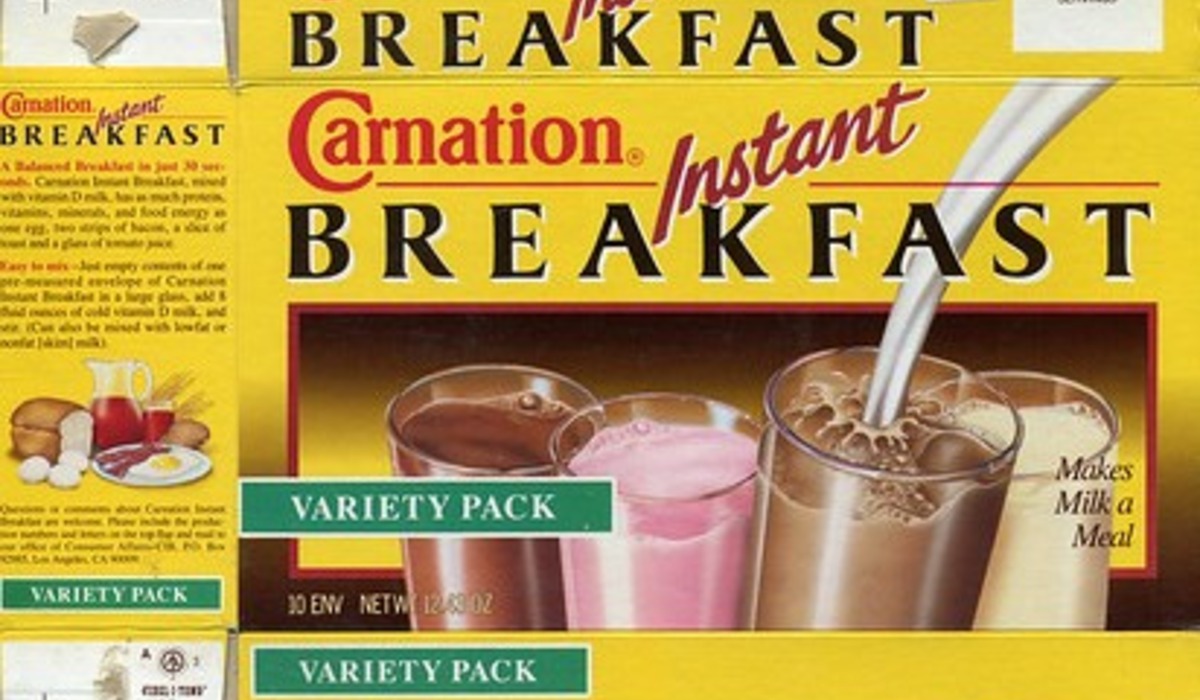
Carnation, a maker of evaporated milk, introduced Instant Breakfast in the 1960s as a powder that turned a glass of cold milk into a flavored drink. It came in envelopes in chocolate, vanilla, and strawberry.
Parents appreciated the idea of a drink with vitamins, and children enjoyed the novelty of a morning shake. It offered a way to skip the bowl and the spoon.
Quaker Instant Oatmeal and the Paper Packet
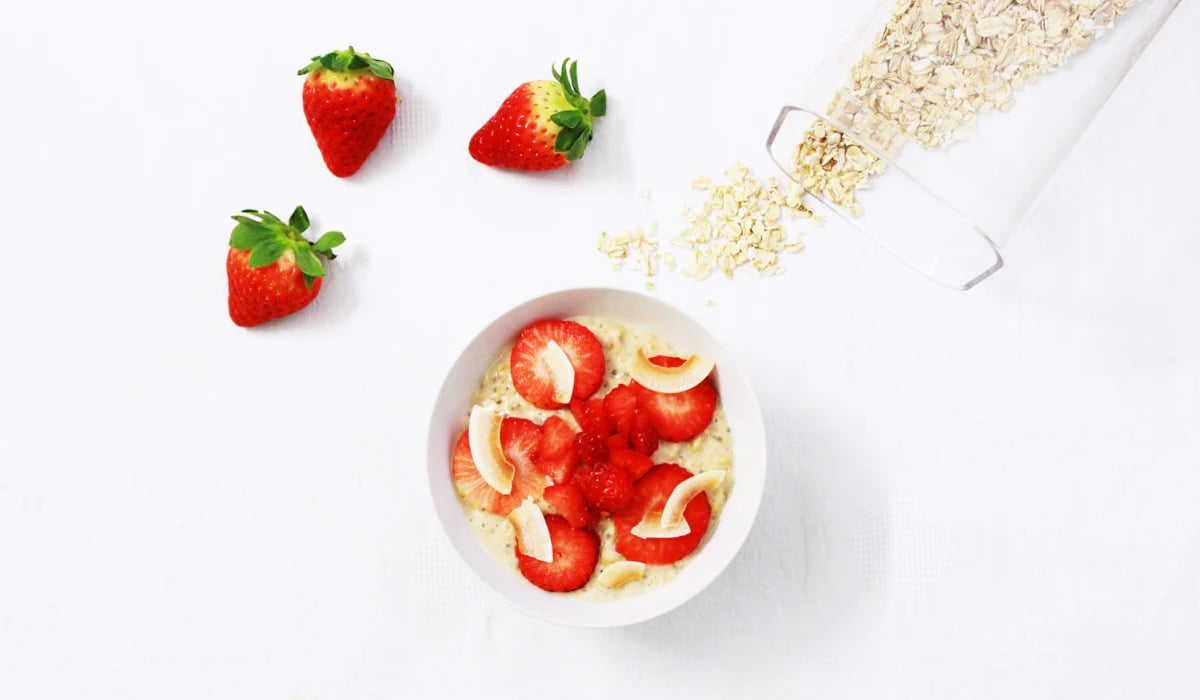
Quaker introduced single-serving packets of instant oatmeal in 1966, which could be prepared by adding hot water. The convenience changed how many families approached hot cereal on weekday mornings.
Flavored varieties soon followed, turning a plain bowl into something that tasted like cinnamon or maple. Millions of kids learned to tear open a packet before they could use a stove.
Log Cabin Syrup and the Tin Cabin
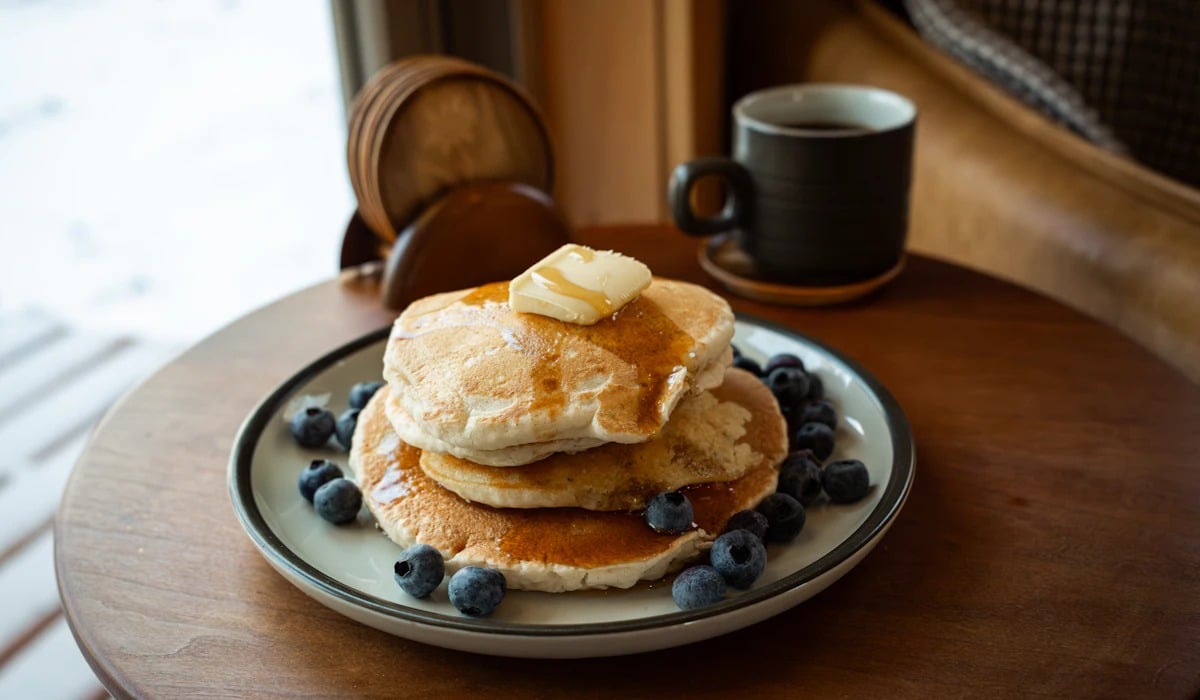
Patrick J. Towle introduced Log Cabin Syrup in 1887 in St.
Paul, Minnesota, building the brand around a cabin-shaped container and an image of frontier life. The packaging became an icon of American pancake breakfasts.
It was a blend rather than pure maple syrup, which helped keep the price in reach. Empty tins ended up in kitchens and workshops as storage for years afterward.
Bisquick and the Dining Car Biscuit
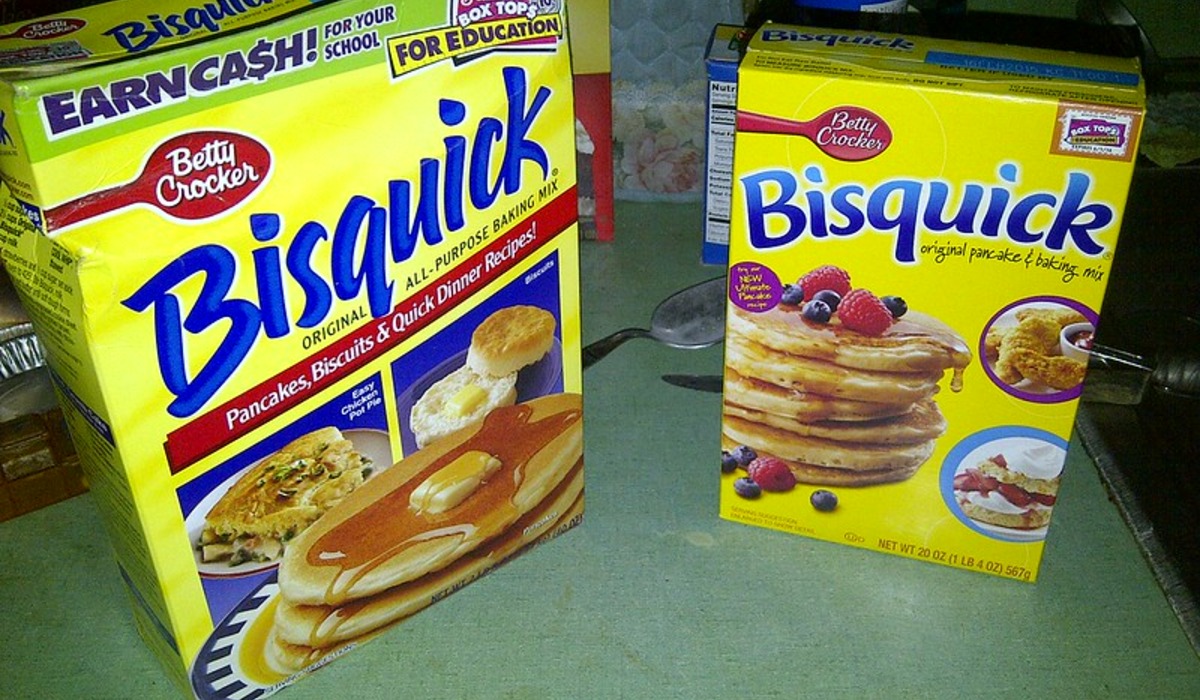
General Mills introduced Bisquick in 1931, a pre-mixed baking blend that allowed home cooks to make biscuits, pancakes, and waffles quickly. According to company history, the idea grew out of a sales executive named Carl Smith, who had enjoyed fast, fresh biscuits on a train dining car.
The mix removed the need to cut fat into flour by hand. Many Saturday pancake breakfasts began with a yellow box and a mixing bowl.
Minute Maid Frozen Orange Juice
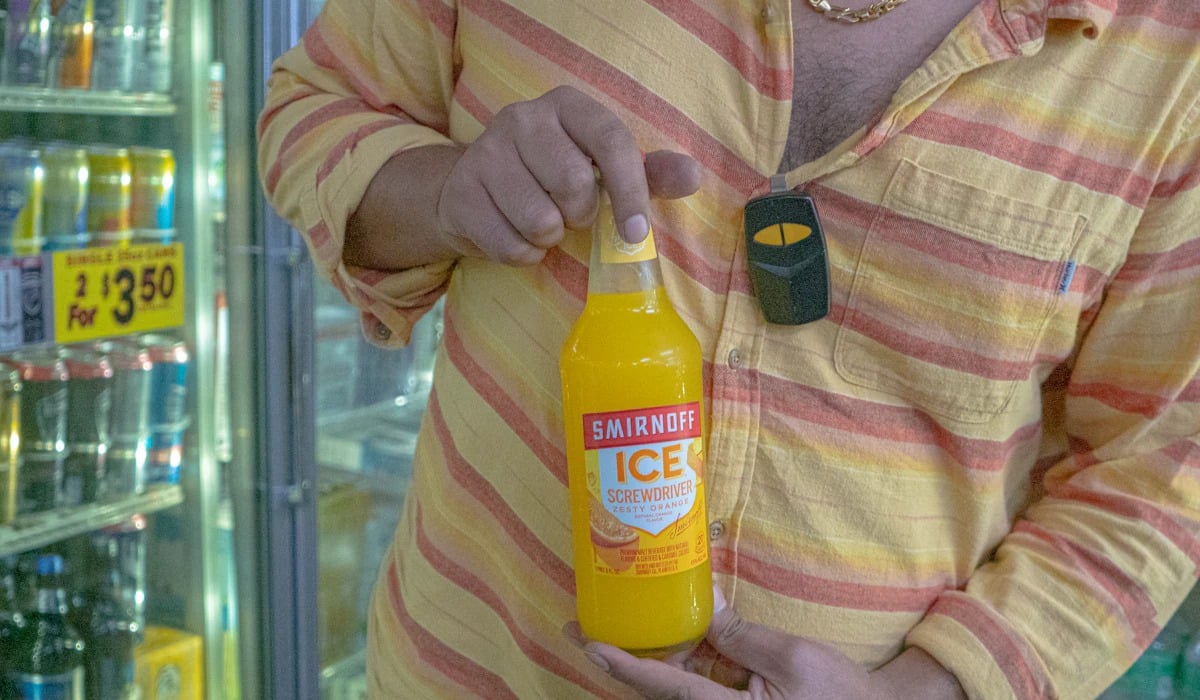
Minute Maid launched frozen orange juice concentrate in 1946, giving American households a way to get citrus juice without fresh fruit. The cylindrical can went into the freezer and came out as a pitcher of juice after a few turns of a spoon.
For decades, the cans were a regular feature of the freezer door. In February 2026, Coca-Cola announced that it would discontinue its frozen juice concentrates in the United States and Canada, ending an 80-year run.
Remaining stock was expected to be sold while supplies lasted.
Jimmy Dean Sausage and the Singer
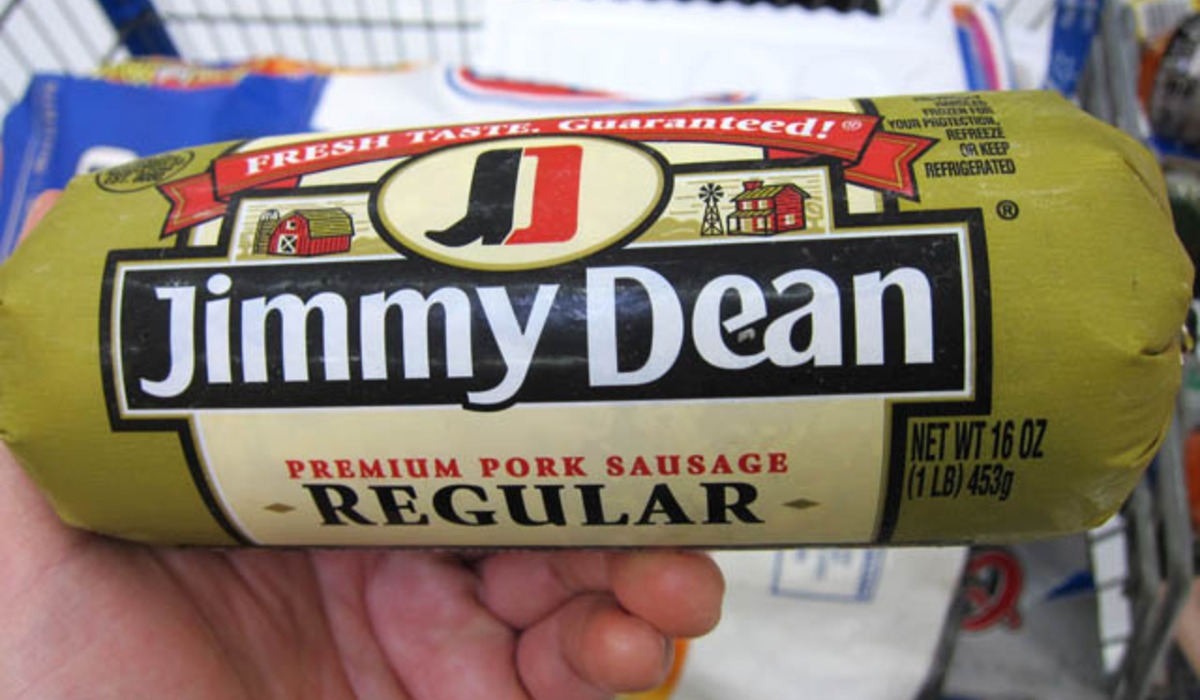
Country singer Jimmy Dean, best known for his 1961 hit “Big Bad John,” founded a sausage company in Texas in 1969. The product sold in a distinctive tube-shaped package and became a familiar sight in grocery stores and home kitchens.
His fame as an entertainer gave the sausage a recognizable face, and his name stayed on the label long after he left the music business. For many families, a sizzling pan of it meant weekend breakfast was underway.
Apple Jacks and the Green and Orange Rings
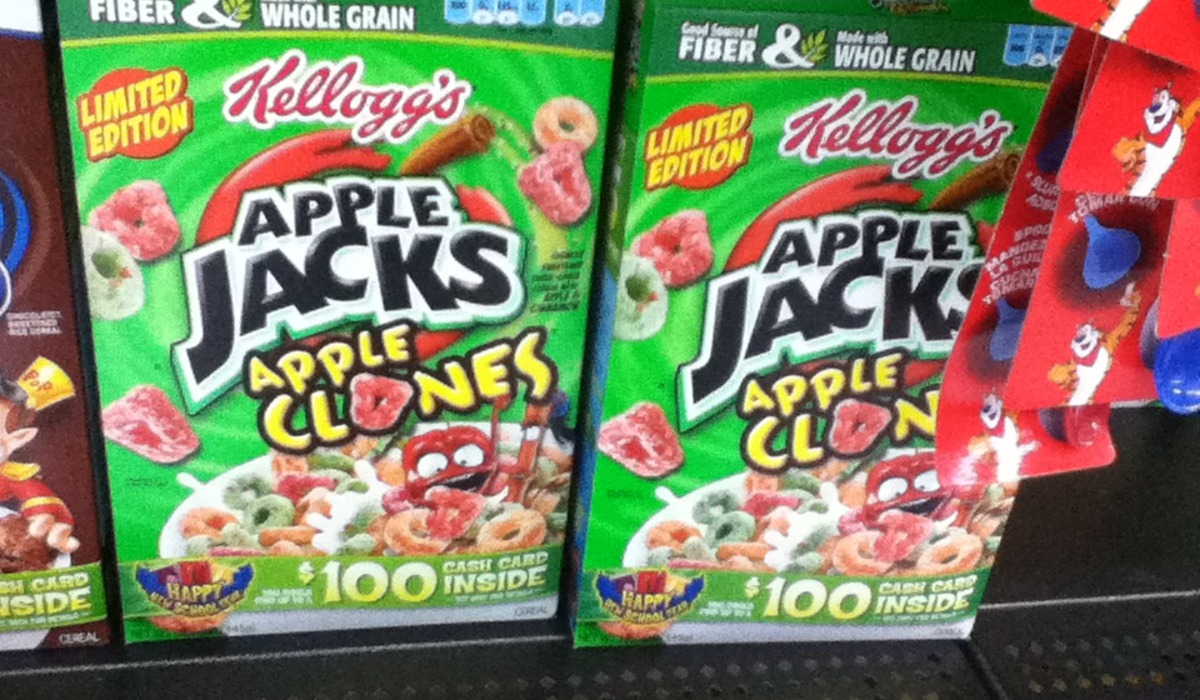
Kellogg’s introduced Apple Jacks in 1965, a sweetened cereal with apple and cinnamon flavors. The pieces came in both green and orange, an unusual choice for a cereal pitched as apple-flavored.
Commercials leaned on cartoon characters and playful songs aimed squarely at children. It became one of the signature cereals of the era.
Honeycomb and the Big Yellow Yum
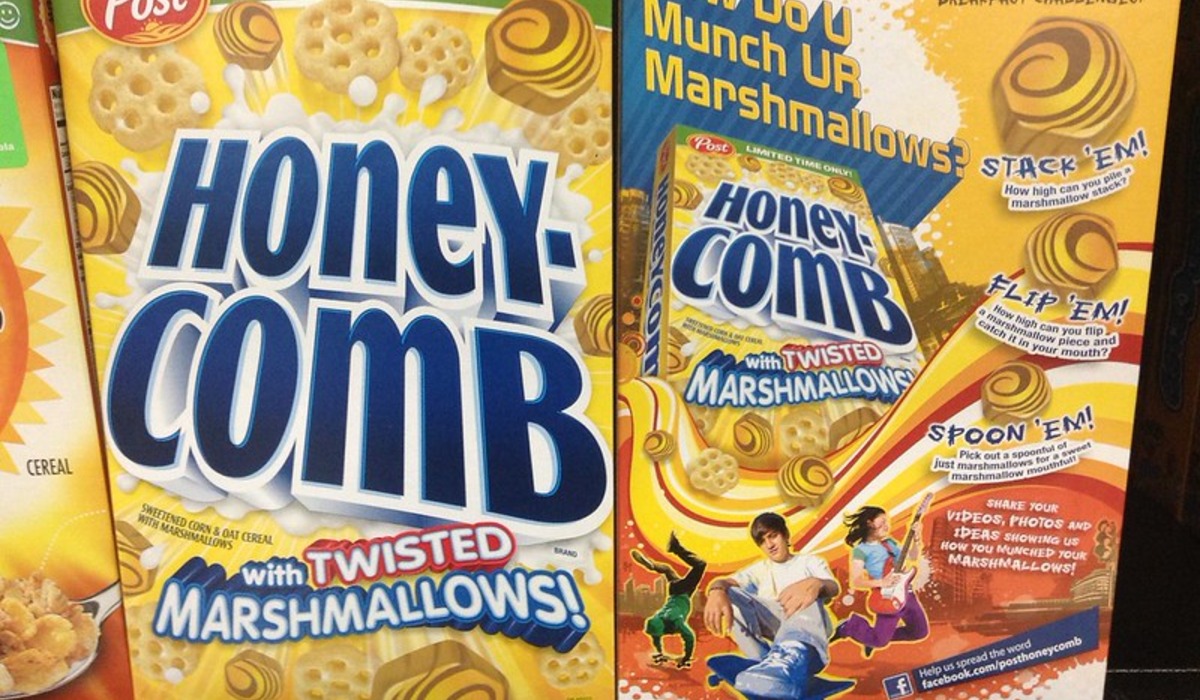
Post introduced Honeycomb in 1965, a crunchy, hexagonal cereal sweetened with honey. Its shape was meant to evoke the interior of a beehive, and the sweet flavor made it a favorite of children.
Commercials promoted the idea that the cereal delivered a big, noisy crunch. The cereal remains available, though the memories mostly belong to those who ate it in the 1960s and 1970s.
Cocoa Puffs and the Cuckoo Bird
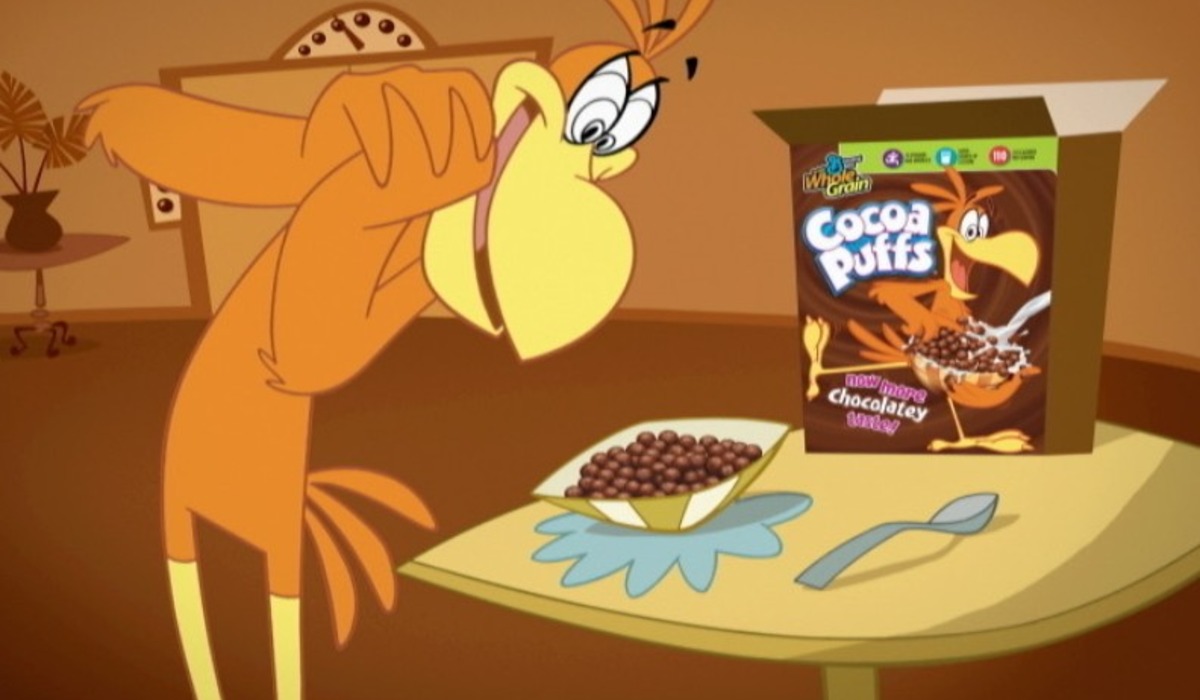
General Mills introduced Cocoa Puffs in 1958, a chocolate-flavored puffed cereal. The mascot was Sonny the Cuckoo Bird, who famously went cuckoo for the cereal.
It turned chocolate milk into a breakfast possibility and made the bowl at the end a treat of its own. Parents who bought it for their children tolerated it because the cereal at least came from a respectable brand.
What a Cereal Box Really Sold
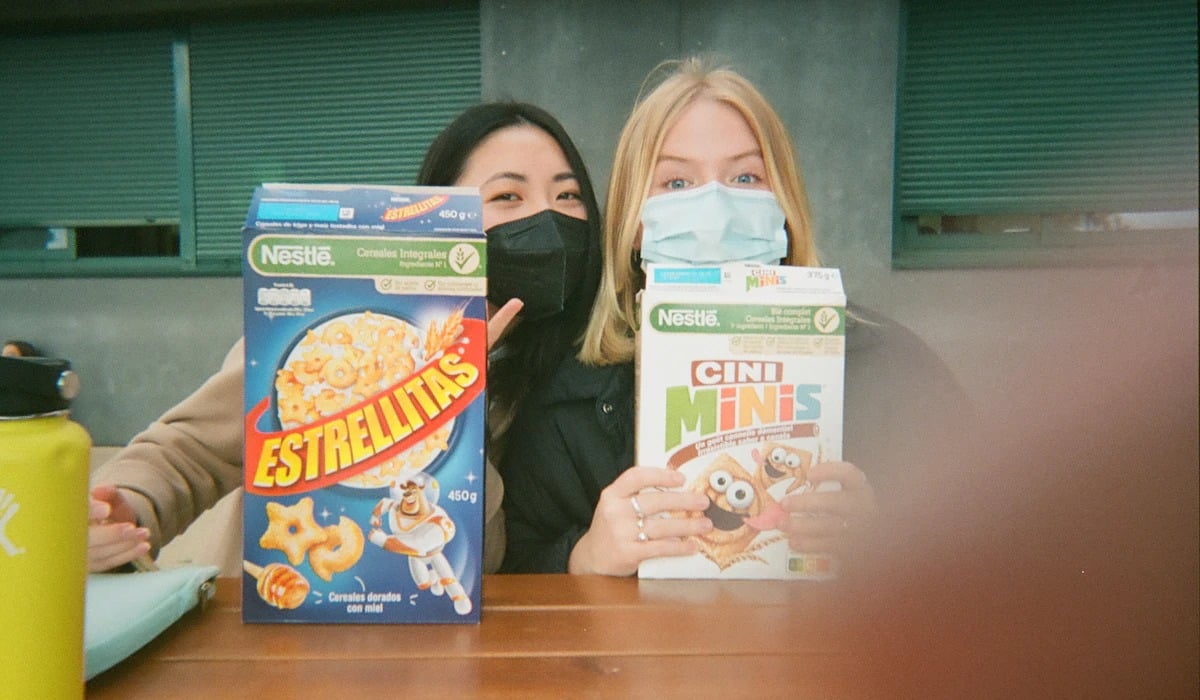
Looking back, the food was never the entire story. Each box carried a character, a slogan, a jingle, or a free toy, and together those turned a bowl of grain into an event.
The marketing was built to reach children directly, and it worked remarkably well, creating loyalties that outlasted the childhoods that formed them.
The brands that survived did so by being easy to find and easy to remember. Others vanished, and their absence is just as memorable.
Decades later, these breakfast foods remain an unusually reliable way to bring up a kitchen, a morning, and the people who once sat at the table.
MORE FROM GO2TUTORS!

- The Romanov Crown Jewels and Their Tragic Fate
- 13 Historical Mysteries That Science Still Can’t Solve
- Famous Hoaxes That Fooled the World for Years
- 15 Child Stars with Tragic Adult Lives
- 16 Famous Jewelry Pieces in History
Like Go2Tutors’s content? Follow us on MSN.