15 Once-Censored Films That Became Cult Classics
Some films were never meant to survive. They got pulled from theaters, banned outright, seized by customs officials, or locked in legal battles that lasted years.
And yet, here they are — not just surviving but thriving, with devoted audiences who treat them like sacred texts. There’s something fitting about that.
The films that make people most uncomfortable often end up saying the most. Here are 15 films that were once censored, suppressed, or outright banned — and went on to become beloved cult classics.
Freaks (1932)
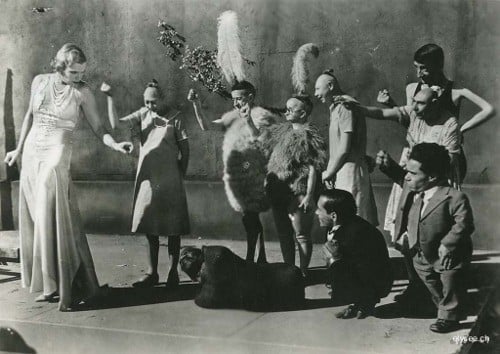
Tod Browning’s Freaks was pulled from distribution just a month after its release. MGM was so horrified by audience reactions that they cut nearly 30 minutes from the film and eventually shelved it entirely.
The story — about a traveling circus and the revenge of its performers — cast real people with physical differences in the lead roles, which made studio executives deeply uneasy. For decades the film was banned in the UK.
When it finally resurfaced, audiences who came expecting exploitation found something far stranger: a film that actually sides with the people society marginalizes. It’s one of the most morally complex horror films ever made, and it came out in 1932.
Scarface (1932)

The original Scarface, directed by Howard Hawks and produced by Howard Hughes, ran into the Hays Code censors almost immediately. The film was too violent, too sympathetic to criminals, and — in the view of many censors — too glamorous about the whole affair.
Different versions were cut for different markets, and Hughes had a long, bitter fight with censorship boards to get it seen at all. The film’s influence on crime cinema is almost impossible to overstate.
Every gangster movie that came after it owes something to what Hawks built here.
A Clockwork Orange (1971)
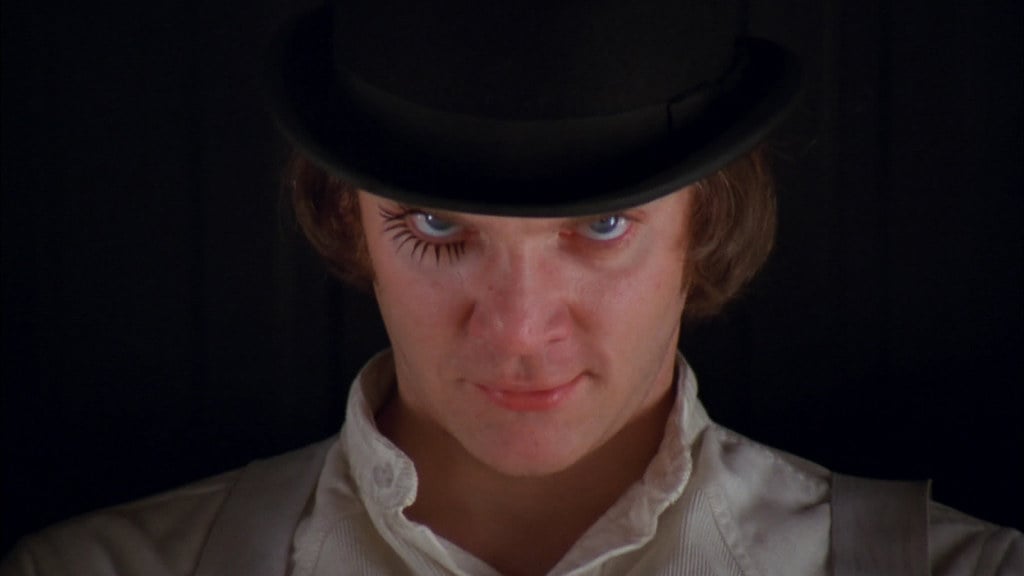
Stanley Kubrick himself withdrew A Clockwork Orange from distribution in the UK in 1973 — two years after its release — and it stayed off British screens until after his death in 1999. The reason was partly personal: Kubrick had received death threats and his family was being harassed by people claiming to be inspired by the film’s violence.
Elsewhere, the film was cut or banned in several countries. It didn’t matter.
The film became one of the most discussed and analyzed works in cinema history. Its imagery is so embedded in popular culture that most people recognize it even if they’ve never watched it.
Last Tango in Paris (1972)
Bernardo Bertolucci’s film was seized by Italian authorities, and Bertolucci himself was convicted of obscenity, receiving a suspended sentence. An Italian court ordered all prints destroyed.
The film was banned in several countries and heavily cut in many others due to its explicit depiction of an anonymous, destructive intimate relationship between two strangers in Paris. Marlon Brando’s performance is devastating.
The film is bleak and uncomfortable and doesn’t offer easy answers, which is probably exactly why it bothered so many people. It became a landmark in adult European cinema and a touchstone for discussions about desire, grief, and power.
The Texas Chain Saw Massacre (1974)
Tobe Hooper’s film was banned in the UK for years and faced distribution bans in several Australian states, parts of Brazil, and West Germany. British video censors pulled it during the “video nasty” panic of the early 1980s, and it remained unavailable there for over a decade.
None of that stopped it from becoming one of the most influential horror films ever made. The low budget, the gritty texture, the unrelenting dread — it changed what horror movies were allowed to be.
Nearly every slasher film that followed was shaped by it in some way.
Salò, or the 120 Days of Sodom (1975)

Pier Paolo Pasolini’s final film — he was murdered before it was released — remains one of the most controversial works in cinema history. It was banned in Italy, the UK, Australia, and many other countries.
It still faces restrictions in various places today. The film uses extreme content as a way to explore fascism, power, and dehumanization.
Whether you find it unbearable, essential, or both, there’s no arguing with the seriousness of its intent. It’s on the curriculum in serious film studies programs worldwide, which is not something censors in 1975 would have predicted.
Monty Python’s Life of Brian (1979)
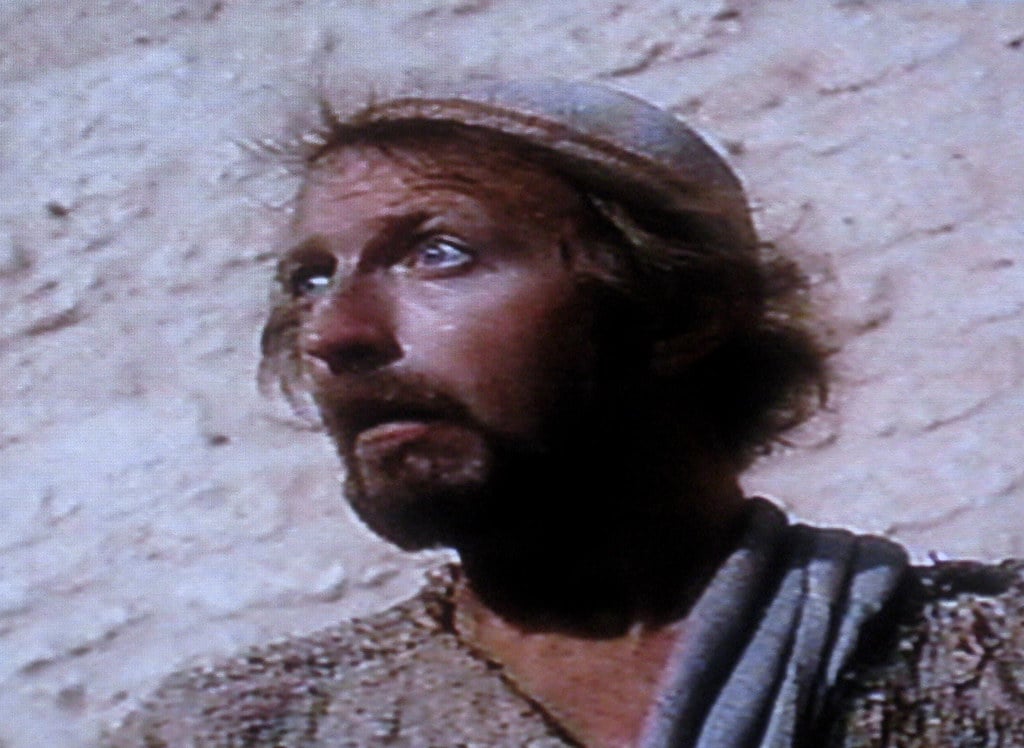
Life of Brian was banned by several British local councils, rejected by Norway (which gave Sweden a marketing gift — the film was advertised there as “the film so funny it was banned in Norway”), and withdrawn from distribution in Ireland and parts of the United States.
Religious groups found it blasphemous. What’s interesting is that the film isn’t actually about Jesus — it’s about the absurdity of blind devotion and groupthink.
The Pythons made that point in interviews at the time, and it didn’t help at all. The film was still pulled.
It has since become one of the most quoted comedies of all time.
Cannibal Holocaust (1980)
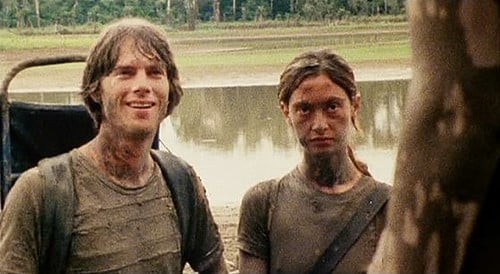
Italian director Ruggero Deodato was actually arrested after Cannibal Holocaust‘s release. Authorities believed the footage was real and that he had made a snuff film.
He had to bring his cast members into court to prove they were still alive.
The film was banned in over 50 countries and remains restricted in several. It pioneered the found-footage format that The Blair Witch Project and countless others would later use.
That doesn’t make it easy viewing — it isn’t — but its place in horror history is secure.
The Evil Dead (1981)
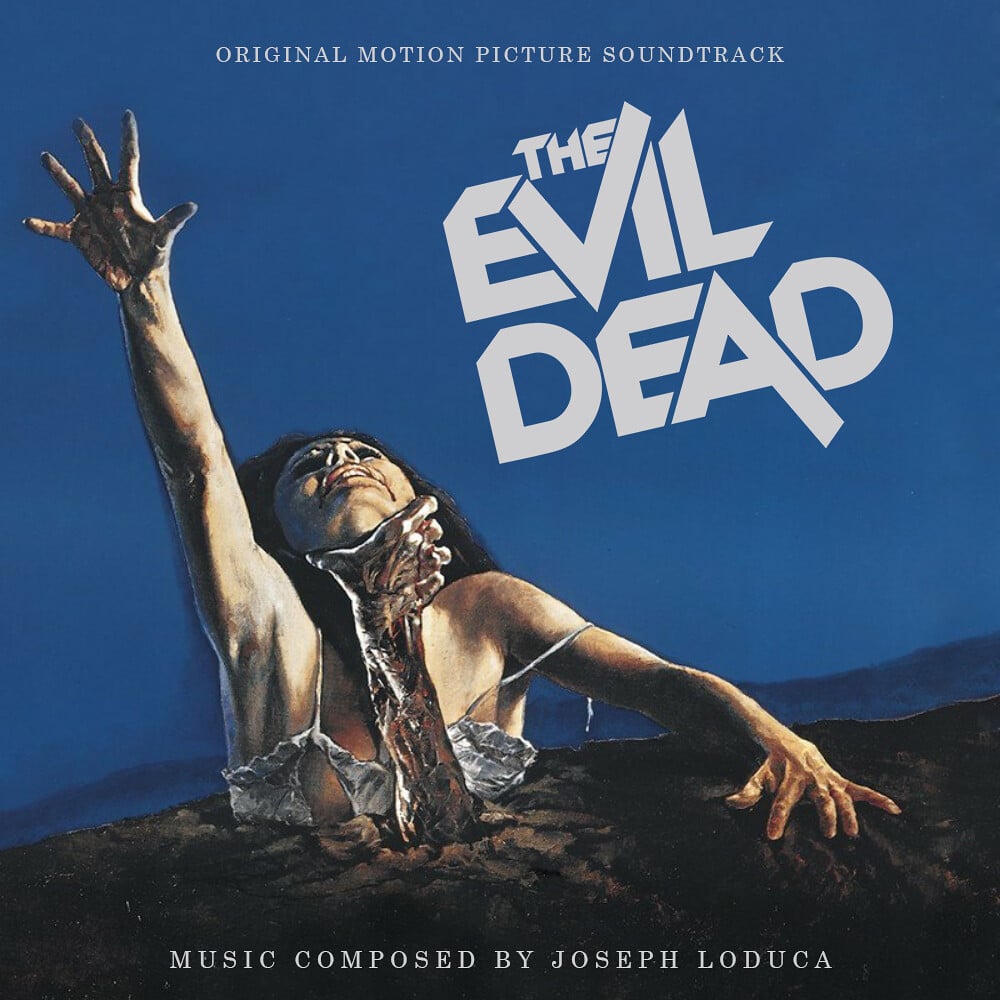
Sam Raimi’s debut was banned in several countries and appeared on the UK’s “video nasty” list alongside The Texas Chain Saw Massacre and dozens of other horror films. The ban in the UK lasted years.
Today it’s considered one of the great horror debuts in cinema history, a film made for almost nothing that somehow managed to feel genuinely terrifying. It launched the careers of Raimi and Bruce Campbell, and the franchise it spawned has never really stopped.
Pink Flamingos (1972)

John Waters made Pink Flamingos for $10,000 with a cast of unknowns and no real expectation that it would ever be widely seen. It was banned in several countries, and many theaters that tried to show it were threatened with obscenity charges.
The film’s whole point is transgression — it wants to offend, and it succeeds. But over time, it found an audience that saw something liberating in its complete rejection of good taste.
Midnight screenings turned it into an institution. Divine became a legend.
Videodrome (1983)
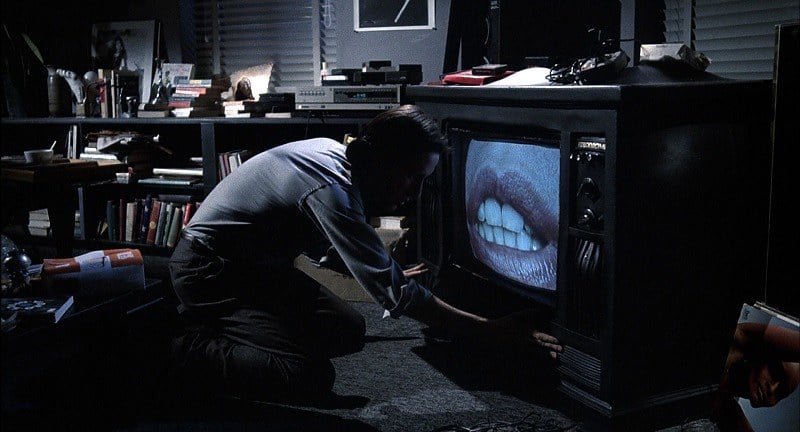
David Cronenberg’s Videodrome didn’t face the same outright bans as some other films on this list, but it was heavily cut in multiple countries and faced significant censorship battles. Its hallucinatory depictions of media consumption and bodily transformation unnerved censors who weren’t quite sure what category to put it in.
That confusion turned out to be the point. The film predicted a lot about how screen culture would reshape human perception, and it did so in the early 1980s.
It looks more relevant now than it did when it was made.
Natural Born Killers (1994)

Oliver Stone’s film was blamed for inspiring real-world violence in several high-profile cases, which led to it being delayed or cut in multiple countries. The UK banned it for years.
In the US, it faced widespread controversy that followed it through its entire theatrical run. Stone intended the film as a satire of media obsession with violence.
Whether or not that message landed, the film’s kinetic visual style and its two central performances left a mark on 1990s cinema that’s still felt.
Brokeback Mountain (2005)
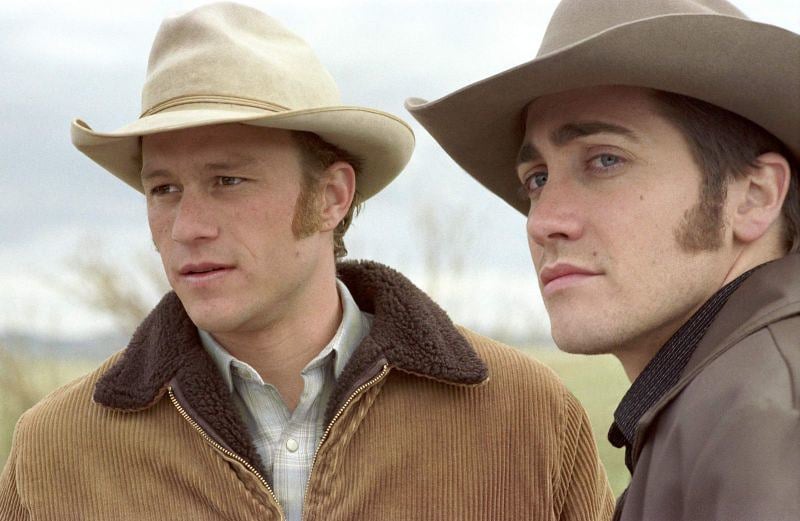
Brokeback Mountain was banned outright in several countries and refused classification in others. In the Bahamas, the film was banned entirely.
China pulled it from theaters. Parts of the Middle East never allowed it to screen.
The film won the Academy Award for Best Director and is now widely considered one of the great American love stories of its era. That contrast — between the official rejection it faced and the recognition it eventually received — says a lot about how quickly public attitudes can shift, and how slowly official censorship catches up.
I Spit on Your Grave (1978)

Meir Zarchi’s film was pulled from UK shelves during the video nasty era, banned in several countries, and condemned widely as harmful content. Roger Ebert gave it zero stars in a famous review that helped define public perception of it for years.
Over time, feminist film scholars began looking at it more closely. The conversation around the film changed.
It’s now frequently discussed as a complicated artifact of 1970s cinema — uncomfortable, flawed, and impossible to dismiss. Whatever you think of it, it refuses to be forgotten.
Caligula (1979)
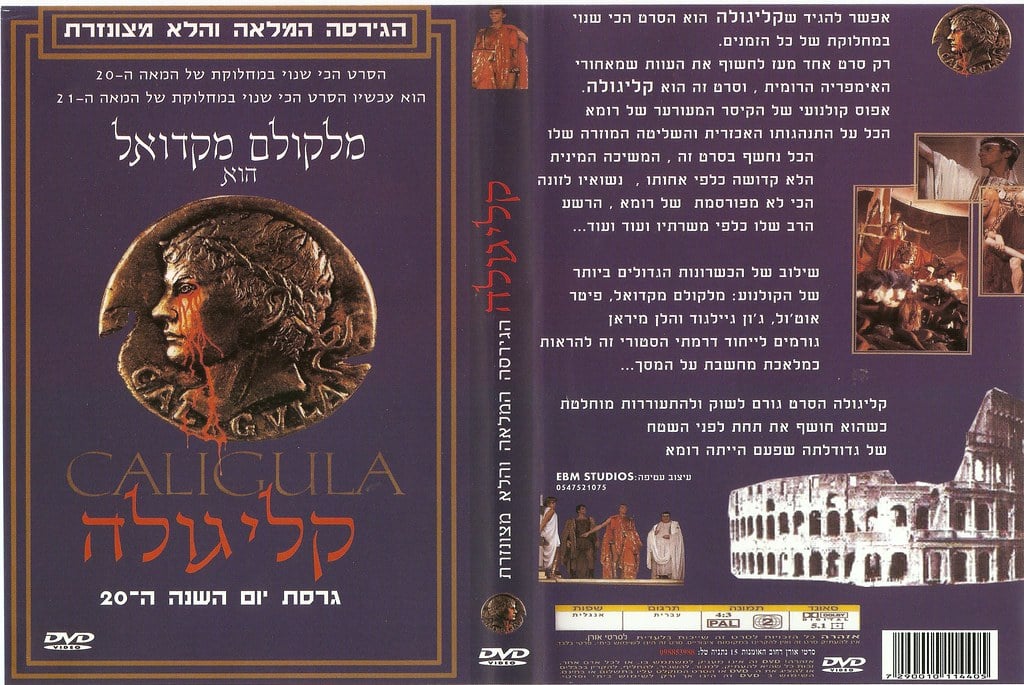
Caligula was the result of a famously chaotic production involving Gore Vidal’s original screenplay, director Tinto Brass, producer Bob Guccione, and a cast that included Helen Mirren, Malcolm McDowell, and John Gielgud. Guccione shot additional material after the main production wrapped, and the final cut was something none of the main collaborators fully endorsed.
It was banned in Canada, seized in the UK, and faced obscenity charges in the United States. It became notorious almost immediately. The restored version released in recent years has renewed interest in what remains a genuinely strange film — sprawling, expensive, incoherent, and unlike anything else.
Still Watching, Still Arguing

Not only do these movies share censorship stories. What matters is how fiercely some folks tried to wipe them out – yet every one stayed visible. A few earned lasting status by speaking hard truths.
Others grew famous simply due to being outlawed, stirring deeper curiosity instead.
Films unsettling to those in control often last a long time.
Hardly accidental.
More from Go2Tutors!

- The Romanov Crown Jewels and Their Tragic Fate
- 13 Historical Mysteries That Science Still Can’t Solve
- Famous Hoaxes That Fooled the World for Years
- 15 Child Stars with Tragic Adult Lives
- 16 Famous Jewelry Pieces in History
Like Go2Tutors’s content? Follow us on MSN.



