18 Facts Behind Viral Internet Moments
The internet has a short memory but a strange one. Something captures the world’s attention for seventy-two hours, gets referenced in memes for a year, and then disappears — often with the actual story behind it still largely untold.
Viral moments tend to strip context away in favor of the image, the clip, or the punchline. Behind most of them is a more interesting reality than the version that circulated.
The Dress Was a Wedding Photo

The photo of “the dress” — the image that split the internet in 2015 over whether it was blue and black or white and gold — was taken by a mother trying to show her daughter what she planned to wear to the wedding. She sent it in a group chat. Her daughter disagreed with her about the color.
The dress itself was confirmed to be blue and black. The disagreement came down to individual differences in how the human brain processes color under ambiguous lighting — a legitimate and fascinating perceptual phenomenon that researchers have studied since. The mother wore it to the wedding. The bride was reportedly not amused.
The Rickroll Started as a Bait-and-Switch on a Gaming Forum
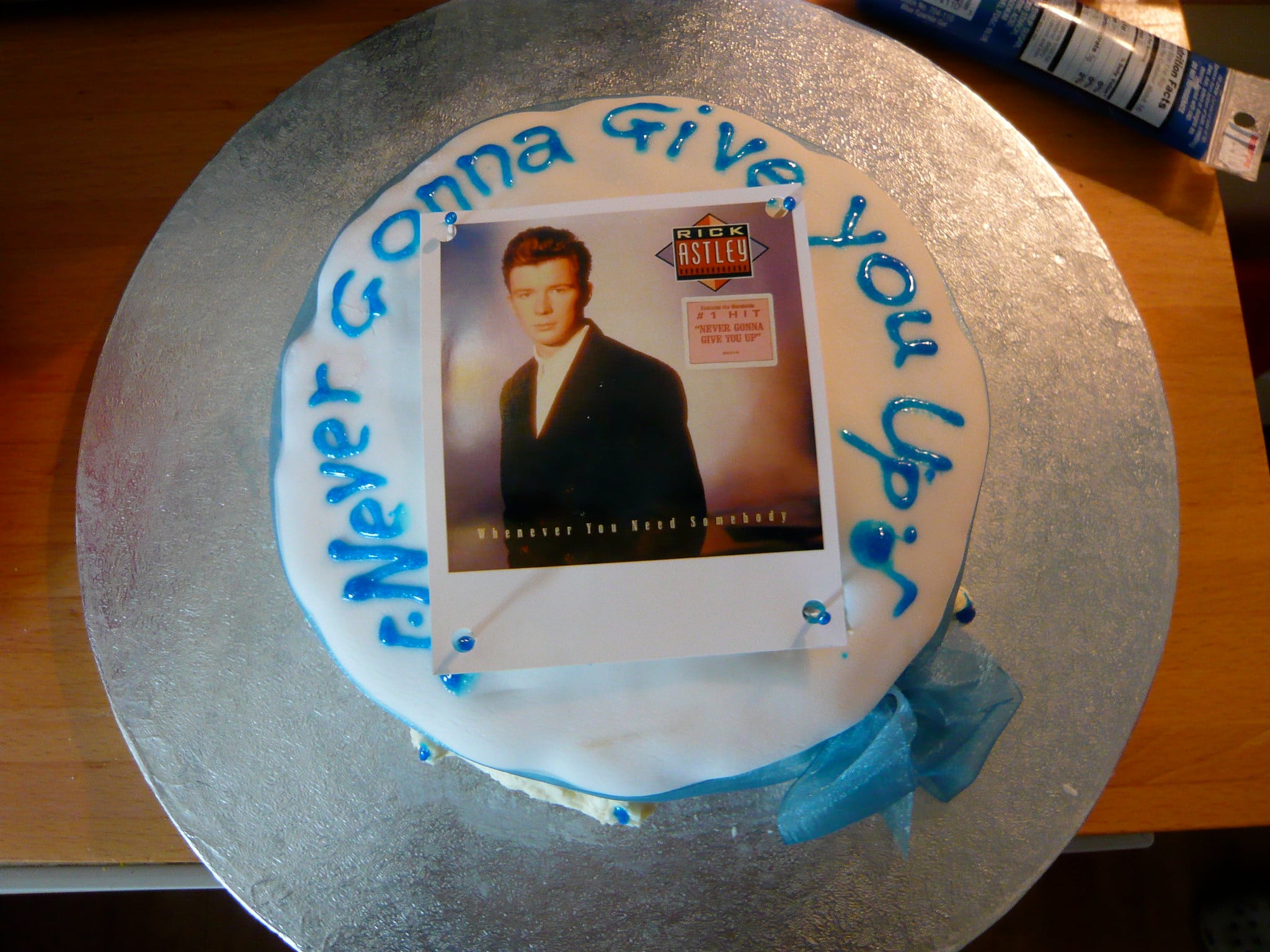
Rick Astley’s “Never Gonna Give You Up” was released in 1987 and was a genuine chart hit. Its second life began on 4chan in 2007, where users started posting links that claimed to lead to a trailer for Grand Theft Auto IV but redirected to the music video instead. The prank spread outward from gaming forums into mainstream internet culture within months.
Rick Astley himself found out about the rickroll years after it had already become a global phenomenon. He has described it as genuinely flattering, which says something decent about him.
Keyboard Cat Was Filmed in 1984
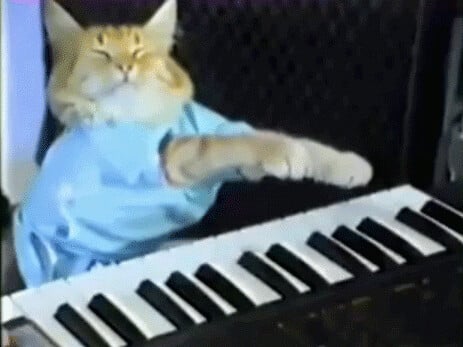
The video of a cat appearing to play a keyboard — used as a comedic outro to awkward or embarrassing clips — was filmed in 1984 by Charlie Schmidt, who dressed his cat Fatso in a shirt and filmed the footage with no particular purpose in mind. It sat in his personal collection for over two decades before he uploaded it to YouTube in 2007.
The cat in the video was already long dead by the time it became famous. Fatso died in 1987. The internet adopted a ghost.
The Ice Bucket Challenge Raised Over $115 Million

What looked from the outside like a summer social media trend — people filming themselves dumping ice water over their heads — was a fundraising campaign for ALS research. It raised $115 million for the ALS Association in the summer of 2014, a figure that dwarfed anything the organization had raised in previous years.
The money funded research that led to the identification of a gene linked to ALS called NEK1, identified in 2016. The challenge produced a real scientific result. Most viral trends leave no trace at all.
Numa Numa Guy Didn’t Want the Attention

Gary Brolsma filmed himself lip-syncing to the Romanian pop song “Dragostea Din Tei” in his bedroom in 2004 and posted it online. The video became one of the first true viral internet videos, viewed millions of times at a moment when millions of views was a staggering number.
Brolsma didn’t enjoy the attention. He went into a period of depression after the video spread and largely withdrew from public life. He later returned, but his initial experience of virality was genuinely difficult — a reminder that the people at the center of these moments aren’t always laughing along.
Charlie Bit My Finger Was Sold as an NFT

The 2007 video of a British toddler biting his older brother’s finger — with the older brother’s exasperated “Charlie bit my finger!” reaction — was one of the most watched YouTube videos of the early platform era. It reached 880 million views before it was taken down.
In 2021, the Howard family auctioned the original video as an NFT for approximately $761,000. The buyer reportedly intended to take the video offline, making the NFT the only remaining copy. Whether that was a wise investment given what happened to NFT values afterward is a different story.
The “Leave Britney Alone” Video Was Made During a Genuine Crisis
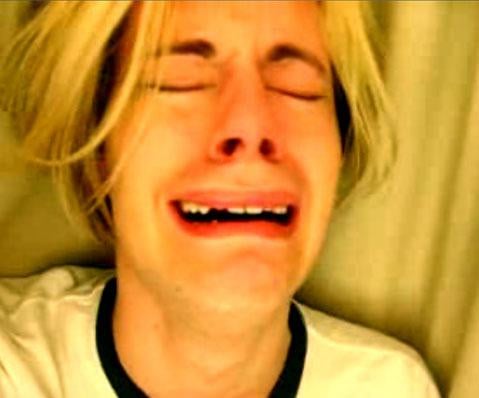
Chris Crocker’s tearful, impassioned video defending Britney Spears in 2007 became one of the defining memes of that era — endlessly mocked and parodied. The video was made during a period when Spears was facing serious mental health struggles, public humiliation, and a custody battle that was covered by the media without restraint.
Looking back, Crocker was one of the few voices at the time arguing that what was happening to Spears was cruel. The mockery of the video now reads differently in light of later documentaries and public reassessments of how she was treated.
Grumpy Cat Had a Medical Condition
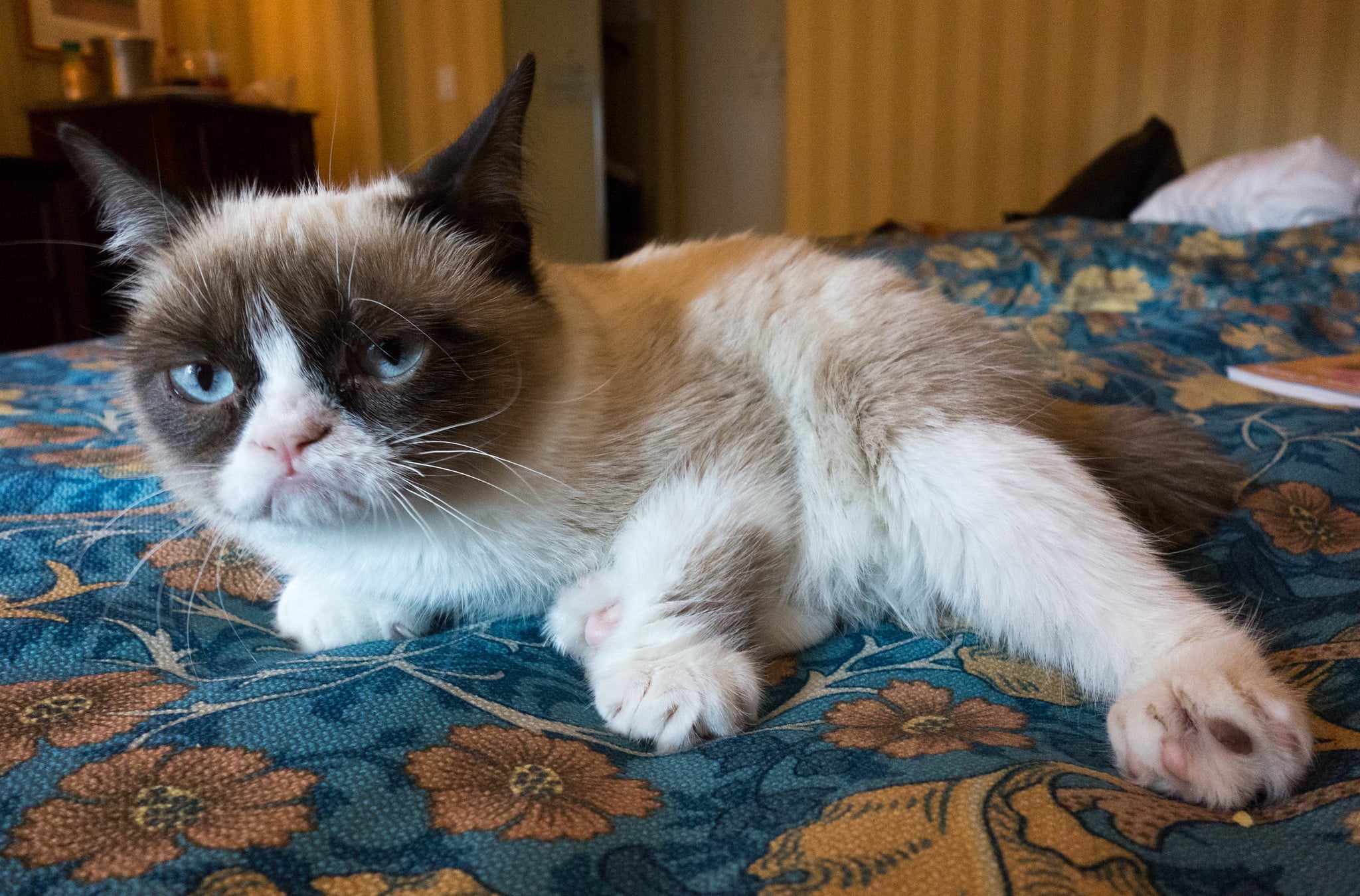
Tardar Sauce — known online as Grumpy Cat — had a facial expression caused by feline dwarfism and an underbite. She wasn’t grumpy. Her owners consistently said she was a perfectly normal, friendly cat whose face simply looked permanently displeased.
She became one of the most commercially successful internet animals in history. Her owner Tabatha Bundesen won a lawsuit against a company that used Grumpy Cat’s likeness without permission and was awarded $710,000 in damages. Tardar Sauce died in 2019 at age seven.
Gangnam Style Broke YouTube’s View Counter
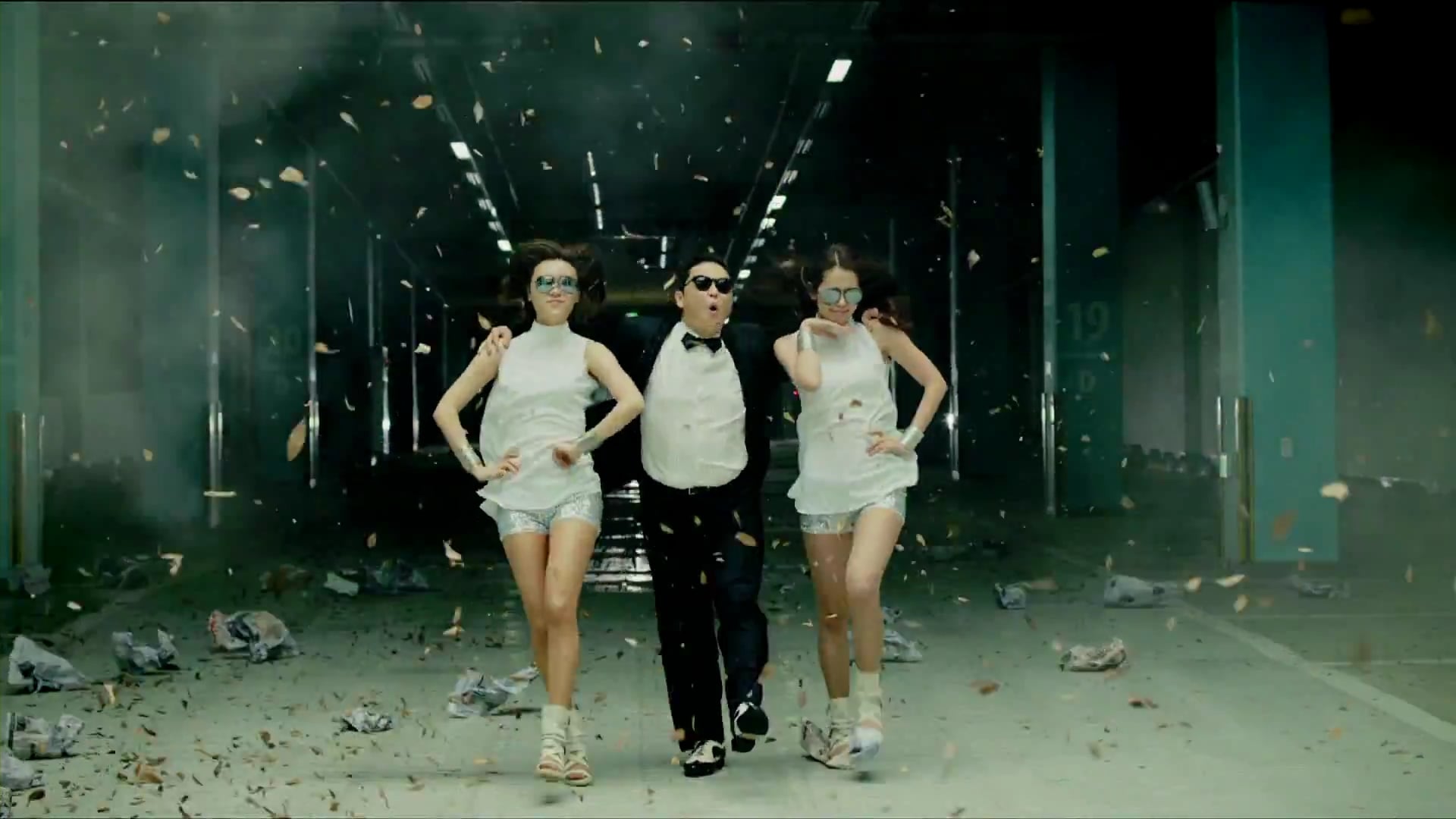
When “Gangnam Style” by Psy reached approximately 2.1 billion views in 2014, YouTube’s view counter broke. The platform had coded its view count using a 32-bit integer, which has a maximum value of around 2.1 billion. The number rolled back to zero and then started counting again.
YouTube had to rewrite the underlying code to a 64-bit integer, which can handle a theoretical maximum of over nine quintillion views. A K-pop music video about affluent Seoul culture forced a software infrastructure update.
The “Distracted Boyfriend” Photo Is a Stock Image

The widely used meme of a man turning to look at another woman while his girlfriend stares at him in disbelief is a stock photo taken by photographer Antonio Guillem in 2015. It was intended as a generic image illustrating unfaithfulness for commercial licensing.
Guillem had no idea the photo would become one of the most repurposed images in internet history. Stock photographers rarely find out how their work is used. In this case, the image became a universal shorthand for distraction and shifting priorities that people still use years later.
The First Viral Cat Video Predates the Internet

The impulse to film cats doing strange things and share it with people is not a product of YouTube. Thomas Edison filmed a video of two cats boxing in 1894 — one of the earliest subjects he chose for his motion picture technology. The cats were placed in a small ring and filmed for less than a minute.
Cat content isn’t a quirk of internet culture. It’s apparently a fundamental human impulse that predates electricity.
Leeroy Jenkins Was Partially Scripted
The 2005 World of Warcraft video of a player named Leeroy Jenkins charging recklessly into a dungeon while his team was still planning — shouting his own name as a battle cry — became one of the earliest gaming memes. His timing destroyed the group’s carefully laid strategy.
The video was later confirmed to have been at least partially scripted by the players involved. The chaos was somewhat planned. It didn’t matter to the internet, which adopted it as a genuine moment of human impulsiveness anyway. The name Leeroy Jenkins entered English as shorthand for reckless action without preparation.
The ALS Ice Bucket Challenge Had a Specific Origin Story

Before the ALS association, there was Pete Frates — a former college baseball player diagnosed with ALS in 2012. Frates and his family popularized the challenge format specifically as an ALS fundraiser, building on an earlier version that had circulated in golf circles.
Frates couldn’t move his arms by the time the challenge went viral. His family poured the ice water over him while he watched the campaign he helped create reach every corner of the world. He died in December 2019.
The “This Is Fine” Dog Comic Has a Full Story

The image of a cartoon dog sitting calmly in a burning room saying “this is fine” is among the most widely used internet images for expressing resigned acceptance of chaos. It comes from a 2013 webcomic by KC Green called “Gunshow.”
The full comic is darker than the single image suggests. It continues past the famous panel with the dog making increasingly strange observations as the room burns around him. The stripped-down version became so dominant that most people who use the image have never seen the strip it came from.
Doge Changed Cryptocurrency

Mid-2013, a snapshot of a grinning Shiba Inu surfaced online, splashed with bouncy phrases typed in Comic Sans – suddenly everywhere. From that moment on, jokes began shaping lines of software; by December, two coders had launched Dogecoin, a lighthearted cryptocurrency mocking the intense world of digital money.
Out of nowhere, a joke coin showed up – just a dog picture online. Then came tweets, loud ones, from someone rich and famous; that stirred things quickly. By 2021, it had crossed eighty billion, real money now. Those behind it owned almost none of it themselves. The number climbed higher even though they said nothing at all.
The Mannequin Challenge Was Genuinely Difficult to Pull Off
Quiet ruled that year. Crowds froze like figures carved from air while lenses slid past on quiet feet. Winning meant waiting. Bodies held still across minutes. A single person moved among them, steady, never stumbling.
From hallways, courts, and offices came the moments that spread fast. Still, the ones nailing it most sharply? Athletes, performers – people whose habits made space for smooth moves. The effortless look hid real work underneath. Behind what looked loose stood deep practice.
“Hide the Pain Harold” Is a Retired Hungarian Engineer

A smile masking years of quiet ache, captured in countless images online, belongs to András Arató. This man, often called Hide the Pain Harold, once worked as an electrical engineer in Hungary before retirement. His modeling began by chance during his sixties, when free time led him toward photography.
What looks like joy in those shots hides something heavier behind the eyes. A hobby turned into global recognition, though he never expected fame. Silver hair frames a face now recognized worldwide, yet few knew his name at first.
Only when someone stopped him on a sidewalk in Budapest did Arató learn his picture had traveled worldwide. Years before, the photo began moving through corners of the web without his knowing. Instead of turning away, he stepped closer – showing up later in ads inspired by the joke, speaking about it, shaping his own space online.
Calling it a good ride seems fair, even kind, considering how odd it must feel to find your expression copied endlessly as a symbol of bottled-up feelings. Truth runs deeper than the laughter: a quiet man caught in digital lightning, answering confusion with calm grins.
The Story Behind the Moment Usually Gets Left Behind

Quick spread squash depth. Snapshots fly fast, like a still image or snippet ripped loose – momentum carries them when effort isn’t needed. Nuance drags behind, slow to form while clicks rush ahead. What matters most often shows up late, after the wave has already passed.
A funny thing happens when you look closer. Reality beats the internet tale more times than not.
One mom’s wedding picture showed a quirk of how brains see things. A punchline turned into cash for actual research.
Back in 1894, Edison recorded a feline – turns out, we’ve been obsessed with cats on film forever. A different setting might not ruin the humor or picture.
Still, it adds depth – something that rarely moves across borders. What sticks around isn’t always what matters most.
More from Go2Tutors!

- The Romanov Crown Jewels and Their Tragic Fate
- 13 Historical Mysteries That Science Still Can’t Solve
- Famous Hoaxes That Fooled the World for Years
- 15 Child Stars with Tragic Adult Lives
- 16 Famous Jewelry Pieces in History
Like Go2Tutors’s content? Follow us on MSN.



