Navy Ships With Record-Breaking Capabilities
Waves have a way of putting humans in their place. Yet certain vessels do more than ride those waves – they own them, leaving everything else behind like an afterthought. Some boats didn’t follow limits; instead, they crushed old records while sparking pride or unease among ship designers wondering what follows.
What if the biggest boats ever made could actually break records just by existing? Take a moment to see how these machines redefined limits – some moved faster than dreams, others carried force like moving islands. Each one ignored old rules about scale, power, or motion without asking permission.
USS Enterprise (CVN-65)
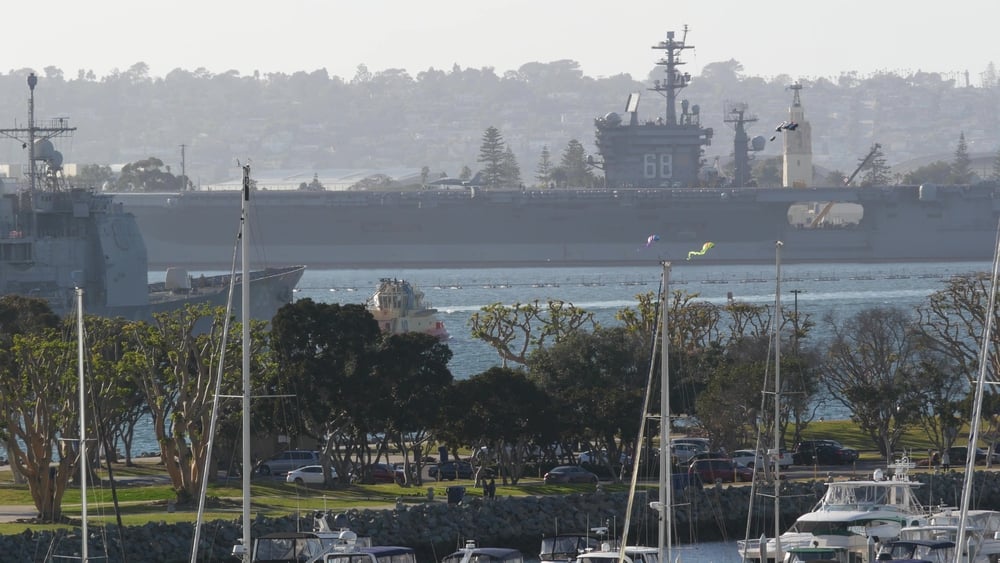
Launched in 1960, the USS Enterprise stood out like no warship before it – the planet’s initial nuclear-driven floating airbase. Stretching 1,123 feet, this giant hosted ninety-plus planes while housing over four thousand six hundred sailors. Through half a century and one extra year, it sailed for America’s fleet, beating every other U.S. carrier in endurance. Its run ended unmatched, still unbroken today.
SS United States

Speed mattered most when they built the SS United States. In 1952, it sliced across the Atlantic in only 3 days, 10 hours, yet 40 minutes. Over seven decades have passed since then – still no one has matched that time. Passenger vessels haven’t even neared such a pace. Its peak? A solid 44 knots, near 50 mph at sea. Sounds slow until you learn today’s cruise liners crawl along at around 20.
USS Gerald R. Ford (CVN-78)
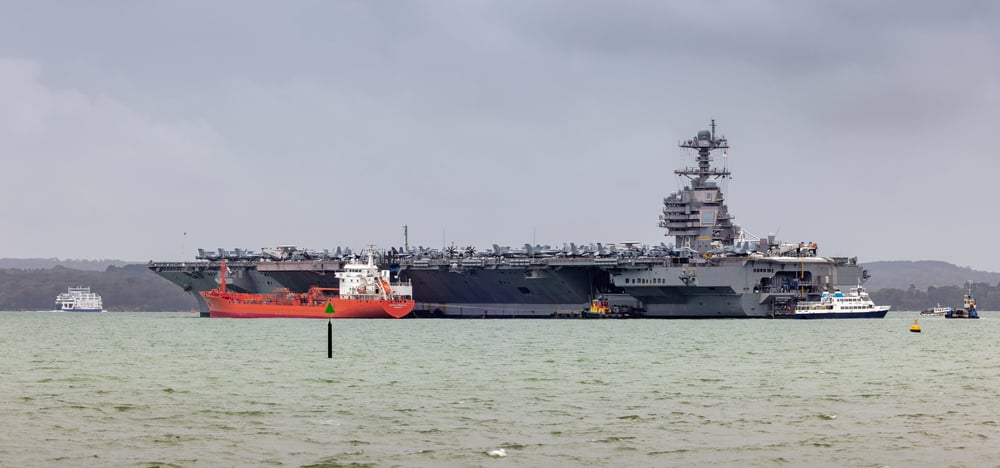
Starting at a record cost, the USS Gerald R. Ford stands as the priciest warship the U.S. has ever funded – roughly 13 billion dollars spent. Rather than relying on outdated steam-driven catapults, this vessel launches aircraft using magnetic force, which moves jets into flight quicker while reducing stress on their frames. Power generation onboard triples past levels, making room for advanced tools and arms previous carriers couldn’t handle due to energy limits.
RMS Titanic At Launch
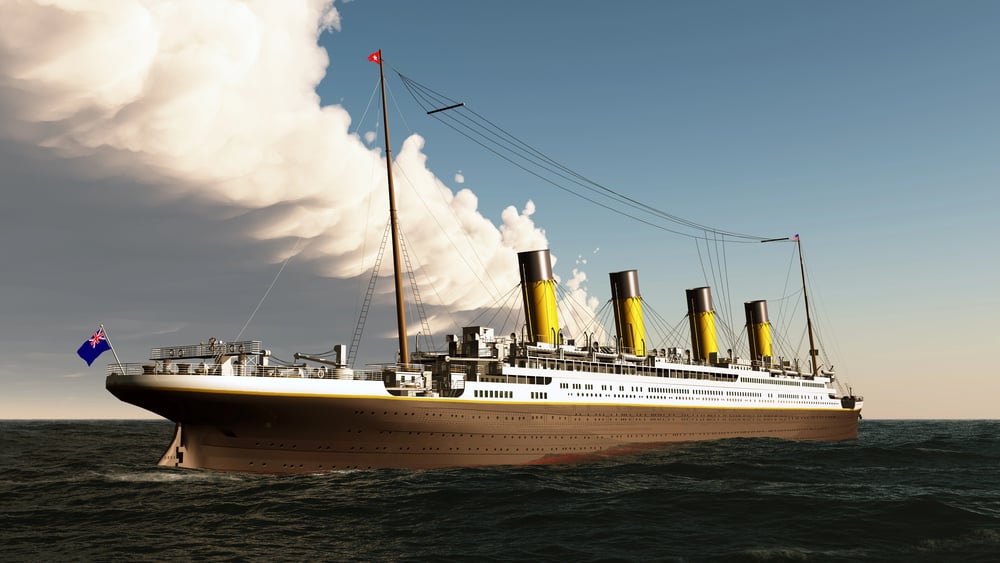
It began as an engineering marvel, stretching longer than three football fields. That massive size earned it a title few expected would fade so fast. Built strong enough to challenge the sea itself, it launched into calm waters on a cold spring day. Tragedy struck before anyone realized how fragile records really are. A thing of pride turned quiet beneath dark waves, leaving questions louder than cheers.
INS Arihant
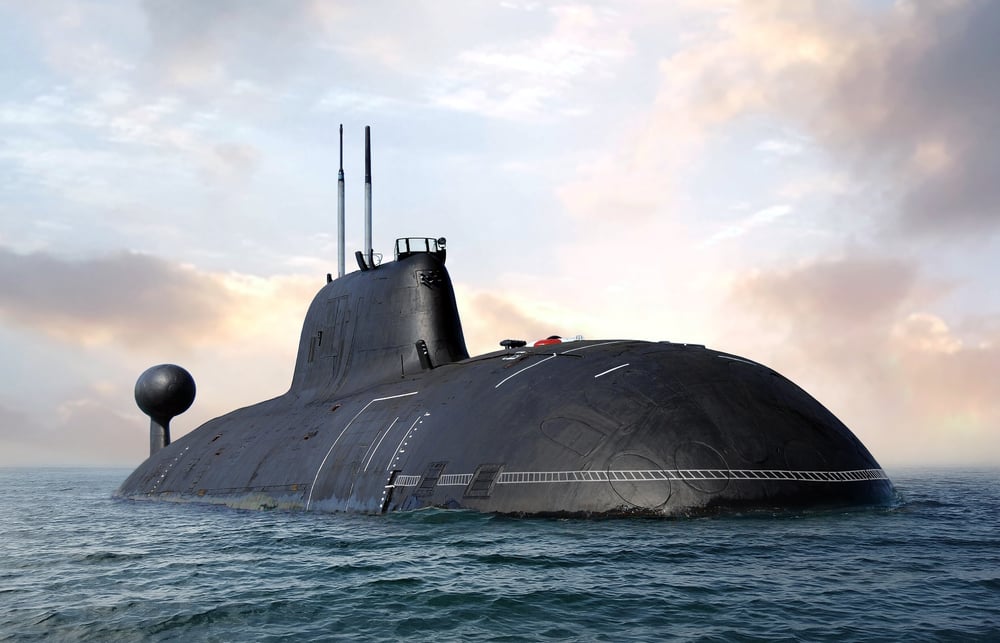
History was made when India’s INS Arihant became Asia’s initial homegrown nuclear-powered sub armed with ballistic missiles. Nearly thirty years passed – billions spent – before its 2016 debut at sea. From beneath waves, nukes now join those fired from ground sites and aircraft, forming what strategists name a ‘nuclear triad.’ That trio of strike paths? A rare feat on Earth. Few nations manage such reach.
MV Ramform Titan
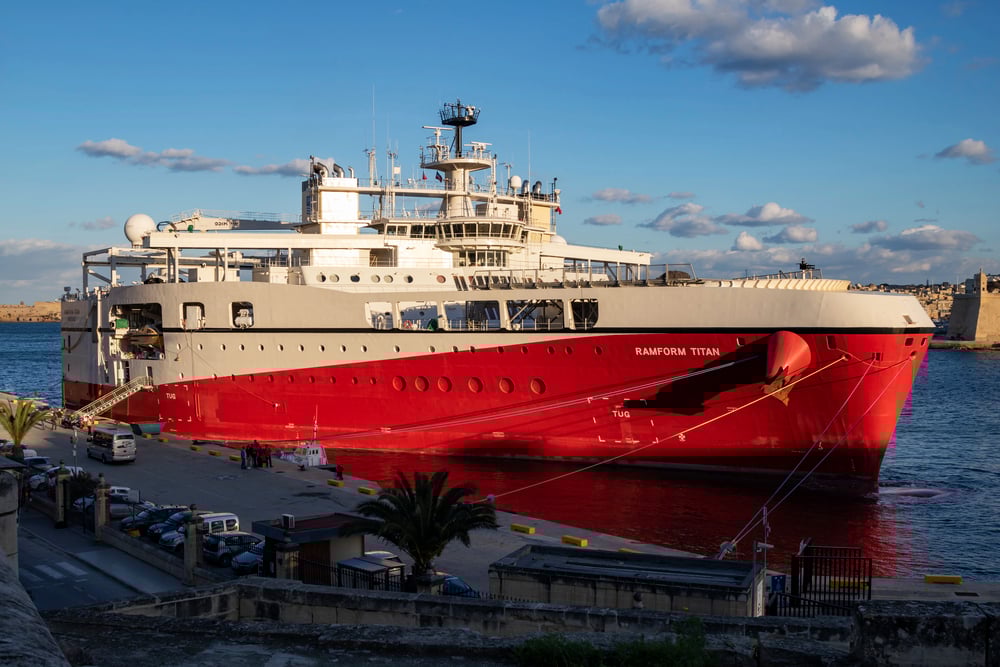
Out on the water, big warships often grab attention, yet the Ramform Titan stands apart – not for battle, but for science. Wider than nearly anything else at the back, its stern spans 213 feet, an outlier among long, narrow designs. This odd form isn’t just strange to look at – it pulls gear further out into the sea than any similar craft. Because of how it’s shaped, teams rely on it when scanning far beneath waves, hunting not for enemies, but what lies buried under miles of ocean floor.
USS Zumwalt (DDG-1000)

A warship unlike any other, the USS Zumwalt cuts a shape more at home in a futuristic movie than real waters. Though stretching beyond 600 feet, its form tricks radar into seeing only something as tiny as a fishing skiff. Stealth isn’t just appearance – its structure bends detection rules most ships can’t escape. Inside lies firepower fine-tuned: rounds fly farther than sixty miles, landing where intended without guesswork. This vessel reshapes expectations quietly, simply by existing differently on the ocean’s edge.
USNS Lewis B. Puller (T-ESB-3)

Out on open water, the USNS Lewis B. Puller floats as the globe’s initial vessel crafted just for sea-based expeditionary missions. Sitting heavy in the waves, it works much like a compact outpost far from land. Helicopters take off while commandos prepare below, drones waiting nearby – everything runs together without fuss. Built entirely new for this job, no earlier craft ever matched its mix of adaptability and reach. Imagine a tool with many parts, yet massive enough to tip scales at 78,000 tons.
Seawise Giant

The Seawise Giant holds the undisputed record for the largest ship ever built, measuring 1,504 feet in length. To put that in perspective, it was longer than the Empire State Building is tall. The oil tanker carried over 4 million barrels of crude oil at full capacity, a load so heavy that it could not pass through the English Channel without running aground. It needed the long open routes of the Indian Ocean just to stay afloat safely.
HMS Dreadnought (1906)

When Britain launched HMS Dreadnought in 1906, it made every other battleship in the world obsolete overnight. It was faster, better armored, and carried more heavy guns than anything that had come before it. The ship was so revolutionary that an entire class of battleships was named after it. For decades after, naval powers measured their fleets not in numbers of ships but in how many ‘dreadnoughts’ they owned.
K-222 (Soviet Submarine)

The Soviet K-222 submarine, launched in 1969, remains the fastest submarine ever built, reaching a recorded speed of 44.7 knots underwater. That is faster than most surface ships, which already says a lot. The titanium hull that gave it that speed was incredibly expensive and difficult to build, and the noise it made at full speed was reportedly loud enough to be tracked from a great distance. Speed came at a cost, but the Soviets built it anyway.
USS Nimitz (CVN-68)

The USS Nimitz has been at sea since 1975 and is still active today, making it one of the longest-serving nuclear-powered carriers in the world. Its class of carriers has logged more than 3 million flight operations combined, a number no other carrier class has come close to reaching. The Nimitz and its sister ships became the backbone of U.S. naval power for half a century, a record of endurance that speaks for itself.
Pyotr Velikiy (Peter The Great)

Russia’s Pyotr Velikiy is the world’s largest active warship that is not an aircraft carrier. The nuclear-powered battlecruiser stretches over 826 feet and carries enough missiles, torpedoes, and guns to take on an entire fleet by itself. It has been in service since 1998 and continues to operate in the Russian Navy today. The ship’s firepower is so concentrated that military analysts sometimes describe it as a ‘fleet killer.’
USCGC Healy (WAGB-20)
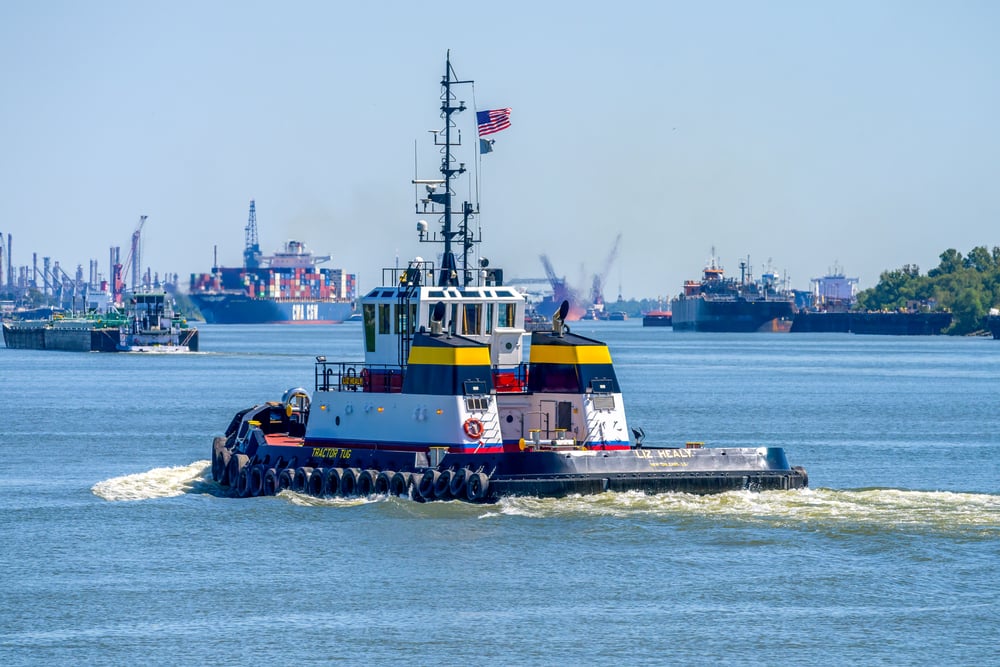
The USCGC Healy is the United States’ most powerful icebreaker, capable of breaking through ice more than 8 feet thick while moving at 3 knots. It operates in the Arctic year-round and supports scientific research that no other American vessel can reach. The ship has mapped sections of the Arctic seabed never explored before, setting records not just in toughness but in discovery. Tough conditions tend to build remarkable ships.
HMS Queen Elizabeth (R08)

Britain’s HMS Queen Elizabeth is the largest warship the Royal Navy has ever operated, at 920 feet long and a displacement of 65,000 tons. It carries the F-35B stealth fighter jet, one of the most advanced aircraft in the world, and can operate 36 of them at once. The ship entered service in 2017 and represents the biggest single investment in British naval power in modern history. It is proof that even older naval powers still know how to build something impressive.
MV Stena Immaculate
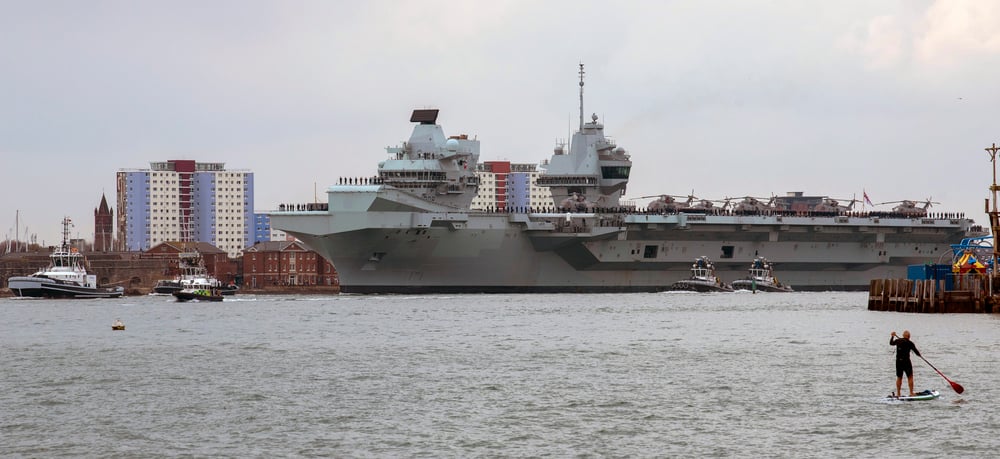
Launched in 2025, the MV Stena Immaculate became the world’s first purpose-built methanol-powered tanker to enter active commercial service. It runs on green methanol, cutting carbon emissions dramatically compared to traditional fuel-powered vessels. The ship completed its maiden voyage ahead of schedule, setting a new benchmark for clean energy use in commercial shipping. It may not carry weapons or break speed records, but it is redefining what the future of naval engineering looks like.
Built To Last

Record-breaking ships do not stay in the headlines for long, but their impact tends to stick around. Some changed the way wars were fought, others changed the way oceans were crossed, and a few changed what people believed was even possible to build. Today’s engineers are already designing the next generation of vessels, chasing newer records with better technology. The sea has not run out of room for ships that refuse to be ordinary.
More from Go2Tutors!

- The Romanov Crown Jewels and Their Tragic Fate
- 13 Historical Mysteries That Science Still Can’t Solve
- Famous Hoaxes That Fooled the World for Years
- 15 Child Stars with Tragic Adult Lives
- 16 Famous Jewelry Pieces in History
Like Go2Tutors’s content? Follow us on MSN.