27 Common Sayings People Use Daily With Completely Misunderstood Origins
Language carries its history invisibly. The phrases that slip into conversation without any particular thought — “bite the bullet,” “blood is thicker than water,” “rule of thumb” — were built from specific events, trades, and moments in history that most speakers have never encountered and never need to. The phrase does its job either way. But some of these sayings carry origins so different from their current meaning that they have become, in effect, quotations from a book nobody has read.
A few have been so thoroughly misrepresented that the popular explanation is not just incomplete — it is the opposite of the truth. Others have acquired dark backstories that are fictional, or shed genuine dark backstories in favour of more comfortable ones. Here are 27 common sayings whose origins most people have wrong, with what the evidence actually suggests.
“Blood Is Thicker Than Water”

Most people use this to mean that family loyalty is the strongest bond. The full original proverb, which scholars trace to medieval German texts, reads: “The blood of the covenant is thicker than the water of the womb.” In the original, “blood” refers to blood shed together in battle or sworn between warriors — chosen bonds — while “water of the womb” is biological kinship.
The original meaning is the direct opposite of the popular one: the bonds you forge through shared hardship can be stronger than the ones you were simply born into. The meaning has been inverted somewhere in the centuries of retelling.
“Rule of Thumb”

A widely circulated claim holds that this phrase originated in an English law permitting a man to beat his wife with a stick no thicker than his thumb. The claim became so prevalent that the United States Commission on Civil Rights titled a 1982 domestic abuse report “Under the Rule of Thumb.”
But no such law ever existed. The phrase traces to the 17th century and refers to practical measurement in trades — carpenters, brewers, and other craftspeople using the thumb as a rough gauge. The domestic violence origin is a folk etymology that gained traction in the 1970s and was eventually corrected by legal historians in the 1990s, though it is still repeated.
“Bite the Bullet”

This one is fairly accurate in origin but widely misunderstood in detail. Before anaesthesia, soldiers undergoing battlefield surgery were given something hard to bite down on to endure the pain — sometimes a leather strap, sometimes wood, and in some accounts, a lead projectile. The phrase entered written English around 1891 in Rudyard Kipling’s The Light that Failed.
What most people miss is the specific context: the biting was not just metaphorical stoicism but a physical necessity to prevent screaming that might unsettle nearby troops or interfere with the surgeon’s work.
“Basket Case”
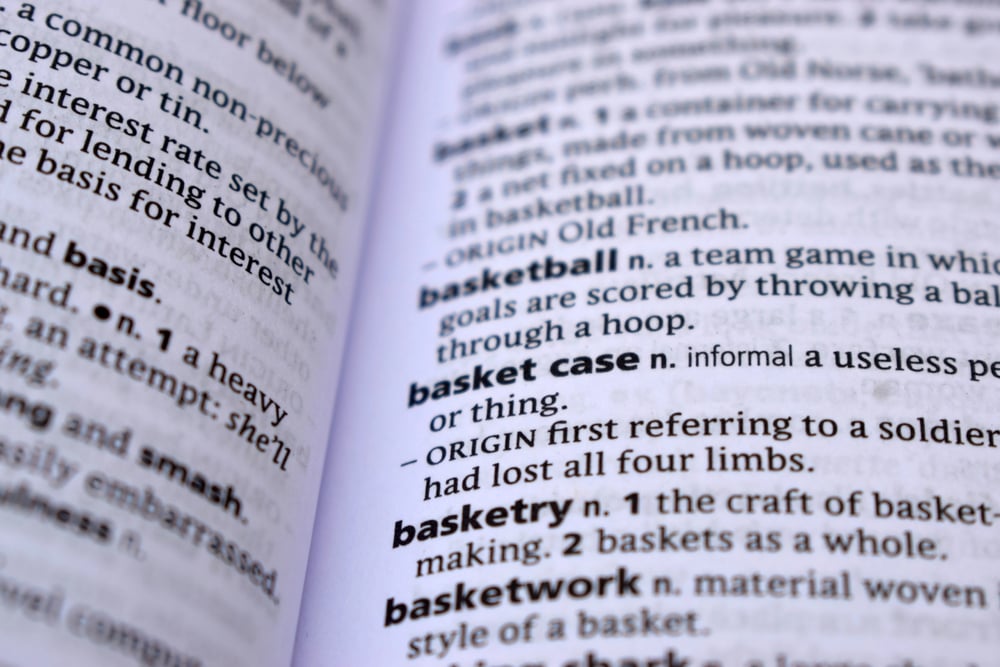
The popular understanding is that a “basket case” is a person who is emotionally unstable or in disarray. The original military usage, which dates to the First World War, was literal and considerably darker: it described soldiers who had lost all four limbs in combat and had to be carried in baskets. What complicates the story is that the earliest known written uses of the phrase appear in United States military communiqués — specifically, official statements claiming that no such basket cases existed, which suggests the term was in circulation as a rumour before there is any positive evidence of it. The emotional wreck usage came later, detached from the physical horror of the original.
“Not Enough Room to Swing a Cat”

The instinct is to picture a literal cat. But the “cat” almost certainly refers to the cat-o’-nine-tails — the multi-thonged leather whip used to administer floggings in the Royal Navy.
On a crowded naval deck, there literally was not enough space to swing the whip through its full arc without hitting another crew member. The phrase described a physical constraint on punishment rather than a tight living space, though it migrated to that general meaning once the naval context became unfamiliar.
“Raining Cats and Dogs”

Multiple origins have been proposed, none definitively proven. One popular theory invokes 17th-century English streets, where poor drainage meant heavy rain would flood gutters and carry debris — including the bodies of drowned animals — downstream. Another traces the phrase to Norse mythology, where Odin was accompanied by dogs as a symbol of storms and cats were associated with rain and witchcraft.
A third connects it to Jonathan Swift’s 1710 poem A Description of a City Shower, which described dead animals washing through flooded streets. What can be said is that the popular romantic explanation (cats and dogs historically sheltered in thatched roofs and fell through during storms) is almost certainly fictional, with no evidence to support it.
“Let the Cat Out of the Bag”

The most widely told origin involves medieval markets where merchants selling piglets would sometimes swap the pig for a cat before the buyer left, and a buyer who “let the cat out of the bag” discovered the fraud. This explanation has some historical plausibility — the companion phrase “a pig in a poke” refers to the same market swindle.
But linguists note that the earliest recorded uses of the phrase don’t connect clearly to this marketplace scenario, and the exact origin remains genuinely uncertain. The market fraud story is the most cited, but it should probably be treated as likely rather than confirmed.
“Curiosity Killed the Cat”

The phrase as used today warns against nosiness. The original version, recorded in Ben Jonson’s 1598 play Every Man in His Humour, was “Care killed the cat” — where “care” meant worry or anxiety rather than nosiness.
The cat in the saying had nine lives but was ultimately worn down by worry, not by sticking its nose into something it shouldn’t have. The word “curiosity” replaced “care” sometime in the 19th century, shifting the meaning from a warning about excessive anxiety to a warning about excessive investigation.
The lesson changed completely with a single word substitution.
“Saved by the Bell”

A persistent romantic origin claims this refers to Victorian-era coffins equipped with bells on strings, designed to allow people buried alive to signal for rescue. It is a vivid story, and such safety coffins did exist, but there is no documented case of anyone being saved by one, and no evidence that the phrase originated there.
The most plausible etymology connects it to boxing, where a fighter on the ground at the end of a round was saved from further punishment by the bell. The buried-alive origin is almost certainly a retrofitted explanation that proved more interesting than the boxing ring truth.
“Burning the Midnight Oil”
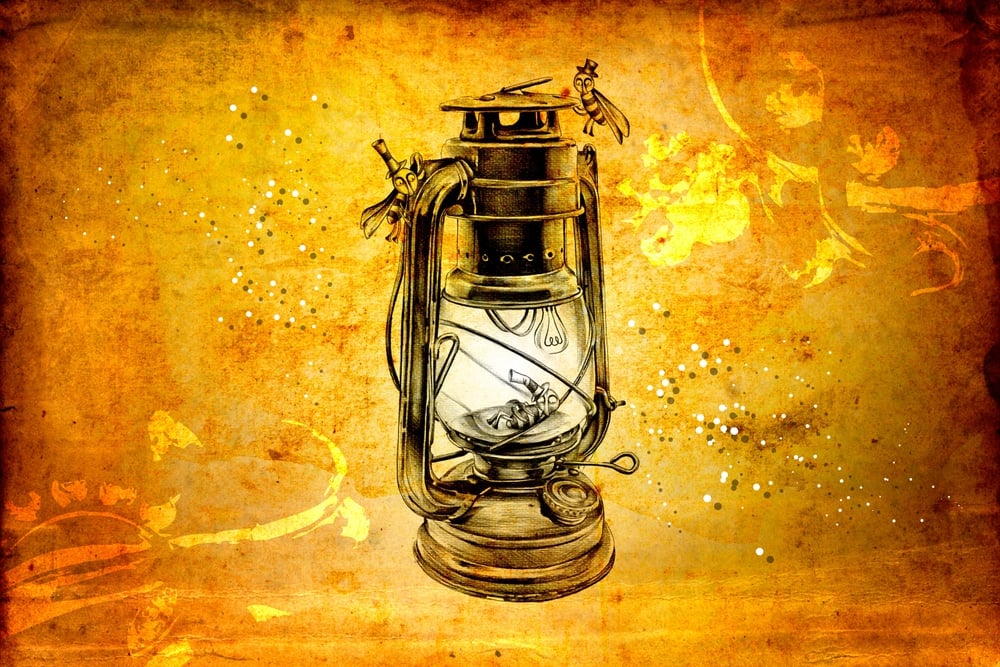
This one is literal, and therefore widely misunderstood in terms of its original scale. Before gas or electric lighting, working after dark required burning oil in a lamp. “Burning the midnight oil” simply described the physical act of keeping a lamp lit late into the night.
The phrase has no metaphorical origin — it was a direct description of what late workers were doing. The cost of oil meant that burning it past midnight was considered extravagant, adding a connotation of dedication or desperation that eventually became the phrase’s primary meaning.
“Break the Ice”

From the era when sea trade depended on shipping lanes that froze in winter, smaller vessels — icebreakers — would be sent ahead to clear a path through frozen waterways so that trade ships could follow. The first ship to make a passage would “break the ice” and make navigation possible for others.
The social metaphor — performing an initial act that makes interaction easier — arrived later, borrowing the idea of removing a blockage to create movement. The original was very specifically about commercial logistics.
“Son of a Gun”

The origin most cited — and considered probable though not fully verified — connects to the practice on 17th- and 18th-century Royal Navy ships of allowing wives or female companions aboard when vessels were in harbour. Births occurred on ships, sometimes in the space between cannons.
A boy of uncertain parentage was entered into the ship’s log as “son of a gun.” The phrase came to mean a person of questionable origins before broadening into a general mild exclamation.
The ship-birth explanation is supported by some historical evidence but not definitively confirmed.
“Bury the Hatchet”
This phrase is more accurately attributed than most: it refers to a genuine Native American tradition of literally burying weapons as a ceremonial act to mark the end of conflict between tribes. The first documented use in English appears in 1680 in the records of Samuel Sewall, who was recording the practice of the Haudenosaunee (Iroquois) Confederacy.
The phrase passed into general English usage while retaining the original meaning closely intact. What most speakers miss is that it was not a metaphor in origin — it was a description of an actual, recorded ceremony.
“With a Grain of Salt”

This is one of the oldest common phrases still in use, traceable to Pliny the Elder’s Naturalis Historia, written around 77 AD. Pliny described an antidote to poison that was to be taken with a grain of salt, suggesting the salt made the remedy work or was itself protective. The phrase passed into broader use meaning that something should be received with scepticism or taken cautiously.
Two thousand years of continuous use have left the meaning remarkably intact, though very few speakers know they are quoting a Roman natural historian.
“Beating a Dead Horse”

The phrase means persisting with something that cannot yield results, but the specific origin is industrial rather than agricultural. In the 19th century, sailors would sometimes work a stretch of contract time that had already been paid in advance — a period called the “dead horse.” Working through the dead horse period was considered pointless in economic terms because the labour produced no additional income.
Beating the dead horse was the act of pressing on through this unproductive period. Ceremonies marking the end of it, complete with effigy burning, were observed on ships.
“Mad as a Hatter”

The madness of hatters was real, and it was chemical. 18th and 19th century hat makers used mercury nitrate in the treatment of felt, a material used to make top hats. Prolonged mercury exposure caused neurological damage — tremors, mood instability, and cognitive deterioration — that came to be known as “hatter’s shakes” or “hatter’s disease.”
The phrase captured a genuine occupational hazard before it became metaphorical. Lewis Carroll’s Mad Hatter, published in 1865, likely drew on a cultural familiarity with the actual neurological effects of mercury poisoning in the hat trade.
“Pulling Someone’s Leg”

The cheerful meaning — to tease or joke — sits over a considerably grimmer origin. The most plausible etymology connects the phrase to 19th-century street thieves who would trip passers-by by catching their leg, then rob them while they were on the ground.
To have your leg pulled was to be tripped up and deceived. The meaning evolved from active robbery to harmless deception to gentle teasing over several decades, shedding the criminal context entirely.
“Caught Red-Handed”

This one preserves its original meaning with unusual accuracy. In Scottish law, going back at least to the 15th century, a person “caught red-handed” was someone found literally with blood on their hands — caught in the act of violent crime or poaching.
The phrase appears in Scottish legal and literary records in this literal sense. The modern usage has broadened to cover any form of wrongdoing but retains the idea of being caught at the precise moment of the act rather than after the fact.
“Spill the Beans”
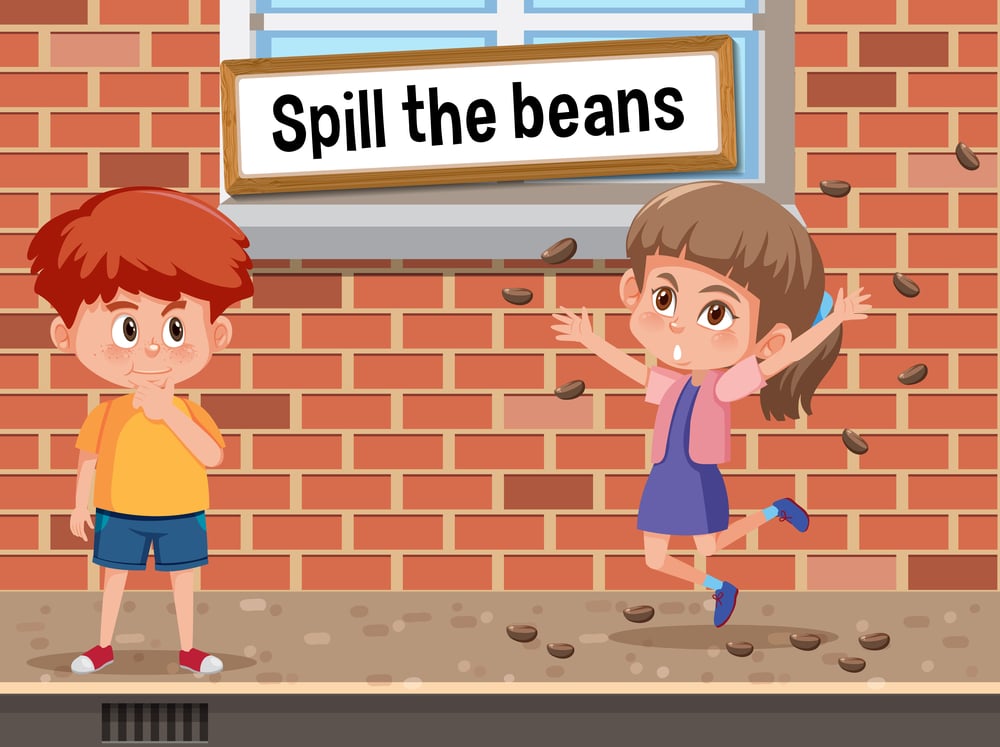
Several origin stories exist, but the most credible connects to ancient Greek voting practices. Members of some civic bodies would vote by placing coloured beans in a container — white to indicate approval, dark to oppose.
If the container was knocked over and the beans spilled before the count was complete, the secret vote was revealed. “Spilling the beans” was a literal disruption of a process designed to maintain confidentiality. The metaphorical sense — accidentally revealing a secret — follows the original logic closely.
“Give the Cold Shoulder”
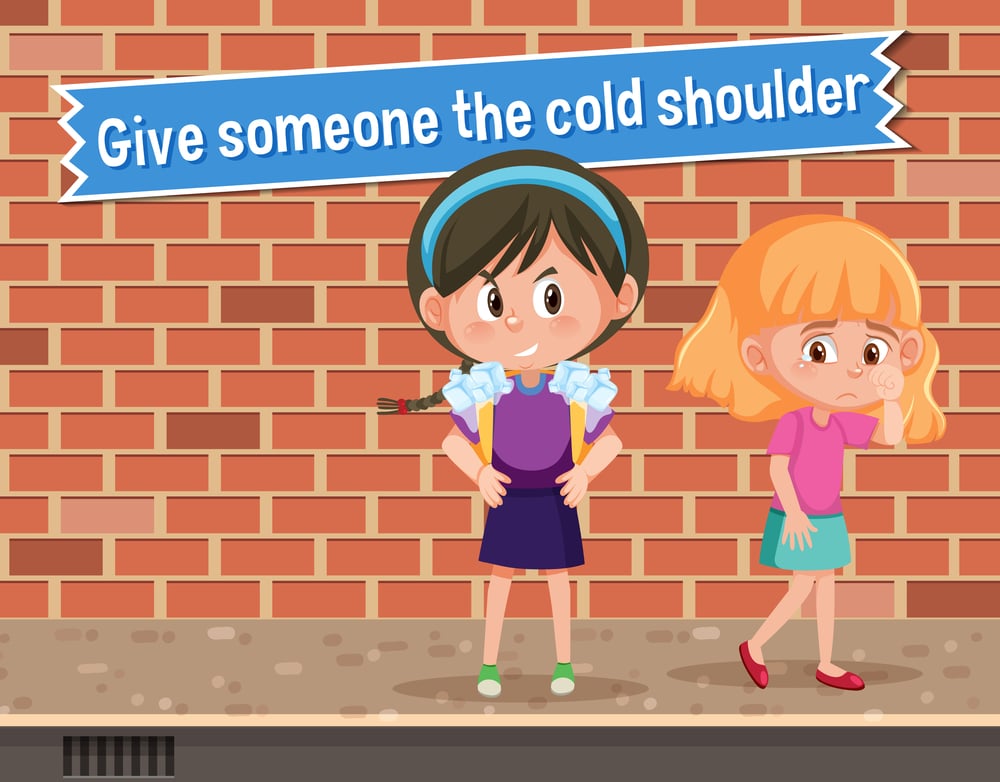
The romantic version — that a cool host would serve a cold shoulder of mutton to a guest who had overstayed their welcome — is plausible as a derivation but not confirmed. Walter Scott used the phrase in 1816 in a way that suggests it was already in use.
What the historical record is clear on is that the phrase originally referred to deliberate social snubbing of a specific, formal kind — a clear and communicated signal that a guest’s presence was no longer desired — rather than the general unfriendliness the phrase implies today.
“The Whole Nine Yards”

One of the most contested phrase origins in the English language. Proposed explanations include: the length of a World War II ammunition belt for aircraft-mounted machine guns, the volume of a standard concrete mixing truck, the length of Scottish kilts, and the capacity of a full-rigged ship’s sails.
None has been definitively verified, and language researchers have found printed uses of the phrase from the mid-20th century that predate all the proposed military and construction explanations. The true origin of this particular phrase remains genuinely unknown.
“Bite Off More Than You Can Chew”

The phrase has a specific American commercial origin. In the 19th-century American South and Midwest, chewing nicotine was widely used, and it was customary to offer a bite of a plug of nicotine to companions. Taking too large a bite was considered rude and greedy.
The phrase moved from a specific social faux pas involving nicotine to a general warning about overcommitting, losing the substance-specific context entirely.
“Burning Your Bridges”

The military origin here is accurate: generals who burned the bridges behind their advancing armies prevented retreat, forcing their troops to fight forward with no option of withdrawal. Julius Caesar is frequently cited in this context, as is Hernán Cortés scuttling his ships in Mexico — though the bridge-specific version is more straightforwardly military.
The modern meaning has drifted toward damaging relationships irreparably, which preserves the sense of cutting off the possibility of return but applies it to social rather than tactical situations.
“Eating Humble Pie”

The “humble pie” here was not metaphorical in origin. Umble pie — later corrupted to humble pie — was a dish made from the offal (liver, kidneys, and other organs) of a deer, served to the servants and lower household members at a feast while the lord and important guests ate venison.
To eat umble pie was literally to eat inferior food below the table’s ranking, and by extension to be reminded of one’s lower social position. The shift from “umble” to “humble” introduced a new meaning — humiliation — that the original word did not carry.
“Bury the Lead”

Widely misunderstood in its spelling — many write “bury the lede” and assume this is the original form — this is a journalism term referring to the critical information in a story. In newspaper composition, the “lead” or “lede” is the opening sentence or paragraph that conveys the most important facts. A reporter who “buries the lead” puts the significant information too far down in the story, where many readers will not reach it. The alternate spelling “lede” was introduced in the mid-20th century to distinguish the journalistic term from typesetting’s “lead” (the metal strips between lines of type), and is now used widely without most writers knowing this distinction was the reason for it.
“By Hook or by Crook”
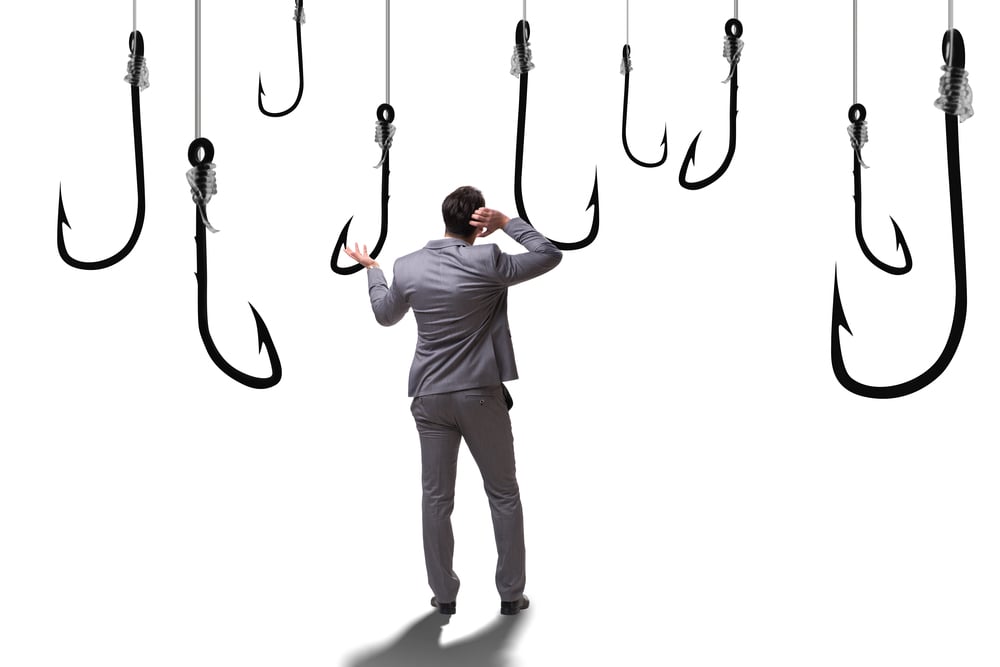
Several explanations compete. The most commonly cited connects to medieval English common law, which supposedly allowed peasants to collect firewood from forests owned by the lord using only the tools they could reach with a shepherd’s crook or a reaper’s hook — taking only what could be pulled down without climbing or cutting.
Whether this specific legal provision existed is debated by historians, but the phrase was in documented use by the 14th century. Geoffrey Chaucer used it in The Reeve’s Tale, suggesting an already established expression. The phrase has never fully resolved its own history.
“Dead Ringer”
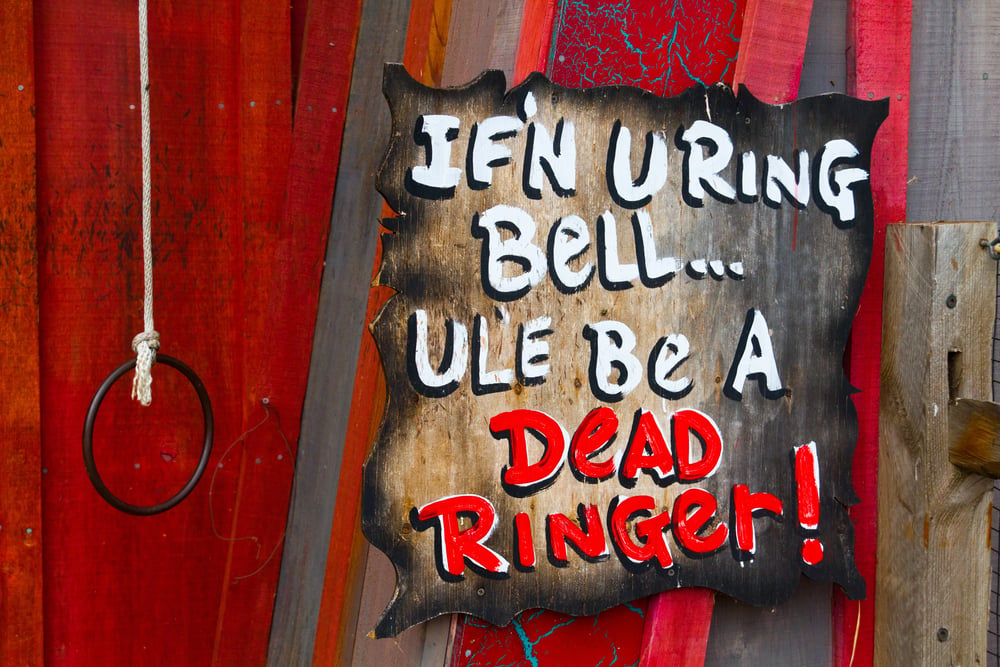
The connection people make to the Victorian buried-alive coffin bells — a “ringer” being someone who rang the bell from beneath the ground — is almost certainly wrong. The phrase more plausibly derives from horse racing, where a “ringer” was a horse illegally substituted for another.
A “dead ringer” was a horse that was an exact match for a different, better-known horse, used fraudulently. “Dead” in this context meant “complete” or “exact” — as in “dead centre” or “dead right” — not deceased. The ghost story origin is a retrofitted explanation with no supporting evidence.
What Phrases Lose When They Travel

The shift in meaning from origin to contemporary use is not always a loss. Some phrases become more useful as they detach from their original context. But a few — like “blood is thicker than water” — have crossed into something close to the opposite of their original meaning, which is a different and more significant kind of drift. When a phrase no longer carries its origin, it becomes purely conventional — a sound that people make in certain social situations, no longer a sentence about anything specific.
What etymology restores is not necessarily the correct meaning, since meanings belong to communities of speakers and not to historical record. What it restores is the surprise — the recognition that someone, in a specific time and place, needed a phrase for something real, and that the phrase outlived the need and came to mean something else entirely.
More from Go2Tutors!

- The Romanov Crown Jewels and Their Tragic Fate
- 13 Historical Mysteries That Science Still Can’t Solve
- Famous Hoaxes That Fooled the World for Years
- 15 Child Stars with Tragic Adult Lives
- 16 Famous Jewelry Pieces in History
Like Go2Tutors’s content? Follow us on MSN.



