14 Sculptures with Overlooked Details
Art has a way of revealing itself slowly, especially when it comes to sculpture. Those massive chunks of marble, bronze, or steel that we admire in museums often contain subtle details that most visitors completely miss.
Even the most famous sculptures in the world harbor secrets that their creators embedded centuries ago. Here is a list of 14 remarkable sculptures with fascinating details that might have escaped your attention during casual viewing.
David’s Oversized Hands
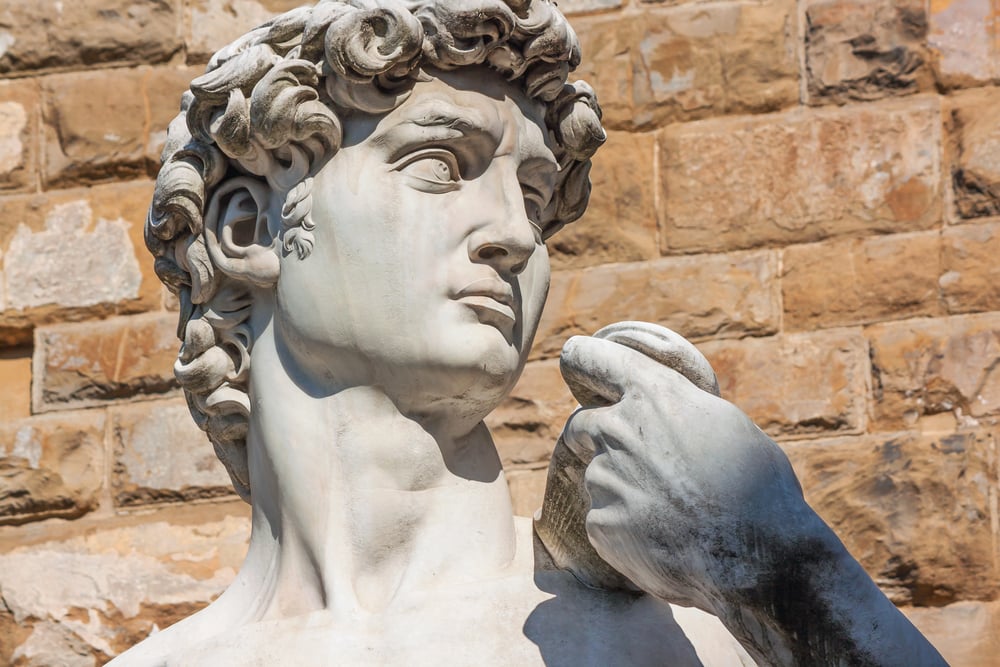
Michelangelo’s ‘David’ stands as perhaps the world’s most famous marble man, but take a closer look at those hands. They’re deliberately oversized compared to his body proportions—not a mistake but a brilliant design choice.
Michelangelo exaggerated these features because the statue was originally meant to be displayed on a high pedestal, with viewers looking up from below. The larger hands symbolize David’s strength and determination before facing Goliath.
The Veiled Christ’s Impossible Fabric

In Naples, Giuseppe Sanmartino’s ‘Veiled Christ’ appears to be covered by a transparent veil that reveals the form beneath—except the entire sculpture is carved from a single block of marble. The veiling effect is so realistic that rumors persisted for centuries that the original sculptor had chemically transformed actual fabric into marble.
The marble is so delicately carved that you can see Christ’s wounds through what appears to be translucent cloth.
Like Go2Tutors’s content? Follow us on MSN.
The Secret Face on the Statue of Liberty

Lady Liberty watches over New York Harbor with her torch held high, but few visitors realize there’s a face hidden on her. Look closely at the tablet she holds in her left arm, and you’ll spot the faint visage of Bartholdi, the statue’s creator.
This subtle self-portrait was the sculptor’s way of permanently associating himself with his masterpiece without being obvious about it. The date inscribed on the tablet (July 4, 1776) draws attention away from this hidden feature.
The Third Hand of Buddha
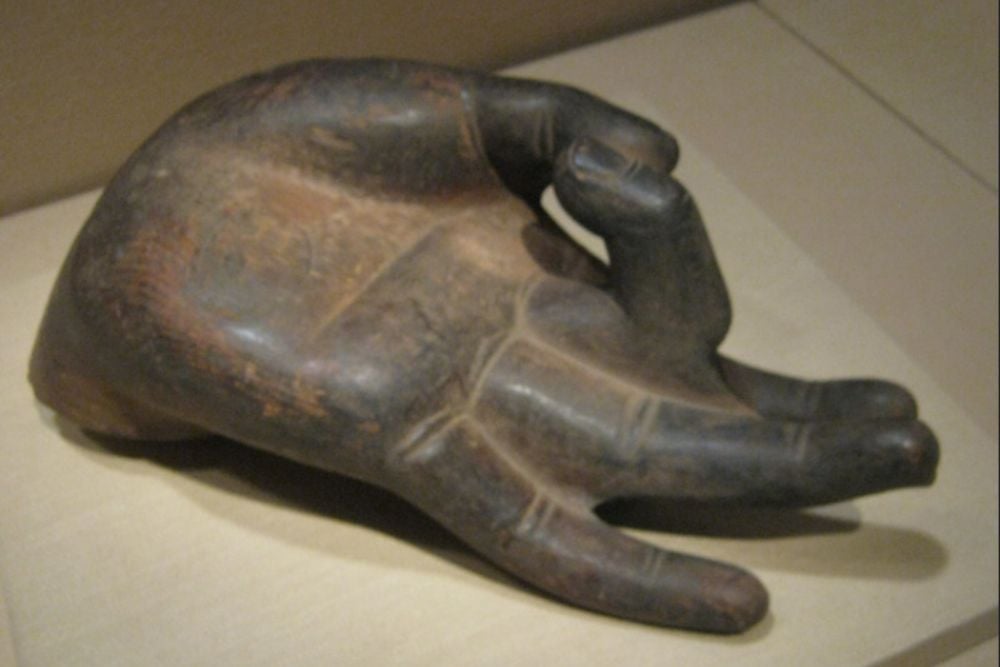
Many reclining Buddha statues throughout Asia contain a peculiar anatomical addition—a third hand. This isn’t a carving error but a clever solution to a visualization problem.
When Buddha is shown in the reclining position approaching nirvana, sculptors needed to represent both hands in the front while also showing one supporting his head. The result is an extra hand that most viewers never consciously register.
The Ecstasy of Saint Teresa’s Mundane Origin
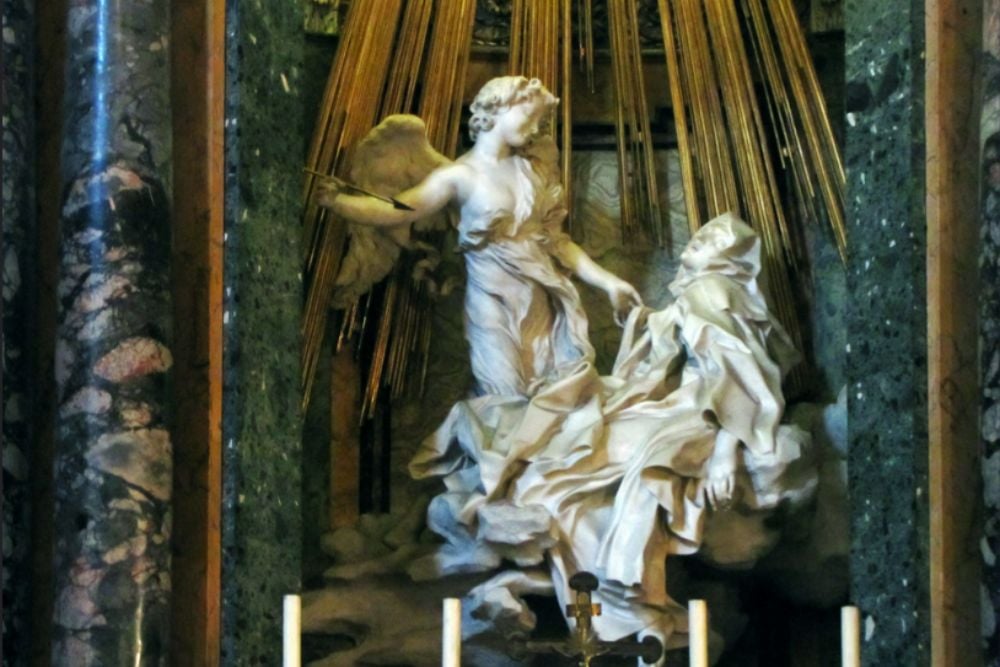
Bernini’s masterpiece ‘The Ecstasy of Saint Teresa’ depicts the saint in a moment of religious rapture, but the inspiration came from a decidedly everyday source. The folds in her garment were modeled after Bernini’s observations of wet laundry hanging to dry.
He spent weeks studying how fabric settles when soaked with water, then translated those observations into the dynamic marble drapery that makes the sculpture so captivating.
Like Go2Tutors’s content? Follow us on MSN.
Lincoln Memorial’s Hidden Symbols

Daniel Chester French’s seated Abraham Lincoln contains American Sign Language representations hidden in plain sight. Lincoln’s hands are positioned to form the letters ‘A’ and ‘L’ in sign language—a subtle nod to Lincoln’s support of education for the deaf when he signed legislation founding Gallaudet University.
The positioning looks natural enough that millions of visitors never notice the intentional symbolism.
The Venus de Milo’s Missing Jewelry

The famous armless Venus de Milo wasn’t originally so minimalist. Tiny holes in the marble around her ears and on parts of her head indicate she once wore metal jewelry attachments and possibly a crown.
When discovered in 1820, these metal accessories had long since disappeared, but the evidence remains. Her famously “pure” appearance was actually meant to be much more adorned.
The Gates of Hell’s Self-Portrait

Rodin’s massive ‘Gates of Hell’ contains over 180 figures, but just above the gates sits a small, hunched figure that’s easy to miss. This is Rodin himself, depicted as ‘The Thinker’ observing the hellish scenes below—effectively placing the artist in his own creation.
This figure was later extracted and enlarged to become the famous stand-alone sculpture we know today.
Like Go2Tutors’s content? Follow us on MSN.
Pietà’s Age Discrepancy
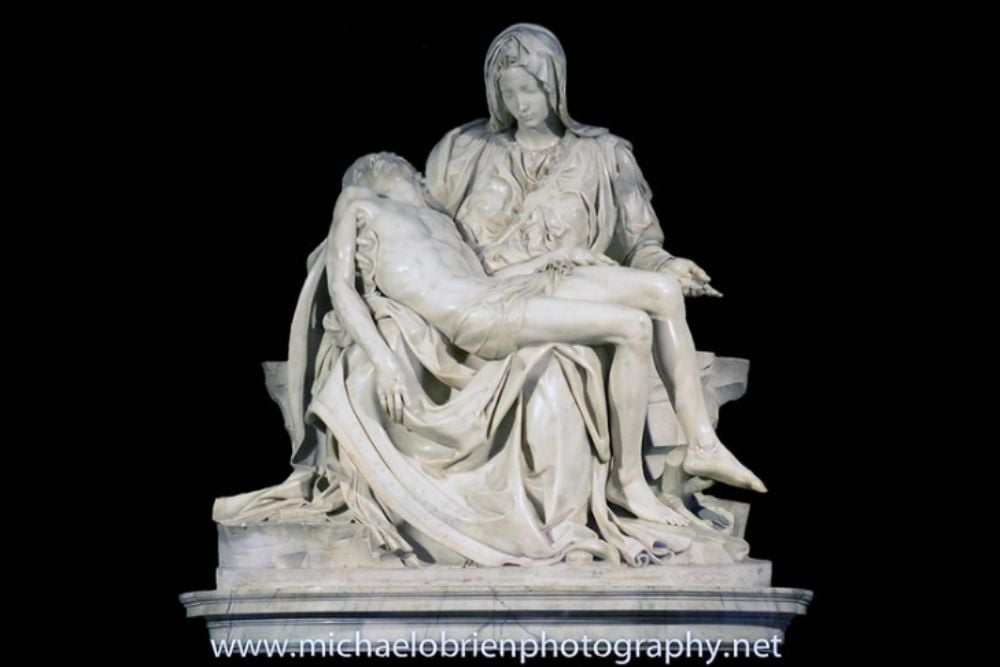
Michelangelo’s ‘Pietà’ shows Mary holding the body of Jesus, but something’s not quite right with the proportions. Mary appears significantly younger than her son, looking perhaps 20 years old despite being the mother of a 33-year-old man.
Michelangelo deliberately portrayed her as youthful to represent her incorruptible purity. When questioned about this artistic choice, he reportedly stated that chaste women retain their beauty longer than others.
The Endless Column’s Mathematical Precision
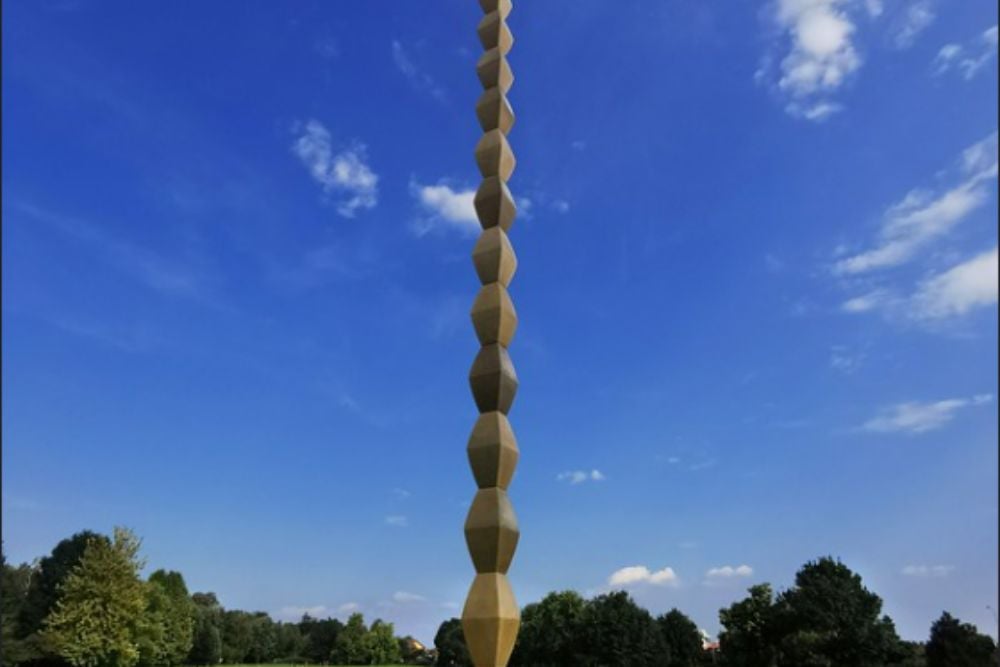
Constantin Brâncuși’s modernist ‘Endless Column’ in Romania might look like simple repeating shapes, but it incorporates the golden ratio throughout its design. Each rhomboid module relates to the next in this perfect mathematical proportion, creating a sense of infinite expansion.
The column appears to stretch endlessly into the sky, not just because of its height, but because of this precise mathematical relationship that naturally pleases the human eye.
Balloon Dog’s Hidden Anatomy

Jeff Koons’ shiny ‘Balloon Dog’ sculptures sell for millions, but they contain an easily missed anatomical detail—they’re anatomically correct for actual dogs. Look underneath, and you’ll find the appropriate parts subtly rendered in mirror-polished stainless steel.
This somewhat cheeky detail adds a layer of biological accuracy to what otherwise might seem like simple balloon animals enlarged to monumental scale.
Like Go2Tutors’s content? Follow us on MSN.
The Easter Island Moai’s Buried Bodies

While most people know the iconic stone heads of Easter Island, few realize these aren’t just heads—they’re full-bodied figures buried up to their necks. Excavations have revealed that these massive sculptures continue underground with complete torsos, some featuring intricate carvings that have been protected from erosion by their burial.
Some Moai stand nearly 33 feet tall when fully unearthed.
The Thinker’s Missing Focus
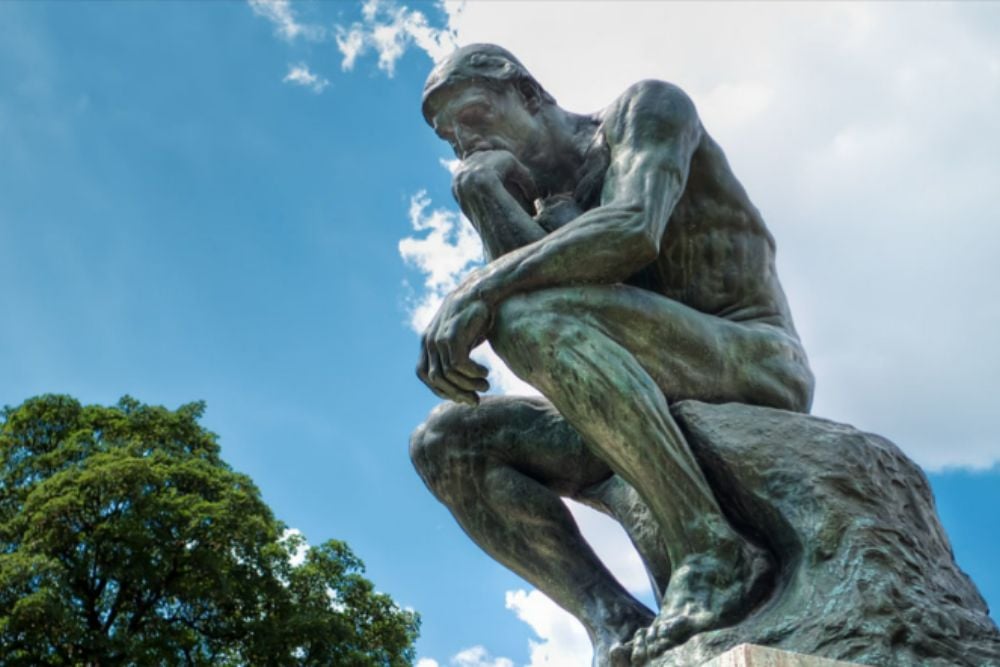
Rodin’s famous ‘The Thinker’ isn’t just pondering abstract philosophy—he’s actually looking at something specific. In its original context as part of ‘The Gates of Hell,’ the figure is positioned to gaze directly down at the scene of damned souls.
This gives his contemplative pose a much darker meaning; he’s not lost in general thought but considering the suffering below him with a mixture of pity and judgment.
The Little Mermaid’s Unrequited Love
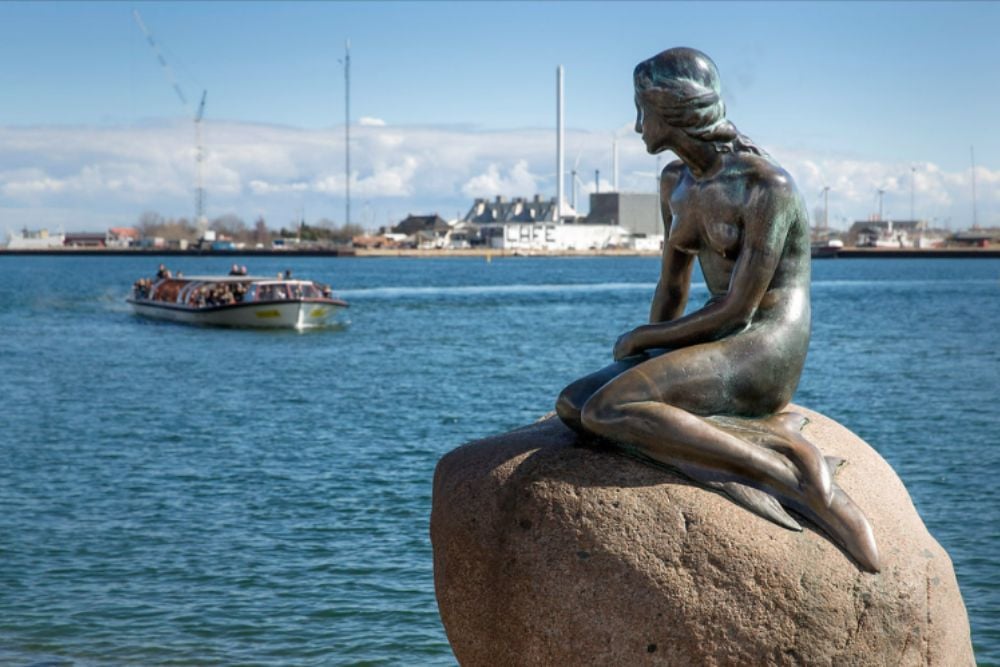
Copenhagen’s famous ‘Little Mermaid’ statue contains a heartbreaking detail in her expression that references Hans Christian Andersen’s original tale rather than the Disney version. Look closely at her face, and you’ll notice a subtle tear track on one cheek—a reference to her fate in the original story where she dissolves into sea foam after the prince marries another.
The sculptor, Edvard Eriksen, added this detail as a nod to the tragic ending that most tourists never learn about.
Like Go2Tutors’s content? Follow us on MSN.
Enduring Artistic Whispers
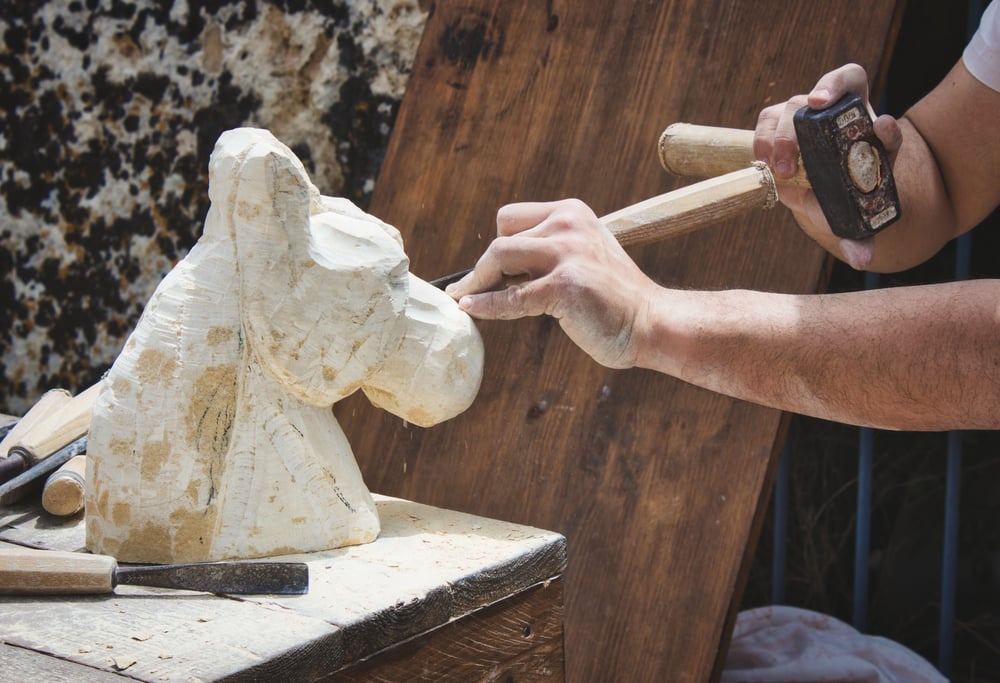
These hidden details remind us that great sculpture isn’t just about grand statements but also about intimate conversations between artist and observer across centuries. The sculptors who embedded these subtle elements knew that most people would miss them—but that the truly observant would be rewarded with deeper understanding.
This tradition of hidden meanings continues today, with contemporary sculptors still playing with perception and discovery in their three-dimensional works. The next time you visit a famous sculpture, take a moment to look beyond the obvious.
Circle it slowly, examine it from multiple angles, and get as close as allowed. You might be surprised at what stories have been waiting there all along, silent witnesses to our hurried museum visits and cursory glances.
More from Go2Tutors!

- 18 Unexpectedly Valuable Collectibles You Might Have Lying Around
- 15 Things Every Teenager in the ’70s Did That Teens Today Wouldn’t Understand
- 15 Strange Things People Have Tried to Ban (And Failed)
- 15 Inventions That Were Immediately Banned After Being Created
- 20 Actors Who Were Almost Cast in Iconic Roles
Like Go2Tutors’s content? Follow us on MSN.