27 Flea Market Items Dealers Reach for First
Experienced flea market dealers have learned through decades of sourcing that certain items virtually always sell, often for surprisingly good margins. These 27 items represent the proven money-makers that professional dealers hunt for obsessively at flea markets, estate sales, and auctions.
Vintage Pyrex Bowls and Baking Dishes
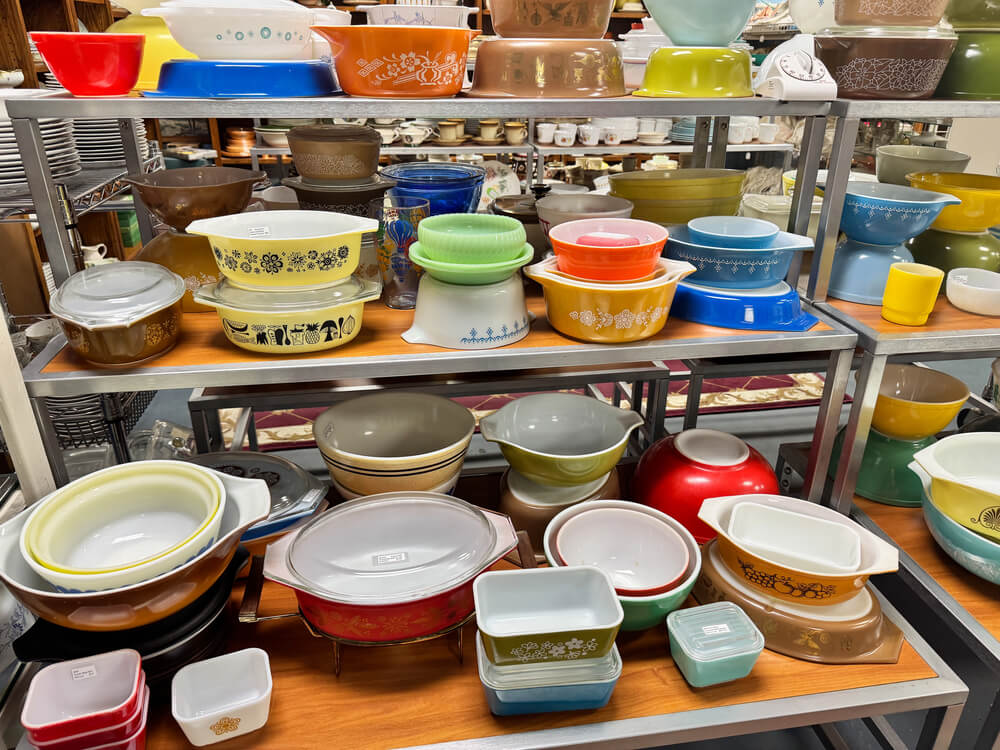
Pyrex from the 1950s-1970s in distinctive patterns sells rapidly at 300-500% markup if the pattern is recognizable. A mixing bowl bought for $2 reliably sells for $8-15 online, with rare patterns commanding $50+.
Mid-Century Teak Furniture
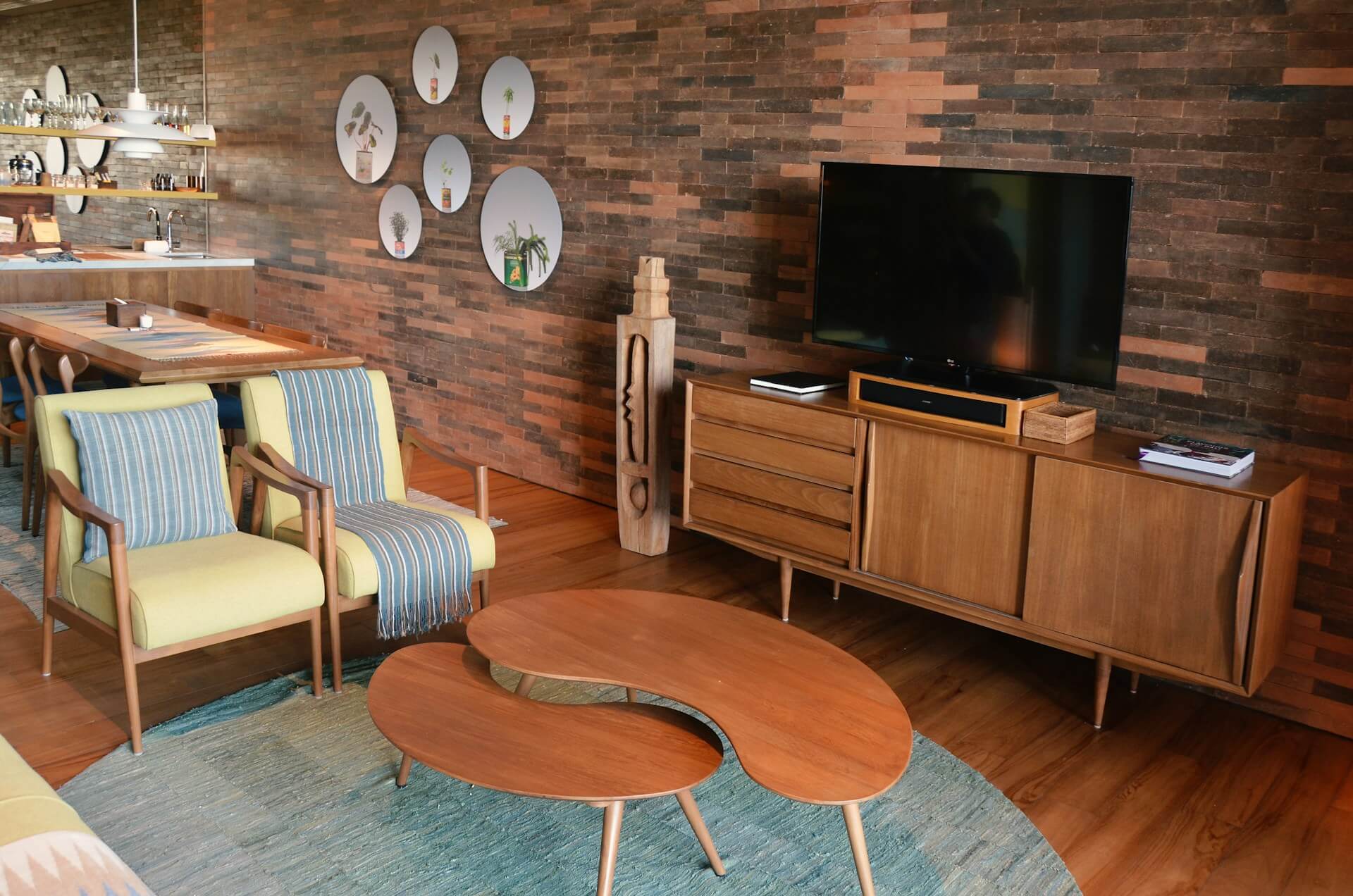
Teak wood furniture from the 1950s-1970s is highly sought by interior designers and collectors. Dealers buy teak side tables or credenzas for $20-50 and sell them for $200-400 online.
Vintage Starbucks Merchandise and Cups
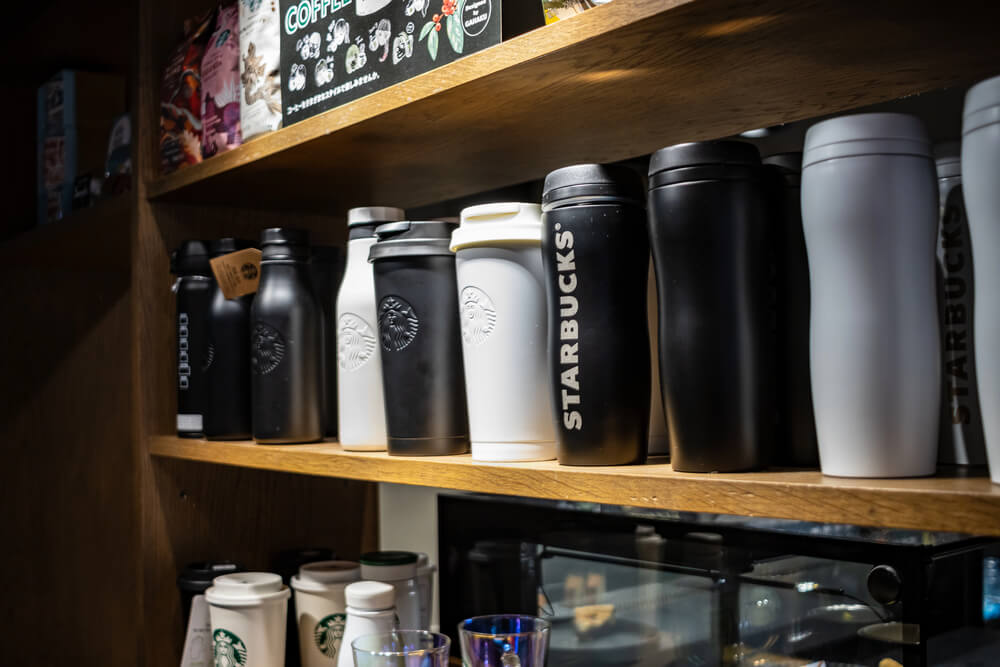
Early Starbucks location-specific cups and merchandise from the 1990s-2000s are collected obsessively. Dealers find cups priced at $1-5 at flea markets and resell them for $20-50 online.
Original Artwork and Prints

Original paintings and prints, particularly mid-century modern or abstract works, are purchased by dealers expecting 100-200% margins. A painting bought for $15 might sell for $40-80.
Vintage Cast Iron Cookware
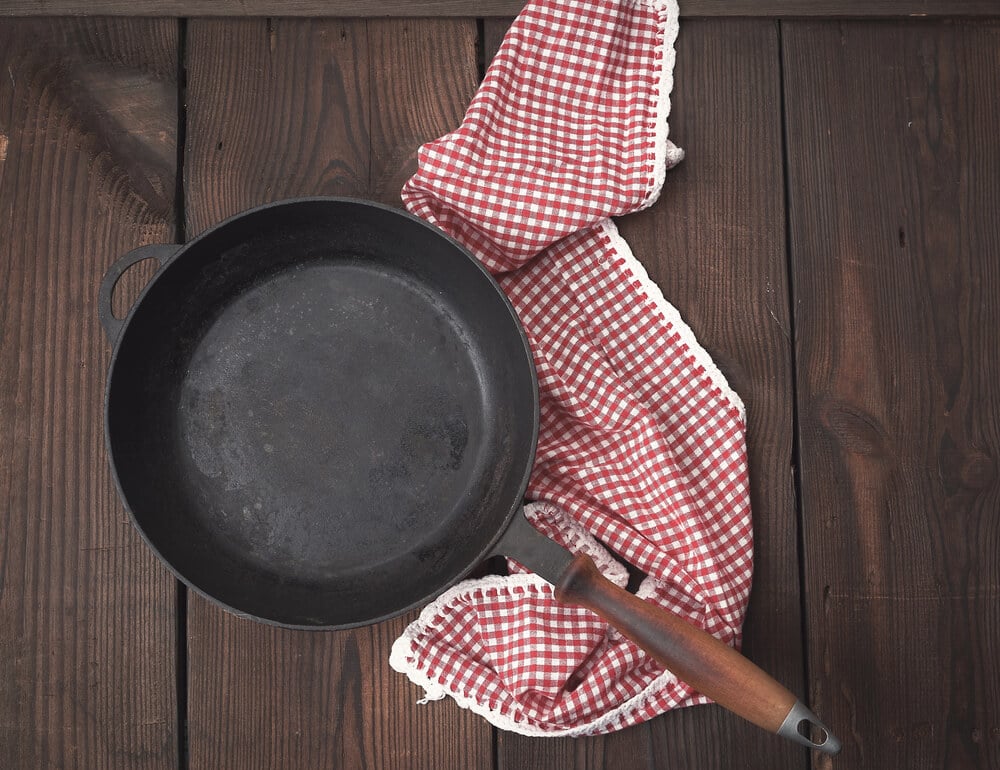
Cast iron pans and Dutch ovens from the 1960s-1970s, especially high-quality brands like Lodge or Griswold, sell quickly. Dealers buy for $5-10 and sell for $30-50.
Nurse Uniforms and Vintage Uniforms
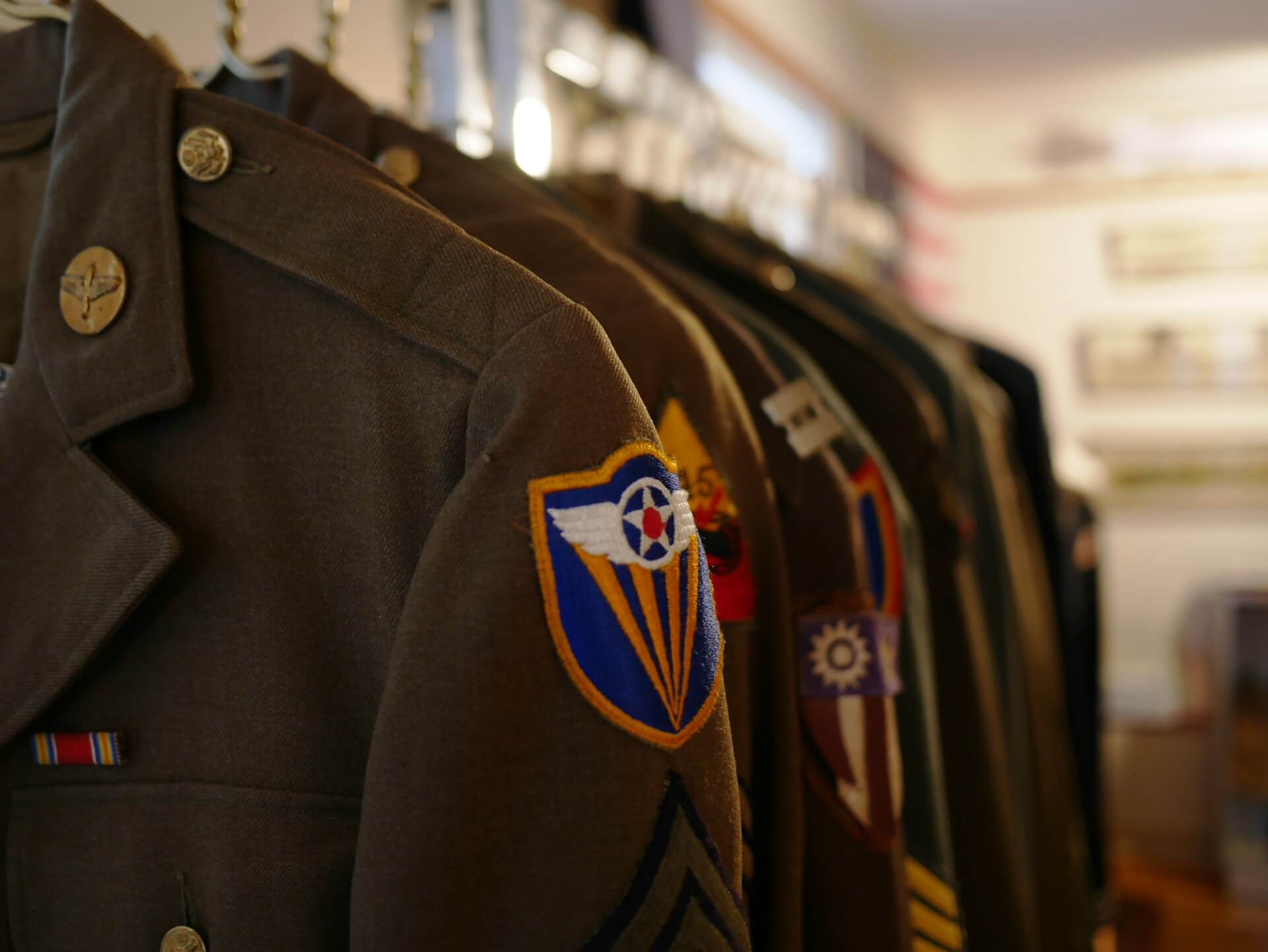
Vintage uniforms, particularly crisp 1950s-1960s nurse uniforms or military uniforms, are collected by enthusiasts and designers. Dealers source these for $2-8 and sell for $25-60.
Vintage Stereo Equipment and Turntables
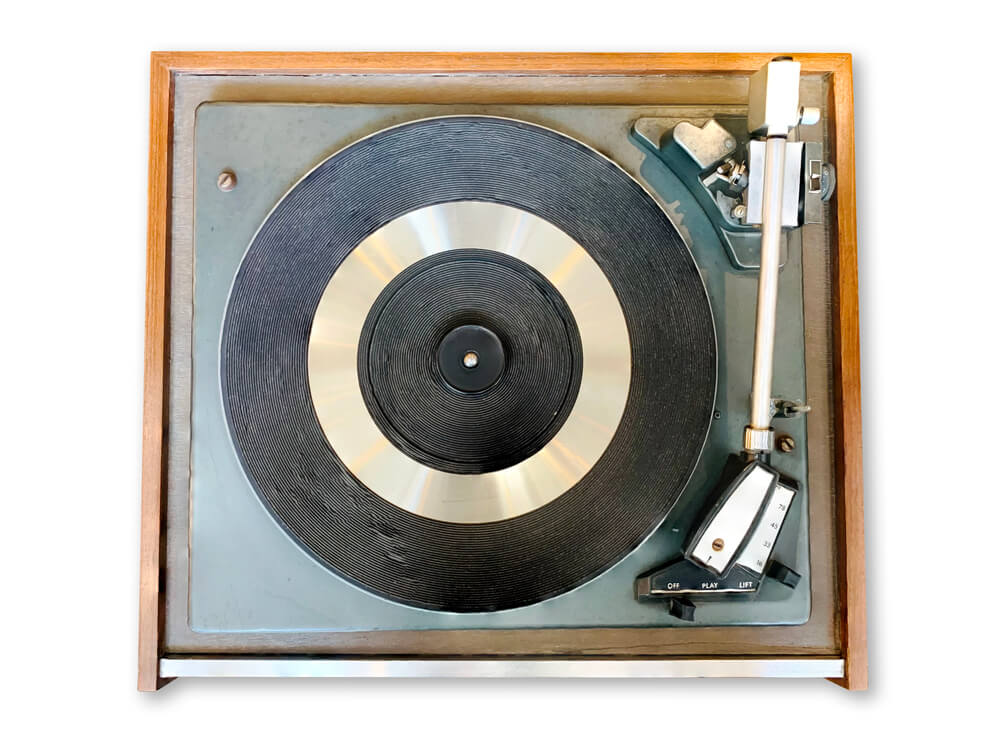
Fully functioning turntables and vintage stereo receivers are reliably purchased by audiophiles and collectors. A functional turntable bought for $10-20 sells for $60-150.
Vintage Leather Handbags
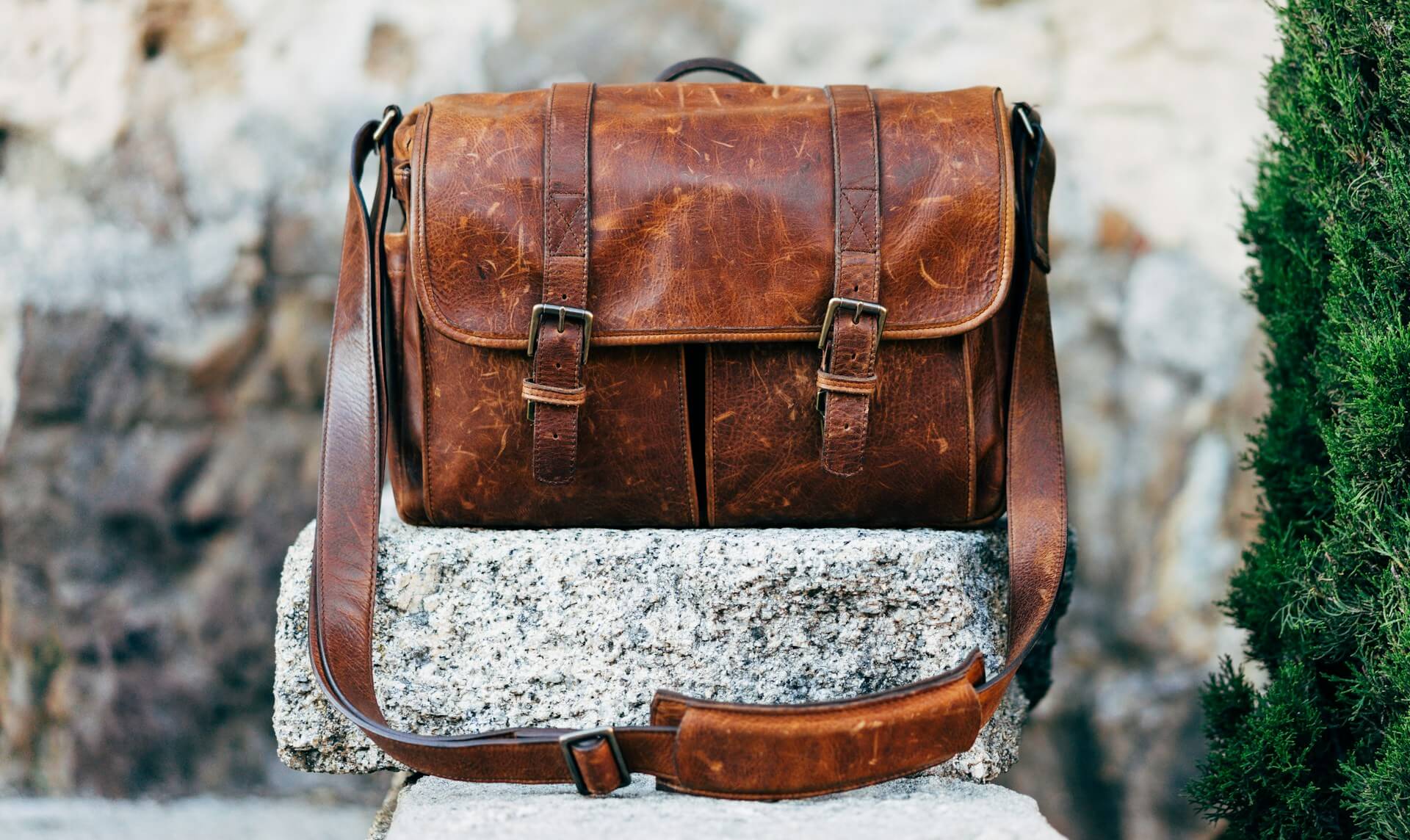
Designer handbags from the 1970s-1990s, particularly in good condition, are purchased by resellers on platforms like Vestiaire Collective. Dealers buy for $5-15 and resell for $40-120.
Vintage Glassware and Barware
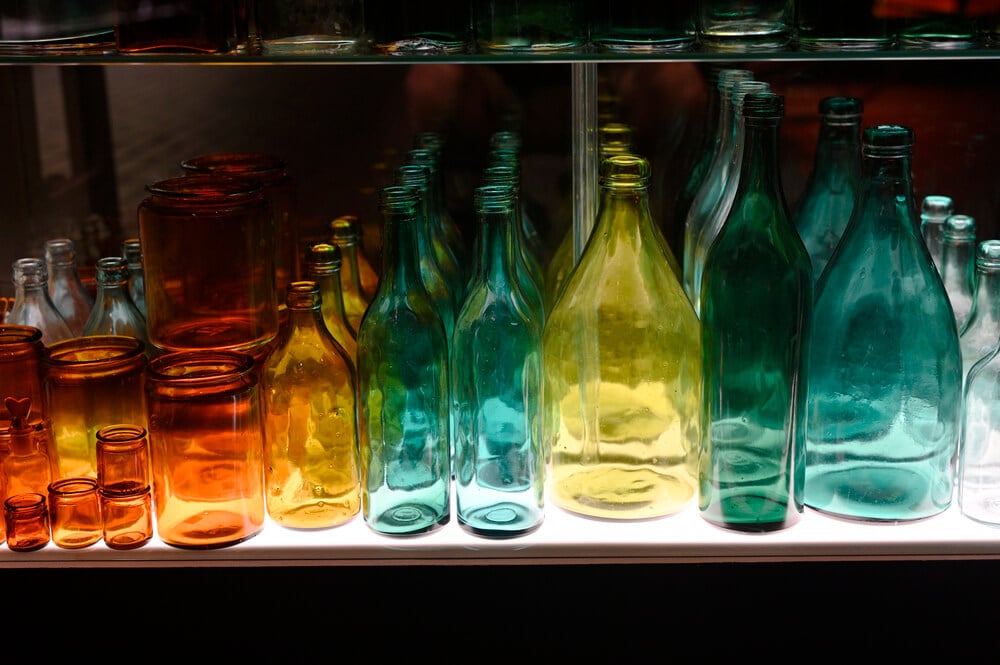
Vintage colored glassware, particularly mid-century modern designs, sells reliably to collectors and interior designers. Sets of six glasses bought for $3 each sell for $60-100 as a set online.
Original Vinyl Records
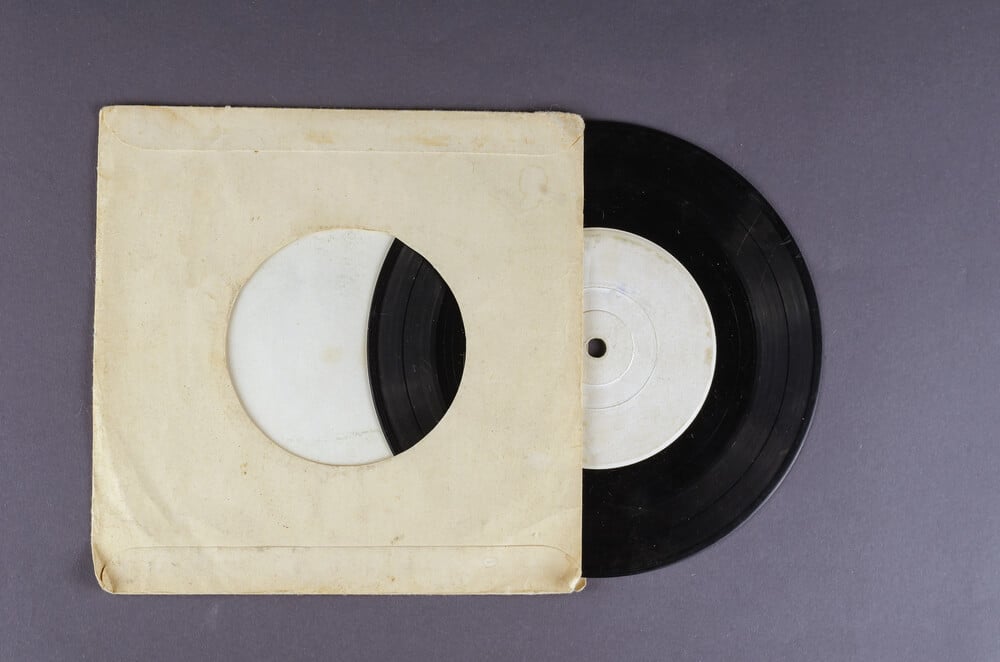
Vinyl records, particularly first pressings of classic albums, are purchased by collectors at significant margins. A record bought for $1-5 at a flea market can sell for $20-100+ online depending on the artist and pressing.
Vintage Books (First Editions)

First editions of popular classic books are collected by book enthusiasts. Dealers learn to identify valuable first editions, buying them for $2-10 and selling for $30-150.
Vintage Cameras
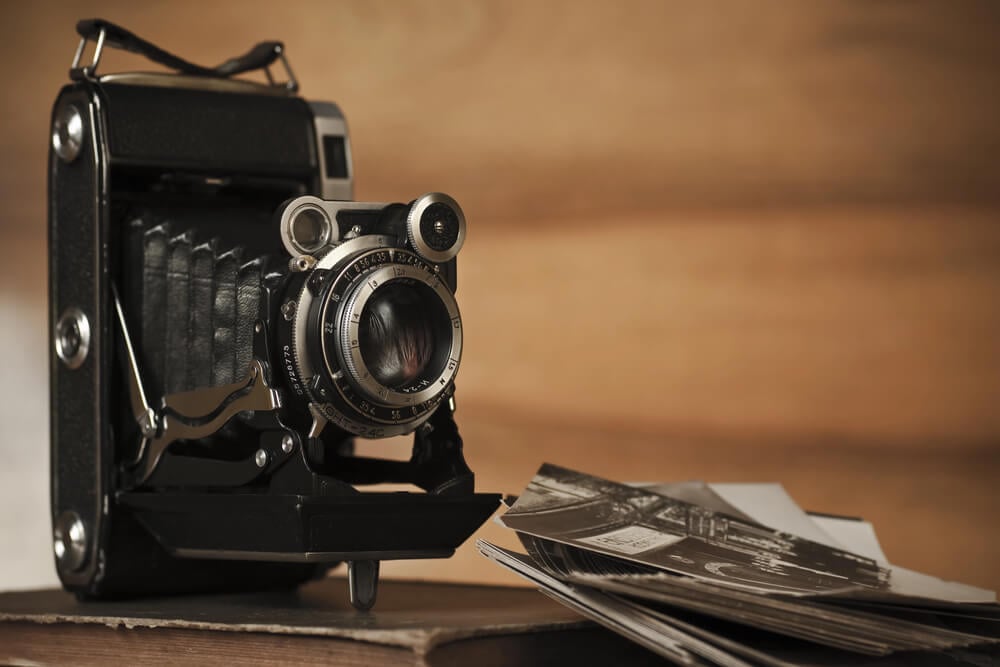
Working vintage film cameras, particularly rangefinder cameras or SLRs from the 1950s-1980s, are purchased by photographers and collectors. A $5-10 purchase reliably sells for $40-80 online.
Vintage Toys and Action Figures
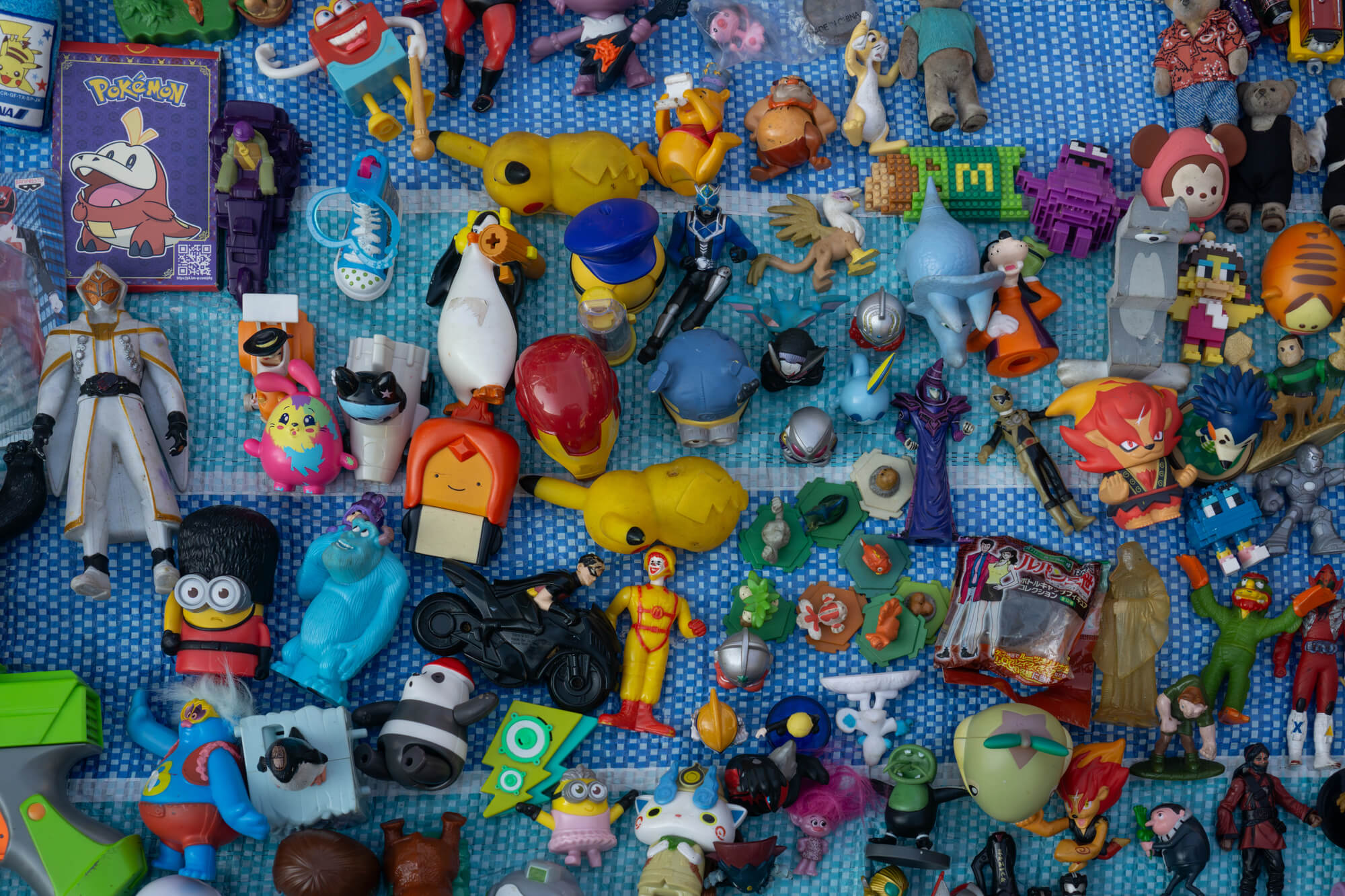
Original vintage action figures and toys from the 1960s-1980s, if kept in reasonable condition, command high prices from collectors. A toy bought for $3-10 can sell for $30-100+ online.
Mid-Century Modern Clocks
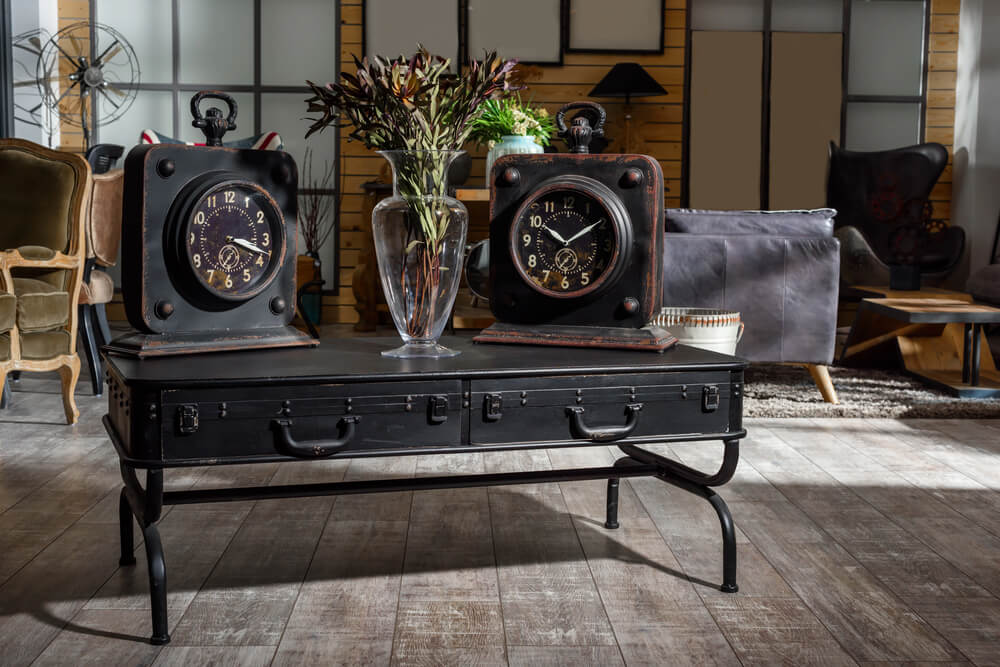
Vintage clocks, particularly atomic-age or sculptural designs from the 1950s-1960s, are collected by designers and homeowners. Dealers buy for $5-15 and sell for $40-80.
Vintage LED and Neon Signs
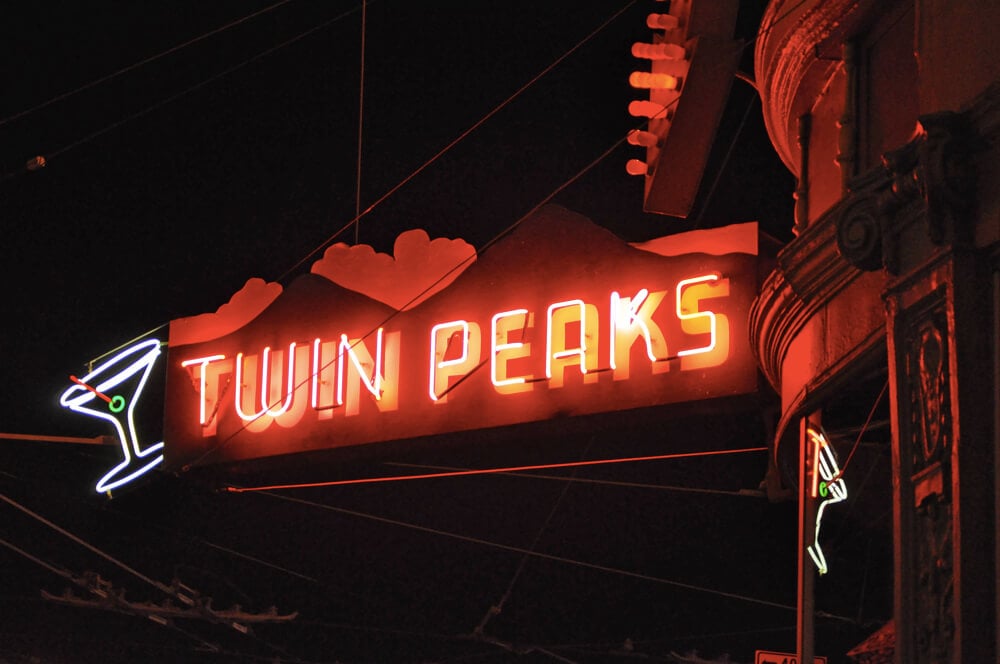
Functional vintage neon or LED signs, particularly from defunct businesses, are purchased by bar and restaurant designers. These typically have 200-400% markups.
Vintage Jewelry (Not Precious Metals)
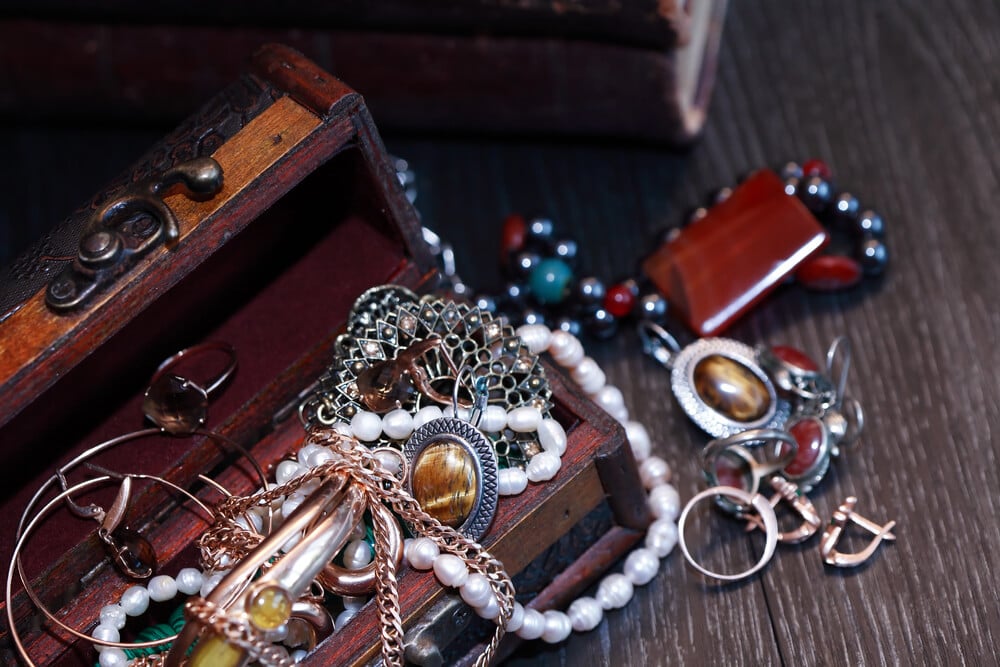
Costume jewelry from the 1960s-1980s, particularly branded pieces from jewelry designers, sells reliably. Dealers source for $1-5 per piece and sell for $15-50.
Vintage Denim (Levi’s, Lee)
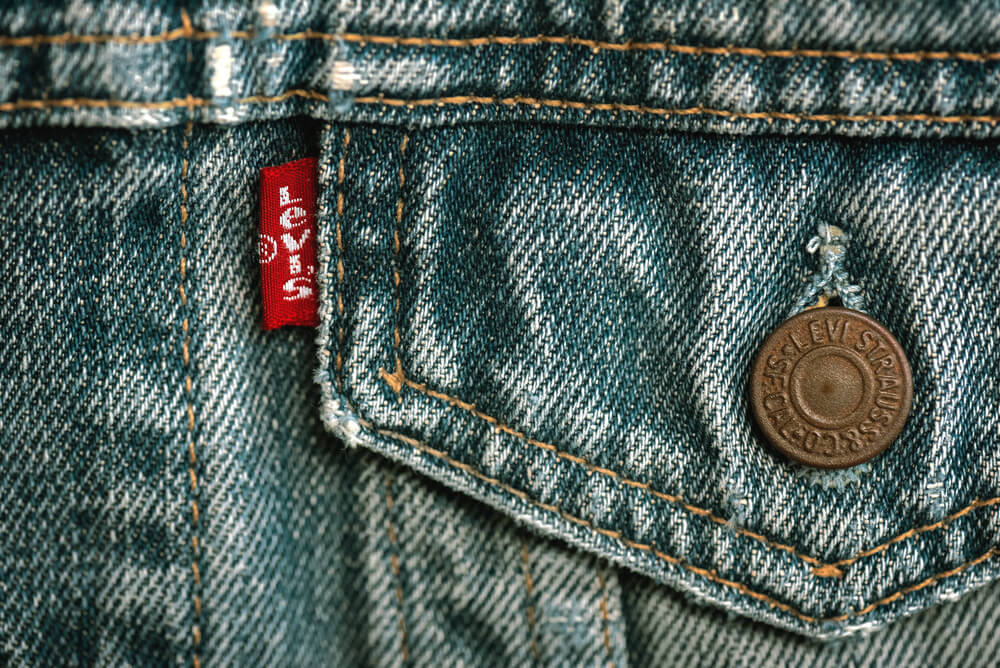
Vintage denim jeans, particularly from the 1980s-1990s with desirable washes, are purchased by denim enthusiasts. A $5 pair can sell for $40-100 online.
Vintage Posters and Concert Memorabilia

Original concert posters from the 1970s-1990s, particularly for famous bands or venues, are collected obsessively. These typically have 300-500% margins.
Vintage Kitchen Appliances
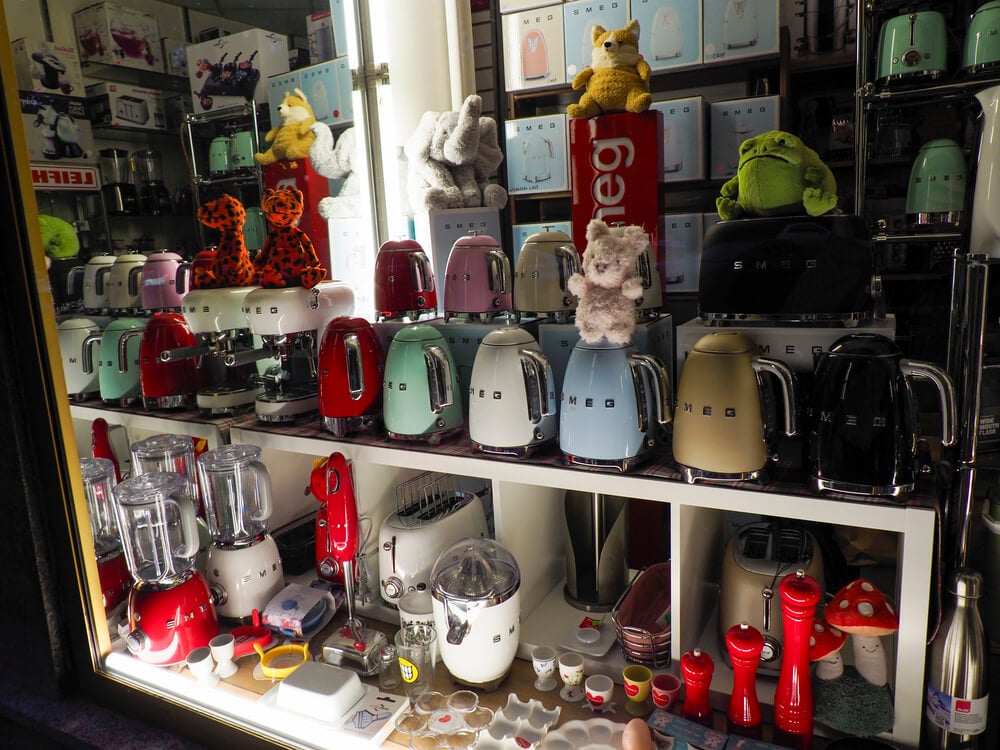
Vintage toasters, blenders, and other small appliances from the 1950s-1960s, particularly in good condition, are purchased by collectors. Dealers buy for $5-15 and sell for $40-80.
Vintage Board Games

Vintage board games from the 1970s-1980s, particularly in complete condition, are collected by board game enthusiasts and designers. A $2 game can sell for $20-50 online.
Vintage Postcards
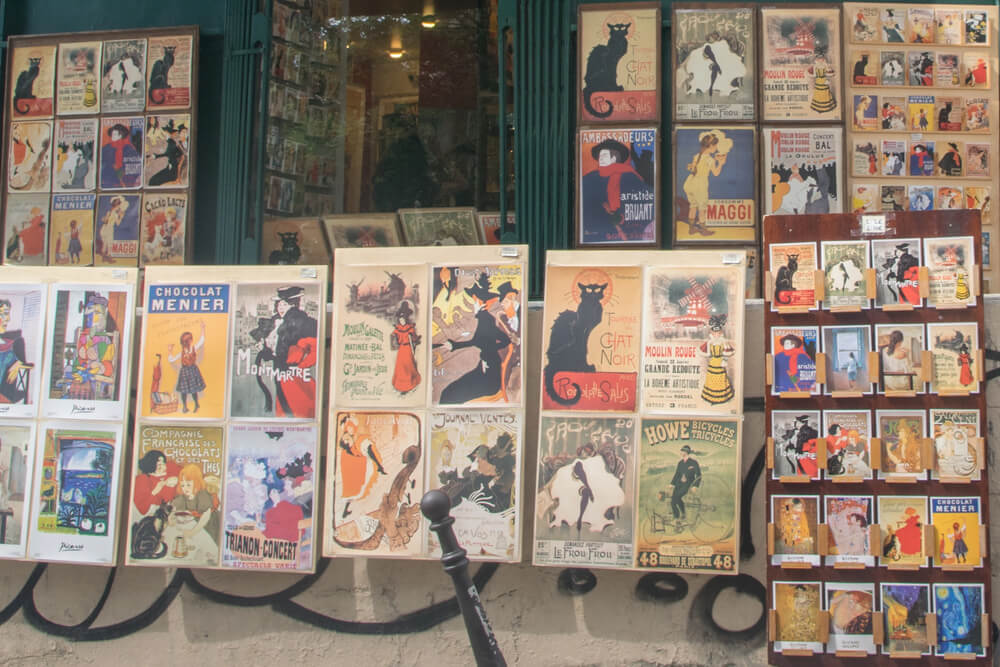
Postcards from specific cities, historical events, or featuring attractive designs are collected obsessively. Dealers source in bulk for pennies per card and sell for $1-5 per card online.
Vintage Lunchboxes
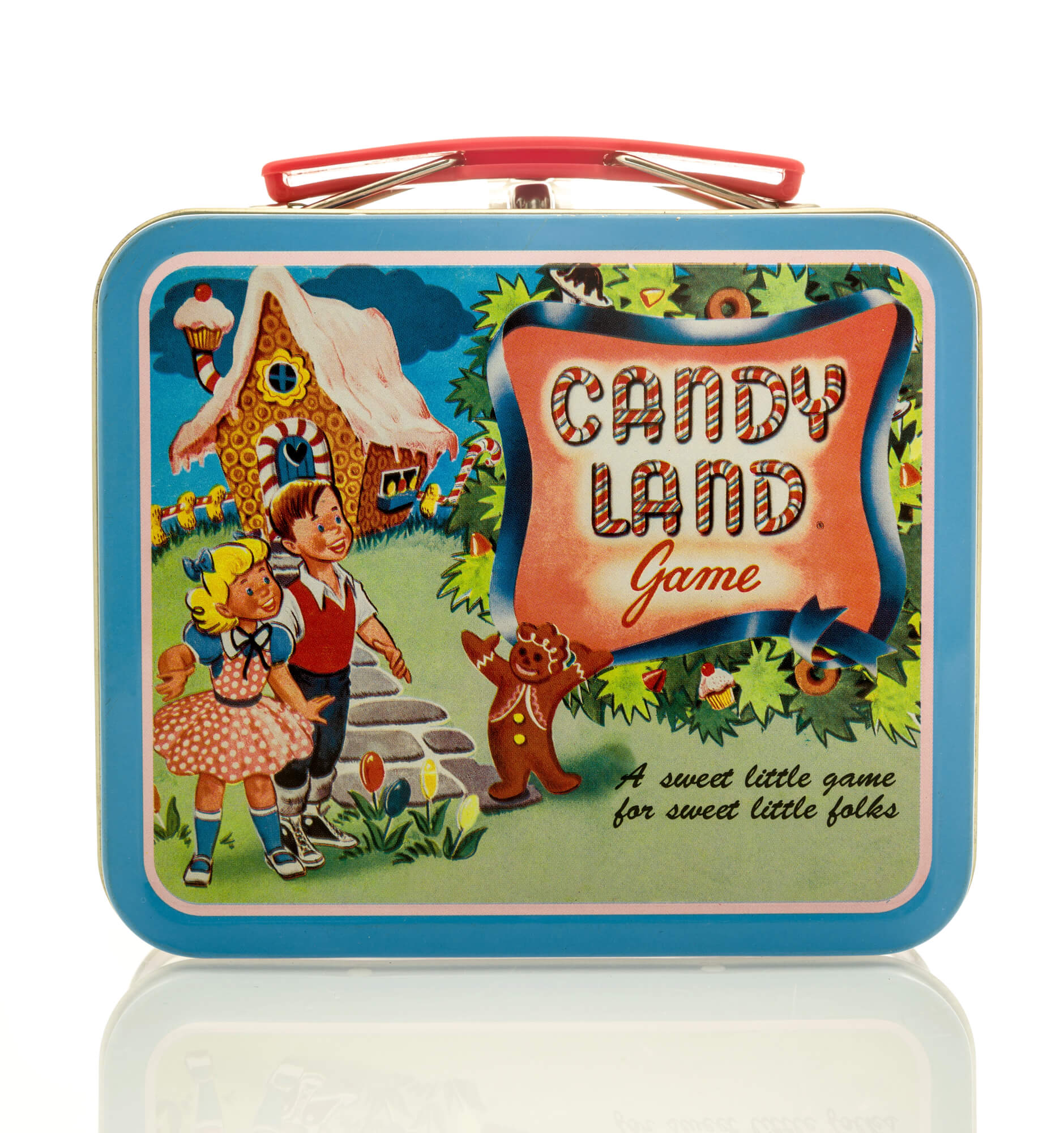
Vintage metal lunchboxes from the 1970s-1980s, particularly featuring popular characters, are collected by enthusiasts. These typically sell for $20-60 if in good condition.
Vintage Photo Slides
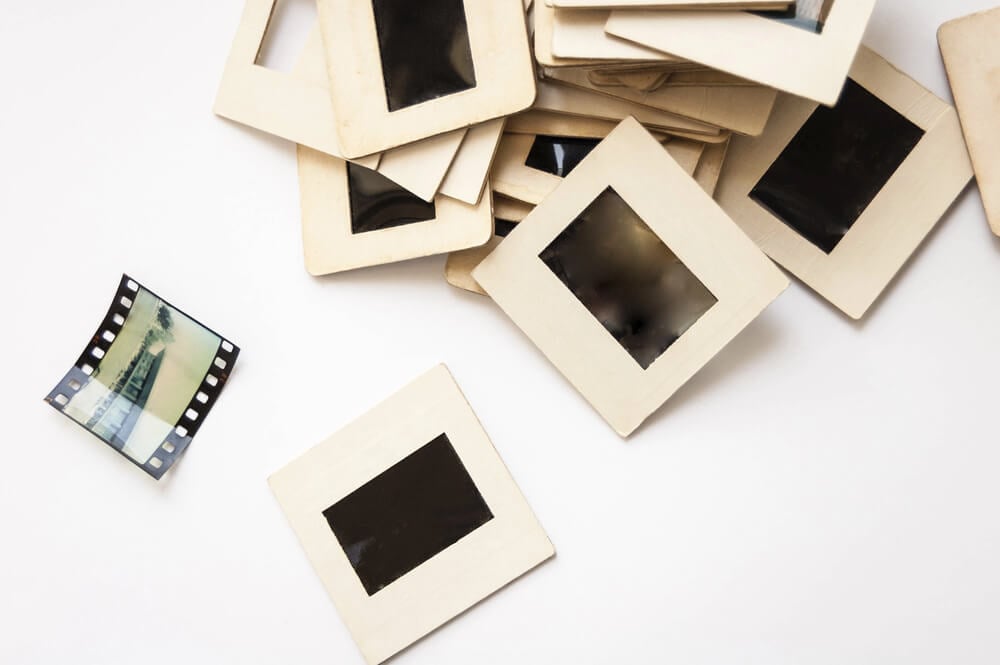
Organized photo slide collections are purchased by nostalgia seekers and designers. Dealers buy complete sets for $5-10 and sell for $30-80 on sites like Etsy.
Vintage Lighting Fixtures and Lamps
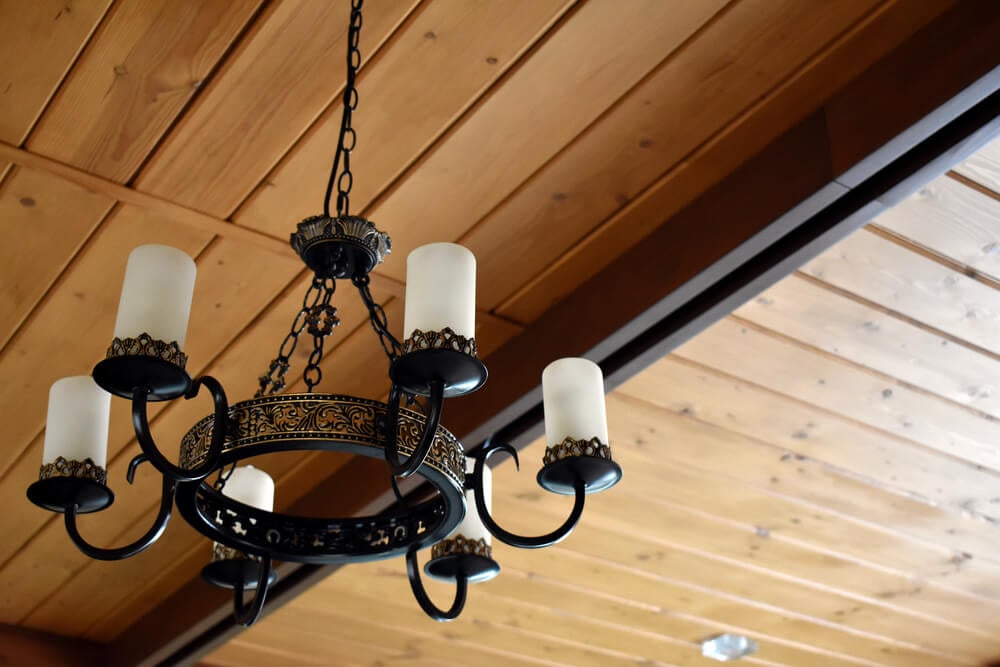
Mid-century modern lighting, particularly sculptural pendant lights or standing lamps, are purchased by interior designers and homeowners. These often have 200-300% margins.
Vintage Doorknobs and Hardware
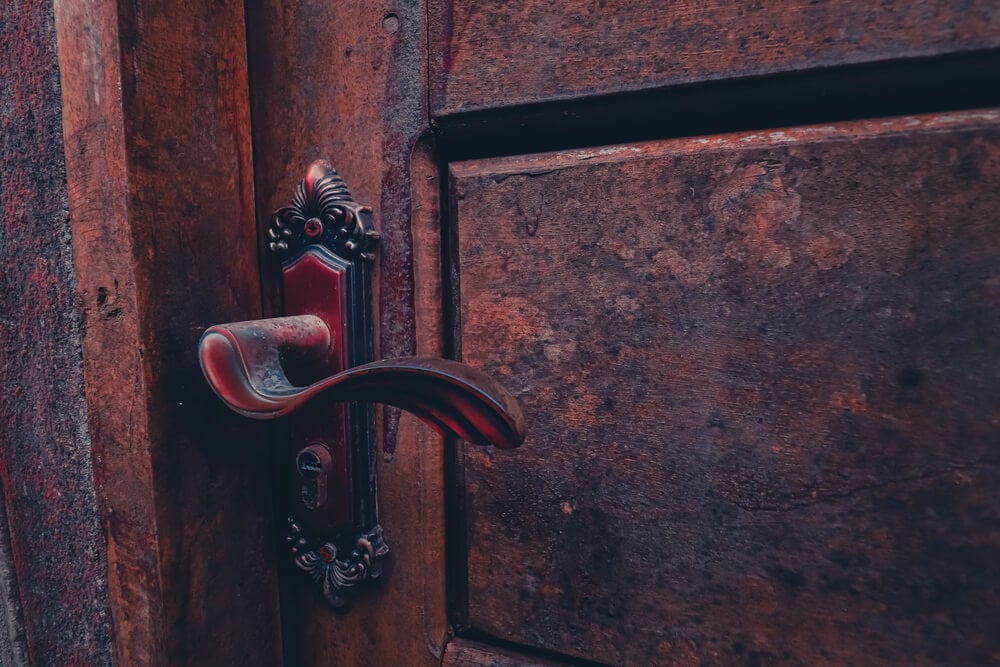
Architectural salvage items, particularly decorative doorknobs or cabinet hardware from the 1920s-1960s, are purchased by renovation enthusiasts. These have strong margins due to the specificity of demand.
Vintage Magazines
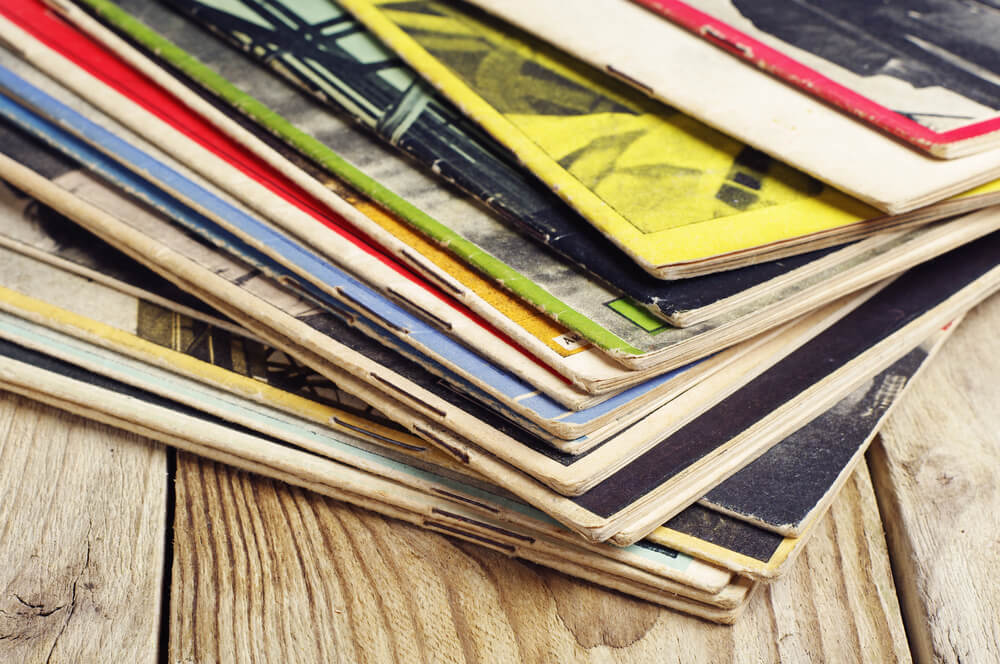
Magazine issues from specific decades, particularly containing iconic photography or advertising, are collected. Dealers source in bulk and sell individually for $2-8 per issue.
Vintage Enamelware and Painted Metal
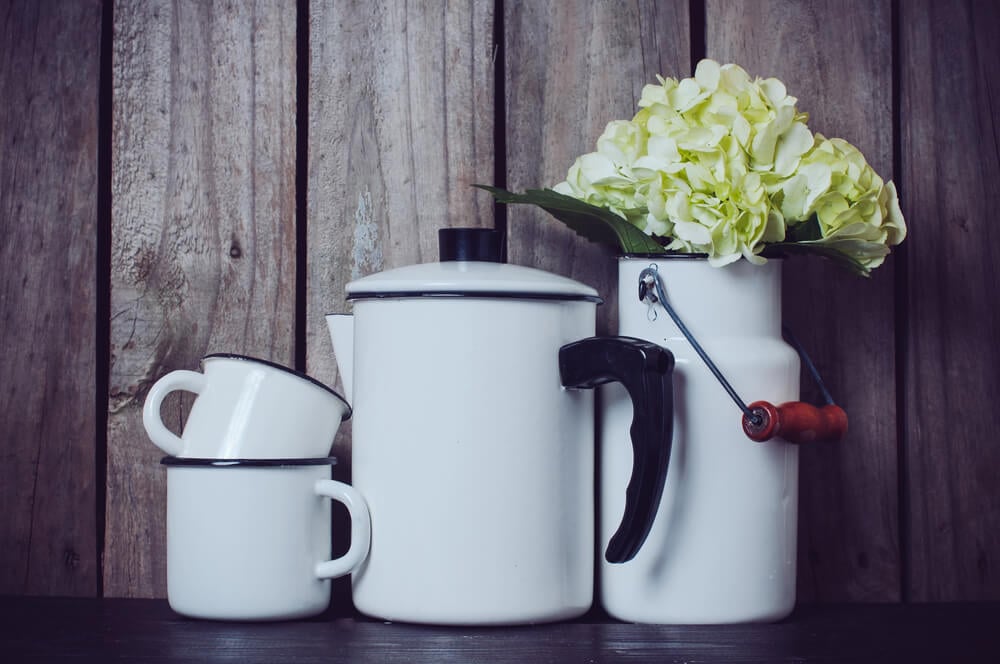
Vintage enamel cooking vessels and painted metal boxes, particularly in cheerful colors with decorative designs, sell reliably. Dealers buy for $1-3 and sell for $10-25.
The Treasure Hunt Never Stops
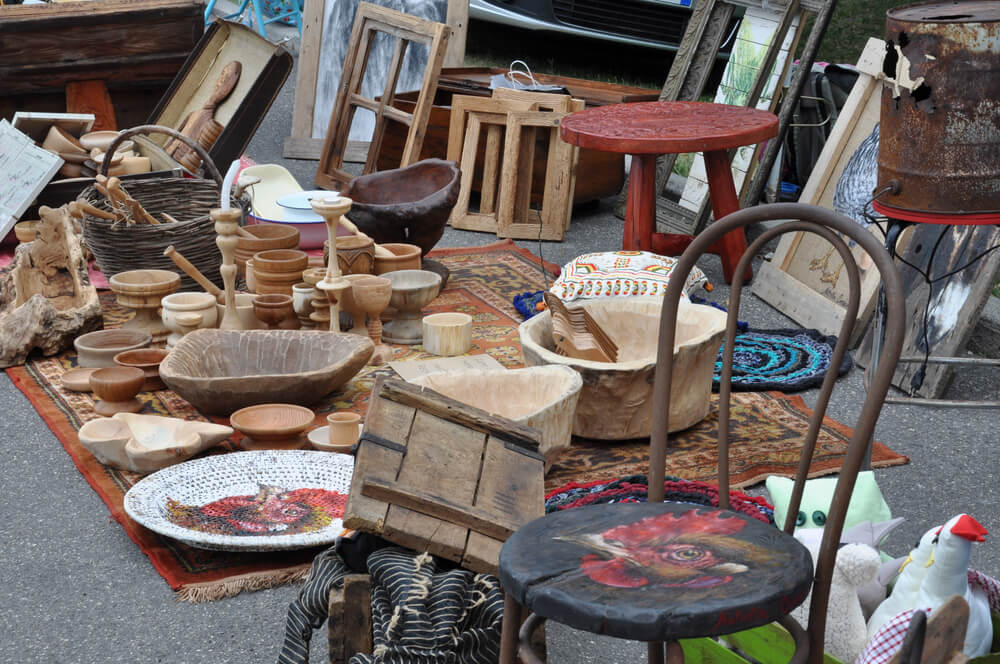
What separates successful dealers from casual collectors is not luck, but knowledge about what endures. Every item on this list has been battle-tested in the marketplace—it has proven that people will seek it out, will pay for it, will treasure it.
For dealers, the flea market is not a place of random discovery but a grid to be systematically searched for items that follow reliable patterns of desirability and value. The hunt is never finished, because new stock arrives weekly, and patterns of demand shift with design trends and nostalgia cycles.
More from Go2Tutors!

- The Romanov Crown Jewels and Their Tragic Fate
- 13 Historical Mysteries That Science Still Can’t Solve
- Famous Hoaxes That Fooled the World for Years
- 15 Child Stars with Tragic Adult Lives
- 16 Famous Jewelry Pieces in History
Like Go2Tutors’s content? Follow us on MSN.



