26 Abandoned Places Across America That Draw Curious Visitors Despite Being Off-Limits
There is a specific type of attention that a crumbling building commands — not the kind you give to something that’s working, but the kind you give to something that used to work and stopped. Urban explorers call their hobby “urbex,” and the community that practices it is large enough to have its own mapping tools, etiquette codes, and ongoing debates about which sites are worth the legal risk.
The answer, judging by foot traffic at most of the sites below, seems to be most of them. Some of these places have operating tours.
Others are fenced, posted with no-trespassing warnings, and guarded intermittently. A few are accessible only by water, or sit inside restricted federal zones.
What they share is a quality that no museum can fully replicate: the sense of a life interrupted mid-sentence, with the furniture still in place and the clocks stopped at an odd hour.
Centralia, Pennsylvania
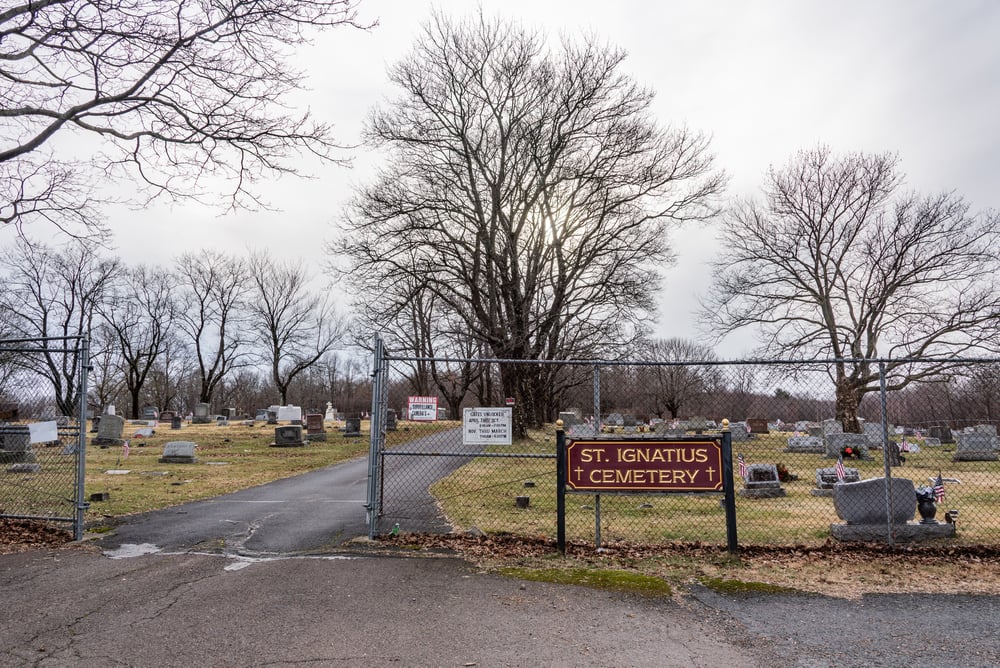
In 1962, a fire ignited in an abandoned mine shaft beneath this coal-mining town and spread through the interconnected seams below. Despite decades of attempts to put it out, the fire still burns.
Geologists estimate it could continue for another 250 years. The population of more than 1,000 residents was gradually relocated through the 1980s as carbon monoxide seeped into homes and the ground became unpredictable.
A handful of residents refused to leave and remain there today. Smoke rises from cracks in the asphalt, the roads are buckled and overgrown, and a stretch of old Route 61 — spray-painted by thousands of visitors — was famously blocked off by the state before it finally subsided into the earth.
Eastern State Penitentiary, Philadelphia
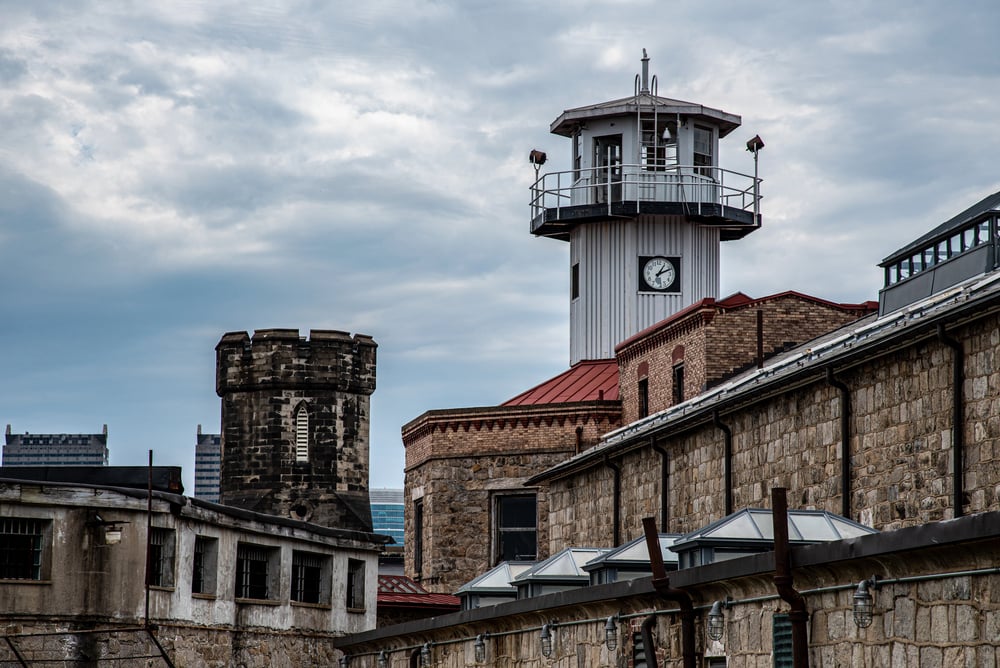
Built in 1829, Eastern State Penitentiary was designed around the radical idea that solitary confinement would prompt genuine reflection and rehabilitation. Inmates were kept in total isolation, hooded when moved between cells, and forbidden to speak.
Al Capone spent eight months here in 1929 and 1930. The facility closed in 1971 and was left to decay for over two decades before becoming a museum.
The crumbling cell blocks, vaulted ceilings collapsing under decades of water damage, and tangled vegetation growing through the floors make it unlike any operating prison museum in the country.
Waverly Hills Sanatorium, Louisville, Kentucky
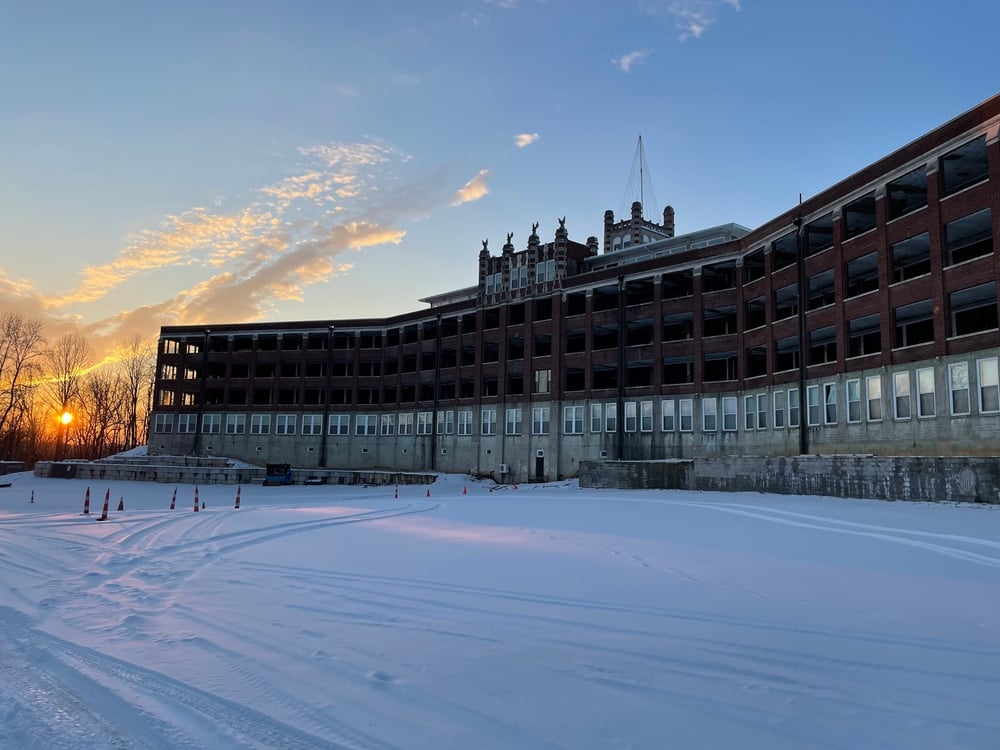
Opened in 1910 to handle Louisville’s tuberculosis crisis, Waverly Hills housed thousands of patients over its five decades of operation. The building closed in 1961 after the development of antibiotic treatments reduced the need for such facilities.
A long concrete tunnel beneath the main building — used originally to transport supplies and later to discreetly remove the dead — became known as the “death tunnel” and anchored the site’s haunted reputation. In 2001, new owners purchased the property and began tours, which continue today.
The upper floors and several wings remain in severe disrepair and are off-limits even during guided visits.
North Brother Island, New York City
Sitting in the East River between the Bronx and Rikers Island, North Brother Island is visible from the shore but accessible only with special authorization. It was home to Riverside Hospital, where Typhoid Mary — Mary Mallon, the first person in the United States identified as an asymptomatic carrier of typhoid — was forcibly quarantined from 1907 to 1910 and again from 1915 until her death in 1938.
The hospital closed in 1963, and the island is now a designated wildlife sanctuary. The collapsing hospital buildings and overgrown grounds are monitored by the New York City Parks Department, and unauthorized visits result in arrest.
Bodie, California
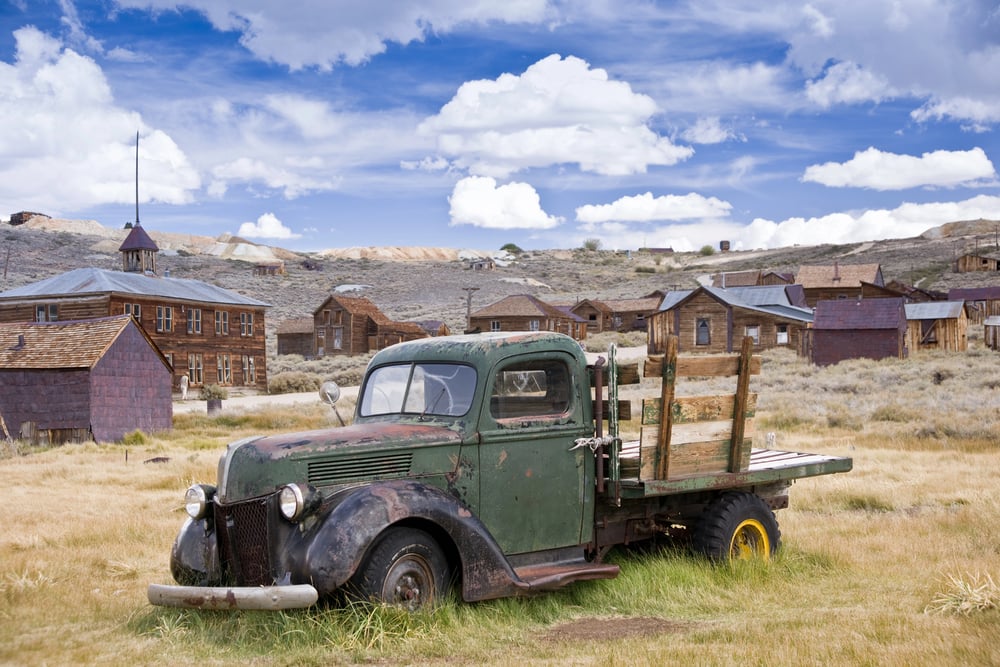
Bodie is a gold rush ghost town in the eastern Sierra Nevada, preserved in a state of what the California State Park Service officially describes as “arrested decay.” The 1879 gold strike here brought a population of about 10,000 within two years.
By 1882, it was already in decline. Today, roughly 200 original structures survive, including homes with dishes still on the tables, a saloon, a bank, and a Methodist church.
The buildings are maintained well enough to prevent complete collapse but are deliberately not restored. Visitors can walk the streets freely, though entering the structures requires a guided tour and the site’s remote location — a two-mile stretch of unpaved road is routinely impassable in winter — keeps it from feeling crowded.
Salton Sea, California
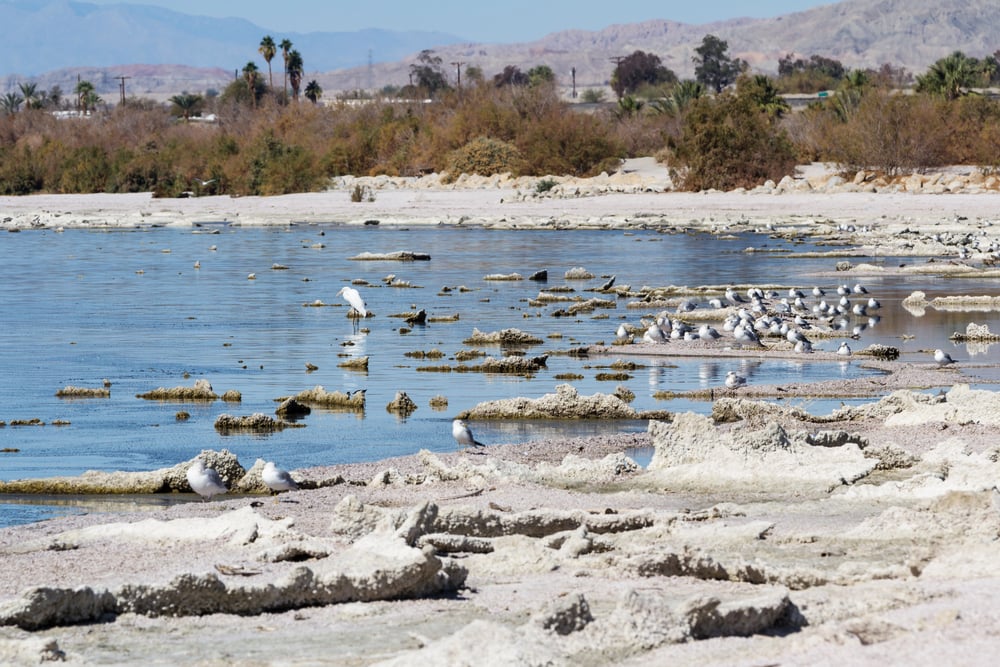
The Salton Sea was created accidentally in 1905 when an irrigation canal ruptured and diverted the Colorado River into a dry lakebed for nearly two years. By the 1950s and 1960s, it had become a genuine resort destination with marinas and beach clubs that drew substantial crowds.
Agricultural runoff gradually raised salinity and phosphorus levels to the point where fish died en masse, the beaches became crusted with dead matter, and the resorts closed. The shoreline communities of Bombay Beach and Salton City still have standing buildings, a pier, and the ruins of motels that are technically on private or state-managed land, making free exploration legally complicated.
Old Joliet Prison, Illinois
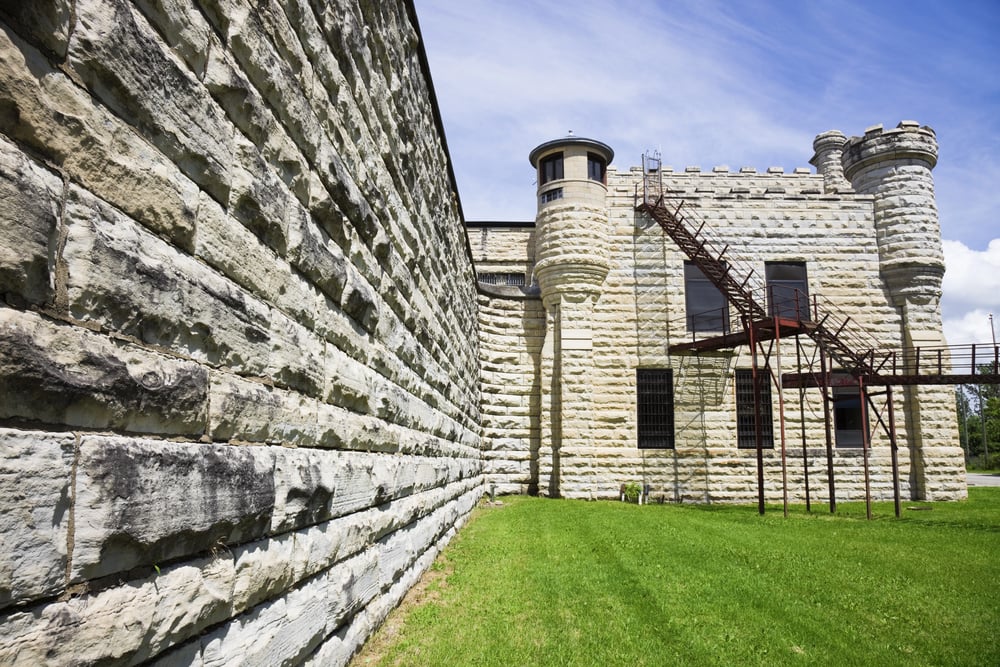
The Old Joliet Correctional Center operated from 1858 until 2002, housing generations of Illinois’s most serious offenders. Its stone Gothic exterior has appeared in several films and was used as a filming location for the first scene of The Blues Brothers.
After closing, the facility deteriorated rapidly, with portions of the roof collapsed and structural instability making most of the interior dangerous without professional guidance. The Will County government has offered walking tours of portions of the exterior, but most of the building remains off-limits.
Plans for redevelopment have been discussed for years without resolution.
Bannack, Montana
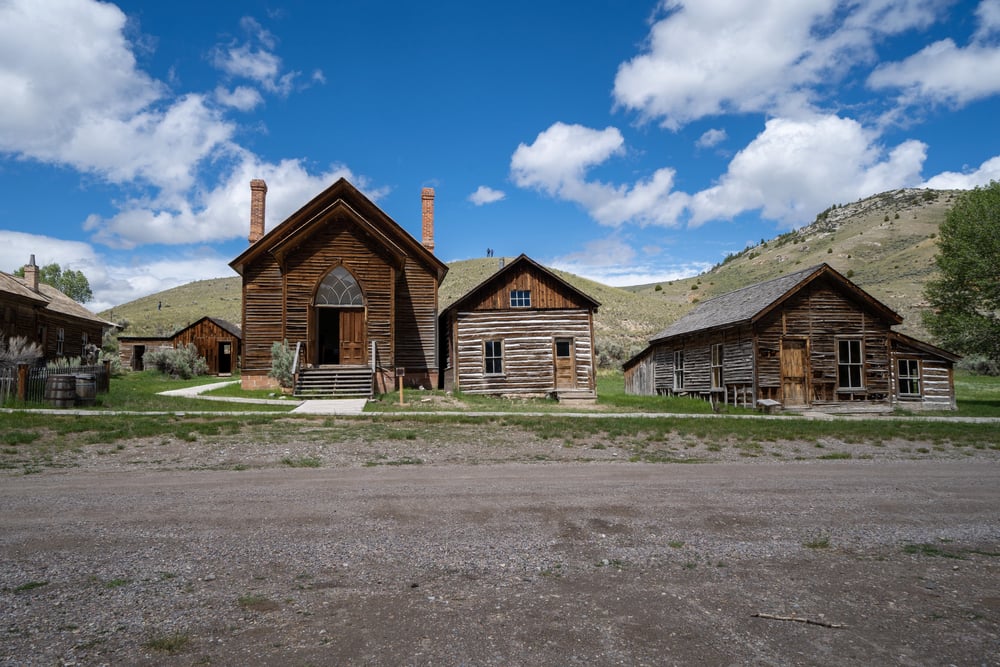
Montana’s first territorial capital following a gold strike in 1862, Bannack grew fast and fell faster. By the 1940s it was entirely empty. Today it survives as a state park with more than 60 original structures, including a hotel, a school, and a masonic lodge — one of the more intact ghost towns in the American West.
Despite having official park status and regulated visitor hours, many visitors arrive outside those hours, and the structures themselves are closed to entry due to instability. The site is genuine: the furniture is original, and the artifacts left behind when residents departed were never entirely removed.
Trans-Allegheny Lunatic Asylum, Weston, West Virginia
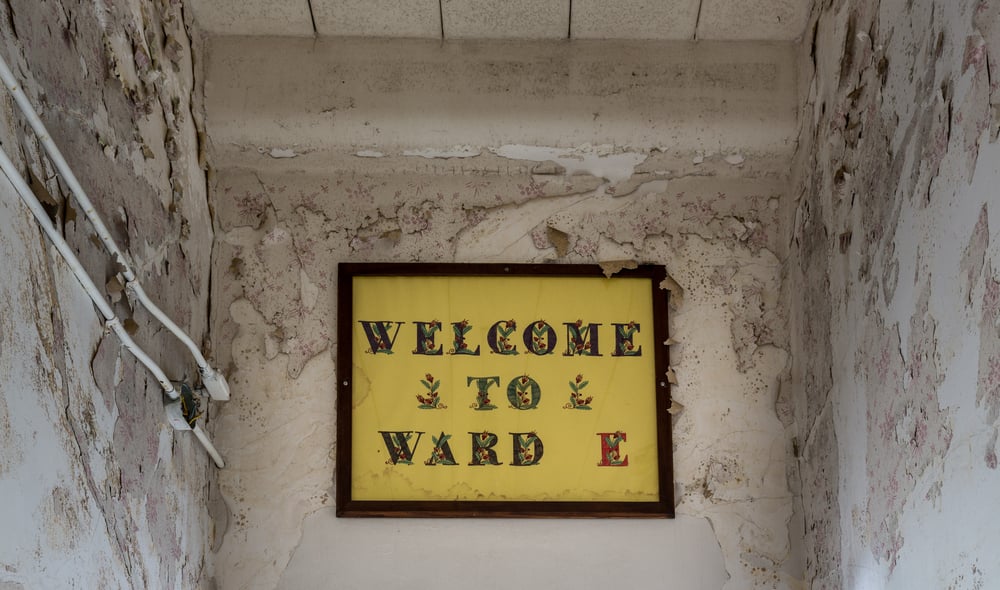
Built between 1858 and 1881, this is the largest hand-cut stone building in North America. It operated as a psychiatric facility until 1994, housing far more patients than it was designed for by its mid-20th century peak.
The building was purchased privately in 2007 and now offers historical tours, ghost tours, and overnight paranormal investigation packages. Several wings are in advanced states of deterioration and remain officially closed even to tour groups.
The sheer scale of the structure — it covers more ground than most city blocks — means that the open sections represent only a fraction of what the building contains.
City Hall Subway Station, New York City
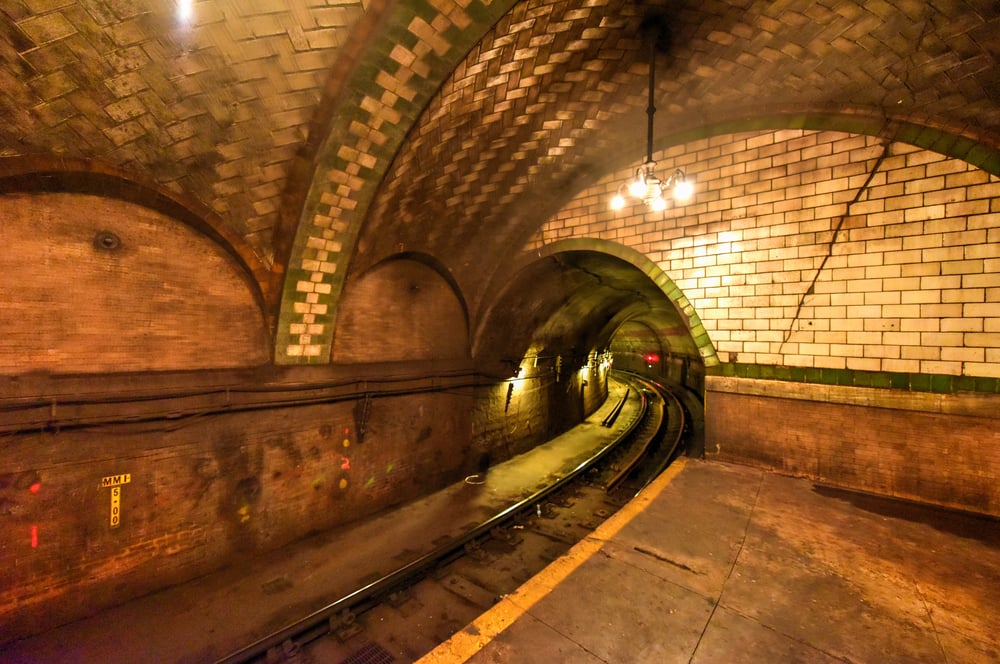
The original City Hall station of the New York City subway opened in 1904 as the crown jewel of the IRT line, featuring vaulted Guastavino tile ceilings, skylights, and curved platforms that were considered architecturally significant at opening. It closed to passengers in 1945 because its platform curves made it incompatible with longer modern train cars.
The MTA preserves the station for its architectural value and offers periodic tours through the New York Transit Museum. The station is also visible — briefly — to anyone riding the 6 train past the last stop at Brooklyn Bridge, as the train loops around the closed platform before returning uptown.
Entering independently is illegal.
Kennecott Mines, Alaska
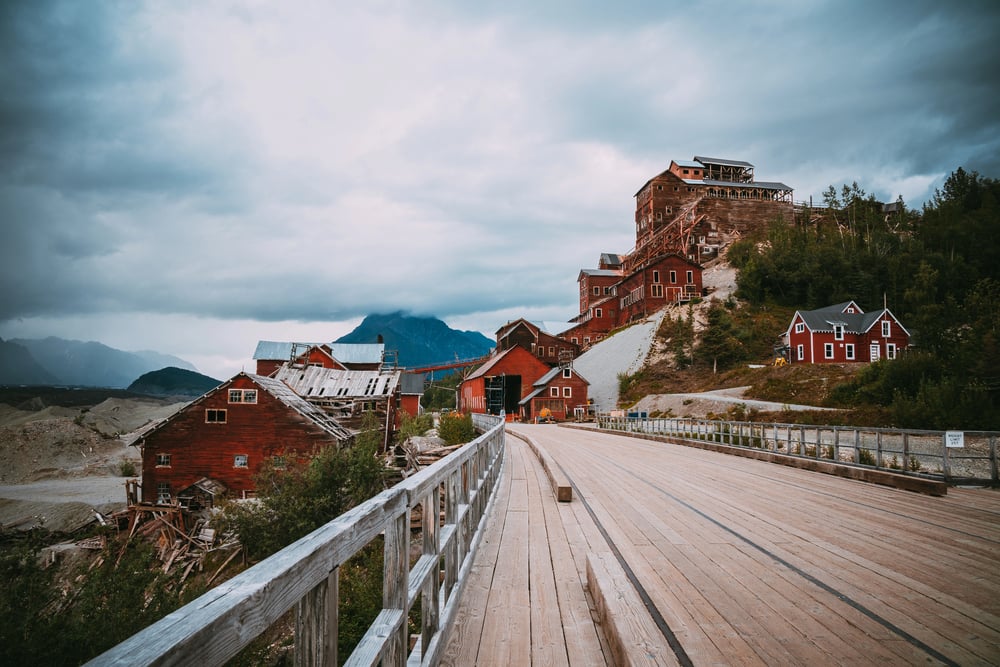
Inside Wrangell-St. Elias National Park, the Kennecott copper mining complex operated from 1903 to 1938 and was one of the most productive copper sources in history. The red wooden mill buildings still cling to the mountainside above a glacier, structurally compromised but visually striking.
The National Park Service manages the site and offers guided tours of the exterior and some interior areas. Many of the buildings are off-limits due to structural risk, and reaching Kennecott requires driving 60 miles of unpaved road from the nearest paved highway, then either walking or taking a small shuttle the final stretch to the mill town.
Gary, Indiana
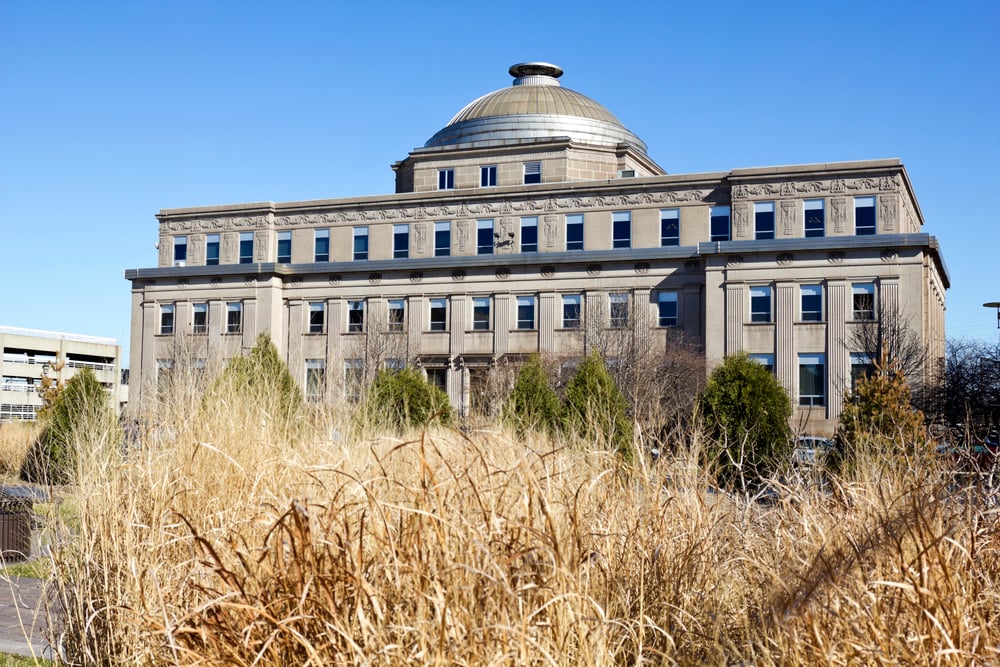
Once a planned steel city built by US Steel Corporation in 1906, Gary declined sharply after the steel industry collapsed in the late 20th century, leaving behind an extraordinary density of abandoned infrastructure across a functioning city. City Methodist Church, built in 1925 and designed to seat 1,800 people, still stands with its Gothic stone exterior largely intact and its roof open to the sky.
The Palace Theater, the Union Station, and dozens of residential structures are in similar states. Much of Gary is technically on private or municipal land, making exploration legally fraught, though the city’s hollow buildings are visible from public streets.
Sutro Baths, San Francisco
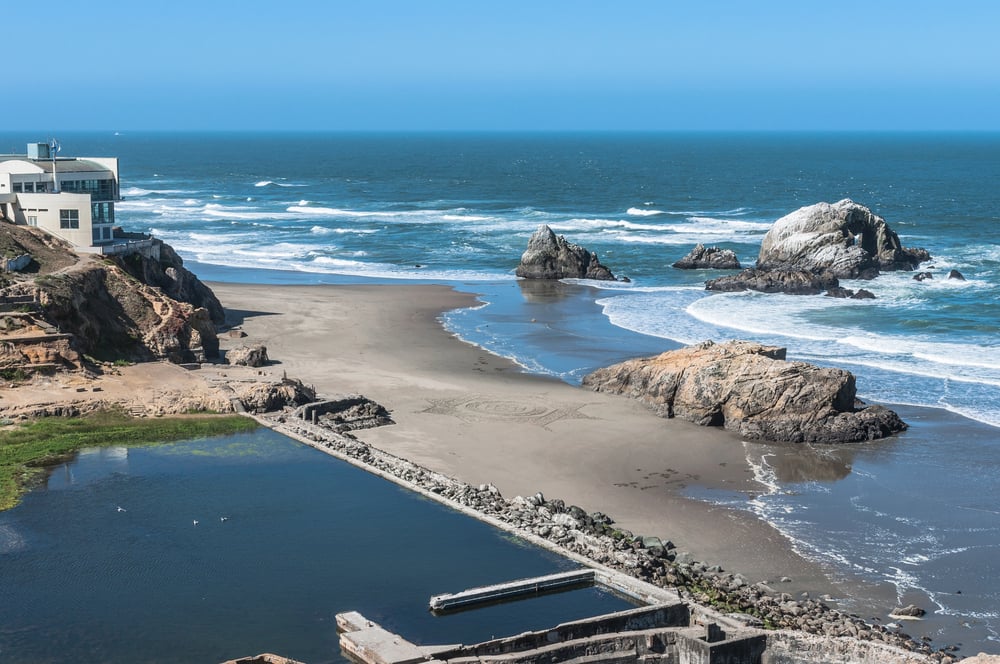
Built in 1896 by Adolph Sutro, a former mayor of San Francisco, the Sutro Baths complex held six saltwater pools and one freshwater pool inside the largest enclosed swimming facility in the world at the time, accommodating up to 10,000 bathers. The complex was converted to an ice rink in 1937, caught fire in 1966 during demolition, and was never rebuilt.
The ruins — concrete foundations, tidal pools, and the remains of the mechanical infrastructure — sit at the edge of the Pacific inside the Golden Gate National Recreation Area and are open to the public. The sea caves beneath the ruins and the collapsed lower sections are not.
Winchester Mystery House, San Jose, California
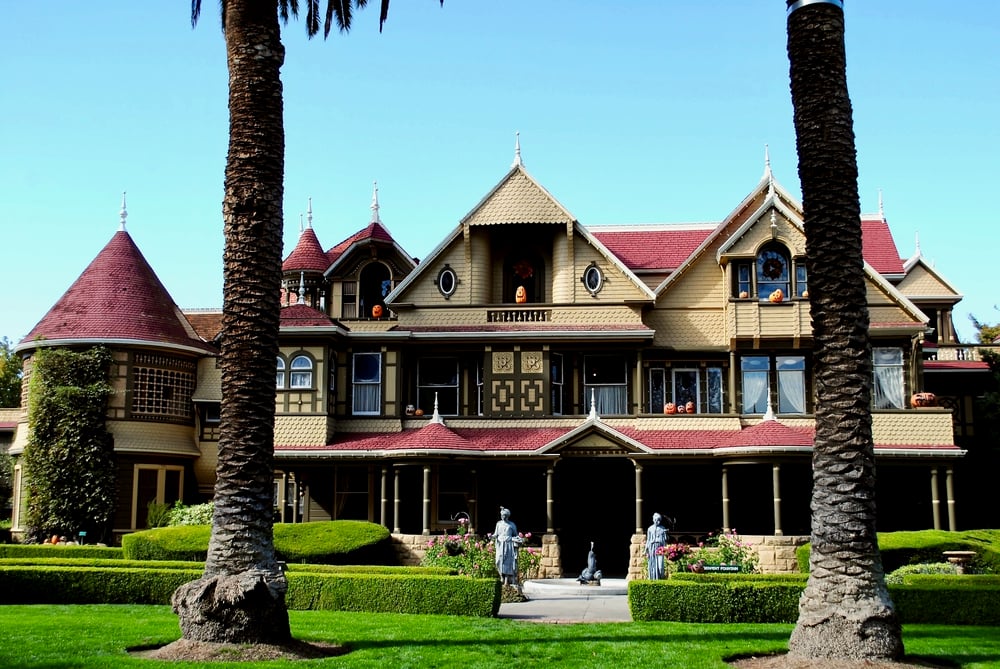
Sarah Winchester, widow of rifle inventor William Wirt Winchester, began building additions to her San Jose farmhouse in 1884 and continued without interruption until her death in 1922. The result is a 160-room Victorian mansion with staircases that lead to ceilings, doors that open onto sheer drops, and hallways that dead-end in walls — designed, according to popular legend, to confuse the spirits of those killed by Winchester rifles.
The house is a functioning museum and tourist attraction, so it is not abandoned in the strict sense, but many of its rooms are sealed, and the sections the public cannot access are believed to number in the dozens.
Abandoned Missile Silos, Various States
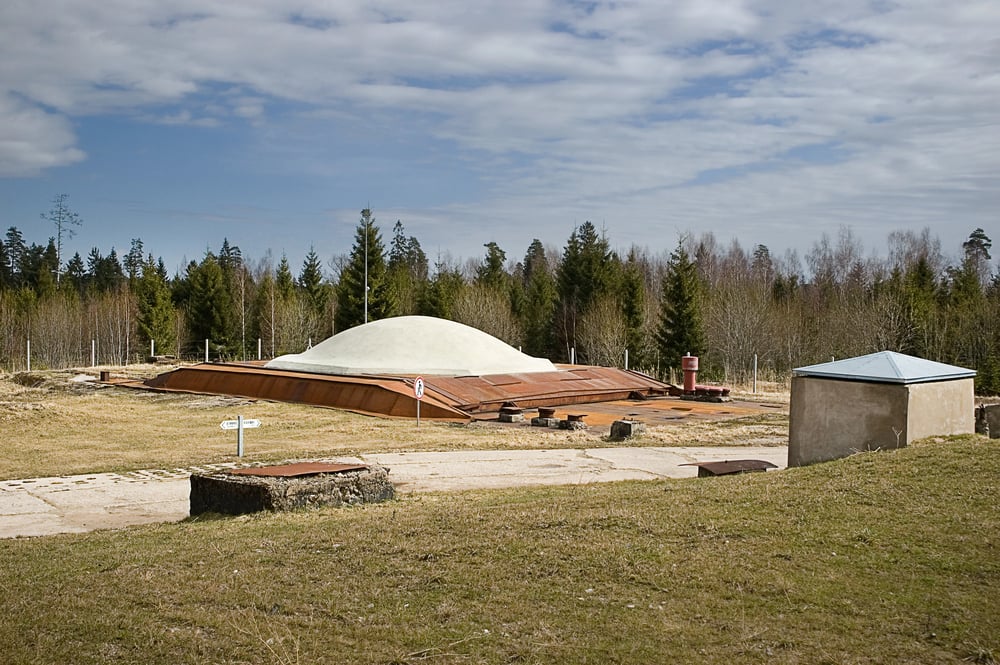
The decommissioned Atlas and Titan ICBM missile silo complexes scattered across Kansas, Nebraska, South Dakota, and other Great Plains states have attracted explorers since their deactivation in the 1960s. Dozens are on private land with posted no-trespassing warnings, though several have been purchased by private individuals and converted into homes or bunkers.
The underground corridors — some extending many stories below grade — remain structurally sound enough to be compelling but are filled with standing water in many cases and sealed with federal security requirements that make breaking in a federal offense.
Island of Typhoid Mary, Riverside Hospital Ruins
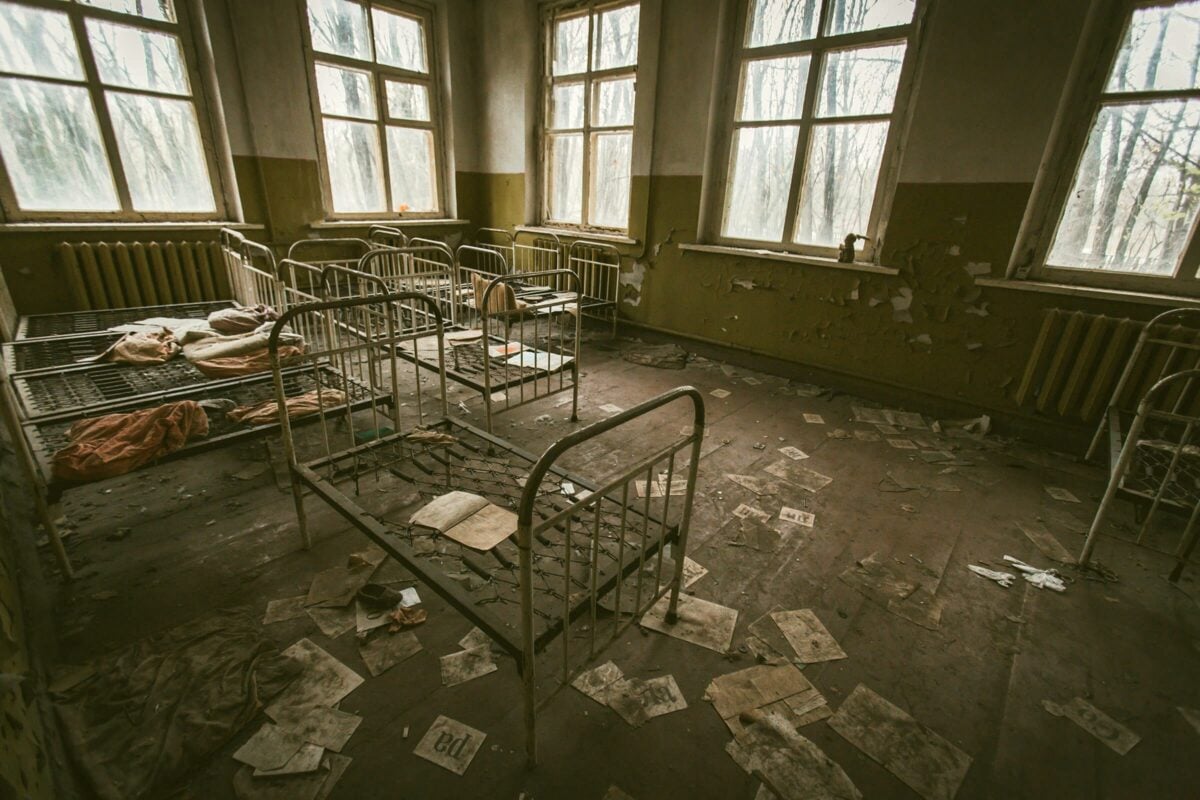
Beyond the main North Brother Island site, the ruined structures of Riverside Hospital — distinct from the island generally — include an isolation ward where Typhoid Mary lived in a small cottage during the years of her forced quarantine. The cottage no longer stands, but photographs from the period and the surviving hospital foundations tell the specific story of one of the most legally contested quarantine decisions in American medical history, a case that raised questions about individual liberty and public health that are still cited in bioethics discussions today.
Abandoned Military Fort, Fort Jefferson, Florida
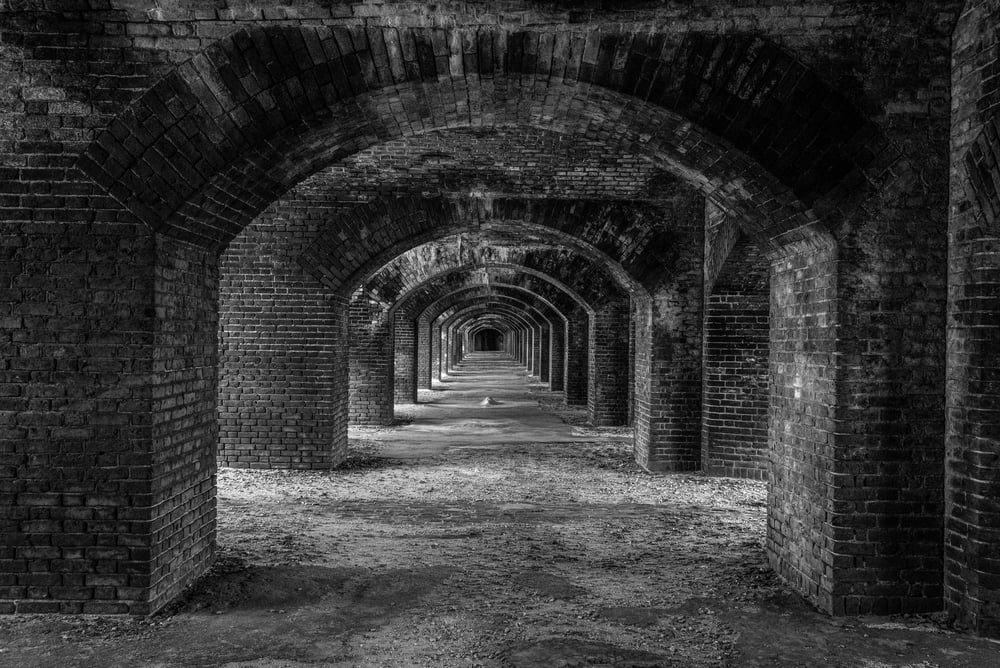
Located 70 miles west of Key West in the Dry Tortugas, Fort Jefferson is the largest masonry structure in the Western Hemisphere, an unfinished Civil War fortress begun in 1846. It is accessible only by boat or seaplane, making it genuinely remote.
The fort served as a military prison after the Civil War and housed Dr. Samuel Mudd, convicted of complicity in Abraham Lincoln’s assassination. Much of the upper structure was left unfinished and remains that way.
The Dry Tortugas National Park manages the site, and while visitors can tour the exterior and portions of the interior, the upper tiers and many internal passages are restricted.
Whittier, Alaska
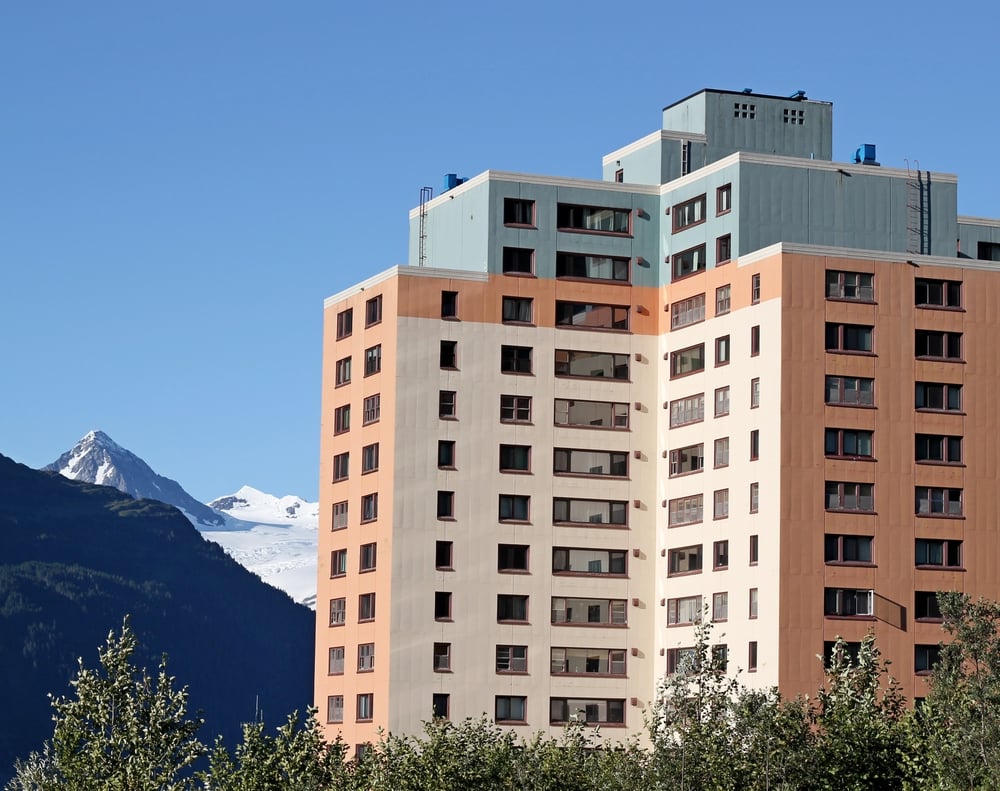
Whittier is not entirely abandoned but functions as a community of roughly 200 people, almost all of whom live in a single 14-story building — the Begich Towers — that contains apartments, a school, a church, a market, and a medical clinic. The nearby Buckner Building, a former military complex larger than Begich Towers, was abandoned after the 1964 Good Friday earthquake and has been deteriorating ever since.
It is closed and posted with warnings, but its scale — nearly 200,000 square feet on multiple floors — makes it one of the most striking abandoned military structures in the country.
Centralia’s Graffiti Highway
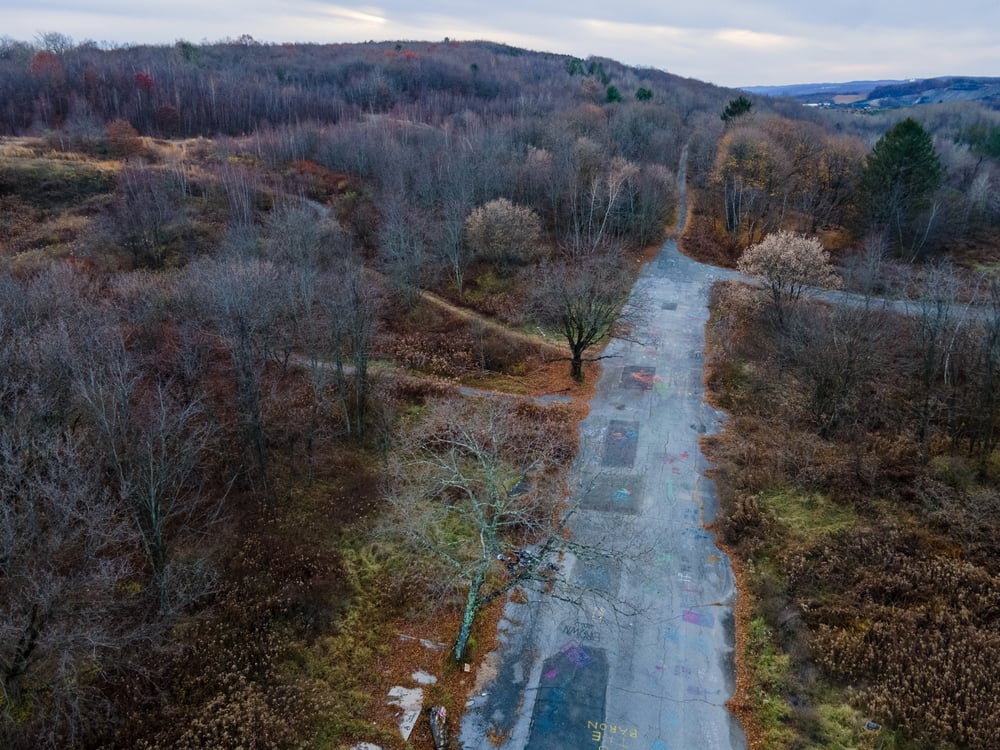
A separate note from Centralia itself: PA Route 61, the section of highway abandoned over the underground fire zone, became famous for the elaborate graffiti that accumulated on its cracked surface over decades. The state of Pennsylvania buried this stretch of road in 2020 specifically to prevent continued trespassing, filling it with enough soil to eliminate the flat surface.
The burial did not stop visitors from coming to Centralia, but it removed the most visually iconic element. The area where the highway was is now a slight rise in the overgrown landscape.
Lake Shawnee Amusement Park, West Virginia
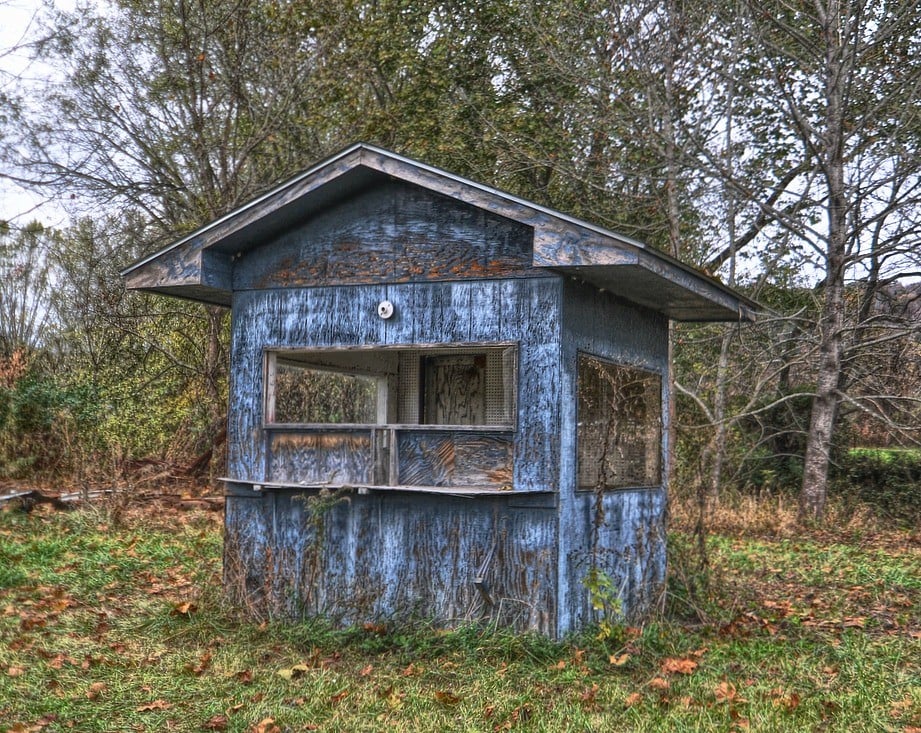
Lake Shawnee opened as an amusement park in the 1920s on land with a significantly darker prior history — the site was the location of a violent 18th-century settler attack that killed several people, and three children died in amusement park accidents during its operating years before it closed in 1966. The rides remain in place, rusting in position, including a Ferris wheel and swing ride now threaded with vines.
The property is private, and the owner has intermittently offered tours, but the site sits on contested land whose historical layers have given it a reputation well beyond what its physical condition justifies.
Fordlândia, Amazon — Honorary American Entry
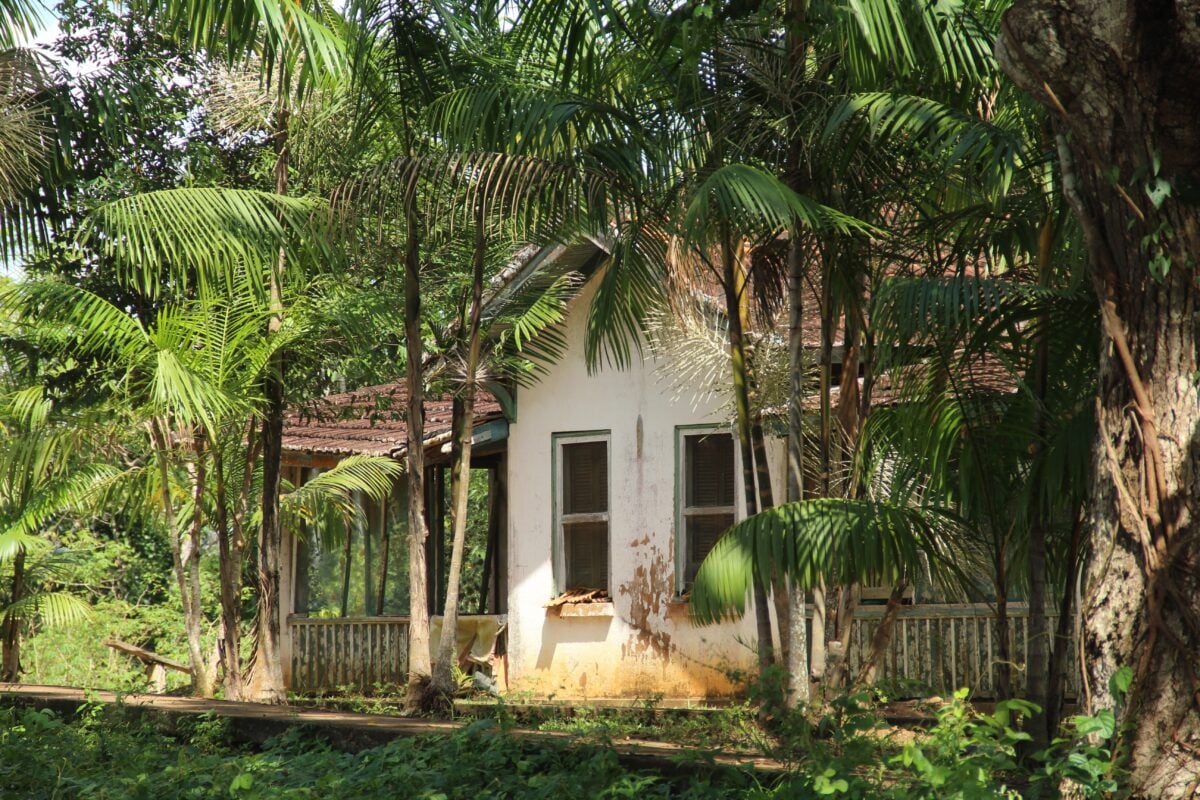
While technically in Brazil, Fordlândia deserves mention as an American project: Henry Ford’s failed attempt to build a self-sufficient American-style town in the Brazilian Amazon in 1928 to secure a rubber supply. The town had a hospital, a golf course, and American bungalows, and it failed almost immediately due to disease, worker uprisings over the imposition of American work schedules, and the eventual development of synthetic rubber that made the whole enterprise unnecessary.
The infrastructure still stands in the jungle outside Santarém, maintained by the Brazilian government and accessible — if you make the effort.
Abandoned Mental Hospital, Eloise, Michigan
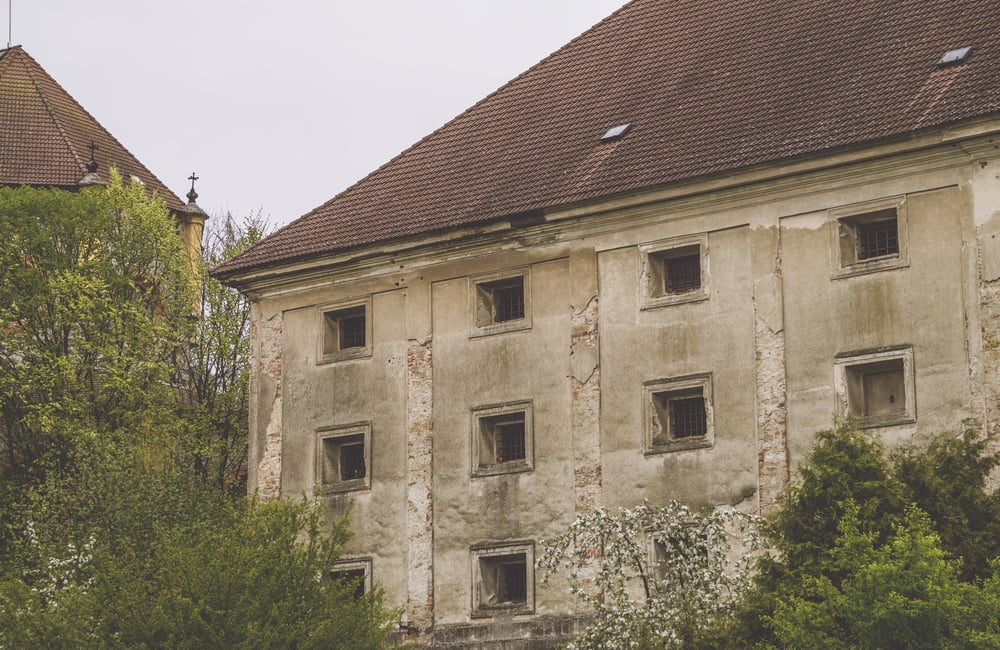
The Eloise psychiatric hospital complex in Westland, Michigan began as a county poorhouse in 1839 and eventually grew into a self-contained community with its own post office, power plant, farm, and fire department. At its peak in the mid-20th century it housed more than 10,000 patients across dozens of buildings.
Most of the complex was demolished in the 1970s and 1980s, but several structures remain, including the main building that now partially functions as offices while other wings stand empty. The abandoned sections are off-limits, and urban explorers have been cited for trespass at the site repeatedly.
Abandoned Drive-In Theaters
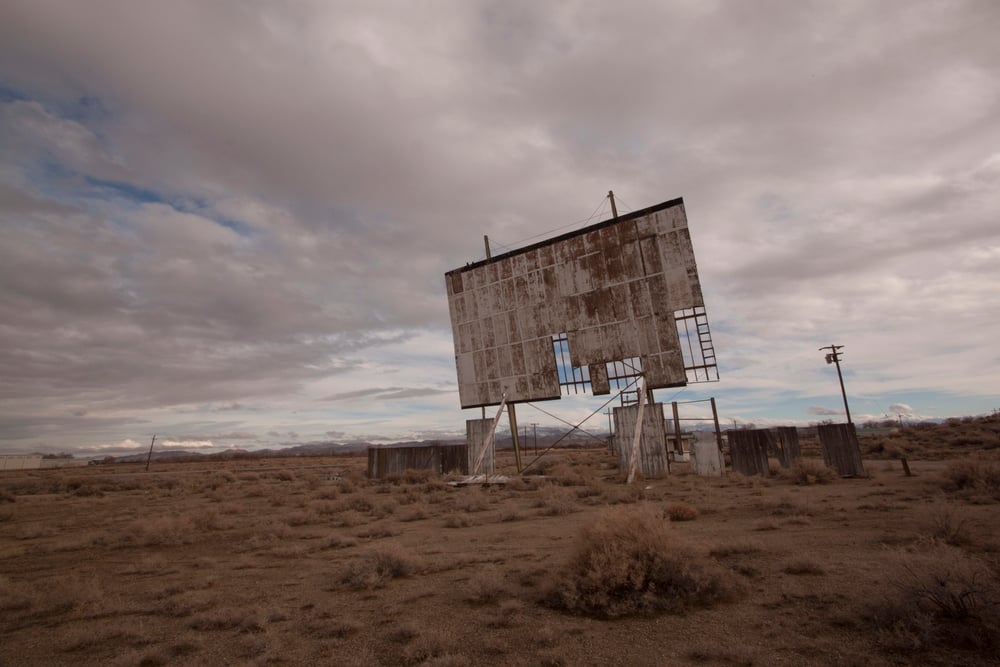
America had roughly 4,000 drive-in theaters at their peak in the late 1950s. Fewer than 300 remain operational today.
The ones that closed left behind projection booths, speaker posts, and vast cracked asphalt lots that now serve as unofficial destinations for urbex photographers. Some of the most visually compelling are in rural Texas, Ohio, and the mid-Atlantic states, where the structures have been left in place due to the cost of demolition outweighing any alternative use for the land.
Garnet Ghost Town, Montana
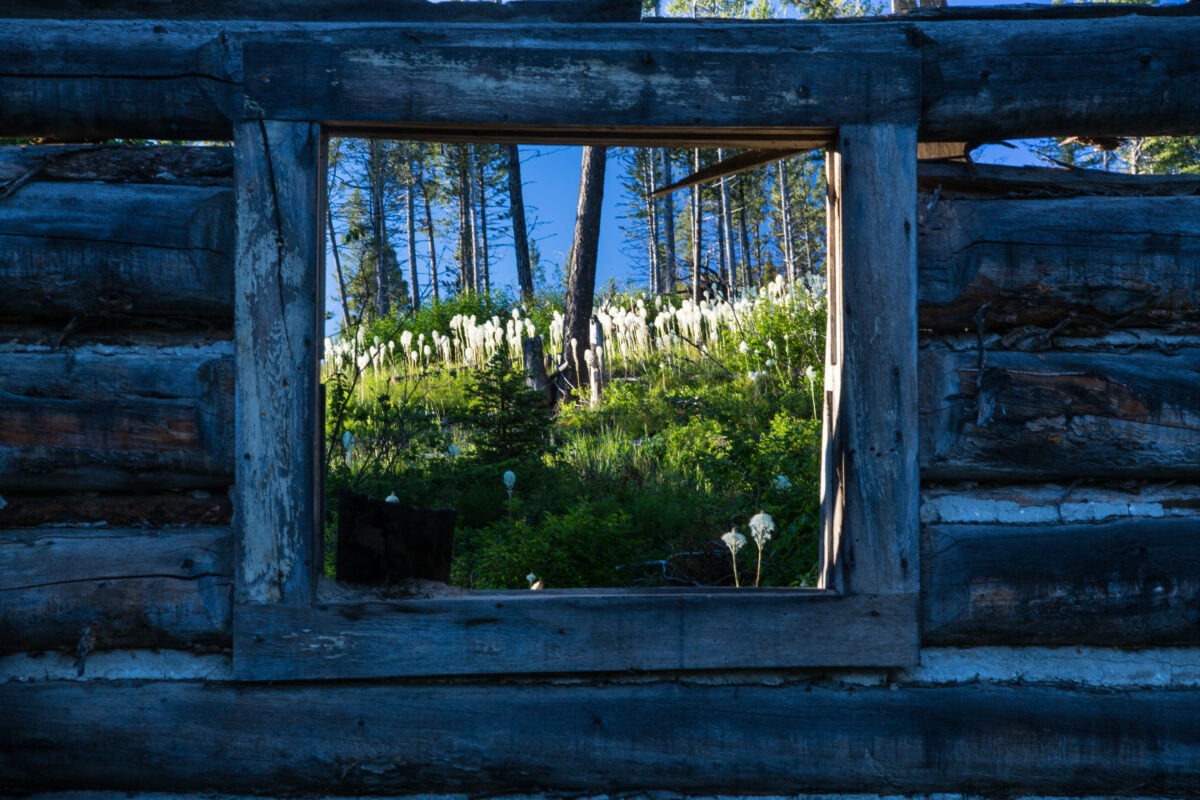
Garnet is considered by urban exploration communities to be among the best-preserved ghost towns in the country, administered jointly by the Bureau of Land Management and a nonprofit preservation association. Gold miners first settled it in the 1890s, and it was abandoned again after a fire in 1912, briefly revived during the Depression when gold prices rose, and finally emptied by the 1940s.
About 30 original buildings survive, and a limited number of rustic cabins can be rented in winter when the access road is otherwise impassable. The structures are open to walk-around viewing but not to entry.
Abandoned Southern Plantations
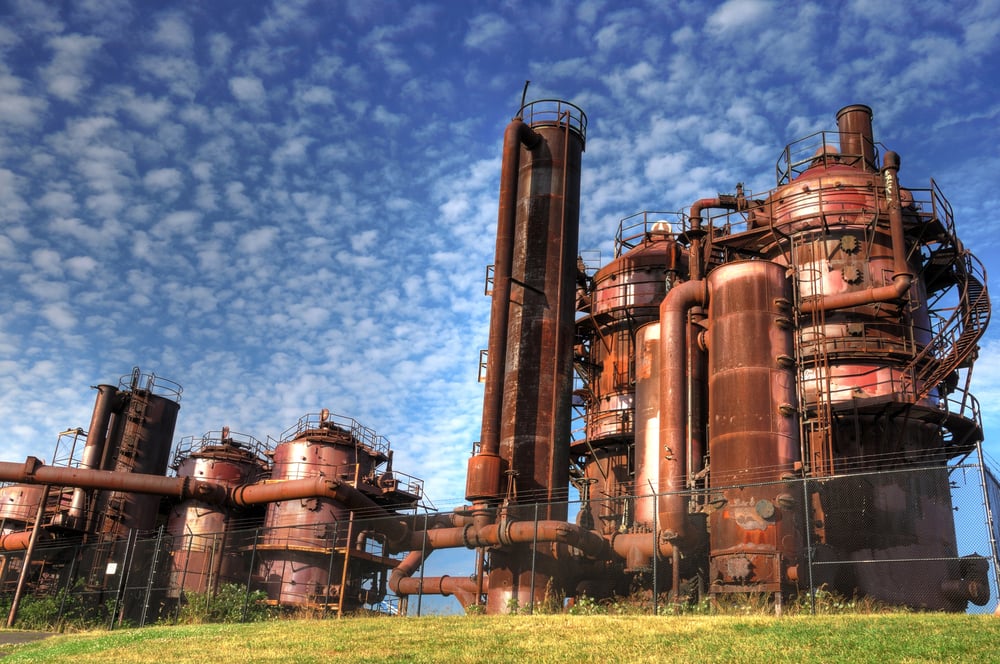
Across the Deep South — particularly in Louisiana, Mississippi, and South Carolina — plantation houses sit in various states of deterioration, some on private land, others in legal limbo following ownership disputes. The Longwood plantation house in Natchez, Mississippi is an octagonal Italianate mansion begun in 1860 and never completed: the craftsmen left for the Civil War and never returned, and the interior floors above the basement were never installed.
The basement is a museum. The six upper stories still show the state of construction as of the day work stopped, with tools left in place and lumber sitting where it was stacked in 1861.
Roosevelt Island Smallpox Hospital, New York City
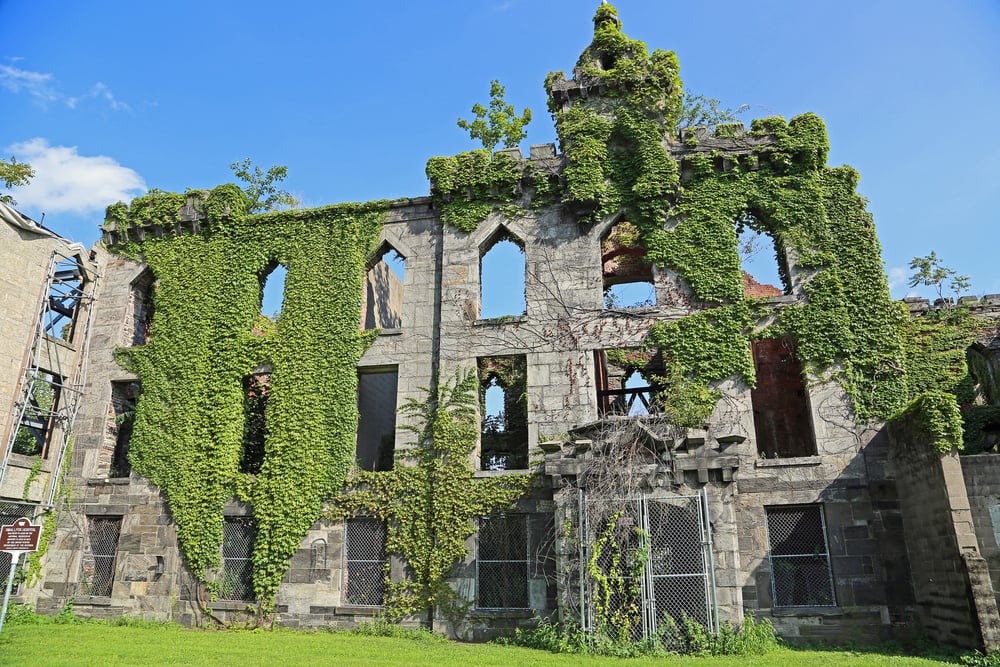
The ruins of the Renwick Smallpox Hospital on Roosevelt Island in New York’s East River are landmarked and lit at night, making them visible from the adjacent promenade. The building dates to 1856 and was designed by the same architect responsible for St. Patrick’s Cathedral.
The stabilized ruins — no roof, partial walls, and visible stonework — are technically a park feature and can be viewed up close from outside their fencing. Entry into the ruins themselves is prohibited for structural reasons.
Their location, just footsteps from a running path, makes them one of the most casually encountered ruins in any American city.
The Allure That Rules Stay Intact
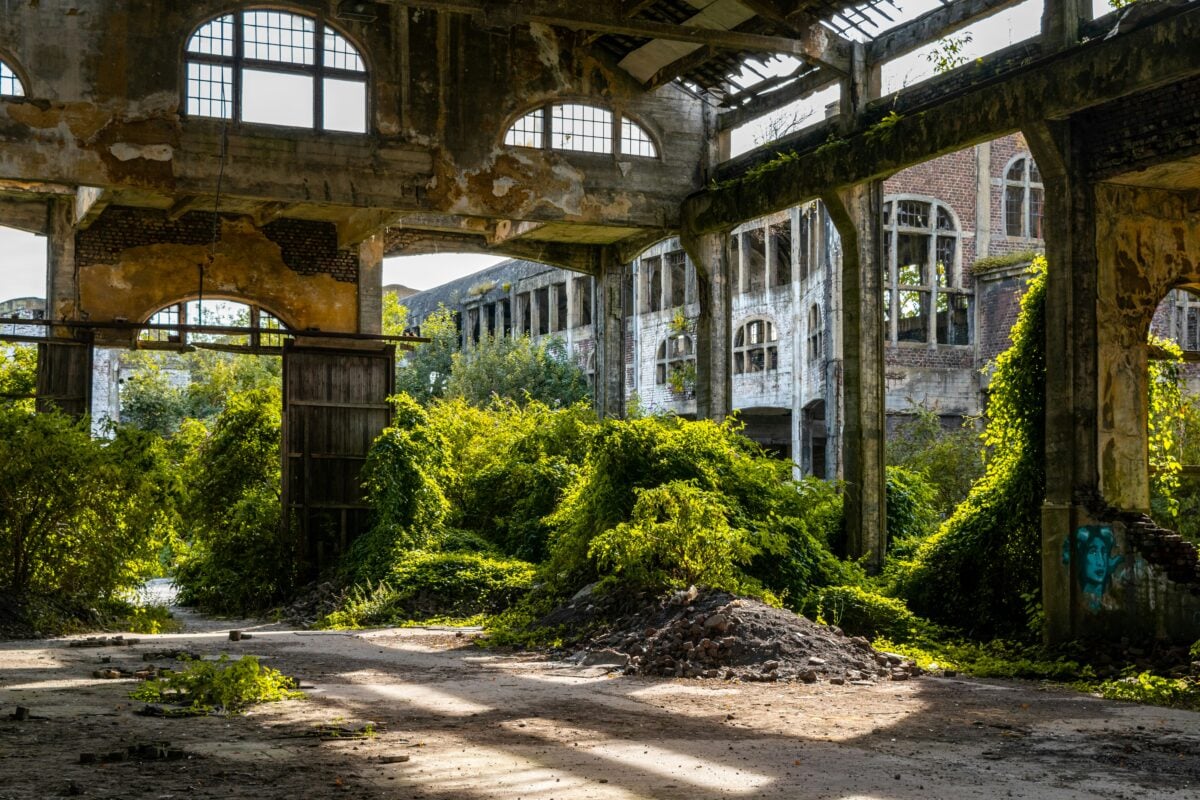
The sites above share one quality that no amount of signage fully neutralizes: they hold stories that managed buildings do not. A working building presents only its current self.
A ruin presents all its selves at once — the original intention, the period of use, the moment of failure, and the slow conversion back to something nature is managing without human help. That layering is what draws people past the fences.
The frustrating legal reality is that most of these places are dangerous in ways that are not obvious at first look. Floors give way without warning, asbestos hangs from ceiling tiles, and the structural calculations that said a building was safe in 1960 say nothing useful about 2026.
The curious visitor who wants access and the agencies responsible for safety are not actually in disagreement about the value of these places — only about who should be inside them, and when.
More from Go2Tutors!

- The Romanov Crown Jewels and Their Tragic Fate
- 13 Historical Mysteries That Science Still Can’t Solve
- Famous Hoaxes That Fooled the World for Years
- 15 Child Stars with Tragic Adult Lives
- 16 Famous Jewelry Pieces in History
Like Go2Tutors’s content? Follow us on MSN.



