33 Explorers Whose Accounts Turned Out to Be Wrong
Exploration has always depended on trust: someone travels somewhere new and comes back with a story, and everyone else has to decide how much of it to believe. History is full of explorers who got the benefit of the doubt for decades, sometimes centuries, before later expeditions, scientific analysis, or simple scrutiny caught up with their claims.
These 33 accounts ranged from honest mistakes to outright fabrication, and all of them shaped the map before anyone corrected the record.
Marco Polo
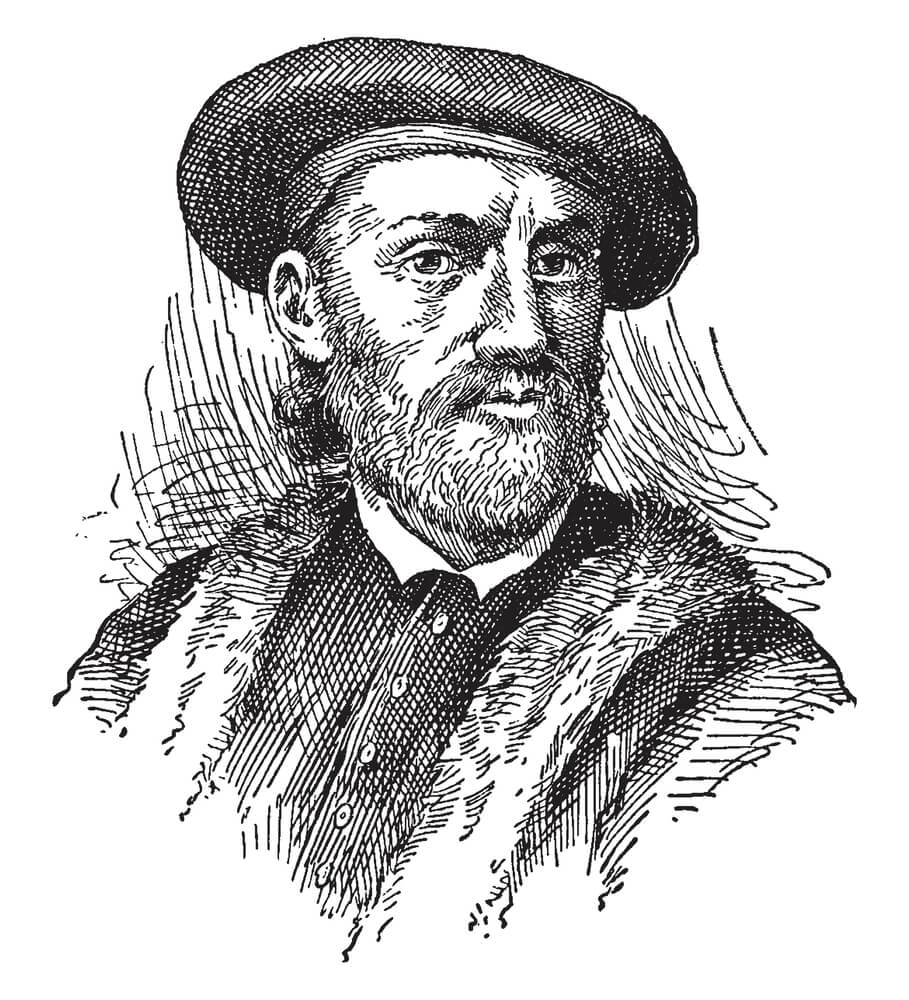
Marco Polo’s account of his travels through 13th-century Asia, dictated to a fellow prisoner years after his journey, includes notable omissions that have led some historians to question whether he personally visited every place he described, since he never mentions the Great Wall, chopsticks, or foot-binding despite claiming years of residence in China. Other scholars argue the omissions reflect the selective interests of a merchant rather than proof of fabrication.
The debate over how much of the book reflects firsthand experience versus secondhand compilation continues among historians today.
Sir John Mandeville
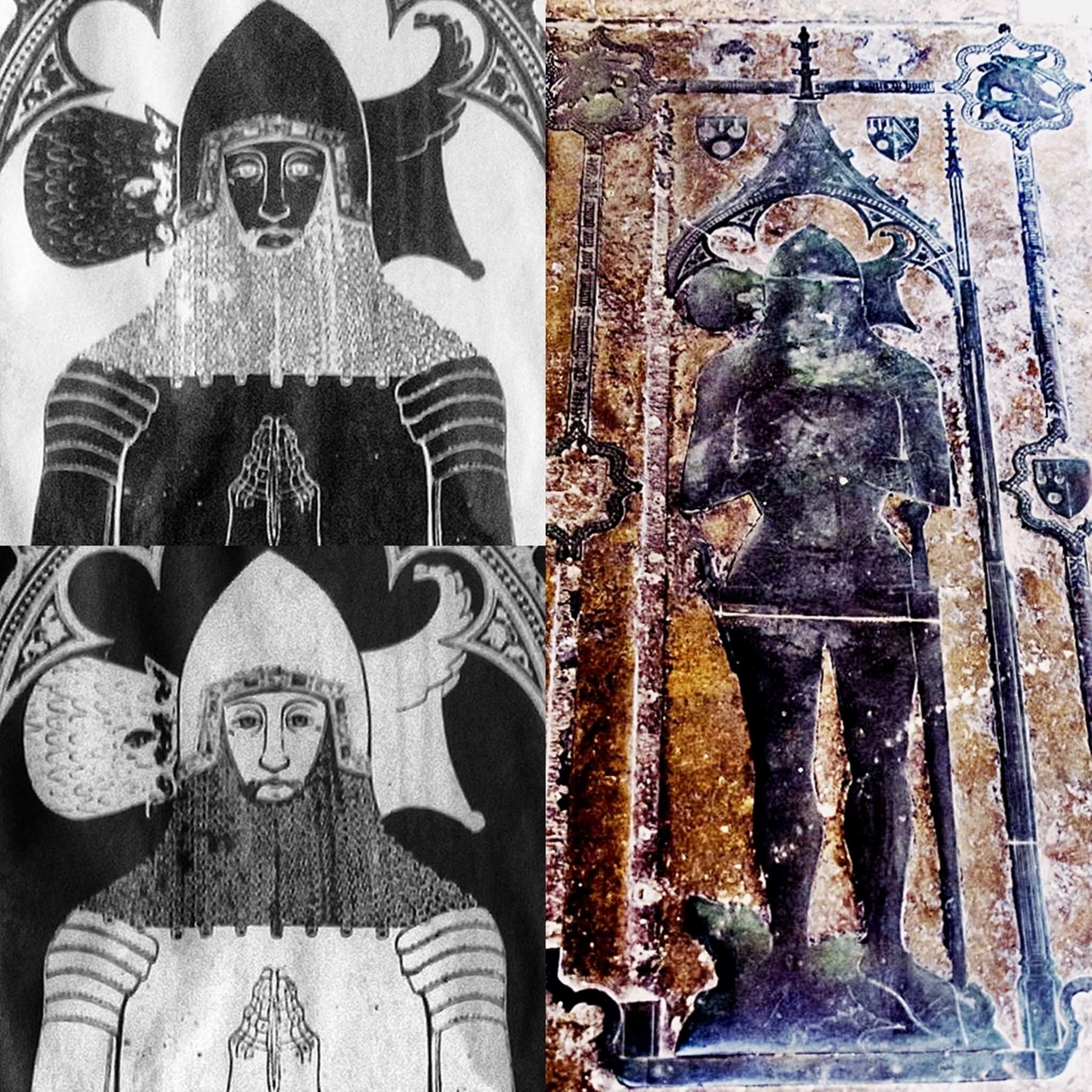
“The Travels of Sir John Mandeville,” a hugely popular medieval travel account, describes wonders across Asia and Africa that scholars have since determined were largely lifted or invented from earlier written sources rather than genuine firsthand observation. Even the author’s identity remains uncertain, with some researchers doubting a real “Sir John Mandeville” ever undertook the described journey at all.
Despite this, the book was treated as a credible reference work for centuries, influencing later explorers including Columbus.
Christopher Columbus
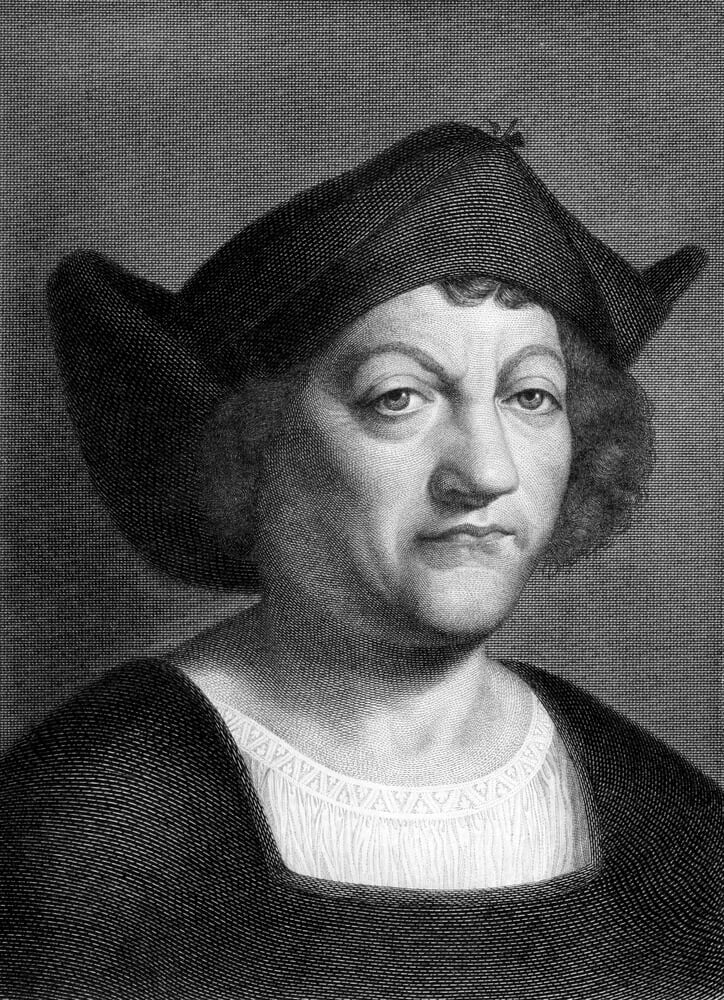
Christopher Columbus insisted throughout his life that the lands he encountered in 1492 were part of Asia, going so far as to require his crew on a later voyage to sign a sworn statement agreeing that Cuba was part of the Asian mainland rather than an island. His original calculations of the Earth’s circumference were also significantly too small, which is partly why he believed the voyage to Asia was feasible in the first place.
He died still believing he had reached the outskirts of the Indies.
Amerigo Vespucci
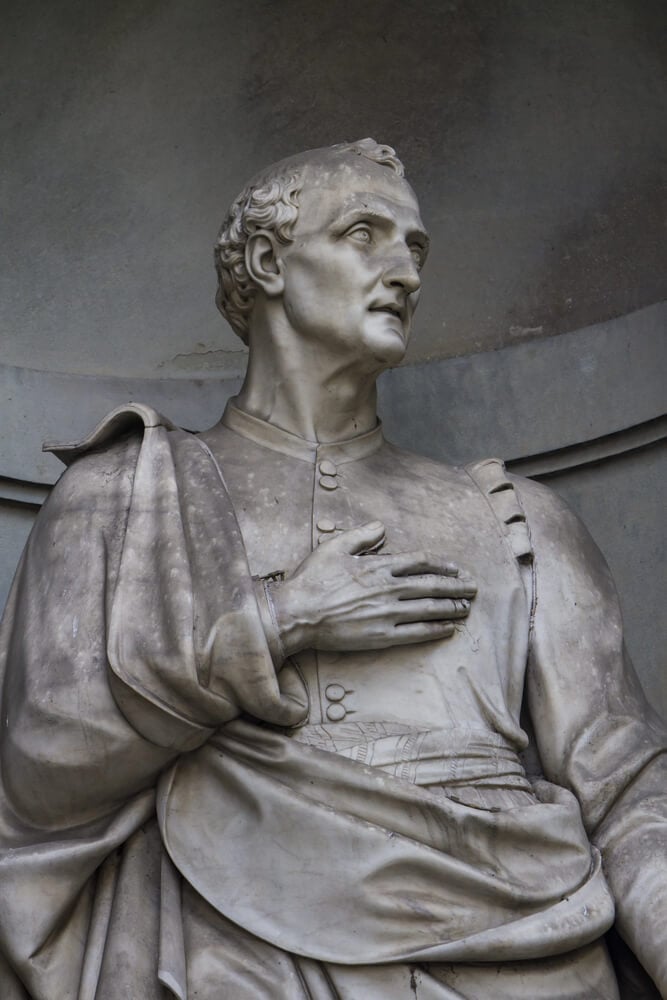
Amerigo Vespucci’s published letters describing multiple voyages to the Americas have long been scrutinized by historians, some of whom argue the accounts exaggerate his role and contain details inconsistent with the actual documented timeline of Spanish and Portuguese expeditions. Despite the disputes over accuracy, a German cartographer used Vespucci’s account to label the new continent “America” in his honor.
The naming stuck even as questions about the underlying claims persisted.
Frederick Cook
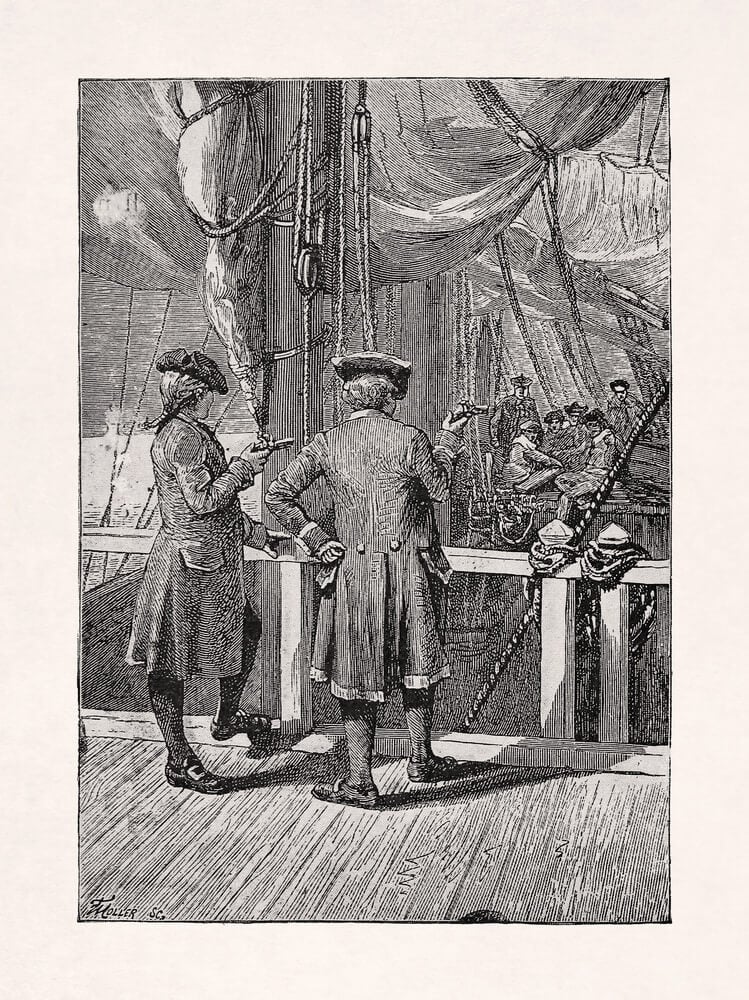
Frederick Cook claimed to have reached the North Pole in 1908 and to have made the first ascent of Denali in 1906, but both claims were extensively challenged and are now widely regarded by historians as fabricated, with his Denali summit photograph later shown to have been taken on a much smaller peak. His polar claim collapsed under scrutiny from geographic societies that found his supporting records vague and inconsistent.
Cook’s reputation never recovered, and he later served prison time for an unrelated financial fraud scheme.
Robert Peary
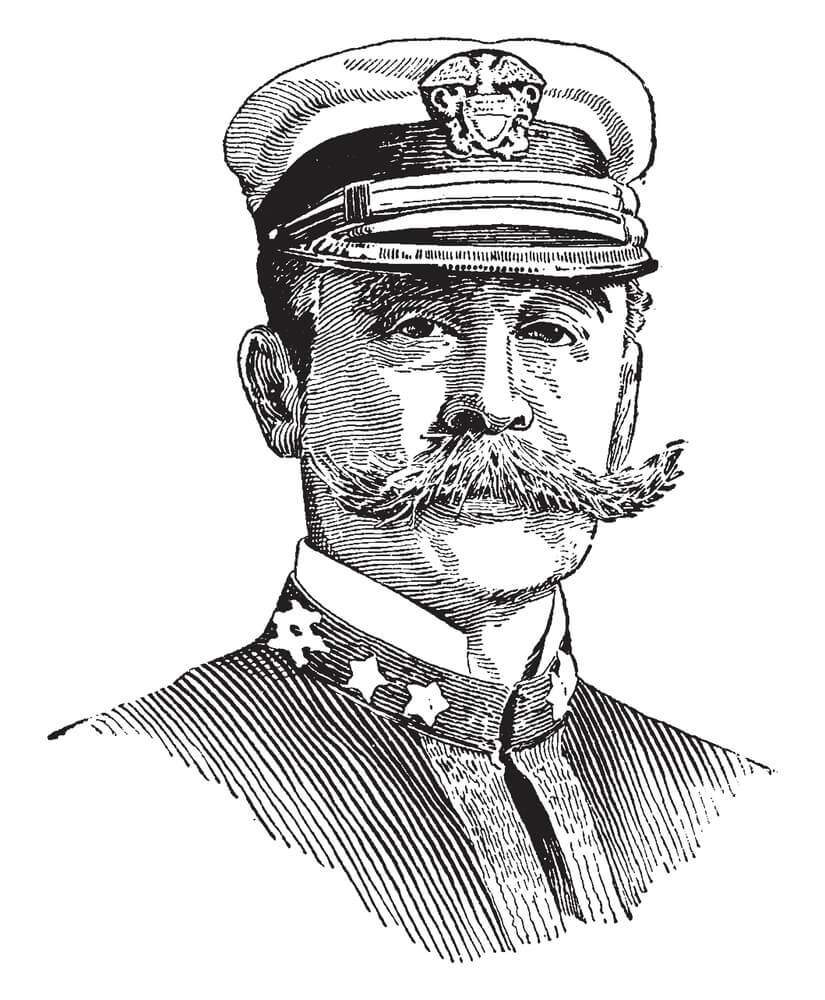
Robert Peary’s rival claim to have reached the North Pole in 1909 has also faced sustained scrutiny, with modern navigational analysis suggesting his final dash covered distances inconsistent with his party’s documented travel speed and raising doubts about whether he actually reached the exact pole. Peary’s own records were incomplete in ways that made independent verification difficult even at the time.
The dispute between Cook’s and Peary’s competing claims remains one of the most famous controversies in polar exploration history.
John Cabot
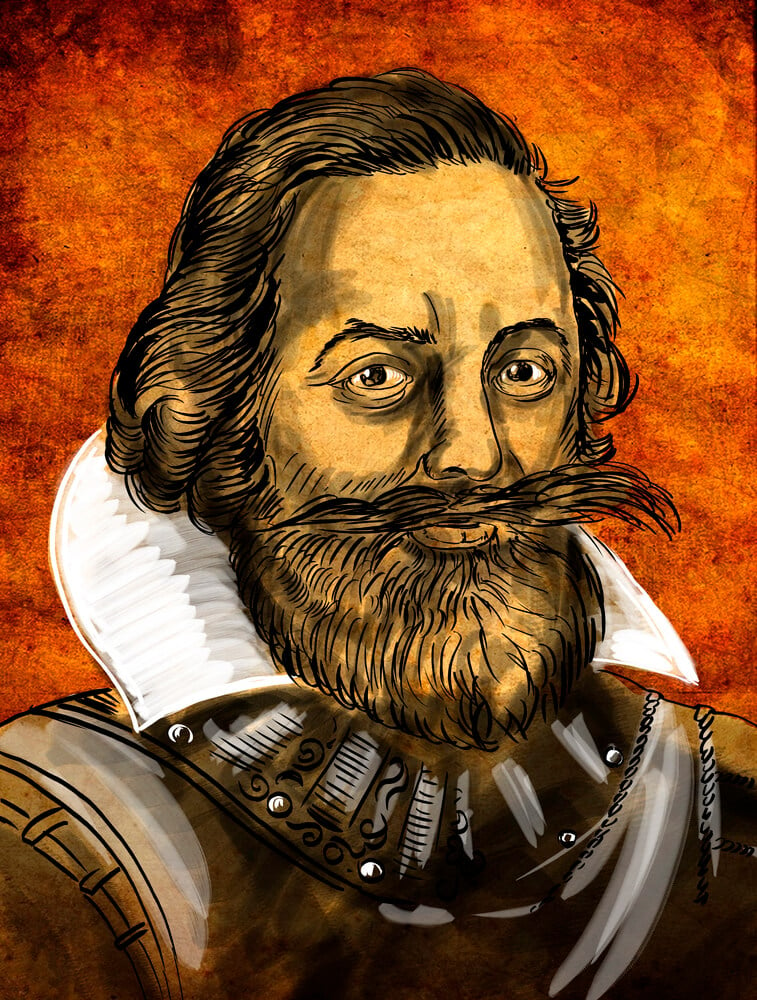
Italian explorer John Cabot, sailing for England in 1497, believed he had reached the northeastern coast of Asia when he actually landed somewhere in coastal North America, likely present-day Newfoundland or Nova Scotia. His mistaken geography fed into decades of continued European search for a direct sea route to Asia through the region.
The precise location of his landfall remains debated by historians due to the vagueness of surviving records.
Sir Walter Raleigh
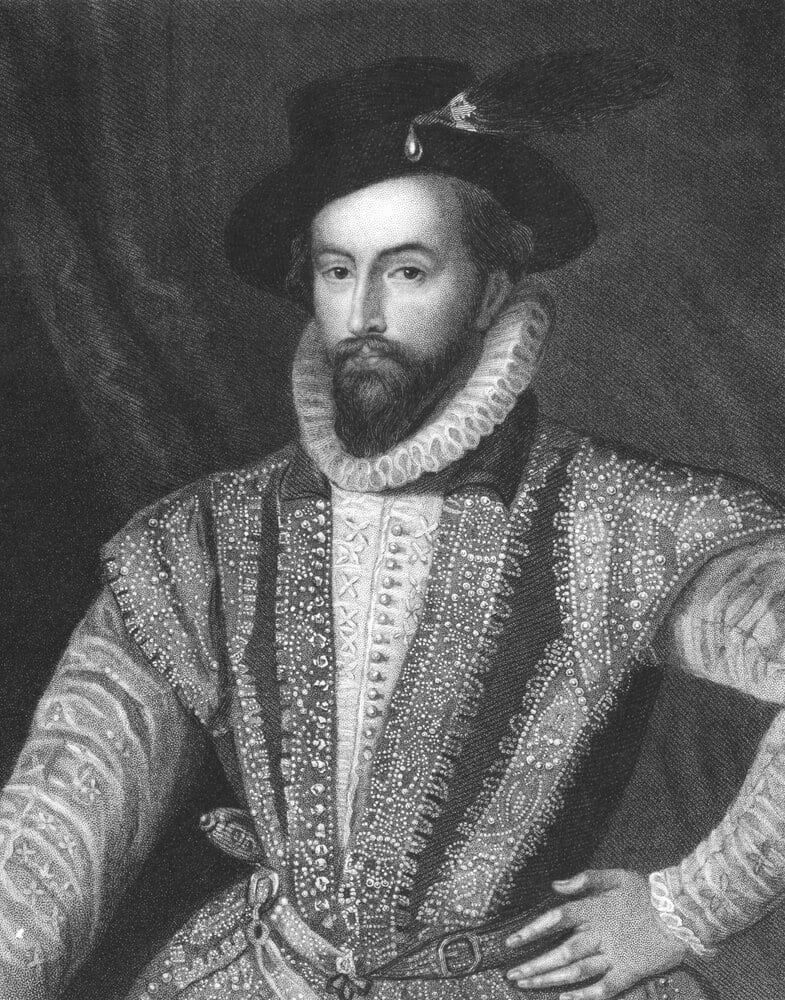
Sir Walter Raleigh’s accounts of his expeditions to Guiana described a fabulously wealthy golden city he called El Dorado, claims that helped justify repeated costly expeditions that never located anything resembling the described riches. His final expedition in 1617, launched partly on renewed promises of gold, ended in disaster and contributed directly to his execution after violating the terms of his royal pardon.
No golden city was ever found in the region he described.
Percy Fawcett
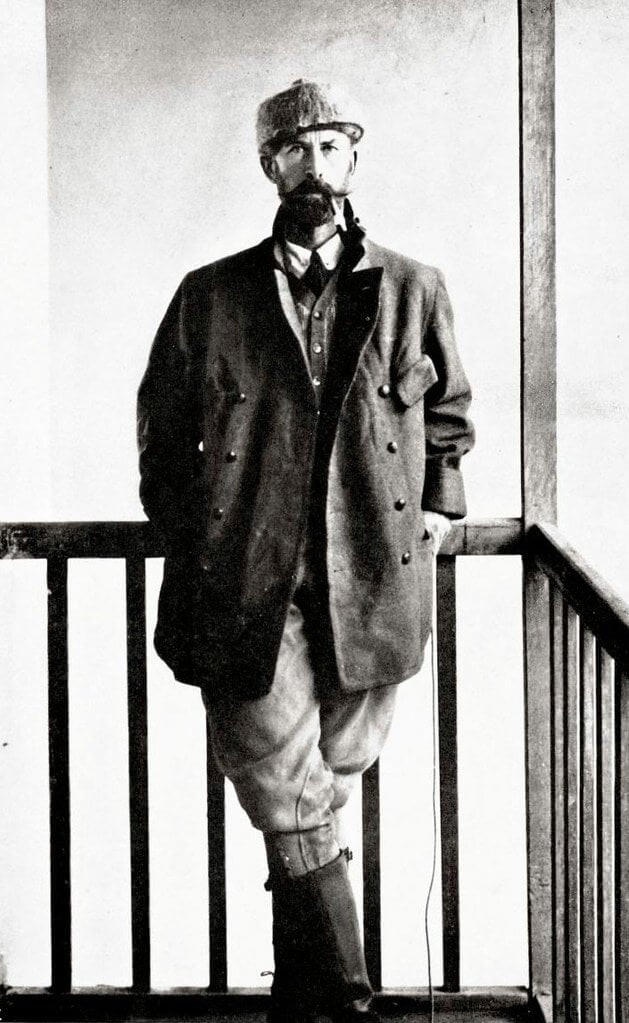
British explorer Percy Fawcett disappeared in the Amazon in 1925 while searching for a lost city he called “Z,” which he believed represented the remains of an advanced ancient civilization based on his interpretation of earlier reports and artifacts. Decades of subsequent expeditions failed to locate any city matching his description, and many of his specific claims about the region’s archaeology have not held up.
Later archaeological research has found evidence of complex pre-Columbian societies in the Amazon, though nothing resembling the single grand city Fawcett described.
David Livingstone
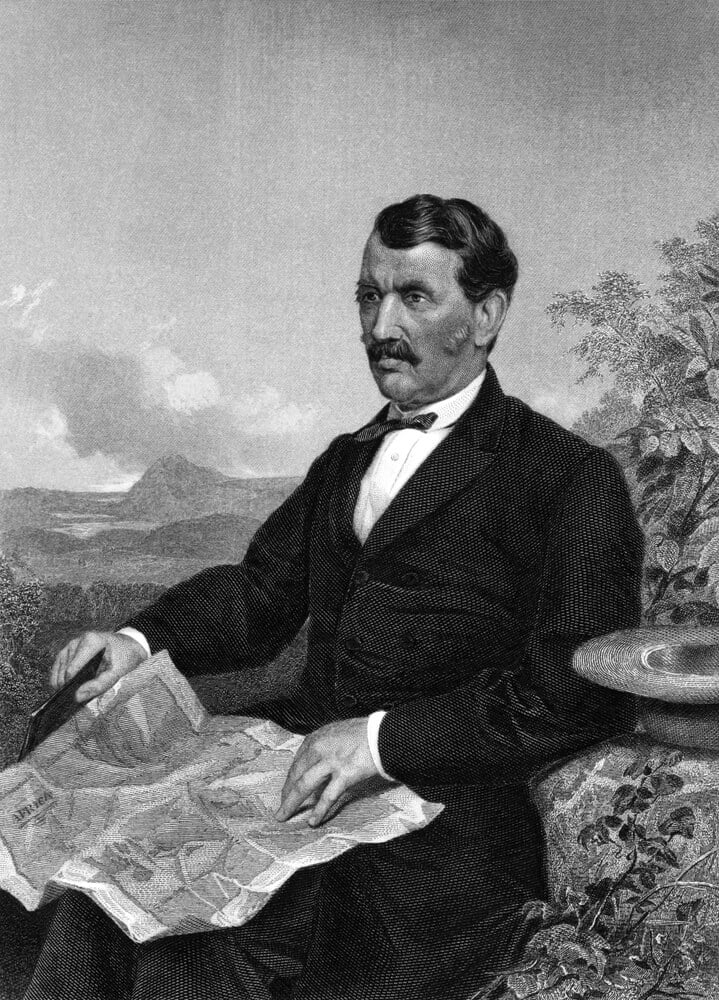
Missionary and explorer David Livingstone spent years searching for the source of the Nile River, ultimately concluding incorrectly that the Lualaba River he had traced in central Africa was the Nile’s headwaters, when it was in fact part of the separate Congo River system. His error was only clarified after his death, when Henry Morton Stanley followed the same river to its actual outlet.
Livingstone’s underlying geographic conclusion, despite years of careful travel, turned out to be wrong.
Henry Morton Stanley
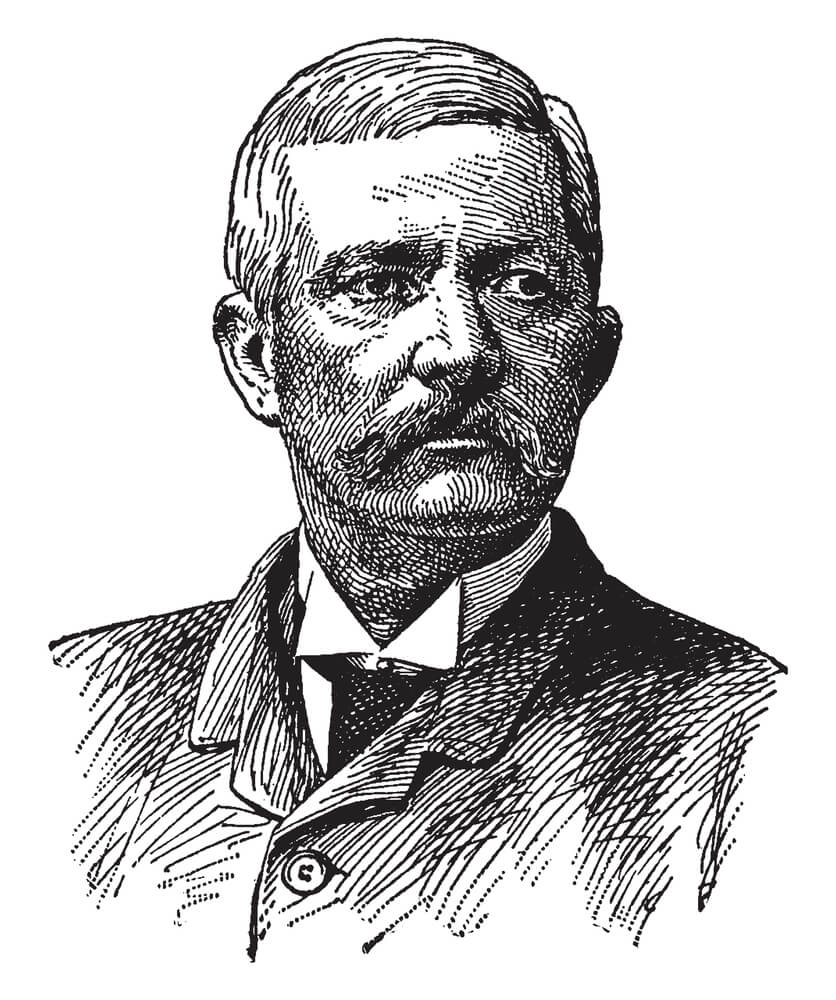
Henry Morton Stanley’s famous account of locating the missing David Livingstone in 1871, including the widely quoted greeting “Dr. Livingstone, I presume,” has been questioned by some historians as a likely embellishment crafted for dramatic effect in his subsequent published account. Stanley’s broader narratives of his African expeditions have also faced criticism for downplaying the violence involved in his methods while overstating his own heroism.
His writings shaped Western perceptions of Africa for a generation despite their selective framing.
Antonio Pigafetta’s Patagonian Giants
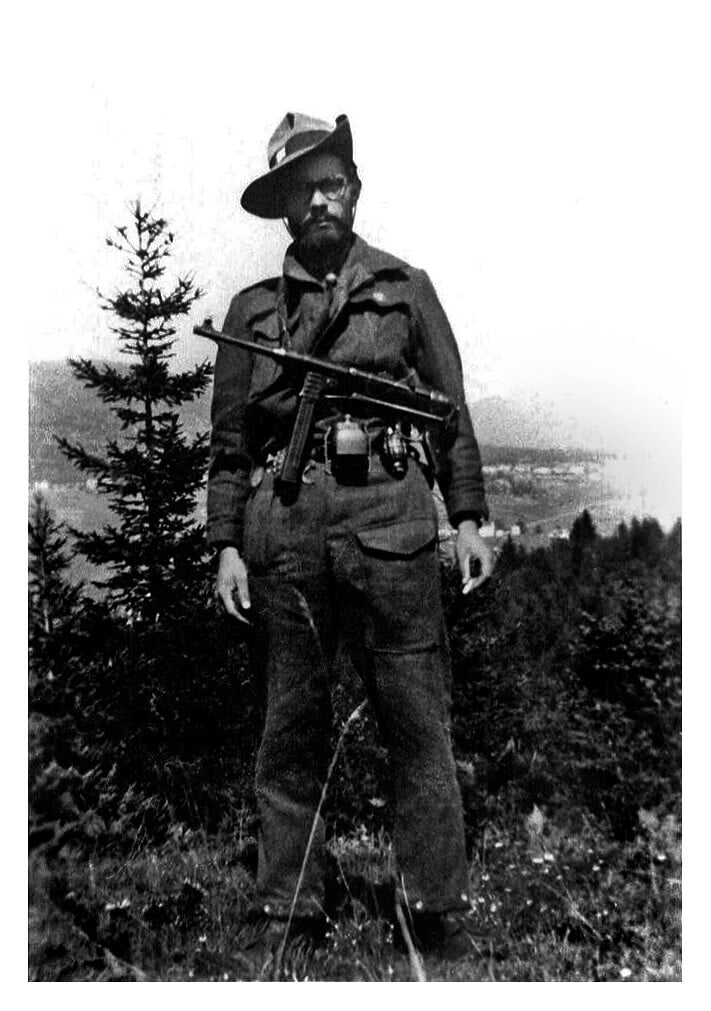
Antonio Pigafetta, chronicler of Ferdinand Magellan’s circumnavigation expedition, described the indigenous people of Patagonia as giants of extraordinary height, a claim that persisted in European accounts for centuries despite being a substantial exaggeration. Later, more careful measurement showed the Tehuelche people Pigafetta encountered were taller than average Europeans but nowhere near the scale described.
The exaggerated “giants” nonetheless gave the region its name, derived from a term referring to their supposedly enormous feet.
Sir Francis Drake’s New Albion
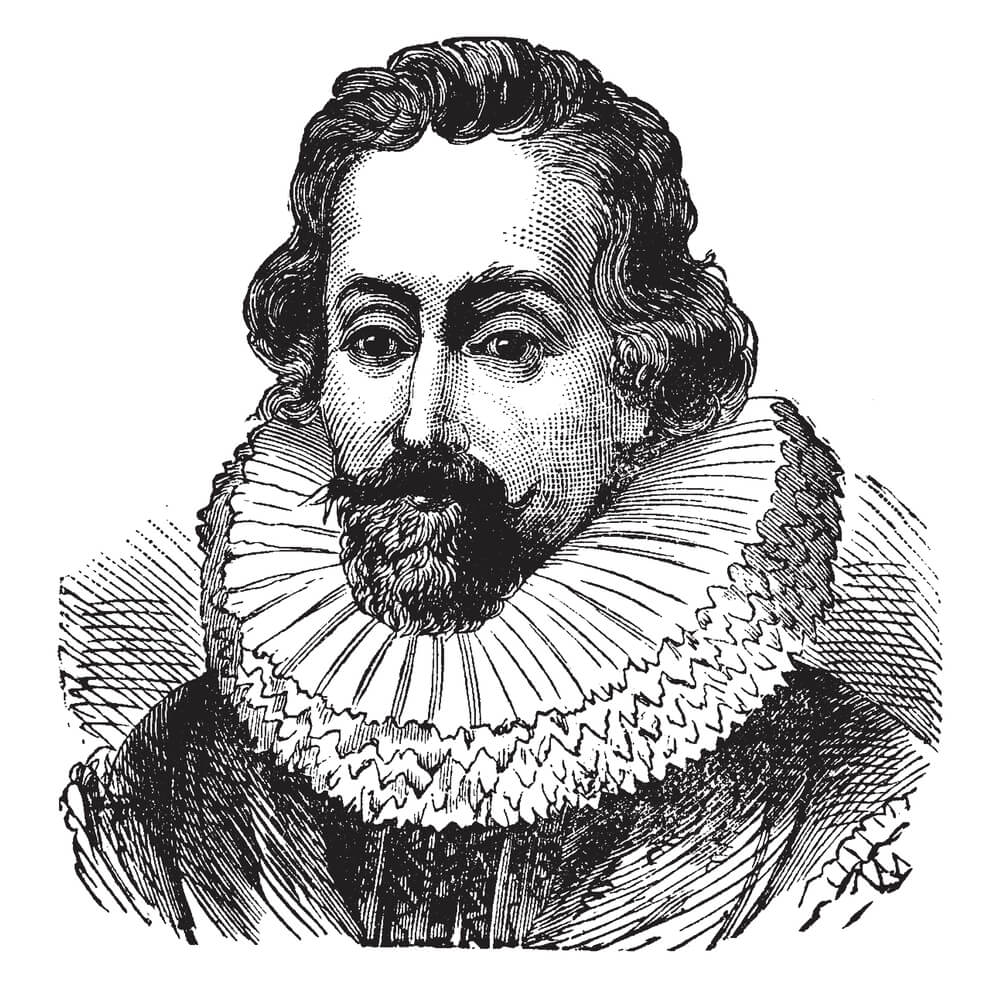
Sir Francis Drake claimed the Pacific coast of North America he explored during his circumnavigation, which he named New Albion, extended in ways that some later interpretations suggested might connect to a Northwest Passage, a geographic claim that turned out to be incorrect. The exact location of his landing site remains disputed by historians to this day.
His optimistic account fed continued searches for a passage that would not actually be navigated until centuries later.
Juan Ponce de León and the Fountain of Youth
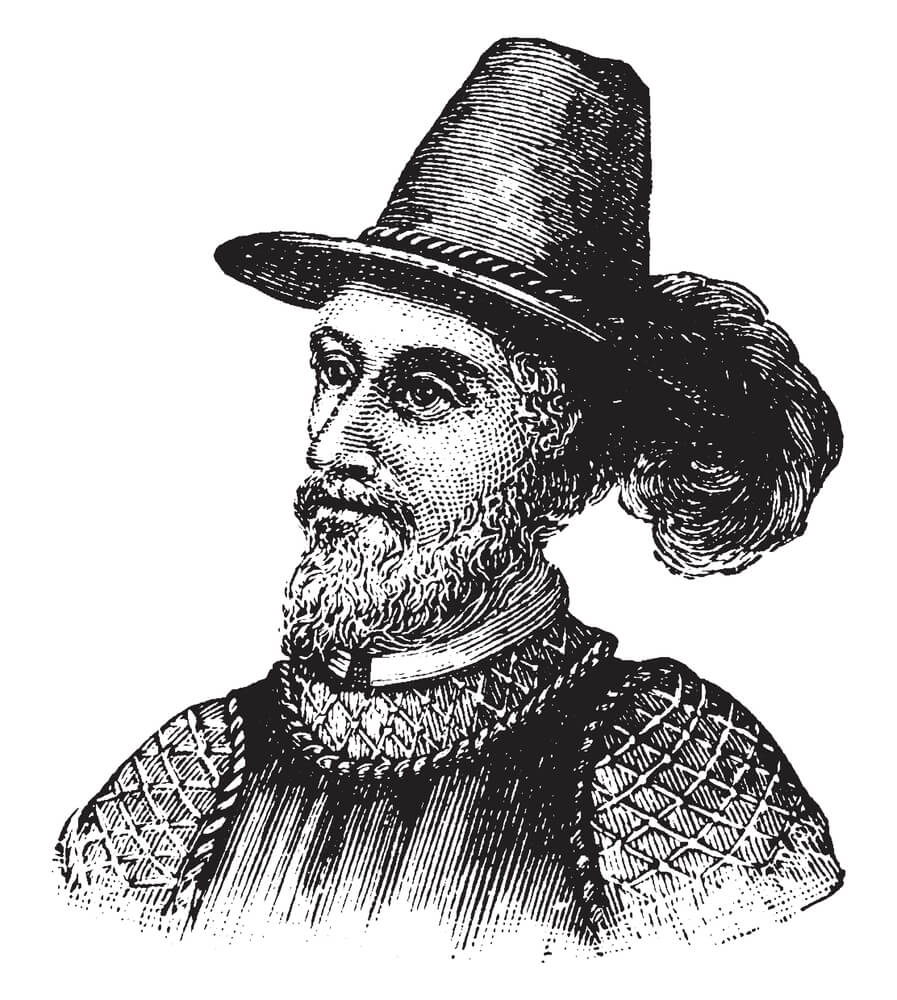
The popular association between Juan Ponce de León’s 1513 expedition to Florida and a search for a mythical Fountain of Youth appears largely in later accounts rather than in documentation from his own time, leading most historians to regard the connection as a myth retroactively attached to his voyage. His actual documented motivations centered on seeking land, wealth, and a governorship rather than any fountain.
The story nonetheless became so entrenched in popular history that it is still commonly repeated as fact.
Giovanni da Verrazzano’s Sea of Verrazzano
Italian explorer Giovanni da Verrazzano, mapping the North American coast for France in 1524, mistook the Pamlico Sound behind North Carolina’s Outer Banks for a vast ocean he believed led directly to Asia, a body of water that appeared on European maps for decades afterward as the “Sea of Verrazzano.” Later, more thorough coastal surveys eventually corrected the error.
The mistaken sea shaped European assumptions about the width of the North American continent for a generation.
Martin Frobisher’s Gold Ore
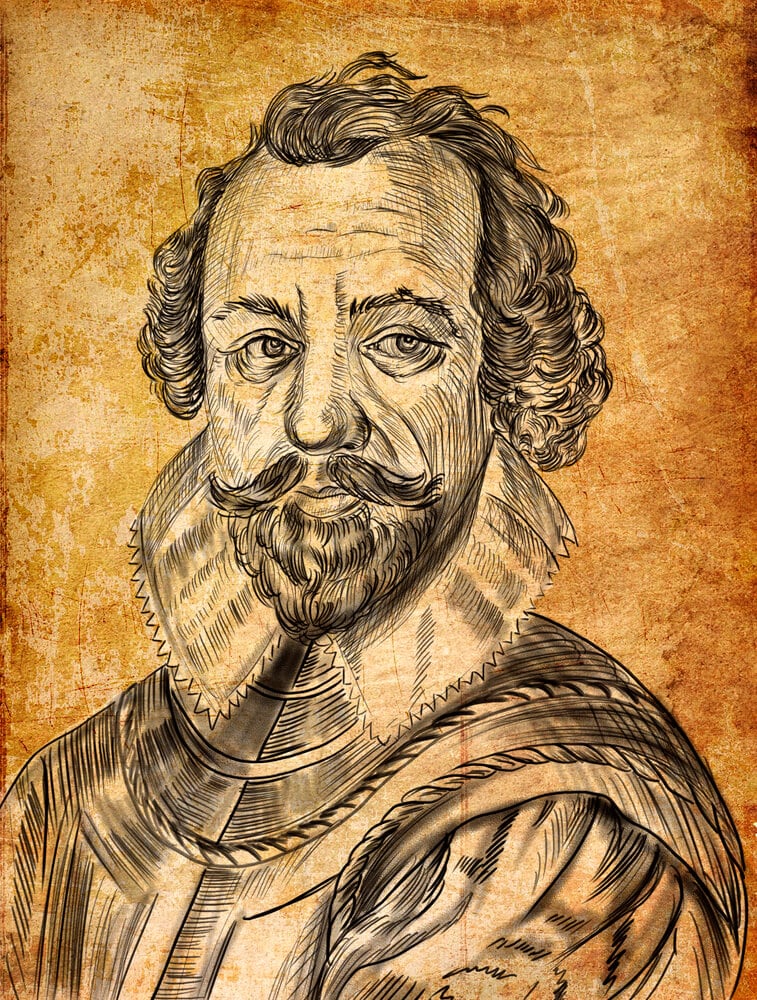
English explorer Martin Frobisher returned from Baffin Island in the 1570s with hundreds of tons of ore he and his backers believed contained significant gold, prompting further costly expeditions to mine more of it. Assayers back in England eventually determined the ore was largely worthless iron pyrite, commonly known as fool’s gold, and the enormous stockpile was quietly disposed of, some of it reportedly used as gravel for roads.
The episode remains one of the most expensive mining misjudgments in exploration history.
Vilhjalmur Stefansson’s “Friendly Arctic”
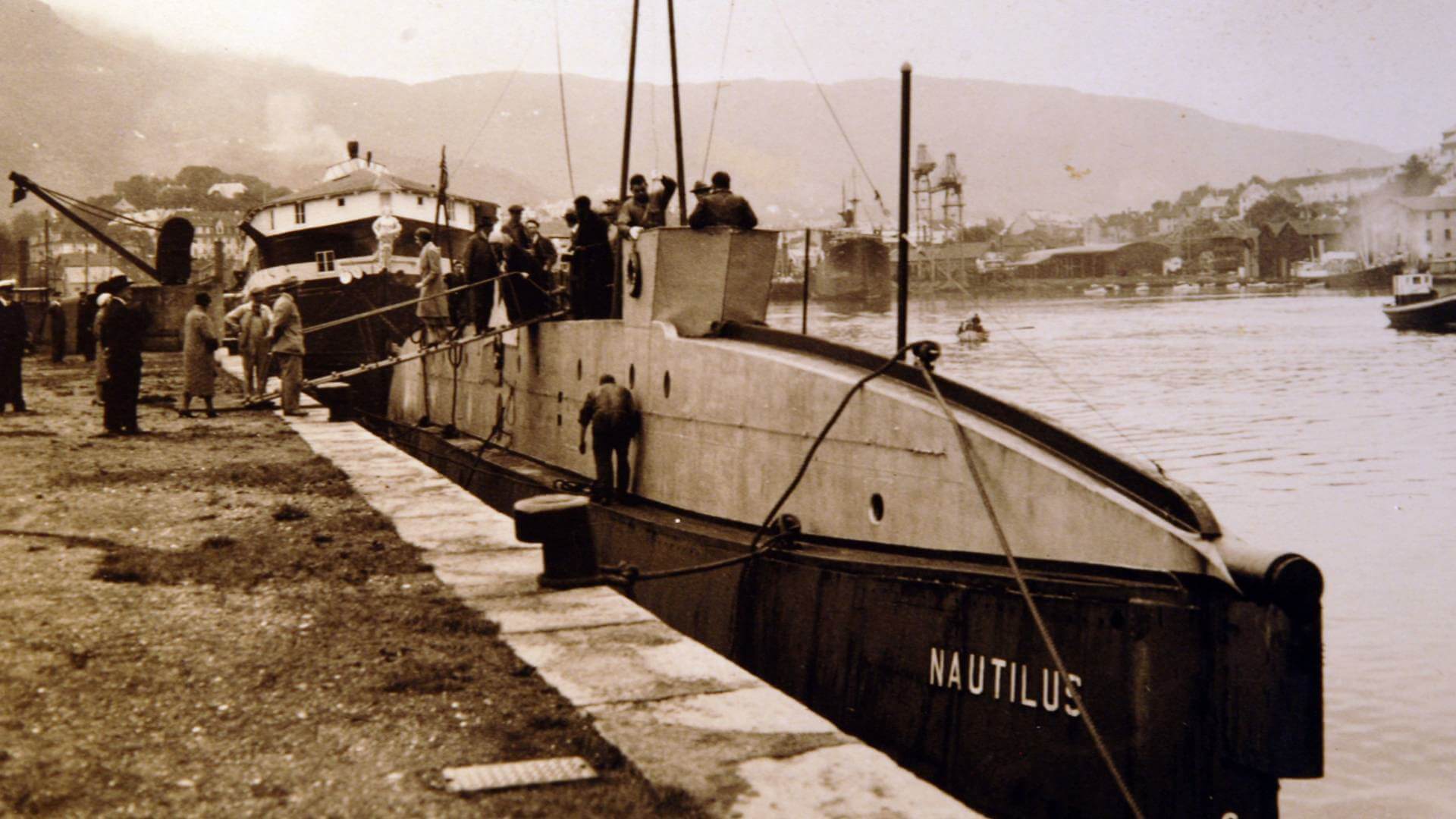
Canadian explorer Vilhjalmur Stefansson promoted a theory that the Arctic was a hospitable environment where explorers could live comfortably off the land using techniques he claimed to have mastered, a claim that proved catastrophically wrong during the 1913 Karluk expedition, which he was leading when it became disastrously trapped in ice. Stefansson left the ship before the worst of the crisis, and eleven crew members subsequently died.
His optimistic public claims about Arctic survivability drew significant criticism in the years that followed.
Sebastian Cabot’s Northwest Passage Claims
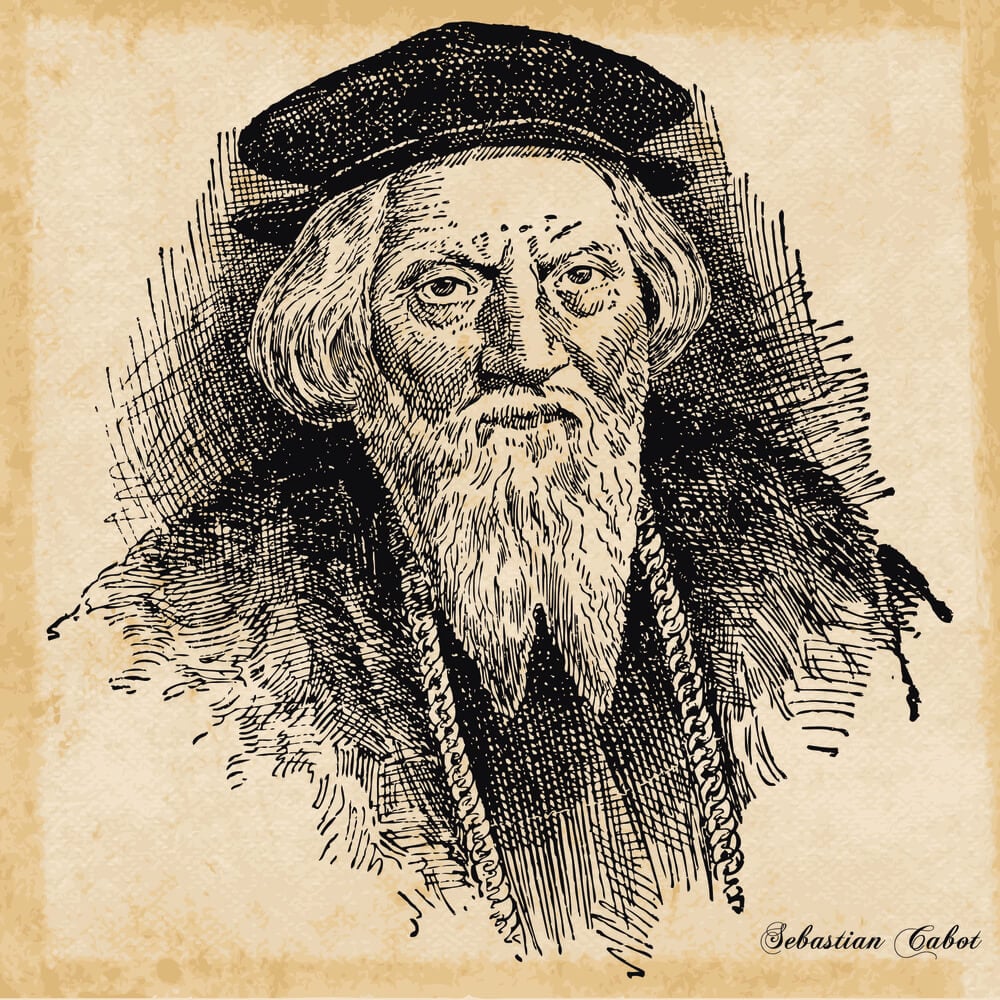
Sebastian Cabot, son of explorer John Cabot, made claims throughout his career about having discovered or confirmed a Northwest Passage through North America, assertions that later explorers were never able to substantiate through any documented route he actually described. Some historians suspect he exaggerated or entirely fabricated portions of his voyage records to enhance his standing with English and Spanish patrons.
No such passage was found along the routes he claimed to have explored.
The Search for Prester John
Beginning in the medieval period, numerous European travelers and diplomats, including Portuguese explorer Pêro da Covilhã in the late 15th century, searched for a legendary Christian king named Prester John believed to rule a powerful kingdom somewhere in Asia or Africa, a figure modern historians agree never actually existed as described. Some later explorers tentatively identified the Ethiopian emperor as a possible real-world basis for the legend, though the fit was imperfect at best.
The search nonetheless motivated genuine expeditions and diplomatic missions for centuries.
Gavin Menzies
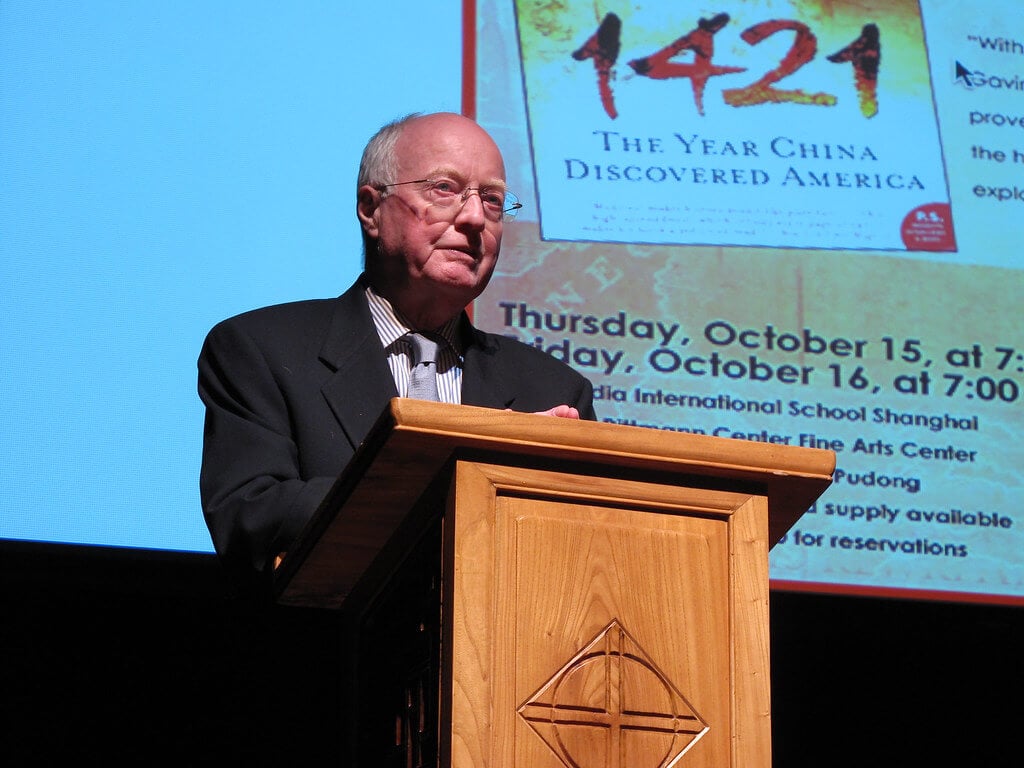
Former British submarine commander Gavin Menzies published a popular 2002 book arguing that Chinese admiral Zheng He’s fleets reached the Americas decades before Columbus, a theory that professional historians have overwhelmingly rejected due to a lack of supporting archaeological or documentary evidence. Menzies’s methodology, which relied heavily on speculative interpretation of ambiguous maps, has been criticized as fundamentally unsound.
The theory remains popular with general audiences despite its rejection by mainstream historical scholarship.
Henry Hudson
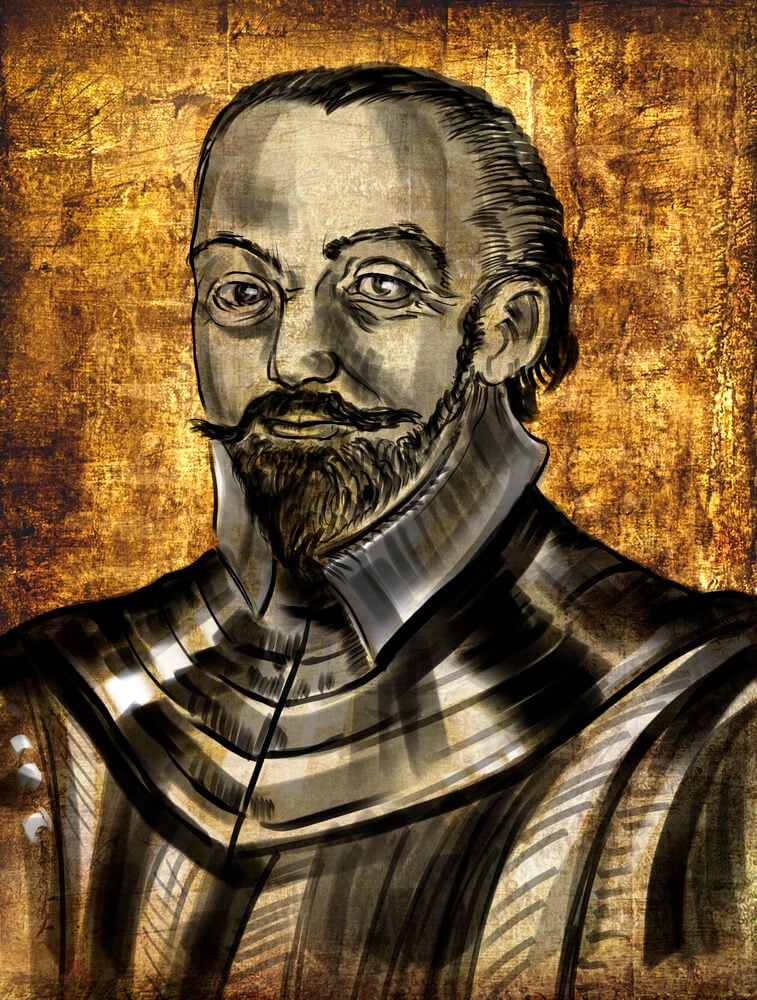
Henry Hudson made multiple voyages in the early 17th century searching for a Northwest Passage to Asia through what is now Hudson Bay, a route that does not actually exist as he envisioned it. His persistence in believing a passage lay just beyond the ice ultimately contributed to a mutiny by his exhausted crew, who set him adrift and left him to die.
The passage he sought was never found because it was never there to find.
The Franklin Expedition’s Official Fate
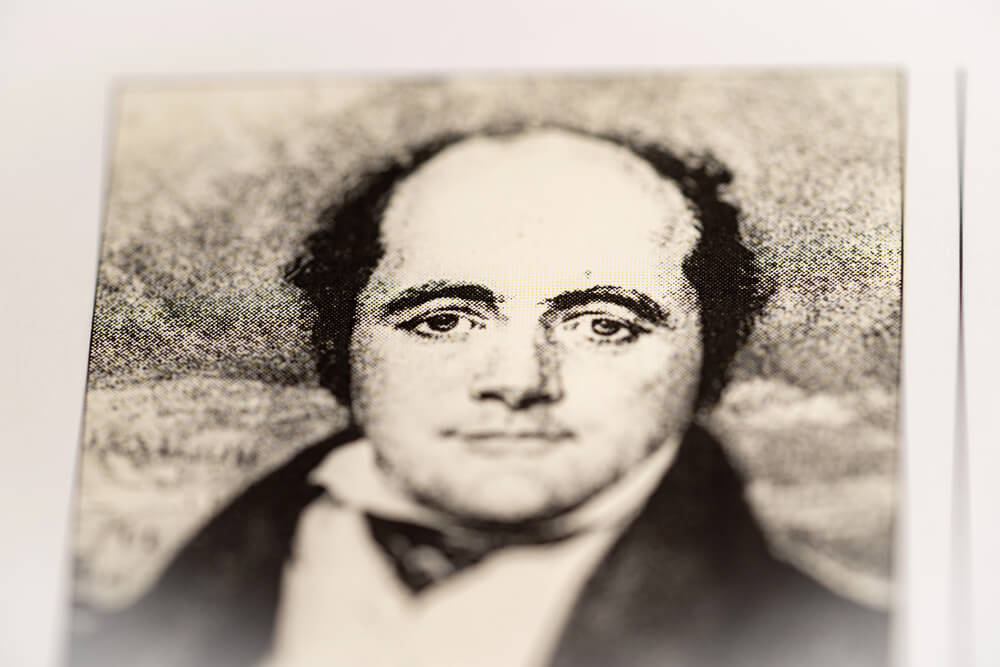
For years after Sir John Franklin’s 1845 expedition vanished while searching for the Northwest Passage, British authorities and search parties dismissed Inuit oral testimony describing the crew’s fate, including accounts of cannibalism, as unreliable or exaggerated. Later archaeological and forensic evidence, including cut marks on recovered bones, confirmed the Inuit accounts had been substantially accurate all along.
The wrecks of Franklin’s ships were not located until 2014 and 2016, more than a century and a half after the expedition’s disappearance.
Hernando de Soto
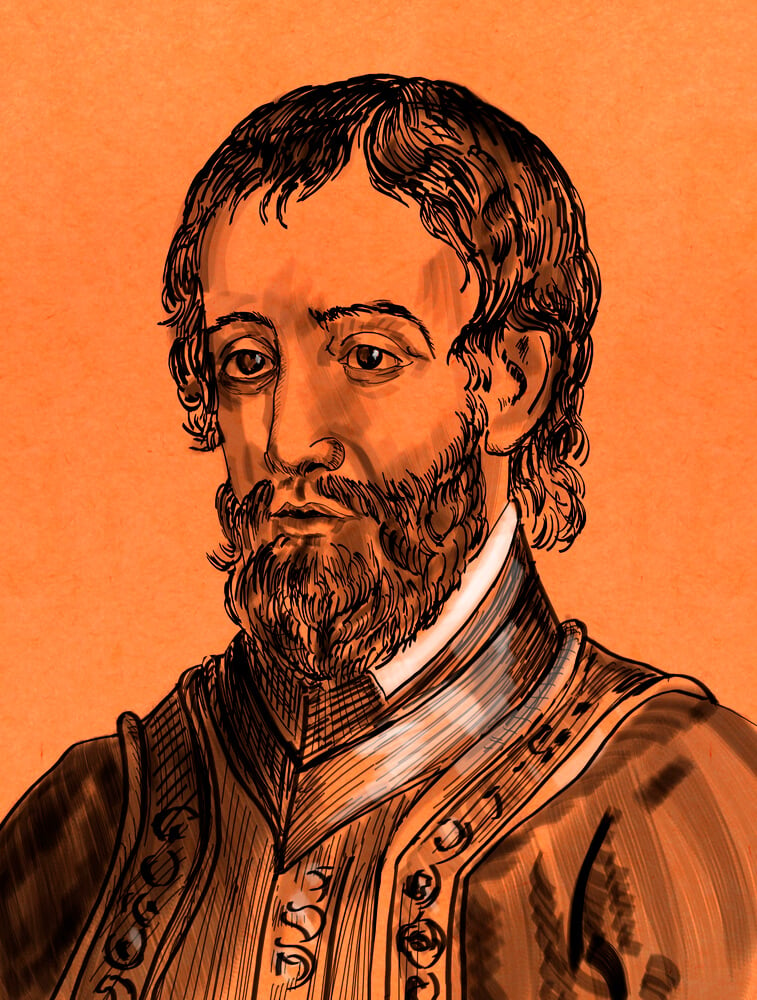
Hernando de Soto’s expedition through the southeastern United States in the 1540s produced accounts describing populous, wealthy indigenous societies along the route, claims that later archaeological work suggests significantly overstated the scale and permanence of what the expedition actually encountered. Diseases introduced by the expedition itself likely devastated many of the communities described shortly after the Spanish passed through.
Later European visitors to the same region found far less than de Soto’s chroniclers had described.
Francisco de Orellana’s Amazon Women
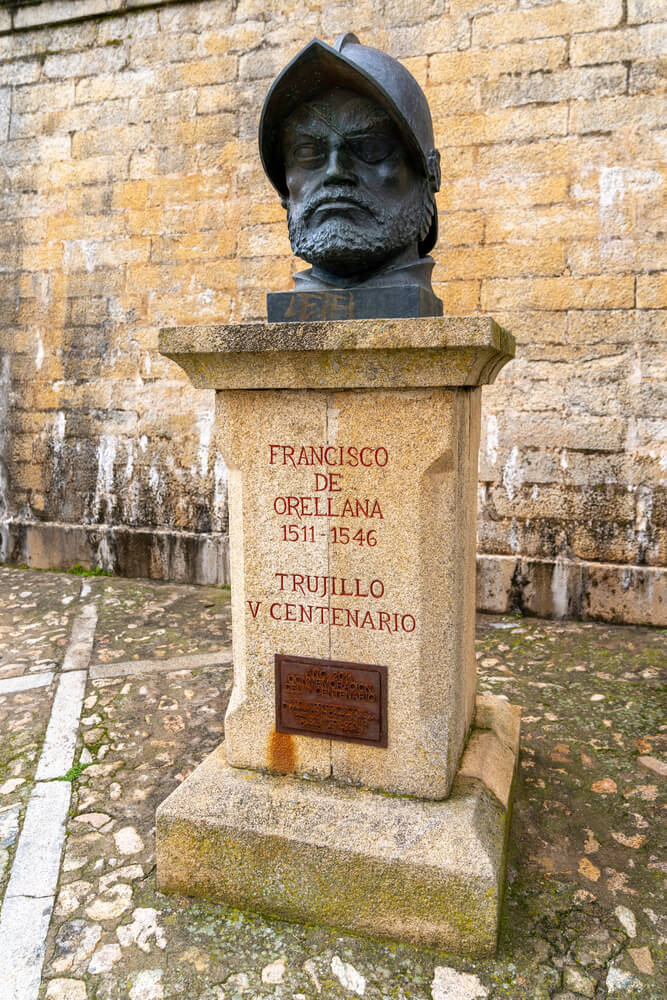
Spanish explorer Francisco de Orellana’s expedition down the Amazon River in 1542 produced an account, recorded by chronicler Gaspar de Carvajal, describing an encounter with fierce female warriors that gave the river its modern name after the legendary Amazons of Greek mythology. Most historians now regard the described encounter as likely exaggerated or based on a significant misinterpretation of the indigenous people actually observed.
The name stuck regardless, permanently attaching a mythological reference to the world’s largest river system.
Coronado’s Expedition
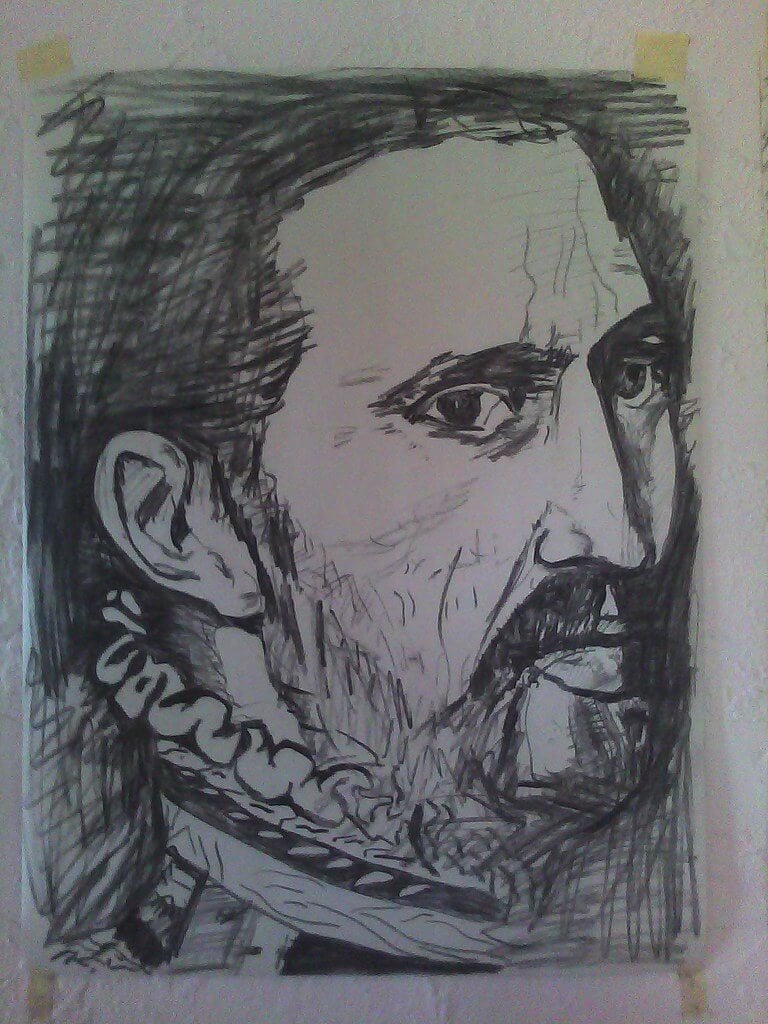
Francisco Vázquez de Coronado led a major Spanish expedition through the American Southwest in 1540 in search of the fabled Seven Cities of Gold, based on earlier reports of immense wealth, only to find modest Indigenous pueblo settlements with none of the described riches. The costly, multi-year search damaged Coronado’s reputation and finances by the time he returned to Mexico.
No golden cities were ever found anywhere in the region he searched.
Fray Marcos de Niza
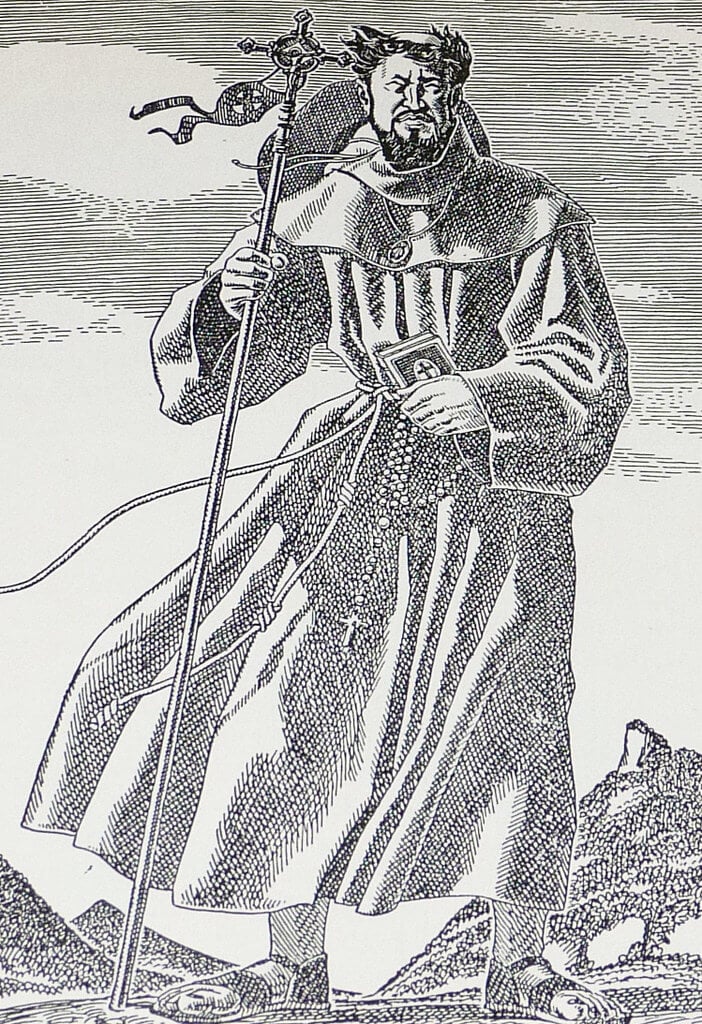
The report that launched the Coronado expedition came from Franciscan friar Marcos de Niza, who claimed in 1539 to have observed a wealthy golden city called Cíbola from a distance during his own earlier reconnaissance mission. Members of Coronado’s later expedition who retraced the friar’s route concluded his account had been substantially exaggerated or entirely fabricated, since the actual pueblo settlements bore no resemblance to his description.
The friar’s credibility never recovered among the expedition’s participants.
The Kensington Runestone
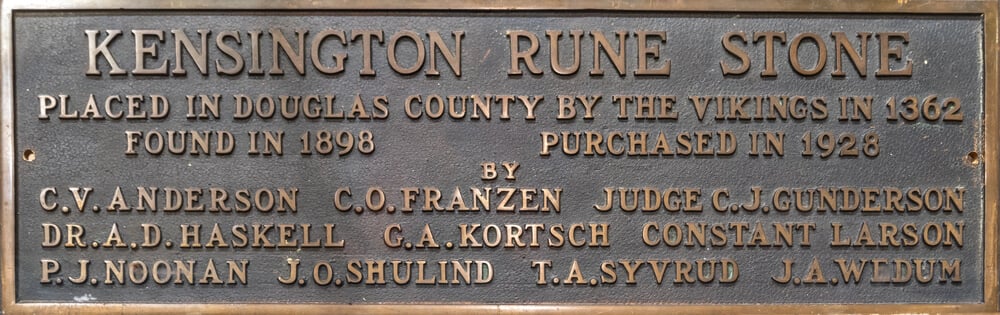
Minnesota farmer Olof Ohman claimed in 1898 to have discovered a stone slab inscribed with a runic account of a 14th-century Norse expedition deep into the North American interior, a find that would have dramatically rewritten the history of European exploration of the continent had it been genuine. The vast majority of runologists and historians who have examined the stone’s linguistic and geological features consider it a hoax created in Ohman’s own era rather than an authentic medieval artifact.
Despite the scholarly consensus, the stone remains a popular local attraction and a subject of ongoing amateur debate.
Zebulon Pike
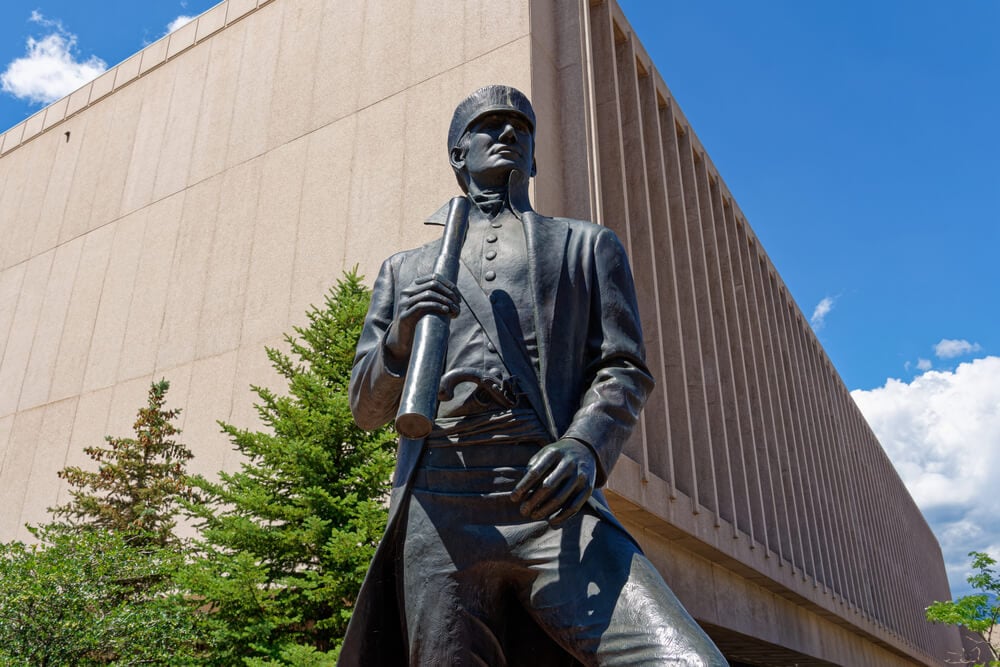
American explorer Zebulon Pike, mapping the Louisiana Purchase territory in 1806, declared the peak that now bears his name unclimbable and also badly misjudged the geography of the region, at one point mistaking a tributary of the Rio Grande for the Red River he had been sent to find. His confusion led his expedition into Spanish territory in present-day Colorado, where Spanish authorities detained him.
The mountain he deemed impossible to climb is now regularly summited by tourists using a cog railway.
René-Robert Cavelier de La Salle
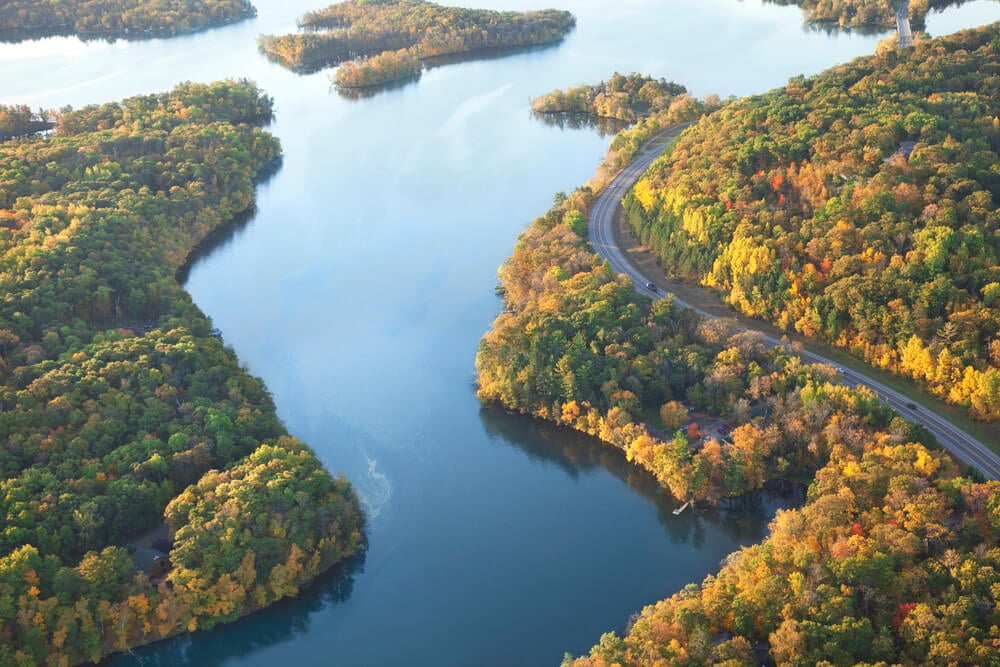
French explorer René-Robert Cavelier de La Salle, attempting to establish a colony near the mouth of the Mississippi River in 1684, miscalculated the river’s location by several hundred miles and landed his expedition instead on the coast of Texas. The resulting colony, built in the wrong place based on his faulty navigation, struggled for years before collapsing entirely amid disease, conflict, and eventually La Salle’s own death at the hands of his own men.
The mistake remains one of the more consequential navigational errors in the history of French colonization in North America.
Samuel de Champlain
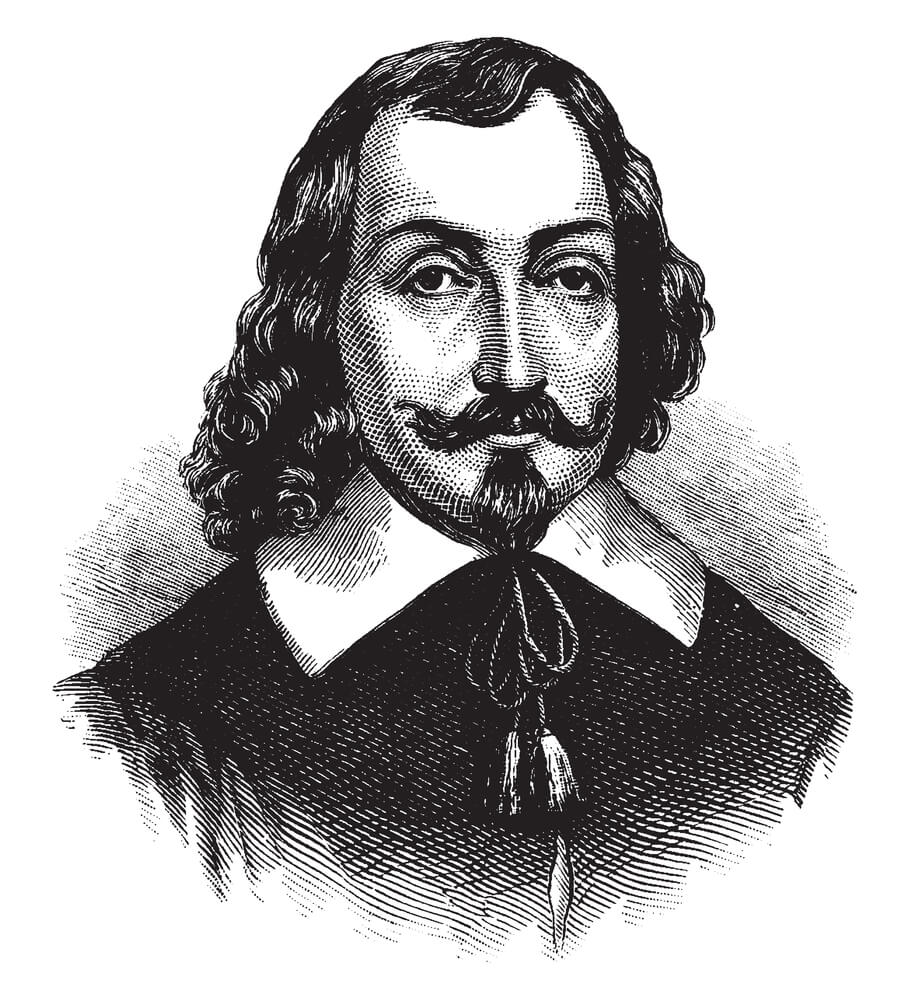
French explorer Samuel de Champlain, based on secondhand accounts from Indigenous informants he may have misunderstood, believed for years in the existence of a “Sea of the West” that would provide a direct water route to Asia from the interior of North America. Later expeditions found no such sea, though the belief in its existence persisted among French explorers and mapmakers for generations after Champlain’s own death.
The persistent search shaped French exploration priorities well into the 18th century.
James Bruce
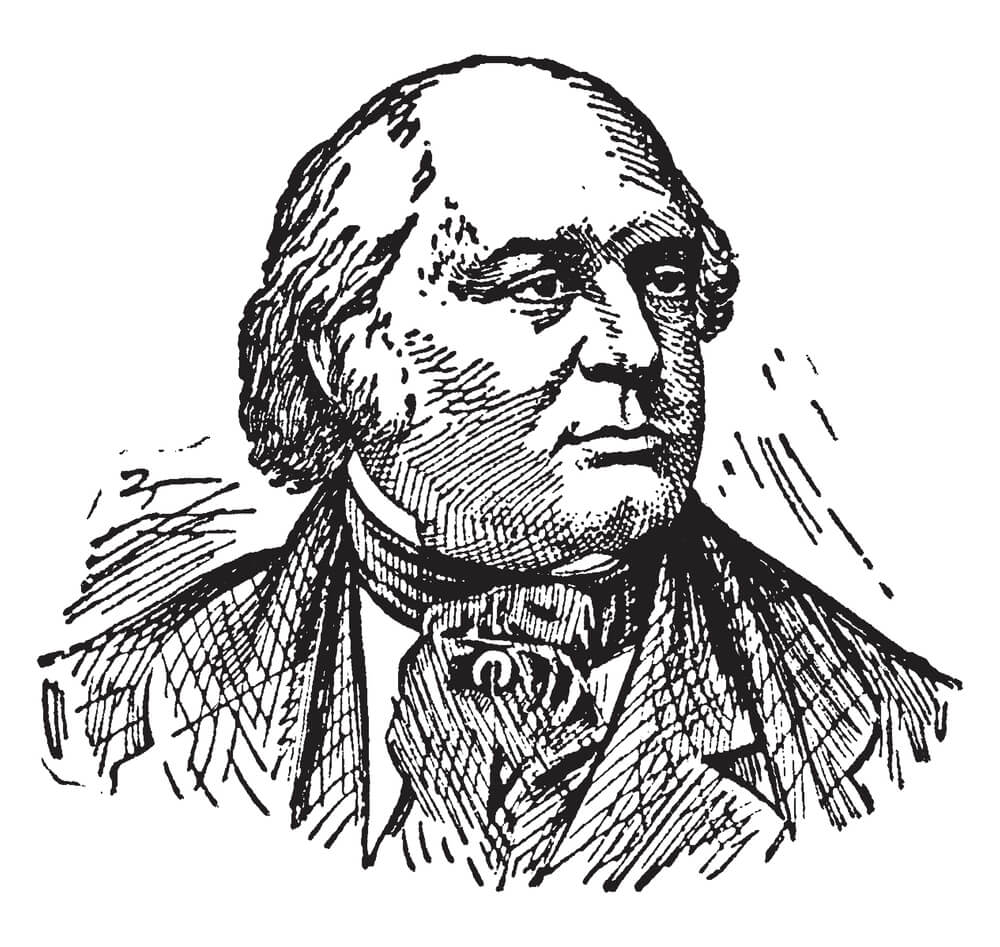
Scottish explorer James Bruce claimed in the 1770s to have discovered the true source of the Nile River after reaching the headwaters of the Blue Nile in Ethiopia, a claim that overstated the discovery’s significance since the Blue Nile is a tributary rather than the primary source of the main Nile system. The actual source of the White Nile, the river’s larger contributing branch, was not identified by European explorers until nearly a century later.
Bruce’s exaggerated claims to priority were met with considerable skepticism by contemporaries, some of whom accused him of fabricating parts of his travel account entirely.
Juan de Fuca
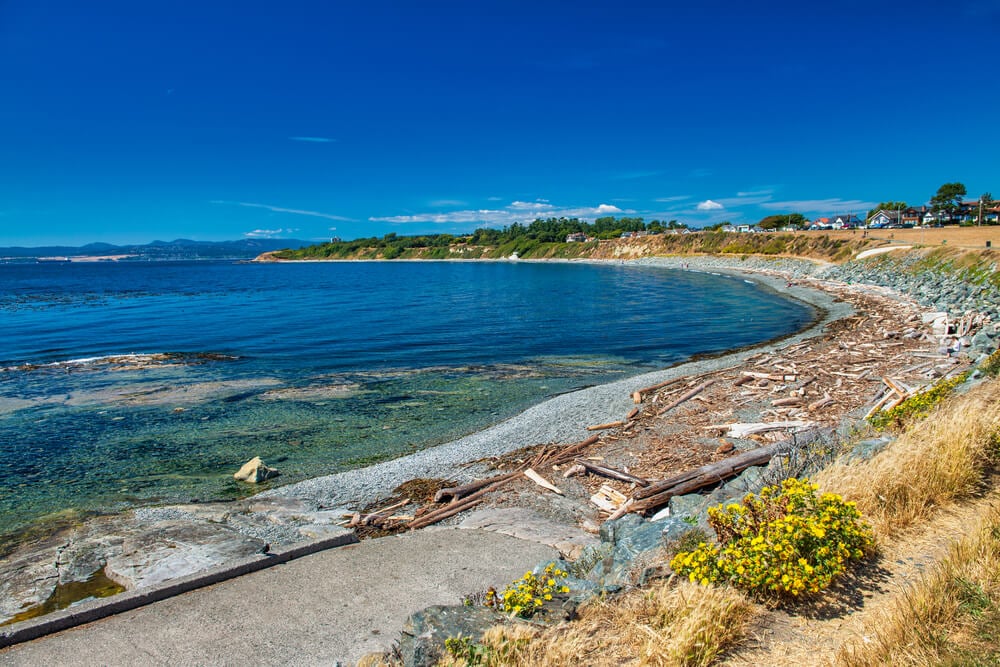
A Greek navigator sailing for Spain under the name Juan de Fuca claimed in the late 16th century to have discovered a wide strait leading far into the interior of North America that connected to the Atlantic Ocean, an account that historians still debate as likely exaggerated or possibly invented outright, given the lack of any corroborating Spanish records. A strait in the Pacific Northwest was later named in his honor regardless of the disputed authenticity of his original account.
No such passage to the Atlantic exists along the route he described.
Lionel Wafer and the Darien Scheme
Accounts from surgeon and buccaneer Lionel Wafer describing the Isthmus of Panama’s Darien region as fertile and strategically valuable helped inspire Scotland’s disastrous 1698 colonization attempt there, a venture built substantially on an overly optimistic picture of the land’s suitability for settlement. The actual conditions proved to be dense jungle, tropical disease, and hostile terrain, and the colony collapsed within two years with massive loss of life and money.
The failure devastated Scotland’s finances so severely that it became a significant factor pushing the country toward union with England.
The Map Behind the Myth
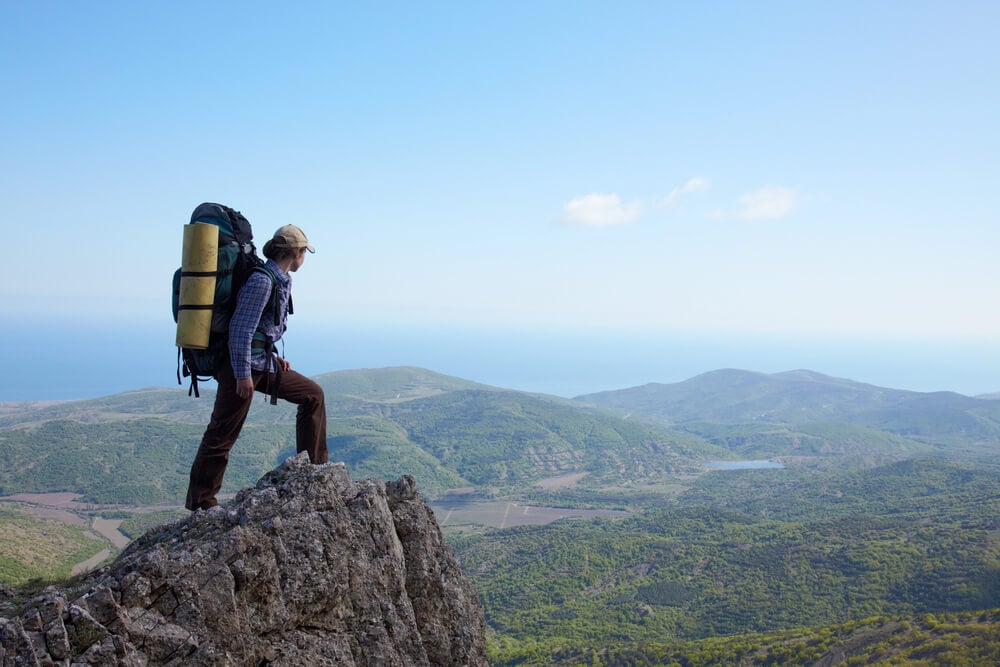
What connects these thirty-three accounts is not dishonesty in every case, but the sheer distance between an explorer’s observation and anyone’s ability to check it. A claim made in a remote jungle or an ice-locked bay could stand unchallenged for years, sometimes centuries, simply because verifying it required another expedition just as difficult as the first.
Exploration history rewarded confident storytelling as much as accurate observation, and the two were not always the same skill. The corrections, when they eventually came, rarely arrived as dramatic reveals.
They came from patient cartographers, skeptical geographic societies, and later expeditions that simply went back and looked more carefully. The map of the world was redrawn not in one great correction but in hundreds of small ones, each one quietly erasing a story that had been believed a little too easily for a little too long.
More from Go2Tutors!

- The Romanov Crown Jewels and Their Tragic Fate
- 13 Historical Mysteries That Science Still Can’t Solve
- Famous Hoaxes That Fooled the World for Years
- 15 Child Stars with Tragic Adult Lives
- 16 Famous Jewelry Pieces in History
Like Go2Tutors’s content? Follow us on MSN.