27 Grocery Prices From 1970 That Seem Unreal
A dollar in 1970 bought roughly what six and a half dollars buy today, so the prices below are not quite as miraculous as they first appear. They still land oddly on the modern eye, partly because the numbers are so small and partly because the proportions are so different from what shoppers now expect.
The figures come from federal price surveys and from supermarket advertisements of the period, which means they vary by city and by sale. They describe a grocery store where meat was the expensive part of the cart and produce was close to free.
A Gallon of Milk for $1.32
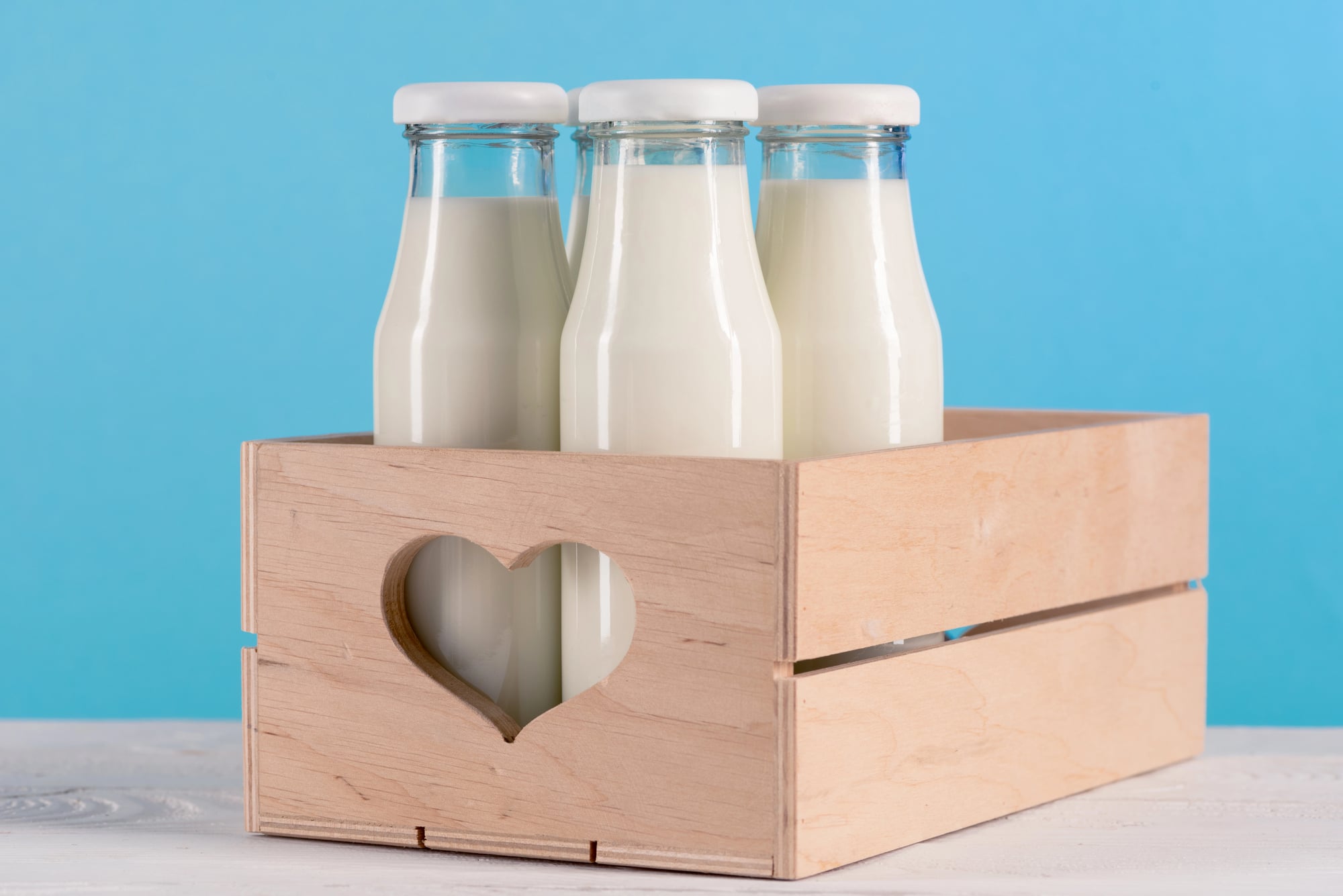
Federal price data put a gallon of milk at about $1.32 in 1970, and a half gallon at around 66 cents. Much of it still arrived on the porch in glass bottles from a dairy route, which is why the supermarket price was watched so closely by delivery companies trying to compete.
Milk has risen less than most items on this list, which says more about dairy subsidies than about the market.
A Dozen Eggs for 61 Cents

The Bureau of Labor Statistics recorded a dozen eggs at 61 cents in 1970. Eggs were sold loose by some grocers and in cardboard or molded pulp cartons by most, and a shopper opened the lid to check for cracks before putting them in the cart.
The price barely moved for the first half of the decade.
A Loaf of White Bread for About a Quarter
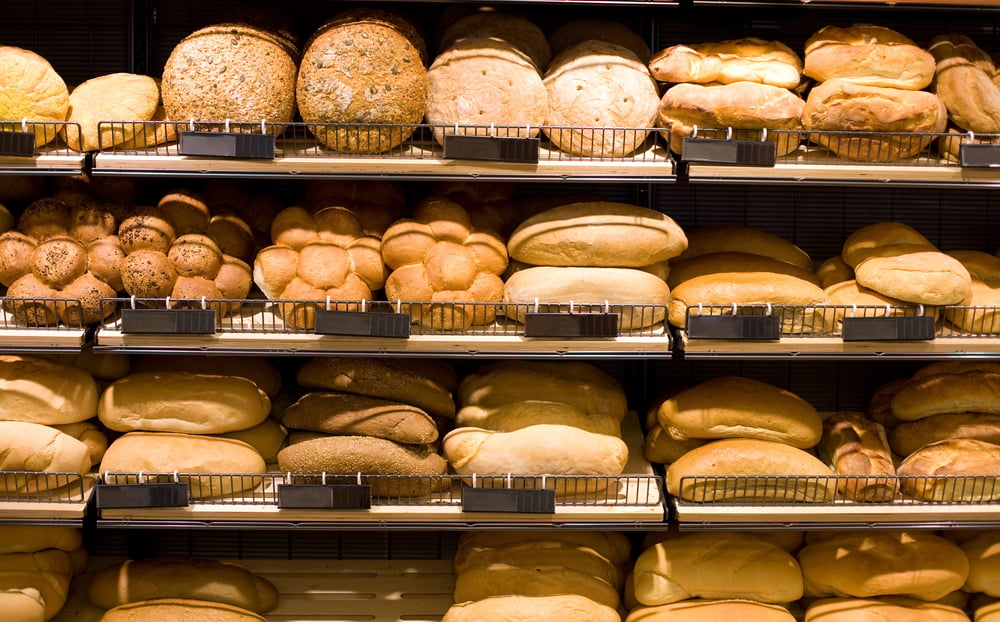
A one-pound loaf of sliced white bread sold for roughly 24 to 25 cents in 1970, according to federal averages. By 1975 it had risen to 36 cents, after a grain deal with the Soviet Union sent wheat prices up.
Store-brand loaves could be found on sale for less than twenty cents.
A Pound of Coffee for 91 Cents
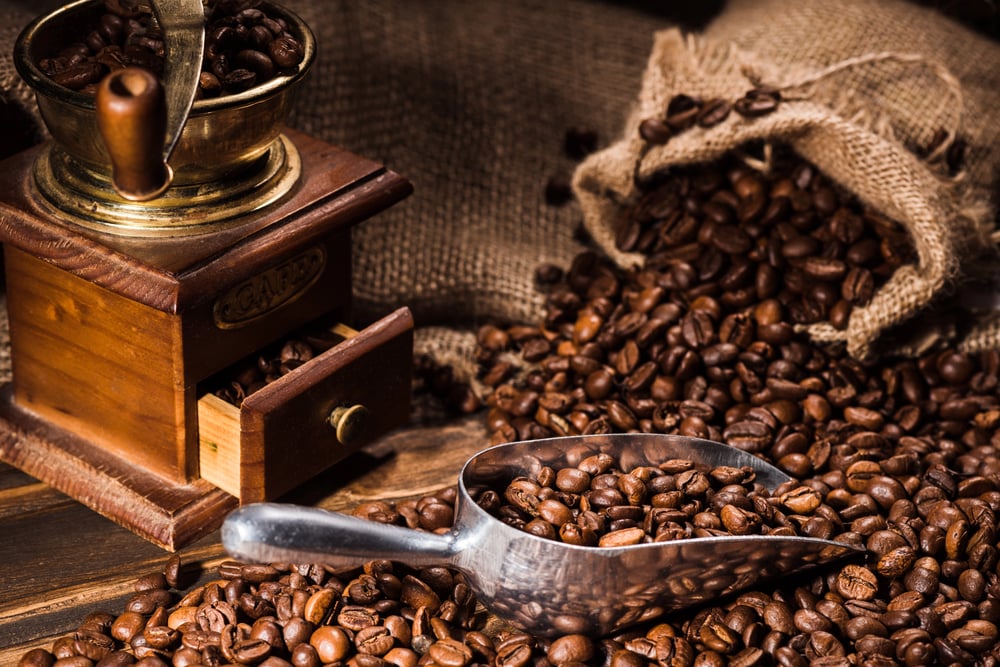
Ground coffee in a one-pound can averaged about 91 cents, and brands like Maxwell House and Folgers competed on the price of the can rather than the quality of the beans. Within two years the price was pushing $1.59 after frosts hit the Brazilian crop.
Instant coffee was gaining ground because it was cheaper per cup.
A Pound of Bacon for Under a Dollar
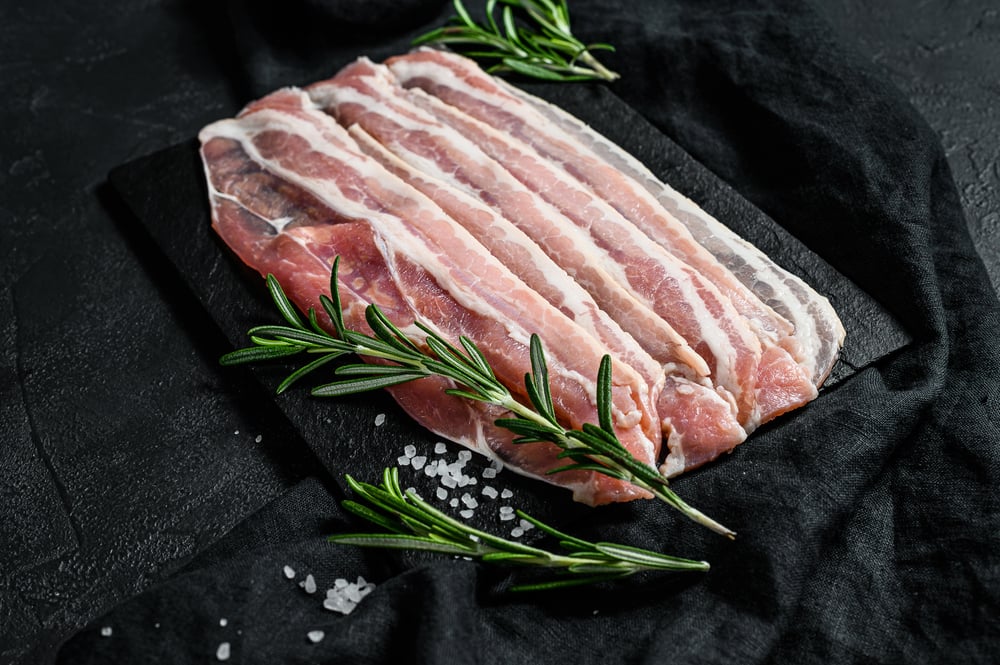
Bacon ran between 85 and 95 cents a pound, sold in one-pound packages with a window on the back to show the meat side. It was the breakfast meat that most families bought weekly, and a sale at 79 cents was worth clipping.
The price doubled within a decade.
A Pound of Hamburger for 59 Cents
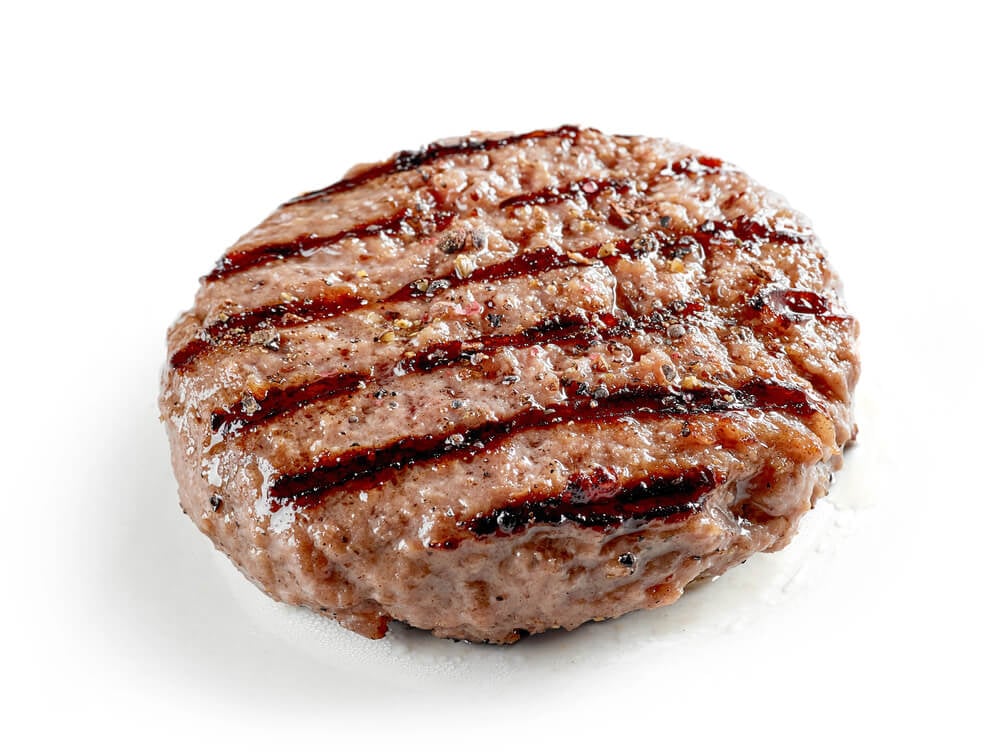
A Pittsburgh newspaper ad from December 1970 listed ground beef at 59 cents a pound, which was roughly the national going rate on sale. Hamburger was the cheapest form of beef and the basis of most weeknight dinners, and a family of four could eat for about a dollar and a quarter.
Meat prices became a political issue within three years as they climbed.
Pork Chops for $1.16 a Pound
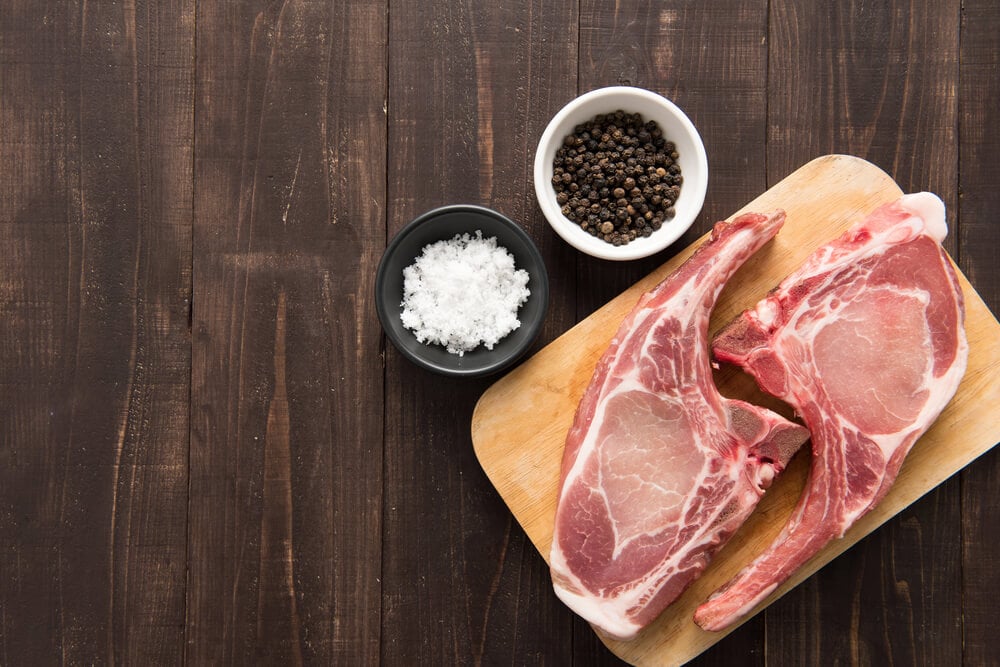
Pork chops were among the costlier items in the meat case at about $1.16 a pound, more than hamburger and close to the price of steak. The cut was a Sunday dinner for many families rather than a weeknight one.
Pork prices rose and fell more sharply than beef through the decade.
A Pound of Butter for 87 Cents
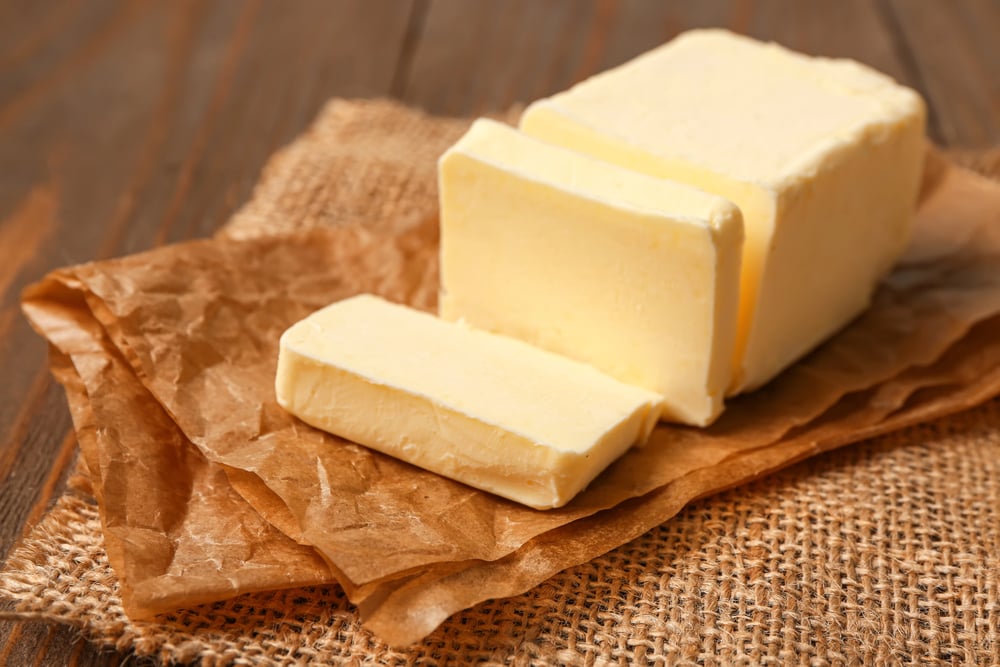
Butter averaged about 87 cents a pound, which was expensive enough that many families used margarine for everything but special occasions. Butter was sold in quarter-pound sticks wrapped in paper, four to a box.
Within five years it passed a dollar.
Ten Pounds of Potatoes for 89 Cents
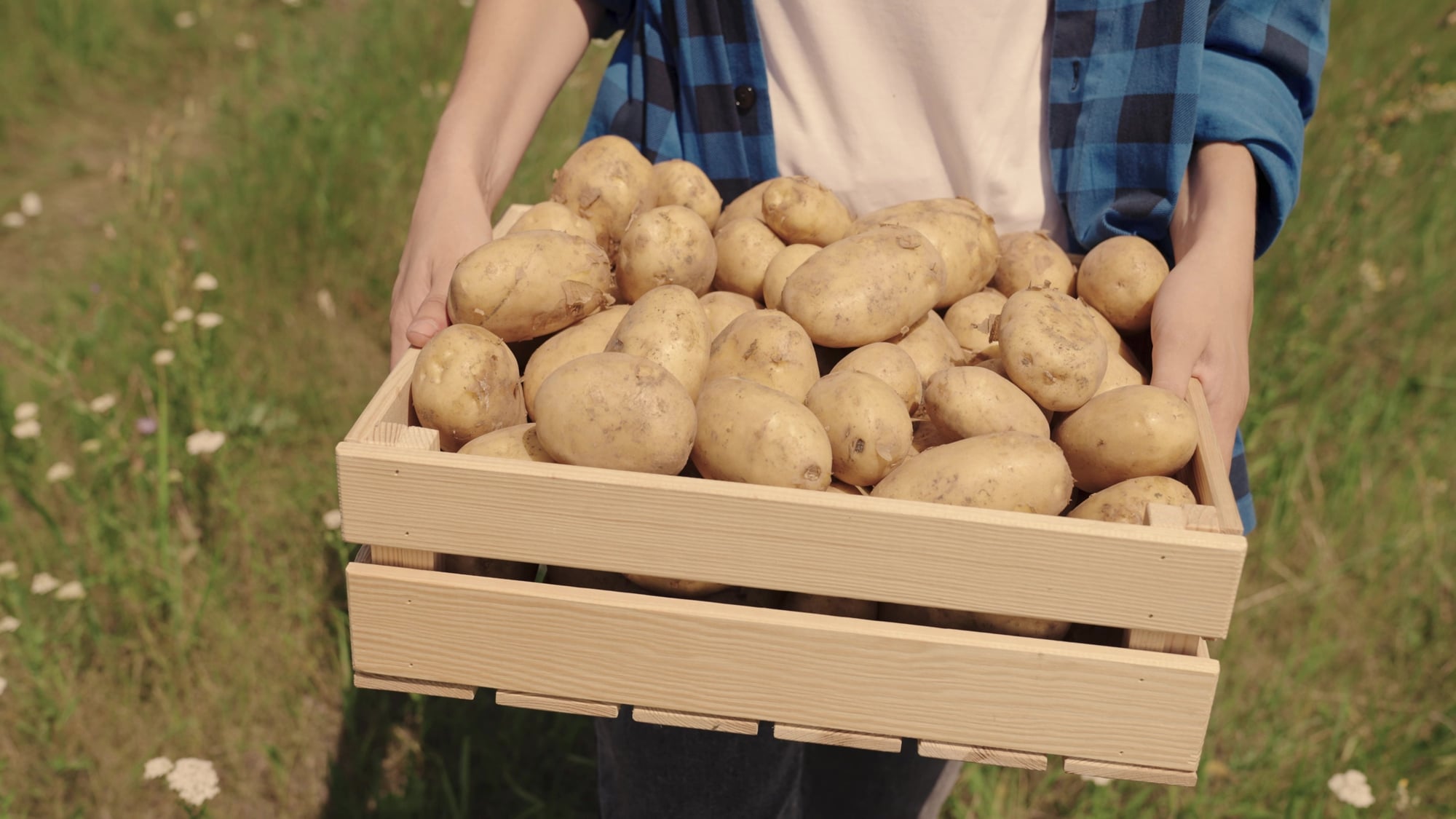
A ten-pound bag of potatoes cost about 89 to 90 cents, which worked out to less than a dime a pound. Potatoes were sold in paper and mesh sacks and bought by the bag rather than by the piece.
They were the cheapest calories in the store and appeared at most dinners.
Five Pounds of Sugar for 65 Cents
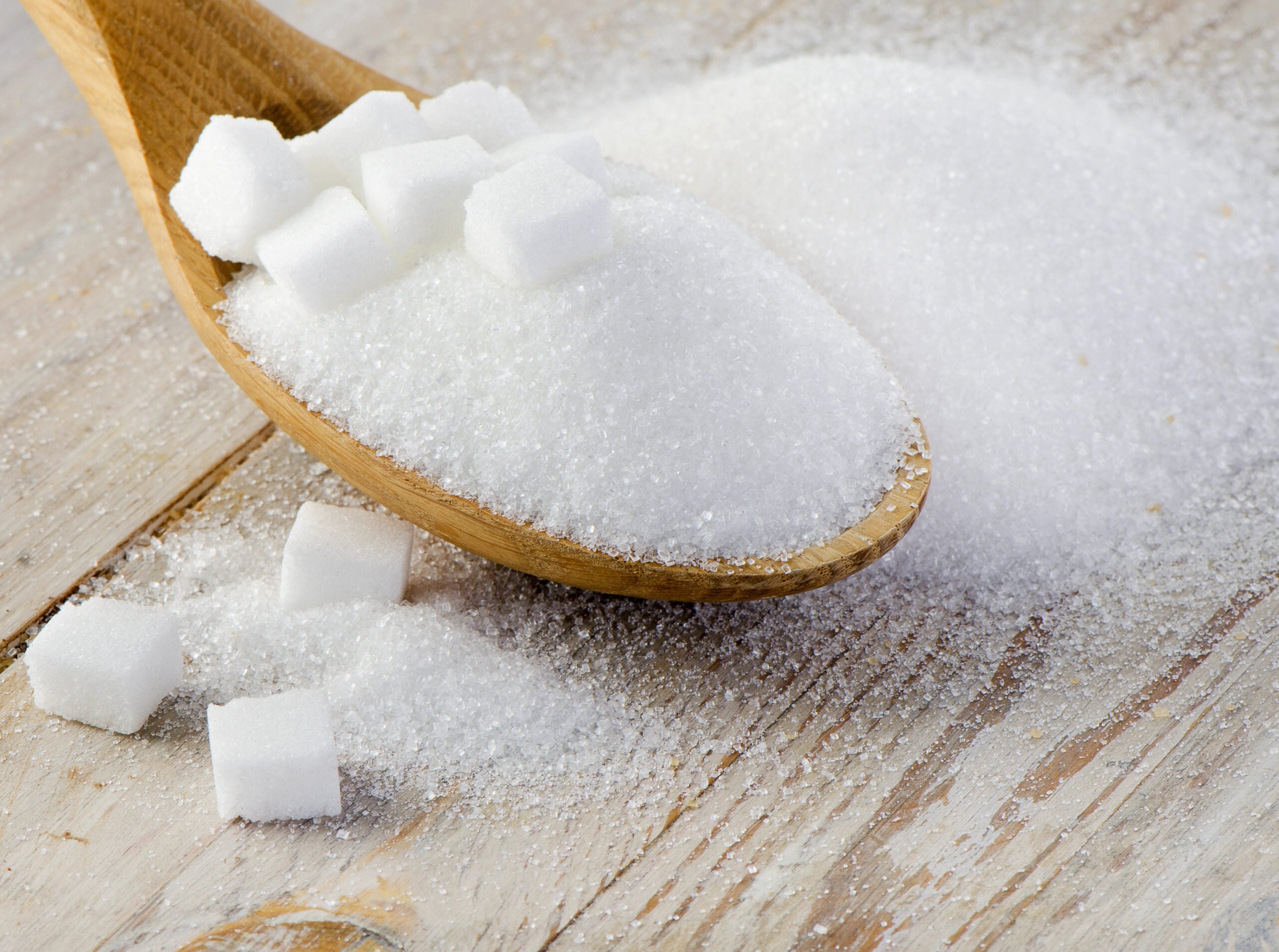
A five-pound bag of sugar sold for around 65 cents in 1970, a price that seemed permanent until a worldwide shortage in 1974 tripled it within months. Sugar was bought in volume because families baked at home and canned fruit in summer.
The 1974 spike produced hoarding and rationing at some stores.
Five Pounds of Flour for 59 Cents
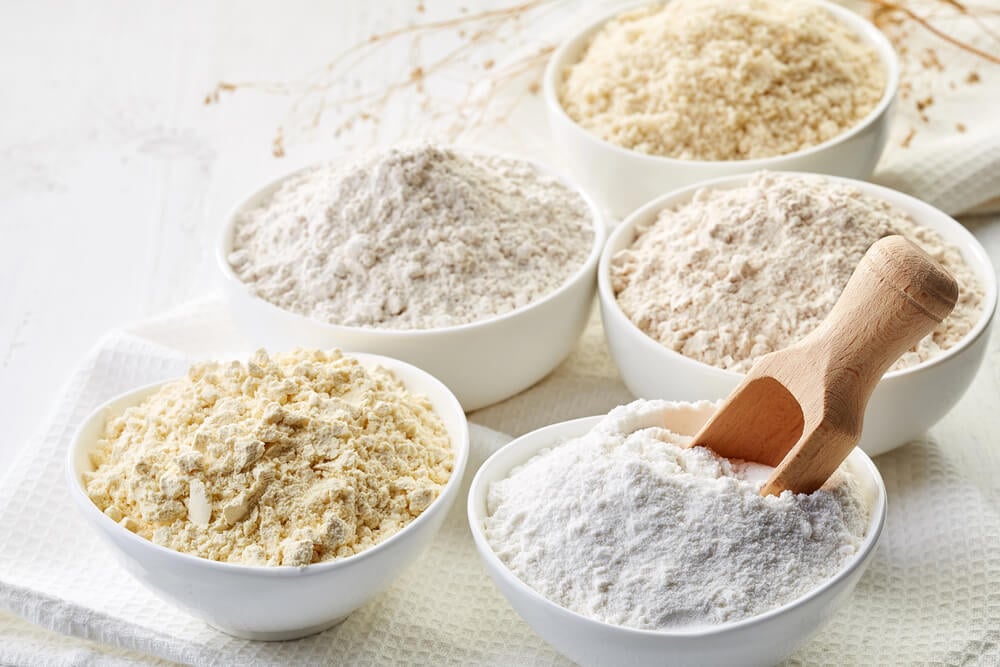
All-purpose flour in a five-pound paper sack cost about 59 cents, and a twenty-five-pound bag could be had for a little over two dollars. Most households kept flour in a canister and used it for biscuits, gravy, and pie crust several times a week.
Bread was bought, but nearly everything else was made.
Campbell’s Tomato Soup for a Dime
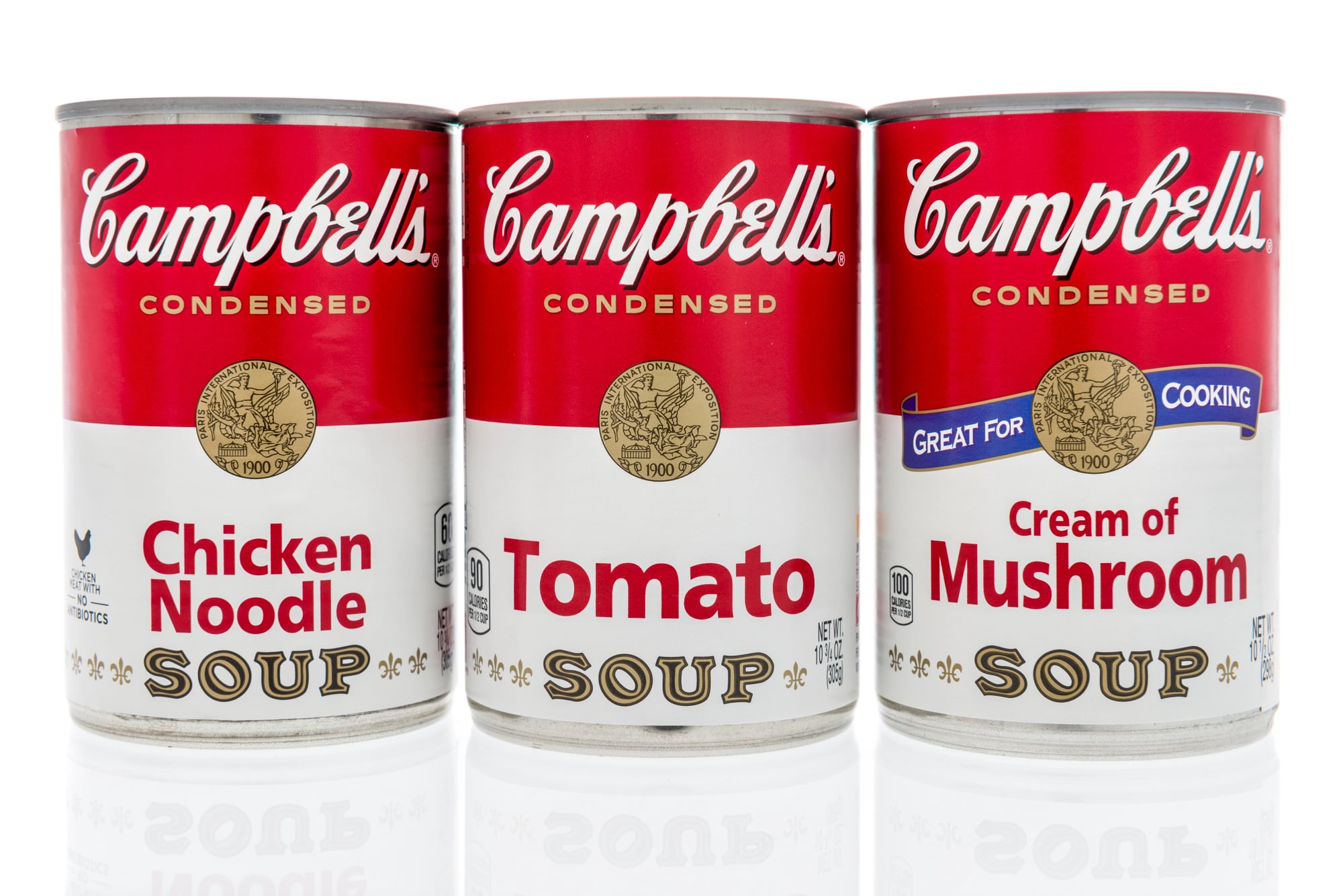
A can of Campbell’s condensed tomato soup sold for about ten cents in 1970, a price that had barely changed in a decade. Store brands were cheaper still, and some chains offered them at eight cans for a dollar.
The soup went into casseroles as often as into bowls.
Canned Vegetables at Eight for a Dollar
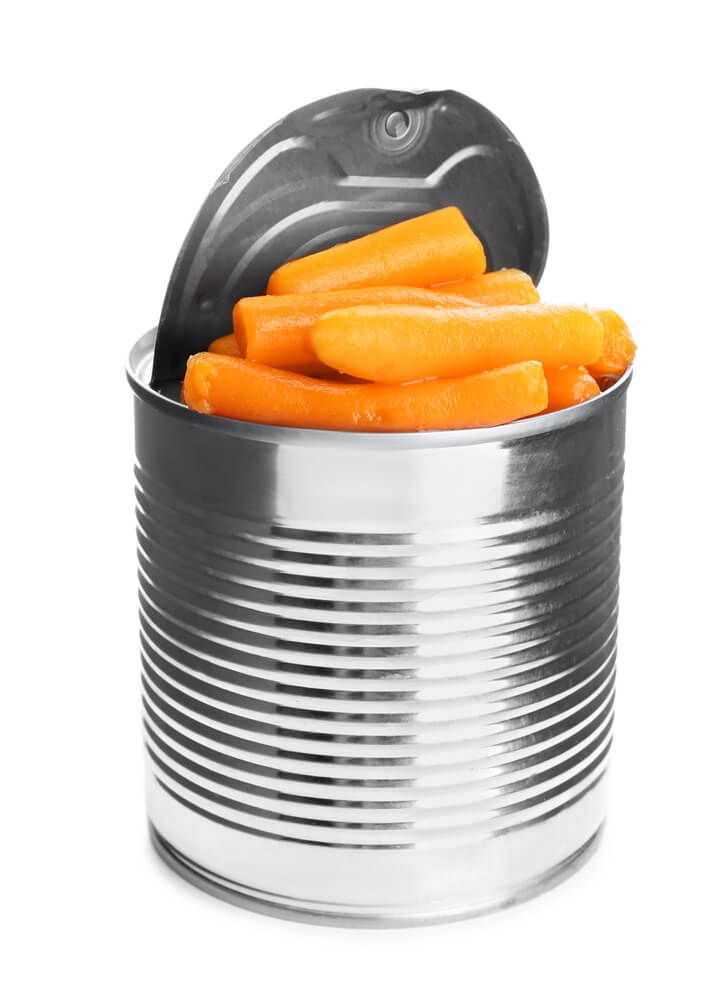
Supermarket ads from the period routinely offered store-brand canned green beans, beets, and kidney beans at eight cans for a dollar. Canned vegetables were what most families ate from fall to spring, since fresh produce was seasonal and frozen was still a luxury.
The pantry shelf of a 1970 kitchen was lined with them.
Five Pounds of Margarine for a Dollar
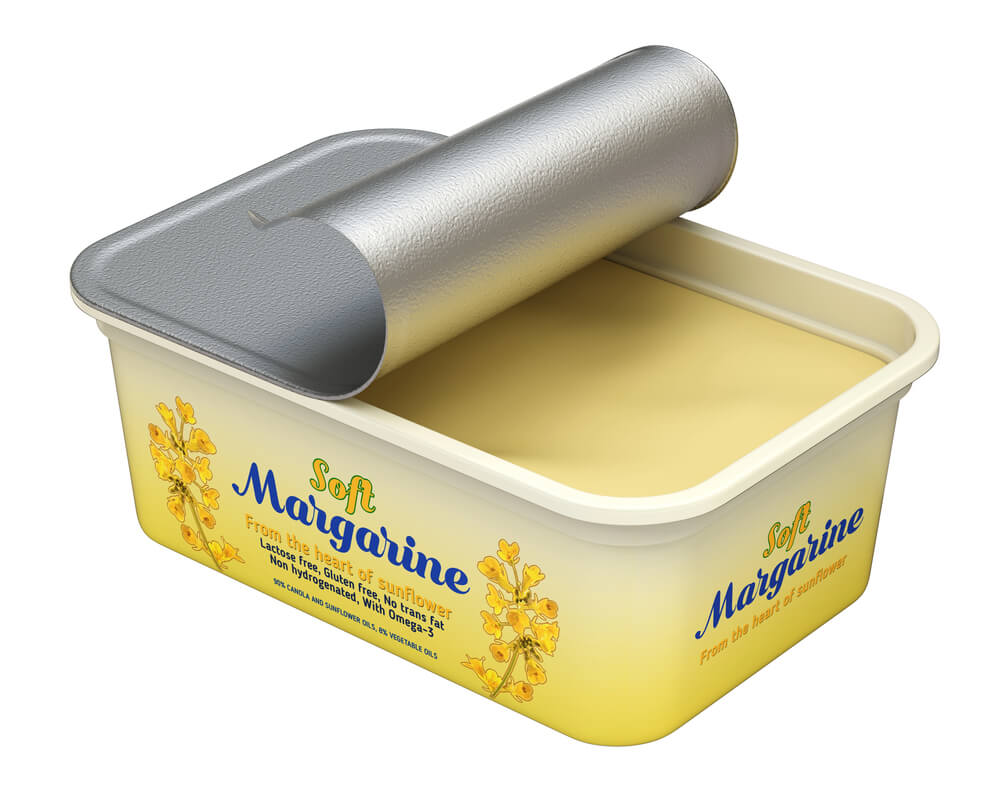
Margarine sold at five one-pound packages for a dollar in some ads, a fifth of the price of butter. It was still sold uncolored in a few states under old dairy laws, with a packet of yellow dye to mix in at home.
Most families had long since switched and did not look back until the 1990s.
Three Pounds of Peanut Butter for 99 Cents
A three-pound jar of peanut butter cost about 99 cents, and the big jar was the one families with children bought. Peanut butter and jelly was the standard lunch, and a jar that size lasted a couple of weeks.
Natural versions that separated were a health-food novelty.
A Box of Kraft Dinner for 19 Cents
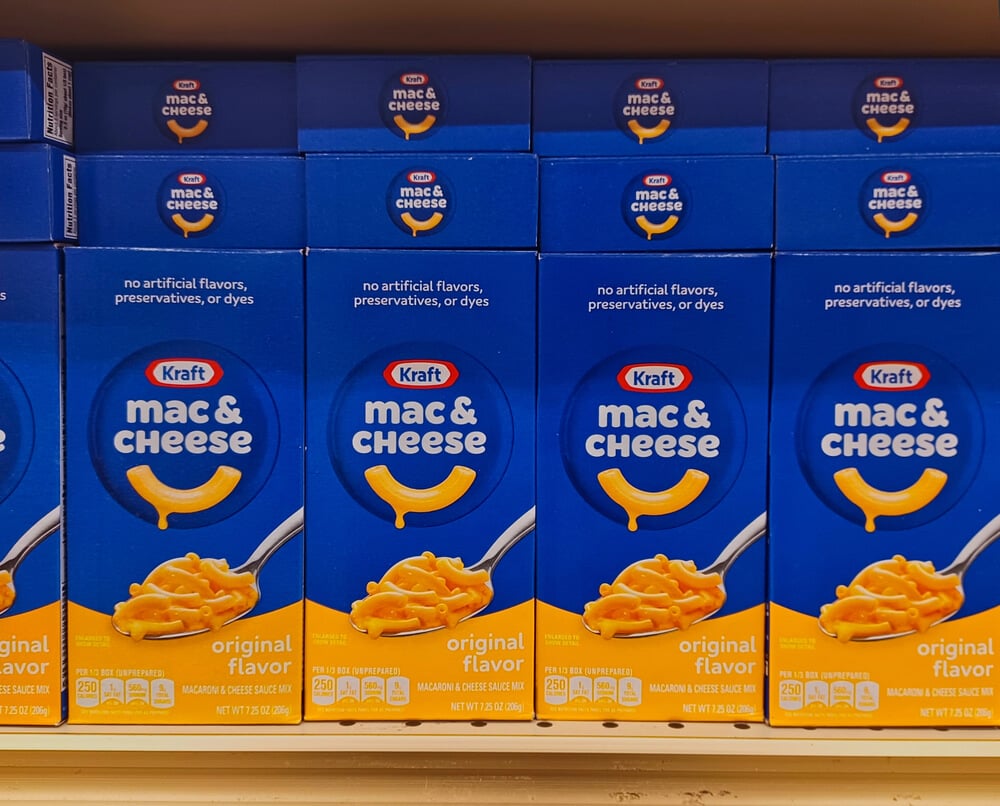
Kraft’s macaroni and cheese in the blue box sold for about 19 cents in 1971, which is why it fed a generation of college students and young families. The box had been on shelves since 1937, when it was marketed as a Depression-era meal for four.
At that price, five boxes cost less than one pound of pork chops.
Store-Brand Soda for a Dime a Can
Supermarket chains sold their own soda in cans for about ten cents each, and name-brand six-packs ran in the range of 69 cents in the early 1970s. Returnable glass bottles were still common, and the deposit on them was part of the price.
Soda was a weekend treat in many homes rather than a daily drink.
Sirloin Steak for About $1.19 a Pound
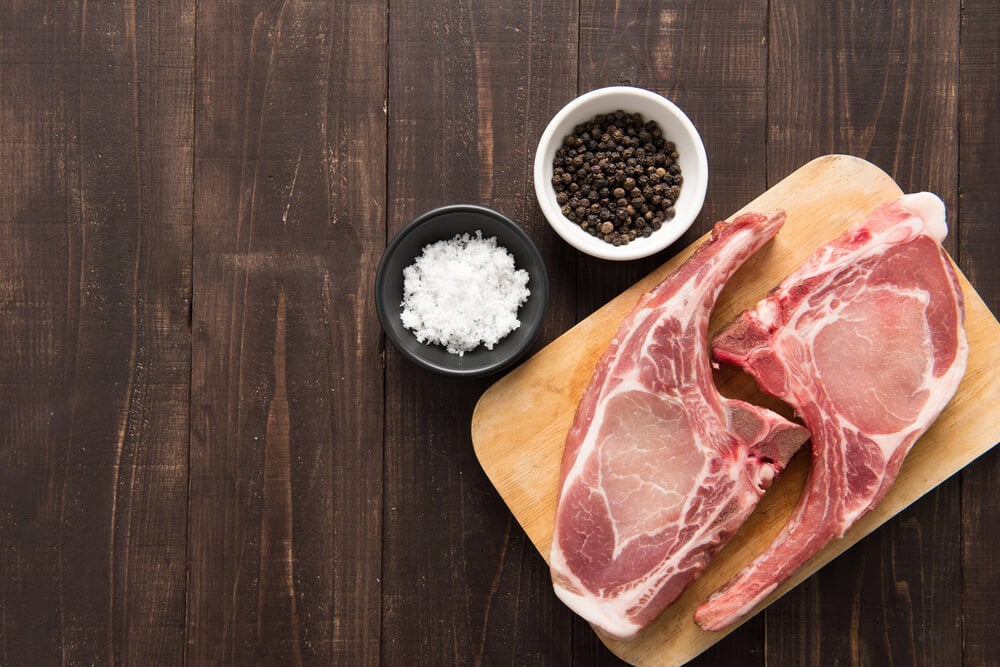
Sirloin steak was advertised at around $1.19 a pound, which made it the most expensive thing most families put in the cart. Steak was a payday meal and a sign that things were going well.
By 1975, round steak had passed $1.89.
Tomatoes for 19 Cents a Pound
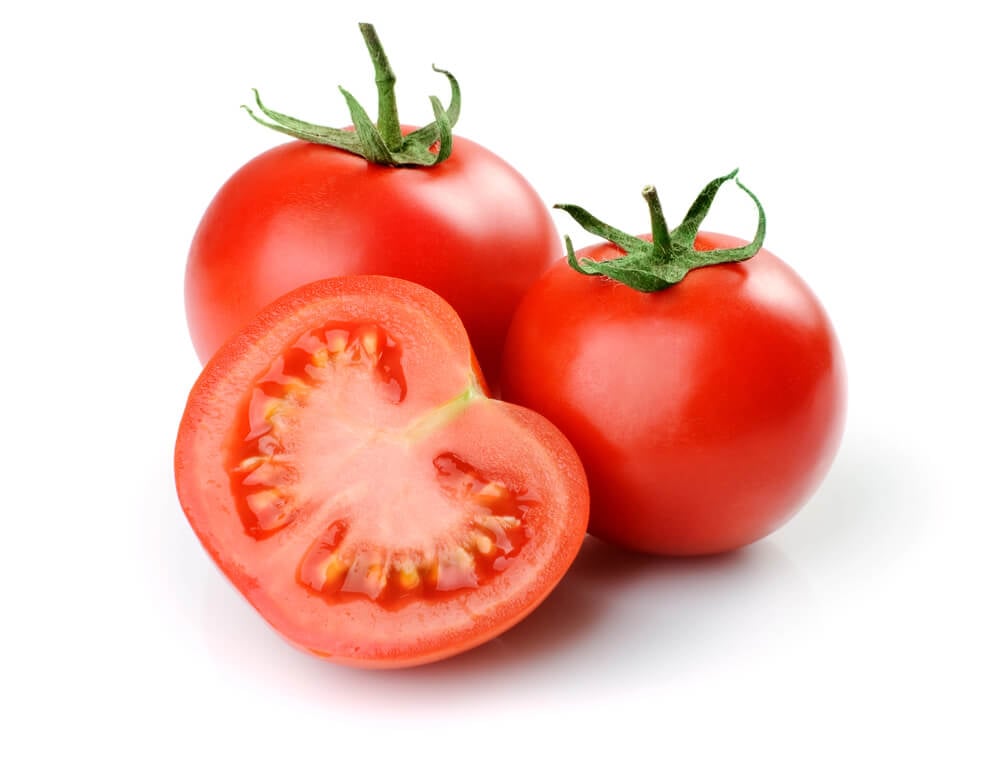
Tomatoes sold for about 19 cents a pound in season, and most families with a yard grew their own and bought them only in winter, when they were pale and expensive. The supermarket tomato of 1970 was already bred for shipping rather than taste.
Home canning handled the surplus.
A Can of Tuna for 29 Cents
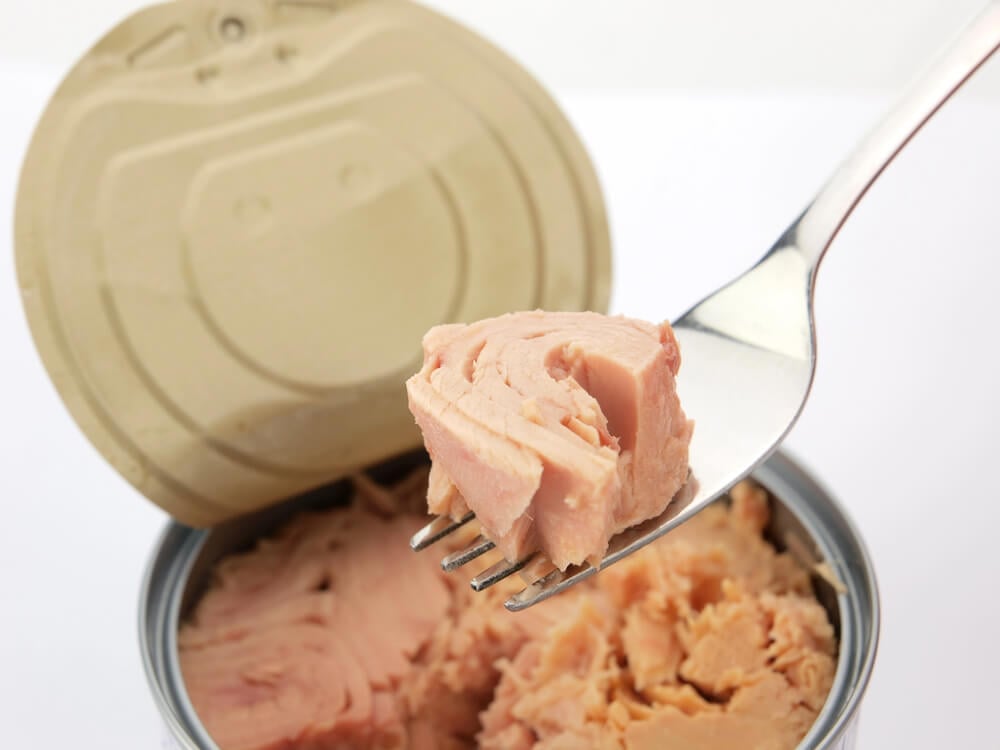
A can of tuna cost about 29 cents, and it was the base of the tuna noodle casserole that appeared on church supper tables across the country. Tuna was sold packed in oil more often than in water.
A sale at four cans for a dollar was common.
A Head of Lettuce for a Dime
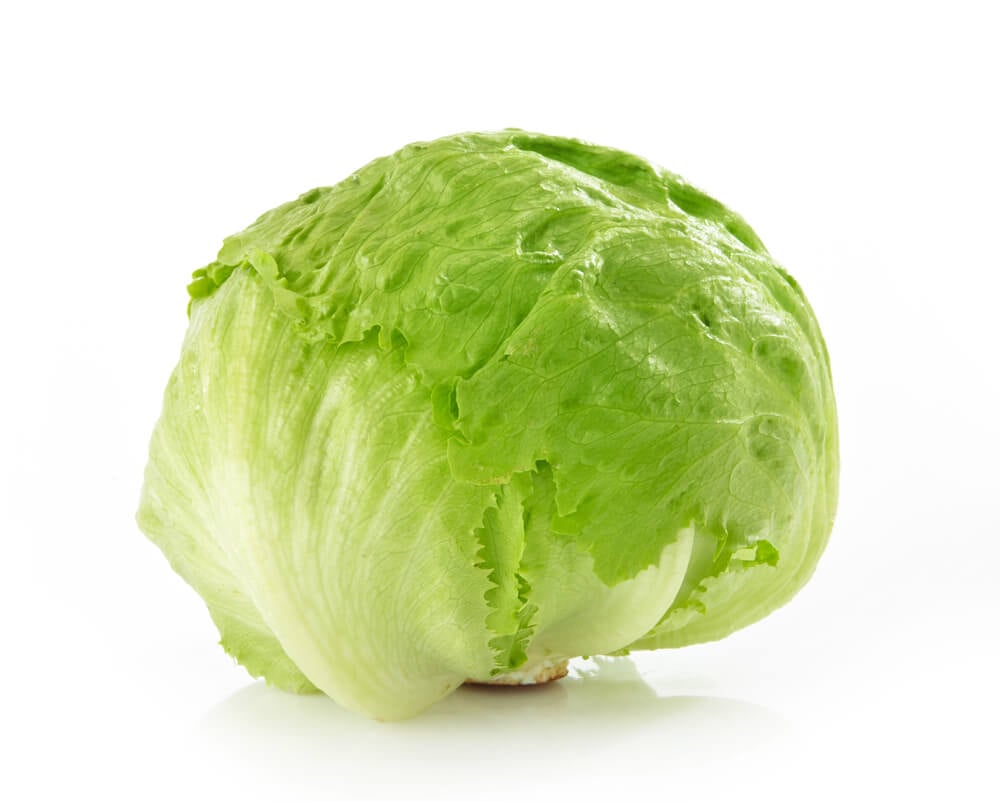
Iceberg lettuce sold for about ten cents a head, and it was the only lettuce most stores carried. Salad in 1970 meant a wedge of iceberg with bottled dressing.
Romaine and leaf lettuce were available in some markets at higher prices and were mostly ignored.
A Bag of Potato Chips for 89 Cents

A large bag of potato chips cost around 89 cents, which was more than a pound of hamburger. Chips were a party food, bought for guests or for the weekend.
The bag was mostly air then too.
Bananas for 8 Cents a Pound
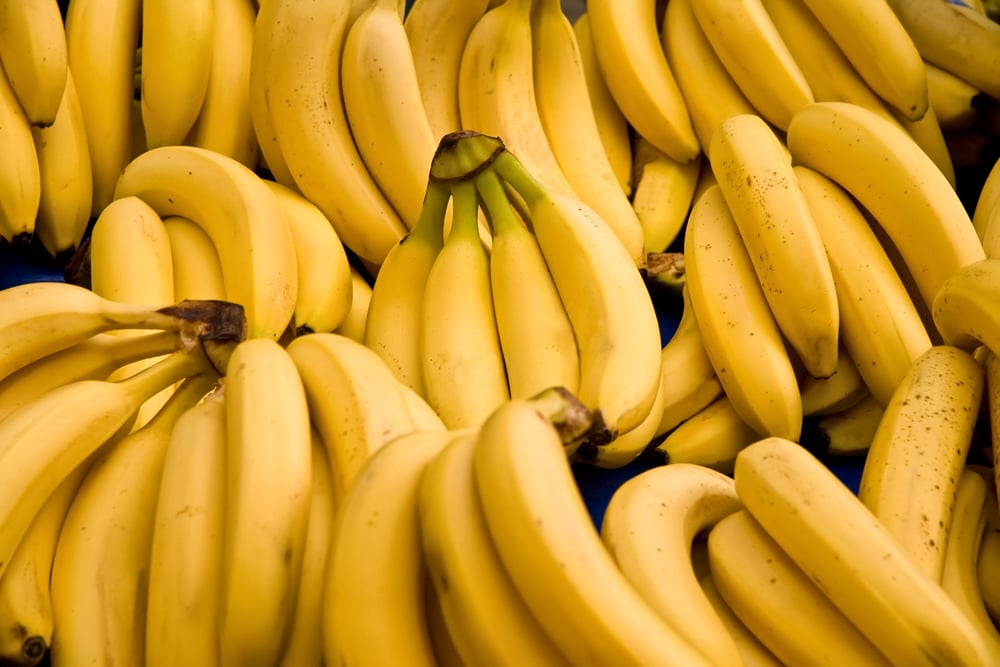
Bananas were advertised at 8 cents a pound in December 1970, and they were among the cheapest items in the store despite coming from thousands of miles away. A pound bought three or four bananas.
They were the fruit that families bought every week without thinking.
Carrots for a Dime a Pound
Carrots sold for about 10 cents a pound, loose or in a cellophane bag with the tops removed. They wen

t into stews, pot roasts, and the Jell-O salads that no one has fully explained.
Baby carrots in a bag were still fifteen years away.
Grapes for 29 Cents a Pound
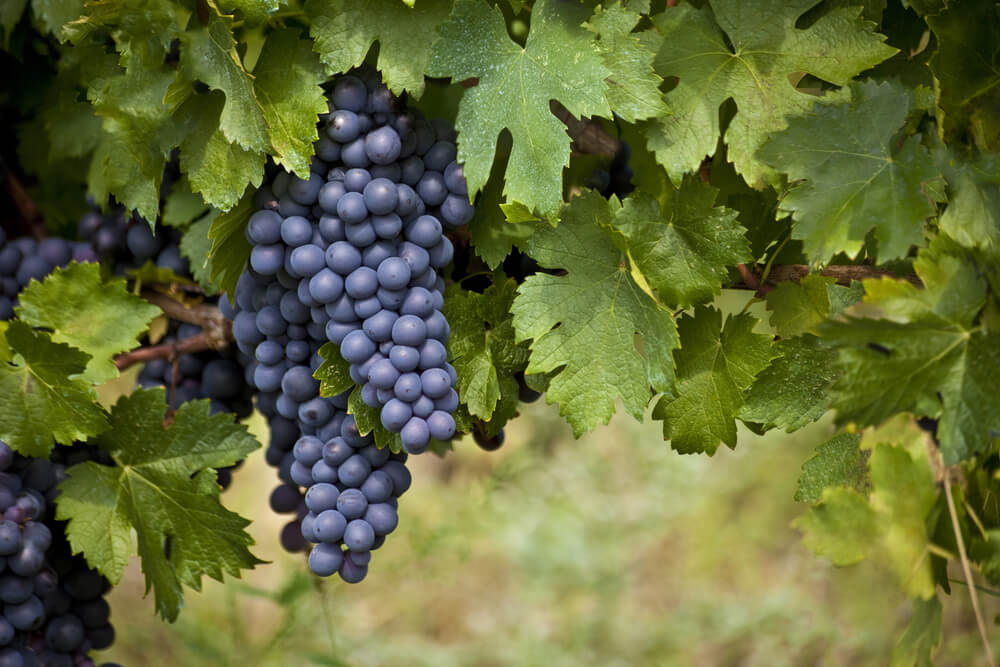
Table grapes were advertised at 29 cents a pound, a price that many shoppers were deliberately not paying. The United Farm Workers’ grape boycott, led by Cesar Chavez, was in its fourth year in 1970 and ended that summer with contracts for the pickers.
Grapes were the one item in the produce aisle with a political argument attached.
A Box of Jell-O for About a Dime
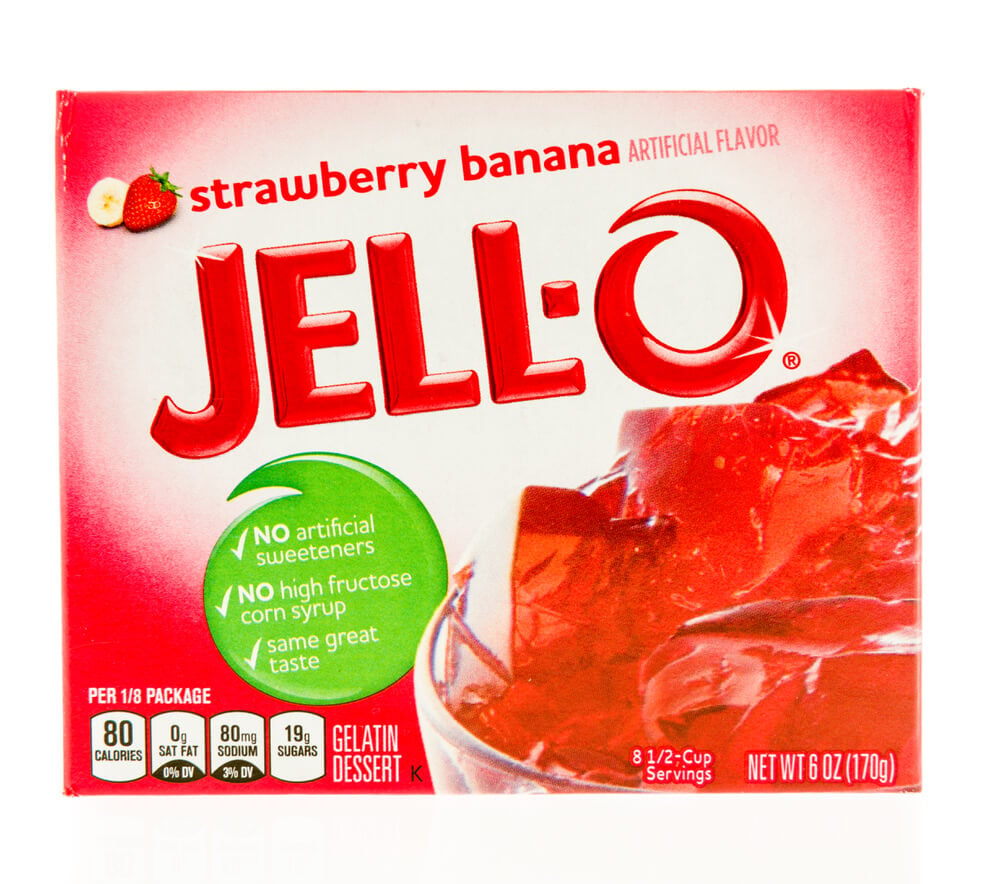
Gelatin dessert mix sold for roughly ten cents a box, and promotions of a dozen boxes for a dollar were common. Jell-O was at the height of its popularity as a salad base and party dessert, and a well-stocked pantry held several flavors.
The boxes were small, light, and bought in bulk.
A Pound of Hot Dogs for 69 Cents
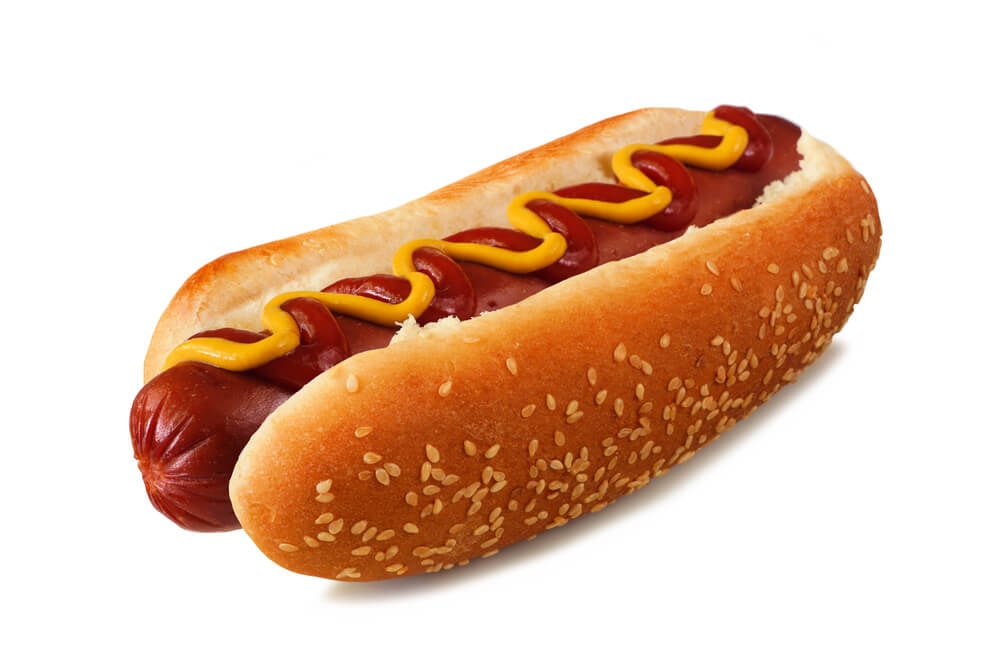
A one-pound package of hot dogs sold for about 69 cents in supermarket ads from the end of the 1960s, eight or ten franks to a package. They were the children’s meal of choice and the cheapest protein that could be cooked in two minutes.
Buns came eight to a bag, a mismatch that has never been resolved.
What the Numbers Leave Out
The prices above look absurd until they are set against a federal minimum wage of $1.60 an hour and a median family income of just under ten thousand dollars a year. An hour of work bought about two and a half dozen eggs or a pound and a half of pork chops, and families spent a larger share of income on food than they do now.
The truly unreal part is not the prices but the proportions. Meat was dear and vegetables were nearly free, sugar was a staple and soda was a treat, and a family that cooked everything from scratch could feed itself on twenty-five dollars a week.
The store has changed less than the cart.
More from Go2Tutors!

- The Romanov Crown Jewels and Their Tragic Fate
- 13 Historical Mysteries That Science Still Can’t Solve
- Famous Hoaxes That Fooled the World for Years
- 15 Child Stars with Tragic Adult Lives
- 16 Famous Jewelry Pieces in History
Like Go2Tutors’s content? Follow us on MSN.