Music Festivals That Defined an Entire Generation
There’s something about a music festival that a studio album simply cannot replicate. It’s not just the sound — it’s the particular smell of a summer field after rain, the shoulder-to-shoulder press of strangers who suddenly feel like the only people in the world who understand the same song.
Generations aren’t defined by a single moment, but sometimes a weekend in a muddy pasture or a sun-scorched desert comes closer than anything else. These are the festivals that didn’t just draw crowds — they drew lines in the cultural sand.
Woodstock 1969
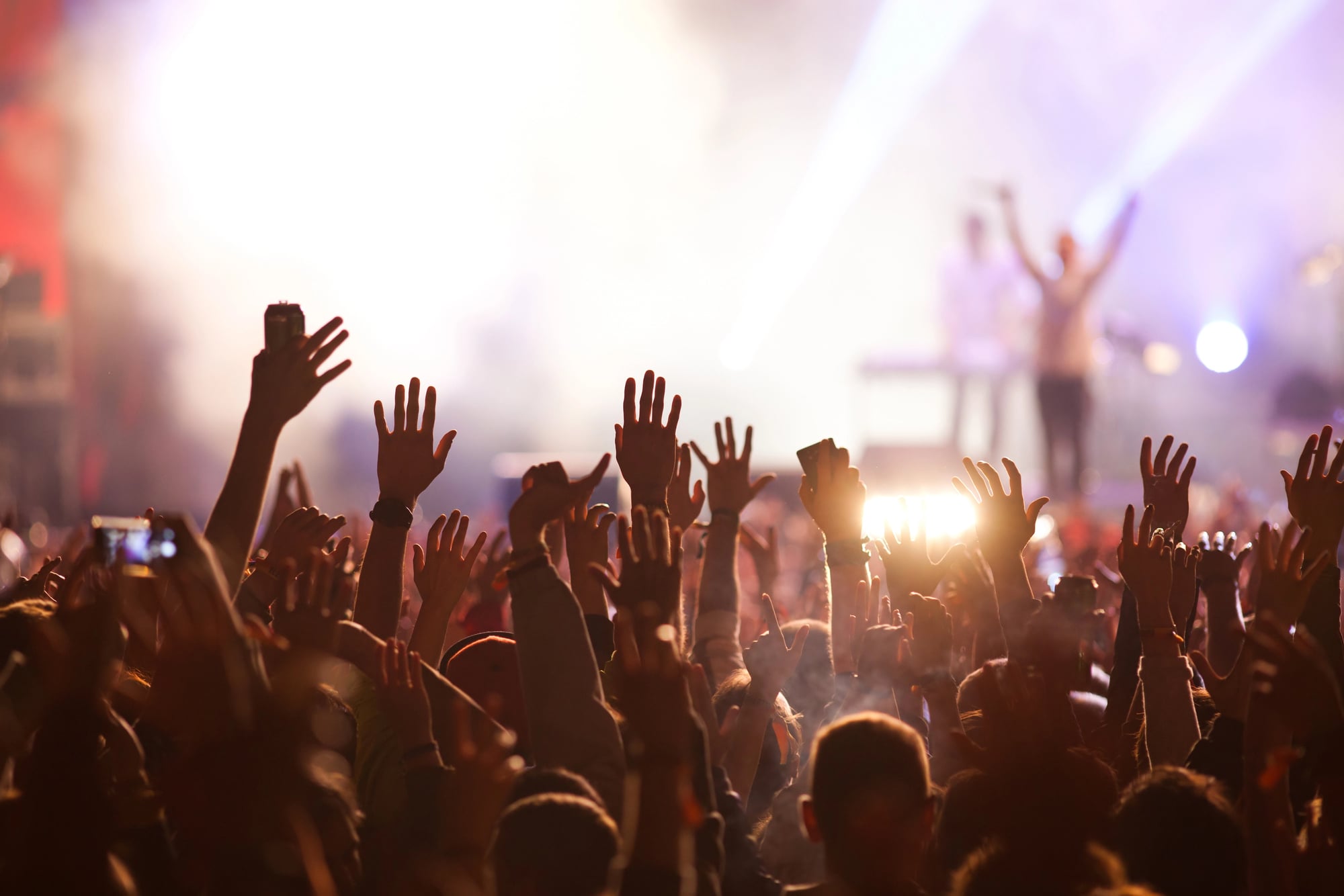
Half a million people showed up to a dairy farm in Bethel, New York, and nobody was entirely prepared for that — including the organizers. Three days of peace, music, and a logistical disaster that somehow became the defining myth of an entire counterculture.
It worked because it wasn’t supposed to.
Monterey Pop Festival
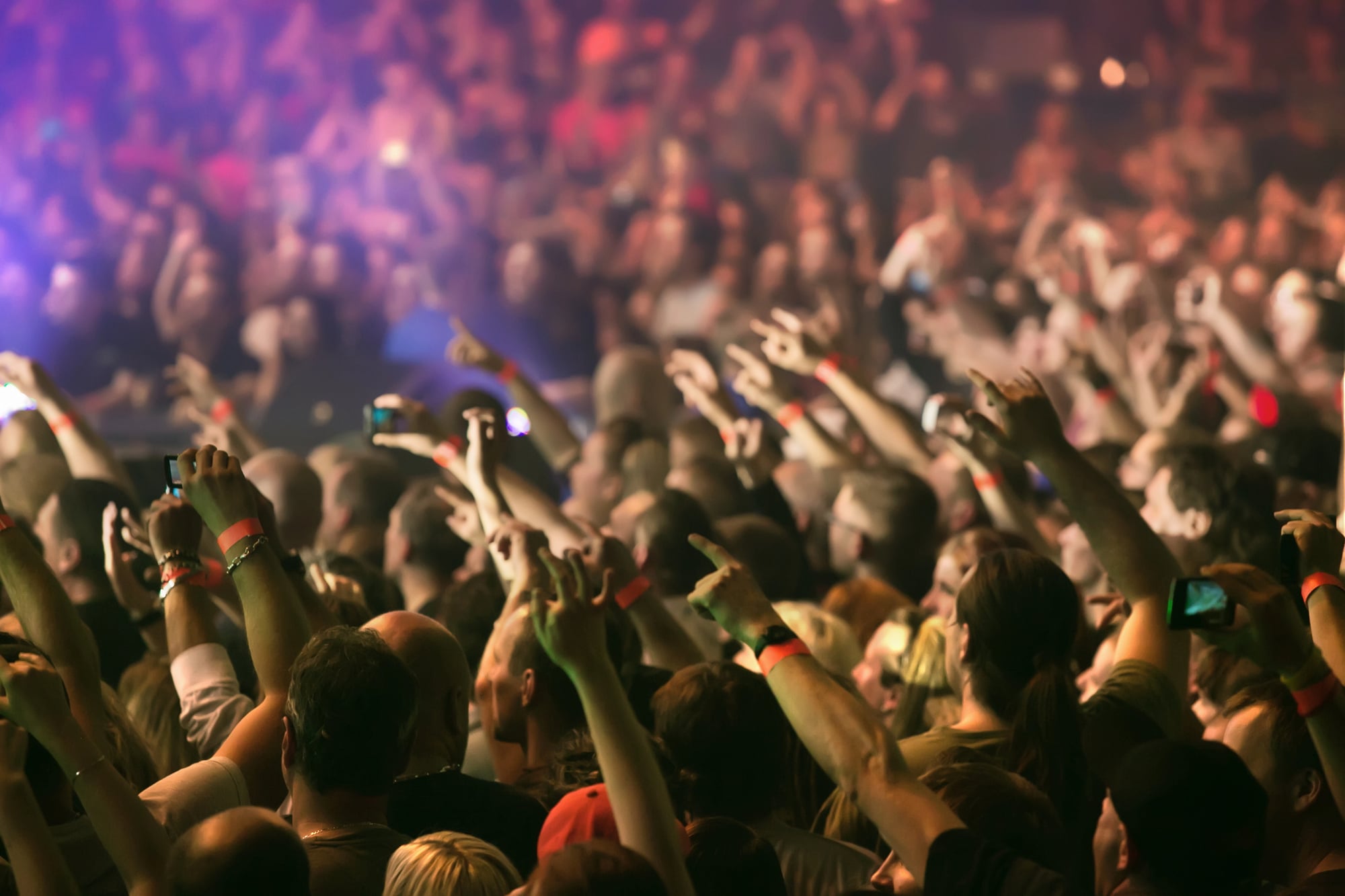
Before Woodstock swallowed all the oxygen in the room, Monterey Pop — held in June 1967 in a small California coastal town — was already doing something genuinely new: treating rock music as an art form worth presenting on a serious stage, with the kind of care usually reserved for jazz or classical, and it did this quietly, without announcing that it was changing anything. Jimi Hendrix set his guitar on fire (literally, with lighter fluid, in full view of the crowd) and Janis Joplin left people stunned into silence — two performers who had barely registered nationally before that weekend and were household names inside a week.
So the myth of the “breakout moment” started here, really: a 7,500-person crowd in a festival tent, not a stadium.
Altamont Free Concert
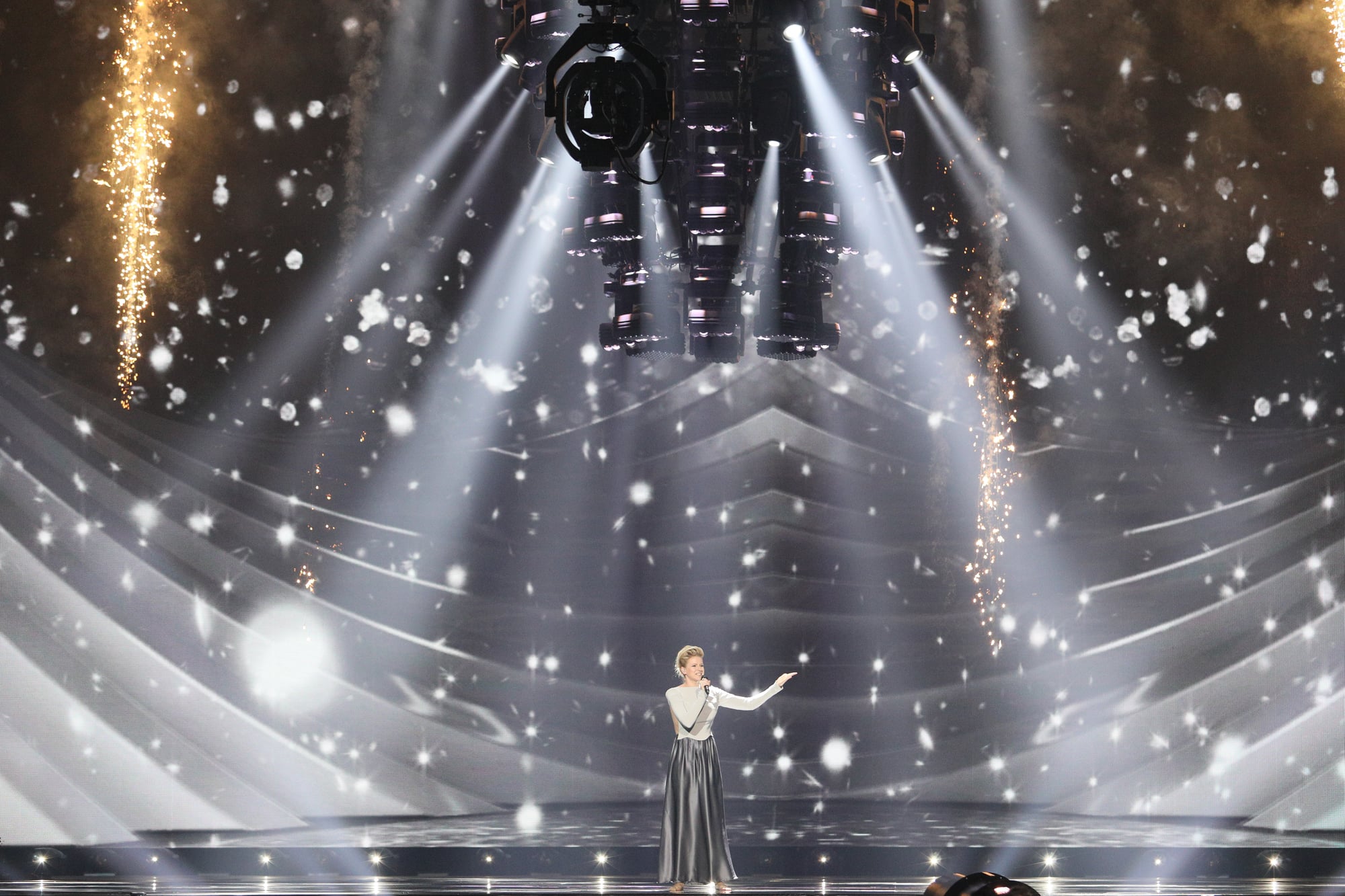
Altamont is the festival that history treats like a bruise — something that happened when the decade pressed too hard on itself. Held in December 1969 at the Altamont Speedway in northern California, it was meant to be the West Coast’s answer to Woodstock, and it turned instead into its photographic negative.
The violence that unfolded near the stage that afternoon didn’t just end a concert; it sat at the end of the 1960s like a period punctuating a sentence everyone had hoped wasn’t finished.
Isle of Wight Festival 1970
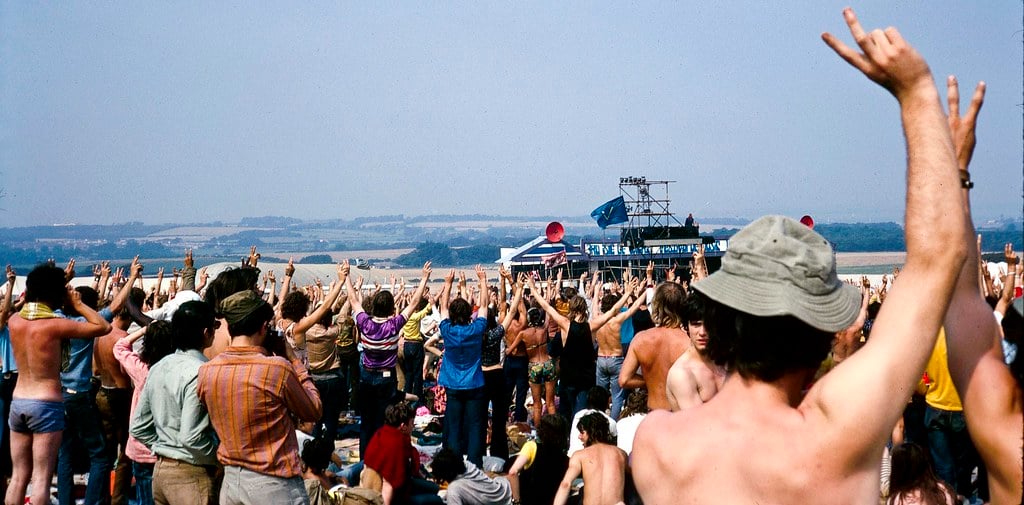
The 1970 Isle of Wight Festival was, by any reasonable accounting, one of the largest gatherings in human history at that point — somewhere between 600,000 and 700,000 people on a small island off the south coast of England. To be fair, the infrastructure was not prepared for that.
Jimi Hendrix performed one of his final concerts there before his death three weeks later, which gives the whole event a weight that no amount of revisionist nostalgia could manufacture. It remains proof that scale alone can fossilize a moment into something permanent.
Glastonbury
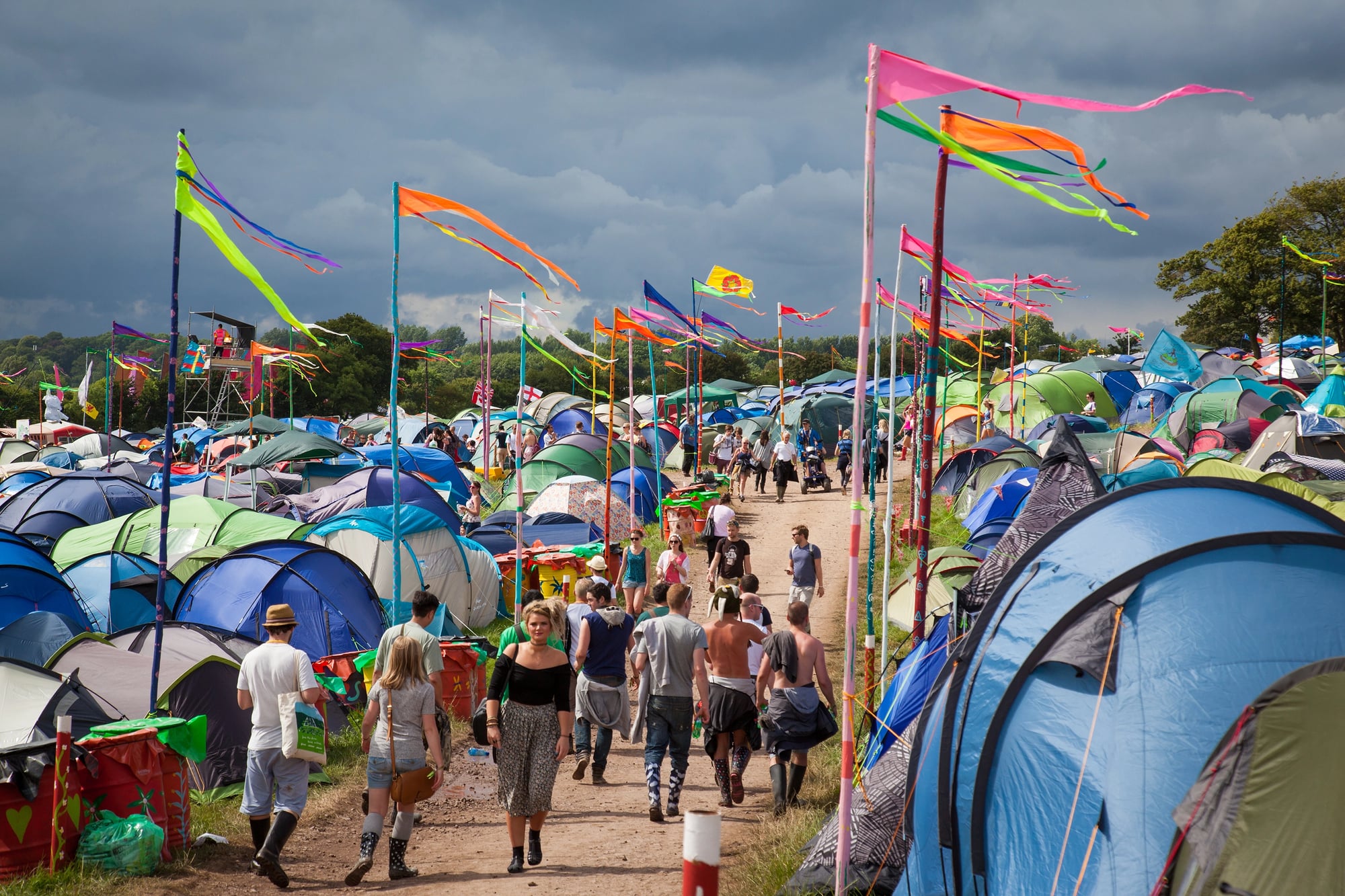
Glastonbury didn’t start with any grand ambitions — Michael Eavis charged £1 at the gate in 1970 and threw in free milk from his farm. It became the largest greenfield music festival in the world.
Nobody planned for that, and somehow that’s exactly why it worked.
Lollapalooza
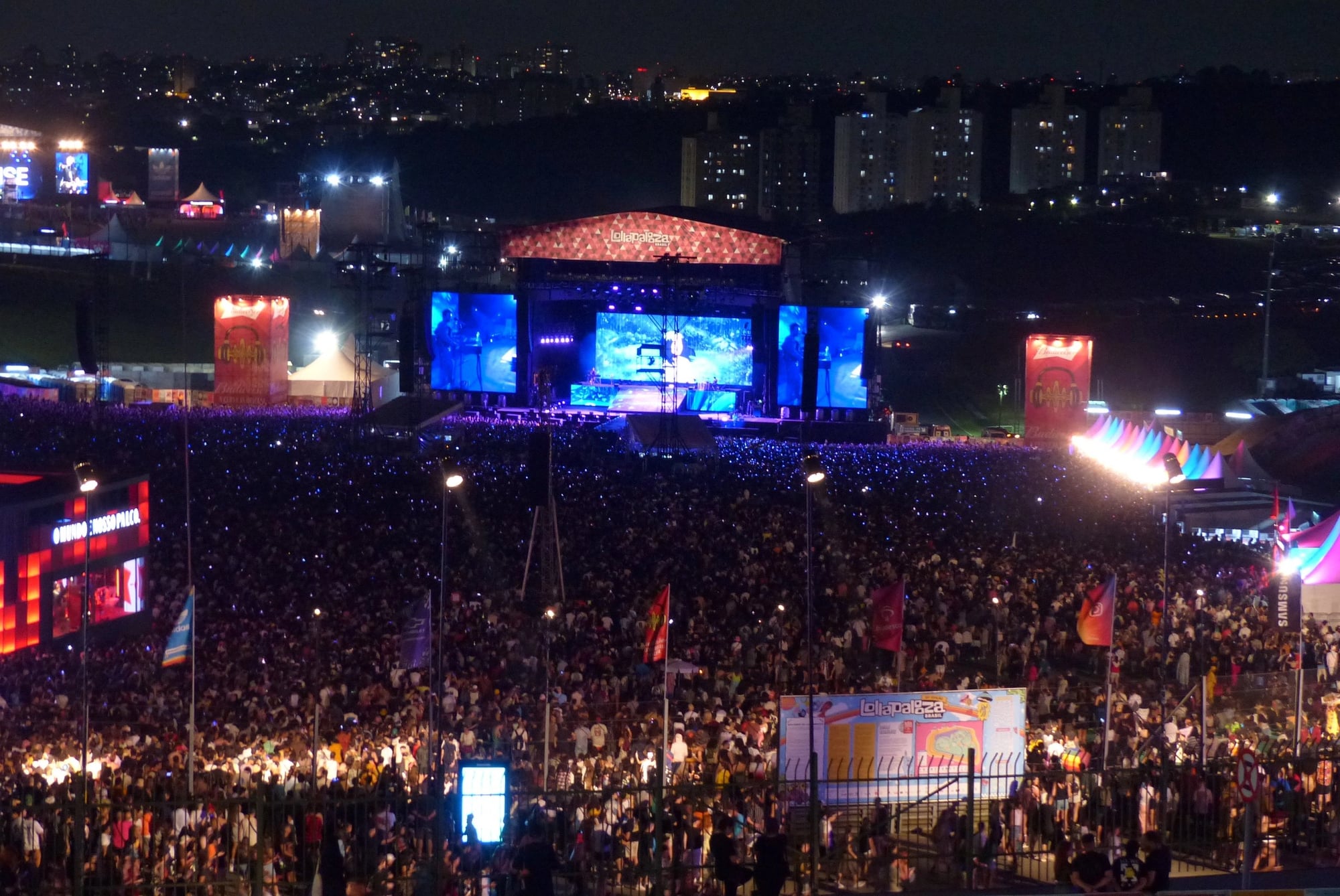
Perry Farrell launched Lollapalooza in 1991 as a farewell tour for his band Jane’s Addiction — a roving, traveling festival that wasn’t tied to any single location, which was itself a strange and deliberate act of defiance against the idea that culture needed a fixed address to matter. What it became (at least in its first decade) was a traveling catalog of alternative music, body modification tents, and an aesthetic so deliberately anti-mainstream that it eventually became the mainstream: grunge, industrial, hip-hop, and punk all sharing the same bill in the same sun-baked field, which is saying something given how aggressively those genres were supposed to hate each other.
So a farewell tour became a decade-long institution, and then it came back, permanently rooted in Chicago’s Grant Park after 2005, which is its own strange second act.
Reading and Leeds
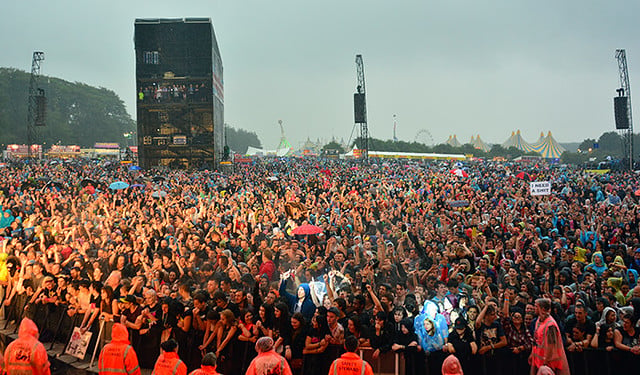
Reading Festival is the oldest in the United Kingdom, and there’s something stubbornly analog about its persistence — it keeps returning to the same patch of ground near the Thames as if the ground itself is the point. For British teenagers of a certain era, the Reading weekend was less a music event and more a rite of passage, the kind that left you with at least one story you’d tell slightly differently depending on who was listening.
Leeds joined as a twin festival in 1999, and together they became the twin heartbeats of British guitar music’s annual calendar: reliable, slightly chaotic, and indifferent to fashion in a way that somehow made them more fashionable.
Coachella
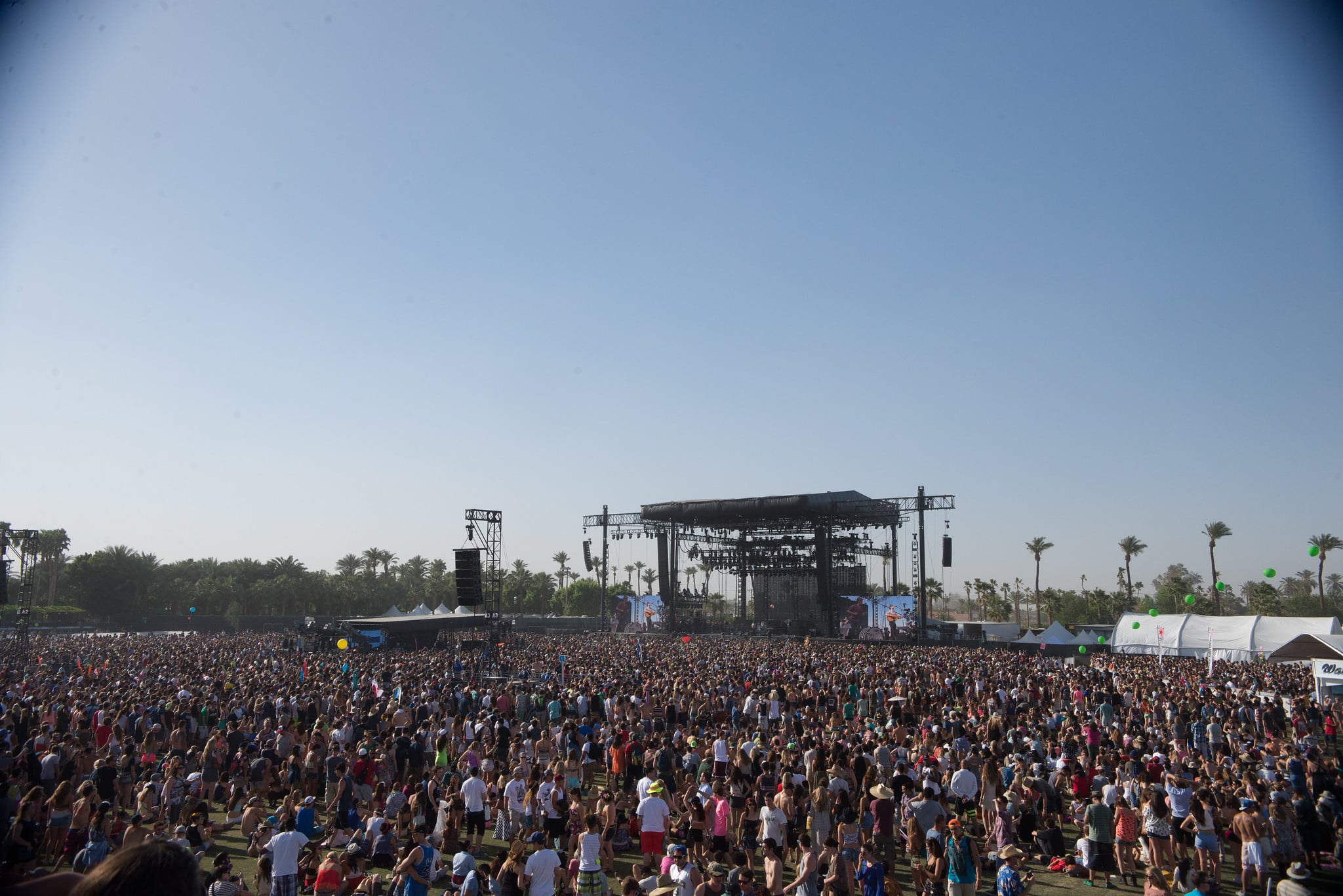
Coachella is the most photographed music festival on Earth, and that fact tells you almost everything you need to know about how its identity shifted somewhere around 2012. It started in 1999 in the Colorado Desert as a genuinely independent alternative to corporate arena tours, with Rage Against the Machine headlining the first year — which is a detail that now reads as almost comically at odds with what the festival became.
The music is still frequently excellent, to be fair, but Coachella long ago became the destination itself: the flower crowns, the fashion content, the reunion announcements timed to the booking cycle. Turns out a desert setting photographs beautifully, and that changed everything.
Ozzfest
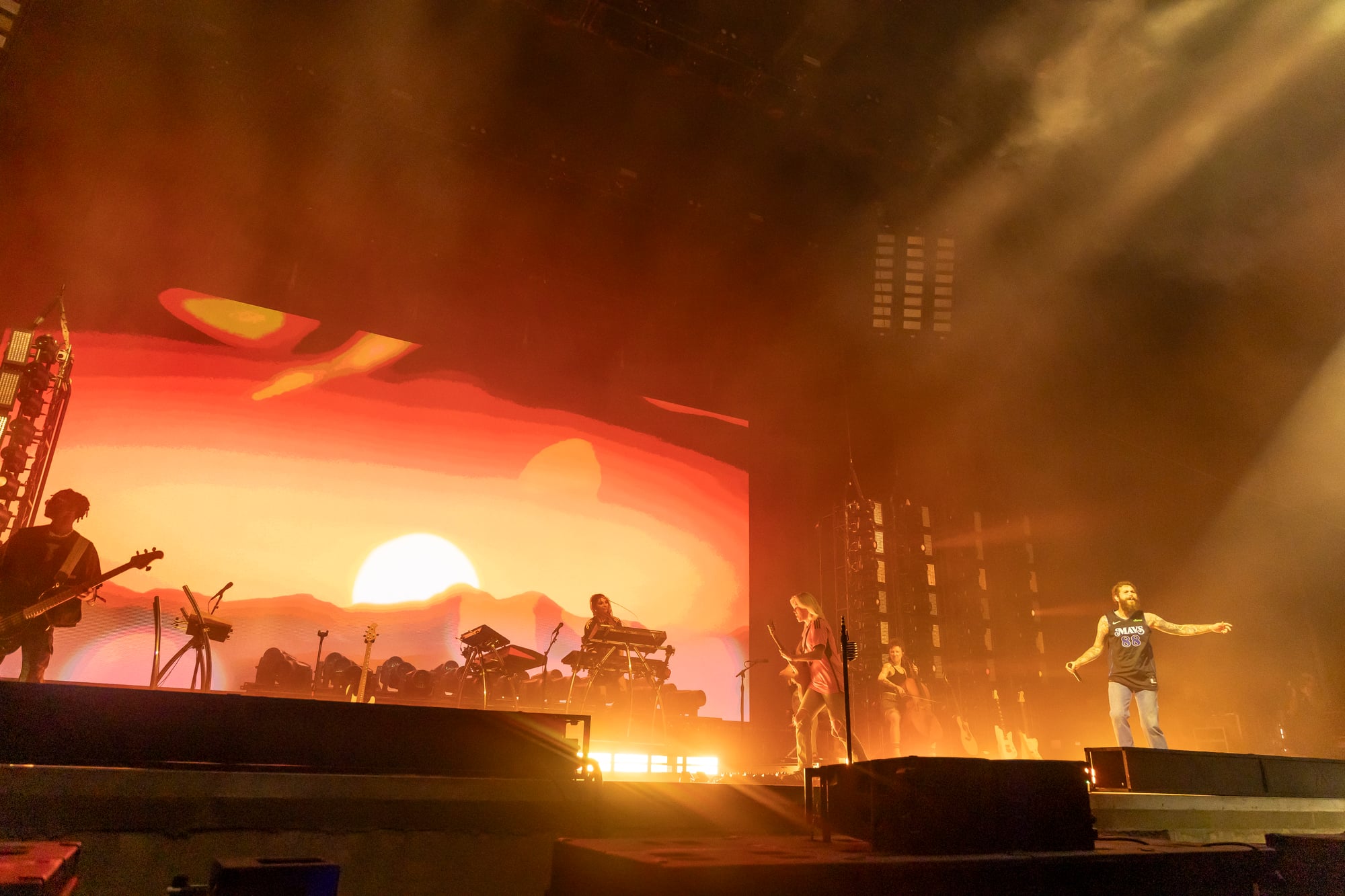
Sharon and Ozzy Osbourne launched Ozzfest in 1996 after Lollapalooza refused to book Black Sabbath. That refusal built a competing institution that ran for over a decade.
Heavy metal found its dedicated traveling festival, and it was louder than anyone expected.
Bonnaroo
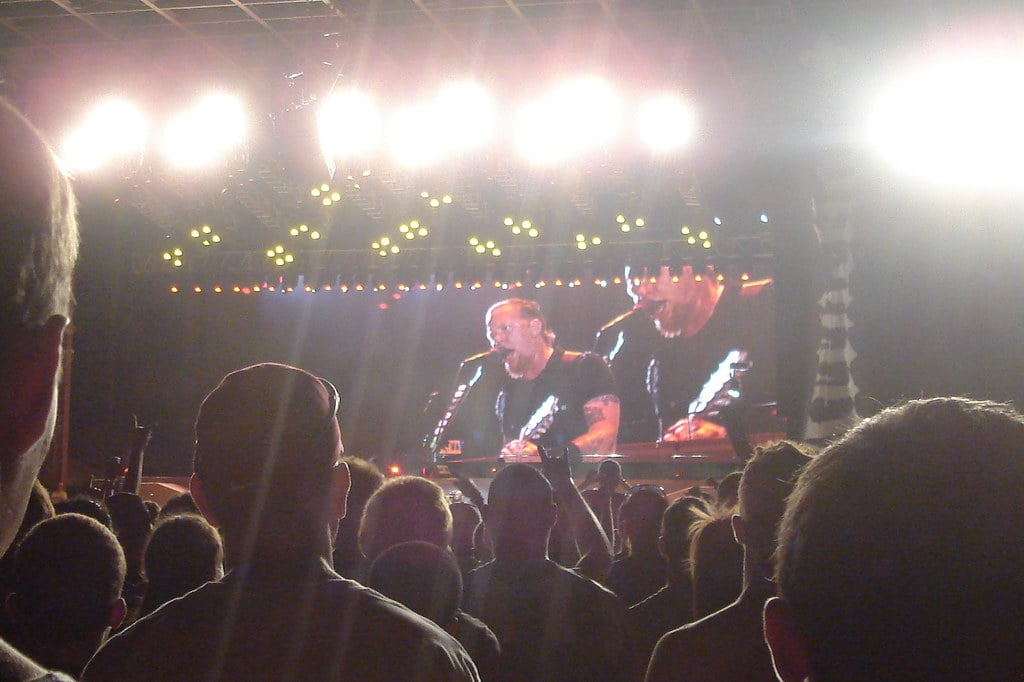
Bonnaroo arrived in 2002 on a farm in Manchester, Tennessee — a town of roughly 10,000 people that suddenly absorbed 70,000 attendees in its first year — and what it offered that other American festivals didn’t was a certain unhurried sincerity, a sense (rare and increasingly valuable as the festival circuit expanded) that the music was genuinely the point rather than the context for something else. The lineup in those early years leaned toward jam bands and Americana, which wasn’t exactly zeitgeist-defining in the way that guitar rock or hip-hop was, but it carved out a specific audience: the kind of person who would drive fourteen hours and camp in Tennessee heat to see Widespread Panic before most of their friends had heard of them.
And that audience, it turned out, was enormous.
Austin City Limits Music Festival
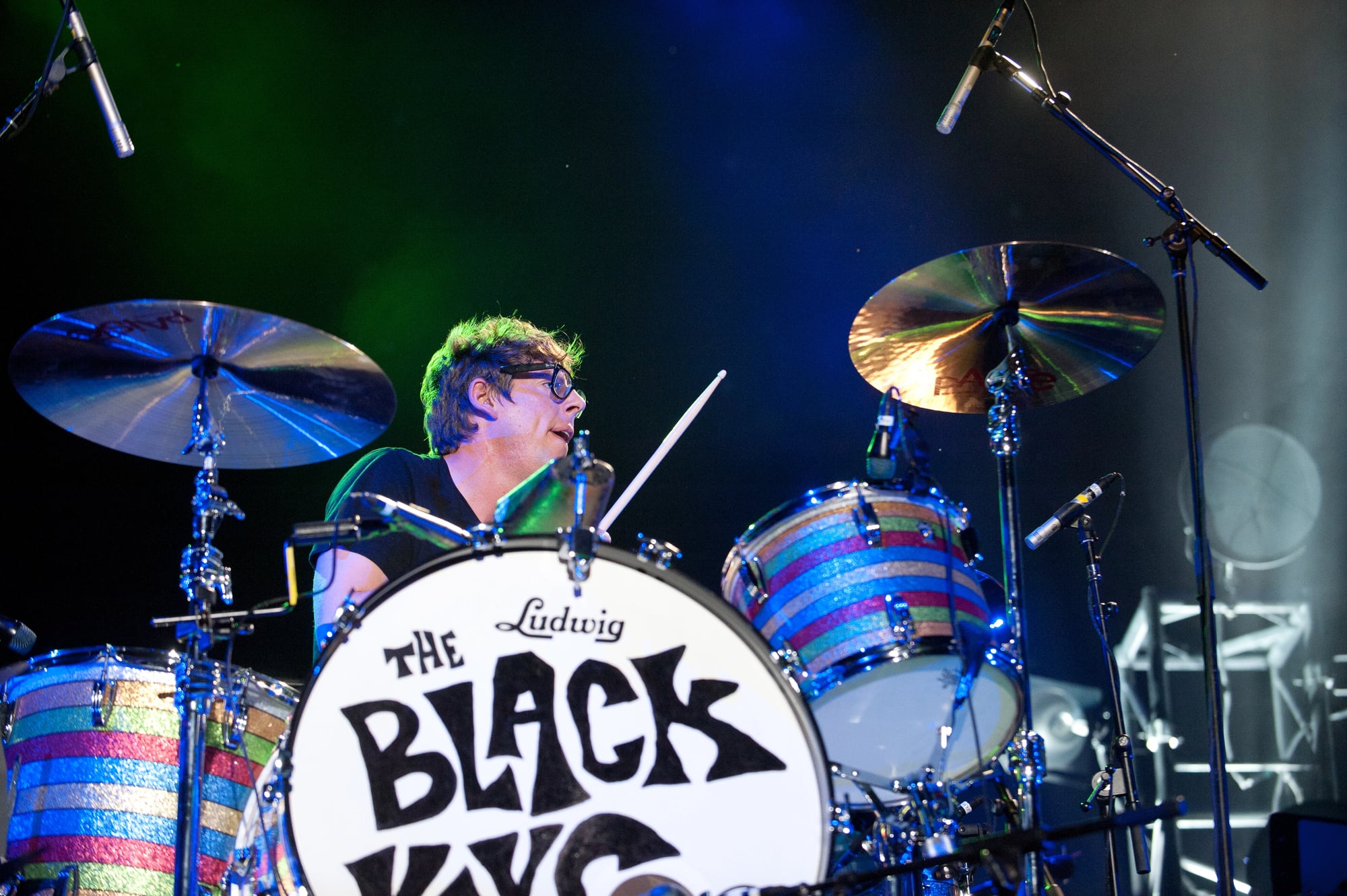
Austin City Limits the television show had been running since 1974 before anyone thought to build a festival around the idea — and when ACL Fest launched in Zilker Park in 2002, it felt less like a new event and more like a city finally formalizing something it had always known about itself. Austin had been treating live music as civic infrastructure long before the festival gave it a wristband and a weekend.
The festival spread across the park’s rolling grass like something the city had always meant to grow there, and for a decade it occupied that rare position: a corporate-sponsored event that still felt like it belonged to the place it was held.
South by Southwest
SXSW is technically a conference that also has music, and that distinction matters more than the festival’s branding suggests. It started in Austin in 1987 as a genuine industry gathering — a place where labels, managers, and journalists could see 50 bands in 72 hours and make decisions.
The music industry ran on SXSW discoveries for two solid decades, and acts like Hanson, John Mayer, and Gary Clark Jr. are among the careers that trace meaningful early momentum to a single week in Austin. It’s sprawling and exhausting and perpetually accused of losing its soul, and it keeps producing careers anyway, which is saying something.
Burning Man
Burning Man is not, strictly speaking, a music festival. It just gets filed there because people don’t know what else to do with it.
Since 1991, it’s taken place on the Black Rock Desert in Nevada — a temporary city of 70,000-plus people built and dismantled in a week. The music is incidental; the experience is the product.
Warped Tour
Warped Tour ran every summer from 1995 to 2013, then was revived in 2018–2019, visiting dozens of American cities in a format that felt less like a festival and more like a traveling high school: the same faces, the same parking lots baking in July heat, the same improbable collision of ska bands, punk acts, and eventually pop-punk and emo — genres that, taken together, represent the emotional autobiography of roughly two generations of American teenagers who needed somewhere to put their feelings. Kevin Lyman built something that the mainstream music industry largely ignored (and that critics condescended to with some regularity), and yet it created more durable fan loyalty than almost any other touring festival of its era, precisely because the kids who attended it didn’t feel like they were consuming culture: they felt like they were part of something that had claimed them.
So you still find people in their mid-thirties with Warped Tour memories that feel more formative than most things that happened in a classroom.
Lilith Fair
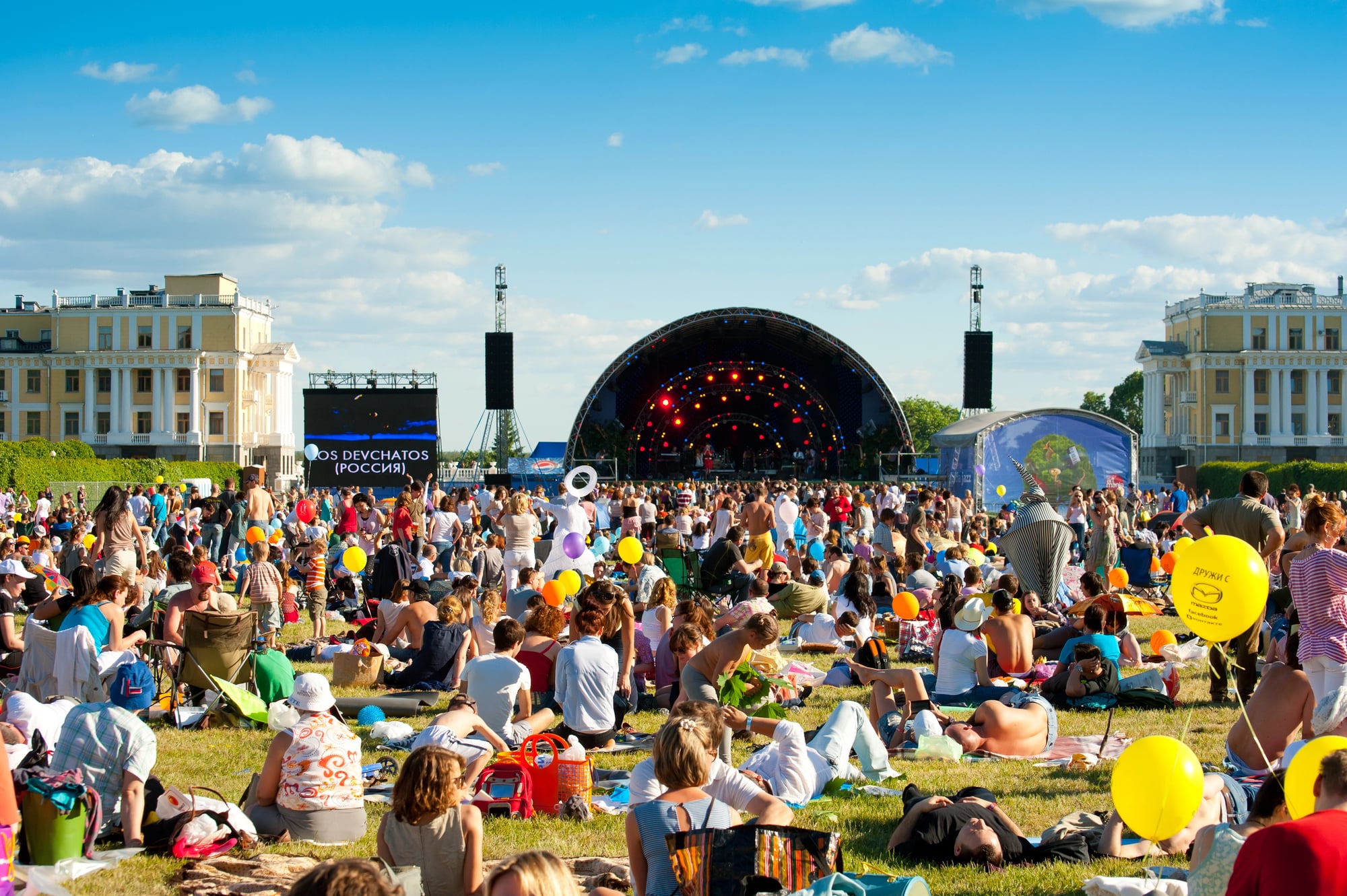
Lilith Fair is the festival that the industry said wouldn’t work, and the stubbornness of its success is still quietly satisfying to revisit. Sarah McLachlan launched it in 1997 after radio programmers told her two female artists couldn’t be scheduled back-to-back without losing listeners — a piece of received wisdom so confidently wrong that disproving it felt almost redundant.
The festival ran three consecutive summers and raised over $10 million for charity, but what it actually did was give a generation of women in their twenties a stage that felt built for them rather than graciously offered.
Electric Daisy Carnival
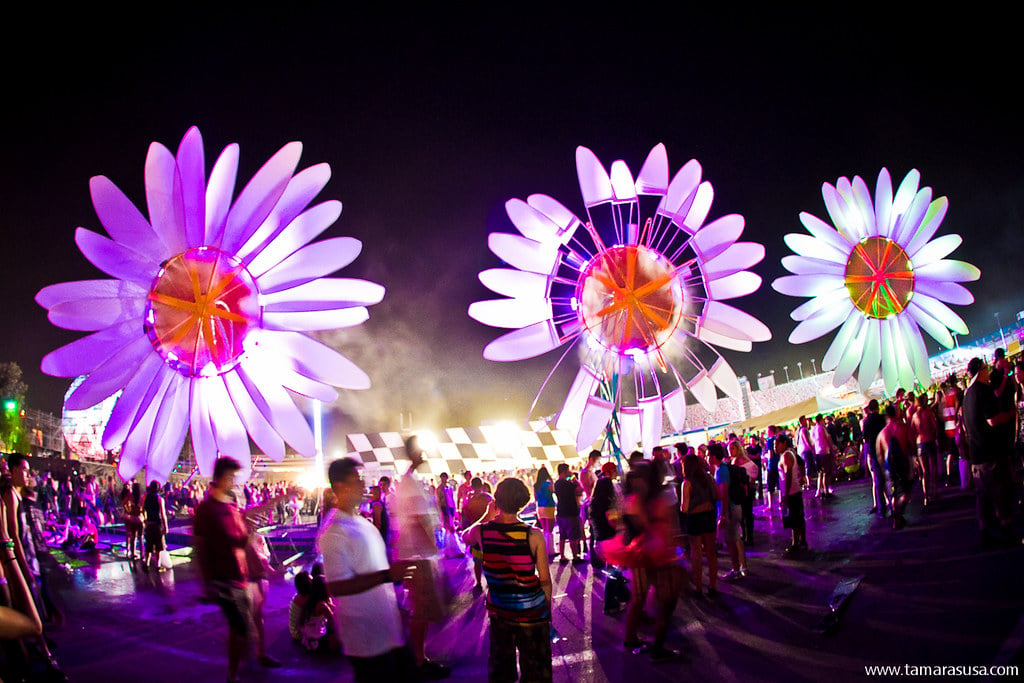
Electric Daisy Carnival is the largest electronic dance music festival in North America, and it earned that status by refusing to pretend it was anything other than exactly what it is. Founded in 1997 in Los Angeles and now anchored at the Las Vegas Motor Speedway, EDC draws upward of 400,000 attendees across three nights, which is a number that sounds made up until you see the aerial photographs.
The festival didn’t try to justify itself through cultural prestige or critical approval — it just built the biggest, loudest, most visually overwhelming version of what its audience wanted, and the audience showed up accordingly.
Primavera Sound
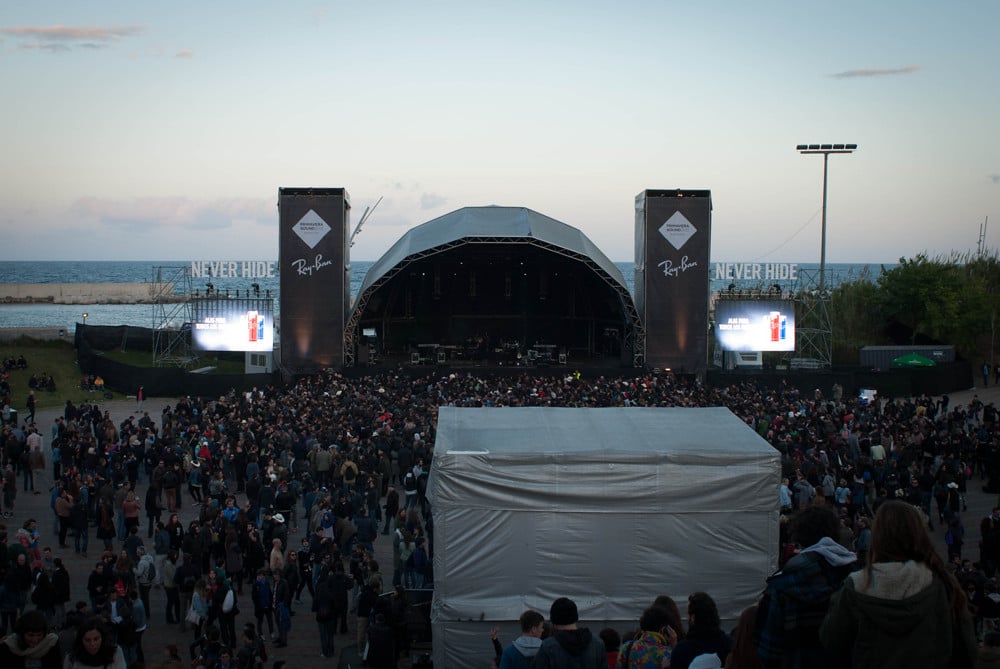
Primavera Sound launched in Barcelona in 2001 and became the most credible indie lineup in the world inside a decade. The booking is meticulous, almost curatorial.
It’s the festival that music journalists fly to, which tells you everything about what it’s doing right.
Roskilde Festival
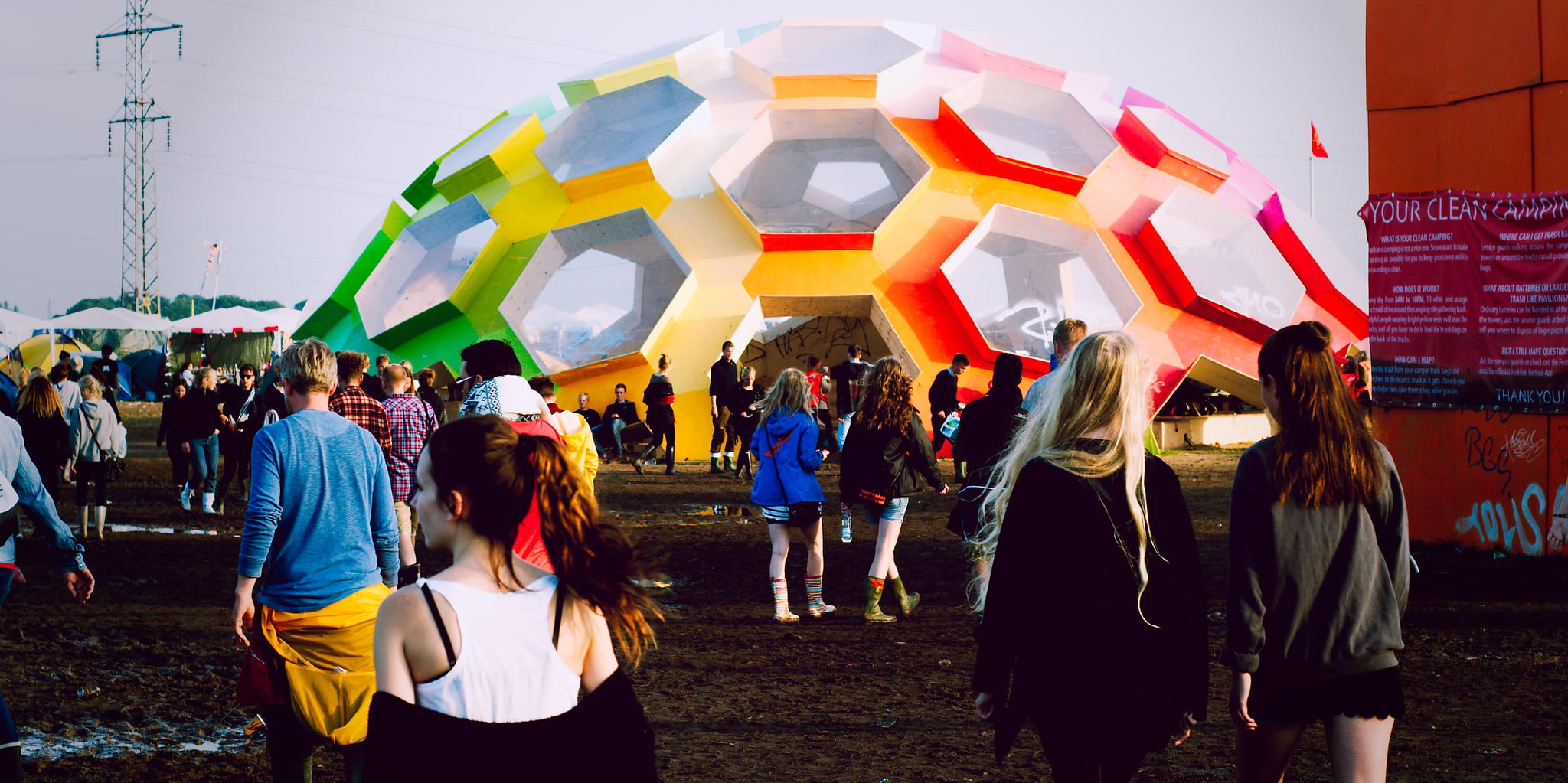
Denmark’s Roskilde Festival — founded in 1971 and run entirely by volunteers as a nonprofit — is one of the few major international festivals that has never really been accused of selling out, partly because the organizational structure makes selling out structurally awkward and partly because the Scandinavian relationship to culture as a public good rather than a commercial product produced something that feels genuinely different from any American analog. The 2000 festival saw a tragic crowd crush near the main stage during a Pearl Jam performance that killed nine people, a disaster the festival absorbed and continued past (returning the following year with new safety protocols) in a way that no American promoter would have been able to do without the event collapsing under litigation and reputation damage.
It’s still running, still nonprofit, still one of the most respected festivals in Europe — proof, perhaps, that the model matters as much as the lineup.
Newport Folk Festival
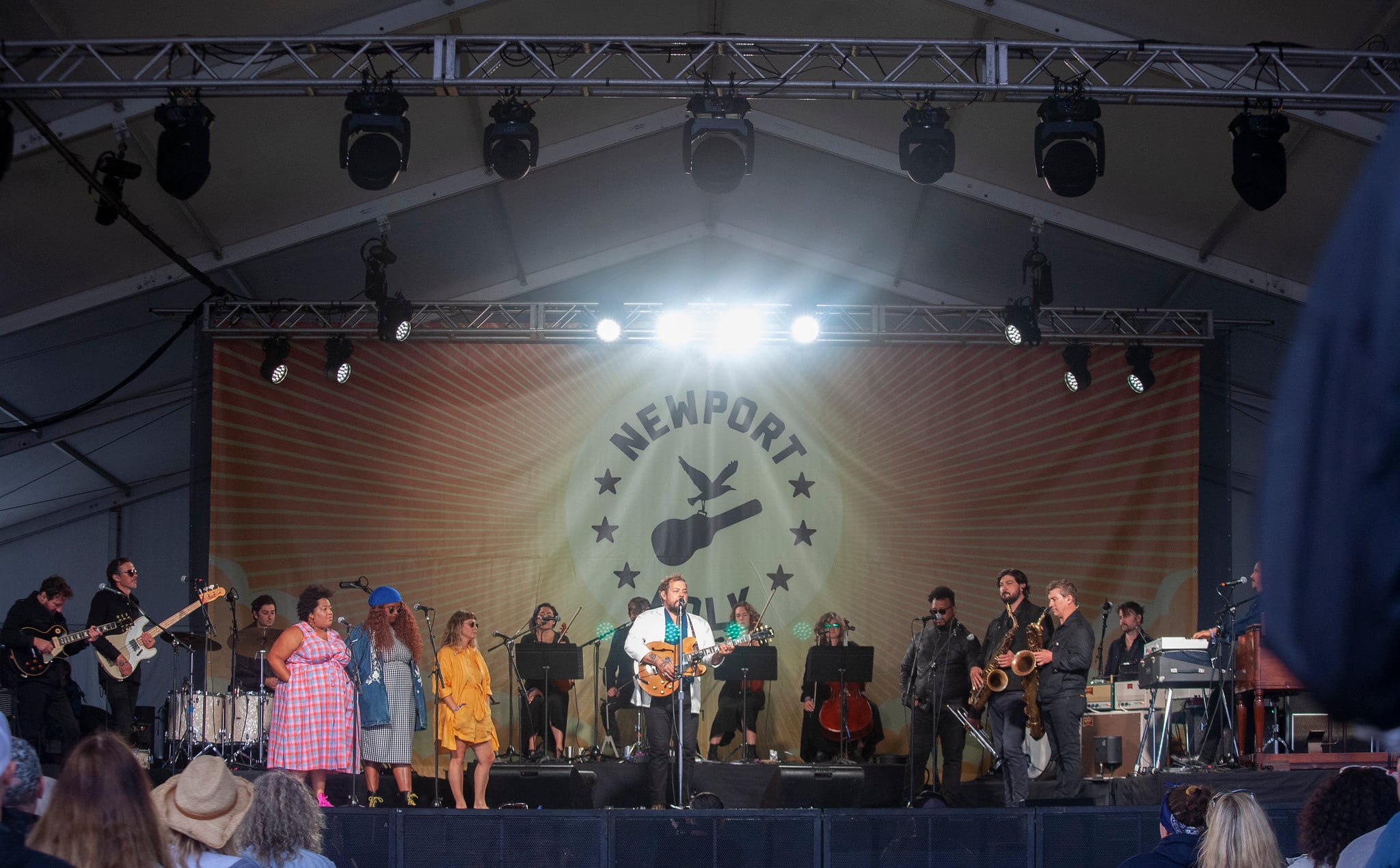
The Newport Folk Festival arrived in 1959 at a moment when folk music was something serious people took seriously, and it immediately became the room where that seriousness was tested. Bob Dylan playing an electric guitar there in 1965 is the most written-about single performance in festival history — a moment that hit the audience like a change in weather, half the crowd furious, half electrified, and the music itself already three steps ahead of everyone’s opinions about it.
Newport is still running, still held on the Rhode Island waterfront, still booking surprise guests who make the audience feel like something unrepeatable is happening right in front of them.
Essence Festival
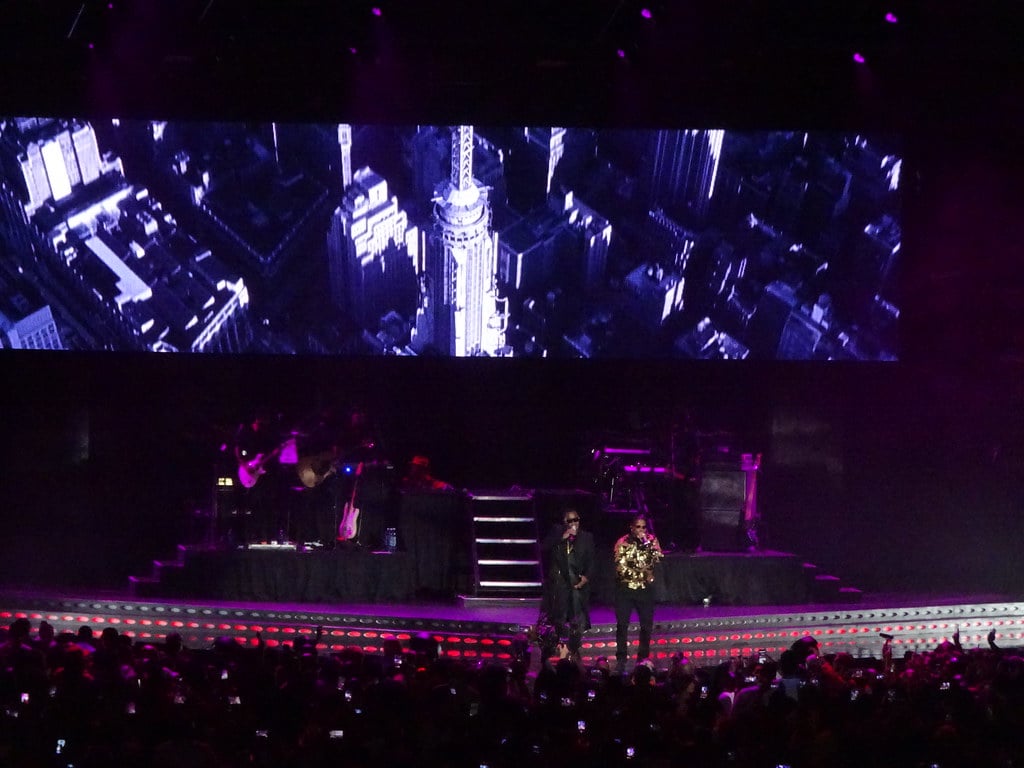
The Essence Festival is the largest celebration of Black music and culture in the United States, and it has been since it launched in New Orleans in 1995. It draws somewhere between 400,000 and 500,000 attendees annually to the Superdome and surrounding venues — a figure that dwarfs most festivals that get more national press coverage, which is its own comment on whose cultural institutions get treated as default American institutions.
Beyoncé, Prince, Janet Jackson, and Patti LaBelle are among the performers who have headlined over the decades, and the festival’s survival through Hurricane Katrina and its aftermath makes its continued existence in New Orleans feel like something more than programming.
Pitchfork Music Festival
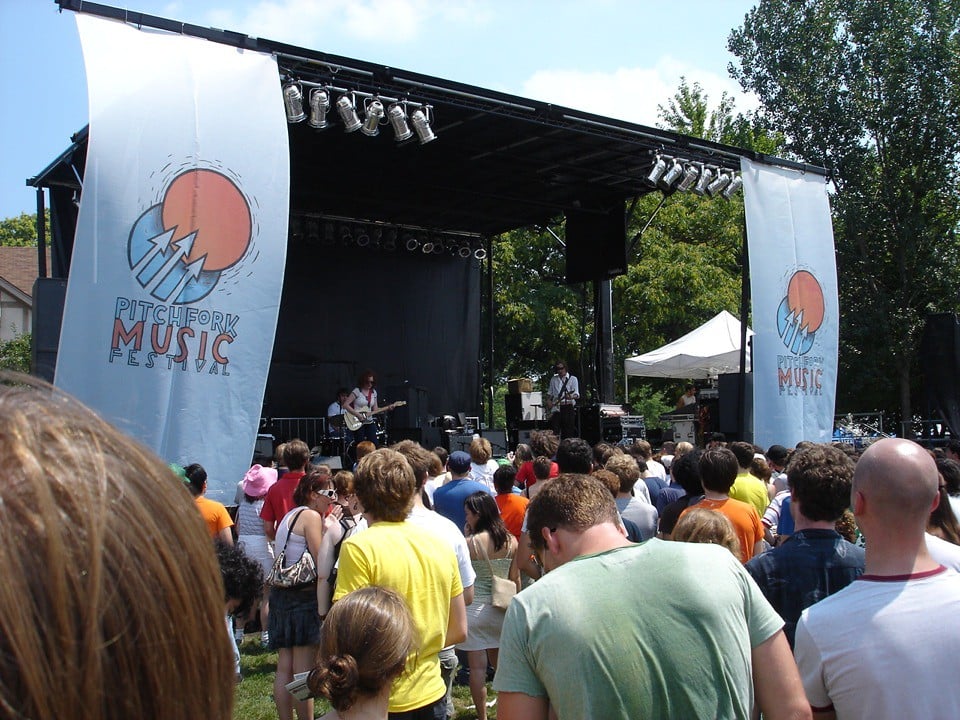
The Pitchfork Music Festival launched in Chicago’s Union Park in 2006 with a three-day lineup that kept ticket prices deliberately low. It became the physical extension of the publication’s influence over indie music taste.
Small by major festival standards, outsized in cultural weight.
All Points East
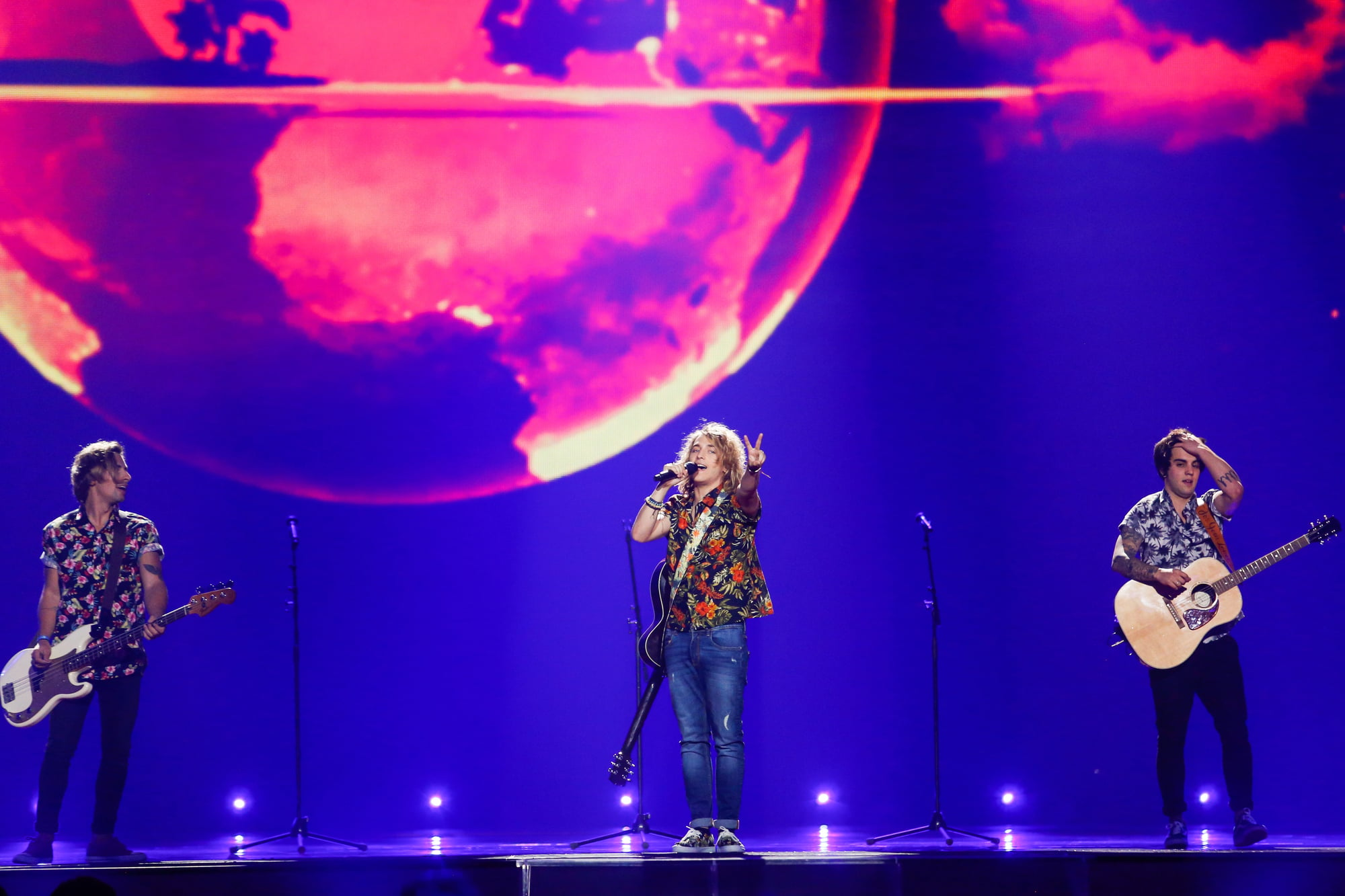
All Points East — held in Victoria Park in East London since 2018 — entered a crowded British festival market and immediately distinguished itself through the kind of booking that makes other festival programmers uncomfortable: Bjork, The Chemical Brothers, Nick Cave, and Bon Iver sharing the same weekend across what amounts to a short walk inside a city park, which strips away the camping and the mud and the mythology and leaves just the music, presented with an almost aggressive clarity that feels like a counterargument to everything Glastonbury represents. It’s urban, it’s curated, and it’s proof that the idea of a generation-defining festival didn’t stop being possible sometime in the 1990s — it just found new shapes.
And those shapes turned out to fit a different kind of music fan: one who goes home to their own bed afterward and is fine with that.
What the Field Remembers
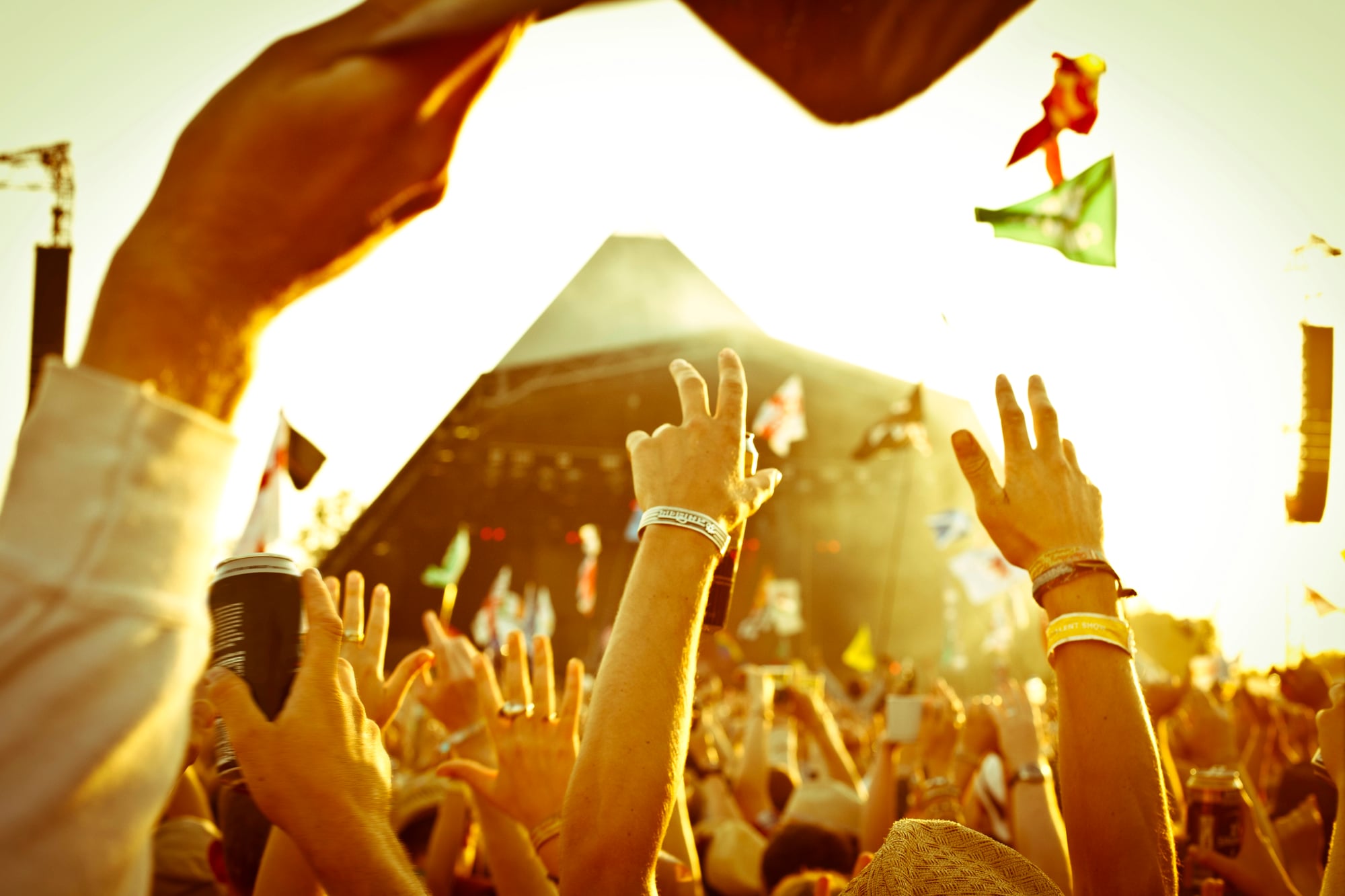
Every generation tells itself that its festivals were different — more real, less commercialized, closer to something pure. And every generation is partly right, which is the interesting part.
The festivals listed here didn’t define their eras because they were perfect or well-organized or even always safe. They defined them because they collected people in a field — or a desert, or a racetrack, or a city park — and made those people feel, however briefly, like the music playing was the most important thing happening anywhere on Earth.
That feeling doesn’t fossilize cleanly. But it doesn’t entirely disappear, either.
More from Go2Tutors!

- The Romanov Crown Jewels and Their Tragic Fate
- 13 Historical Mysteries That Science Still Can’t Solve
- Famous Hoaxes That Fooled the World for Years
- 15 Child Stars with Tragic Adult Lives
- 16 Famous Jewelry Pieces in History
Like Go2Tutors’s content? Follow us on MSN.