Team Curses and Superstitions in Sports
Sports fans love a good explanation for bad luck, and sometimes the only answer that makes sense is a curse. Whether it’s a traded player’s angry prophecy, a disgruntled goat owner, or a statue tossed into a river, these supernatural explanations have taken on lives of their own.
Some lasted decades before finally breaking, while others still haunt teams today. The psychology behind these beliefs is fascinating—when success seems just out of reach year after year, people start looking for reasons beyond poor management or bad plays.
Here is a list of team curses and superstitions that have shaped sports history.
Curse of the Bambino
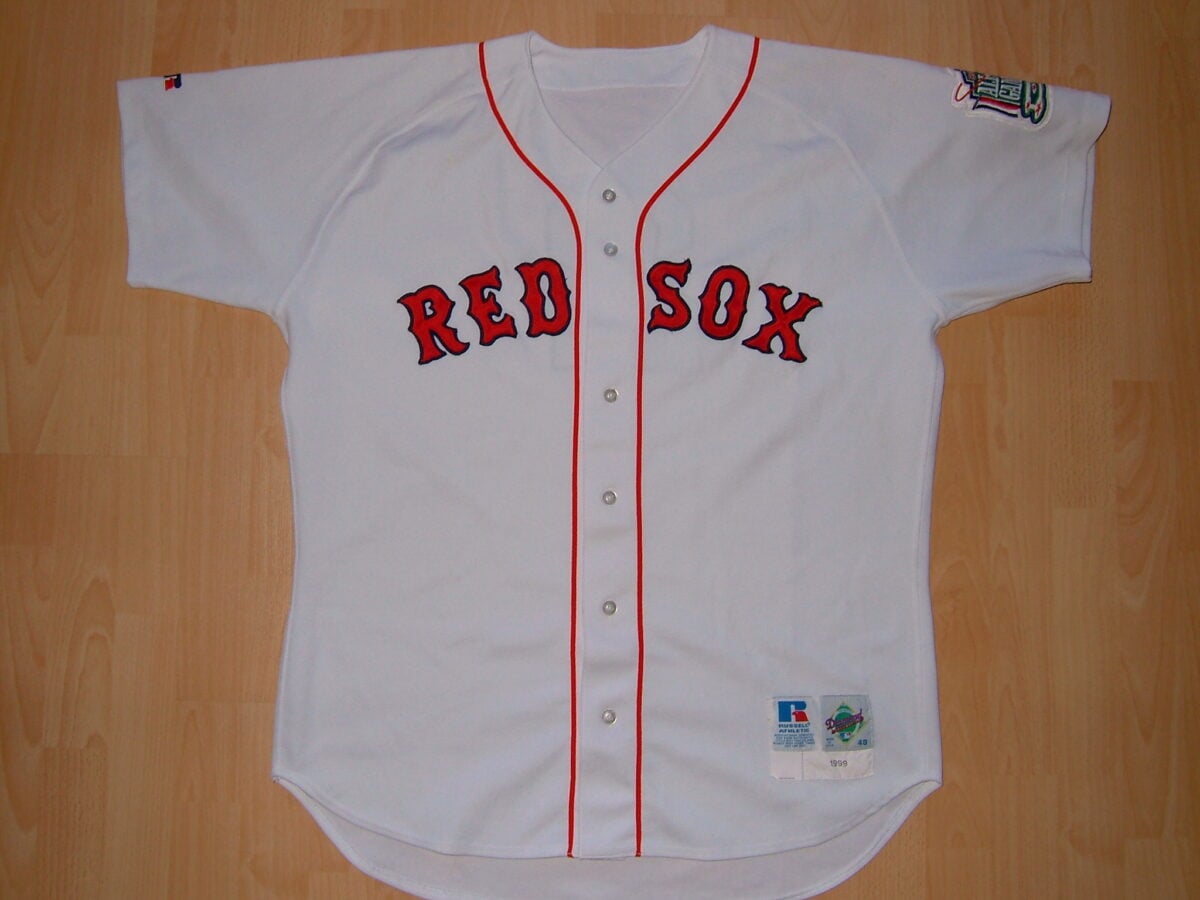
The Boston Red Sox sold Babe Ruth to the New York Yankees in 1920 for $100,000, and owner Harry Frazee apparently needed the cash to fund Broadway shows. Ruth went on to become baseball’s greatest slugger while wearing pinstripes, and the Red Sox didn’t win another World Series for 86 years.
The drought finally ended in 2004 when Boston swept the St. Louis Cardinals, but not before generations of fans blamed every playoff collapse on Ruth’s ghost.
Curse of the Billy Goat
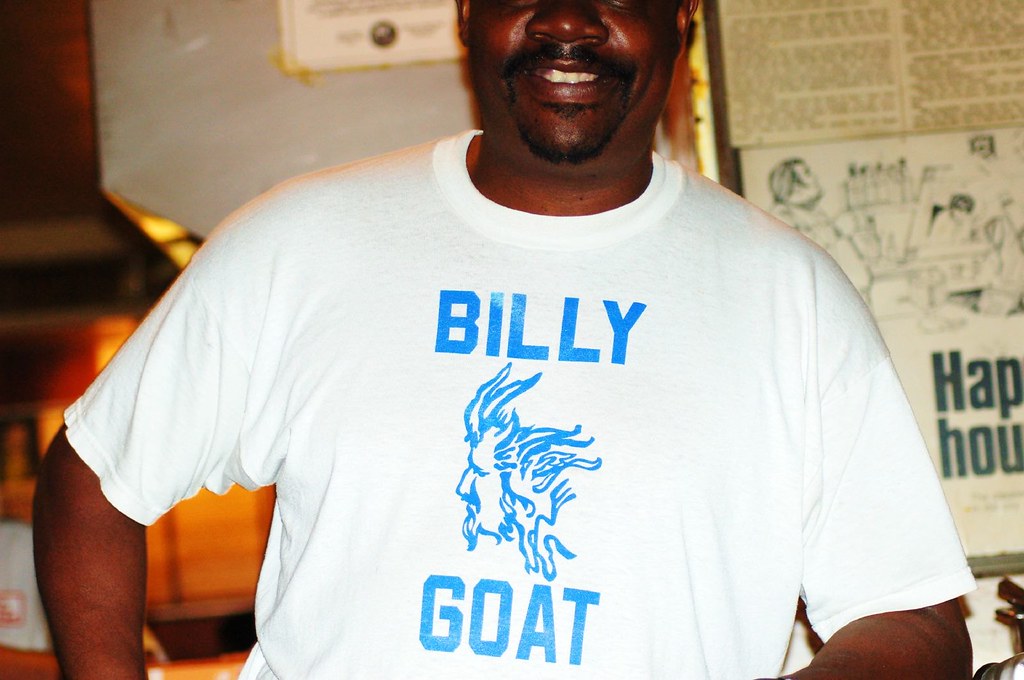
Tavern owner Billy Sianis brought his pet goat Murphy to Game 4 of the 1945 World Series at Wrigley Field, but ushers kicked them out because the animal smelled terrible. Sianis reportedly declared that the Cubs would never win another World Series, and he wasn’t wrong for a very long time.
The team went 108 years without a championship before finally breaking through in 2016, making it the longest title drought in American sports history.
Curse of Rocky Colavito
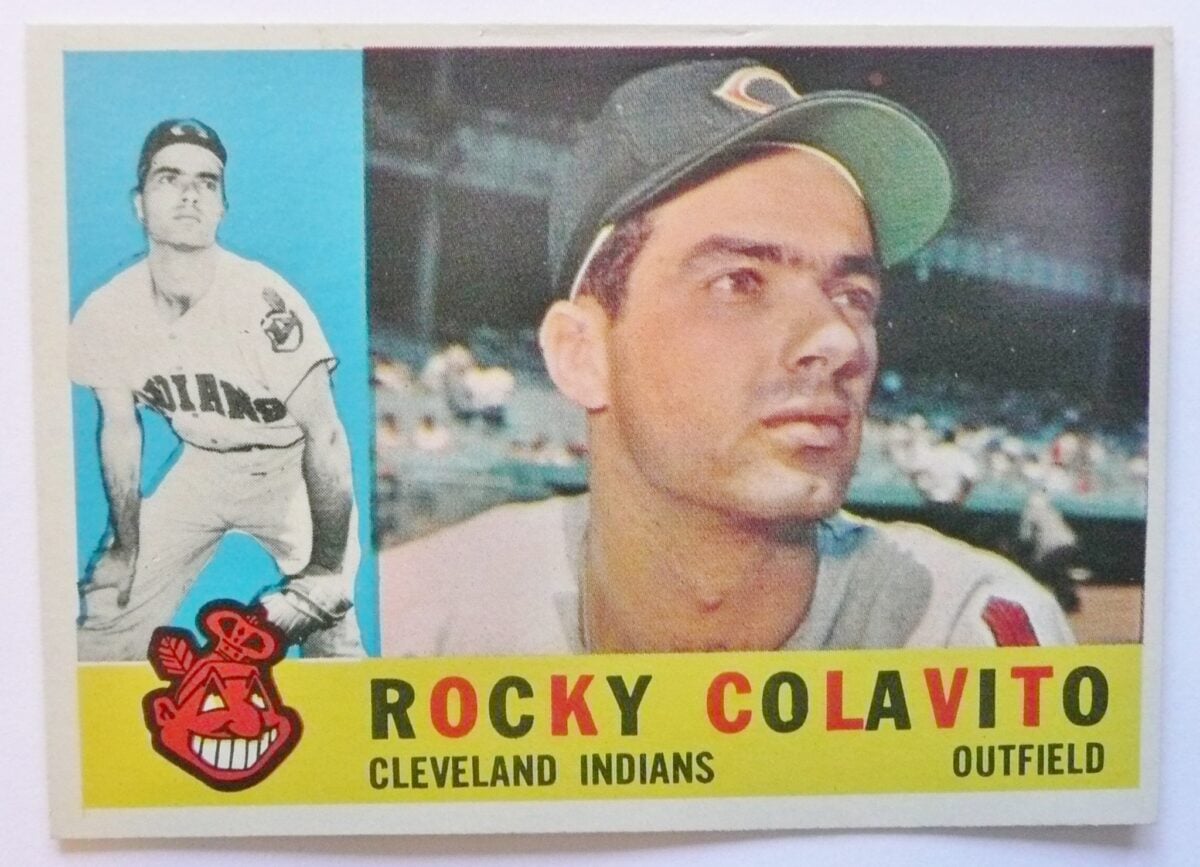
Cleveland’s baseball team traded popular slugger Rocky Colavito to Detroit in 1960 after he hit 40 home runs in back-to-back seasons. The move baffled fans and seemingly cursed the franchise for decades.
Cleveland made it to the World Series in 1995 and 1997 but lost both times, and their 1948 championship remains their last—a drought that has outlasted most of their fanbase’s patience.
Curse of Billy Penn
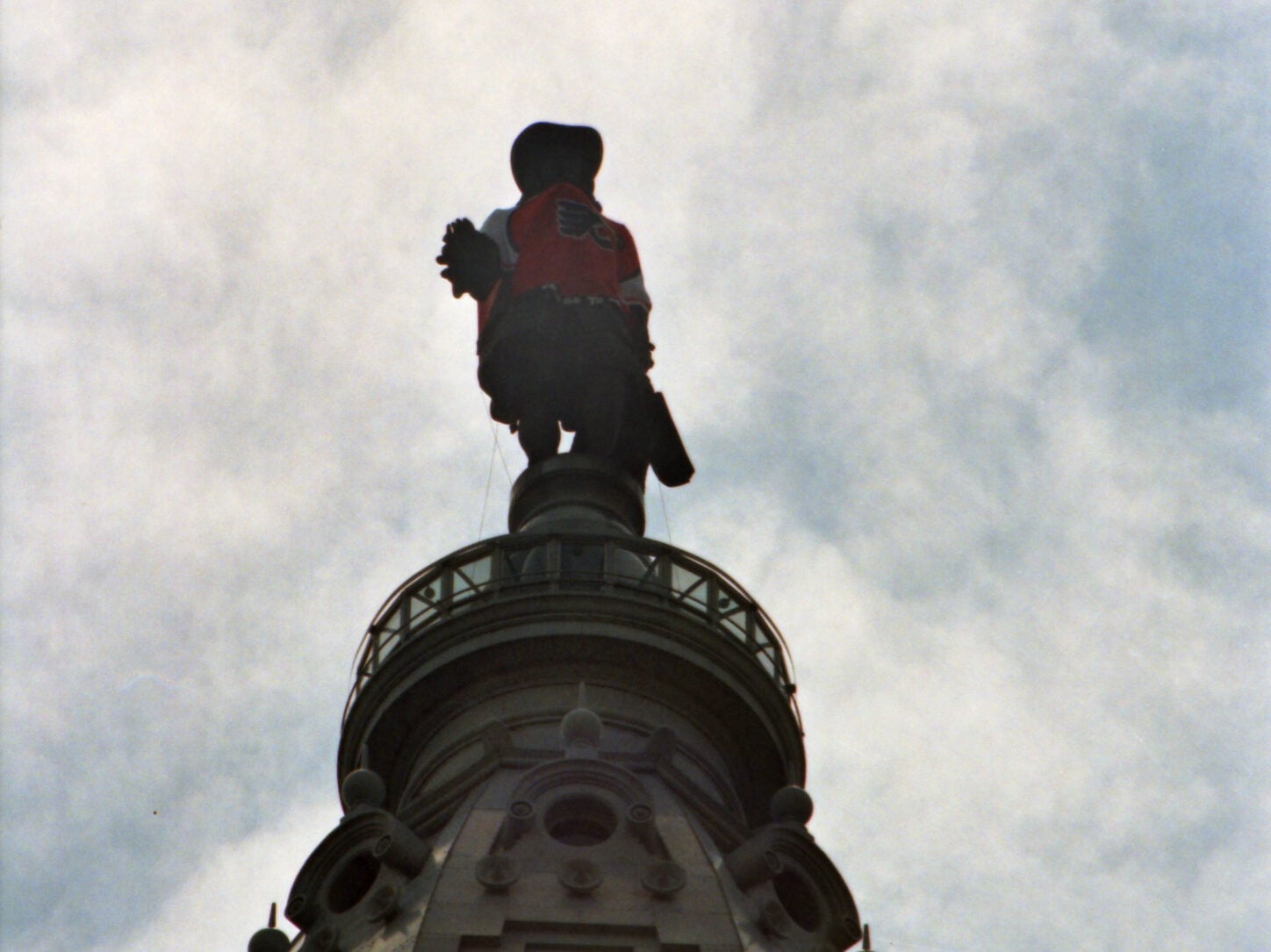
Philadelphia teams went two decades without a championship after developers built One Liberty Place taller than the William Penn statue atop City Hall in 1987. The city had long maintained an informal rule that no building should exceed Penn’s hat, and breaking that tradition apparently angered the founder’s spirit.
The curse lifted in 2008 when construction workers placed a small Penn figurine on the final beam of the Comcast Center, and the Phillies won the World Series that same year.
Sports Illustrated Cover Jinx

Athletes and teams featured on Sports Illustrated covers have suffered a remarkable string of misfortunes since the magazine’s first issue in 1954. Eddie Mathews broke his hand shortly after appearing on that inaugural cover, and the pattern continued for decades.
Oklahoma’s 47-game winning streak ended immediately after SI declared them unbeatable in 1957, and countless players have dealt with injuries or performance drops after their cover appearances.
Madden NFL Cover Curse
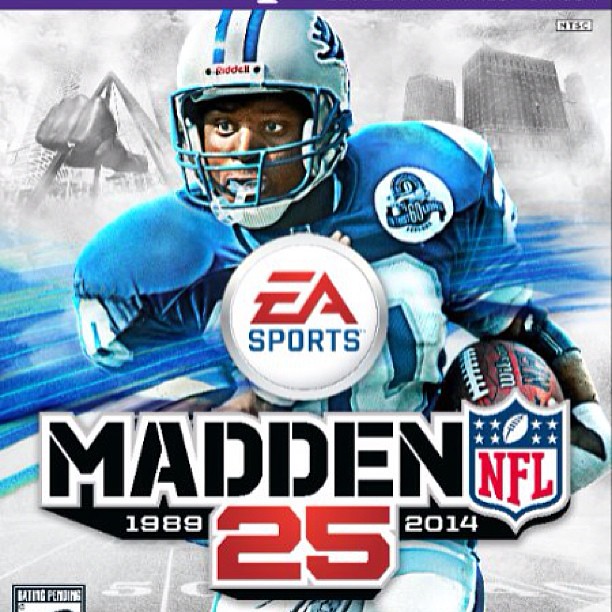
Video game cover athletes seem doomed to injury or decline, starting when Garrison Hearst broke his fibula in 1999 after gracing Madden NFL 99. The curse gained real credibility when multiple stars like Michael Vick, Shaun Alexander, and Donovan McNabb all suffered season-altering injuries in their cover years.
Recent quarterbacks like Patrick Mahomes and Tom Brady have fought back against the narrative by winning Super Bowls, though the debate continues with each new cover reveal.
Hanshin Tigers Colonel Sanders Curse
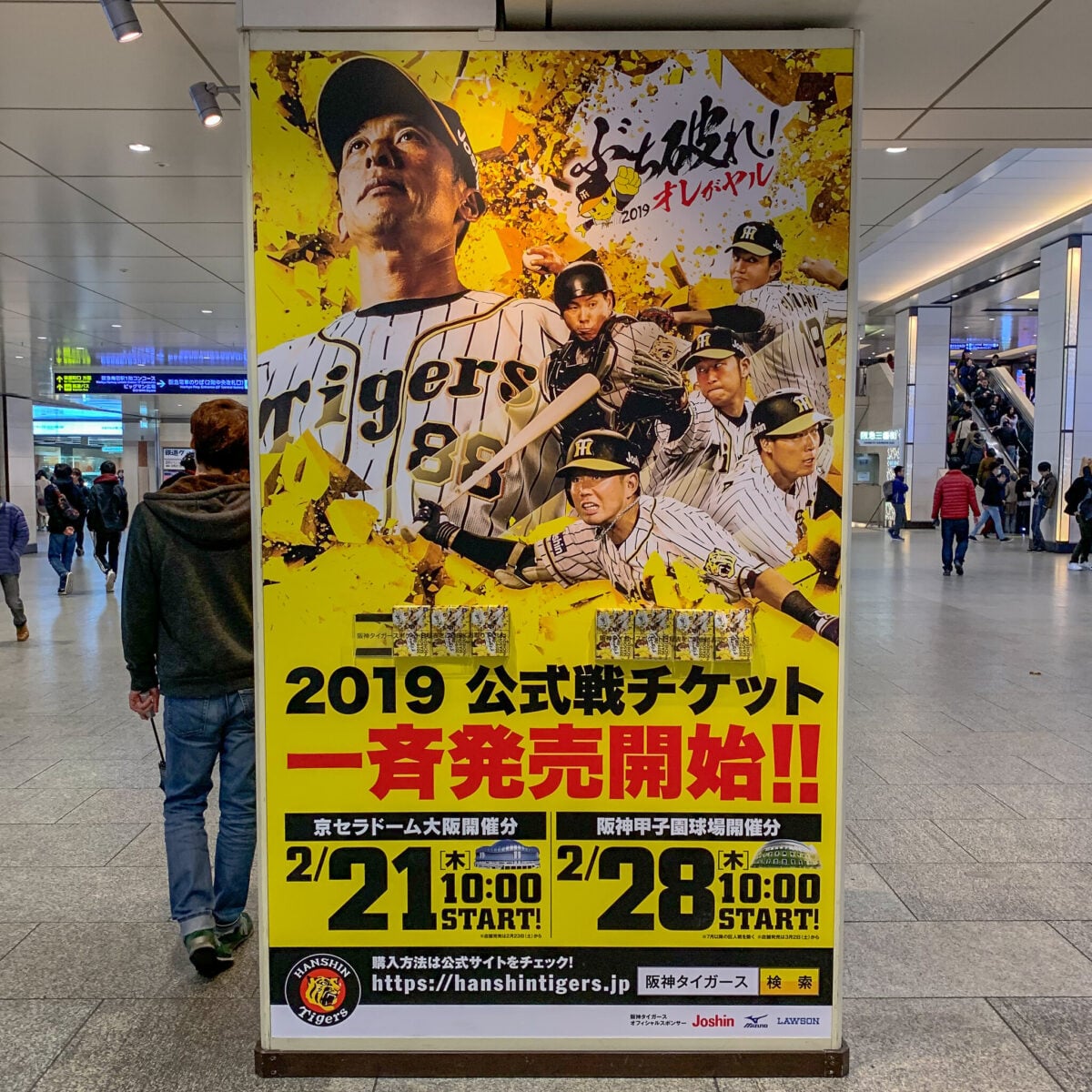
Japanese baseball fans celebrated the Hanshin Tigers’ 1985 championship by throwing a Colonel Sanders statue from a KFC restaurant into a river in Osaka. They thought the statue resembled American player Randy Bass, but the Tigers immediately plummeted to last place and stayed there for years.
The statue was finally recovered in 2009, though it was missing its glasses and one hand, leading fans to believe the curse remains active until the statue is restored.
Curse of 1940
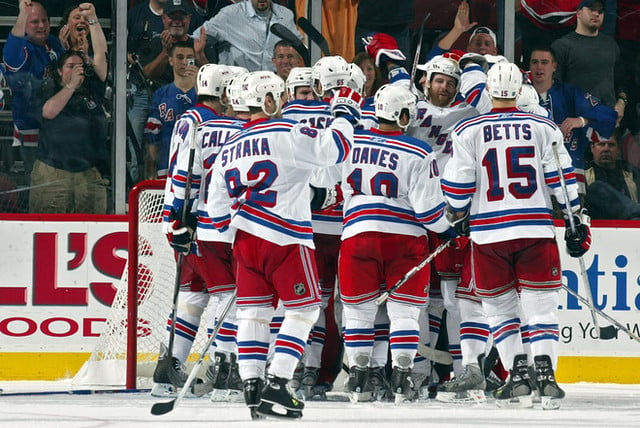
The New York Rangers won the Stanley Cup in 1940, then didn’t win another for 54 years.Legend has it that team management burned the mortgage papers for Madison Square Garden in the Cup itself, disrespecting hockey’s most sacred trophy.
The Rangers finally broke through in 1994 by defeating the Vancouver Canucks, ending more than half a century of championship futility.
Andretti Curse

Mario Andretti won the Indianapolis 500 in 1969, but no Andretti family member has won it since despite numerous attempts. His sons Michael and Jeff, nephew John, and grandson Marco have all tried and failed, often due to mechanical failures or crashes at crucial moments.
Michael Andretti led more laps at Indy than any driver who never won the race, making the family’s bad luck feel almost intentional.
Talladega Superspeedway Curse

NASCAR’s fastest track sits on land that some believe was sacred to Native Americans, and the location has seen more than its share of tragedy. Bobby Isaac abandoned his car mid-race in 1973 because he heard voices shortly after a young driver died on the track.
The 2.66-mile circuit continues to produce spectacular crashes and strange incidents that fuel speculation about supernatural forces at work.
Australian Socceroos Witch Doctor Curse
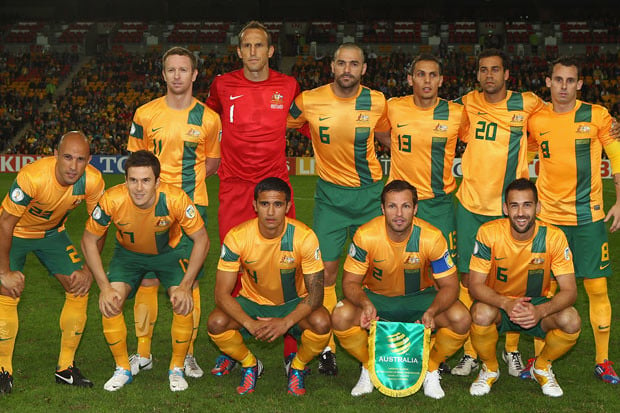
Australia hired a witch doctor before a 1970 World Cup qualifier against Rhodesia, and the team won 3-1 after the nyunga buried bones near the goal posts. When the players refused to pay the agreed $1,000 fee, the witch doctor reversed the curse.
The Socceroos failed to qualify for another World Cup for 32 years, finally making it back in 2006 after a TV personality traveled to Mozambique to hire another nyunga to lift the spell.
Biddy Early’s Curse
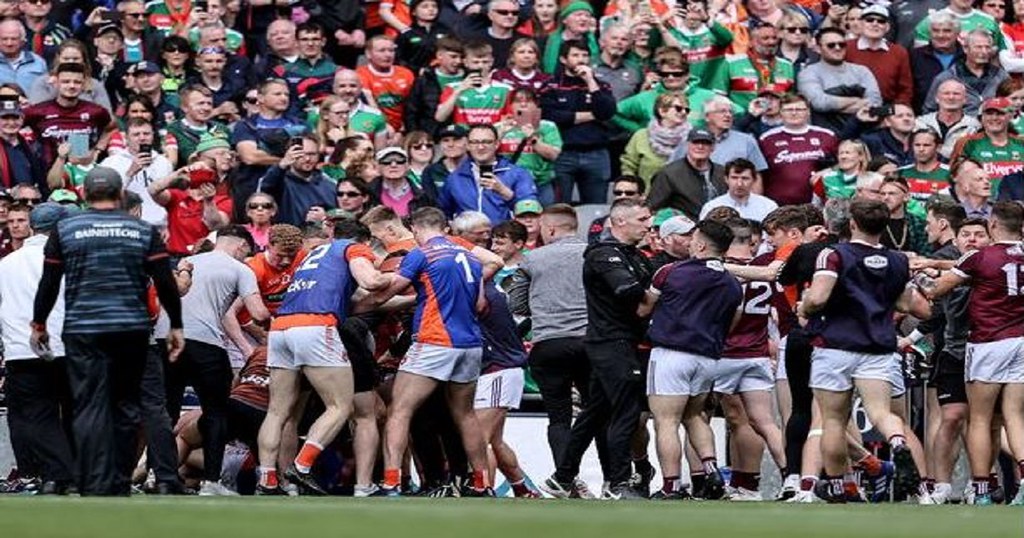
This 19th-century Irish healer supposedly cursed hurling teams in Clare and Galway, leading to championship droughts lasting decades. Clare didn’t win the All-Ireland Senior Hurling Championship from 1914 to 1995, while Galway struggled from 1923 to 1980.
Critics point out that Biddy Early died in 1872 before the Gaelic Athletic Association even existed, making the curse timeline impossible.
The Colliwobbles
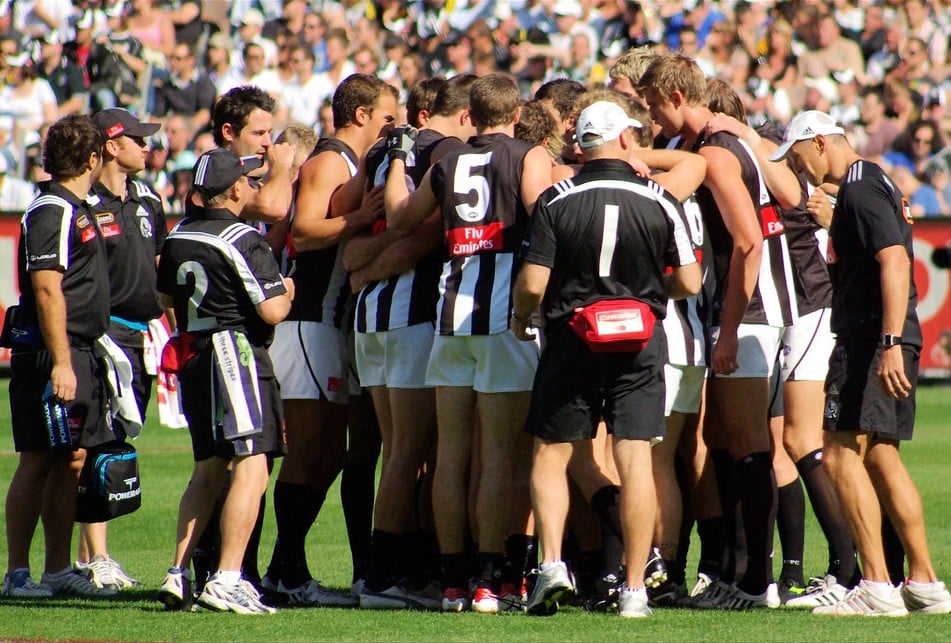
The Collingwood Football Club in Australia won a famous upset in 1958, then lost the next eight Grand Finals over 32 years without capturing another premiership. The term ‘Colliwobbles’ became shorthand for their inability to win when it mattered most.
They lost three consecutive Grand Finals from 1979 to 1981, cementing their reputation as perpetual bridesmaids until finally breaking through in 1990.
New Orleans Saints Superdome Curse
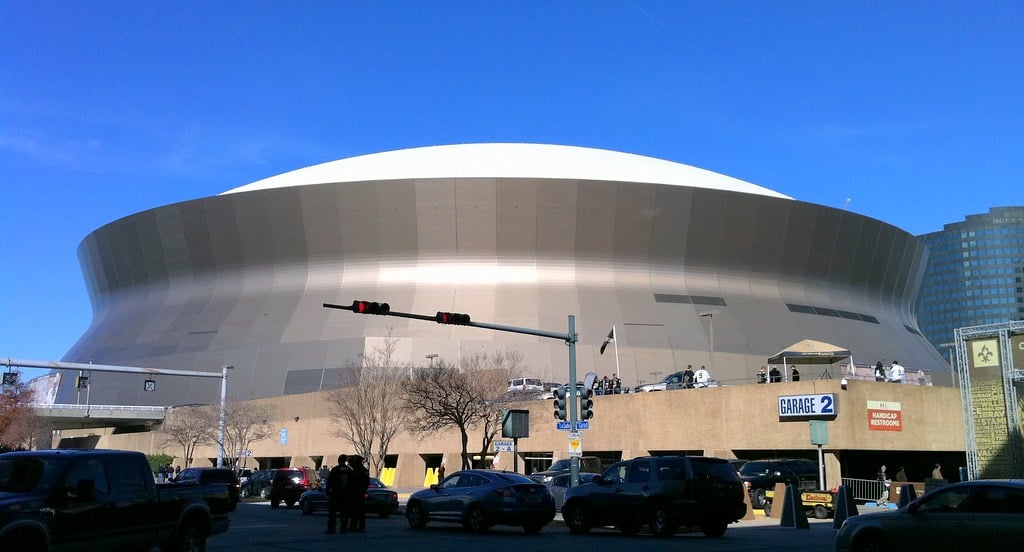
The Louisiana Superdome was built on land that served as a 19th-century graveyard, and the Saints couldn’t win a single playoff game for their first 33 years. Some fans and players genuinely believed the stadium sat on cursed ground.
The team finally won Super Bowl XLIV in 2010, though it took decades of frustration to get there.
North Sydney Bears Aboriginal Curse
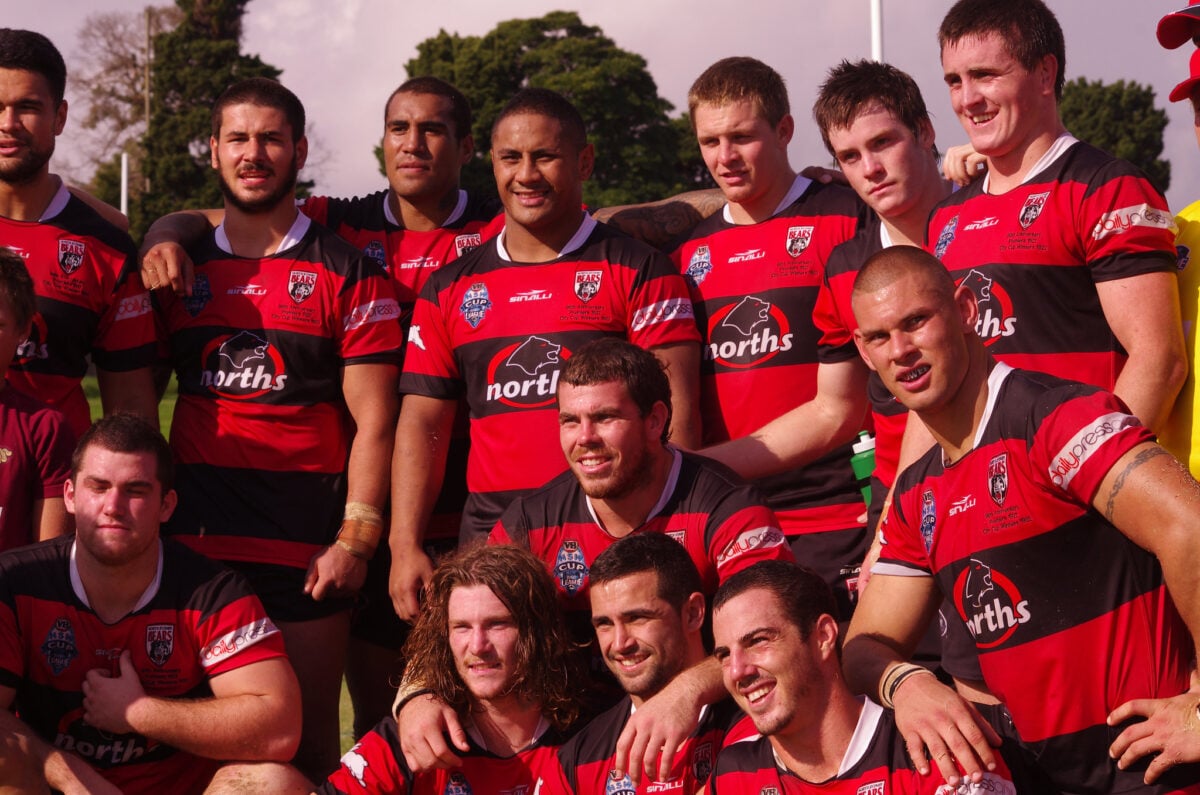
This rugby league team won back-to-back premierships in 1921-22, then allegedly awakened an Aboriginal curse related to the dispossession of the Cammeraygal people. The Bears made four preliminary finals in the 1990s without reaching a single Grand Final, leading player Greg Florimo to arrange a cleansing ceremony with a local Cammeraygal elder in 2007.
The ritual involved puffing the oval to lift the hex.
Breaking the Spell

Most of these curses eventually ended, whether through championship victories, ritual cleansings, or simply the passage of time. The psychological power of belief affects performance—when players think they’re cursed, anxiety can become a self-fulfilling prophecy.
Still, the coincidences pile up too high to dismiss entirely, and new curses emerge whenever teams experience prolonged stretches of bad luck. Sports need their mysteries and superstitions because they remind us that even in a world of statistics and strategy, some things remain beyond our control.
More from Go2Tutors!

- The Romanov Crown Jewels and Their Tragic Fate
- 13 Historical Mysteries That Science Still Can’t Solve
- Famous Hoaxes That Fooled the World for Years
- 15 Child Stars with Tragic Adult Lives
- 16 Famous Jewelry Pieces in History
Like Go2Tutors’s content? Follow us on MSN.



