16 Berlin Wall Facts About Its Historic Divide
The Berlin Wall was more than just concrete and wire. It split a city, separated families, and divided a country.
Built in 1961, it stood during the Cold War, marking the line between two very different worlds. For almost 30 years, it shaped the lives of millions and changed history.
Even after it came down in 1989, its story remains important. There’s a lot to know about the Berlin Wall, from why it was built to how it finally fell.
Here are 16 facts that help explain what made this divide so special and lasting.
The wall was not built overnight
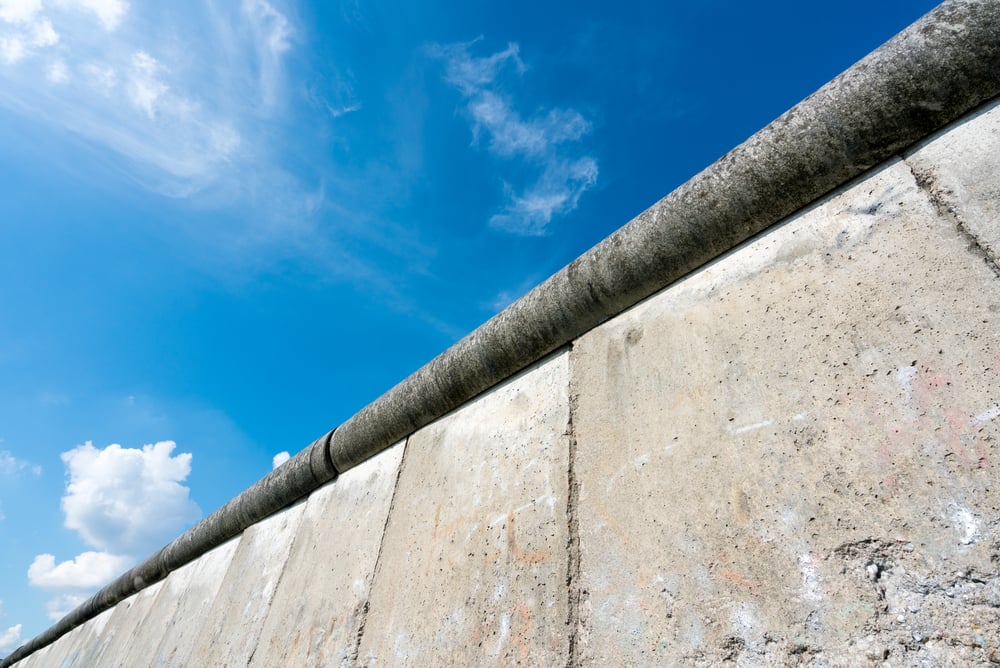
Work on the Berlin Wall began early on August 13, 1961. The East German government first put up barbed wire and fences.
Then they replaced those with concrete walls. This barrier grew slowly but surely, changing the city’s look forever.
The wall separated East and West Berlin

The Wall split Berlin into two parts: East Berlin controlled by communist East Germany and West Berlin controlled by democratic West Germany. Life on each side was very different, with different governments, freedoms, and money.
Crossing from one side to the other was almost impossible.
It was a symbol of the Cold War
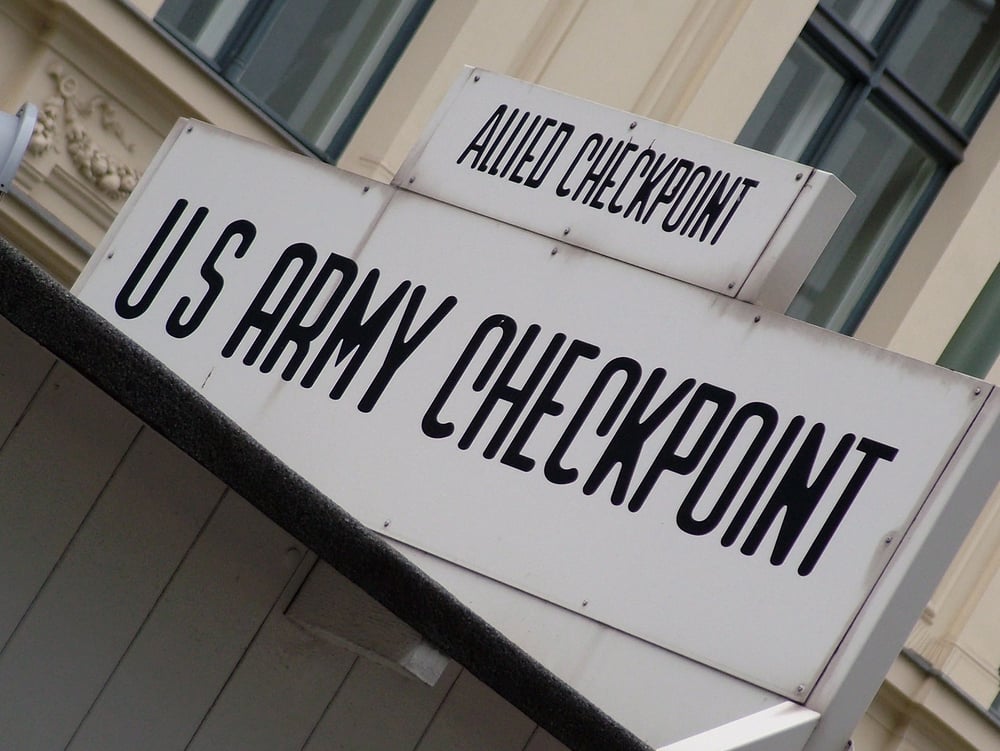
The Berlin Wall showed the tension between the Soviet Union and the United States. East Berlin was backed by the Soviets, and West Berlin by the Western powers.
The Wall stood as a clear sign of Europe being split into two sides.
Families and friends were separated

When the Wall was built quickly, many people were caught by surprise. Families and friends found themselves on opposite sides with little way to visit or talk.
This separation caused a lot of sadness and frustration. The Wall was a daily reminder of how politics can affect people’s lives.
Escape attempts were common but dangerous

Many people tried to get from East to West Berlin, risking their lives. They used tunnels, hot air balloons, and even homemade tools.
Guards were told to stop anyone trying to cross, sometimes using violence. Still, many kept trying to reach freedom.
The wall was heavily guarded

East Germany created a strict security system around the Wall. Soldiers watched the area, towers kept guard, and dogs patrolled fences.
There were alarms, lights, and trenches to stop people from crossing. The Wall was more than a barrier; it was a guarded zone.
The wall grew over time
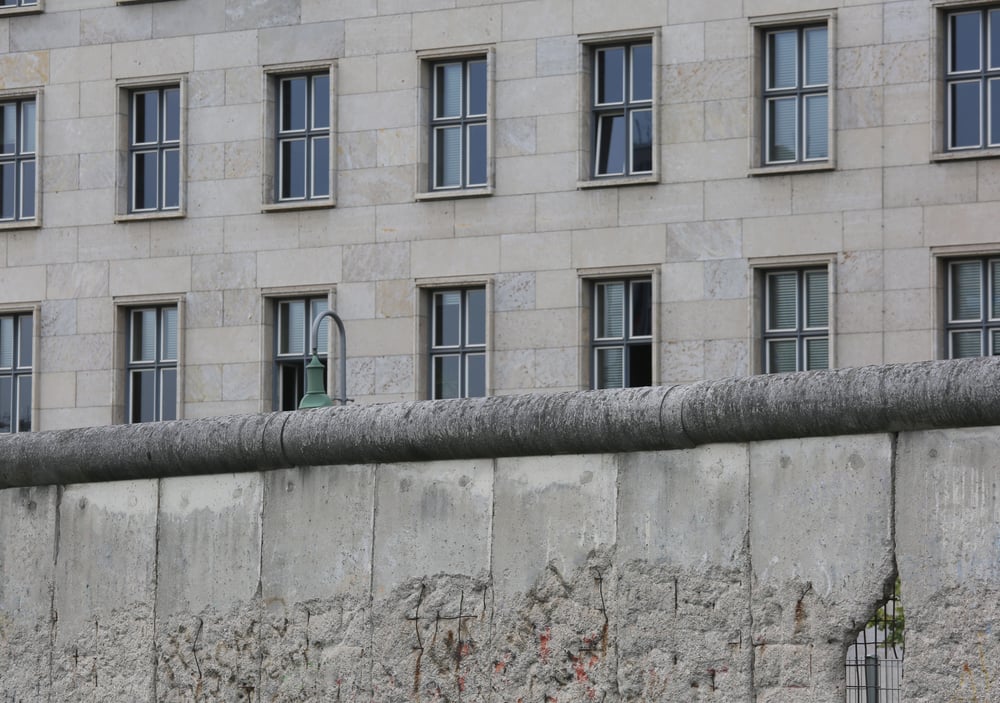
The Berlin Wall was not just one wall. It became many walls, fences, and barriers around West Berlin, stretching over 96 miles.
Over the years, more layers were added to make it harder to cross. This included tall concrete walls and a clear “death strip” where guards could watch.
The wall affected culture and art

Artists and musicians reacted to the Wall in different ways. Many painted graffiti and murals on the West Berlin side, turning the Wall into a place of protest and hope.
Others wrote songs or stories about living divided. The Wall became a source of creativity and expression.
The wall fell in 1989
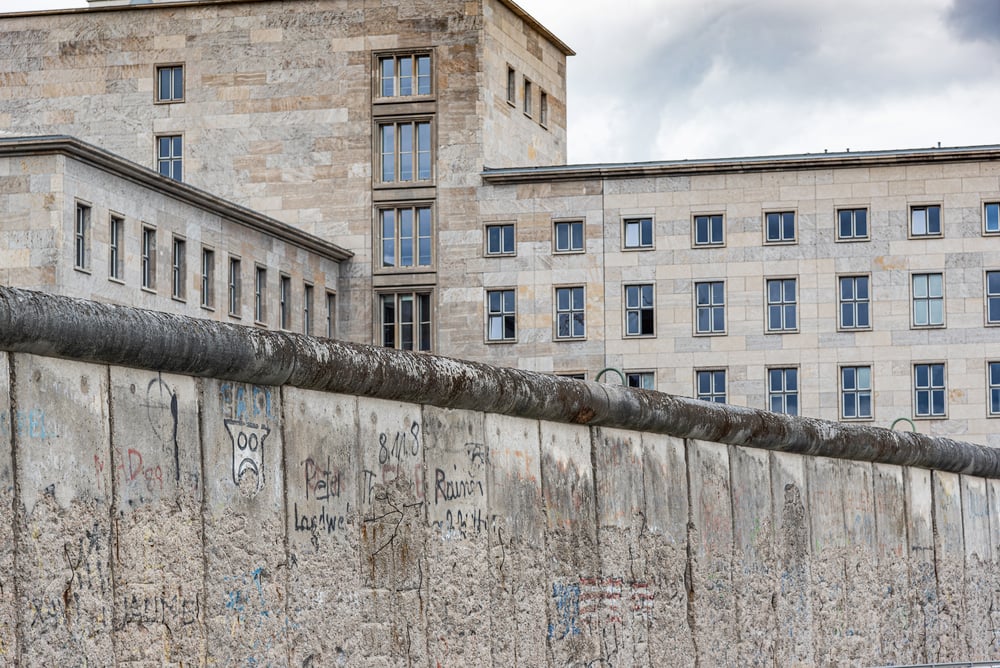
After years of protests and changes in Eastern Europe, the Berlin Wall opened on November 9, 1989. East Germany allowed people to cross freely.
Crowds gathered to celebrate and chipped away at the Wall with hammers. This moment started the reunification of Germany.
The fall of the wall was peaceful

Unlike many conflicts, the Wall’s fall was mostly calm. People from both sides met and celebrated together.
This event became a symbol of hope for freedom and unity worldwide. It showed that long divisions could end without fighting.
Parts of the wall still stand today

Most of the Wall was taken down, but some parts remain as reminders. These sections are now museums or memorials.
They help people remember the history and struggles connected to the Wall. Visiting them offers a chance to learn and think about the past.
The wall influenced world politics
The Berlin Wall affected more than Germany. It played a role in Cold War politics around the world.
Leaders used the Wall in talks and plans for peace or conflict. Its presence shaped international relations for decades.
The wall split the city economically

West Berlin had a strong economy with freedom to trade and grow. East Berlin, controlled by communists, had fewer chances for success.
This caused big differences in wealth and living conditions. The Wall kept East Berliners away from the West’s opportunities.
The wall changed over time with technology
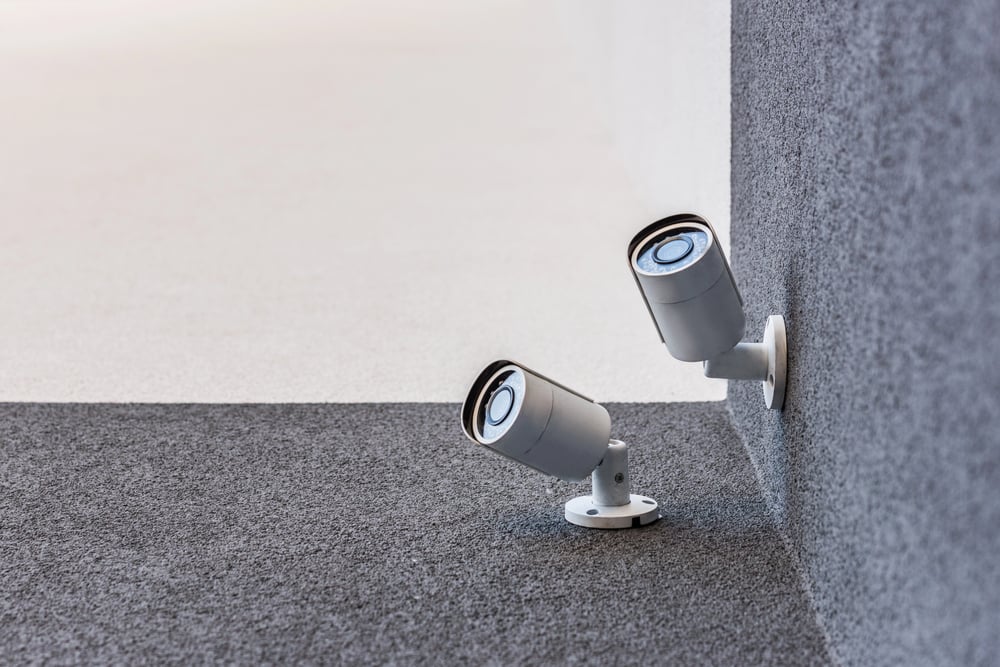
East Germany used new tools to make the Wall harder to cross. They added motion sensors, cameras, and electric fences.
These made escape attempts more difficult. The Wall’s security kept improving through the years.
The Berlin Wall affected generations
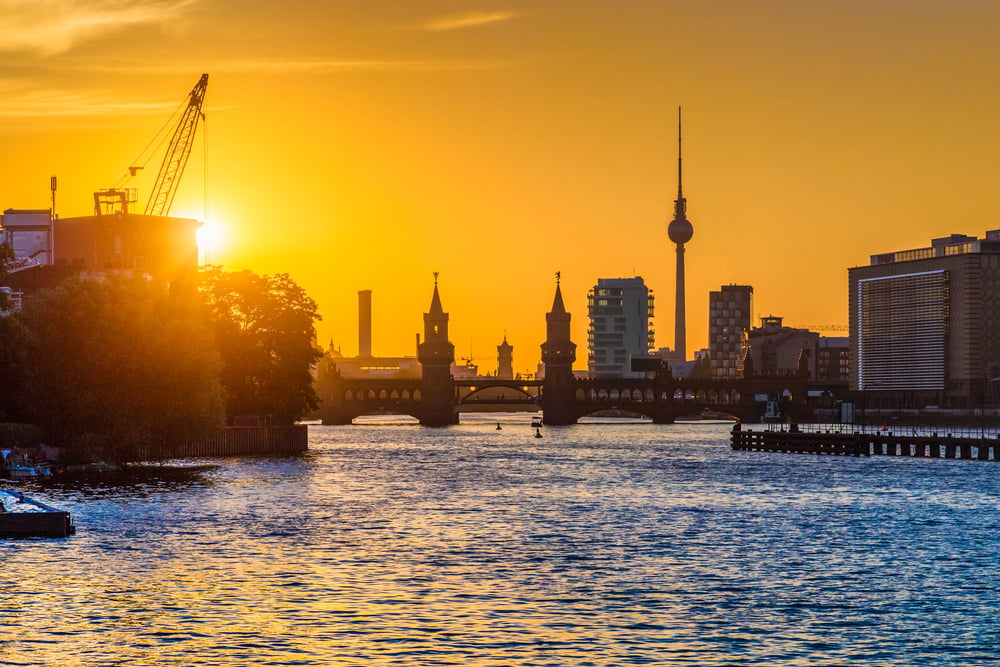
People who lived during the Wall’s time passed down stories to their children and grandchildren. The Wall shaped family life, politics, and city life for a long time.
It became a part of many personal histories even after reunification. Its impact is still felt today.
The wall’s fall united a nation

When the Wall came down, East and West Germany began reuniting. Millions found hope after years of division and fear.
Official reunification happened in 1990 and changed the country forever. The Wall’s fall remains a sign of breaking down barriers.
Remembering the Berlin Wall helps us learn

The story of the Berlin Wall teaches lessons about freedom and division. It shows how walls, whether physical or political, affect people deeply.
Learning about the Wall helps people think about peace and unity today. History like this helps avoid making the same mistakes again.
More from Go2Tutors!

- The Romanov Crown Jewels and Their Tragic Fate
- 13 Historical Mysteries That Science Still Can’t Solve
- Famous Hoaxes That Fooled the World for Years
- 15 Child Stars with Tragic Adult Lives
- 16 Famous Jewelry Pieces in History
Like Go2Tutors’s content? Follow us on MSN.



