16 Social Customs Created by Accidents
Most traditions we follow today weren’t carefully planned by committees or royal decrees. Human society is full of customs that started as complete flukes, though we rarely question how these practices began. From handshakes to wedding rings, countless rituals emerged from random encounters, practical blunders, or events that just happened to stick around.
These accidental beginnings make the whole thing even more interesting. Somehow, random mistakes transformed into sacred social rules that define proper behavior worldwide. Here is a list of 16 social customs that were created entirely by accident.
Shaking Hands

Ancient people needed a way to show they weren’t planning to stab you. They’d extend their right hand to prove it was empty, then grab the other person’s hand so they couldn’t draw a weapon either.
This practical safety measure became associated with peaceful meetings. Eventually, it turned into the standard greeting we use today.
Wearing Wedding Rings
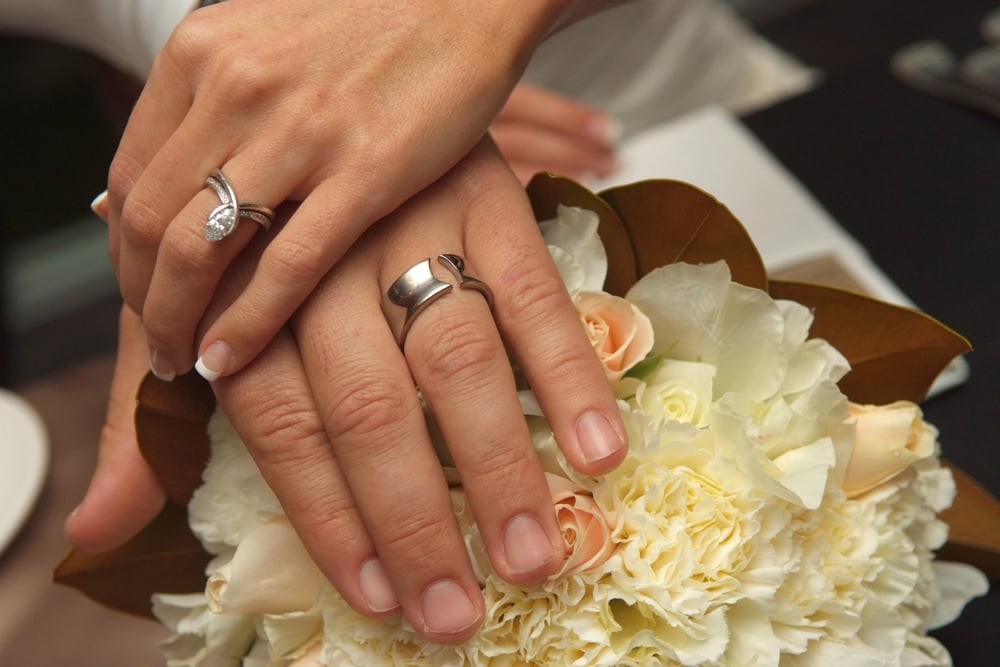
The Egyptians got their anatomy wrong, which started this whole tradition. They believed a special vein connected the fourth finger directly to the heart, so that’s where they put rings to symbolize love.
Modern science has proven this vein doesn’t exist, yet couples worldwide still follow this ancient misconception.
Like Go2Tutors’s content? Follow us on MSN.
Saying “Bless You” After Sneezing

Pope Gregory the Great kicked off this habit during a Roman plague outbreak. He told everyone to say “God bless you” after sneezing—thinking it would ward off disease.
People kept doing it long after the plague ended, though they forgot why they started.
Tipping Servers

Sixteenth-century English tavern owners came up with a clever scheme. They put boxes on tables labeled ‘To Insure Promptness’ for customers wanting faster service.
Patrons dropped coins in before ordering—accidentally creating the expectation that good service costs extra. The practice spread everywhere and became a standard protocol.
Wearing White Wedding Dresses

Queen Victoria simply liked white and wanted to show off her lace collection at her 1840 wedding. Before this, brides just wore their nicest dress, regardless of color.
Victoria’s personal preference accidentally became the global standard that brides still follow today.
Like Go2Tutors’s content? Follow us on MSN.
Clapping for Performances
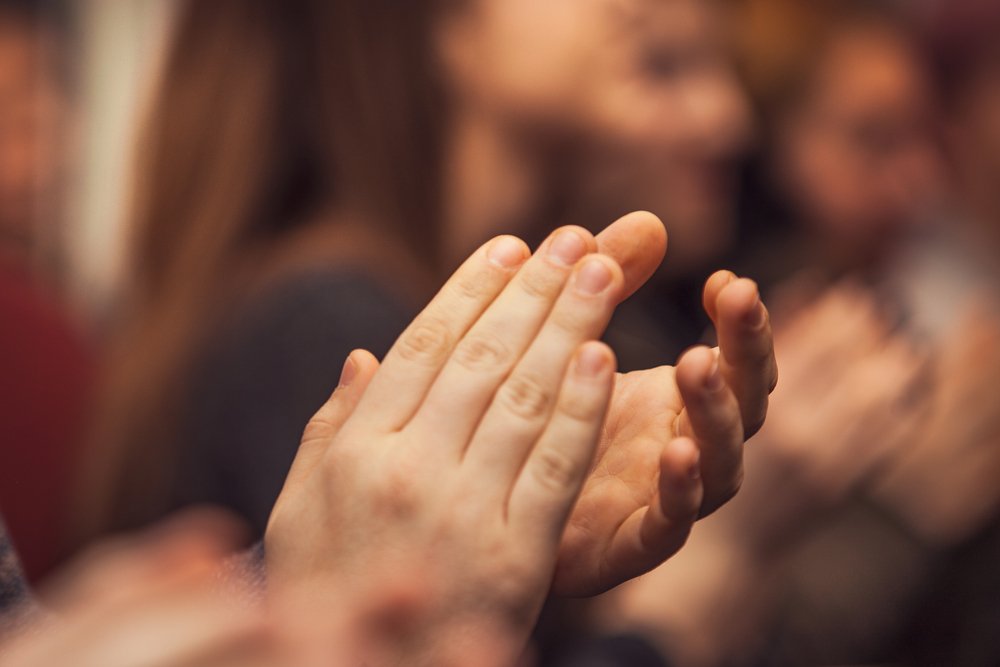
Romans started slapping their hands together to stay warm during lengthy outdoor shows. The noise coincidentally sounded like approval, so performers began expecting it as praise.
This accidental discovery evolved into our modern system of showing appreciation through applause.
Carrying Brides Over Thresholds
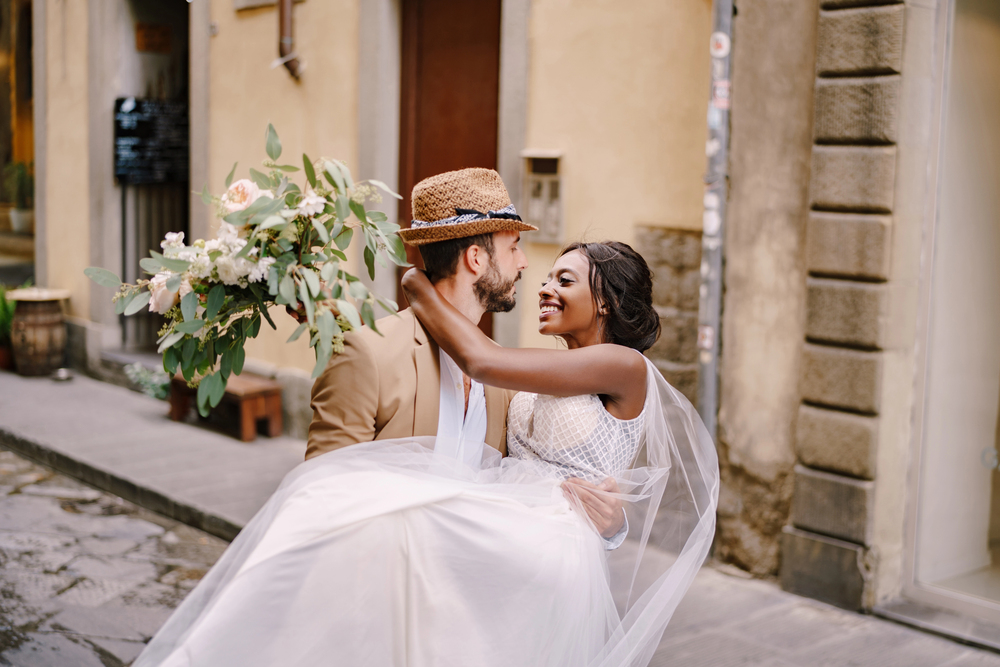
Romans worried that brides might stumble entering their new homes, bringing terrible luck to the marriage. Grooms started carrying their wives to prevent any accidental tripping.
The superstitious safety measure transformed into a romantic gesture that couples still practice.
Using Forks for Eating
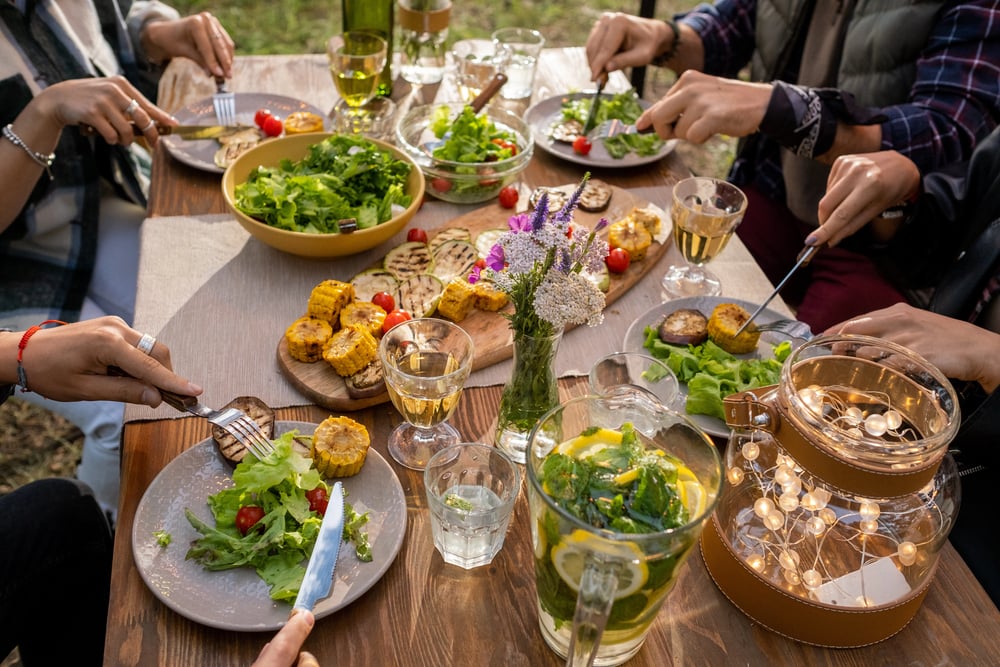
A Byzantine princess brought her personal eating utensils to Venice in the 11th century. Locals made fun of the weird tools at first, but they eventually realized forks kept their hands cleaner while eating.
The mockery turned to adoption as the utensils spread throughout Europe.
Like Go2Tutors’s content? Follow us on MSN.
Throwing Rice at Weddings
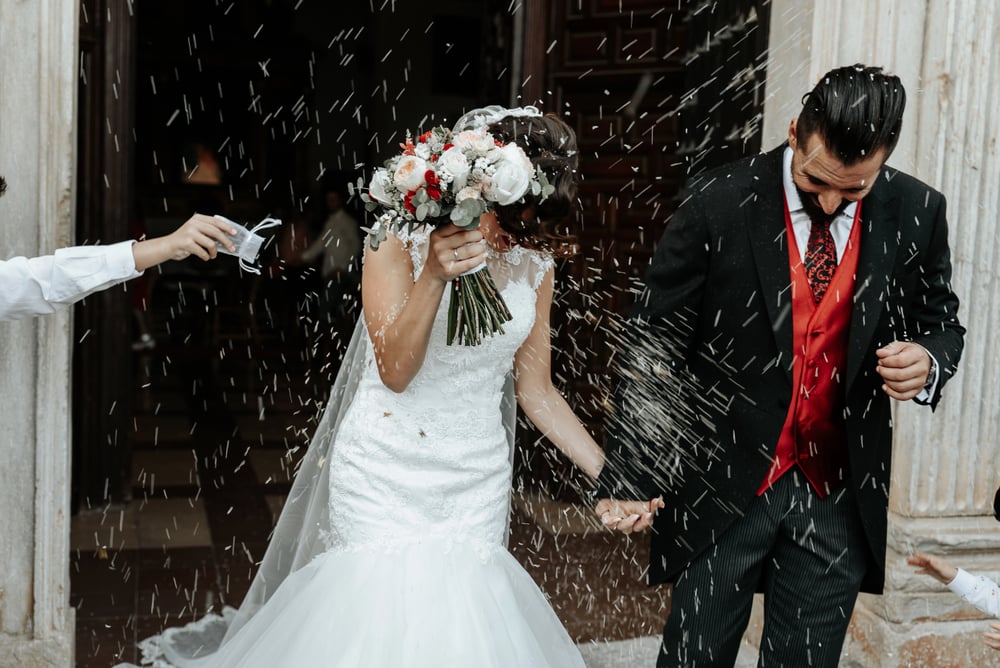
To wish the newly married pair good fortune and abundant offspring, Romans threw wheat at them. Other societies made a small alteration, changing wheat to rice, which is less costly and easier to collect after.
Though most wedding venues are now banning the practice, some couples still have reservations about it in their marriage ceremonies.
Wearing Ties

Croatian soldiers wore distinctive neckwear during the Thirty Years’ War so they could identify each other in battle. French officers thought the style looked sharp and started copying it, calling it ‘la cravate’ after Croatia.
Military identification gear somehow became essential business attire for men.
Giving Flowers on Dates
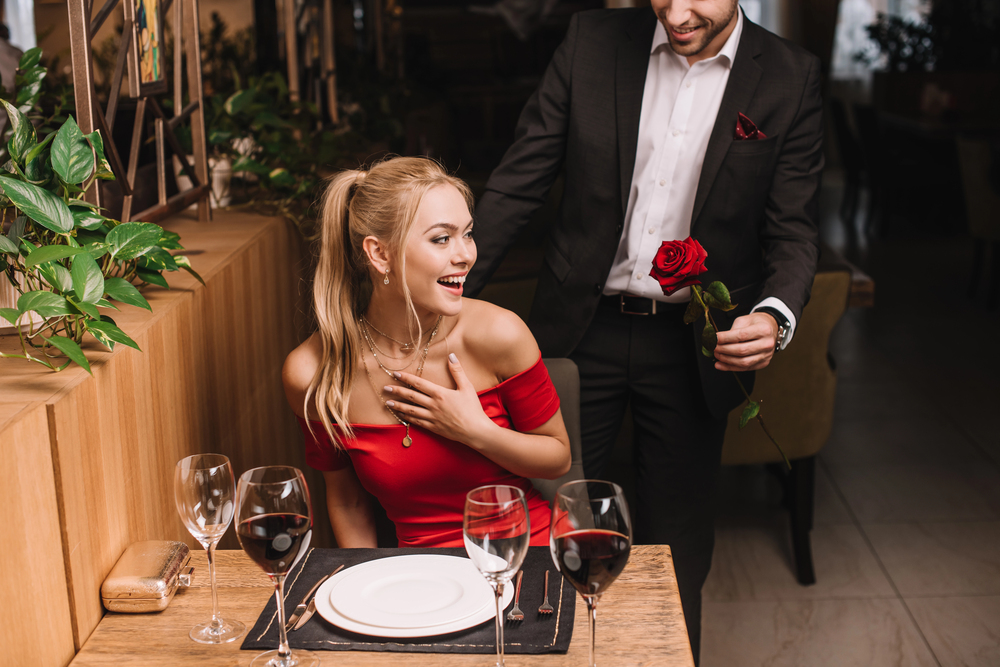
Victorian society developed an elaborate flower language for sending coded messages when direct communication wasn’t proper. Different blooms meant different things, allowing people to express feelings they couldn’t say out loud.
The practice stuck around even after everyone forgot what the flowers were supposed to mean.
Like Go2Tutors’s content? Follow us on MSN.
Walking on the Right Side
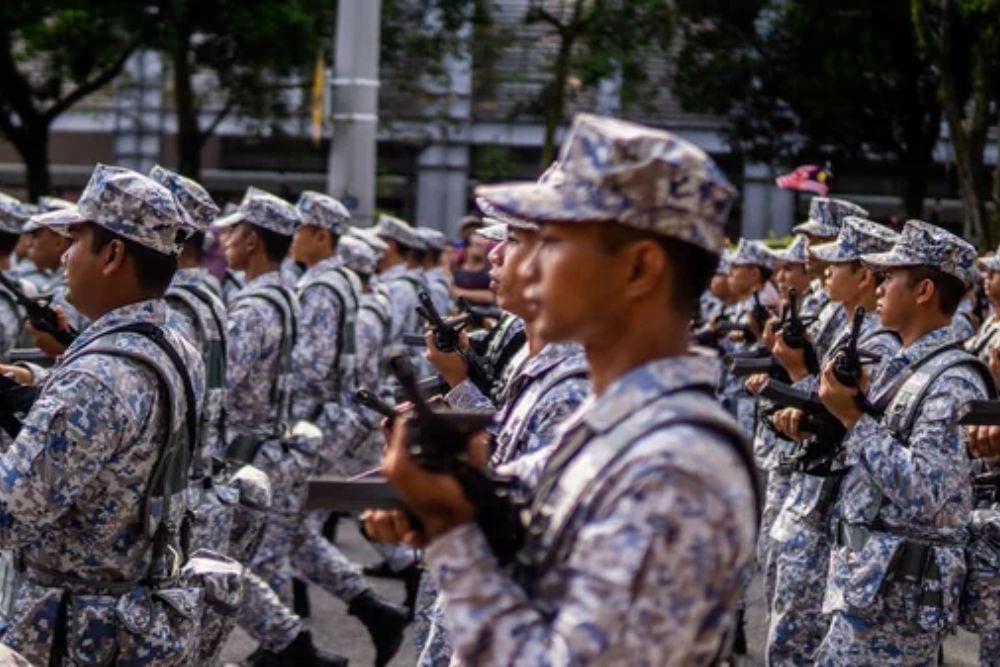
Napoleon ordered his armies to march on the right side of roads to confuse enemies who expected a left-side movement. The military tactic spread to regular people in French-controlled areas.
Countries adopted right-side traffic patterns that we still follow in cars and on sidewalks.
Honking Car Horns at Weddings
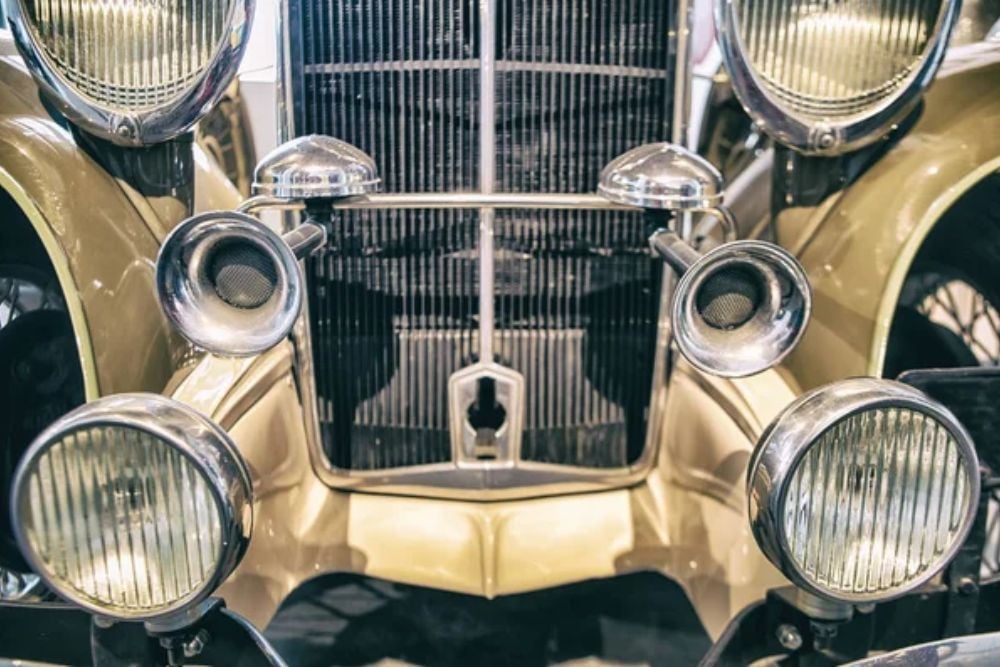
Early car owners honked their horns to announce they’d arrived at wedding venues. The sound became linked with celebration and happiness, so other drivers started honking whenever they spotted wedding parties.
Modern wedding processions still use horn honking to signal joy and congratulations.
Wearing Black to Funerals
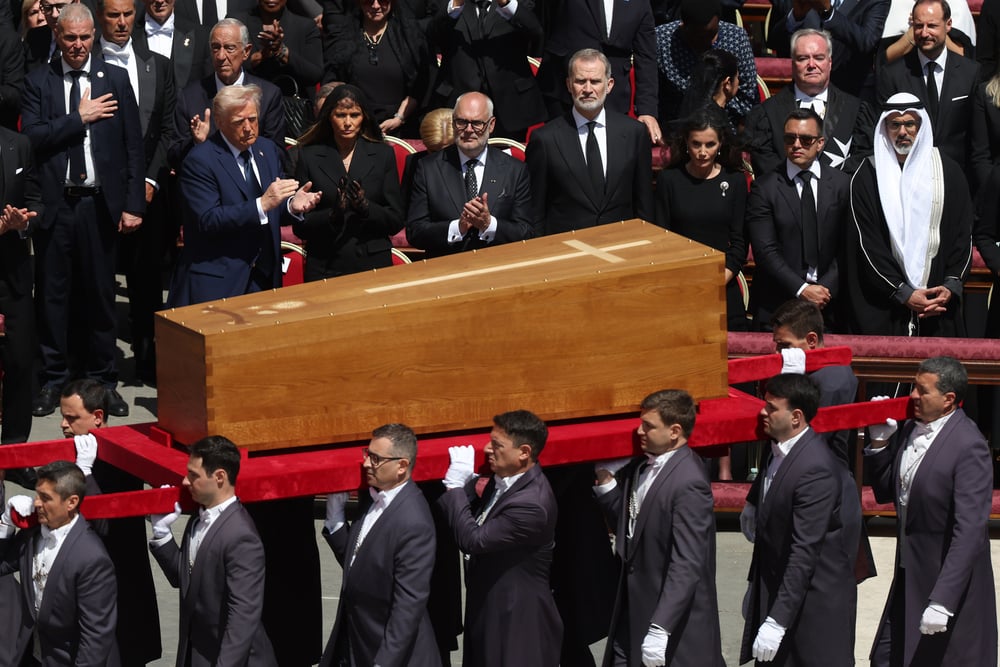
Queen Victoria wore black clothing for the rest of her life after Prince Albert died in 1861. Her extended mourning period influenced all of Victorian society to adopt black as the appropriate color for grief.
The practice became so established that wearing bright colors to funerals still seems wrong.
Like Go2Tutors’s content? Follow us on MSN.
Exchanging Business Cards

Japanese merchants in the 17th century started bowing while handing over their business cards. The respectful gesture became part of the entire exchange process, while elaborate etiquette rules developed around proper presentation and reception.
The practice spread globally and remains crucial for professional interactions.
Throwing Bouquets
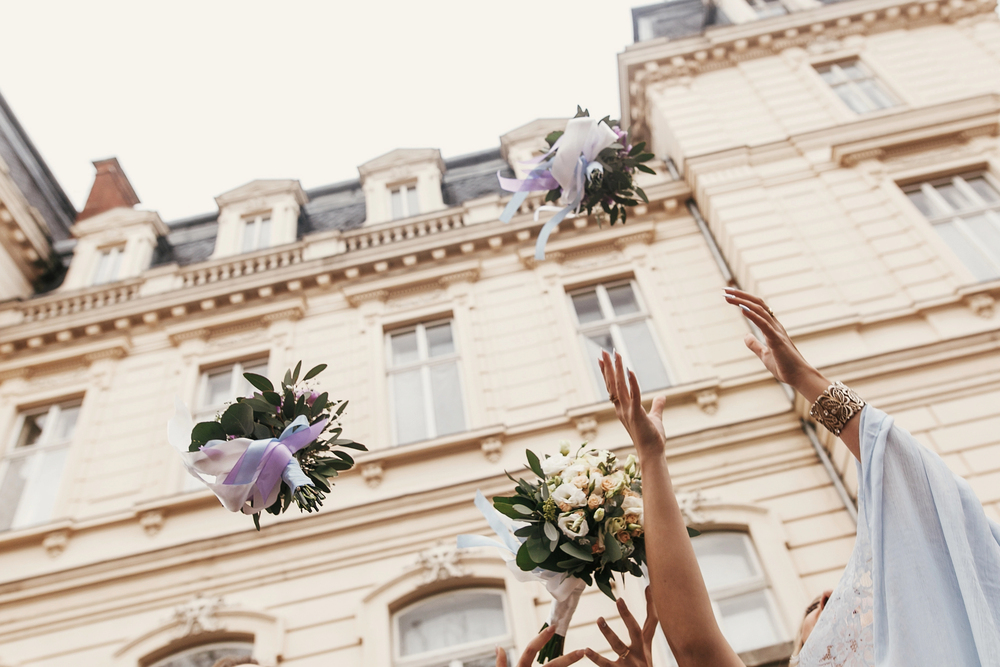
Medieval wedding guests used to grab pieces of the bride’s dress for good luck. Smart brides figured out they could throw their bouquets to distract people from tearing their clothes.
Single women began competing to catch the flowers, turning it into a game about predicting future marriages.
When Accidents Become Traditions
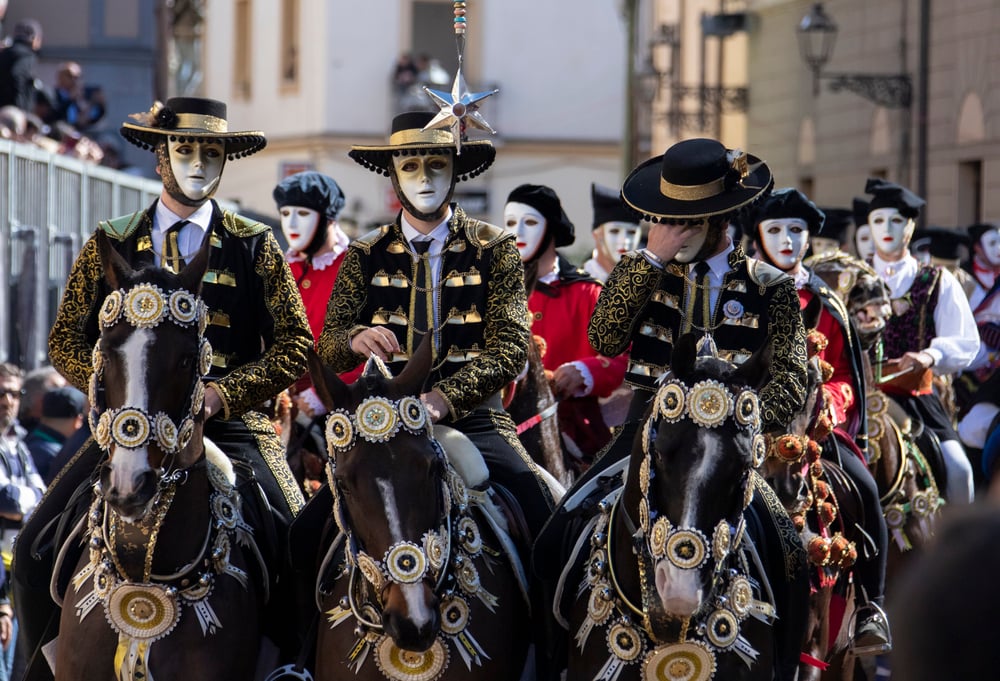
Random events can transform into sacred rituals when they connect with basic human needs. Practical solutions, lucky breaks, and simple mistakes evolved into meaningful customs that unite people across different cultures and time periods.
The most important traditions often have the weirdest origins, proving that planning isn’t always necessary for creating lasting social bonds.
Like Go2Tutors’s content? Follow us on MSN.
More from Go2Tutors!

- 16 Restaurant Chains That Went Too Fast
- 12 Things Sold in the 80s That Are Now Illegal
- 15 Strange Things People Have Tried to Ban (And Failed)
- 16 Collectibles People Tossed Out Too Soon
- 17 Myths from Your Childhood That Were Actually Based on Real Things
Like Go2Tutors’s content? Follow us on MSN.



