27 Inventions That Started as Something Else Entirely
Some of history’s most indispensable innovations began their lives with completely different purposes. The path from original concept to everyday essential is often riddled with accidents, pivots, and fortunate misdirections.
These inventions prove that the best ideas sometimes find their truest home by chance.
Penicillin
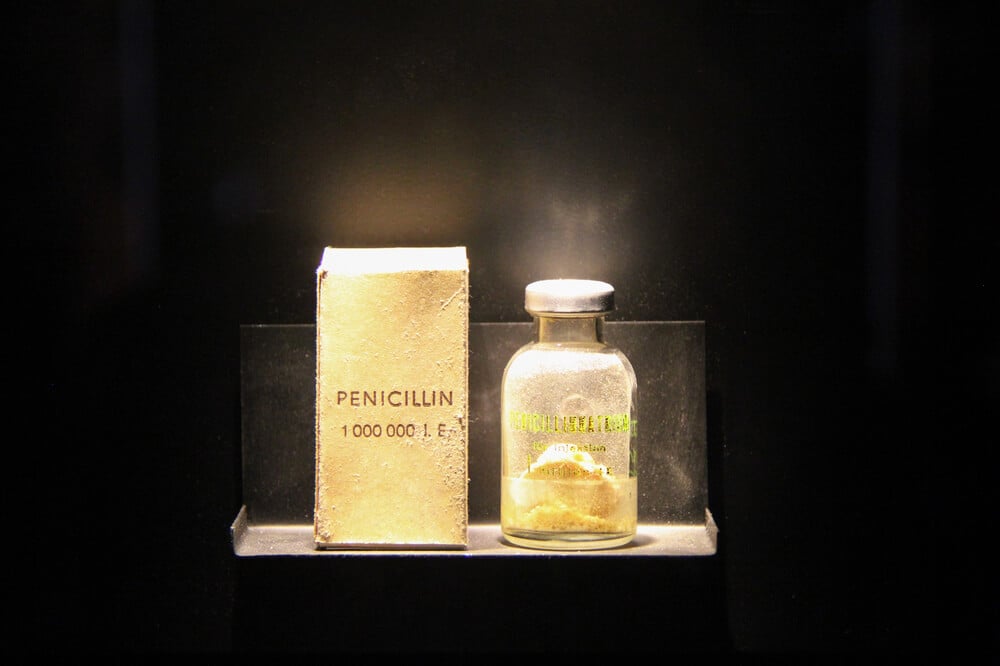
Alexander Fleming’s discovery of penicillin in 1928 was an accident—he’d left a bacterial culture unwashed on his desk while away, and a mold contamination killed the surrounding bacteria. Fleming initially dismissed the observation but eventually recognized its antimicrobial properties, fundamentally changing medicine.
Without his cluttered lab habits, modern antibiotics might never have emerged.
Play-Doh
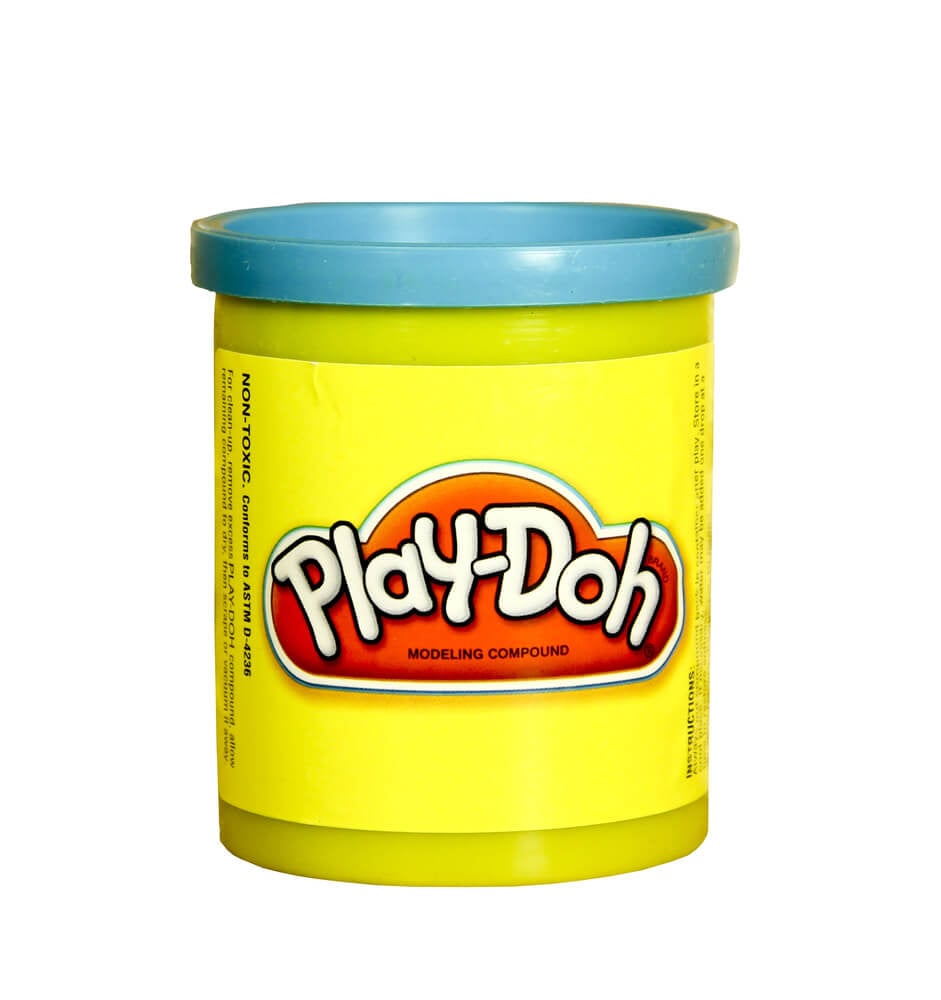
Play-Doh was originally developed in the 1930s as a wallpaper cleaner for removing coal dust and soot from walls without damaging the surface. When central heating became widespread and removed the need for wallpaper cleaning, the company pivoted and rebranded it as a children’s modeling compound.
The formula remained virtually unchanged; only the purpose shifted.
Velcro
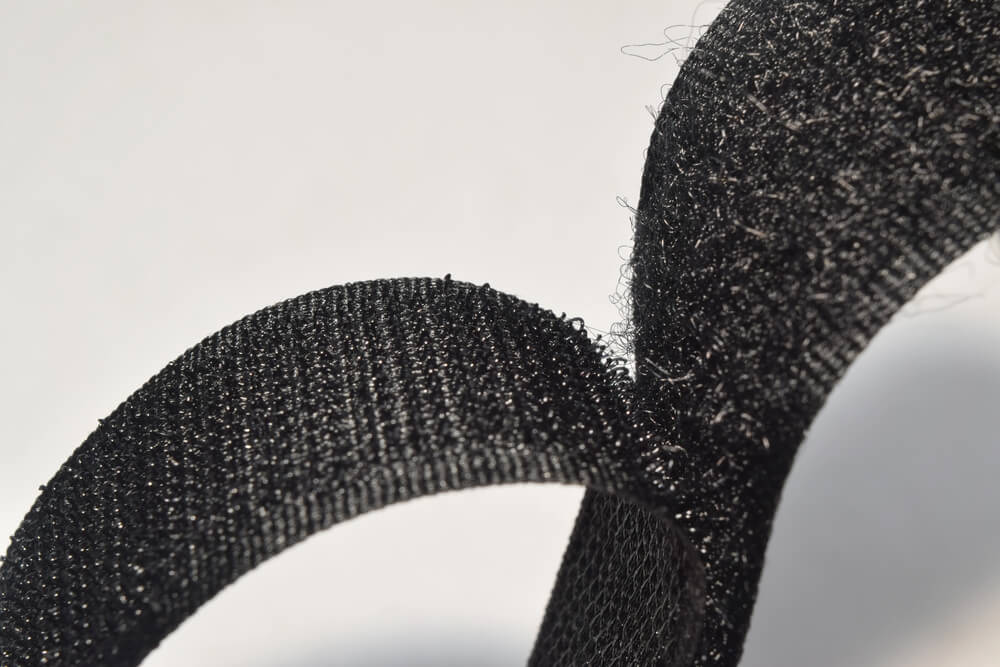
Swiss engineer George de Mestral invented Velcro after a 1941 hunting trip when burrs from burdock plants stuck persistently to his clothes and dog. Rather than cursing the nuisance, he examined the burrs under a microscope, noticing their hook-like structure, and spent eight years developing a synthetic alternative.
His annoyance with nature became one of the most practical fastening systems ever created.
Bubble Wrap
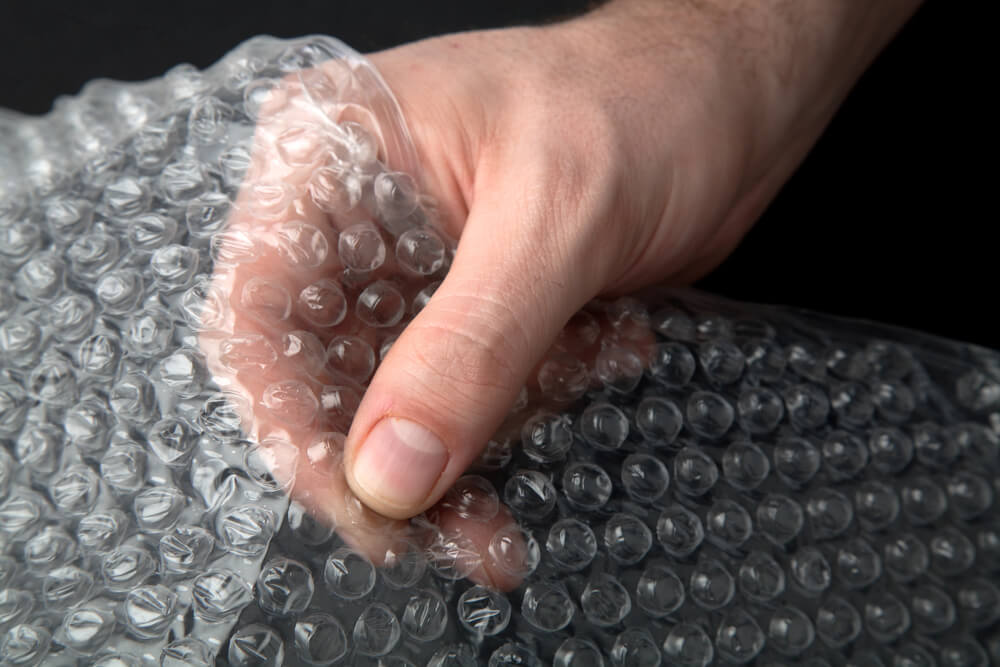
Sealed Air Corporation intended bubble wrap as textured wallpaper when it was patented in 1957 by engineers Al Fielding and Marc Chavannes. The wallpaper market rejected the product, but a protective packaging company recognized its cushioning potential and transformed it into an essential shipping material.
Today, millions of people pop it for stress relief, a use the inventors never anticipated.
Silly Bandz
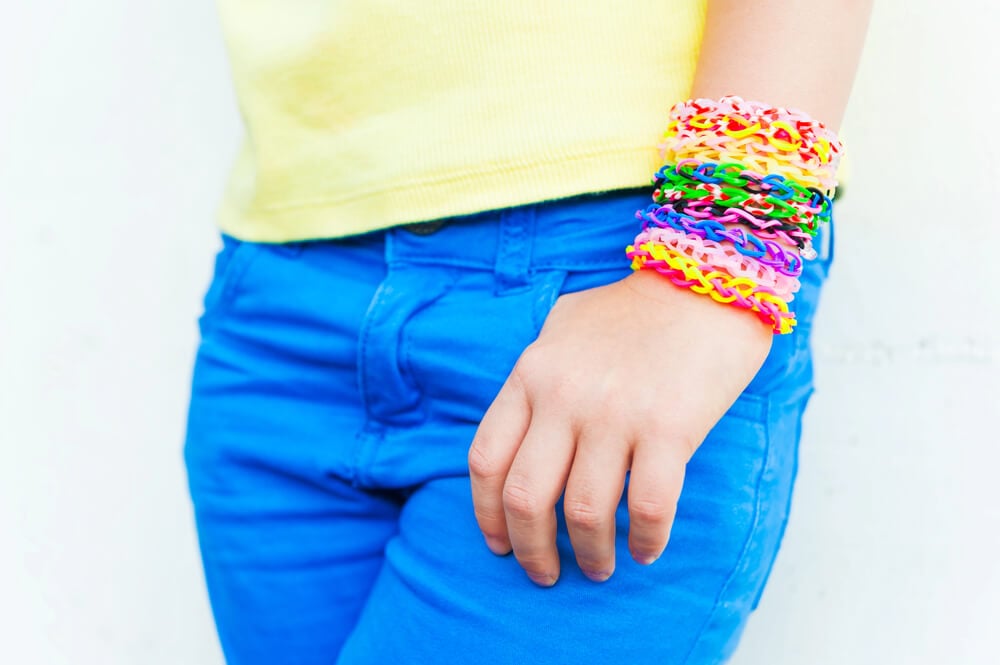
While not a scientific invention, Silly Bandz began as rubber bracelet waste that a factory owner noticed while manufacturing rubber bands for industrial use. An employee suggested shaping them into animal and object forms as novelty items, launching a phenomenon that swept schools in 2010.
The original factory purpose became nearly irrelevant compared to the collectible craze.
Scotchgard
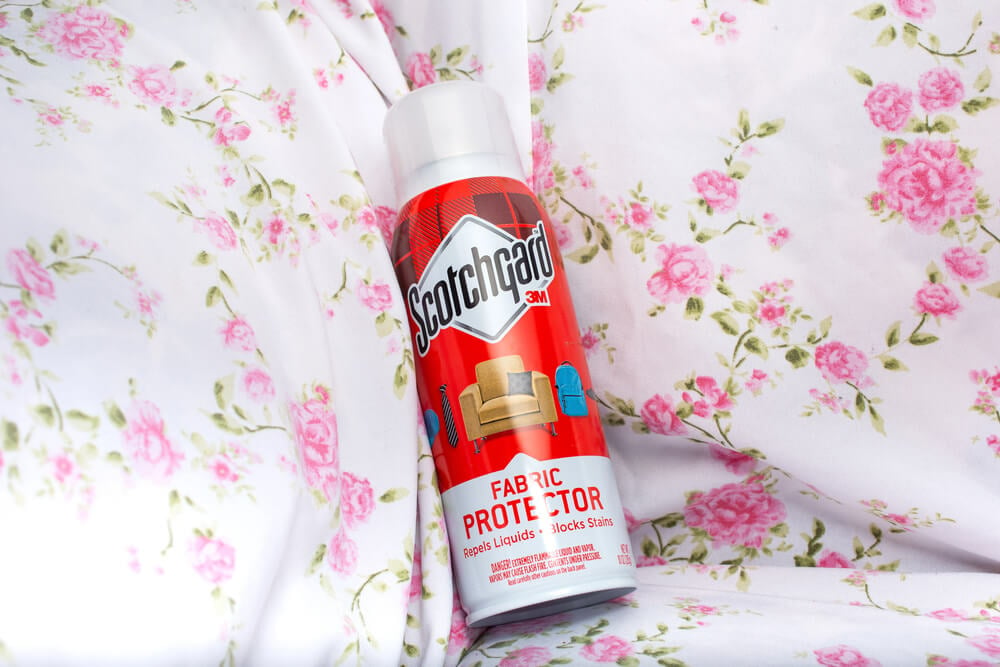
Patil Patel and Garry Huff at 3M were attempting to create a rubber coating for electrical insulation in 1953 when they accidentally applied a fluorochemical compound to a technician’s shoe. The shoe resisted staining afterward, and the team realized they’d stumbled onto fabric protection.
The failed experiment became one of 3M’s most successful consumer products.
Duct Tape
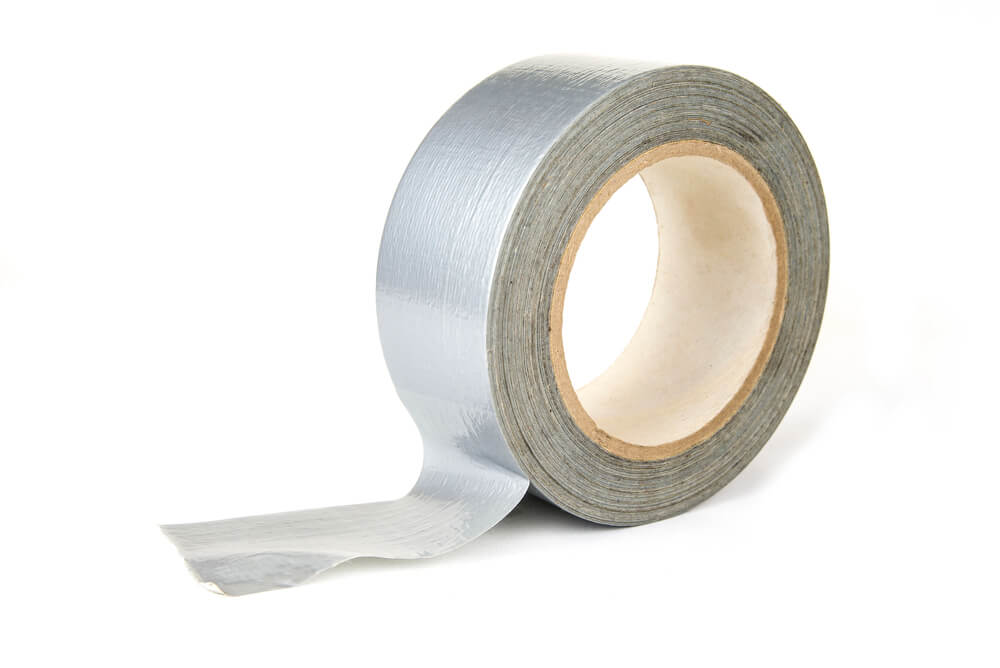
Military duck tape originated in World War II for waterproofing ammunition cases and equipment seals, earning its name from the cotton duck fabric base. After the war, civilian contractors began using it for general repairs and construction, and the “duck” gradually became “duct” as people associated it with HVAC systems.
The military-industrial product became a homeowner’s staple.
X-Rays

Wilhelm Röntgen discovered X-rays in 1895 while experimenting with cathode rays for entirely theoretical physics purposes, not medical imaging. His accidental observation of radiation passing through solid objects revolutionized medicine and security, though he couldn’t have imagined airport scanners or dental offices when he first saw his wife’s skeleton.
His Nobel Prize recognized the fundamental physics, not the practical applications.
Popsicles
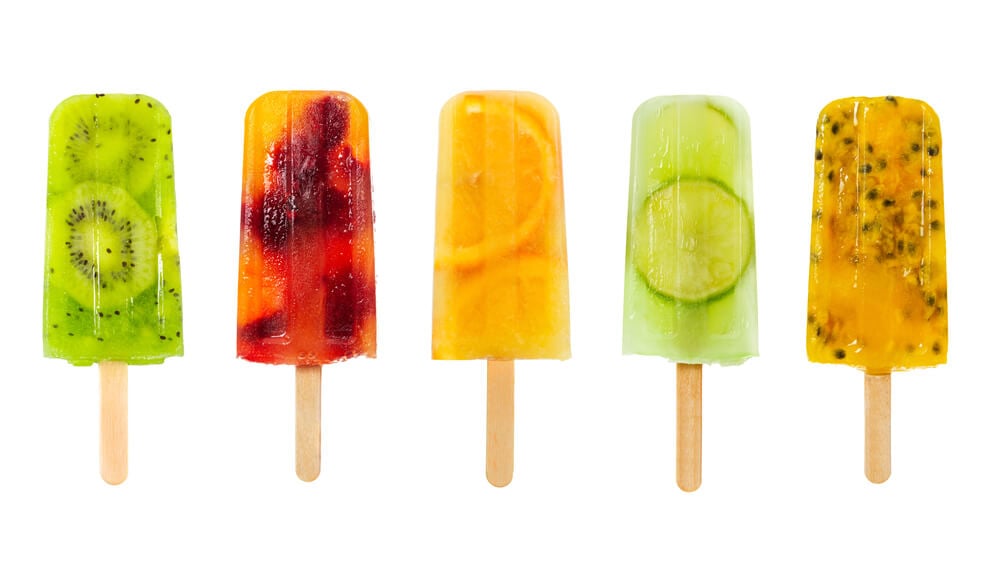
In 1905, 11-year-old Frank Epperson accidentally left a fruit punch and wooden stick outdoors in freezing temperatures overnight. Rather than throwing away the discovery, he experimented with the concept and eventually patented it as “epsicle.”
His childhood accident became one of the world’s most beloved frozen treats.
Microwave Ovens
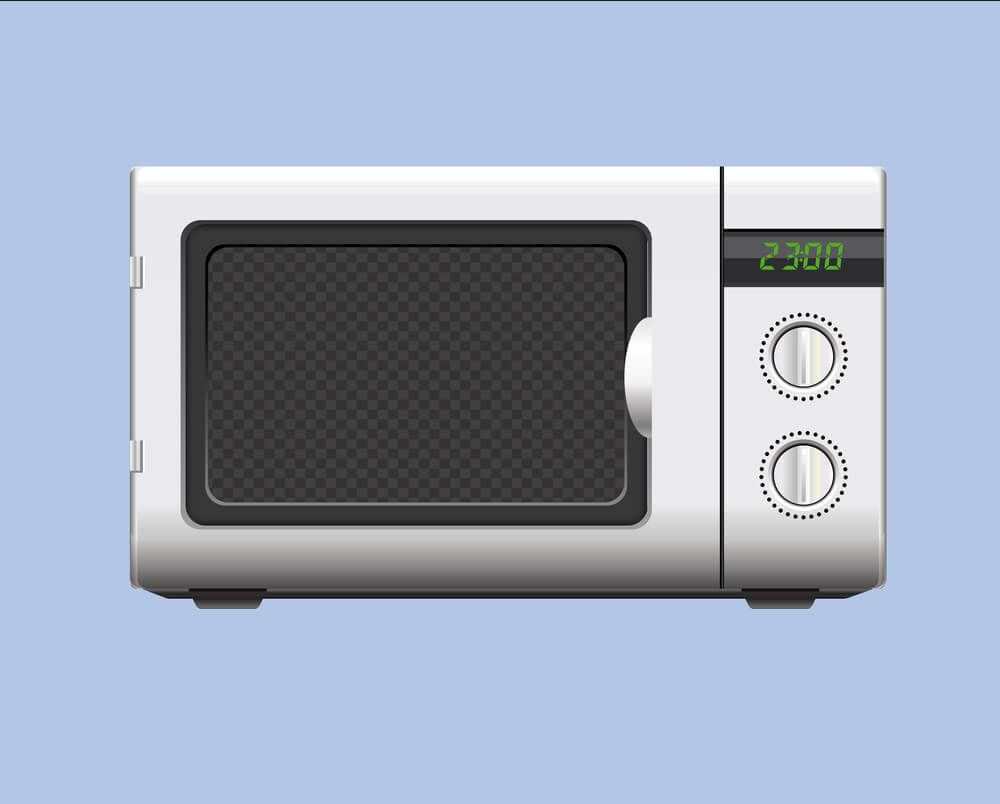
Percy Spencer, a Raytheon engineer, discovered the microwave effect in 1945 while working on radar magnetrons—not food heating. A chocolate bar melted in his pocket when standing near an active magnetron, prompting further investigation.
The military technology adaptation took nearly a decade before becoming a kitchen appliance, and microwave ovens eventually replaced conventional ovens in many households.
Dynamite
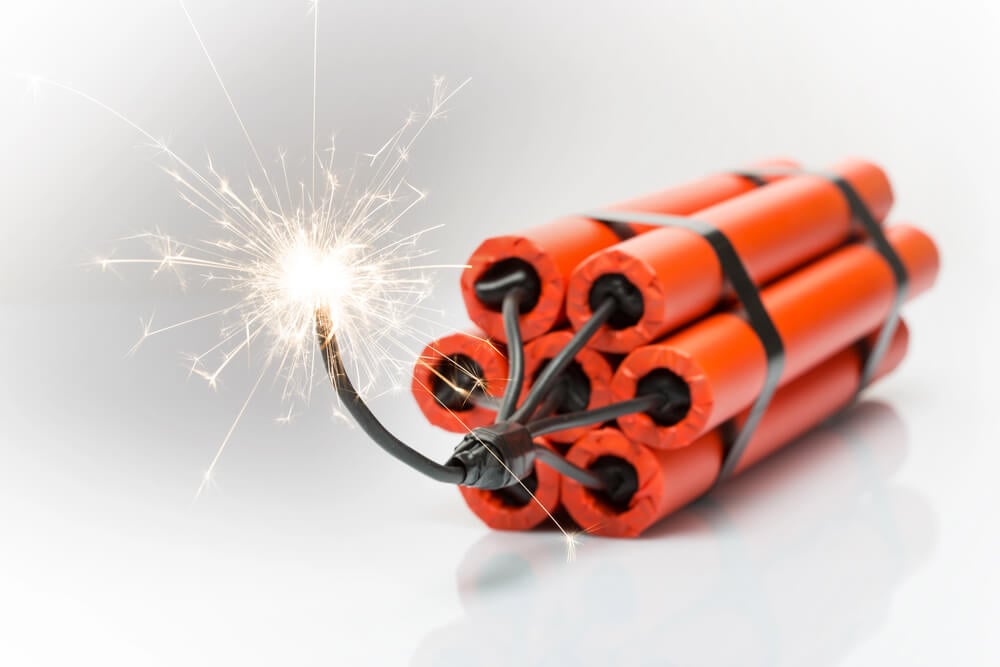
Alfred Nobel, a Swedish chemist, invented dynamite in 1867 while researching explosives to enhance mining and construction—not for weapons or warfare specifically. His attempt to create a safer alternative to volatile nitroglycerin produced a product that paradoxically became famous for both industrial progress and destruction.
The irony haunted him enough to establish the Nobel Prize, attempting to redirect his legacy toward peace.
Aspirin
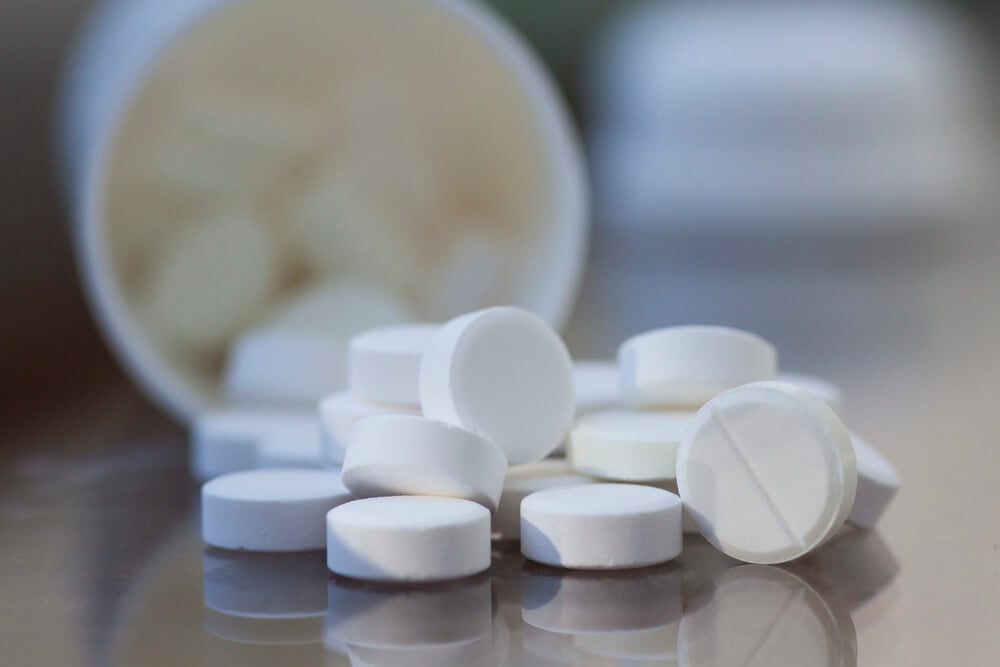
Acetylsalicylic acid was synthesized in 1897 by Bayer chemist Felix Hoffmann while researching rheumatism treatments for his arthritic father. The pharmaceutical compound worked for pain and fever relief far beyond its intended scope, becoming the world’s most widely used medication.
Over 100 years later, researchers continue discovering new medical applications Hoffmann never considered.
Synthetic Rubber
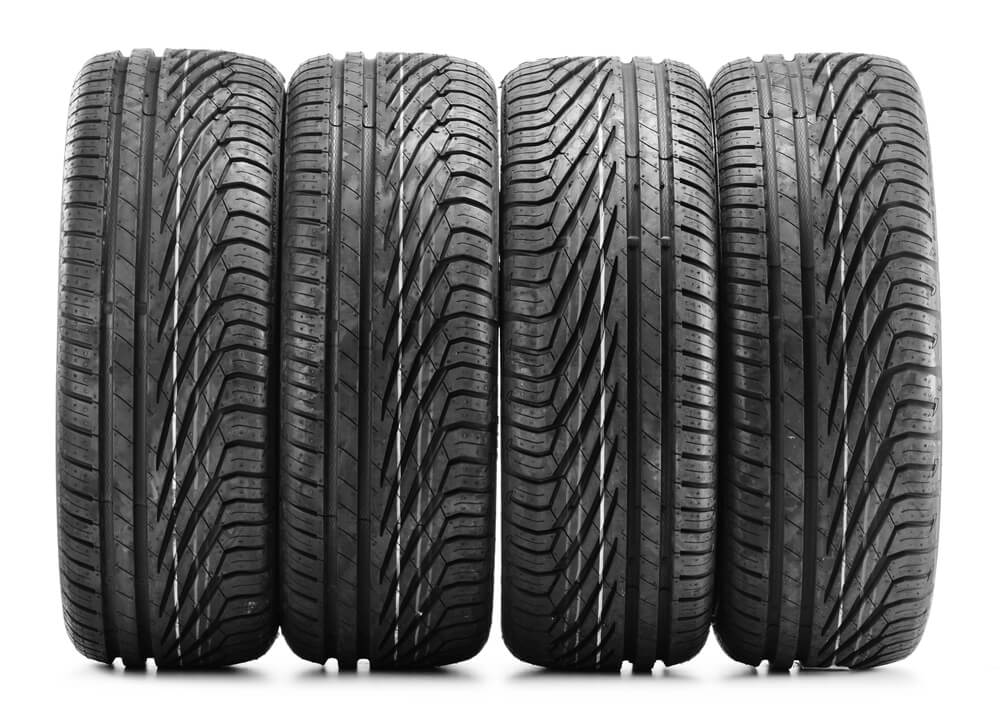
During World War II, German chemists developed synthetic rubber to replace natural rubber supplies cut off by war, intending it solely for military vehicles and equipment. After the war, the technology transferred to civilian manufacturing, creating tire, industrial, and consumer products industries.
The wartime necessity became a peacetime fundamental.
Stainless Steel

Harry Brearley developed stainless steel in 1913 while researching erosion in rifle barrels for the British military, not for kitchenware or industrial applications. The corrosion-resistant properties he discovered found their way into cutlery, industrial equipment, and countless consumer products.
His rifle research inadvertently created the steel of choice for surgeons and chefs.
Post-It Notes

Spencer Silver’s attempt to create a super-strong adhesive at 3M in 1968 failed spectacularly—he produced the exact opposite, a weak temporary adhesive. Art Fry, a colleague, recognized the potential for bookmark applications after struggling with falling bookmarks during choir practice.
The adhesive failure became the foundation for one of the most ubiquitous office products ever created.
Nylon
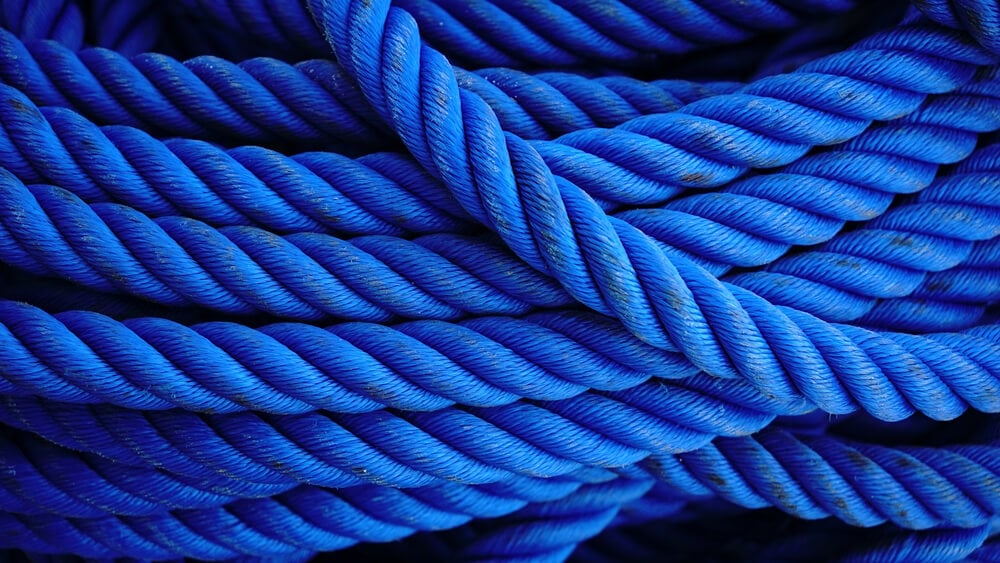
Wallace Carothers developed nylon at DuPont in 1934 while researching synthetic fibers to replace silk, targeting the textile industry’s dependence on natural materials. The first major application was parachutes for World War II, followed by stockings, clothing, and industrial uses.
The fabric designed for fashion became essential in warfare, then returned to civilian life transformed.
Corn Flakes

The Kellogg brothers initially created corn flakes in 1894 as a vegetarian protein substitute for patients at their health clinic, not as a breakfast staple. The bland, shelf-stable cereal was meant to promote digestive health in an era obsessed with proper bowel function.
When their patients loved the product, they commercialized it as general breakfast cereal, fundamentally reshaping morning eating habits.
Pacemakers
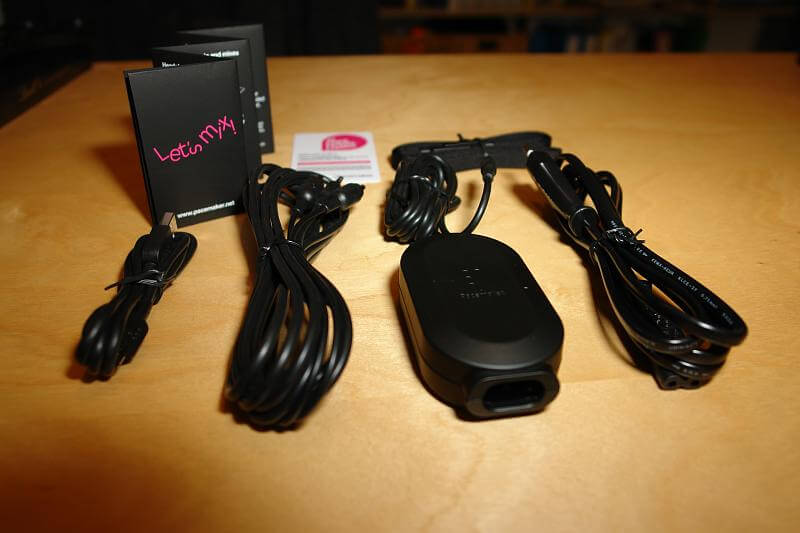
Wilson Greatbatch invented the implantable pacemaker in 1958 completely by accident while attempting to build a device to record human heartbeats using a faulty electronic component. He realized the pulsating electrical signal would regulate irregular heartbeats and patented the concept within months.
His equipment malfunction became one of medicine’s greatest achievements.
Plastics
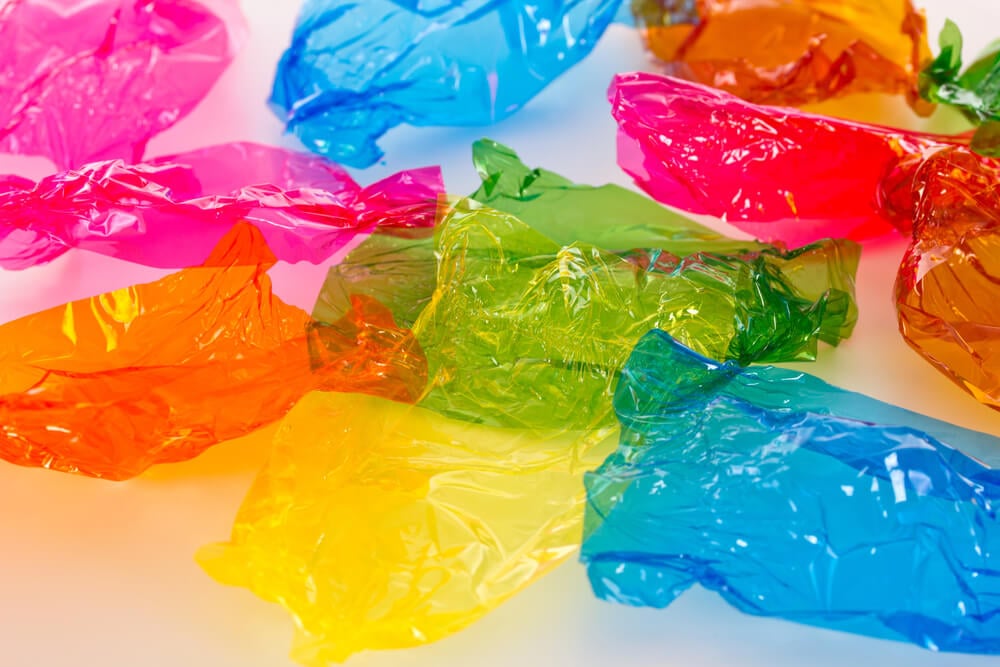
Leo Baekeland synthesized the first fully synthetic plastic, Bakelite, in 1907 while researching replacements for shellac used in electrical insulation—not consumer products. His invention dominated early 20th-century manufacturing before being superseded by newer plastics.
The industrial material became the foundation for nearly everything in modern life.
Kevlar
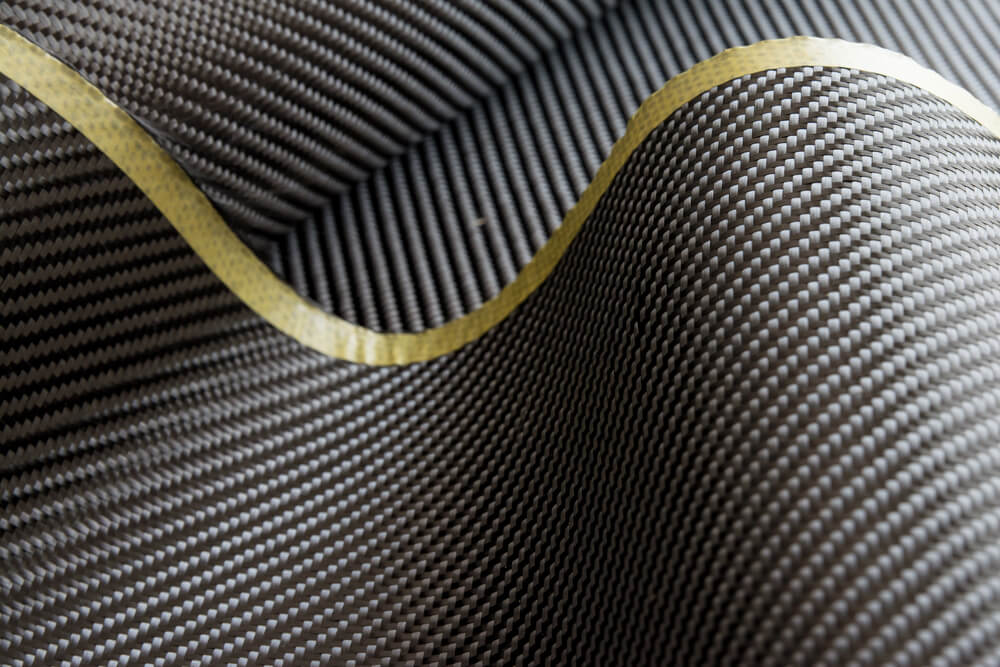
Stephanie Kwolek discovered Kevlar at DuPont in 1965 while researching high-strength synthetic fibers for stronger automotive tires during a fuel crisis. The resulting material was five times stronger than steel by weight but took over a decade to develop for practical applications.
Her tire research eventually became the standard material for bulletproof vests and aerospace components.
Saccharin
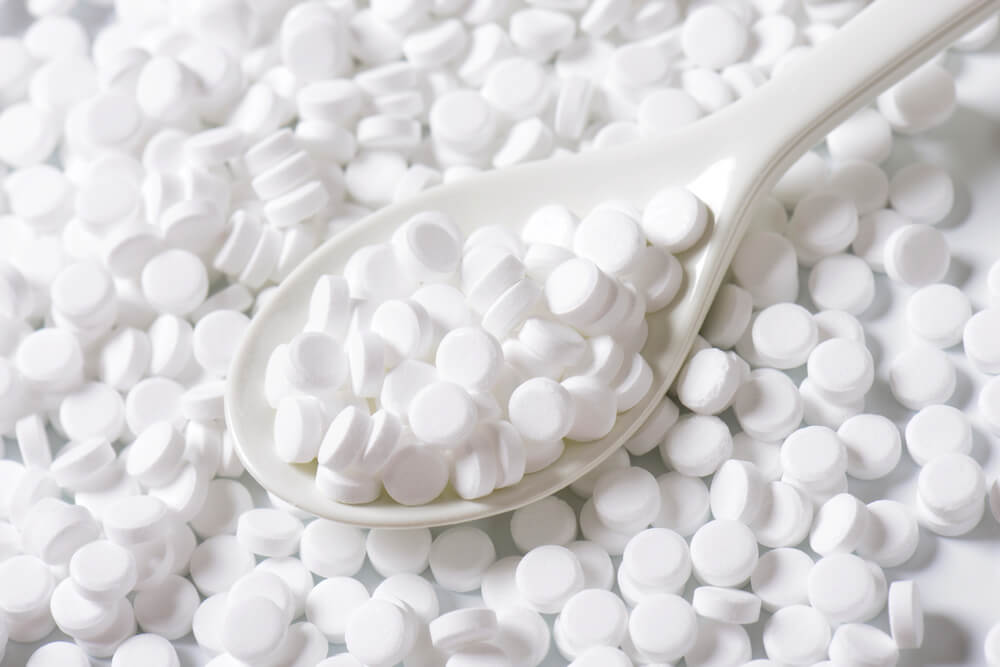
Constantine Fahlberg discovered saccharin in 1879 while researching coal tar derivatives, not sweetening agents—he actually ingested it accidentally during lunch. The intensely sweet taste inspired investigation, and he filed a patent, but the compound languished until the 1900s food industry embraced it as a sugar substitute.
His careless lab hygiene created the first artificial sweetener.
Radium
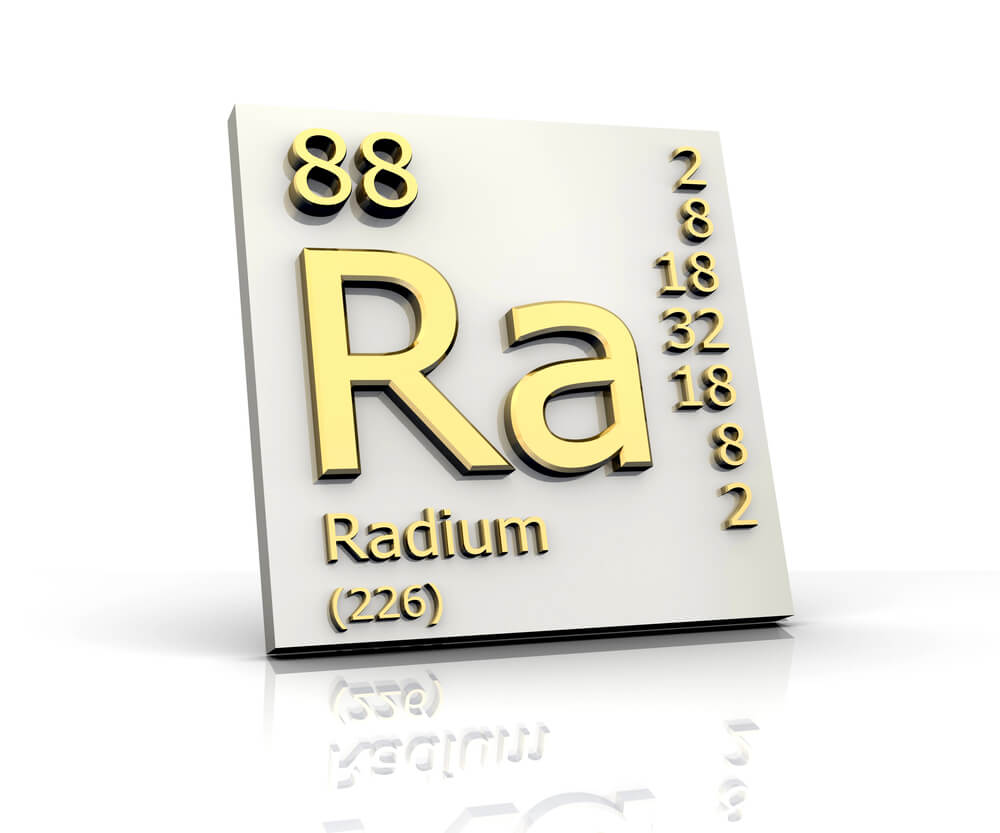
Marie and Pierre Curie discovered radium in 1898 while researching uranium’s properties for fundamental physics research, not medical treatment or consumer products. The “wonder element” was soon incorporated into everything from cosmetics to watches, believed to have health-giving properties until decades later toxicity became undeniable.
Their scientific discovery became a health disaster before regulation intervened.
Fiberglass
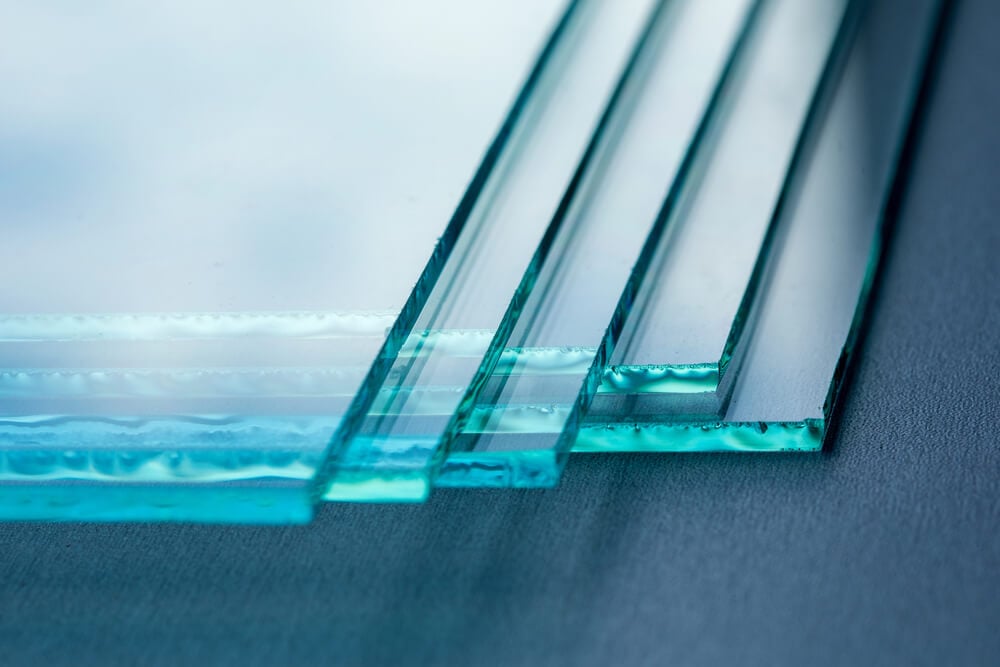
James Slayter invented fiberglass at Owens Corning in 1938 while developing a seal for glass bottles and jars, not insulation or reinforcement materials. An unexpected discovery that glass could be spun into fiber-like threads led to insulation applications during World War II.
The bottle-sealing research created an entirely new category of building and manufacturing materials.
Vulcanized Rubber

Charles Goodyear discovered the vulcanization process in 1839 through a cooking accident when sulfur and raw rubber accidentally heated together on his kitchen stove. The resulting durable, elastic compound transformed rubber from a sticky unusable material into an industrial essential.
His kitchen mishap created the rubber industry.
Cheetos
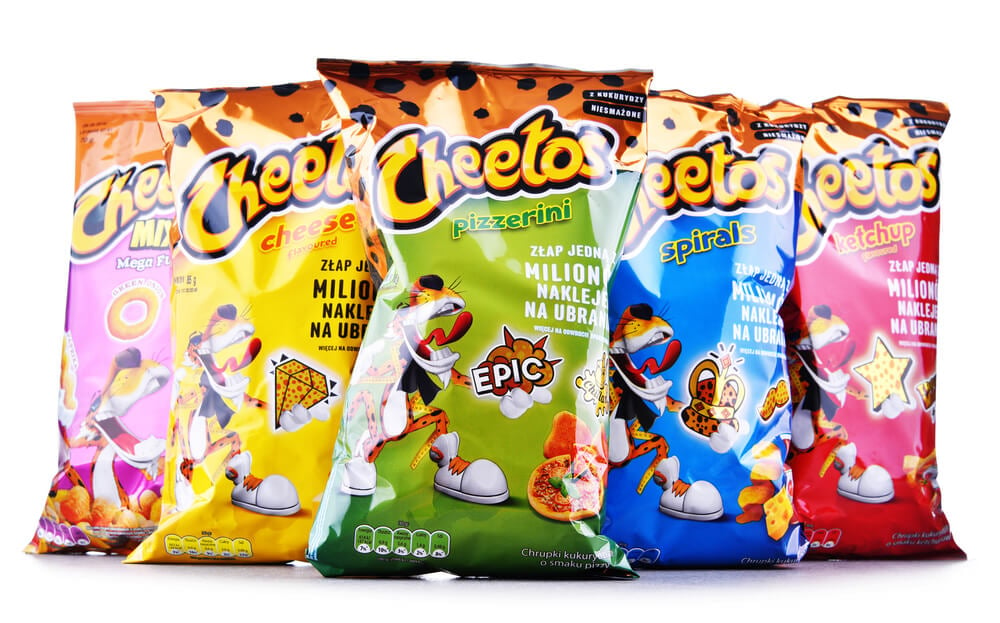
In 1948, Fritos founder Elmer Doolin purchased a corn puffing machine and began experimenting with cheese powder coatings—originally intended as a flavoring for other snack bases. The cheese-covered corn puff was initially a side experiment that unexpectedly dominated the snack market.
The original recipe remains virtually unchanged since its accidental development.
Sharpie Markers
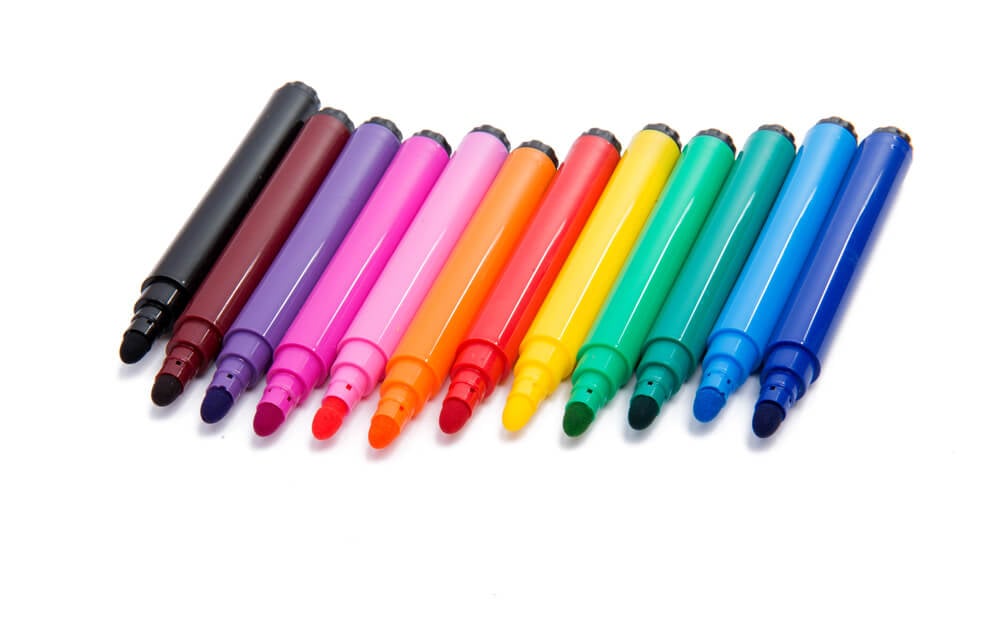
Sharpie markers resulted from a 1950s experiment at Sanford Ink Company while developing a pen that could write on rough surfaces like leather and suede for marking livestock. The permanent marker’s ink formula worked better on paper, cardboard, and plastic, eventually becoming the preferred writing instrument for signs, art, and industrial marking.
The livestock marking tool became an artist’s essential.
Photography
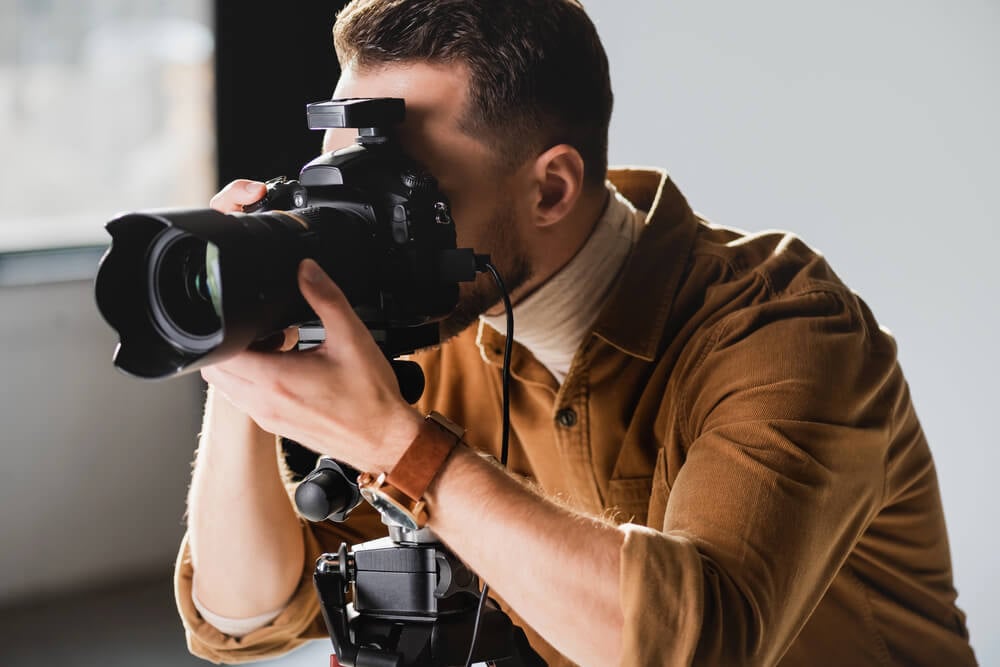
The camera obscura was known since ancient times as a physics principle, but Joseph Nicéphore Niépce created the first permanent photographic image in 1822 while attempting to refine lithography printing techniques. His chemical process captured light permanently, but it was meant to replace engraving and drawing, not to become a distinct art and documentation medium.
His printing research created an entirely new form of visual communication.
Accidental Brilliance

The pattern across these inventions reveals an uncomfortable truth: sometimes the best discoveries come from failure, carelessness, or abandonment of the original plan. Whether through mold on a dirty plate, chocolate melting in a pocket, or simply trying something different, innovation often thrives when expectations are abandoned.
The next world-changing breakthrough might be hiding in someone’s failed experiment right now.
More from Go2Tutors!

- The Romanov Crown Jewels and Their Tragic Fate
- 13 Historical Mysteries That Science Still Can’t Solve
- Famous Hoaxes That Fooled the World for Years
- 15 Child Stars with Tragic Adult Lives
- 16 Famous Jewelry Pieces in History
Like Go2Tutors’s content? Follow us on MSN.



