15 Strange Things People Have Tried to Ban (And Failed)
Throughout history, humans have attempted to prohibit all sorts of things. Sometimes, these efforts make sense, and other times, they’re just plain weird.
From ordinary household items to harmless fun activities, these prohibition attempts show our collective fears and tendency to overreact. Many of these bans either fail spectacularly or simply vanish from memory over time.
Here is a list of 15 strange things people have tried to ban but ultimately failed, demonstrating how peculiar our regulatory impulses can sometimes be.
Kinder Surprise Eggs
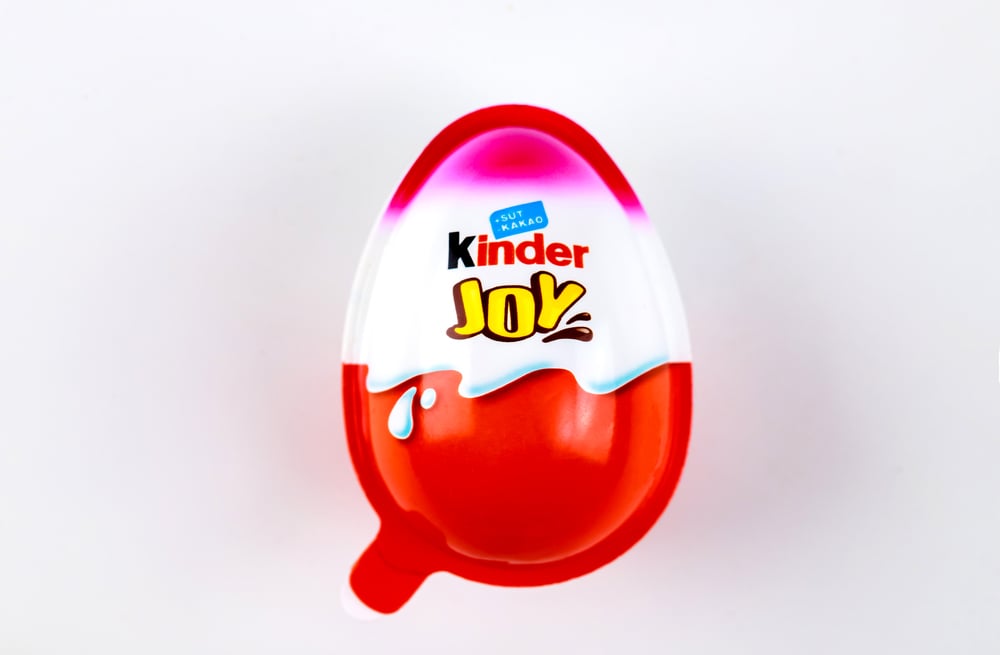
The U.S. still technically prohibits these chocolate eggs with toys inside due to a 1938 FDA regulation against non-food items encased in edible products. Despite this official stance – travelers routinely smuggle them across borders while modified versions have found legal workarounds.
It’s become something of an international joke that a country allowing widespread firearm ownership maintains such strict control over chocolate eggs containing small toys.
Baggy Pants
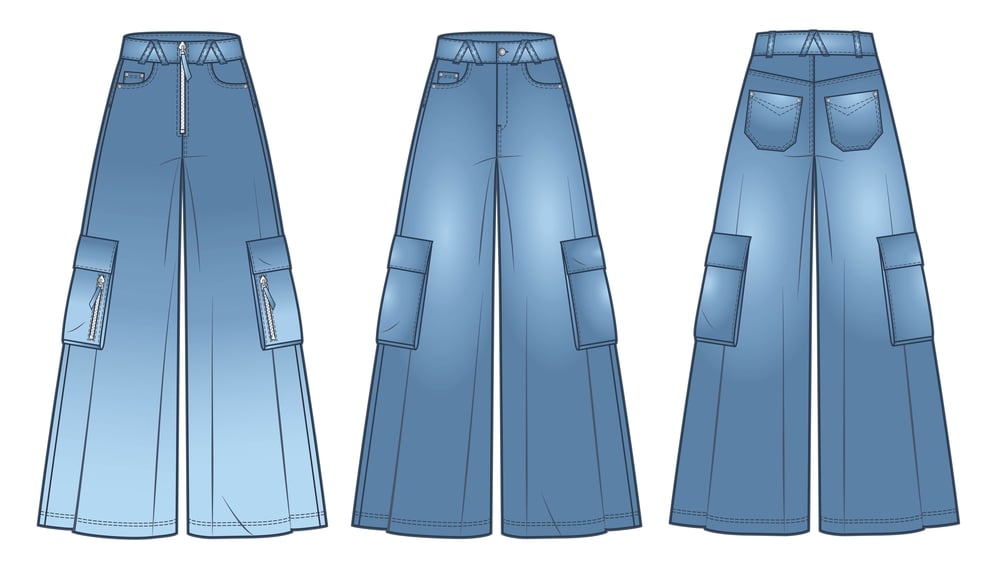
In the 2000s, a number of American cities attempted to outlaw sagging pants – listing them as a promoter of indecency and gang activity. Most of them eventually failed when courts deemed them to be unconstitutional restrictions on individual expression.
A Florida court struck down Riviera Beach’s prohibition in 2008, stating that no one should be arrested merely for wearing loose-fitting pants.
Fortune Telling
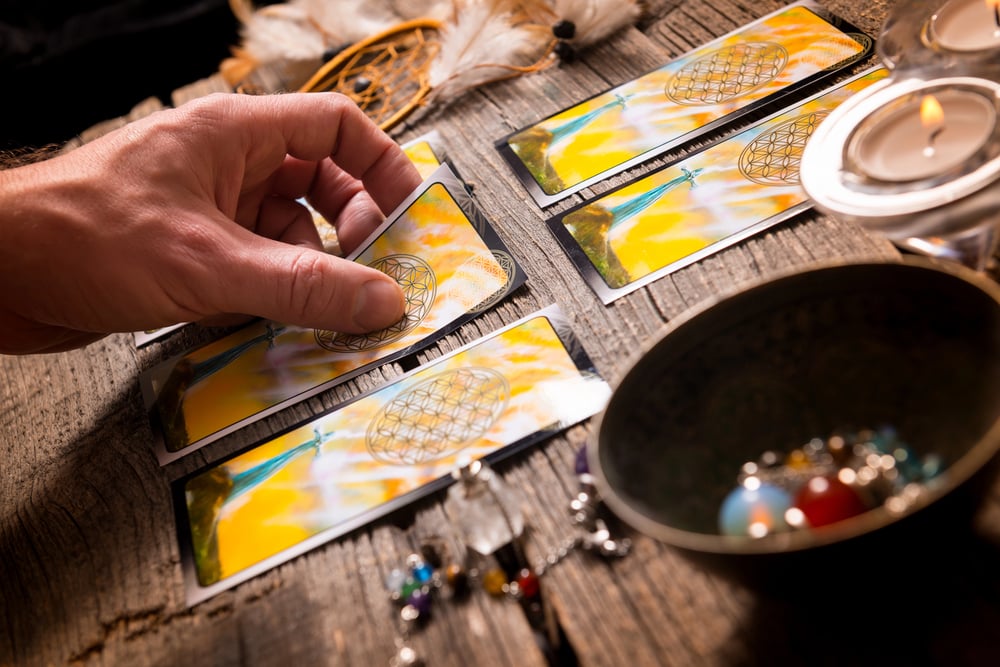
Dozens of American cities once outlawed fortune telling, tarot card reading, and palm reading as a scam. The courts have consistently ruled such bans illegal – considering divination as free speech no matter how accurate.
When a federal court struck down Maryland’s fortune-telling ban in 2010, it reaffirmed that even predictions of the future are entitled to constitutional protection.
Yellow Margarine

Strangely enough, several dairy-producing states banned yellow-colored margarine from the 1880s through the 1960s – forcing manufacturers to sell white margarine with separate coloring packets. Wisconsin, America’s dairy heartland, stubbornly held out until 1967.
Though the dairy industry pushed these restrictions to shield butter sales, consumer demand eventually rendered the bans unsustainable.
Mulberry Trees

Some neighborhoods have tried banning mulberry trees because they drop messy berries that stain sidewalks and attract birds. These prohibitions typically fail – partly because the trees are already widespread and nearly impossible to remove completely.
Washington DC once attempted restrictions but abandoned enforcement as impractical, especially considering the trees’ value for shade and wildlife habitat.
Silly String

Various cities have attempted to prohibit Silly String – especially during festivals and parades – citing environmental impact and cleanup expenses. While Hollywood actually enforces a Halloween silly string ban with potential $1,000 fines, similar prohibitions elsewhere haven’t stuck due to enforcement difficulties and the seemingly trivial nature of the issue.
Dihydrogen Monoxide

A satirical 1990s campaign to ban ‘dihydrogen monoxide’ – the chemical name for water – successfully convinced certain city officials to consider regulation. Perhaps the most notorious case happened in Aliso Viejo, California, where the city nearly prohibited foam containers manufactured with DHMO until someone pointed out they were essentially trying to ban water.
This hoax perfectly demonstrates how scientific illiteracy sometimes leads to misguided regulatory efforts.
Lemonade Stands
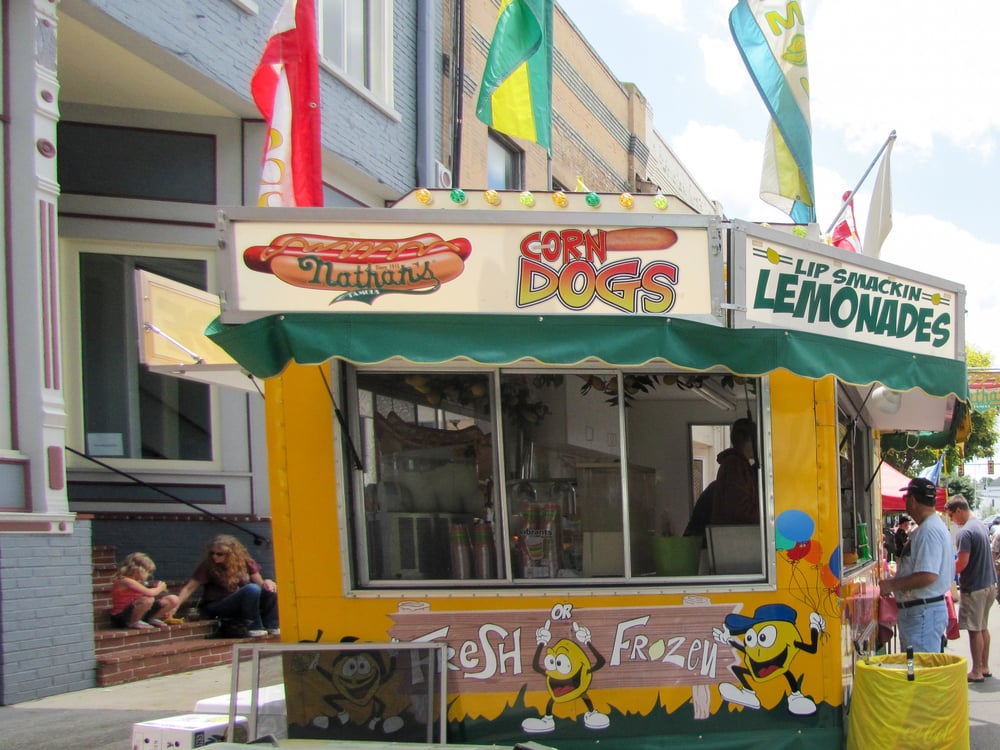
Children’s lemonade stands have faced occasional crackdowns, with officials citing health code violations and business permit requirements. These enforcement actions typically generate such negative publicity that authorities quickly retreat.
Consequently, many states have passed ‘lemonade stand laws’ specifically protecting kids’ small business ventures from overzealous regulation.
Cats Roaming Outdoors
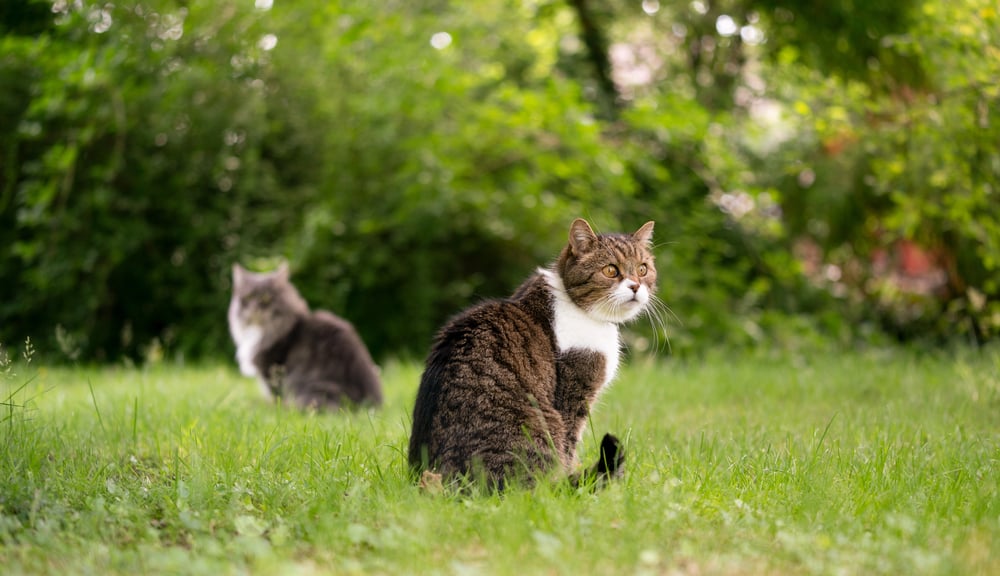
Several towns have attempted to enact ‘cat leash laws’ prohibiting free-roaming outdoor cats. Though well-intentioned for wildlife protection, these restrictions have proven nearly impossible to enforce.
Cats remain legally free to wander in most places despite occasional regulatory efforts, largely because controlling cats proves about as feasible as herding them.
Snowball Fights

Towns including Severance, Colorado and Wausau, Wisconsin once had ordinances technically prohibiting snowball fights, classifying them under bans against throwing dangerous projectiles. Most such restrictions have been repealed after generating headlines and facing public mockery. In 2018, a nine-year-old boy successfully convinced the Severance town board to overturn their 98-year-old snowball ban..
Perfume and Cologne

Some workplaces and public spaces have tried implementing fragrance bans due to concerns about allergies and chemical sensitivities. While reasonable accommodations for medical conditions generally receive support, broader prohibitions have proven difficult to define and implement.
The subjective nature of scent intensity combined with the challenge of monitoring personal care products makes these restrictions largely symbolic.
Plastic Straws

Although plastic straw bans have gained momentum in certain areas, widespread prohibitions often face resistance due to accessibility concerns for people with disabilities who need flexible straws. Many locations have modified their approach to an ‘on-request’ policy instead of complete prohibition.
This debate highlights the complex balance between environmental protection and accessibility requirements.
Comic Books

During the 1950s, a serious movement emerged to ban comic books across America, driven by psychologist Fredric Wertham’s book ‘Seduction of the Innocent,’ which claimed comics contributed to juvenile delinquency. The industry avoided government regulation by establishing the Comics Code Authority for self-censorship.
Today, comics enjoy full First Amendment protection, with the failed ban viewed as a classic example of moral panic.
Dancing

Several American towns historically prohibited dancing, with some restrictions persisting well into the 20th century. Elmore City, Oklahoma notably maintained a dancing ban until 1980, reportedly inspiring the movie ‘Footloose.’
These prohibitions, typically rooted in religious concerns about moral corruption, gradually disappeared as cultural attitudes evolved and courts recognized dancing as protected expression.
Certain Baby Names

Various countries have tried restricting what parents can name their children, yet these efforts typically fail in places with strong free expression protections. While countries like Denmark and Iceland maintain approved name lists, attempts to introduce similar restrictions in the United States have generally been unsuccessful.
In 2013, a New Zealand judge intervened to change a child’s name from ‘Talula Does the Hula From Hawaii,’ highlighting tensions between naming freedom and child welfare considerations.
When Prohibition Meets Reality

History demonstrates that prohibiting something often creates more problems than it solves, particularly when targeting ordinary behaviors or harmless objects. These failed banning attempts remind us that regulation works best when addressing genuine harms rather than moral panics or personal preferences.
Whether it’s chocolate eggs or outdoor cats, our impulse to control frequently collides with the messy complexity of human freedom—and freedom usually prevails.
More from Go2Tutors!

- The Romanov Crown Jewels and Their Tragic Fate
- 13 Historical Mysteries That Science Still Can’t Solve
- Famous Hoaxes That Fooled the World for Years
- 15 Child Stars with Tragic Adult Lives
- 16 Famous Jewelry Pieces in History
Like Go2Tutors’s content? Follow us on MSN.