Video Game Glitches That Became Features
Every video game developer has a moment of panic when something goes wrong during testing. A character moves in a weird way, a player discovers an unintended shortcut, or physics behaves in ways nobody expected.
But sometimes, those accidents turn into the best parts of the game. These happy mistakes have shaped gaming history in ways nobody could have predicted.
Here’s a look at the bugs that became beloved features.
Rocket jumping in Quake
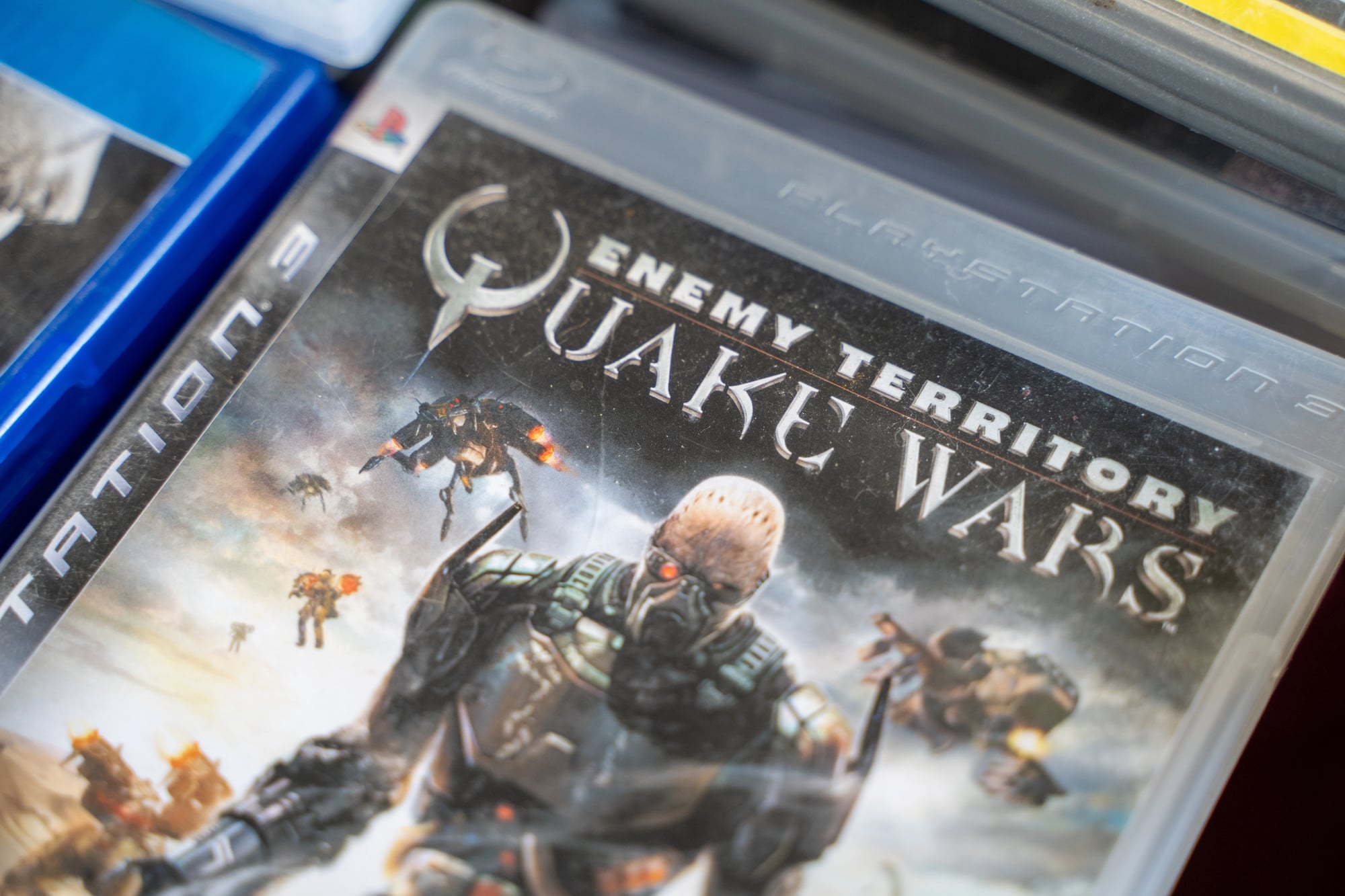
Players in the original Quake discovered they could shoot rockets at their feet and use the explosion to launch themselves across maps. The developers at id Software never planned this move, but when they saw players experimenting with it, they left it in the game.
This technique became so popular that future games in the series actually balanced their level design around it. Competitive players spent hours mastering the timing and angle of rocket jumps to reach hidden areas and gain advantages in matches.
Combos in Street Fighter II

The concept of chaining together multiple hits in fighting games happened purely by accident. Capcom’s programmers didn’t realize players could cancel the animation of one move by immediately starting another.
When testers found they could link attacks together for massive damage, the development team almost removed it. Instead, they kept it in, and the combo system became the foundation of every fighting game that followed.
Players now spend countless hours in training modes perfecting combo strings that started as unintended animation glitches.
Skiing in Tribes

The Tribes series featured jetpacks and futuristic combat, but its most famous feature was never supposed to exist. Players found that tapping the jump button while moving down slopes let them slide across terrain at incredible speeds.
This physics bug turned into the defining mechanic of the entire franchise. The developers embraced it so completely that later games in the series were designed with skiing as a core movement system.
Online matches became races between players gliding across landscapes at speeds the original physics engine never anticipated.
Creeper explosions in Minecraft
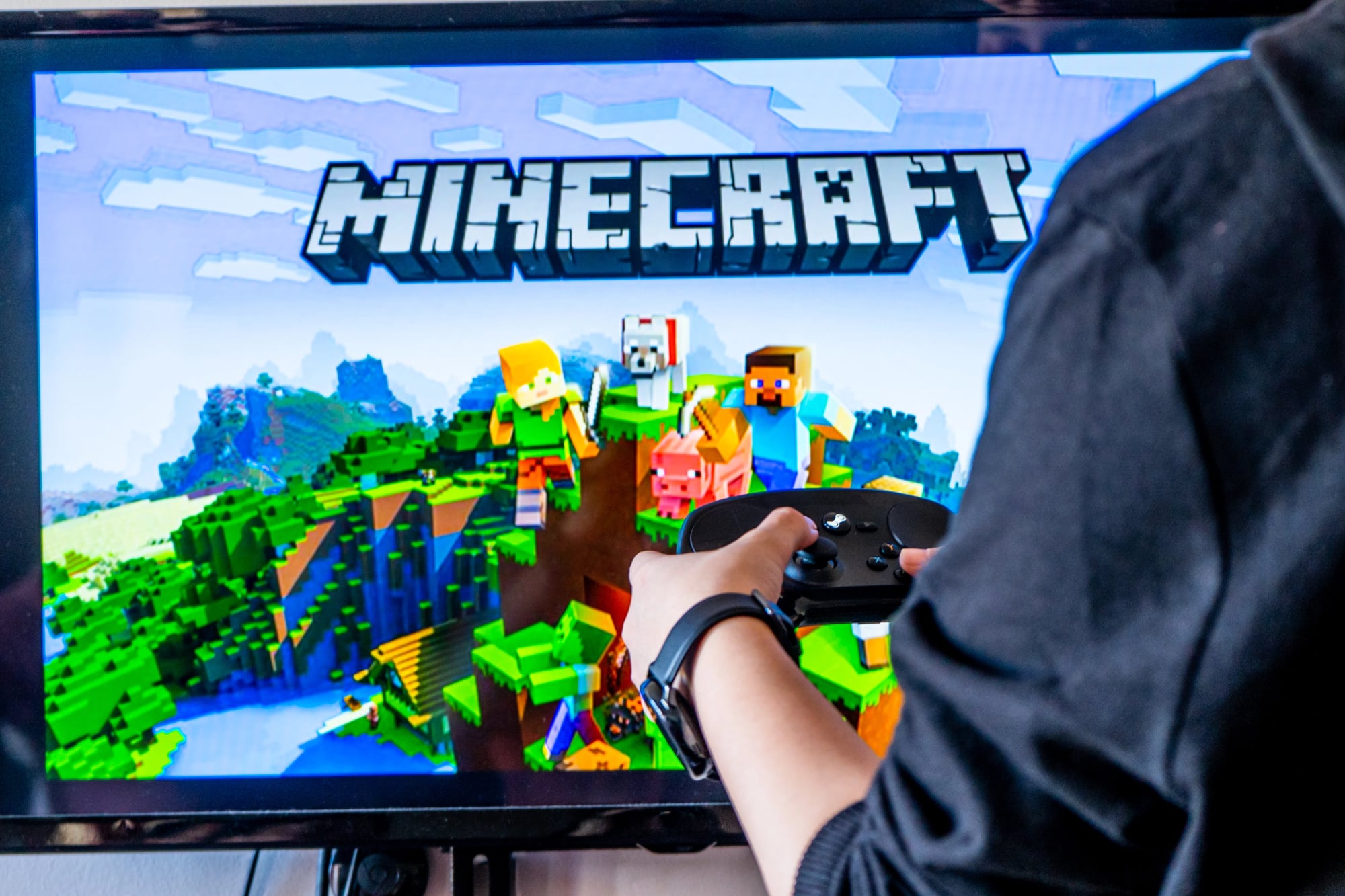
The iconic green monster that haunts Minecraft players started as a coding mistake. Notch, the game’s creator, accidentally swapped the height and length values when creating a pig model.
The result was a tall, standing creature that looked nothing like any animal. Instead of deleting it, he turned it into a hostile mob and added the explosion mechanic later.
Creepers became so beloved that they’re now the symbol of Minecraft, appearing on merchandise and in promotional materials worldwide.
Gandhi’s nuclear aggression in Civilization
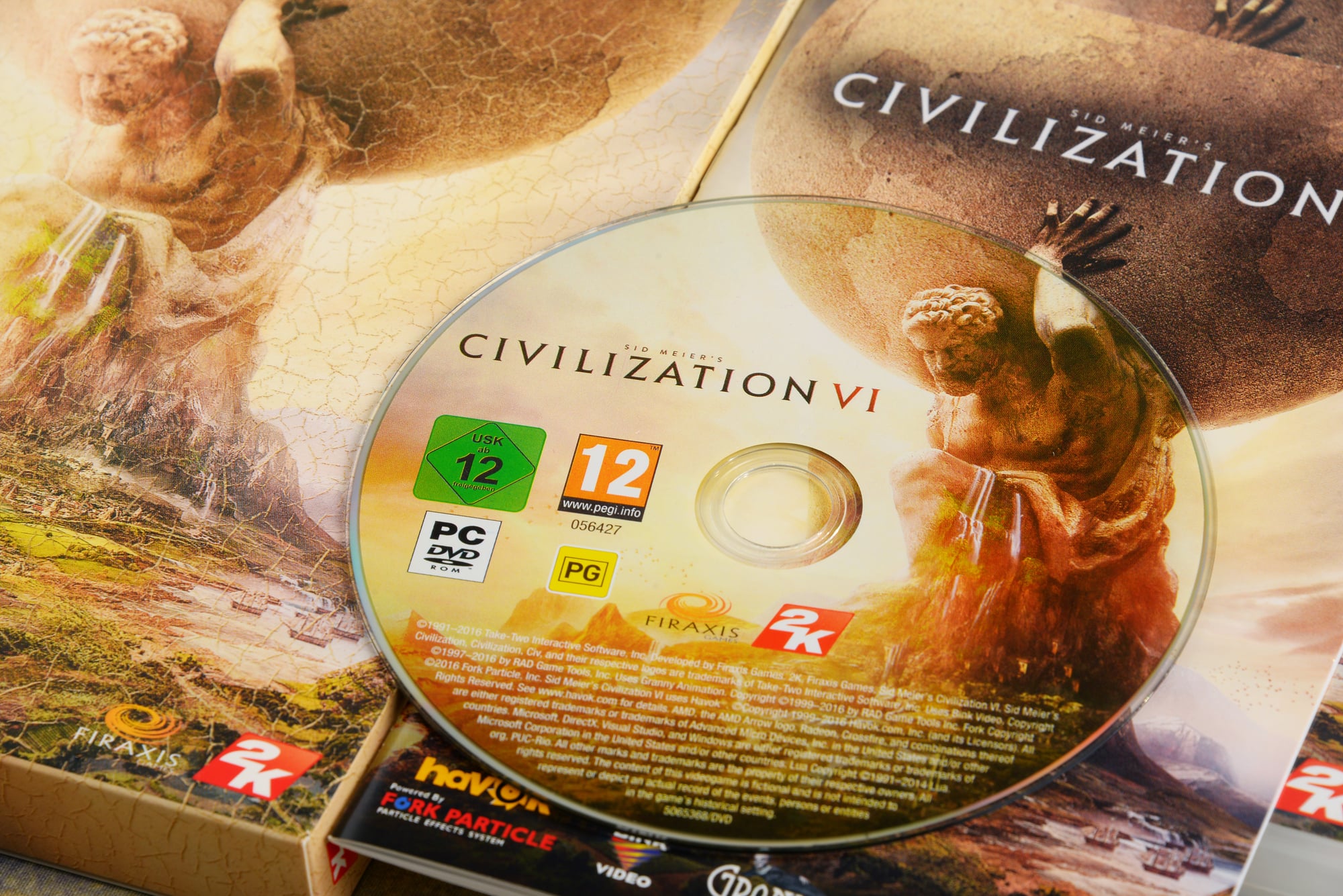
Players of the original Civilization game noticed something strange about the peaceful leader Gandhi. Late in the game, he would suddenly become extremely aggressive and launch nuclear weapons at everyone.
This happened because Gandhi’s aggression rating was set to the lowest possible value, and when players adopted democracy, the game subtracted points from that rating. The number wrapped around to the maximum value, turning him into a warmonger.
The bug was so funny that developers kept it as an intentional feature in later games, and Gandhi’s nuclear tendencies became a running joke in the series.
Bunny hopping in Counter-Strike

The ability to maintain and even increase speed by jumping repeatedly came from the way the Source engine handled momentum. Players discovered that timing jumps perfectly while turning the mouse could build velocity far beyond normal running speed.
Valve initially tried to limit this technique with stamina systems and speed caps. Eventually, they accepted it as part of the game’s skill ceiling, and bunny hopping became a mark of experienced players who understood the engine’s physics quirks.
Wall jumping in Super Mario 64
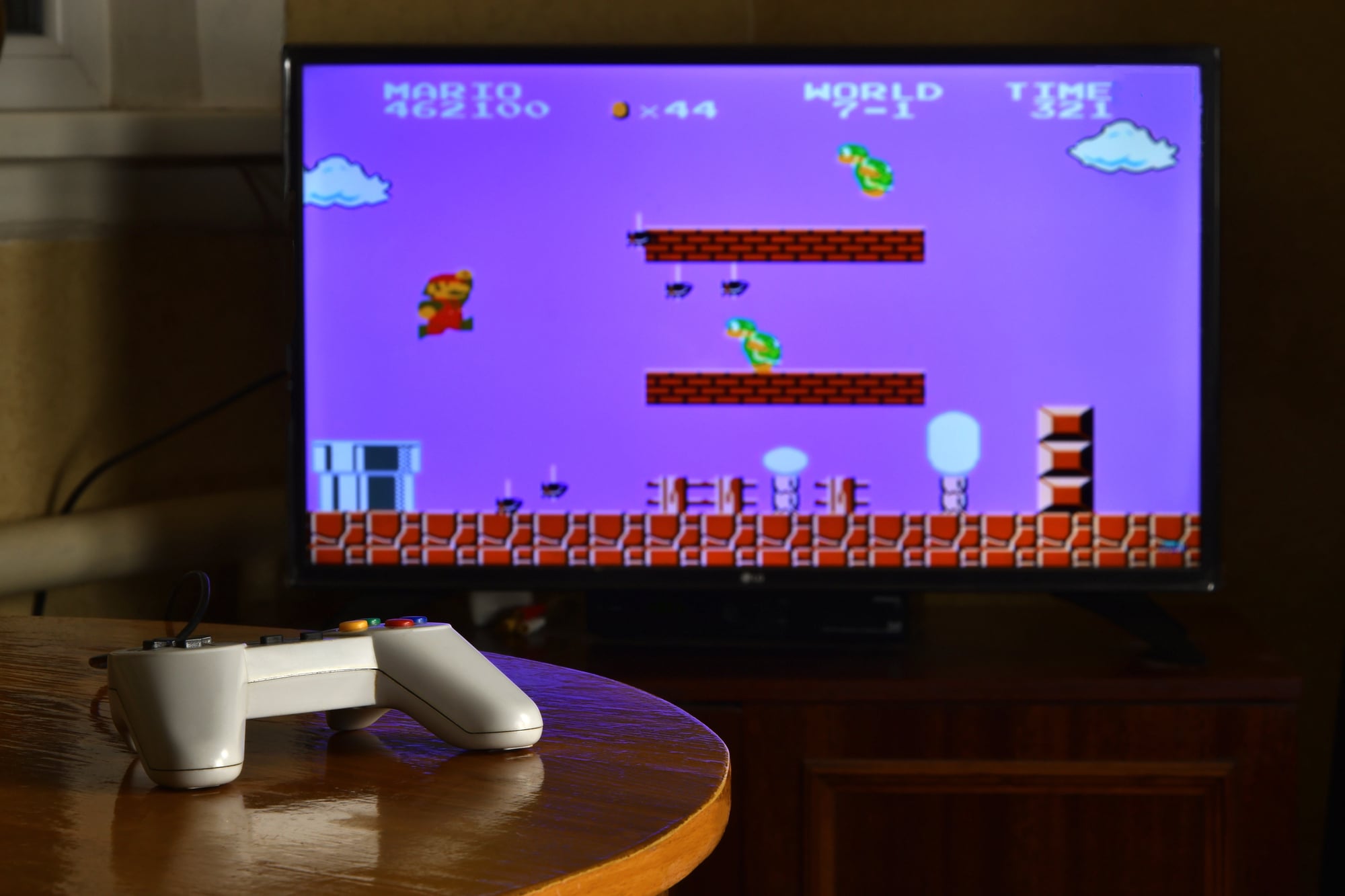
Mario’s ability to leap between two walls wasn’t part of the original design document. The physics engine calculated momentum in a way that let players jump off walls if they hit them at specific angles.
Nintendo’s testers discovered this during development and showed it to the designers. The team liked it so much they adjusted level designs to include areas where wall jumping was necessary.
Future Mario games made wall jumping an official mechanic with refined controls and clearer visual feedback.
Strafe jumping in Quake III Arena
Similar to rocket jumping but requiring no weapons, strafe jumping let players move faster by jumping diagonally and turning their view. The technique exploited how the game added movement vectors together, creating speed that exceeded normal limits.
Professional players turned this into an art form, creating entire racing modes where the goal was to complete courses using only strafe jumping. The developers of Quake III Arena not only kept it but designed some maps specifically to reward players who mastered the technique.
The pause menu glitch in The Legend of Zelda
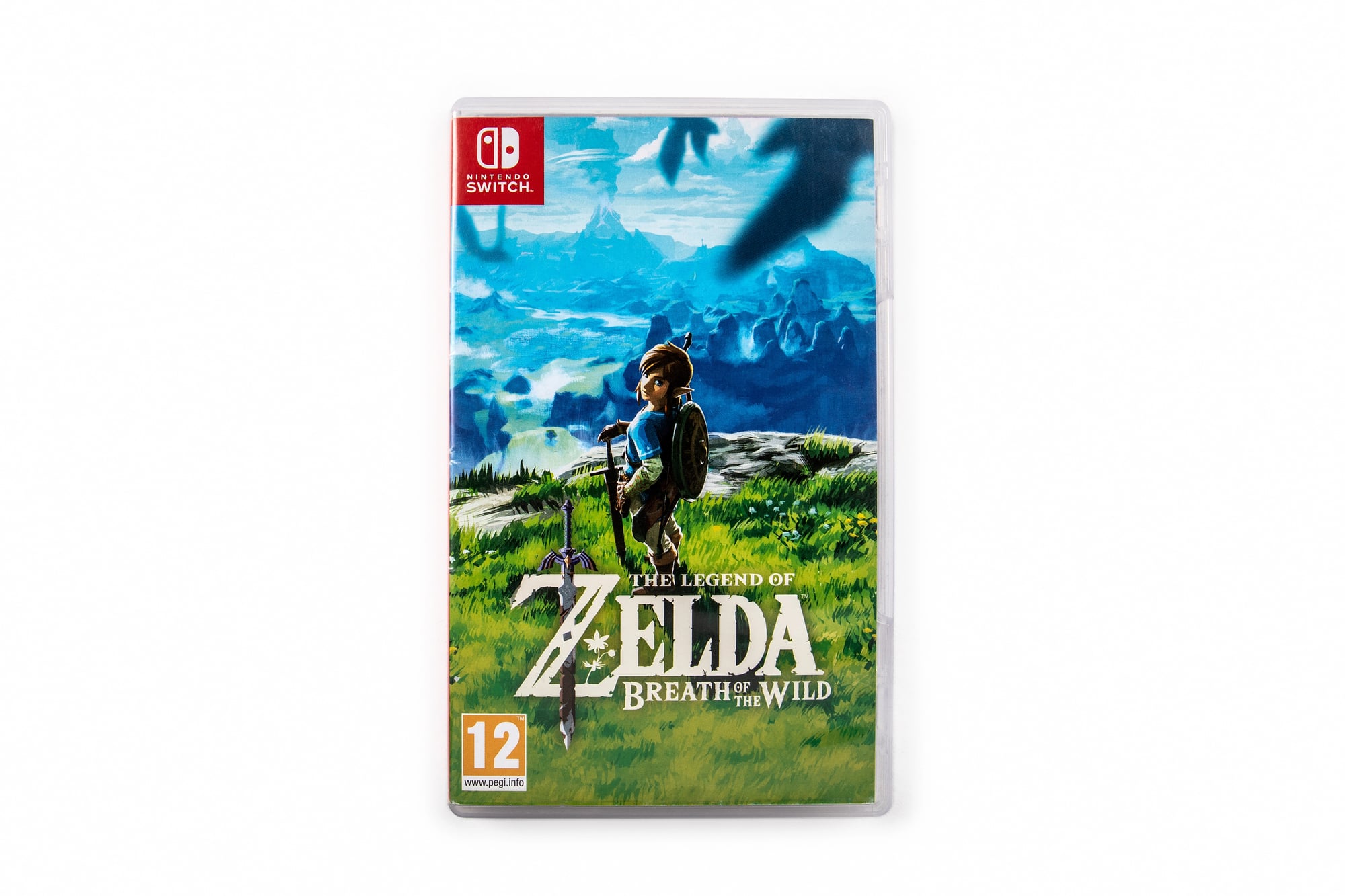
Players found they could pause the game at exact moments during combat to access items without time passing. This wasn’t how the developers intended inventory management to work during battles.
The technique allowed skilled players to switch weapons mid-attack or consume healing items between enemy strikes. Nintendo left this timing quirk in place, and it became part of speedrunning strategies.
Modern Zelda games still allow quick item switching, though it’s now a deliberate design choice rather than an oversight.
Wavedashing in Super Smash Bros. Melee

This advanced technique let characters slide across the ground while maintaining their standing attack options. Players discovered it by air dodging into the ground at diagonal angles, which the physics engine interpreted in unexpected ways.
Nintendo knew about wavedashing before releasing Melee but didn’t consider it game-breaking. Competitive players elevated it to an essential skill, creating a divide between casual and professional play.
The technique was removed in later Smash games, which frustrated the competitive community so much that many still prefer Melee.
The plasma grenade jump in Halo 2

Bungie’s physics system calculated explosive force in a way that let players throw grenades at their feet and jump simultaneously for extra height. This wasn’t intended as a movement option, but players used it to reach areas developers thought were inaccessible.
Map designers for Halo 2 eventually started placing weapons and power-ups in spots that required grenade jumping to reach. The technique became so associated with skilled play that later Halo games included similar mechanics, though more refined and intentional.
Animation canceling in League of Legends

Champions in League of Legends have wind-up animations before their attacks connect, and players found they could issue movement commands to skip the follow-through frames. This let them attack, move, and attack again faster than the animations suggested was possible.
Riot Games initially considered this a bug that gave unfair advantages. After watching professional players use it in tournaments, they realized animation canceling added a skill element that rewarded practice and timing.
The technique is now taught in tutorials and considered essential for high-level play.
The spy’s stab and sap combo in Team Fortress 2

Spies could backstab an engineer and immediately disable their sentry gun so fast that other players couldn’t respond. This sequence wasn’t programmed as a special ability but resulted from how quickly players could switch between knife and sapper.
Valve watched gameplay footage and decided the combo rewarded good positioning and timing rather than breaking game balance. They adjusted other aspects of the spy class around this technique, making it a defining part of how the class plays at high skill levels.
Dolphin diving in Battlefield 2

Sliding while running caused gamers to crash into the ground, yet keep gliding ahead. That way they stayed low for cover without slowing down.
At first, DICE had no clue this move would mess up game fairness so badly. Folks spammed it nonstop to dodge bullets – soon every match looked like people flailing on the floor.
Later Battlefield versions changed how crouching works. Still, fans look back at dolphin dives as pure madness in the franchise.
The demoman’s sticky jump in Team Fortress 2

Like rocket jumps, only with stickies – demos blast off by blowing up traps under their feet. Nobody expected those set-and-forget bombs to become speed boosts.
The game’s push from blasts works on everyone nearby, even the guy who set it off. Soon, high-speed aerial dashes became normal in matches.
Over time, devs tossed in gear made just to tweak how sticky hops feel.
Shield surfing in The Legend of Zelda: Breath of the Wild
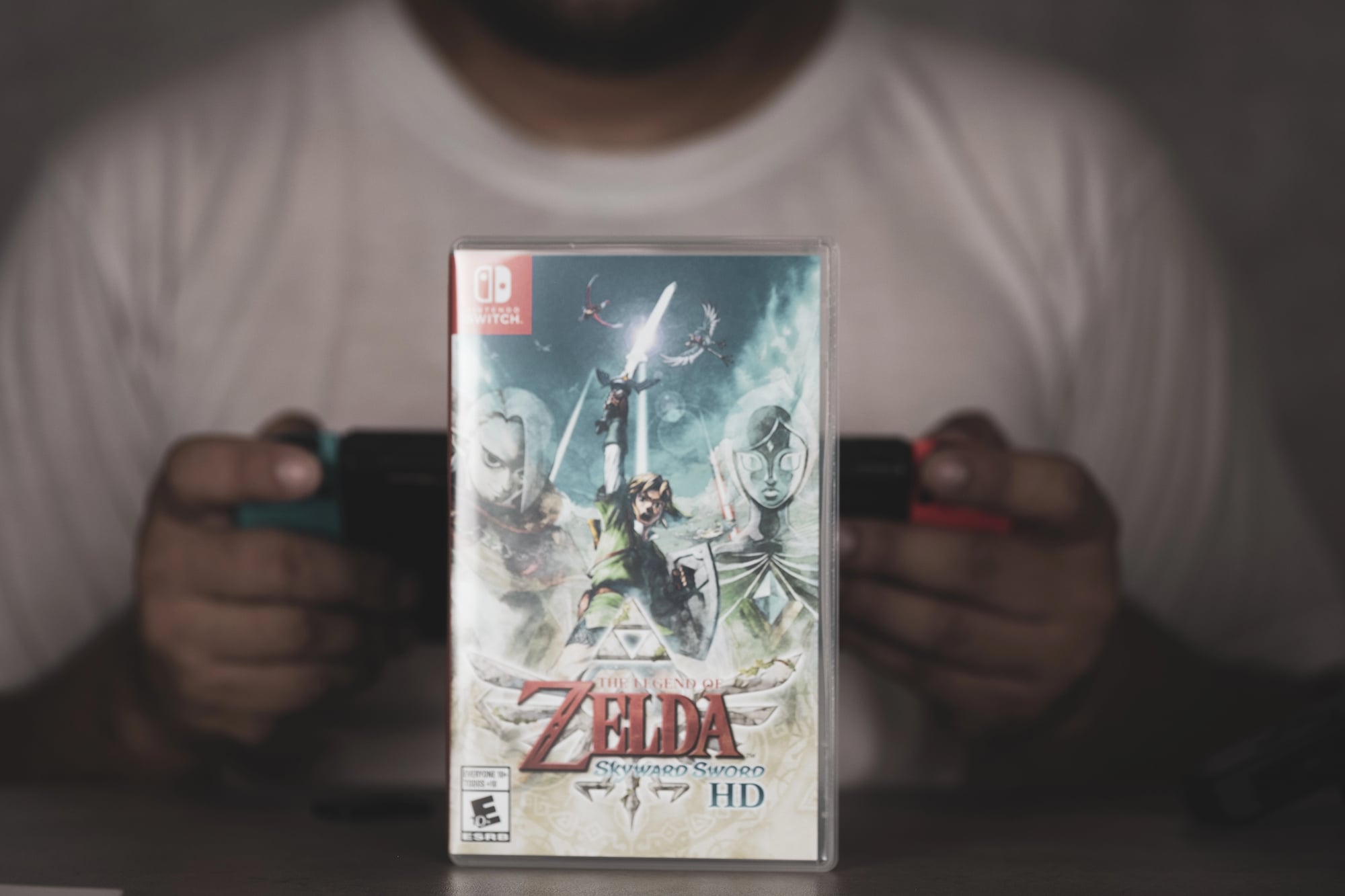
Link can hop onto his shield, then zip down slopes – something Nintendo didn’t plan. Testers found out shields acted differently on inclines, thanks to hidden slip factors.
Instead of deleting it, devs made shields wear faster while gliding, just to keep things fair. Fans went wild for zooming across Hyrule, so the move showed up in trailers and turned into a fan favorite.
Skiing in Apex Legends

Octane’s launch ramp shot gamers sideways, letting them glide nonstop when hitting ramps just right. Respawn’s game engine carried old speed glitches forward – players who knew how to use them were smart.
That motion spread fast; devs held onto it, tossing in heroes built for slick tricks. Today’s top Apex competitors lean on ground gliding daily, making map smarts mean staying alive.
A story told through lines of code

Those crashes show gamers sometimes get the game more than devs ever did. Stuff seen as broken while building turned into what shaped whole types of play.
Designers started checking forums, noticing when glitches sparked magic. A flaw or a breakthrough? Hard to say – yet games gained depth whenever studios leaned into disorder instead of patching it out.
More from Go2Tutors!

- The Romanov Crown Jewels and Their Tragic Fate
- 13 Historical Mysteries That Science Still Can’t Solve
- Famous Hoaxes That Fooled the World for Years
- 15 Child Stars with Tragic Adult Lives
- 16 Famous Jewelry Pieces in History
Like Go2Tutors’s content? Follow us on MSN.