Ancient Aztec rituals that shaped their empire
The Aztec Empire stands as one of history’s most fascinating civilizations, built not just on military strength but on deeply rooted spiritual practices that guided every aspect of life. When Spanish conquistadors first set foot in Tenochtitlan, they found themselves in a world where gods walked among mortals and daily life pulsed with sacred rhythms.
These weren’t just random customs or simple traditions – they were powerful forces that held an entire empire together, shaping how millions of people lived, worked, and understood their place in the universe. Let’s dive into the ceremonies and practices that made the Aztec Empire one of the most organized and spiritually driven societies the world has ever seen.
The sacred calendar that ruled everything

The Aztecs used a sacred calendar known as the tonalpohualli or ‘counting of the days’, which became the backbone of their entire religious and social system. This 260-day cycle wasn’t just about keeping time – it determined when people got married, when they planted crops, and when they held their most important ceremonies.
Every single day had its own personality, its own energy, and its own demands. Priests used this calendar to determine the best days for activities such as sowing crops, building houses, and conducting specific ceremonies.
The calendar was so important that it shaped the empire’s very heartbeat, making sure everything happened at the right cosmic moment.
Monthly festivals that brought gods to earth

Every month had at least one major religious ceremony honoring a god or gods. Most of these ceremonies were related to the agricultural season, the sowing of corn or the harvest of fruits.
These weren’t quiet prayer sessions or small gatherings. Picture entire cities stopping their work to celebrate, with thousands of people filling the streets and plazas.
These festivals often included music, dance, and theatrical performances that depicted mythological narratives. The celebration of these festivals was a communal effort, involving the entire society, and served to reinforce cultural identity and social cohesion.
The festivals were like giant community parties that happened to have deep spiritual meaning attached to them.
Like Go2Tutors’s content? Follow us on MSN.
God impersonation ceremonies
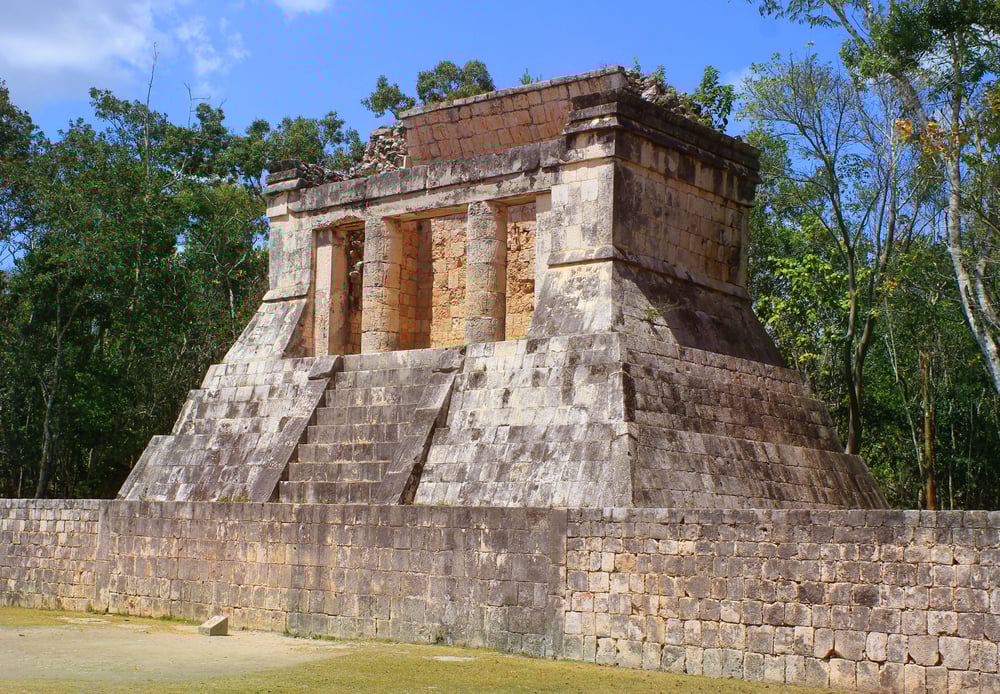
In almost all major ceremonies an individual was chosen to impersonate the god, dressing as him or her. These people weren’t just wearing costumes – they actually became the god for the duration of the ceremony.
The chosen person would eat special foods, wear sacred clothes, and act exactly as the god would act. Sometimes this honor lasted for months, with the entire community treating this person as a living deity.
The god-impersonator would receive the best food, the finest clothes, and complete respect from everyone they met. This practice made the gods feel real and present in daily life.
The flower wars for sacred prisoners
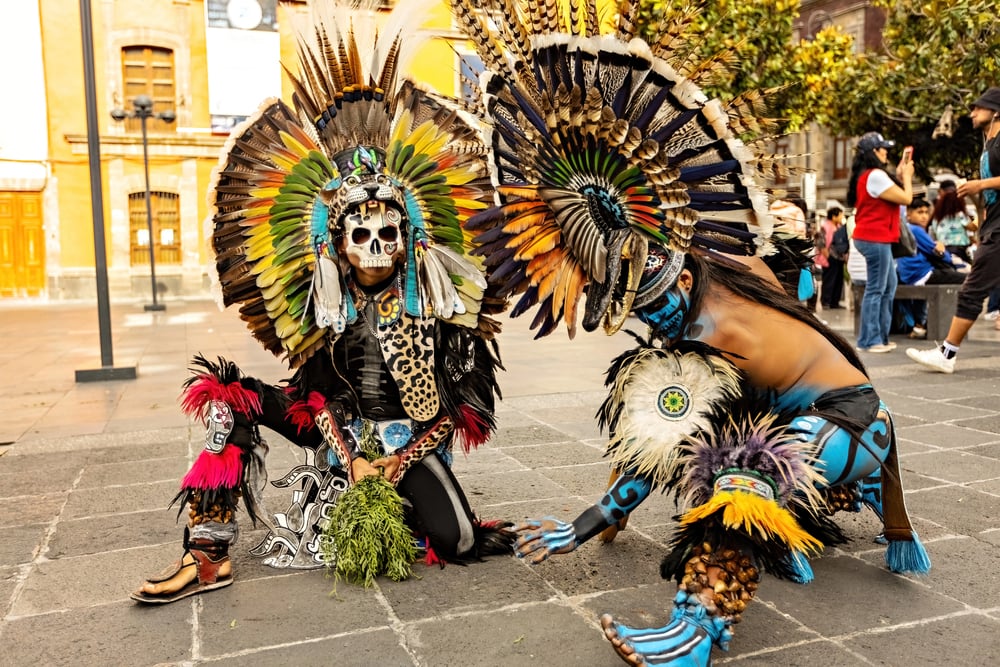
The flower wars were a ritual among the cities of the Aztec Triple Alliance and Tlaxcala, Huexotzingo and Cholula. These weren’t regular battles fought for land or treasure.
They were carefully planned conflicts designed to capture prisoners for religious ceremonies. This form of ritual was introduced probably after the mid-1450s following droughts, as famine caused many deaths in the Mexican highlands.
The droughts and damage to crops were believed to be punishment by gods who felt unappreciated and improperly honored. The flower wars became a way to keep the gods happy while also training warriors and maintaining relationships with neighboring cities.
Heart removal ceremonies on temple pyramids

The most famous Aztec ritual involved removing hearts from living people on top of their great pyramid temples. Aztec priests, using obsidian blades, sliced open the chests of sacrificial victims and offered their still-beating hearts to the gods.
This wasn’t done out of cruelty but from a genuine belief that human hearts were the most precious gift they could offer to the gods. The temples were designed specifically for these ceremonies, with stone altars positioned to catch blood and steep stairs that allowed crowds below to witness the offerings.
These events were public spectacles that reminded everyone of their relationship with the divine.
Like Go2Tutors’s content? Follow us on MSN.
Daily bloodletting by priests and nobles

Not all blood offerings required taking lives. Priests and nobles regularly pierced their own ears, tongues, and other body parts to offer their blood to the gods.
They used sharp obsidian blades, cactus thorns, and specially made tools to draw blood several times each day. This practice showed dedication and kept the gods satisfied between major ceremonies.
Many Aztec artworks show priests with blood streaming down their faces or bodies, which was considered a sign of holiness rather than injury. The daily bloodletting created a constant connection between the human and divine worlds.
The New Fire ceremony every fifty-two years
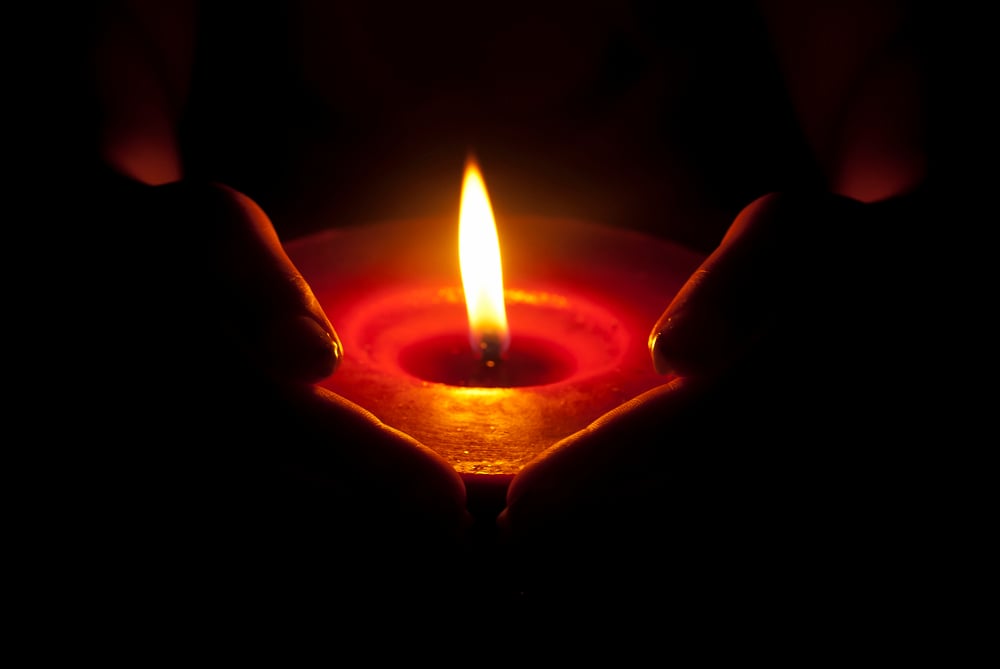
Every 52 years, the Aztecs held their most important ceremony called the New Fire. This event marked the end of one calendar cycle and the beginning of another.
All fires throughout the empire were put out, and people threw away their old belongings and cleaned their houses completely. On the night of the ceremony, priests climbed to the top of a mountain and started a new fire by drilling into a piece of wood placed on the chest of a person who had been offered to the gods.
If the fire caught, it meant the world would continue for another 52 years. The new fire was then carried to every temple and home in the empire, literally lighting up a new age.
Agricultural blessing rituals
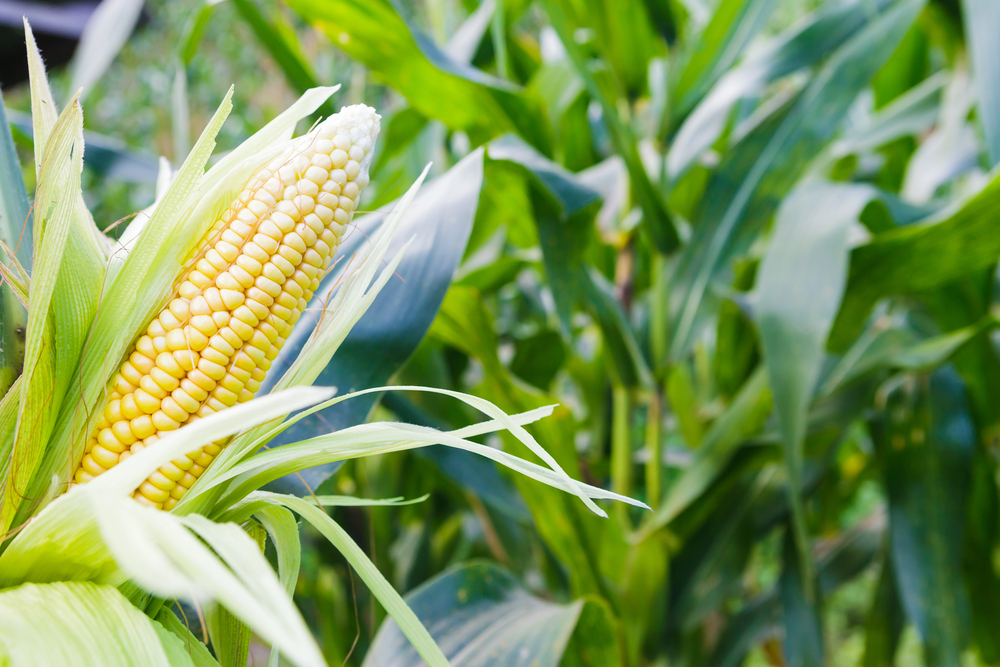
Most of these ceremonies were related to the agricultural season, the sowing of corn or the harvest of fruits. The Aztecs understood that their empire depended completely on successful crops, so they developed elaborate ceremonies to ensure good harvests.
They would bless seeds before planting, perform rain dances during dry spells, and hold thanksgiving ceremonies after harvest. These rituals often involved offerings of the first fruits, special songs sung to the corn goddess, and dances that imitated the growing of plants.
The ceremonies connected farmers directly to the gods who controlled weather and fertility.
Like Go2Tutors’s content? Follow us on MSN.
Temple dedication rituals

When the Aztecs built a new temple, they held massive dedication ceremonies that could last for days. These events involved offerings, dancing, feasting, and the installation of sacred objects inside the temple.
The dedication of the Great Temple in Tenochtitlan reportedly involved thousands of people being offered to the gods over several days. These ceremonies weren’t just about blessing new buildings – they were about creating sacred spaces where gods could live among humans.
The bigger and more important the temple, the bigger and more elaborate the dedication ceremony needed to be.
Warrior initiation ceremonies

Young Aztec men couldn’t become full warriors just by learning to fight. They had to go through sacred initiation ceremonies that tested their courage and dedication.
These rituals often involved fasting, staying awake for days, enduring pain, and completing dangerous tasks. The ceremonies usually ended with the new warrior receiving his first weapons and war costume in front of the entire community.
Some initiation rites required young men to capture enemies in battle or complete pilgrimages to sacred sites. These ceremonies made sure that Aztec warriors were not just skilled fighters but also spiritually prepared defenders of their empire.
Death and burial ceremonies
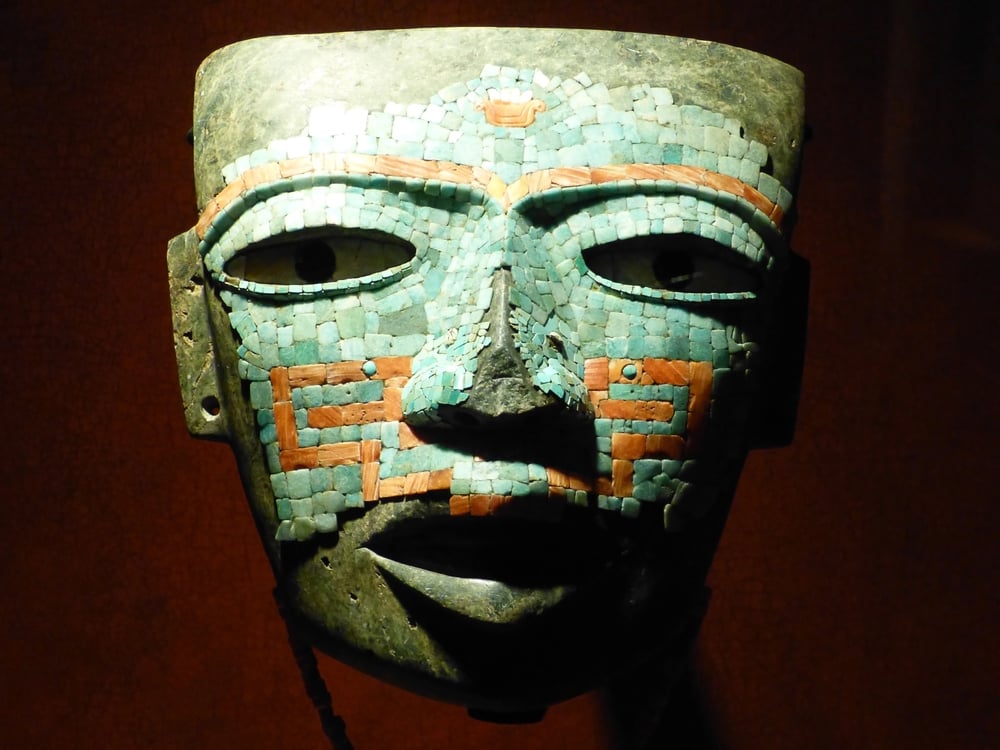
The Aztecs had different burial rituals depending on how a person died and their place in society. Warriors who died in battle and women who died in childbirth received the highest honors because they were considered to have died serving the empire.
Their bodies were cremated with great ceremony, and their spirits were believed to accompany the sun on its daily journey across the sky. Common people were usually buried with tools, food, and other items they would need in the afterlife.
The funeral ceremonies helped families say goodbye while also ensuring that the dead person’s spirit could travel safely to the next world.
Like Go2Tutors’s content? Follow us on MSN.
Priestly training and ordination rituals

Becoming an Aztec priest required years of training and several initiation ceremonies. Young people who wanted to serve the gods had to prove their dedication through fasting, meditation, self-bloodletting, and memorizing hundreds of prayers and songs.
The final ordination ceremony involved ritual purification, receiving sacred tools and clothing, and taking vows to serve the gods for life. Many priests lived in the temples and followed strict rules about what they could eat, when they could sleep, and how often they had to perform rituals.
The training ceremonies made sure that only the most dedicated people became priests.
Market blessing ceremonies

Even commerce had its sacred side in the Aztec Empire. Before major market days, priests would perform ceremonies to ensure fair trade and honest dealing.
These rituals involved blessing the scales and measures used by merchants, offering prayers to gods of trade and abundance, and sometimes choosing someone to oversee the market as a representative of the gods. The ceremonies helped create trust between buyers and sellers while also making sure that the gods received their share of the empire’s prosperity through offerings and taxes.
Markets weren’t just places of business but sacred spaces where divine and human interests came together.
House blessing and construction rituals
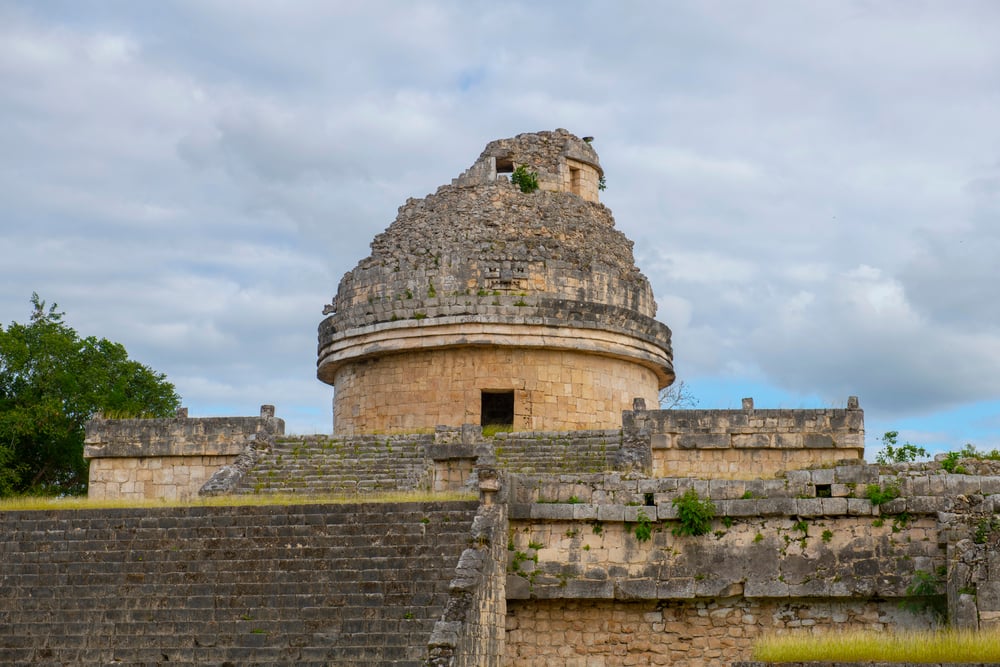
When Aztec families built new homes, they always held ceremonies to make sure the house would be safe and prosperous. These rituals usually involved burying offerings in the foundation, sprinkling the site with blessed water, and performing dances to call good spirits to live there.
The house blessing ceremonies often included the entire neighborhood, creating community bonds while also ensuring divine protection. Some houses required more elaborate ceremonies, especially if they were built for nobles or priests.
The rituals turned simple construction projects into sacred acts that connected families to both their community and their gods.
Like Go2Tutors’s content? Follow us on MSN.
Eclipse and celestial event ceremonies

The Aztecs watched the sky constantly and held special ceremonies whenever they saw eclipses, comets, or unusual star formations. They believed these events were signs from the gods that required immediate attention and specific rituals.
Eclipse ceremonies often involved mass gatherings where people would shout, bang drums, and shoot arrows at the darkened sun or moon to help it fight off the demons that were trying to devour it. These celestial events were seen as cosmic battles that humans needed to help win through their ceremonies and offerings.
Seasonal transition rituals
The change from one season to another never happened quietly in the Aztec world. Each transition required specific ceremonies to help the world move smoothly from one phase to another.
Spring ceremonies focused on fertility and new growth, summer rituals celebrated abundance and strength, fall ceremonies gave thanks for harvests, and winter rites helped the world survive the dark months. These seasonal ceremonies involved entire communities and often lasted for several days.
They made sure that human society stayed in harmony with the natural cycles that governed all life.
Diplomatic and treaty ceremonies
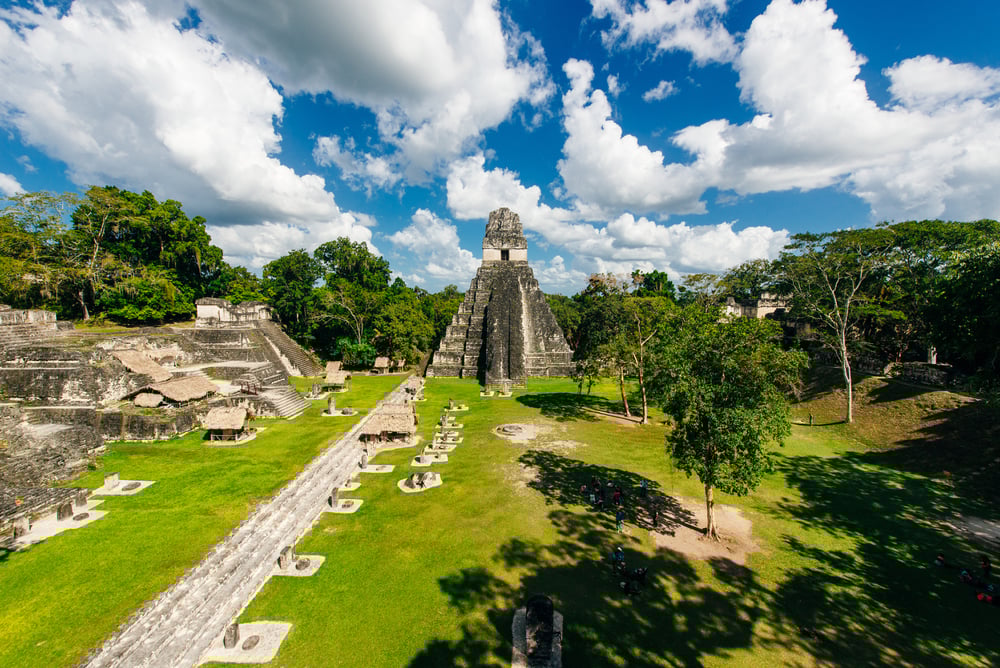
When Aztec leaders met with representatives from other cities or tribes, they always held elaborate ceremonies to seal their agreements. These diplomatic rituals involved exchanging gifts, sharing special foods, performing dances, and making offerings to the gods who would witness and enforce the treaty.
The ceremonies were often more important than the actual negotiations because they created sacred bonds between the groups involved. Breaking a treaty made during a religious ceremony wasn’t just a political problem – it was an offense against the gods that could bring disaster to the entire community.
Like Go2Tutors’s content? Follow us on MSN.
Coming-of-age ceremonies for children
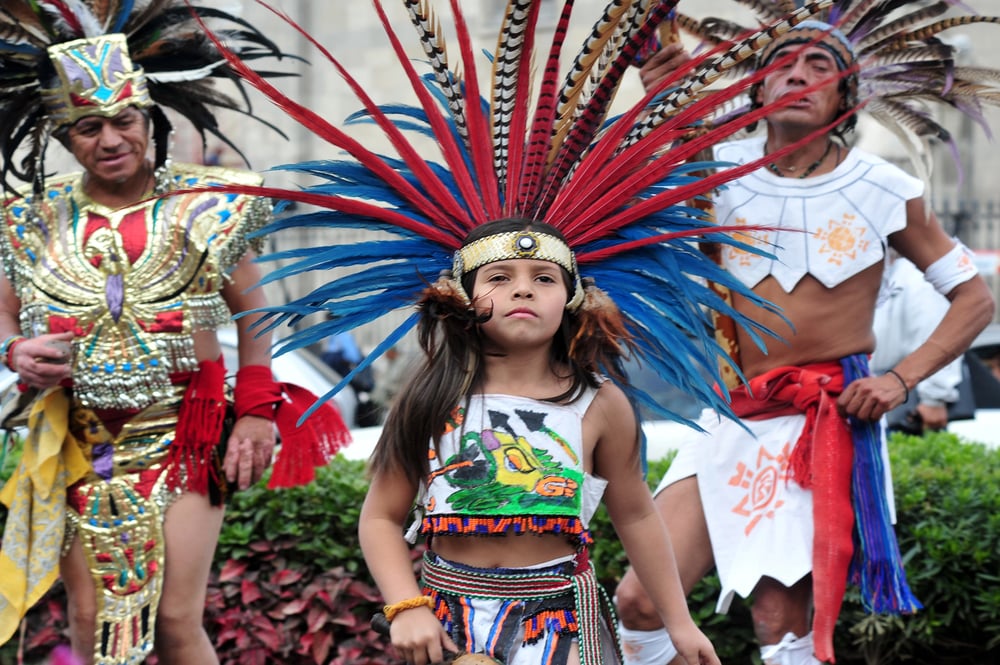
Aztec children went through several ceremonies as they grew up, each one marking their progress toward full adulthood. These rituals often involved tests of courage, learning sacred songs and dances, receiving new names, and making their first offerings to the gods.
The most important ceremony happened when children reached their teenage years and had to choose whether to become warriors, priests, or craftspeople. The coming-of-age ceremonies helped young people understand their place in society while also connecting them to the spiritual traditions that held their empire together.
Temple cleaning and maintenance rituals
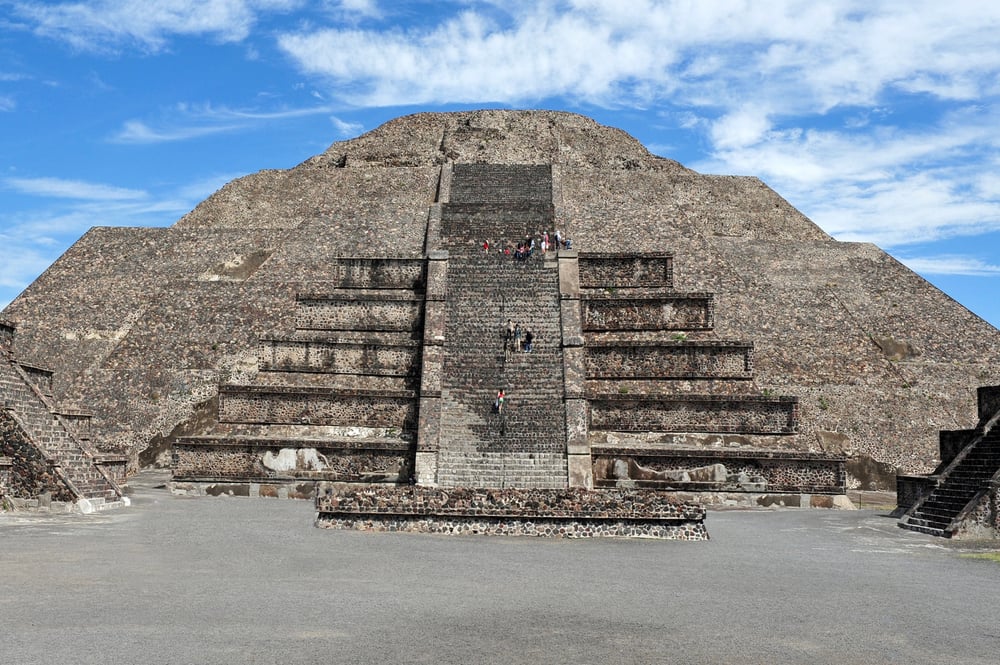
The great temples of the Aztec Empire required constant care, and even cleaning them was a sacred act. Special ceremonies marked the regular washing of temple floors, the replacement of offerings, and the repair of sacred decorations.
These maintenance rituals often involved entire groups of priests working together while singing prayers and burning incense. The ceremonies made sure that the temples stayed pure and worthy of the gods who lived there.
Some cleaning rituals happened daily, while others occurred only during important festivals or after major ceremonies.
Where ancient wisdom meets today’s world
The elaborate ritual system of the Aztecs created one of the most organized and unified empires in human history by weaving together religion, government, agriculture, and social life into a single sacred pattern. These ceremonies weren’t just quaint customs or primitive superstitions – they were sophisticated tools for building community, managing resources, and creating shared meaning among millions of people.
Today, as we struggle with questions about how to build sustainable communities and find purpose in increasingly complex societies, the Aztec approach to integrating spiritual practice with daily life offers valuable insights. Their understanding that human communities need regular ceremonies and shared rituals to stay healthy and united remains as relevant now as it was five hundred years ago in the great temples of Tenochtitlan.
More from Go2Tutors!

- 16 Historical Figures Who Were Nothing Like You Think
- 12 Things Sold in the 80s That Are Now Illegal
- 15 VHS Tapes That Could Be Worth Thousands
- 17 Historical “What Ifs” That Would Have Changed Everything
- 18 TV Shows That Vanished Without a Finale
Like Go2Tutors’s content? Follow us on MSN.