27 Myths and Legends Directly Tied to Specific Phases of the Moon
Long before anyone understood why the moon changed shape, every culture on earth had already developed an explanation. Those explanations turned into stories, the stories turned into belief systems, and the belief systems shaped calendars, laws, planting seasons, and the way people understood their own emotional lives. The moon wasn’t just a nightlight — it was a narrative engine.
What makes these myths particularly striking is how often they did the same explanatory work from entirely different directions. Wolves chasing the moon across the sky. A goddess stranded on a cold white surface. A rabbit pounding herbs with a mortar and pestle. A god dimmed for hesitating.
All of them answers to the same unanswerable question: why does it change?
The Werewolf And the Full Moon — European Folklore
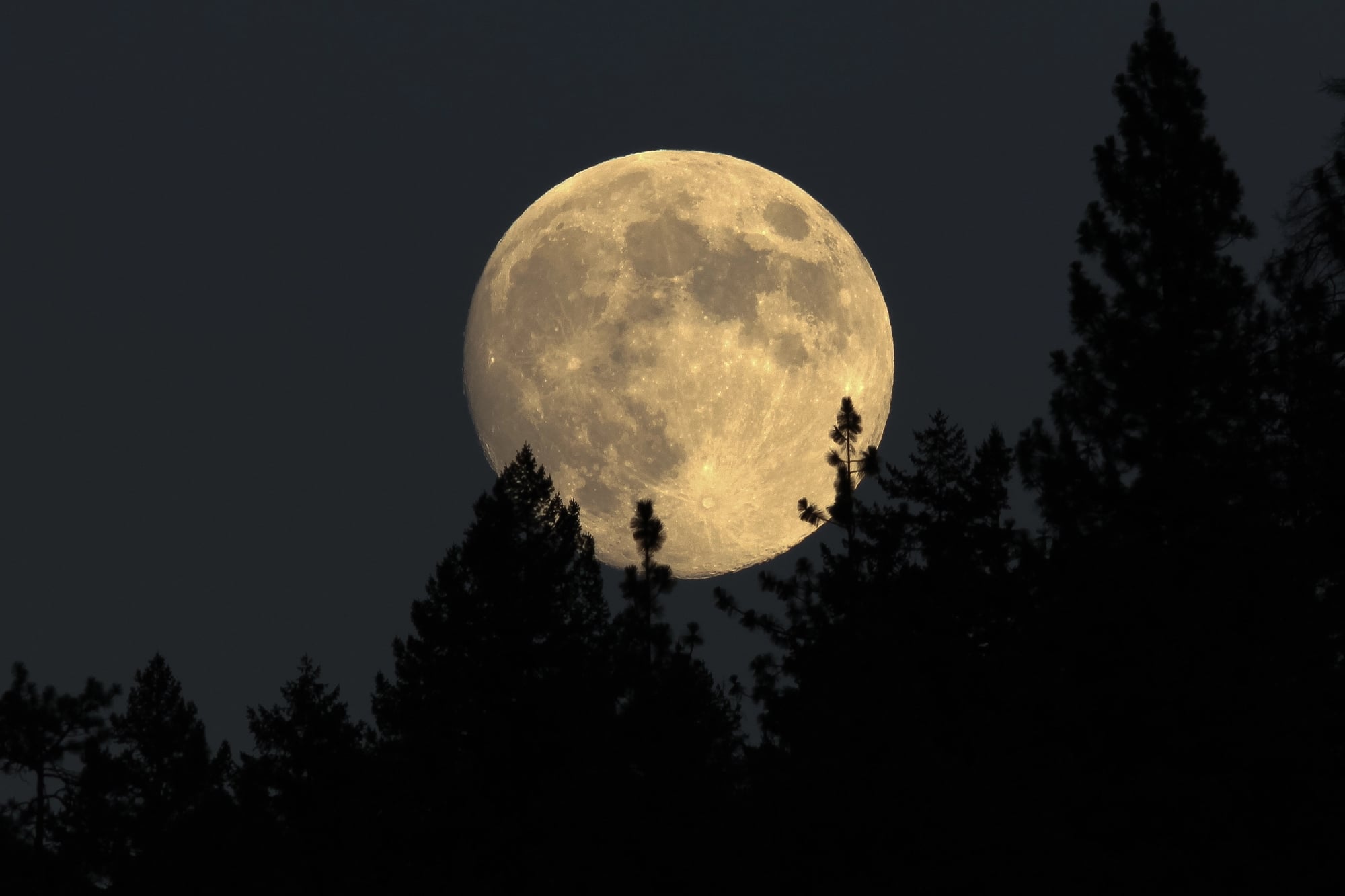
The link between the full moon and human transformation into a wolf is one of the most deeply embedded ideas in Western folklore, but earlier werewolf traditions did not always require a full moon at all. The lunar connection was strengthened over centuries, reaching its modern familiar form largely through 18th and 19th century European literature.
The underlying fear the myth encodes is real and ancient: the idea that civilization is a thin surface, and the right conditions — a bright enough night, a dark enough impulse — can strip it away entirely.
Chang’e And the Elixir of Immortality — China (Full Moon)
The Chinese moon goddess Chang’e is associated with the full moon, particularly the full moon of the eighth lunar month. In the most common version of her story, Chang’e drank an elixir of immortality that had been stolen from the gods, either to prevent a villain from taking it or out of curiosity depending on the telling, and was carried by its power to the moon, where she has lived ever since.
The full moon of the Mid-Autumn Festival is considered the night she is most visible and most present, which is why families gather to gaze at it together — they are, in a sense, visiting her.
The Jade Rabbit — China And Mesoamerica (Full Moon)
The image of a rabbit on the moon’s surface appears independently in Chinese folklore and in several Mesoamerican traditions, a striking case of different cultures arriving at the same reading of the same shadows. In Chinese legend, the Jade Rabbit lives on the moon alongside Chang’e, pounding the elixir of immortality with a mortar.
In Aztec mythology, the rabbit got there when the gods struck the bright face of the moon to dim it — leaving the outline of a rabbit behind as a permanent mark.
Tecuciztecatl — Aztec (Full Moon)
In Aztec cosmology, the creation of the sun and moon required the gods to sacrifice themselves. Tecuciztecatl, a proud and boastful god, was originally intended to become the sun.
But when the moment came to leap into the sacrificial fire, he hesitated four times — his courage failing at the crucial instant. Another god, the humble Nanahuatzin, leapt first and became the sun.
When Tecuciztecatl finally jumped, he became the moon — but because he had hesitated, the gods struck the moon with a rabbit to dim its brightness, ensuring the sun would outshine it permanently.
Selene And Endymion — Ancient Greece (Full Moon)
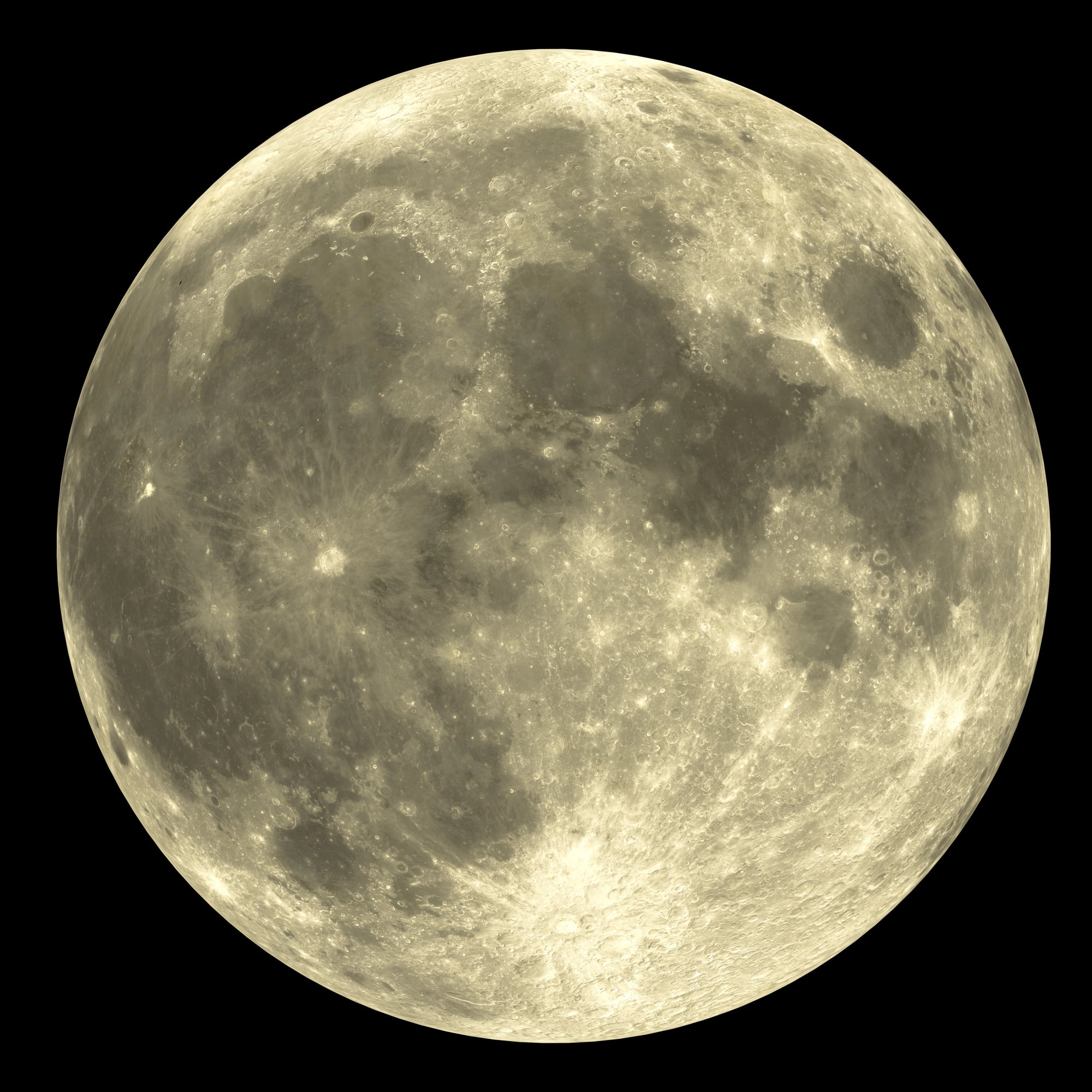
Selene, the Greek Titaness who drove the moon chariot across the night sky, fell in love with a beautiful mortal shepherd named Endymion and visited him each night while he slept on Mount Latmos. To preserve his youth and beauty forever, Selene either asked Zeus to grant him eternal sleep or Endymion chose it himself, depending on the source.
He sleeps still, eternally young, visited each night by the moon. The story is one of the earliest recorded meditations on the problem of loving something mortal when you yourself are not.
Hecate And the Dark of the Moon — Ancient Greece (New Moon / Waning Moon)
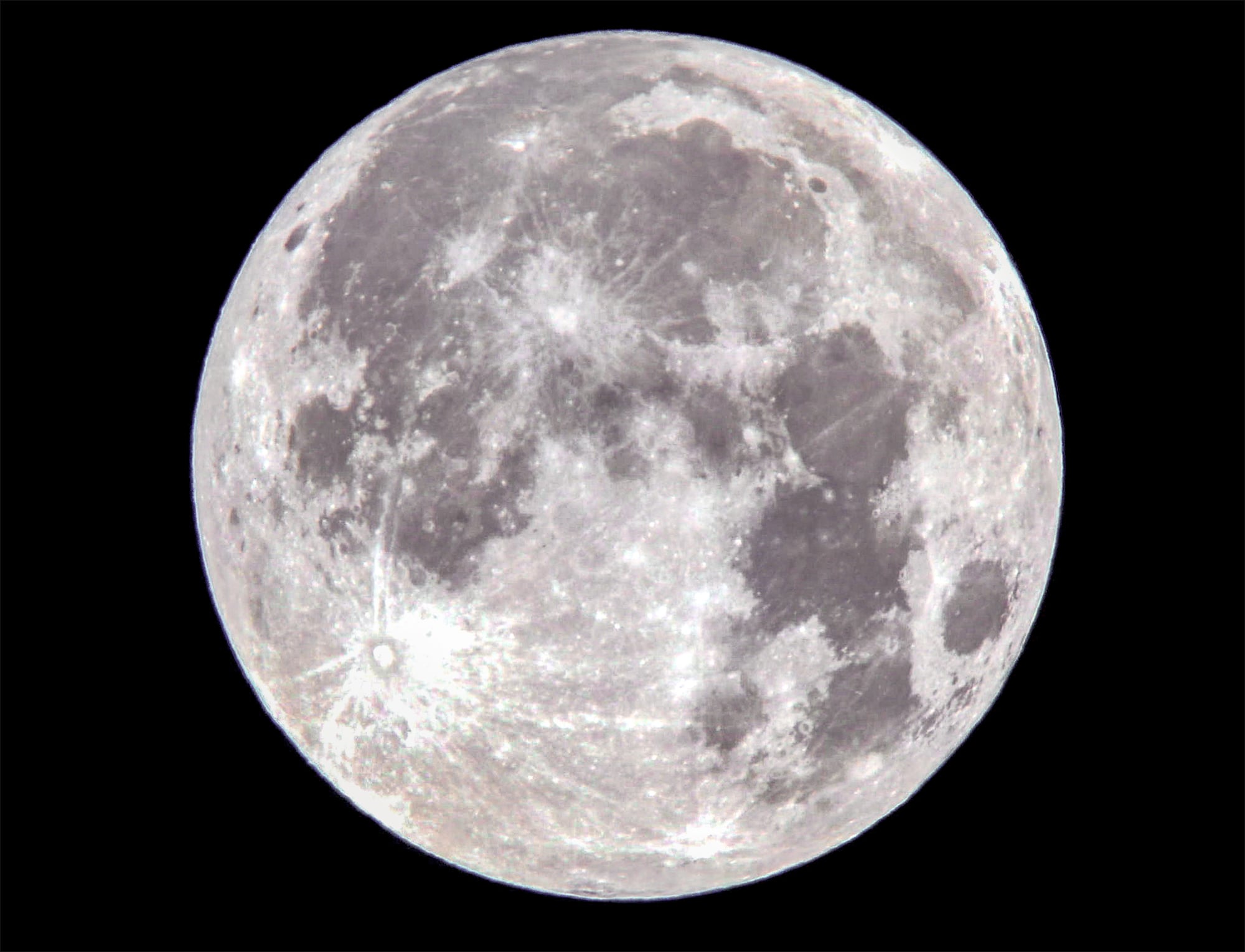
Hecate, goddess of crossroads, witchcraft, and the liminal, was specifically associated with the dark moon — the period when no moon is visible at all. This made her the counterpart to Selene’s luminous full moon, representing the hidden, the unknown, and the transition between states.
Offerings called Hecate’s Suppers were left at crossroads on the dark moon, and the night itself was considered populated by spirits and shades following in her retinue. For the Greeks, the absence of the moon was not emptiness — it was a different kind of presence.
Tsukuyomi And the Estrangement of Sun And Moon — Japan
The Japanese moon god Tsukuyomi was born from the right eye of the creator god Izanagi during a ritual purification. He was originally married to his sister Amaterasu, the sun goddess.
The estrangement that explains why the sun and moon never appear in the sky together came after Tsukuyomi killed Uke Mochi, the goddess of food, when she prepared a meal using methods he considered disgusting. Amaterasu was horrified and declared she would never look upon him again — and so, in the Shinto account, day and night were born out of a divine falling-out.
Máni And the Wolves — Norse (Full Moon And Waning Moon)
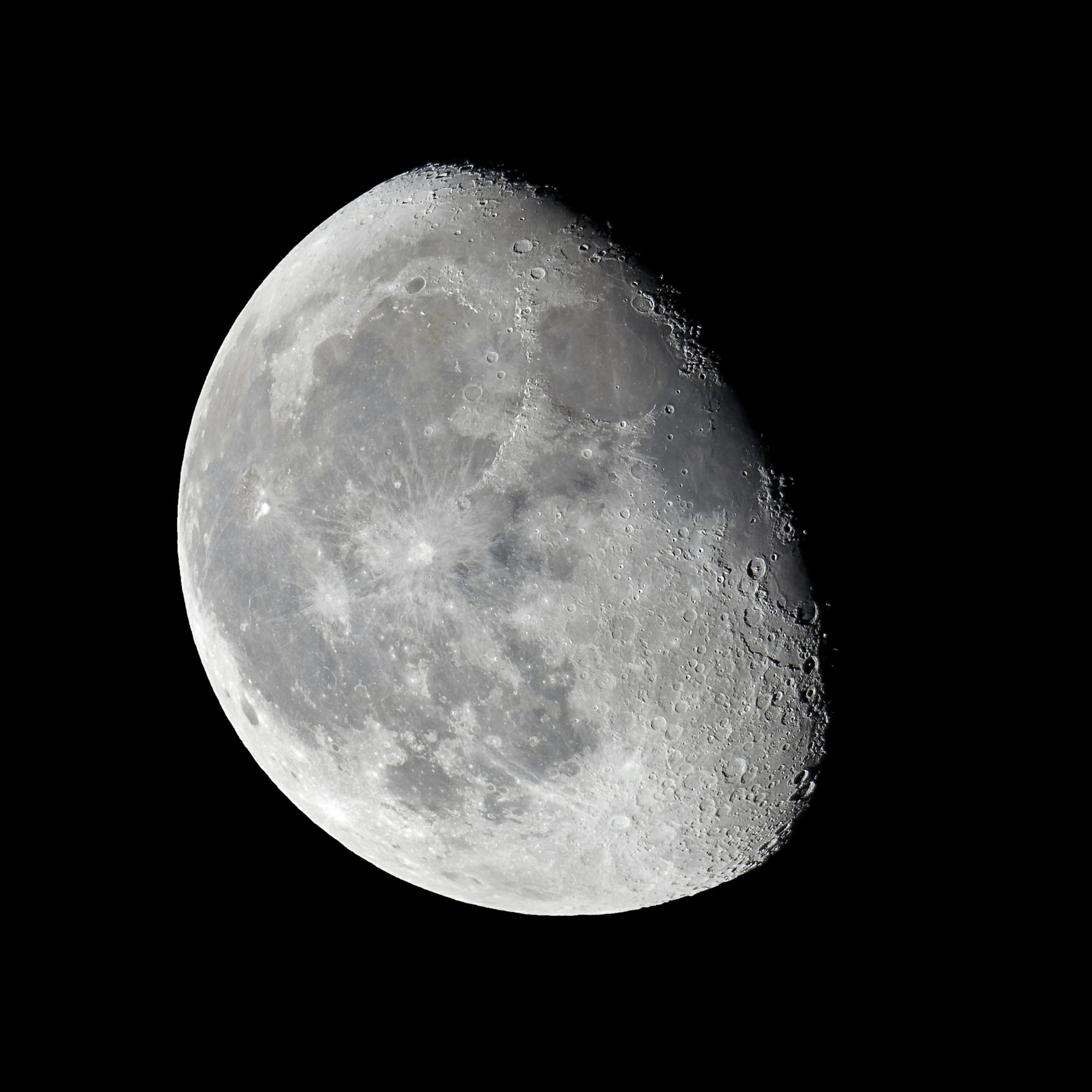
In Norse cosmology, the moon is a male figure named Máni who drives a chariot across the sky each night, perpetually pursued by a wolf named Hati. The waning of the moon was understood as Hati getting closer.
At the time of Ragnarök — the end of the world — Hati would finally catch and devour Máni, plunging the world into darkness. The Norse also credited Máni with kidnapping two children, Hjuki and Bil, who accompany him in his nightly journey.
Some scholars see in Hjuki and Bil a possible origin for the nursery rhyme about Jack and Jill.
Chandra’s Curse — Hindu Mythology (Waxing And Waning)
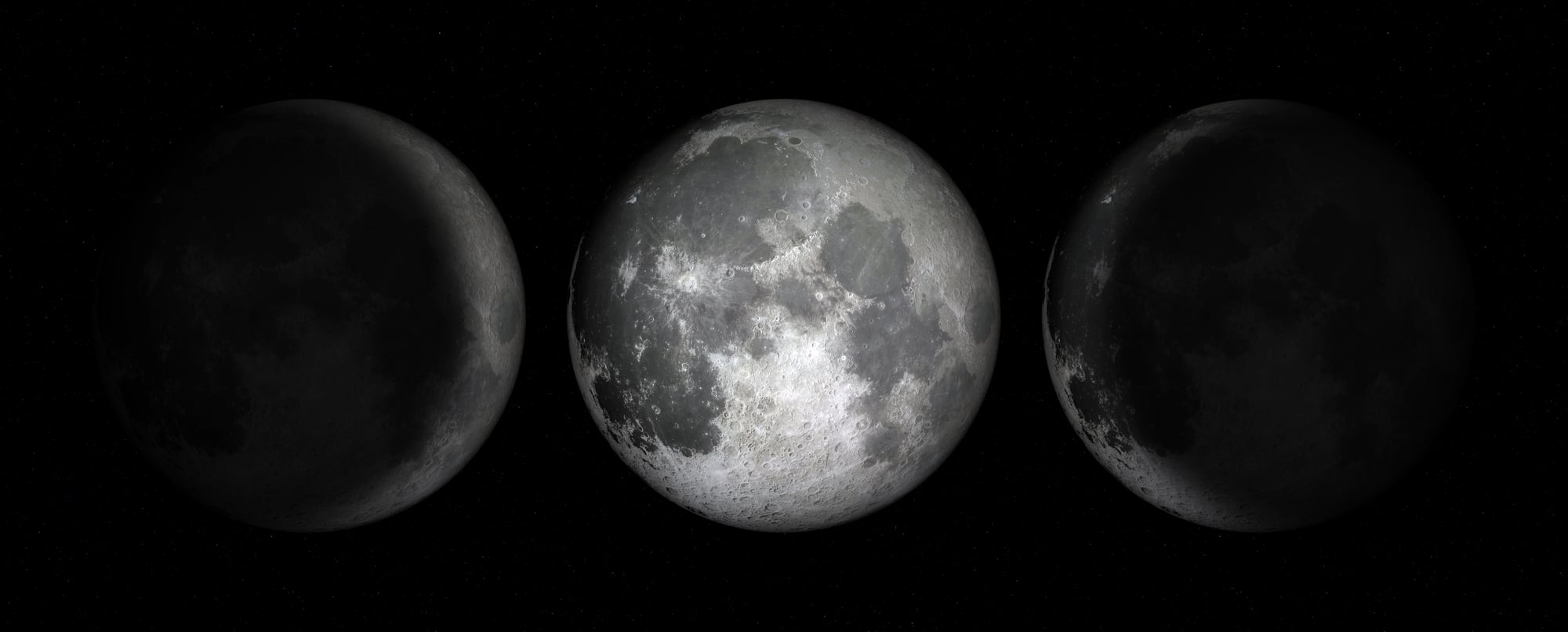
The Hindu moon god Chandra had 27 wives, each representing a lunar mansion (nakshatra) in Vedic astrology. He neglected 26 of them entirely, devoting all his attention to Rohini.
Their father, Daksha, was furious and cursed Chandra to waste away — which is why the moon wanes. Moved by the pleas of the other gods, Daksha eventually modified the curse so that Chandra would wane and then wax again in perpetual alternation.
The entire observable lunar cycle is, in this tradition, the consequence of a domestic dispute between a moon god and his father-in-law.
Shiva’s Crescent — Hindu (Crescent Moon)
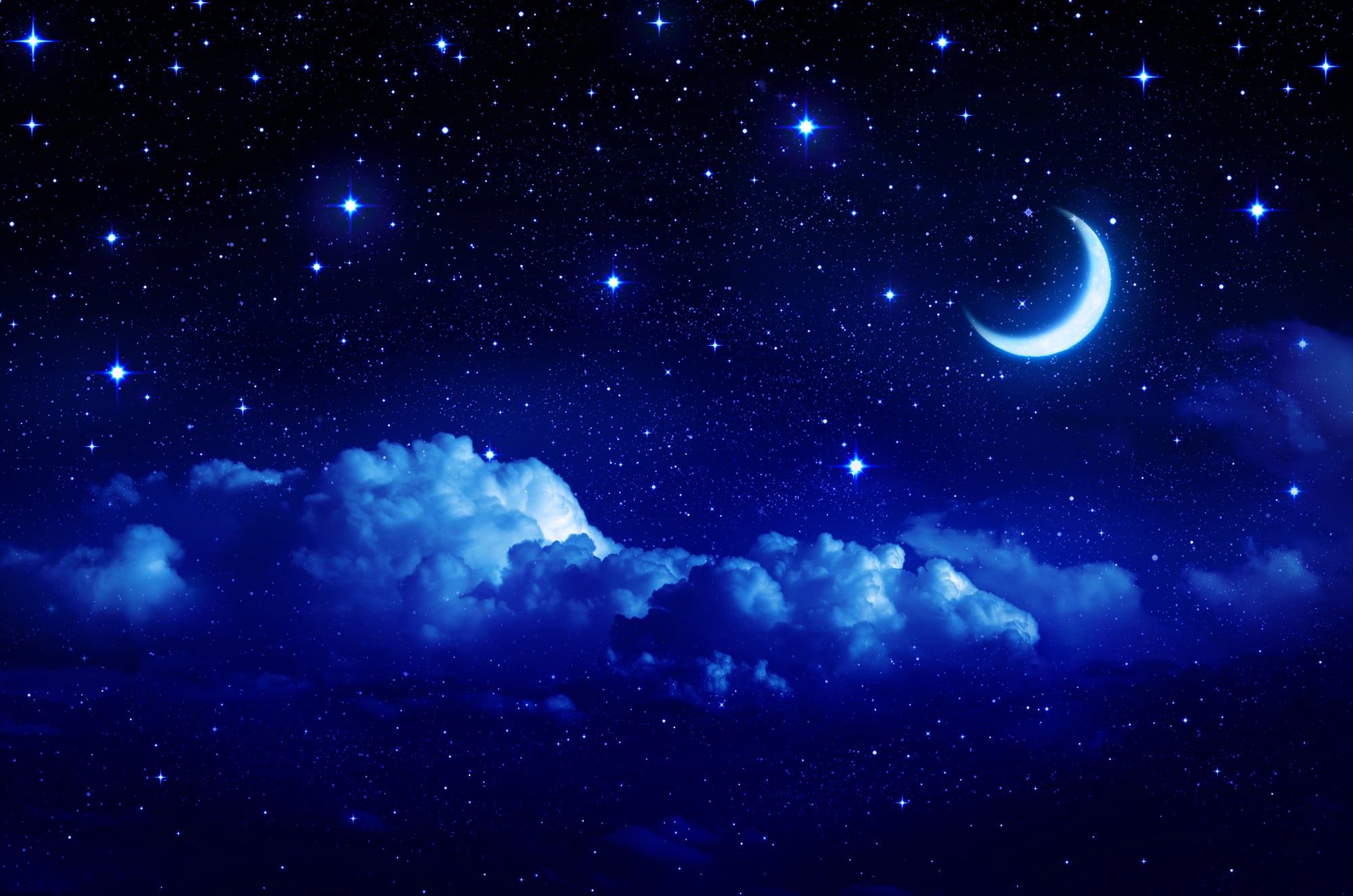
Lord Shiva is typically depicted with a crescent moon resting in his matted hair. The myth behind this image involves Chandra’s curse: when the moon god was condemned to wane to nothing, he sought Shiva’s protection.
Shiva placed Chandra in his hair, which halted the decline — but not entirely, producing the permanent alternation of waxing and waning as Daksha’s curse and Shiva’s protection push against each other. The crescent visible in Shiva’s hair is considered a symbol of his power over time and cycles.
The Inca And the Lunar Eclipse
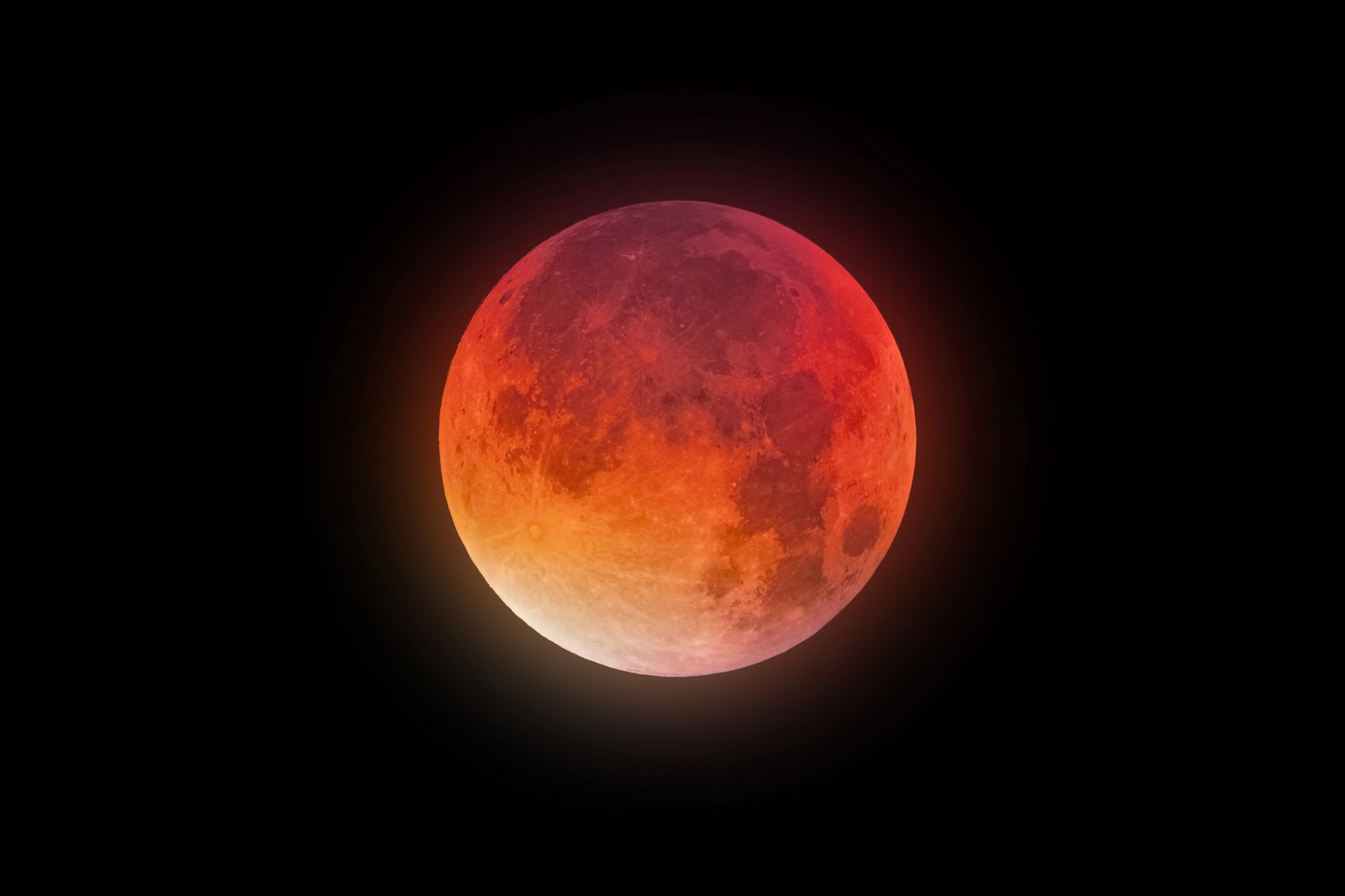
For the Inca, a lunar eclipse occurred when a celestial jaguar attacked and began to eat the moon. As the moon darkened and reddened during the eclipse, it appeared to wound out, which confirmed the attack was underway.
Communities responded with immediate, urgent noise — shouting, banging drums, throwing spears toward the sky — to frighten the jaguar away before it could consume the moon entirely. Dogs were beaten to make them howl and add to the noise, on the theory that this would rally the spirit world against the attacker.
The Dragon Eating the Moon — China (Lunar Eclipse)
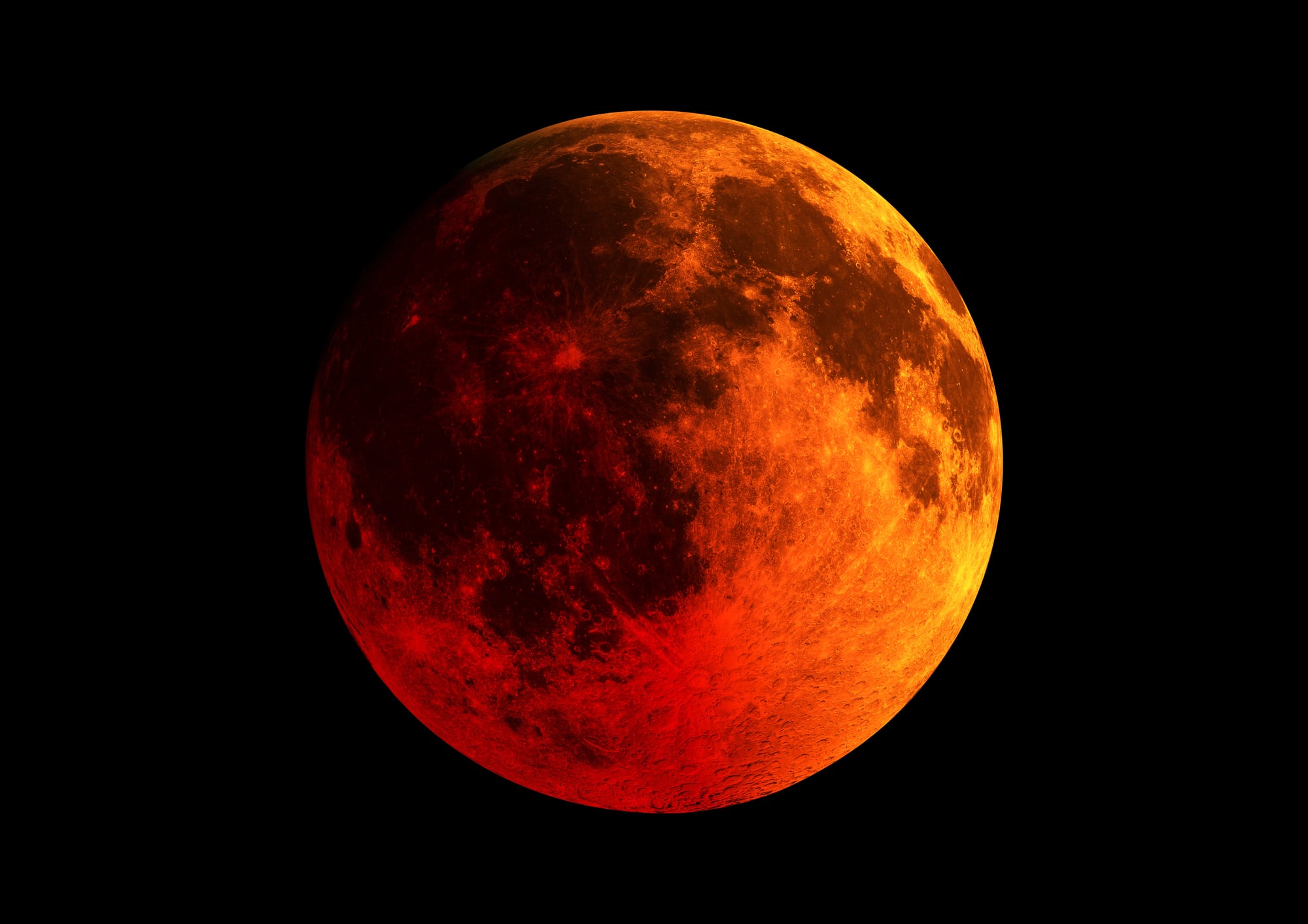
In Chinese tradition, a lunar eclipse was caused by a celestial dragon swallowing the moon. Communities responded with drums, gongs, firecrackers, and as much noise as could be generated — startling the dragon into releasing the moon before it was swallowed entirely.
Court astronomers in ancient China were expected to predict eclipses in advance precisely so that the appropriate response could be organized. The execution of two court astronomers, Hsi and Ho, is recorded in Chinese sources as the consequence of their failure to predict an eclipse — they were caught unprepared and unable to organize the noise-making in time.
Hina — Polynesia (Full Moon And New Moon)
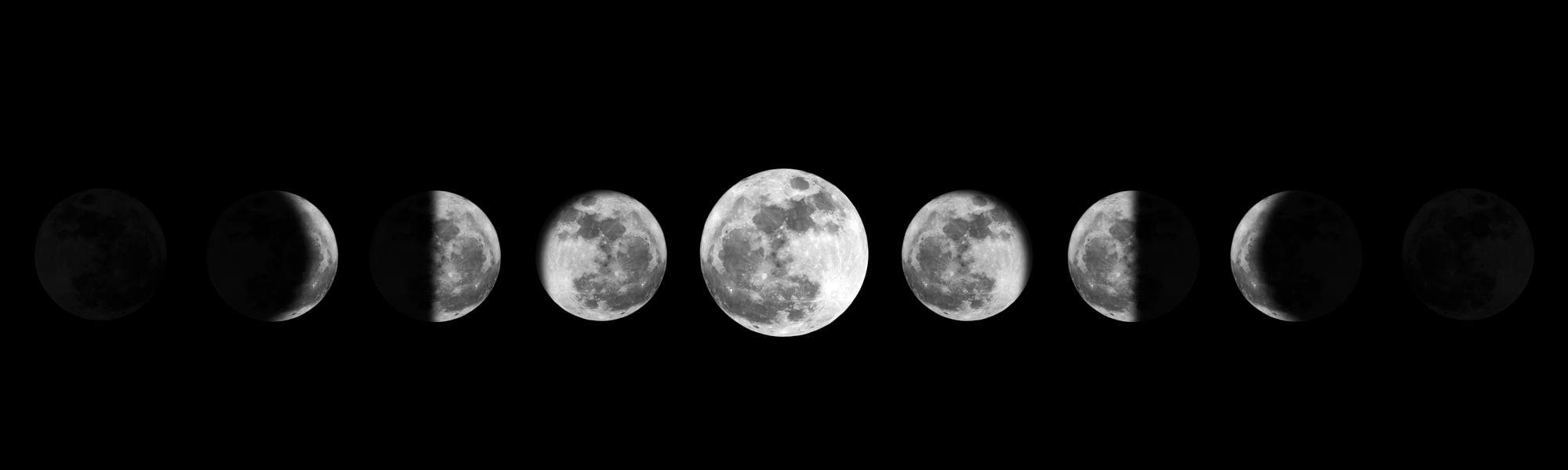
Across Polynesian cultures, the moon is associated with a creator goddess named Hina, who is considered the feminine counterpart to the male sun and a model of creativity, endurance, and adaptation. In Hawaiian tradition, Hina fled to the moon to escape an abusive husband and can be seen there today, working at her task of pounding kapa bark cloth.
Her presence in the moon explains both its markings and its cyclical disappearance — she rests on the new moon, hidden and recovering, before returning again.
The Luyia Moon And the Jealous Sun — Kenya
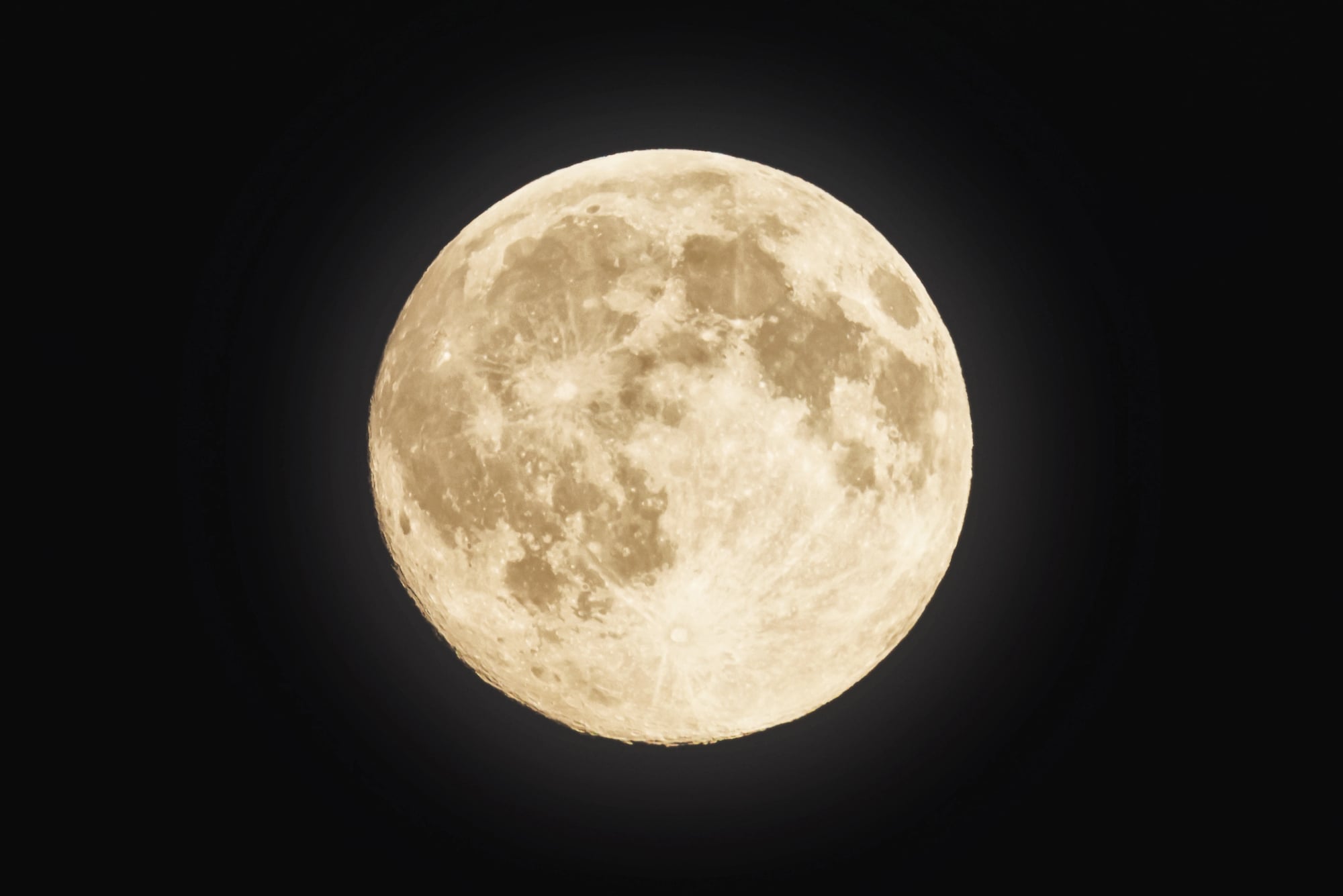
In the mythology of the Luyia people of Kenya, the sun and moon were brothers. The moon was older, larger, and originally brighter than the sun.
His success made the sun jealous, and the sun picked a fight that ended with the moon falling into mud — which explains why the moon’s surface appears dimmed and marked. The two now alternate dominance across the day and night, though the sun’s constant brightness is understood as permanent overcompensation for a sibling rivalry that never truly resolved.
The Man in the Moon — European Folklore (Full Moon)
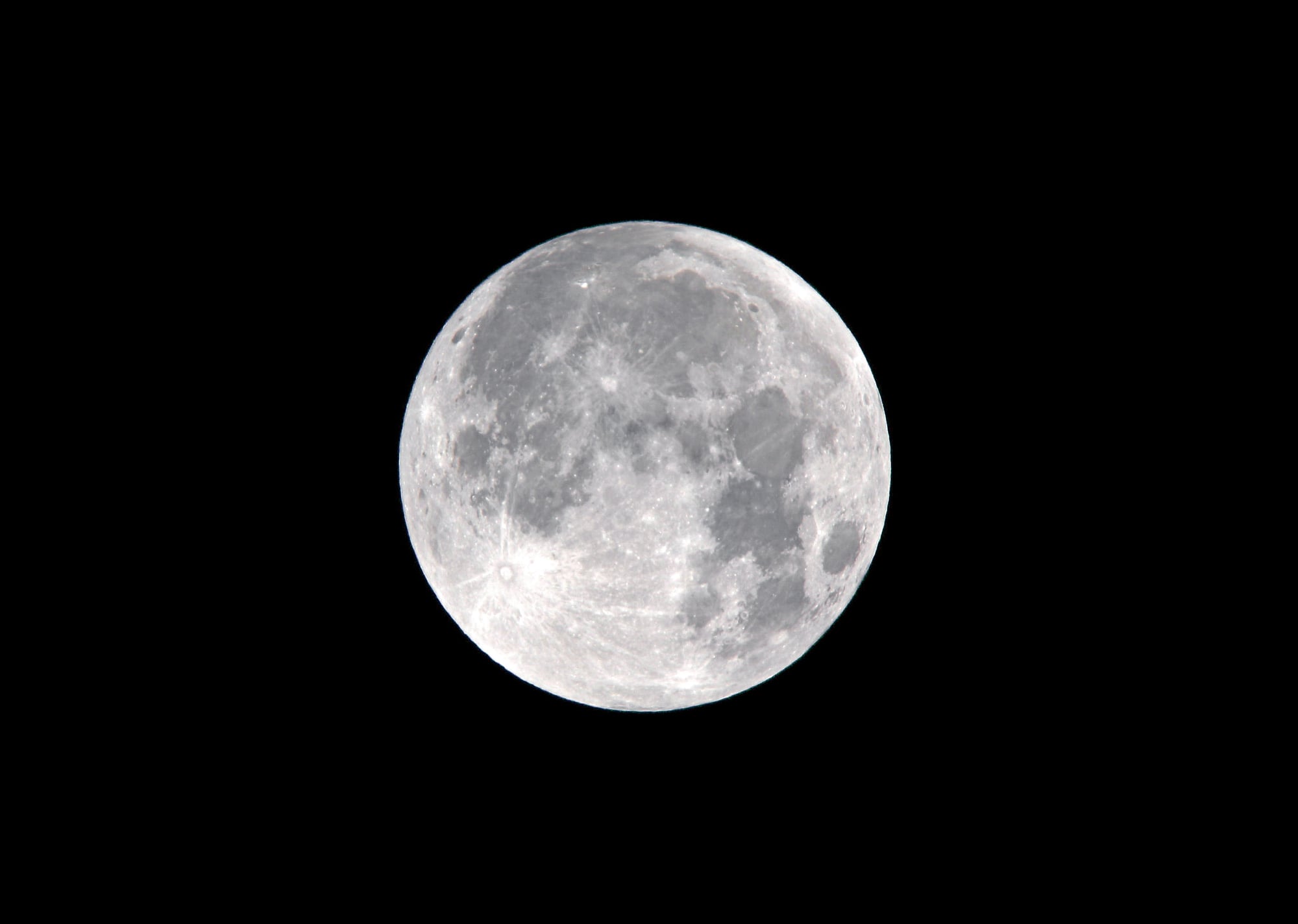
Across northern European traditions, the face visible in the full moon was identified as a man who had been exiled there as punishment for some transgression. In some versions he was caught gathering firewood on the Sabbath and banished to the moon as punishment.
In others he carried a bundle of thorns and a lantern and had simply committed an unspecified sacrilege. Dante references the figure in the Inferno, placing him there as the mark of Cain.
The specific crime varied by region, but the essential story was consistent: the moon’s surface is a punishment, and someone is serving a sentence up there right now.
The Rabbit in the Moon — Buddhist / Jataka Tales (Full Moon)
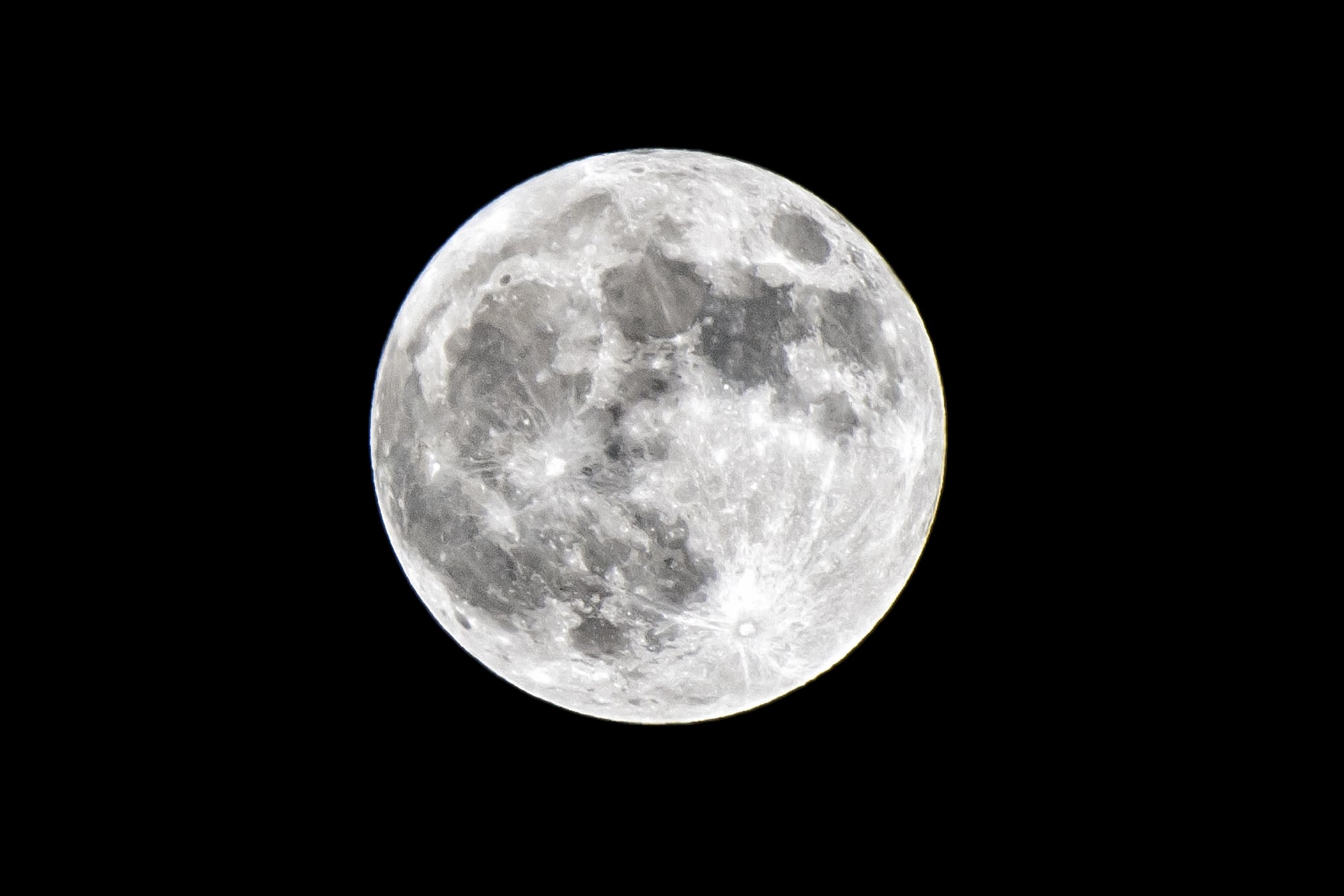
In a Jataka tale — one of the stories of the Buddha’s previous lives — the future Buddha was born as a rabbit. When a beggar came to him asking for food, the rabbit, having nothing to offer but himself, leapt into a fire as a willing meal.
The god Indra, witnessing the act of supreme selflessness, placed the image of the rabbit on the face of the moon so it would be visible to all people for all time as an example of compassion. The story spread across Buddhist cultures and is the primary lens through which the rabbit in the moon is interpreted in South and Southeast Asia.
The Aztec Coyolxauhqui — Mesoamerica (Full Moon)
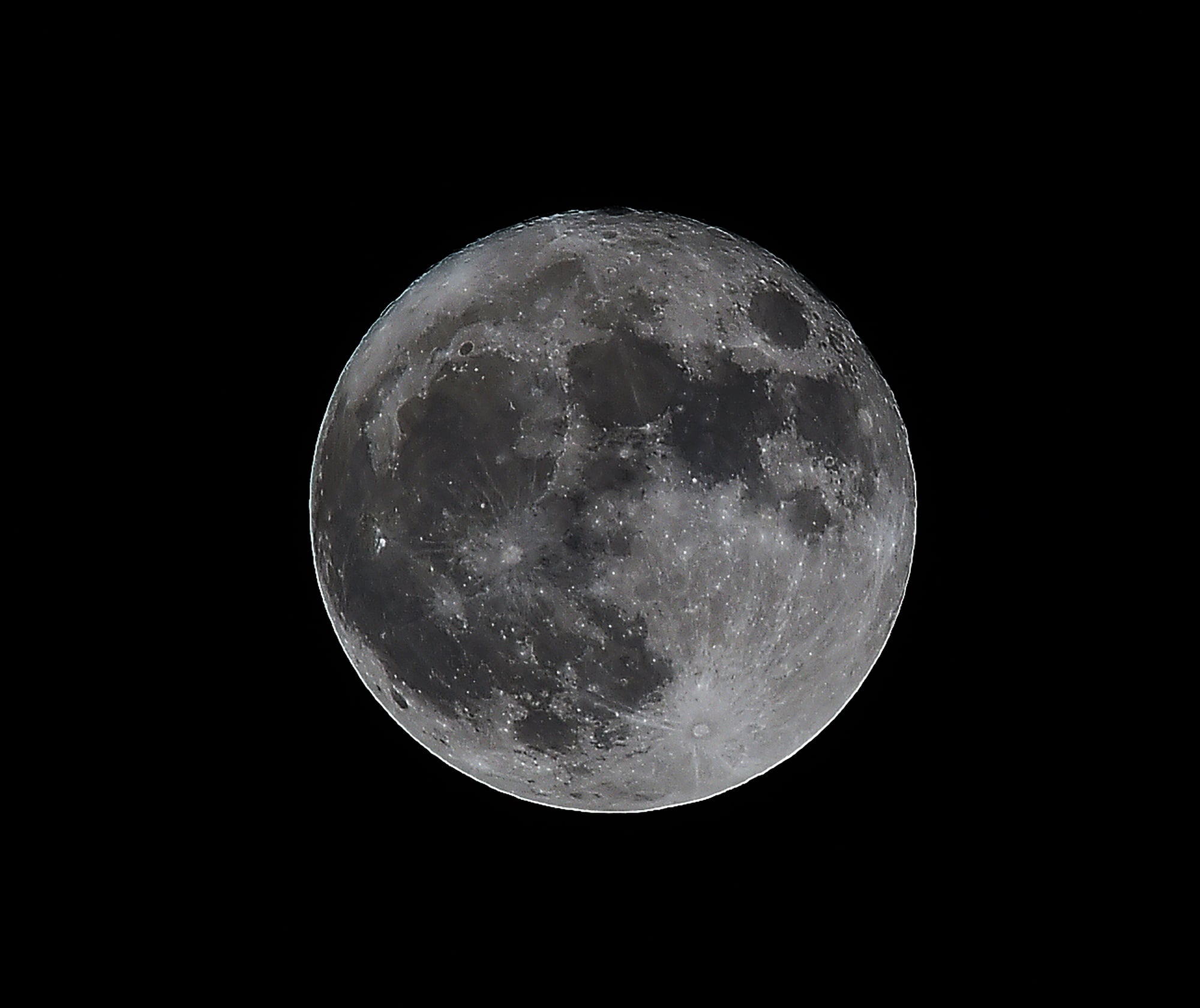
The Aztec moon goddess Coyolxauhqui met her end when her brother Huitzilopochtli, the sun god, was born fully armed and immediately killed her and her 400 brothers in a cosmic battle. He dismembered her body and threw her head into the sky, where it became the moon.
A massive carved stone disc depicting her dismembered form was discovered at the base of the Templo Mayor in Tenochtitlán in 1978 — placed there deliberately so that sacrificial victims thrown down the steps would land on her image. The full moon in Aztec cosmology was a constant reminder of a violence at the center of creation.
Ngalindi the Fat Moon — Australian Aboriginal (Waning Moon)
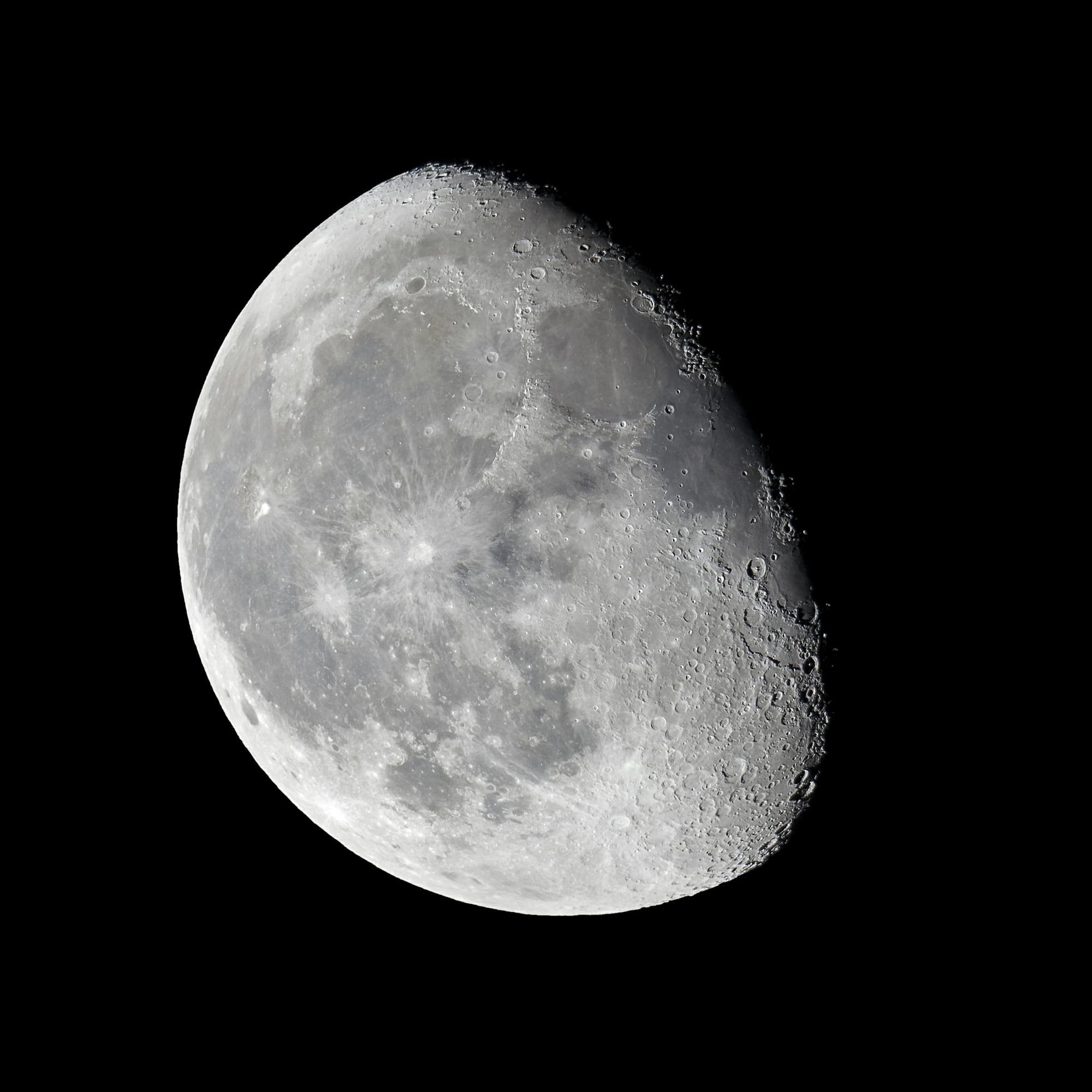
In the traditions of some Aboriginal Australian peoples, the moon is a male figure named Ngalindi who began as a young, slender figure representing the crescent moon. As time passed he grew fat, lazy, and neglectful of his responsibilities, becoming the bloated full moon.
His wives and relatives grew so frustrated with his behavior that they chopped at him with axes — which is how the waning phase began. He manages to escape death each time and recovers to grow fat and lazy again, which is why the cycle repeats every month.
Artemis And Actaeon — Ancient Greece (Full Moon)
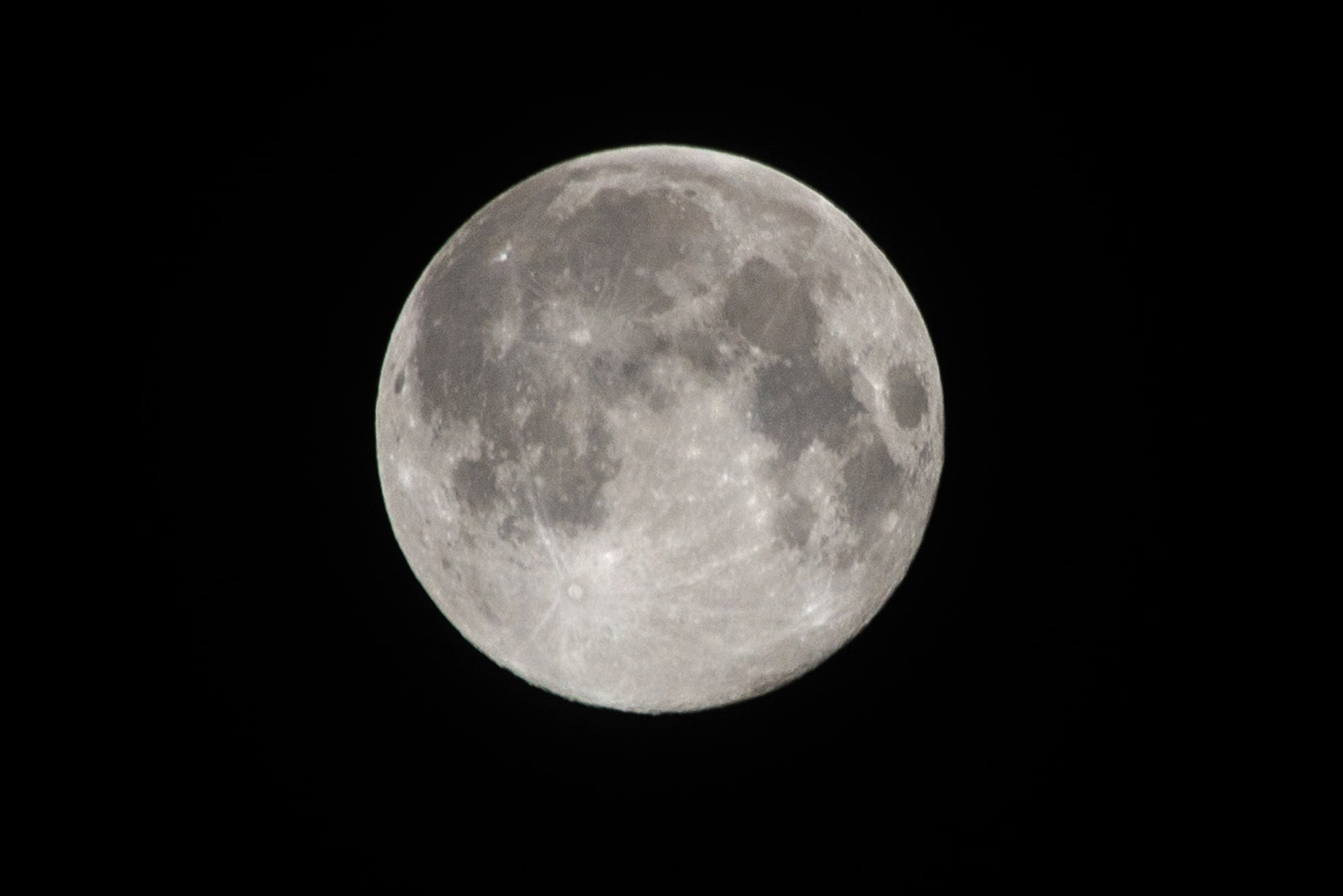
The hunter Actaeon stumbled upon the goddess Artemis — associated in her lunar aspect with the full moon — bathing in a spring with her nymphs. She transformed him into a stag on the spot, and he was torn apart by his own hunting dogs before he could speak or cry out.
The myth is partly a warning about the consequences of seeing things not meant to be seen, but it also encodes something specific about the full moon’s capacity to reveal what daylight conceals — at full illumination, nothing stays hidden, including the goddess herself.
Sin, the Babylonian Moon God — Crescent Moon
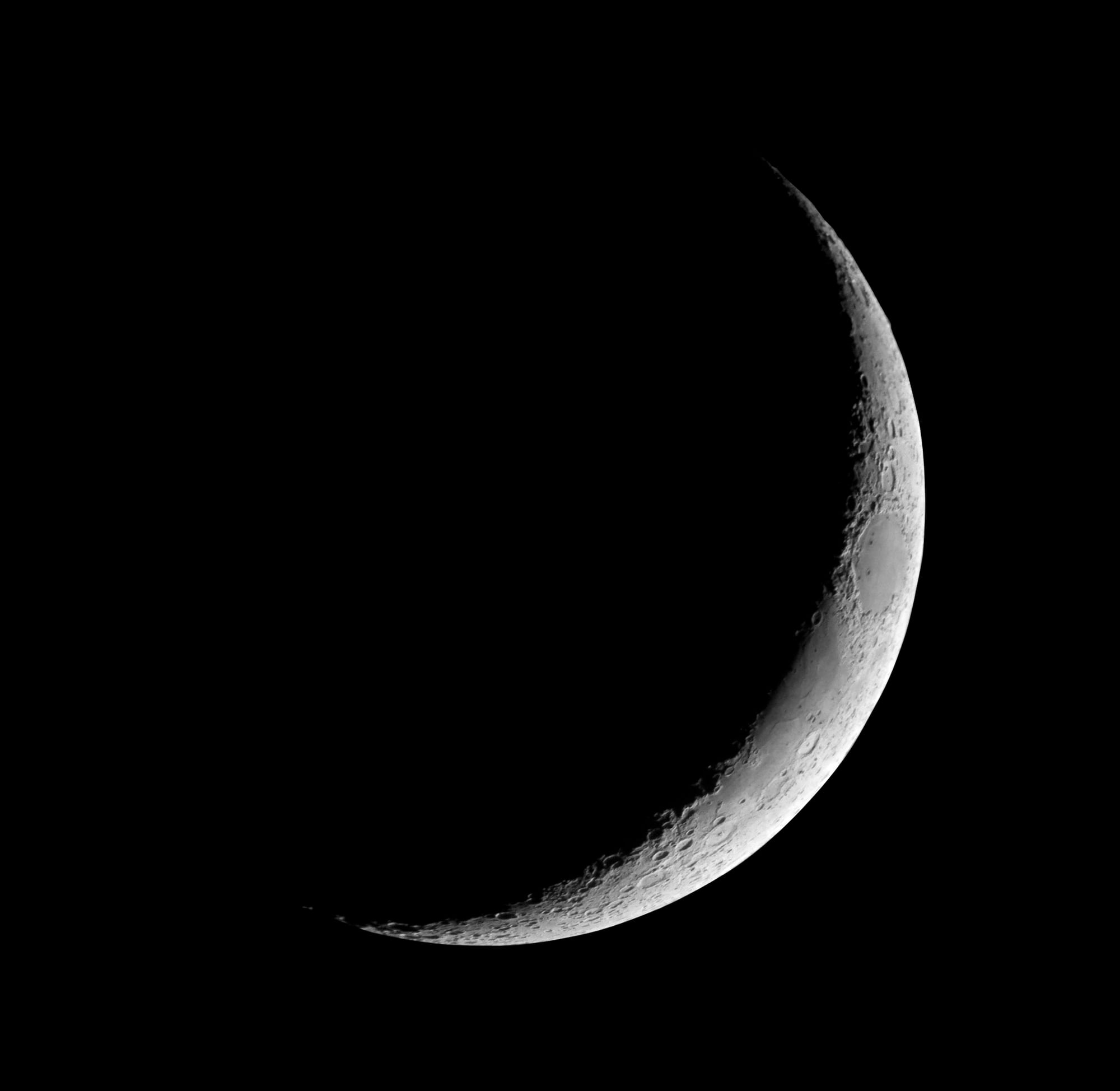
The Babylonian moon god Sin was associated specifically with the crescent moon, and his most sacred symbol was a crescent disc worn as a medallion. Sin was considered a divine judge who traveled the night sky gathering information about the affairs of gods and mortals, and who presided at key moments of legal and spiritual reckoning.
Lunar eclipses were believed to signal the work of evil demons attacking Sin, and elaborate rituals were performed to defend him. Astronomers at his temples in Ur and Harran maintained the most precise eclipse-prediction records of the ancient world.
The Moon as Keeper of the Dead — Ancient Egyptian (Waning Moon)
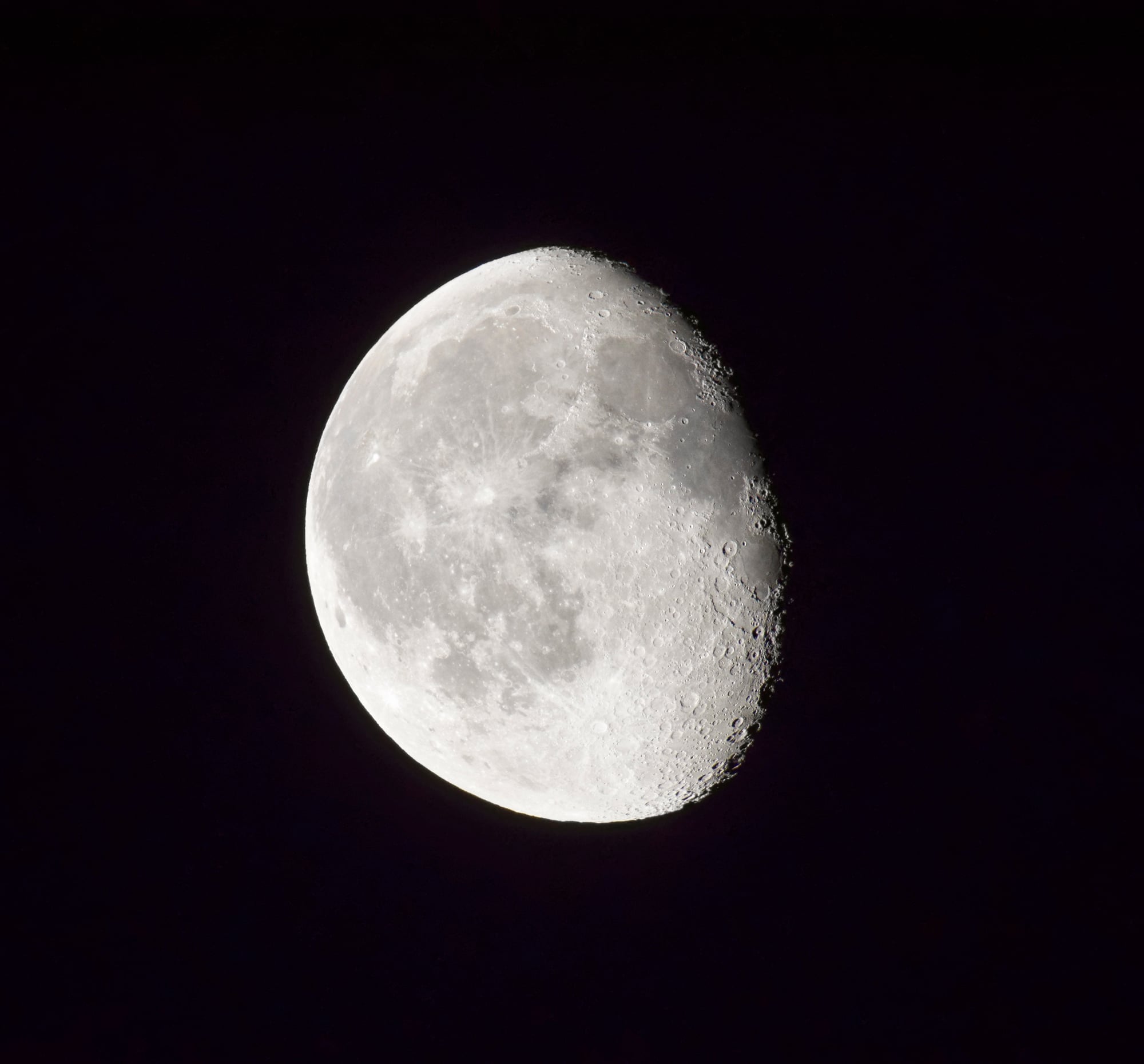
In Egyptian tradition, Khonsu was a moon god associated with healing and the passage of time, but an older layer of Egyptian lunar mythology connected the waning moon to the realm of the dead. As the moon diminished, it was understood to be absorbing the souls of the recently departed — a full moon waning to nothing was the moon digesting the dead.
The fact that the moon returned each month was understood as proof that even consumed souls could be reborn. It made the lunar cycle a template for the entire Egyptian understanding of death and resurrection.
Ix Chel’s Dark Phase — Maya (Waning And Dark Moon)
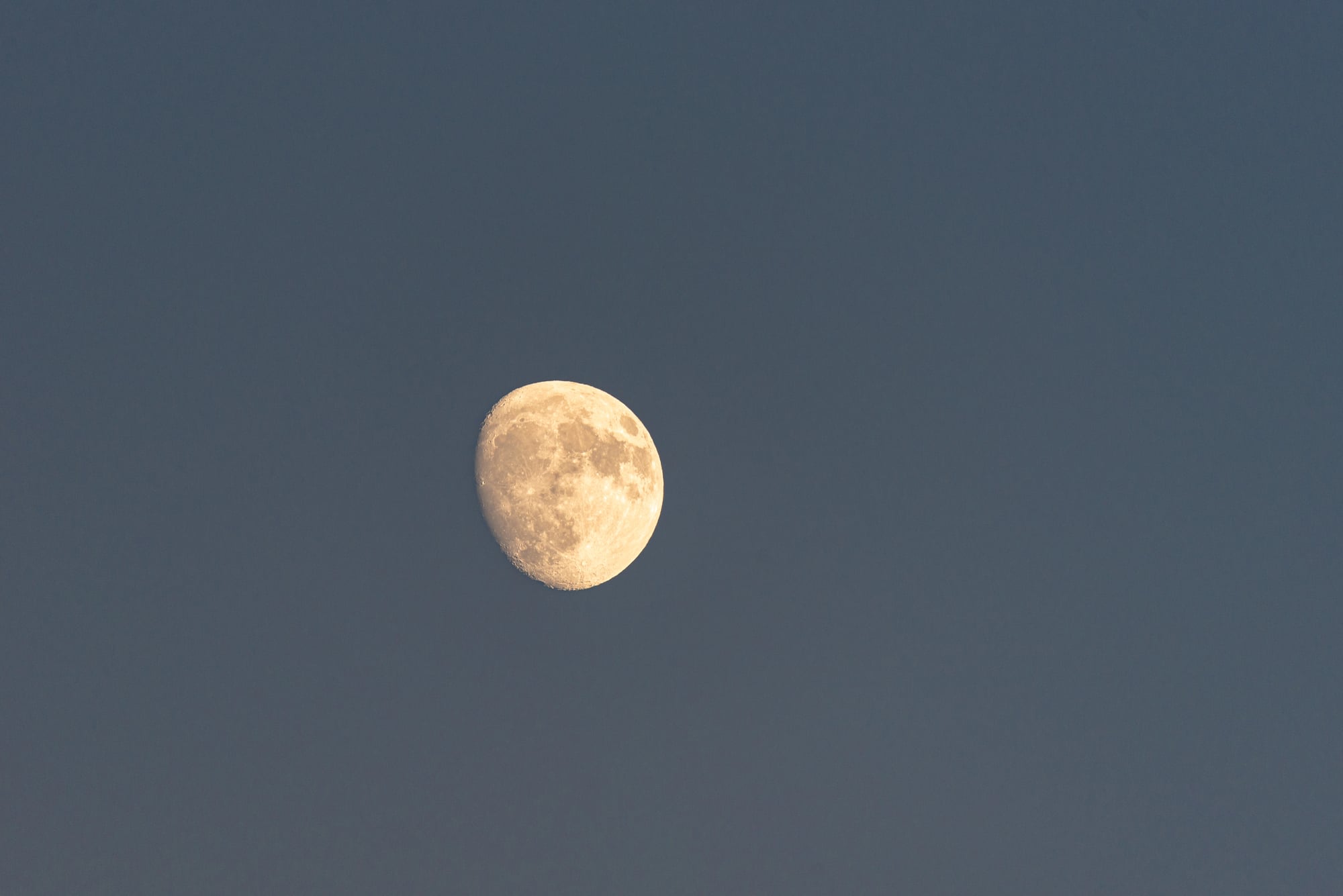
The Maya moon goddess Ix Chel had a dual nature that changed with the lunar phase. During the full moon she was associated with fertility, healing, water, and weaving.
As the moon waned, her aspect shifted toward a darker manifestation — an old woman associated with floods, destruction, and the undoing of what had been built. The waning moon in Maya tradition was the time of her destructive aspect, and activities requiring growth, planting, or building were considered poorly timed during this phase.
The same goddess governed creation and destruction — the moon literally changed her character every two weeks.
The Scottish Water Kelpie And the Full Moon
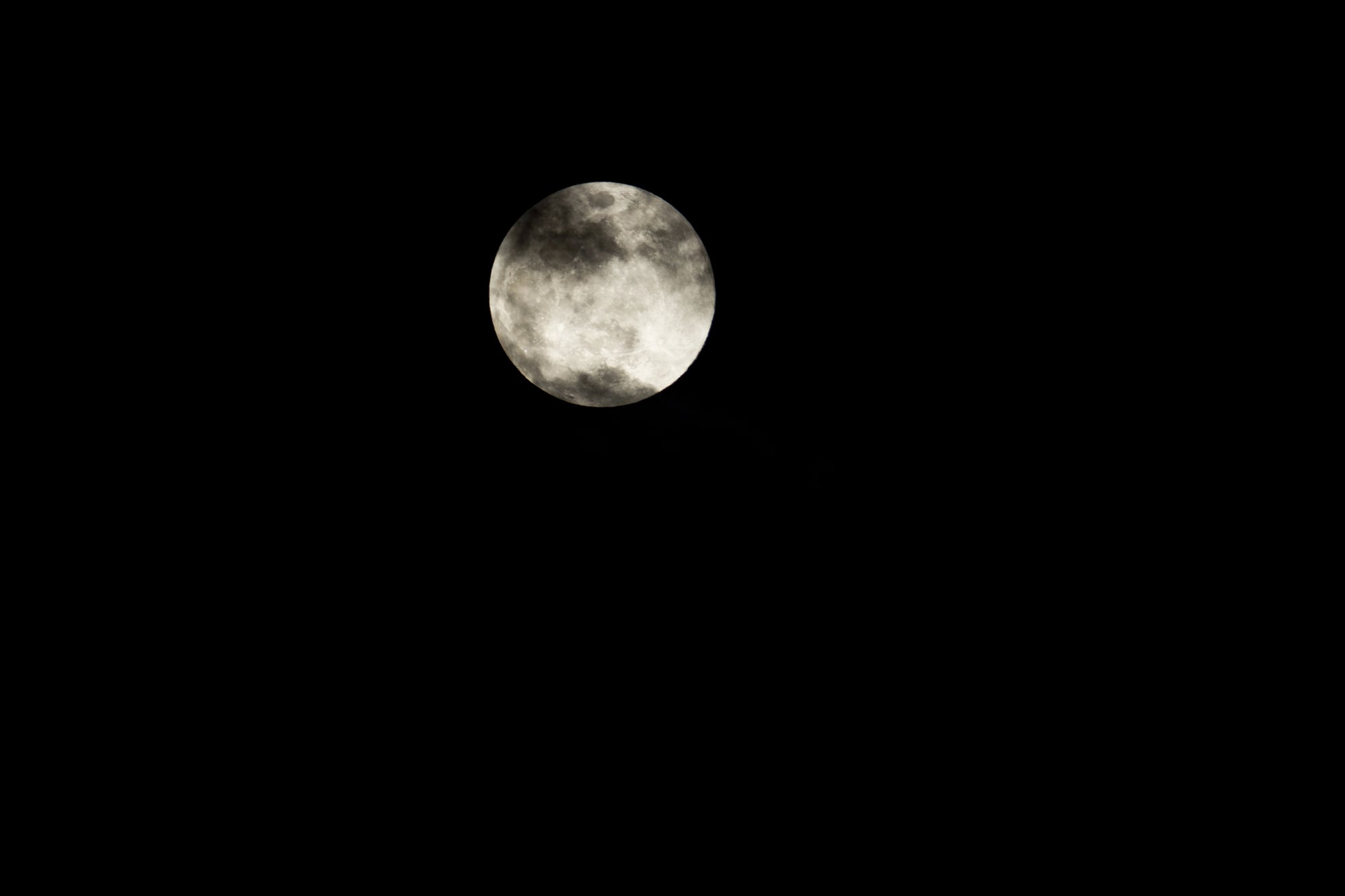
Scottish folklore held that water kelpies — shape-shifting supernatural horses that lived in rivers and lochs — were most active and most dangerous during the full moon. The kelpie would appear on a riverbank as a beautiful horse, and anyone who climbed on its back would find themselves unable to dismount as it galloped into the water and drowned them.
The full moon, in this tradition, was specifically the phase when the kelpie’s illusion was most convincing and its power most potent. The warning embedded in the legend is practical: do not cross rivers alone at night during a full moon.
Māui Lassoing the Moon — Māori And Polynesian (Full Moon)
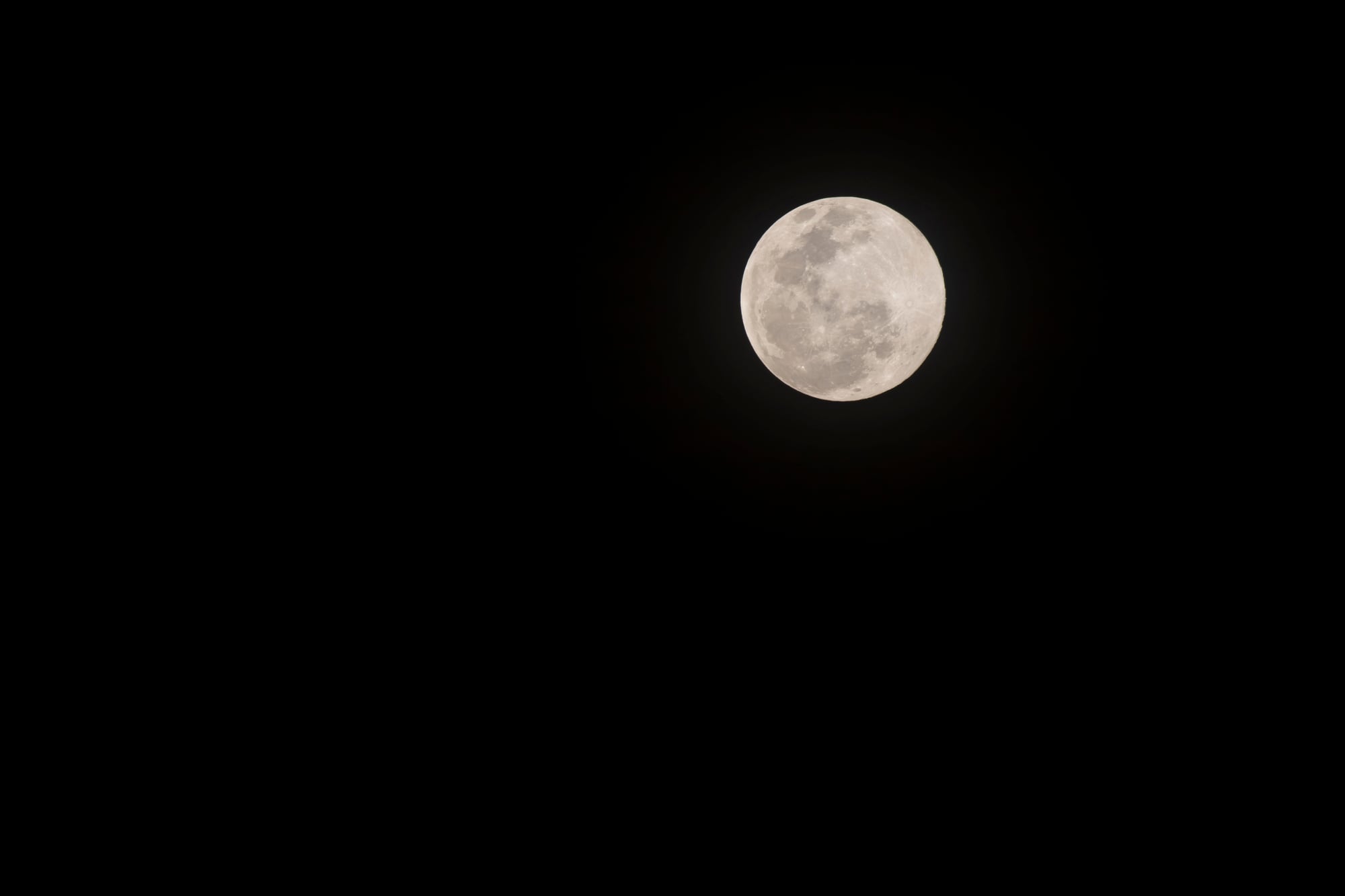
The Māori hero Māui noticed that the moon crossed the sky too quickly, leaving insufficient nighttime for people to complete their tasks. He lassoed the moon with a rope and held it, forcing it to slow down — which is why the moon now moves at a measured pace across the sky rather than racing.
The same cultural hero figure, known across Polynesia in different forms, also slowed the sun, fished islands up from the sea floor, and attempted to gain immortality by entering the body of the goddess of death. The moon-lassoing story is the most benign of his recorded adventures.
Irish Lunar Fairy Folk — Celtic (Crescent And Full Moon)
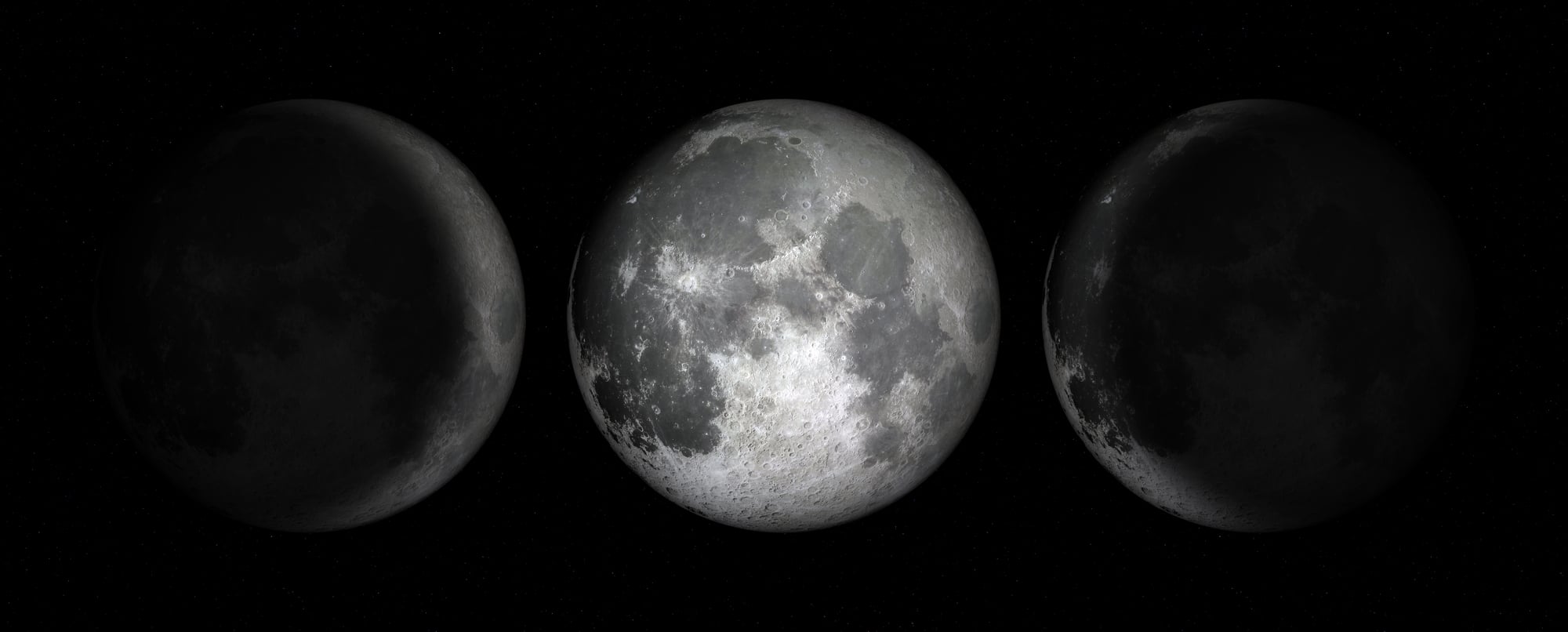
In Irish tradition, the aos sí (fairy folk) were associated with liminal times and places, and the lunar phases marked some of the most important thresholds. The crescent moon opening was considered a time of increased fairy activity and a poor time to travel alone at night.
The full moon offered more light for human travel but also increased the risk of encountering the Fair Folk, who were thought to hold their most significant gatherings — and to be most inclined to lead travelers astray — when the moon was at its brightest.
The Endymion of the Caucasus — Georgian Mythology
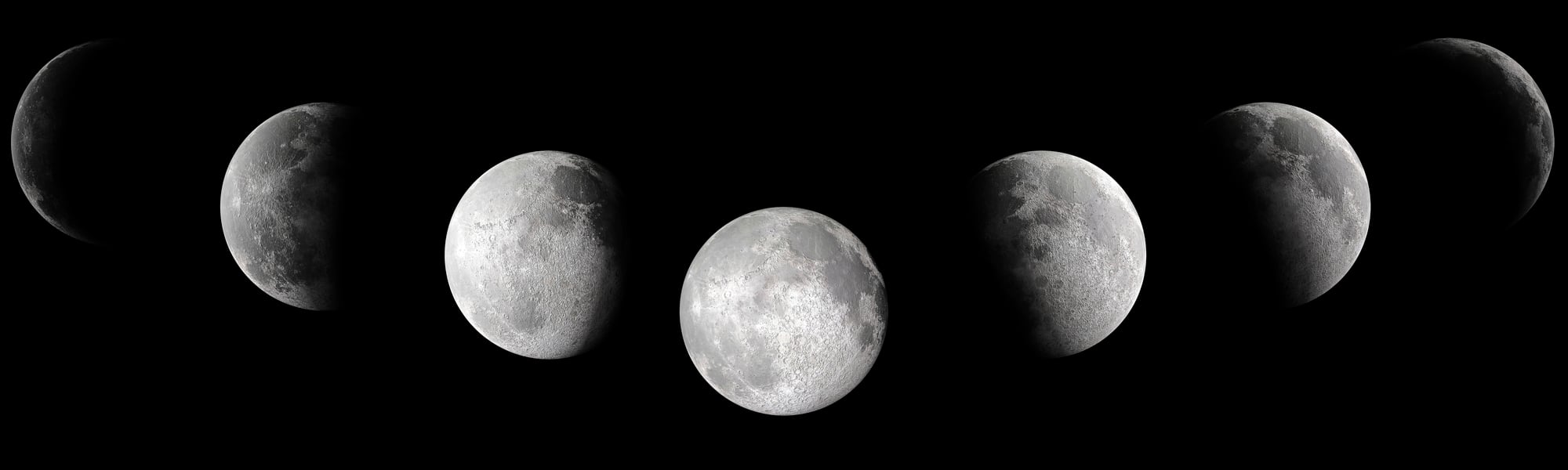
In Georgian mythology, a similar sleeping shepherd story to the Greek Endymion exists in the figure of Amirani, a Prometheus-like hero who was chained to a mountain but whose stories intersect with lunar cycles in local folk traditions. The Caucasus region maintained rich lunar mythology in which the moon was understood as a traveler passing through human experience, gathering stories and carrying messages between the world of the living and the world of the spirits.
The specific details vary significantly between Georgian, Armenian, and other Caucasus traditions, but the moon’s role as intermediary appears consistently.
The Waxing Moon And Iron — European Folk Belief
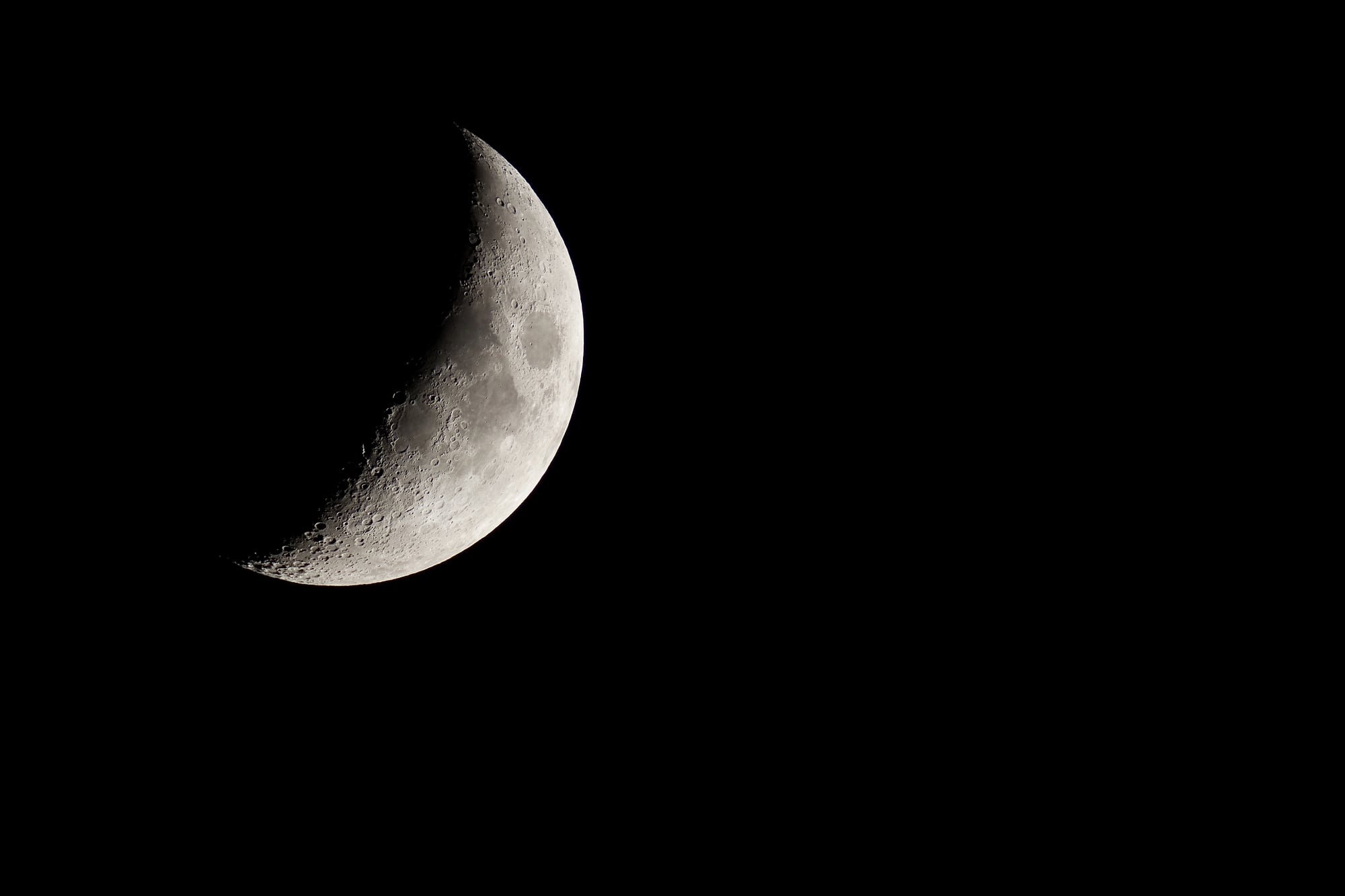
Across much of rural Europe, the waxing phase of the moon was associated with increase, growth, and the accumulation of power. A blade forged or sharpened during the waxing moon was believed to hold a better edge; hair cut during the waxing phase would grow back faster and thicker; wood cut during the waning moon would be drier and less prone to rot.
These beliefs persisted in agricultural communities well into the 20th century and in some regions survive today. Whether or not the physics holds up, the beliefs reflect a sophisticated observation of natural cycles that modern chronobiology is only beginning to examine seriously.
The Moon Keeps Score
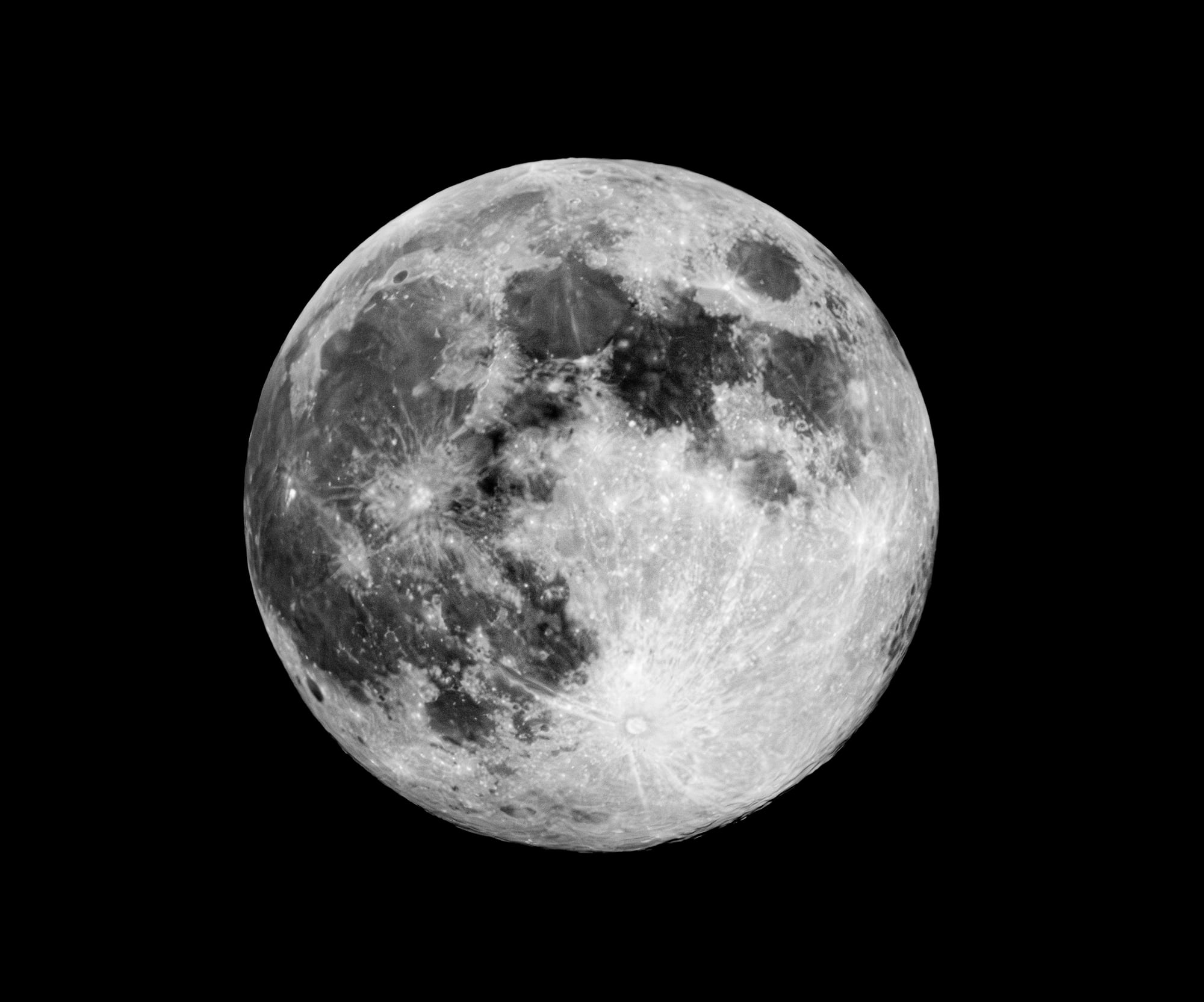
What these 27 stories share is a refusal to leave the moon’s behavior unexplained. Every phase needed an account — not just the dramatic full moon, but the disappearing sliver, the frightening eclipse, the slow return.
The explanations are wildly different in their specifics: jealous brothers, leaping rabbits, chasing wolves, sleeping shepherds. But they’re all doing the same cognitive work, converting an astronomical object into a story that makes the universe feel responsive to human concerns.
The moon earned its place in mythology not just because it was beautiful or mysterious, but because it changed on a predictable schedule that people could track and plan around. A god who wanes and waxes is a god you can rely on — which, in a world without clocks or calendars, was exactly what people needed most.
More from Go2Tutors!

- The Romanov Crown Jewels and Their Tragic Fate
- 13 Historical Mysteries That Science Still Can’t Solve
- Famous Hoaxes That Fooled the World for Years
- 15 Child Stars with Tragic Adult Lives
- 16 Famous Jewelry Pieces in History
Like Go2Tutors’s content? Follow us on MSN.



