27 Old Coins Hiding in Change Jars
Most of the coins rattling around in a jar of loose change are worth exactly their face value. But a surprising number of genuinely valuable coins are still in circulation or turning up in old collections, mixed in with ordinary pocket change simply because most people never look closely enough to tell the difference.
1943 Bronze Lincoln Cent
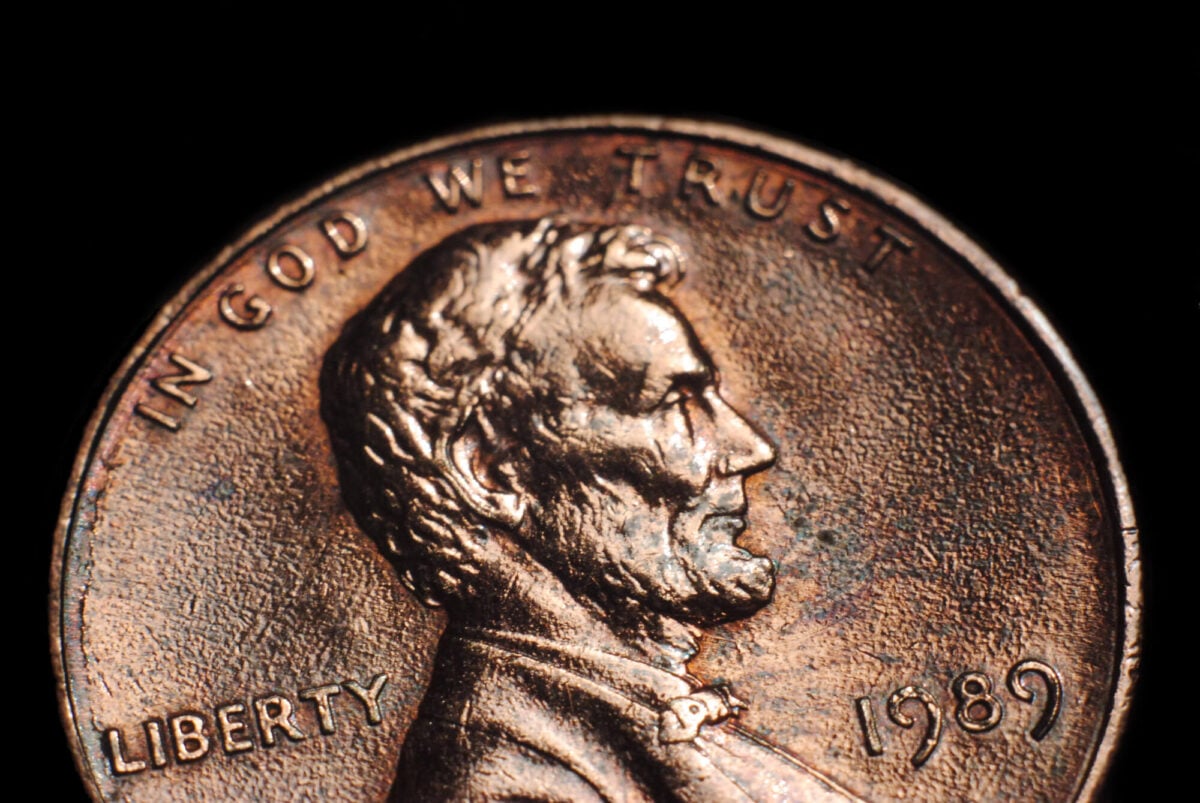
In 1943, the U.S. Mint switched Lincoln cent production to zinc-coated steel to conserve copper for the war effort, but a small number of leftover bronze planchets from 1942 were accidentally struck with 1943 dies. Genuine examples are exceptionally rare, and verified specimens have sold at auction for over $100,000, though the coin is also one of the most commonly faked in American numismatics, usually by copper-plating an ordinary steel cent or altering a 1948 date.
A magnet test is the fastest first check, since a genuine 1943 bronze cent will not stick to a magnet the way the common steel version does.
1955 Doubled Die Lincoln Cent
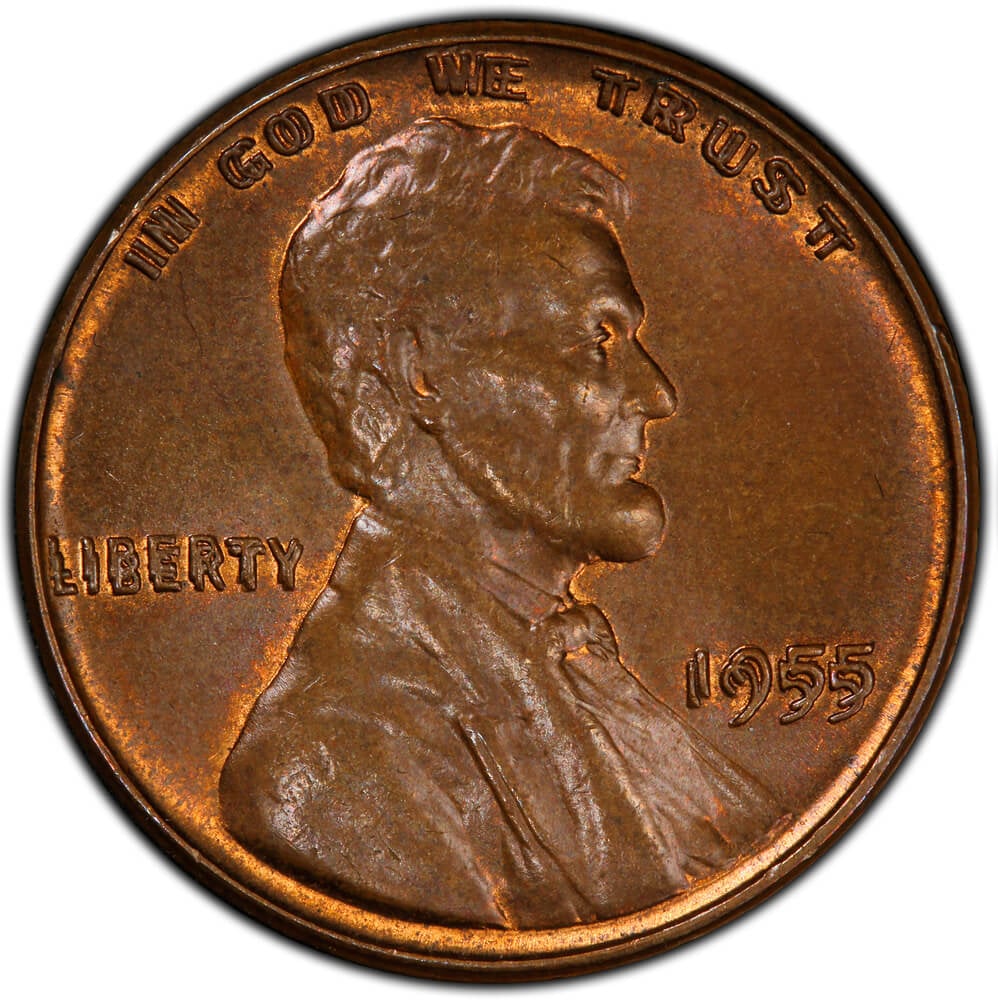
A die-alignment error during production created a small run of 1955 Lincoln cents with dramatically doubled lettering on the date and inscriptions, visible even without magnification. Circulated examples can sell for $1,000 to $2,000, with uncirculated specimens bringing considerably more, and the doubling is distinctive enough that it can often be spotted without magnification by anyone who knows to check the date and motto closely.
1969-S Doubled Die Lincoln Cent
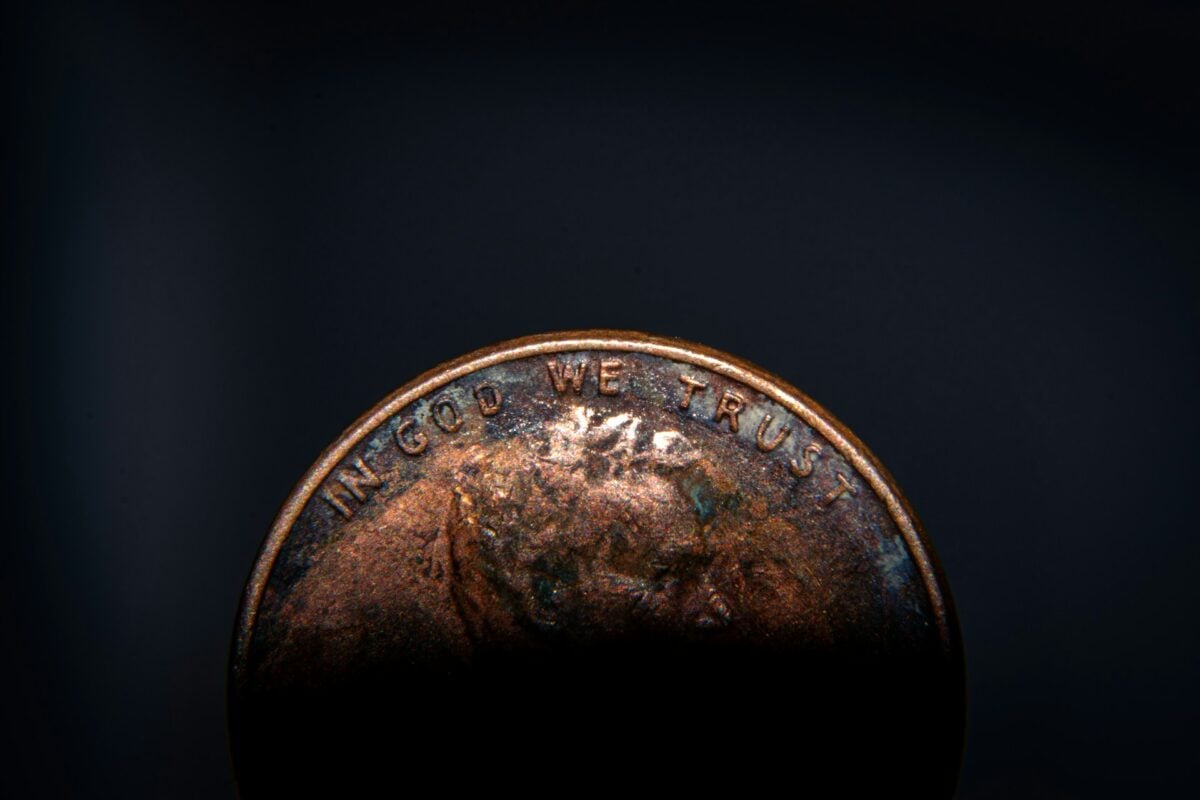
A similar doubling error occurred at the San Francisco Mint in 1969, producing a scarcer and generally more valuable doubled-die cent than the 1955 version. Verified examples have sold for $25,000 to $50,000 or more in top condition, and the coin’s rarity relative to the 1955 doubled die makes authentication by a professional grading service especially important before assuming a find is genuine.
1922 “No D” Lincoln Cent
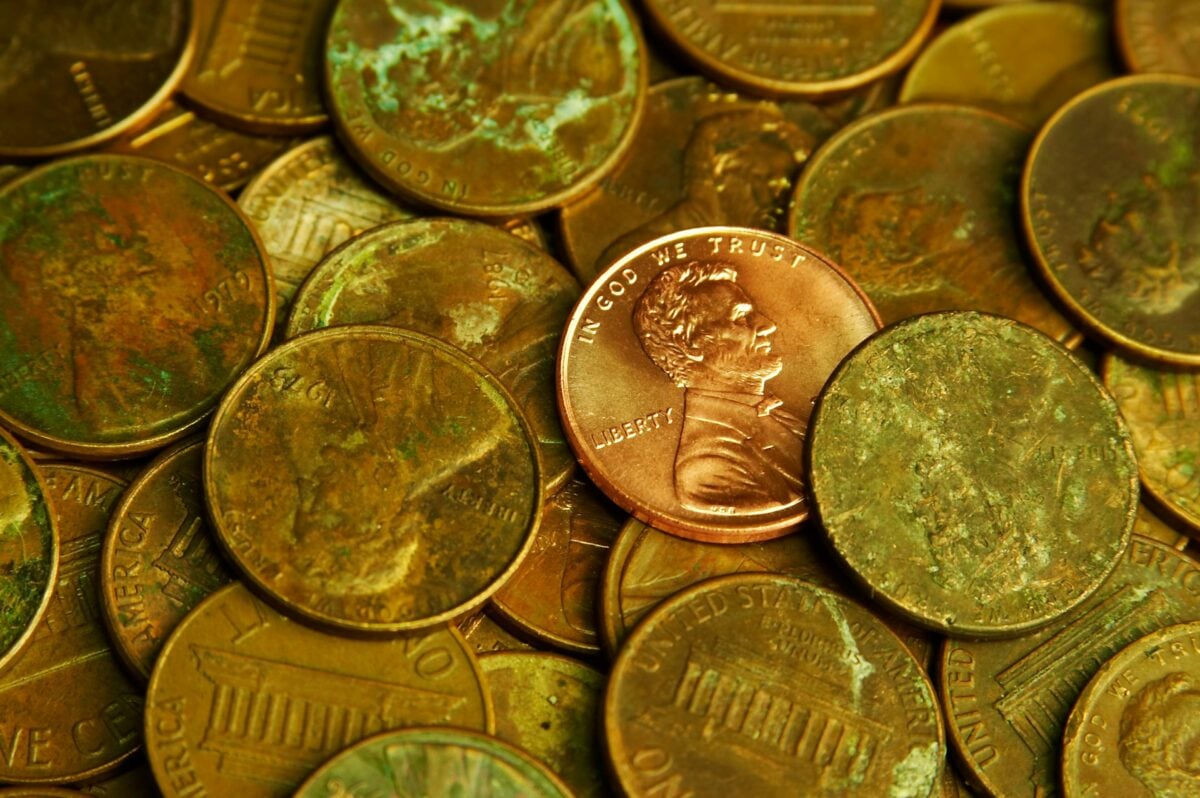
A die pairing error at the Denver Mint in 1922 produced cents lacking the small “D” mint mark that should have appeared, the only year Lincoln cents were struck at a single mint facility, making the error especially notable to specialists. Strong examples can sell for several thousand dollars, with the coin’s value depending heavily on which of several known die varieties a given specimen matches.
1937-D Three-Legged Buffalo Nickel
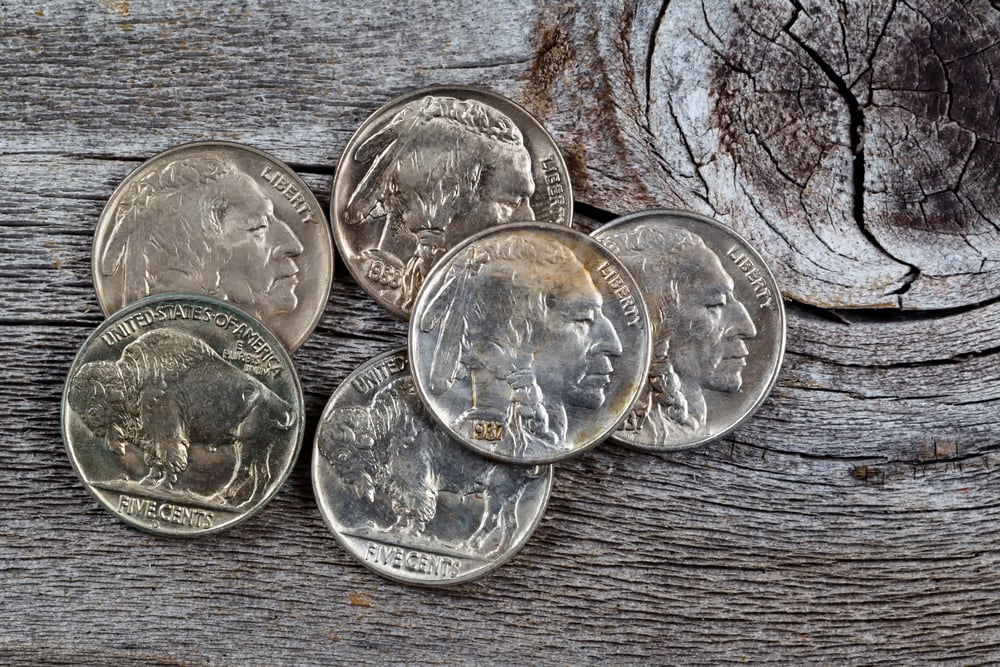
An over-polishing error at the Denver Mint in 1937 accidentally removed one of the front legs from the buffalo depicted on the reverse of this nickel, creating one of the most famous error coins in American collecting. Circulated examples can sell for $500 to $1,500, with uncirculated specimens bringing several thousand dollars, and the missing leg is clearly visible without magnification once a collector knows where to look.
1942/1941 Overdate Mercury Dime
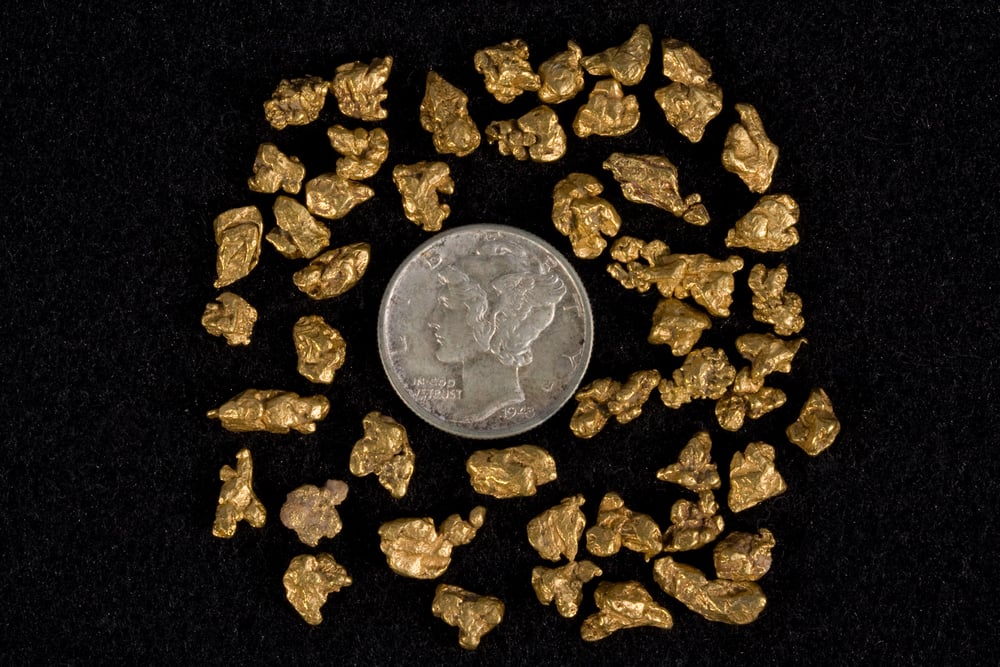
A leftover 1941 die was re-engraved with a 1942 date at the Philadelphia Mint, leaving faint traces of the earlier date visible beneath the new one under magnification, a classic overdate error. Circulated examples can sell for $500 to $1,500, and a rarer Denver Mint version of the same overdate error exists as well, generally commanding an even higher price due to its scarcity.
1916-D Mercury Dime
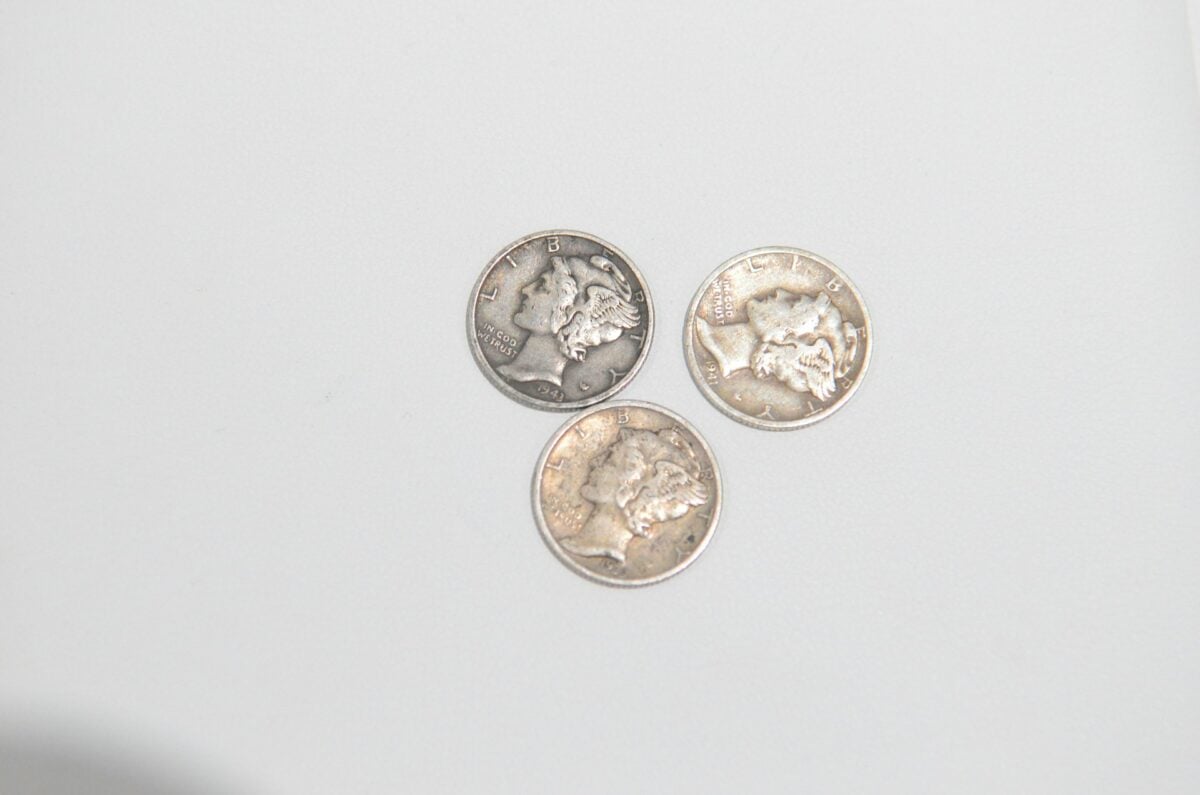
The Denver Mint struck a notably small number of dimes in 1916, making this the key date that every Mercury dime collector needs to complete a full date set, and its scarcity relative to other dates in the series has made it a frequent target for counterfeiters who alter the mint mark on more common coins. Circulated examples can sell for $1,000 to $3,000, with authentication by a professional grading service strongly recommended given how often the mint mark is altered on fakes.
1932-D and 1932-S Washington Quarters
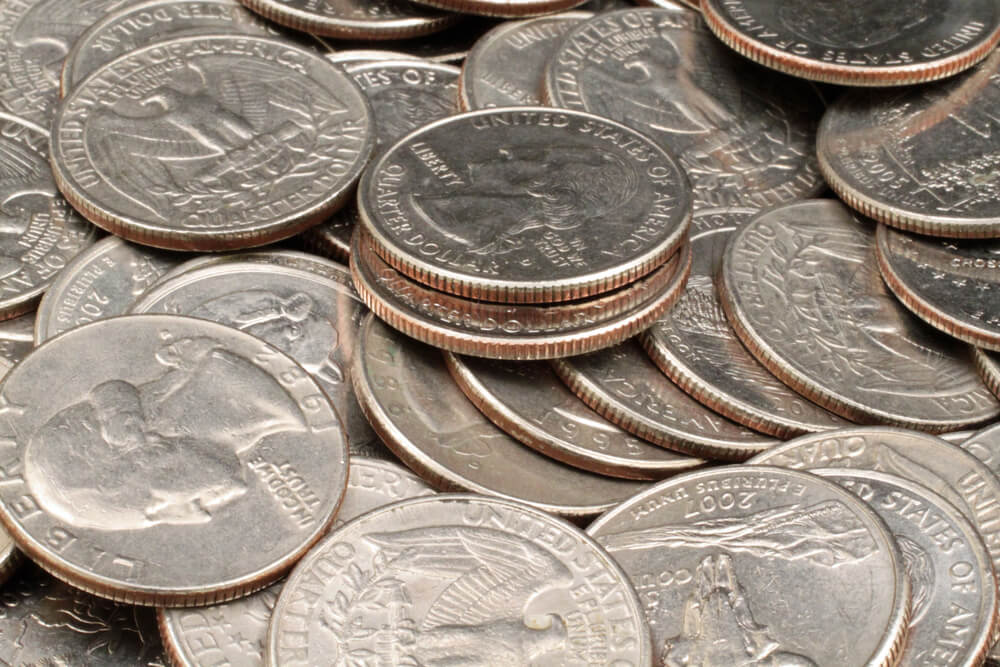
The first year of the Washington quarter design in 1932 saw notably low mintages at both the Denver and San Francisco mints, making these two coins the key dates collectors need for an otherwise common series. Circulated examples of either can sell for $150 to $400, with uncirculated specimens bringing considerably more, and the low original mintage rather than any striking error is what drives the value here.
1970-S Small Date Lincoln Cent
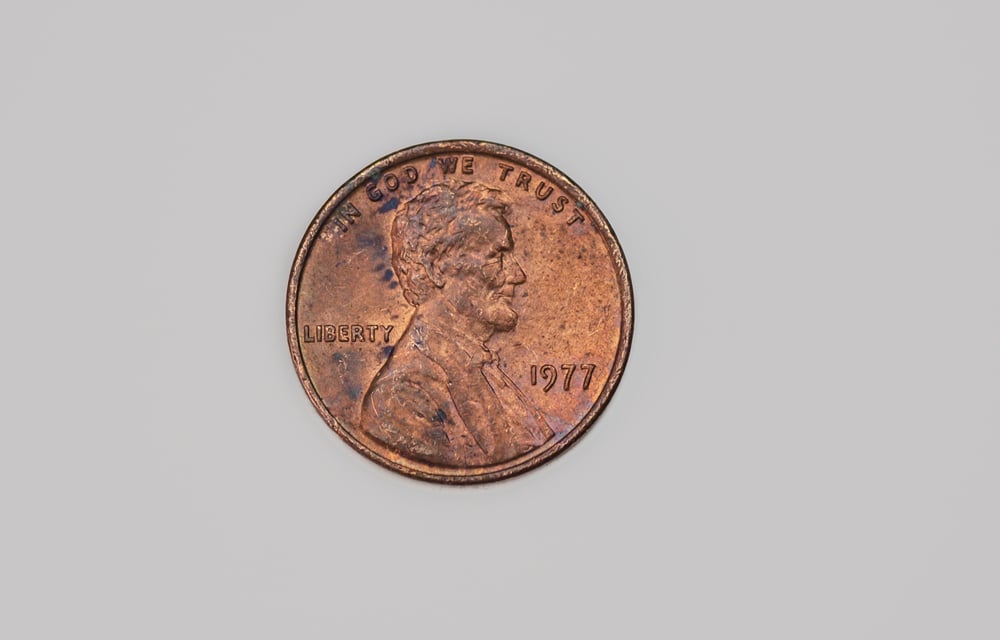
A subtle die variety in 1970 produced cents with a noticeably smaller, more compact date than the standard version struck that year, a difference that requires close comparison to spot. Uncirculated examples can sell for $30 to $60, a modest but real premium that surprises casual collectors given how recent the date is compared to most valuable coins.
1972 Doubled Die Lincoln Cent
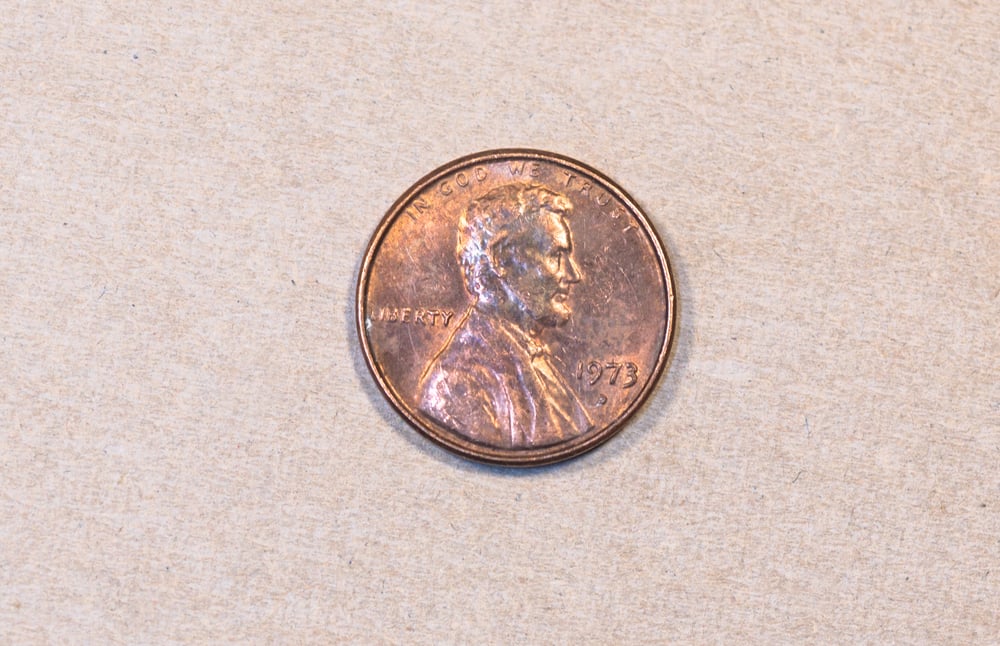
Another doubled-die error, similar in nature to the 1955 and 1969-S varieties, appeared in the 1972 date, with visible doubling on the date and inscriptions on the coin’s obverse. Uncirculated examples can sell for $300 to $600, and because the date is recent enough that examples are more likely to have entered circulation gradually, checking ordinary pocket change from that era is a genuinely realistic way to find one.
1877 Indian Head Cent
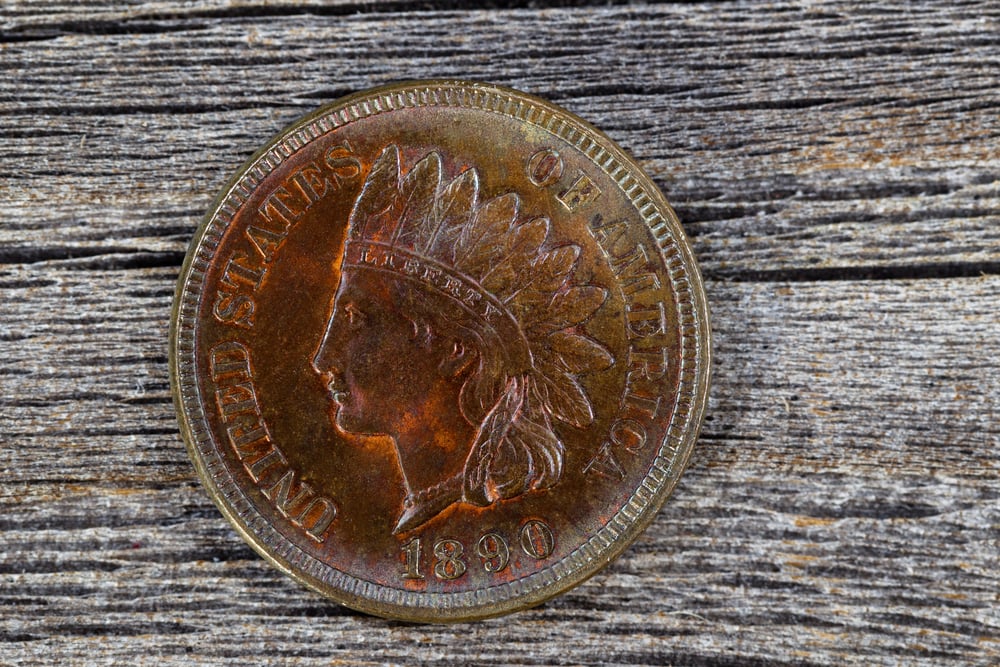
The Indian Head cent series, produced from 1859 through 1909, had its lowest mintage year in 1877, making it the key date collectors need to complete a full set and one of the most consistently valuable dates in the entire series. Circulated examples can sell for $600 to $1,500 depending on condition, with well-preserved specimens bringing significantly more.
1909-S VDB Lincoln Cent
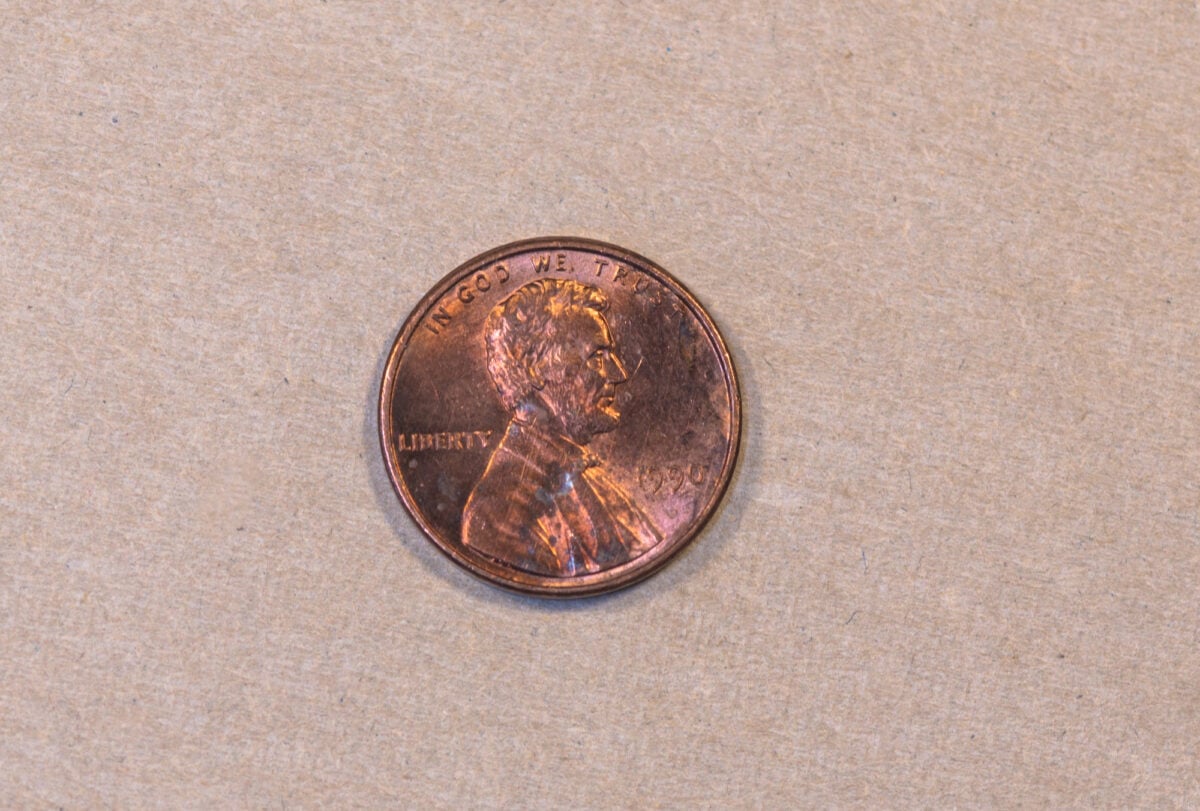
The first year of the Lincoln cent design in 1909 briefly included designer Victor David Brenner’s initials, VDB, on the reverse before public objection led the Mint to remove them, and the San Francisco Mint’s low-mintage version with the initials intact is the single most famous key date in the entire Lincoln cent series.
Circulated examples can sell for $700 to $1,500, with uncirculated specimens bringing several thousand dollars, and its fame within coin collecting makes it one of the first coins any new collector learns to recognize.
1913 Liberty Head Nickel
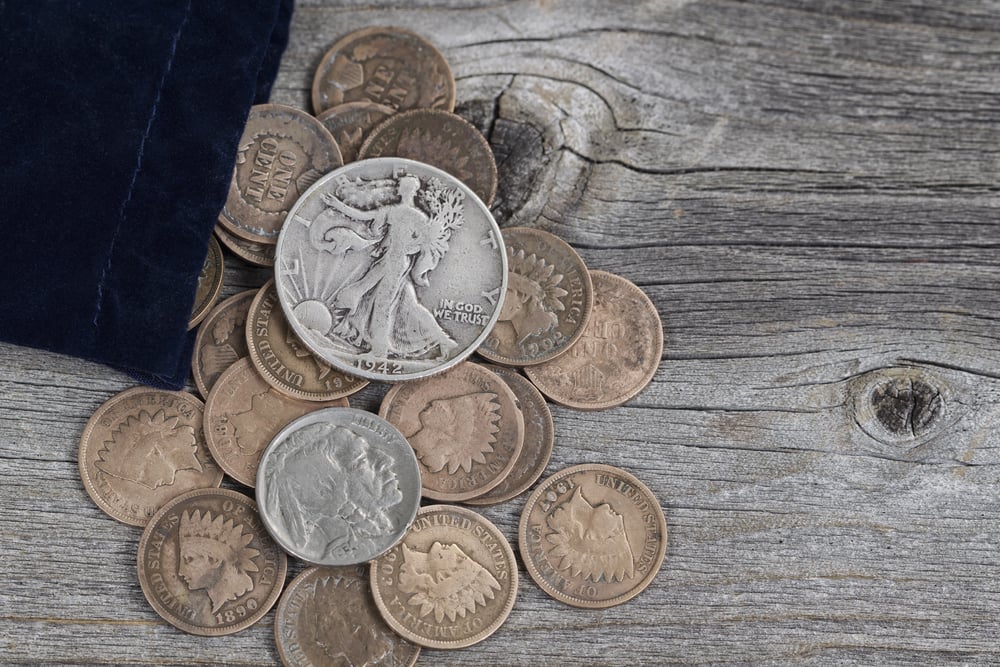
Only five examples of the Liberty Head nickel are known to exist bearing the 1913 date, struck after the design had officially been replaced by the new Buffalo nickel, apparently made without official Mint authorization.
Individual examples have sold at auction for millions of dollars, and while the odds of finding one in ordinary circulation are effectively nonexistent given that all five known specimens are accounted for and held by collectors or institutions, the coin remains the standard reference point for extreme rarity in American numismatics.
1804 Draped Bust Silver Dollar
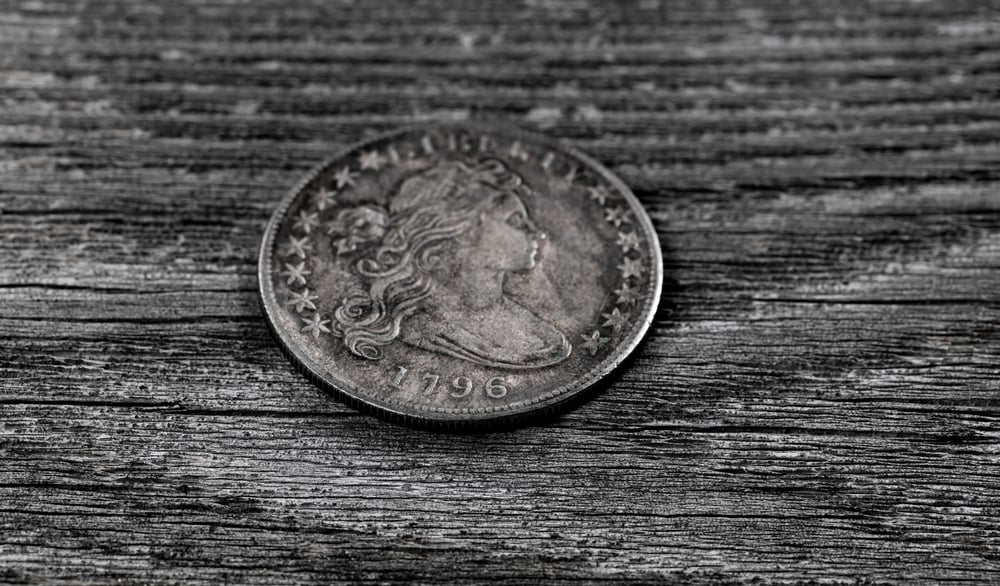
Despite bearing the date 1804, these silver dollars were actually struck decades later, in the 1830s, for diplomatic gift sets and later for collectors, making the coin’s date and its actual production history two entirely different things. Known examples, of which only a small number exist, have sold at auction for millions of dollars, and like the 1913 Liberty nickel, the coin functions more as a benchmark of numismatic history than a realistic pocket-change find.
1955 Double Date Franklin Half Dollar
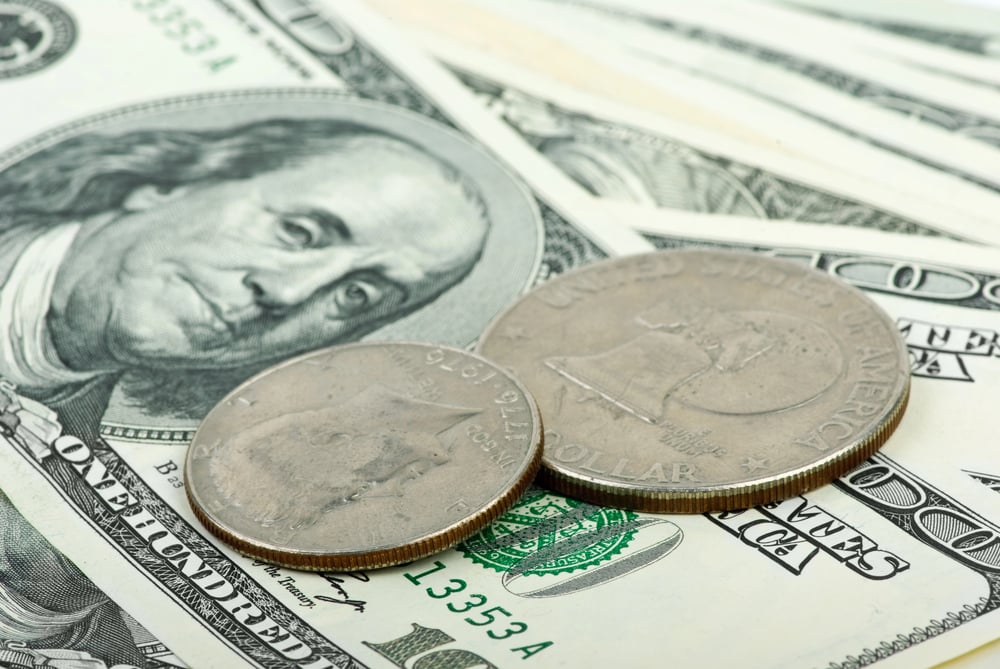
A separate and less famous doubling error than the well-known 1955 Lincoln cent affected a small number of Franklin half dollars struck the same year, creating a subtly doubled date that is easy to overlook without close inspection.
Verified examples can sell for several hundred dollars, a modest value compared to the more famous 1955 cent error but still a real surprise for anyone who assumes only pennies carry error-coin value.
1950-D Jefferson Nickel
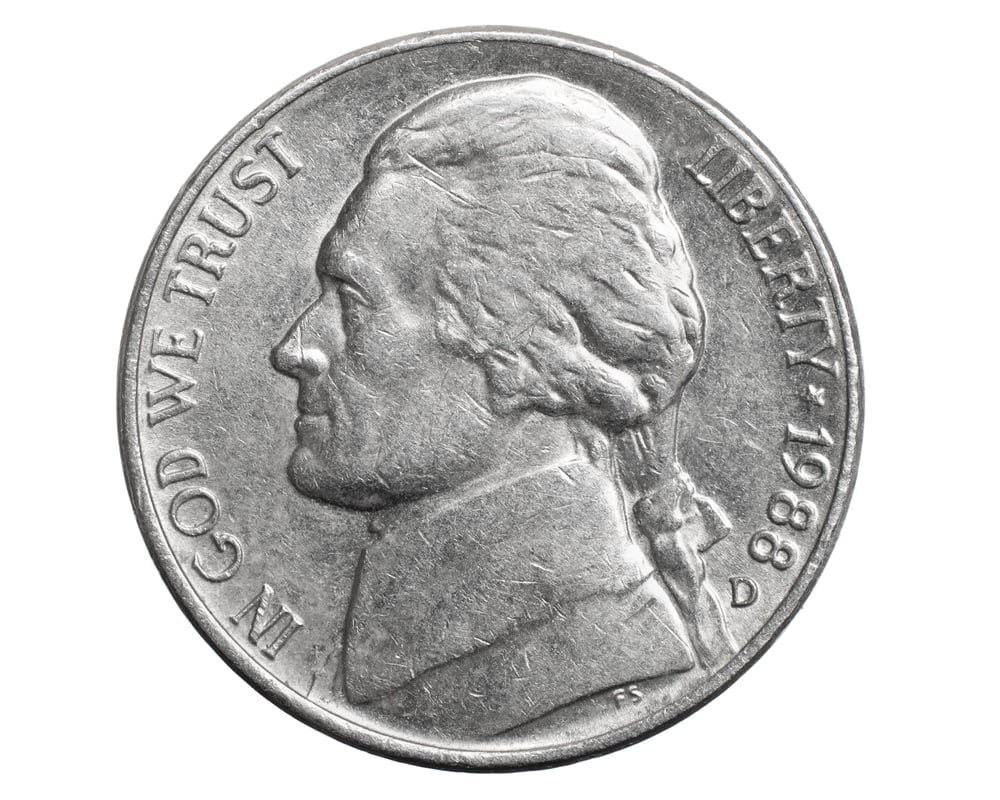
The Denver Mint struck a notably low number of Jefferson nickels in 1950 compared to other dates in the series, making it the acknowledged key date for anyone assembling a complete set. Uncirculated examples can sell for $30 to $75, with circulated examples worth considerably less but still a modest step above ordinary nickel value.
1931-S Lincoln Cent
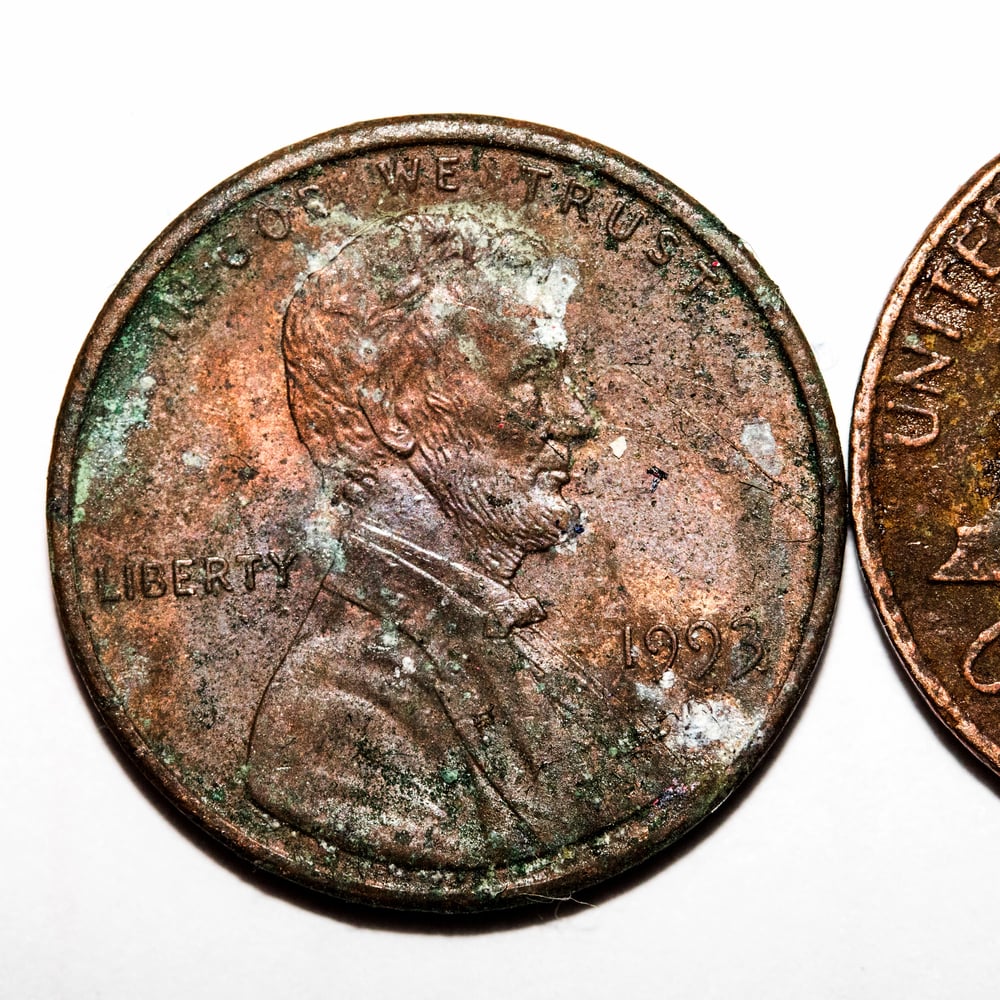
The Great Depression sharply reduced coin production across the board, and the San Francisco Mint’s 1931 cent mintage was particularly low as a result, making it a recognized semi-key date within the broader Lincoln cent series. Circulated examples can sell for $50 to $150, with well-preserved uncirculated specimens bringing considerably more.
1921 and 1921-D Mercury Dimes
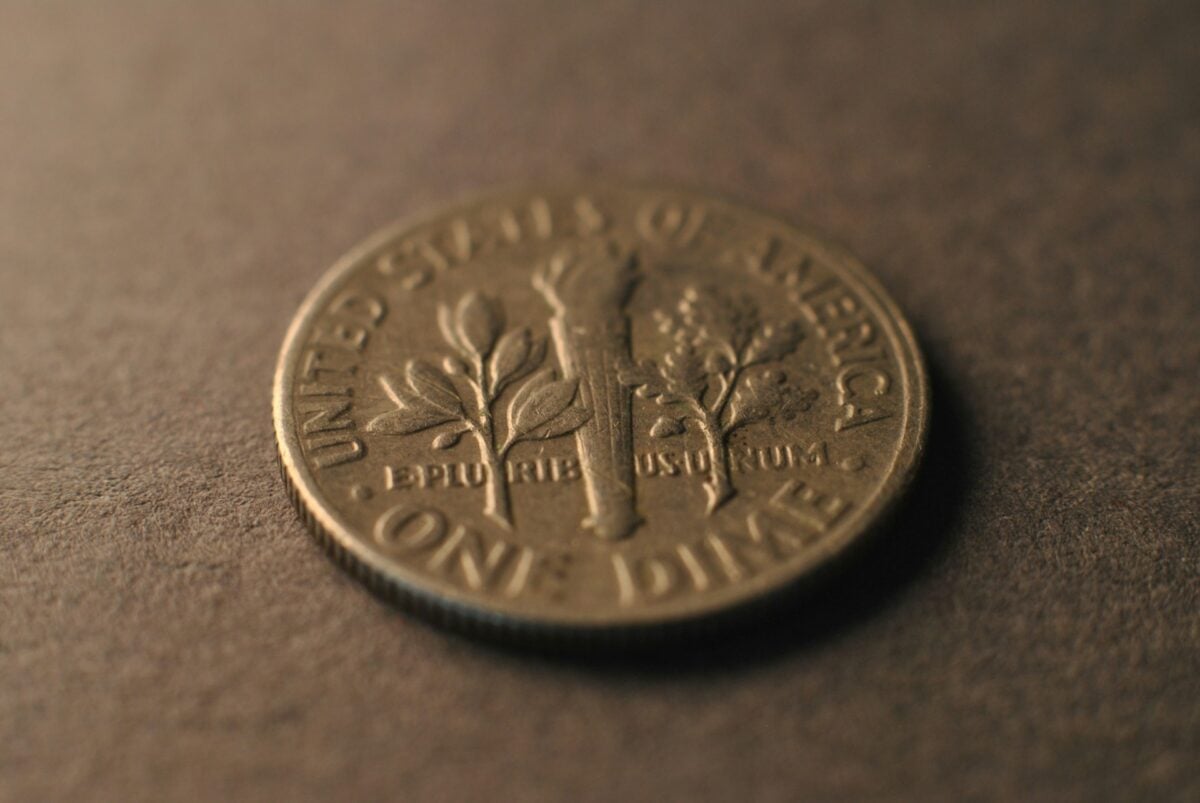
Both the Philadelphia and Denver mints struck unusually low numbers of dimes in 1921, making both varieties semi-key dates that collectors specifically hunt for when assembling a complete Mercury dime set. Circulated examples of either can sell for $150 to $400, with well-preserved specimens bringing considerably more.
1893-S Morgan Silver Dollar
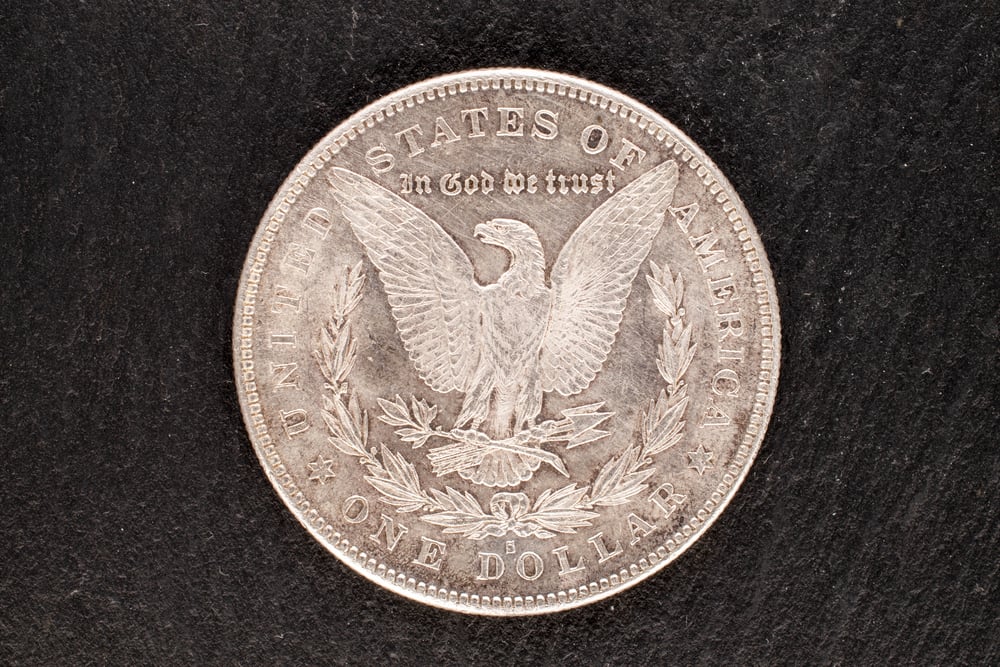
The San Francisco Mint struck a notably small number of Morgan dollars in 1893, making this the universally recognized key date for the entire Morgan dollar series, one of the most widely collected coin series in American numismatics. Circulated examples can sell for $3,000 to $8,000, with well-preserved specimens bringing tens of thousands of dollars at auction.
1889-CC Morgan Silver Dollar
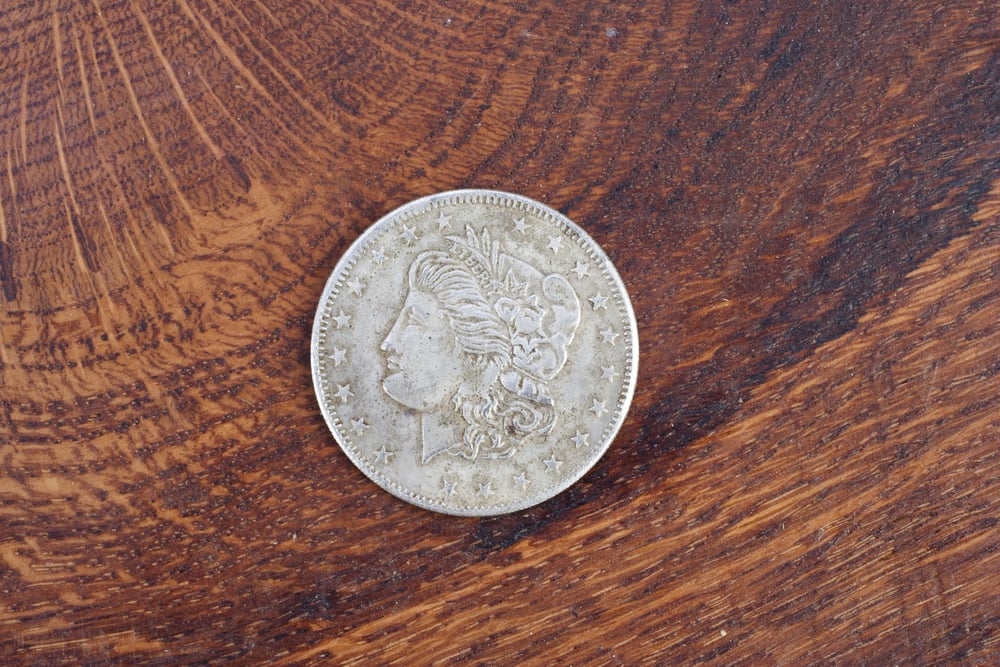
The Carson City Mint’s 1889 Morgan dollar mintage was unusually low, and the Carson City mint mark generally carries a premium across the entire Morgan dollar series among collectors specifically drawn to coins from that historic Nevada mint. Circulated examples can sell for $2,000 to $5,000, with the Carson City mint’s colorful frontier history adding to the coin’s appeal beyond its raw scarcity.
1917 Doubled Die Buffalo Nickel
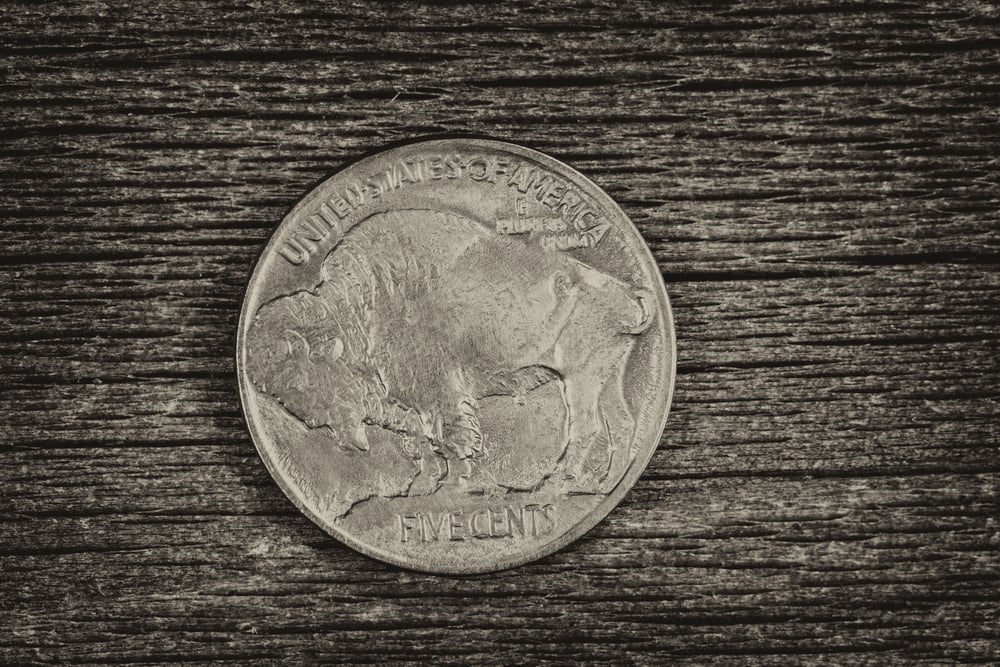
A production error in 1917 produced a small run of Buffalo nickels with visible doubling on the date, an early example of the doubled-die error type that would later become famous through the 1955 Lincoln cent.
Verified examples can sell for several hundred to over a thousand dollars depending on condition, with the error’s relative obscurity compared to later doubled-die coins meaning genuinely knowledgeable buyers make up much of the demand.
1965 Silver Transitional Quarter
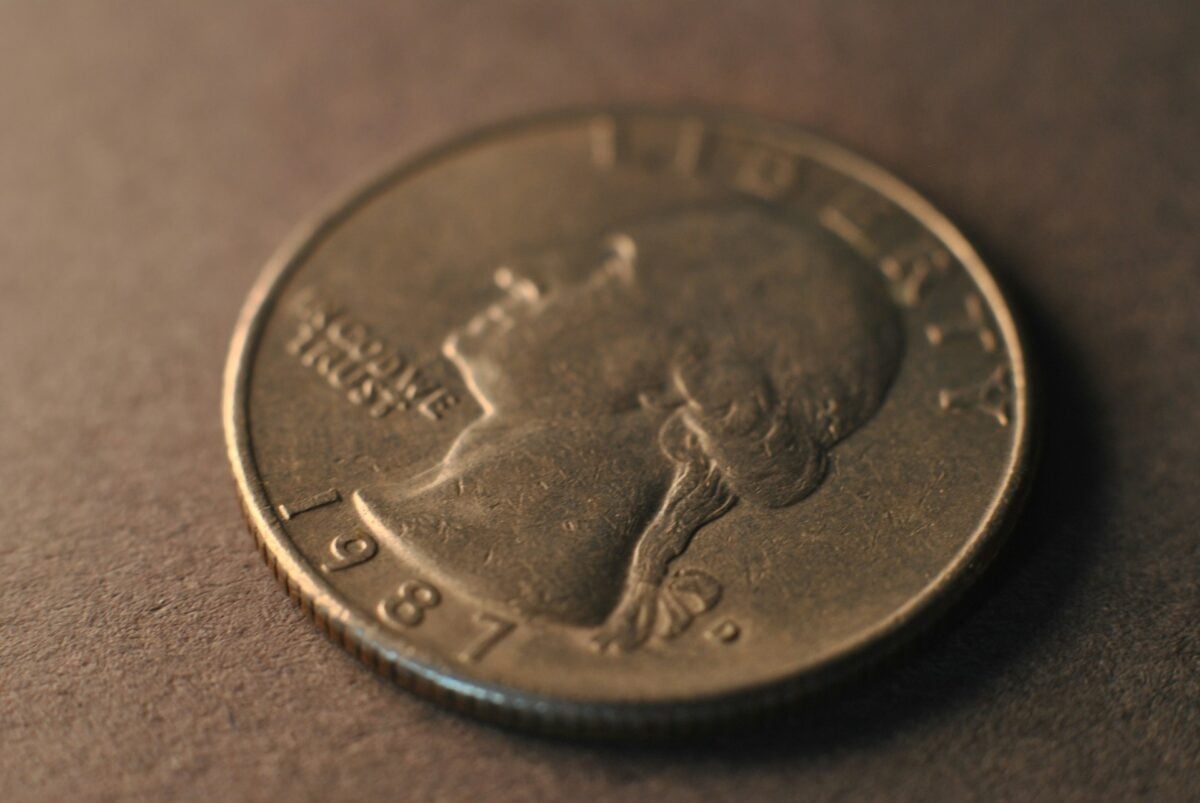
When the U.S. Mint switched quarters from 90 percent silver to a copper-nickel clad composition in 1965, a small number of leftover silver planchets were accidentally struck with the new 1965 dies, creating a genuine transitional error coin.
Verified examples have sold for tens of thousands of dollars, and a simple edge check, since silver coins lack the visible copper stripe that clad coins show, is the fastest way to screen a 1965 quarter before assuming it is ordinary.
1974 Aluminum Lincoln Cent
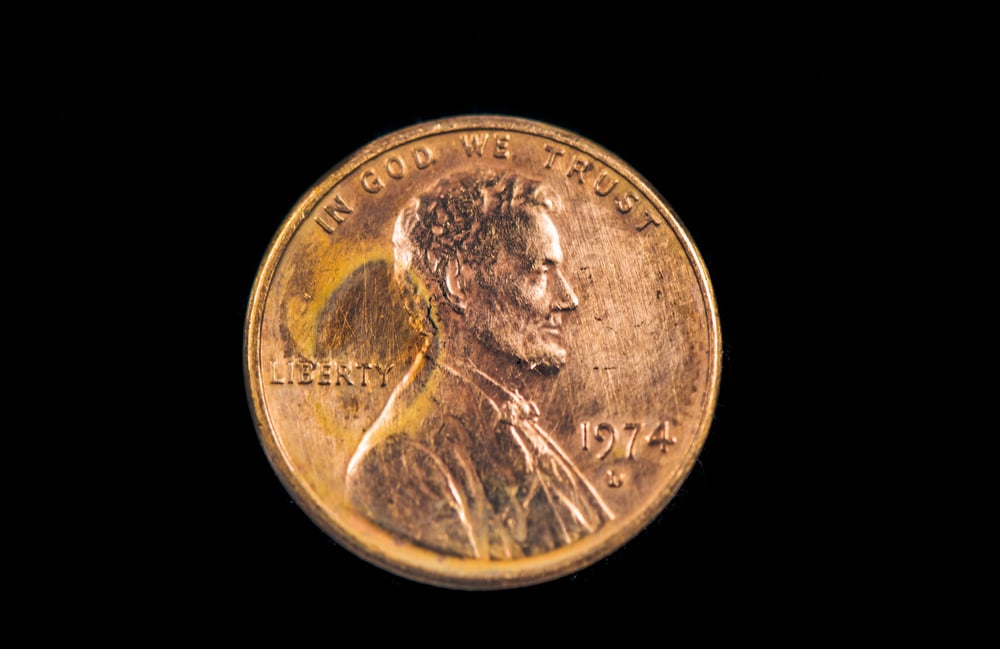
Facing rising copper prices, the Mint experimented with striking a small batch of aluminum cents in 1974 as a potential cost-saving alternative, but the design was never officially released and nearly all known examples were later ordered destroyed or remain in government hands.
A single privately held example has changed hands under disputed legal circumstances, and the coin’s legal status makes it one of the more complicated entries in American numismatics rather than a realistic find, though its story is well known enough that any 1974 cent that feels unusually light is worth a second look.
1944 Steel Lincoln Cent
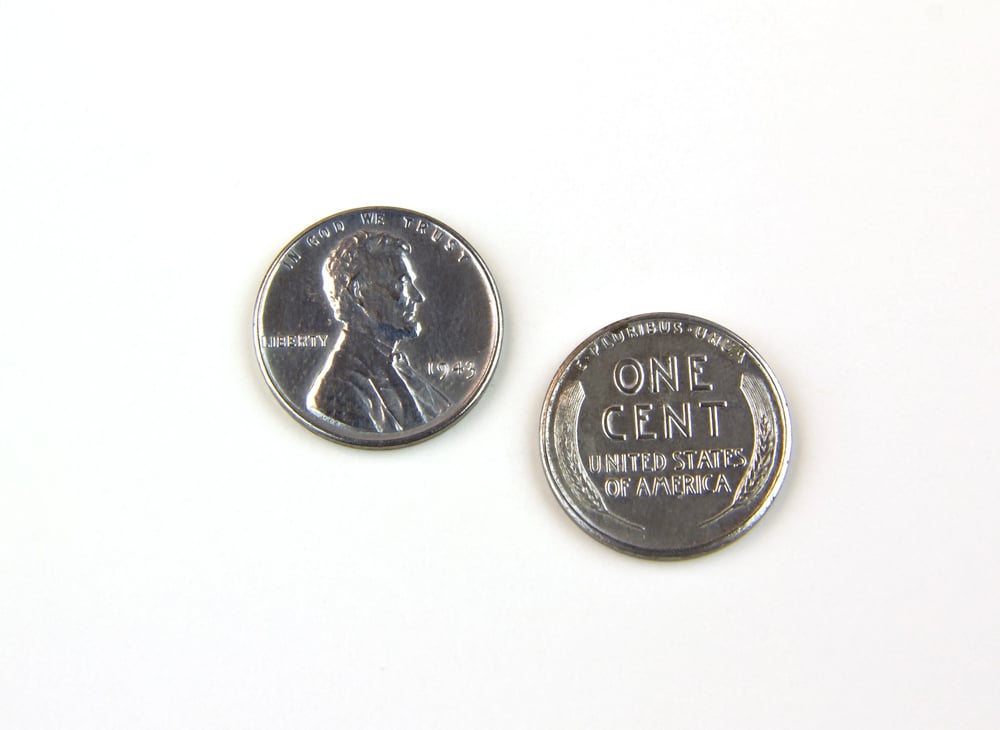
The reverse error of the famous 1943 bronze cent, a small number of leftover steel planchets from 1943 were accidentally struck with 1944 dies after the Mint had switched back to bronze for that year.
Verified examples have sold for over $100,000, and like its 1943 counterpart, a simple magnet test is the fastest first screen, since a genuine 1944 steel cent will stick to a magnet the way an ordinary 1944 bronze cent will not.
1982 Small Date Bronze Lincoln Cent
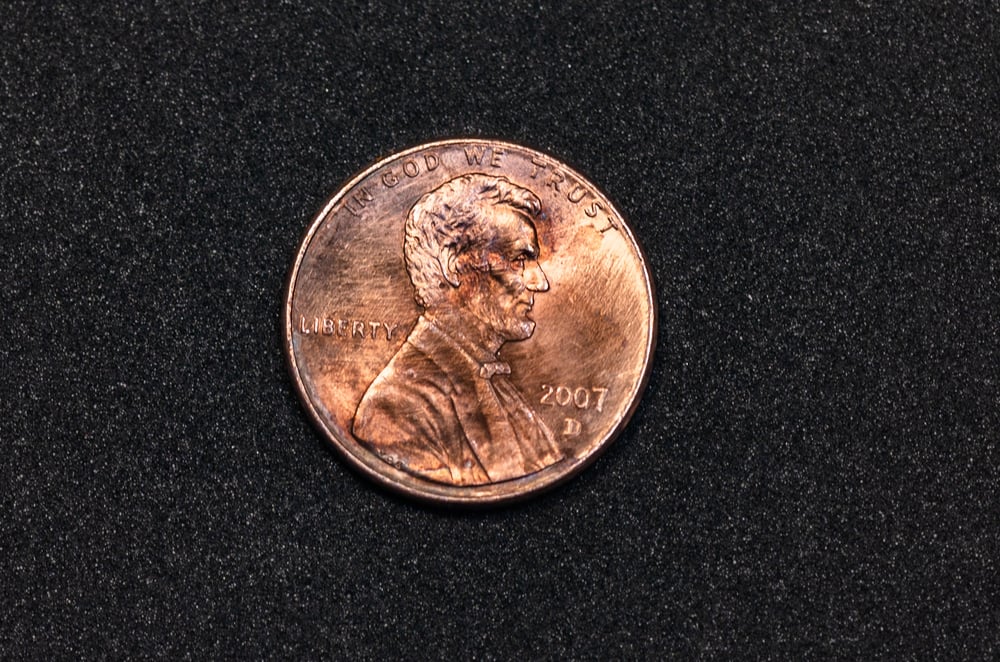
The Mint transitioned Lincoln cent composition from bronze to copper-plated zinc partway through 1982, creating several distinct date-and-composition combinations from that single year that collectors track closely, with the small-date bronze version being the scarcest of the group.
Uncirculated examples can sell for $15 to $40, a modest value but a genuine surprise given how recent and seemingly ordinary the coin appears at first glance.
1992 Close AM Lincoln Cent
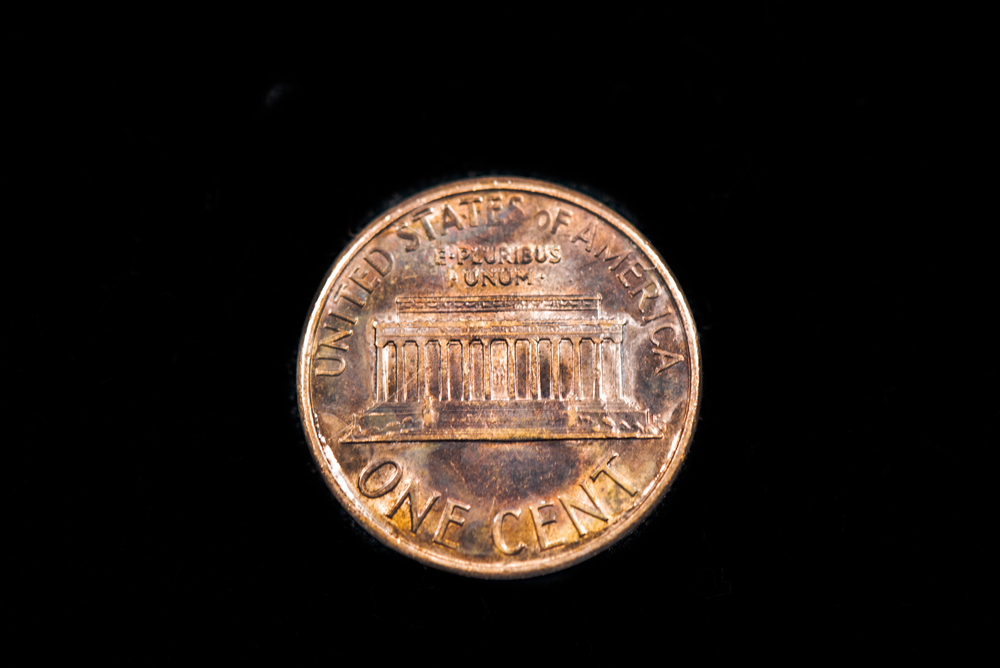
A subtle design variety in 1992 placed the “AM” in “AMERICA” on the reverse noticeably closer together than the standard spacing used that year, a difference collectors call the Close AM variety.
Verified examples, especially in uncirculated condition, can sell for several hundred to over a thousand dollars, and because the difference is genuinely difficult to spot without a side-by-side comparison, this is one of the more realistic modern-era coins to actually find while sorting ordinary change.
2000-P South Carolina Spitting Eagle Quarter
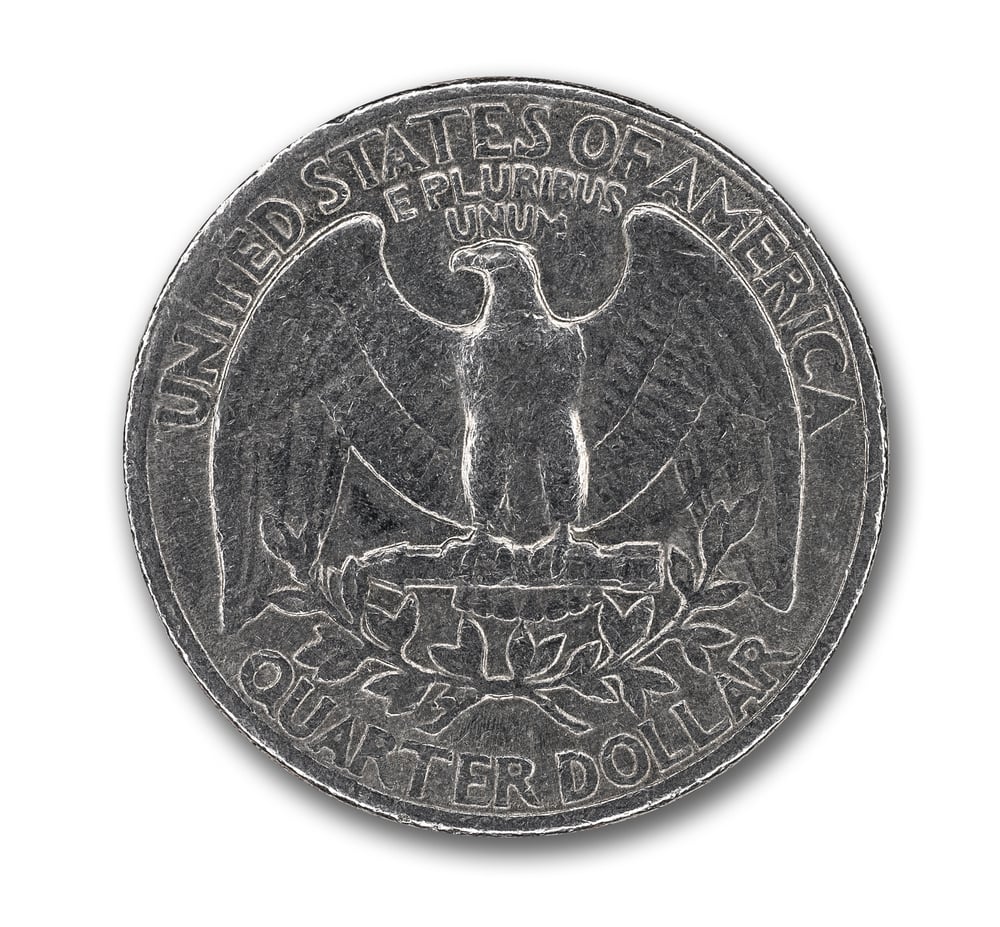
A die-crack error on a small number of 2000 South Carolina state quarters created a mark that appears to extend from the eagle’s beak, nicknamed the “spitting eagle” variety by collectors. Verified examples can sell for $20 to $50, a modest but genuinely findable value for anyone who still has state quarters from that early run mixed into a coin jar.
What a Coin Jar Might Actually Hold
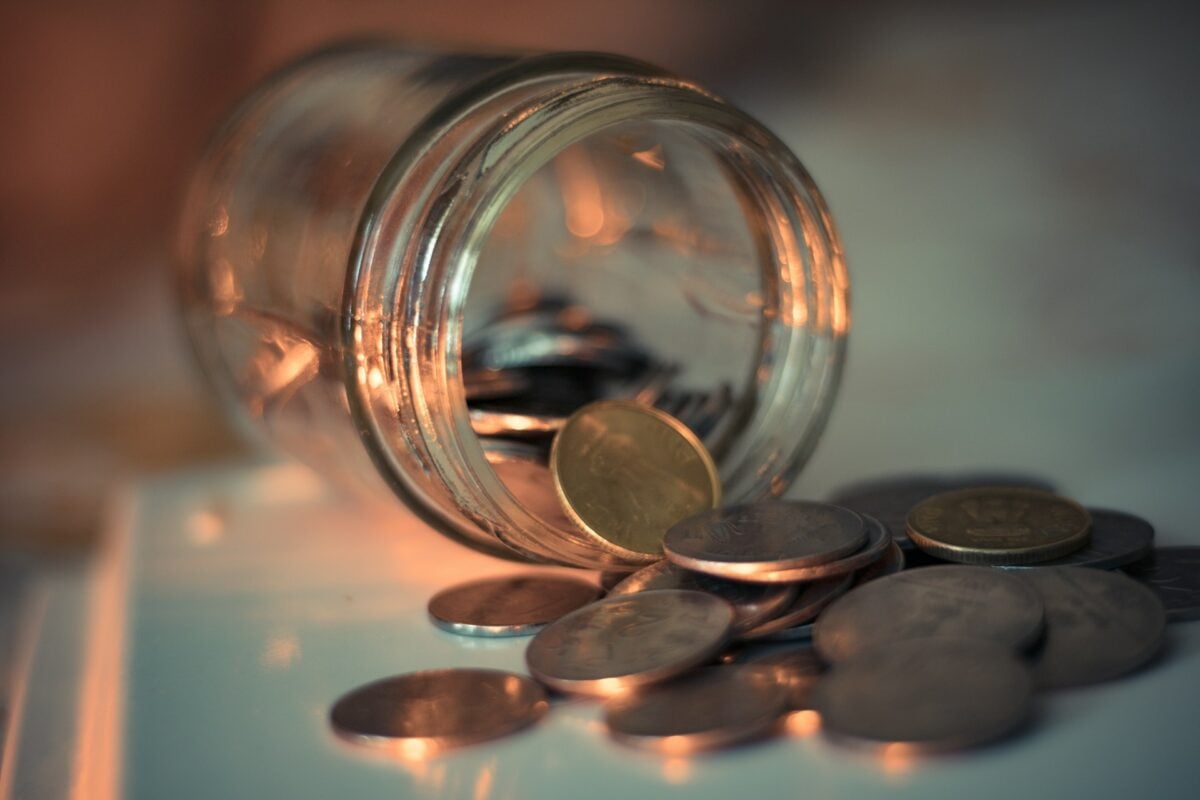
Every coin on this list began exactly like the ordinary change sitting at the bottom of a jar: struck by a government mint, spent without a second thought, and carried through decades of pockets and cash registers before anyone noticed something was different about it. That is the part of coin collecting most people underestimate, since the difference between an ordinary coin and a valuable one is rarely visible without knowing precisely what to look for.
Sorting a jar of change with even a basic list of dates and mint marks in hand costs nothing and takes an evening. Most of what turns up will be worth exactly a cent, a nickel, or a dime, but the coins on this list prove that the exceptions are real, still circulating, and worth the time it takes to check.
More from Go2Tutors!

- The Romanov Crown Jewels and Their Tragic Fate
- 13 Historical Mysteries That Science Still Can’t Solve
- Famous Hoaxes That Fooled the World for Years
- 15 Child Stars with Tragic Adult Lives
- 16 Famous Jewelry Pieces in History
Like Go2Tutors’s content? Follow us on MSN.



