27 Old Sales Catalogs That Help Identify Collectibles
An unmarked toy, an unlabeled vase, or a mystery gadget can sometimes be solved by a single page from an old sales catalog. Manufacturers and retailers printed product numbers, colors, and original prices that survive far longer than the boxes the goods came in.
Collectors and appraisers treat these catalogs as reference books written at the moment of sale. The ones below are among the most useful for dating and naming vintage finds.
The 1872 Montgomery Ward Price Sheet

Aaron Montgomery Ward mailed his first catalog in August 1872 as a single sheet listing 163 items. It is regarded as the first general merchandise mail-order catalog in the United States.
Anything that appears on that sheet can be traced to the earliest days of catalog shopping.
The Sears Big Book
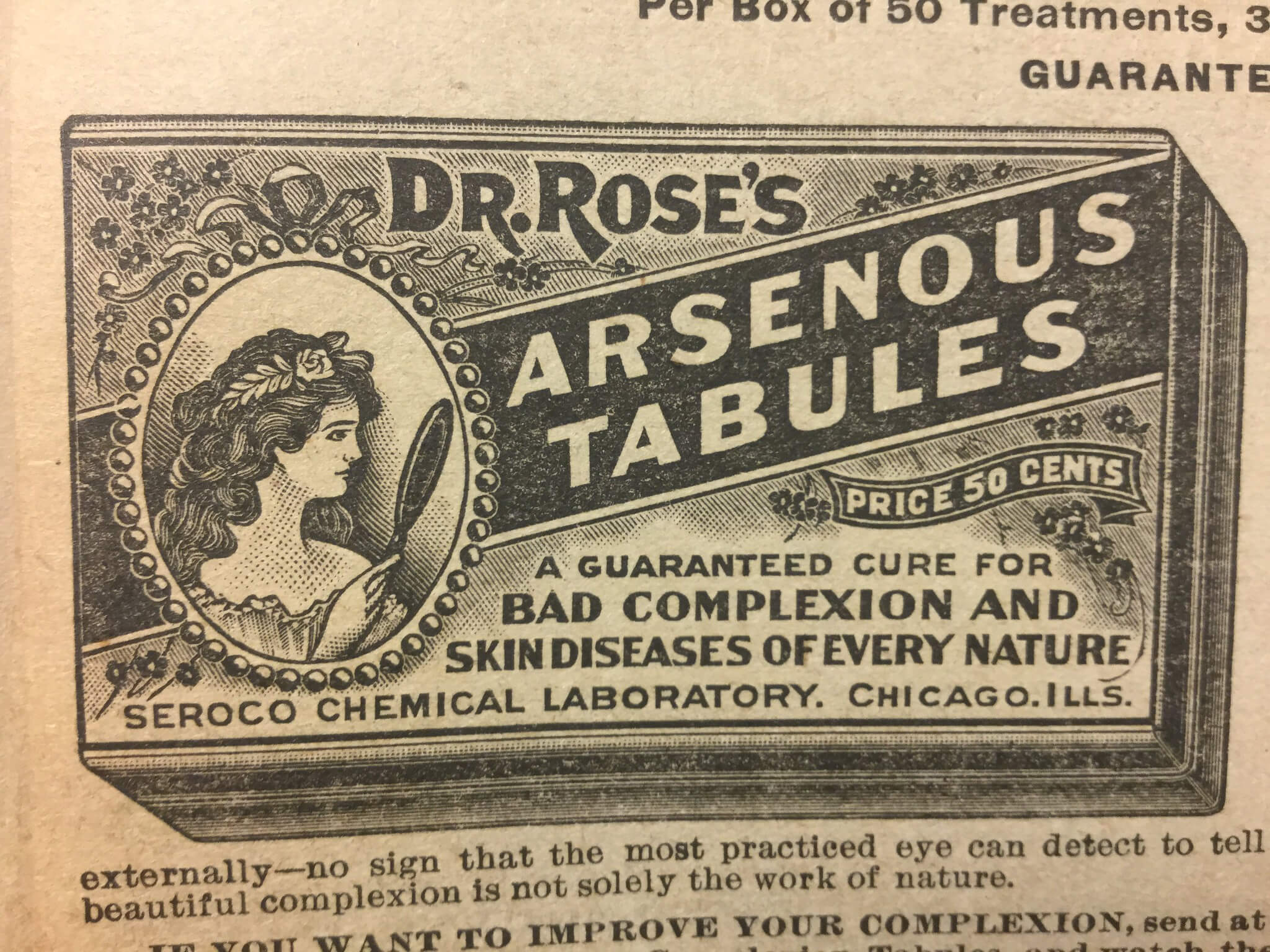
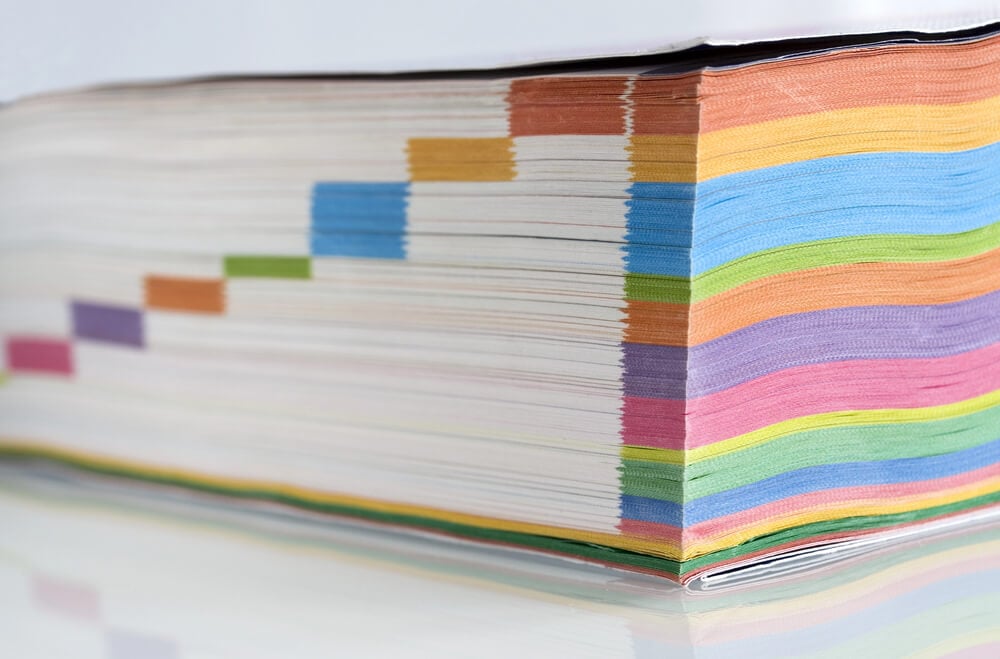
The Sears general catalog grew into a thick volume that covered clothing, tools, furniture, and household goods. Editions from 1912 show soft adhesive binding and newsprint-like pages.
Sears ended its big book in 1993, so the printed run offers a century of dateable product listings.
The 1933 Sears Christmas Book
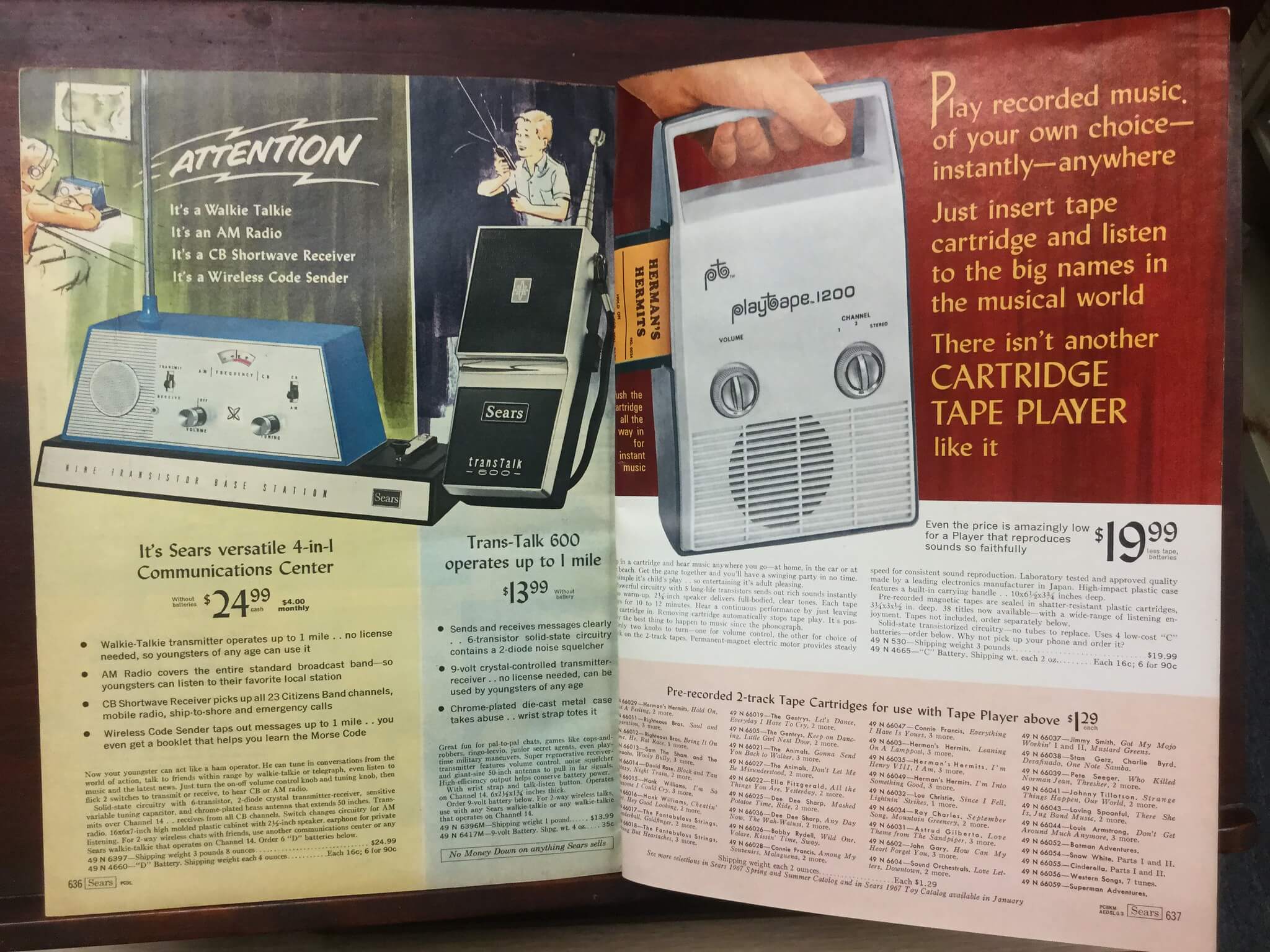
Sears issued its first Christmas catalog in 1933, which included a Mickey Mouse watch, a Lionel electric train set, a Miss Pigtails doll, and singing canaries. The book was renamed the Wish Book in 1968.
A toy that matches a 1933 listing can be dated within a year of manufacture.
Early Sears Christmas Decorations
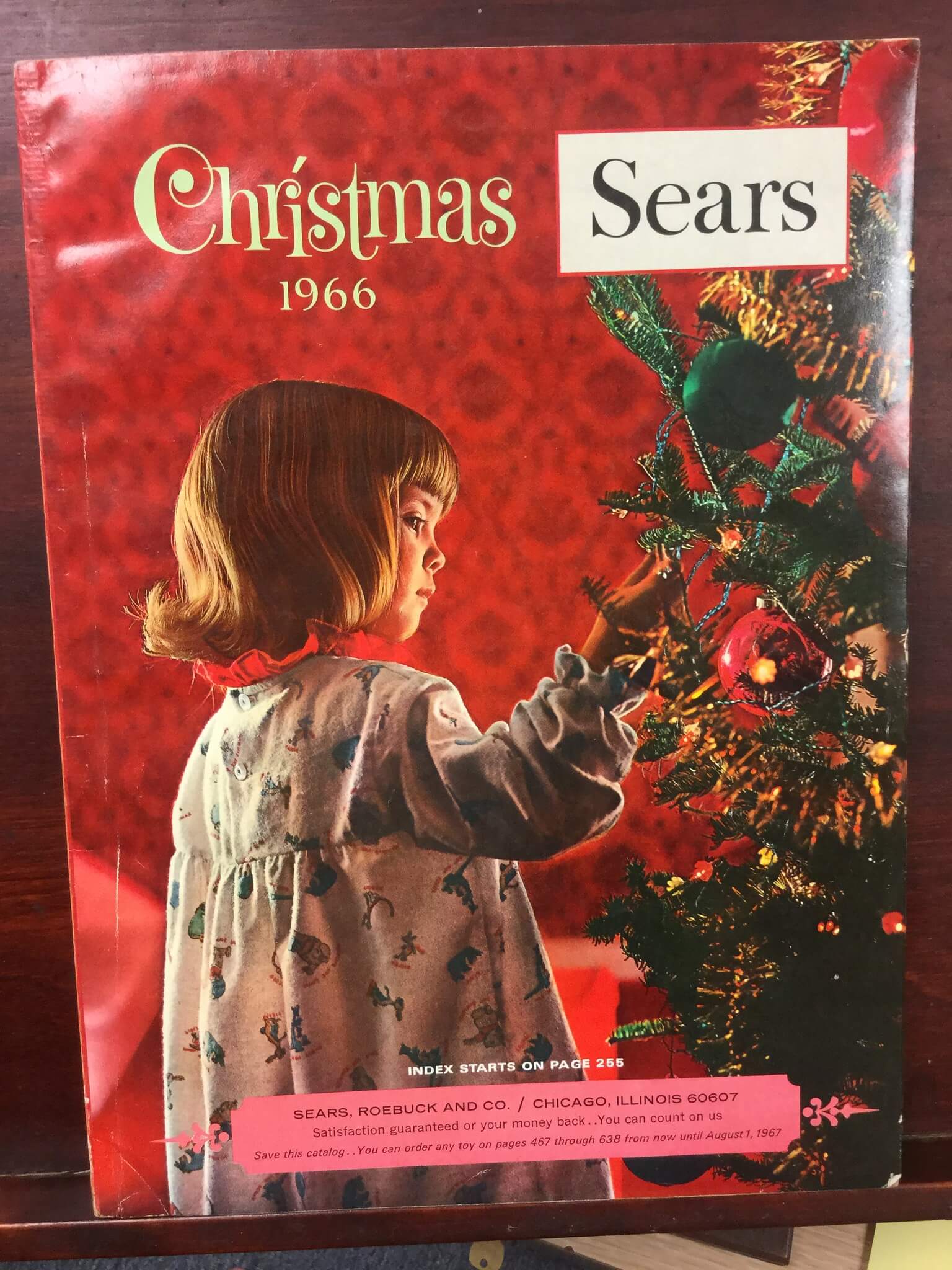
Sears catalogs show when Christmas items first appeared in the line, with wax candles for trees in 1896, cards in 1898, ornaments in 1900, and artificial trees in 1910. Electric tree lights appeared two years after that.
Collectors use those years to date vintage ornaments and decorations.
The Hammacher Schlemmer Catalog
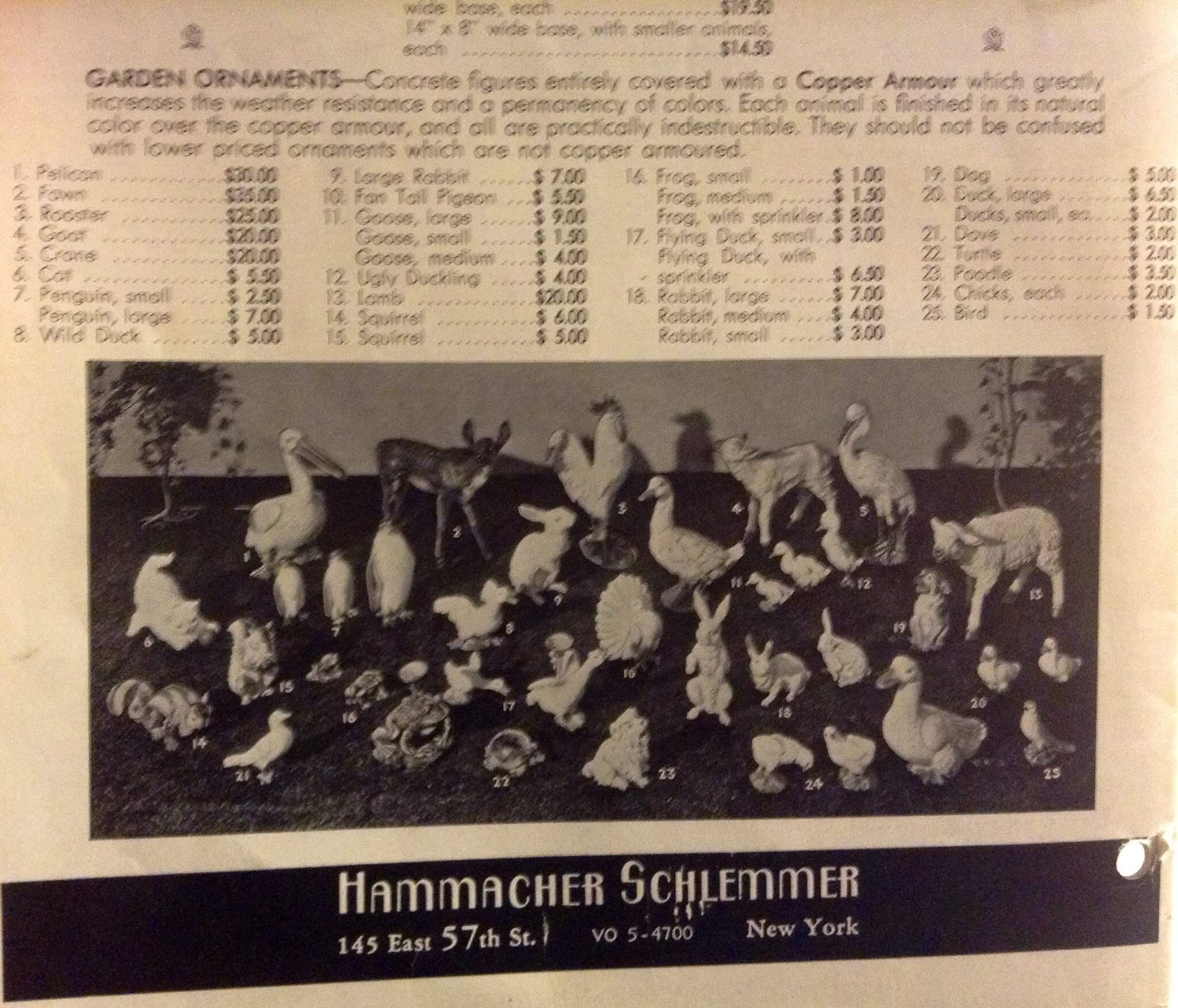
Hammacher Schlemmer began publishing a catalog in 1881 and became the first place Americans saw many new gadgets. Its pages introduced the pop-up toaster in 1930, the electric shaver in 1934, and the steam iron in 1948.
The microwave oven and answering machine followed in 1968, and Mr. Coffee used the catalog to debut its drip coffeemaker in 1973.
The Tiffany Blue Book

Tiffany issued its Blue Book in 1845, a catalog of jewelry and silver that has been credited as one of the first in the United States. The listings help identify patterns and designs from the nineteenth century.
Pieces that match a Blue Book entry carry a clear line of documentation.
The JCPenney Christmas Catalog
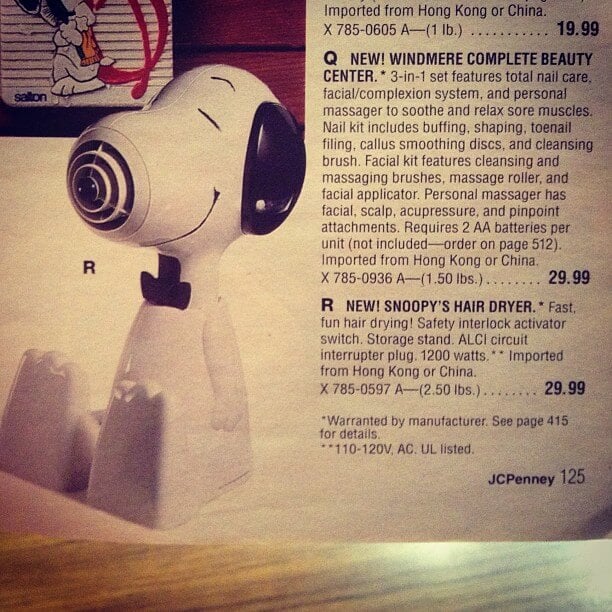
JCPenney published catalogs in the early 1930s and issued substantial Christmas editions mid-century. A 1973 edition listed Fisher-Price toys such as the Play Family Farm at $9.96.
Prices and descriptions in those books help establish what a toy originally cost.
Spiegel and Neiman Marcus Holiday Books

Spiegel and Neiman Marcus joined Montgomery Ward and JCPenney in producing large Christmas catalogs in the middle of the century. Their pages often feature more upscale gifts than the mass-market books.
A product that shows up in one of them was sold at a higher price point.
Fisher-Price Catalogs
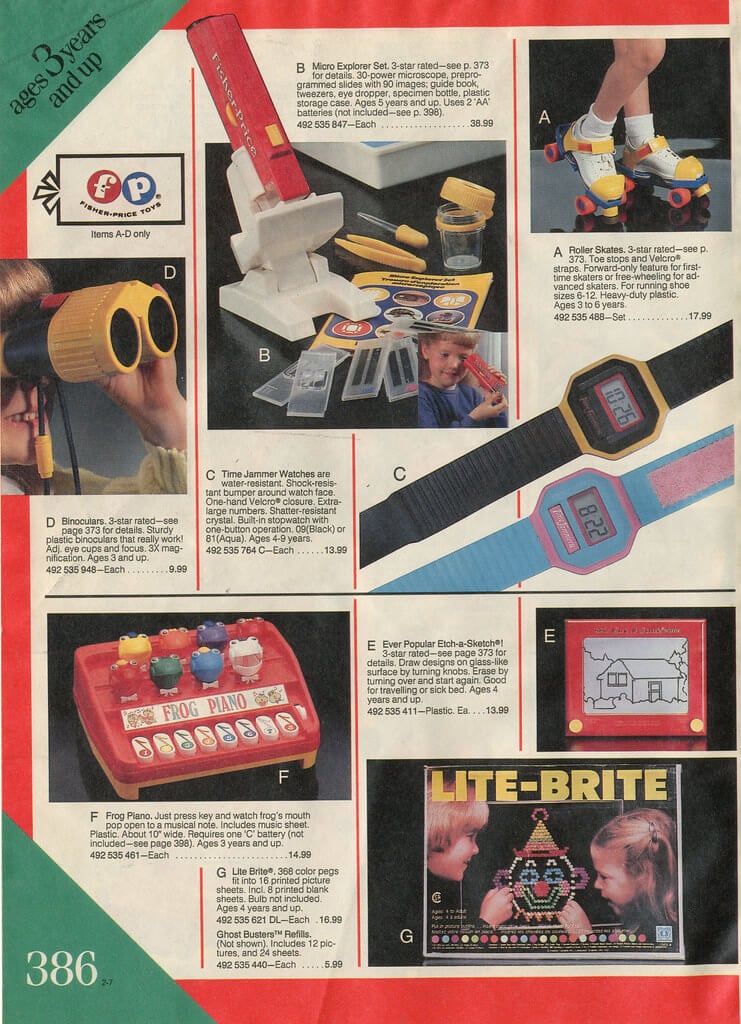
Fisher-Price, established in 1930, issued dealer catalogs that show each toy by number and name. A 1958 catalog documents the line from the period, long before Quaker Oats acquired the company in 1969.
Matching a pull toy to its catalog number can confirm the year it was sold.
The 1953 Selchow and Righter Catalog
In 1952, Selchow and Righter bought the rights to the crossword game Scrabble. The company’s 1953 catalog marked the first time the game was advertised to retailers.
A Scrabble set with early packaging can be checked against that listing.
Hallmark Keepsake Dream Books

Hallmark introduced its Keepsake Ornaments in 1973 and began publishing annual catalogs later called Dream Books. Each catalog showed that year’s new ornaments with names and release years.
Collectors rely on them to verify an ornament’s date and original design.
L.L. Bean Catalogs
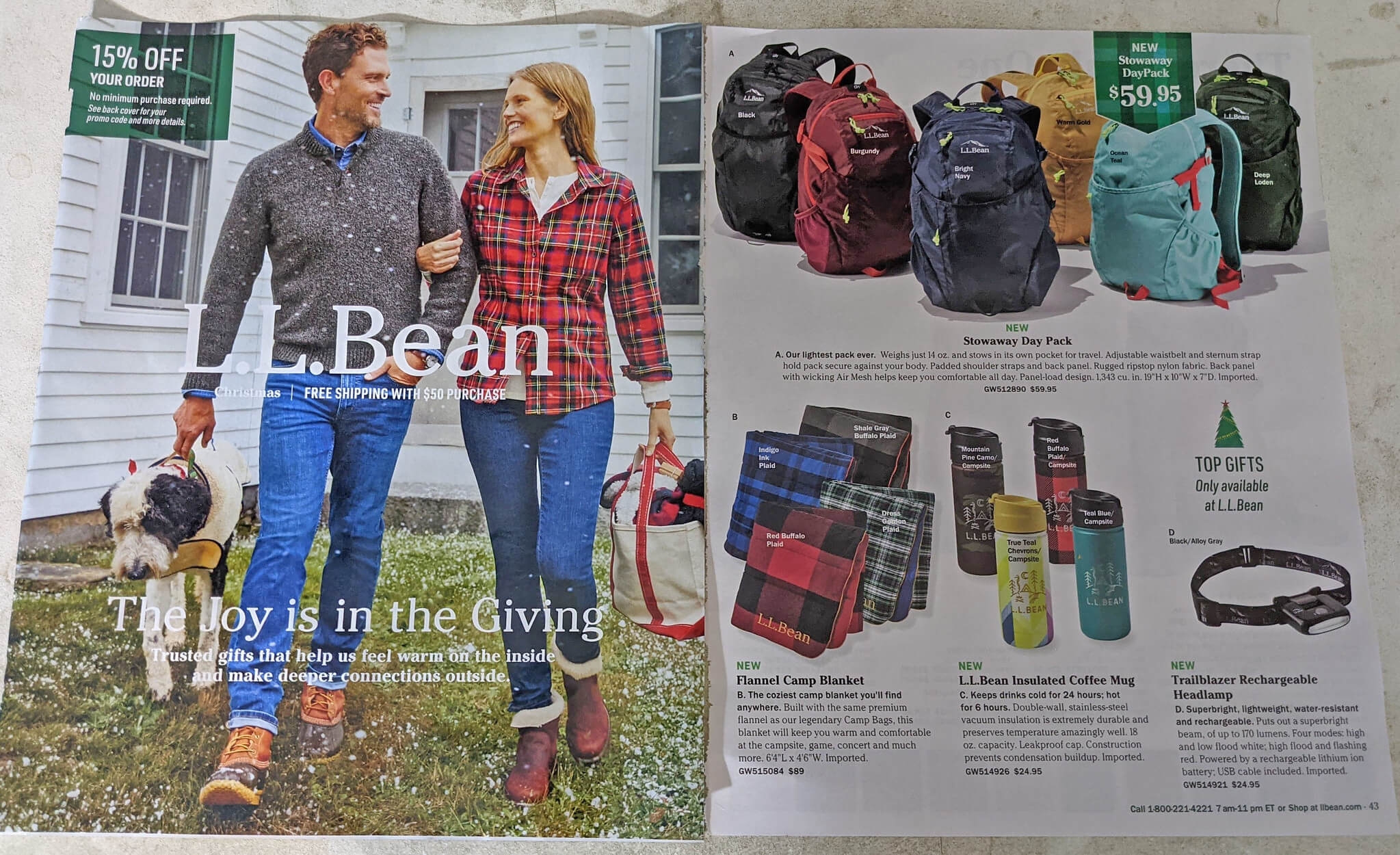
L.L. Bean catalogs from the 1920s through the 1950s show the company’s outdoor clothing and gear in detail. A 1941 edition shows how male-oriented the product line was at the time.
The books help date boots, jackets, and camping equipment.
Aurora Model Kit Catalogs
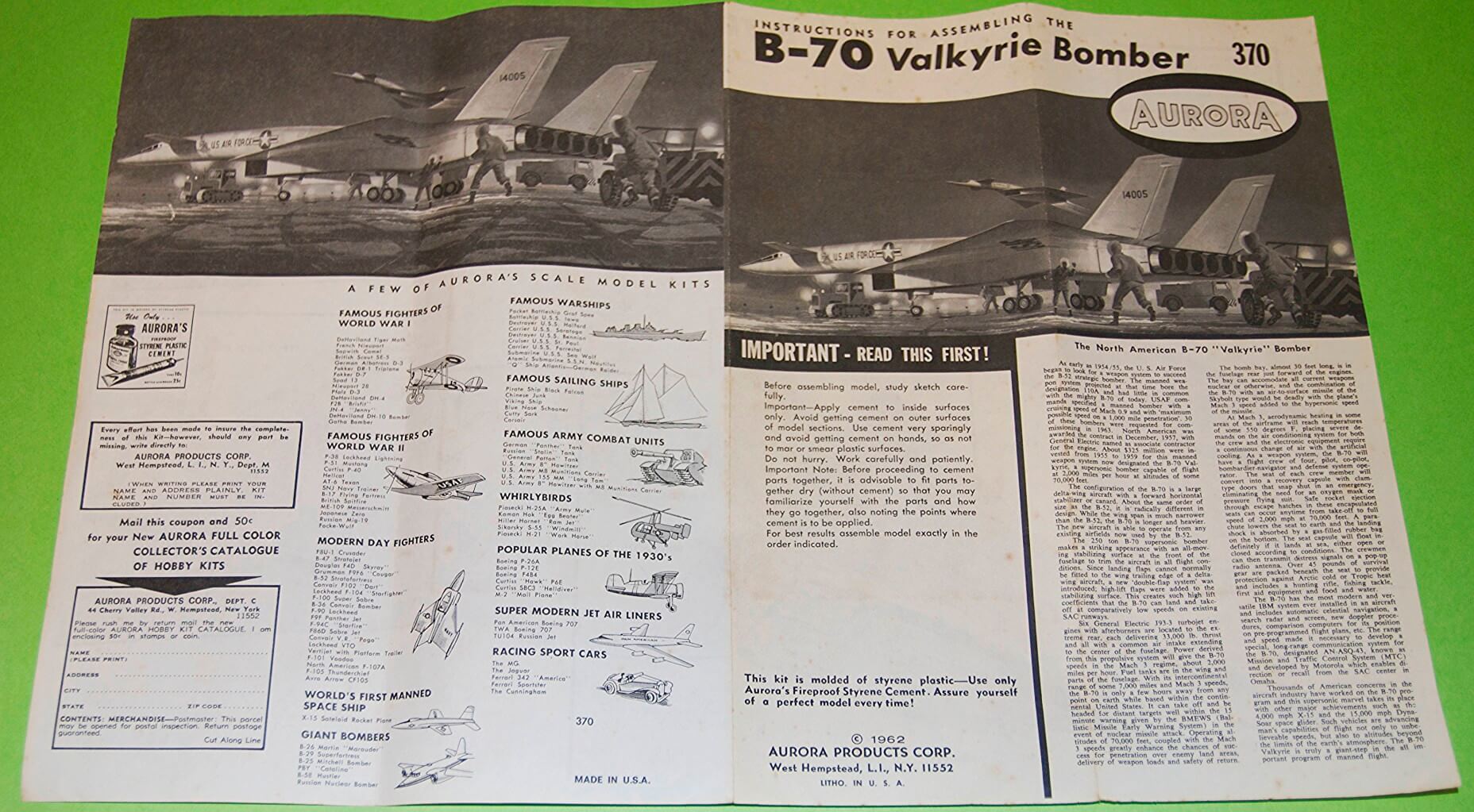
Aurora issued full-color sales catalogs from 1960 through 1977, showing its plastic model kits. The company produced monsters, superheroes, cars, and historical figures.
A built kit or a box can be verified against the catalog for the year.
Marx Toy Catalogs
Marx catalogs documented the company’s tin toys, plastic playsets, and robots, including Rock ‘Em Sock ‘Em Robots in 1964. Marx sold through mail-order houses such as Sears, which means many toys also appear in those retailers’ books.
A Marx catalog can help determine whether a playset is complete.
A. C. Gilbert Erector Catalogs
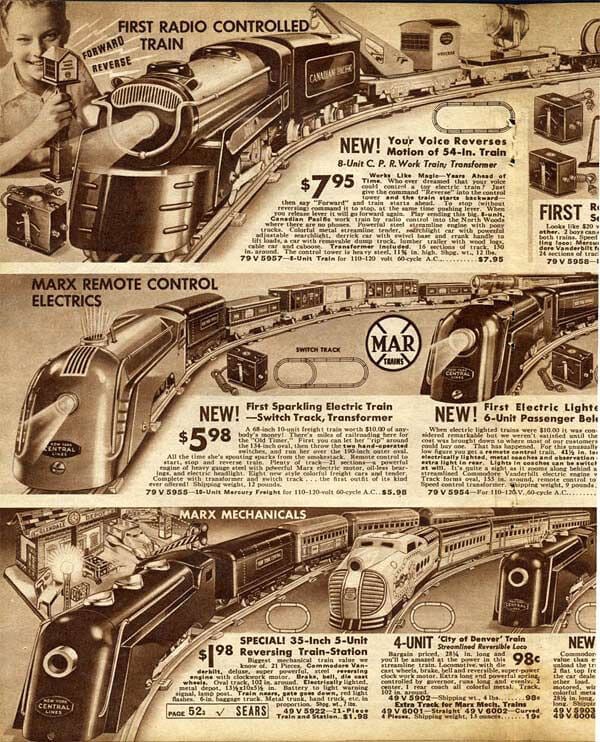
Gilbert published catalogs for the Erector set, introduced in 1913, and for American Flyer trains. The books list each set’s contents and number of parts.
A mixed pile of girders and nuts can often be matched to a set listing.
The 1930 Lincoln Logs Catalog
Lincoln Logs published catalogs in 1930 that show the building sets and related toys of that era. Digital archives preserve several versions, including a catalog for Lincoln Bricks.
An early set can be checked against the pieces pictured on the page.
The 1922 Federal Radio Catalog

Federal Telephone and Telegraph of Buffalo published literature on its radio receivers in 1922, during the early boom in broadcast radio. A bulletin from 1923 describes its telephone equipment.
Collectors use the books to identify early radios by model.
The 1897 Crafts Tool Catalog

The F. H. Crafts Machine and Tool Company issued an 1897 catalog that documents the machinery and tools of the era. Antique tool collectors use such catalogs to identify unfamiliar hand tools and shop equipment.
The illustrations show how each tool was meant to be held and used.
The 1947 Glenn M. Rogers Farm Tool Catalog

Glenn M. Rogers published a 1947 catalog of farm tools, illustrating implements long out of use. The pages help identify an unfamiliar tool found in a barn or antique shop.
The descriptions provide the original name and purpose.
Fenton Art Glass Catalogs

Fenton, founded in 1905 in Williamstown, West Virginia, issued catalogs showing pattern names, colors, and shapes. Many pieces carry no mark, so the catalog is the only way to confirm a pattern.
Collectors compare the color and mold detail to the pictured items.
Heisey Glass Catalogs
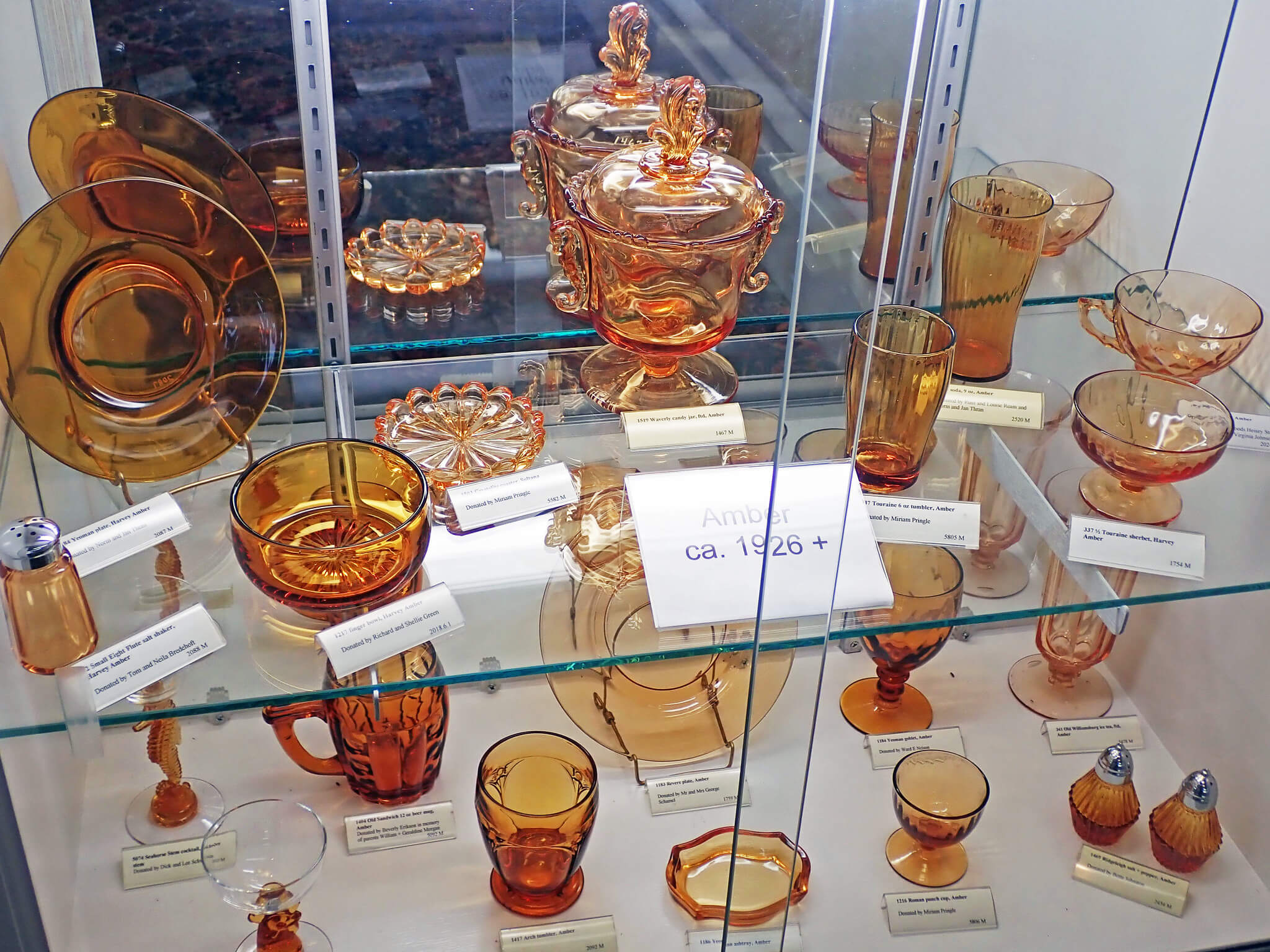
A. H. Heisey and Company of Newark, Ohio, produced glass until 1957. Its catalogs picture patterns, stemware, and decorative pieces by number.
They help identify the many Heisey pieces that lack the company’s diamond-H mark.
Fostoria Glass Catalogs

Fostoria, which began in 1887 and was based in Moundsville, West Virginia, published catalogs showing its elegant glassware patterns. The company closed in 1986.
Catalogs let collectors match a stray goblet or bowl to its pattern name.
Roseville Pottery Catalogs

Roseville Pottery of Zanesville, Ohio, produced art pottery from 1890 until 1954. Catalogs and price lists show line names, shapes, and glazes.
A vase without a clear mark can often be matched to a pictured shape.
Fiesta Dinnerware Catalogs

Homer Laughlin China Company introduced Fiesta dinnerware in 1936 in bright glaze colors. Catalogs show the original colors and shapes, which changed over the years.
Collectors use them to date a plate or pitcher by its glaze.
Avon Brochures

Avon began as the California Perfume Company in 1886 and took the Avon name in 1939. The company’s brochures illustrate decorative bottles, jars, and gift sets by year.
A vintage Avon bottle can be matched to its brochure to establish the season it was sold.
Shindana in the 1970 Sears Catalog

Sears printed a Christmas advertisement in 1970 for Shindana Toys, the Los Angeles maker of dolls for Black children. The ad documents a rare appearance of such toys in a national catalog.
A Shindana doll can be compared to that page for details.
Eaton’s 1884 Catalog
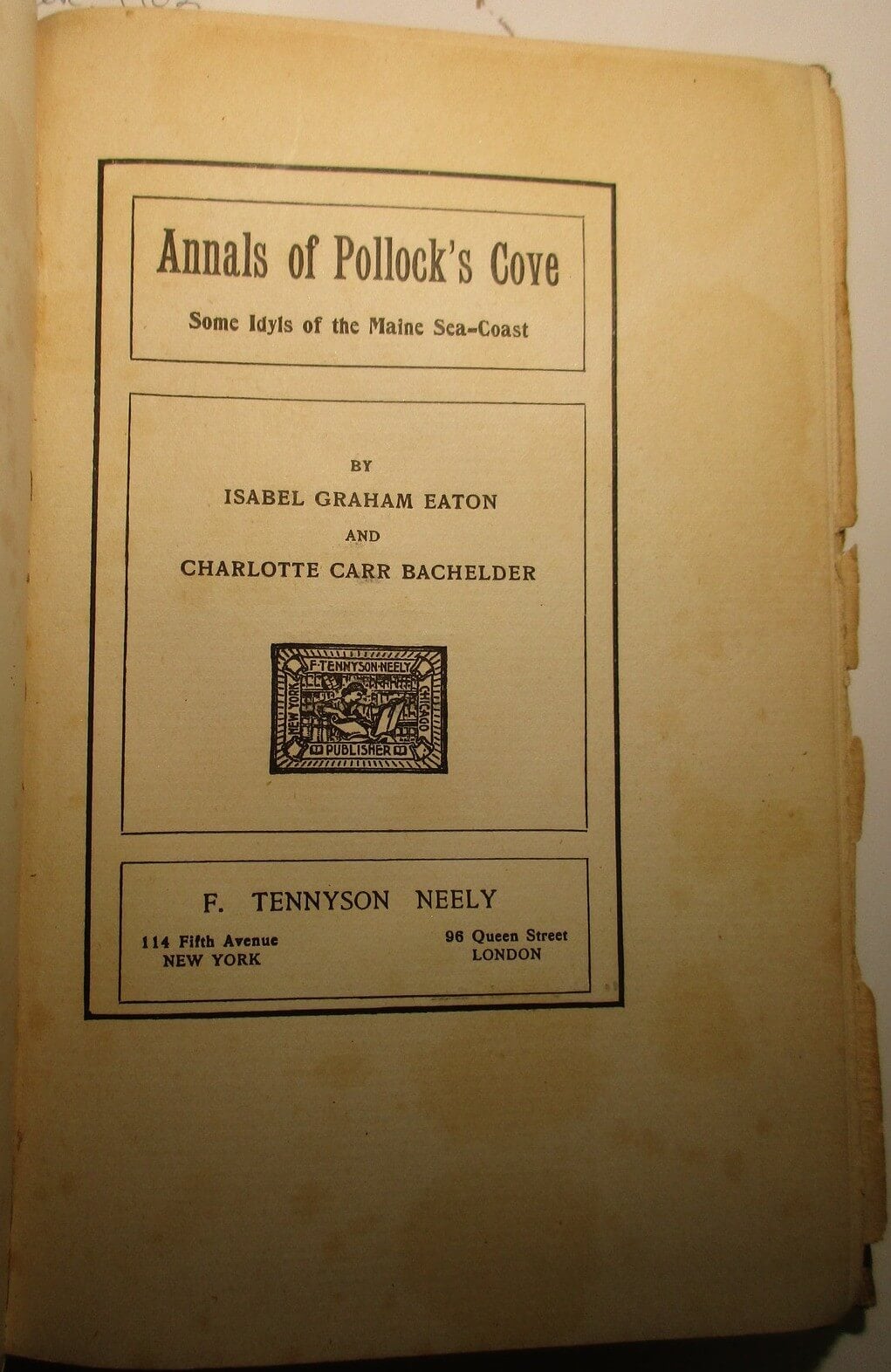
Eaton’s department store in Canada published a 34-page catalog in 1884. The book helped customers across a vast territory shop for clothing and household goods.
Surviving copies help date Canadian goods of the period.
Pages That Outlast the Goods

A catalog preserves what a company wanted buyers to see at the moment it sold something. The pages give names, numbers, and prices that a collector might never find on the item itself.
That makes them some of the best evidence available for a piece whose maker left no mark. Libraries, museums, and online archives have scanned thousands of these books, which makes research easier than ever.
A few minutes spent browsing the right page can turn a mystery object into a documented one. Old catalogs, once meant to be discarded, now rank among the most valuable tools in the hobby.
More from Go2Tutors!

- 27 Silver Dollars and Half Dollars Worth Keeping
- 28 Restaurant Menu Items Nobody Orders Anymore
- 17 Places Built in Seemingly Impossible Spots
- 27 Vintage Rings Worth More Than They Look
- 25 Restricted Sites Tourists Can’t Enter
Like Go2Tutors’s content? Follow us on MSN.