15 iconic military insignias explained
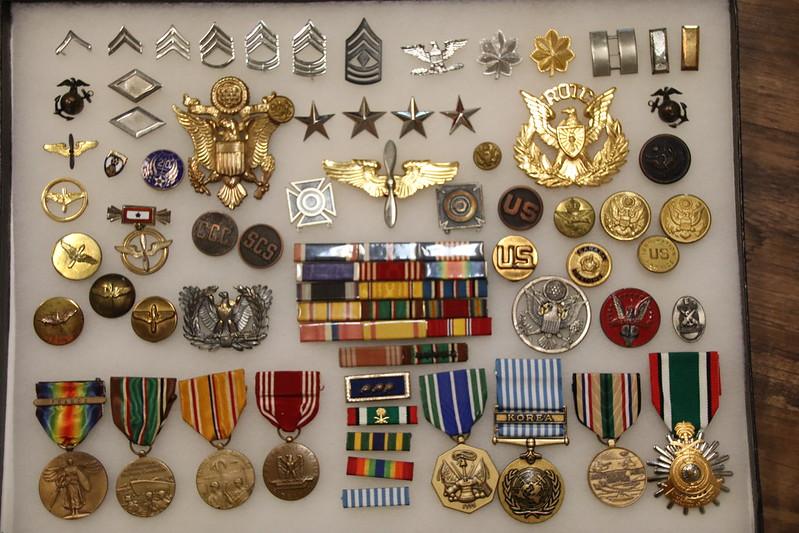
Military insignias tell stories without saying a word. From the moment you see that distinctive eagle perched on an officer’s collar to the intricate wings adorning a pilot’s chest, these symbols communicate rank, specialization, and unit pride instantly. They’re like a secret language that’s been evolving for over a century, with each design carefully crafted to honor tradition while serving practical purposes on the battlefield.
Think of military insignias as the military’s version of a business card – except way cooler and steeped in centuries of tradition. These emblems can represent rank, rate, or designator, and may include various elements such as chevrons, bars, oak leaves, or stars. Every symbol has meaning, every color tells a story, and every placement follows strict protocol that’s been refined through decades of military evolution.
Here is a list of 15 iconic military insignias that have shaped American military identity and continue to inspire respect on uniforms worldwide.
Eagle, Globe, and Anchor
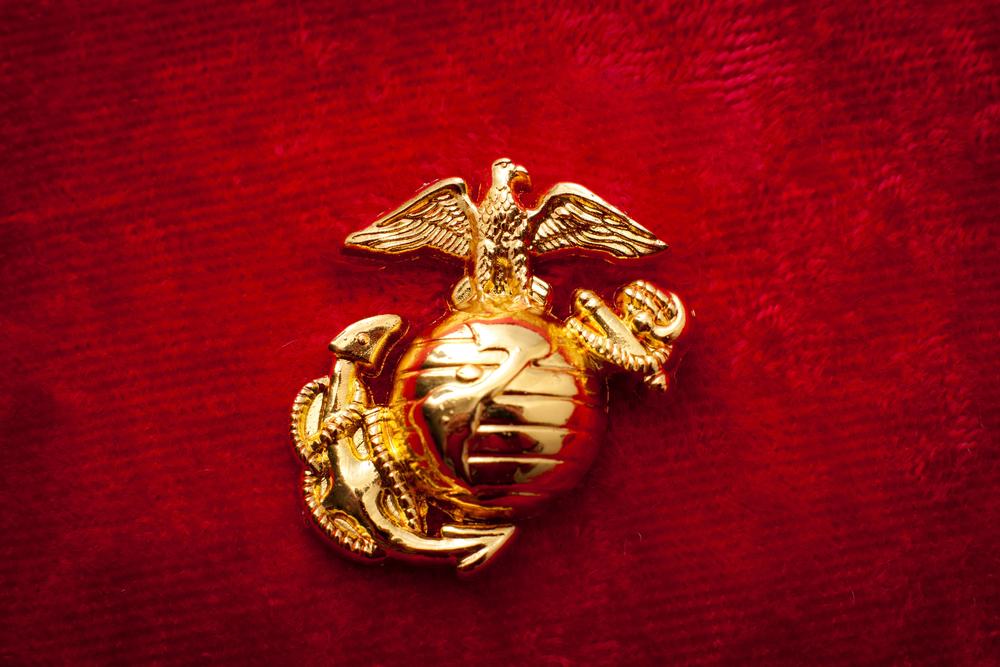
The Eagle, Globe, and Anchor is the official emblem and insignia of the United States Marine Corps, with the current emblem adopted in 1955. This powerful combination packs serious symbolic punch into one distinctive design. The globe signifies the Corps’ readiness to service in any part of the world, the eagle represents the United States, and the anchor acknowledges the naval tradition of the Marines. The ribbon clutched in the eagle’s beak bears ‘Semper Fidelis’ – Always Faithful – which pretty much sums up the Marine mindset in two Latin words.
Army Ranger Tab
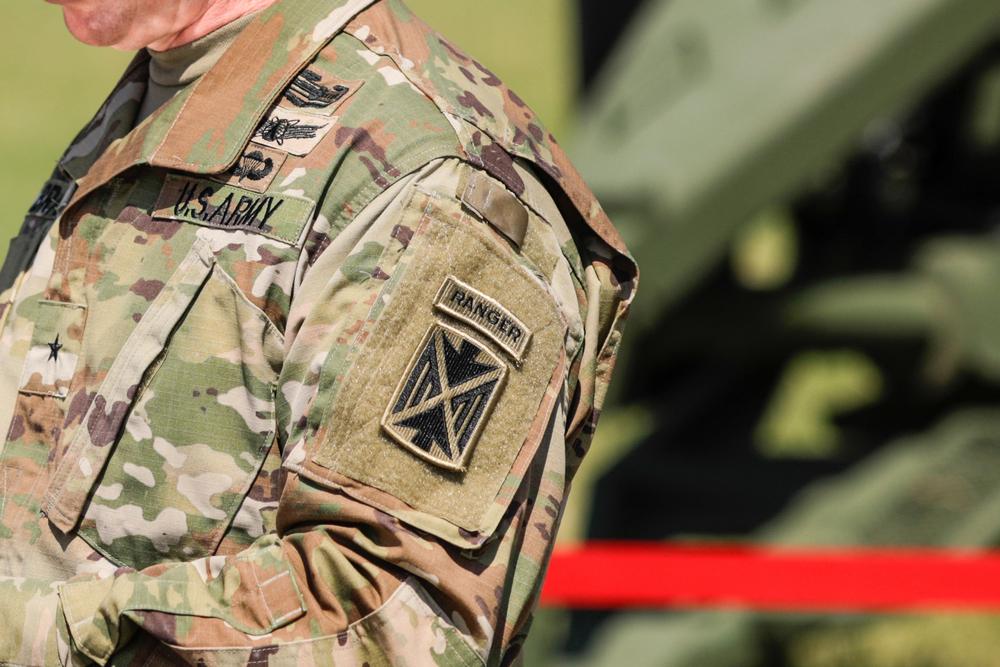
The black rectangular tab with ‘RANGER’ in bold yellow letters might look simple, but it represents some of the toughest training the military offers. The satisfactory completion of Ranger School is required to earn the title Ranger and to wear the Ranger Tab. What makes this tab special isn’t just the grueling two-month course – it’s that once you earn it, you keep it for life, even if you’re no longer serving in a Ranger unit. Soldiers wearing three tabs are said to have achieved the ‘tower of power’ in military slang.
Airborne Wings
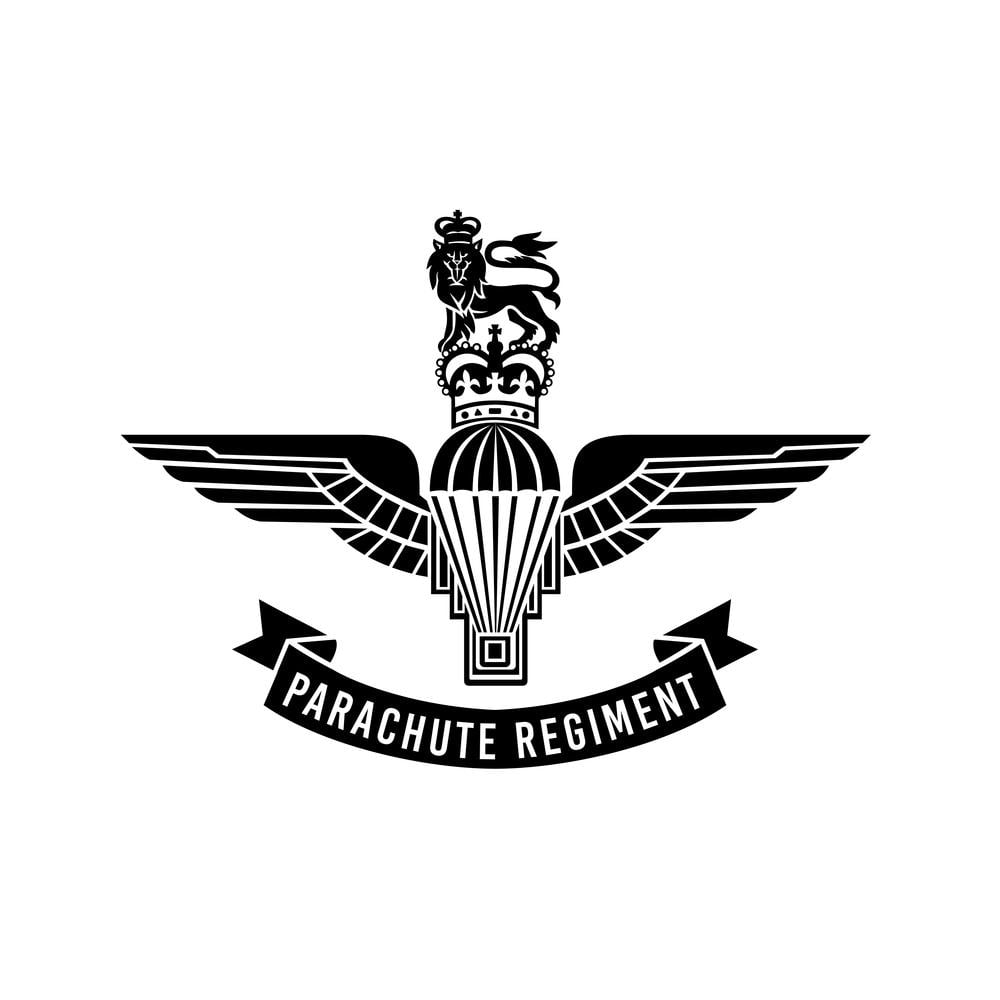
Those silver wings aren’t just decoration – they’re proof that someone willingly jumped out of a perfectly good airplane multiple times. The basic design of Air Force pilot wings dates back to January 1919 when the letters ‘U.S.’ were dropped from the shield. The wings symbolize flight mastery, while the central shield represents the strength and protection of the United States. Airborne and air assault forces are military units set up to be moved by aircraft and dropped into battle, giving them the ability to deploy almost anywhere with little warning.
Chevrons
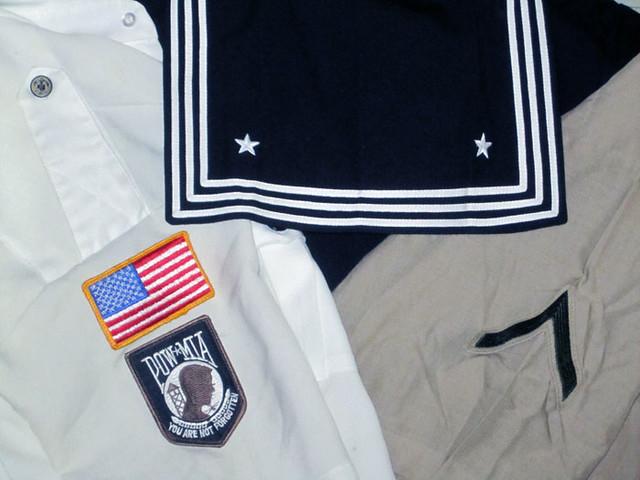
Most enlisted personnel in every military service branch wear chevrons, or V-shaped stripes. These angled stripes might seem basic, but they’re the backbone of military hierarchy. Starting with one stripe for the lowest enlisted ranks and building up to multiple chevrons with additional elements, they create a visual ladder of responsibility and experience. The design traces back to medieval heraldry, when V-shaped patterns on shields indicated military service and honor.
Navy Submarine Dolphins
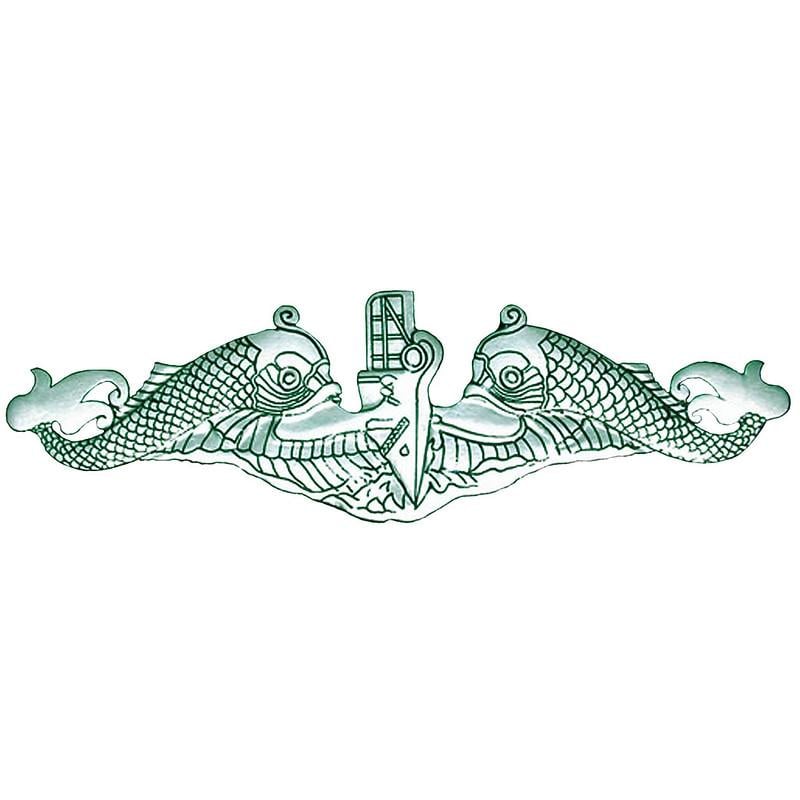
Submarine Qualification insignia are breast insignia of the submarine warfare community issued to naval personnel after they complete a complex, demanding and extensive program. The distinctive twin dolphins facing a submarine represent the brotherhood of submariners who’ve proven they can handle life in a steel tube hundreds of feet underwater. Earning your dolphins means you understand every system aboard the submarine and can perform under the unique pressures of undersea warfare.
Special Forces Arrowhead
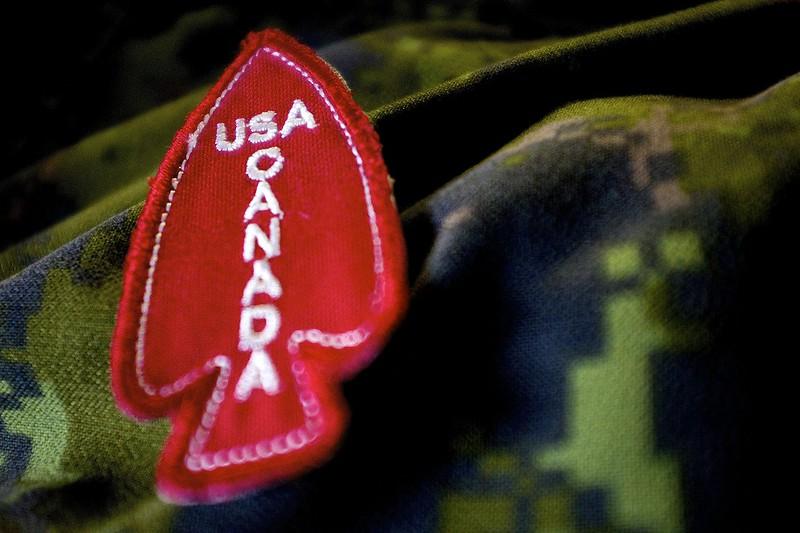
The Special Forces distinctive shoulder sleeve insignia sought to distinguish itself from other Army units from its inception in 1952. The arrowhead design isn’t just aesthetically pleasing – it points toward the mission ahead while honoring Native American warrior traditions. The patch was amended in 1958 to add the airborne tab as an integral part of the SF insignia. The three lightning bolts represent the unconventional warfare capabilities that make Special Forces unique among military units.
Officer Rank Eagles
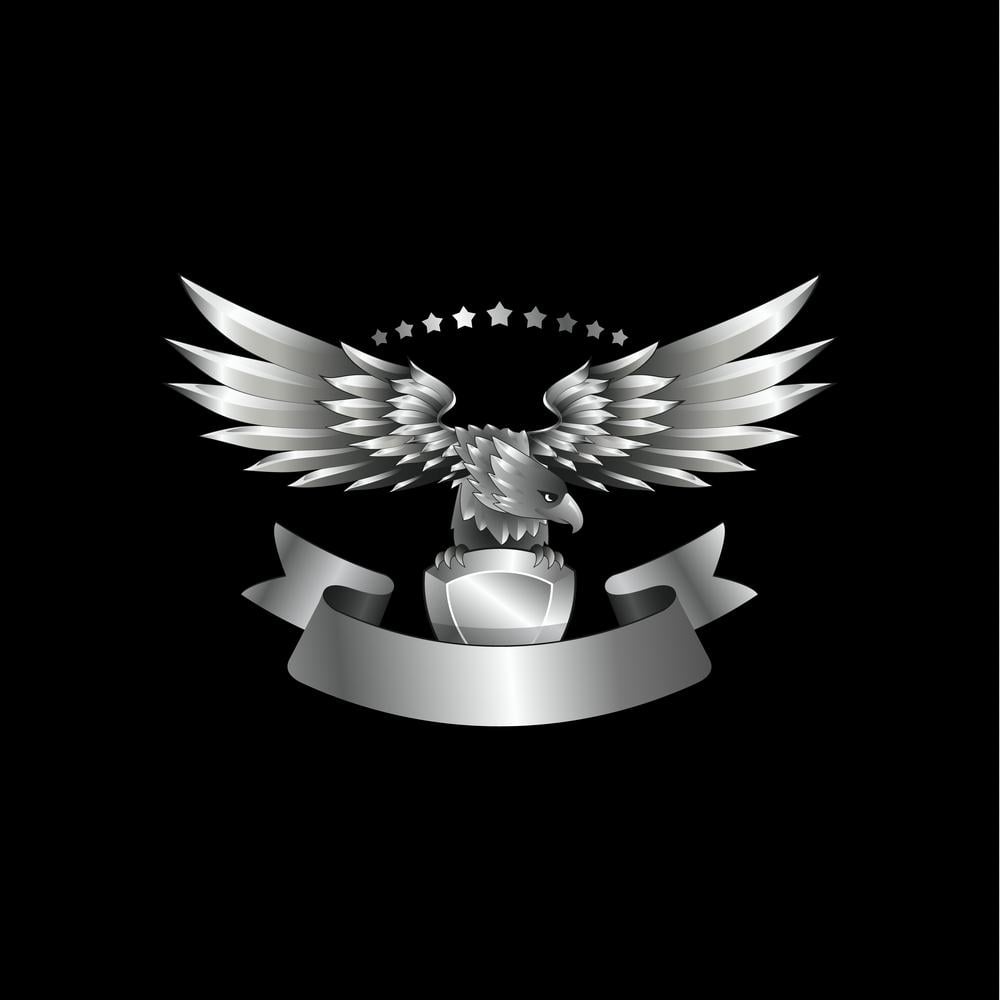
Officers at the O-6 pay grade wear a silver eagle. The eagle has been America’s symbol of power and authority since the late 1700s, so placing it on a colonel’s uniform makes perfect sense. In Roman times, the eagle was a prominent symbol used as the standard of a Roman legion, carried by a legionary called the eagle-bearer. The spread wings suggest the officer’s broad responsibilities and far-reaching authority.
82nd Airborne Division Patch
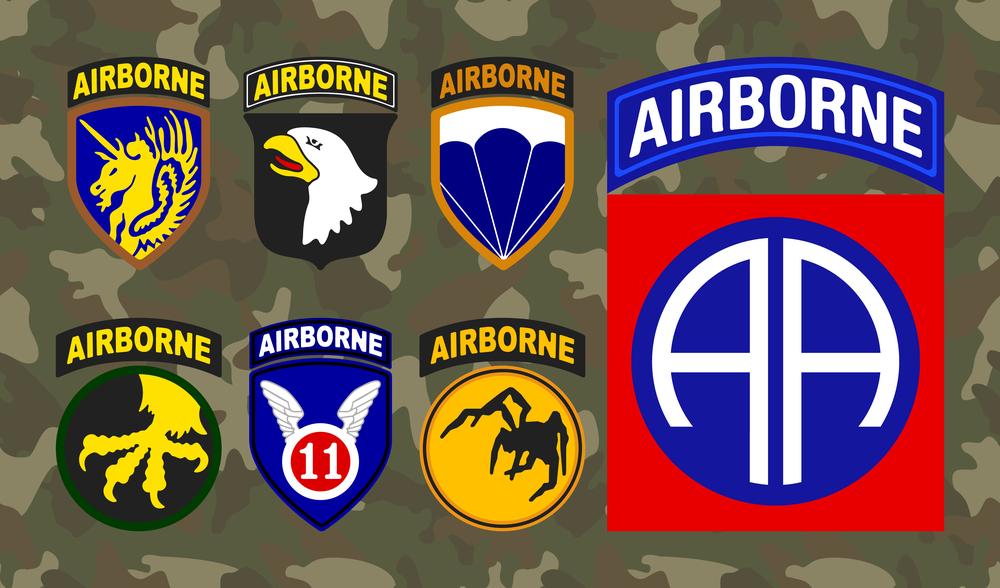
The ‘All American’ division patch features a red, white, and blue design that’s instantly recognizable. The colors represent the diverse backgrounds of the original WWI soldiers who made up this unit, earning it the nickname that stuck through multiple wars. The 101st Airborne Division patch features a black and white eagle, symbolizing courage and readiness, which has become iconic in military lore. The 82nd’s circular design emphasizes unity and the division’s role as America’s premier rapid deployment force.
Navy Chief Petty Officer Anchor
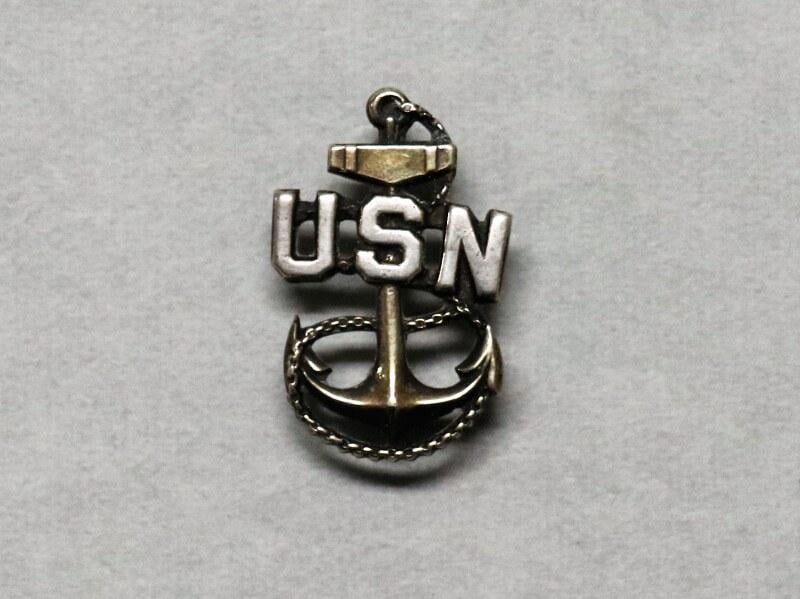
A fouled anchor with a chain wrapped around it graces military emblems, where it stands for ‘Unity, Service, and Navigation’. The fouled anchor – one tangled in its own chain – might seem like a design flaw, but it’s actually brilliant symbolism. The fouled anchor represents the trials and tribulations that the Navy’s Chief Petty Officer must endure daily. It shows that even when things get complicated, naval leadership finds a way to navigate through challenges.
Air Force Wings
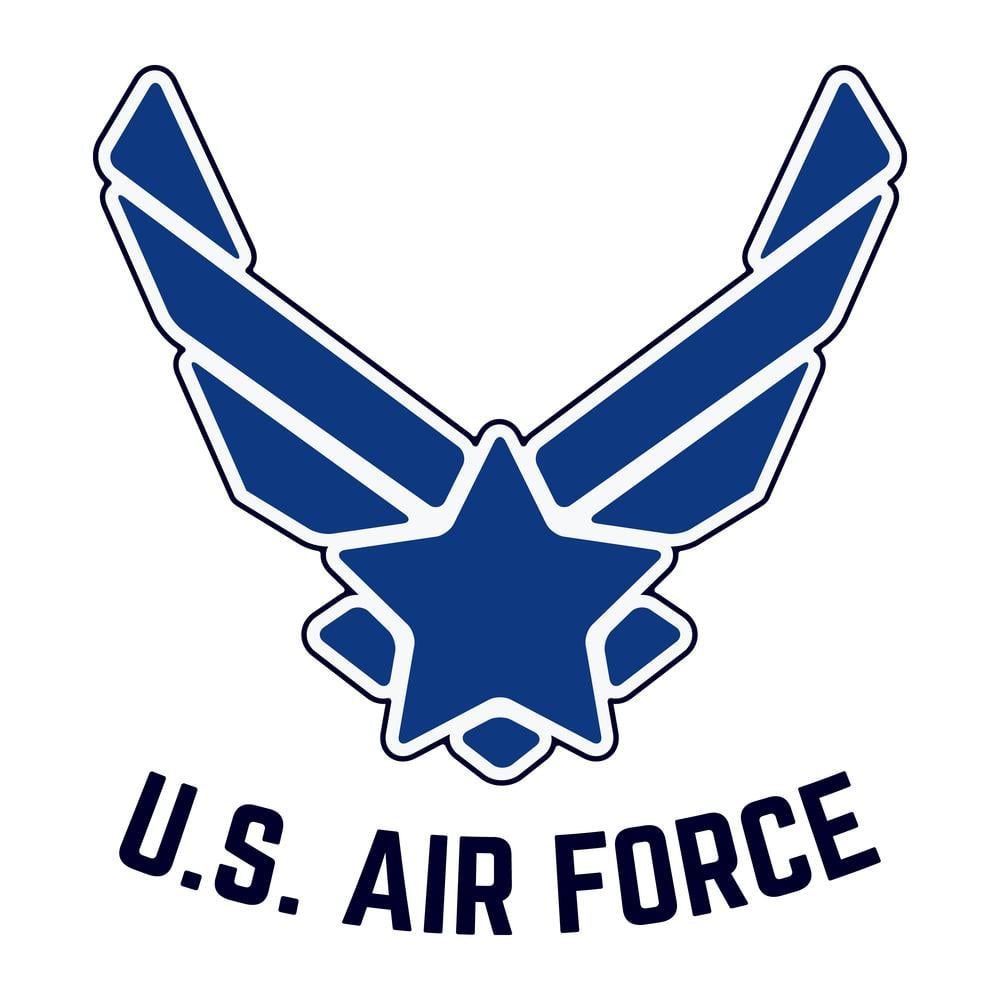
Air Force pilot wings combine aviation heritage with American symbolism in one sleek design. The most cherished possession of tens of thousands of members of the US Air Force is the pair of silver wings that adorns their uniforms. The central shield represents national defense, while the wings extending outward symbolize the global reach of American air power. These badges weren’t always silver – the original Military Aviator Badge was made of 14-karat gold and plated with pure gold.
Combat Infantry Badge
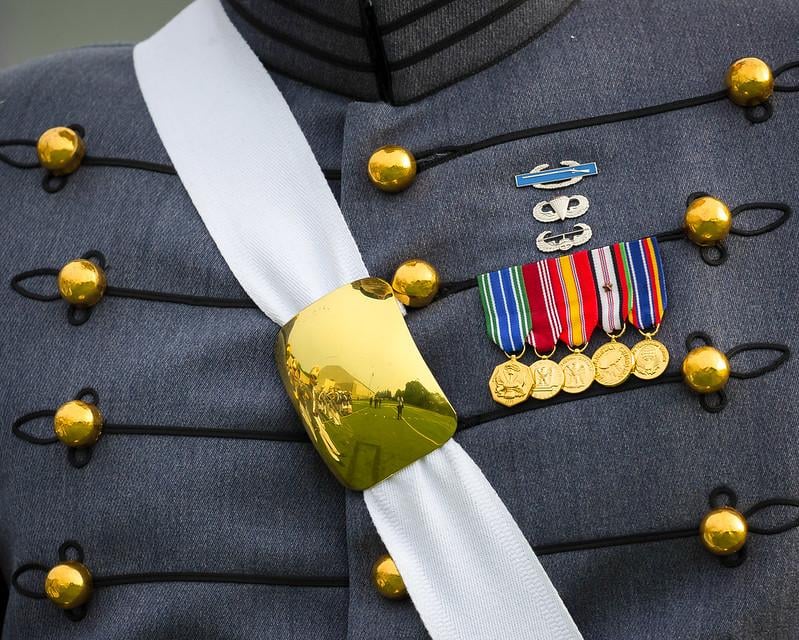
The rifle surrounded by a wreath represents the soldier who faces the enemy with personal weapons. This badge distinguishes infantry soldiers who’ve proven themselves in ground combat, separating them from support personnel who serve behind the lines. The design emphasizes the direct, personal nature of infantry warfare – no high-tech gadgets or remote operations, just soldier-to-soldier combat with individual weapons.
Navy SEALs Trident
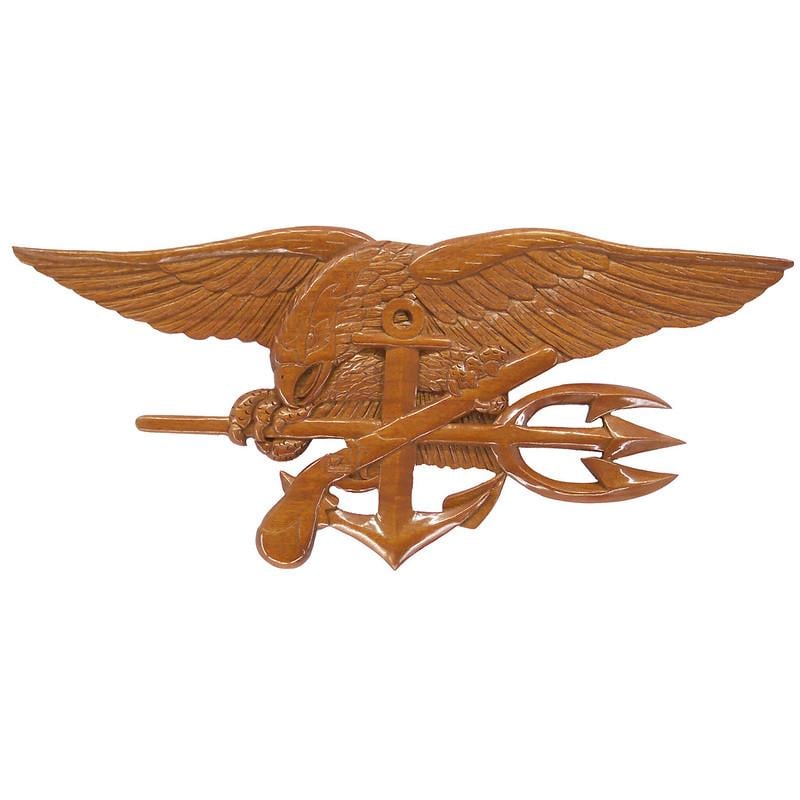
The SEAL Trident combines four elements into one intimidating insignia: an eagle representing air operations, an anchor for naval heritage, a trident for underwater prowess, and a pistol for land-based missions. The Naval Special Warfare Insignia is one of only four gold color breast insignia awarded to qualified enlisted personnel. Each element tells part of the story of these elite warriors who operate in sea, air, and land environments with equal effectiveness.
Master Sergeant Stripes
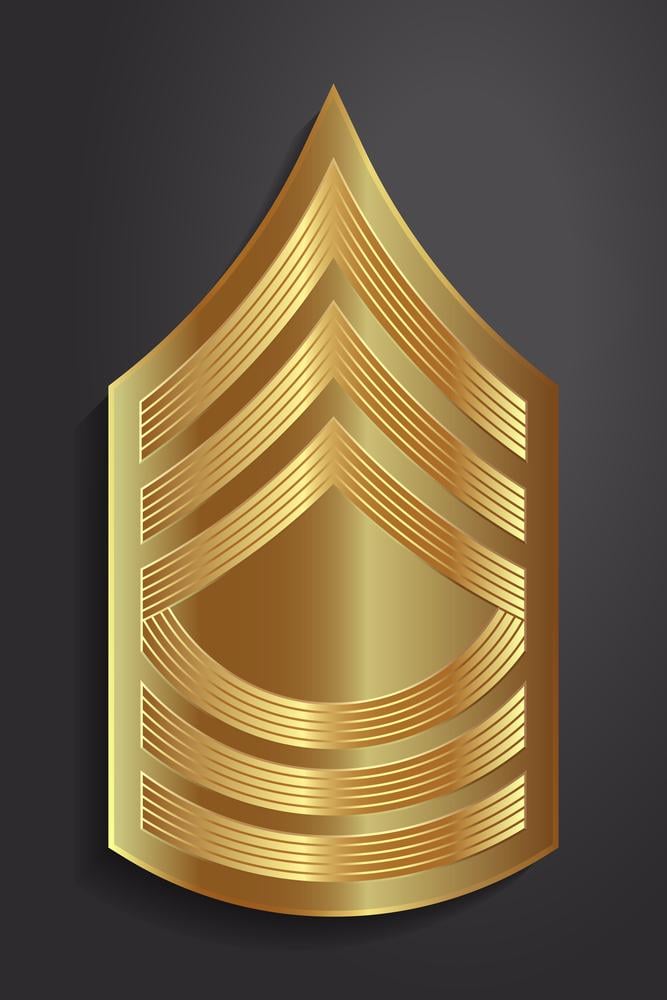
The combination of chevrons and rockers creates a distinctive pattern that immediately identifies senior enlisted leadership. Multiple chevrons stacked above curved rockers show years of experience and increased responsibility. These stripes represent the backbone of military operations – the experienced non-commissioned officers who train troops, maintain equipment, and execute missions while officers handle strategy and administration.
Army Aviation Wings
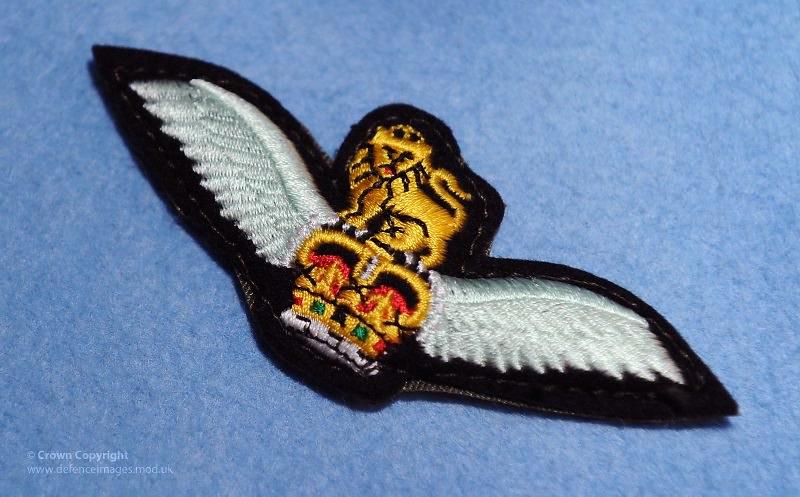
Army aviators wear wings that honor both the aviation community and ground-based heritage. Unlike Air Force wings, Army aviation badges often incorporate elements that reflect the service’s primary mission of supporting ground forces. The wings represent mastery of military aircraft, while central elements vary based on specific aviation roles – from helicopter pilots to drone operators.
Purple Heart
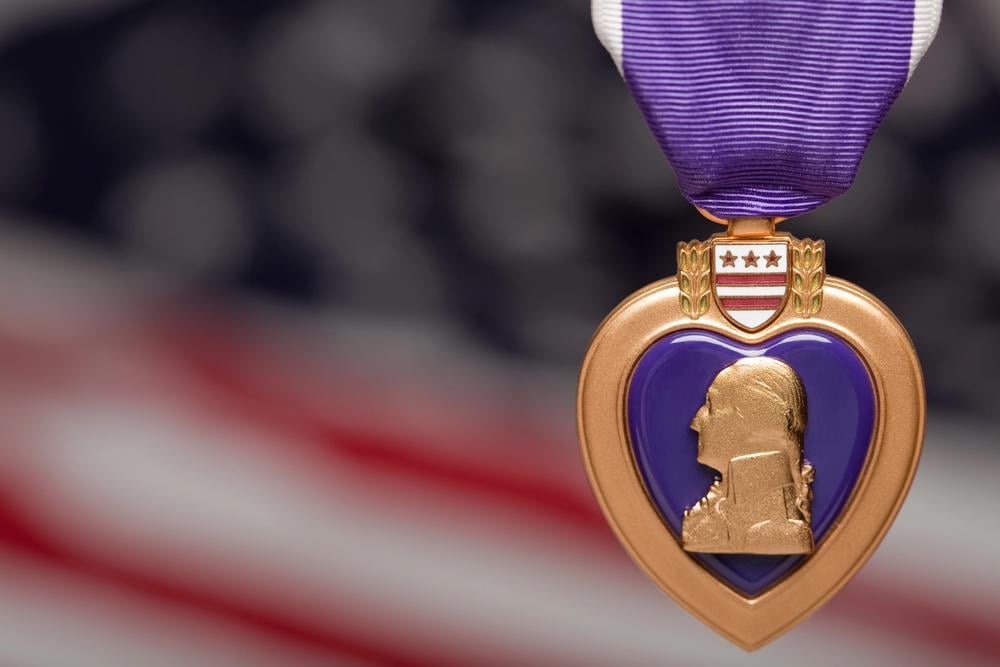
While technically a medal rather than an insignia, the Purple Heart’s distinctive profile makes it one of America’s most recognizable military symbols. The purple heart-shaped medal with George Washington’s profile honors those wounded or killed in combat. For many veterans, wearing their unit patch is a point of pride, a reminder of their service and the bonds formed during their time in the military. This decoration represents sacrifice in its purest form – giving one’s blood for their country.
Symbols That Speak Louder Than Words
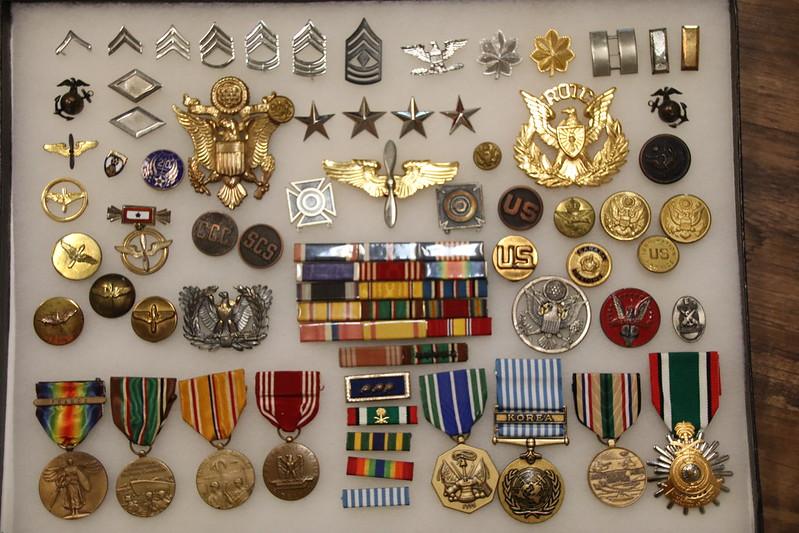
Military insignias serve as more than decorative elements on uniforms – they’re visual representations of dedication, skill, and sacrifice that connect today’s service members with centuries of military tradition. Eagles are known for their keen vision, tenacity, and fearlessness, being capable of flying up to an altitude of about 10,000 feet. These qualities make the eagle a perfect symbol for military excellence, appearing on insignias across multiple branches and ranks.
From the basic chevron that marks a soldier’s first promotion to the complex wings that identify elite aviators, each symbol tells a story of training, commitment, and achievement. Military rank is a badge of leadership, with responsibility for personnel, equipment, and mission growing with each increase in rank. These insignias create instant recognition and respect, fostering the esprit de corps that makes military units effective fighting forces.
Understanding these symbols helps civilians appreciate the depth of military culture while reminding service members of the proud traditions they carry forward. Whether worn on dress uniforms during formal ceremonies or combat gear in active operations, these insignias continue bridging past and present, honoring those who served while inspiring those who serve today.
More from Go2Tutors!

- 16 Historical Figures Who Were Nothing Like You Think
- 12 Things Sold in the 80s That Are Now Illegal
- 15 VHS Tapes That Could Be Worth Thousands
Like Go2Tutors’ content? Follow us on MSN.