27 Phone Habits That Disappeared With Landlines
A landline tied a household to one number, one location, and one shared line that every family member had to negotiate around. Cell phones untangled all of that so gradually that most people never noticed the exact moment these small daily habits stopped mattering.
Memorizing Phone Numbers
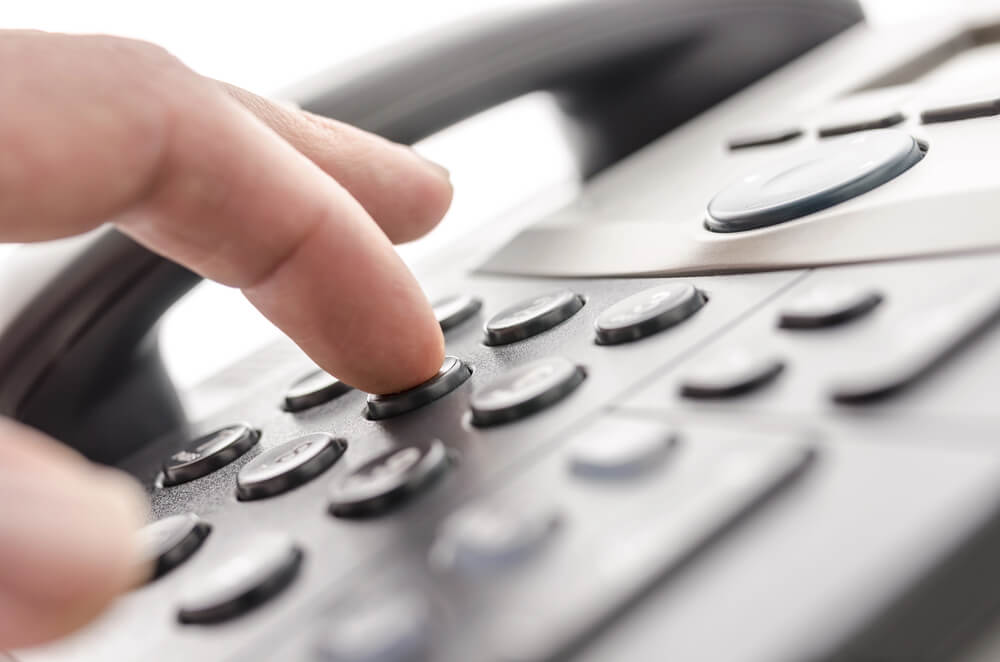
Before contact lists stored every number automatically, people kept a working memory of a dozen or more numbers, from close family to the pizza place down the street, recalled instantly without needing to look anywhere. Losing a wallet or an address book meant losing access to numbers a person could otherwise still recite by heart.
That kind of memorized fluency faded almost entirely once phones started storing contacts automatically.
The Stretched-Out Phone Cord for Privacy
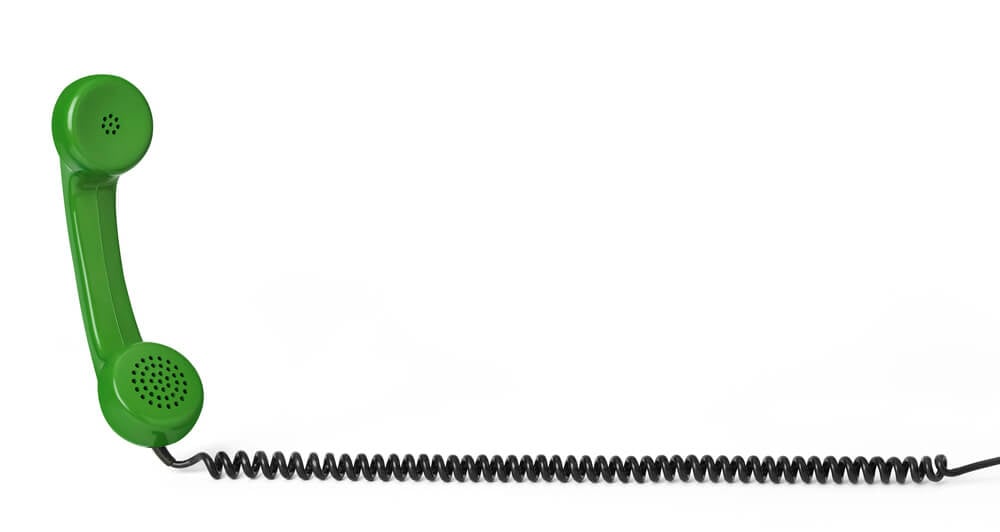
A corded wall phone came with a cord long enough, or stretched thin enough through years of pulling, to reach around a corner and into a closet or bathroom for a semi-private conversation. Family members developed an intuitive sense of exactly how far the cord could reach before it went taut.
Cordless and later mobile phones eliminated the need for that particular kind of physical negotiation with a fixed cable.
The Busy Signal and Constant Redialing

Calling a household with only one phone line meant a genuine chance of hitting a busy signal if someone else was already on the line, requiring the caller to hang up and try again minutes later. Some households developed informal rules limiting how long any one person could stay on the phone during busier hours of the evening.
Call waiting and later multiple mobile lines per household made the busy signal largely a thing of the past.
Party Lines

In many rural areas through the mid-twentieth century, multiple households shared a single phone line, distinguished by different ring patterns that told a household whether an incoming call was meant for them. Picking up the phone during someone else’s call let a person overhear the conversation, a temptation that created its own set of informal neighborhood etiquette.
Expanding telephone infrastructure gradually phased out party lines in most of the country by the 1980s.
Cassette Tape Answering Machines
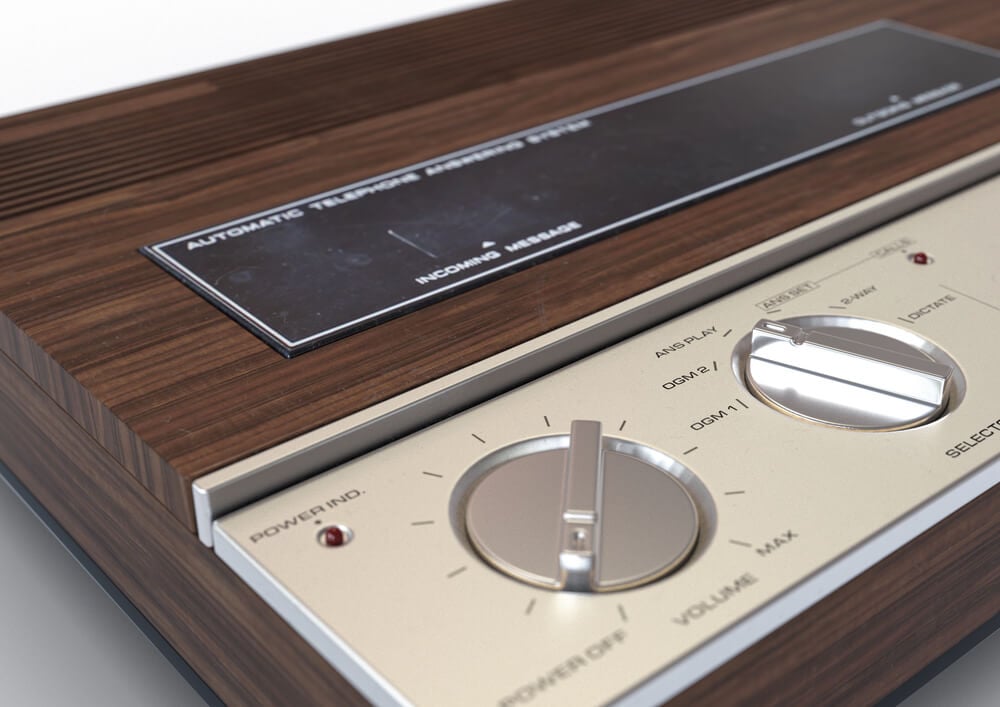
Early answering machines used a small cassette tape to record incoming messages, requiring users to physically rewind the tape to replay messages and occasionally deal with a tape jamming or running out partway through a call. The mechanical click and whir of the tape starting became a familiar sound before the outgoing greeting even played.
Digital voicemail systems, first through phone company services and later built into cell phones, eliminated the physical tape entirely.
Rotary Dialing
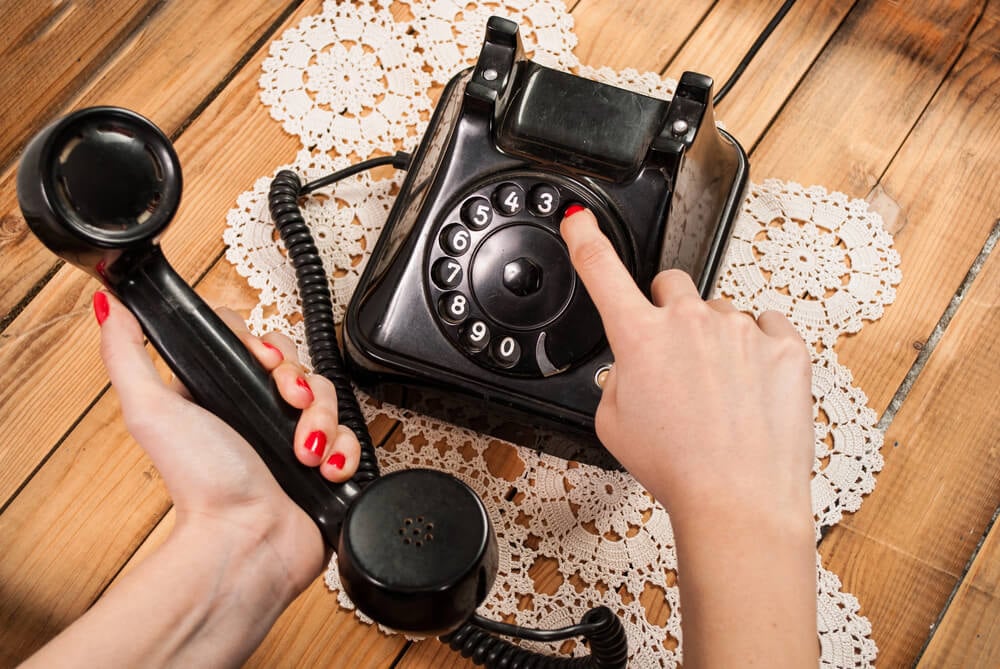
Rotary phones required users to place a finger in a numbered opening on a dial and rotate it fully around to a metal stop before releasing it, a process that had to be repeated for every digit and took noticeably longer than pressing a button. Dialing a number with several nines or zeroes in it took visibly longer than one with mostly low digits.
Touch-tone phones, which became standard through the 1970s and 1980s, made the rotary motion unnecessary almost overnight.
Calling From a Phone Booth
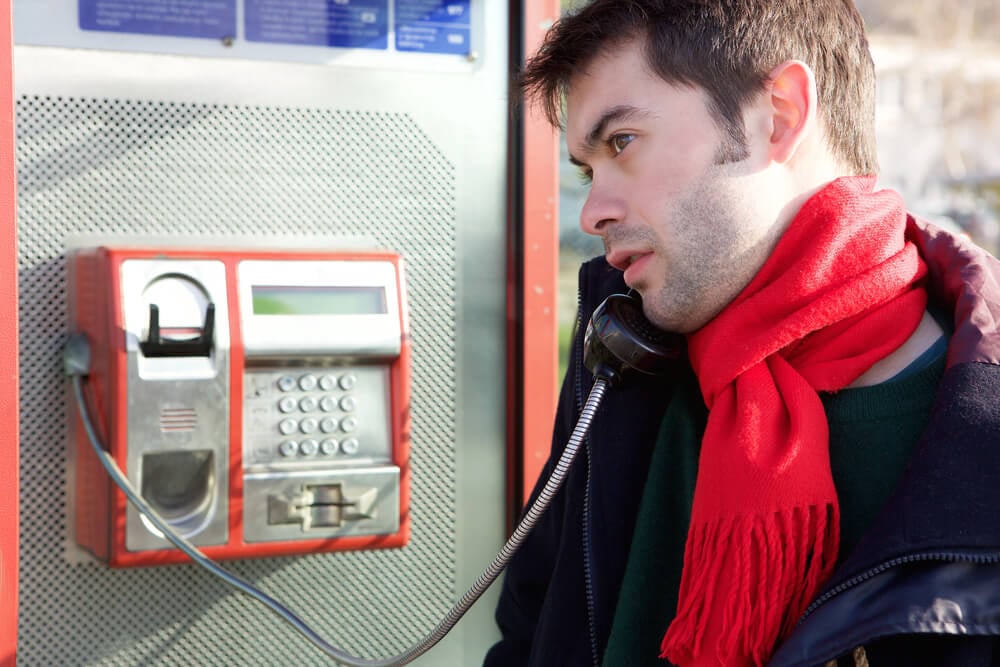
Public phone booths, often equipped with a folding door for at least partial privacy, let people make calls away from home using coins or, later, calling cards. Finding a working phone booth in an emergency, with a phone book intact and a dial tone functioning, was never guaranteed.
Cell phone adoption through the late 1990s and 2000s made public phone booths increasingly rare, and most American cities have removed nearly all of them.
Collect Calls
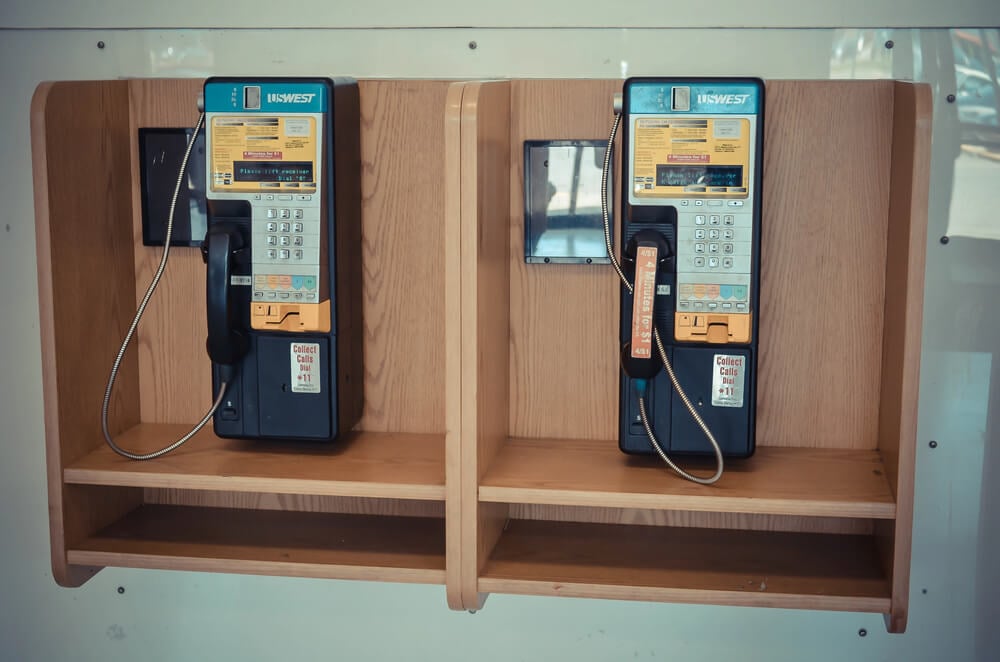
A caller without money for a pay phone could place a collect call, in which an operator asked the receiving party if they would accept charges for the call before connecting it. Families developed coded shorthand, giving a fake name during the operator’s announcement, to signal information like “arrived safely” without actually accepting the charges.
Cell phones with unlimited or affordable calling plans made the collect call system largely unnecessary by the 2000s.
The Physical Address Book
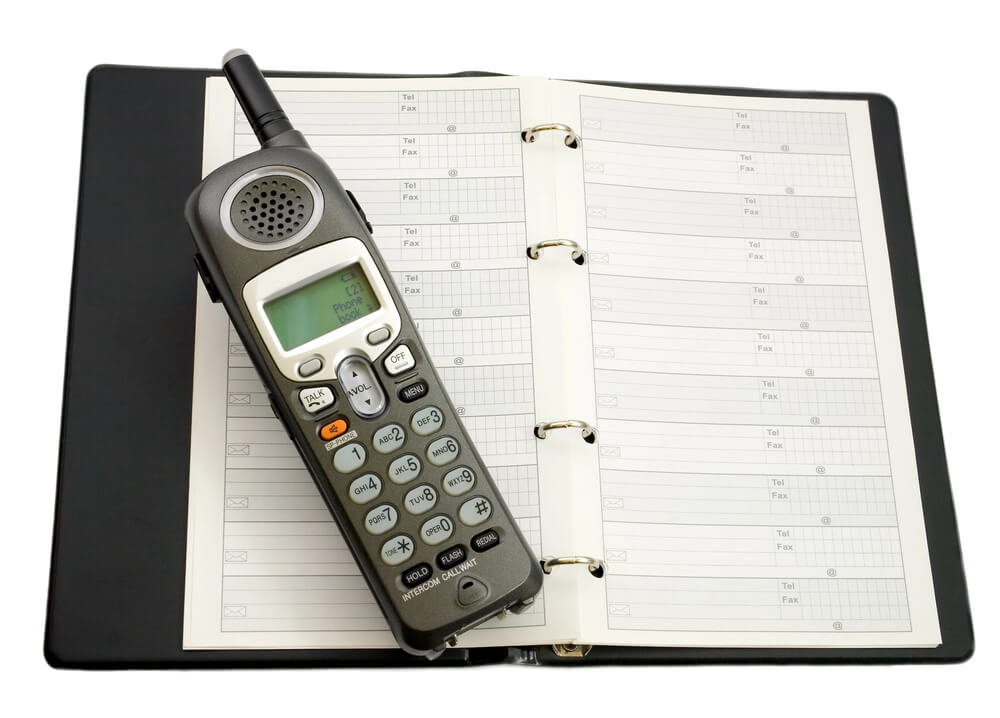
A dedicated book, often alphabetized with tabbed pages, held handwritten phone numbers and addresses for family, friends, and businesses, updated by hand whenever someone moved or changed a number. Losing the book meant losing contact information that, in many cases, existed nowhere else.
Digital contact lists synced across devices made the physical address book a mostly ceremonial object rather than a functional necessity.
Call Waiting’s Interrupting Click
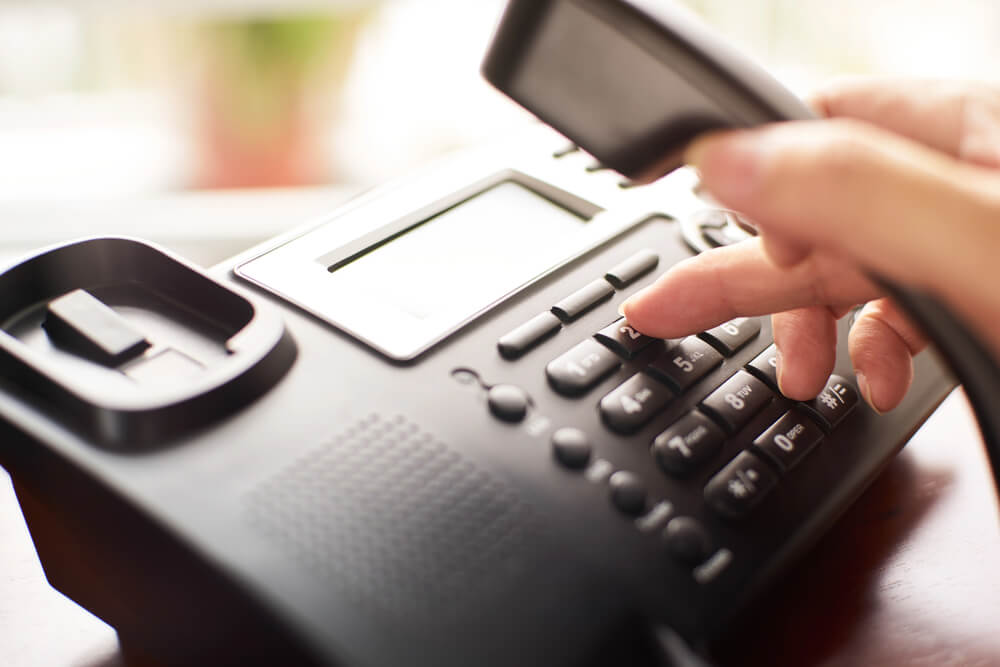
A subscribed call waiting feature let a second incoming call announce itself with an audible click during an existing conversation, requiring the person on the line to decide whether to put their current call on hold. Deciding which caller took priority became a small but real social calculation in the moment.
Cell phones, which handle multiple calls and messages without the same audible interruption, made the specific click of call waiting a distinct memory rather than a daily reality.
Dialing 411 for Directory Assistance
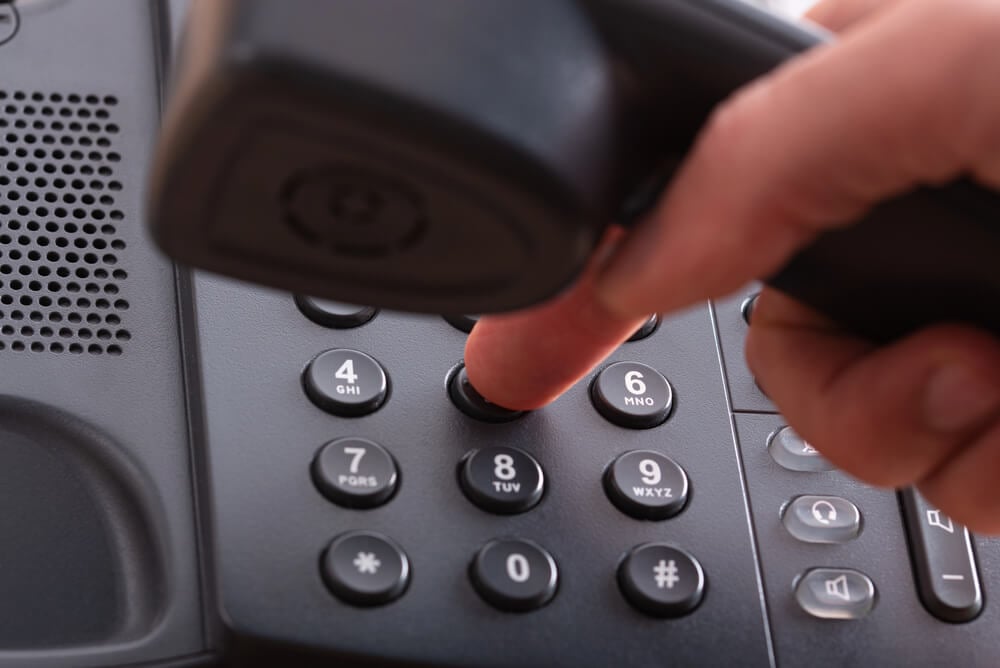
A call to 411 connected a person to a live operator who could look up a business or residential phone number for a small fee, useful for anyone without the right page of a phone book handy. Some operators would connect the call directly for an additional charge rather than just reading the number aloud.
Internet search made directory assistance largely redundant by the 2000s, and many phone providers eventually discontinued or sharply limited the service.
Answering With the Family Name

Picking up a shared household phone often meant announcing the household itself rather than the individual answering, a habit meant to signal the caller had reached the right family before any conversation began. Children were often specifically trained on the correct phrasing for answering the family phone.
Personal cell phones, answered by an individual rather than a household, made that particular greeting style unnecessary.
Picking Up an Extension to Eavesdrop
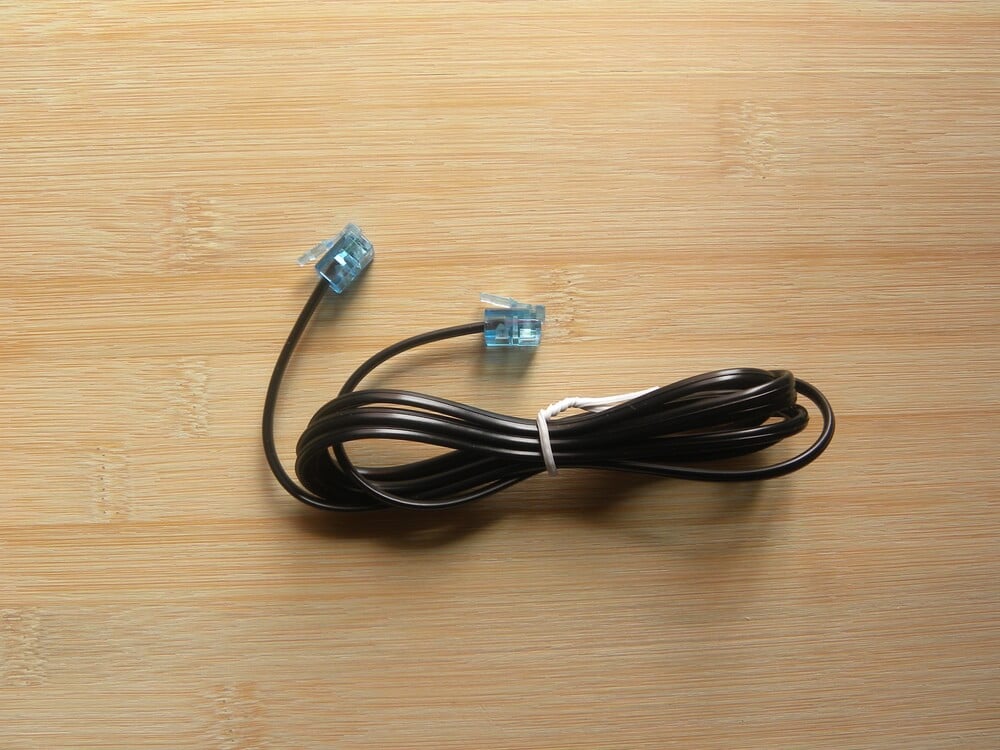
Homes with multiple phone jacks let a family member quietly lift a different extension to listen in on someone else’s call, sometimes covering the mouthpiece to avoid detection. A telltale click or a change in the background static frequently gave away that someone else had picked up.
Individual cell phones eliminated the shared line that made this kind of casual eavesdropping possible in the first place.
Star 69 Callback
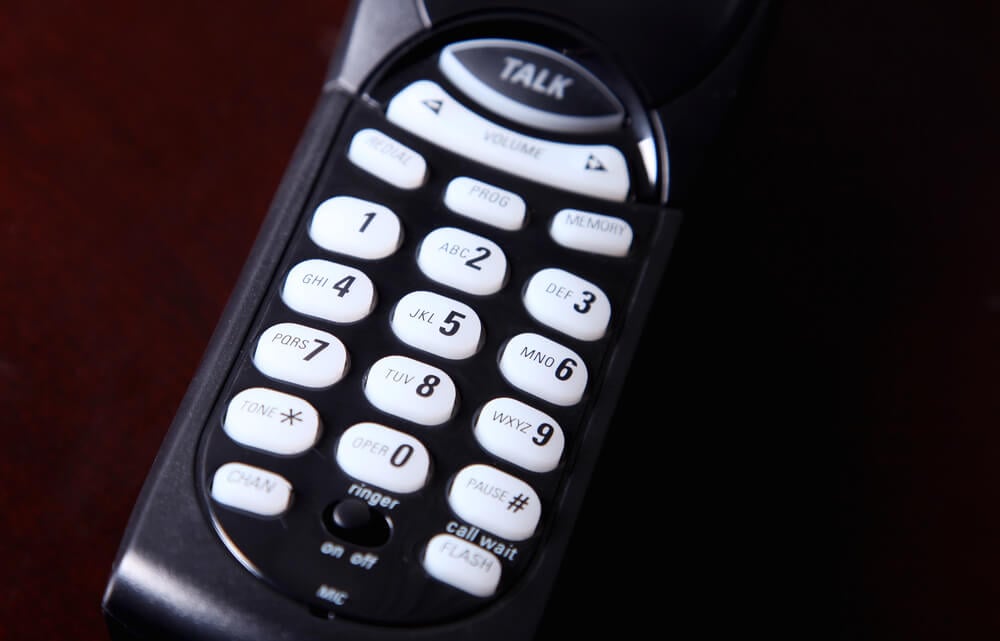
Dialing star followed by the digits 69 automatically called back the most recent incoming number, a feature especially useful for tracking down whoever had just hung up without leaving a message. It became a minor cultural reference point of its own, occasionally used as slang unrelated to its actual function.
Caller ID, which displays the number before a call is even answered, made the star 69 callback feature largely unnecessary.
Waiting for Off-Peak Hours to Save on Long-Distance Calls

Long-distance calls were billed by the minute at rates that dropped significantly during evenings and weekends, leading many families to deliberately delay calls to distant relatives until the cheaper hours kicked in. Some households kept a printed rate chart near the phone specifically to plan around it.
Flat-rate and later unlimited mobile calling plans eliminated the financial incentive to time a phone call around the clock.
The White Pages and Yellow Pages

Phone companies distributed thick printed directories every year, the White Pages listing residential and business numbers alphabetically and the Yellow Pages organizing businesses by category with paid advertisements. Finding a plumber or a pizza delivery number meant flipping through actual pages rather than typing a search query.
Online search and business listing services made the printed directories increasingly obsolete by the 2000s, and many areas stopped receiving automatic deliveries of them entirely.
Carrying Quarters for Pay Phones
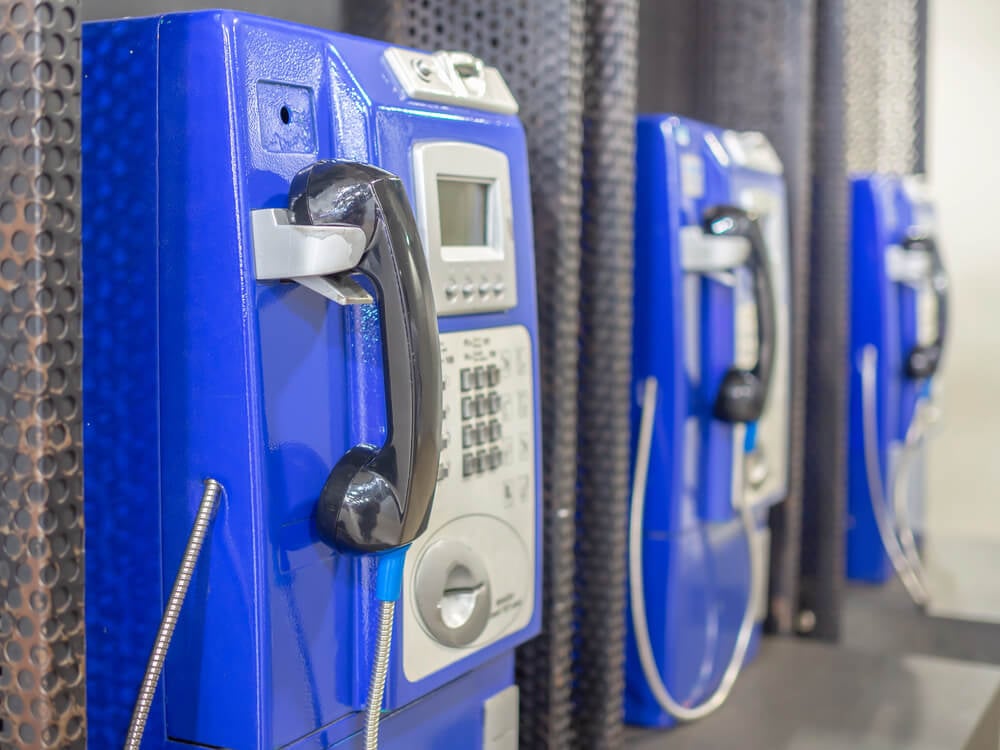
Anyone who might need to make a call away from home kept a small reserve of quarters specifically for pay phone use, since most machines required exact change for at least the first few minutes of a call. Running out of coins mid-conversation meant an abrupt disconnection with no way to call back immediately.
The near-total disappearance of pay phones after cell phone adoption made the habit of carrying call-specific change unnecessary.
Waiting by the Phone for an Expected Call

Without voicemail or call forwarding in earlier decades, missing an important call meant missing it entirely, so people often stayed physically near the phone for a scheduled call rather than risk being unreachable. Long phone cords helped, but a call still required someone to be home and available in real time.
Voicemail, and eventually mobile phones that traveled with a person, eliminated the need to plan an entire afternoon around a single expected call.
Recording the Outgoing Answering Machine Message
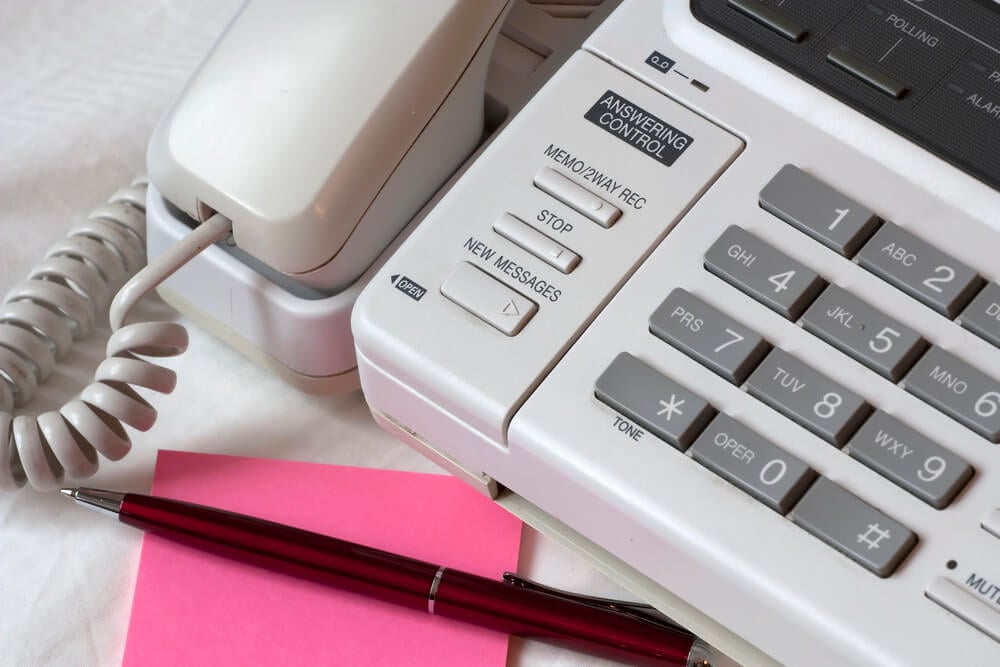
Setting up an answering machine involved recording a personal outgoing greeting, often attempted multiple times to get the tone right, sometimes involving the whole family taking turns speaking a line. Some households treated the recording as a small creative project, adding music or a joke into the greeting.
Standardized carrier voicemail greetings and, later, generic cell phone defaults made the personalized outgoing message far less common.
The Telephone Table in the Hallway
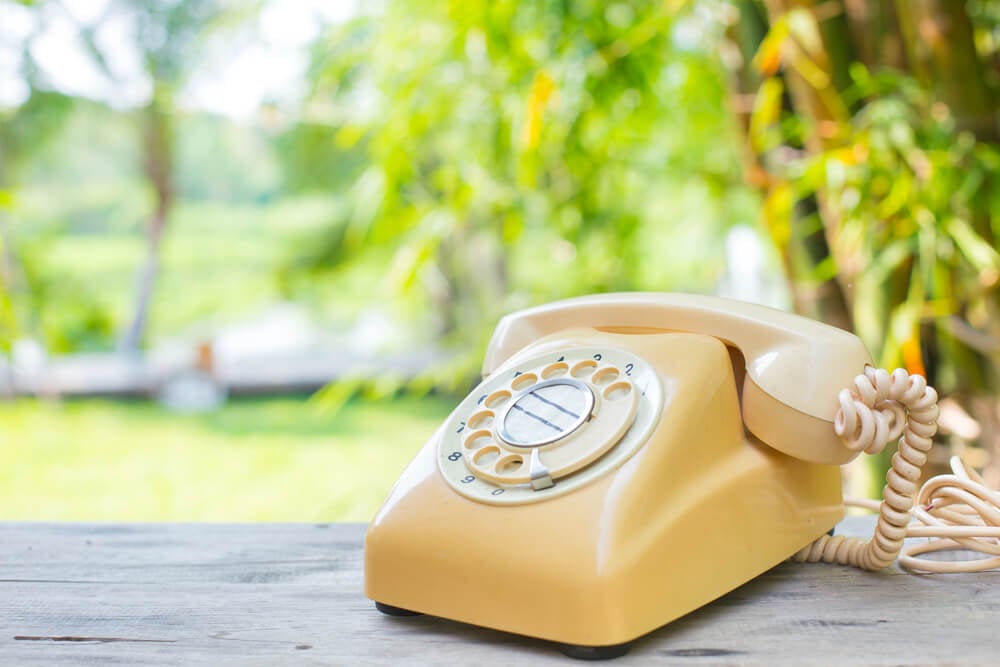
Many homes dedicated a small table or nook, often near the front entrance, specifically to hold the household phone, a notepad, and a pen, sometimes with a matching chair for longer conversations. Its central, semi-public location meant conversations there were rarely fully private.
Cordless phones and later cell phones freed conversations from a fixed location entirely, and the dedicated telephone table gradually disappeared from new home designs.
One Shared Family Phone Number

A household typically had exactly one phone number for everyone living there, meaning a call for a teenager, a parent, or a grandparent all arrived on the same line and had to be sorted out by whoever answered. Getting a message to the right person sometimes involved yelling across the house or leaving a written note by the phone.
Individual cell phones eventually gave each family member a personal number, ending the shared-line arrangement almost entirely.
Wall-Mounted Kitchen Phones With Extra-Long Cords
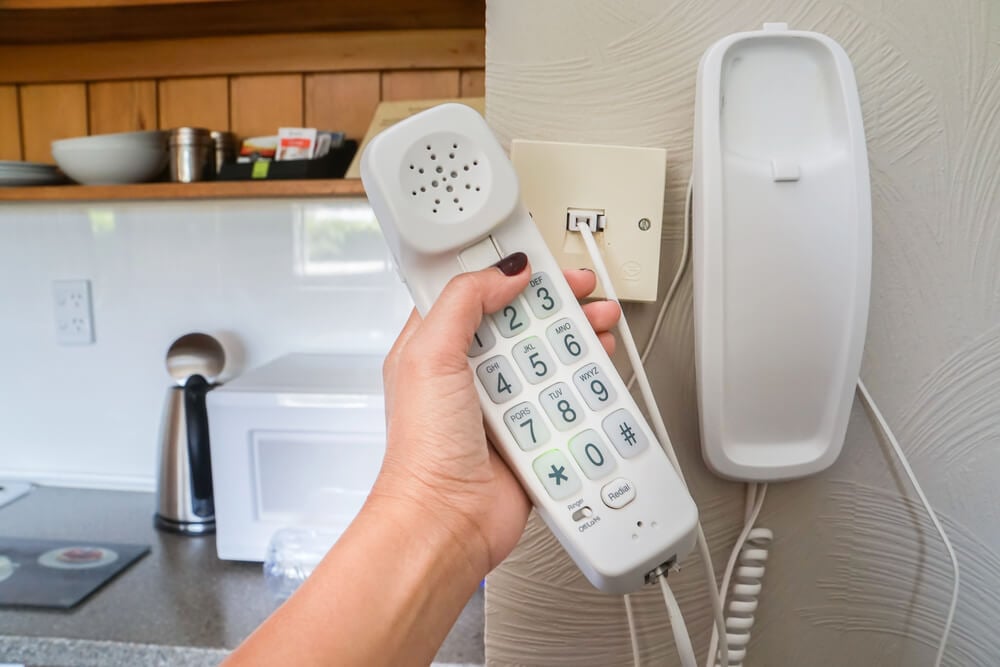
Many households installed a dedicated phone directly on a kitchen wall, chosen specifically because the kitchen was where people spent enough time to justify a phone within reach. An extra-long coiled cord let a person stir a pot on the stove while still holding a conversation.
Cordless and mobile phones made the fixed kitchen wall phone increasingly unnecessary starting in the 1990s.
Speed Dial Buttons Programmed by Hand
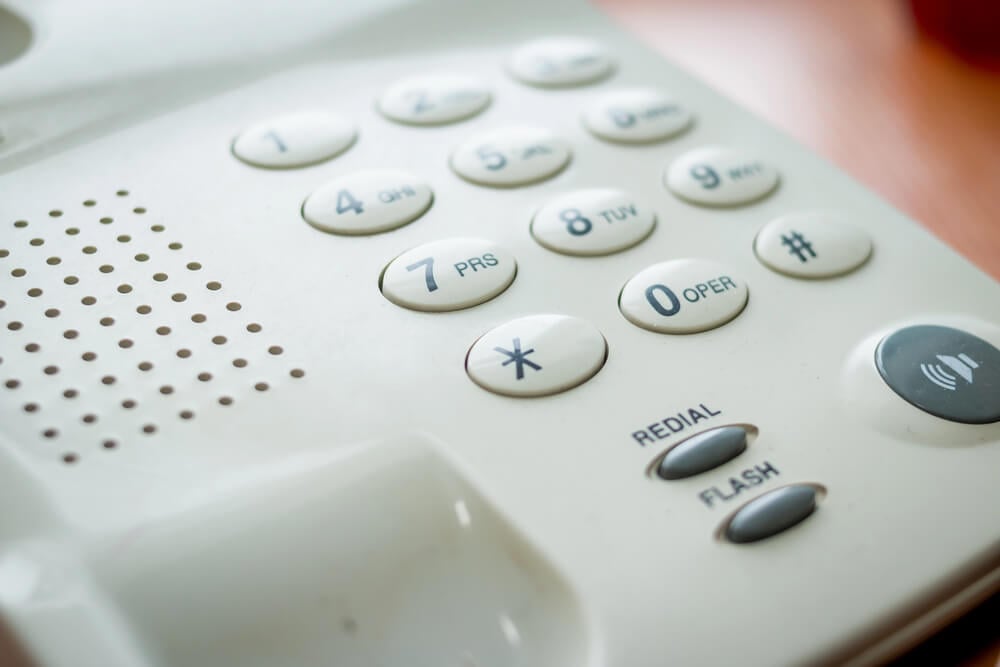
Some phone models included a row of buttons that could be manually programmed to dial a frequently called number automatically, saving the effort of dialing the full sequence each time. Programming the buttons correctly required consulting the phone’s manual and carefully entering each digit in sequence.
Smartphone contact lists made manually programmed speed dial buttons unnecessary almost as soon as touchscreen phones became common.
Watching an Egg Timer During Long-Distance Calls

Because long-distance calls were billed by the minute, some households kept a kitchen timer near the phone specifically to track how long a call had run, cutting conversations short once the timer signaled it was time to wrap up. Kids were sometimes given a strict time limit before being handed the phone to speak to a distant relative.
Flat-rate mobile plans removed the financial pressure that made timing a personal call feel necessary.
Caller ID Boxes Sold Separately
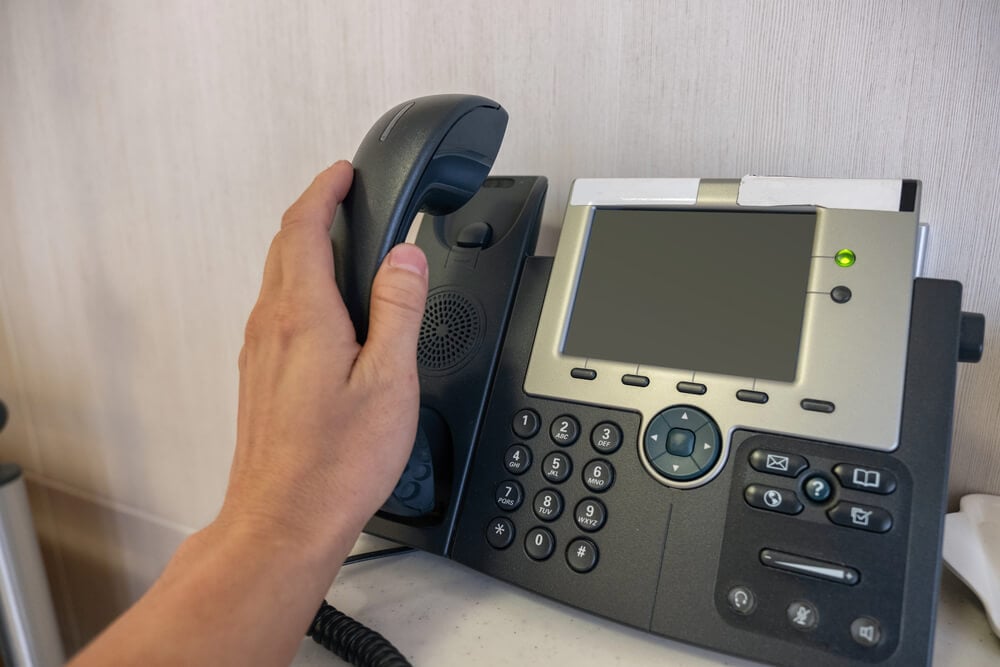
Before caller ID became a built-in feature of most phones, some households purchased a small standalone box that displayed an incoming number on a tiny screen, requiring a separate subscription from the phone company to function. The box sat next to the phone itself, adding an extra piece of hardware just to answer calls with any advance information.
Built-in caller ID on cordless and mobile phones made the standalone box unnecessary within a few years of its introduction.
A Phone Number Tied to a House Rather Than a Person
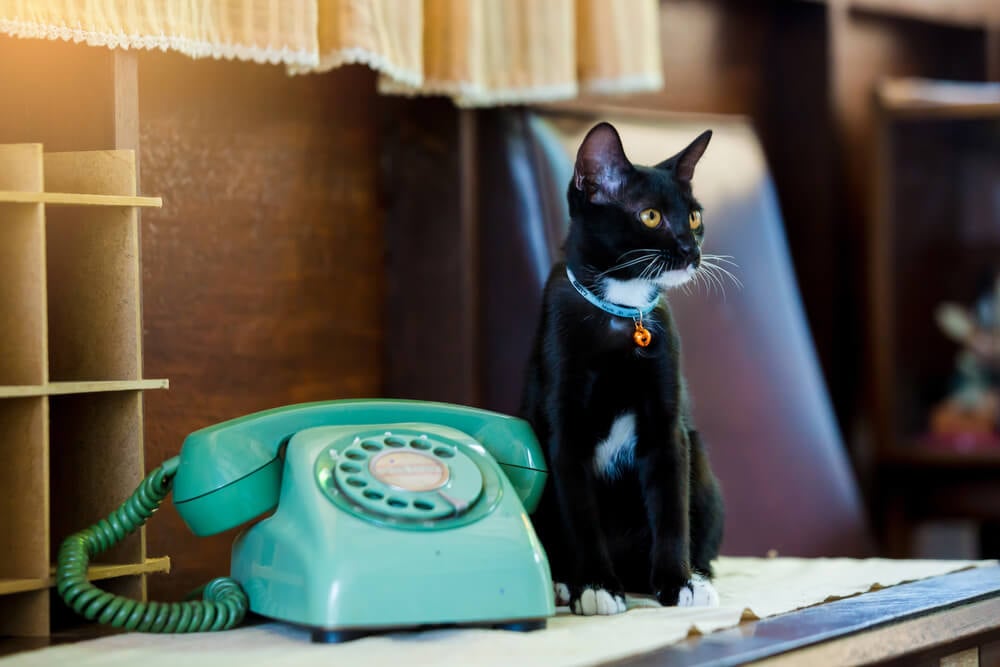
A landline number belonged to a physical address, not an individual, which meant moving to a new house almost always meant getting an entirely new phone number that had to be shared with everyone who might need to reach the household. Losing touch with someone after a move was a real and common outcome, since there was no guarantee an old number would forward anywhere.
Mobile numbers that travel with a person regardless of address made that particular kind of disconnection far less common.
Hanging Up Gently Instead of Just Ending the Call
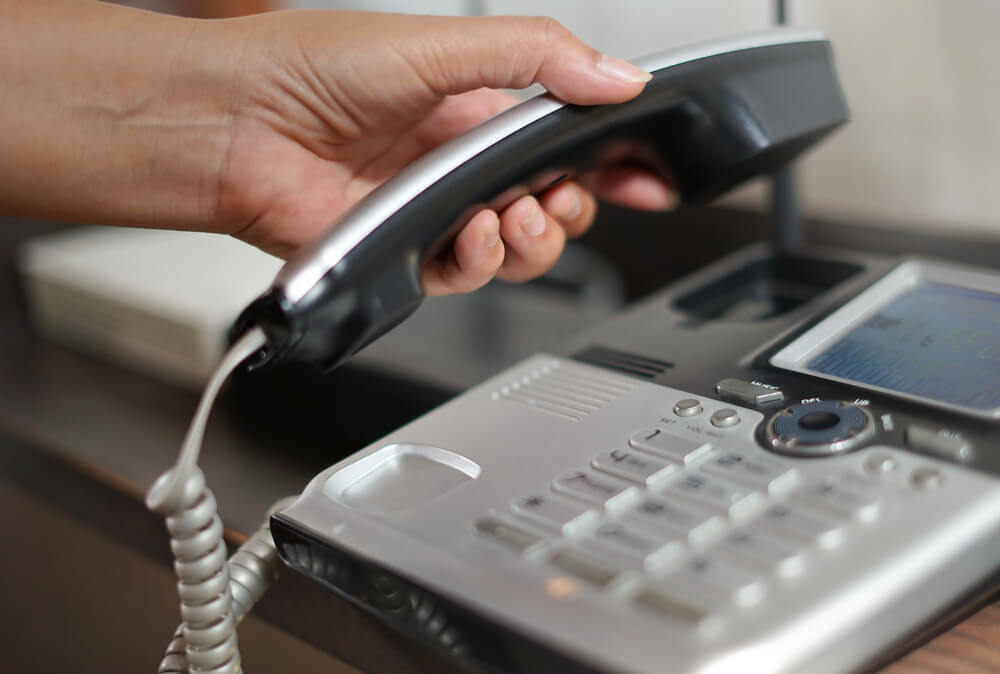
Corded and cordless landline phones required physically placing the receiver back onto its cradle to end a call, a motion some people performed with visible frustration by hanging up hard enough to make a loud clatter after a difficult conversation. The gesture carried an emotional weight that a phone screen simply cannot replicate.
Tapping a small red icon on a smartphone screen ended the same conversation with no comparable physical release.
What the Cord Was Really Attached To

A landline was never just a device for making calls. It was a fixed point in the house that organized a family’s daily rhythm around it, whether that meant negotiating who got to use it, timing a long-distance call to save money, or simply knowing that reaching someone meant reaching their whole household first.
Cell phones solved a real problem by making people individually reachable rather than tethered to one shared line. But the shared line came with its own kind of accidental intimacy, the overheard half of someone else’s conversation, the note left by the phone in a parent’s handwriting.
What disappeared along with the landline was not just a piece of technology. It was a specific, physical center of gravity that an entire household used to orbit around, whether anyone particularly wanted to or not.
More from Go2Tutors!

- The Romanov Crown Jewels and Their Tragic Fate
- 13 Historical Mysteries That Science Still Can’t Solve
- Famous Hoaxes That Fooled the World for Years
- 15 Child Stars with Tragic Adult Lives
- 16 Famous Jewelry Pieces in History
Like Go2Tutors’s content? Follow us on MSN.