Facts About Islands Most People Ignore
Islands spark dreams of sandy beaches and crystal-clear water, but there’s way more going on beneath the surface than most people realize. These isolated chunks of land hold some of the planet’s wildest secrets, from bizarre evolutionary experiments to engineering marvels that defy belief.
Most folks just see pretty vacation spots and miss the truly fascinating stuff happening on these scattered pieces of earth. The world contains well over 100,000 islands, depending on how you count them, from tiny uninhabited rocks to massive landmasses like Greenland.
Here’s a list of 15 facts about islands that deserve way more attention than they get.
Three-Quarters of Earth’s Volcanoes Erupt Underwater
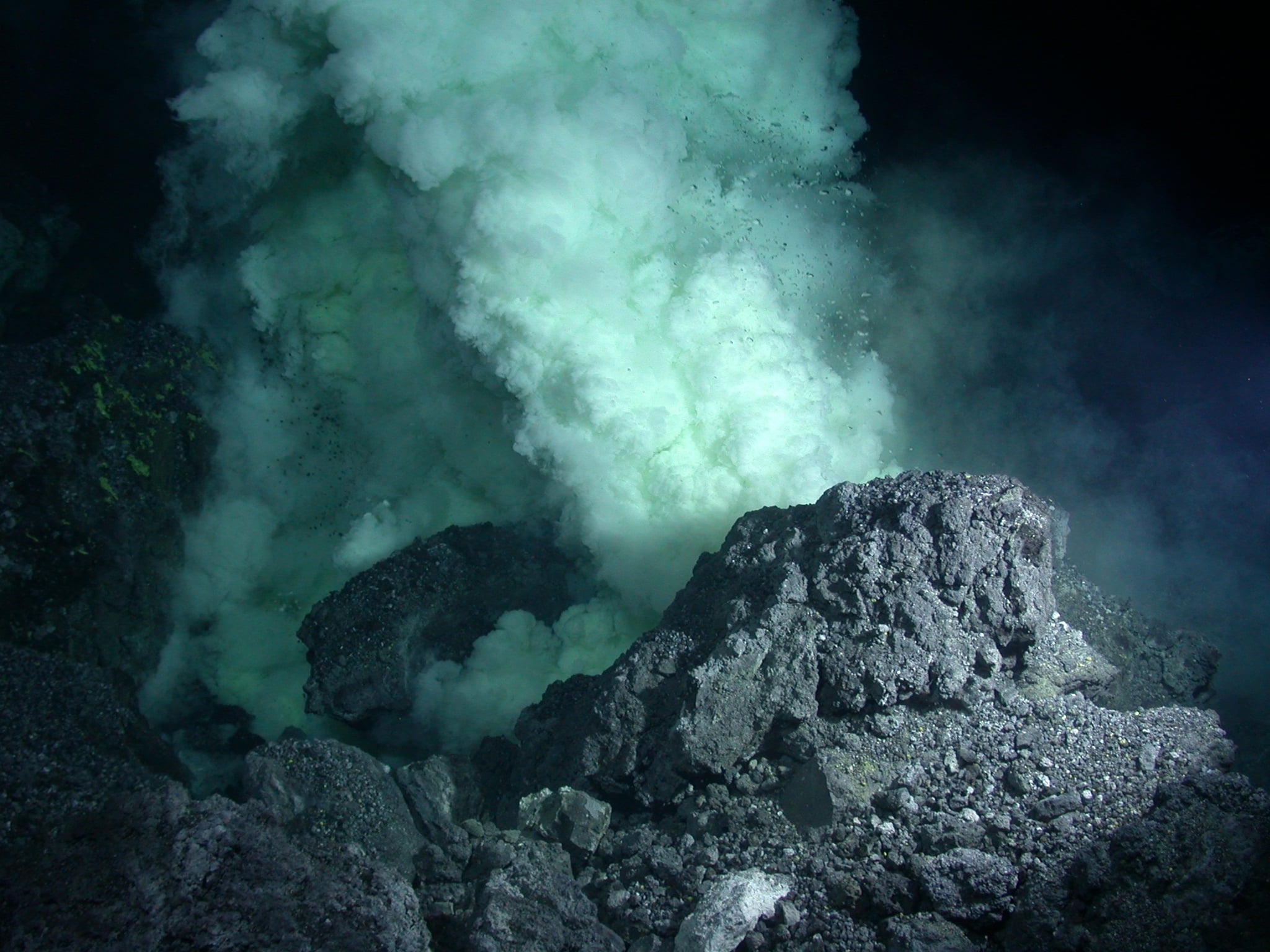
Most volcanic action happens where nobody can see it—deep beneath the ocean. Around 75% of all volcanic eruptions occur on the seafloor, typically along mid-ocean ridges where tectonic plates pull apart.
These underwater eruptions build up layer after layer of hardened lava over millions of years, eventually creating seamounts that can break through the water’s surface to form volcanic islands like Hawaii and Iceland.
Greenland Has Fewer People Than a Small Town
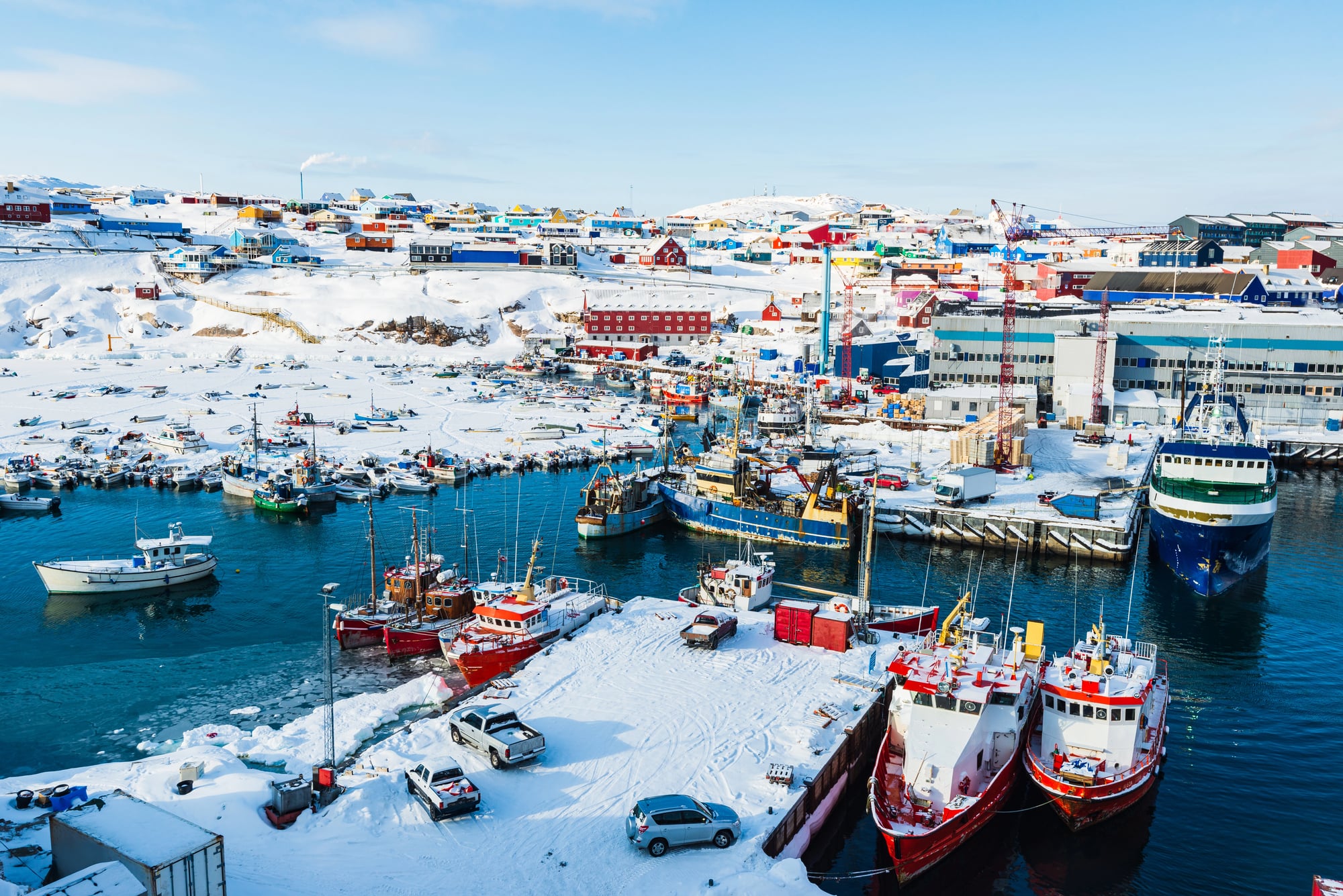
Greenland stretches across more than 836,000 square miles, making it the world’s largest island by far. Despite all that space, only about 56,000 people call it home, which works out to one of the lowest population densities on the planet.
You could fit the entire population of Greenland into a mid-sized sports stadium with seats to spare.
Like Go2Tutors’s content? Follow us on MSN.
Islands Cover 5% of Earth’s Land But Host a Quarter of All Plants
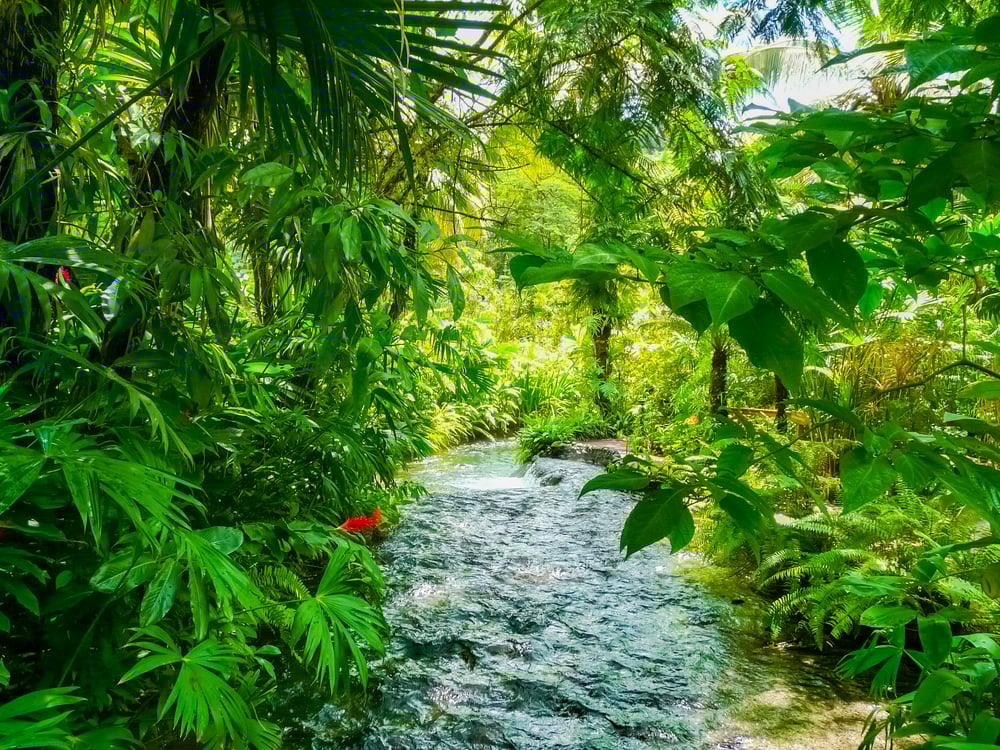
Islands cover just 5% of Earth’s land area but host about a quarter of all known plant species, the majority of which are endemic. Researchers have identified 94,052 plant species living on islands, with 63,280 of them being endemic—meaning they exist nowhere else on Earth.
Madagascar alone hosts 9,318 plant species found only on that single island.
Madagascar Gets Called the Eighth Continent for Good Reason

Roughly 80–90% of Madagascar’s species exist nowhere else on Earth. This massive island broke off from India roughly 88 million years ago and has been evolving in isolation ever since.
The place is so biologically unique that some scientists argue it deserves continent status, even though it’s technically an island.
Hawaii’s Mauna Kea Is Actually Earth’s Tallest Mountain
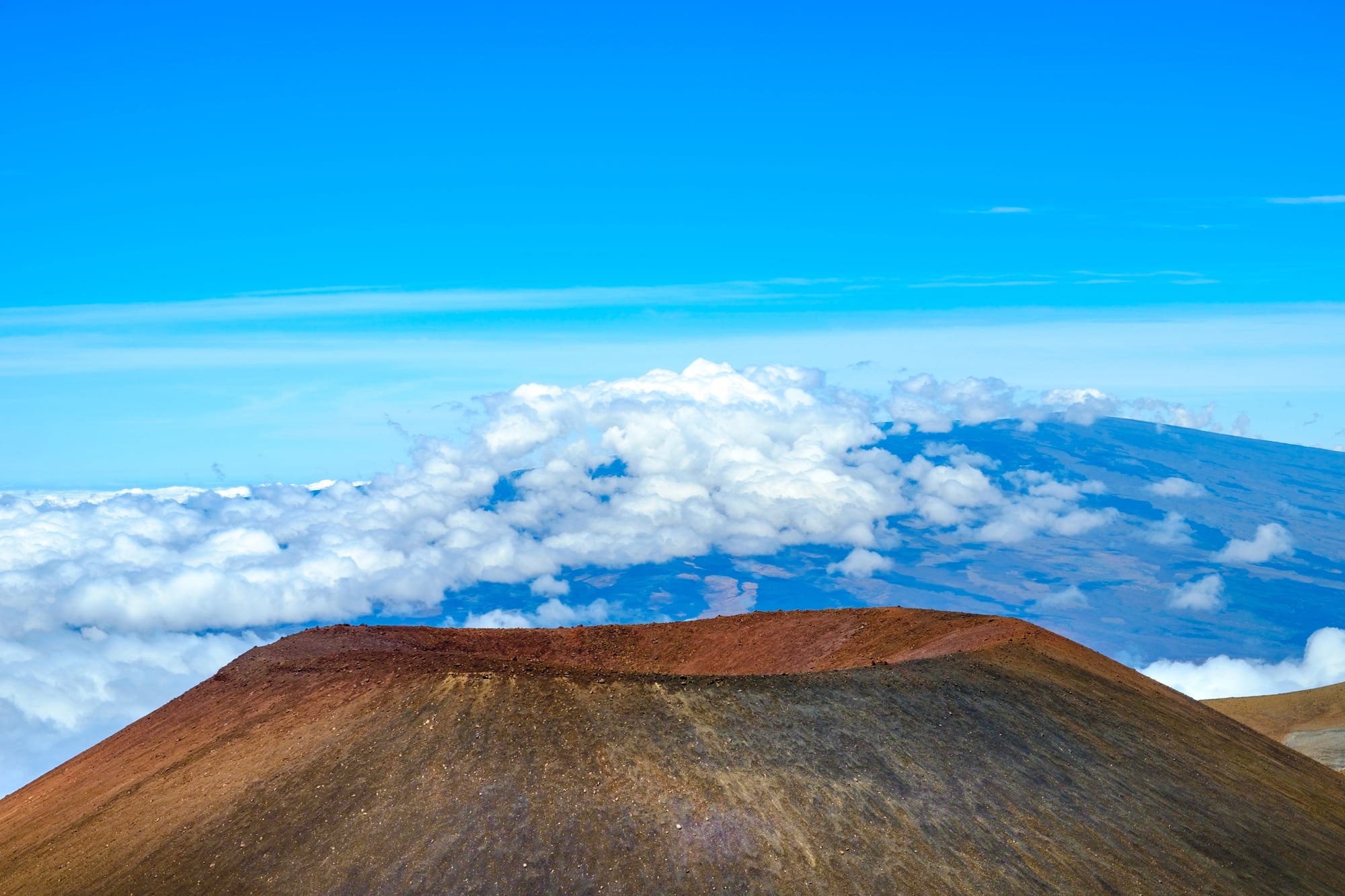
Mount Everest might hold the record for highest peak above sea level, but Mauna Kea in Hawaii wins the overall height contest. Measured from seafloor base to summit, Mauna Kea stands about 33,500 feet tall—roughly 4,500 feet taller than Mount Everest.
Only 13,803 feet of Mauna Kea stick up above the water, which is why most people don’t realize it’s the true giant.
Like Go2Tutors’s content? Follow us on MSN.
Palm Jumeirah Added 40 Miles of Coastline From Scratch

Dubai’s Palm Jumeirah is the world’s largest artificial archipelago, shaped like a giant palm tree that’s visible from space. Construction began in 2001 using around 120 million cubic meters of sand and 7 million tons of rock.
The island added about 40 miles of coastline and now houses over 10,000 residents in luxury villas and hotels.
Some Island Species Evolved to Be Flightless

Isolation does weird things to evolution, and islands are famous for producing birds that forgot how to fly. The flightless cormorant in the Galápagos and various species of flightless rails across Pacific islands all evolved in environments with few predators.
Without threats from the ground, flying became an unnecessary energy expense, so natural selection favored birds with smaller wings and stronger legs instead.
The Canary Islands Got Named After Dogs, Not Birds

Despite what the name suggests, the Canary Islands have nothing to do with canary birds. The archipelago’s name comes from the Latin word ‘canaria,’ meaning dog.
When early European explorers arrived, they found either large dogs living on the islands or heard about ‘sea dogs’—likely seals—that were once plentiful in the surrounding waters.
Like Go2Tutors’s content? Follow us on MSN.
Islands Experience Gigantism and Dwarfism at Extreme Levels

Island isolation creates evolutionary pressure that pushes species to unusual sizes. Some animals evolve into giants, like the Galápagos tortoise that can weigh 595 pounds and live 150 years.
Others shrink dramatically, like the dwarf elephants that once lived on Mediterranean islands and stood only about 3 feet tall. These size changes happen because island ecosystems have different food availability and predator dynamics than mainland environments.
One Hawaiian Plant Family Evolved From a Single Seed

In Hawaii, 126 species of lobeliads all trace back to a single colonization event—one ancestral seed that made it to the islands millions of years ago. That original plant diversified into over a hundred different species as it adapted to various Hawaiian environments, from wet rainforests to dry volcanic slopes.
This explosive diversification shows how island isolation can turbocharge evolution.
Roughly 90% of Bird Extinctions Happened on Islands
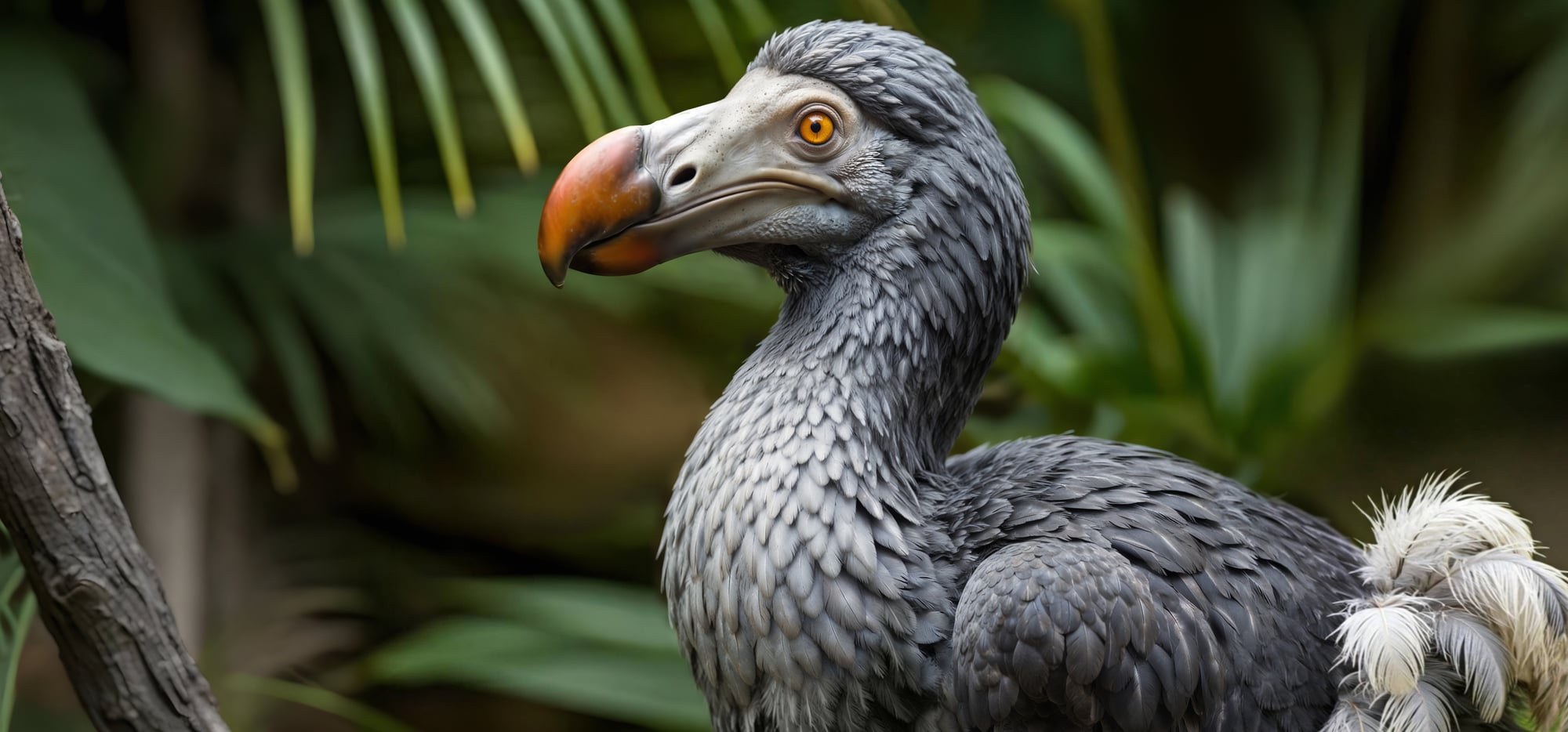
Roughly 90% of all known bird extinctions since 1500 have been island species. Hawaii has more endemic bird species officially listed as endangered or threatened than the entire continental United States.
Island species evolved without certain predators and diseases, making them extremely vulnerable when humans show up with rats, cats, and foreign germs.
Like Go2Tutors’s content? Follow us on MSN.
The U.S. Virgin Islands Drive on the Left in American Cars
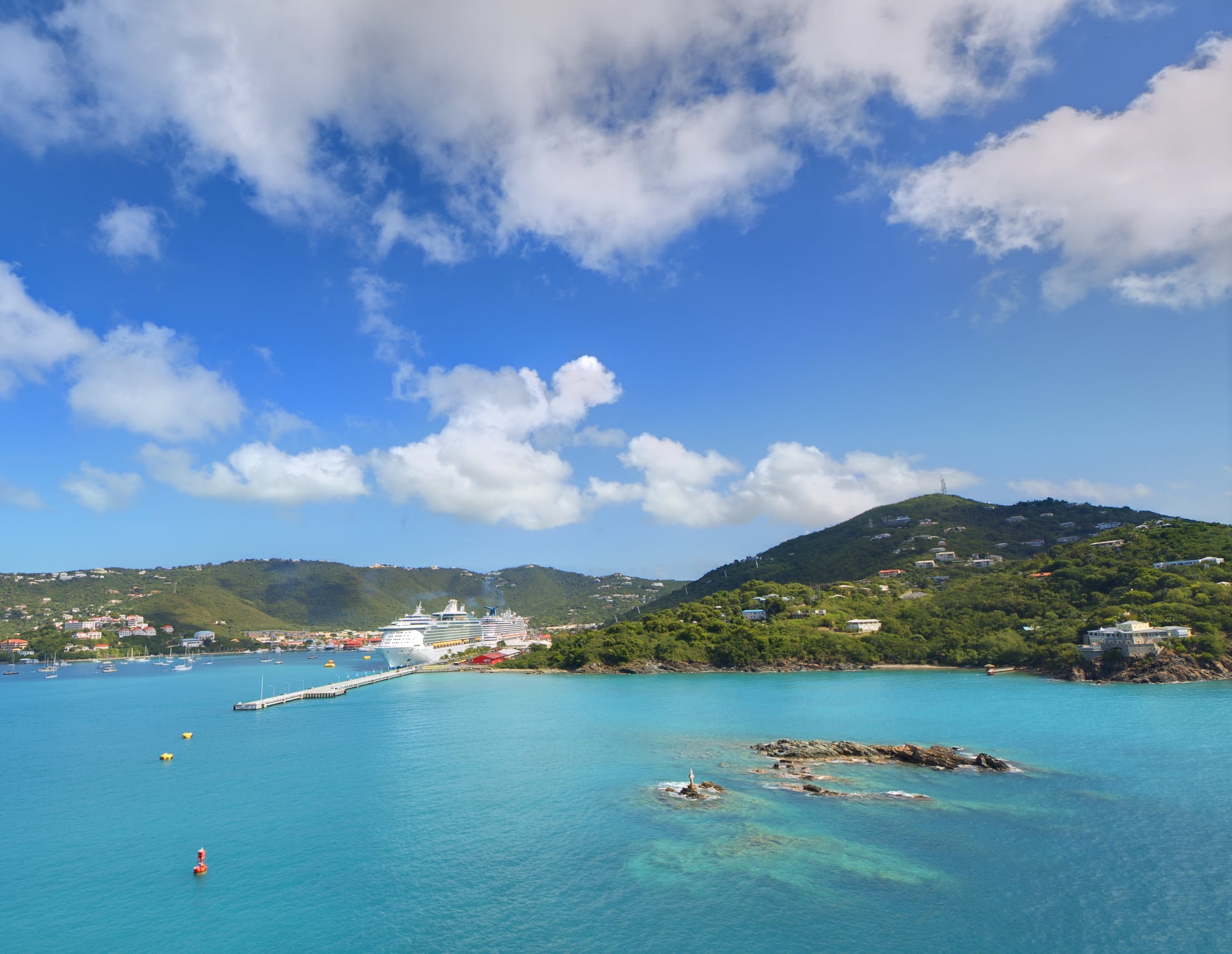
The U.S. Virgin Islands are the only place in the United States where people drive on the left side of the road. The twist is that the cars are standard American vehicles with steering wheels on the left, which means drivers sit near the shoulder instead of near the center line.
This creates a uniquely awkward driving experience that takes some getting used to.
La Gomera Developed a Whistling Language That Carries for Miles
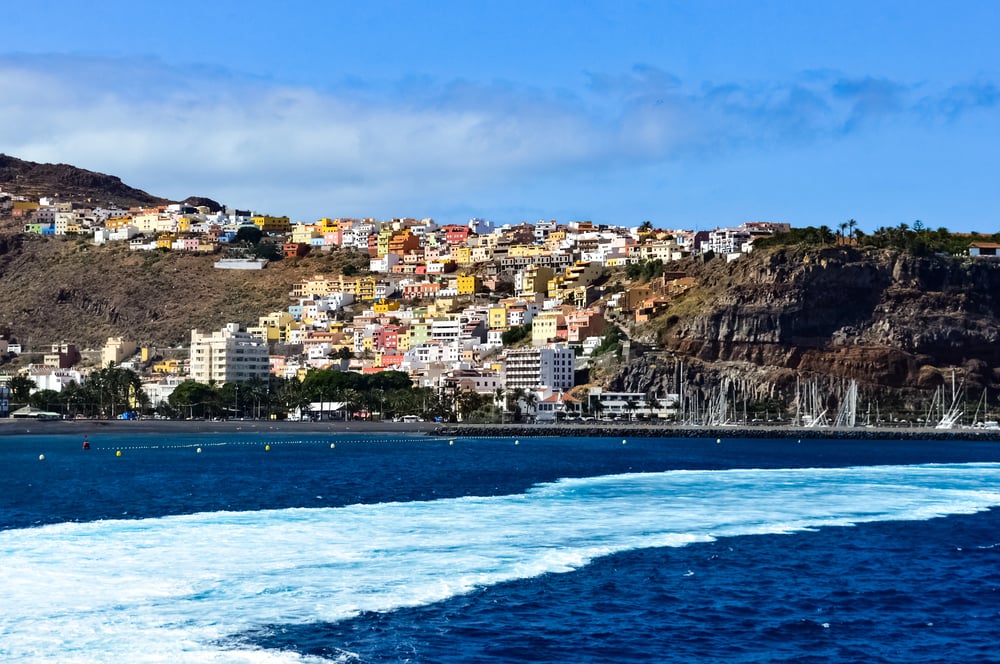
On the island of La Gomera in the Canaries, locals developed Silbo Gomero—a whistled language that lets people communicate across the island’s deep valleys and ravines. This unique form of communication has been used for thousands of years and can carry messages up to 2 miles away.
The language became so important to the island’s culture that it’s now taught in schools to keep the tradition alive.
Nearly 40% of Critically Endangered Animals Live on Islands
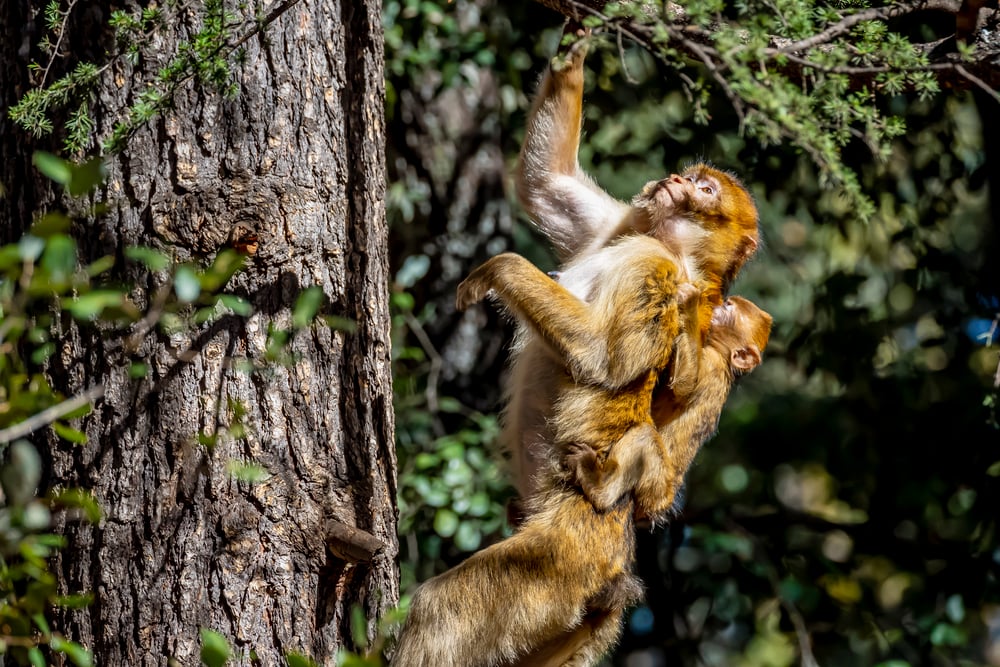
Islands are home to nearly 40% of all critically endangered animal species despite representing a tiny fraction of global land area. This concentration happens because island species often have small populations confined to limited spaces, making them especially vulnerable to habitat loss, invasive species, and climate change.
When an island ecosystem gets disrupted, endemic species have nowhere else to go.
Like Go2Tutors’s content? Follow us on MSN.
Eradicating Rats From One Island Increased Native Forest Growth by 5,000%
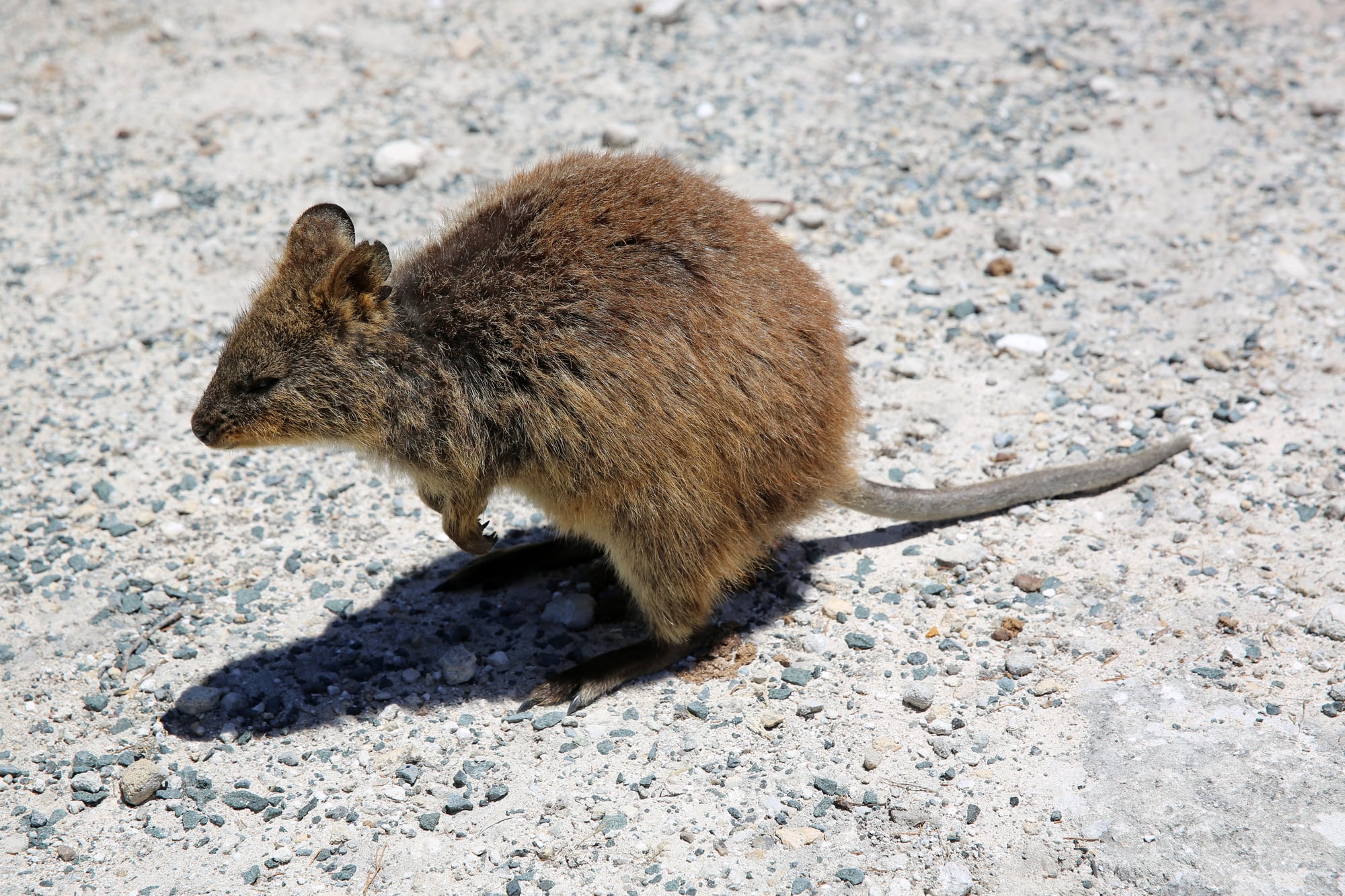
On Palmyra Atoll in the South Pacific, scientists removed invasive Pacific rats that had been eating native seedlings. The results were dramatic—native forest growth exploded by 5,000% after the rats disappeared.
Similar rat eradication projects on other islands have brought back species from the brink of extinction, like the Antiguan Racer snake, whose population increased twenty-fold after rats were removed from a small Caribbean islet.
Why Island Facts Matter More Than Ever

Islands represent some of Earth’s most fragile and irreplaceable ecosystems, yet they’re under mounting pressure from climate change, rising seas, and invasive species. The unique species that evolved in isolation over millions of years can disappear in mere decades when their delicate balance gets disrupted.
Understanding what makes islands special isn’t just interesting trivia—it’s essential knowledge for protecting the biodiversity hotspots that make our planet remarkably diverse.
More from Go2Tutors!

- 16 Historical Figures Who Were Nothing Like You Think
- 12 Things Sold in the 80s That Are Now Illegal
- 15 VHS Tapes That Could Be Worth Thousands
- 17 Historical “What Ifs” That Would Have Changed Everything
- 18 TV Shows That Vanished Without a Finale
Like Go2Tutors’s content? Follow us on MSN.



