27 Recess Games That Required Nothing but a Ball and Enough Friends to Play
No one taught these games in class. They spread from playground to playground, school to school, across cities and countries, through the same informal transmission that spreads jokes and insults and rumors — one kid showed another, someone added a rule, someone else removed one, and by Monday morning an entirely new version existed two streets away.
The games in this list share one characteristic: at some point, someone showed up with a ball and figured out what to do with it.
Some of these games have documented histories. Most don’t, because nobody was keeping records — they were just playing.
That’s the thing about games that require almost nothing to start. They start everywhere, constantly, without permission.
Kickball
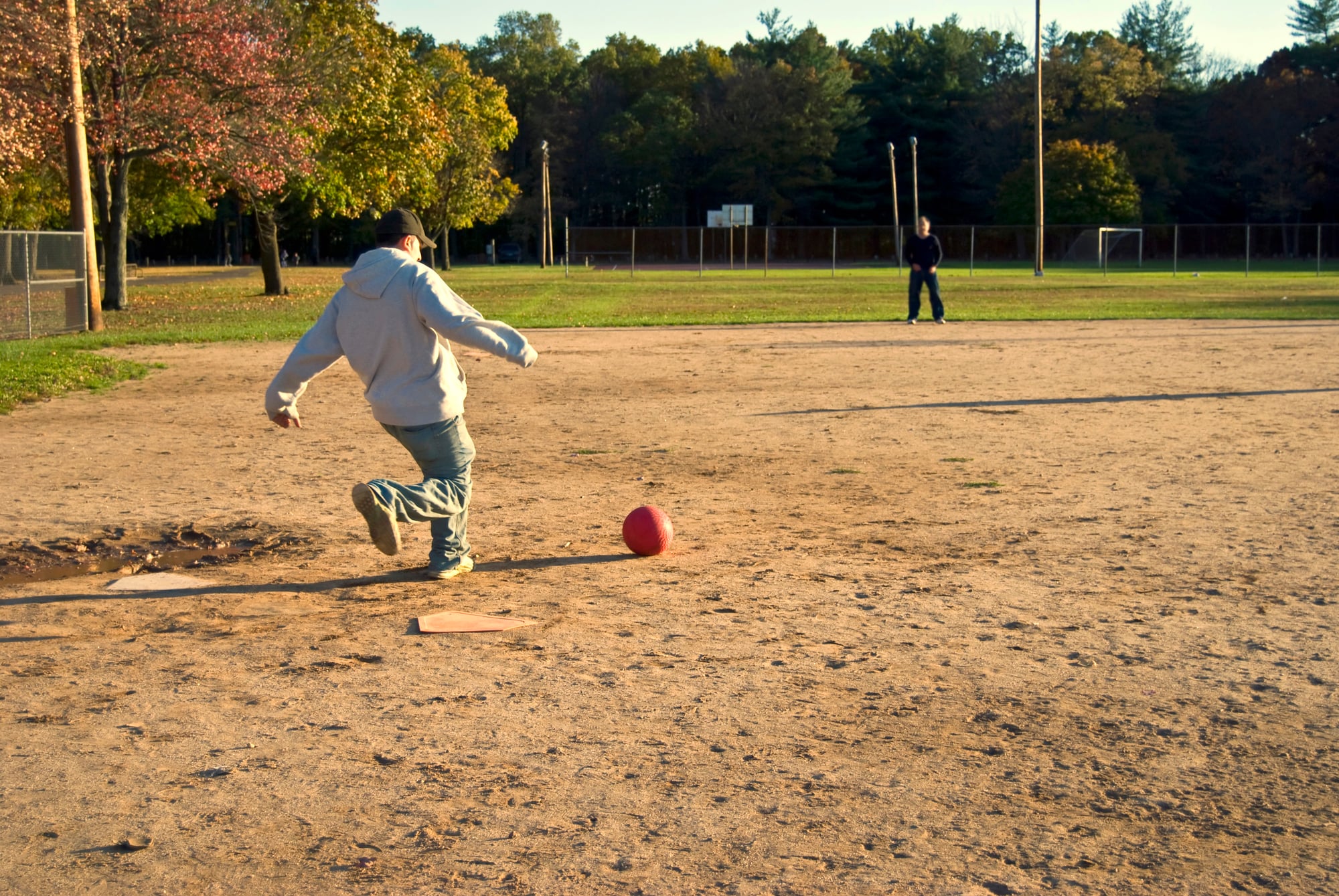
A pitcher rolls a large rubber playground ball to home base. The kicker boots it and runs the same bases as in baseball while fielders try to get them out.
The game was first documented in Cincinnati in 1917, originally called Kick-Baseball, and spread to American gym classes in the early 1920s because almost any child could participate regardless of coordination level.
Dodgeball

Two teams attempt to hit opposing players with a thrown ball. Players who are hit step out; the last team standing wins.
It was one of the most universally played recess games until safety concerns began removing it from organized school programs starting in the late 1990s.
Four Square

Four squares drawn on pavement with a player standing in each. The server bounces the ball into an adjacent square, and the receiving player must hit it into another square before it bounces twice.
A player who fails to return the ball correctly moves to the lowest-ranked square. The social dynamics around who controls the server’s square can be surprisingly intense for a game played with chalk and a rubber playground ball.
Keep Away
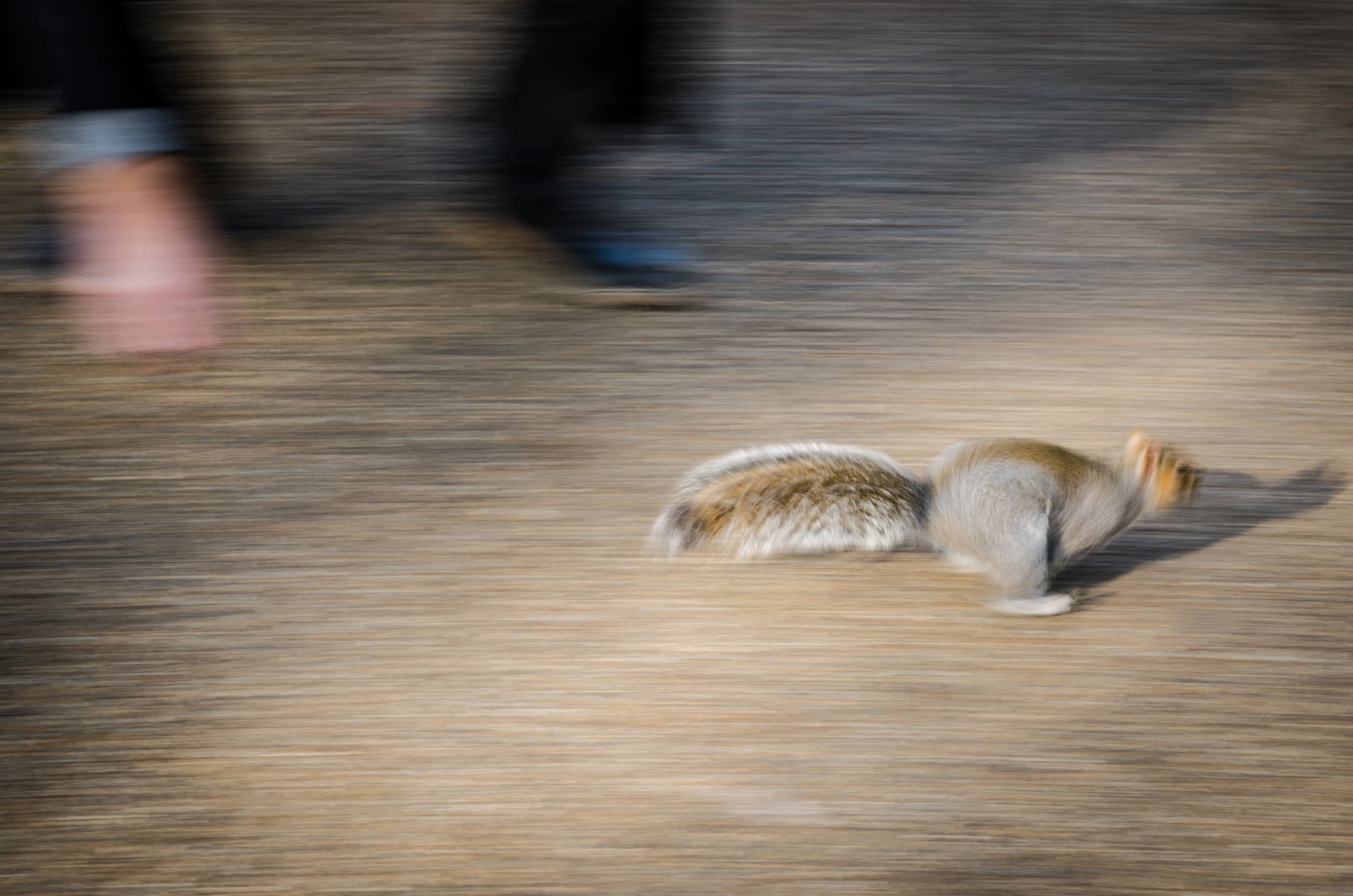
Two or more players throw a ball between themselves while a player in the middle tries to intercept it. Known as Monkey in the Middle, Piggy in the Middle, and various other names depending on country and decade, it is also, as anyone who has been the monkey will confirm, one of the least enjoyable positions in childhood recreation — which is perhaps why it teaches persistence more effectively than most.
Spud

One player calls out a number assigned to another player, throws the ball high into the air, and everyone runs while the named player tries to catch it. When caught, the catcher yells “Spud!” and everyone freezes.
The catcher then throws the ball at the closest stationary player, who earns a letter — S, P, U, D — if hit. Collecting all four letters eliminates you.
Wall Ball

A player throws a rubber ball against a wall. Whoever catches it cleanly can throw it again.
Whoever fails to catch it gets a letter. When you complete the word, you face a penalty or are eliminated. Wall Ball has been played under dozens of regional names including Suicide, Butts Up, and Red.
Monkey See Monkey Do

One player performs a movement with the ball — a specific throw, a catch style, a bounce — and everyone else must copy it exactly. A player who fails to replicate the movement earns a strike.
Three strikes and you’re out. The game rewards creativity in the leader position, as increasingly difficult throws and catches replace simpler ones.
Butts Up

A player who muffs a catch must run to the wall while all other players have one throw each to hit them before they touch it. If hit, you face the wall and allow everyone one throw.
The game has an obvious edge that made it controversial in many schools.
Flies Up

A batter throws a ball into the air as high as possible and all fielders try to catch it. Catching a fly earns the catcher the right to become the next batter.
The competition is not between teams but between fielders for the single opportunity to become the person in the center position.
Kickball Variations
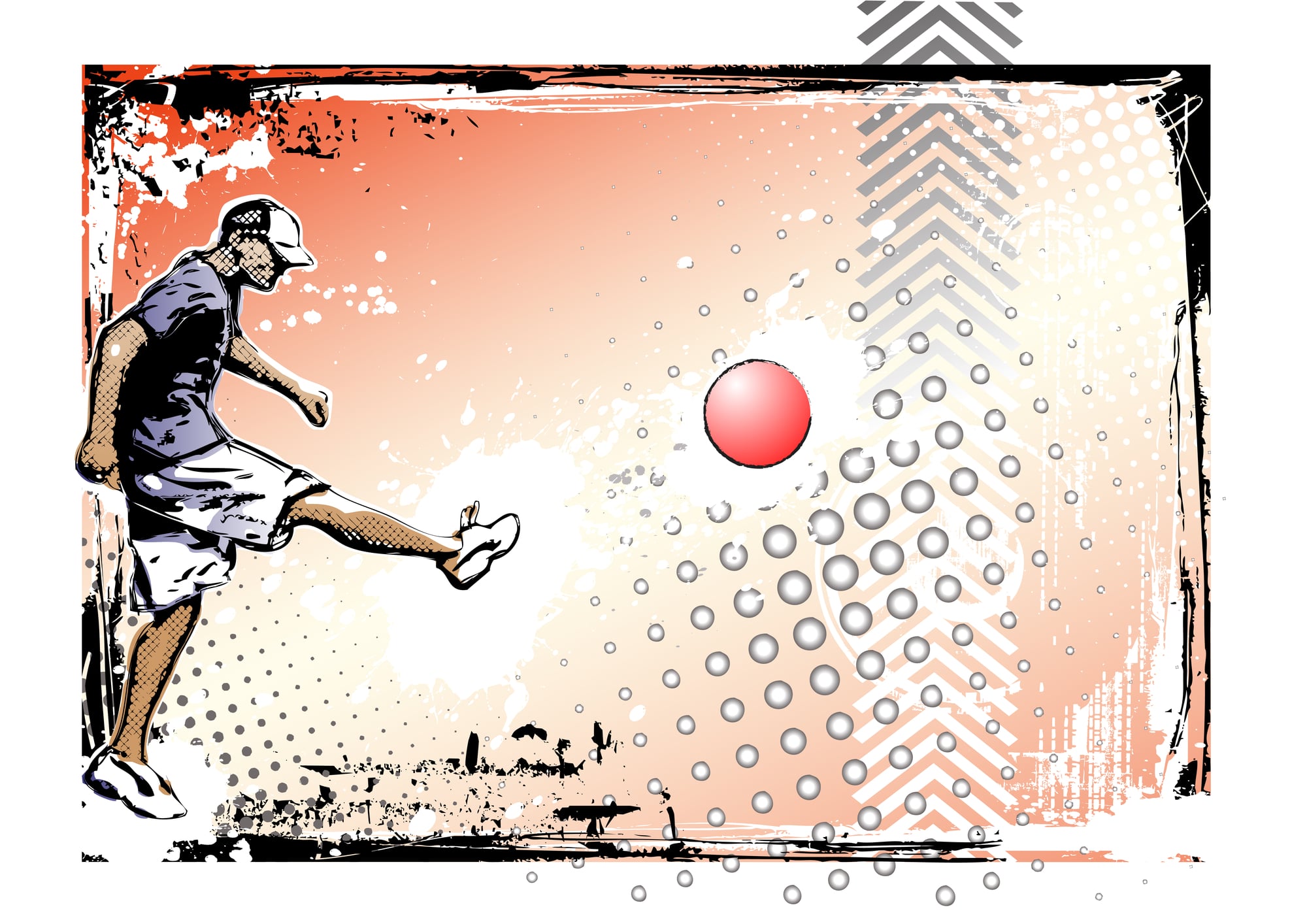
Once you have a kickball and a group of children, the game mutates. In one variant, fielders can throw the ball at a runner between bases.
In another, there are no outs at all. In another, the kicker can run to any base in any order. Most of these variants were invented on the spot and lasted exactly as long as the children playing them agreed to follow them.
Steal the Bacon
Two teams line up on opposite sides, each player numbered. The ball sits in the middle.
A caller shouts a number, and the two players with that number sprint to grab the ball and return to their line without being tagged. The game rewards speed, anticipation, and the willingness to commit fully to a sprint that may end in you being caught.
Kickball Baseball
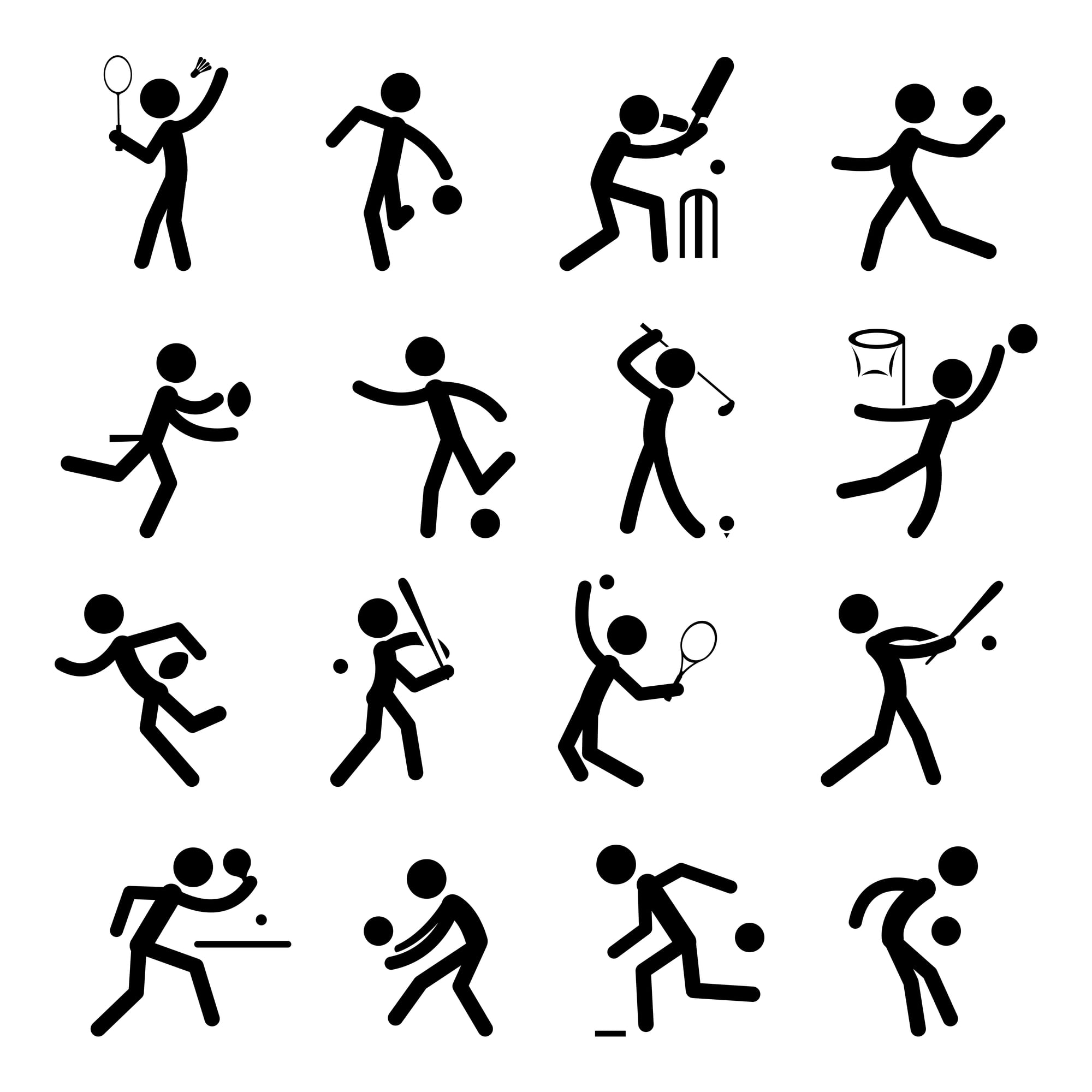
A full baseball game played with kickball rules. Teams take turns kicking and fielding, and outs are recorded by the usual methods.
It is a natural choice when enough children arrive on a playground at the same time with nothing scheduled and a ball in someone’s bag.
Around the World

Players stand at increasing distances from an agreed-upon target and take turns attempting shots. Make it and you advance to the next position.
Miss it and you either stay or pass your turn, depending on the variant. The game can accommodate any number of players and moves quickly enough to prevent the waiting problem that kills most organized sport at recess.
Hot Potato
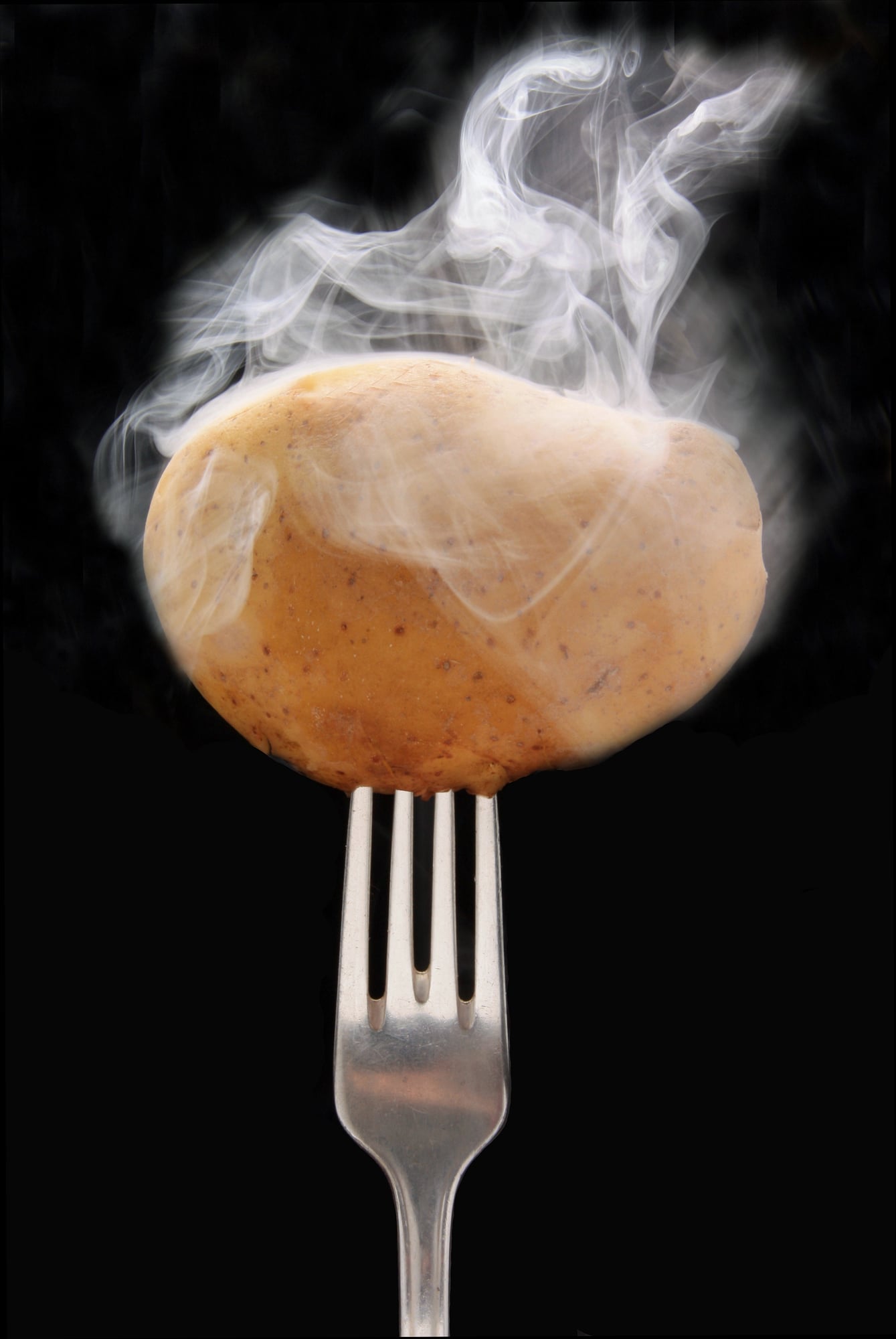
Players stand in a circle and pass a ball rapidly while someone counts down. The player holding the ball when the count reaches zero is eliminated.
The name comes from the principle that the ball is notionally burning your hands the longer you hold it.
Piggyback Ball

One team carries their players on backs while trying to control a ball and score goals at opposite ends of the field. The upper player handles the ball while the lower player provides locomotion.
The game is intensely physical and almost impossible to referee, which made it exactly suited to a recess environment where refereeing was essentially the responsibility of whichever child shouted loudest.
Continuous Cricket
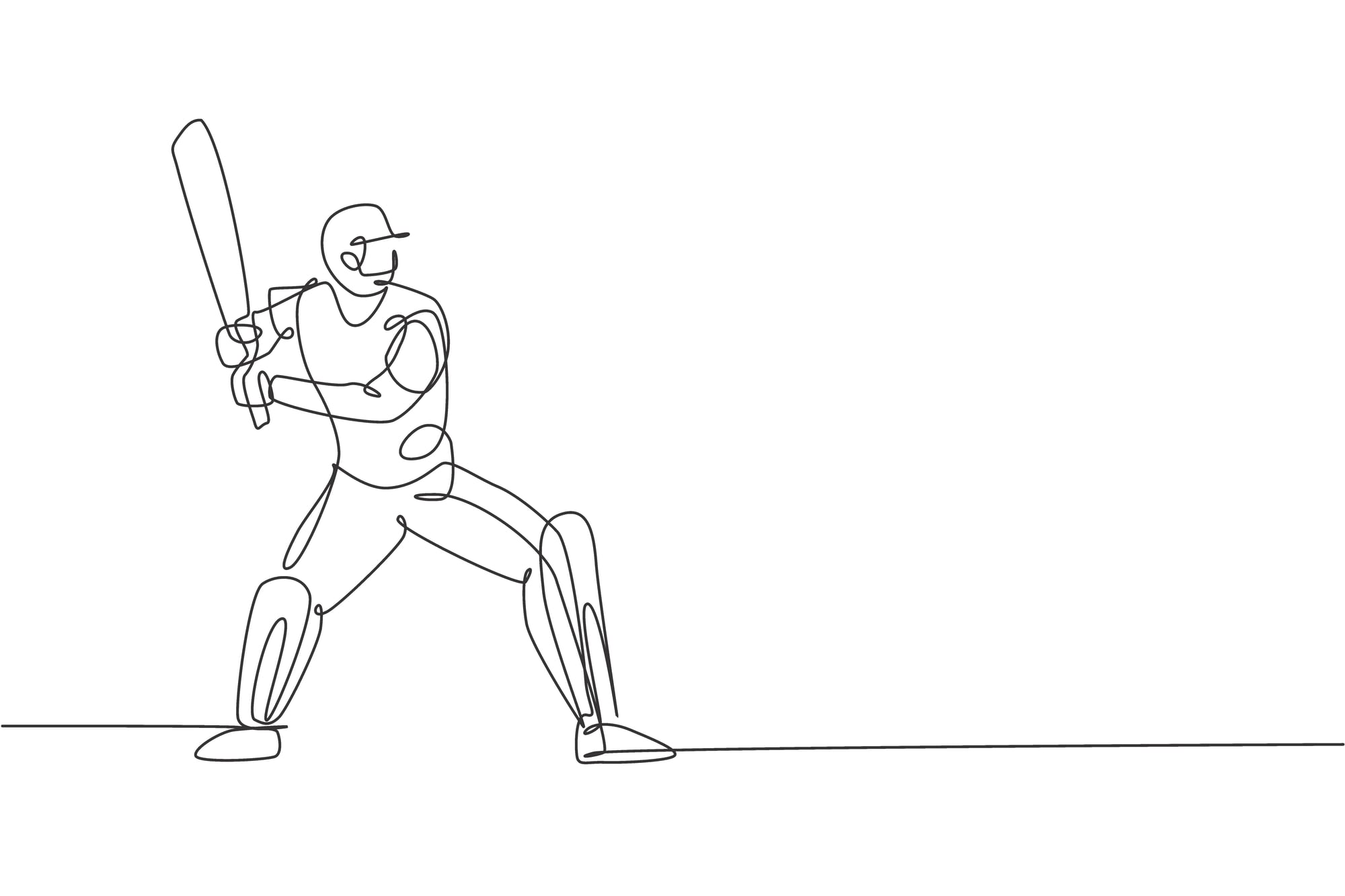
One player bats by kicking a bowled ball and running between two points while the fielding team tries to hit the wickets with the ball before the runner returns. The game runs continuously until the scheduled end of recess or until everyone is eliminated.
It has been the standard playground variant of cricket in British Commonwealth countries for generations.
Tunnel Ball

Teams line up in single file with legs apart. The ball is passed backward through the tunnel of legs from the front of the line to the back.
The first team to get their starting player back to the front wins. The game reliably produces at least one child losing the ball through a gap in their legs, which is both humiliating and inevitable.
Poison Ball

Players form a circle and try to pass or roll a ball between each other. If the ball touches you, you are “poisoned” and step out.
The last player remaining wins. Variants include a version where poisoning is by contact with anything below the knee, meaning players spend the game jumping continuously.
Catch and No-Drop

Two players stand apart and throw the ball to each other, stepping back one pace after each successful catch. A drop ends the round.
The game requires exactly two people and exactly one ball and has been played in various forms in virtually every culture that has had access to inflatable rubber.
Prison Dodgeball
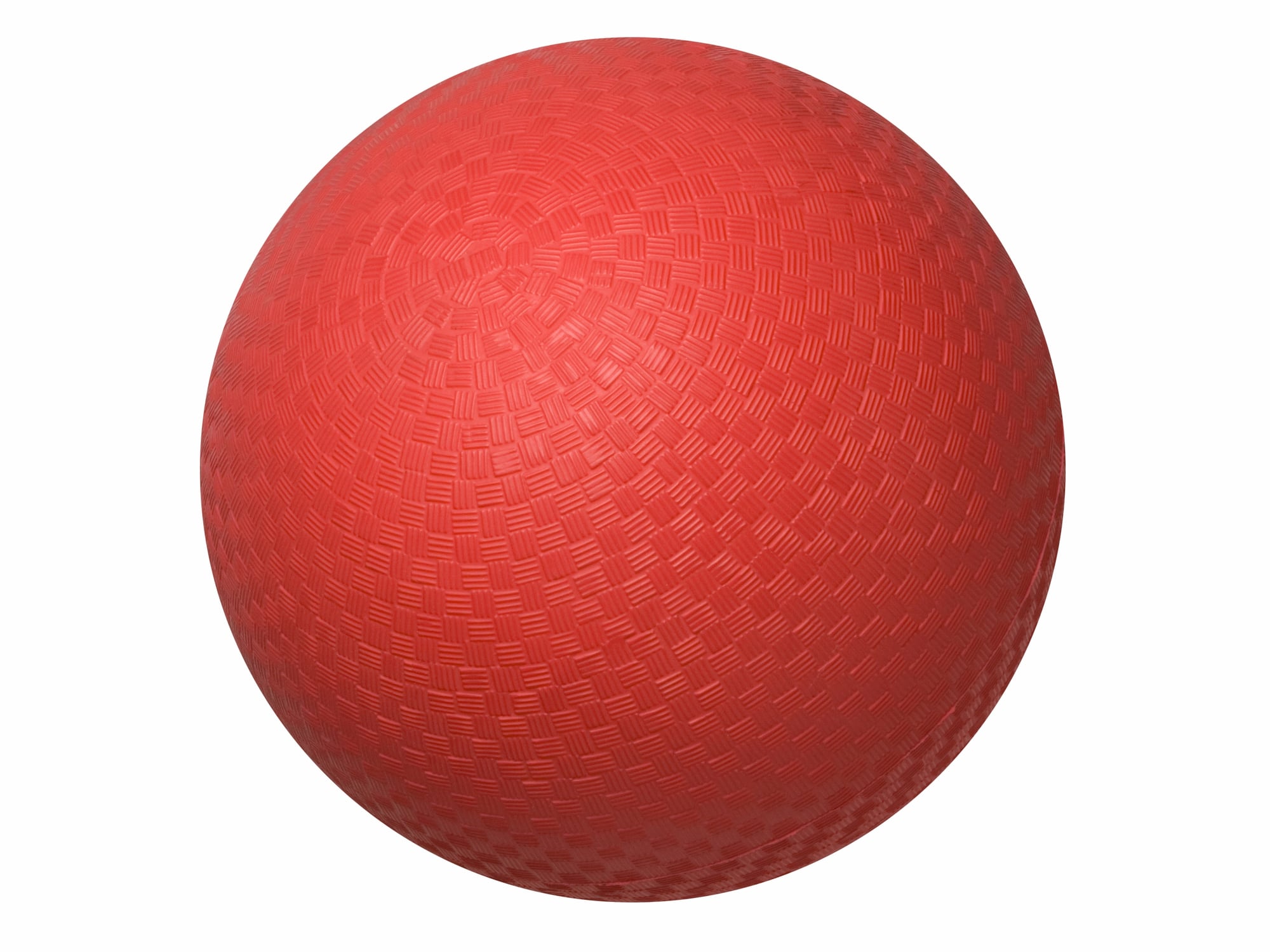
Standard dodgeball with one addition: players who are eliminated form a “prison” behind the opposing team’s back line, from which they can still catch the ball and eliminate opponents or earn re-entry.
The prison mechanic transforms the game from a process of elimination into an ongoing opportunity for comeback.
Corner Spry

Players disperse across a field while one player with the ball calls out the name of another. That player must run to a corner or marked point on the field before the ball-holder can run to touch the same point.
The game rotates callers based on performance and can accommodate large groups without requiring teams.
Pass and Chase

One player throws the ball as far as possible in any direction and immediately begins running. All other players chase the ball.
Whoever reaches it first becomes the thrower and hurls it again immediately. The game has no winners, no points, and no real structure — it is essentially organized sprinting with a ball as the motivator.
Slaughter
A wall game played with a small rubber ball. Players take turns hitting the ball against a wall in sequence.
If you hit the wall out of turn or fail to hit the wall at all, you earn a strike. Three strikes eliminates you. Slaughter was the most commonly used name in American urban playgrounds, though the name varied significantly by region.
Newcomb

A ball is thrown over a net (or rope, or improvised equivalent) and the receiving team must catch it and throw it back without letting it touch the ground.
It is essentially volleyball without the spiking and setting, playable by younger children or groups without volleyball training. Newcomb preceded volleyball’s widespread adoption in American schools.
Five-Hundred

One player stands apart from a group and throws the ball into the air, announcing points before the throw. Points accumulate, and the first player to reach 500 becomes the next thrower.
The announcements happen in the air between throw and landing, which means the thrower can selectively reward or penalize specific players by adjusting the points mid-flight.
Bull Rush

One player with the ball stands in the center of the field. Runners try to cross from one side to the other without being tackled.
If tackled, you join the tackler in the center. Bull Rush was removed from most school programs due to collision risks but remained popular in informal settings long after it was officially discouraged.
Chase the Leader
The player with the ball sets a course and all other players follow and replicate the same path. Players who break the pattern or lose the ball earn a penalty.
The game rewards creative path-finding by the leader and is most interesting when the leader uses the ball in unexpected ways that force followers to improvise quickly.
The One Rule That Made Every Game Work
All the games in this list have something in common beyond the ball: they tolerate disputes. Every playground version of every game included a parallel negotiation about the rules that ran continuously alongside the game itself.
Someone called a catch unfair. Someone disputed whether the ball had crossed the line. Someone invented a new rule to cover a situation that had never come up before and then immediately argued that the rule had always existed. The game and the argument about the game were inseparable, and the argument was often more interesting than the game.
This was not a flaw in childhood recreation. It was the whole point — learning to negotiate, to enforce, to concede, and to keep playing when everyone disagreed on what had just happened.
More from Go2Tutors!

- The Romanov Crown Jewels and Their Tragic Fate
- 13 Historical Mysteries That Science Still Can’t Solve
- Famous Hoaxes That Fooled the World for Years
- 15 Child Stars with Tragic Adult Lives
- 16 Famous Jewelry Pieces in History
Like Go2Tutors’s content? Follow us on MSN.



