Discontinued Car Features People Miss
Cars once seemed alive. Each one behaved its own way, packed with oddities that gave real feedback behind the wheel.
As time passed, manufacturers simplified everything – focusing on smooth looks and better mileage instead. Rules about safety grew stricter, while new tech took over old parts, phasing them out quietly.
Older cars had little details people remember – they didn’t always make sense, yet they built a bond between driver and machine. Screens and robots can’t do that, no matter how smart they act.
Manual Window Cranks
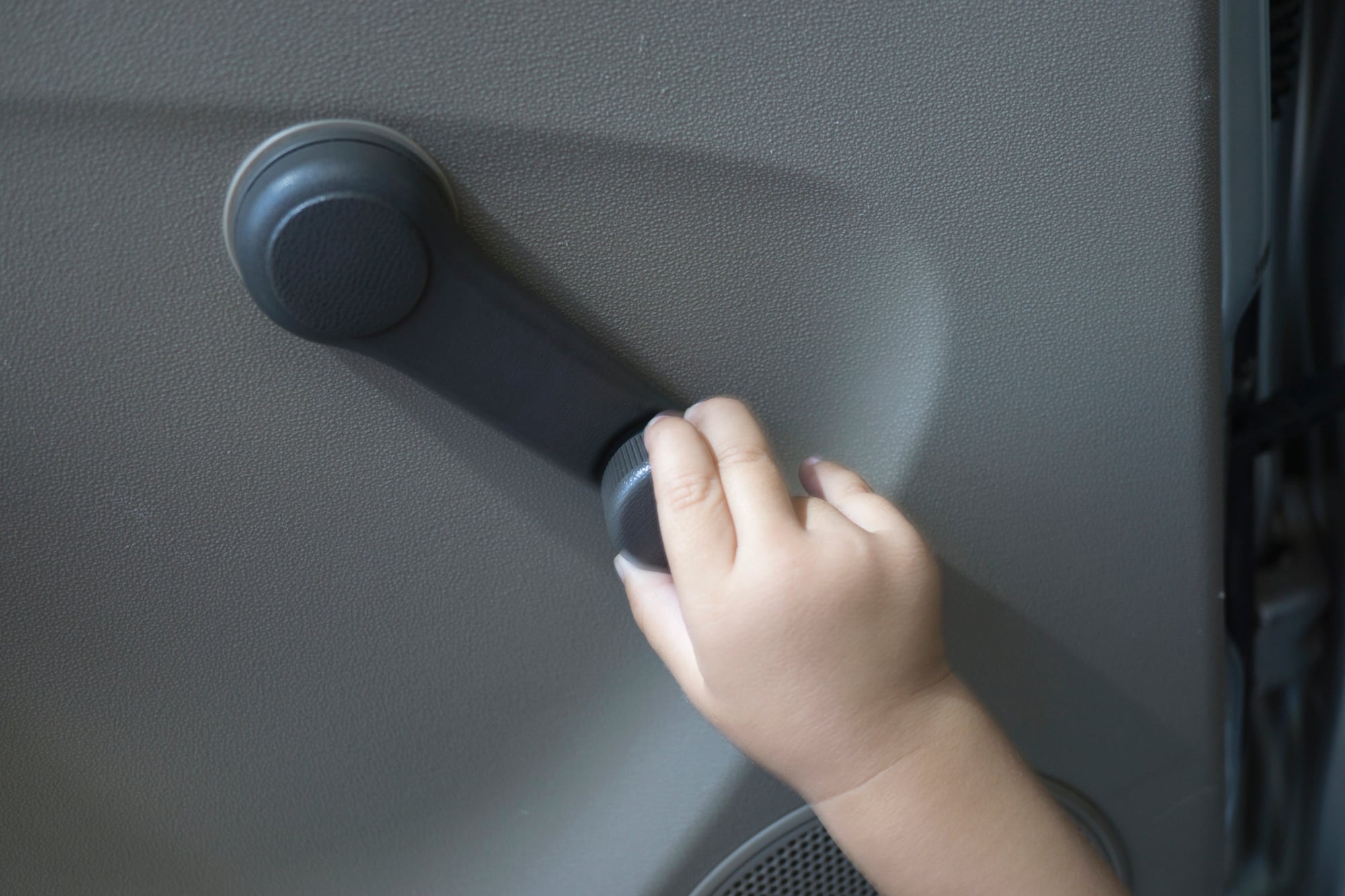
Rolling down a window used to require actual effort. You’d grab the crank handle and wind it in circles until the glass descended.
The motion was satisfying in a mechanical way, and the simplicity meant nothing ever broke. Kids in the backseat could open their own windows without begging parents to press a button.
Power windows became standard by the 2000s, and manual cranks vanished from even budget models. The convenience is undeniable, but something got lost.
You can’t crack a power window just a little bit as easily. And when the motor fails, you’re stuck with a window that won’t budge at all.
Manual cranks never had that problem.
Vent Windows

Those small triangular windows at the front of the door served a specific purpose. You could angle them to direct fresh air into the cabin without creating the wind tunnel effect of a fully open window.
They worked as natural air conditioning before AC became standard equipment. Automakers eliminated vent windows in the 1990s to improve aerodynamics and reduce manufacturing costs.
Modern cars have climate control systems that make them unnecessary from a practical standpoint. But on a perfect spring day, nothing matched the control those little windows gave you over airflow.
They let you fine-tune ventilation in a way automatic systems still can’t replicate.
Pop-Up Headlights
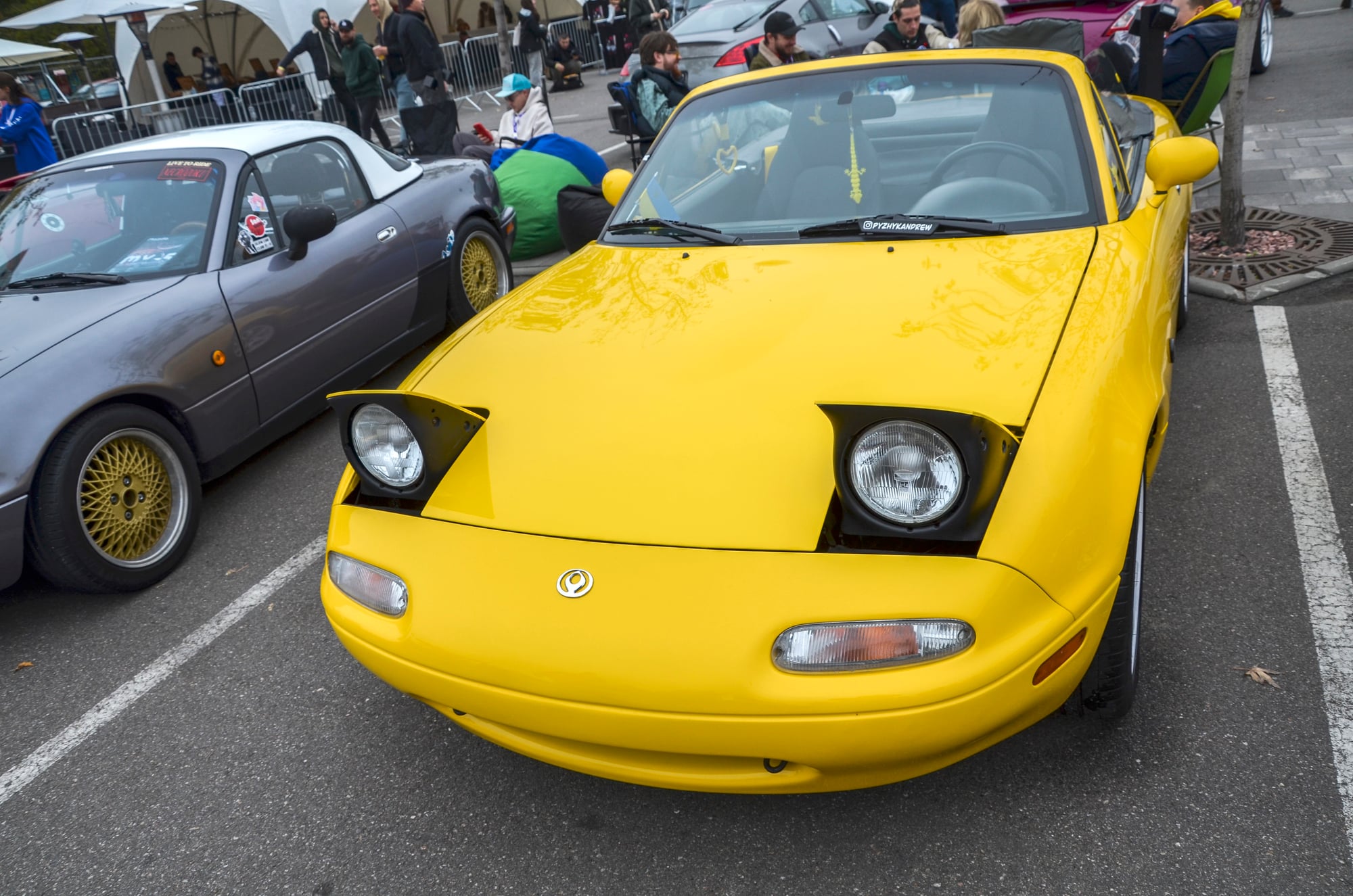
Sports cars from the 1980s and 1990s had headlights that flipped up when you turned them on. The mechanism was purely aesthetic, a design choice that made cars look sleeker with the lights down.
Flipping them up added drama to the whole experience of driving at night. Pedestrian safety regulations effectively killed pop-up headlights by the early 2000s.
The protruding lights posed injury risks in collisions. Fixed headlight designs became mandatory, and the distinctive look of cars like the Mazda Miata and Corvette C4 disappeared.
Modern cars are safer, but they lost that dramatic flair.
Bench Front Seats

Front bench seats could fit three people across, turning sedans and trucks into six-passenger vehicles. The continuous seat also created a different dynamic for couples, allowing passengers to sit closer to the driver.
Column shifters freed up floor space and made the bench setup practical. Bucket seats with center consoles took over as standard equipment by the 1990s.
They offered better support and fit the ergonomic demands of modern driving positions. Console storage became expected.
But bench seats had a social quality that bucket seats eliminate entirely. You can’t slide over next to someone in a car with a massive console between the seats.
T-Tops and Targa Roofs

T-tops gave drivers removable roof panels while keeping a center bar for structural support. You got the open-air feeling without fully committing to a convertible.
Storing the panels in your trunk and reinstalling them later added a ritual to the driving experience. Manufacturing costs and structural integrity concerns made T-tops impractical for modern safety standards.
The panels often leaked, and the center bar created blind spots. Convertible hardtops and panoramic sunroofs replaced them, offering similar benefits with fewer drawbacks.
But T-tops had character that modern alternatives lack.
Hood Ornaments
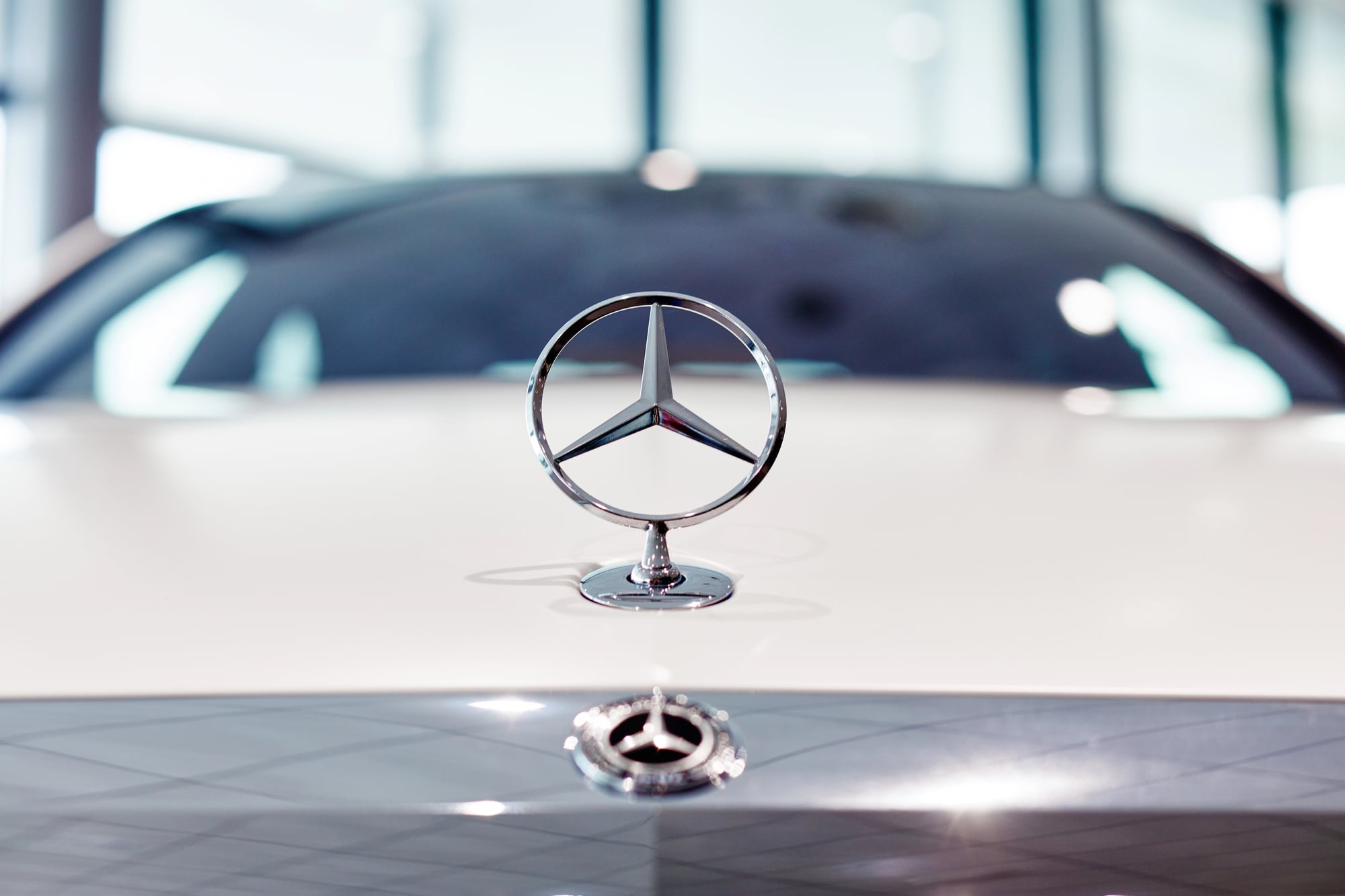
Luxury cars once wore elaborate hood ornaments as status symbols. Mercedes-Benz had its three-pointed star, Jaguar had its leaping cat, Cadillac had its crest.
These weren’t just decorations but brand identifiers visible from a distance. They added a touch of elegance to the front end of vehicles.
Pedestrian safety regulations and theft concerns ended the era of prominent hood ornaments. Protruding metal objects posed injury risks in accidents.
Many ornaments were stolen for their resale value or as trophies. Modern cars either skip hood ornaments entirely or use retractable versions that pop down on impact.
The front ends of cars look cleaner now but less distinguished.
Floor-Mounted High Beam Switches

Older cars had high beam switches on the floor, operated by your left foot. You’d tap it to toggle between high and low beams without taking your hands off the wheel.
The placement made sense when steering wheels didn’t have stalks for everything. Dashboard-mounted switches and steering column stalks replaced floor switches as interiors evolved.
The floor location made less sense as cars added more foot controls and the footwells became more complex. But drivers who grew up with floor switches still remember the tactile satisfaction of that foot tap.
It kept your hands where they belonged during night driving.
12-Volt Power Outlets and Ashtrays
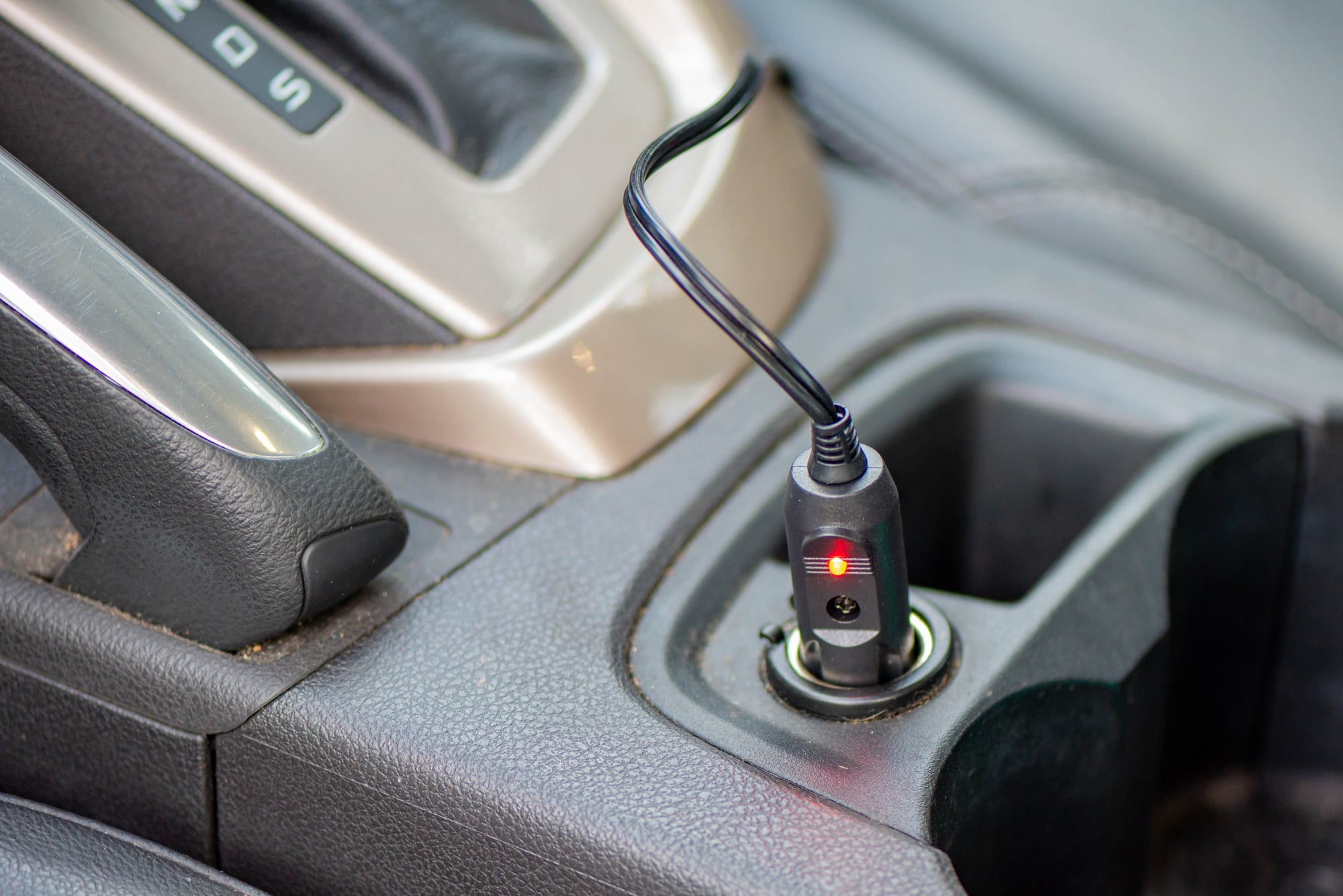
Every car came equipped with a coil-heated power outlet and at least one ashtray. The outlet worked for accessories before USB ports existed, using a heating element that popped out when ready.
The ashtrays gave passengers somewhere to dispose of trash beyond their intended purpose. Declining usage among the general population made dedicated ashtrays obsolete by the 2000s.
Automakers replaced them with cup holders and storage bins. The outlet evolved into a standard 12-volt power source for phones and other devices.
The functionality improved, but it marked a shift in how people use their cars. Those ashtrays held coins, receipts, and other small items just as often as their original purpose.
Manual Chokes
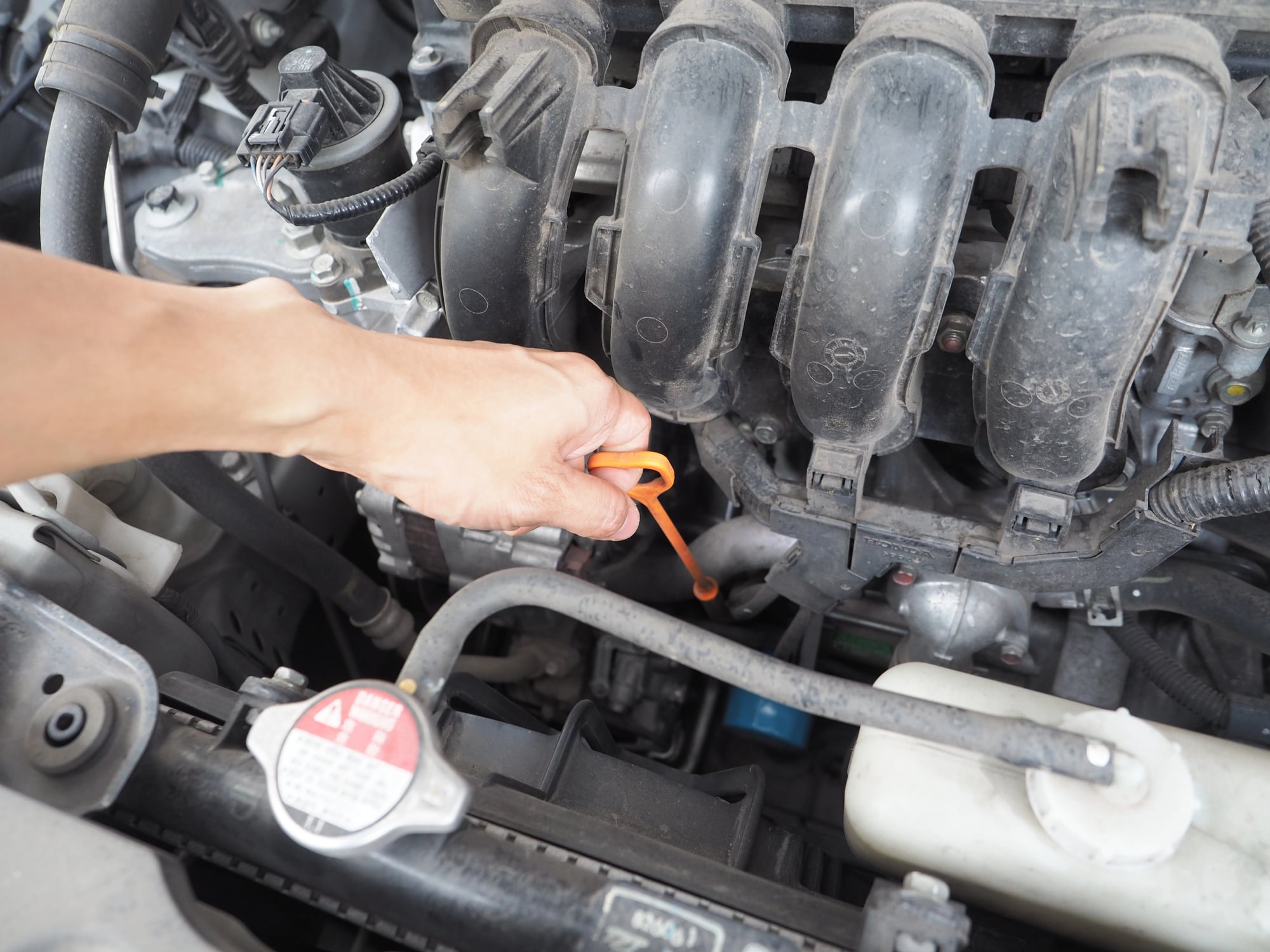
Carbureted engines required manual chokes to start when cold. You’d pull a knob or lever to restrict airflow, enriching the fuel mixture until the engine warmed up.
Getting the choke right requires understanding your car’s temperament. Too much and you’d flood the engine.
Too little and it would stall. Fuel injection eliminated the need for manual chokes by the 1990s.
Electronic systems automatically adjusted the fuel mixture based on temperature sensors. Cars became more reliable and easier to operate.
But something was lost in that convenience. Operating a choke connected you to the mechanical reality of combustion engines in a way modern cars never do.
Chrome Bumpers

Real chrome bumpers could take a hit and bounce back. They were separate components bolted to the frame, designed to absorb minor impacts without damaging the body.
You could lean against them, sit on them, or use them to push-start another car without worry. Integrated bumpers with painted covers replaced chrome by the 1990s.
The new designs improved aerodynamics and allowed more cohesive styling. But they crumple in minor collisions, turning what used to be a simple bump into an expensive repair.
Chrome bumpers had utility that modern plastic covers sacrifice for aesthetics.
Cassette Decks and CD Changers
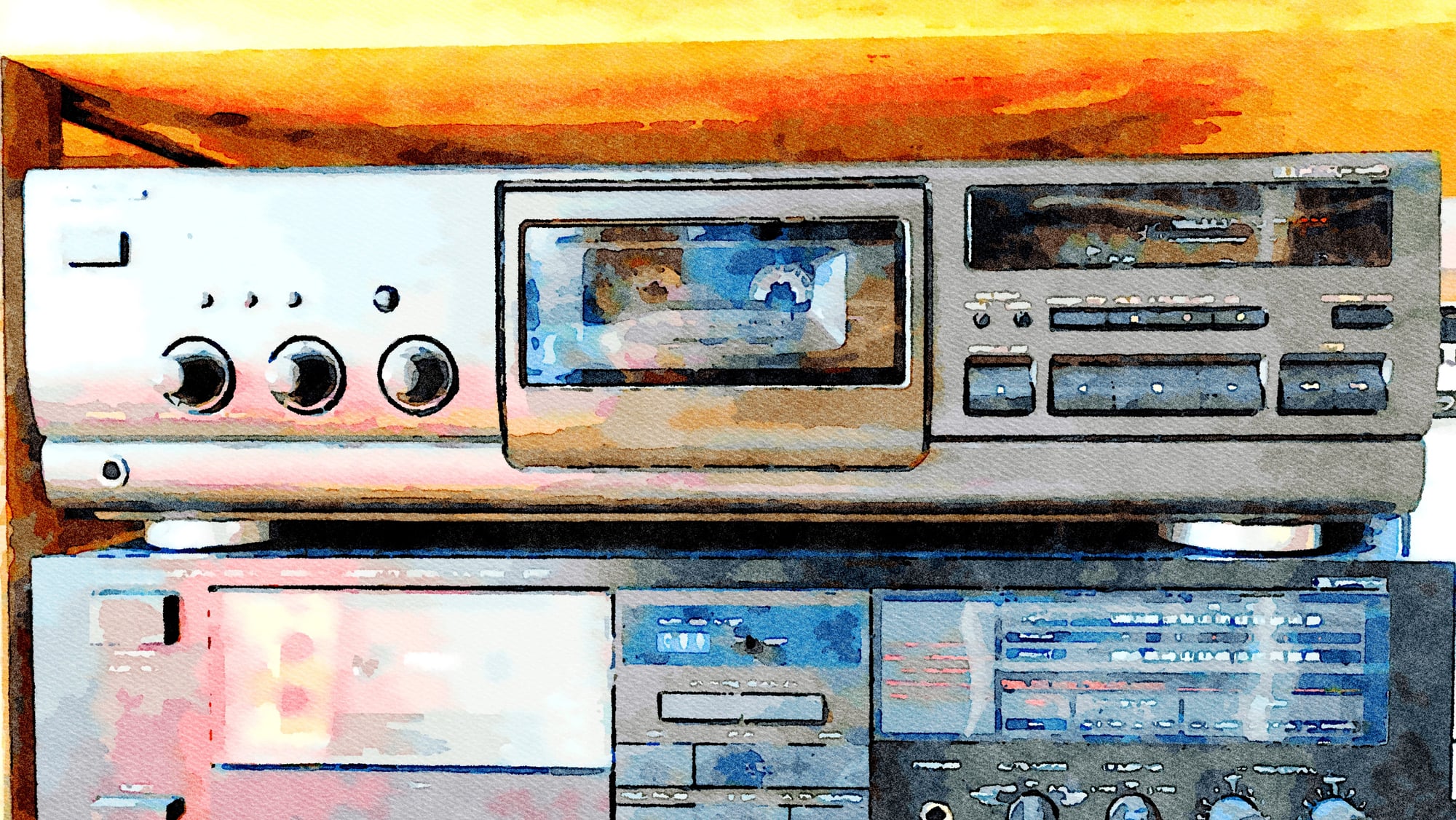
Music formats defined eras of car design. Cassette decks dominated the 1980s and 1990s, followed by CD players with multi-disc changers.
You’d load your favorite albums and have hours of music ready without touching anything. Making mixtapes for road trips became a ritual.
Bluetooth and streaming killed physical media in cars by the 2010s. Modern systems offer infinite music libraries and better sound quality.
But curating a collection of tapes or CDs created a different relationship with music. You chose carefully because space was limited.
Songs felt more intentional when you had to physically select them before the drive.
Vent-Mounted Compasses

A tiny compass stuck to the vent would point your way. Not spot-on – it wobbled each time you turned – yet still helped you keep track.
No power pack or space signals needed, only magnetic pull. GPS took over, so old-school compasses faded out.
Screens now give exact directions plus step-by-step guidance. Yet those basic compasses? No prep was ever needed.
They kept going even when GPS died in tunnels or remote spots. Updates weren’t a thing they cared about.
A few folks behind the wheel still prefer that straightforward needle display.
What Modern Cars Forgot
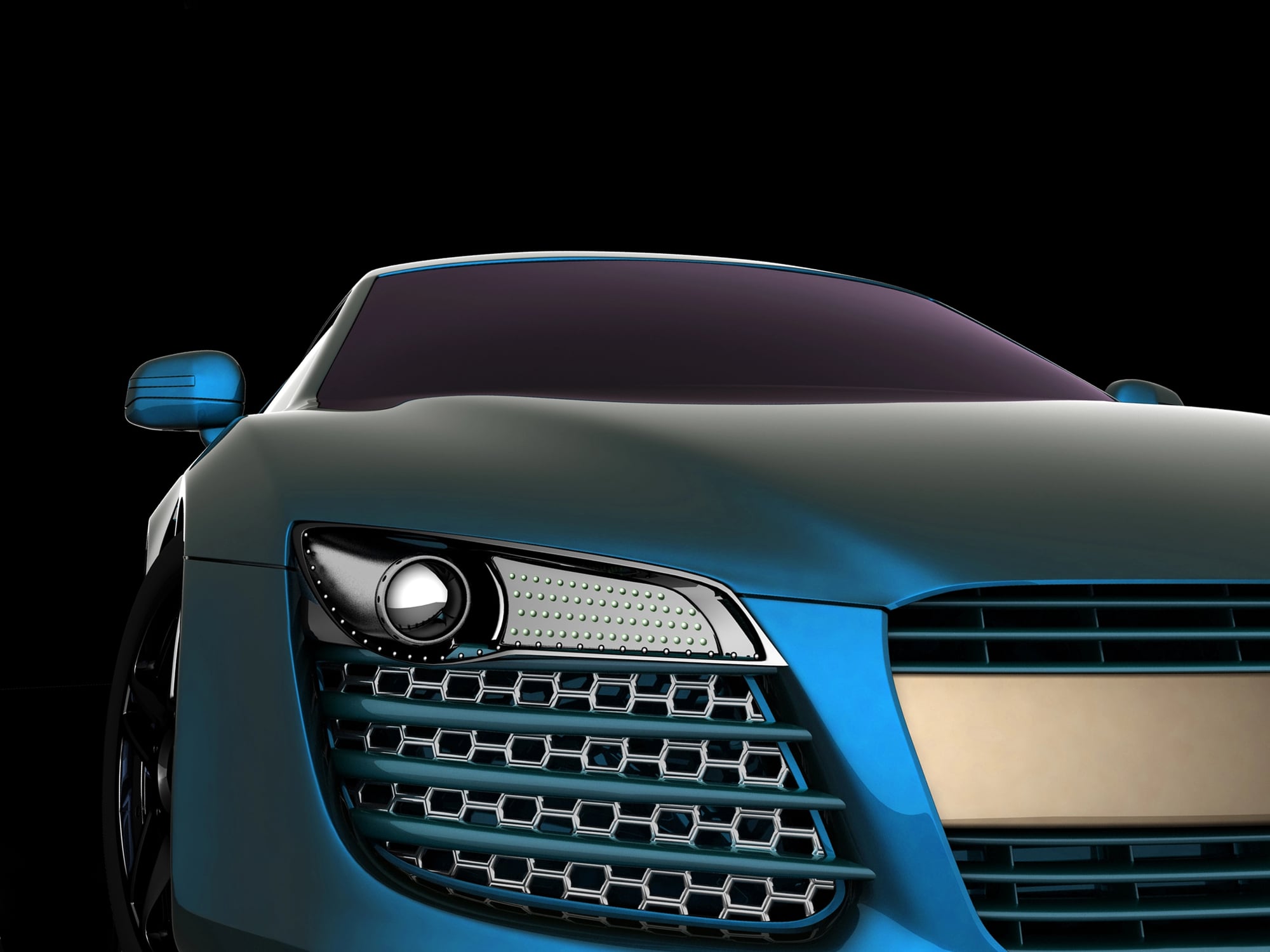
Modern cars drive smoother, last longer, survive crashes better than old models ever did. Starting them is no hassle now, steering feels sharper, safety’s way ahead thanks to smart tweaks over time.
Still, today’s rides look too much alike, feeling detached from what drivers actually sense behind the wheel. Some quirks we lost weren’t useful, yet those odd details made each car stand out in its own quirky way.
You’ve got to get how your car works, not just turn the key. Little details – the pull of the handle, the shine on the trim, shifting gears yourself – made it feel like you and the ride were working together, kind of like teamwork instead of just moving from one spot to another.
More from Go2Tutors!

- The Romanov Crown Jewels and Their Tragic Fate
- 13 Historical Mysteries That Science Still Can’t Solve
- Famous Hoaxes That Fooled the World for Years
- 15 Child Stars with Tragic Adult Lives
- 16 Famous Jewelry Pieces in History
Like Go2Tutors’s content? Follow us on MSN.