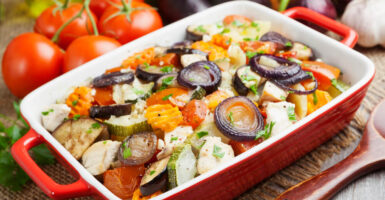
27 Recipes Grandmothers Made Every Sunday in the ’60s
Sunday dinner in the 1960s was more than a meal — it was the heartbeat of family life. Grandmothers across America would rise early, tie on their aprons, and begin the familiar dance of preparing a feast that would bring multiple generations around one table.
The smell of roasting meat and fresh-baked rolls would drift through neighbourhoods, marking the sacred pause between Saturday’s play and Monday’s return to work and school. These weren’t complicated dishes requiring exotic ingredients or professional techniques.
They were recipes born of necessity, perfected through repetition, and handed down through generations of women who understood that feeding a family was both an art and an act of love. Each dish told a story — of immigrant heritage, regional tradition, and the resourcefulness that defined an era when waste was unthinkable and every ingredient had to earn its place on the plate.
Pot Roast
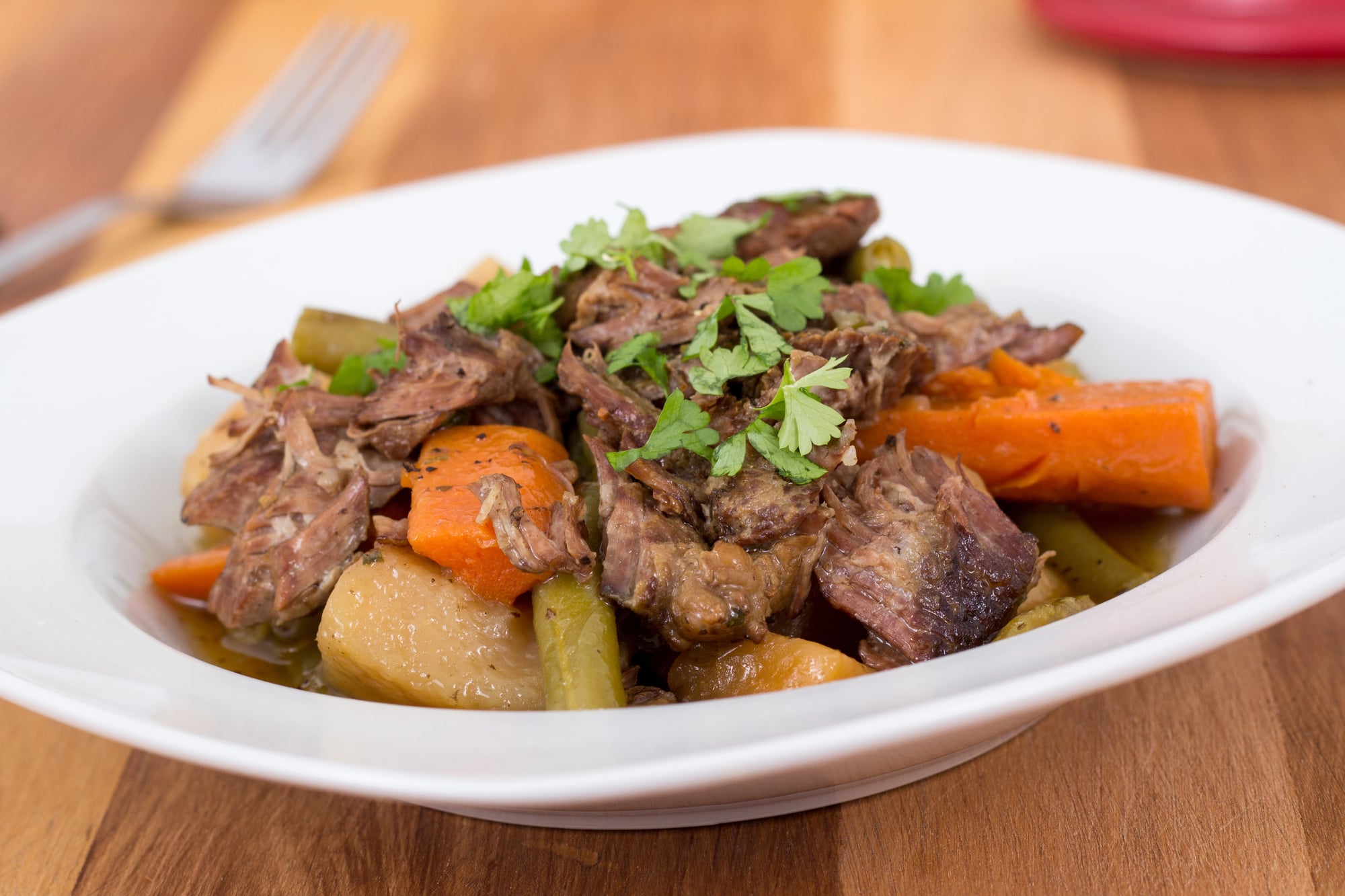
Pot roast was the undisputed king of Sunday dinners. Chuck roast, seared hard in a Dutch oven, then braised low and slow with onions, carrots, and potatoes until the meat surrendered completely.
No shortcuts. The result was fork-tender beef that fell apart at the slightest touch, surrounded by vegetables that had absorbed every drop of the rich, dark gravy.
The beauty was in the timing — it went into the oven before church and came out perfectly cooked by the time the family returned. A dish that rewarded patience more than any other skill.
Fried Chicken
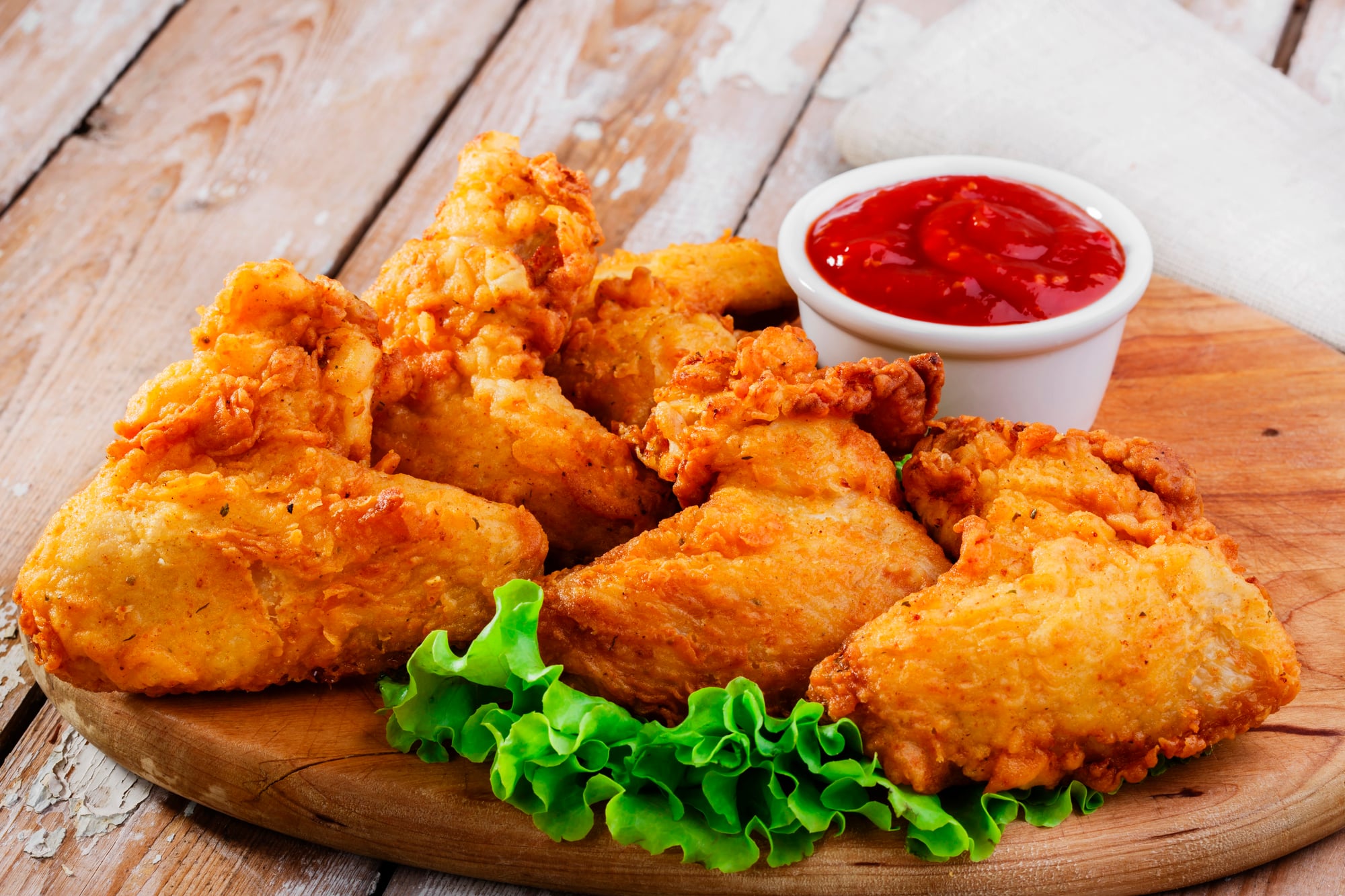
Sunday fried chicken required the kind of time that only existed on Sundays. Grandmothers would cut whole chickens into perfect pieces early in the morning, seasoning each one with a mixture of flour, salt, pepper, and whatever combination of spices had been passed down through their particular family.
The dredging was careful, the oil temperature tested with a drop of batter that had to sizzle just right, and then came the methodical frying, piece by piece, until every morsel was cooked to crackling perfection. It wasn’t just about the eating, though that was certainly the glorious finale.
It was about the entire morning spent in preparation, the house filling with that unmistakable aroma, the anticipation building with each golden piece that emerged from the cast-iron skillet.
Meatloaf
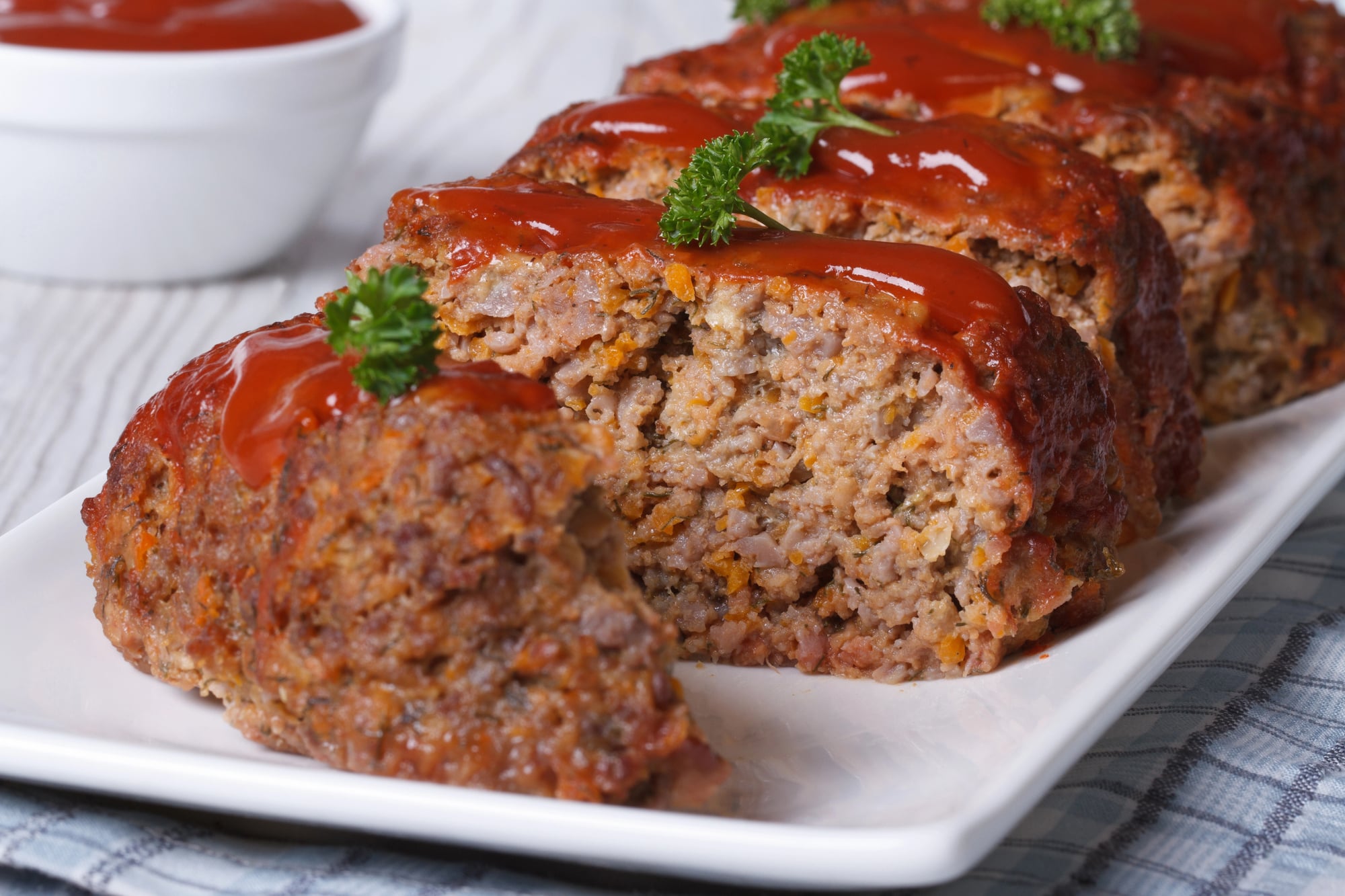
Meatloaf was the recipe that corrected your assumptions about humble ingredients. Ground beef, breadcrumbs, onions, and an egg to bind it all together transformed into something that could anchor an entire Sunday afternoon.
The glaze on top caramelised in the oven, creating a sweet-savory crust that gave way to tender meat beneath. Grandmothers shaped their loaves by hand, pressing the mixture into oblong forms that would slice cleanly but never feel machine-made.
Each family’s version carried subtle signatures — some added Worcestershire, others folded in finely diced bell peppers, and a few included a hard-boiled egg nestled in the centre that revealed itself as a perfect circle when sliced.
Baked Ham
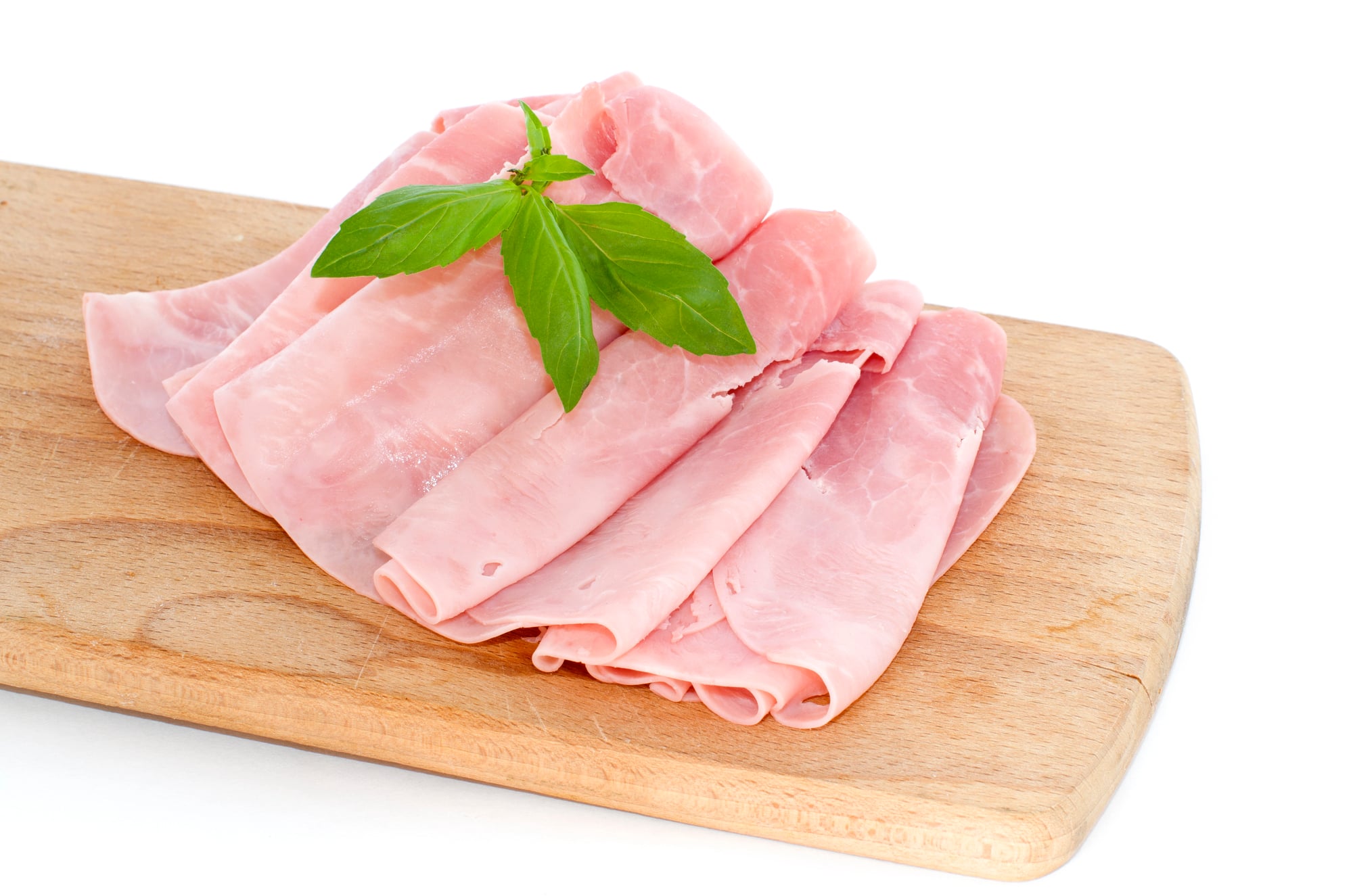
Baked ham required no apology or explanation. The centrepiece arrived at the table with a glossy mahogany finish, scored in diamonds and studded with whole cloves.
Pineapple rings and maraschino cherries weren’t just garnish — they were proof that someone had taken the time to make Sunday special. The leftovers told their own story throughout the week.
Ham sandwiches, ham and bean soup, ham salad for bridge club. Nothing went to waste.
Beef Stew
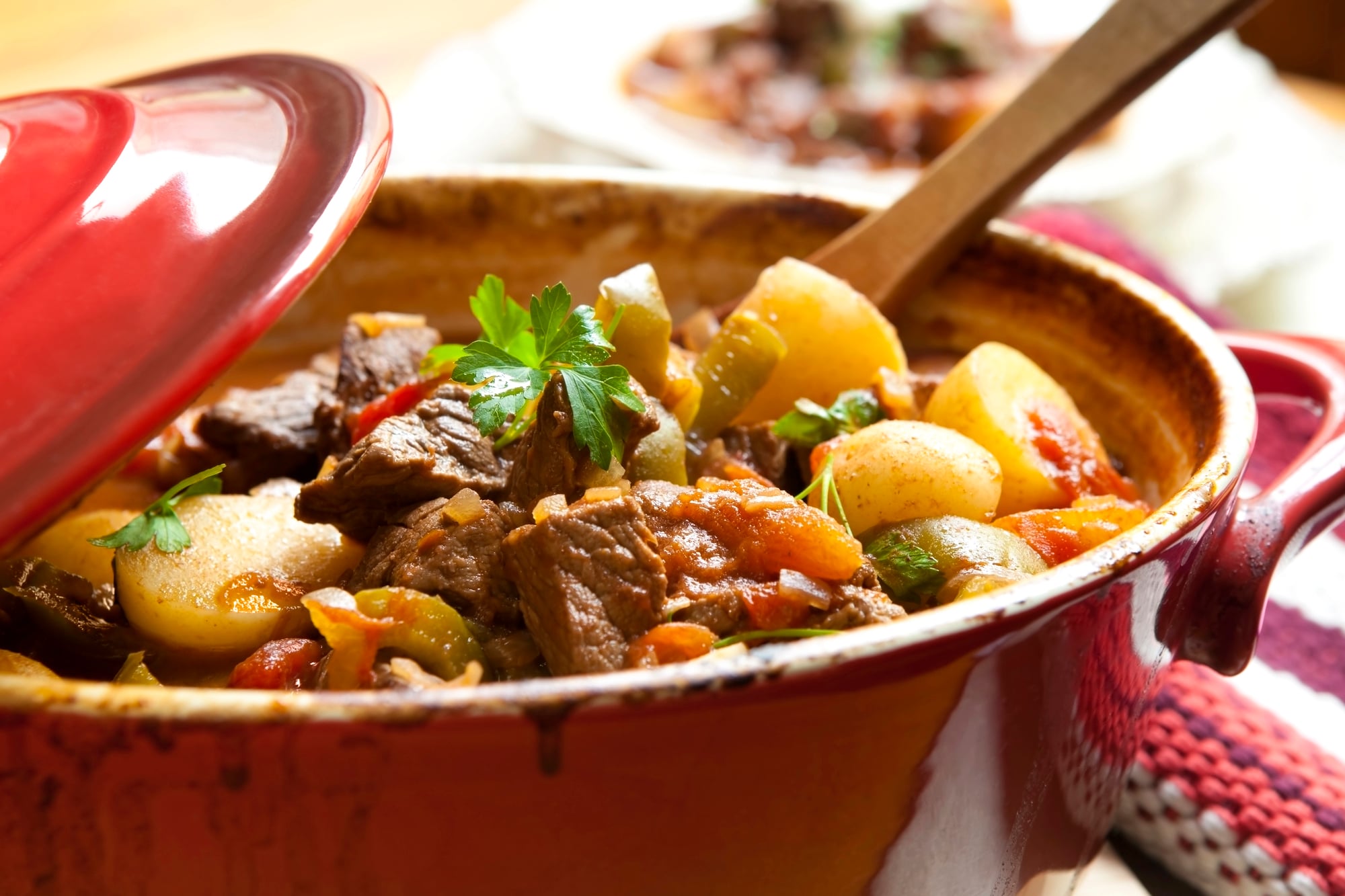
Sunday beef stew was different from any other day’s version because time moved differently on Sundays — the pot could simmer for hours without anyone watching the clock. That extra time transformed ordinary beef chuck into something approaching transcendence.
The magic happened in the layering: beef browned until each piece developed a deep, caramelised crust, then onions, carrots, and potatoes, followed by broth and patient bubbling. Some grandmothers added a splash of red wine, others trusted the meat to create its own richness.
The result always tasted like Sunday afternoon felt — warm, unhurried, and generous enough to feed whoever wandered in.
Tuna Casserole
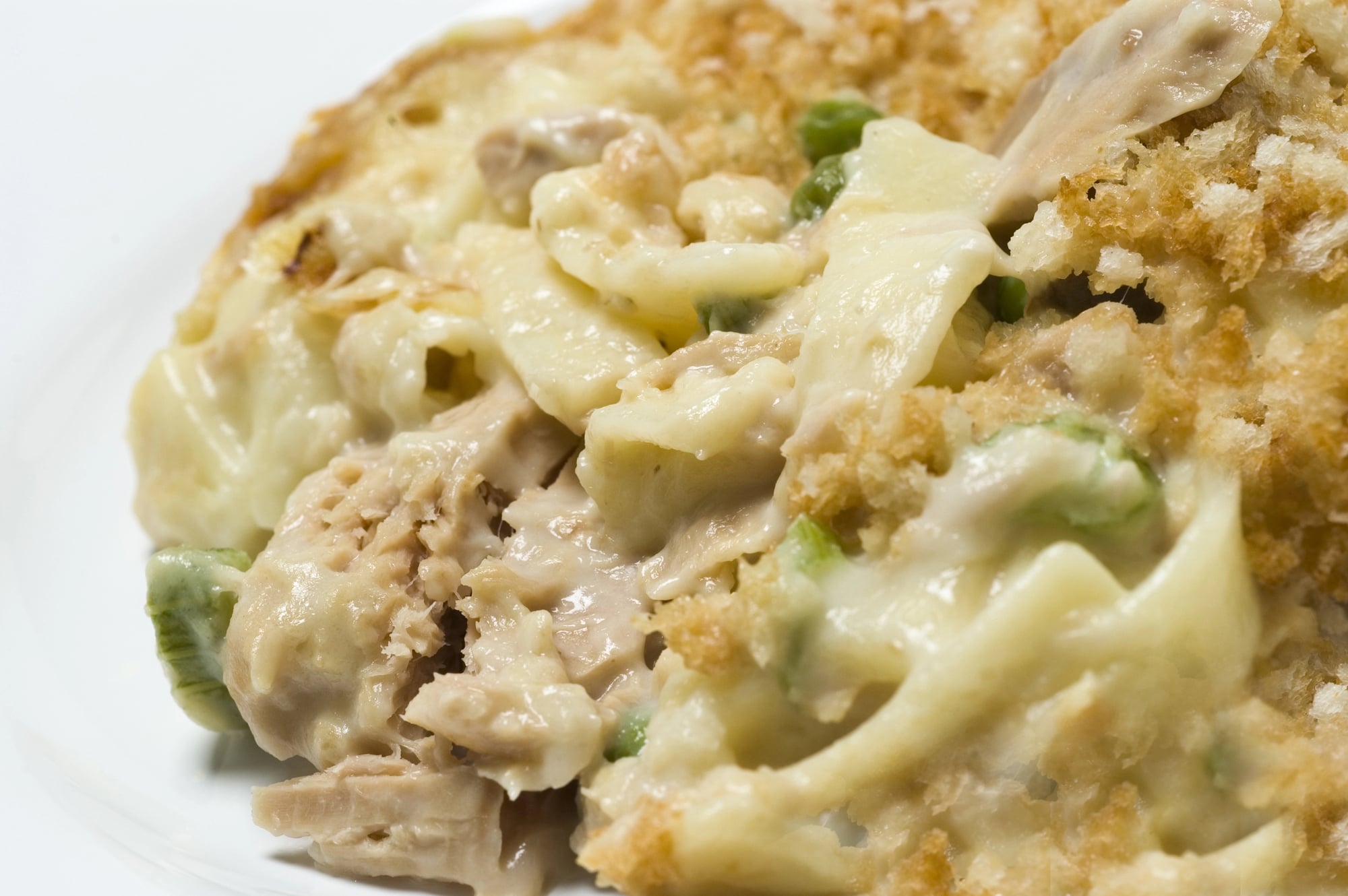
Tuna casserole was the workhorse that never asked for credit. Egg noodles, canned tuna, cream of mushroom soup, and frozen peas assembled into something that could feed eight people without breaking the budget.
The crushed potato chip topping wasn’t just textural contrast — it was inspired thrift disguised as culinary genius. This was practical cooking at its finest.
No fresh herbs or exotic spices, just reliable ingredients combined in a way that exceeded the sum of their parts.
Roast Chicken
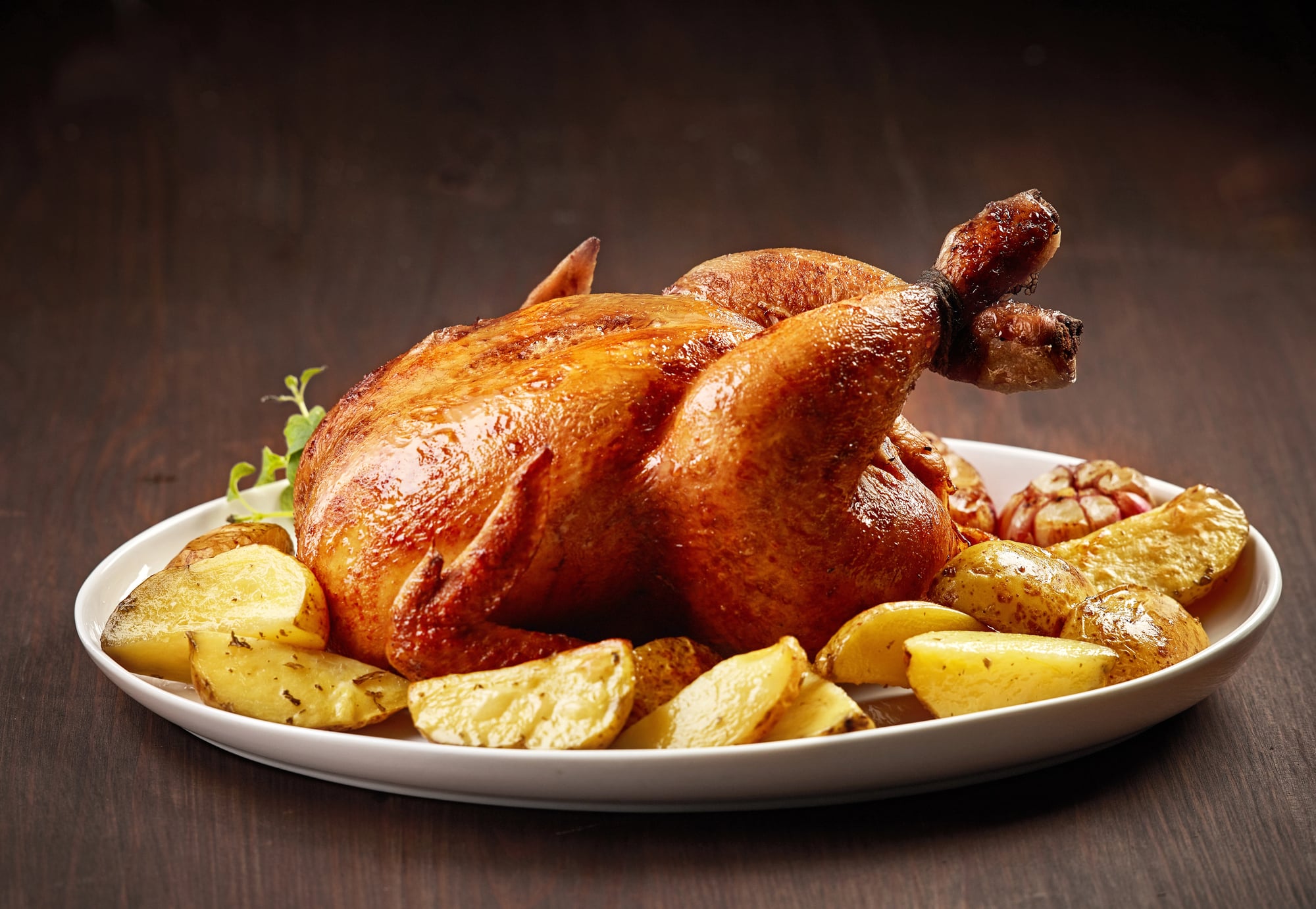
A whole chicken fresh from the oven, golden and glistening, announces itself as a meal worth gathering around. The skin crackles when carved, releasing steam carrying the scent of herbs and roasted onions stuffed inside the cavity.
Sunday roast chicken was never hurried — it spent an hour or more in a moderate oven, basting in its own juices until the meat pulled easily from the bone. The accompanying pan gravy was made from the drippings, thickened with a roux and seasoned with the herbs that had perfumed the bird.
Grandmothers knew the crispy skin belonged to whoever was brave enough to claim it first, though most saved the best pieces for the children who had been circling the kitchen all afternoon.
Pork Chops
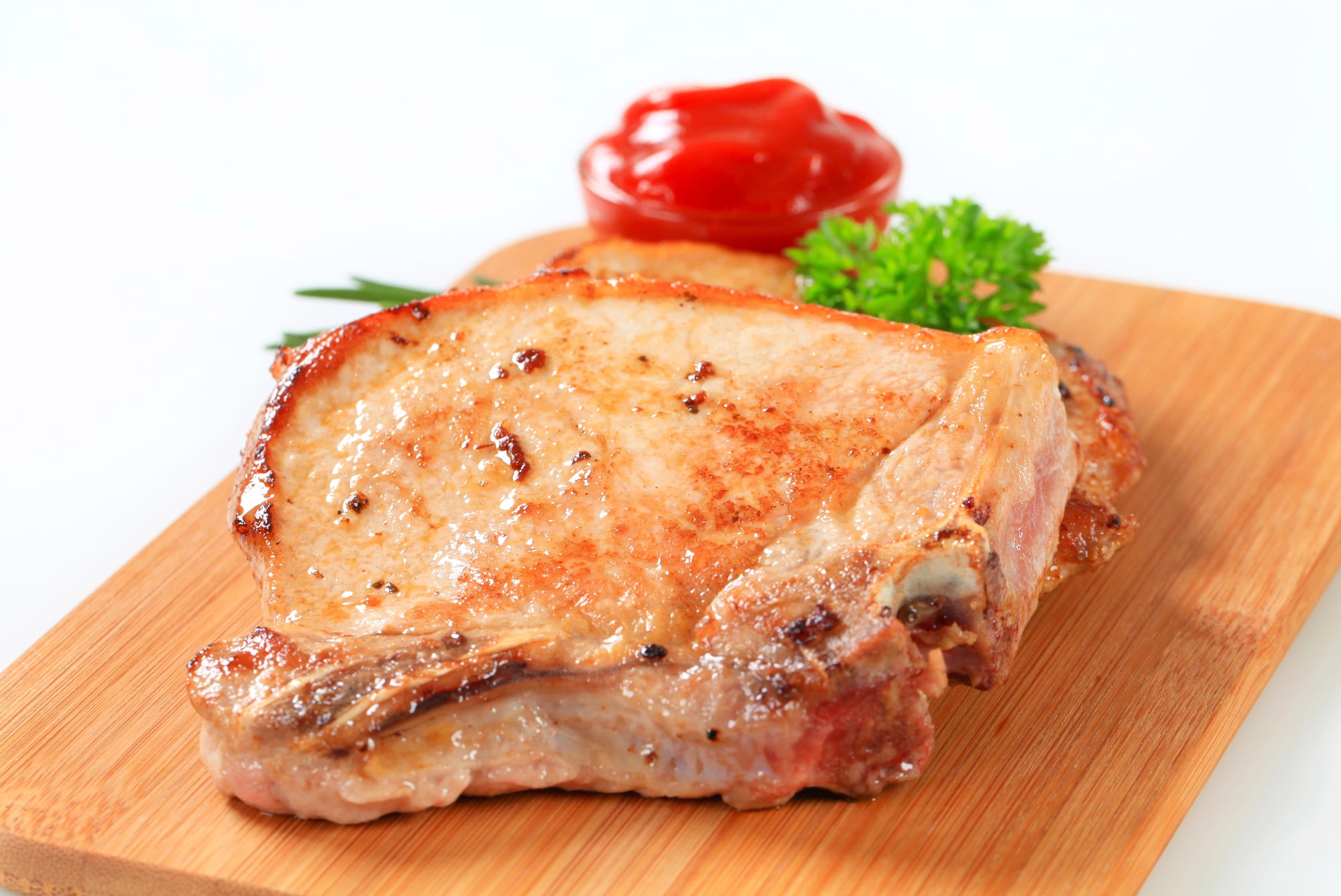
Thick-cut pork chops demanded respect and got it. These weren’t the thin, quick-cooking cuts that would dominate later decades.
Sunday pork chops were substantial, often bone-in, requiring careful attention to reach perfect doneness without drying out. Most grandmothers seared them first in a heavy skillet to develop a golden crust, then finished them in the oven with a splash of broth to keep them moist.
The result was meat that stayed juicy while developing deep, savory flavour that only comes from proper browning and patient cooking.
Green Bean Casserole
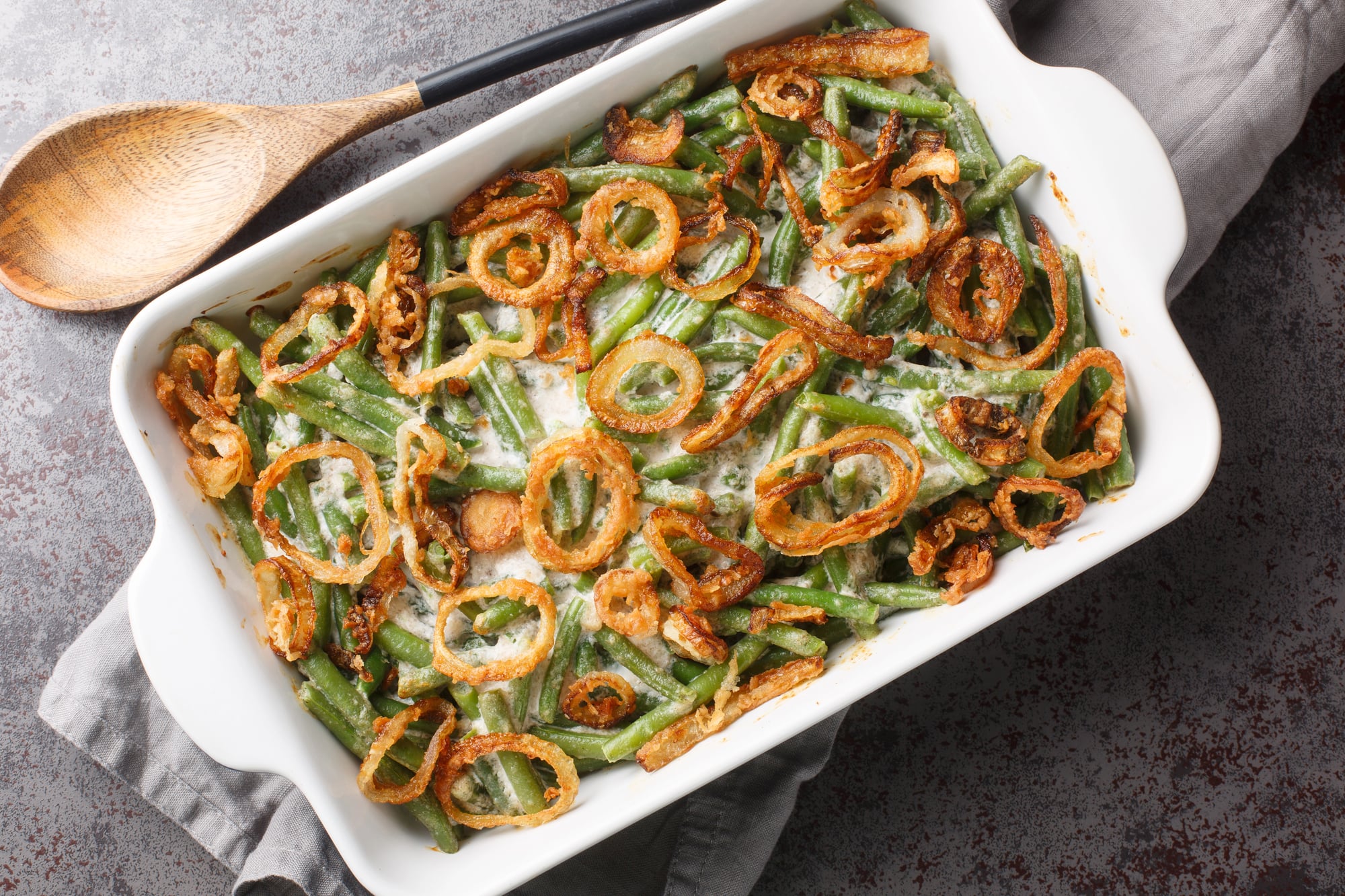
Green bean casserole worked exactly as intended, every single time, which is more than can be said for plenty of dishes requiring far more effort. The genius wasn’t in any individual component — canned green beans, cream of mushroom soup, and French fried onions were hardly revolutionary.
It was in how they combined into something that tasted both familiar and special, both everyday and celebratory. Grandmothers understood something fundamental: sometimes the best recipe is the one that brings people to the table without exhausting the cook.
Those crispy onions on top were pure theatre, but theatre that delivered exactly what it promised.
Mashed Potatoes
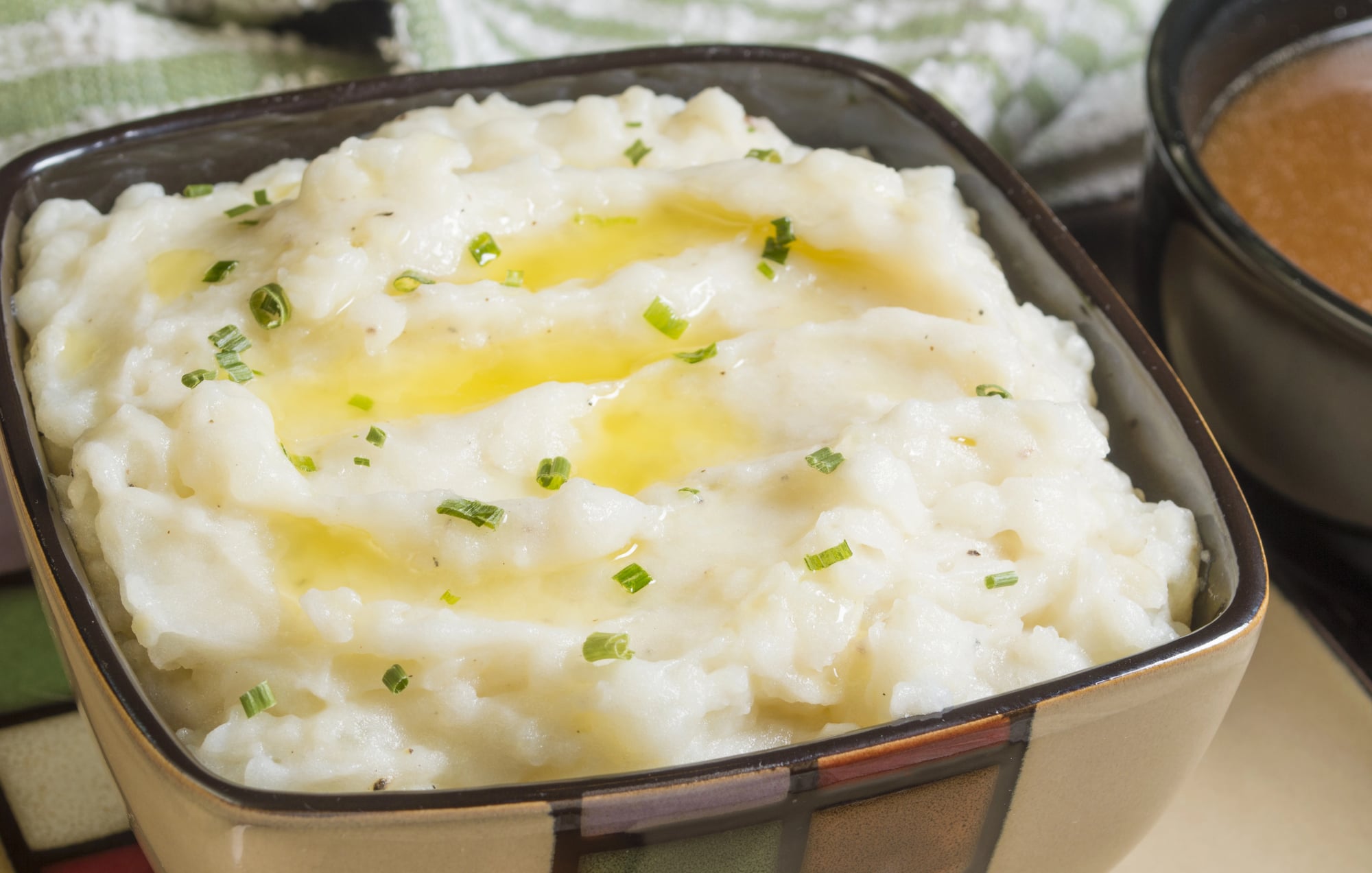
Mashed potatoes were the foundation upon which every other Sunday dish built its reputation. Potatoes boiled until they yielded completely to a fork, then mashed with butter, warm milk, and just enough salt to make everything else on the plate taste better.
No lumps allowed — this was serious business. Grandmothers added the milk gradually until the potatoes reached that ideal state between fluffy and creamy.
The crater in the centre wasn’t accidental — it was specifically designed to hold gravy, and everyone at the table knew it.
Cornbread
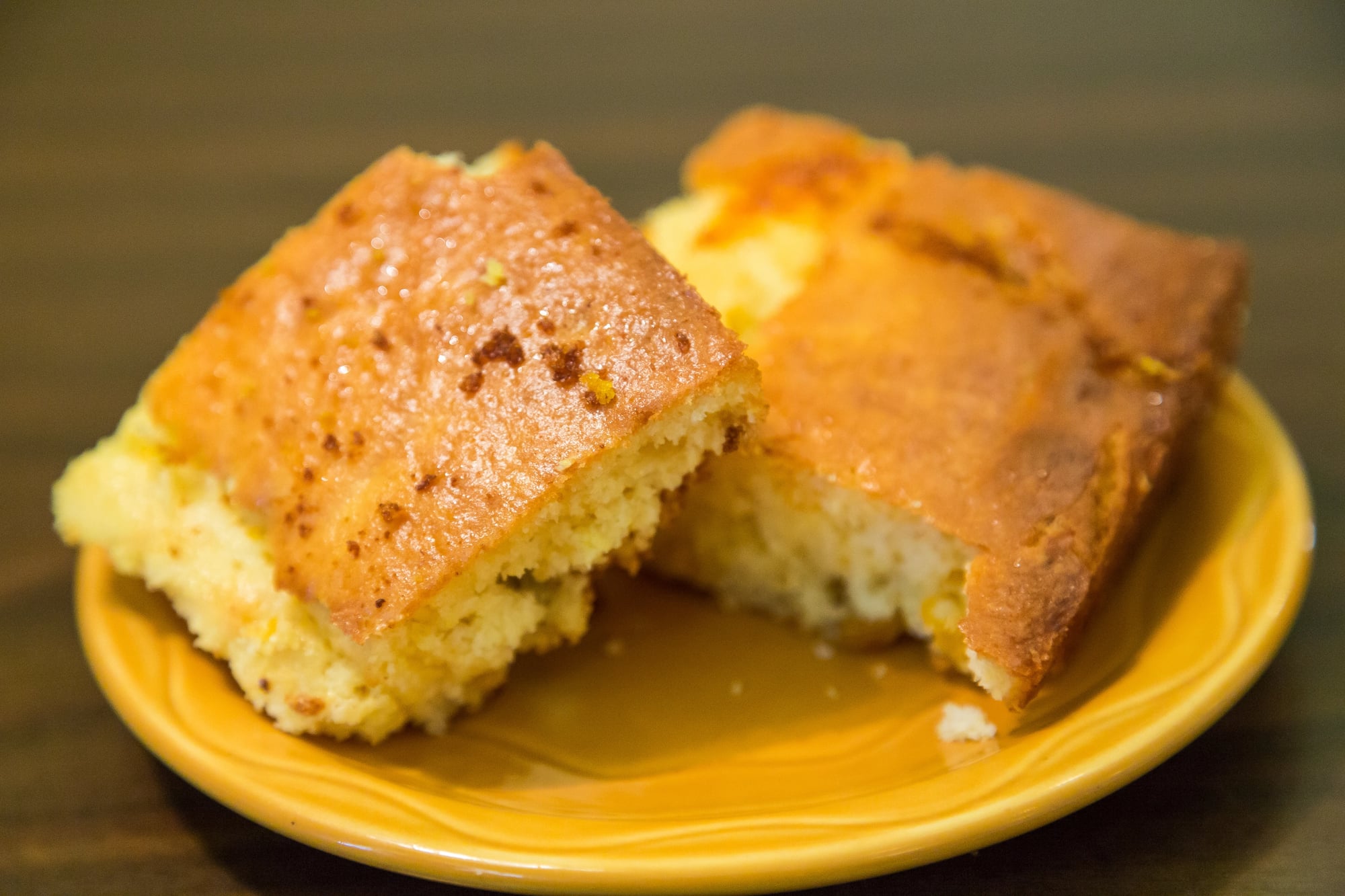
Cornbread emerged from cast-iron skillets with edges of perfect crispness while the centre remained tender and slightly crumbly. The skillet went into the oven first, heating until a drop of batter sizzled on contact, then the batter was poured in directly, immediately forming that coveted crust.
Some grandmothers added a touch of sugar to balance the corn’s natural earthiness, while others insisted that sweet cornbread was cake masquerading as bread. Both camps agreed on one thing: it was best served warm, split open and buttered while the steam was still rising.
Beef And Noodles
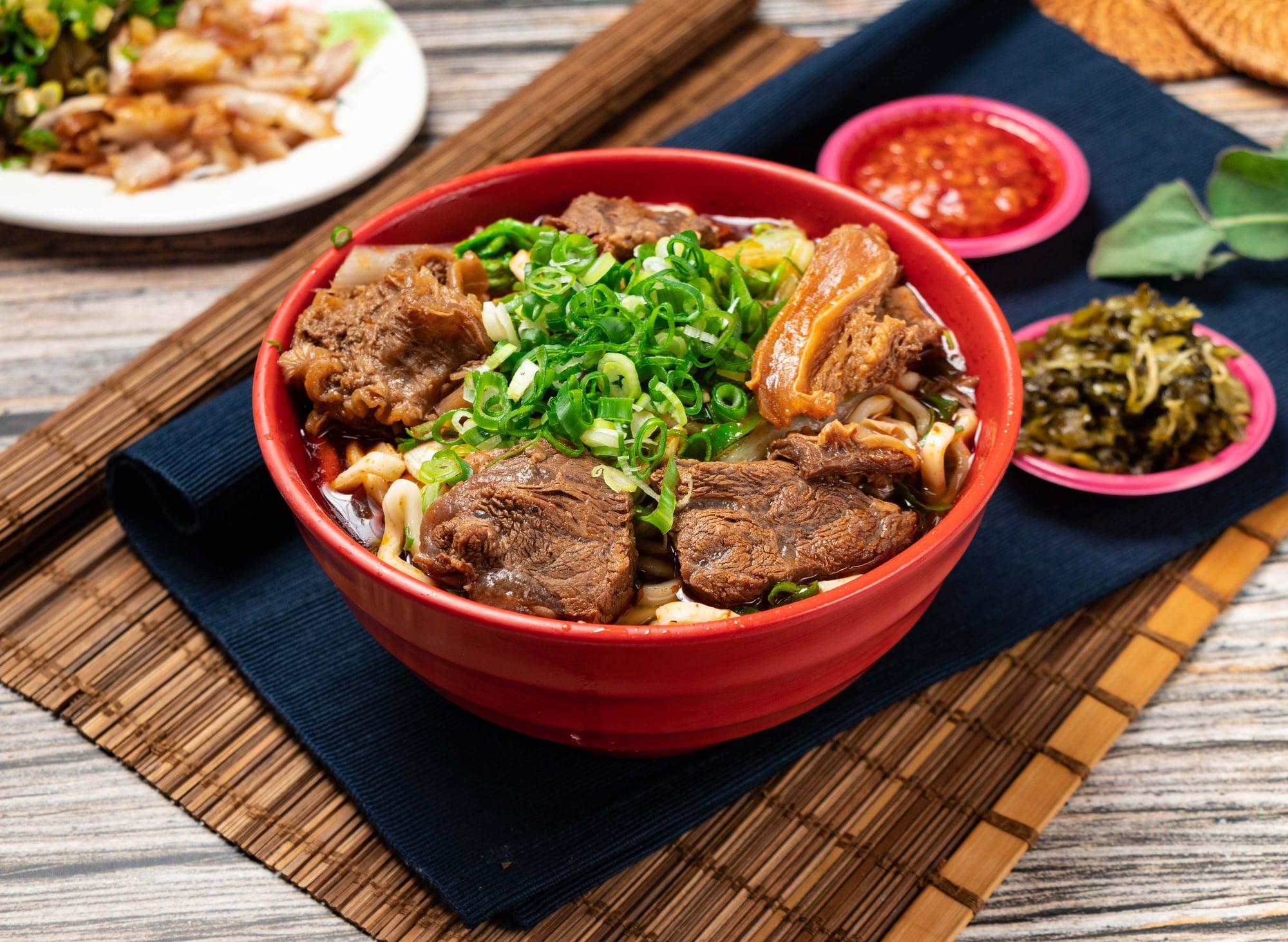
Tender beef, wide egg noodles, and gravy rich enough to coat everything without overwhelming the simple flavours beneath. The noodles were the wide, flat kind that captured and held onto every drop of beef-enriched gravy, creating perfect bites combining starch and protein and sauce in ideal proportions.
What made this dish particularly suited to Sunday dinners was its forgiving nature. It could simmer quietly on the back of the stove while the family attended morning services, a little more broth if it got too thick, a bit more time if the beef needed it — always ready when dinner was.
Biscuits And Gravy
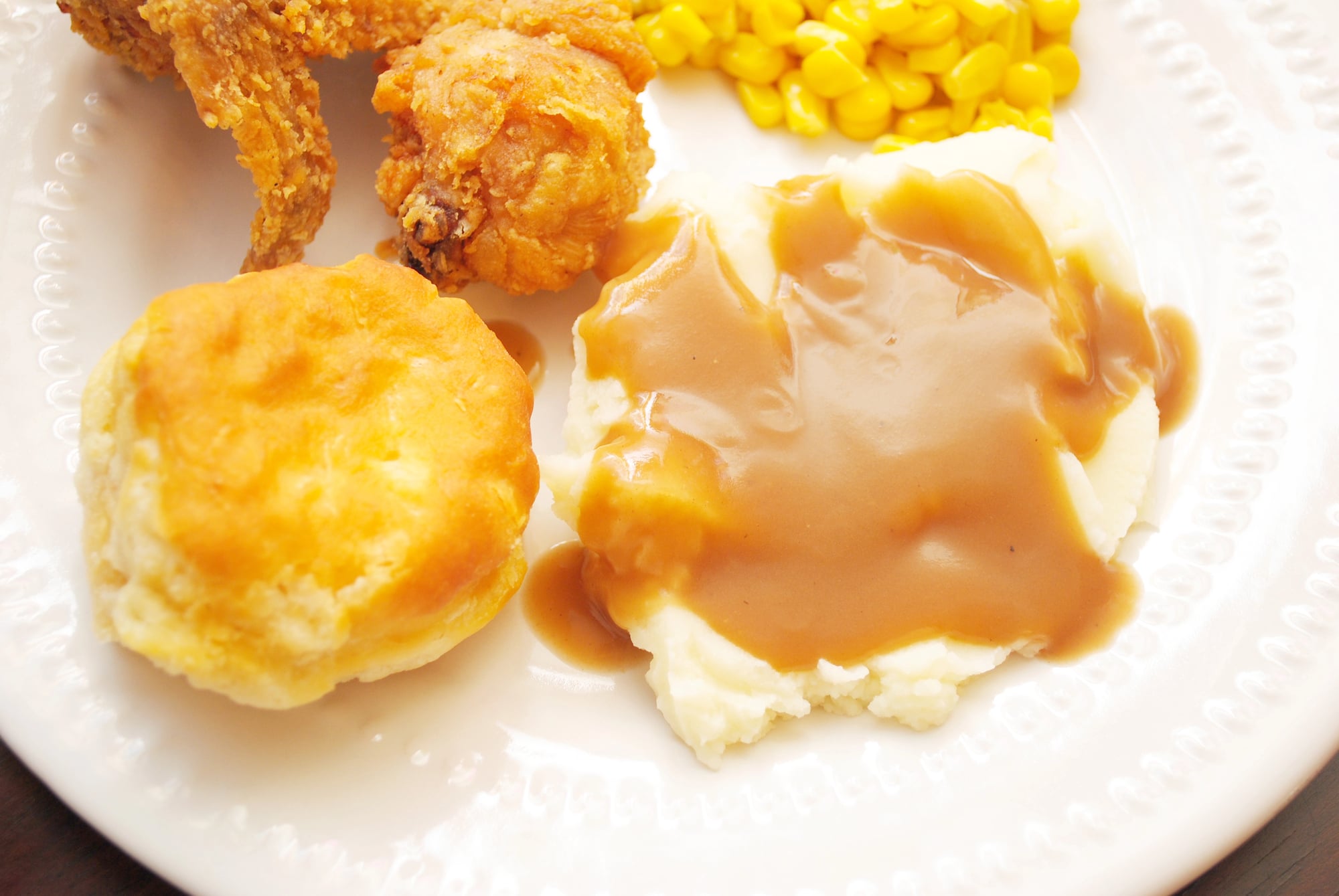
Biscuits so light they practically floated off the plate, crowned with sausage gravy thick enough to coat a spoon. The biscuits were made with cold butter cut into flour until the mixture resembled coarse meal, then brought together with just enough buttermilk to form a soft dough.
Overworking was the enemy; gentle handling was everything. The sausage gravy began with breakfast sausage, browned and crumbled, leaving behind flavorful fat that formed the base for a roux.
Flour went in next, then milk added gradually while stirring constantly. The result was creamy, peppery gravy that turned simple biscuits into a meal worth building a Sunday morning around.
Stuffing
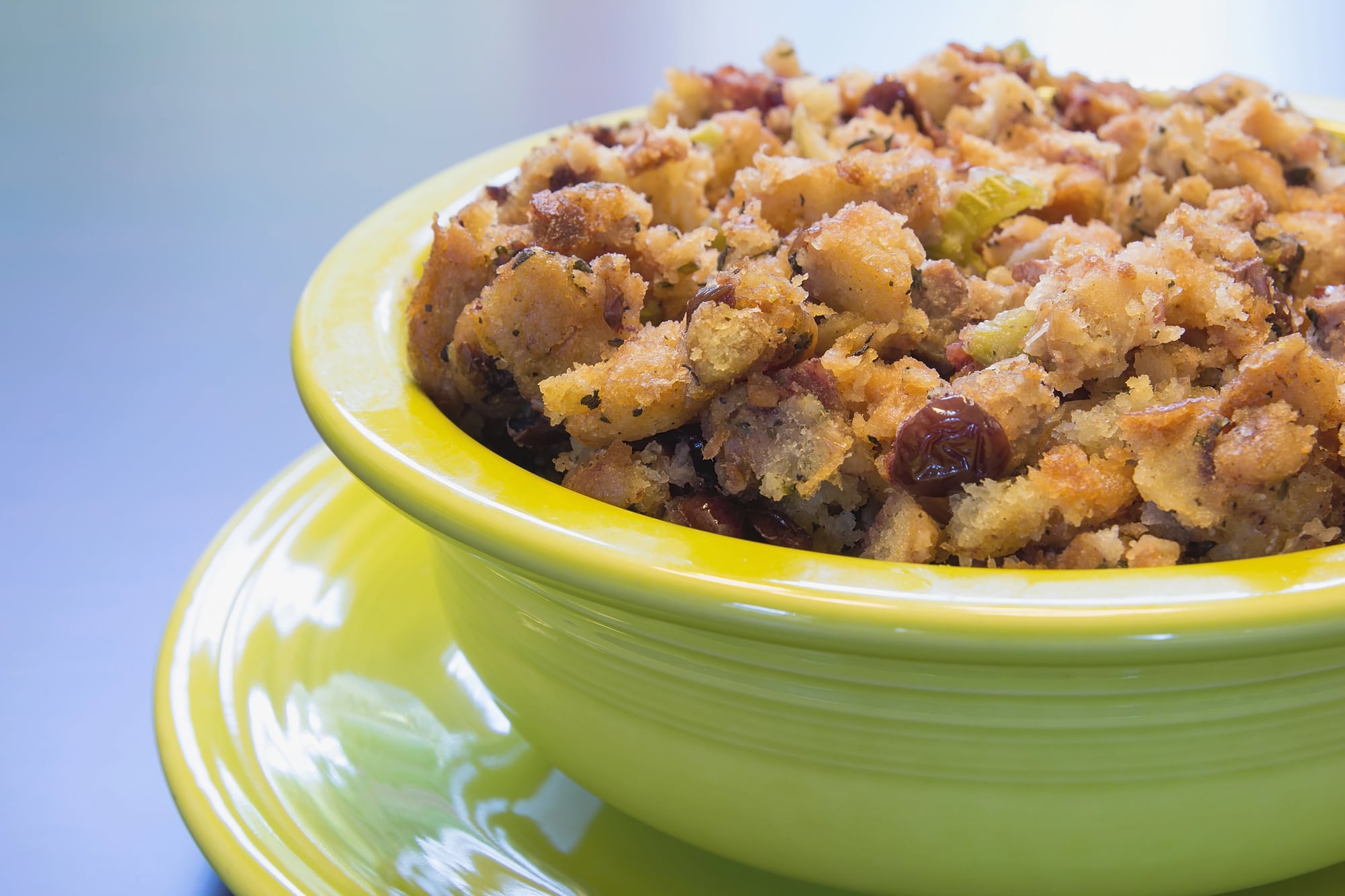
Stuffing was bread’s highest calling. Day-old bread, cubed and toasted until golden, mixed with sautéed celery and onions, seasoned with sage and thyme, then moistened with chicken broth until it reached the perfect balance between moist and structured.
Some families added sausage, others included chopped apples or cranberries, but the foundation remained constant. The debate over stuffing versus dressing was purely geographical — Southern grandmothers baked theirs in a separate dish and called it dressing, while their Northern counterparts stuffed it inside the bird.
Both methods produced the same result: a savory side dish that absorbed the flavours of everything around it while maintaining its own distinct character.
Chicken And Dumplings
There’s something almost magical about watching dumplings form in a pot of simmering chicken broth — one moment you’re dropping spoonfuls of thick batter into bubbling liquid, and the next you’re lifting the lid to find pillowy clouds that have doubled in size and absorbed all the rich flavours swirling around them. The magic only works if you resist the urge to peek too early.
Dumplings are temperamental. Most grandmothers had their own particular method — some rolled them thin and cut them into strips, others dropped them by spoonfuls directly into the simmering broth.
But the end result was always the same: a bowl of pure Sunday afternoon contentment.
Salmon Patties
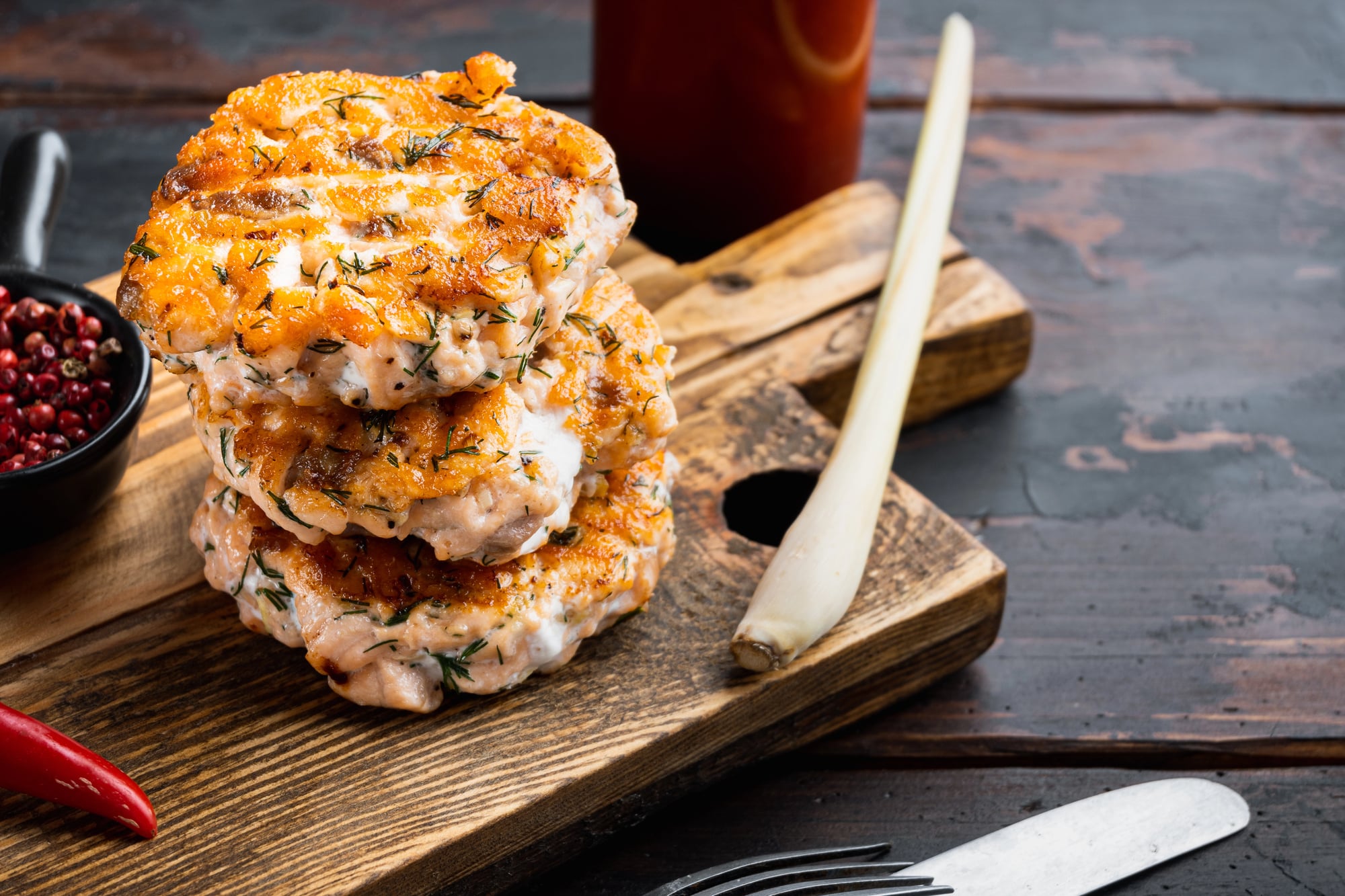
Salmon patties were canned fish transformed into something approaching elegant. Canned salmon, drained and flaked, mixed with breadcrumbs, beaten egg, and finely diced onion, then shaped into patties and pan-fried until golden brown.
The key was getting the texture right — enough binding to hold together, but not so much that the salmon flavour disappeared. Served with a simple white sauce or lemon wedges, the crispy exterior gave way to a tender interior that tasted like the ocean despite coming from a can.
For families living far from fresh seafood, salmon patties provided a taste of something special without the premium price.
Liver And Onions
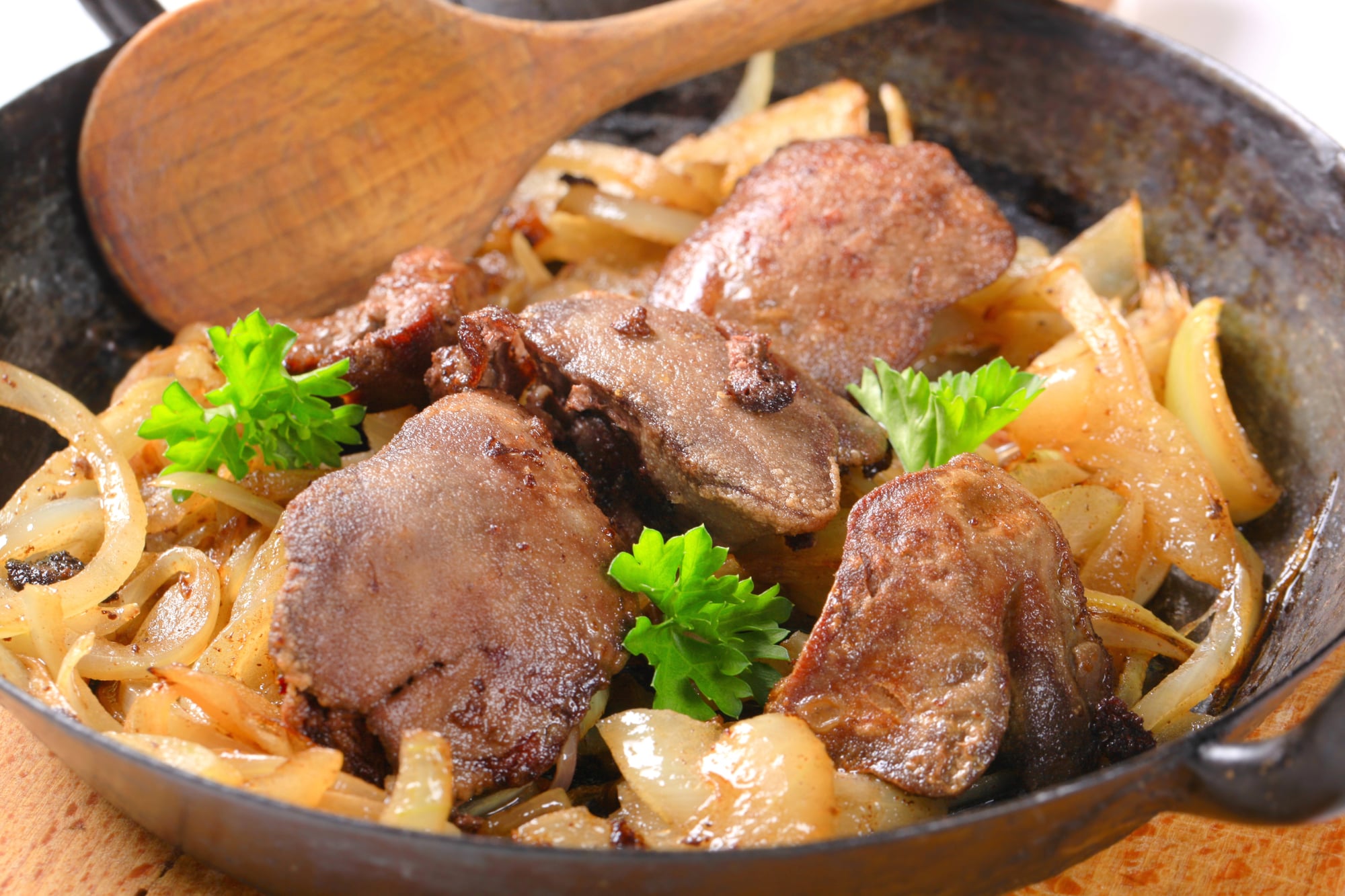
Liver and onions separated the committed from the curious. Calf’s liver, sliced thin and dredged in seasoned flour, pan-fried quickly over high heat until just cooked through.
The onions were cooked low and slow until they caramelised into sweet, golden ribbons that provided the perfect counterpoint to the liver’s mineral richness. Timing was everything — overcooked liver became tough and bitter, while undercooked liver remained unpleasantly soft.
Grandmothers who mastered this dish understood it needed to be treated with respect but not fear. The result was protein-rich, iron-loaded comfort food that satisfied in ways milder meats simply couldn’t match.
Macaroni And Cheese
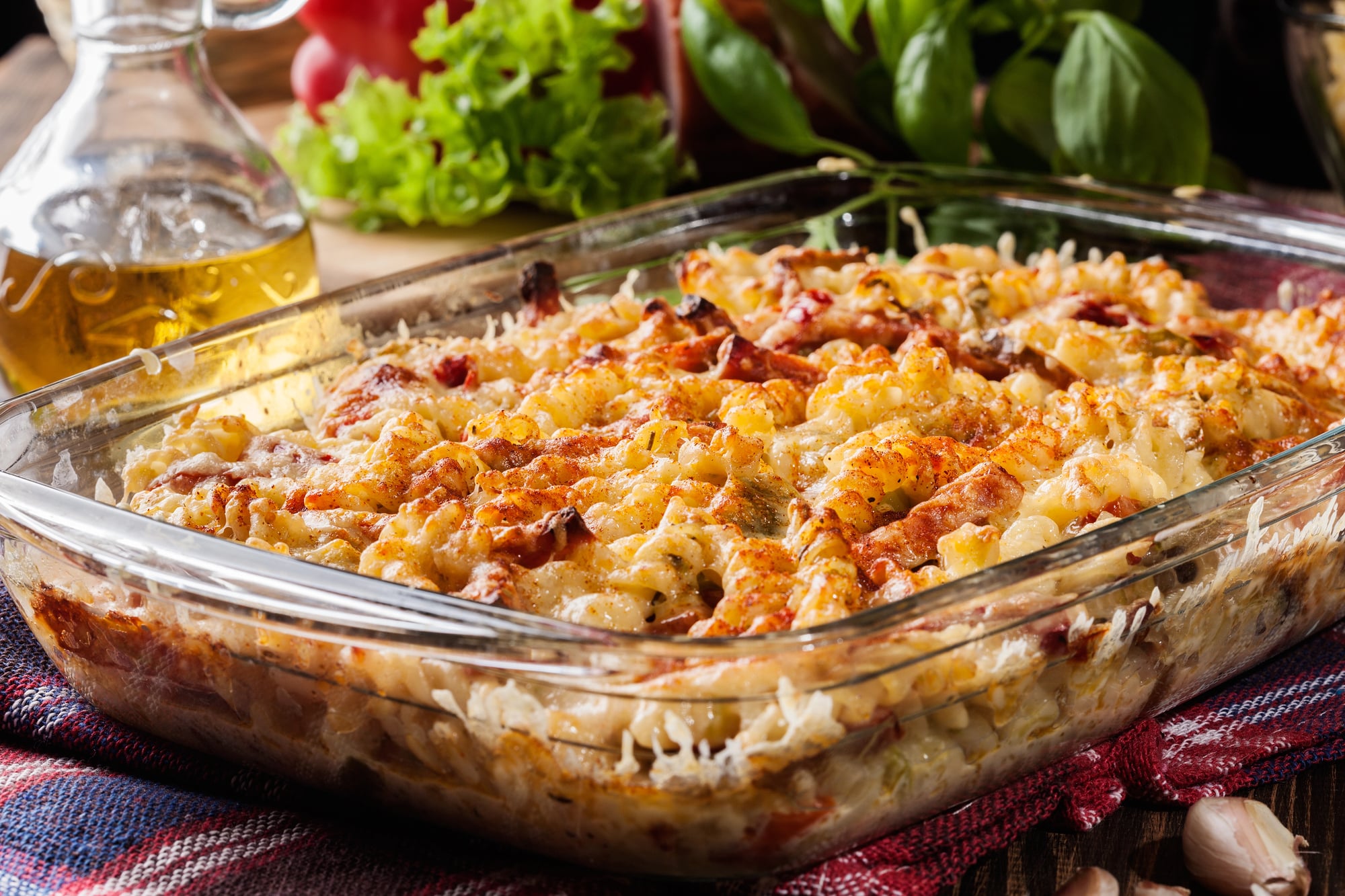
Sunday macaroni and cheese was distinguished from the weekday version by intention. Hand-grated cheese instead of pre-shredded, real butter rather than margarine, and the patient layering that created those golden peaks across the surface.
Sharp cheddar provided the foundation, but many grandmothers folded in a bit of Gruyère for complexity or added Parmesan for a nutty finish. Most importantly, Sunday mac and cheese was baked, not stirred on the stovetop.
The elbow macaroni was cooked just shy of tender because it would finish in the oven, absorbing those rich, cheesy flavours — a technique that developed the coveted contrast between creamy interior and crispy, golden top.
Sweet Potato Casserole
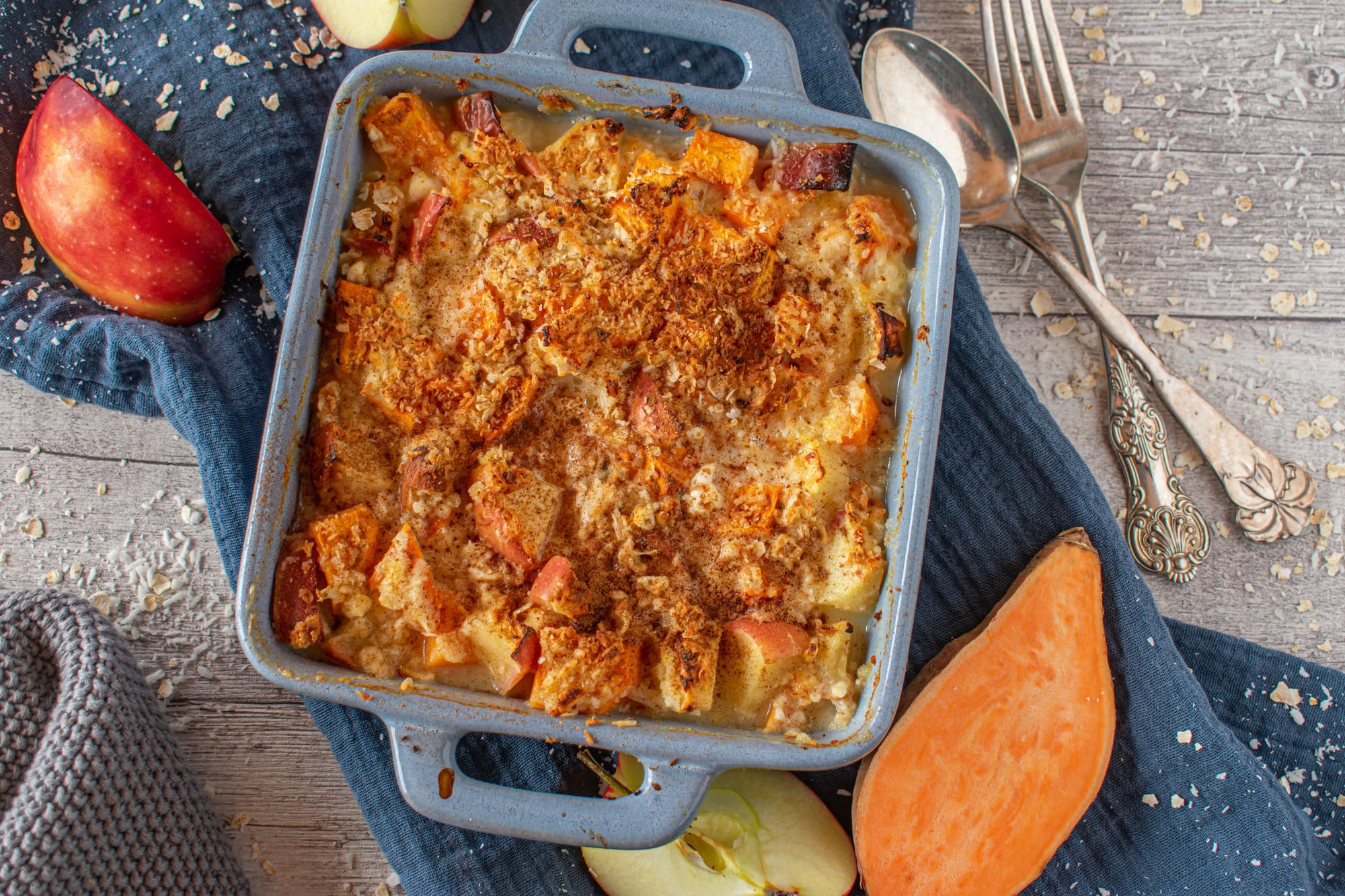
Sweet potato casserole walked the line between side dish and dessert with remarkable confidence. Mashed sweet potatoes, enriched with butter, eggs, and brown sugar, topped with either marshmallows or a crunchy pecan streusel — sometimes both, depending on family tradition and personal conviction about what constituted proper Sunday dinner protocol.
The sweet potatoes were often baked whole first, their skins wrinkled and caramelised, before being peeled and mashed into velvet smoothness. This extra step concentrated their natural sweetness.
The result was autumn comfort that worked equally well alongside ham or turkey.
Chicken Potpie
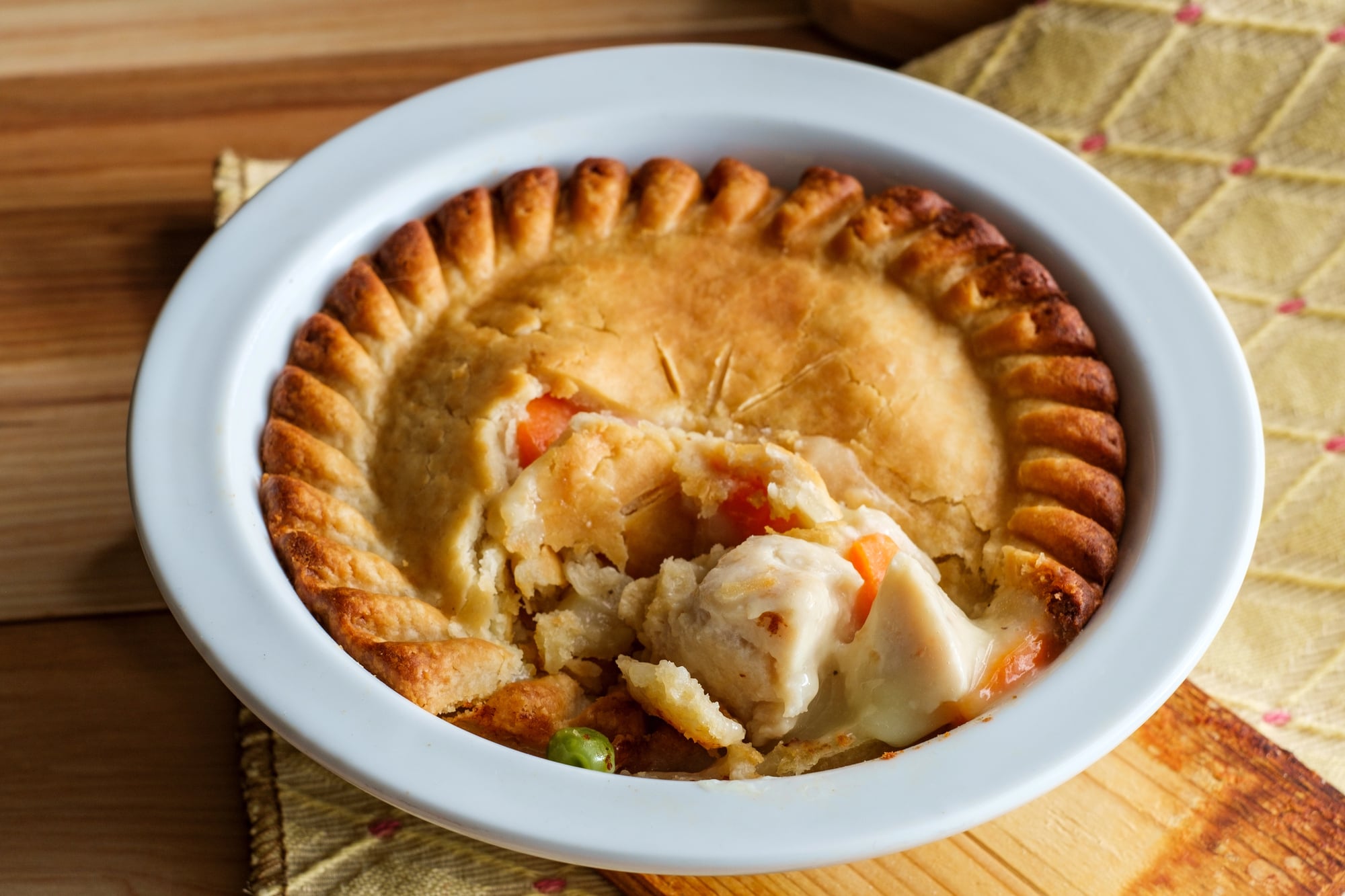
Chicken potpie was engineering disguised as comfort food. Layers of tender chicken, mixed vegetables, and rich gravy enclosed in pastry that managed to be both flaky and substantial enough to hold its contents without structural failure.
The bottom crust needed pre-baking to prevent sogginess while the top crust achieved golden perfection without overcooking the filling below. Most grandmothers made their own pastry from scratch, working cold butter into flour, then adding ice water drop by drop until the dough just came together.
The filling was often made from Sunday’s leftover roast chicken, proving that the best meals sometimes emerged from yesterday’s abundance.
Scalloped Potatoes
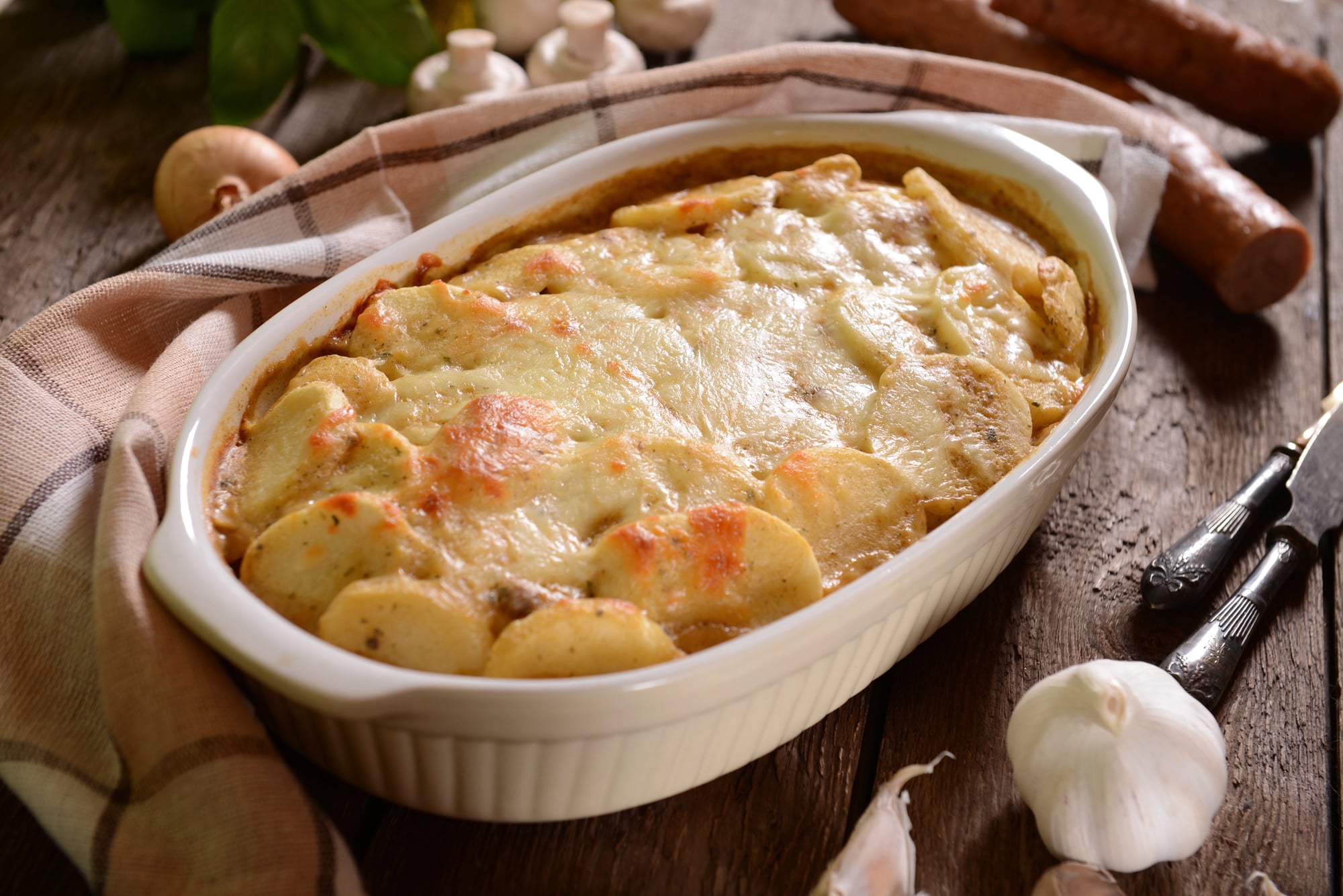
Scalloped potatoes were worth every bit of effort they required. Thinly sliced potatoes, each layer seasoned and coated in cream sauce, built up until the dish was full, then baked low and slow until the sauce thickened, concentrated, and turned the top to golden.
Each forkful contained both the tender creaminess of perfectly cooked potato and the rich sauce that bound everything together. The secret was in the slicing — uniform thickness ensured even cooking, and the careful seasoning of each layer meant the flavour went all the way through rather than sitting only on top.
A mandoline was helpful. Patience was essential. Neither could be skipped.
Deviled Eggs
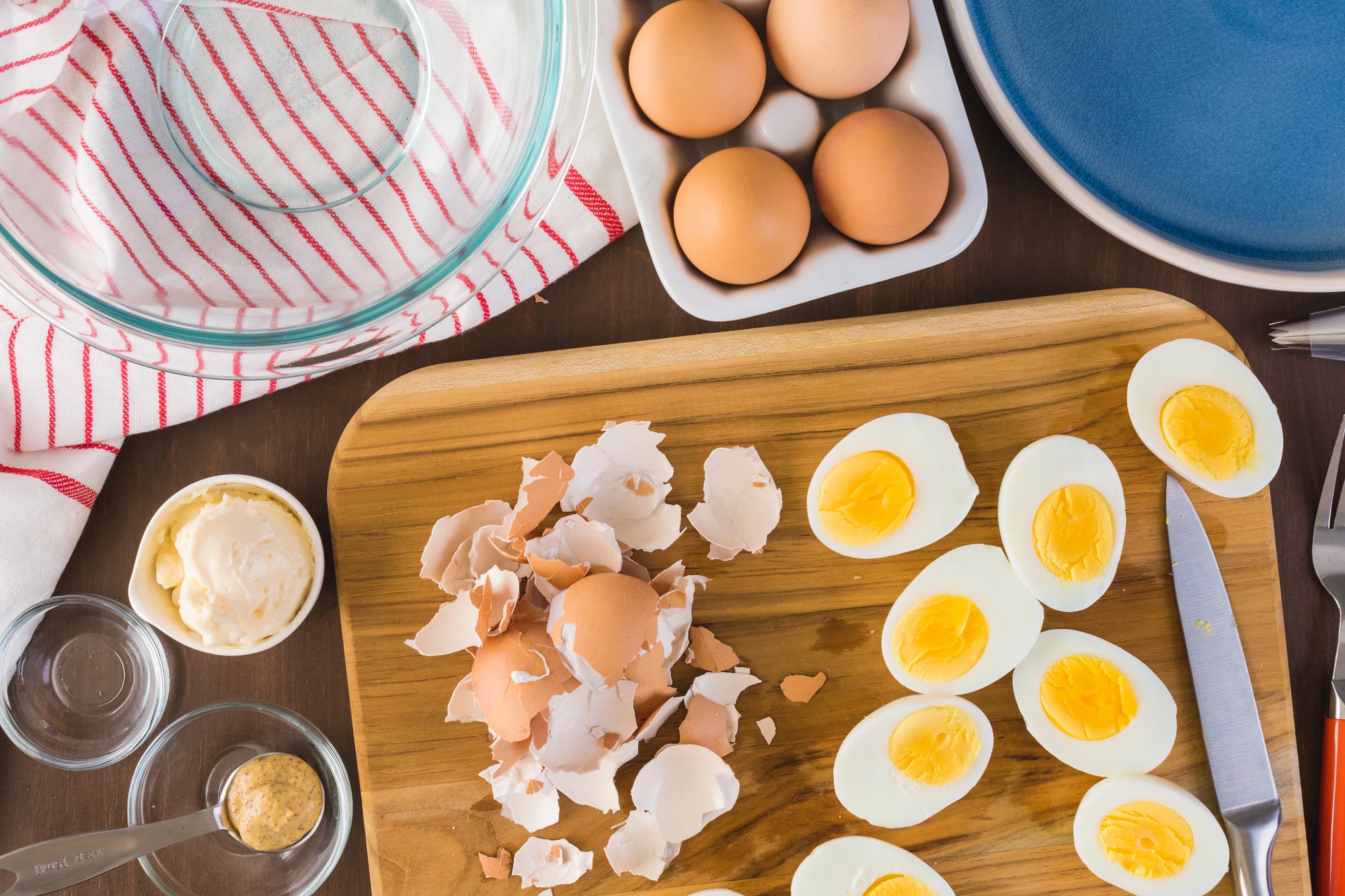
No Sunday table in the 1960s was complete without a platter of deviled eggs, arranged with the kind of care that signalled the cook had thought about presentation as well as flavour. Hard-boiled egg whites filled with a mixture of yolk, mayonnaise, mustard, and sweet pickle relish, finished with a dusting of paprika that was as much decoration as seasoning.
The eggs were always the first thing to disappear. Children who claimed they didn’t like eggs would eat three without thinking about it.
Grandmothers made more than they thought they’d need and still ran out, which was the whole point.
Tomato Aspic
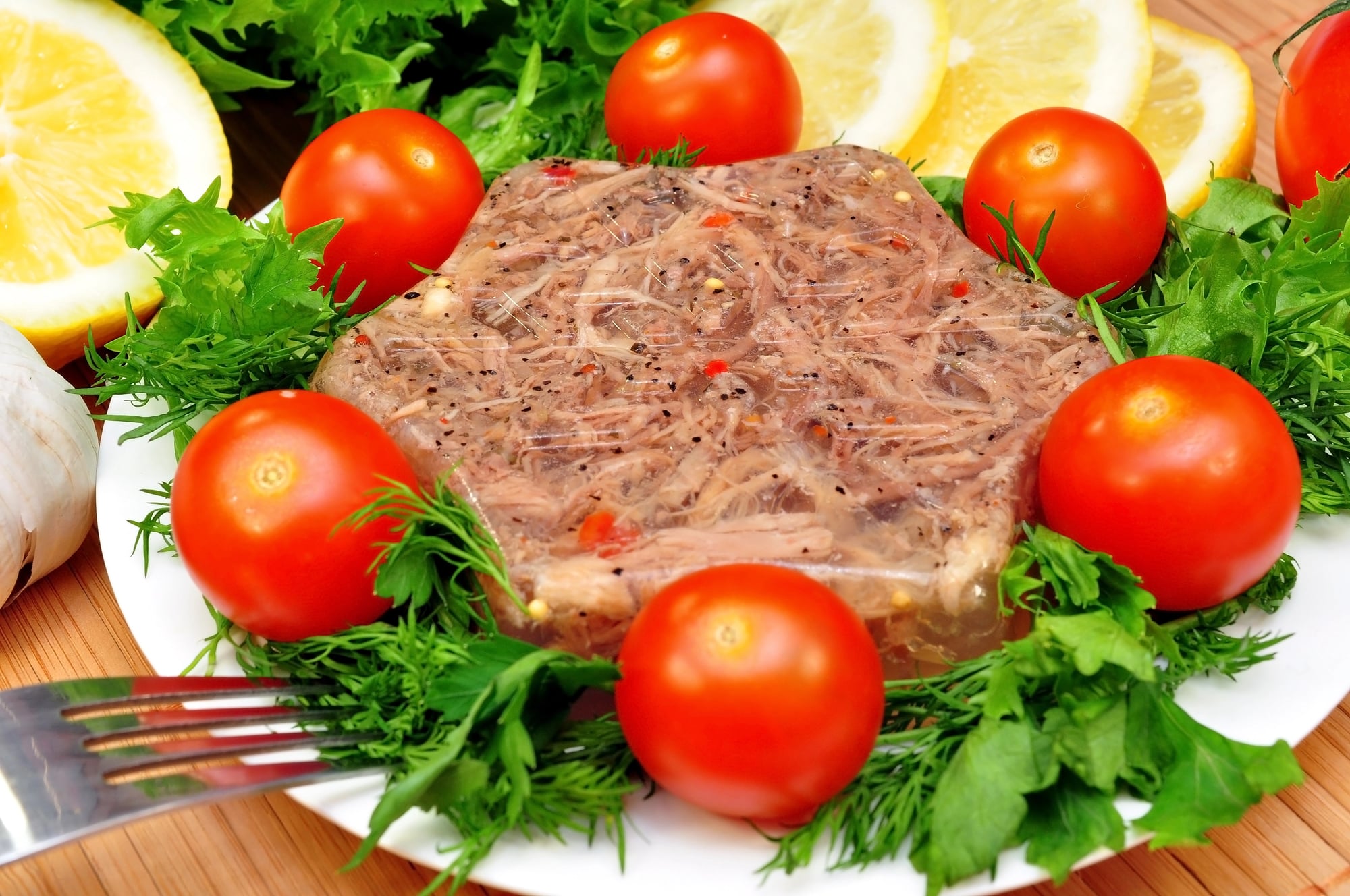
Tomato aspic occupies a particular place in mid-century American cooking — a gelatin salad made with tomato juice, vegetables, and often shrimp or celery that set overnight in a mould and was unmoulded with ceremony at the Sunday table. It sounds alarming to modern sensibilities, and perhaps it was, but it was also a staple of refined entertaining that appeared at tables across the country from the 1920s through the 1970s.
Grandmothers served it on a bed of lettuce with a dollop of mayonnaise, and guests of the era expected it. For all its strangeness to later palates, it represented a particular idea of elegance.
The kind achieved through effort and technique rather than expensive ingredients, which was very much the spirit of the Sunday table.
Jell-O Salad
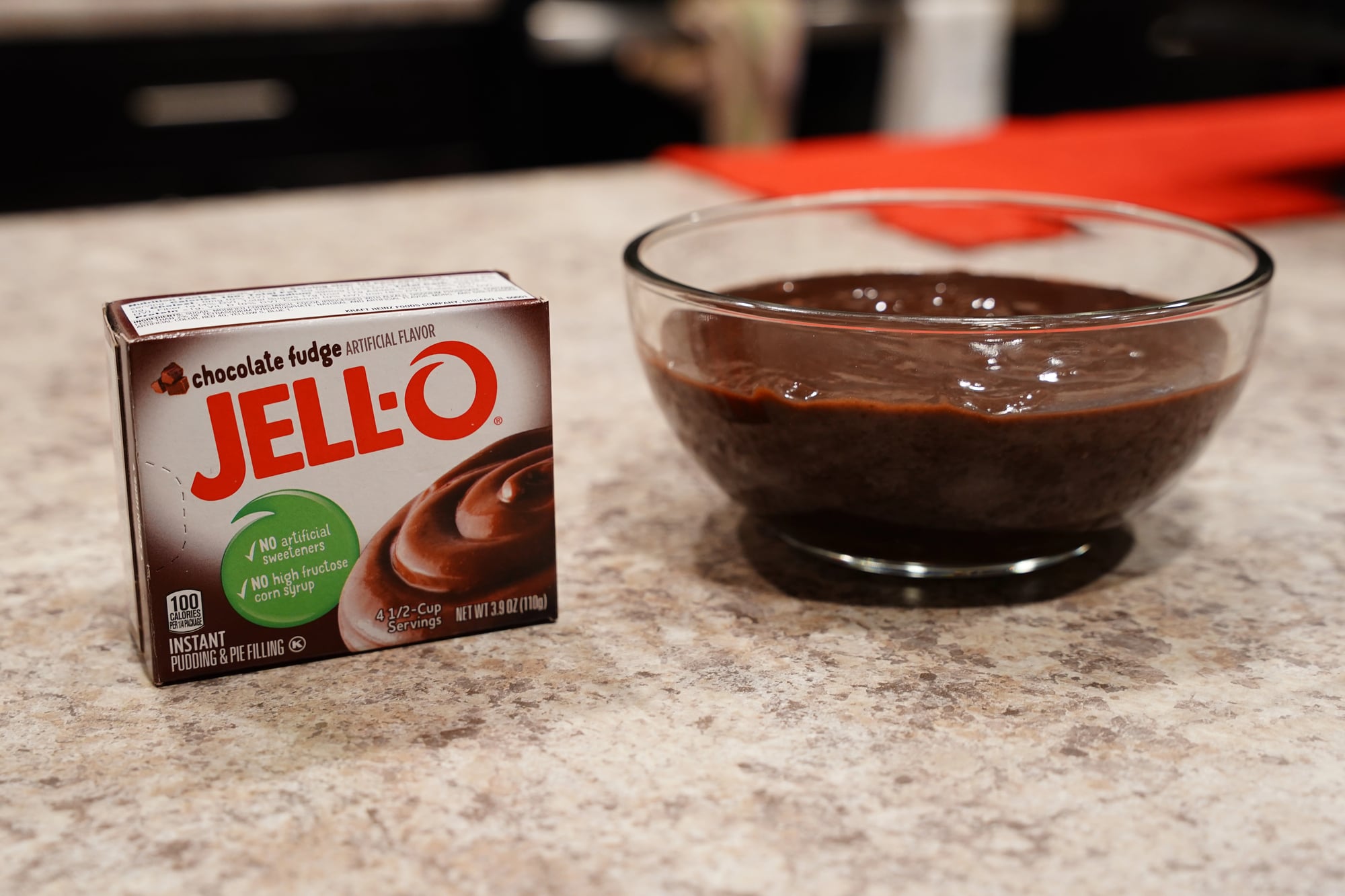
Jell-O salad and its many variations deserve their own entry entirely, because in the 1960s these were considered serious contributions to a Sunday spread rather than curiosities. Lime Jell-O with cream cheese and crushed pineapple.
Orange Jell-O with shredded carrots. Cherry Jell-O with fruit cocktail suspended throughout like specimens in amber.
They were sweet, they were cold, they shimmered, and they occupied the strange middle ground between salad and dessert that the era seemed entirely comfortable with. A generation raised on them still feels something close to nostalgia at the sight of a moulded gelatin dish, which is its own kind of testament.
Dinner Rolls
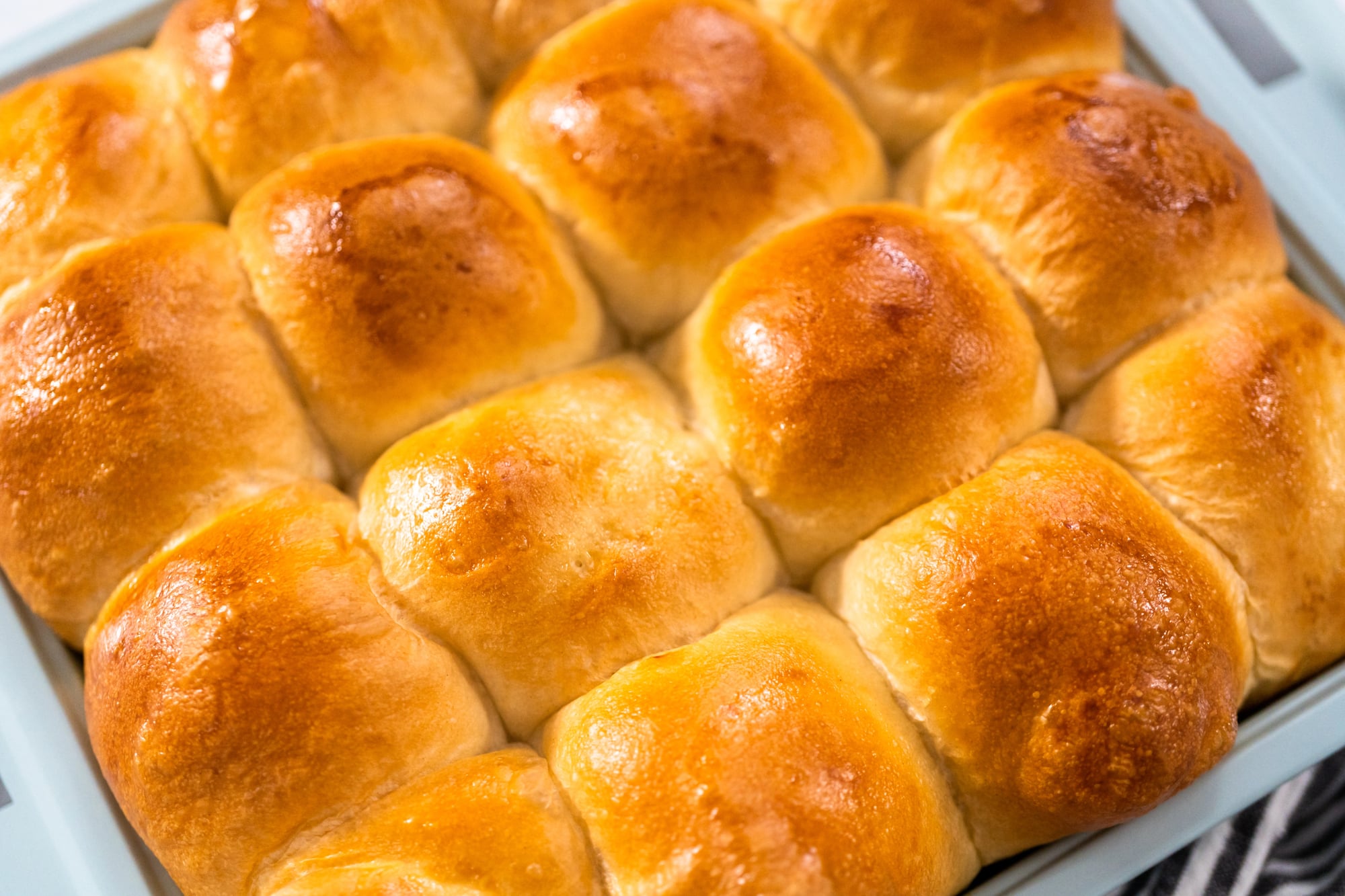
Dinner rolls were the signal that Sunday dinner was real. Not bread from a bag, not crackers from a box — proper yeast rolls, soft and pillowy, with a thin golden crust that gave way to a tender interior.
They required hours of rising time, careful shaping by hand, and an oven that had to be just right. Grandmothers wrapped them in a clean kitchen towel to keep warm while the main dishes came together, and they arrived at the table in a basket that would be emptied before the second plate was served.
The butter went on hot, melting into the rolls before it could even be spread. That was the whole point.
Ambrosia
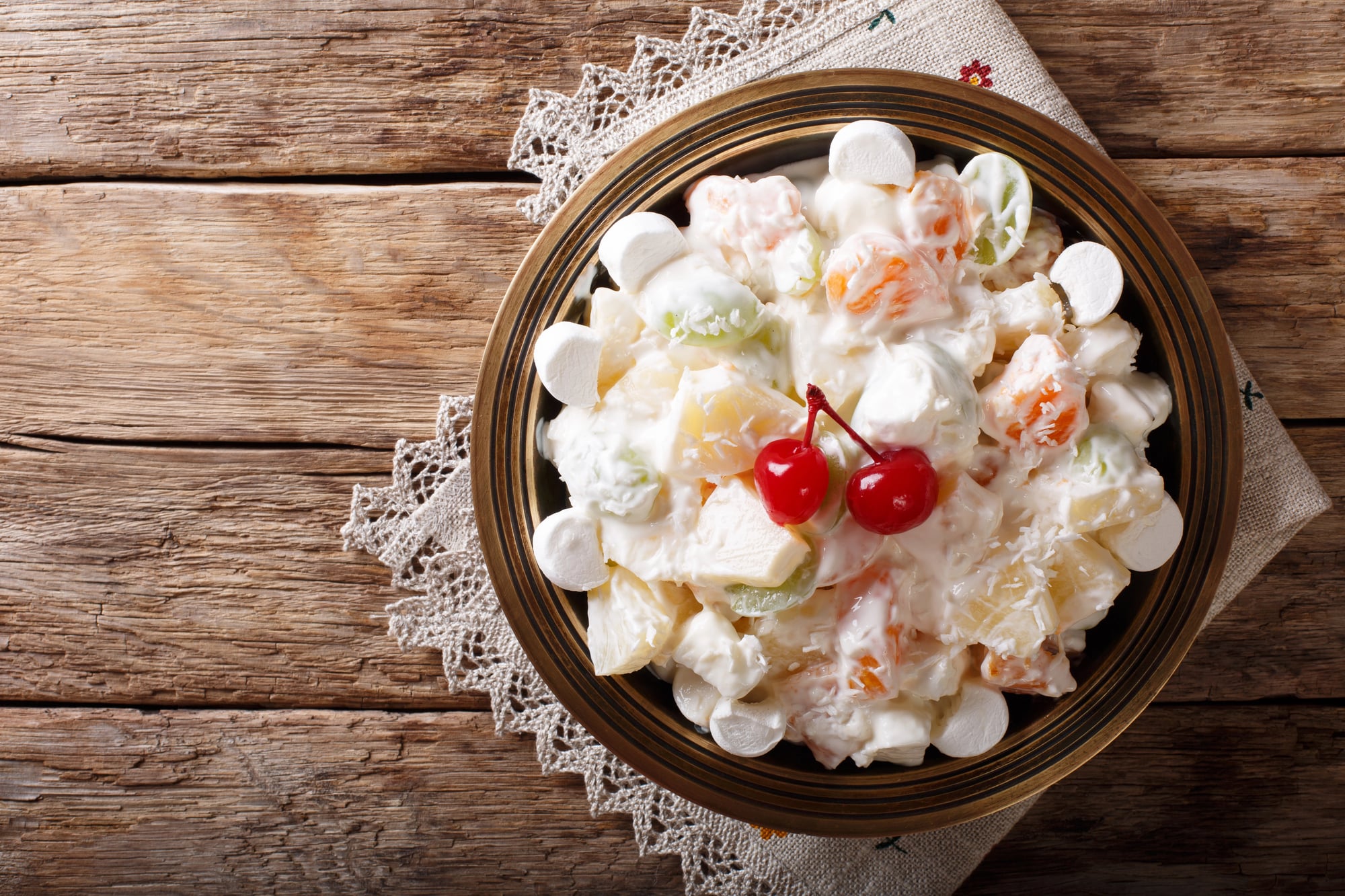
Ambrosia claimed its name honestly — a fruit salad of mandarin oranges, crushed pineapple, shredded coconut, miniature marshmallows, and sour cream that somehow tasted like the name it carried. It required no cooking, very little effort, and appeared at Sunday dinners and potlucks with the same regularity as the season itself seemed to demand.
Cold, sweet, and slightly tangy from the sour cream, it served as dessert when dessert wasn’t planned and as a side when the table needed something light. Grandmothers kept the ingredients on hand because ambrosia could be assembled on short notice for unexpected guests — and Sunday afternoons in the 1960s had a tendency to produce unexpected guests.
Peach Cobbler
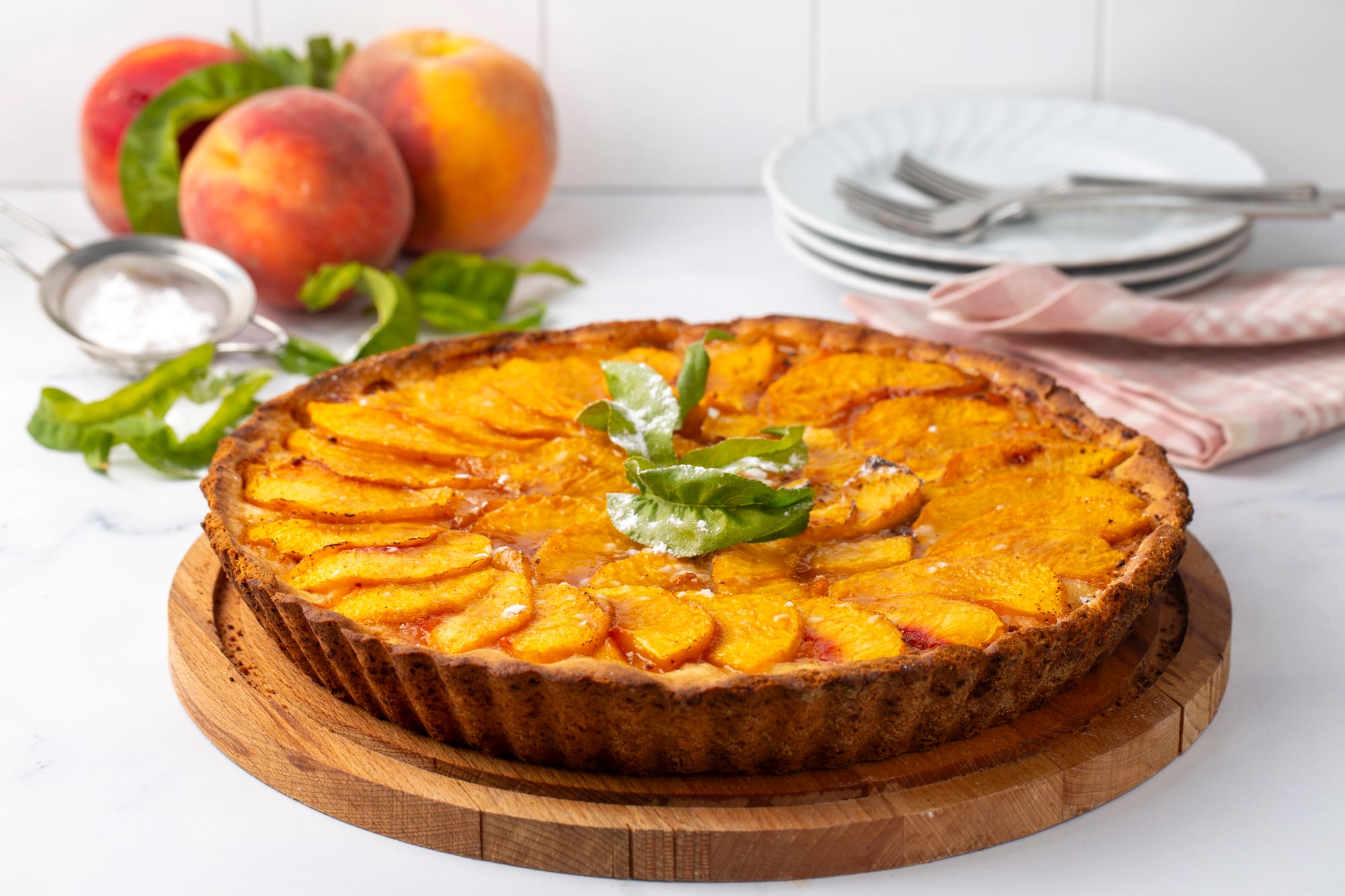
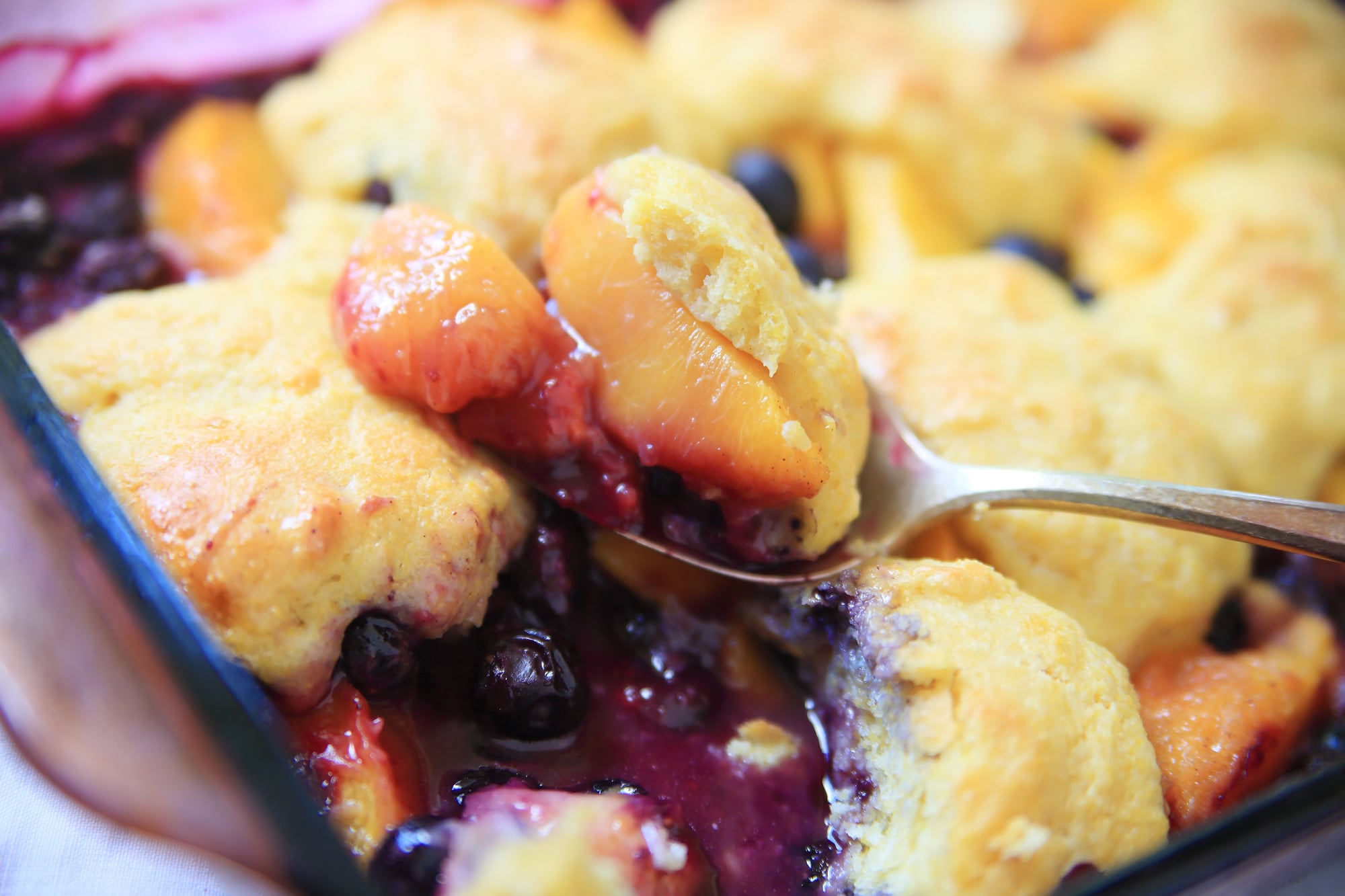
Peach cobbler closed the meal in the most honest way imaginable. Fresh peaches when they were in season, canned when they weren’t — no one pretended it made a dramatic difference when the cobbler came out of the oven bubbling and fragrant.
The topping was more biscuit than cake, thick enough to absorb the juices without dissolving entirely, with edges that crisped in the butter that had been melting in the pan. Served warm with a scoop of vanilla ice cream that began melting on contact, peach cobbler was the kind of dessert that caused a temporary hush around a Sunday table.
After hours of conversation and the accumulated warmth of a long shared meal, everyone fell quiet for a moment over the first bite. That silence was the real compliment.
The Table That’s Still There
None of these recipes required a culinary education or a kitchen full of equipment. They required time, attention, and the understanding that feeding people well was one of the more important things a person could do on a Sunday.
That understanding hasn’t dated. The recipes still work exactly as they did then, and the instinct behind them — to gather people around a table with something made by hand, unhurried, built from ordinary ingredients transformed by patience — is as sound as it ever was.
The grandmother in the apron knew something about what made a Sunday worth remembering. The food was the vehicle. The table was the point.
More from Go2Tutors!

- The Romanov Crown Jewels and Their Tragic Fate
- 13 Historical Mysteries That Science Still Can’t Solve
- Famous Hoaxes That Fooled the World for Years
- 15 Child Stars with Tragic Adult Lives
- 16 Famous Jewelry Pieces in History
Like Go2Tutors’s content? Follow us on MSN.