Places in Disney Movies Based on Real Life
Disney’s animators have always been masters at creating magical worlds that feel both fantastical and oddly familiar. There’s something comforting about recognizing fragments of the real world tucked into these animated landscapes, even when they’re populated by talking animals and fairy godmothers.
The studio’s artists have spent decades traveling to actual locations, sketching architecture, and studying landscapes to bring authenticity to their imaginary kingdoms.
Mont-Saint-Michel
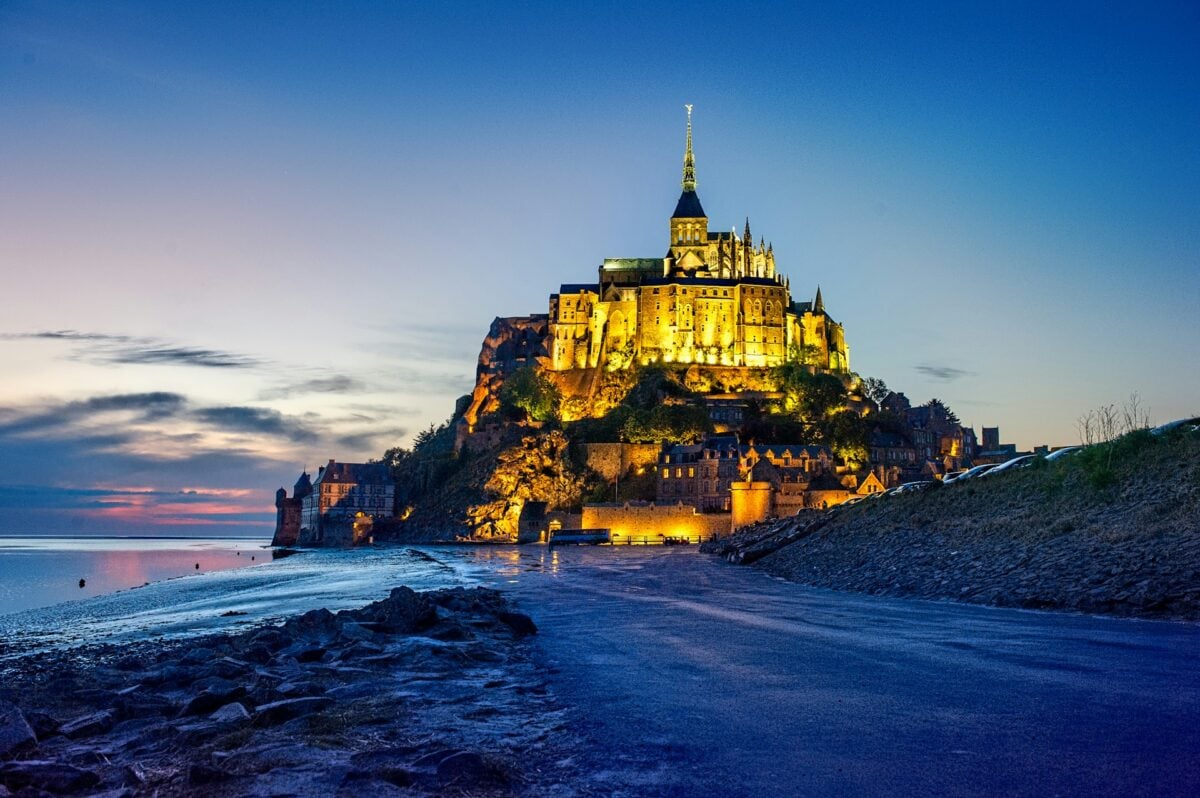
The towering castle in Tangled draws directly from this medieval abbey perched on a rocky island off the coast of Normandy. Mont-Saint-Michel rises from the sea like something from a dream, accessible only by a narrow causeway that disappears at high tide.
Disney’s artists captured the abbey’s distinctive silhouette perfectly. The way it seems to grow organically from the rock beneath it, spiraling upward in layers of stone and timber.
Corona’s castle maintains that same impossible balance between fortress and fairy tale.
Neuschwanstein Castle
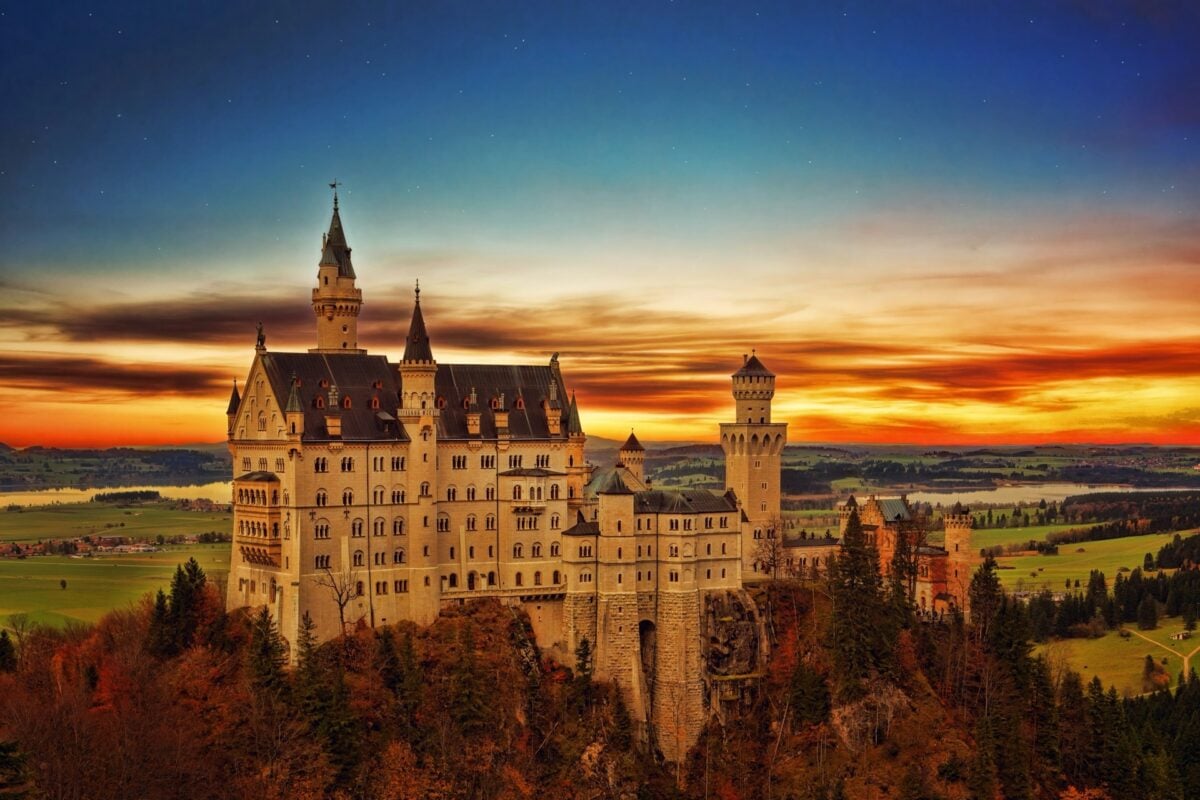
King Ludwig II of Bavaria built this castle as his personal retreat from reality, which makes it perfect inspiration for Disney. The Sleeping Beauty Castle that appears in multiple films borrows heavily from Neuschwanstein’s romantic Gothic Revival architecture.
Ludwig designed every room as a tribute to medieval legend and Wagnerian opera. The throne room, the singer’s hall, the elaborate murals depicting scenes from Arthurian romance.
Disney simply took that existing fantasy and animated it.
The French Quarter
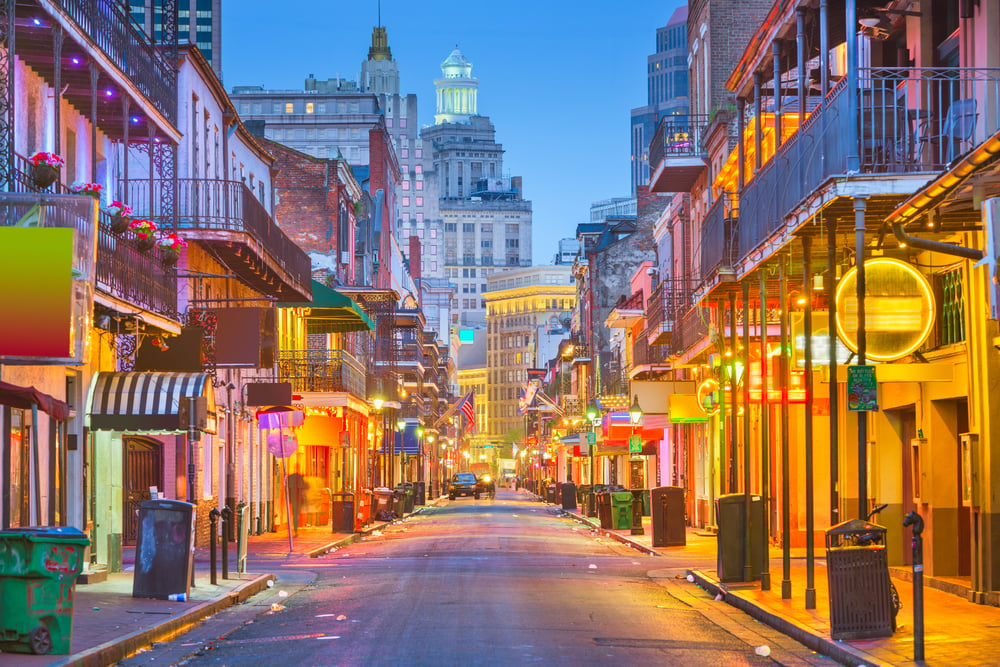
The Princess and the Frog doesn’t just reference New Orleans (and here’s the thing that makes it work so well) — it understands the city’s relationship with music, with celebration, with the kind of joy that bubbles up from the sidewalks themselves. The wrought-iron balconies, the narrow streets that seem to pulse with jazz rhythms, the way morning light filters through ancient oak trees draped in Spanish moss — these aren’t just visual details copied from postcards.
They’re emotional textures that the animators absorbed during their research trips, and you can feel that difference in every frame. The city becomes a character rather than a backdrop, which is exactly what New Orleans has always been to the people who actually live there.
And the steamboats chugging along the Mississippi, trailing smoke and paddle-wheel spray behind them, carry the weight of actual history rather than just decorative charm.
Hallstatt
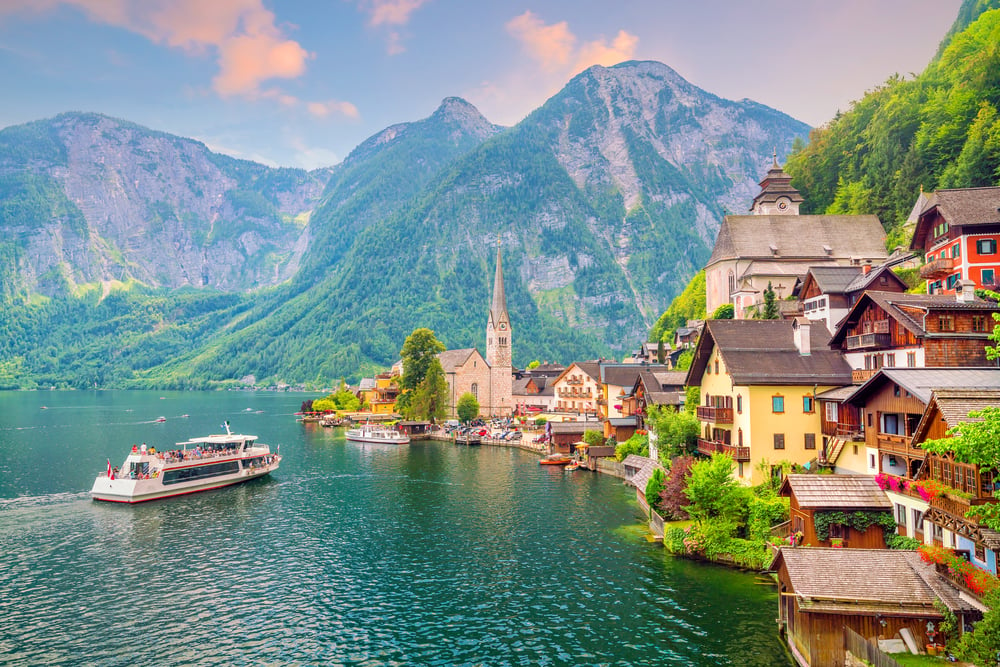
This Austrian lakeside village provided the blueprint for Arendelle in Frozen. Hallstatt sits between steep mountains and dark water, its pastel houses climbing the hillside in neat terraces.
The village has been continuously inhabited for approximately 3,000+ years, with documented evidence of habitation dating to around 1200 BC. Salt mining built its prosperity, and you can still tour the ancient tunnels carved into the mountainside.
Disney borrowed the Alpine architecture but added their own Nordic flourishes.
Every angle offers another postcard view. The Lutheran church with its slender spire, the market square where swans glide between the fountain and the lake shore, the morning mist that clings to the water’s surface like something magical is about to happen.
Scottish Highlands
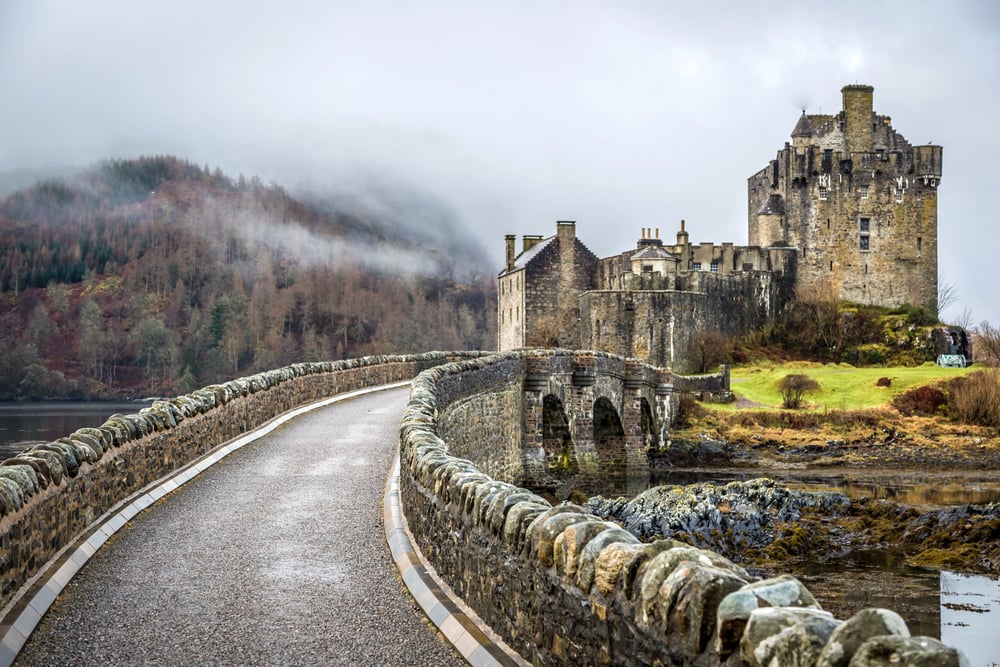
Brave takes place in a landscape that exists exactly as animated across the Scottish Highlands. Those rolling green hills, the ancient stone circles, the lochs that stretch between mountains like black mirrors reflecting clouds and sky.
The film’s animators spent weeks hiking through the Highlands, sketching the way morning light transforms the heather-covered hills (and the way weather can shift from sunshine to storm in the space of twenty minutes, which any Scot will tell you is perfectly normal). They captured something essential about the relationship between the landscape and the people who’ve lived there for centuries — the way the land shapes character as much as character shapes destiny.
So the wilderness in Brave doesn’t feel like a setting where adventure happens to take place; it feels like the place where this particular story could only unfold.
The standing stones scattered across the region date back thousands of years. Nobody knows exactly what they were for, but they carry the weight of forgotten rituals and ancient purposes.
Perfect inspiration for a story about magic and tradition.
Angkor Wat
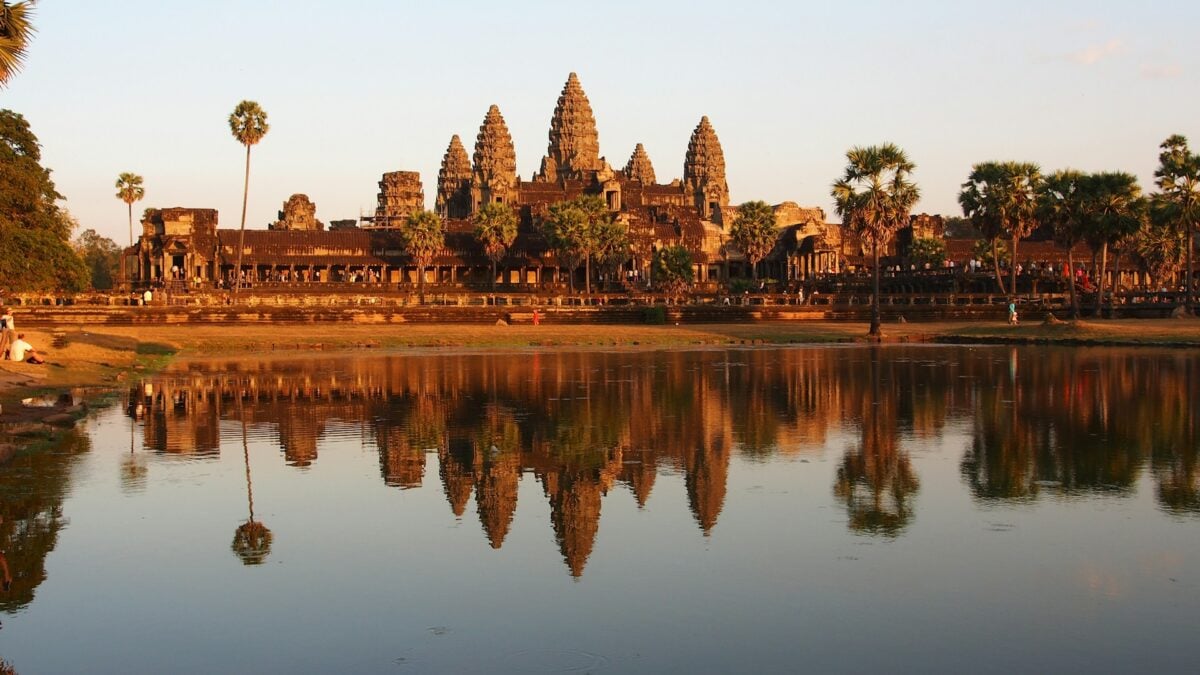
The temple complex in The Jungle Book draws heavily from Cambodia’s Angkor Wat, the largest religious monument in the world. Built in the 12th century as a Hindu temple, later transformed into a Buddhist site.
The bas-reliefs carved into every surface tell stories from the Ramayana and Mahabharata. Apsaras dance across stone walls, their poses frozen mid-movement for nearly a thousand years.
Tree roots have grown through the structures, creating that perfect blend of architecture and jungle that Disney’s artists captured so well.
King Louie’s throne room, with its towering columns and vine-covered walls, feels like a place where monkeys really might have taken over an ancient palace.
Easter Island
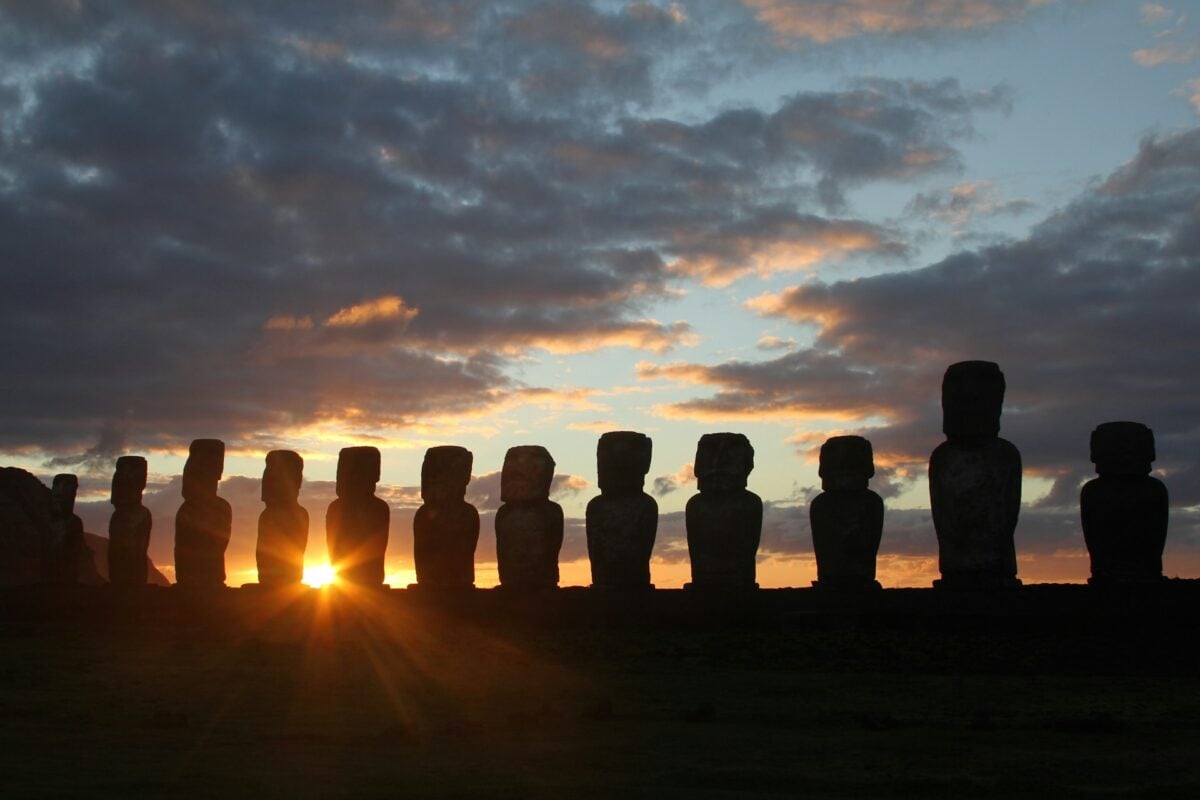
Moana references Easter Island’s famous moai statues in several scenes. These massive stone heads scattered across a remote Pacific island have puzzled archaeologists for decades.
Nearly 1,000 statues stand guard across the island, most facing inland rather than out to sea. The largest weighs over 80 tons.
Nobody’s entirely sure how the Rapa Nui people moved them into position, though recent experiments suggest they might have been “walked” upright using ropes.
The mystery suits Disney’s purposes perfectly. Ancient monuments with unknown origins fit naturally into a story about ocean voyagers and forgotten magic.
African Savanna
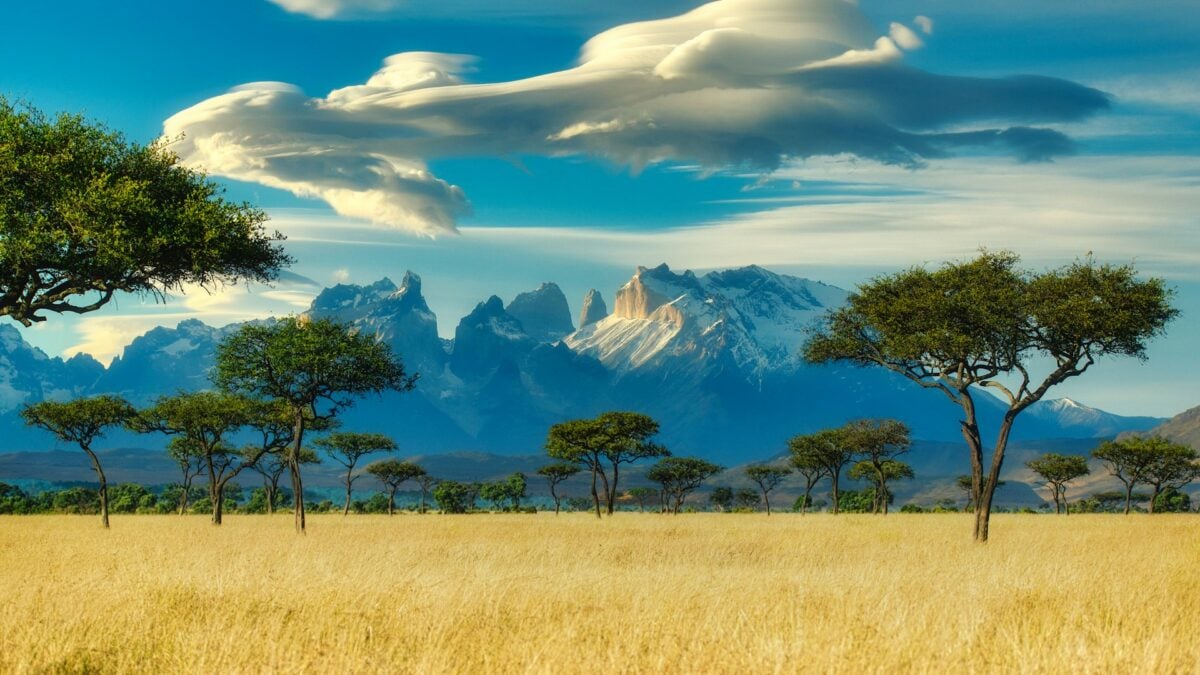
The Lion King captures the East African savanna with remarkable accuracy (because the animators understood that this landscape already contains all the drama and beauty any story could possibly need). The acacia trees with their distinctive umbrella-shaped canopies, the endless grasslands that shift from green to gold as the seasons change, the rocky outcroppings where lions actually do survey their territory from elevated perches.
The film’s Pride Rock was inspired by Hell’s Gate National Park in Kenya, where similar rock formations rise abruptly from the plains. And the wildebeest migration scenes draw directly from the annual movement of over a million animals across the Serengeti — a natural phenomenon so vast and ancient that it pre-dates human civilization by millions of years.
Disney didn’t need to exaggerate any of this; they just needed to animate what was already there.
Taj Mahal
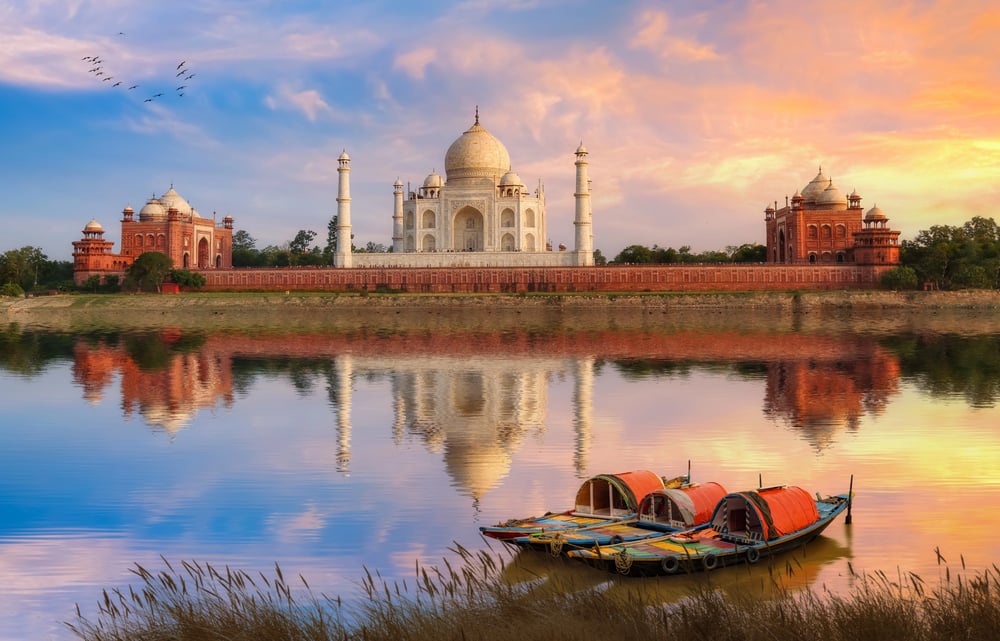
Agra’s Taj Mahal provides the architectural inspiration for the Sultan’s palace in Aladdin. The white marble mausoleum, built by Emperor Shah Jahan as a tomb for his wife, represents the pinnacle of Mughal architecture.
The building changes color throughout the day as light shifts across its surface. Pink at dawn, white at midday, golden at sunset.
The four minarets lean slightly outward, an intentional design choice to create the illusion of perfect verticality when viewed from ground level.
Disney borrowed the onion domes, the intricate inlay work, the way the building seems to float above its reflecting pools. They understood that the Taj Mahal already looks like something from a fairy tale.
Norwegian Stave Churches
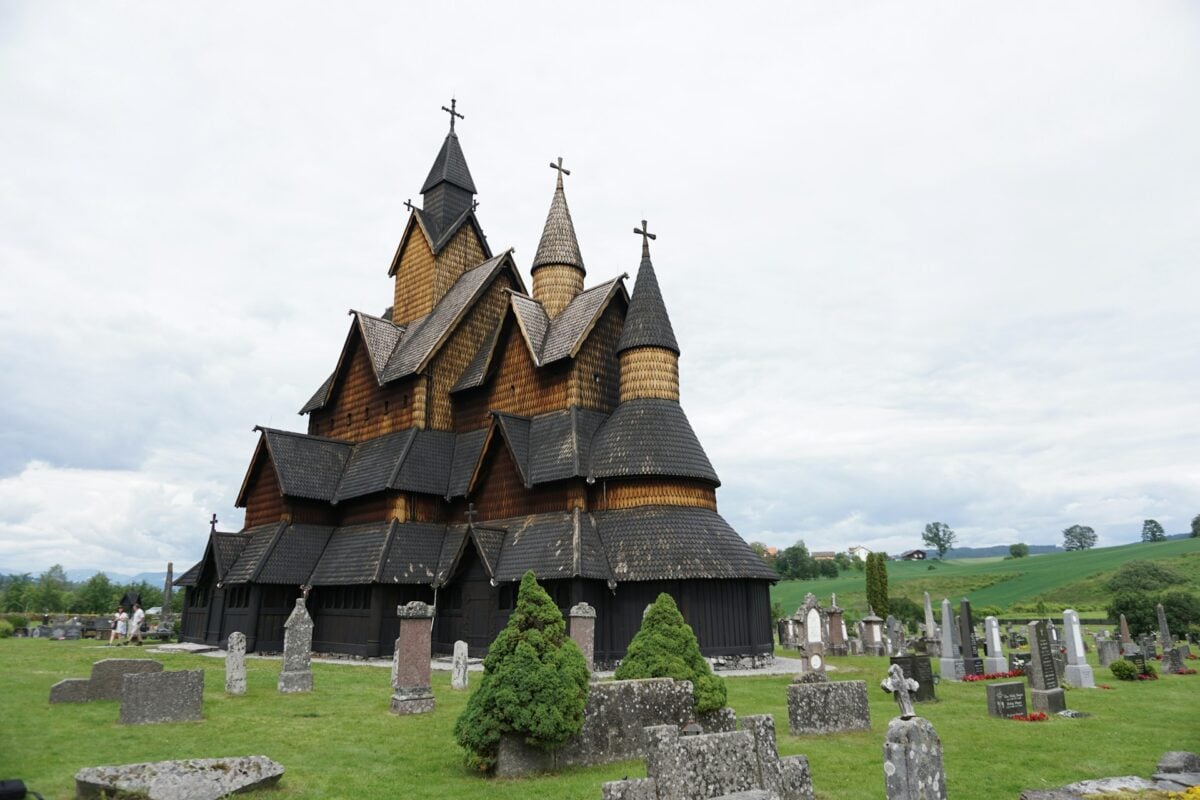
Frozen draws architectural details from Norway’s medieval stave churches, wooden structures built without nails using interlocking timber construction. These churches feature the distinctive multi-tiered roofs and dragon-head carvings that appear throughout Arendelle.
The Borgund Stave Church, built around 1200, still stands in Sogn og Fjordane county. Its dark wood exterior and steep-pitched roofs were designed to shed snow and withstand harsh Nordic winters.
Only 28 of these churches remain from the original 1,000 that once dotted the Norwegian landscape. Each one represents a unique blend of Christian architecture and Viking woodworking traditions.
Château de Chambord
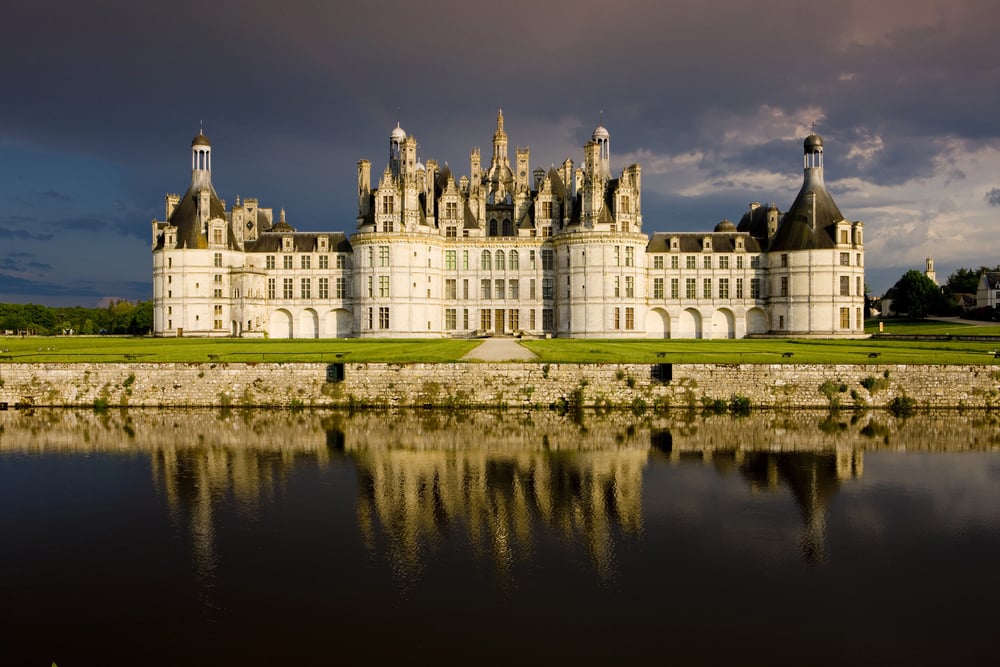
This French Renaissance castle in the Loire Valley inspired the Beast’s castle in Beauty and the Beast. Château de Chambord features the same elaborate roofline crowded with chimneys, turrets, and decorative elements that make the animated castle so distinctive.
King Francis I built Chambord as a hunting lodge, though “lodge” hardly describes a building with 440 rooms and 282 fireplaces. The famous double-helix staircase may have been designed by Leonardo da Vinci, who was living in France at the time of construction.
The castle was never completed according to its original plans and remained largely unfurnished for centuries. This sense of grand emptiness fits perfectly with Disney’s vision of an enchanted castle frozen in time.
Machu Picchu
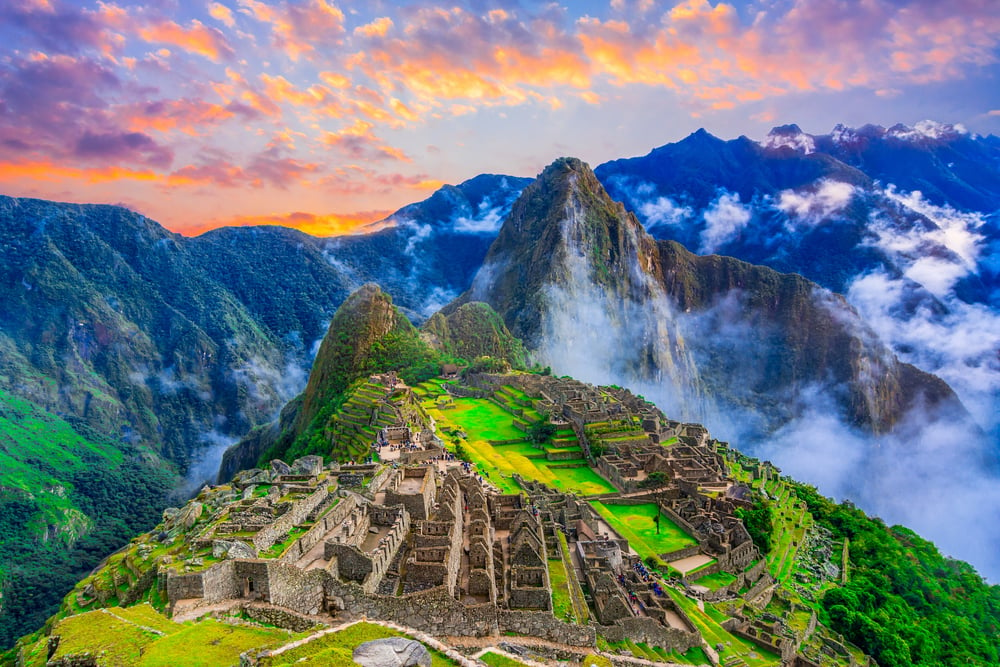
The Emperor’s New Groove references the ancient Inca city of Machu Picchu, built high in the Andes Mountains of Peru. The city’s terraced agriculture and stone architecture appear throughout the film’s background landscapes.
Machu Picchu was abandoned around 1572 during the Spanish conquest and remained hidden from the outside world until 1911. The site demonstrates the Inca’s sophisticated understanding of engineering and agriculture, with terraces that prevented erosion and buildings constructed without mortar.
The city’s dramatic location, perched on a ridge between two peaks and often shrouded in morning mist, provides the perfect setting for a story about an emperor’s journey from palace to peasant life.
Santorini
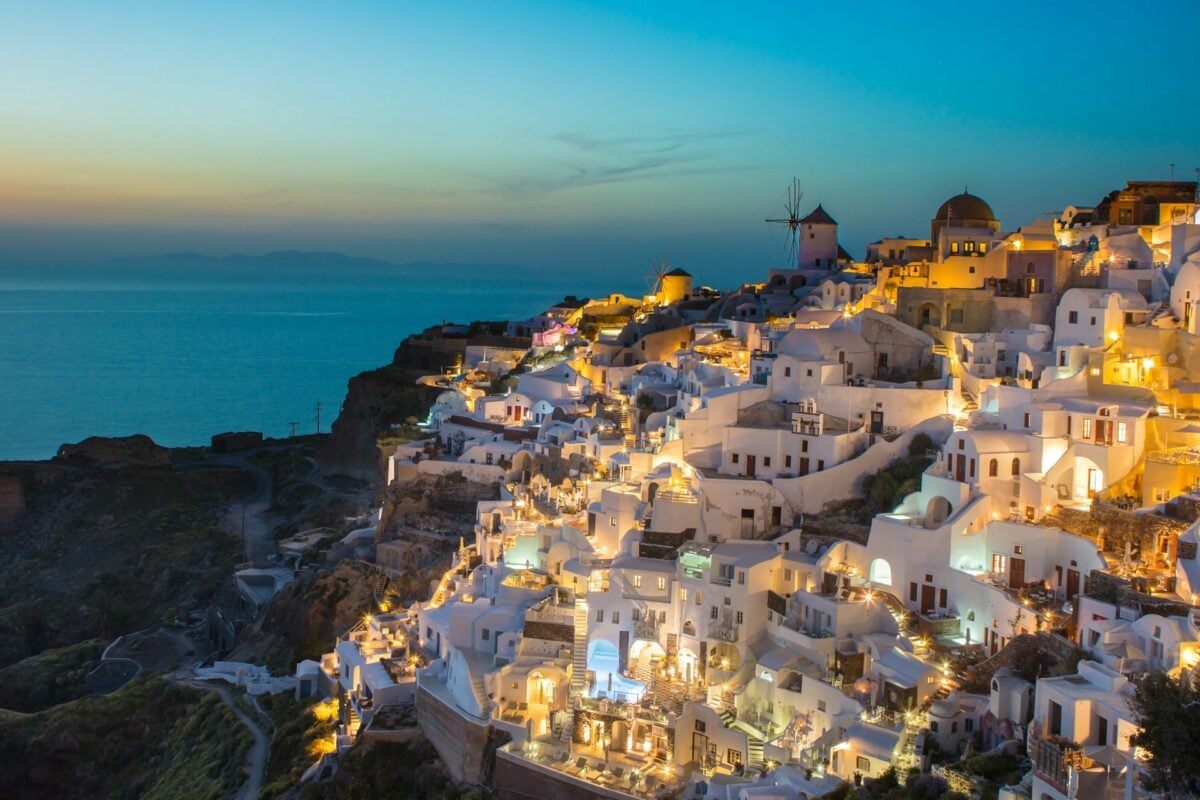
The underwater kingdom of Atlantica in The Little Mermaid takes visual cues from the Greek island of Santorini, particularly its cliff-side villages with their distinctive blue and white architecture.
Santorini’s dramatic landscape was shaped by volcanic activity, creating the steep cliffs and deep harbor that make the island so photogenic. The traditional Cycladic architecture, with its cubic white buildings and blue-domed churches, creates a striking contrast against the dark volcanic rock.
Disney’s artists transformed these Mediterranean hillside villages into an underwater kingdom, but kept the essential visual elements that make Santorini so recognizable – the way buildings seem to cascade down the cliff face and the brilliant blue and white color palette.
Yosemite Valley
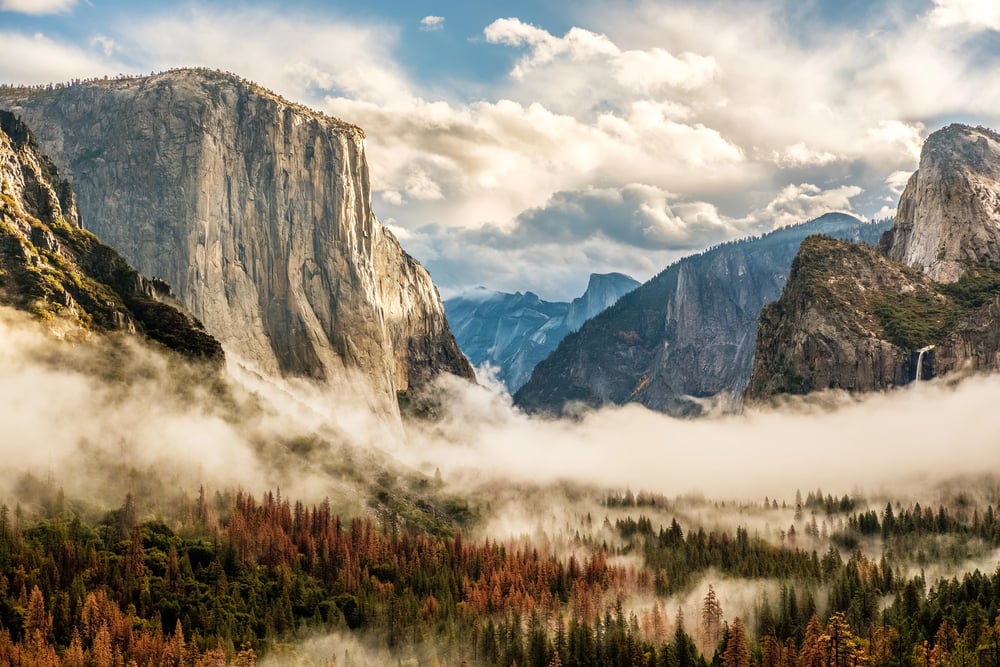
Brother Bear showcases landscapes directly inspired by Alaska’s wilderness, but several scenes draw specifically from Yosemite Valley’s granite cliffs and waterfalls. The film’s sweeping vistas of mountains, forests, and pristine rivers capture the scale and beauty of America’s most iconic national park.
Yosemite’s famous landmarks – Half Dome, El Capitan, Bridal Veil Falls – have been inspiring artists and filmmakers for over a century. Disney’s animators understood that these natural monuments need no embellishment; they already possess the grandeur that animated films strive to achieve.
The valley’s changing seasons, from snow-covered winters to wildflower-filled summers, provide a natural backdrop for a story about transformation and the relationship between humans and the natural world.
Where fantasy meets geography
Disney’s most successful films understand that the best fantasy grows from real soil. These animators weren’t just copying pretty pictures from travel brochures – they were studying how light moves across ancient stone, how weather shapes architecture, how geography influences culture.
The magic happens when that careful observation gets filtered through the studio’s particular gift for emotional storytelling. Real places become the foundation for impossible dreams, but the foundation holds because someone took the time to understand why these locations have been moving people for centuries.
More from Go2Tutors!

- The Romanov Crown Jewels and Their Tragic Fate
- 13 Historical Mysteries That Science Still Can’t Solve
- Famous Hoaxes That Fooled the World for Years
- 15 Child Stars with Tragic Adult Lives
- 16 Famous Jewelry Pieces in History
Like Go2Tutors’s content? Follow us on MSN.