27 Restaurant Chains That Have Nearly Vanished
The restaurant landscape has changed dramatically in the past two decades. Chains that once dominated suburban highway exits and mall food courts have been decimated by changing demographics, shifting tastes, debt burdens, and the rise of both fine dining and fast-casual concepts.
Some have closed all their locations. Others cling to existence with single-digit store counts, shadows of their former empires.
The chains on this list represent generations of family nights, highway stops, and casual dining—now mostly forgotten or disappearing into bankruptcy and store closures. The reasons vary: some couldn’t adapt to online ordering, others borrowed heavily to expand and couldn’t service their debt, and a few made catastrophic mistakes that eroded their brands.
What they share is the inability to remain relevant as consumer preferences and retail environments transformed completely.
Howard Johnson’s
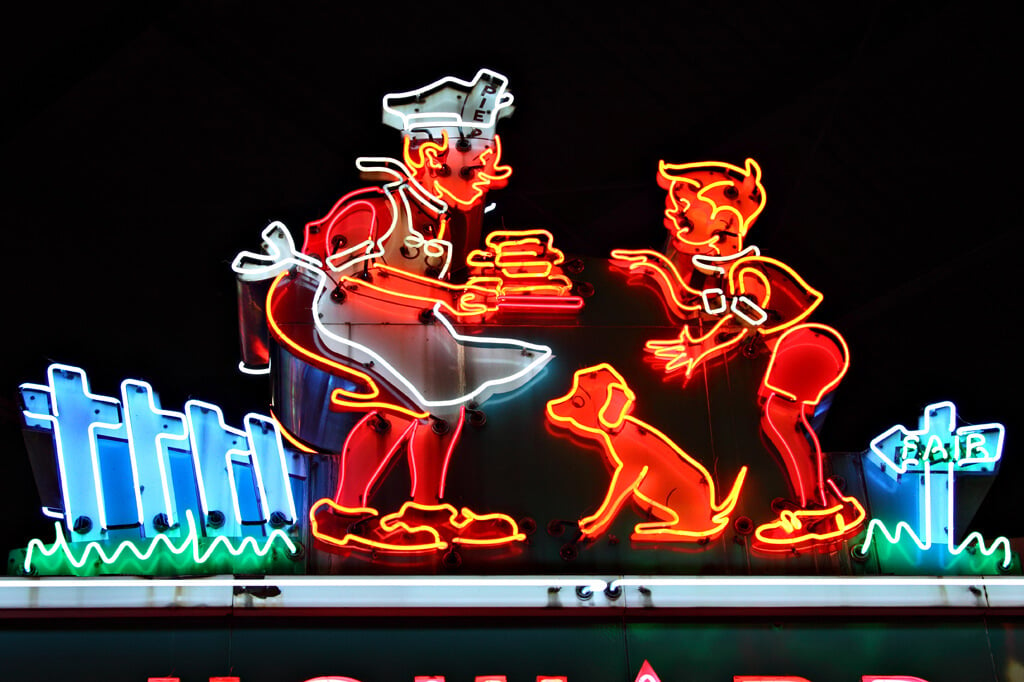
Once a ubiquitous roadside staple with iconic orange roofs, Howard Johnson’s started with 400 locations in the 1940s and grew to over 1,000 by the 1970s. The chain’s decline was swift and total.
The final Howard Johnson’s restaurant closed in 2022, ending a legacy that had defined American highway dining for generations.
Bennigan’s
Opening its first location in 1976, Bennigan’s expanded to hundreds of locations before filing for bankruptcy in 2008. The casual dining concept couldn’t compete with newer restaurant models, and most locations were shuttered, leaving the chain with just ten remaining locations at best.
Blimpie
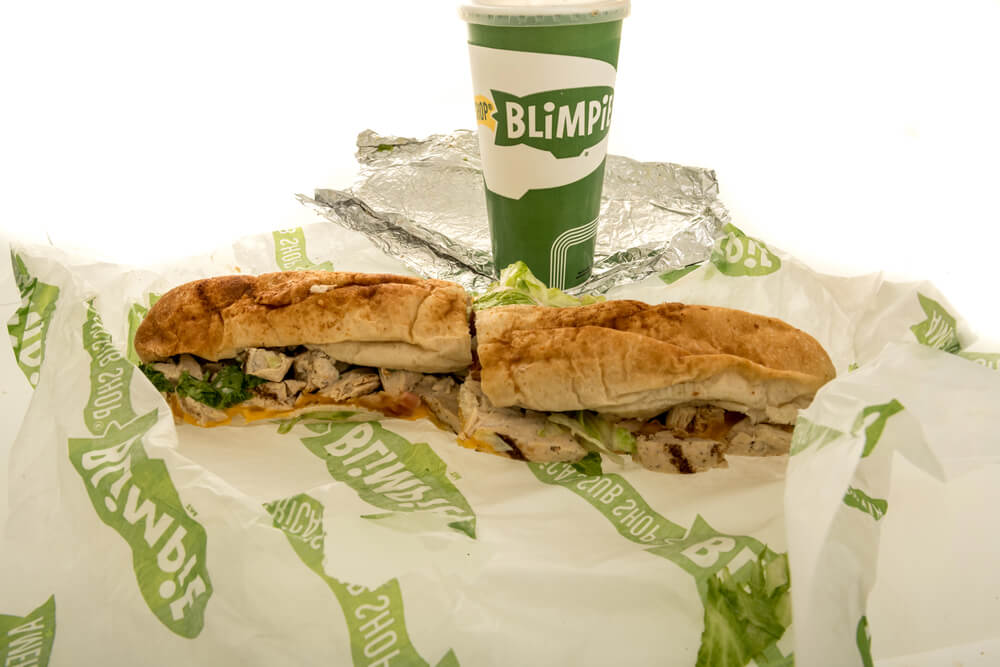
This submarine sandwich chain seemed to be everywhere at its peak, eventually closing 1,114 stores. What was once a viable alternative to Subway proved unable to sustain operations across so many locations, forcing dramatic contraction.
Ruby Tuesday
Once a casual-dining mainstay with hundreds of locations, Ruby Tuesday announced plans to close nearly 100 restaurants in 2017. The chain continued hemorrhaging locations as comps declined quarter after quarter, unable to recover despite corporate ownership changes.
Red Lobster
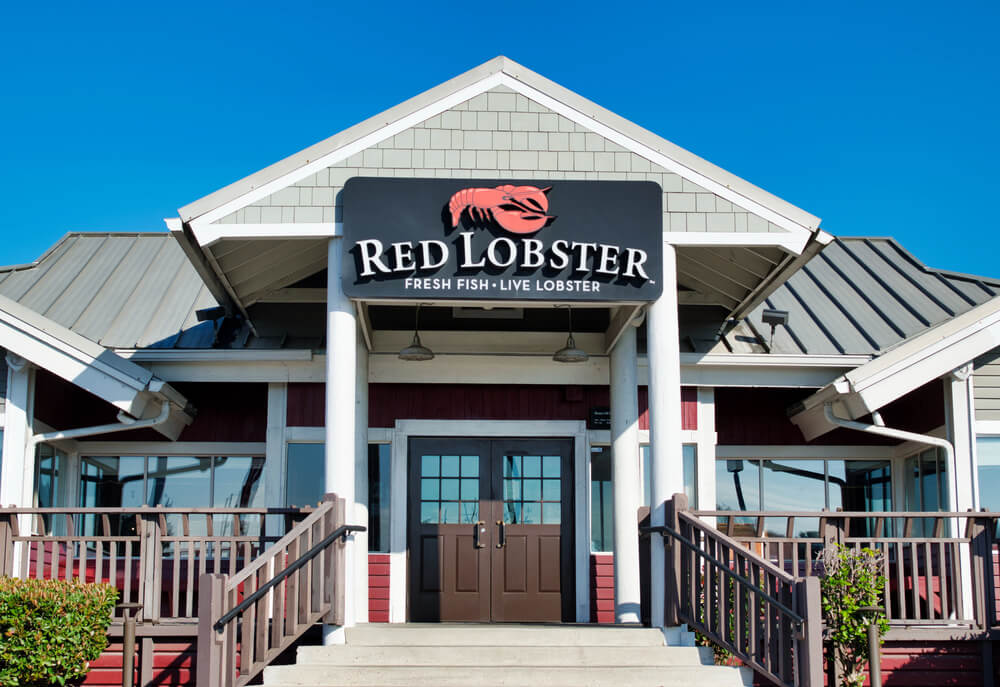
The seafood casual-dining chain filed for bankruptcy in 2024, announcing the closure of over 100 locations within months. An ill-advised “Endless Shrimp” promotion that cost the company $11 million contributed to a $76 million net loss in 2023, accelerating the chain’s collapse.
TCBY (The Country’s Best Yogurt)
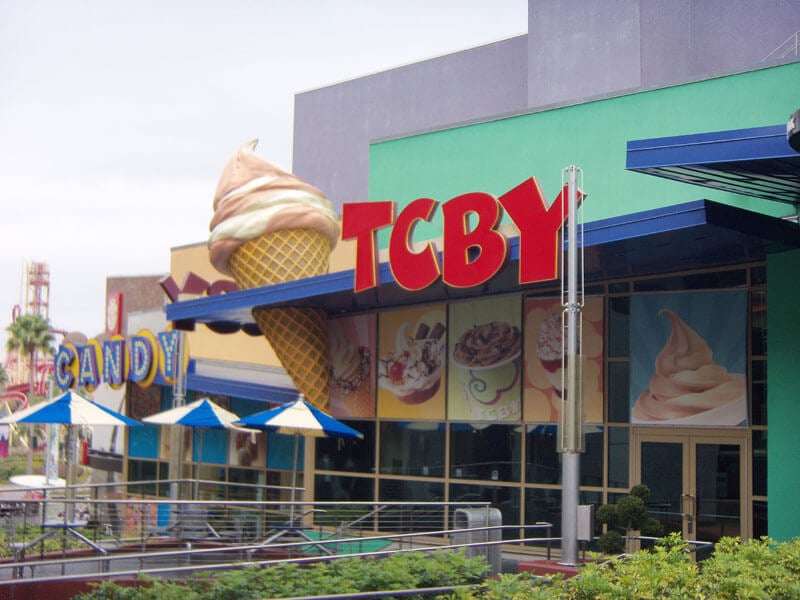
This yogurt chain closed 405 stores despite promoting itself as “the country’s best yogurt.” The frozen yogurt trend that initially fueled growth couldn’t sustain the chain’s ambitions, leading to mass closures.
Country Kitchen
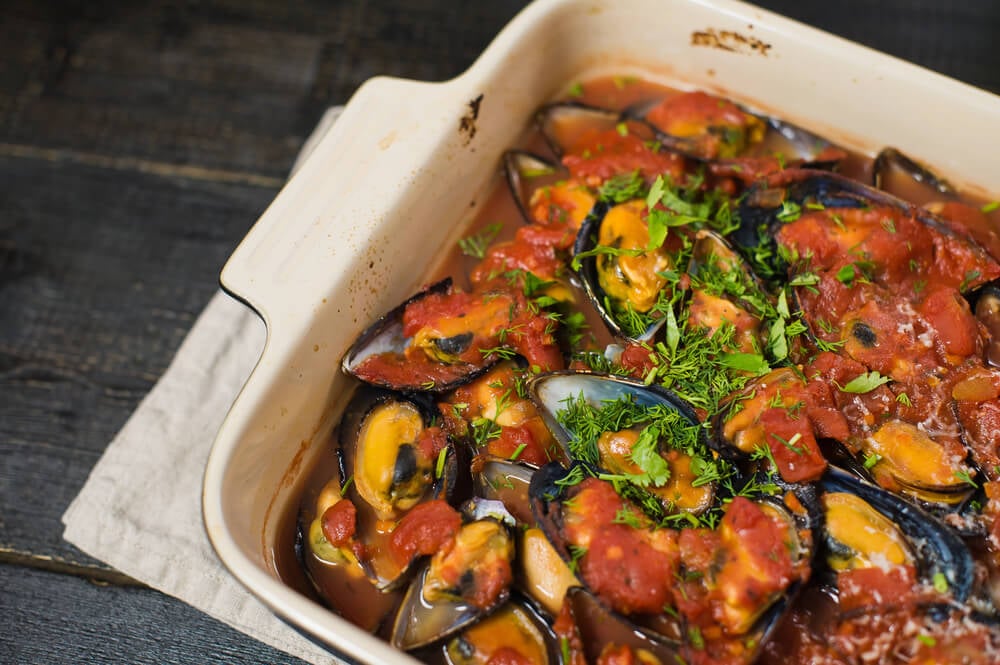
This breakfast chain closed 197 restaurants, representing nearly its entire footprint. The casual breakfast market shifted away from standalone chains toward fast-casual and quick-service options.
Damon’s Grill & Sports Bar
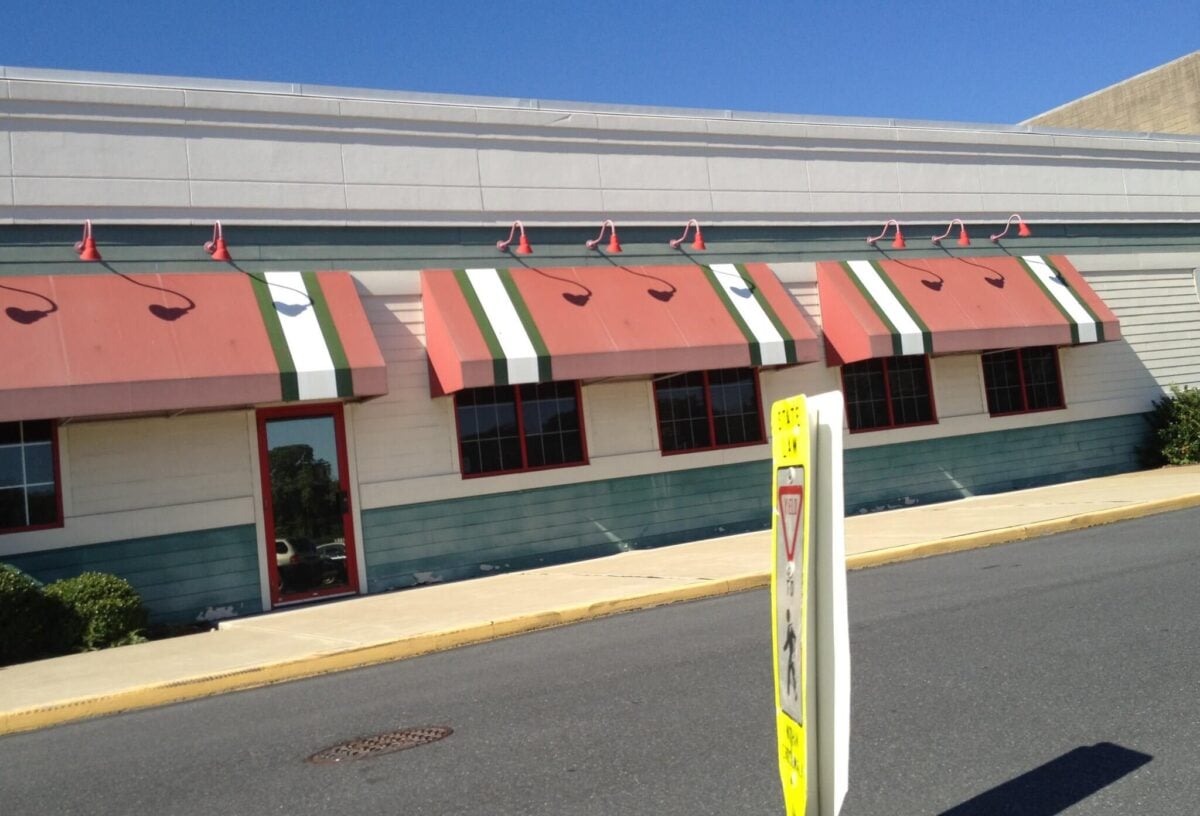
Known for ribs, wings, and big-screen televisions, Damon’s Grill closed 107 restaurants as casual dining contracted. The sports bar casual dining model proved unable to sustain profitability.
Ground Round Grill & Bar
This casual-dining chain where customers could dump peanut shells on the floor closed 106 locations. The concept of casual dining shifted, and the chain couldn’t adapt to new consumer expectations.
Don Pablo’s
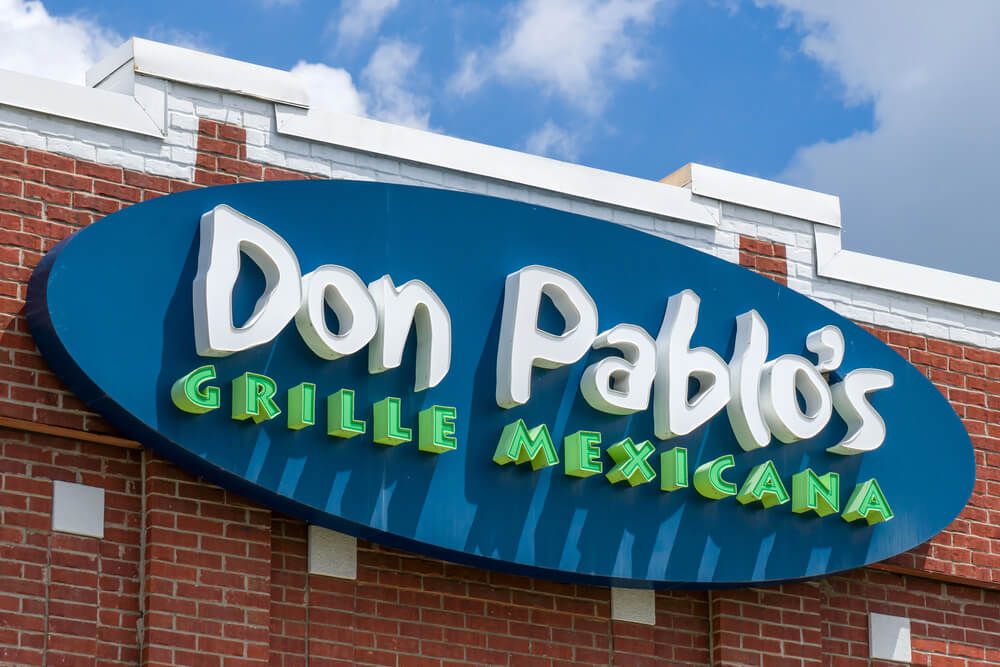
Once the second largest full-service Mexican restaurant chain in the United States, Don Pablo’s closed 93 locations. The Tex-Mex casual dining market proved overcrowded and unprofitable.
Minnie Pearl Fried Chicken
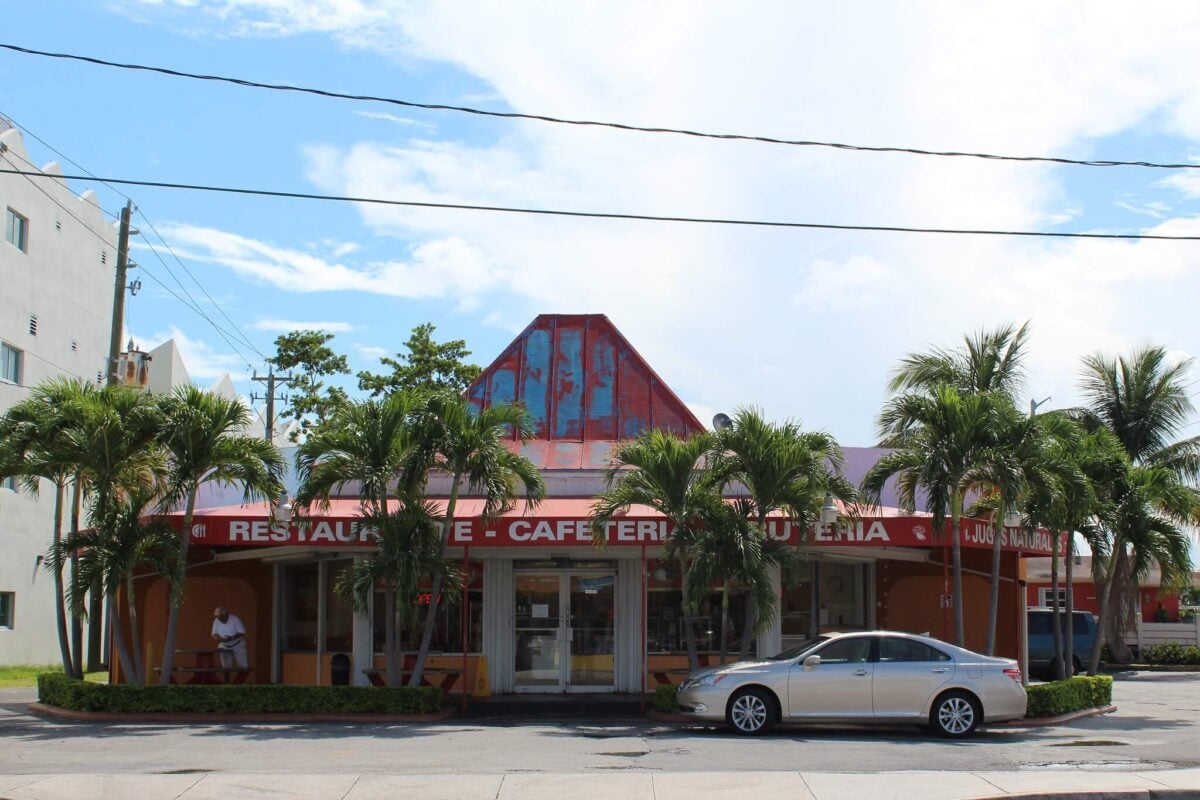
This fried chicken chain was a franchise debacle in industry history. The company approved over 500 restaurants and 2,700 franchises while completely failing to teach anyone how to cook chicken properly.
When stores couldn’t turn a profit and the SEC investigated, the chain went under entirely.
TGI Friday’s
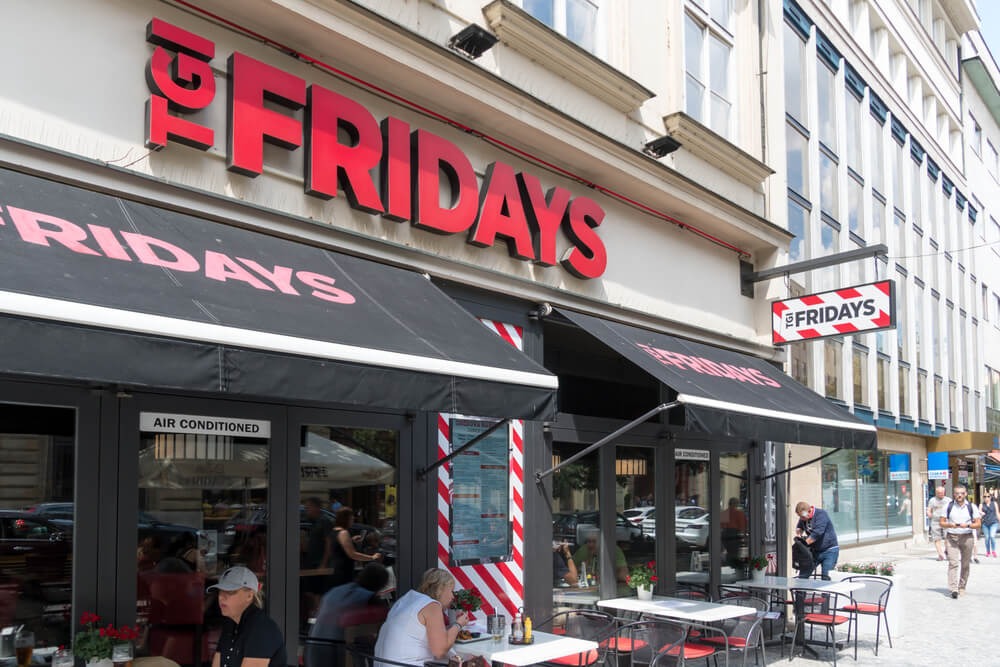
The casual-dining mainstay filed for bankruptcy in 2024, joining Red Lobster in the restaurant collapse of recent years. The chain that once symbolized casual drinking culture couldn’t adapt to changing demographics and consumer preferences.
Sbarro
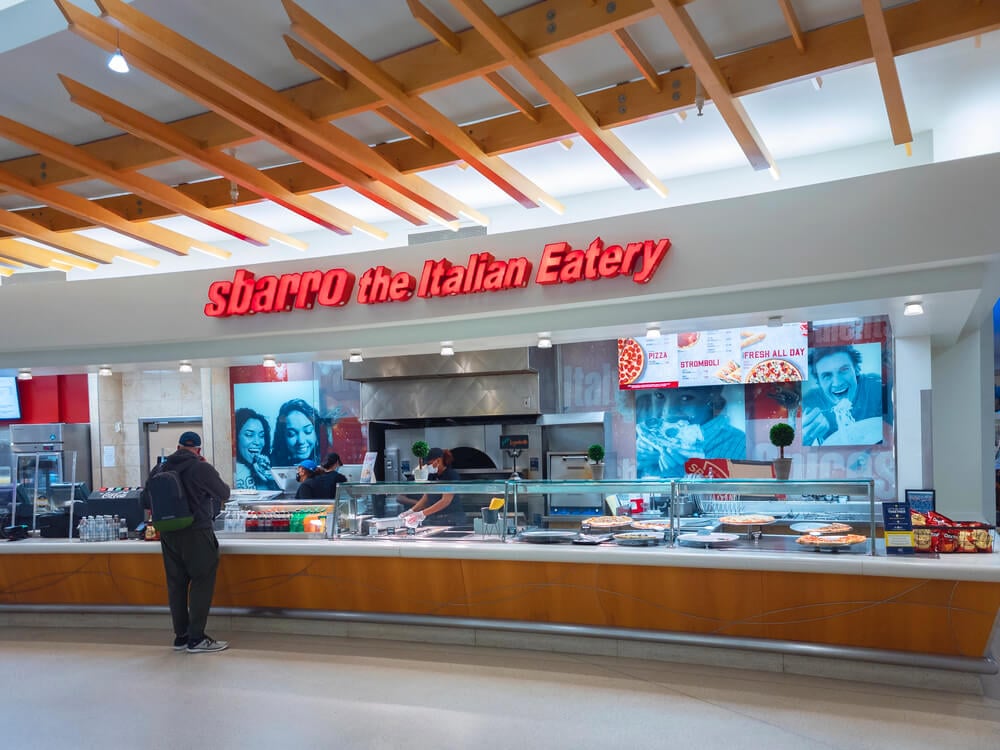
Once a pizza powerhouse with 762 locations in 2004 and $465 million in sales, Sbarro saw hundreds of its mall food court locations close over the next 15 years. The chain’s presence has been cut to less than half its former size.
Pieology
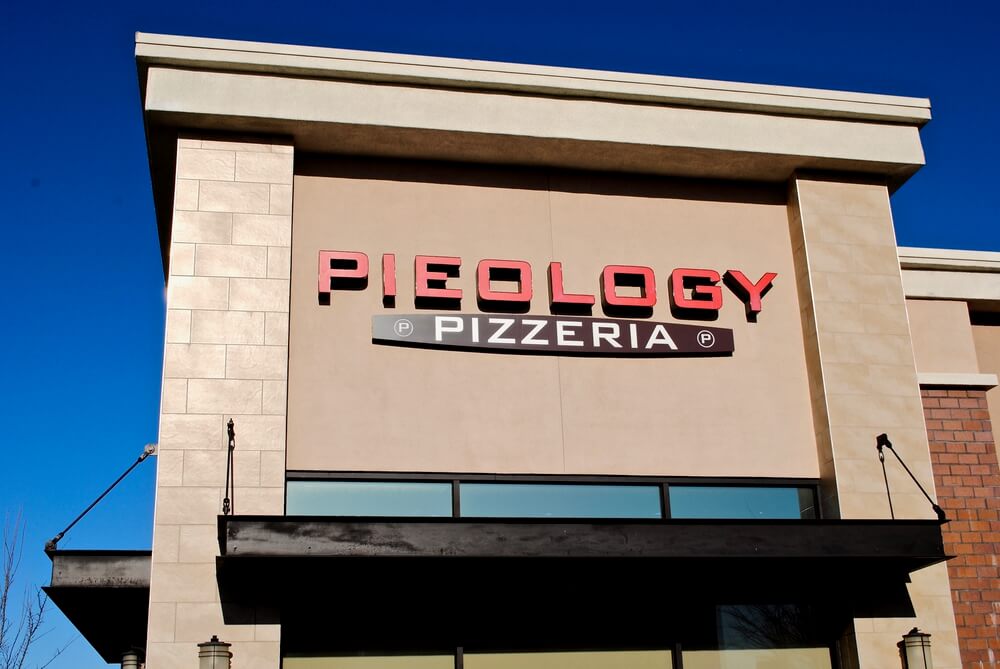
This fast-casual pizza chain filed for bankruptcy in 2023 and closed at least 17 restaurants. The pizza delivery and casual market proved too competitive for an upstart brand.
Steak ‘n Shake
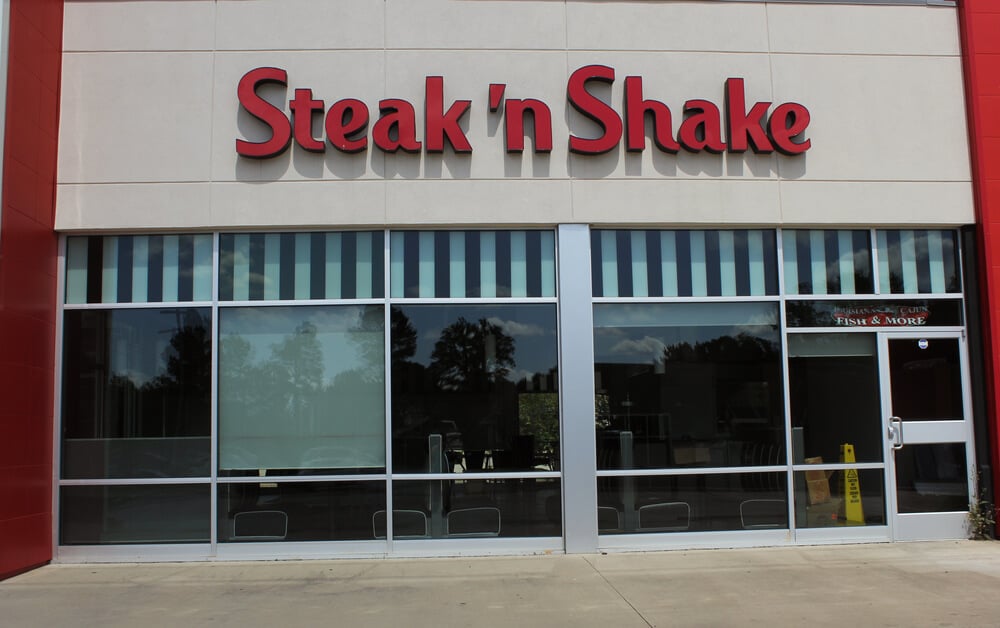
Founded in 1934, this beloved fast-food chain has been decimated by closures. After 2019 saw 106 locations close, the company continued shrinking from 536 locations in 2021 to 493 by March 2023, representing a steady decline that shows no signs of stopping.
Pie Five
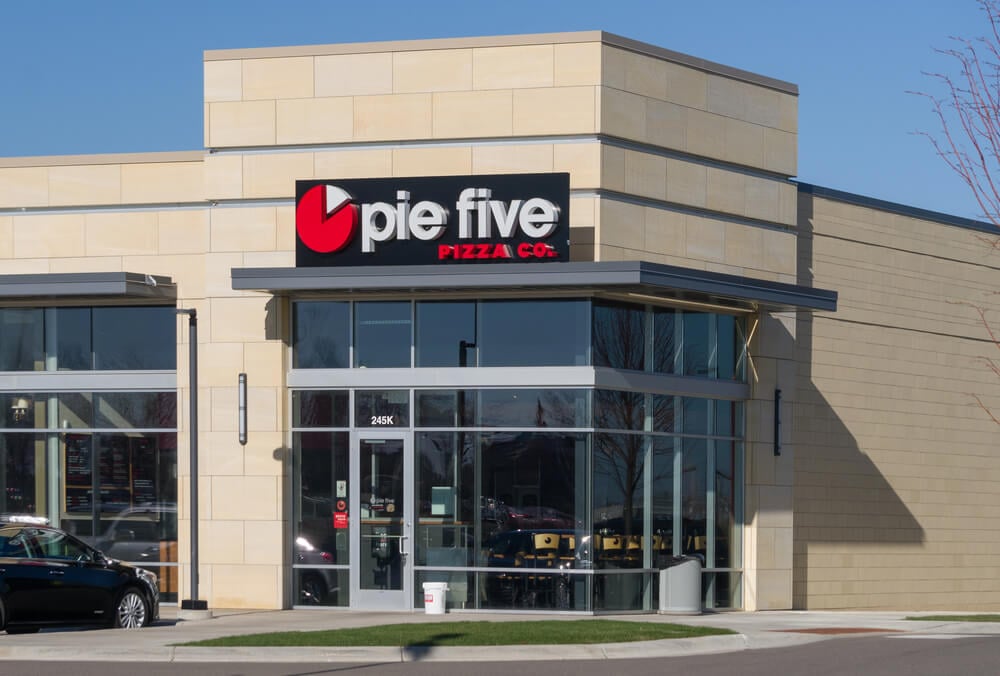
This Dallas-based pizza chain that opened in 2011 reached 100 locations by 2017 but had closed 40% of its restaurants by 2019. As of 2024, only 22 Pie Five locations remain, mostly in Texas.
Bar Louie
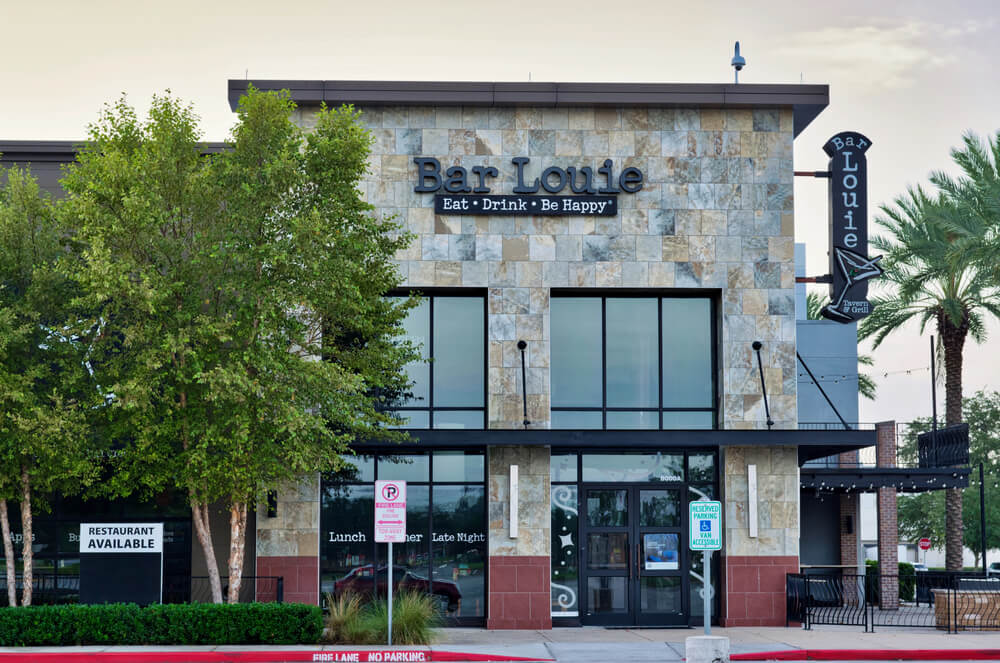
This eatertainment bar chain filed for bankruptcy, resulting in multiple closures as the company restructured its operations.
Bertucci’s
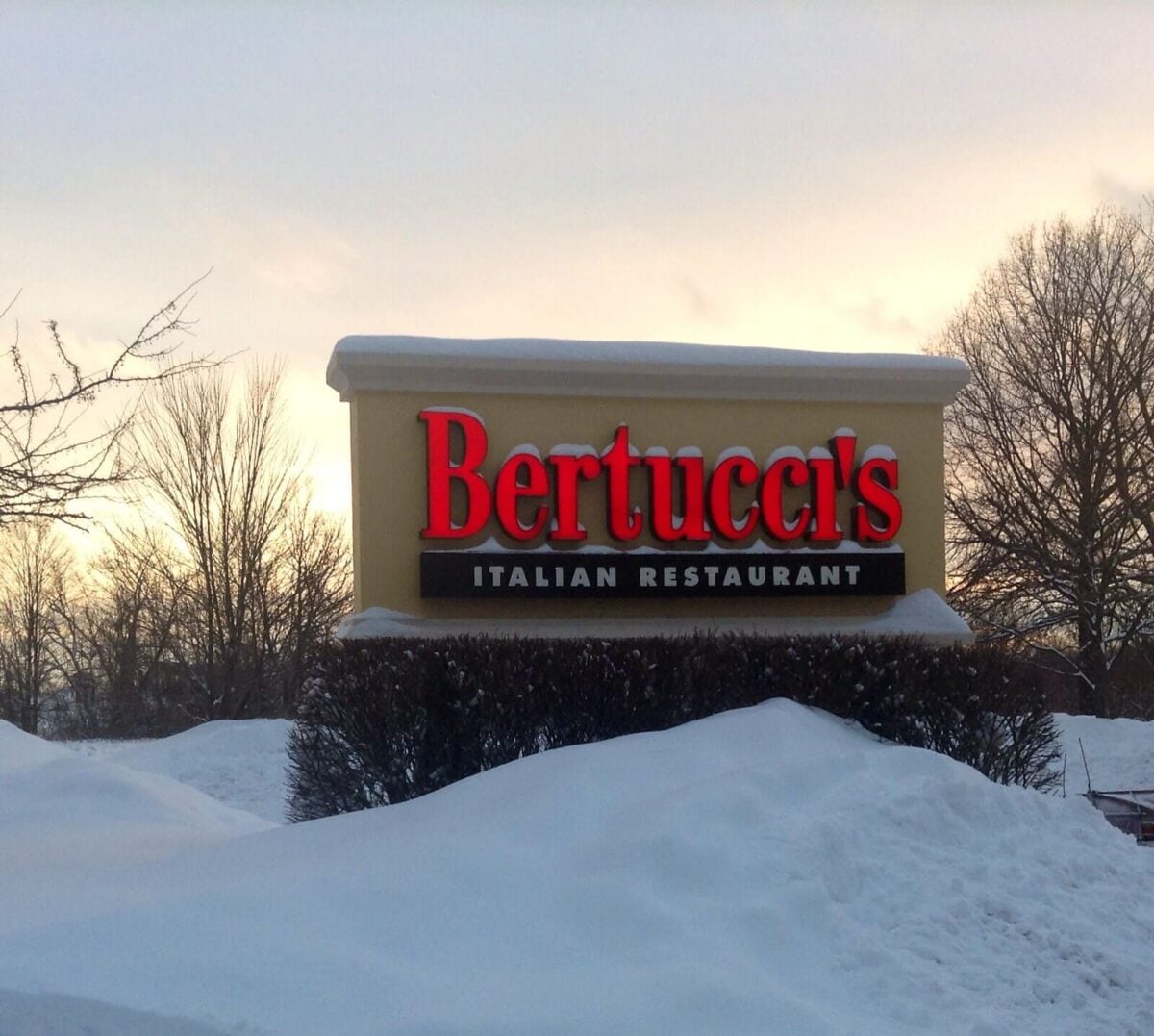
This Italian restaurant chain filed for bankruptcy, leading to significant store closures as the company retreated from its overextended footprint.
Smokey Bones
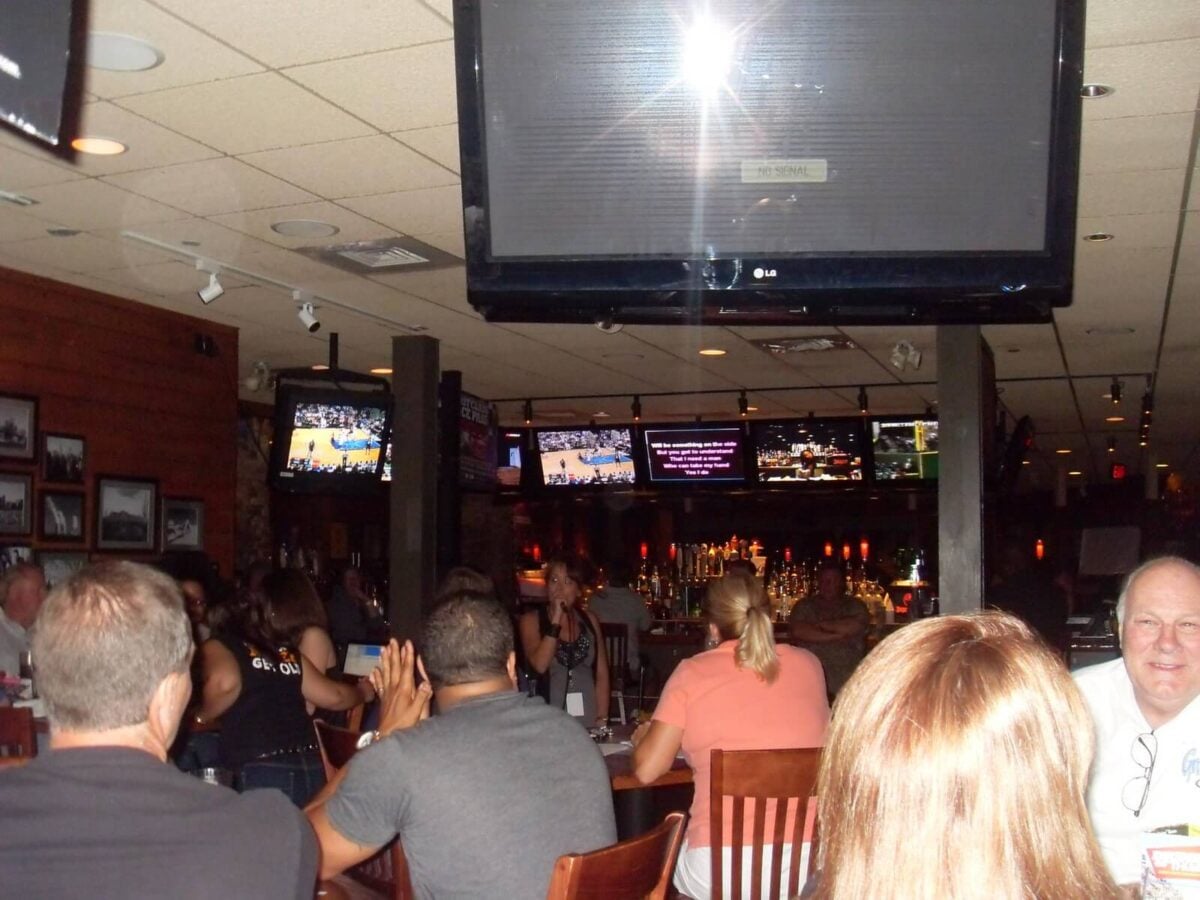
The casual-dining barbecue chain was acquired by Fat Brands but struggles to maintain locations as casual dining contracts.
Rainforest Cafe
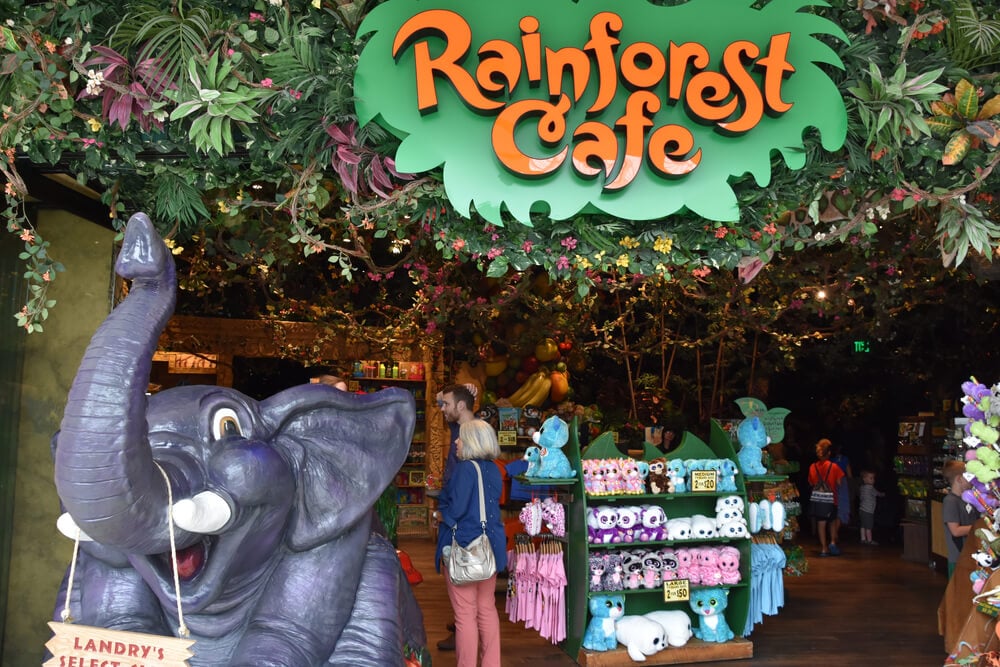
Once a mall-dining icon with elaborate animal and rainforest theming, this chain has shuttered most locations as mall foot traffic declined.
Fuddruckers
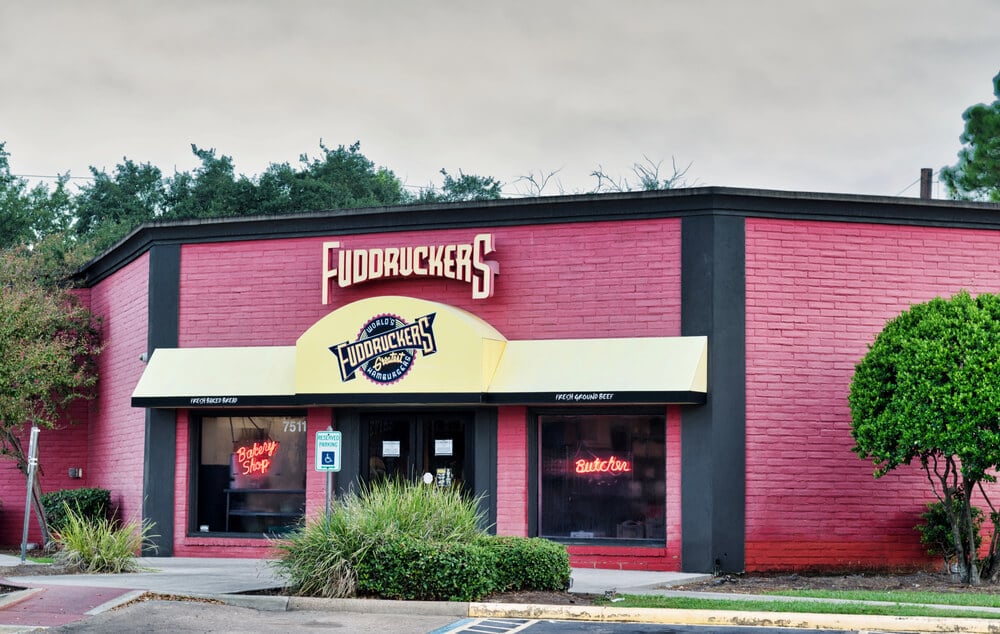
This burger chain has seen significant location closures as fast-casual burger concepts have taken market share.
Dave & Buster’s
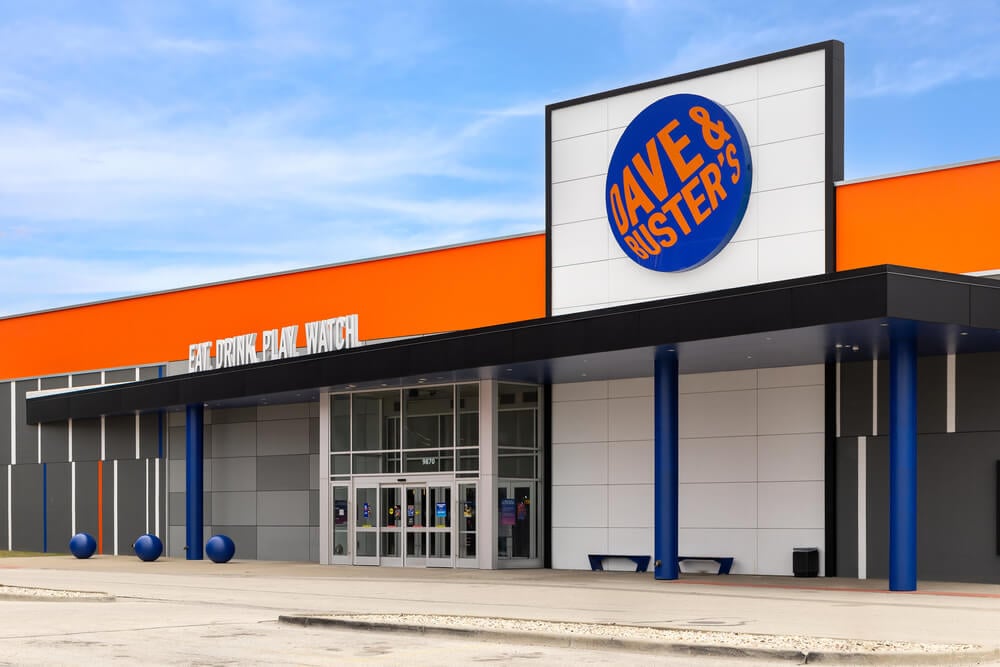
Despite periodic survival, this eatertainment concept has repeatedly faced closures and restructuring due to debt and changing consumer spending.
Brinker International (Chili’s Parent)
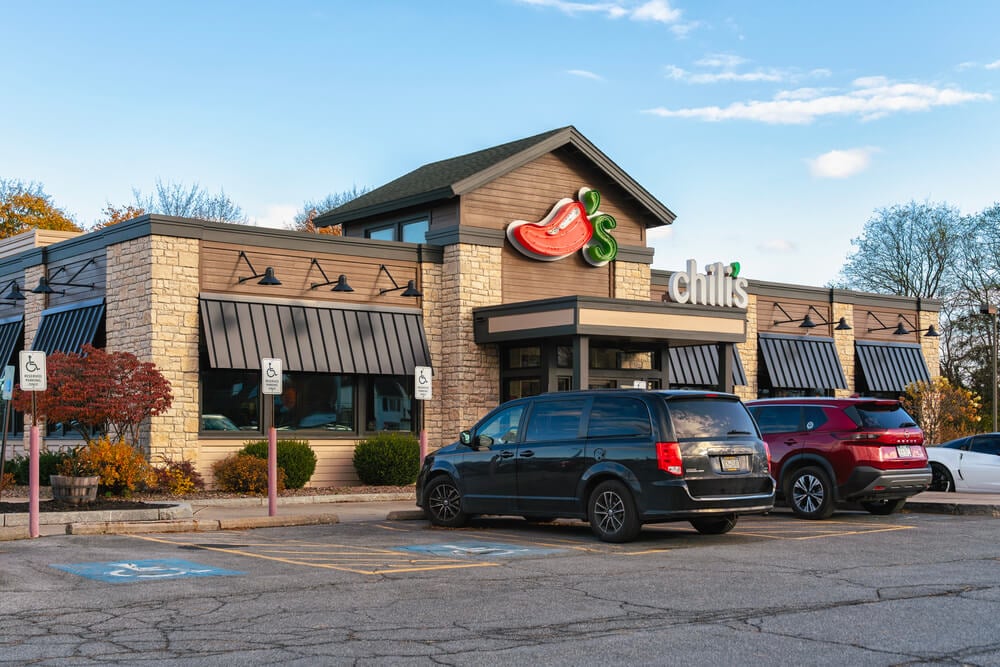
While Chili’s technically survives, its parent company has struggled significantly, and Chili’s itself has been closing underperforming locations.
Friendly’s
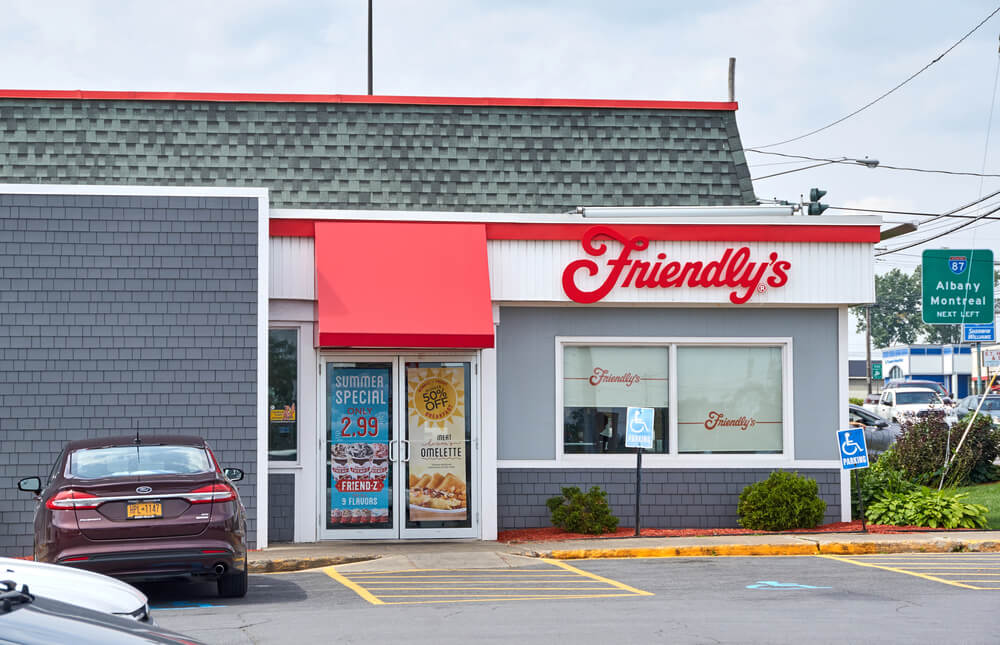
This casual-dining chain filed for bankruptcy multiple times and has been in steady decline with hundreds of closures since its peak.
Romano’s Macaroni Grill
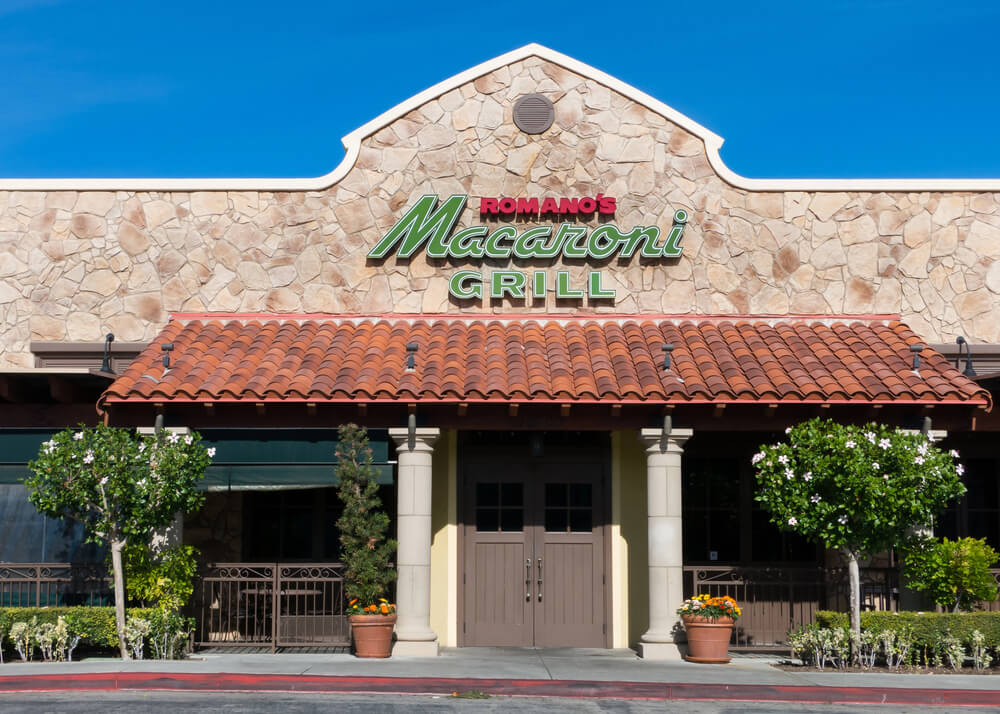
Once an upscale casual-dining mainstay, this Italian-concept chain has been closing locations steadily and represents a dramatic scale-down from its heyday.
California Pizza Kitchen
This fast-casual pizza concept that seemed set for expansion instead has been closing locations and retreating from its former growth trajectory.
Applebee’s
While Applebee’s still operates, the chain has been closing underperforming locations and struggling with sales declines as consumers move toward healthier options and fine dining.
The Retreat of Casual Dining
These chains represent the almost complete collapse of mid-market casual dining as a viable business model. Rent for suburban strip malls has remained high while foot traffic has declined, debt taken on during overexpansion decades remains crushing, and consumer preferences have shifted toward either quick-service fast-casual options or more upscale experiences.
The restaurants that were affordable enough for families but special enough to feel like dining out have been caught in the middle, unable to compete in either direction. What remains is a landscape of those few casual-dining survivors still clinging to existence—likely awaiting their own eventual closure announcements.
More from Go2Tutors!

- The Romanov Crown Jewels and Their Tragic Fate
- 13 Historical Mysteries That Science Still Can’t Solve
- Famous Hoaxes That Fooled the World for Years
- 15 Child Stars with Tragic Adult Lives
- 16 Famous Jewelry Pieces in History
Like Go2Tutors’s content? Follow us on MSN.



