27 Road Trip Snacks Families Packed Decades Ago
Family road trips once ran on a cooler in the back seat, a grocery bag at a kid’s feet, and a firm rule about not eating everything before the state line. Gas station food was expensive and unreliable, so most of the menu came from home or the supermarket the night before.
Somebody always got carsick, and somebody always got the good snack. The lineup changed with each decade, from wax paper sandwiches to foil pouches with pointy straws.
What stayed the same was the rustle of the bag and the question of how much longer until the next stop.
Bologna Sandwiches in Wax Paper
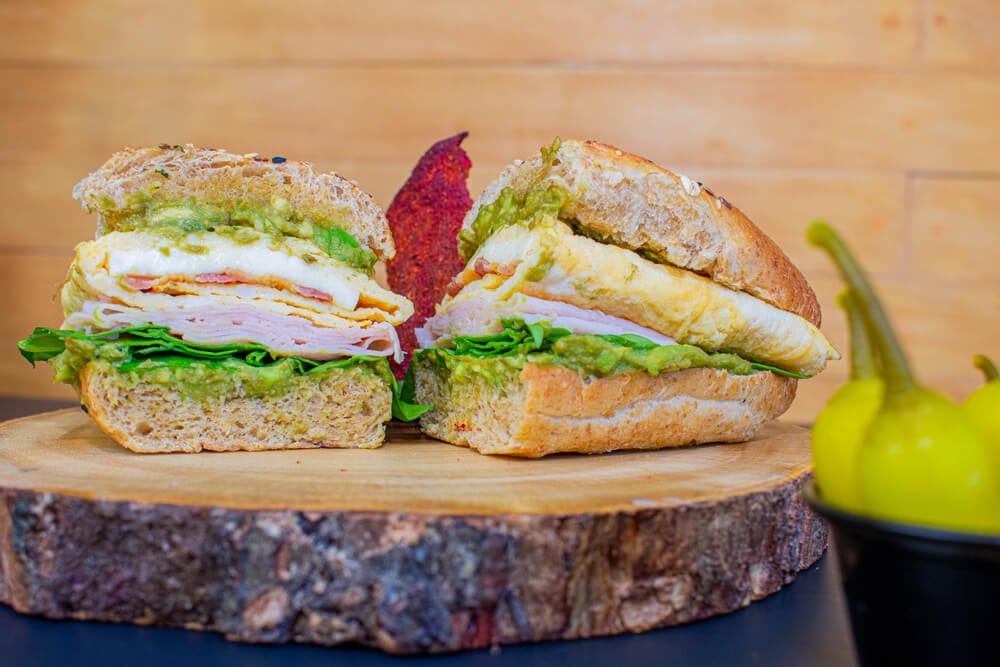
Bologna sandwiches on white bread were the default road trip lunch for generations of families. They were cheap, easy to make in bulk the night before, and sturdy enough to survive hours in a cooler.
Parents wrapped them in wax paper, folded at the ends like a present, because plastic sandwich bags took years to become common. Mustard or mayonnaise went on at home, and by lunchtime the bread had usually soaked some of it up.
Nobody claimed the sandwiches were good, but eaten at a picnic table at a roadside rest area, they tasted exactly right.
Fried Chicken in a Shoebox
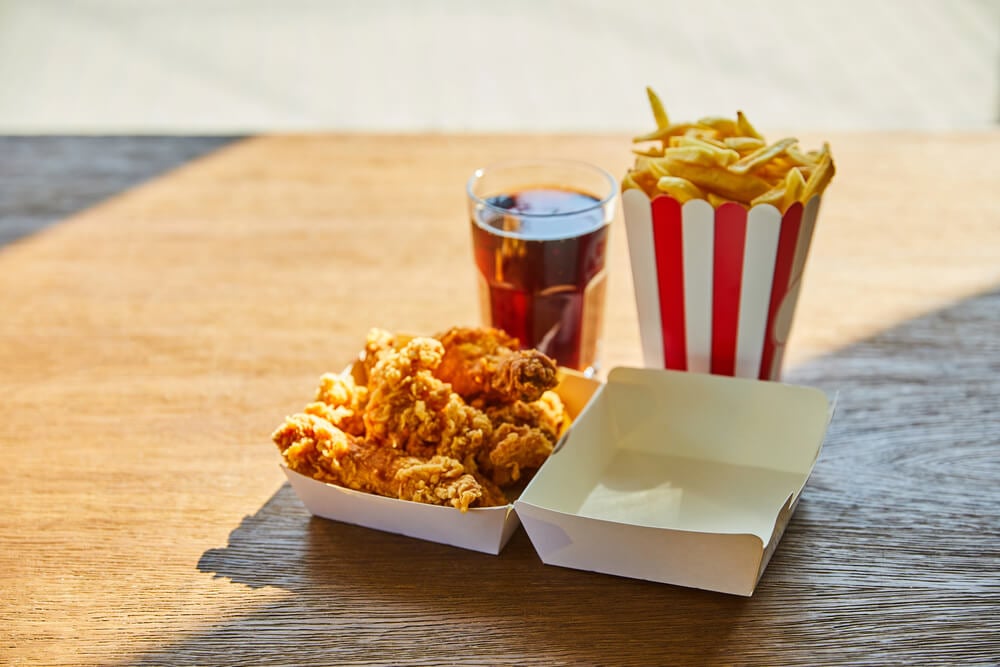
Cold fried chicken packed in a shoebox lined with wax paper was a road trip classic, especially in the South. For Black families traveling during the Jim Crow era, the shoebox lunch was a necessity as much as a tradition, since many restaurants along the highway refused them service.
Guides like The Negro Motorist Green Book listed businesses that would serve Black travelers, but packing food from home remained the safest plan. The chicken was fried the night before, along with biscuits, pound cake, and fruit, and the shoebox became a lasting symbol of both resourcefulness and injustice.
Deviled Eggs and Hard-Boiled Eggs
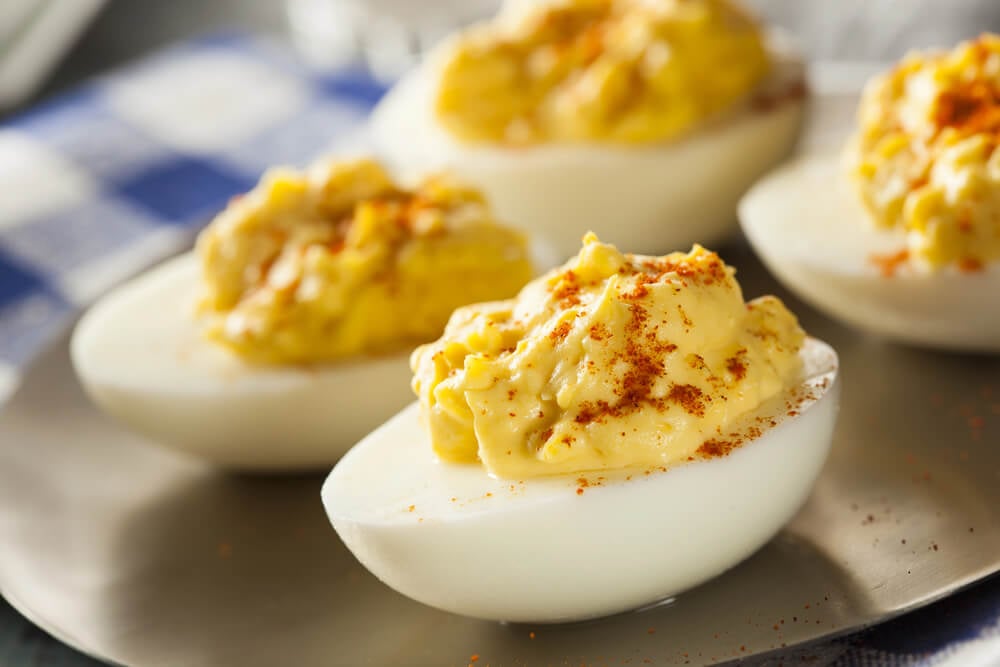
Eggs were a road trip protein that required nothing but a pot of water and a saltshaker. Hard-boiled eggs were peeled at a rest stop or, less wisely, inside the car, where the smell lingered for miles.
Deviled eggs were the fancier version, packed in special carriers with individual cups so the filling stayed intact. Families tucked them near the ice in the cooler and hoped for the best.
The eggs rarely made it past the first afternoon, which was probably for the best given the lack of refrigeration in most station wagons.
Vienna Sausages in a Can
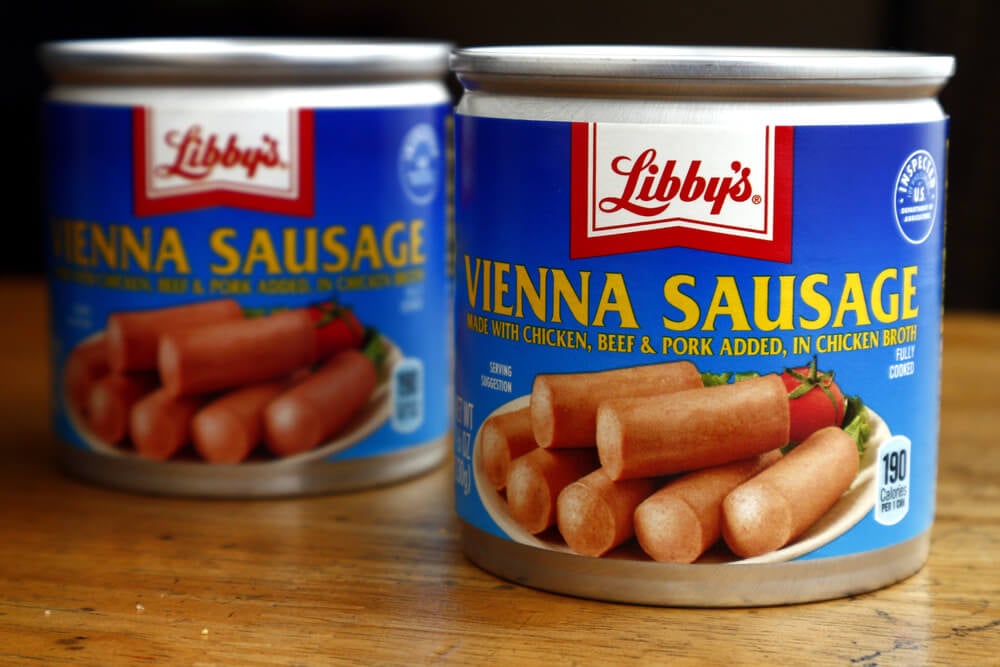
Small cans of Vienna sausages, especially Libby’s, were a road trip staple for families who wanted protein without the fuss. The cans opened with a pull tab or a key, and the tightly packed little sausages had to be pried out one by one with a fork or fingers.
The liquid in the can was best not discussed. Kids either loved them or refused to go near them.
The same cans also went on camping trips and into fishing tackle boxes, where their long shelf life made them nearly indestructible.
Slim Jim Meat Sticks
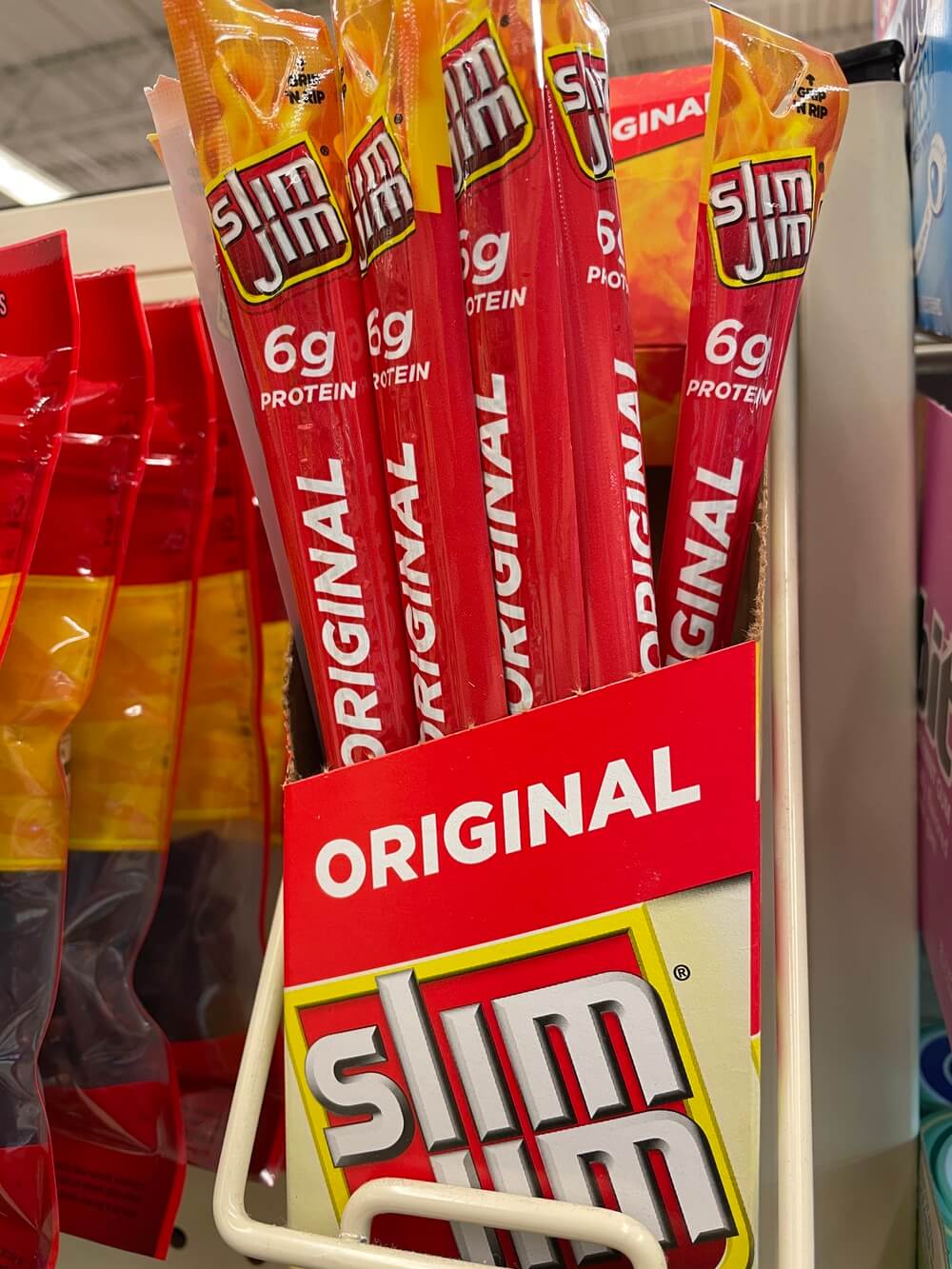
Slim Jim meat sticks date to the late 1920s, when they were sold in bars and delis in Philadelphia. By the 1970s and 1980s they were hanging on racks at nearly every gas station counter in the country.
Kids chewed them slowly for miles, and parents appreciated that one stick lasted a long time. The brand became famous for its 1990s ads with wrestler Randy Savage shouting the snap into it slogan.
The spicy, chewy, slightly greasy stick was the ultimate impulse buy on a long drive.
Corn Nuts by the Handful
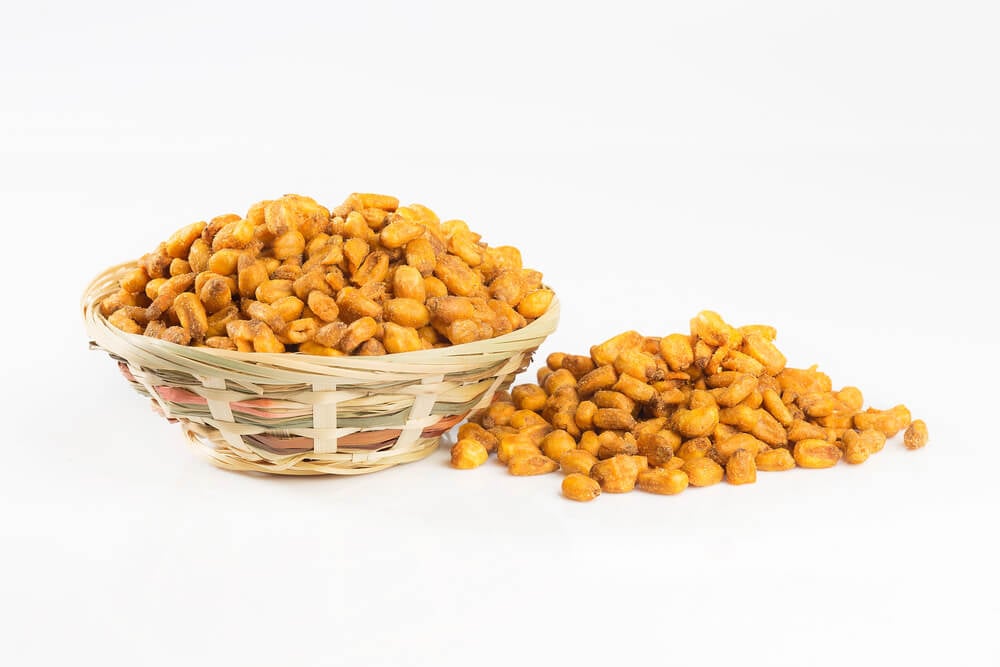
Corn Nuts began in Oakland, California, in the 1930s, when a family business began roasting and salting entire corn kernels until they were crunchy enough to crack a tooth. The snack became popular in the 1960s and 1970s and turned up in vending machines and gas stations along the highway.
Kids loved the loud crunch, and drivers appreciated that a single bag took ages to finish. Flavors like barbecue and ranch arrived later.
The original salted version stayed the favorite for anyone who liked a snack that fought back.
Bugles on Every Fingertip
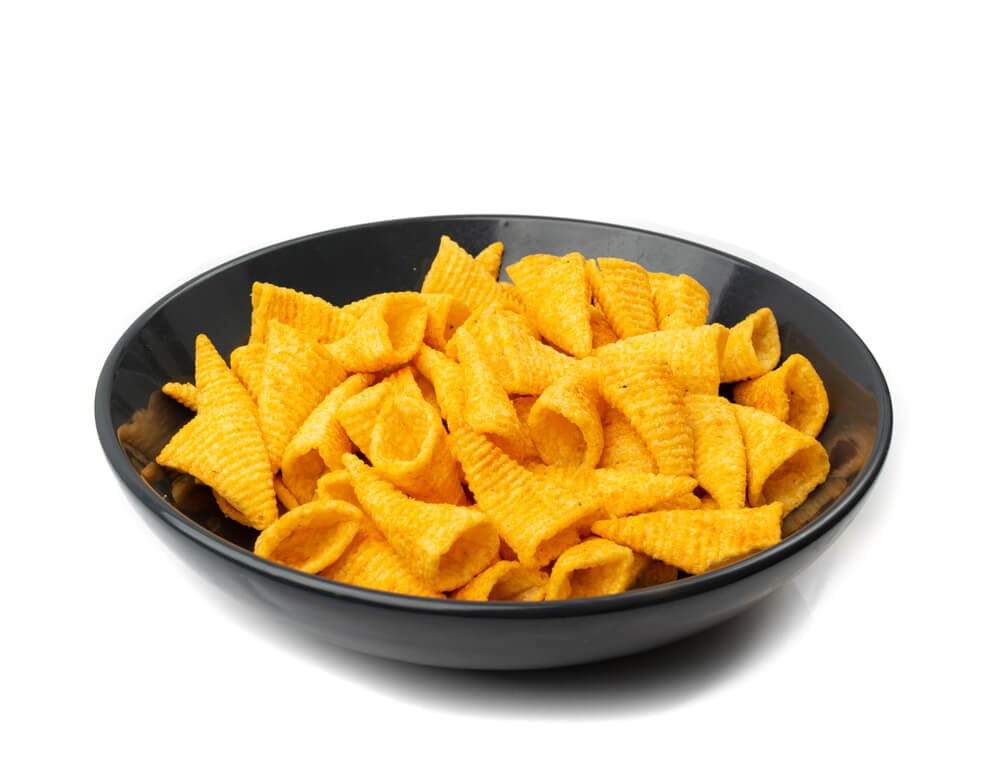
General Mills introduced Bugles in 1964, and the cone-shaped corn snacks immediately became a game for kids who wore them on their fingertips like claws. Each bag held enough to decorate all 10 fingers several times over.
The snack’s shape was supposed to evoke a horn, but in the back seat of a station wagon it was mostly a costume accessory. Bugles were one of several snacks introduced by General Mills in the same year, and they survived long after nearly all of their siblings disappeared.
Road trips were the perfect venue, since nobody could see the orange crumbs on the car floor.
Funyuns and Their Onion Rings
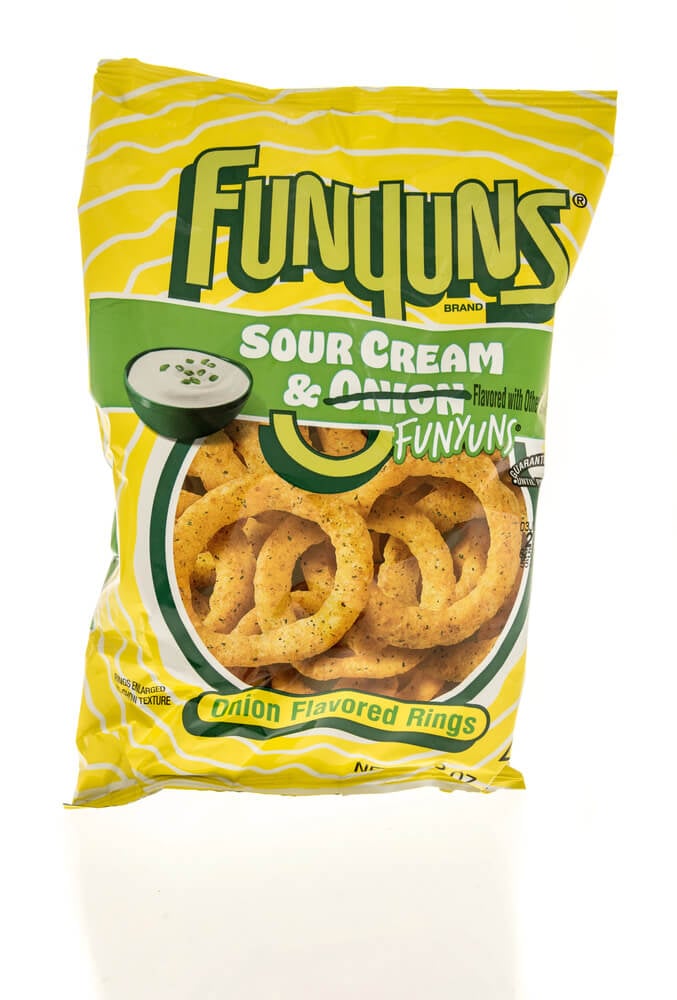
Frito-Lay introduced Funyuns in 1969, a ring-shaped corn snack flavored to taste like onion rings. The snack was light, crunchy, and potent enough that everyone in the car knew when someone had opened a bag.
Parents sometimes regretted packing them once the windows were rolled up in the rain. Kids hooked the rings over their fingers or stacked them like tiny tires.
Funyuns became a gas station fixture and remain a road trip favorite for anyone who does not mind the smell. The bag’s bright green packaging made it easy to spot on a crowded gas station rack.
Pringles in a Tall Can
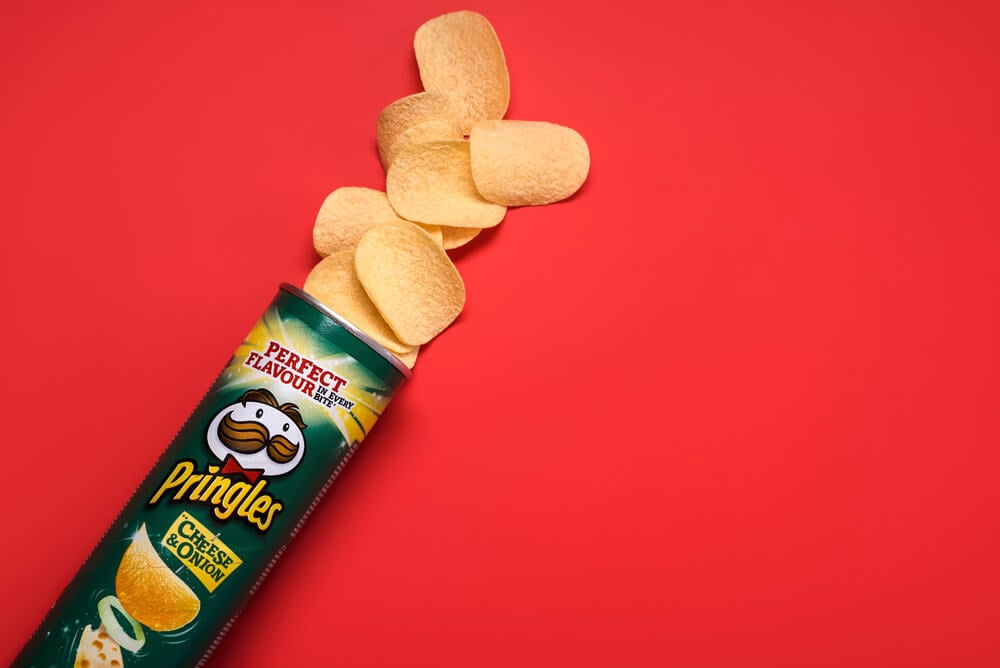
Procter and Gamble introduced Pringles in 1968, and the uniform stacked chips in a tall cardboard can were designed to solve the problem of broken potato chips. The can made them perfect for road trips, since they rarely crumbled and fit neatly in a car’s door pocket.
Kids fit them over their lips to make duck bills and fought over the last few at the bottom. Fredric Baur, who designed the can, was so proud of it that part of his ashes was buried in one after he died in 2008.
Screaming Yellow Zonkers
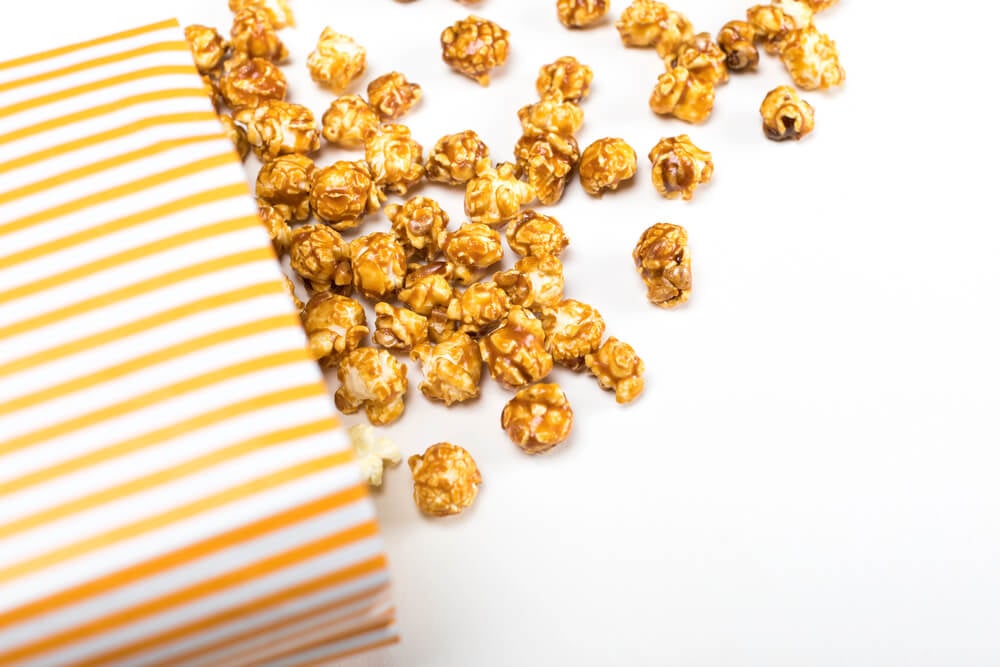
Screaming Yellow Zonkers, glazed popcorn in a black box covered with wisecracks, arrived in the late 1960s and became a cult favorite on long drives. The box design was the real appeal, since reading the jokes kept kids occupied almost as long as eating the popcorn.
The sweet butter-toffee coating left fingers sticky, and every seat in the car eventually had some. The snack disappeared from shelves for years before occasional revivals.
Anyone who remembers it tends to mention the box first and the taste second.
Homemade Chex Party Mix
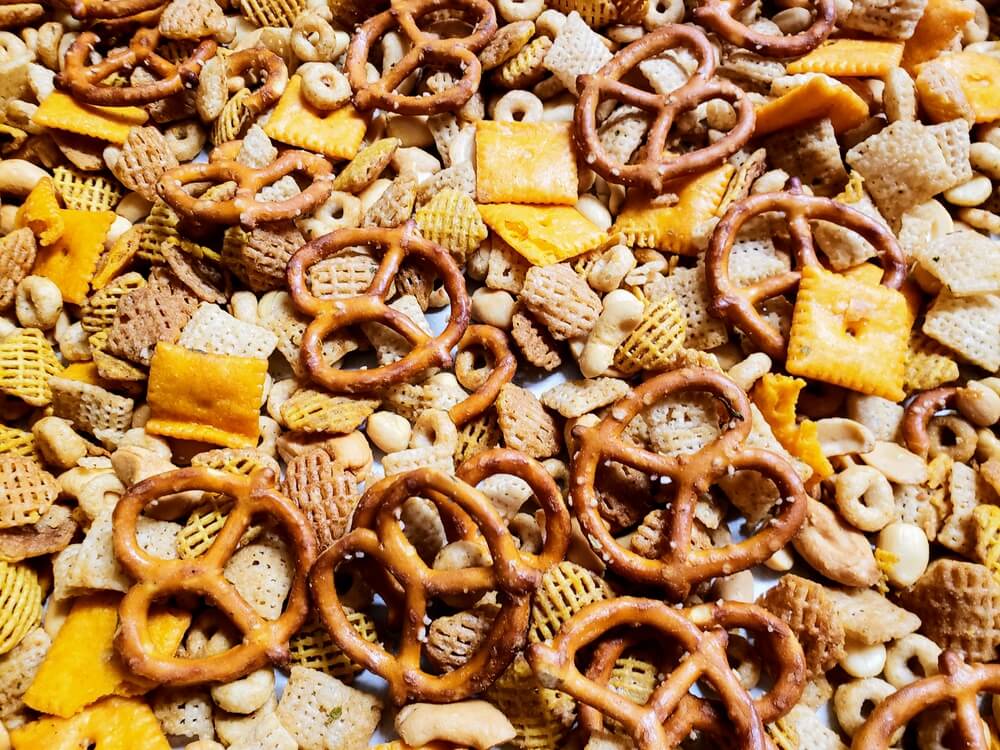
Ralston Purina began printing a recipe for Chex Party Mix on its cereal boxes in 1952, and families baked big batches for holidays and long drives. The mix combined Chex cereals, mixed nuts, pretzels, butter, and Worcestershire sauce, baked slowly in the oven and stirred every 15 minutes.
It was packed in coffee cans, cookie tins, or big plastic bags. Everyone picked out their favorite pieces, which meant the bottom of the container was always pretzels and broken bits.
Store-bought versions arrived later, but the homemade kind stayed a family ritual in many households.
Space Food Sticks
Pillsbury launched Space Food Sticks around 1970, riding the excitement of the Apollo missions and marketing them as an energy snack inspired by astronaut food. The chewy sticks came in flavors like chocolate, peanut butter, and caramel, individually wrapped in foil.
Kids ate them in the back seat while pretending to be on a mission to the moon. The product faded in the 1980s as the space race cooled.
Its brief run left it with a nostalgic reputation far larger than its actual sales. Collectors of space memorabilia still hunt for the original boxes with their illustrations of astronauts.
Tang in a Thermos
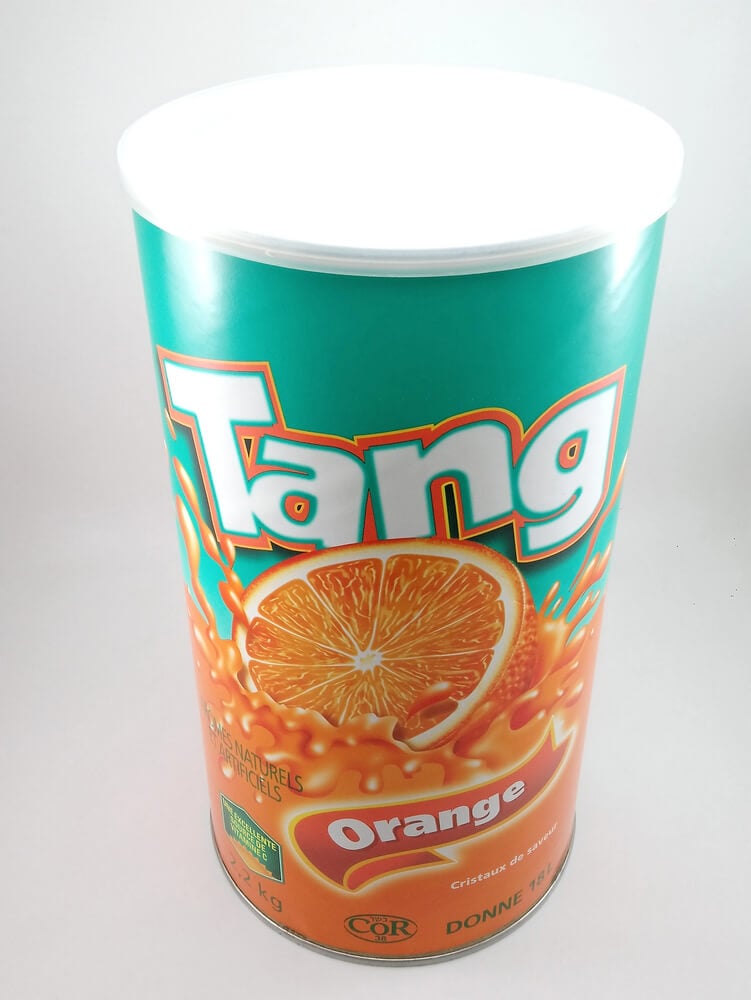
General Foods put Tang on the market in 1959, and its reputation soared after astronauts drank it in space in the early 1960s. The orange powder mixed with water in a thermos made an instant breakfast drink that was easy to pack and did not need refrigeration.
Kids liked it sweeter than any real juice, and parents appreciated how long a jar lasted. The space connection gave it an aura of the future.
Many families kept a jar in the pantry specifically for trips and camping.
Capri Sun Pouches
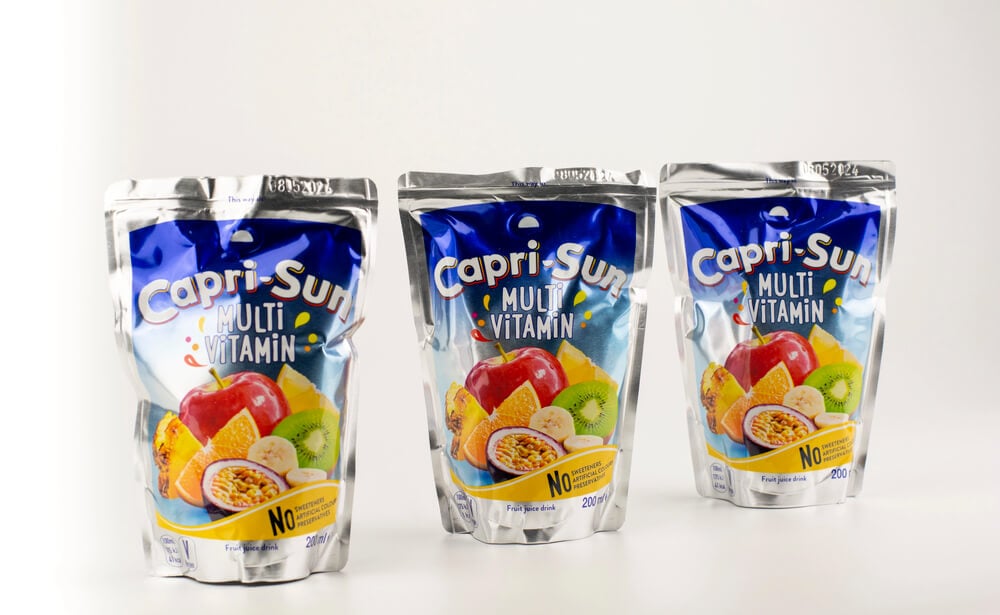
Capri Sun pouches arrived in the United States in 1981, and their flexible foil packs with pointed straws quickly became a road trip and lunchbox favorite. The challenge was piercing the pouch without sending juice all over the back seat.
Kids squeezed the pouches empty, then blew them back up and popped them, which drove parents to distraction. Flavors like Pacific Cooler and Strawberry Kiwi became playground currency.
The pouch design, which could be frozen and used as an ice pack in the cooler, was surprisingly practical.
Fruit Roll-Ups
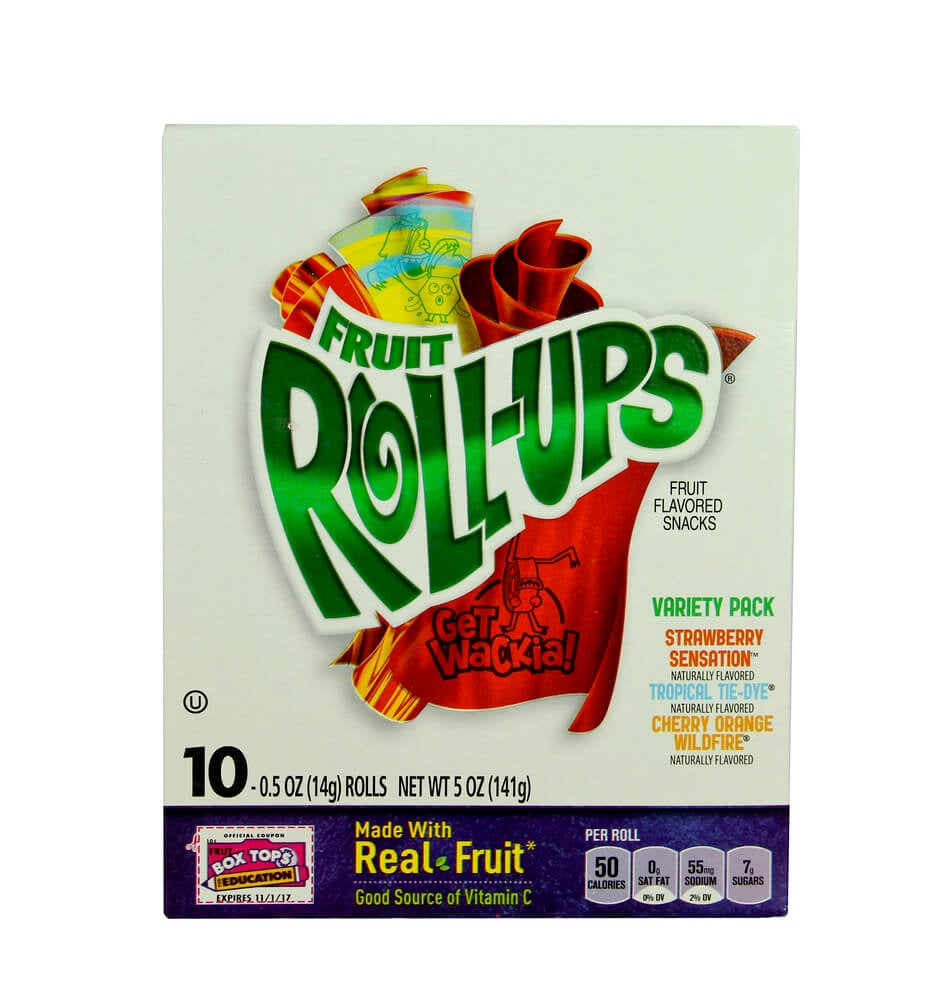
General Mills introduced Fruit Roll-Ups in 1983, and the thin sheets of fruit leather on cellophane backing became an instant hit. Kids unrolled them slowly, peeled the fruit off in strips, and sometimes wrapped them around fingers before eating.
The later versions came with cutout shapes to peel out one at a time. In a hot car, the roll-ups turned sticky and hard to separate from the plastic.
The snack sat somewhere between candy and fruit, which parents found easy to justify on a long trip.
Combos Filled With Cheese
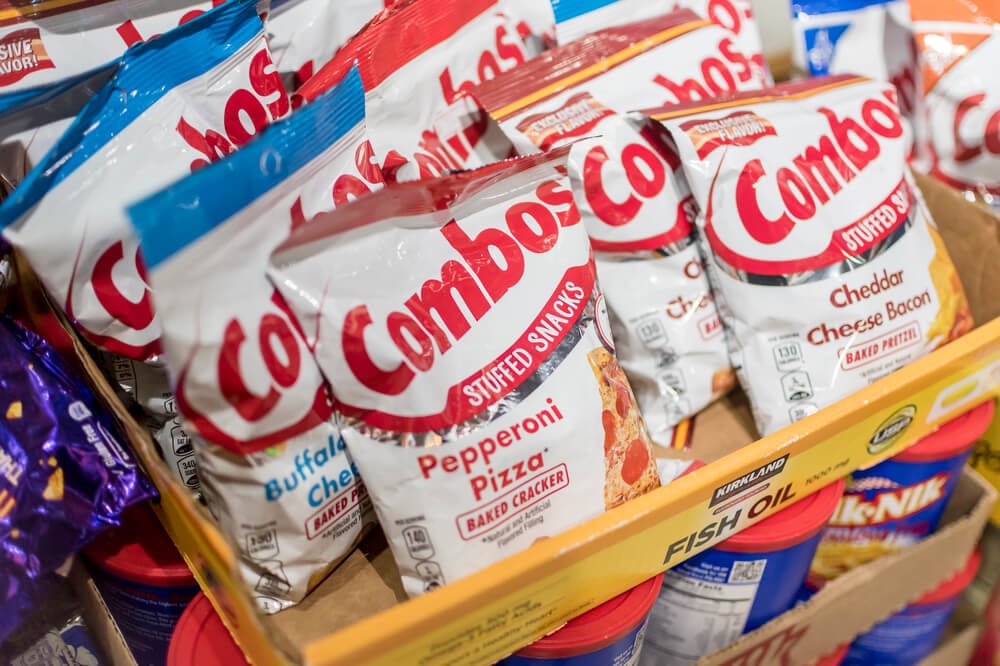
Combos first appeared in 1985, pairing a crunchy pretzel or cracker tube with a filling of cheese or peanut butter inside. The snack was designed for eating on the go and became a staple at gas stations and convenience stores.
Kids nibbled off the ends and scraped out the filling first. The bags were small and dense, perfect for tucking into a car’s glove compartment.
Flavors like cheddar cheese pretzel and pepperoni pizza cracker made Combos a road trip favorite that still hangs on convenience store racks today.
Handi-Snacks With a Red Spreader
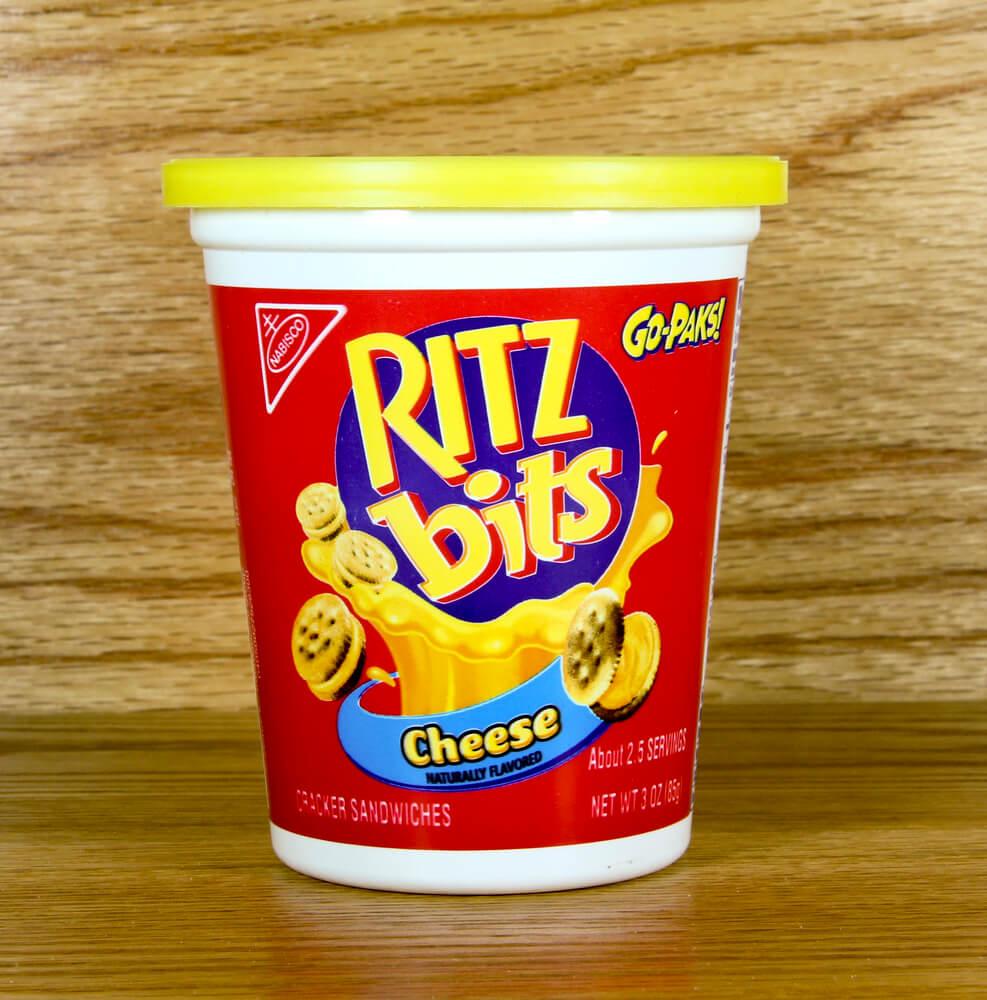
Nabisco’s Handi-Snacks came in plastic trays with crackers on one side and processed cheese spread on the other, plus a small red plastic stick for spreading. Kids used the stick to scoop cheese onto each cracker, and some skipped the crackers entirely.
The packs were small enough to tuck into a lunch bag and did not require refrigeration, which made them ideal for car rides. The red stick was the most memorable part, and it often ended up lost in the crevices of the back seat.
Lunchables in the Cooler
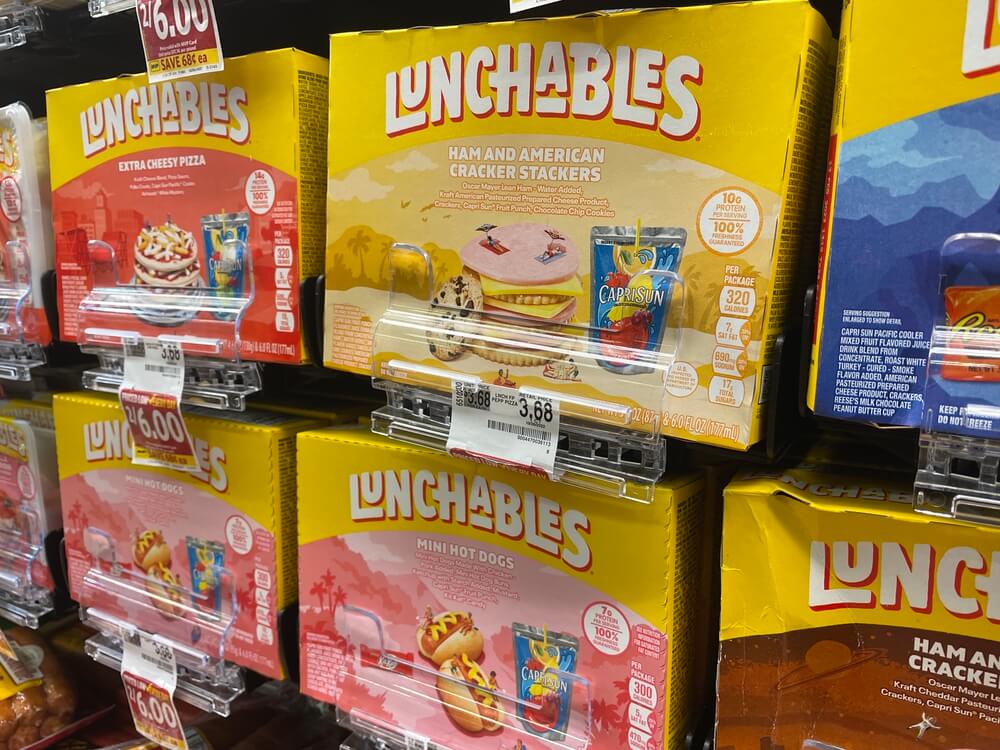
Oscar Mayer introduced Lunchables in the late 1980s, with trays holding crackers, sliced meat, and cheese to be stacked into small sandwiches. The product was aimed at busy parents, but kids loved assembling their own lunch in the back seat.
Later versions added pizza kits, candy bars, and juice. Parents found them expensive but convenient, especially on long drives where a cooler was already packed with drinks.
Lunchables became one of the most successful kids’ food launches of the era. The sealed plastic trays also meant fewer crumbs in the upholstery, a point in their favor with anyone who cleaned the car afterward.
Hostess Cupcakes With the Squiggle
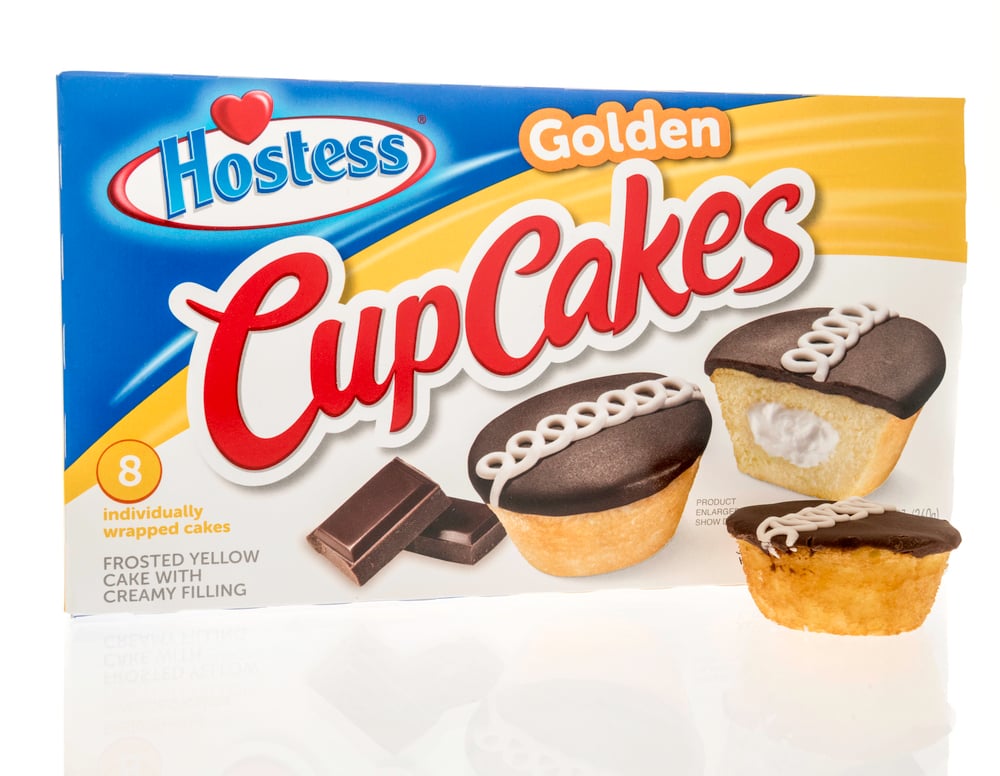
Hostess Cupcakes, with their chocolate frosting and signature white squiggle of icing, were packed in grocery bags for long drives, along with Twinkies and fruit pies. The white squiggle has seven loops, a detail that devoted fans have noticed for decades.
Kids ate the frosting first, then the cake, then the cream filling in the middle. Twinkies, invented in 1930 by James Dewar at the Continental Baking Company, were the more famous sibling.
Both snacks were soft enough to survive a crushed grocery bag. Two cupcakes came in each package, which turned sharing in the back seat into a formal negotiation.
Moon Pie and an RC Cola
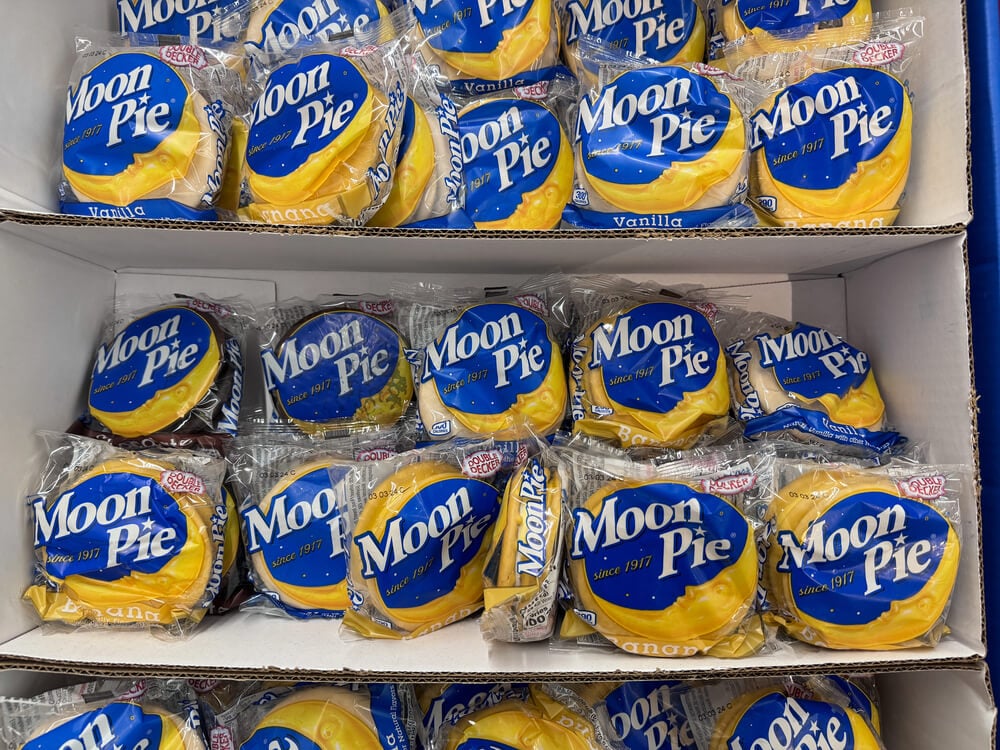
The Chattanooga Bakery introduced the Moon Pie in 1917, a marshmallow sandwich of graham cookies dipped in chocolate. In the South, it was traditionally paired with an RC Cola, a combination so popular that it inspired a country song.
Road trippers bought the pair at gas stations and country stores along the highway. The Moon Pie was sturdy enough to survive a hot car, though the chocolate softened in the heat.
The pairing remains a nostalgic symbol of Southern road trips. Bell Buckle, Tennessee, still holds an RC-Moon Pie Festival each summer, complete with an enormous Moon Pie cut for the crowd.
Cracker Jack and Its Prize
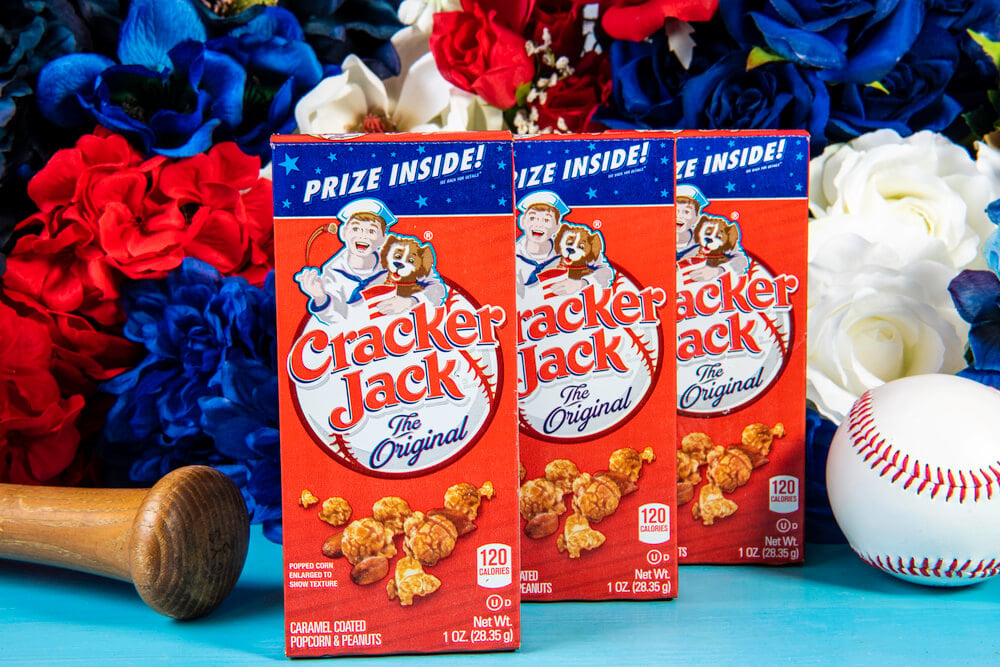
Cracker Jack, caramel-coated popcorn and peanuts, began including a prize in every box in 1912. Kids dug through the box to find the prize before eating any of the popcorn, which was half the fun.
The prizes were small toys, stickers, tattoos, and puzzles, and some older ones are now collectibles. In 2016, the company replaced the physical prizes with digital codes, disappointing many fans.
The box, with Sailor Jack and his dog Bingo, remains one of the most recognizable snack packages in the country.
Barnum’s Animals Crackers
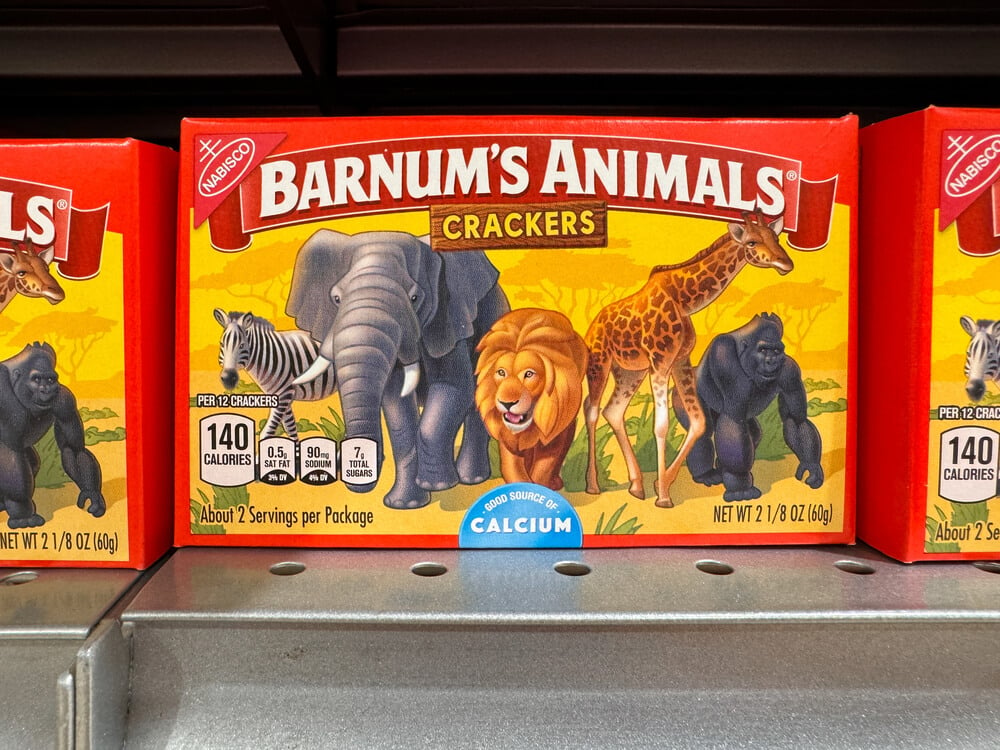
Nabisco introduced Barnum’s Animals crackers in 1902, packaging them in a small box designed to look like a circus train car. The box came with a string handle, reportedly so it could hang on a Christmas tree.
Kids bit off heads first and debated which animal was which. The crackers were lightly sweet and not too messy, which made them a favorite for car trips.
The box’s design has changed over the years, with the animals freed from their cages in a 2018 redesign. Collectors of vintage packaging look for the older boxes with the caged animals.
Sun-Maid Mini Raisin Boxes
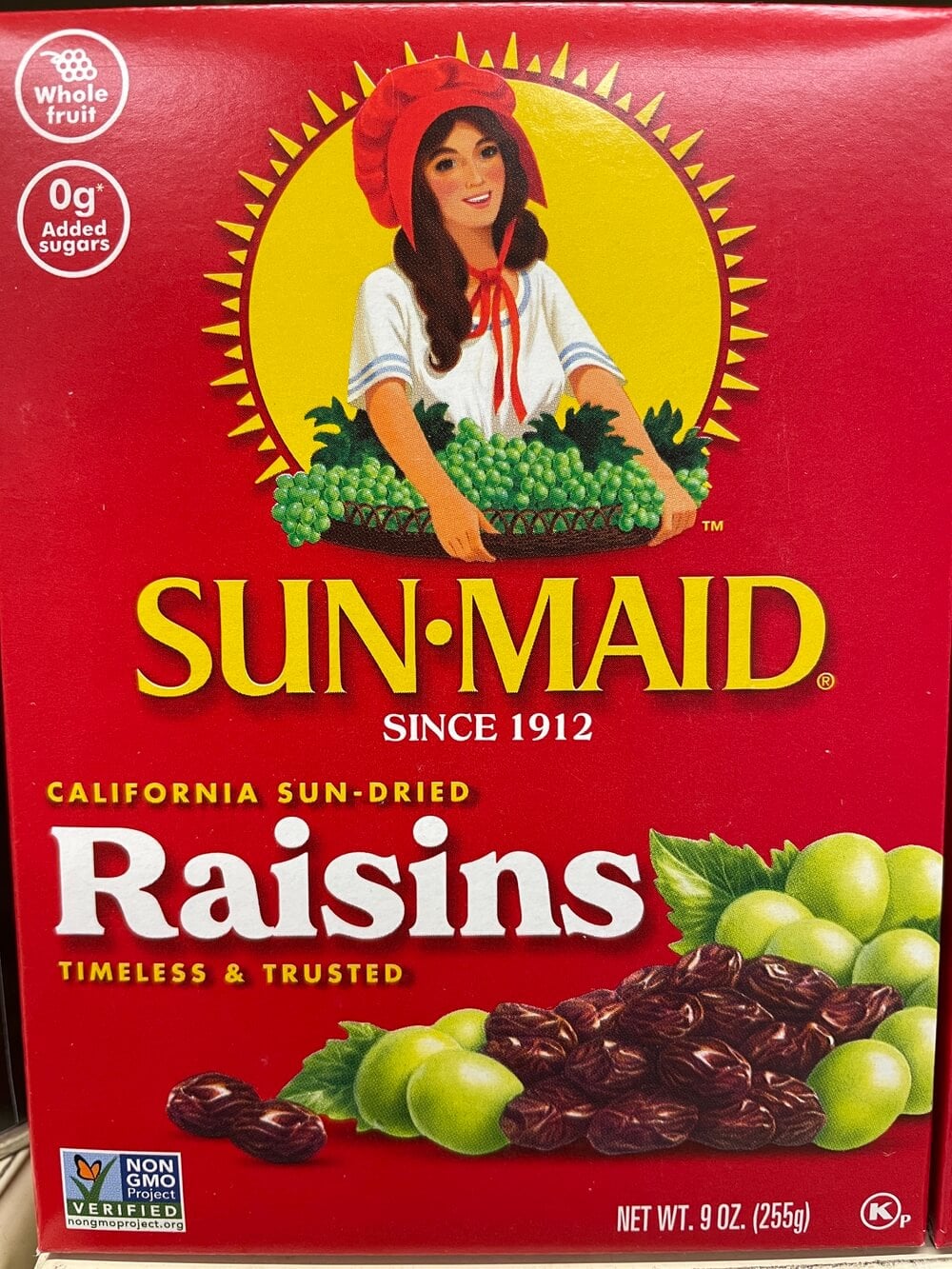
Sun-Maid raisins in miniature red boxes were a parent’s go-to healthy snack for long drives. The cooperative began in 1912, and its logo of a young woman in a red bonnet holding a tray of grapes was based on a real employee, Lorraine Collett.
Kids ate the raisins one at a time, shook the box to hear what was left, and sometimes used the empty boxes as toys. Raisins lasted through a hot car without spoiling.
They were the snack parents packed and kids ate only after everything else was gone.
Planters Peanuts in a Tin
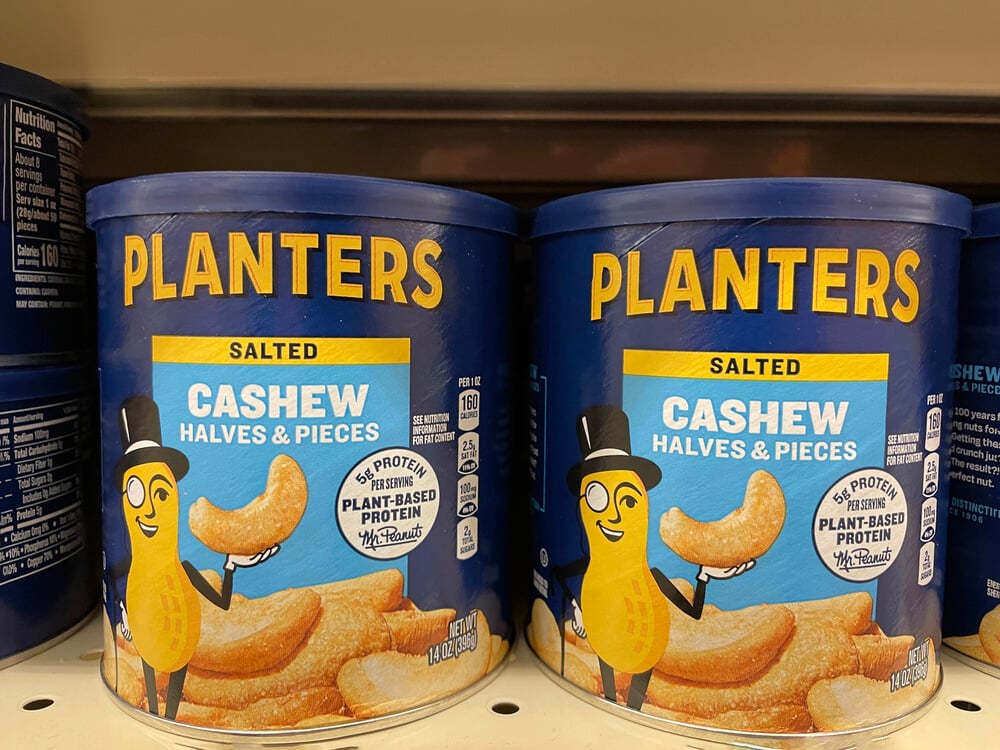
Planters Peanuts were a road trip staple, often in vacuum-sealed tins that popped open with a key or a pull tab. Mr. Peanut, the monocled mascot, was created from a 1916 drawing by a schoolboy named Antonio Gentile, who won a contest held by the company.
The tins kept peanuts fresh for long trips, and the salty snack paired well with a cold soda. Kids fished out the unbroken peanuts and left the broken ones for adults.
Planters also sold nut mixes that became common on long drives.
Sunflower Seeds and a Spit Cup
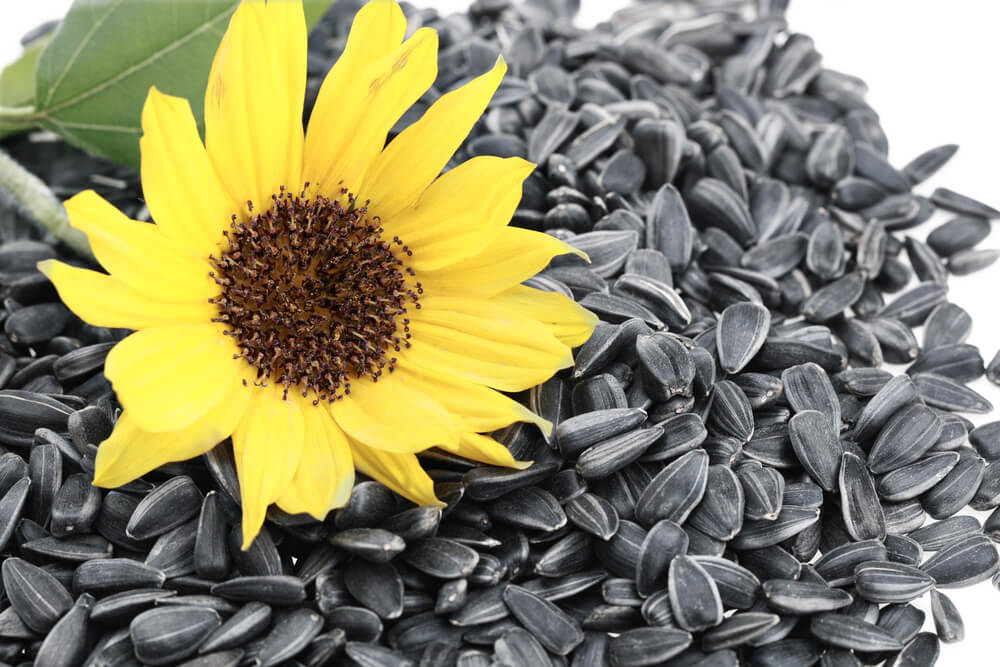
Sunflower seeds in the shell were a road trip habit, especially for long drives across the Midwest and the plains. Kids cracked the shells with their teeth, ate the seeds, and spat the shells into a cup or out the window if a parent allowed it.
The David brand, founded in 1926, became the most familiar name. Seeds took a long time to eat, which kept restless kids occupied for miles.
The salty shells left lips raw by the end of the day, and the car floor was usually covered with discarded husks.
Pez Dispensers With Character Heads
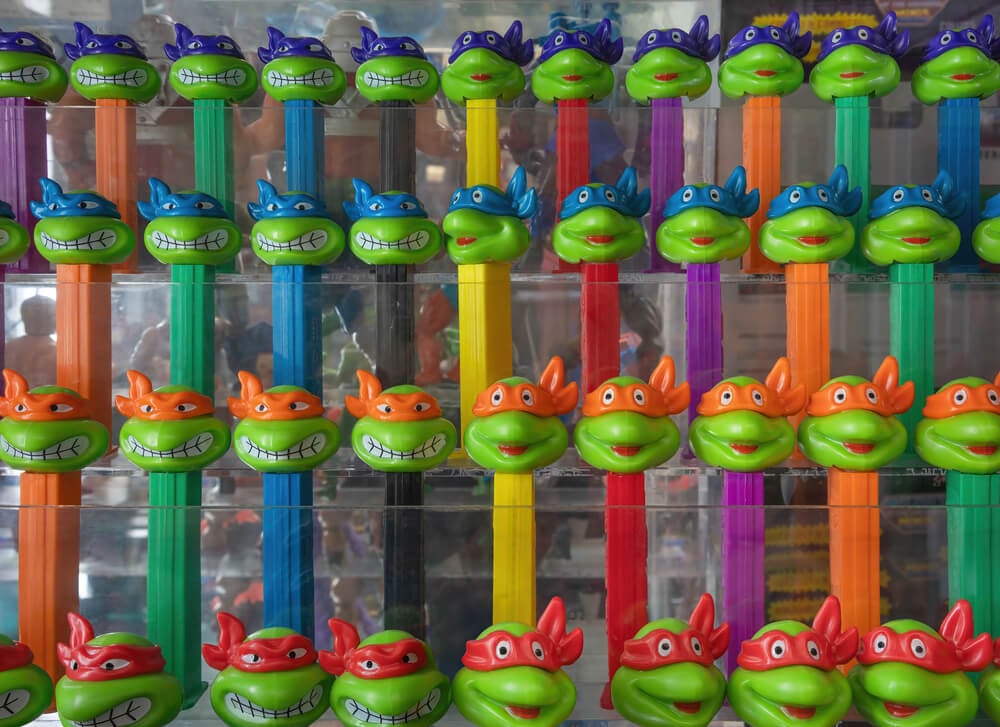
Pez began in Austria in 1927 as a breath mint for adults and arrived in the United States in the 1950s, where it was repackaged for children with character heads on the dispensers. Kids refilled the dispensers with small bricks of candy and flipped back the head to release one at a time.
The dispensers featured cartoon characters, superheroes, and holiday figures. On a long drive, a Pez dispenser was both a snack and a toy.
Some of the old dispensers are now collectible, especially rare variations.
Life Savers and the Spark Trick
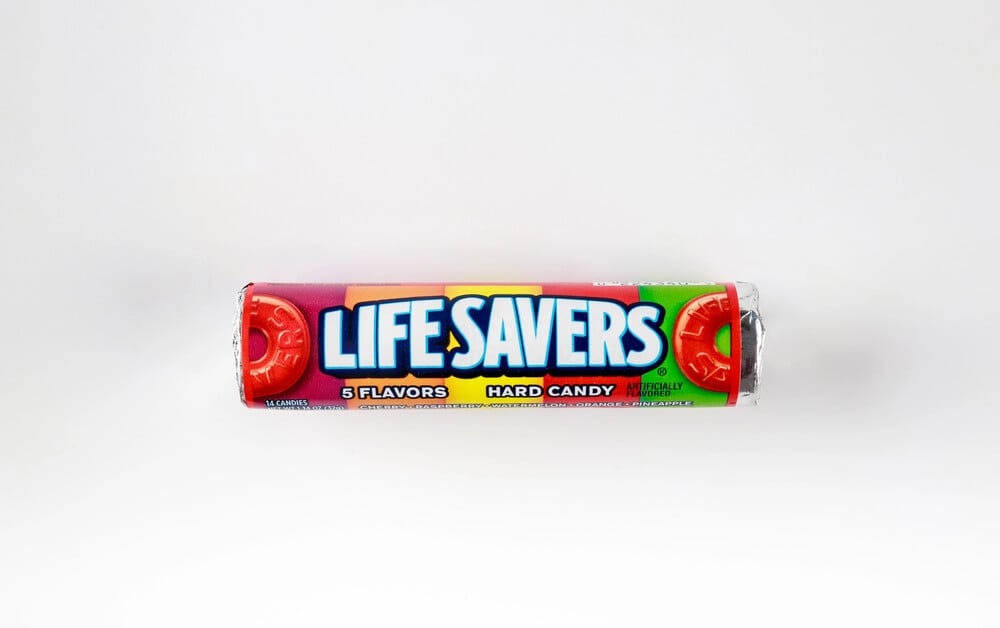
Clarence Crane created Life Savers in 1912 as a summer candy that would not melt, shaping them like a life preserver. The roll fit in a pocket or glove compartment, and families passed it around the car one piece at a time.
Wint-O-Green Life Savers had a special trick, since crushing one between the teeth in a dark car produced tiny sparks. Kids tested this every night on long drives.
The candy’s durability made it ideal for trips, and the flavors changed little for decades.
Coolers Packed for the Long Haul
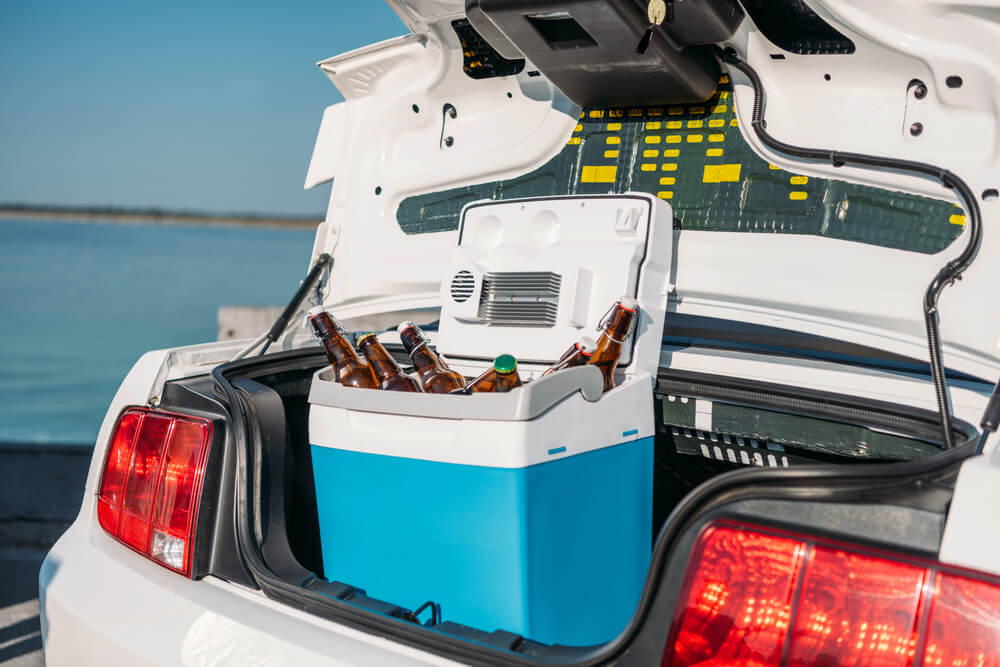
Road trip snacks reflected the priorities of the time. Families wanted food that was cheap, sturdy, and long-lasting, and they wanted to avoid restaurant prices.
Many of the snacks above were invented or popularized precisely because more families were driving long distances after the interstates were built. Today, drive-thrus and convenience stores make packing unnecessary for most trips.
The cooler has become optional rather than essential. The snacks themselves have mostly survived, but the ritual of packing them the night before has faded into memory.
More from Go2Tutors!

- The Romanov Crown Jewels and Their Tragic Fate
- 13 Historical Mysteries That Science Still Can’t Solve
- Famous Hoaxes That Fooled the World for Years
- 15 Child Stars with Tragic Adult Lives
- 16 Famous Jewelry Pieces in History
Like Go2Tutors’s content? Follow us on MSN.



