15 Toys That Were Originally Made for Adults Only
We often think of toys as objects designed specifically for children’s entertainment, but many of the playthings we associate with childhood actually began their lives as products meant exclusively for adults. These items were created for practical purposes, entertainment, or even spiritual practices before they found their way into the hands of younger generations.
Here is a list of 15 toys that surprisingly started as adult-only items before becoming beloved children’s playthings.
Frisbee

The flying disc we now know as the Frisbee began as pie tins from the Frisbie Pie Company in Connecticut. College students in the 1920s discovered that the empty metal tins could sail through the air when thrown properly, and they would yell “Frisbie!” as a warning to others.
The plastic version wasn’t developed until the 1950s when Wham-O acquired the rights and marketed it as an adult leisure activity. The simple joy of throwing and catching these discs eventually attracted younger players, transforming a casual adult pastime into a children’s staple.
Play-Doh
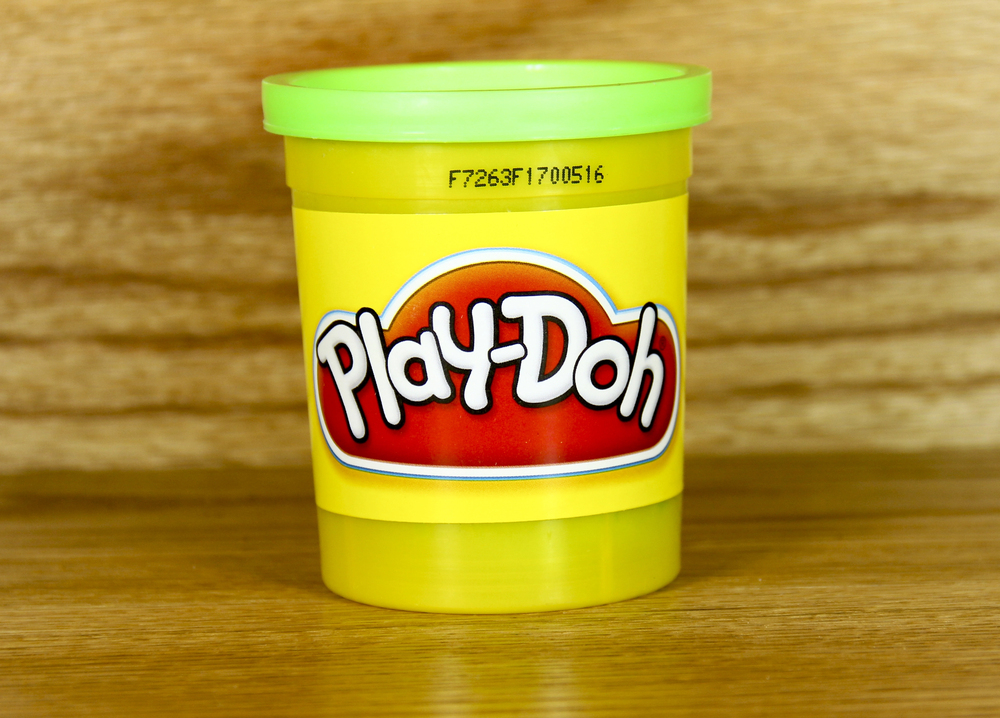
This colorful modeling compound was originally created as a wallpaper cleaner in the 1930s. Before vinyl wallpaper and modern washing techniques, people used a pliable putty to remove soot and dirt from their walls.
When heating systems changed and wallpaper cleaning became less necessary, the company was on the brink of failure until they discovered that nursery schools were using their product as a modeling clay for children. They removed the cleaning chemicals, added colors and a pleasant smell, and rebranded it as Play-Doh in 1956, saving the company and creating a childhood classic.
Like Go2Tutors’s content? Follow us on MSN.
Silly Putty
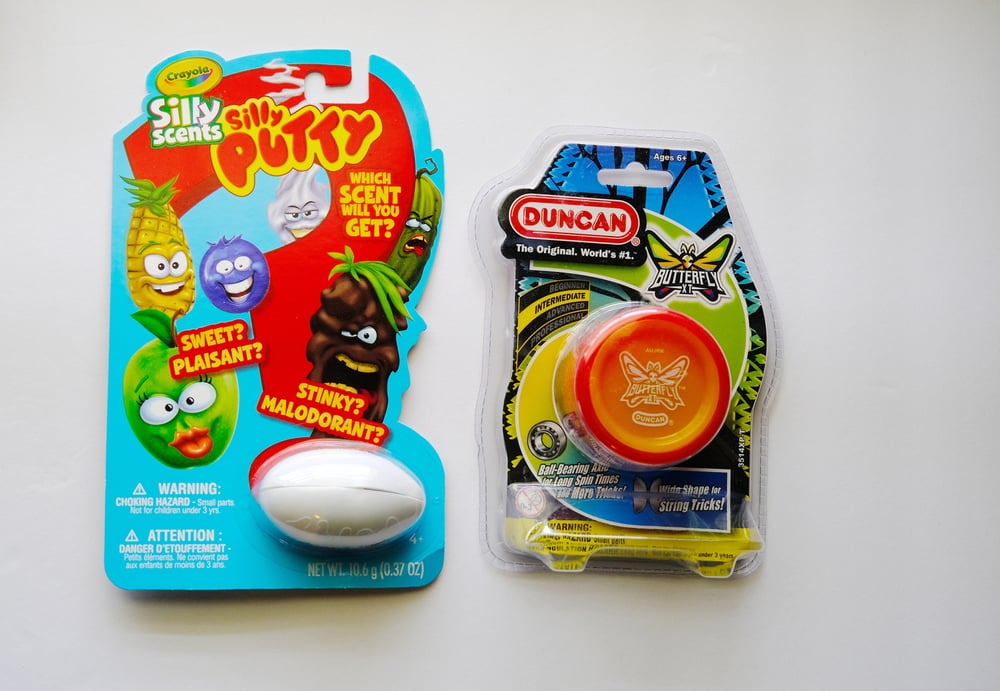
This bouncy, stretchy substance was invented during World War II as scientists were attempting to create a synthetic rubber substitute. Engineers at General Electric accidentally created this strange material that could bounce, stretch, and even pick up images from newspapers.
Initially marketed to adults as a novelty stress reliever and conversation piece, Silly Putty found its true audience when packaged in those iconic egg containers and sold to children, who were fascinated by its unique physical properties.
Slinky

The Slinky was accidentally invented by naval engineer Richard James in 1943. While working with tension springs for monitoring equipment on naval vessels, James knocked one off his desk and watched in fascination as it ‘walked’ down instead of falling.
He took the spring home to show his wife, and together they developed it into a toy. Though originally conceived as a physics demonstration and adult curiosity, the Slinky quickly captured children’s imaginations and became one of the most recognizable toys of the 20th century.
Troll Dolls

These wild-haired figurines with gemstone belly buttons were created in 1959 by Danish fisherman and woodcutter Thomas Dam. He couldn’t afford a Christmas gift for his daughter, so he carved a good luck troll based on Scandinavian folklore.
Adult neighbors began requesting them as good luck charms and home guardians, according to Norse mythology. The dolls gained international popularity in the 1960s, and their whimsical appearance made them irresistible to children, who collected them eagerly despite their origins as adult talismans.
Like Go2Tutors’s content? Follow us on MSN.
Rubik’s Cube

This colorful puzzle cube was invented by Hungarian architecture professor Ernő Rubik in 1974 as a teaching tool to help his students understand three-dimensional problems. Originally called the ‘Magic Cube,’ it was meant to demonstrate spatial relationships to adult architecture students.
The puzzle proved so challenging and addictive that it was released commercially, eventually becoming one of the world’s best-selling toys despite its origins as a sophisticated educational tool for adults.
Yo-Yo

This simple toy has ancient origins, with the earliest known examples dating back to 500 BCE in Greece. Far from being children’s toys, early yo-yos were made of metal and wood and used as hunting weapons or ritual objects by adults.
The modern yo-yo as we know it was popularized in the United States in the late 1920s by Pedro Flores, a Filipino immigrant who remembered similar toys from his childhood. The transformation from adult tool to child’s plaything took thousands of years.
Marbles

These small glass spheres have been found in ancient Egyptian tombs and throughout archaeological sites in Rome, indicating they were used by adults for various games of skill and chance. In some cultures, marbles were used for gambling, while in others they had religious significance.
It wasn’t until the 19th and early 20th centuries that marbles became primarily associated with children’s games, though the craftsmanship and artistry of handmade marbles still attracts adult collectors today.
Like Go2Tutors’s content? Follow us on MSN.
Bubble Wrap

The puffy plastic material we love to pop was invented in 1957 by engineers Alfred Fielding and Marc Chavannes. They were attempting to create a trendy textured wallpaper for adults by sealing two shower curtains together with air bubbles trapped inside.
When that failed, they tried marketing it as greenhouse insulation. Only later did they discover its perfect use as protective packaging material. The satisfaction of popping those air pockets was an unintentional side effect that children (and many adults) find irresistible to this day.
Lincoln Logs
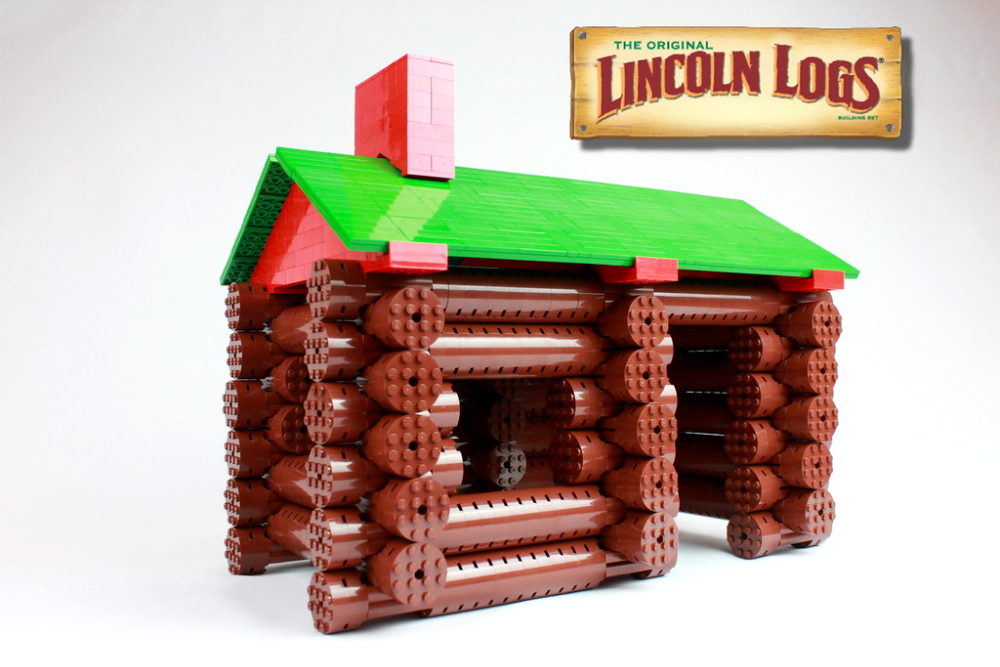
These miniature notched logs were invented in 1916 by John Lloyd Wright, son of famous architect Frank Lloyd Wright. The inspiration came from the interlocking beam construction his father used when designing the Imperial Hotel in Tokyo.
Originally marketed as an architectural learning tool for adults interested in building methods, Lincoln Logs found their greatest success as children’s toys that encouraged creativity and basic engineering concepts through play.
Slime

The gooey, stretchy substance now associated with children’s toy aisles was first created by Mattel in 1976 as a novelty item marketed toward adults. Early advertising showed businessmen playing with the substance as a stress reliever during office meetings.
The satisfying sensory experience of manipulating slime soon caught on with younger audiences, and today countless variations exist in different colors, textures, and even scents designed specifically for children.
Like Go2Tutors’s content? Follow us on MSN.
Kaleidoscope

This mesmerizing optical instrument was invented by Scottish physicist Sir David Brewster in 1816 as a serious scientific tool for studying polarized light. The beautiful patterns created by mirrors and colored objects were initially appreciated by adults as sophisticated entertainment and artistic inspiration.
Victorian ladies were particularly fond of these devices. Over time, simplified versions became popular with children who were entranced by the ever-changing symmetrical patterns.
Hula Hoop

While children’s hoop rolling games have existed for centuries, the modern plastic Hula Hoop was initially marketed to adults by Wham-O in 1958 as an exercise device and party entertainment. Early advertisements showed adults using the hoops to trim their waistlines at social gatherings.
When children discovered how fun they were to spin around their bodies, sales exploded, with an estimated 25 million hoops sold in the first four months after their introduction to the youth market.
LEGO
These iconic building blocks were originally created by Danish carpenter Ole Kirk Christiansen in the 1930s as wooden toys. When the company began producing plastic bricks in 1949, they were marketed primarily as architectural modeling tools for adults and design professionals.
The interlocking system we know today was patented in 1958, and while LEGO still maintains a significant adult fan base, their primary market shifted to children who use the bricks for creative play rather than professional design work.
Like Go2Tutors’s content? Follow us on MSN.
Teddy Bears
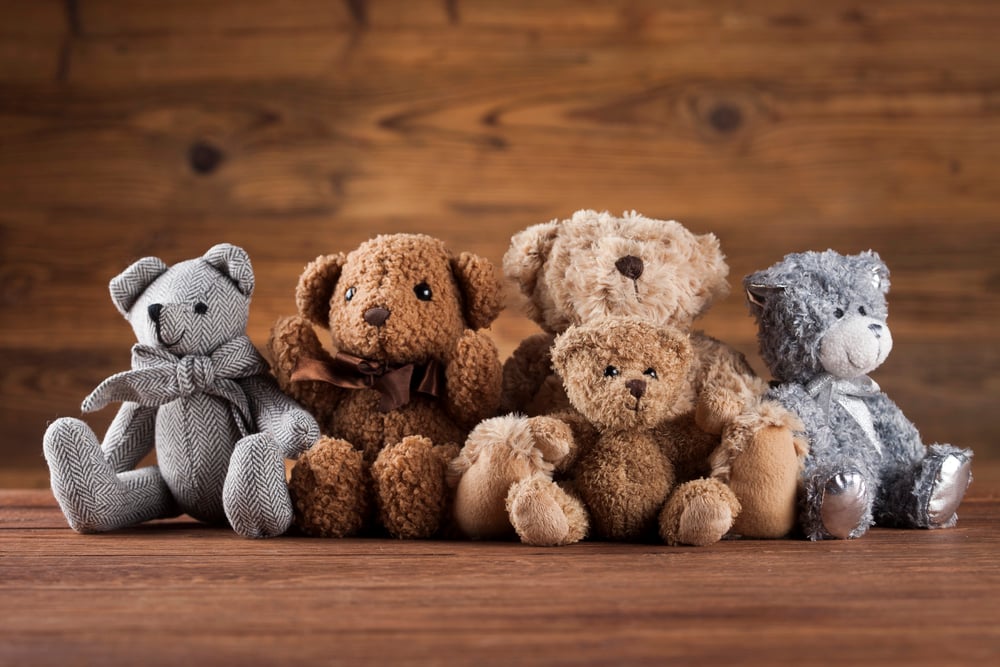
These cuddly companions were inspired by a 1902 hunting trip taken by President Theodore ‘Teddy’ Roosevelt. When Roosevelt refused to shoot a bear that had been tied to a tree, political cartoonists depicted the scene, and toy makers Morris Michtom and Richard Steiff independently created stuffed bears named after the president.
These were initially purchased by adults as political statements or novelty items commemorating the president’s act of mercy. The soft, huggable nature of the toys quickly made them appealing to children, transforming them from adult collectibles to beloved childhood companions.
Timeless Transformations

The journey of these items from adult tools, novelties, and collectibles to beloved children’s playthings reveals something fundamental about human nature. Whether created for practical purposes, scientific discovery, or adult entertainment, the most enduring toys are those that spark imagination and provide sensory satisfaction regardless of age.
The next time you see children enjoying these toys, remember that you’re witnessing the latest chapter in these objects’ remarkable transformations from serious adult tools to sources of childhood joy and wonder.
More from Go2Tutors!

- 18 Unexpectedly Valuable Collectibles You Might Have Lying Around
- 20 Little-Known Historical Battles That Had Huge Consequences
- 20 Historical Artifacts That Scientists Can’t Explain
- 15 Inventions That Were Immediately Banned After Being Created
- 20 Actors Who Were Almost Cast in Iconic Roles
Like Go2Tutors’s content? Follow us on MSN.