13 Public Parks Built Over Former Industrial Wastelands
Urban renewal has become a hallmark of modern city planning, with one of the most impressive trends being the transformation of once-polluted industrial sites into vibrant public spaces. These reclamation projects not only beautify cities but also heal environmental wounds left by decades of industrial use.
The metamorphosis from contaminated brownfields to thriving ecosystems represents some of the most innovative urban planning successes of our time. Here is a list of 13 remarkable public parks that stand where industrial wastelands once dominated the landscape.
Gas Works Park
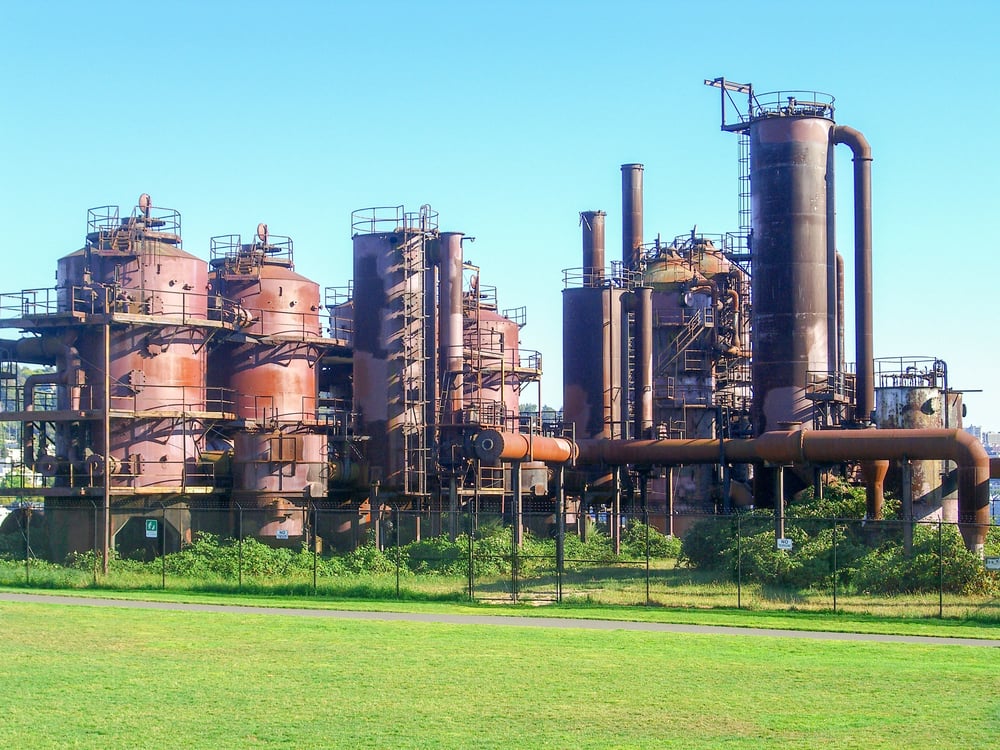
This Seattle landmark sits on the former site of a coal gasification plant that operated from 1906 to 1956. Rather than removing all industrial elements, landscape architect Richard Haag made the bold choice to preserve several gas works structures as industrial sculptures.
The rusting towers and machinery now stand as artistic monuments amid grassy hills that offer stunning views of the Seattle skyline across Lake Union.
High Line
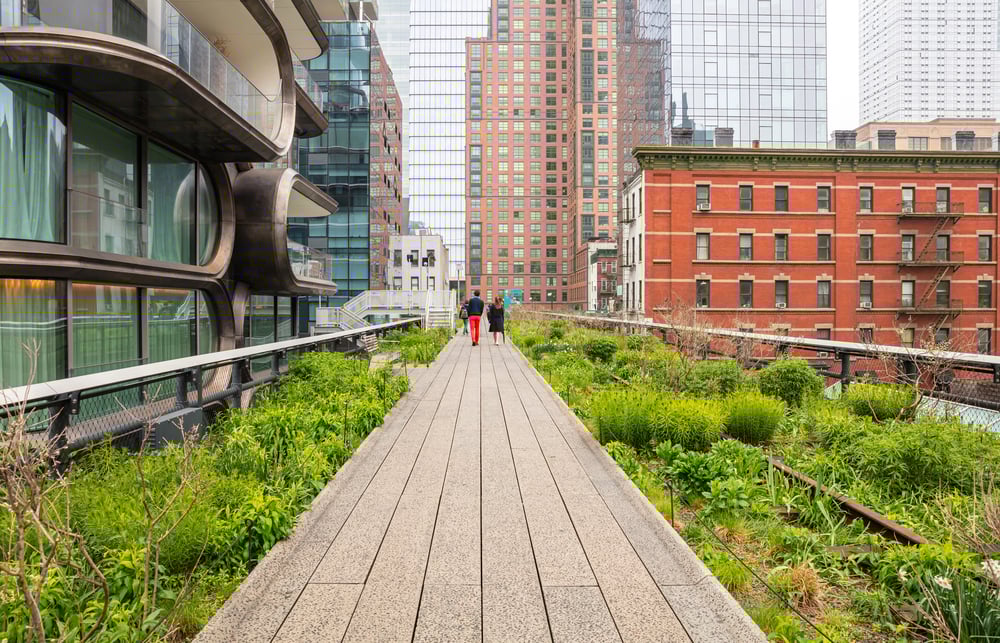
Once an elevated freight rail line serving Manhattan’s industrial district, this New York City park has become one of the world’s most celebrated urban renewal projects. The abandoned railway tracks were transformed into a 1.45-mile-long elevated linear park featuring over 500 species of plants and trees.
Its success has inspired similar projects worldwide and dramatically increased property values in what was once a neglected area of the city.
Sydney Olympic Park
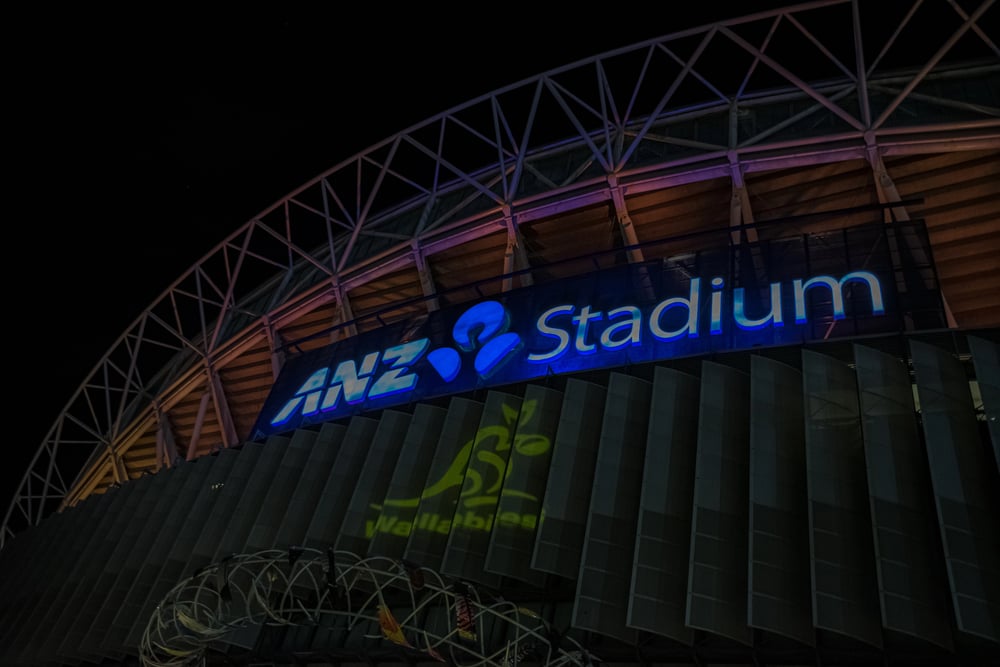
Built for the 2000 Summer Olympics, this massive Australian complex stands on what was once a brick pit, an abattoir, and a toxic waste dumping ground. The remediation project became one of the largest environmental cleanup operations in Australia’s history, removing or containing over 9 million cubic yards of waste.
Today, it encompasses 640 acres of parklands, sporting venues, and wetlands that support a surprising diversity of wildlife including endangered frogs.
Landschaftspark Duisburg-Nord
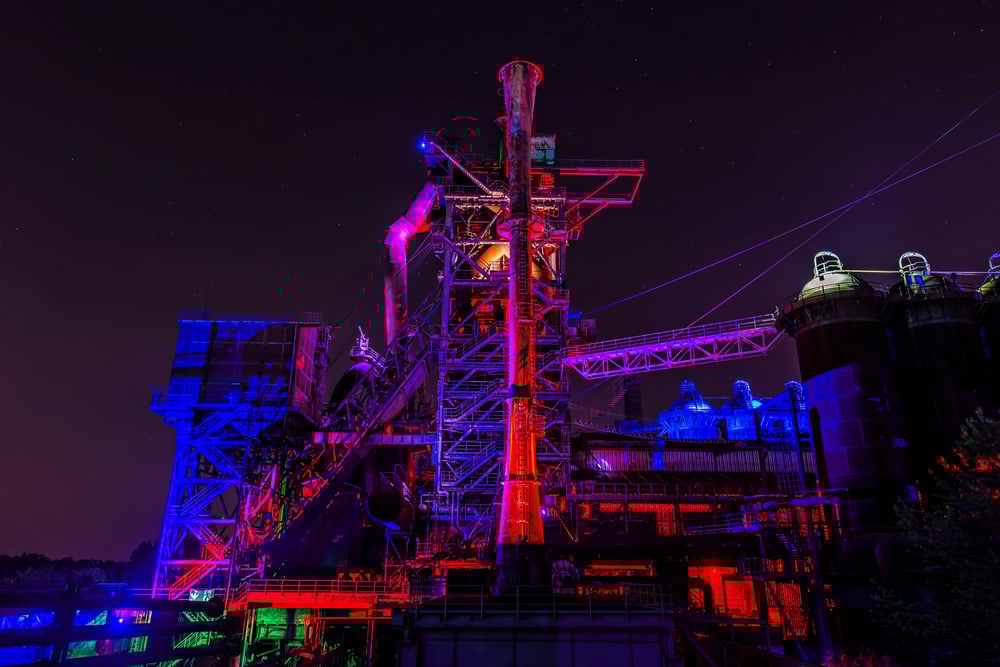
This German park incorporates the remnants of a massive ironworks complex that closed in 1985, leaving behind a heavily contaminated industrial skeleton. Instead of demolishing the site, designers transformed it into a multifunctional park where visitors can climb the old blast furnace, scuba dive in a former gas tank, and explore gardens growing in what were once ore bunkers.
The park ingeniously uses the industrial ruins as both a playground and a living museum.
Freshkills Park
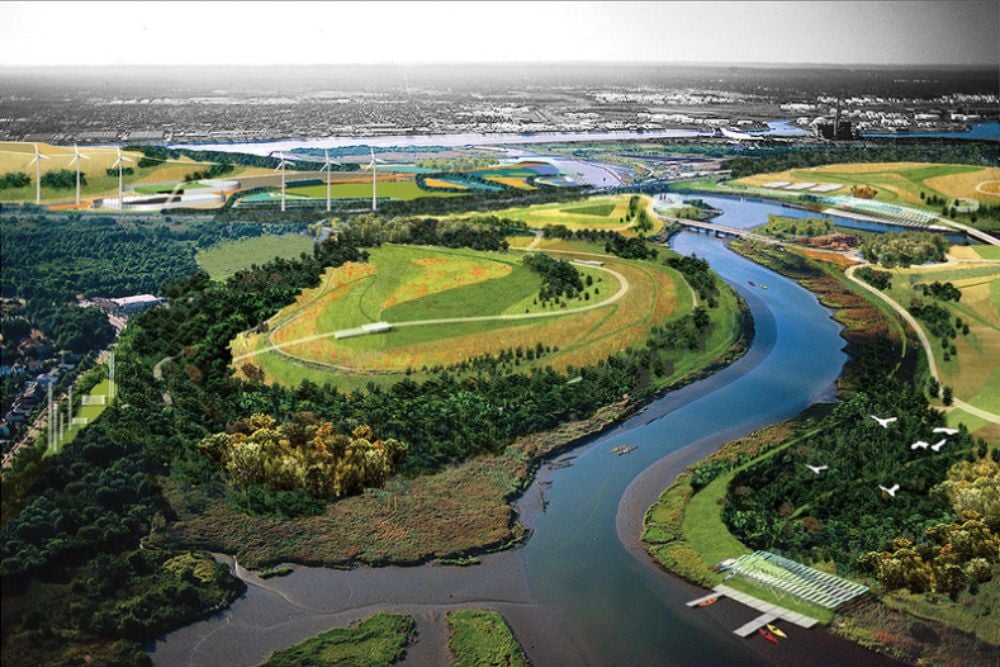
Once the world’s largest landfill, this Staten Island site received up to 29,000 tons of trash daily at its peak. The ongoing transformation is turning 2,200 acres of garbage mountains into New York City’s largest park, nearly three times the size of Central Park.
Engineers installed elaborate systems to capture methane gas from decomposing waste, which now generates enough energy to power thousands of homes in the surrounding area.
Millennium Park
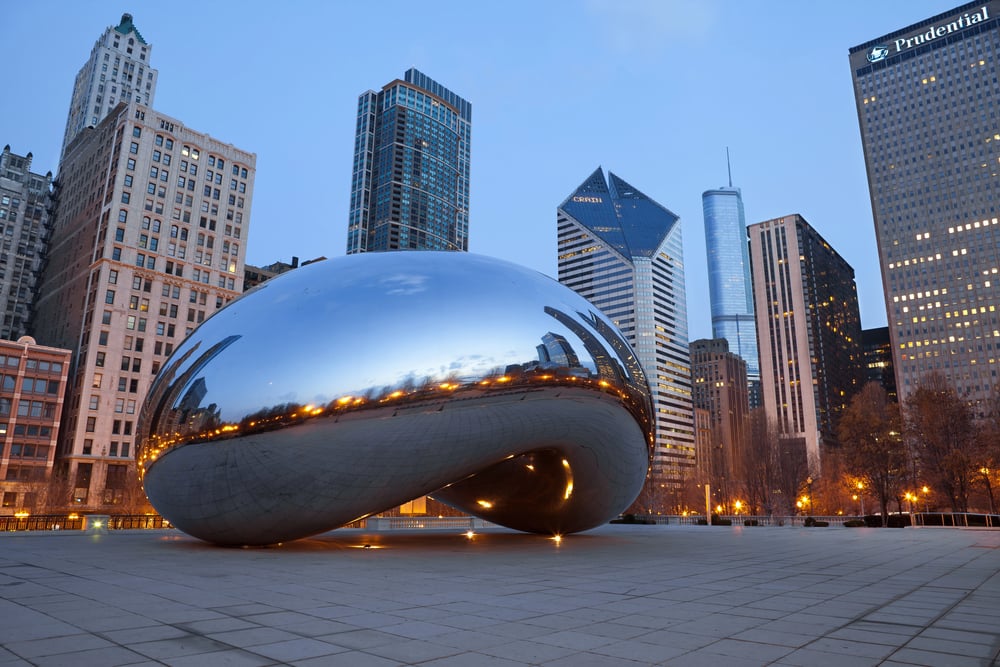
Chicago turned a decrepit rail yard and parking lot into one of America’s most visited public spaces. The 24.5-acre park features iconic attractions like the reflective Cloud Gate sculpture (commonly known as “The Bean”) and the interactive Crown Fountain.
Built atop active rail lines and a massive parking garage, the park represents an engineering marvel that required structural decking capable of supporting enormous weight while appearing to be at ground level.
Buffalo Bayou Park
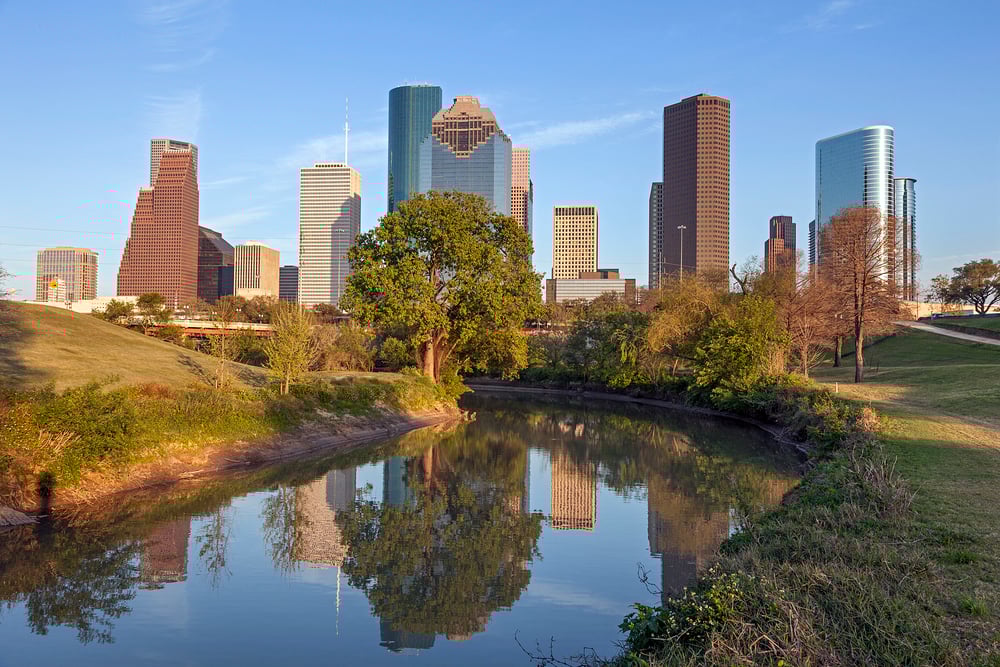
This Houston park reclaimed a neglected waterway that had become an unofficial dumping ground for industrial waste and urban runoff. The $58 million renovation project restored natural ecosystems while adding flood control measures that proved crucial during Hurricane Harvey.
The park’s transformation included removing tons of trash, stabilizing eroded banks, and creating habitats that now support river otters and over 200 species of birds.
Parque Fundidora
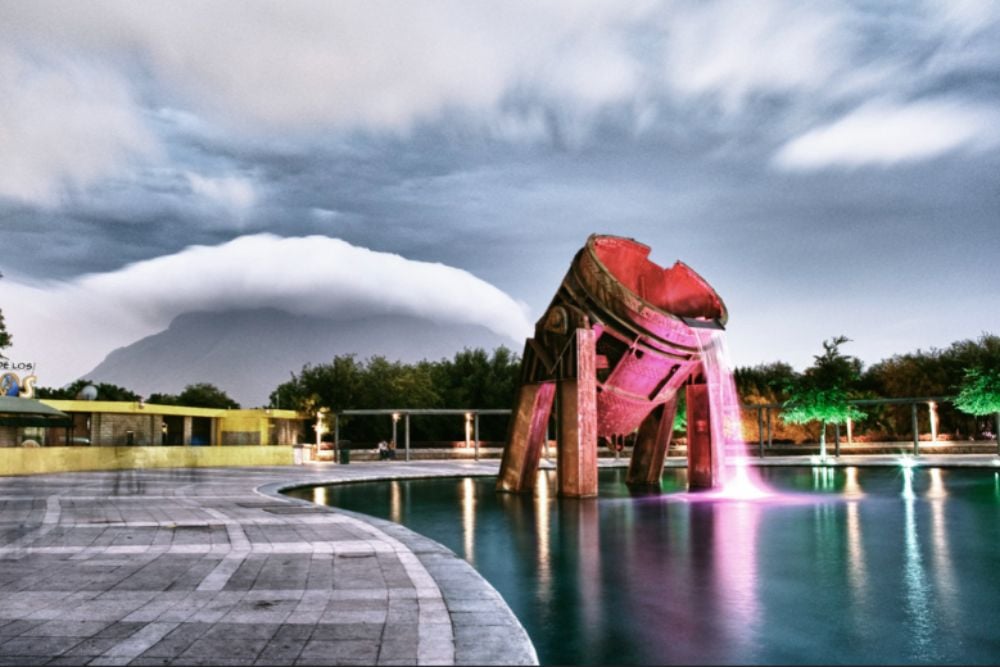
Located in Monterrey, Mexico, this cultural center and urban park stands on the grounds of Fundidora Monterrey, a steel foundry that operated from 1900 to 1986. The blast furnaces, towering chimneys, and industrial machinery were preserved as historical monuments rather than removed.
The 359-acre site now includes museums, concert venues, lakes, playgrounds, and extensive green spaces that provide relief from the surrounding urban environment.
Olympic Sculpture Park
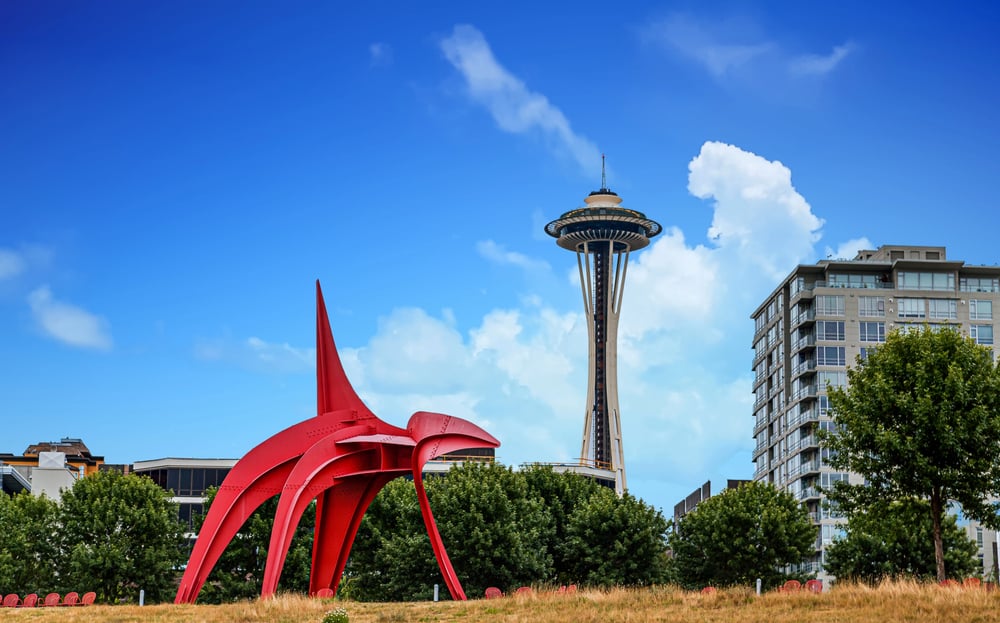
The Seattle Art Museum transformed a contaminated fuel storage and transfer facility into an outdoor sculpture museum overlooking Puget Sound. The 9-acre park required extensive environmental remediation to remove petroleum products and heavy metals that had seeped into the soil over decades.
The design ingeniously bridges over a major road and railroad tracks, reconnecting the city to its waterfront through a zigzagging path lined with major art installations.
Silo Park
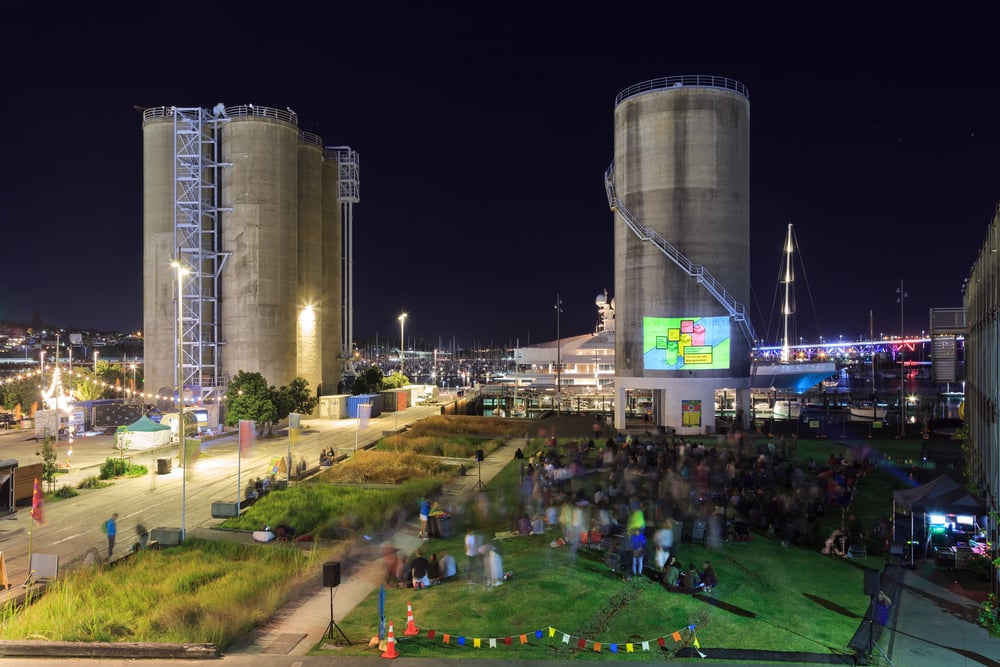
Auckland, New Zealand, converted its industrial waterfront into a creative urban space centered around preserved cement silos and tank farms. The former petroleum storage area underwent extensive soil remediation before reopening as public space.
During summer months, the largest silo transforms into an outdoor cinema where films are projected onto its cylindrical surface, while smaller silos house exhibition spaces and creative workshops.
Westergasfabriek Culture Park
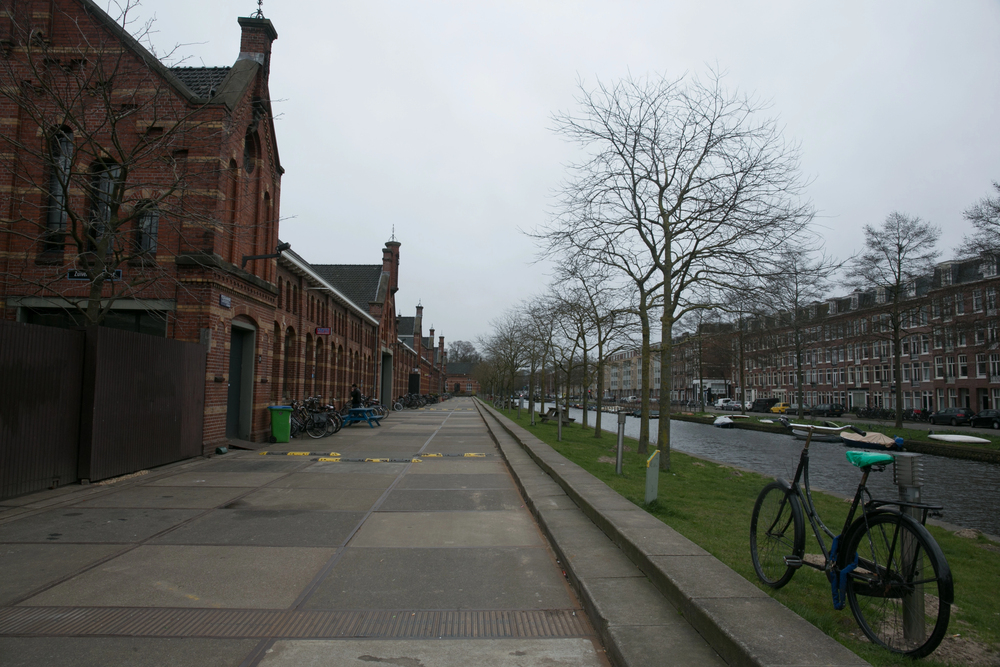
Amsterdam repurposed a 19th-century gas works facility into a cultural complex surrounded by landscaped gardens and recreational areas. The brick factory buildings now host theaters, galleries, restaurants, and a microbrewery.
The park design incorporated innovative bioremediation techniques including specialized plants that help extract contaminants from the soil, demonstrating sustainable approaches to cleaning industrial pollution.
Zhongshan Shipyard Park
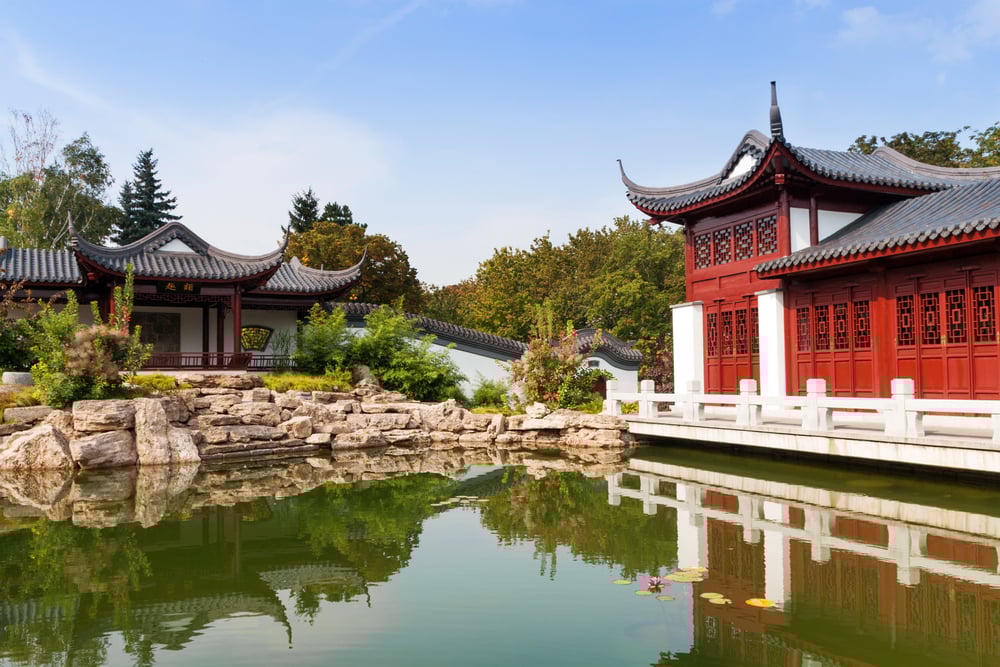
This Chinese park preserves elements from a shipyard that operated from 1954 to 1999, including cranes, docks, and industrial equipment. Designer Kongjian Yu incorporated these structures into a landscape that tells the story of China’s industrial past while creating new public spaces.
Old workshops were converted into exhibition halls displaying shipbuilding artifacts, while incorporating indigenous plants that help remediate soil and water contamination.
Thames Barrier Park
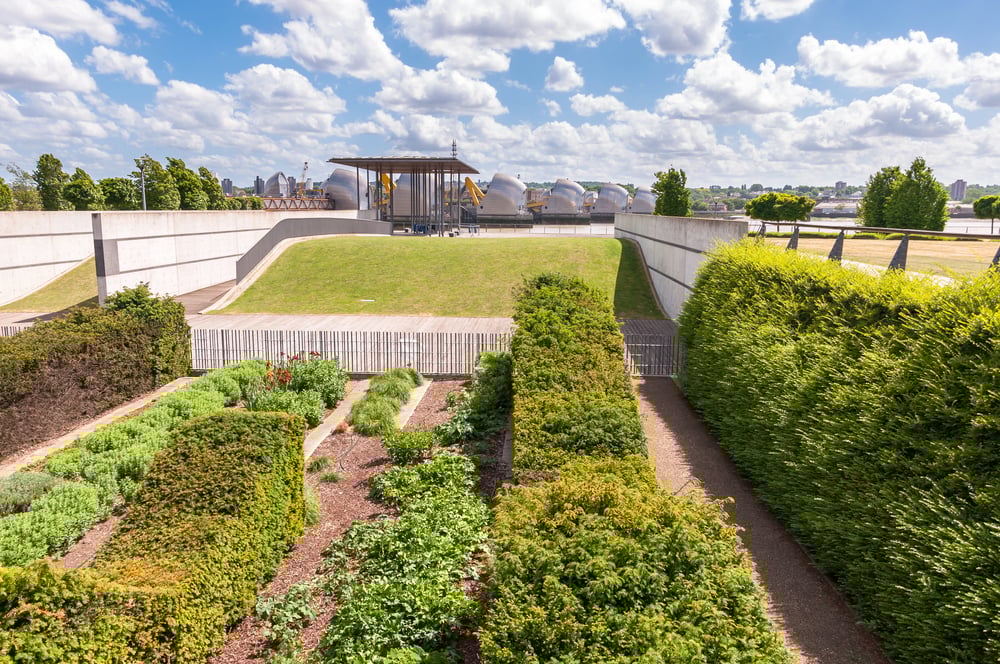
London created this green space adjacent to the massive flood control barrier on a former chemical factory site that had severely contaminated the riverbank. The park features a dramatic sunken garden with wave-cut hedges that mimic the tidal patterns of the Thames River.
Extensive cleanup operations removed decades of chemical waste before the 22-acre site could be safely opened to the public in 2000.
Nature’s Resilience

These transformative projects demonstrate our ability to heal environmental wounds while creating valuable public spaces for communities. The most successful reclamation parks don’t erase industrial history but rather incorporate it into new designs that acknowledge the past while looking toward a more sustainable future.
As cities worldwide confront their industrial legacies, these parks serve as inspiring models of what’s possible when vision, ecological science, and community needs align to reclaim damaged lands for public benefit.
More from Go2Tutors!

- The Romanov Crown Jewels and Their Tragic Fate
- 13 Historical Mysteries That Science Still Can’t Solve
- Famous Hoaxes That Fooled the World for Years
- 15 Child Stars with Tragic Adult Lives
- 16 Famous Jewelry Pieces in History
Like Go2Tutors’s content? Follow us on MSN.



