Surprising Facts About the Paris Catacombs
Paris’s streets are home to six million people. Hundreds of kilometers of tunnels beneath the city are lined with their bones.
During official tours, the majority of visitors only see a small portion. Few people will ever see the vast underground world that remains hidden.
The Catacombs Started as Limestone Quarries
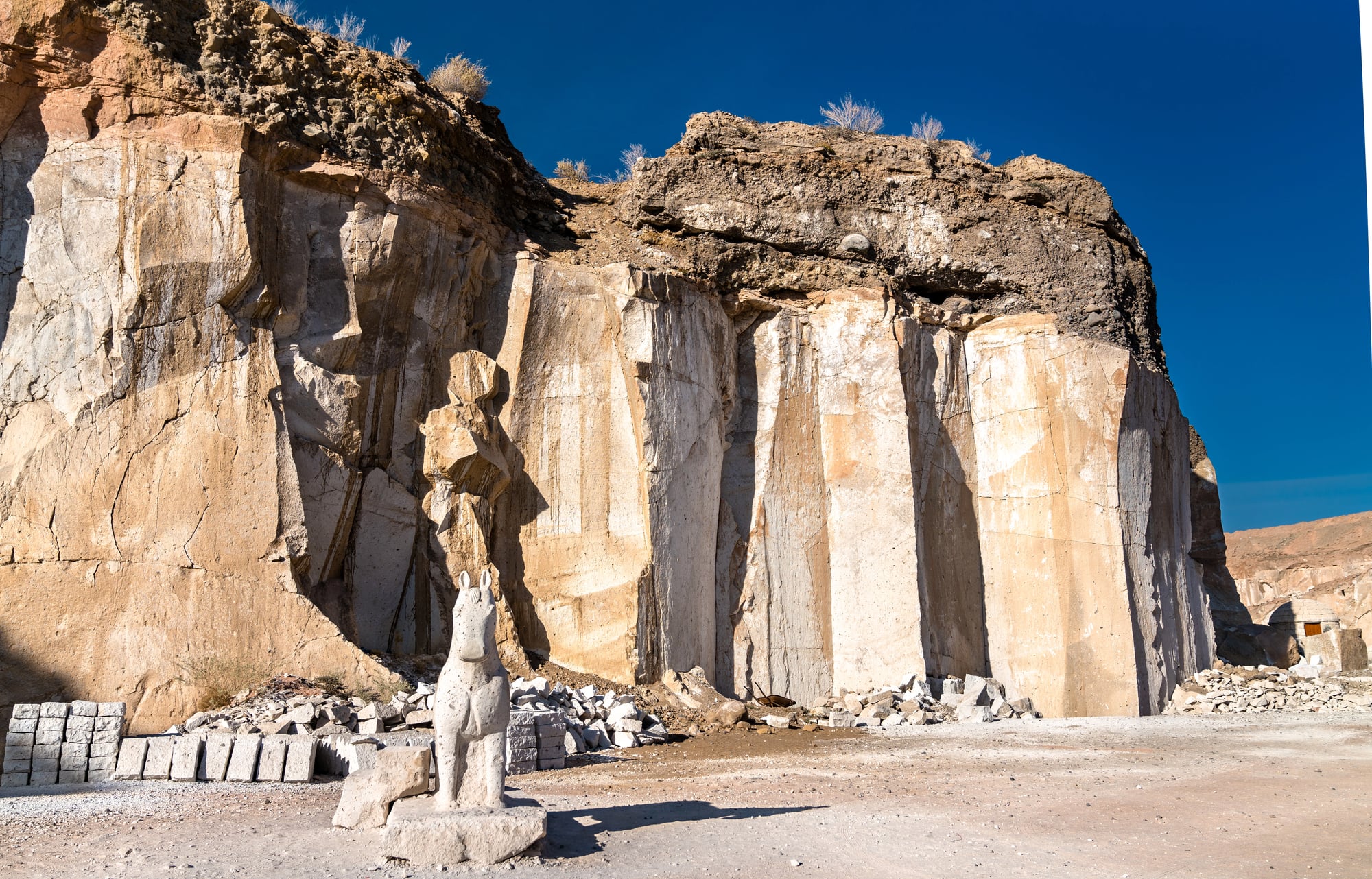
Paris wasn’t built on solid ground. For centuries, workers mined limestone beneath the city to construct buildings above.
This created a sprawling network of tunnels and chambers that honeycomb the subsurface. By the late 1700s, the quarries had grown so extensive that buildings started collapsing into sinkholes.
Entire streets would suddenly drop into the earth. The city appointed an Inspection of Quarries to map the tunnels and reinforce them with pillars and supports.
These reinforced quarries would later become the Catacombs. But first, Paris needed to solve another problem.
The City’s Cemeteries Were Overflowing
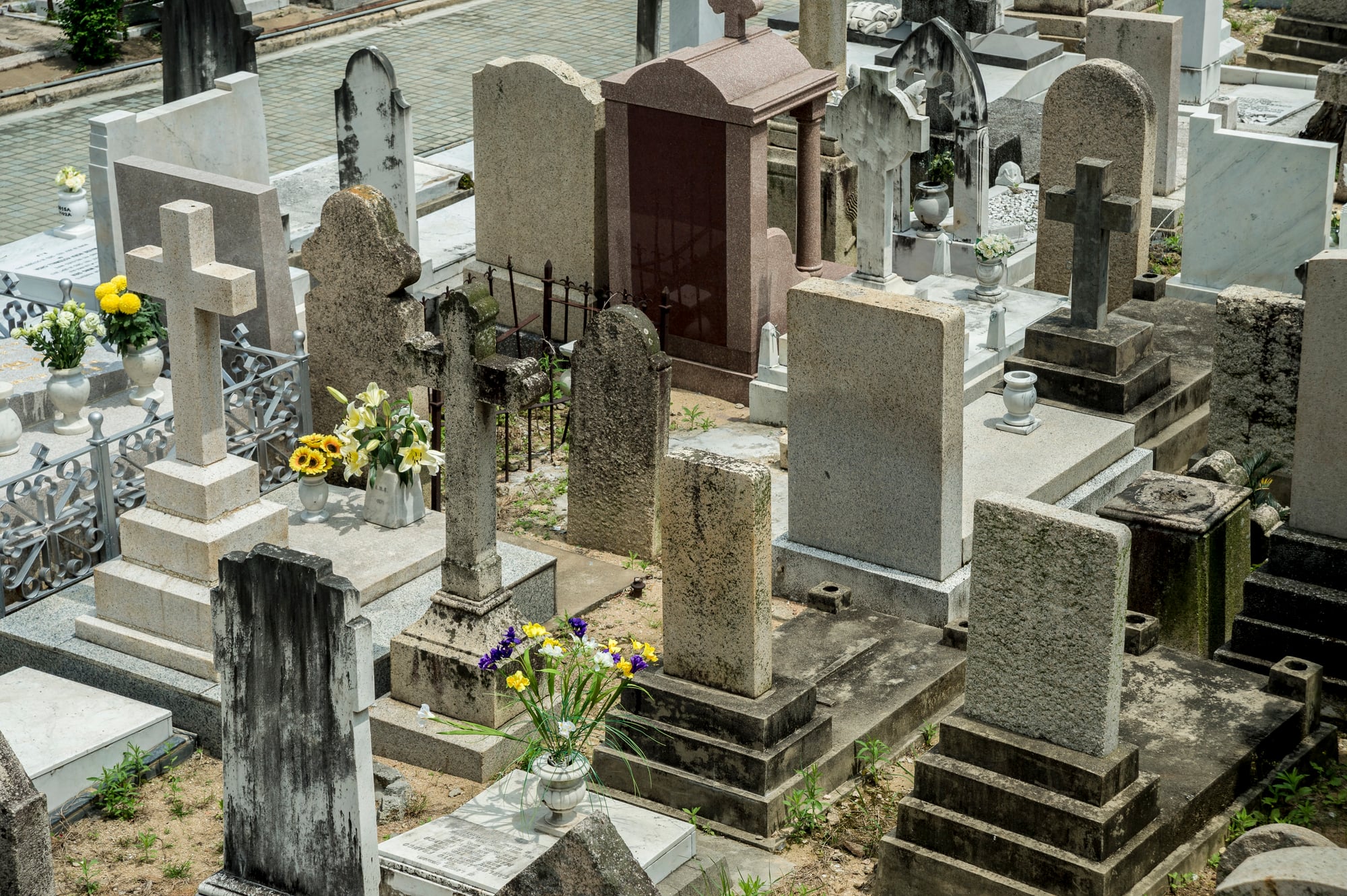
Paris cemeteries in the 1700s had run out of space. Bodies were stacked in mass graves barely covered with dirt.
The Cemetery of the Innocents, used for 600 years, had become a health crisis. Decomposing remains contaminated groundwater.
The smell was unbearable. In 1780, a wall holding back bodies at the Cemetery of the Innocents collapsed, spilling corpses into neighboring basements.
That finally prompted action. The city decided to move millions of remains into the old quarry tunnels.
It Took Decades to Move All the Bodies

The transfer began in 1786 and continued for years. Workers disinterred remains from over 15 major cemeteries across Paris and transported them in covered carts at night.
Priests blessed the bones before workers carried them underground. The work happened after dark to avoid upsetting residents.
Black-draped carts rolled through the streets in solemn processions. Workers descended into the tunnels and stacked the bones in chambers deep below the city.
The process continued on and off until 1860. Not all the bones came from cemeteries.
Some came from hospitals, morgues, and even from the French Revolution’s mass graves.
The Bones Are Arranged in Artistic Patterns
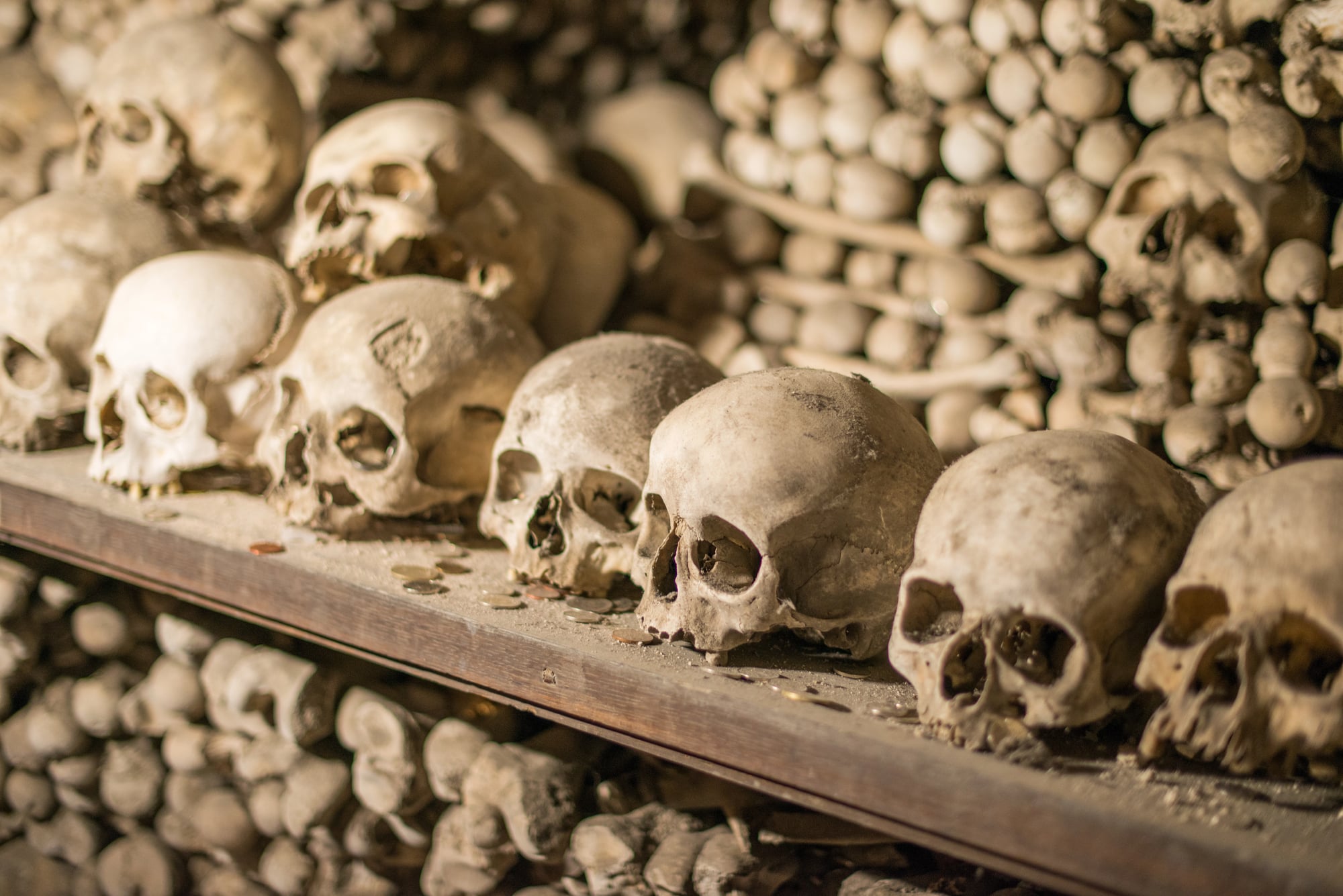
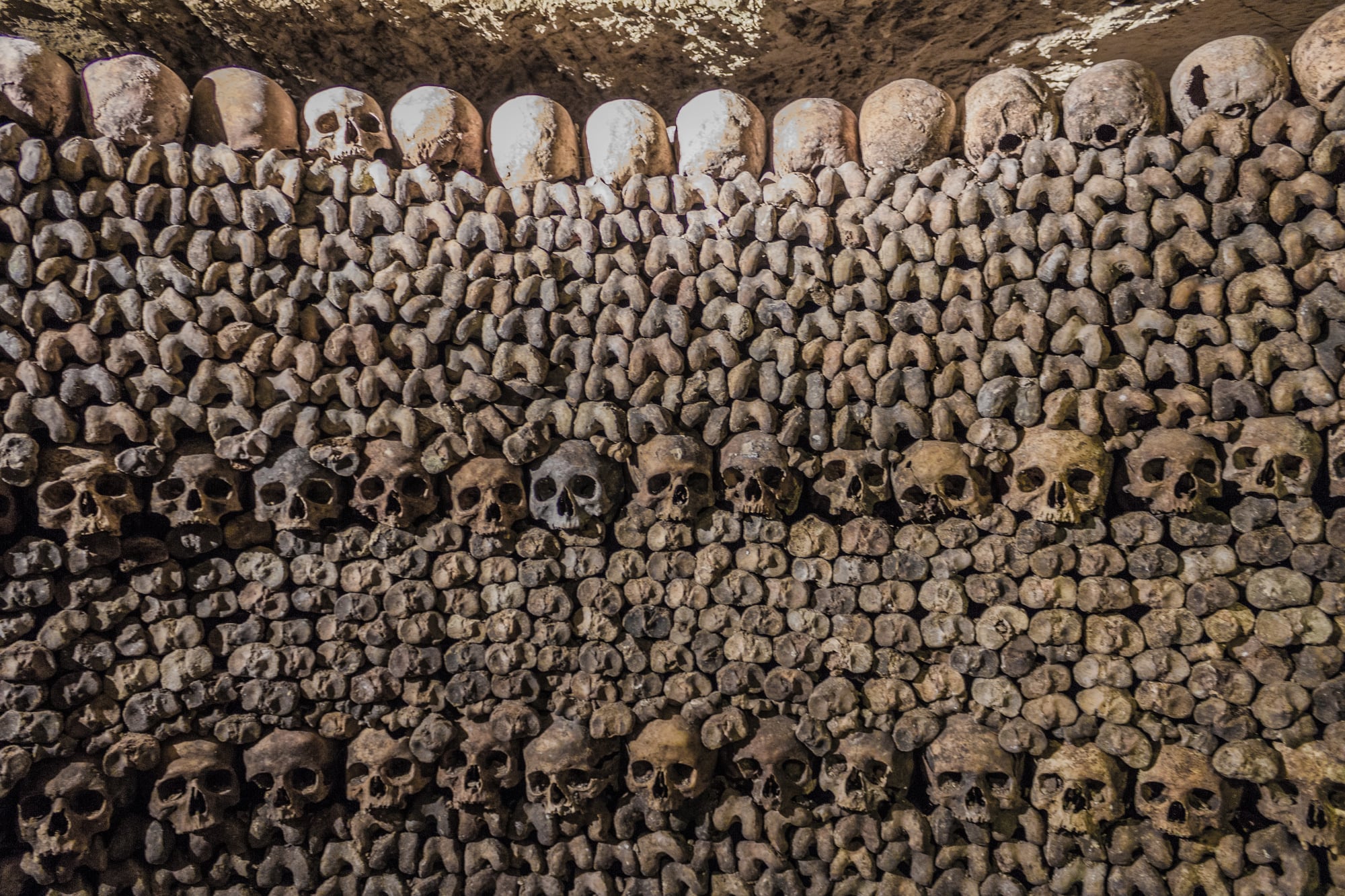
Workers didn’t just dump the bones randomly. They arranged them in decorative patterns—rows of skulls alternating with stacked femurs, creating walls that look almost architectural.
Some sections feature heart shapes made from skulls. Others have crosses or geometric patterns.
Plaques mark different cemeteries and include biblical inscriptions and poetry about mortality. The arrangements transform the space from a simple ossuary into something stranger and more deliberate.
Someone took time to make this beautiful, in its own macabre way.
Only a Tiny Fraction Is Open to the Public
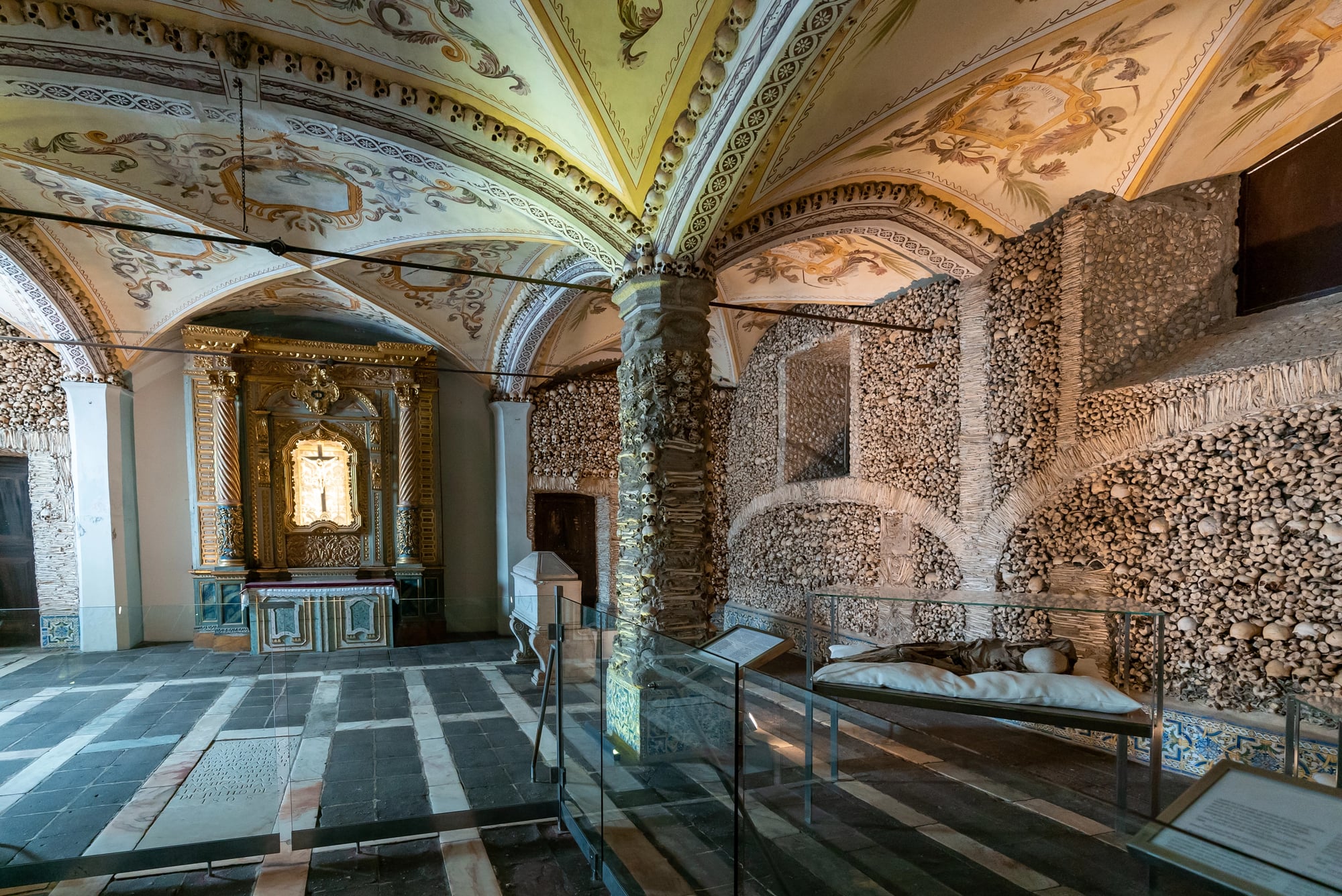
The official tour covers about 1.5 kilometers of tunnels. The entire underground quarry network extends for roughly 200 to 250 kilometers beneath Paris, though only certain sections were converted into ossuaries.
Most of it remains off-limits. Some sections flooded long ago.
Others collapsed. Many areas are simply too dangerous or too difficult to access.
The city keeps most entrances sealed. What visitors see represents less than 1% of the total network.
The rest exists in darkness, accessible only to city inspectors and occasional trespassers.
People Sneak In Through Secret Entrances
Urban explorers called “cataphiles” know ways into the restricted sections. They enter through manholes, forgotten tunnels, and maintenance shafts.
Some entrances lie in basements of old buildings. These explorers hold parties in underground chambers, create art on the walls, and map previously unknown sections.
Some cataphiles have spent years exploring the tunnels and know them better than most people above ground. The police patrol regularly and fine anyone caught trespassing.
But the tunnels are too vast to monitor completely. On any given night, someone is probably down there.
The Temperature Stays Constant Year-Round

The Catacombs maintain a steady temperature of about 13 to 14 degrees Celsius regardless of the season. Summer or winter, the air stays cool and damp.
The humidity hovers around 80%. Water seeps through the limestone constantly, creating puddles and small streams.
In some sections, you can hear water dripping in the darkness. This stable environment helps preserve the bones.
They’ve remained in relatively good condition for over 200 years. The cool, damp air prevents them from completely drying out and crumbling.
The Nazis Used the Catacombs During World War II
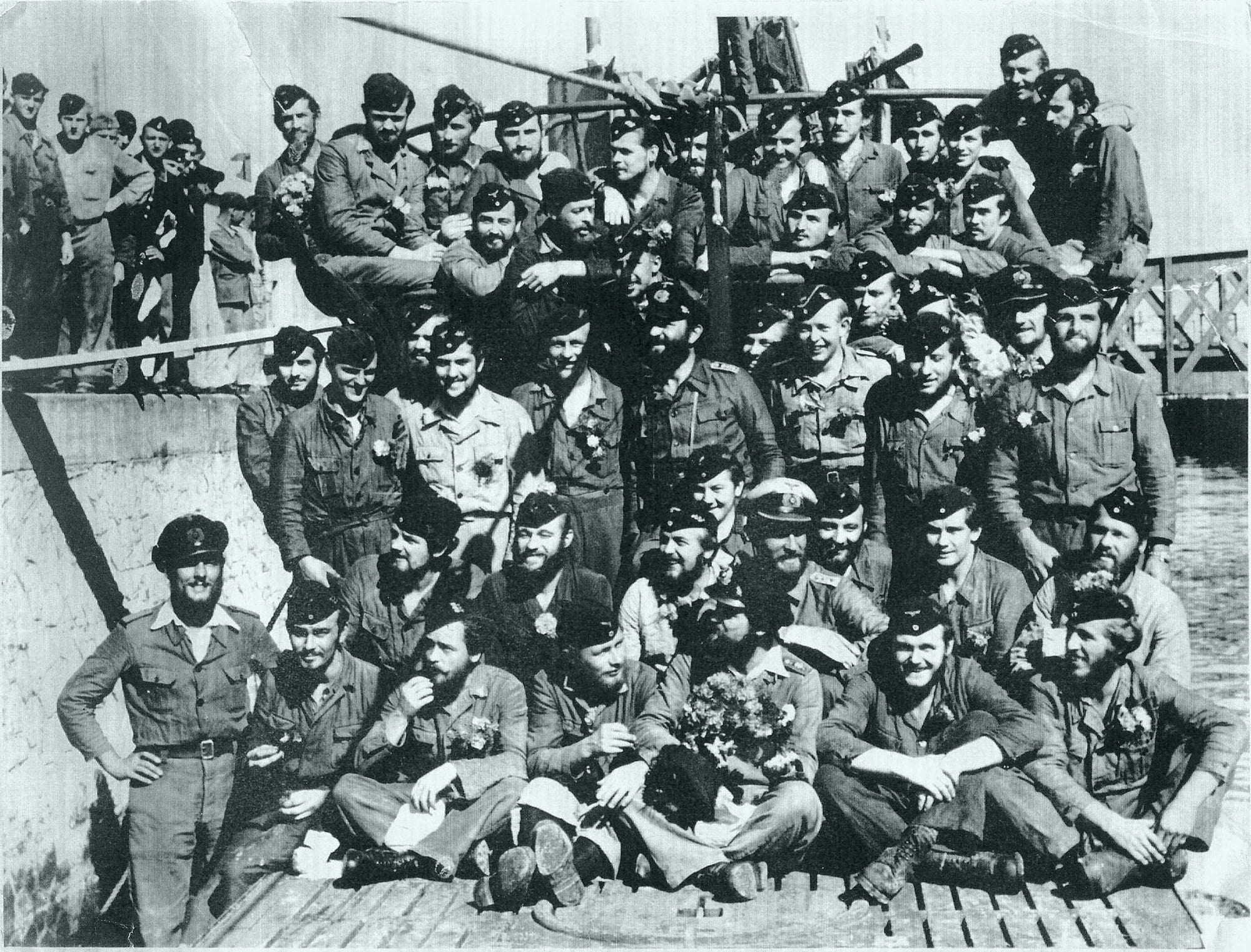
German forces built a bunker in the Catacombs beneath the Lycée Montaigne during the occupation of Paris. They installed reinforced doors, ventilation systems, and facilities for soldiers.
The French Resistance also made some use of the tunnels, though the extent of their operations underground is less well-documented. The tunnels provided potential cover for moving through the city unseen, though most resistance activity took place above ground.
There’s an Underground Movie Theater

In 2004, police discovered a fully equipped movie theater in a restricted section of the Catacombs. It included a screen, projector, sound system, seating carved from rock, and a stocked bar.
The space also had a restaurant area with tables and a professional kitchen setup. Someone had run electricity down there and installed phone lines.
The theater showed classic films and recent releases. When police returned a few days later with specialists, everything had been removed.
They found only a note saying “Do not try to find us.” The installation was later attributed to UX (Urban eXperiment), a collective of urban explorers known for ambitious underground projects.
The Tunnels Sometimes Run Near the Paris Metro
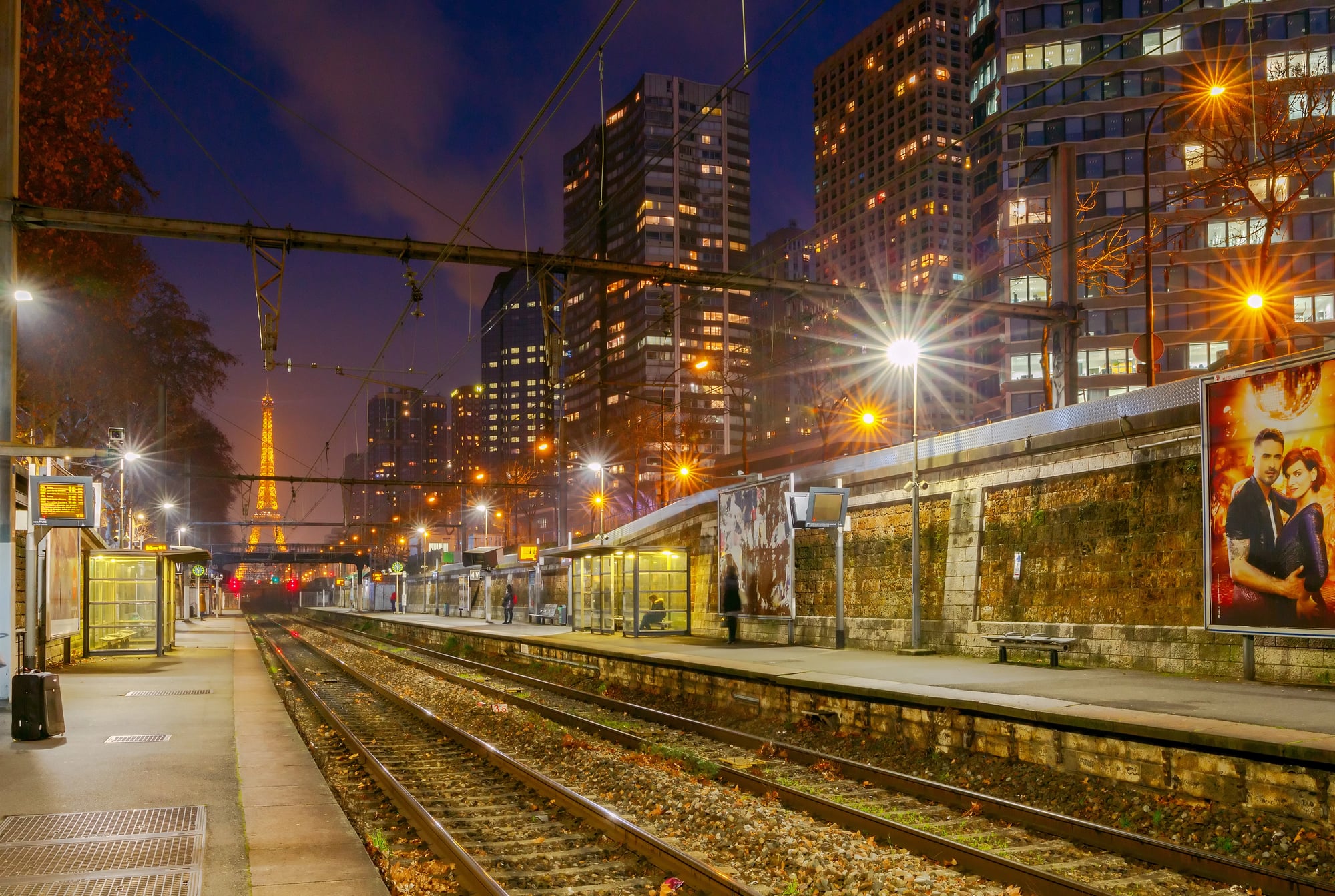
Some sections of the quarry network run parallel to or near metro tunnels. During construction of the metro in the early 1900s, workers occasionally broke through into quarry chambers.
The transit authority sealed these passages. Direct connections between the metro and the accessible tunnels are extremely rare today.
Most intersection points have been reinforced or blocked off for safety. Metro workers occasionally report hearing sounds from the other side of walls—voices, music, footsteps.
The walls between the metro and the quarry tunnels can be quite thin in places.
Underground Water Flows Through Some Sections
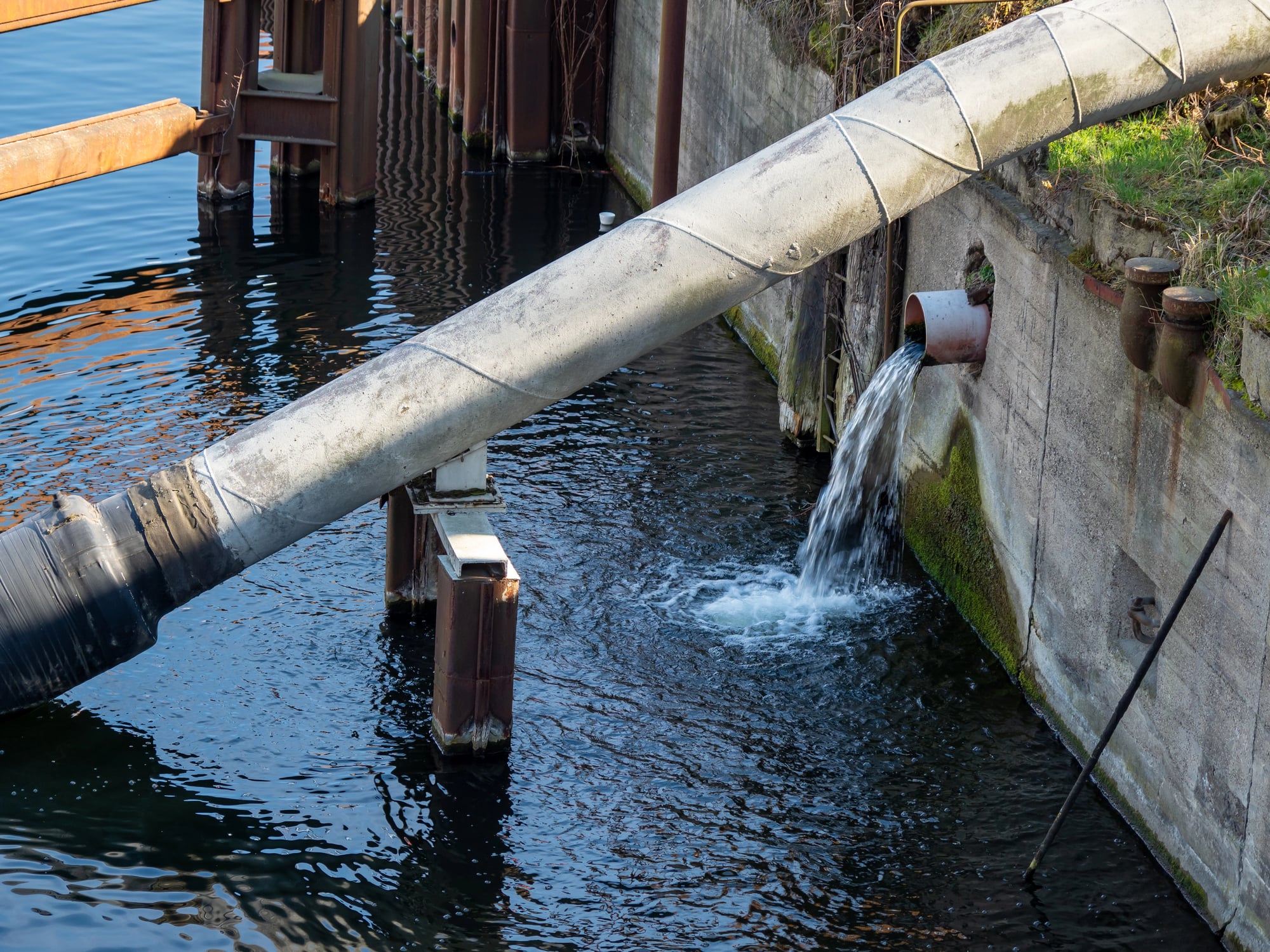
The Bièvre River once flowed openly through Paris but was buried underground in the 1800s. It still flows beneath the city, and in some places it runs near or occasionally intersects with parts of the quarry network, though not the main ossuary sections.
In certain areas, you can hear water flowing nearby. During heavy rains, water seeps through the limestone and floods lower passages.
Some chambers remain permanently underwater. The water creates unique problems for preservation.
It erodes limestone, destabilizes walls, and makes navigation dangerous. City engineers constantly work to manage water infiltration and prevent flooding.
They’ve Been Used for Everything from Wine Storage to Mushroom Farms
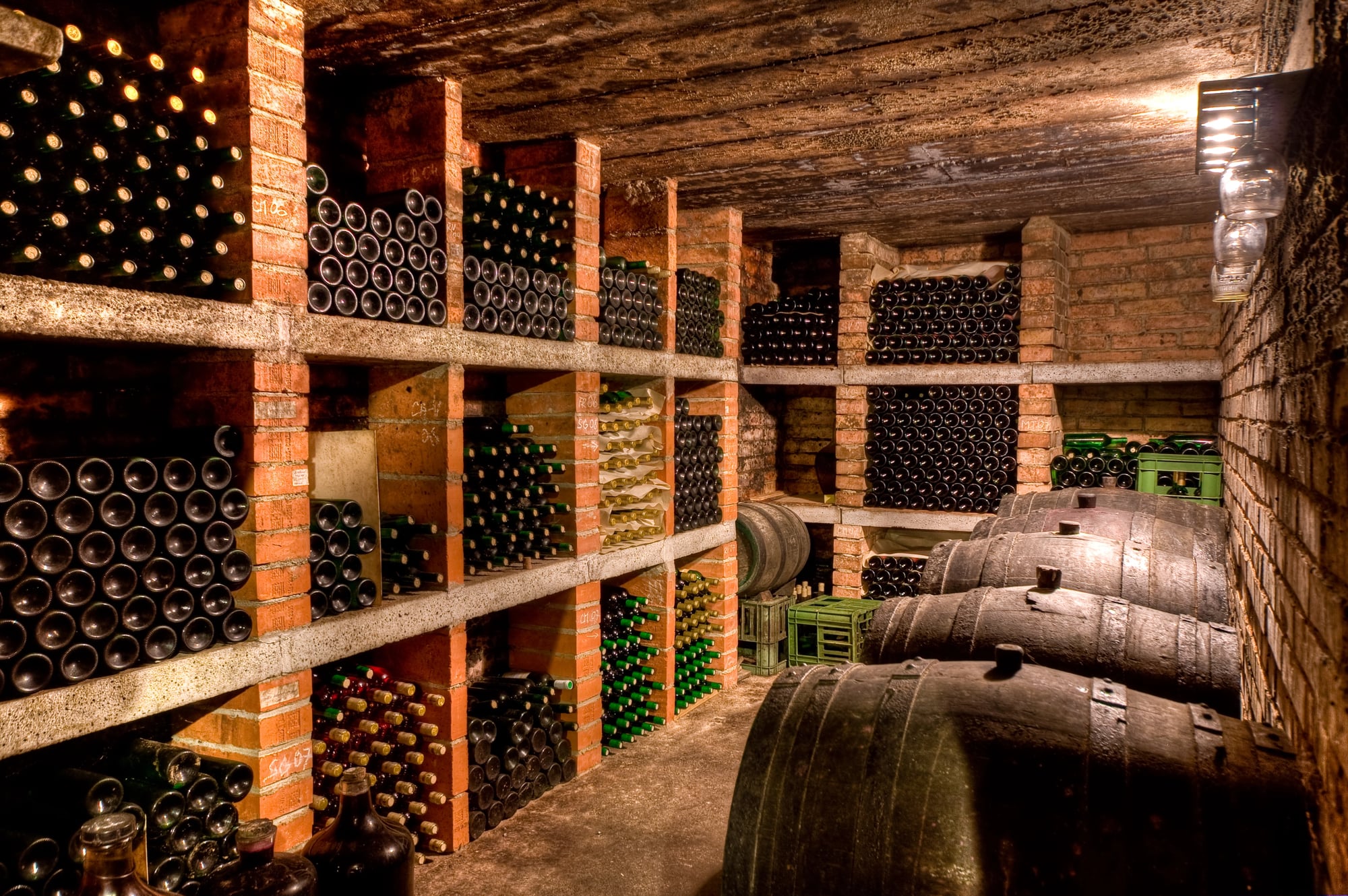
Throughout history, people have repurposed catacomb chambers. In the 19th century, mushroom farmers grew crops in the tunnels.
The constant temperature and humidity were perfect for cultivation. Wine merchants stored bottles in the cool, stable environment.
During the Paris Commune of 1871, revolutionaries used the tunnels as hideouts and arsenals. Even today, some people use isolated chambers for parties, art installations, and secret meetings.
The tunnels provide privacy and anonymity that’s impossible to find anywhere else in Paris.
Many Victims of the French Revolution Ended Up There

Thousands of people who died during the Terror were buried in mass graves at specific cemeteries like the Madeleine cemetery, then later transferred to the Catacombs along with other remains. The bones of those executed at the guillotine rest alongside remains from medieval plagues.
There’s no way to identify individual remains. Revolutionary leaders, aristocrats, and common citizens all ended up in the same piles of bones.
The Catacombs democratize death—everyone becomes anonymous eventually. Somewhere in those walls are the remains of people who shaped history.
But you’ll never know which skull belonged to whom.
Where Memory Dissolves
The Catacombs are located where a private maze and a public monument meet. Visitors learn about history and mortality in this carefully chosen area.
Those who are daring or stupid enough to venture into the dark are the owners of the hidden sections. Paris flourishes above ground, with millions of people going about their daily lives and cafés and museums.
The city of the dead waits patiently below. Nothing is remembered by the bones.
However, the tunnels retain every memory of every individual who passed through them, every secret whispered in the shadows, and every terrifying and amazing moment. Most people come once, snap pictures, and head back to daylight.
However, the mysteries within the Catacombs may never be fully solved. Certain things are destined to remain hidden.
More from Go2Tutors!

- The Romanov Crown Jewels and Their Tragic Fate
- 13 Historical Mysteries That Science Still Can’t Solve
- Famous Hoaxes That Fooled the World for Years
- 15 Child Stars with Tragic Adult Lives
- 16 Famous Jewelry Pieces in History
Like Go2Tutors’s content? Follow us on MSN.