27 Shipwrecks Discovered in Unexpected Places That Rewrote Maritime History
The floor of the sea is patient. It holds what the surface discards — warships, merchant galleys, treasure carracks, and passenger liners — and returns them only when something interrupts the darkness: a sponge diver’s hand brushing a bronze statue, a gas company’s submersible camera catching the outline of ancient jars.
The strangest discoveries, though, are the ones that appear nowhere near water at all: buried under a construction site in lower Manhattan, or lying in the sand of a West African desert. Every one of these finds changes something that scholars thought they understood — about trade routes, navigational ability, shipbuilding techniques, or simply where the sea once was.
The Bom Jesus — A Portuguese Treasure Ship Found in the Namib Desert
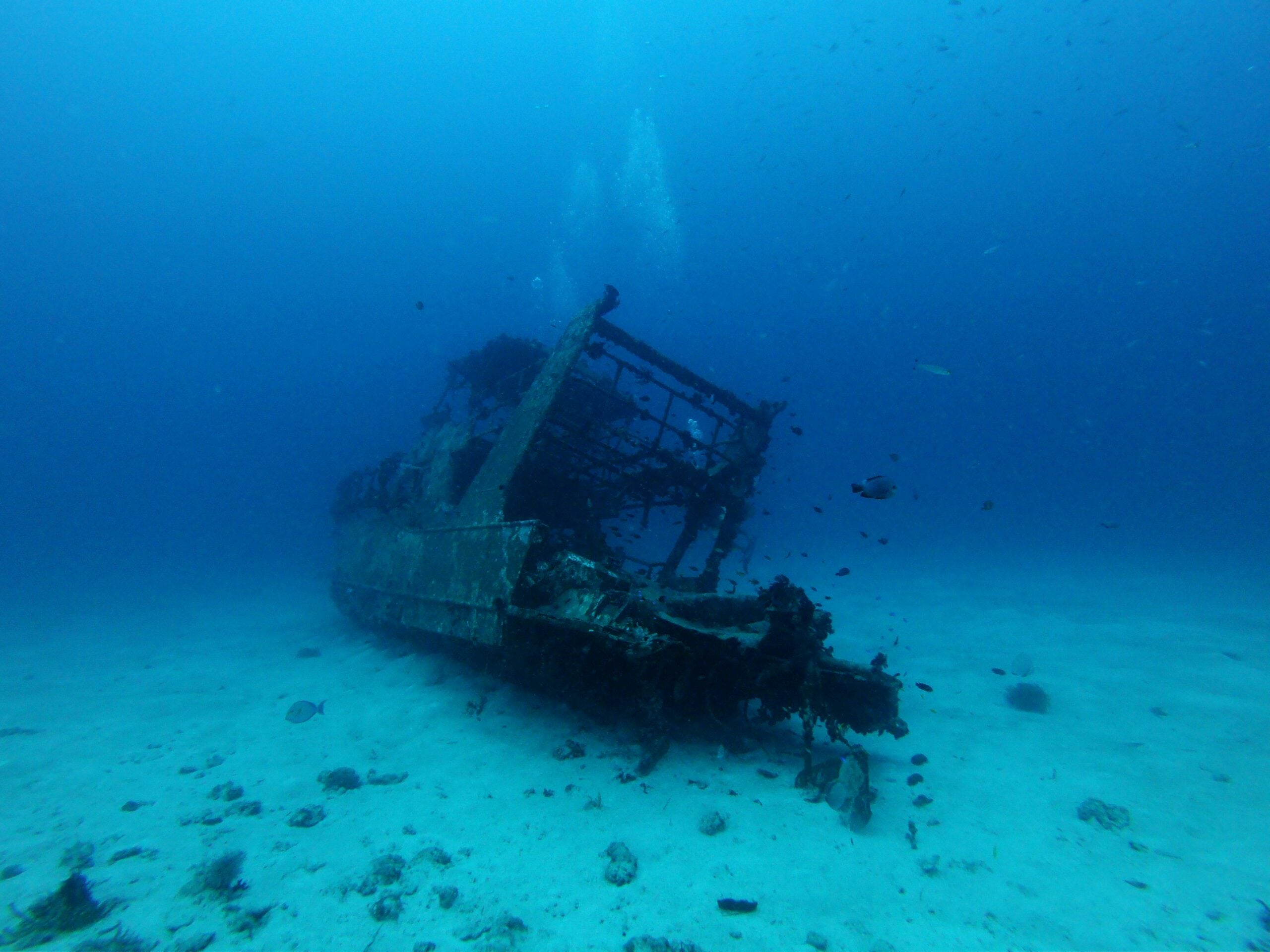
In 2008, diamond miners working for De Beers on the Skeleton Coast of Namibia drained seawater from a section of coastline and found, buried under layers of sand, the hull of a ship that had been missing for 475 years. The vessel was the Bom Jesus — “The Good Jesus” — a Portuguese trading carrack that had departed Lisbon on March 7, 1533, bound for India, and was never heard from again.
Among its contents were approximately 2,000 gold coins, tens of thousands of pounds of copper ingots, bronze cannons, elephant tusks, navigational instruments, and the remains of one crew member. The site is now roughly 800 meters from the modern coastline, showing how significantly the landscape has shifted.
It remains the oldest and most valuable shipwreck ever found off the western coast of sub-Saharan Africa.
The Antikythera Wreck — The Computer Nobody Expected
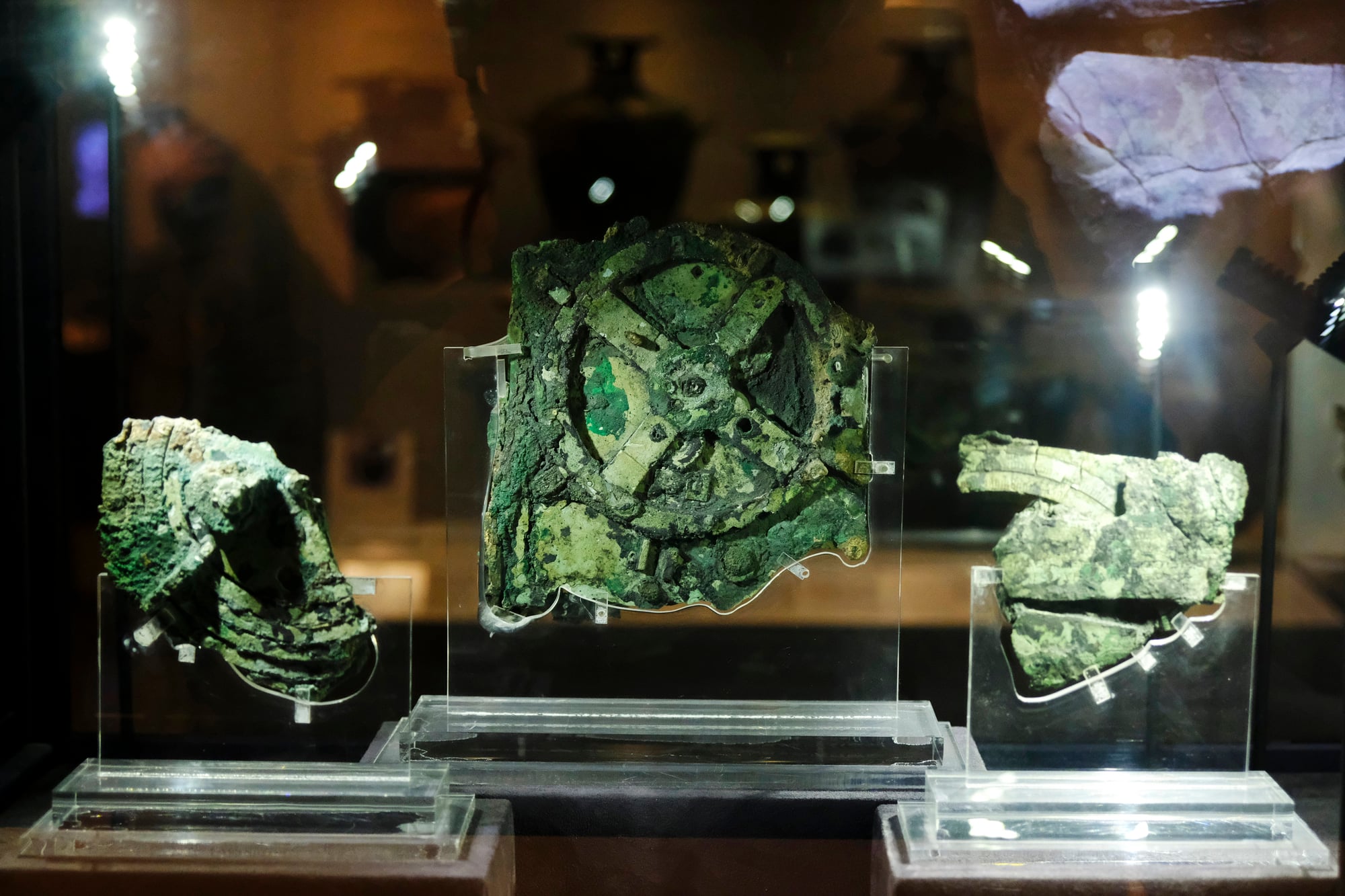
Greek sponge divers discovered the wreck off the island of Antikythera in 1900, initially thinking they had found a field of decaying corpses — before realizing the shapes in the water were bronze statues. The 2,000-year-old Roman merchant vessel yielded life-sized sculptures, gold jewelry, glassware, and perfume bottles.
What rewrote history was a corroded lump of bronze that turned out, after decades of analysis, to be a complex gear-driven mechanism capable of predicting the positions of the sun, moon, and several planets, as well as the timing of solar and lunar eclipses. The Antikythera Mechanism, now housed in the National Archaeological Museum in Athens, represents a level of mechanical sophistication that scholars had not attributed to the ancient world — and that would not be matched by European clockmakers for roughly 1,400 years.
The Uluburun Wreck — Bronze Age Globalization, Underwater
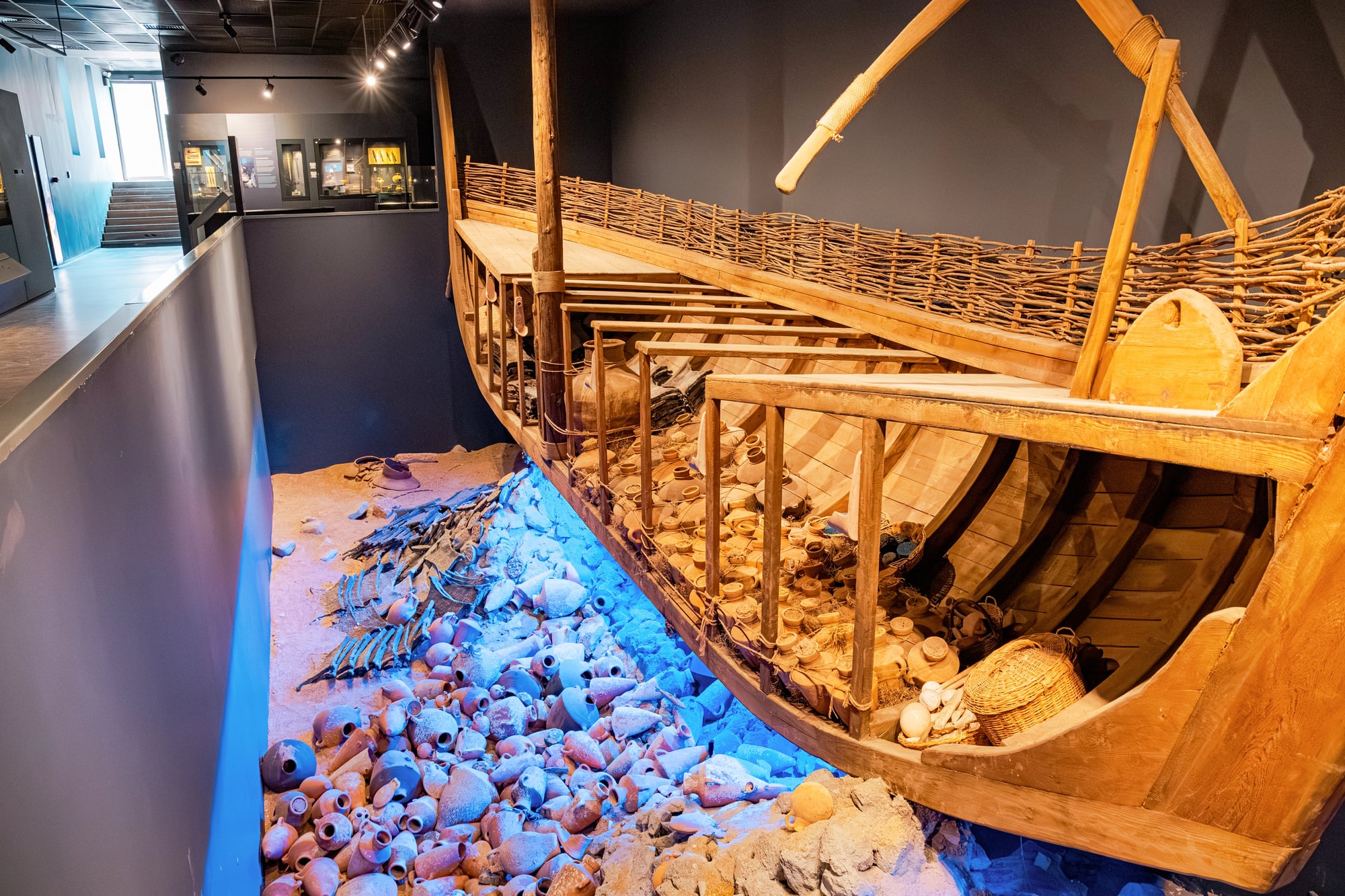
Discovered off the coast of Kaş, Turkey in 1982, the Uluburun wreck dates to approximately 1300 BCE and carried one of the most diverse cargoes ever found on a single ancient vessel. Its hold contained 348 copper ingots totaling roughly 10 tons, 120 tin ingots, the earliest known glass ingots in existence, elephant and hippopotamus ivory, ostrich eggs, ebony logs, gold and silver Egyptian jewelry, Canaanite amphorae, and weapons and tools from at least seven distinct cultures.
Food provisions included olives, almonds, figs, and pomegranates. The sheer variety of origins in one cargo — Egyptian, Canaanite, Mycenaean, Cypriot, Syro-Palestinian — overturned assumptions about how isolated Bronze Age civilizations were from one another.
The Black Sea Fleet — 60 Wrecks Perfectly Preserved in Oxygen-Free Water
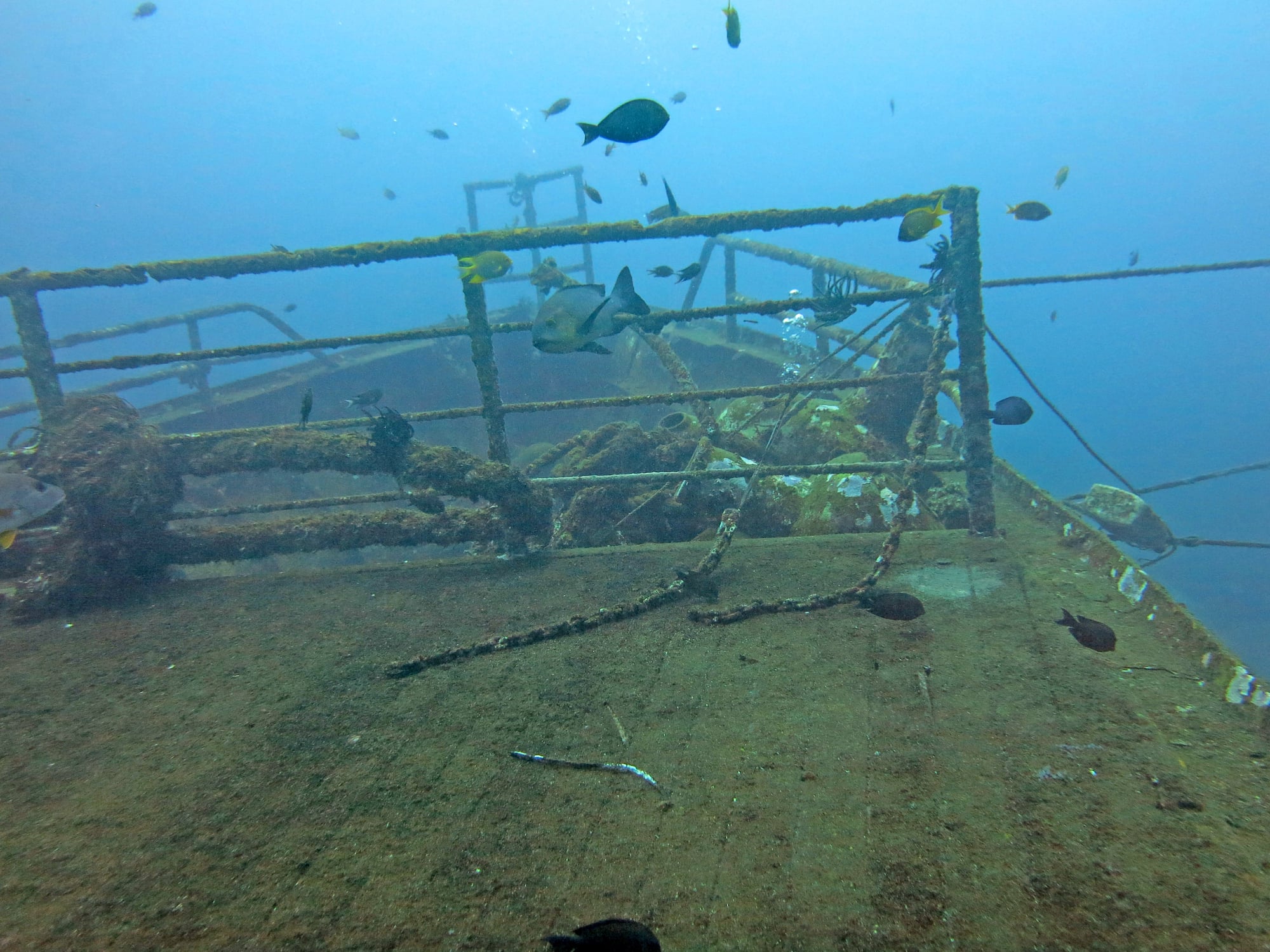
In 2017, a research team from the Black Sea Maritime Archaeology Project, originally sent to study ancient shoreline changes along the Bulgarian coast, discovered more than 60 historic shipwrecks during a three-year survey of the seafloor. The wrecks ranged from a 2,400-year-old Greek trading vessel to 17th-century Cossack raiding galleys and Ottoman vessels.
The most startling feature was their condition: below about 150 meters, the Black Sea contains almost no oxygen, which means the organic material that would normally decompose — rope, wood, the carved details of hulls — survives essentially intact. The oldest wreck found by the project still had its mast standing and rowing benches in place, visible through ROV cameras exactly as they would have appeared when the ship sank.
The World Trade Center Ship — An 18th-Century Vessel Under Manhattan
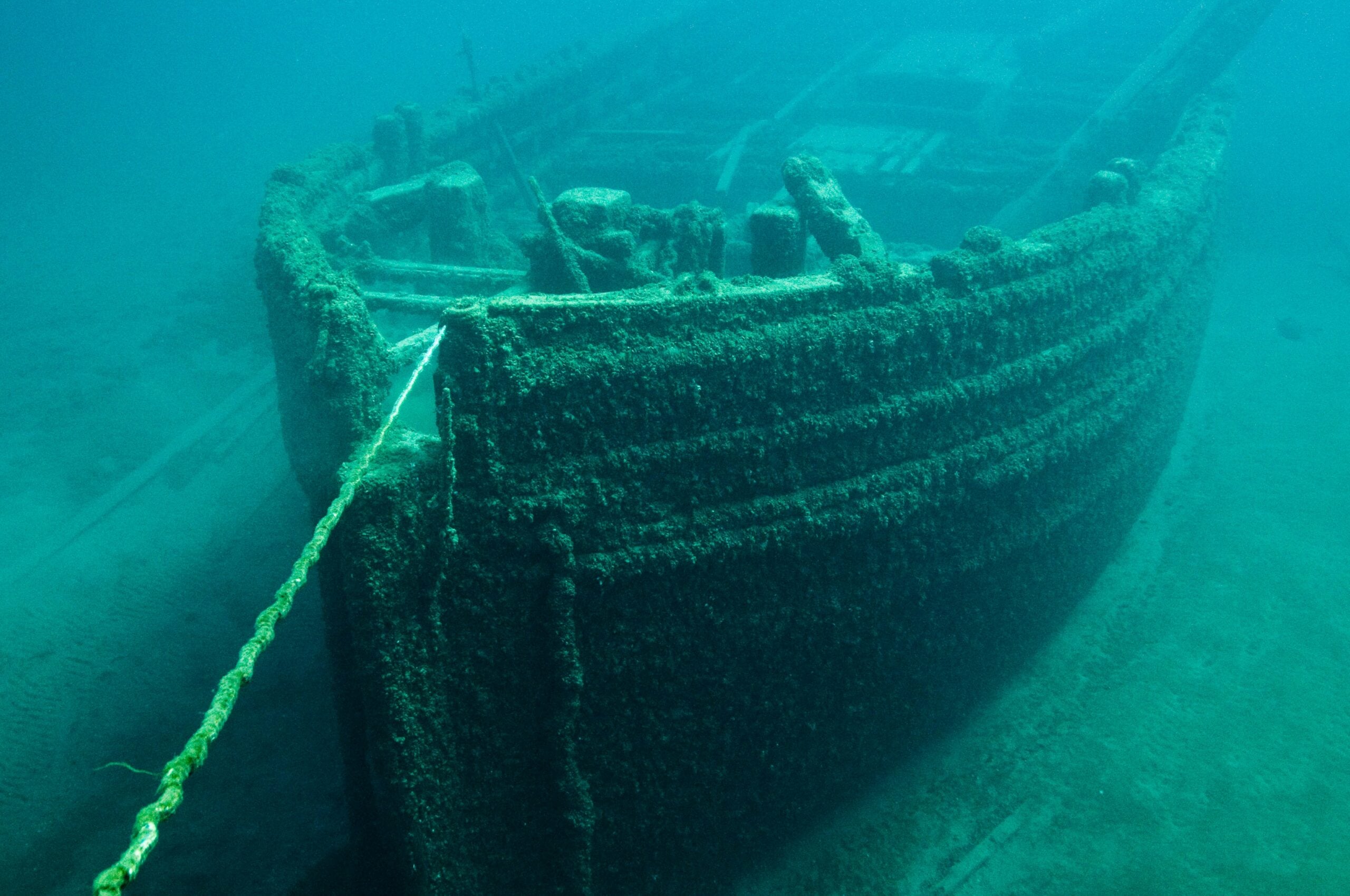
In July 2010, construction workers excavating a parking garage for the new World Trade Center in lower Manhattan struck the curved wooden timbers of a ship buried 20 feet below street level. The 32-foot section of hull, built from old-growth white oak, was eventually dated by tree rings to the early 1770s — and the wood came from timber felled in the same Pennsylvania forests used to build Independence Hall in Philadelphia.
The vessel had been deliberately sunk sometime around 1810 to serve as landfill, extending the shoreline of lower Manhattan outward into the Hudson River. No record exists of who owned it or what it carried.
Its discovery was a reminder that significant sections of lower Manhattan are built on a foundation of sunken ships.
The 3,300-Year-Old Deep-Sea Wreck Off Israel — Proof of Open-Ocean Navigation
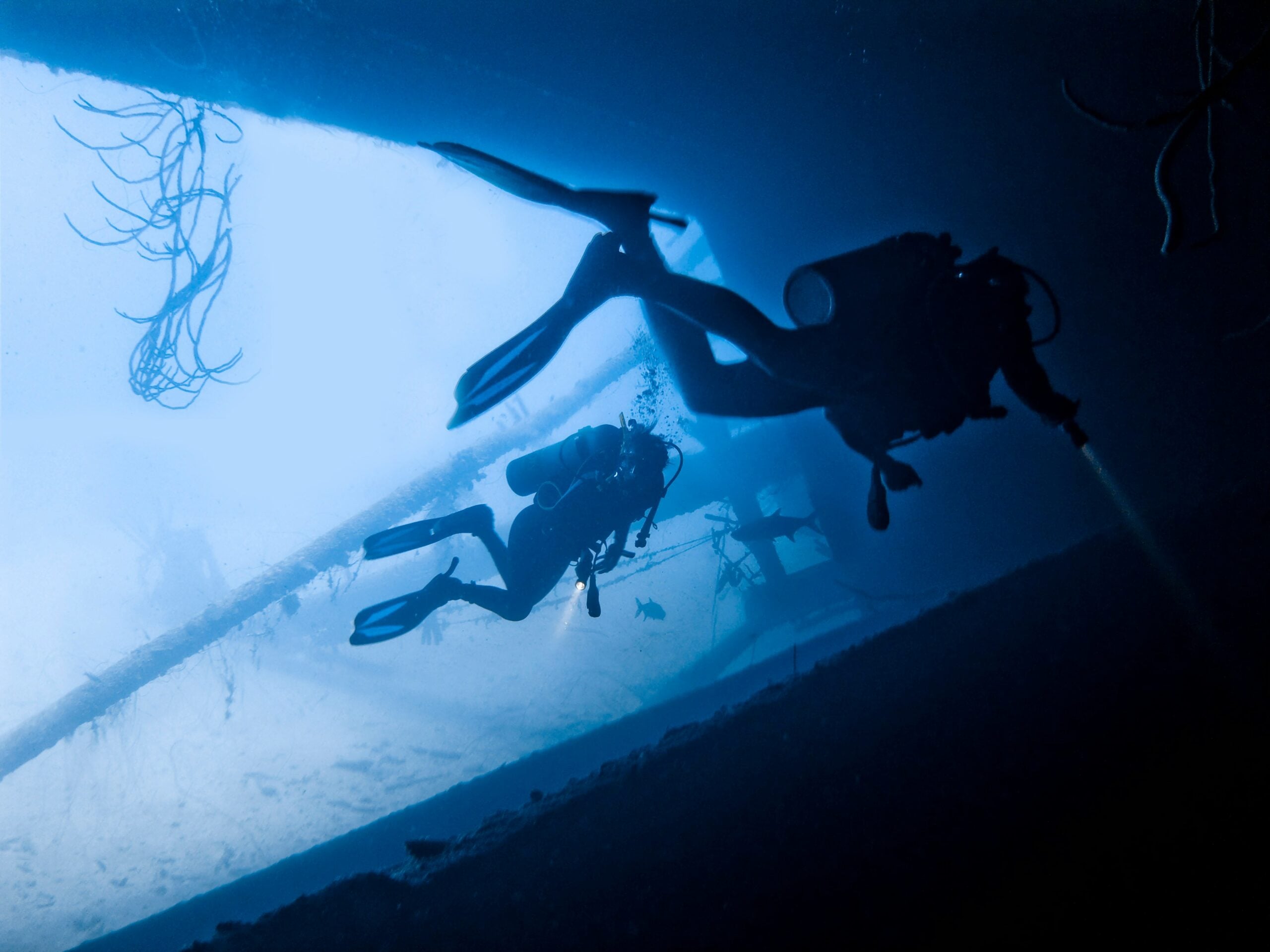
In 2023, an energy company surveying the Mediterranean floor approximately 55 miles off Israel’s northern coast discovered a heap of Canaanite amphorae resting on the seafloor nearly a mile down — the remains of a Bronze Age cargo ship dated to the 14th or 13th century BCE. What made it significant was its location: this far from shore, out of sight of any coastline, the crew would have needed to navigate entirely by celestial observation.
All other known Bronze Age cargo ships in the Mediterranean had been found in shallow coastal waters. This wreck proved that sailors more than 3,300 years ago were crossing open sea on routes that historians had assumed they lacked the skill to attempt.
HMS Erebus — The Franklin Expedition’s Ghost Ship, Found After 168 Years
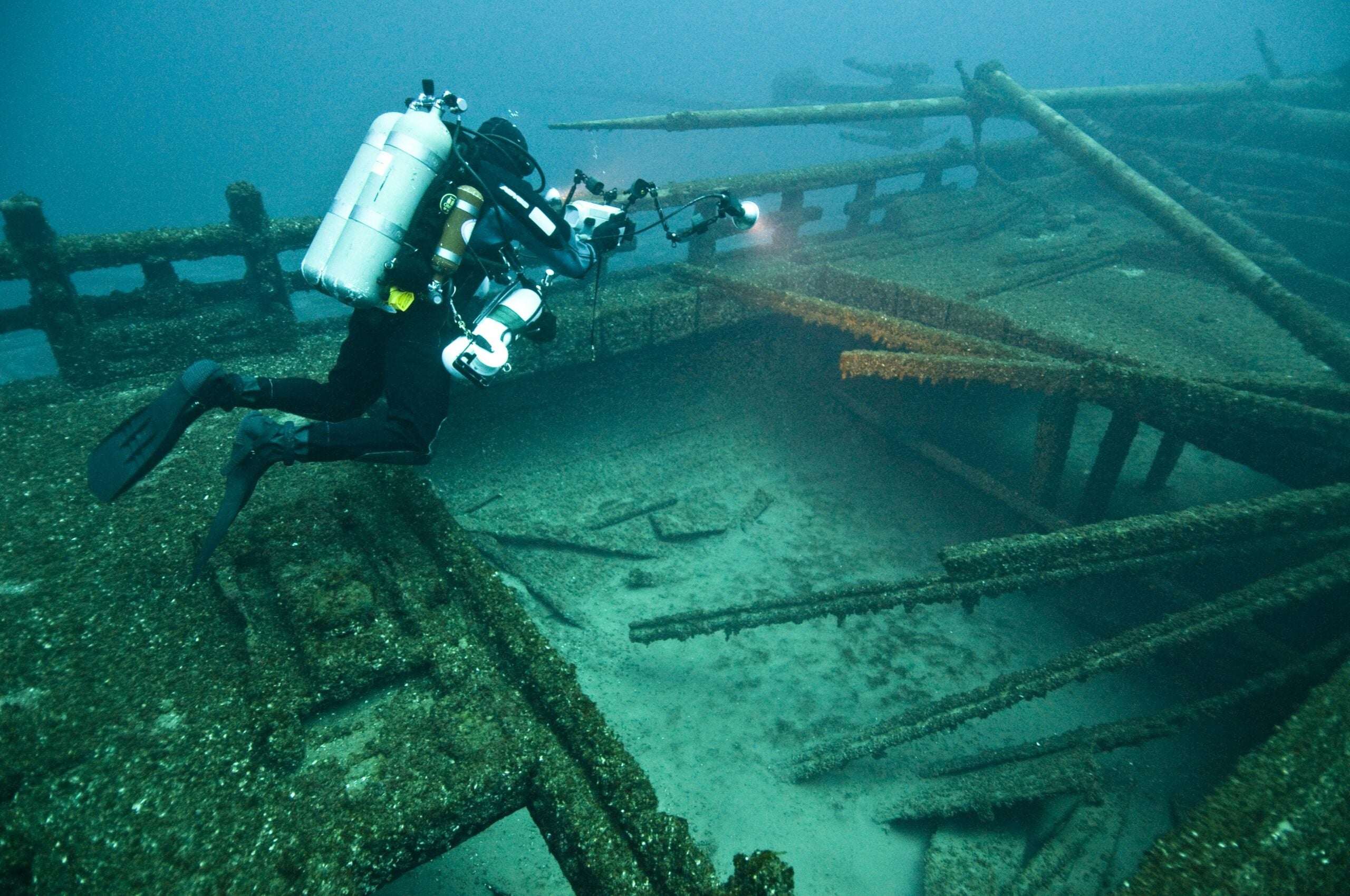
The 1845 Franklin Expedition — 129 men aboard HMS Erebus and HMS Terror, sent to chart the Northwest Passage — vanished without trace and became one of the most obsessive mysteries in the history of Arctic exploration. In September 2014, a Canadian research team discovered Erebus sitting remarkably intact on the floor of Queen Maud Gulf in the Canadian Arctic, 168 years after the ships were abandoned.
HMS Terror was found in 2016 a short distance away. The wrecks were in extraordinarily good condition thanks to the cold water, and subsequent dives revealed china still stacked in the captain’s cabinet and navigational instruments lying on shelves.
The location confirmed what Inuit oral accounts had described for 160 years — a detail that formal British expeditions had largely dismissed.
The Endurance — Shackleton’s Ship Found Beneath Antarctic Ice, 107 Years Later
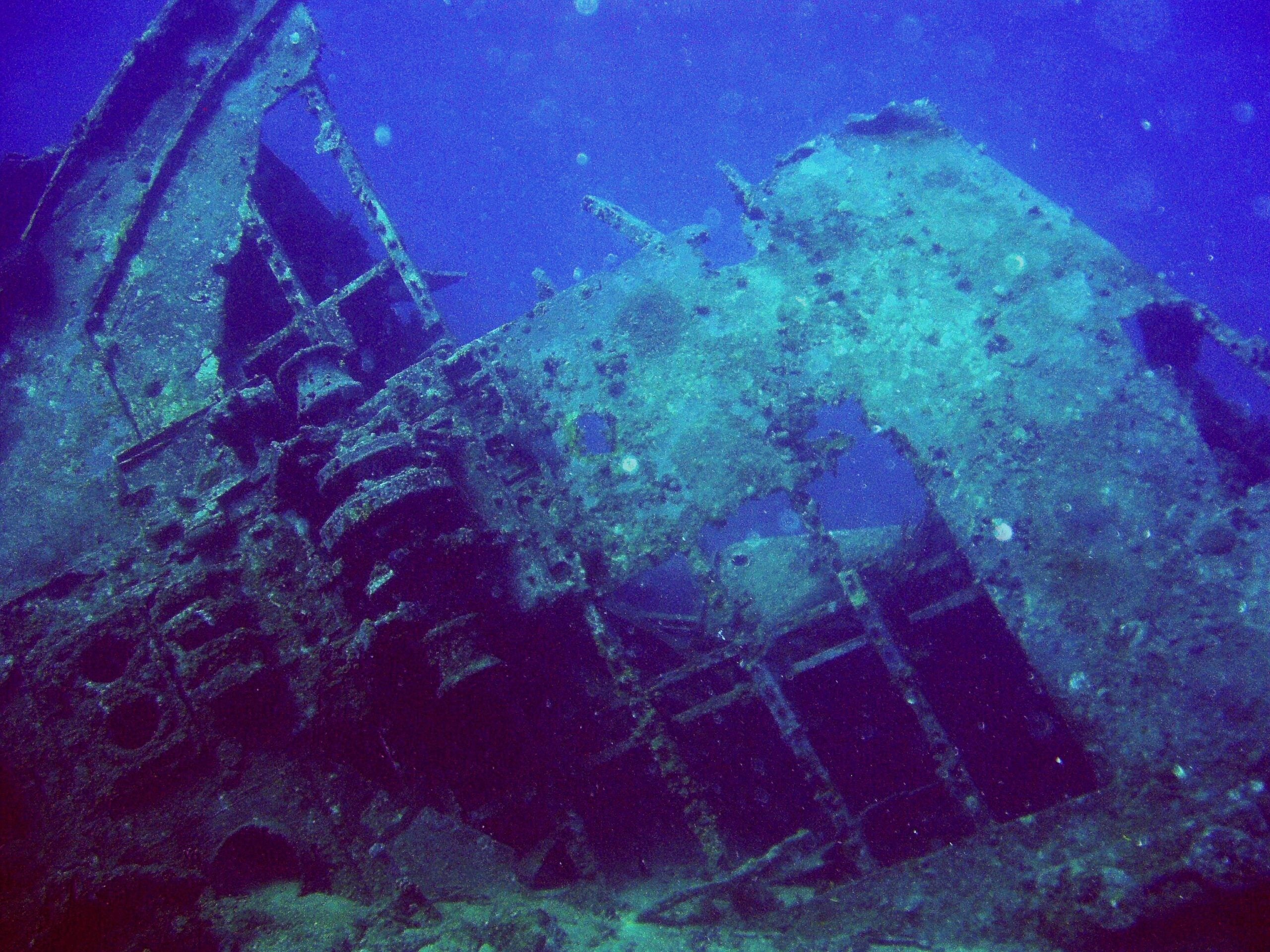
Ernest Shackleton’s ship Endurance was crushed by pack ice and sank in the Weddell Sea in November 1915, at a depth of about 3,008 meters. The location was known only approximately, and the extreme conditions of the Antarctic had defeated every previous search attempt.
In March 2022, a research team using autonomous underwater vehicles finally located and photographed the wreck, finding it in near-perfect condition: the ship’s name was still clearly legible on the stern, rigging hung from the masts, and the crow’s nest was intact. The cold, deep water of the Weddell Sea had prevented the growth of the wood-boring organisms that would normally reduce a ship to rubble.
The Vasa — A 17th-Century Swedish Warship That Sank on Its First Voyage
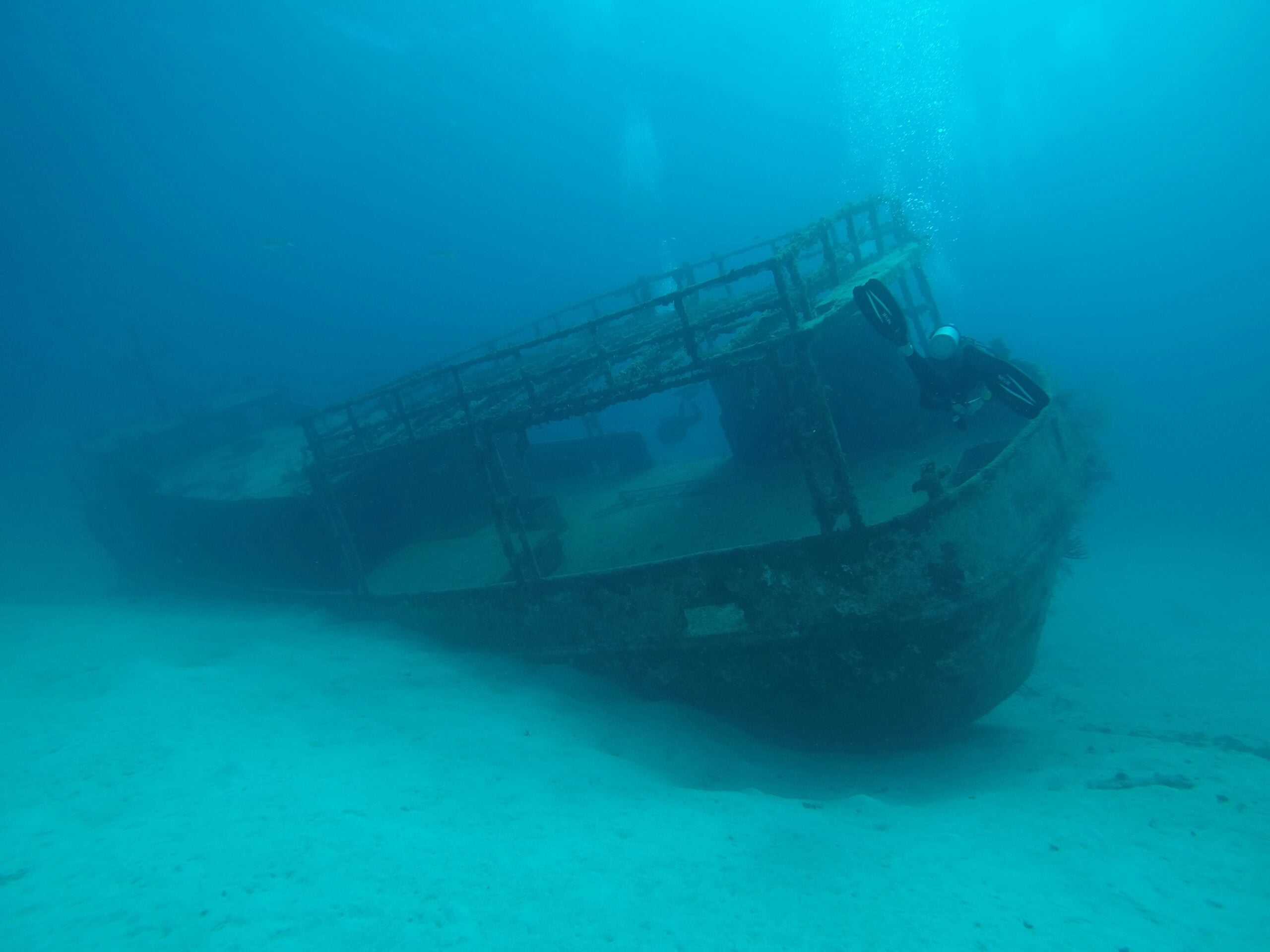
The royal Swedish warship Vasa capsized and sank in Stockholm harbor on August 10, 1628, approximately 1,300 meters into her maiden voyage. She had been built with too many guns on her upper deck and not enough ballast below.
The wreck was known to be in the harbor, but sustained salvage efforts did not begin until 1961, when she was raised largely intact after 333 years on the seafloor. The cold, low-salinity water of the Baltic had protected the timber from shipworms.
When she was brought to the surface, she carried more than 40,000 individual artifacts, including carved decorations, tools, the personal belongings of sailors, and the remains of several crew members. The Vasa Museum in Stockholm, purpose-built around the original hull, now receives over a million visitors per year.
The Mary Rose — A Tudor Warship Raised From the Solent
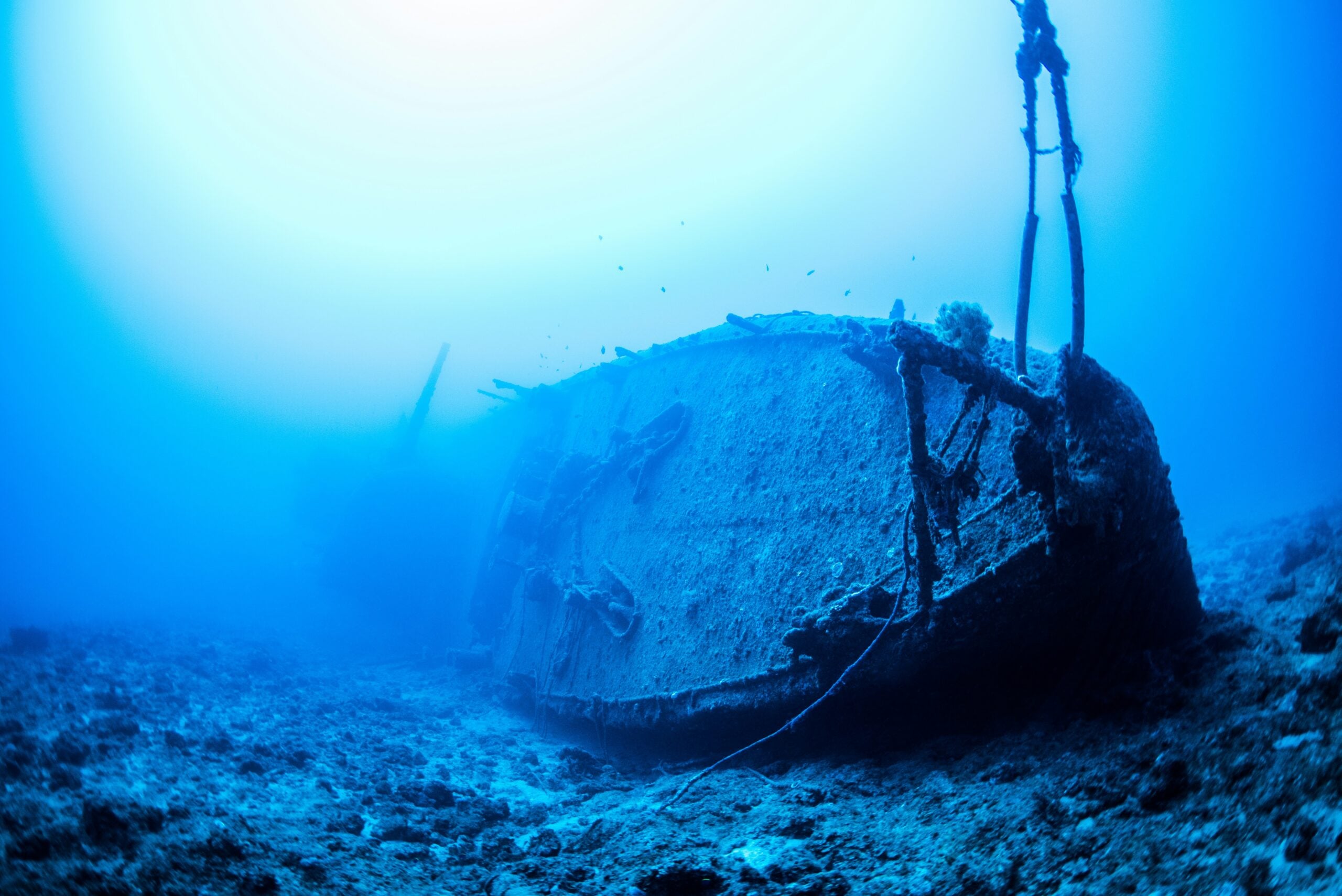
Henry VIII’s flagship Mary Rose sank in the Solent during a battle with a French fleet in 1545, with significant loss of life. She was located in 1971 and raised in 1982 in one of the most complex and watched underwater excavation projects in British history.
The recovery yielded over 19,000 artifacts, including longbows that had never been fired, the ship’s surgeon’s medical chest complete with instruments, wooden gaming boards, and clothing belonging to individual crew members. The Mary Rose revealed detailed information about Tudor shipboard life that no documentary source could have provided.
New wood preservation techniques developed specifically for the project are now used at underwater excavation sites worldwide.
The San José — $17 Billion in Treasure on the Colombian Seafloor
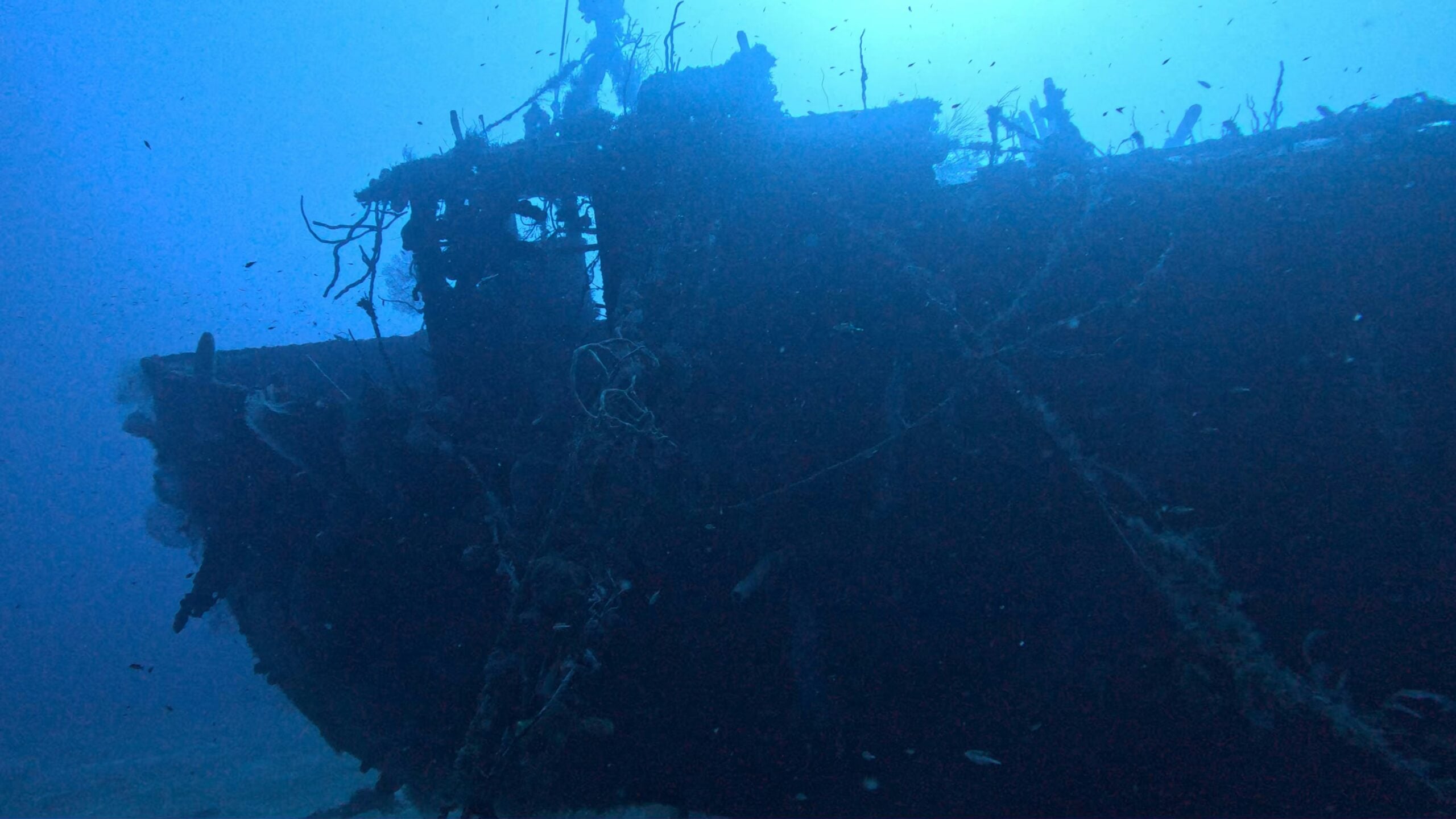
The Spanish galleon San José was sunk by British warships off the coast of Cartagena, Colombia, in 1708, while carrying an enormous cargo of gold, silver, and emeralds bound for Spain to fund the War of Spanish Succession. The wreck was located in 2015 by a Colombian naval survey, and preliminary estimates of its cargo have ranged as high as $17 billion in current value — making it one of the richest shipwrecks ever found.
The discovery immediately triggered a three-way legal dispute between Colombia, Spain, and a US salvage company that claimed to have located the wreck first. As of 2025, Colombia has asserted sovereign ownership, though the broader legal questions remain unresolved.
The Cape Gelidonya Wreck — The Find That Changed Who We Thought Ran Ancient Trade
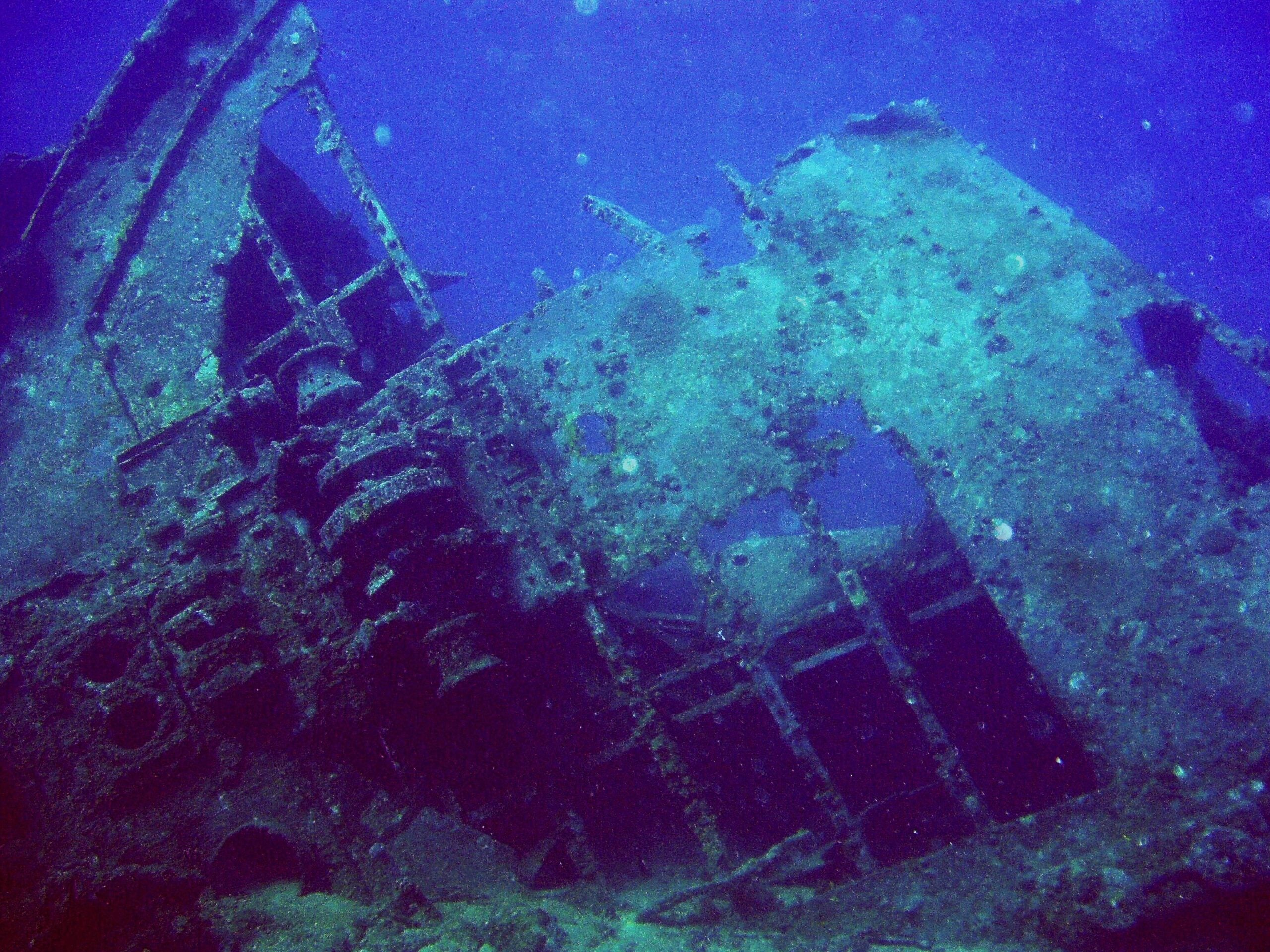
The Cape Gelidonya shipwreck, discovered off the Turkish coast in 1960 and excavated by George Bass in the first fully underwater archaeological excavation in history, dates to approximately 1200 BCE. Initial analysis suggested the crew was Mycenaean, fitting the prevailing theory that Greeks dominated Bronze Age Mediterranean trade.
Bass spent years arguing from the evidence of the cargo — bronze tools, copper ingots, merchant weights of Middle Eastern rather than Greek design — that the ship was actually Syro-Canaanite: what we might now call proto-Phoenician. His conclusion was ridiculed for decades before the Uluburun discovery confirmed it.
The Cape Gelidonya wreck effectively rewrote the story of who was moving goods across the ancient Mediterranean.
The Gribshunden — A Danish Royal Ship With Unexpected Iberian Architecture
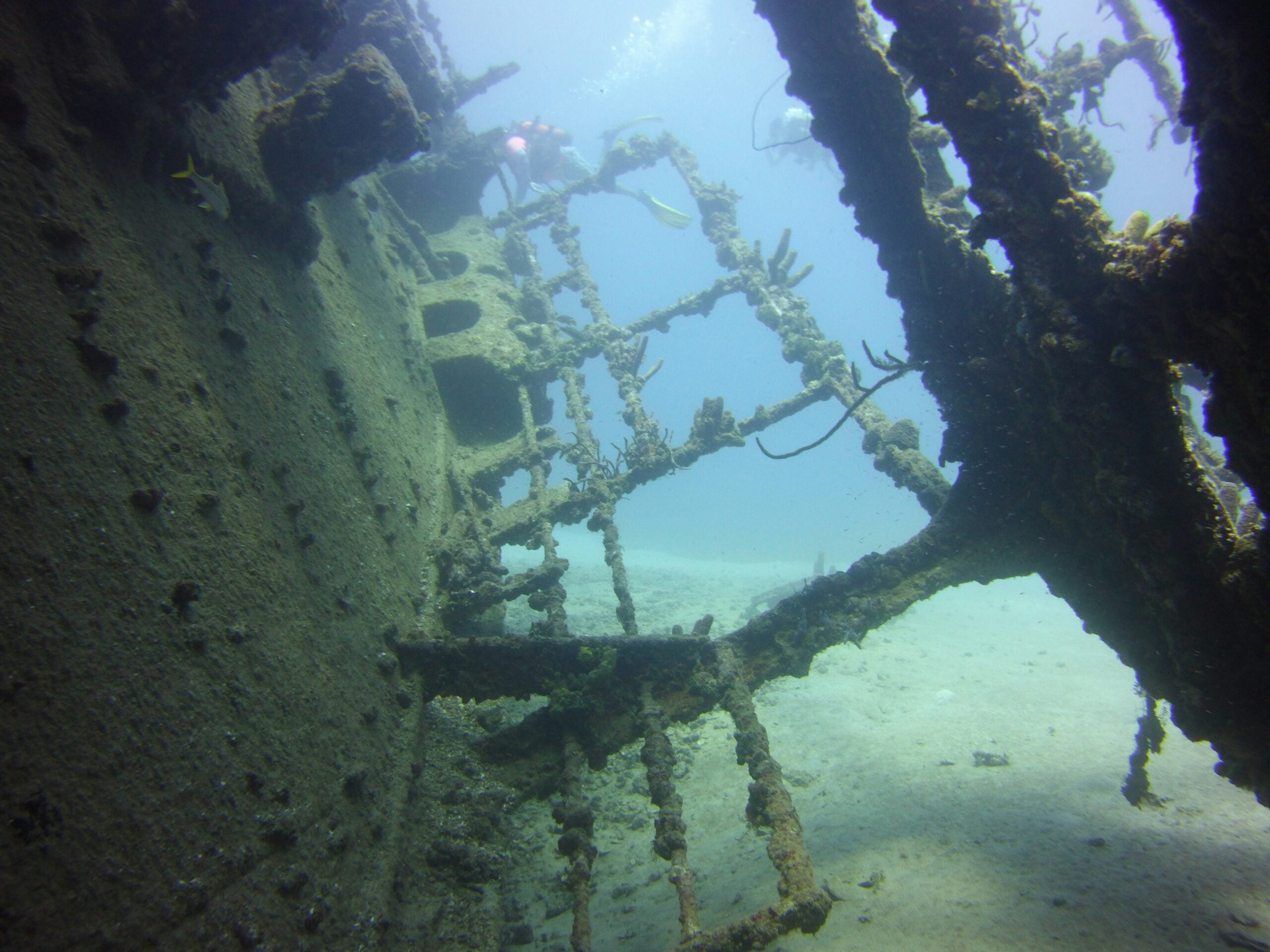
The Gribshunden, the flagship of King Hans of Denmark, sank in the Baltic off the island of Stora Ekon near Ronneby in 1495, in the middle of a diplomatic voyage. It was long known to local historians but was not fully investigated until recent decades.
The unexpected finding came from analysis of the hull’s construction: maritime archaeologists discovered the ship had been built in the Iberian frame-first style — a shipbuilding technique then associated with Portuguese and Spanish vessels — rather than the Nordic clinker method. No one expected a Danish royal flagship from 1495 to show Iberian construction influence, and the find has sparked ongoing debate about the spread of shipbuilding innovation through northern Europe in the late 15th century.
The Black Sea’s 2,400-Year-Old Greek Merchant Ship — History’s Oldest Intact Vessel
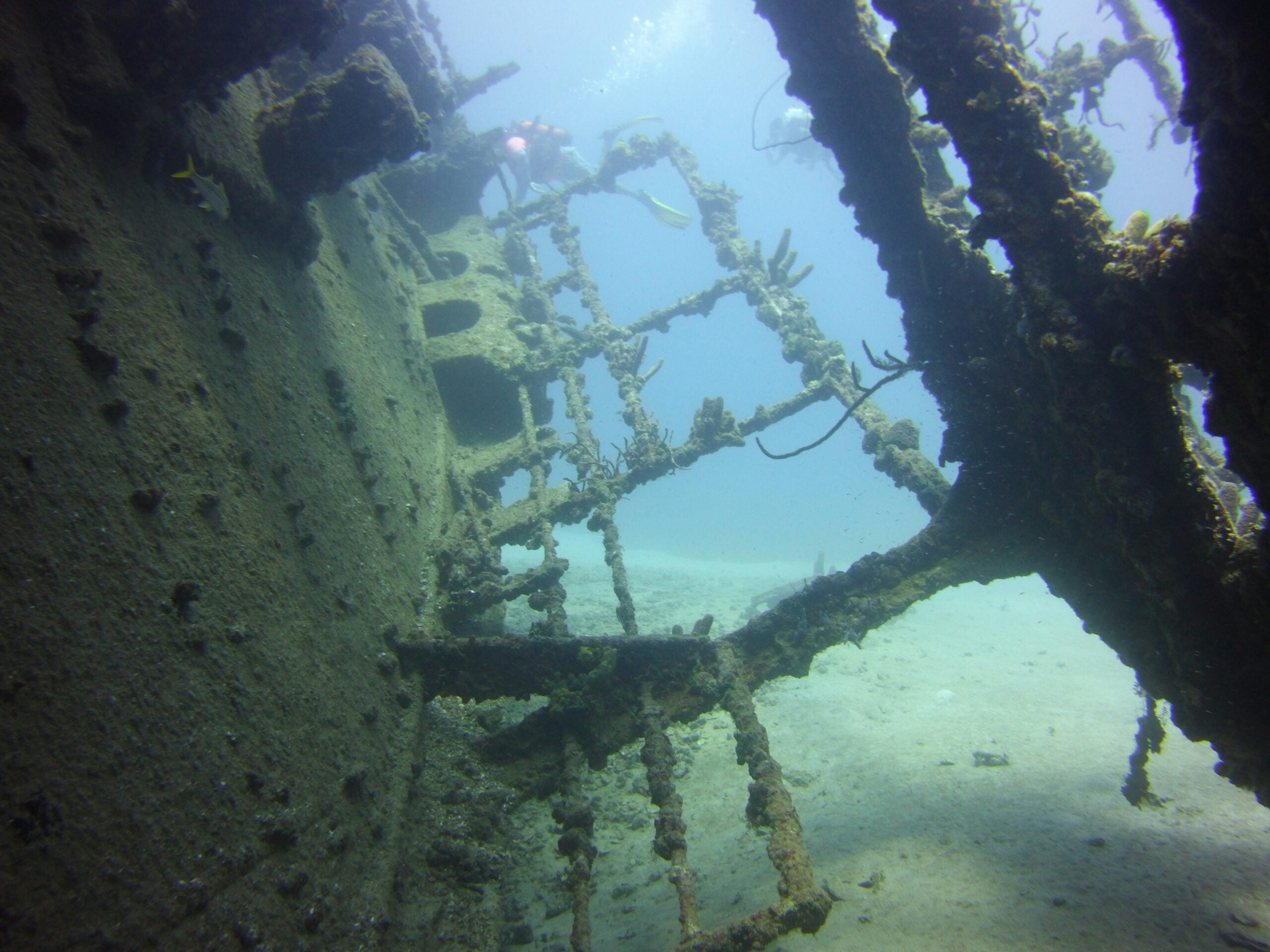
Among the 60-plus wrecks found by the Black Sea Maritime Archaeology Project, the oldest and most dramatic was a 75-foot merchant vessel from approximately 400 BCE — matching the type of ship depicted on ancient Greek pottery but never before found in a physically intact state. A small timber sample returned a carbon date confirming it as the oldest intact shipwreck ever recorded.
The mast still stood. The rudder remained in place.
Even rope was still tied where sailors had last secured it. What makes the vessel scientifically extraordinary is precisely what makes the Black Sea unusual: nearly 90 percent of the sea’s volume below 150 meters is anoxic, meaning without oxygen — and without oxygen, neither wood-boring organisms nor the bacteria responsible for decay can survive.
The Newport Ship — A Medieval Merchant Vessel Beneath a Welsh Town
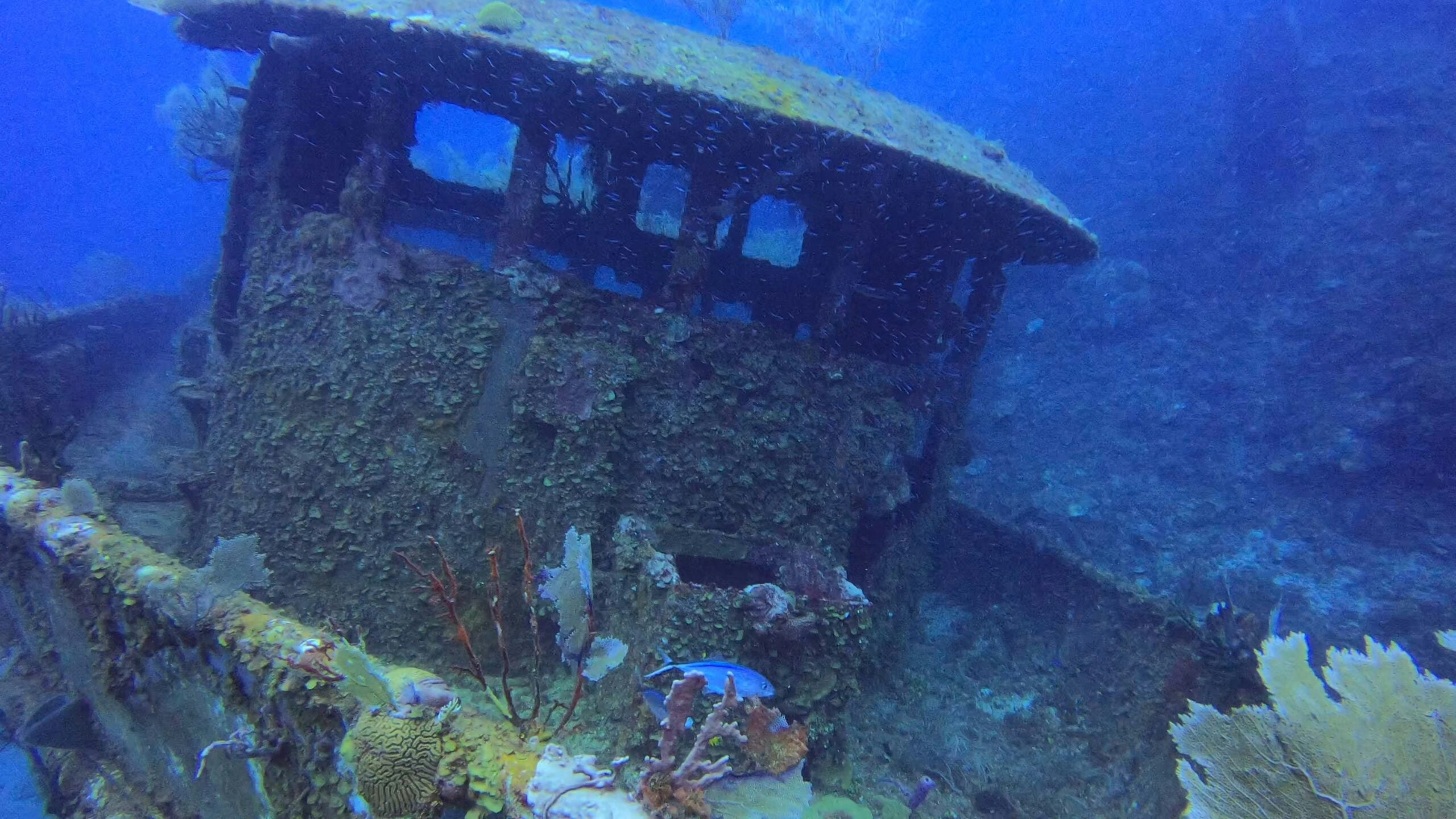
In 2002, construction workers building an arts center in Newport, Wales, struck the timbers of a 15th-century merchant ship buried in the riverbank of the River Usk. The Newport Ship dates to around 1465, making it one of the best-preserved late-medieval vessels in northern Europe.
Tree ring analysis traced its timber to the Basque Country. Among the artifacts recovered was a Portuguese coin that still had enough silver content to be used as currency when the ship was built — its presence helping date the vessel and pointing to active trade routes between Wales and Iberia.
The ship was painstakingly dismantled, with every timber catalogued and preserved at a dedicated facility in Newport.
The Whydah — Blackbeard’s Rival’s Flagship Found Off Cape Cod
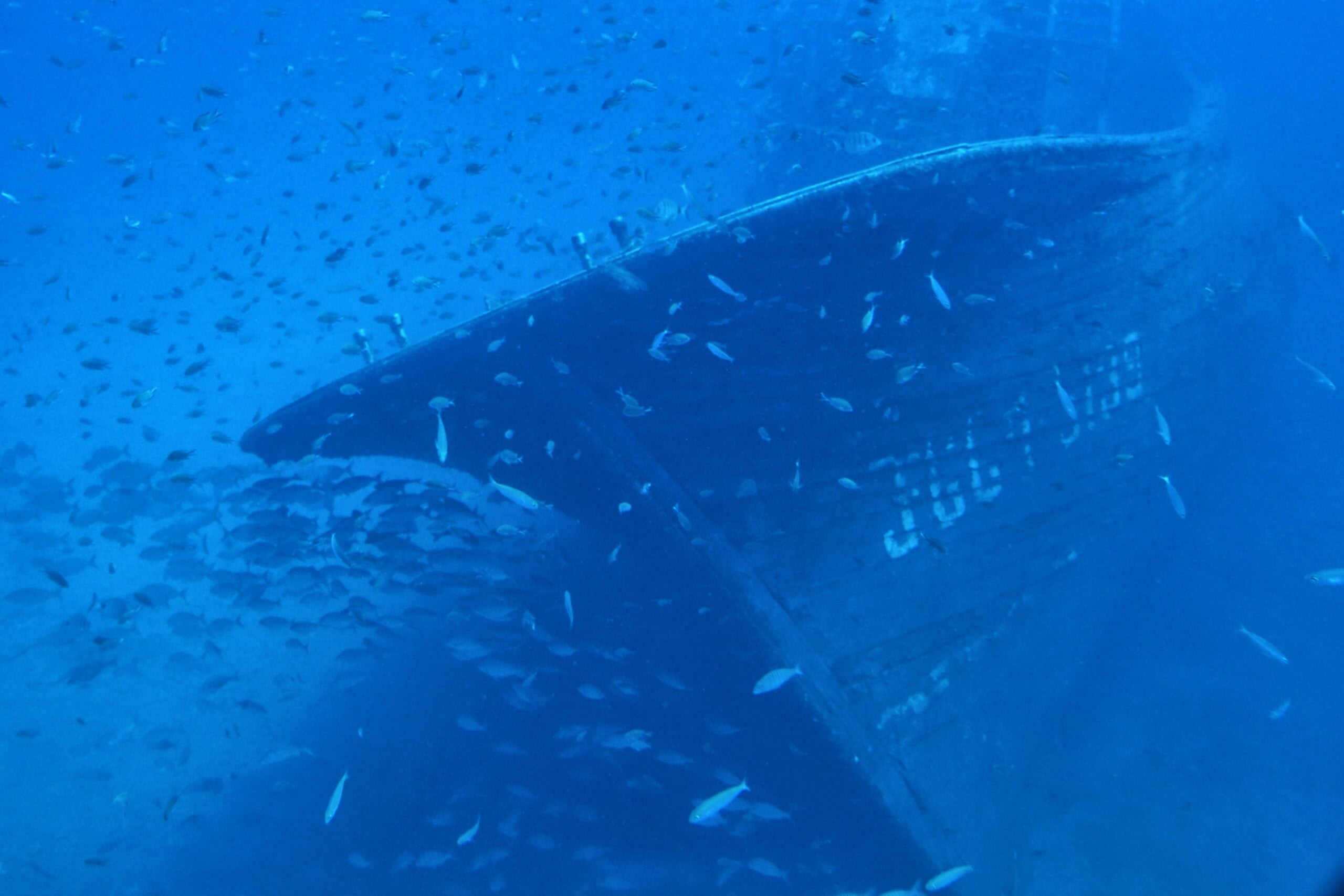
The Whydah Gally, captained by pirate Samuel Bellamy, sank in a storm off Cape Cod in April 1717, killing all but two of its crew. It was the first fully confirmed pirate shipwreck to be discovered and authenticated in American waters, found by treasure hunter Barry Clifford in 1984.
The wreck yielded a ship’s bell inscribed “The Whydah Gally 1716,” which confirmed its identity beyond doubt. More than 200,000 artifacts have since been recovered, including weapons, coins, jewelry, and medical instruments — collectively the single largest authenticated collection of pirate artifacts in existence, now displayed at the Whydah Pirate Museum in Provincetown, Massachusetts.
The Yongala — An Australian Passenger Liner in the Middle of the Coral Sea
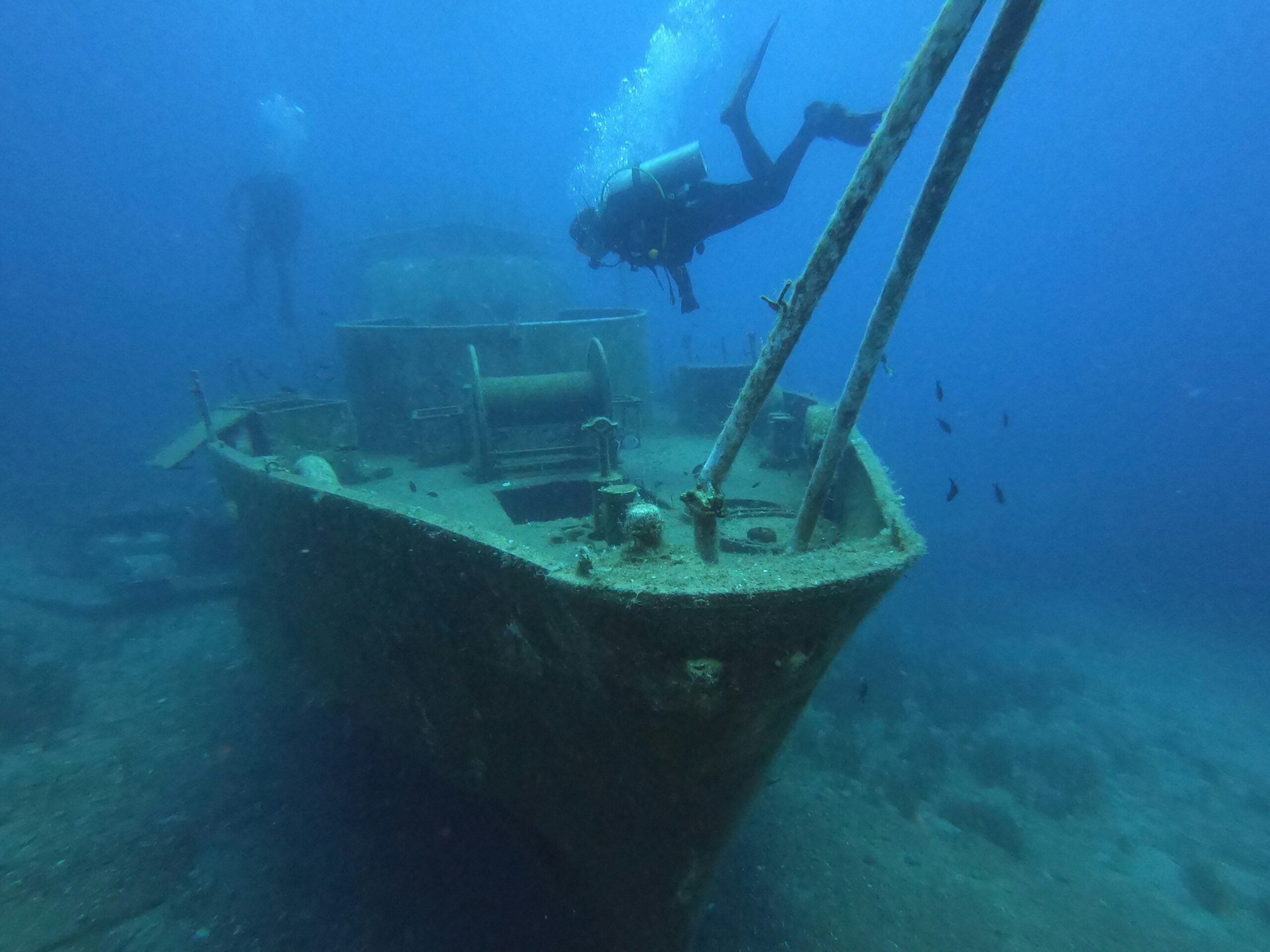
The SS Yongala disappeared in a cyclone off the Queensland coast in March 1911, killing all 122 people aboard. The wreck was not located until 1958, and its identity was not confirmed until 1981.
It now sits in 15 to 30 meters of water roughly 80 kilometers from the nearest coast — too far from shipping lanes to have been found earlier. Because the Yongala has been a protected historic site for decades with no salvage operations, it is considered one of the best-preserved passenger ship wrecks in the world, and has developed into one of the most biodiverse dive sites in the Great Barrier Reef, with the hull now home to enormous sea turtles, manta rays, and bull sharks.
The Sutton Hoo Ship — A Royal Burial Found in a Suffolk Meadow
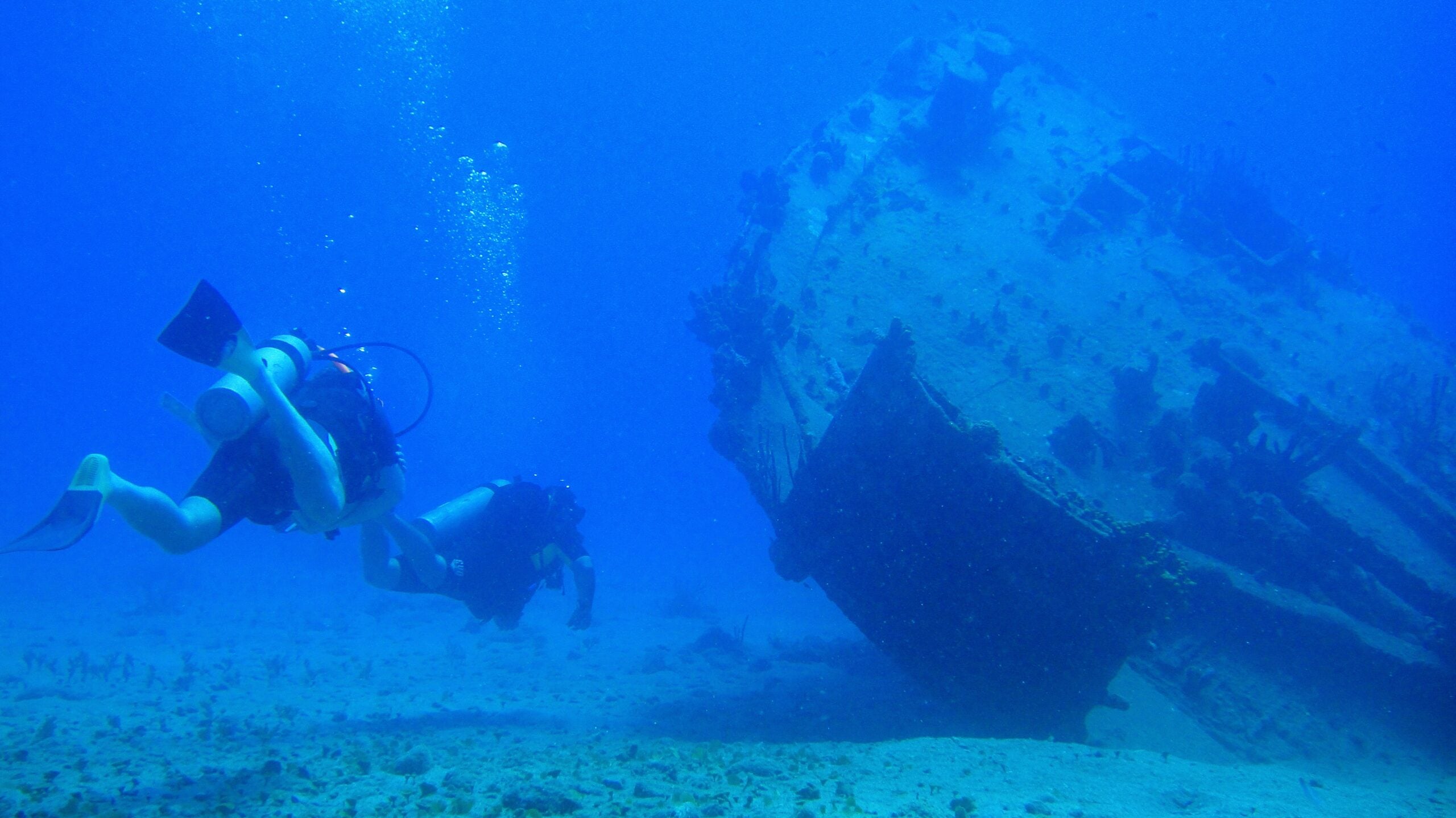
Strictly speaking, the Sutton Hoo ship is not a wreck in the conventional sense — it was deliberately buried in an earthen mound in Suffolk, England, in approximately 625 CE as part of an Anglo-Saxon royal burial, and its timber had long since decayed, leaving only a ghostly impression in the soil. Excavated in 1939, the burial chamber within contained the most significant Anglo-Saxon treasure ever found in Britain: a gilded helmet, silver bowls, a sword with gold fittings, and a stone scepter.
The ship itself had been used as the burial vessel for what most scholars believe was King Rædwald of East Anglia. No one suspected that a significant royal tomb lay beneath a low meadow in Suffolk until the landowner, Edith Pretty, authorized a dig.
The Titanic — And What It Revealed That the Sinking Did Not
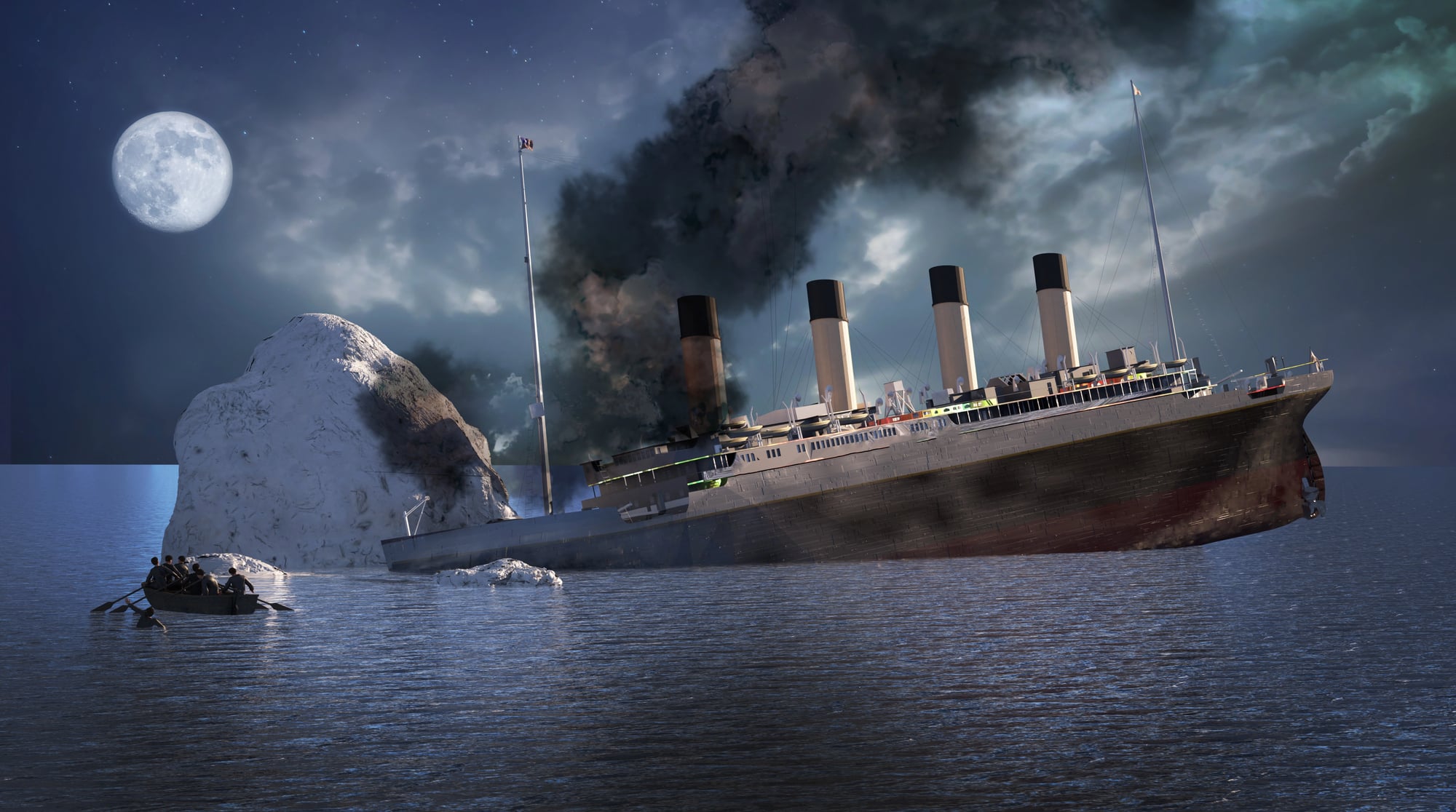
When Robert Ballard’s team discovered the Titanic on the floor of the North Atlantic in September 1985, lying in approximately 3,800 meters of water about 600 kilometers off Newfoundland, the world knew the ship was there. What no one had expected was the condition of the wreck and what it revealed about the sinking itself.
The discovery that the bow and stern sections lay approximately 2 kilometers apart, and that the ship had broken apart at the surface before sinking, directly contradicted the accounts of most survivors, who described the ship going down in one piece. Subsequent investigations also revealed that the steel used in the hull was brittle at low temperatures — a finding that led to significant changes in steel quality standards for maritime construction.
The Griffin — A 17th-Century Ship That May Have Been Found in the Great Lakes
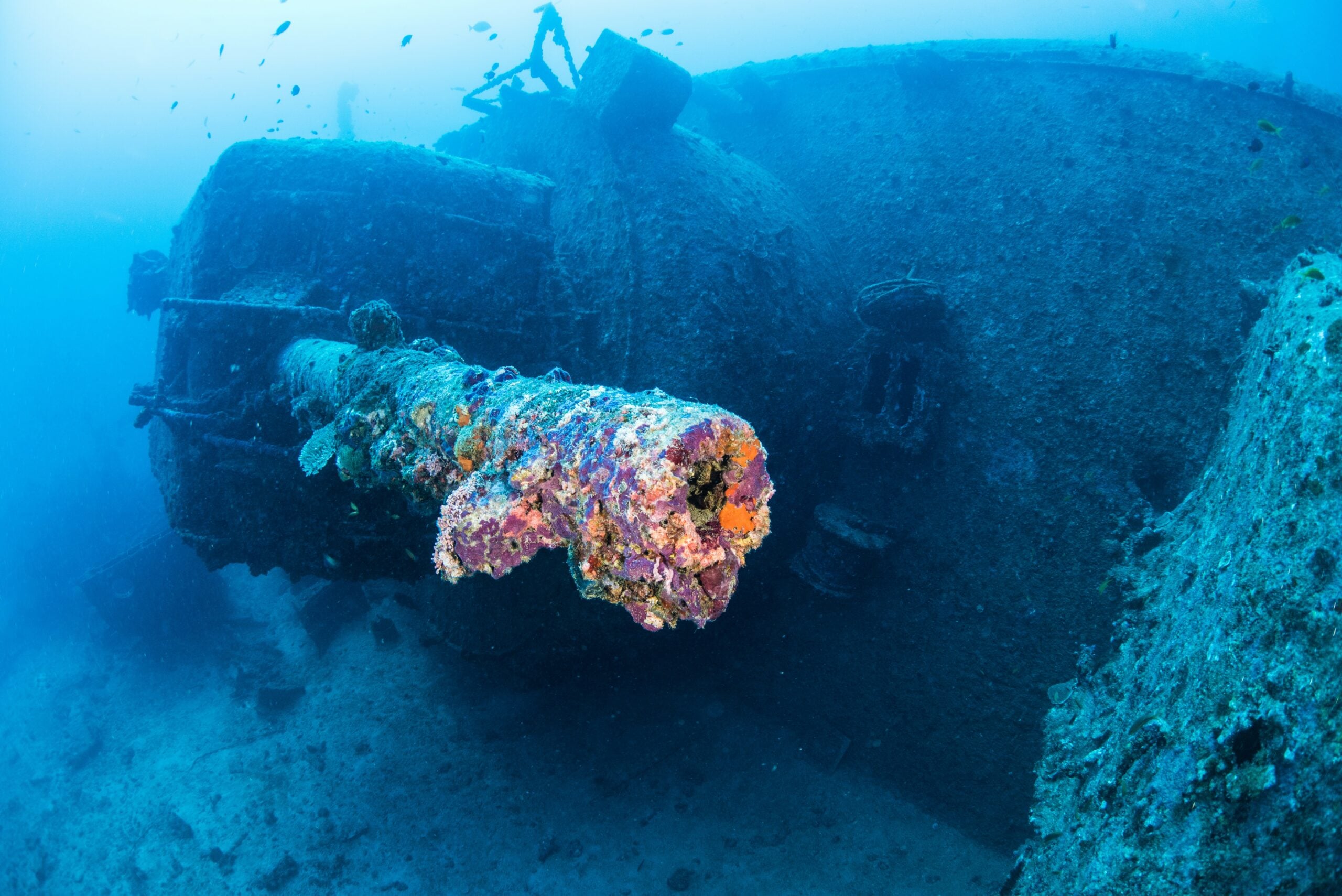
The Griffin, built by French explorer René-Robert Cavelier, Sieur de La Salle, was the first European sailing vessel known to have sailed the upper Great Lakes. It vanished in September 1679, allegedly while carrying a cargo of furs, and has been sought for over three centuries.
In 2022, a team of researchers announced what they believed was a credible candidate wreck in northern Lake Michigan, covered in invasive zebra mussels. Whether the identification holds up to full archaeological scrutiny remains debated, but the site — a sailing vessel in shallow freshwater far from the sea — represents the kind of unexpected inland location that the Great Lakes have preserved more carefully than salt water would have.
The Scandola Merchant Vessel — A Byzantine Wreck Reframing Medieval Trade
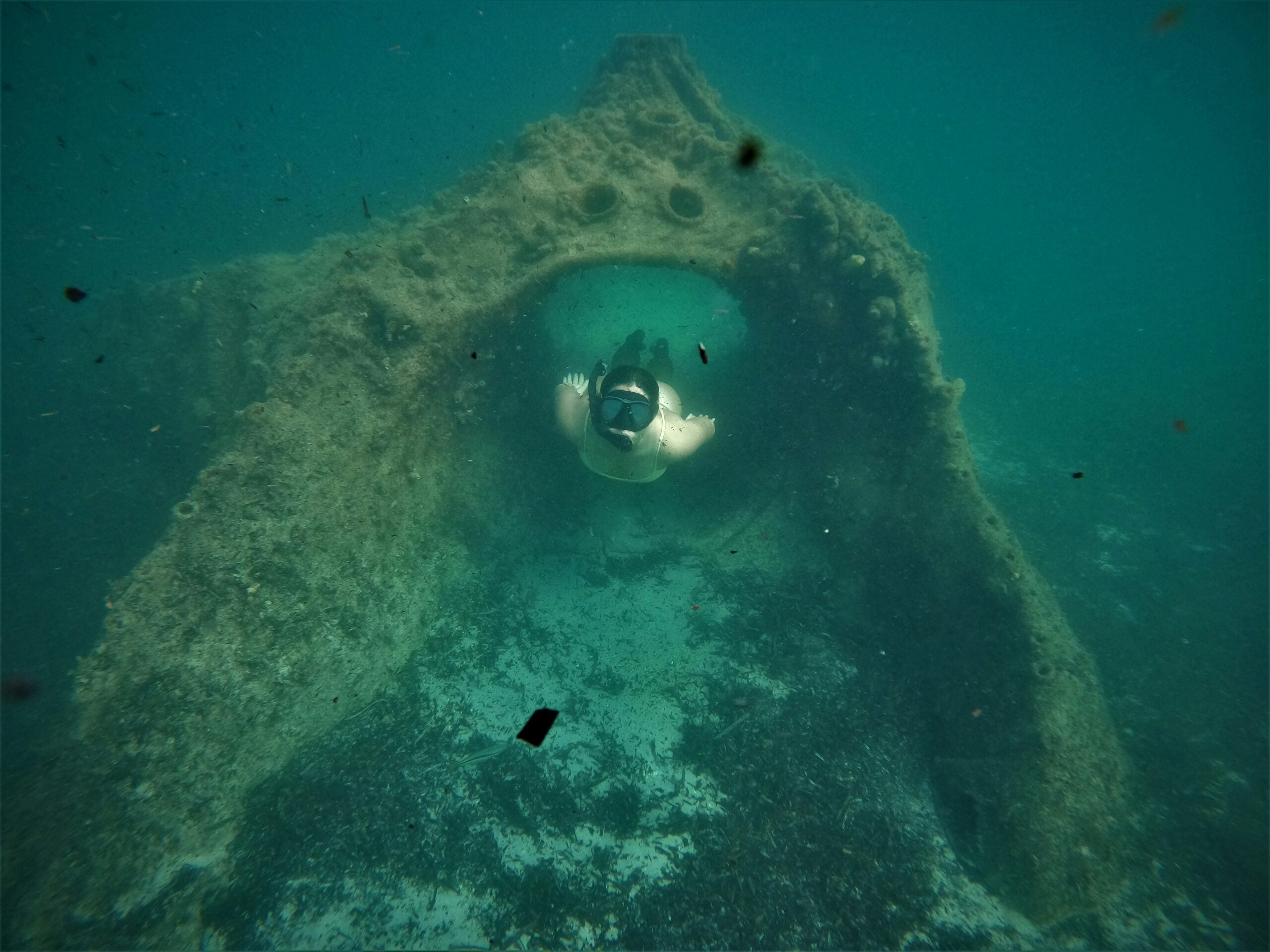
A wreck discovered off Mljet, one of Croatia’s southernmost Adriatic islands, and investigated in depth from 2014 onward, turned out to be a Byzantine or early medieval merchant vessel with a cargo that did not match the period’s assumed trade patterns. The Mljet region lies on the ancient east-west route connecting Italian port cities with Constantinople, and the wreck’s cargo composition — with goods suggesting origins well to the east of what Byzantine merchants were thought to have been sourcing at that date — has contributed to ongoing revisions of when and how far medieval Mediterranean trade networks actually extended.
The Rooswijk — A Dutch East India Company Ship, Remarkably Intact After 280 Years
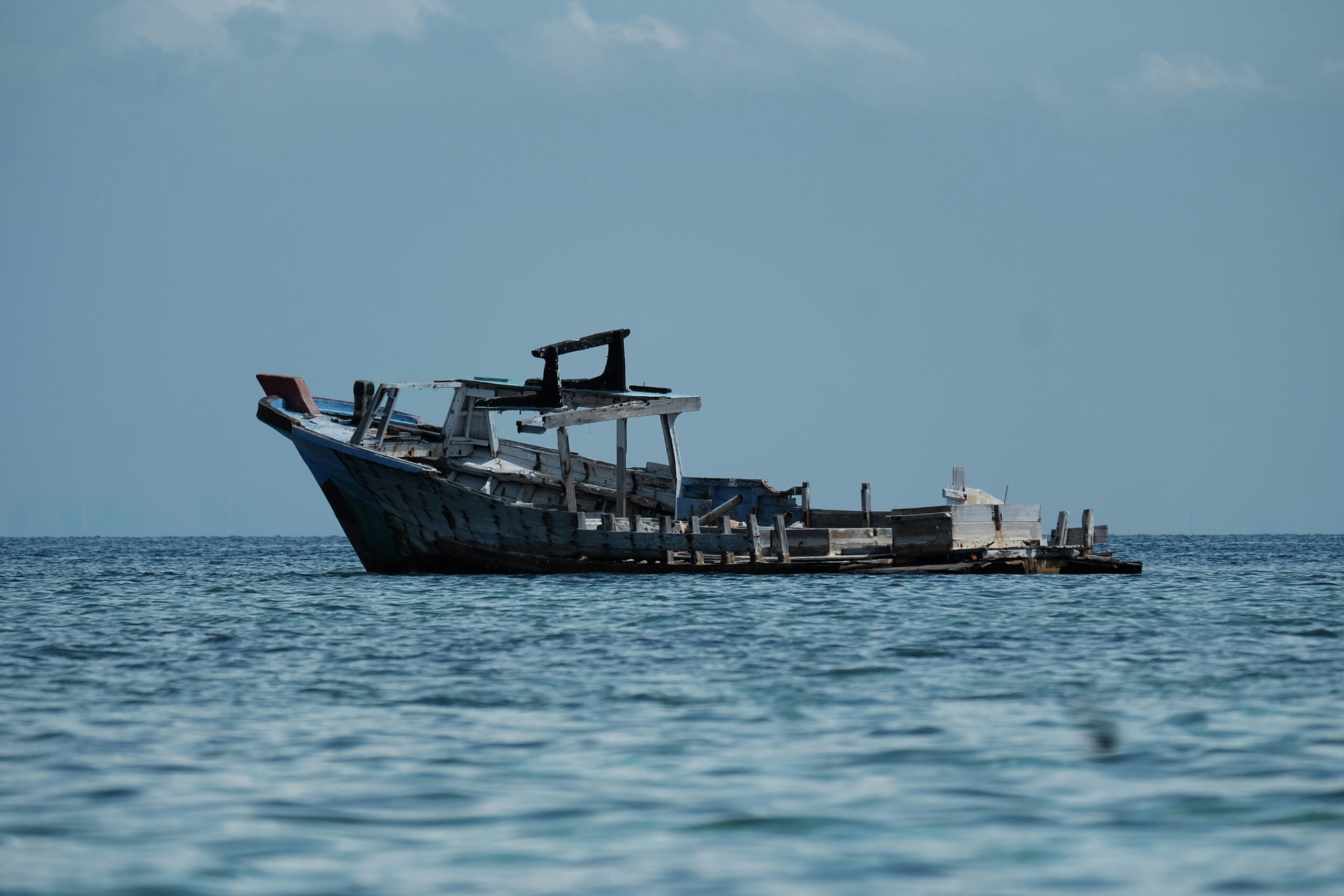
The Dutch East India Company vessel Rooswijk sank in the Goodwin Sands off the coast of Kent, England, in January 1740, with the loss of approximately 200 crew. The Goodwin Sands, a notorious shifting sandbar in the English Channel, have long been known as a ship’s graveyard — but they also function as a preservation medium: their movement buries wrecks quickly, sealing them from further damage.
When archaeologists systematically investigated the Rooswijk between 2016 and 2018, they found personal belongings still in place — pewter plates, silver coins, navigational instruments, clothing — giving researchers an unusually intimate picture of 18th-century Dutch seafaring life.
The SS Republic — A Civil War Treasure Ship in the Deep Atlantic
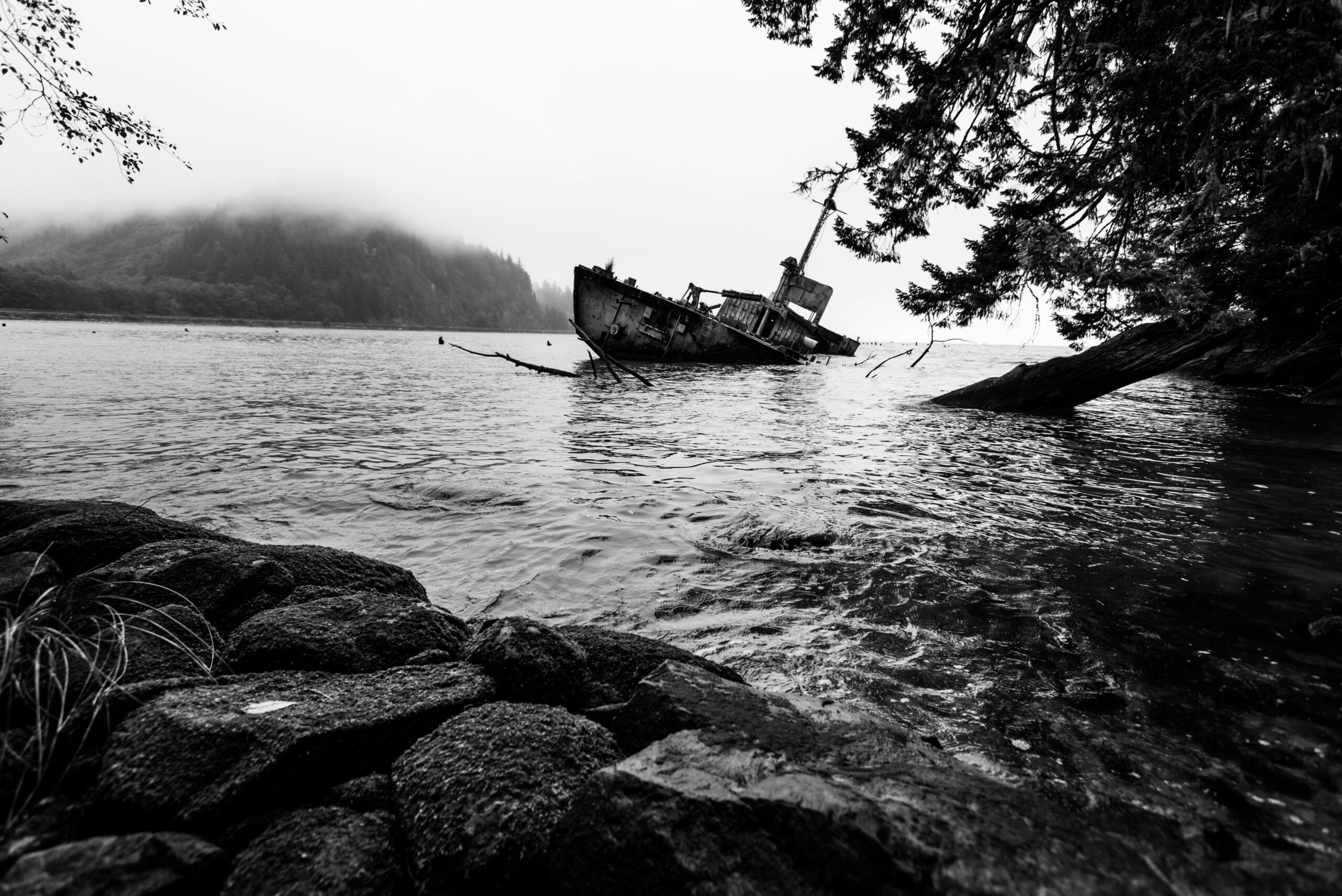
The SS Republic, a paddle steamer carrying gold and silver coins intended to help rebuild New Orleans after the Civil War, sank in a hurricane off the coast of Georgia in October 1865. The wreck was found in 2003 by Odyssey Marine Exploration in about 500 meters of water.
Over 51,000 gold and silver coins, plus thousands of artifacts from the post-war era, were recovered — making it one of the richest American shipwreck discoveries in history. A US district court ruled in favor of finders’ rights for the wreck, and many of the recovered coins entered the numismatic market, where individual examples have sold for thousands of dollars depending on condition and denomination.
A 15th-Century Carvel Ship in the Baltic, Near Stockholm — Europe’s Earliest Known Example
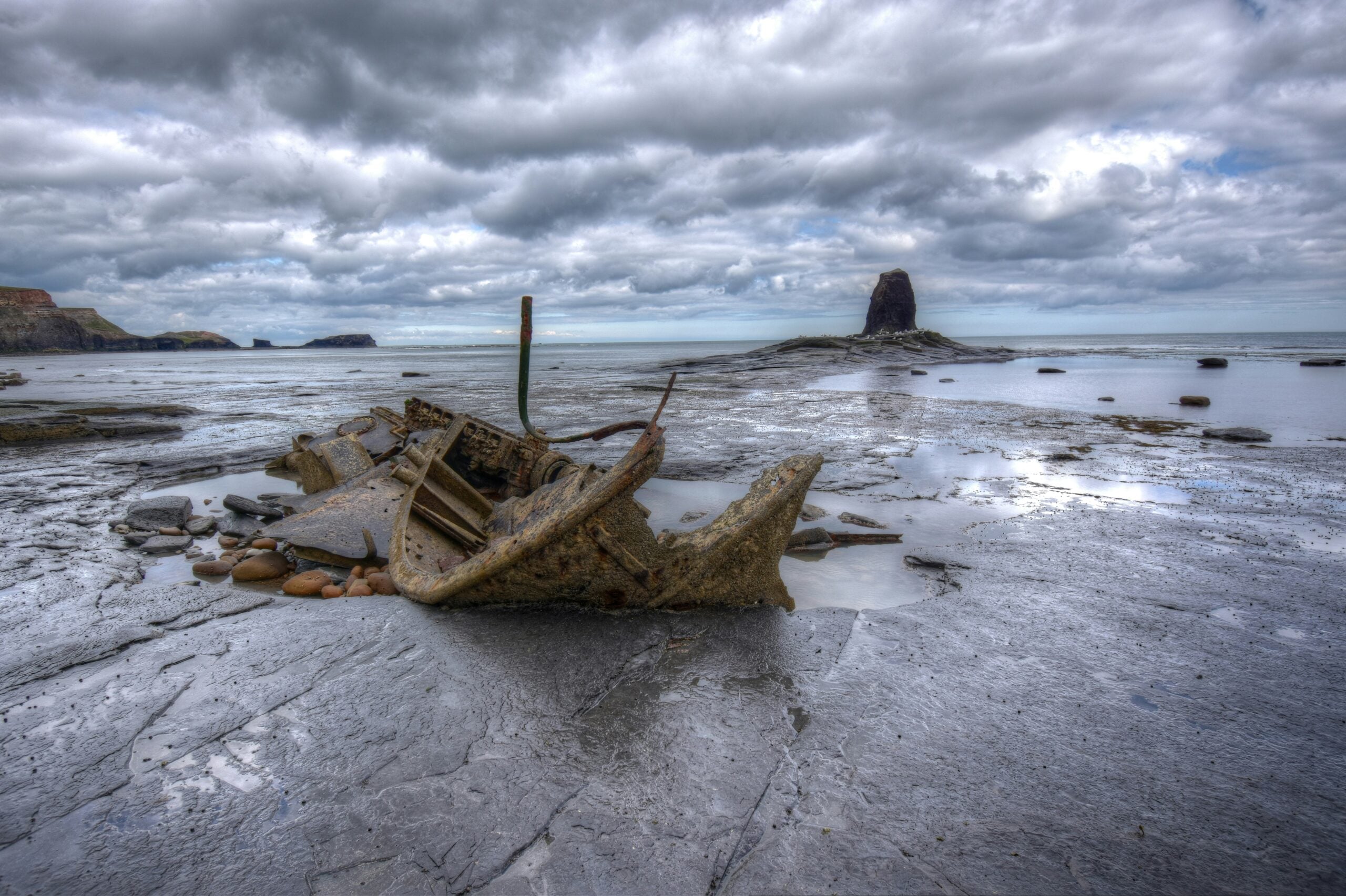
A wreck designated “Wreck 5,” found in Landfjärden south of Stockholm and investigated by maritime archaeologists in recent years, has been dated to the 15th century and identified as the oldest known carvel-built ship in the Nordic region. Carvel construction — planks laid edge-to-edge rather than overlapping — was associated with southern European shipbuilding tradition.
Finding such a vessel in Scandinavian waters, built from local timber, indicates that this more advanced shipbuilding technique reached the Baltic earlier than previously documented, and that Nordic shipyards were absorbing technical knowledge from Mediterranean traditions well before the historical record suggested.
The Porcelain Wreck — An 18th-Century Trader Found 600 Meters Down in the Skagerrak

In 2025, researchers exploring the Skagerrak strait between Norway and Denmark discovered an 18th-century merchant vessel at a depth of approximately 600 meters, its cargo of Chinese porcelain, glass chandeliers, and luxury goods almost entirely undisturbed. The cold, deep water of the strait had preserved both the organic and fragile contents of the cargo in remarkable condition.
The discovery raised immediate questions about uncharted trade routes through the northern straits during the height of the East India Company era, and about how much commerce passed through the Skagerrak that left no documentary record.
Fournoi — 58 Ancient Wrecks at One Greek Island Group
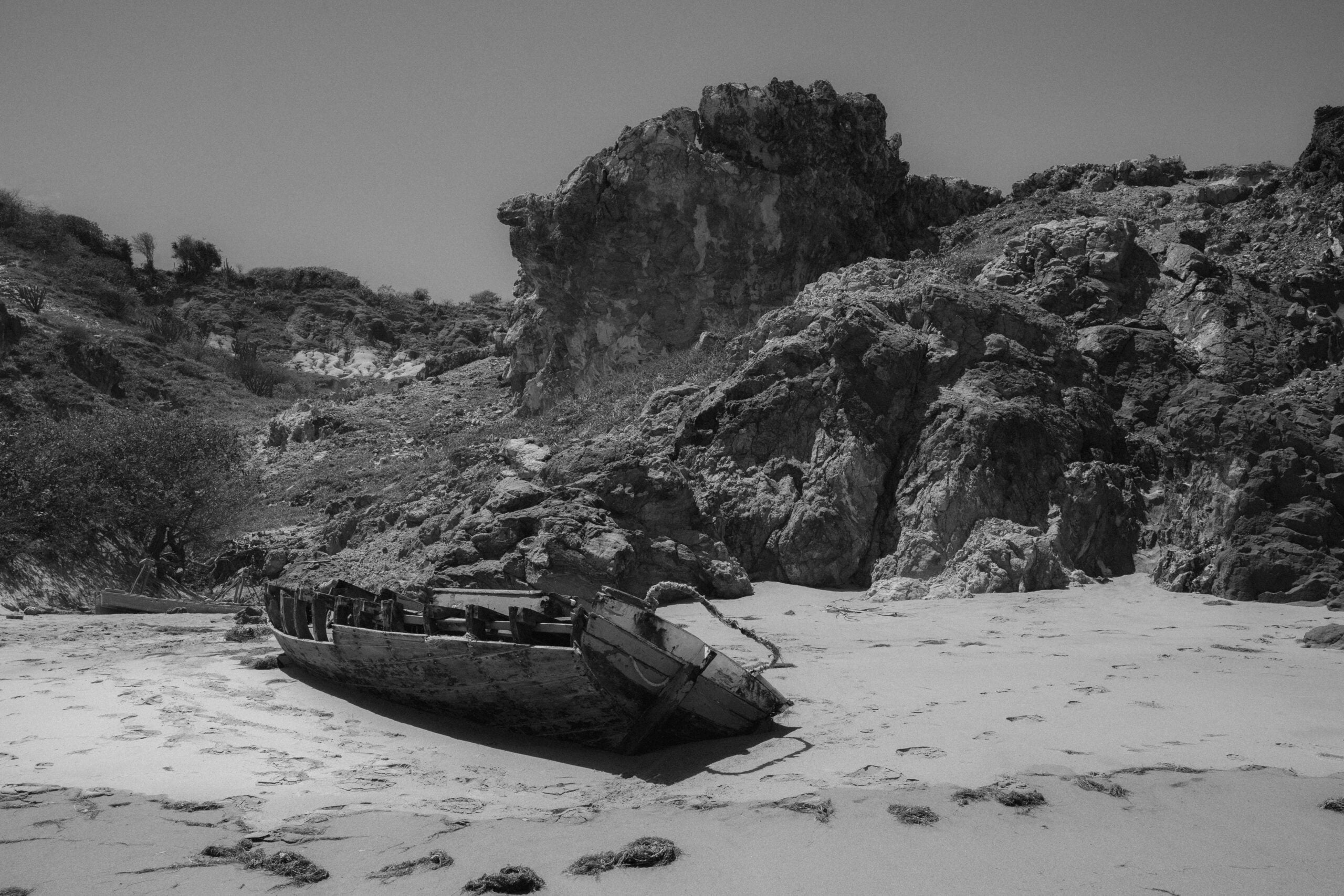
The archipelago of Fournoi, positioned at the convergence of major ancient sea routes between the Aegean, the Black Sea, Spain, and North Africa, has yielded more than 58 ancient shipwrecks during ongoing underwater surveys. The concentration is staggering: cargoes from Cyprus, North Africa, Italy, Spain, and the Aegean spanning more than 1,500 years of history, effectively making the seafloor around this small, rarely visited island group one of the densest archaeological sites in the Mediterranean.
Each new season of diving at Fournoi adds to a body of evidence for ancient trade connections that the documentary record barely hints at.
The Skeleton Coast That Kept Giving
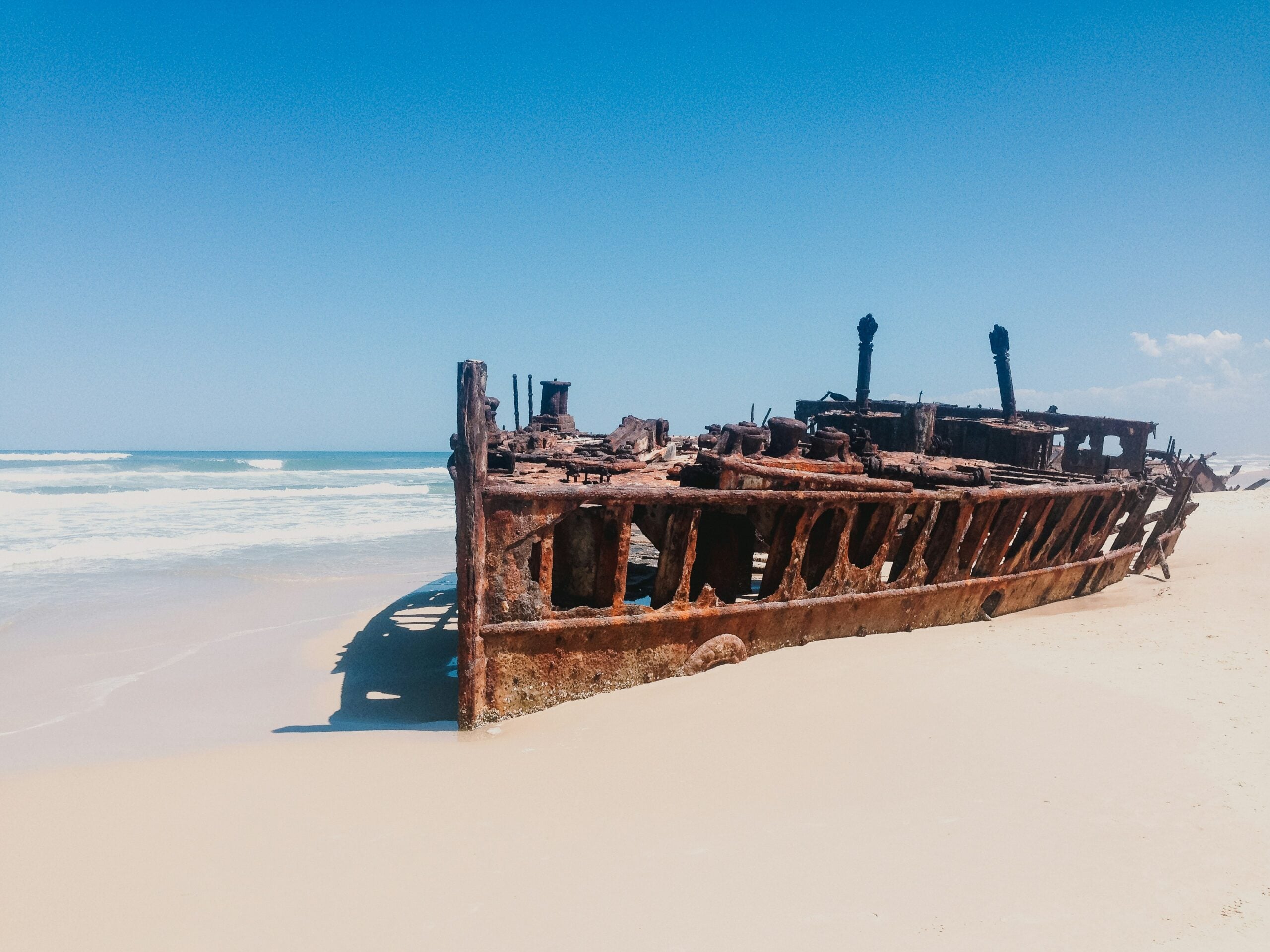
The Bom Jesus in Namibia was not the only ship to run aground on the Skeleton Coast and leave its bones in the sand. The coastline earned its name from sailors who had nothing but desert between them and death after their ships came apart on the rocks — but the same conditions that killed them preserved the physical evidence of their passage.
Dry desert air, low humidity, and shifting sands that buried rather than scattered the wreckage have kept centuries of European maritime commerce locked in place along a coast that most people only know as a name on a tourist map. The Bom Jesus is the most spectacular of these finds, but maritime archaeologists believe it is far from the last.
The Ships That Keep Rewriting the Story
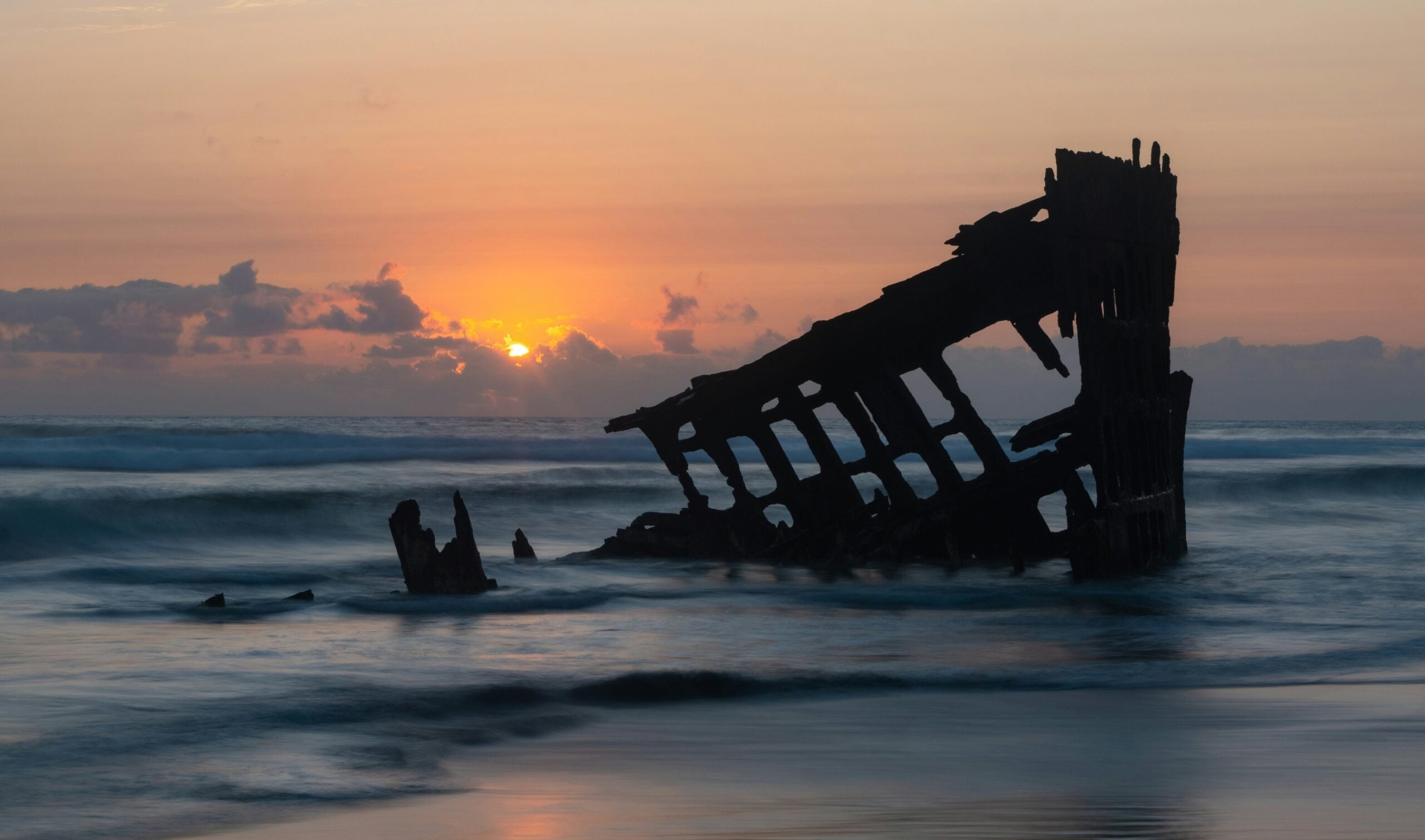
Every shipwreck in this list changed something: a theory about ancient navigation, an assumption about where medieval trade extended, a narrative about who controlled the Bronze Age sea lanes. The pattern across them — from the Antikythera Mechanism to the Uluburun cargo to the intact rigging of a 2,400-year-old Greek merchantman on the Black Sea floor — is that the physical record consistently shows more complexity, more reach, and more sophistication than the written record preserves.
Ships sank because they were pushed to the edge of what was possible. The ones that did not sink left no proof they had gone that far.
It is the wrecks, scattered across deserts and city foundations and oxygen-free sea floors, that document how far people were actually willing to go.
What maritime archaeology keeps demonstrating is that the story of human movement across water is older, longer, and more interconnected than any single generation of scholars has fully credited. The Canaanite jars brought up from a mile below the Mediterranean in 2024 had not seen daylight for 3,300 years.
The ship’s bell of the Whydah, recovered from Cape Cod in 1984, still said exactly what everyone hoped it would say. The best discoveries tend to confirm a suspicion so strongly that it becomes a certainty — and then immediately raise a dozen new questions about what else the sea is holding back.
More from Go2Tutors!
- The Romanov Crown Jewels and Their Tragic Fate
- 13 Historical Mysteries That Science Still Can’t Solve
- Famous Hoaxes That Fooled the World for Years
- 15 Child Stars with Tragic Adult Lives
- 16 Famous Jewelry Pieces in History
Like Go2Tutors’s content? Follow us on MSN.