Iconic US Military Bases With Unique Stories
The United States military has built installations across the country that go far beyond simple training grounds. These bases have witnessed history unfold, shaped communities, and sometimes found themselves at the center of stories that sound too strange to be true.
From ghost towns to secret facilities, each one carries its own chapter in America’s defense narrative. Let’s take a closer look at some of the most fascinating military installations scattered across the nation.
Fort Irwin

Sitting in the Mojave Desert of California, Fort Irwin serves as the home of the National Training Center where soldiers prepare for combat in some of the harshest conditions imaginable. The base stretches across nearly 1,000 square miles of sand and rock, making it larger than the state of Rhode Island.
What makes this place truly special is the elaborate mock cities built to simulate urban warfare, complete with role players who act as civilians and enemy combatants. Temperatures regularly soar past 110 degrees in summer, forcing troops to adapt to extreme heat while running complex military exercises.
The installation has trained hundreds of thousands of soldiers since 1981, earning its reputation as the premier desert warfare training facility in the world.
Wright-Patterson Air Force Base

Ohio might seem like an unlikely spot for one of America’s most mysterious military installations, but Wright-Patterson has earned its place in both aviation history and conspiracy theories. This base houses the National Museum of the United States Air Force, showcasing aircraft that changed the course of wars and pushed the boundaries of flight.
The real intrigue surrounds Hangar 18, which conspiracy enthusiasts claim stores debris and bodies from the alleged Roswell incident, though the Air Force firmly denies these claims. Beyond the rumors, Wright-Patterson genuinely serves as a crucial hub for aerospace research and development, employing thousands of engineers and scientists.
The base covers more than 8,000 acres and continues to play a vital role in keeping America’s air superiority intact.
Fort Benning

Georgia’s Fort Benning has shaped more infantry soldiers than any other installation in the United States, earning its nickname as the ‘Home of the Infantry.’ The base sprawls across 182,000 acres along the Alabama-Georgia border, providing endless space for training exercises that range from basic combat skills to advanced airborne operations.
Fort Benning also hosts the grueling Ranger School, where only the toughest soldiers earn the coveted Ranger Tab after weeks of sleep deprivation and physical punishment. The installation’s history stretches back to 1918, and it has continuously evolved to meet the changing demands of modern warfare.
Thousands of soldiers graduate from its schools each year, carrying the lessons learned in Georgia to battlefields around the globe.
Naval Air Station Key West

Few military bases can claim a location as beautiful as Naval Air Station Key West, perched at the southernmost tip of Florida where turquoise waters meet endless sunshine. The base began as a simple coaling station in the 1820s and grew into a strategic naval facility during World War II when German submarines prowled the Atlantic.
Today, it serves as a tropical training paradise where pilots practice air-to-air combat over the Gulf of Mexico and Caribbean Sea. The warm weather allows year-round operations, making it one of the most sought-after assignments in the Navy.
Despite its postcard setting, the work here remains serious, with squadrons conducting vital readiness training in some of the most advanced aircraft ever built.
Fort Leavenworth

Kansas might not seem like a military hotspot, but Fort Leavenworth has been shaping Army leadership since 1827, making it one of the oldest active installations in the country. The base sits on bluffs overlooking the Missouri River and houses the prestigious Command and General Staff College where mid-career officers learn strategic thinking.
Most people recognize Leavenworth for its military prison, the United States Disciplinary Barracks, which holds soldiers convicted of serious crimes. The installation also maintains a massive collection of military history documents and artifacts, serving as a living museum of American warfare.
Generations of military leaders have walked these grounds, and the base continues to produce the strategic minds that guide modern military operations.
Edwards Air Force Base
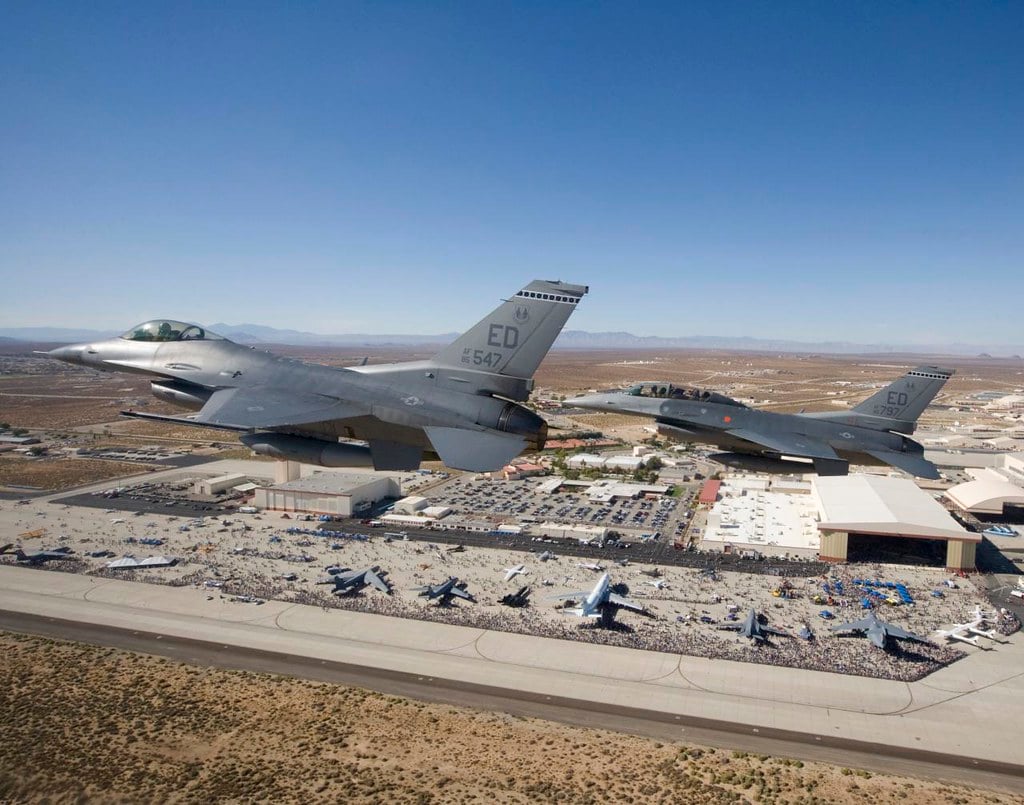
California’s Mojave Desert hosts Edwards Air Force Base, where test pilots push experimental aircraft to their absolute limits above one of the largest dry lake beds in the world. This installation served as the primary landing site for NASA’s Space Shuttle program, with dozens of orbiters touching down on Rogers Dry Lake after missions in orbit.
Chuck Yeager broke the sound barrier here in 1947, kicking off decades of aviation firsts that redefined what humans could achieve in the sky. The base covers 470 square miles, giving pilots enormous airspace to test new technologies without endangering civilian populations.
Every advanced military aircraft flying today likely spent time at Edwards during its development, making this desert facility crucial to American air power.
Camp Lejeune

North Carolina’s Camp Lejeune has trained Marines for amphibious warfare since 1941, using its coastal location to prepare troops for beach landings and maritime operations. The base covers 156,000 acres and includes 14 miles of coastline, providing realistic training environments that closely mirror actual combat scenarios.
Tragically, Camp Lejeune also became known for a massive water contamination issue that affected thousands of residents and service members between the 1950s and 1980s. The installation houses multiple Marine divisions and supports units, making it one of the largest Marine Corps bases in existence.
Despite past environmental challenges, Camp Lejeune remains essential to maintaining the readiness of America’s amphibious forces.
Offutt Air Force Base

Nebraska’s Offutt Air Force Base might look ordinary from the outside, but beneath its surface lies one of America’s most critical command centers. The base serves as headquarters for United States Strategic Command, which oversees the nation’s nuclear weapons and space operations.
During the September 11 attacks, Air Force One brought President George W. Bush to Offutt’s secure bunker while the situation in New York and Washington remained chaotic. The installation sits just south of Omaha and employs thousands of military and civilian personnel who work on some of the most classified programs in existence.
Offutt’s mission requires constant vigilance, operating around the clock to monitor potential threats from around the world.
Fort Hood
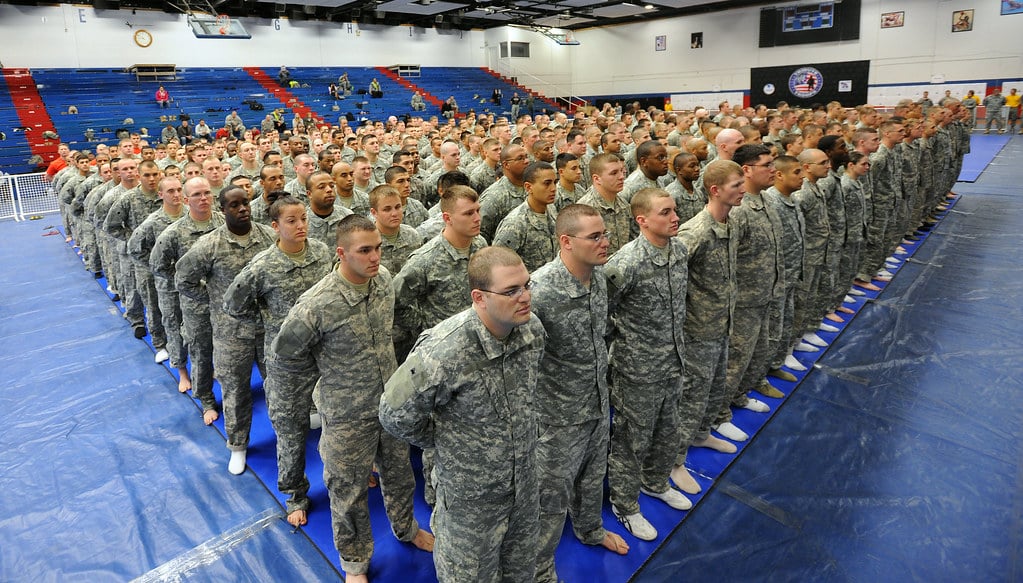
Everything really is bigger in Texas, and Fort Hood proves that point by serving as the largest active-duty armored post in the United States Armed Services. The installation covers 340 square miles of central Texas terrain, providing ample room for tank units and mechanized infantry to conduct large-scale training exercises.
Fort Hood can deploy a fully equipped armored division faster than almost any other base in the country, thanks to its rail access and proximity to major highways. The base has faced scrutiny in recent years over issues ranging from missing soldiers to leadership failures, prompting major reforms in how the Army handles personnel matters.
Despite these challenges, Fort Hood remains home to two full Army divisions and continues to play a crucial role in maintaining America’s ground combat capabilities.
Presidio of Monterey
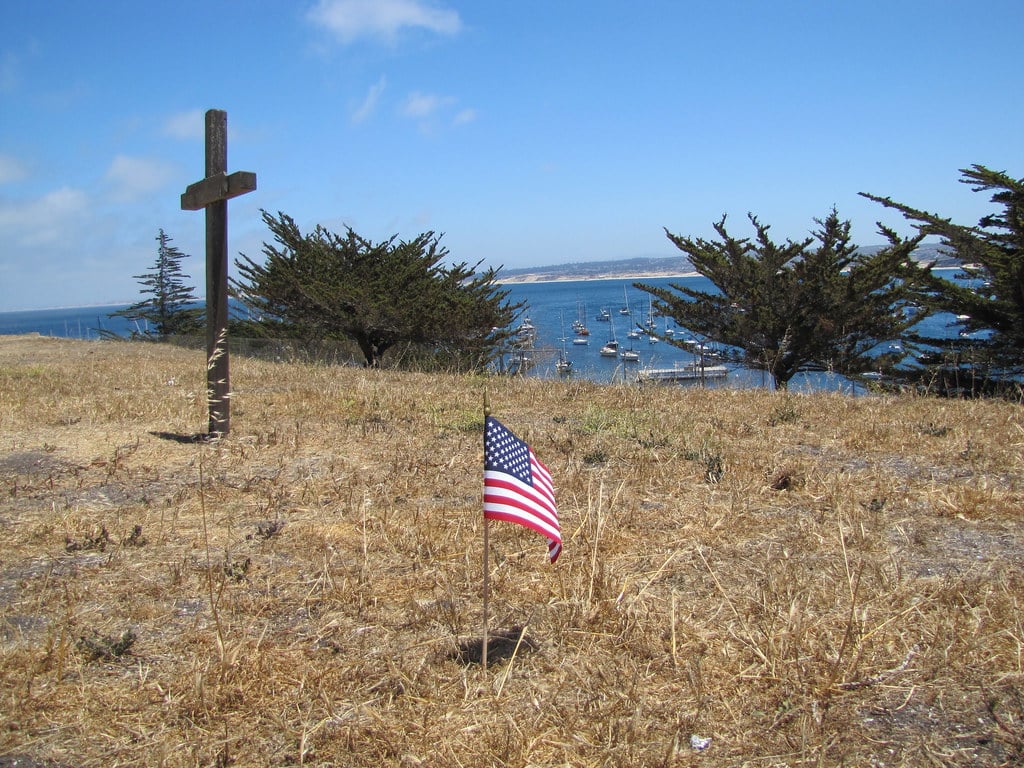
Perched on California’s stunning coastline, the Presidio of Monterey serves as home to the Defense Language Institute, where thousands of service members learn foreign languages critical to military operations. The base occupies land that has hosted military forces since the Spanish colonial period, making it one of the oldest continuously operated military installations in North America.
Students at the language school spend months immersed in intensive courses, emerging fluent in languages ranging from Arabic to Korean. The Presidio’s location offers breathtaking views of Monterey Bay, though students rarely have time to enjoy the scenery given their demanding study schedules.
This unique mission makes the Presidio unlike any other military base, focused on minds rather than muscles.
Nellis Air Force Base
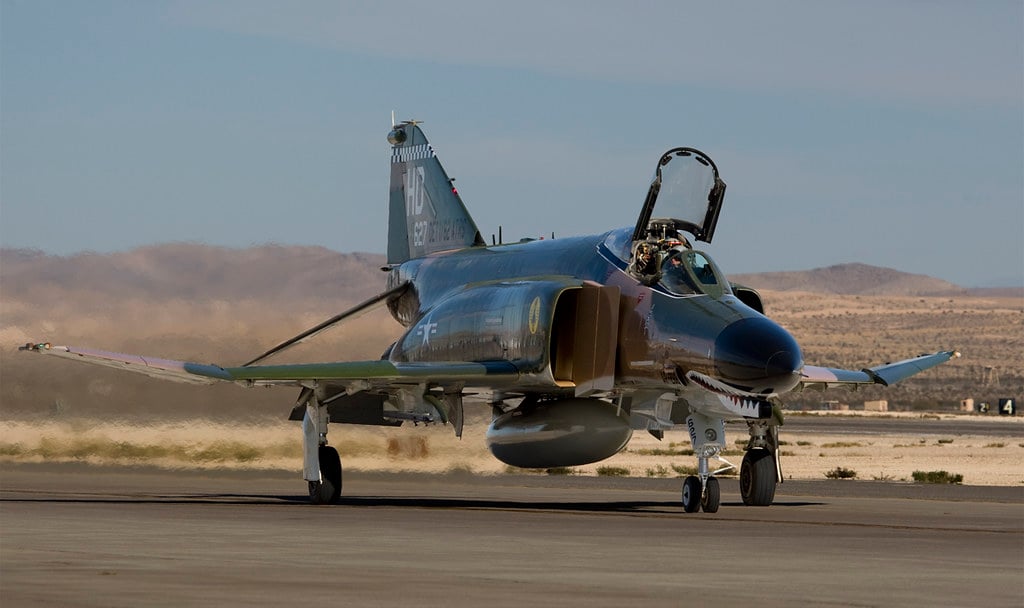
Nevada’s Nellis Air Force Base sits just outside Las Vegas and serves as the home of the Air Force’s premier fighter pilot training programs. The base controls the vast Nevada Test and Training Range, which covers roughly 4,700 square miles of restricted airspace where pilots can practice combat maneuvers without civilian interference.
Red Flag exercises bring together allied air forces for realistic combat scenarios that prepare aircrews for actual warfare. The nearby Area 51, officially called Groom Lake, falls within Nellis’s training range and continues to fuel speculation about government secrets and unidentified flying objects.
Regardless of conspiracy theories, Nellis produces some of the world’s best fighter pilots through its demanding training curriculum.
Fort Bragg

North Carolina’s Fort Bragg stands as one of the largest military installations in the world, home to the Army’s airborne and special operations forces. The base covers over 250 square miles and houses roughly 50,000 active-duty personnel who specialize in everything from parachute operations to counterterrorism missions.
Fort Bragg serves as headquarters for the Army Special Operations Command, making it ground zero for some of America’s most elite warriors. The installation maintains its own airfield where transport aircraft practice low-level drops, and special operations helicopters conduct night training missions.
The base’s size and importance have made it a small city unto itself, complete with schools, shopping centers, and residential neighborhoods that support military families.
Marine Corps Base Quantico
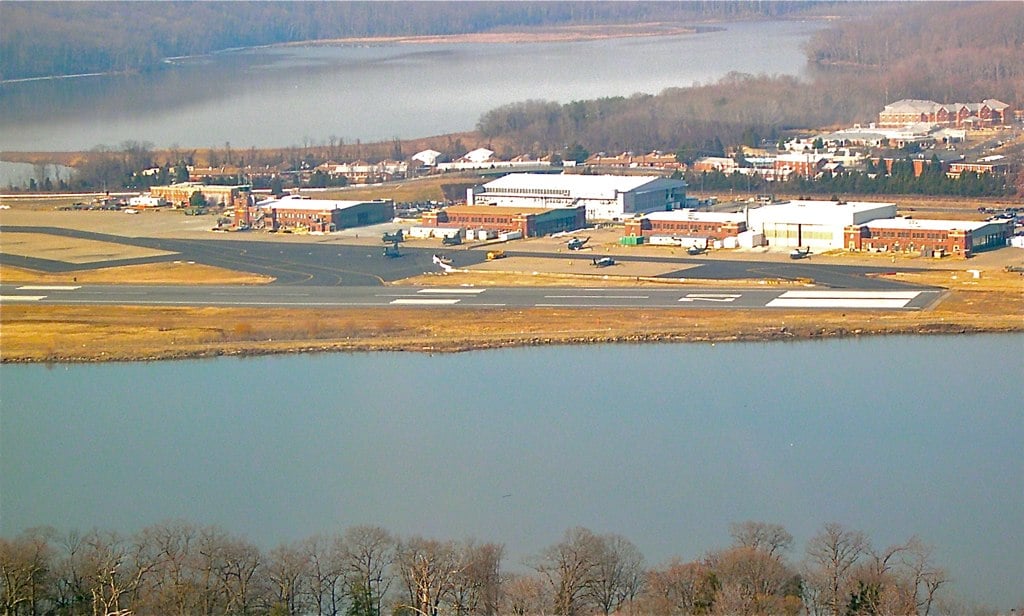
Virginia’s Quantico serves as a crucial training ground for Marine officers and houses the FBI Academy, creating an unusual mix of military and law enforcement personnel. The base sits along the Potomac River just 35 miles south of Washington, making it strategically positioned to support the nation’s capital.
Quantico hosts The Basic School, where every newly commissioned Marine officer learns the fundamentals of leading troops in combat. The installation also maintains extensive criminal justice training facilities used by federal agents, state police, and international law enforcement partners.
This dual mission creates a unique environment where future military leaders train alongside those who will protect civilian communities.
Malmstrom Air Force Base
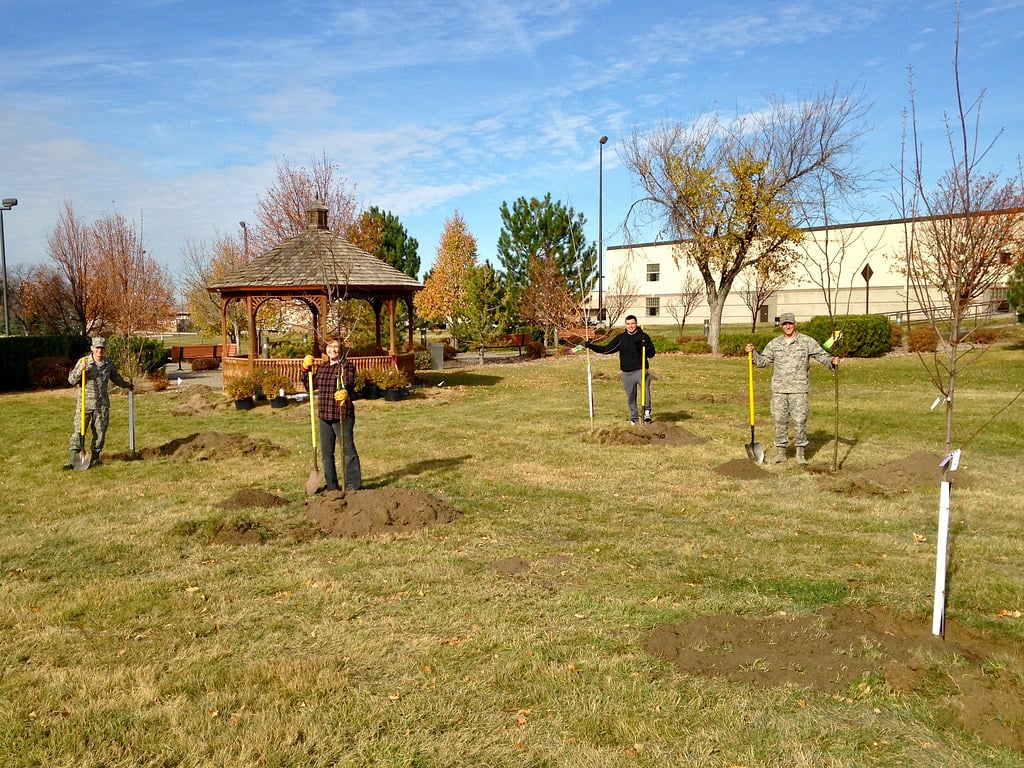
Montana’s Malmstrom Air Force Base controls a vast network of intercontinental ballistic missile sites scattered across 23,500 square miles of remote countryside. The base maintains 150 Minuteman III missiles spread across missile fields, each capable of delivering a nuclear warhead to targets thousands of miles away.
Airmen stationed here work in underground launch control centers, pulling 24-hour shifts monitoring the systems that ensure these weapons remain ready but secure. The isolation of the missile sites means crews often work in harsh weather conditions, enduring Montana’s brutal winters while maintaining America’s nuclear deterrent.
Malmstrom’s mission might lack the glory of fighter jets or combat operations, but the responsibility shouldered by its personnel remains immense.
Naval Station Norfolk
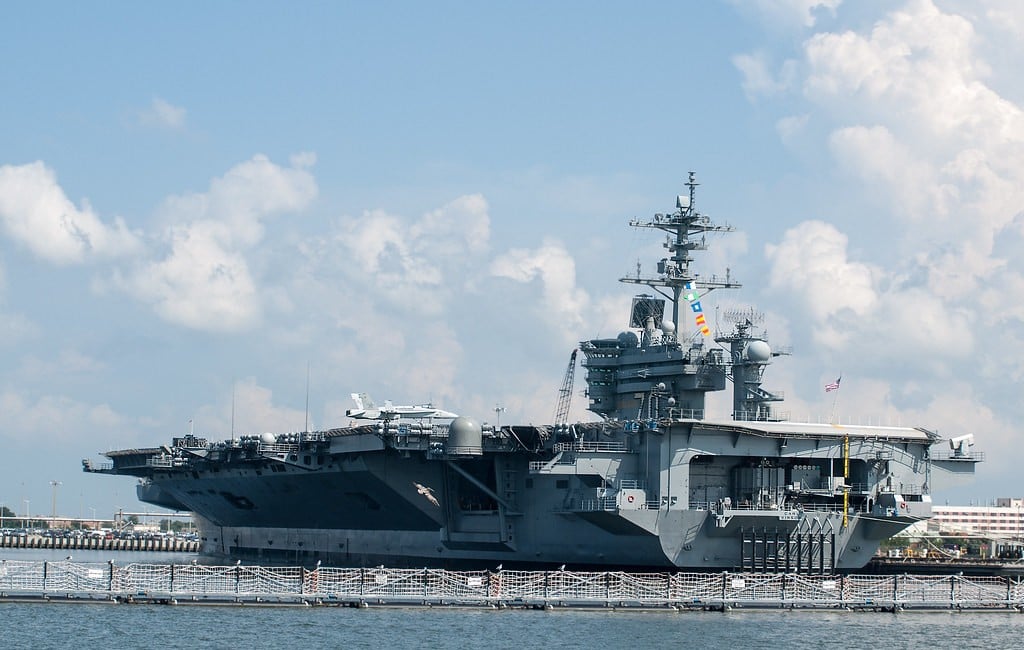
Out there where the land meets open water, Virginia’s Naval Station Norfolk stands as the biggest naval base on Earth. Home to countless vessels – aircraft carriers among them – this place hums with activity around the clock.
Ships like destroyers and subs pull into port here, finding shelter between missions. Spread across a terrain wider than four thousand acres, it pulses with movement, noise, and purpose.
Tens of thousands work these grounds – soldiers, sailors, civilians – all part of one vast machine. Their task? Keeping the Atlantic Fleet ready, always.
Positioned along the eastern edge of the country, the base offers quick passage toward distant waters: the Atlantic first, then farther if needed – the Mediterranean, maybe even beyond. Piers snake outward like veins, carrying supplies, people, fuel.
On just an ordinary morning, floating steel worth unimaginable sums may line up quietly for repairs or handovers. Size alone doesn’t explain what happens here – it’s the rhythm, the coordination, the unrelenting pace that tells the real story.
This is how global reach takes shape – one ship, one sailor, one decision at a time.
Fort Detrick

Once home to America’s germ warfare work, Maryland’s Fort Detrick stirred debate through decades. Though that chapter closed when President Nixon banned such efforts in 1969, the site didn’t shut down – instead it changed course.
Now labs there dig into deadly germs, seeking ways to block outbreaks before they spread. Scientists at the base rolled up their sleeves during the coronavirus crisis, chasing answers fast.
While old secrets cling to the place like morning fog, today’s work leans toward shield instead of sword.
Twentynine Palms
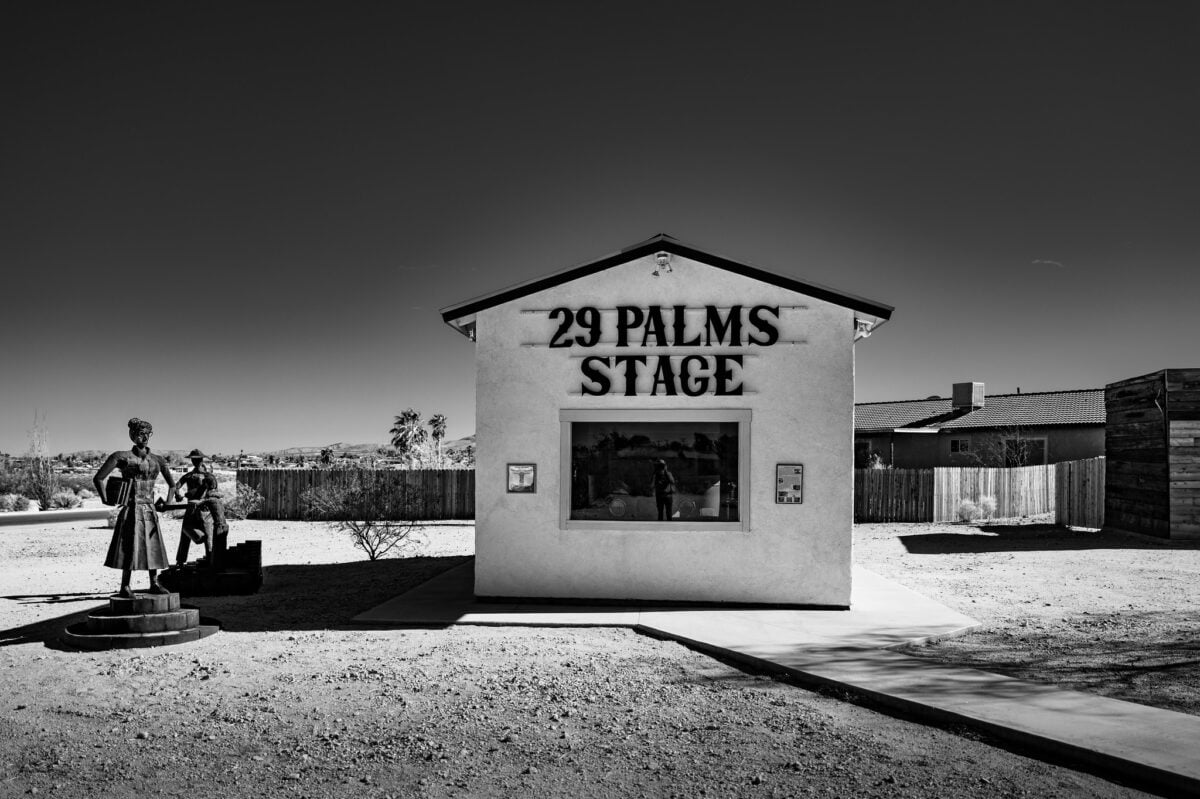
Out in the dry stretches of the Mojave, California holds a vast military space – Twentynine Palms takes up nearly a thousand square miles. This place belongs to the Marine Corps Air Ground Combat Center, bigger than any other base they run.
Troops move through sand and heat here, learning how war feels when dust sticks to everything. Because of what happened overseas, back in Iraq and Afghanistan, this kind of practice turned out to matter more than expected.
Instead of separate drills, units mix ground forces with tanks, big guns, along with planes circling above, all working like real battlefield chaos. Heat beats down hard, yes, yet soldiers gain something from pushing through it – the way gear fails, water runs short, minds tire under sun.
Far from cities, cut off by silence, the land gives little comfort; still, year after year, it shapes fighters ready for hot zones anywhere on Earth.
Where History Continues

Out here, these bases aren’t merely clusters of barracks and runways dotting the land. Born from necessity, they’ve grown at the same pace as the country, shifting form when dangers change yet holding tight to what old battles taught them.
Inside their fences, daily choices ripple outward – quiet moments that quietly define how strength is shown beyond borders. History lives in the routines, shaped by those who wore the uniform before, passing down grit through routine and habit so others learn without being told.
More from Go2Tutors!

- The Romanov Crown Jewels and Their Tragic Fate
- 13 Historical Mysteries That Science Still Can’t Solve
- Famous Hoaxes That Fooled the World for Years
- 15 Child Stars with Tragic Adult Lives
- 16 Famous Jewelry Pieces in History
Like Go2Tutors’s content? Follow us on MSN.