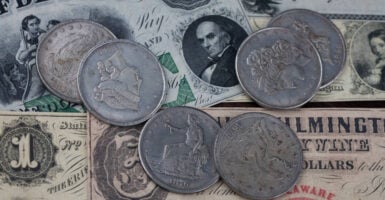
27 Silver Dollars and Half Dollars Worth Keeping
Somewhere in a drawer, a coin jar, or an inherited stash of change sits a big silver piece that looks ordinary until someone turns it over and reads the date. Silver dollars and half dollars have been struck for more than two centuries, and the gap between a coin worth its metal and a coin worth a fortune often comes down to a single letter or a handful of survivors.
Every coin below is a real piece of American coinage with a reason to hold onto it. Some are famous rarities, some are common coins with a quirky twist, and some are simply good silver.
In every case, value swings widely with grade, authenticity, and eye appeal, so a certified opinion beats a hopeful guess.
1794 Flowing Hair Dollar
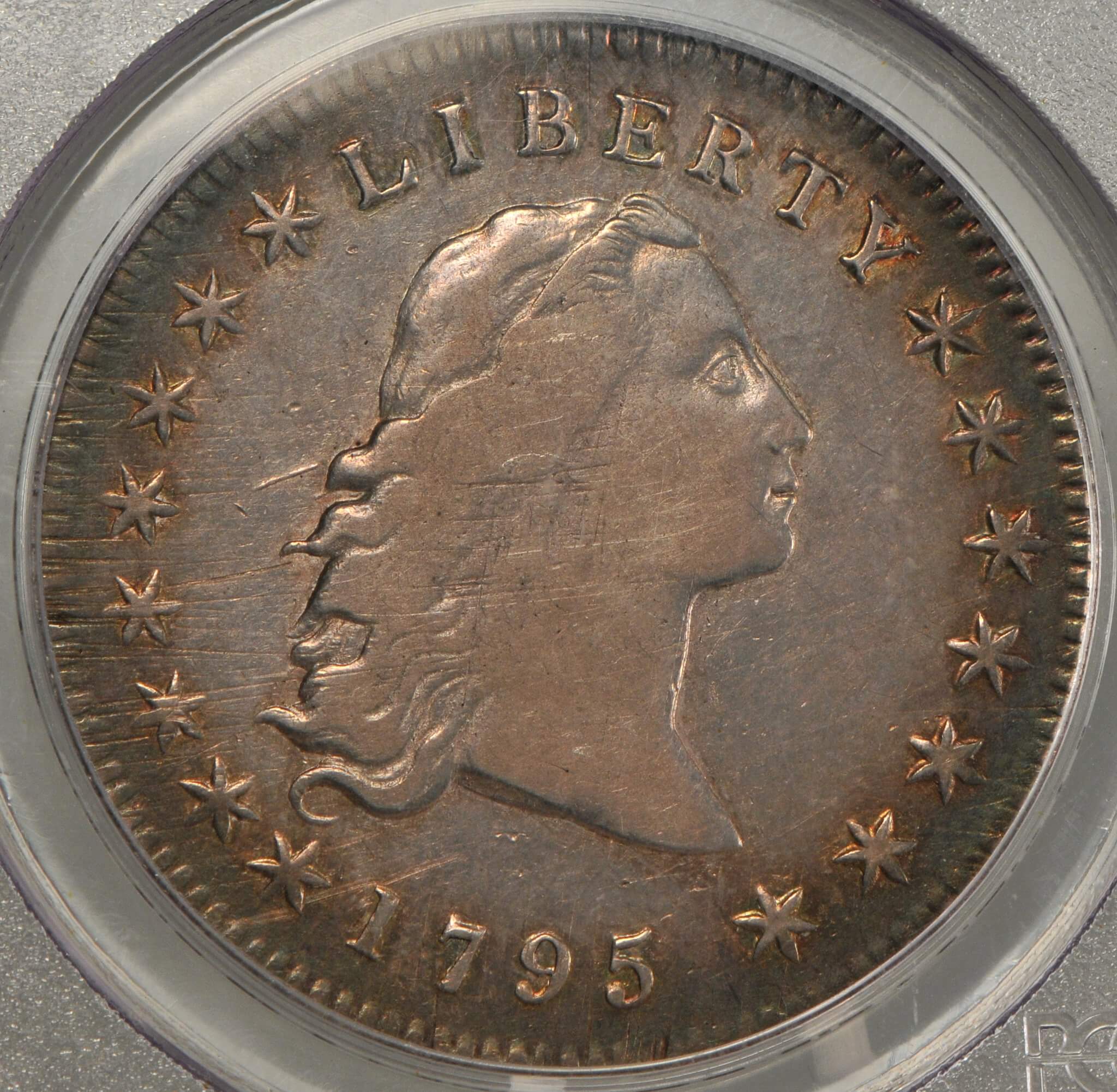
The 1794 Flowing Hair dollar is recognized as the first silver dollar struck by the United States Mint, with a youthful Liberty whose hair streams back as if caught in a breeze. One example sold at auction in 2013 for more than $10 million, a record for a silver coin at the time.
Surviving pieces are scarce, and each one is treated as an event when it appears. Worth depends on grade, originality, and documented history.
1804 Draped Bust Dollar
Known as the King of American Coins, the 1804 dollar is a famous oddity because the earliest examples were struck decades after the date they carry. The first group, called Class I originals, was made in the 1830s, partly for presentation sets meant as diplomatic gifts.
The series sits firmly in museum and deep-pocket territory. Any coin dated 1804 that turns up in a drawer deserves skepticism, since copies and altered coins far outnumber genuine ones.
1836 Gobrecht Dollar
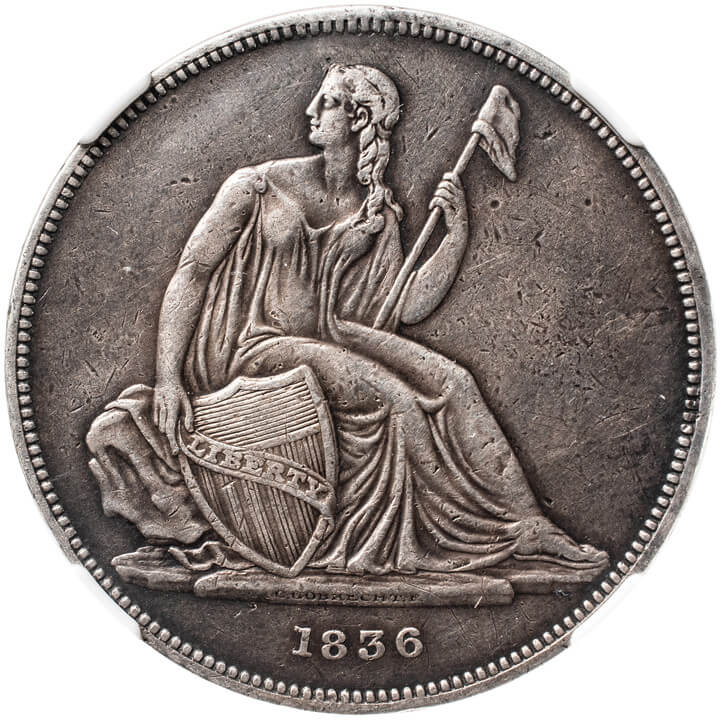
The Gobrecht dollar returned the silver dollar to production after a long gap, and it carries the name of its engraver right on the coin. Christian Gobrecht placed his signature on the base of the seated Liberty figure, and the reverse shows a flying eagle in a field of stars.
These were produced in small quantities and are prized as an early chapter of the dollar. Value depends on condition, die alignment, and authenticity.
1870-S Seated Liberty Dollar
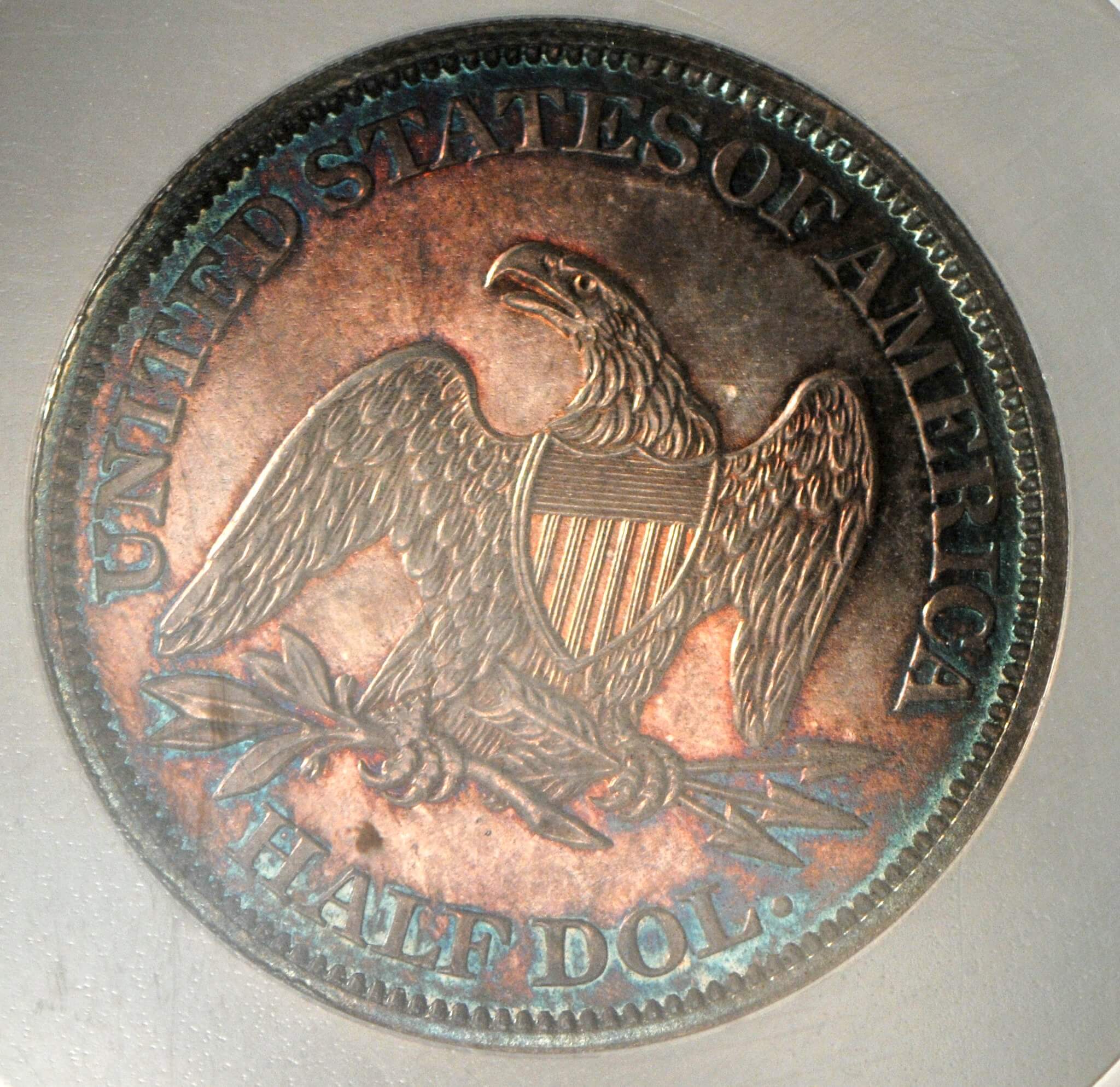
The 1870-S Seated Liberty dollar is among the great rarities of the series, and the few known examples have made headlines when they surfaced. One sold at Heritage Auctions for more than half a million dollars, a reminder of how much even a worn example can command.
Authentication is essential because of the coin’s scarcity and reputation. Worth depends heavily on grade and pedigree.
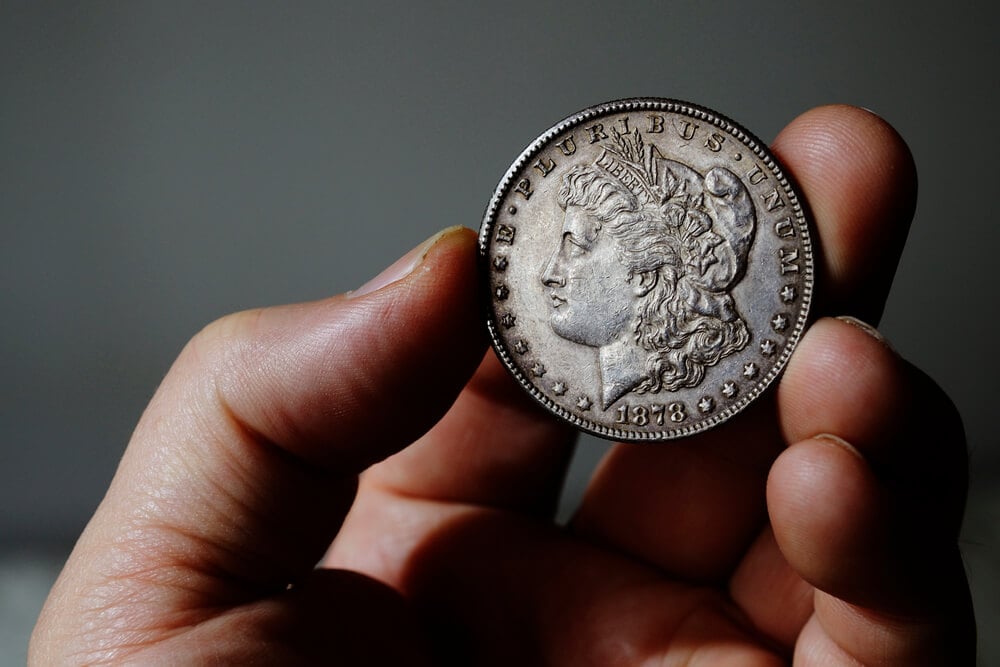
1878 Morgan Dollar
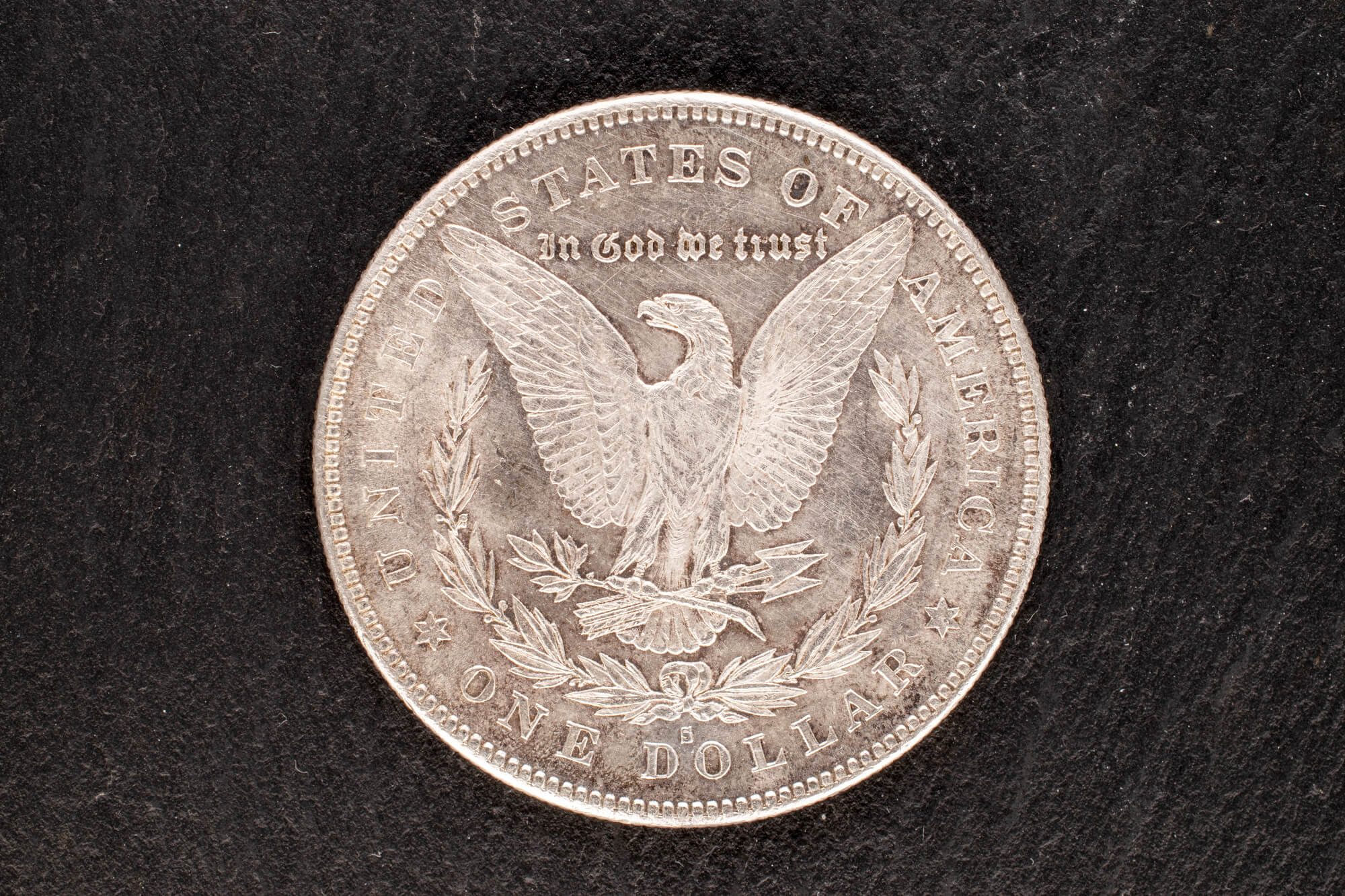
The Morgan dollar began in 1878 under the Bland-Allison Act, which required the Treasury to buy silver and turn it into dollars. George T. Morgan designed the coin, and early 1878 pieces carry eight tail feathers on the eagle before the design was revised to seven.
That small change created a variety collectors still chase. Value for these first-year coins varies with grade and variety.
1889-CC Morgan Dollar
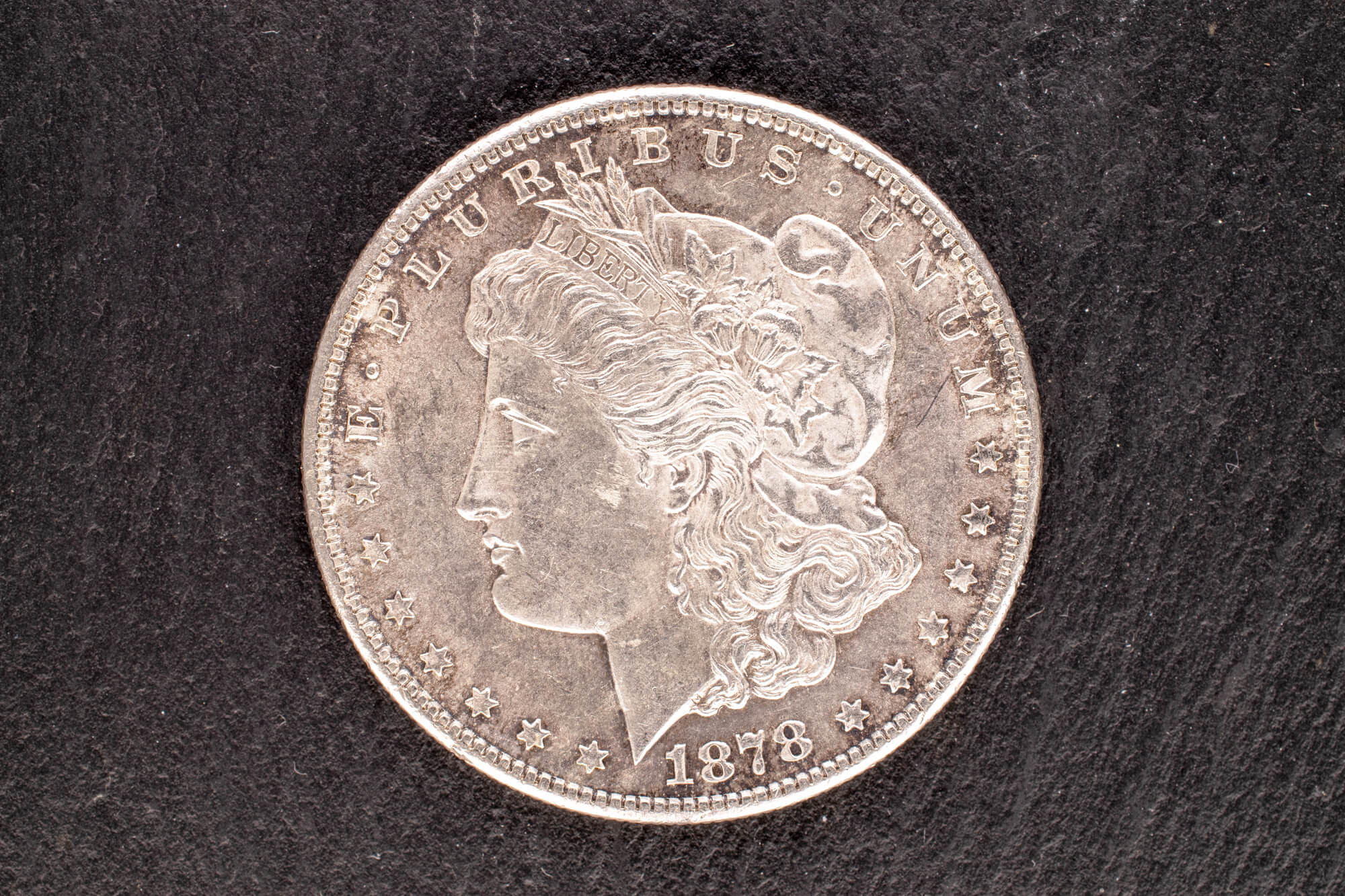
Carson City Mint dollars carry a mystique, and the 1889-CC is one of the toughest in the series. It is hard to find in choice uncirculated condition, and clean examples draw intense competition.
The CC mintmark marks it as a product of one of the Old West’s most storied mints. Price tracks surface quality and grade closely.
1893-S Morgan Dollar
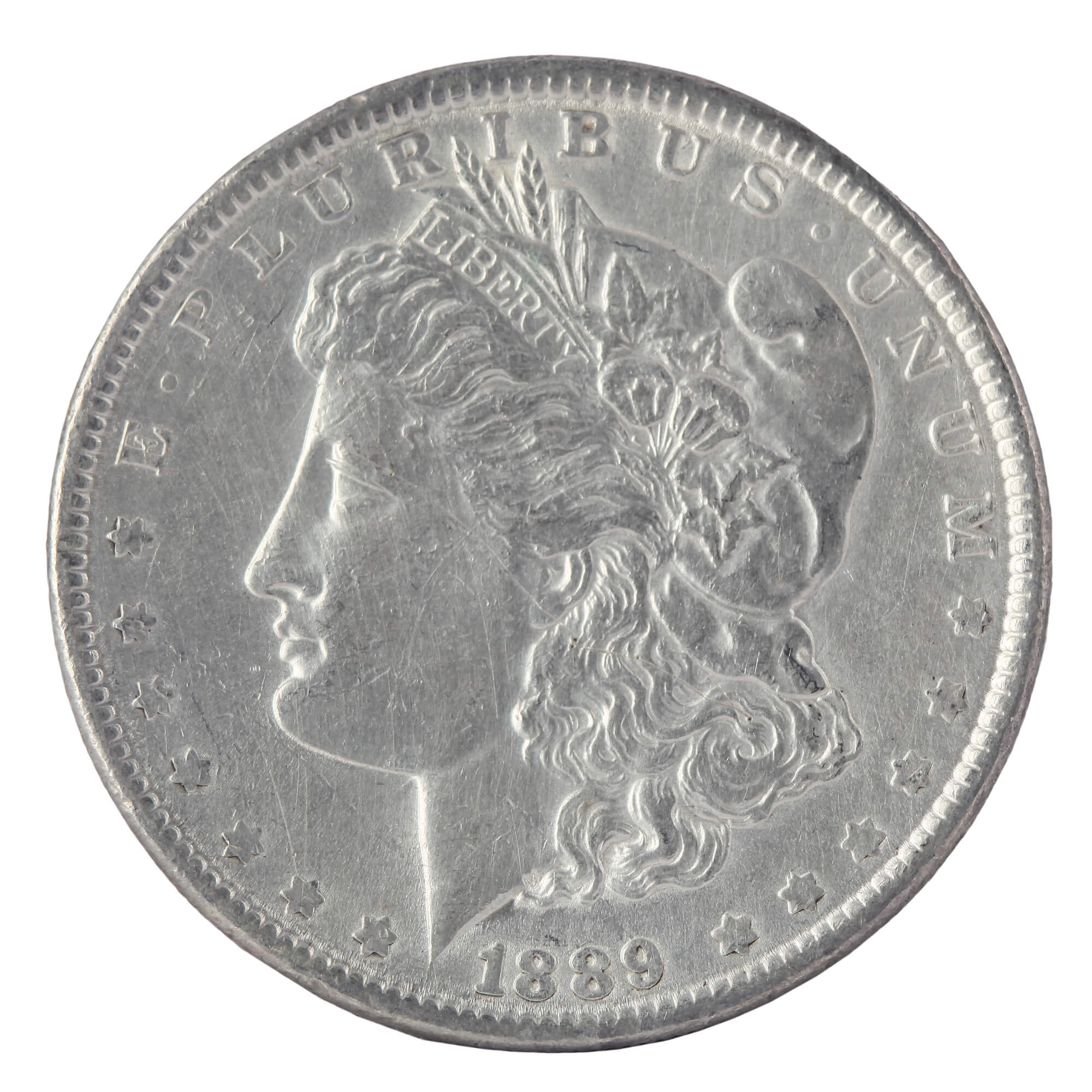
The 1893-S is widely regarded as the key date of the entire Morgan dollar series. Most surviving examples are heavily worn, and uncirculated coins are far scarcer than the low mintage alone suggests.
Even a circulated piece carries a substantial premium over its silver content. The coin is also frequently counterfeited, so certification matters.
1895 Morgan Dollar
The 1895 Philadelphia Morgan exists in proof, but no business strikes are known to have survived, which has fueled decades of speculation. That absence made the date legendary and the so-called King of the Morgans.
Any coin offered as a business strike deserves intense scrutiny. Proofs are valuable, and the amount depends on grade and surface quality.
1921 Morgan Dollar
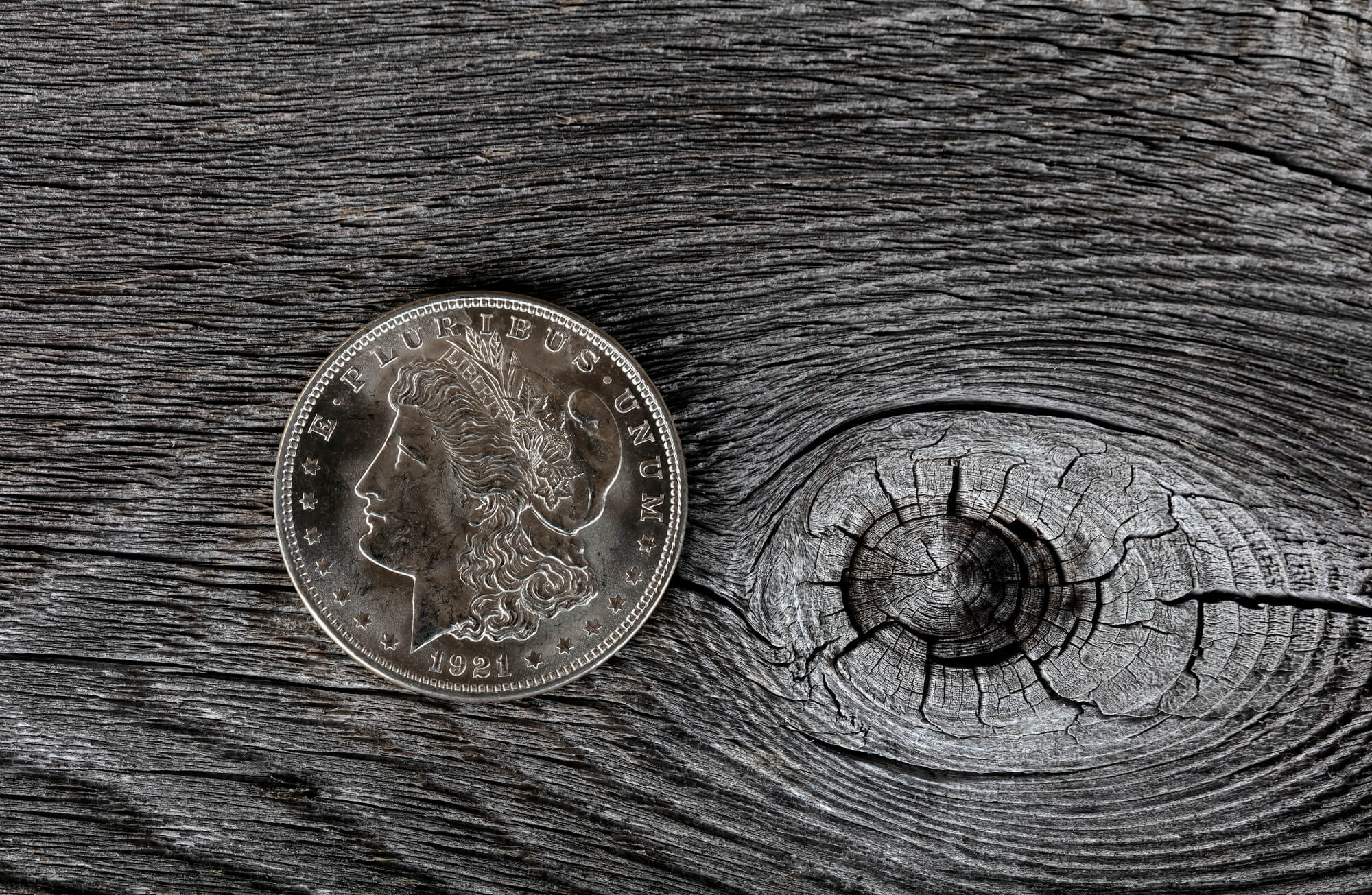
The Morgan dollar returned in 1921 after the Pittman Act of 1918 authorized the melting of a vast number of silver dollars for sale to Britain. The 1921 issue was made at Philadelphia, Denver, and San Francisco in large numbers to rebuild the supply.
It is the final year of the design, and it is common enough to be affordable. The coin is also a reminder that silver dollars were once treated as raw material.
1921 High Relief Peace Dollar
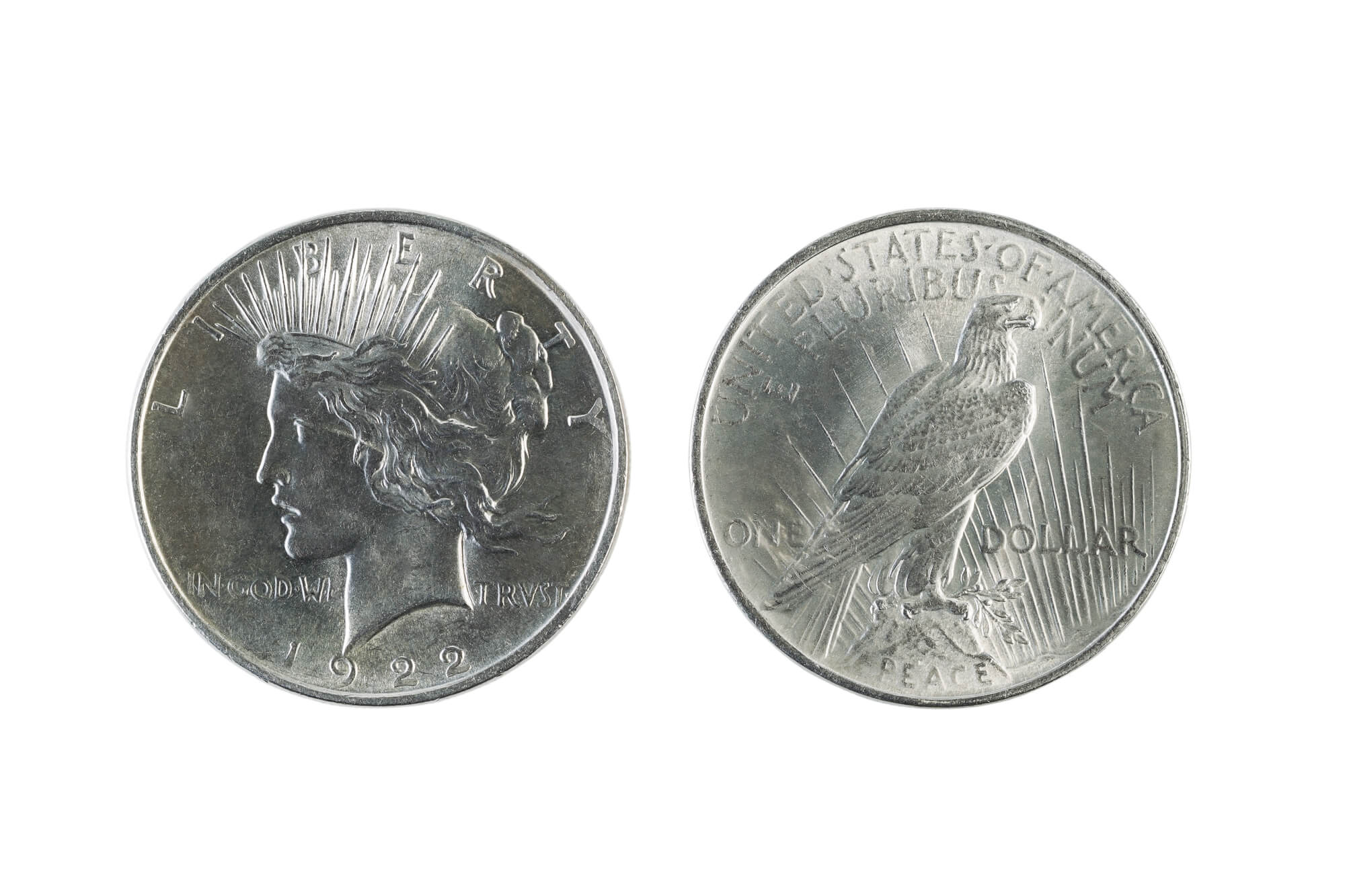
The first Peace dollars of 1921 were struck in high relief, with a deeply sculpted portrait of Liberty designed by Anthony de Francisci. The Mint soon softened the design because the dies wore out and the strikes were often incomplete.
The coin commemorates the end of World War I. The high relief version is prized, and price depends on strike quality and grade.
1928 Peace Dollar
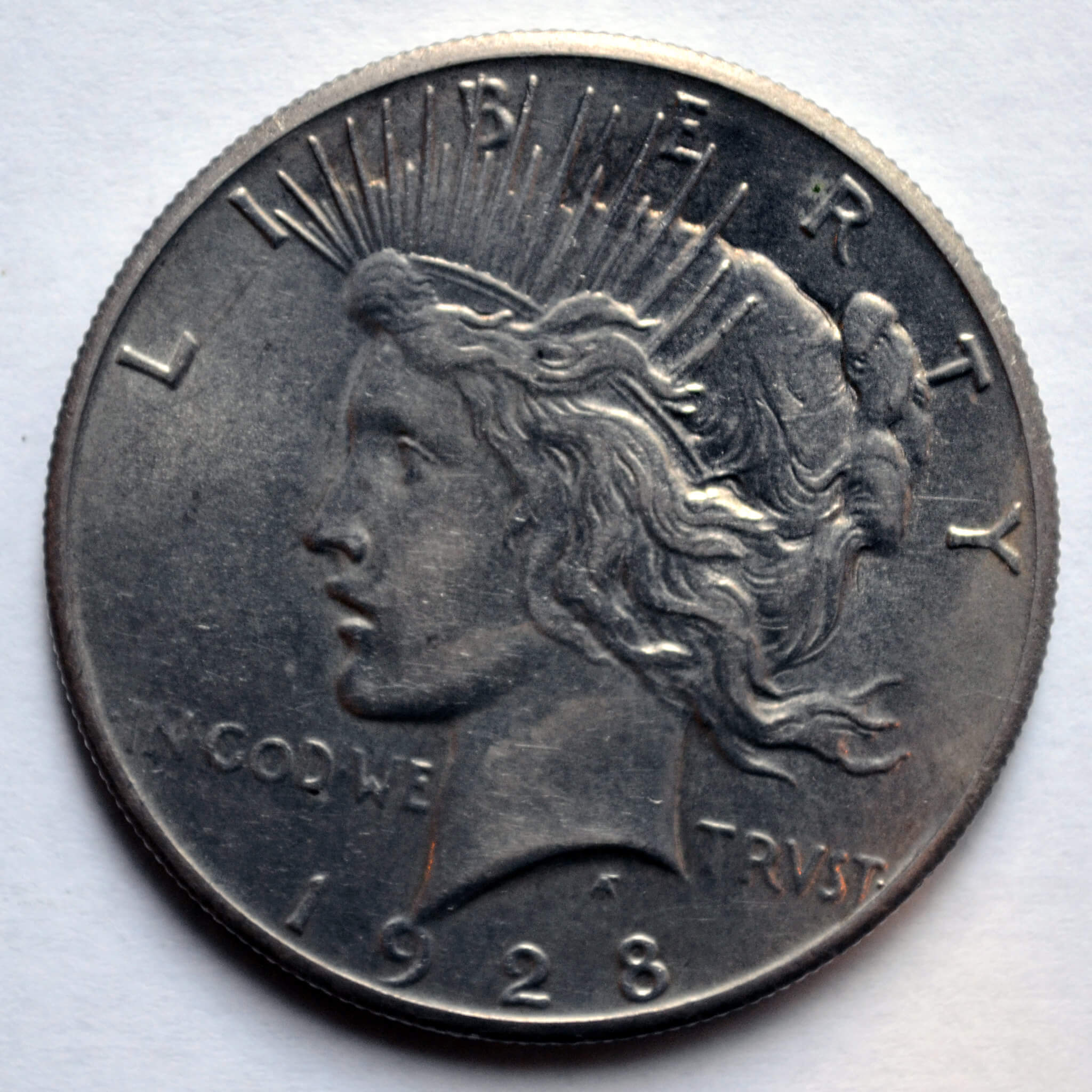
The 1928 Philadelphia Peace dollar is the low-mintage key date of the series, and it has a well-known counterfeit problem. Authentication is wise before paying a premium.
Examples in higher grades are expensive, while a worn but genuine piece still outshines most silver dollars in the average coin jar. Worth depends on grade and authenticity.
1934-S Peace Dollar
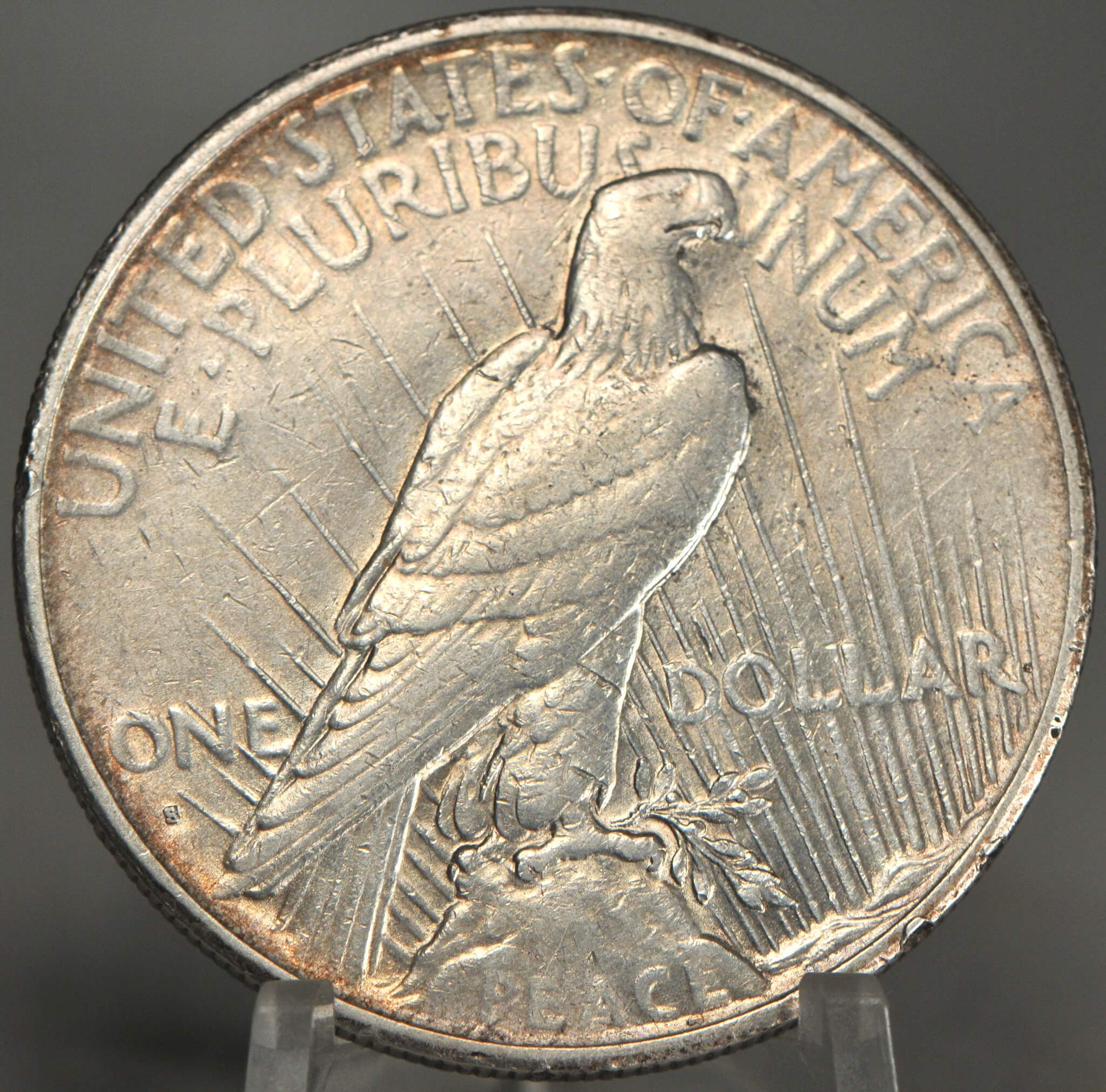
The 1934-S Peace dollar is cheap in circulated grades and difficult in sharp condition. Many were handled roughly, so well-struck uncirculated pieces are much scarcer than the date suggests.
It is a classic example of a coin whose price depends almost entirely on how well it survived. Value tracks grade and strike quality closely.
1971-S Eisenhower Dollar
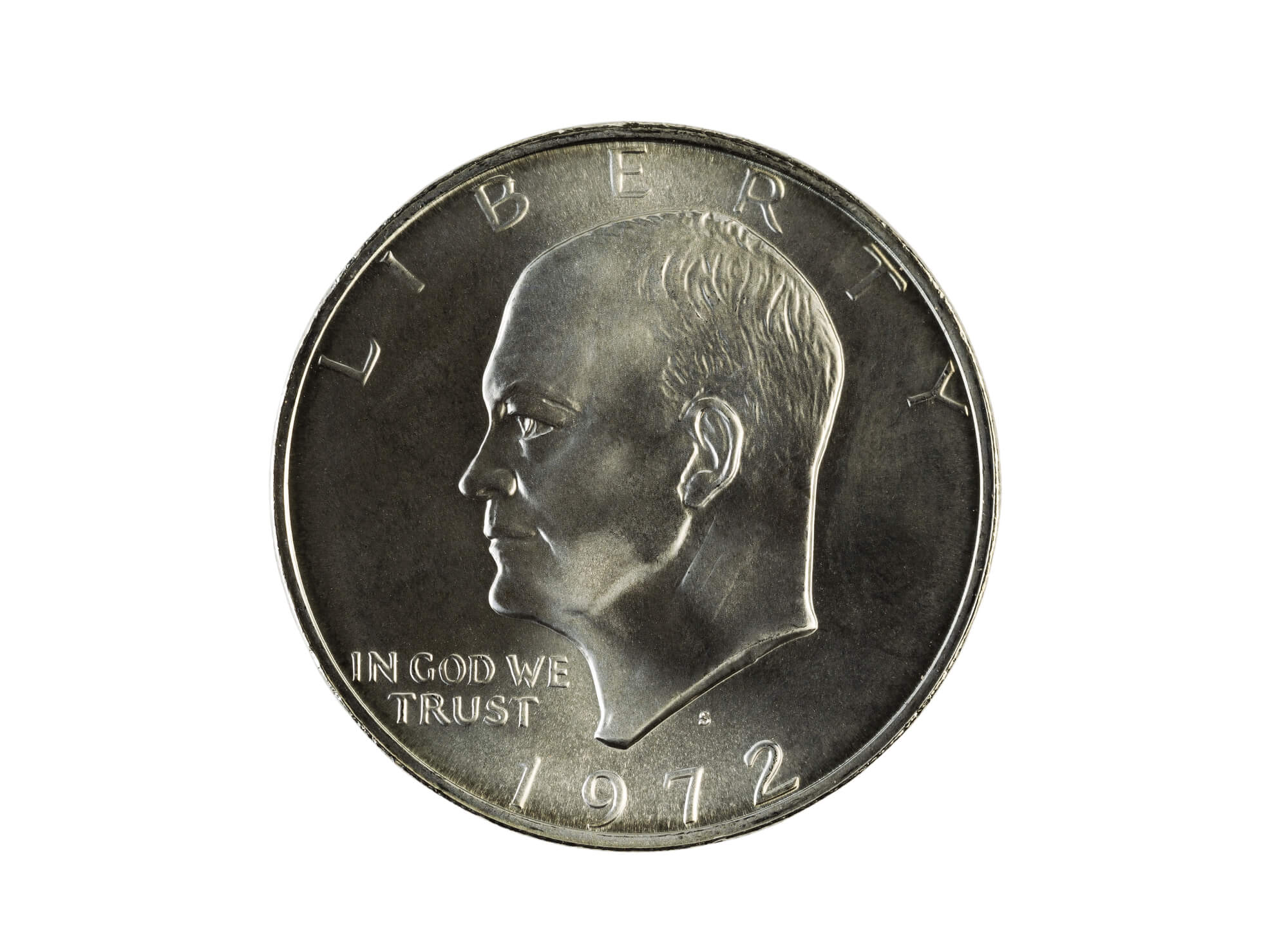
The Eisenhower dollar was struck for circulation in copper-nickel, but collector versions from San Francisco were made in 40 percent silver. The uncirculated pieces came in blue envelopes, earning them the nickname Blue Ike.
Frank Gasparro designed the coin, and the reverse shows an eagle landing on the moon in tribute to Apollo 11. Intact original packaging and the condition of the coin both affect value.
1976-S Bicentennial Eisenhower Dollar
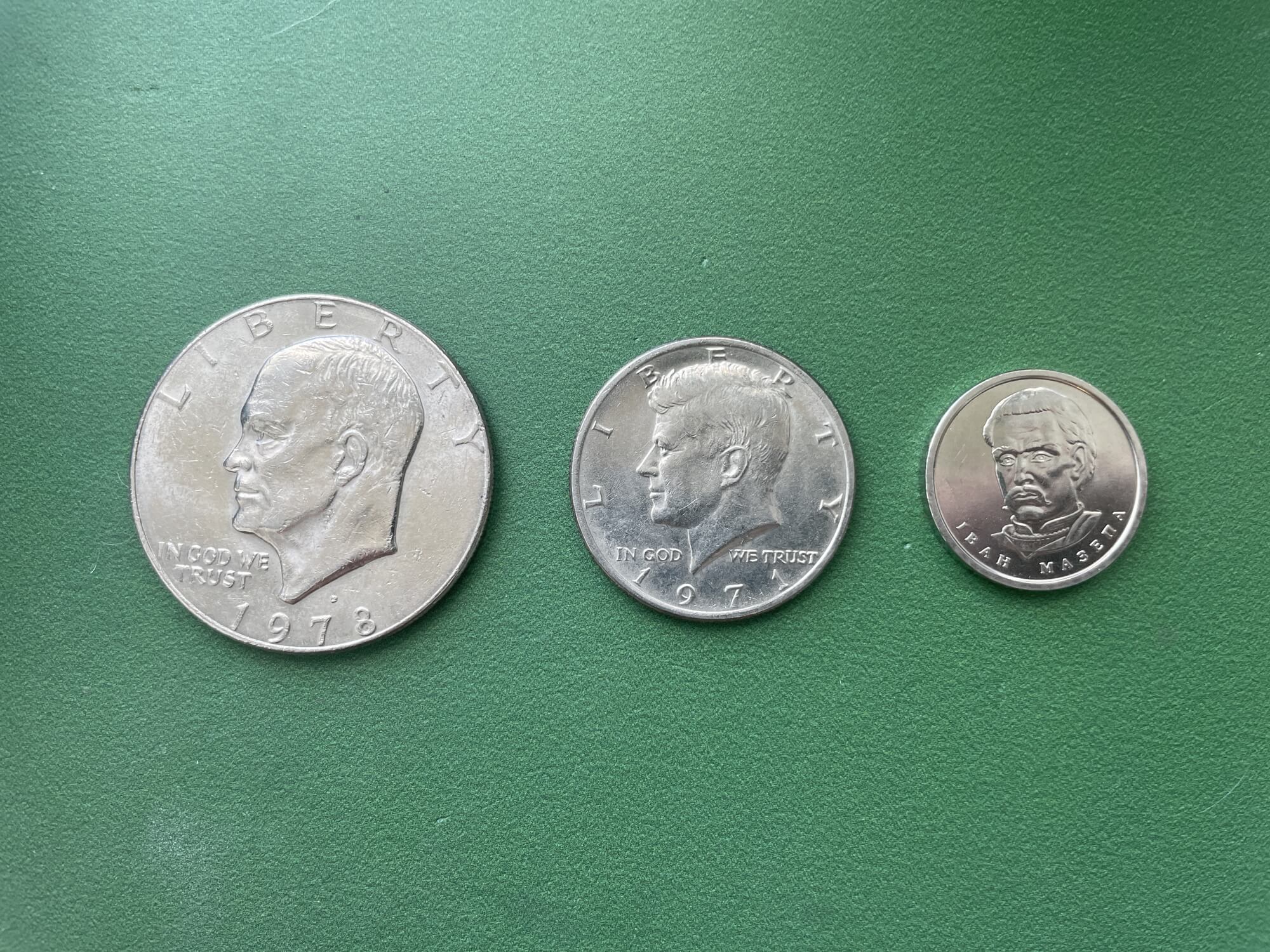
For the 1976 Bicentennial, the dollar carried a reverse design of the Liberty Bell superimposed on the moon, created by Dennis R. Williams. Silver versions were struck at San Francisco in a 40 percent silver composition and sold to collectors.
The coins carry the double date 1776-1976, which makes them popular keepsakes. Value depends on whether the coin is silver, its grade, and whether original packaging survives.
1796 Draped Bust Half Dollar
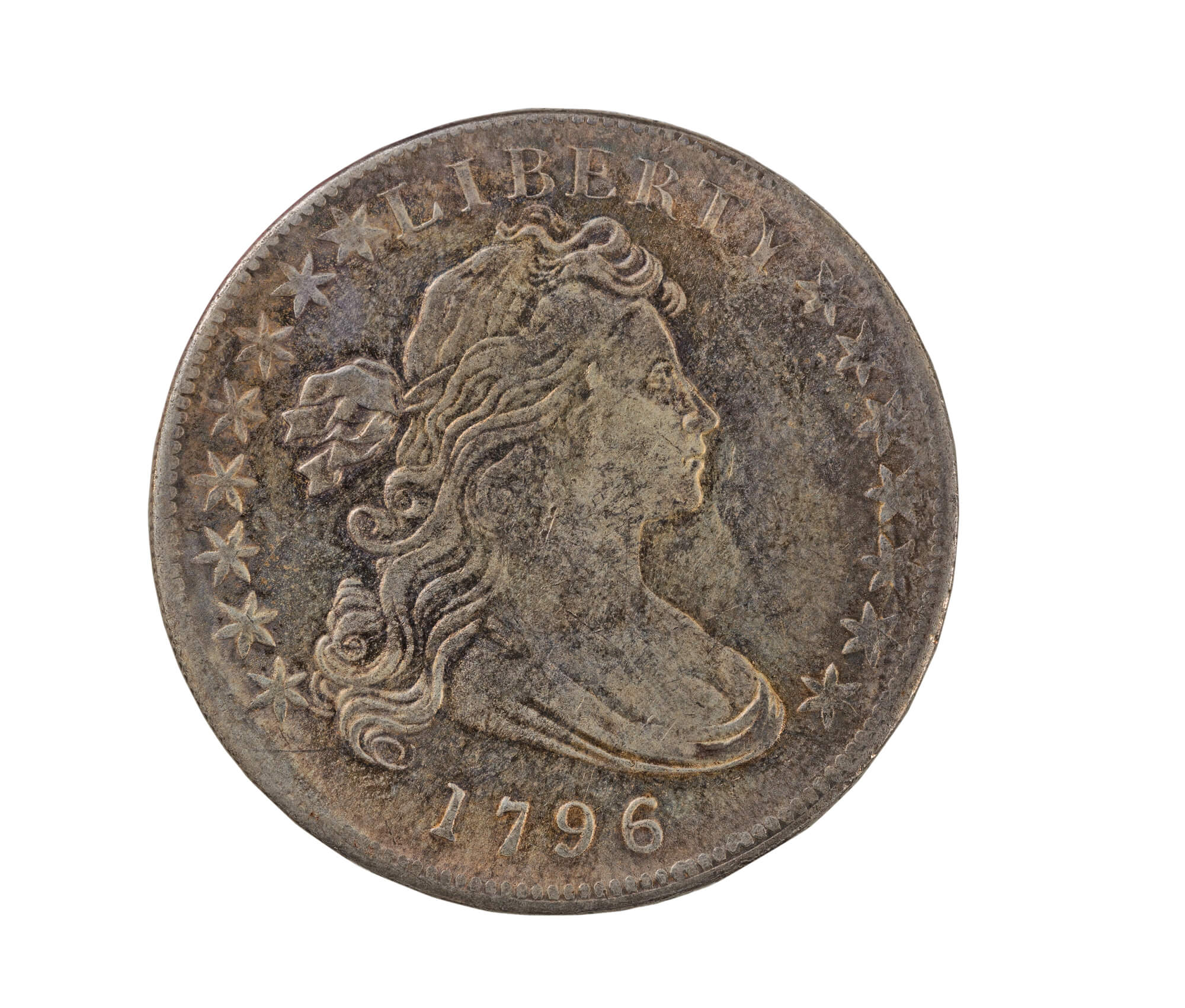
The Draped Bust, Small Eagle half dollar was made only in 1796 and 1797, so any example is a piece of the nation’s earliest coinage. The 1796 coins appear with either 15 or 16 stars, and the 16-star version reflects Tennessee joining the Union that year.
Mintages were small, and the market responds strongly to grade and originality. A genuine example is a prize for any collection of early American silver.
1815 Capped Bust Half Dollar
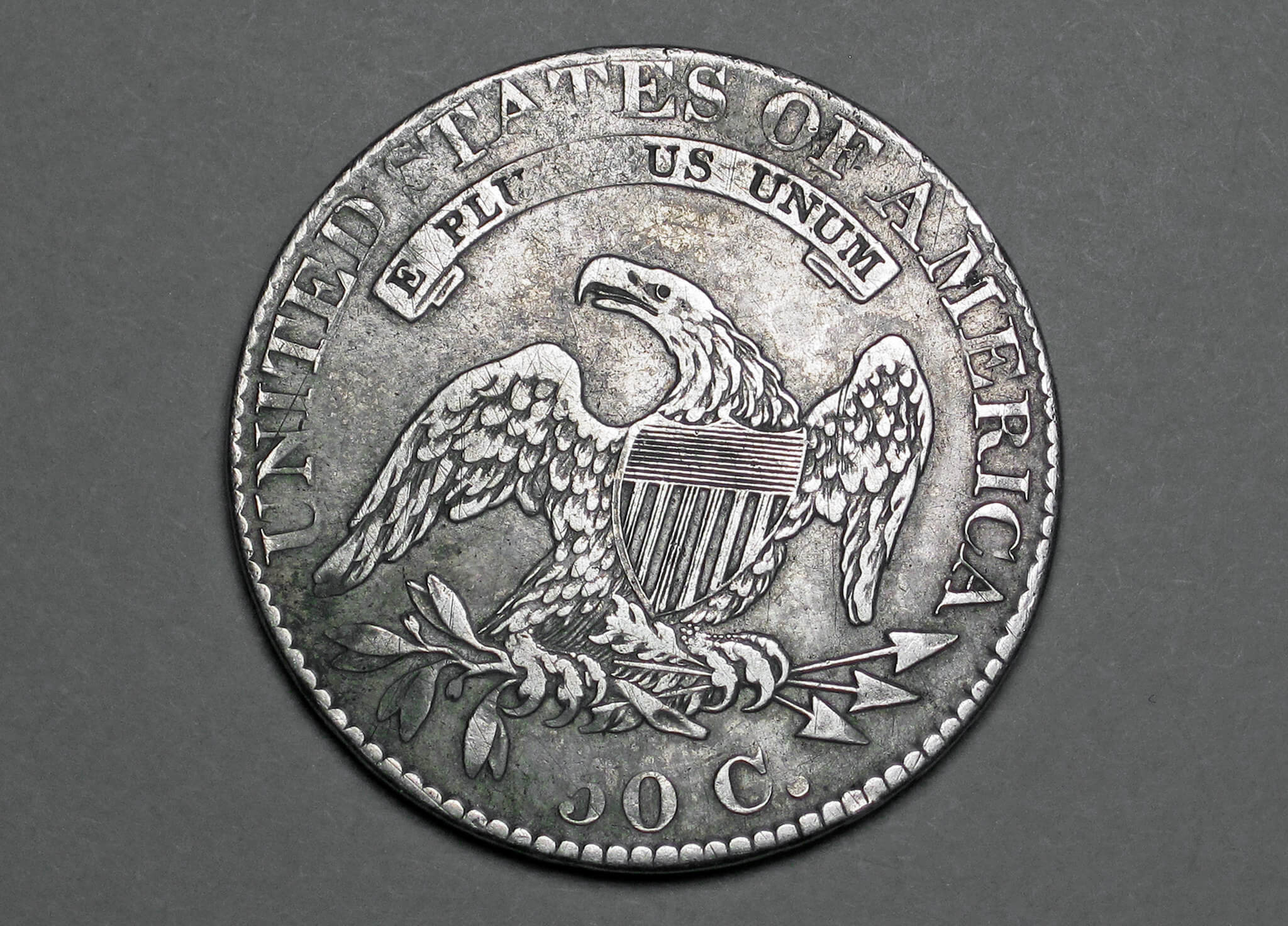
The 1815 half dollar is a low-mintage key date of the Capped Bust series, a product of the strained economy around the War of 1812. The date was punched over a 2 from an older die, creating an overdate that is easy to miss.
The coin is sought by specialists in early halves. Value depends on grade and on proof that the overdate is genuine.
1838-O Capped Bust Half Dollar
The 1838-O half dollar is one of the great rarities of American silver, struck at the New Orleans Mint in tiny numbers. Only a handful of examples are known, so any appearance at auction is a notable event.
Authentication is essential because of the coin’s rarity and the risk of alteration. It is mostly a subject for museums and specialists, with worth tied to grade and pedigree.
1892-O Micro O Barber Half Dollar
Barber half dollars began in 1892, and that year the New Orleans Mint produced a variety with a tiny mintmark known as Micro O. The standard O is much larger, so the variety stands out under magnification.
Collectors consider it a standout rarity of the series. A Micro O is worth far more than a normal 1892-O, though the amount depends on grade and certified attribution.
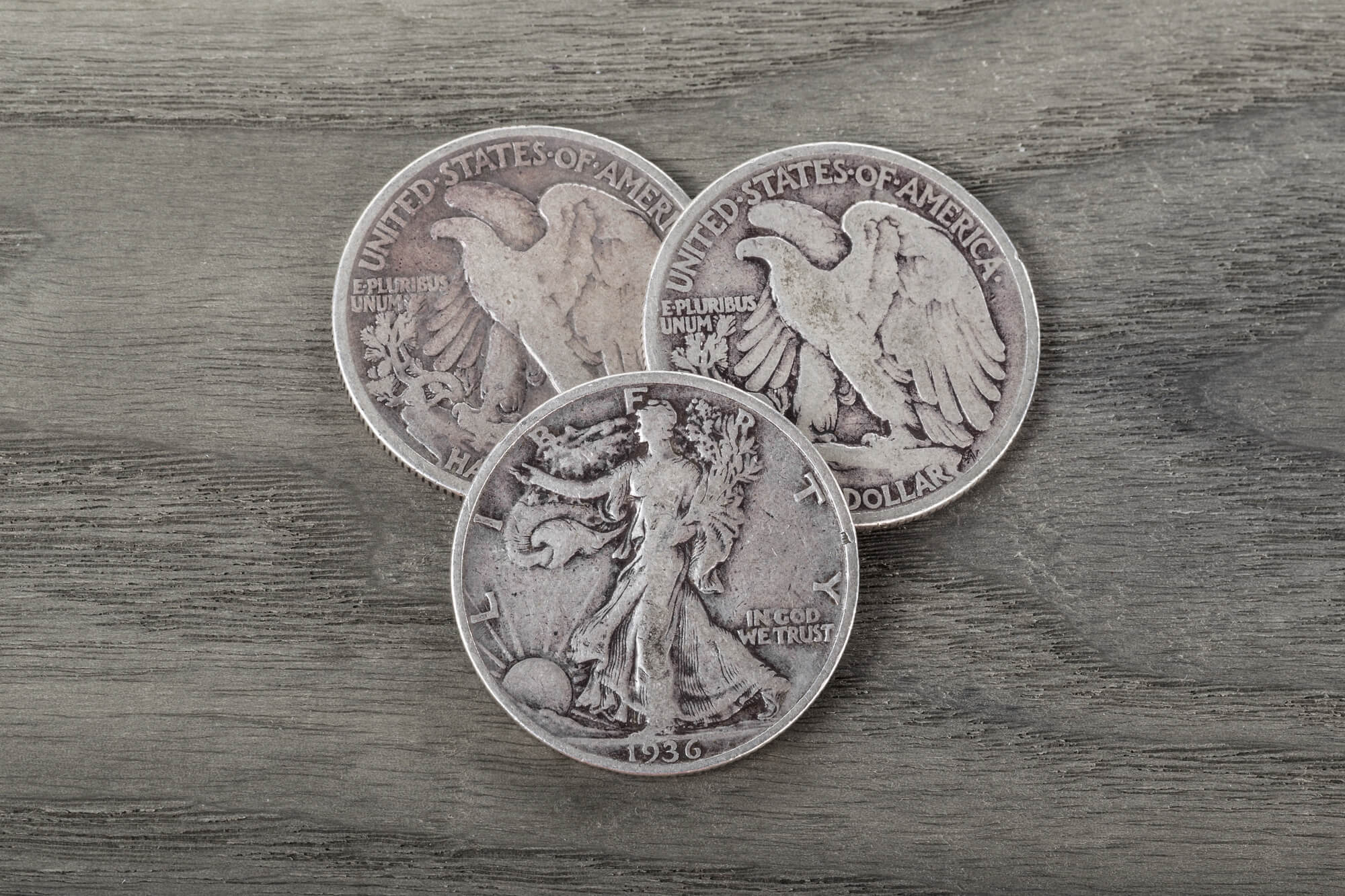
1916 Walking Liberty Half Dollar
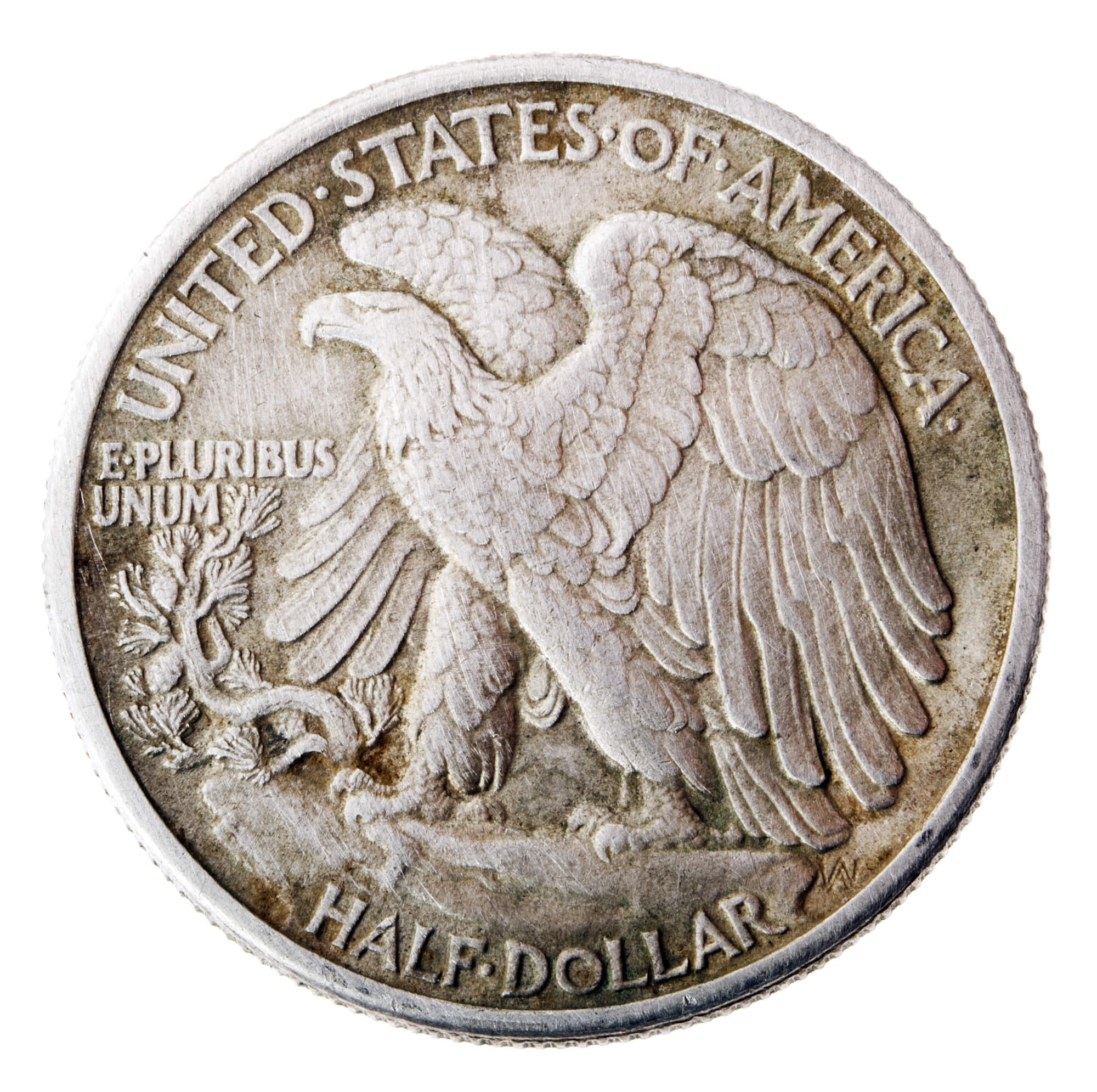
Adolph A. Weinman designed the Walking Liberty half dollar, which debuted in 1916 with the mintmark on the obverse. The design is considered one of the most beautiful in American coinage, and it returned in 1986 on the American Silver Eagle.
The coins contain 90 percent silver. First-year pieces command a premium, with grade and mint making a major difference.
1921-D Walking Liberty Half Dollar
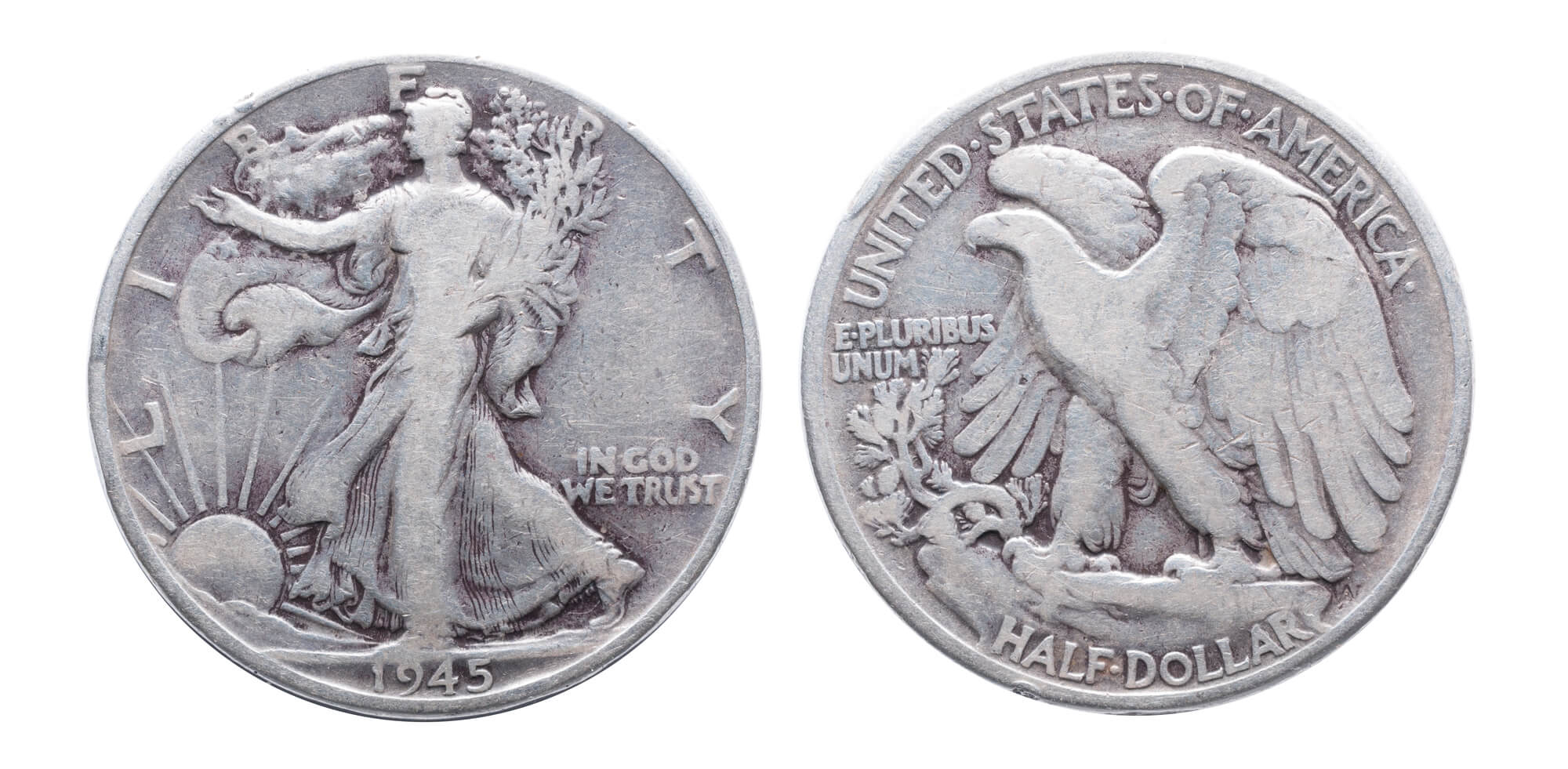
The 1921-D is among the lowest-mintage Walking Liberty half dollars and a true key date of the series. Denver produced few coins that year because demand for halves was low in the postwar economy.
Even worn pieces are worth well above silver content. Authenticity, grade, and eye appeal drive the price.
1948 Franklin Half Dollar
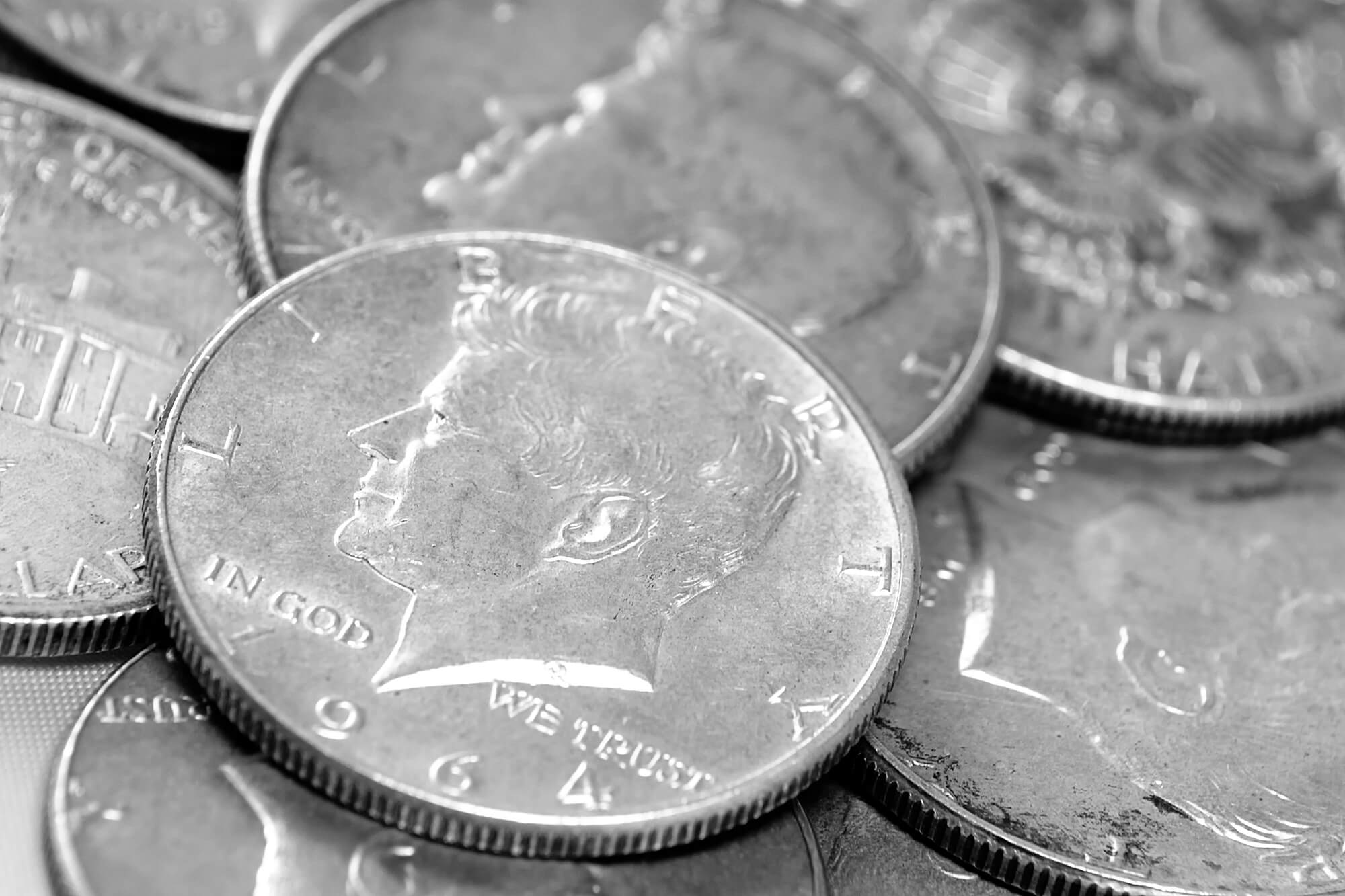
The Franklin half dollar replaced the Walking Liberty in 1948 and put Benjamin Franklin, who was never a president, on a regular circulating US coin. John R. Sinnock designed it, and a small eagle was added to the reverse beside the Liberty Bell.
The coin is 90 percent silver and was struck through 1963. The 1948 issue is the first year of the type, with value tied to grade and strike.
1955 Franklin Half Dollar Bugs Bunny Variety
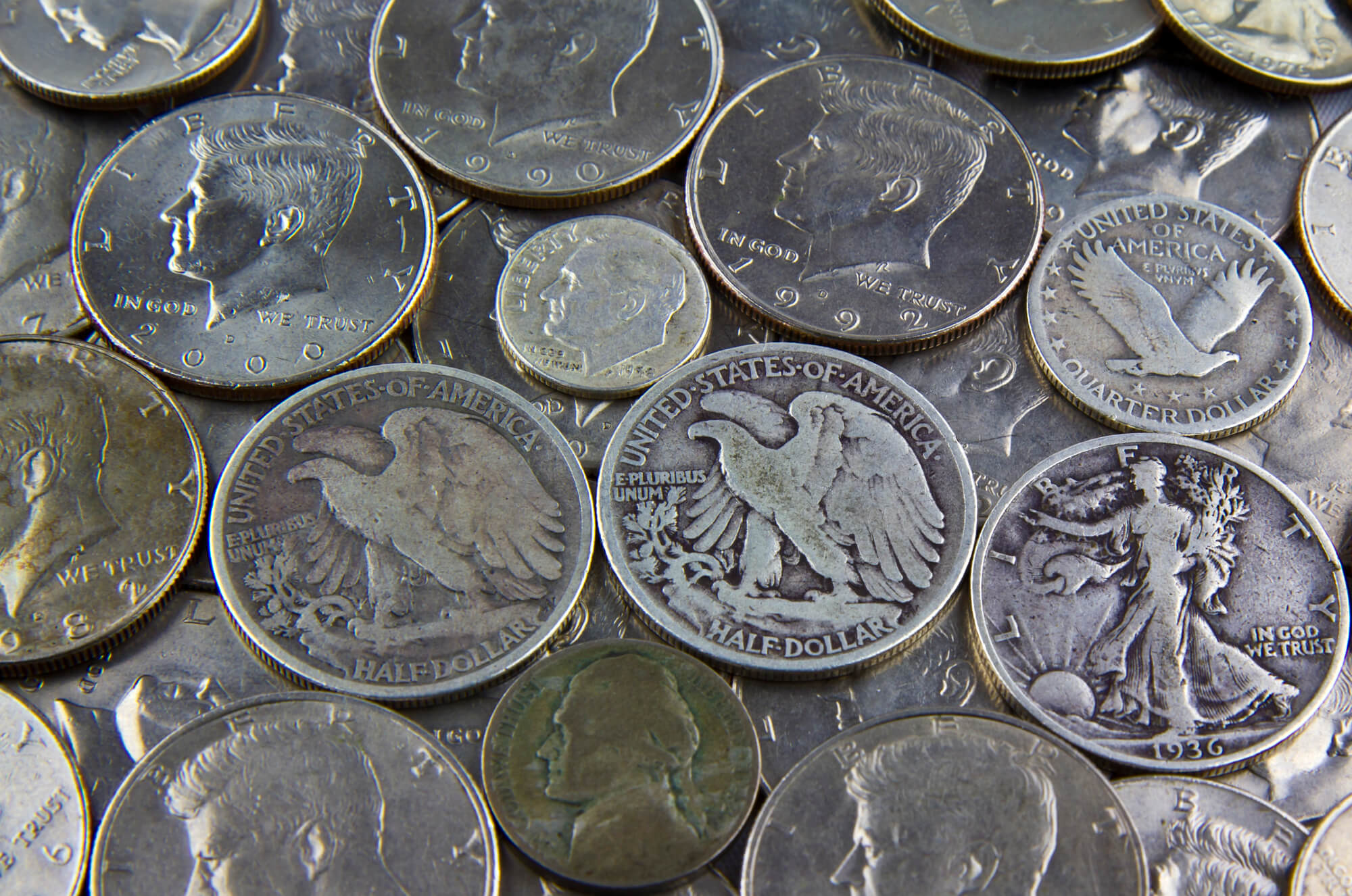
A doubled die in 1955 created a variety nicknamed Bugs Bunny, after the cartoon-like look of the doubling on Franklin’s portrait. The coin is a silver Franklin half dollar that looks normal at arm’s length.
Collectors need magnification to spot it, and certification is wise before paying a premium. Price depends on grade and the strength of the doubling.
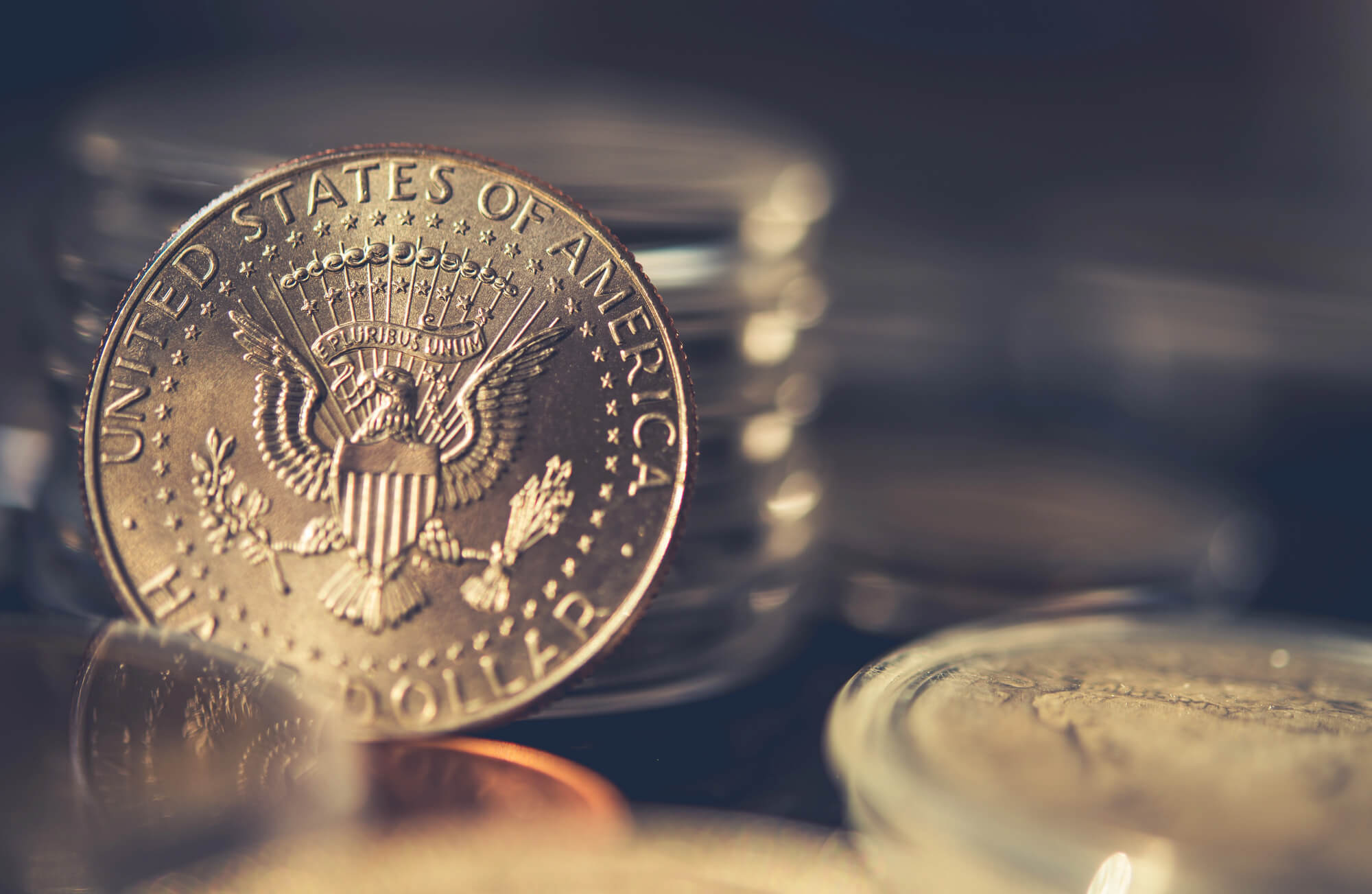
1964 Kennedy Half Dollar
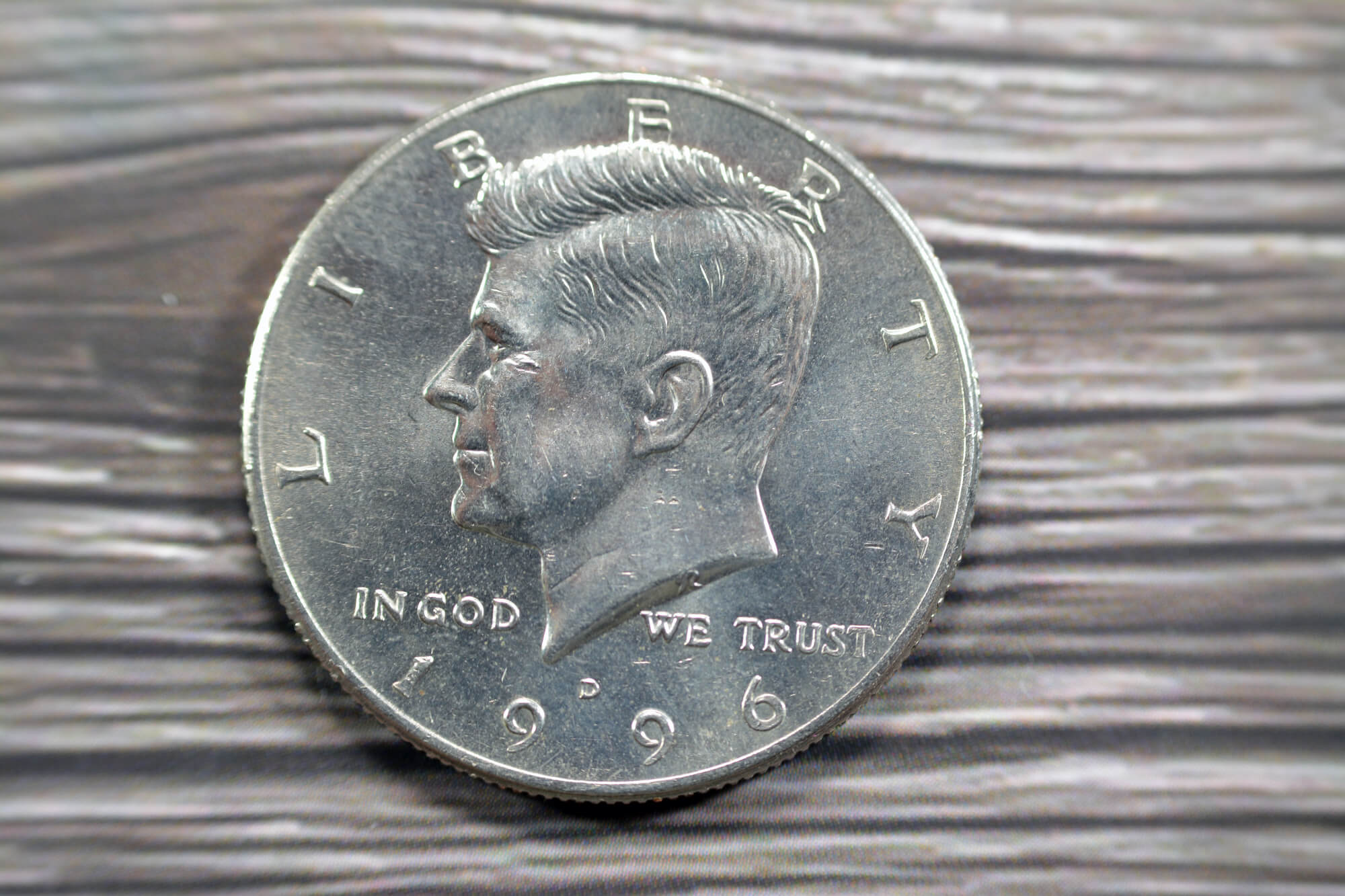
The Kennedy half dollar was authorized soon after President Kennedy’s death in November 1963 and was first struck in early 1964. The coin was made of 90 percent silver, unlike most later issues, and was produced in enormous quantities.
Gilroy Roberts designed the obverse and Frank Gasparro the reverse. Most circulated pieces trade near their silver content, while uncirculated examples carry a premium that depends on grade.
1964 Accented Hair Kennedy Half Dollar
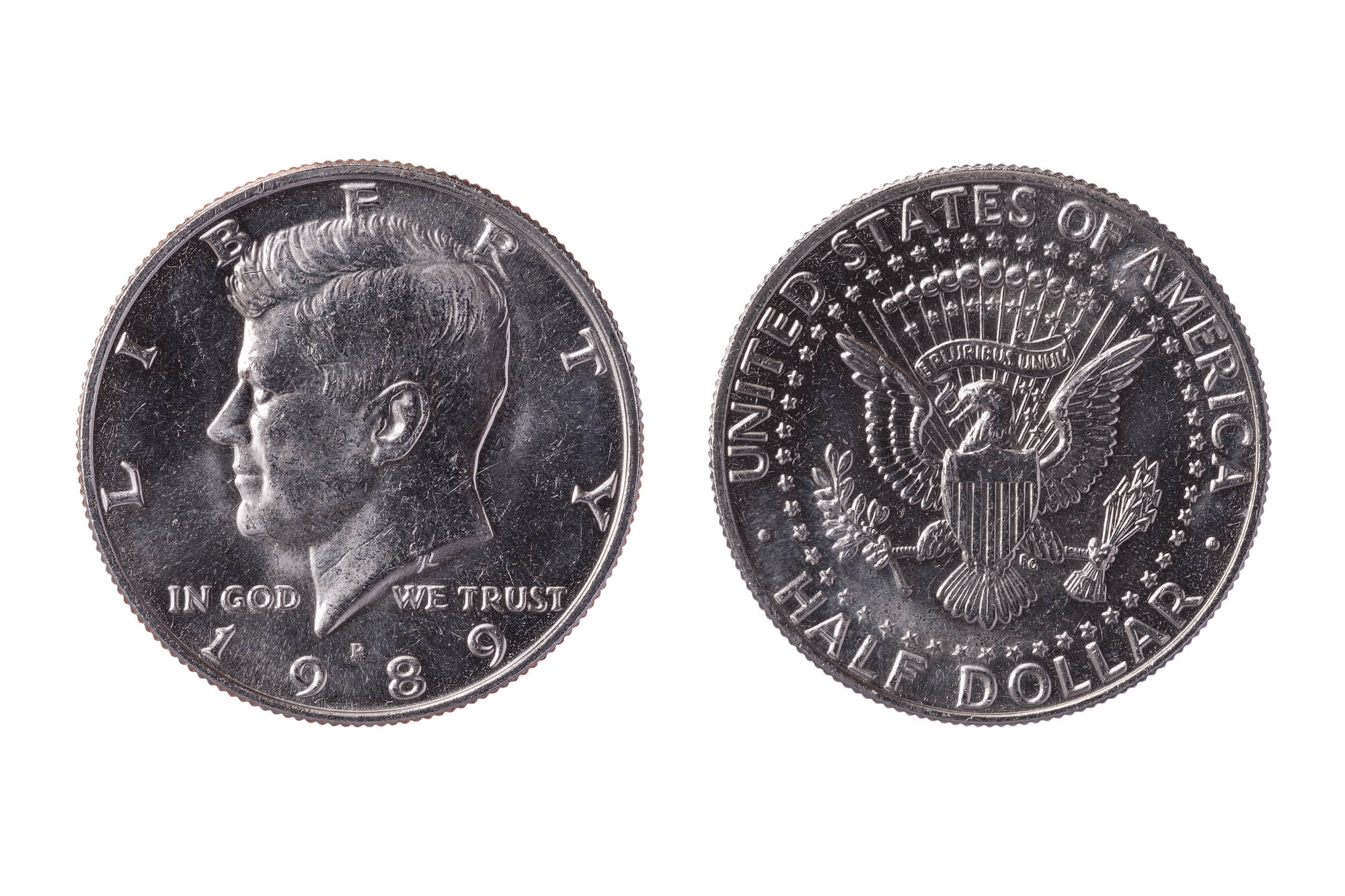
Proof Kennedy half dollars from 1964 include a variety called Accented Hair, which shows stronger detail in the president’s hair than the standard proof. The difference reflects a change in the die, so it identifies a distinct design stage.
Identification takes magnification and a careful eye. The coin is a proof, and surfaces and certification influence value.
1970-D Kennedy Half Dollar
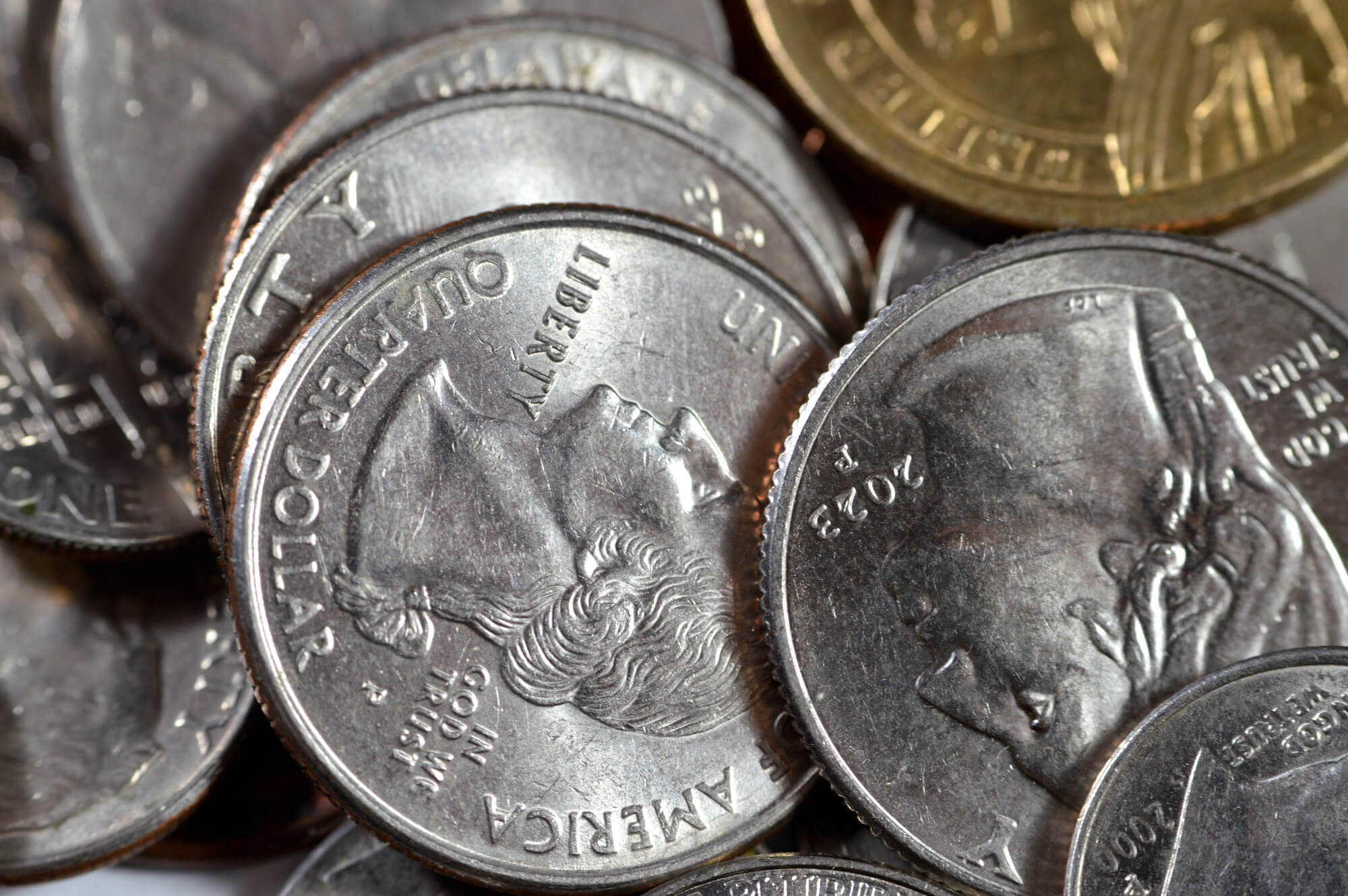
The 1970-D Kennedy half dollar was issued only in mint sets, never for circulation. It contains 40 percent silver, the composition used for Kennedy halves from 1965 through 1970.
That limited release makes it the toughest date of the 40 percent silver group. Value depends on condition and whether the coin is certified.
1776-1976-S Bicentennial Kennedy Half Dollar
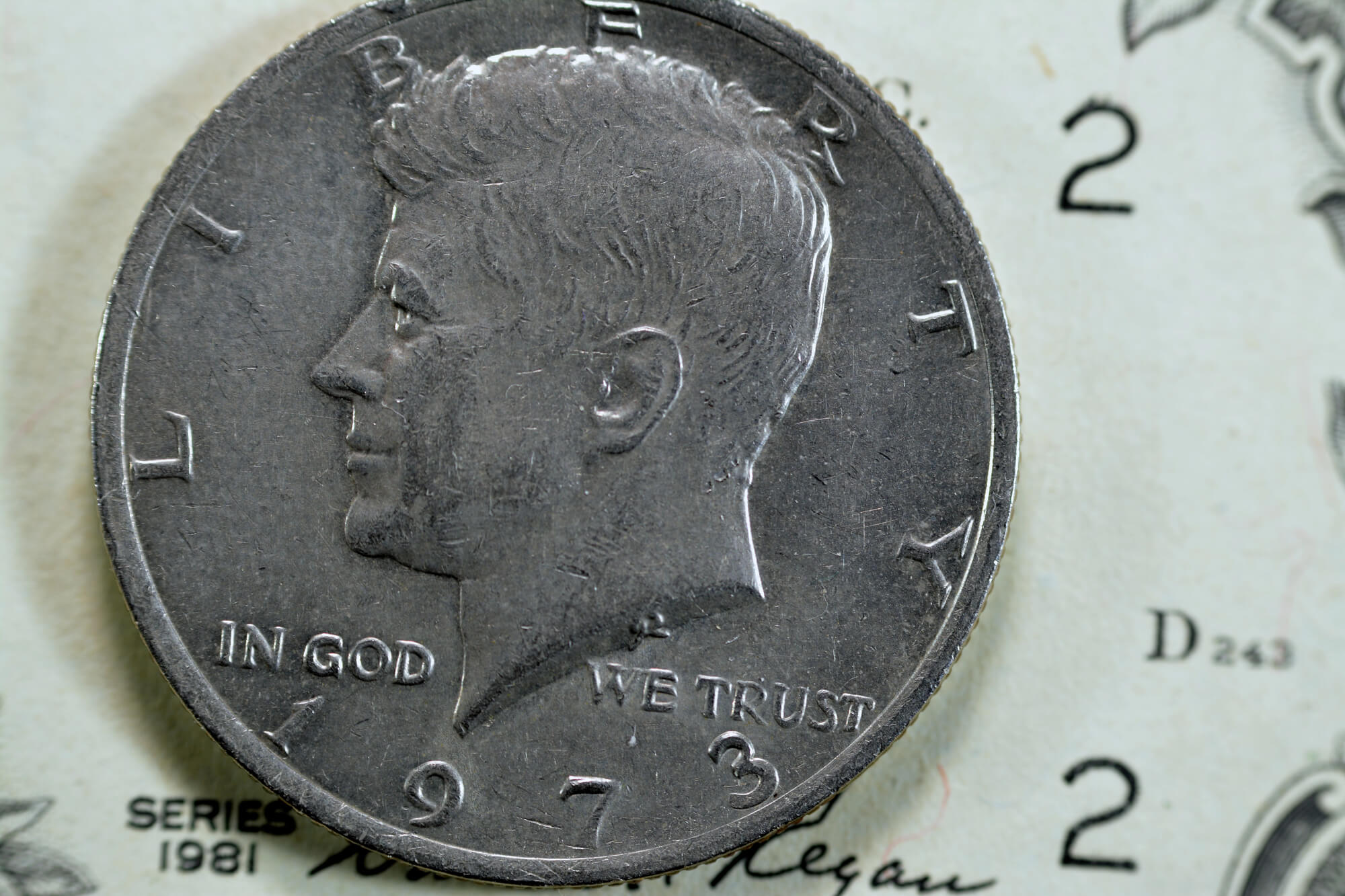
The Bicentennial Kennedy half dollar replaced the usual reverse with a design of Independence Hall by Seth G. Huntington. San Francisco struck 40 percent silver versions for collectors, and they carry the double date 1776-1976.
Many were sold in sets, and the silver pieces are worth more than the clad coins found in pocket change. Grade and original packaging influence the price.
1893 Columbian Half Dollar
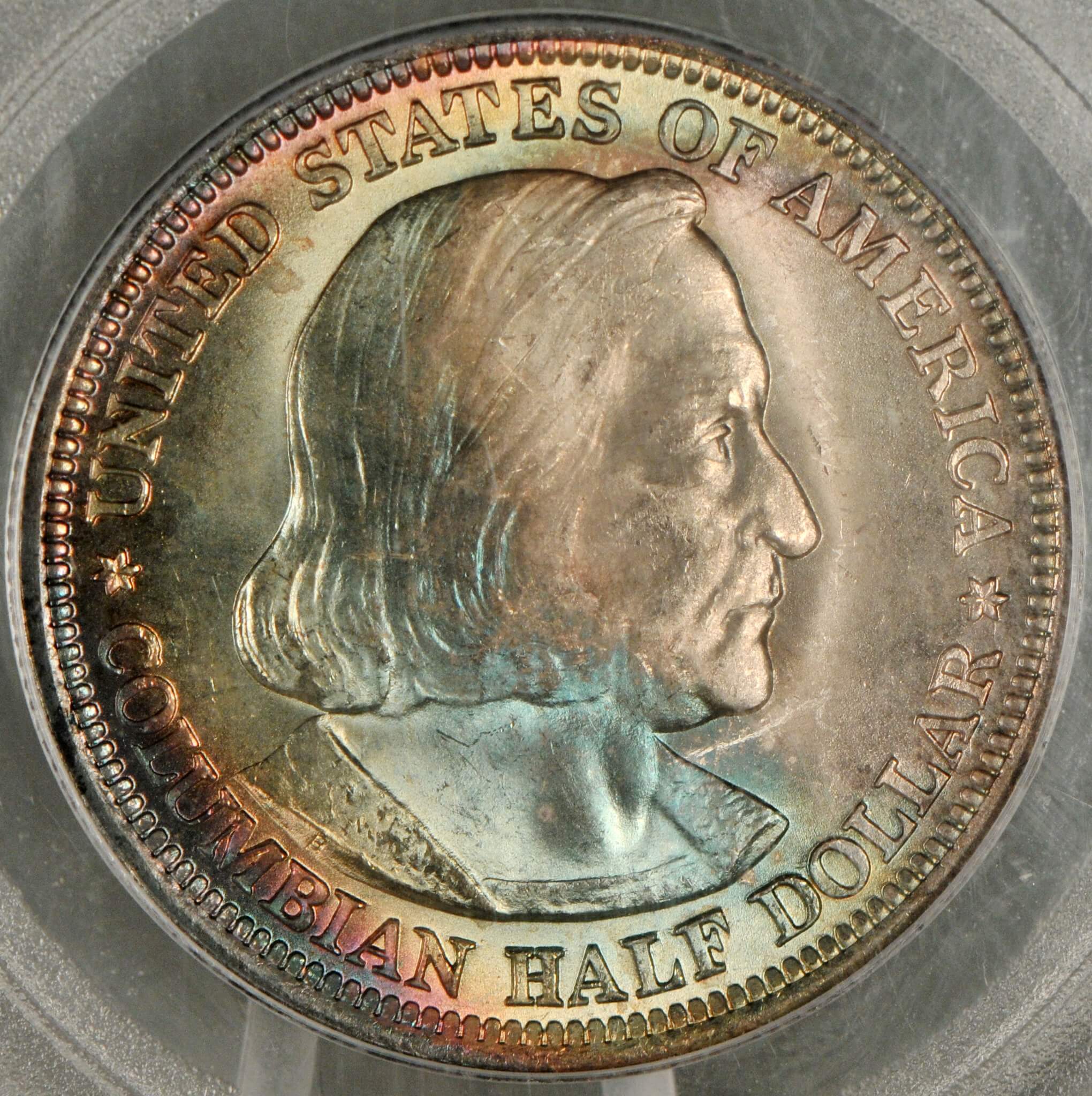
The Columbian half dollar was the first commemorative coin issued by the United States, created to help fund the 1893 World’s Columbian Exposition in Chicago. Charles Barber designed the obverse portrait of Columbus, and George Morgan created the reverse, which shows the Santa Maria.
The coins were sold at the Exposition for a dollar apiece, double their face value. Many survive, and values depend on grade and surface quality.
Why Silver Keeps Its Hold
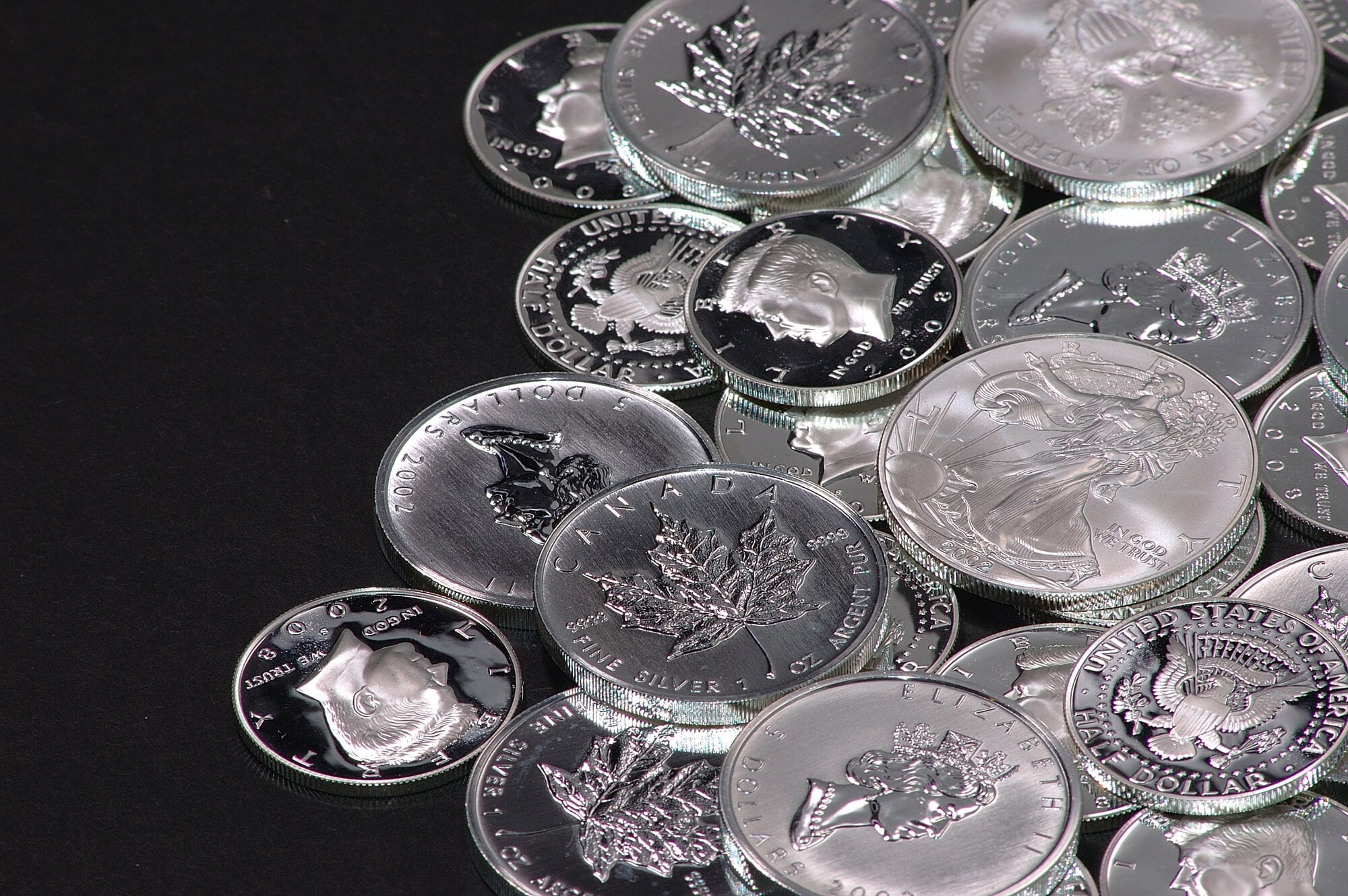
A silver coin lives two lives at once. It is a piece of metal with a floor price, and it is a small object with a story, an artist, and an era behind it.
The coins in this list span both ends, from towering rarities to ordinary dates that still hold their value because of what they are made of.
The best advice is to learn the difference before spending anything. A date, a mintmark, or a faint doubling can change a coin’s worth entirely, and authenticity must be confirmed.
Anyone with a jar of old halves or a drawer of dollars may be sitting on something worth far more than it looks.
More from Go2Tutors!

- The Romanov Crown Jewels and Their Tragic Fate
- 13 Historical Mysteries That Science Still Can’t Solve
- Famous Hoaxes That Fooled the World for Years
- 15 Child Stars with Tragic Adult Lives
- 16 Famous Jewelry Pieces in History
Like Go2Tutors’s content? Follow us on MSN.