27 Smells That Instantly Bring Back a Childhood Memory
There’s something almost unfair about the way a smell can reach back through decades and drop you somewhere you haven’t been since you were nine years old. Not gradually — instantly.
One breath and you’re standing in your grandmother’s kitchen, or on a school bus in October, or in the back of a station wagon with the windows cracked. Scientists have a name for this: the Proustian memory response, named after the writer who described a single bite of a madeleine dipped in tea unlocking years of buried experience.
The olfactory system connects directly to the hippocampus and amygdala — the parts of the brain that process memory and emotion — which is why smell bypasses analysis and goes straight for the gut. These 27 smells don’t need an explanation.
You already know exactly what they do to you.
Chlorine
Chlorine doesn’t smell like a chemical. It smells like summer with nowhere to be, like the specific exhaustion of spending six hours in a pool and not regretting a single second of it.
That sharp, almost medicinal bite hits you and suddenly it’s June again — and you’re squinting through wet eyelashes at a snack bar menu you’ve memorized.
Crayons
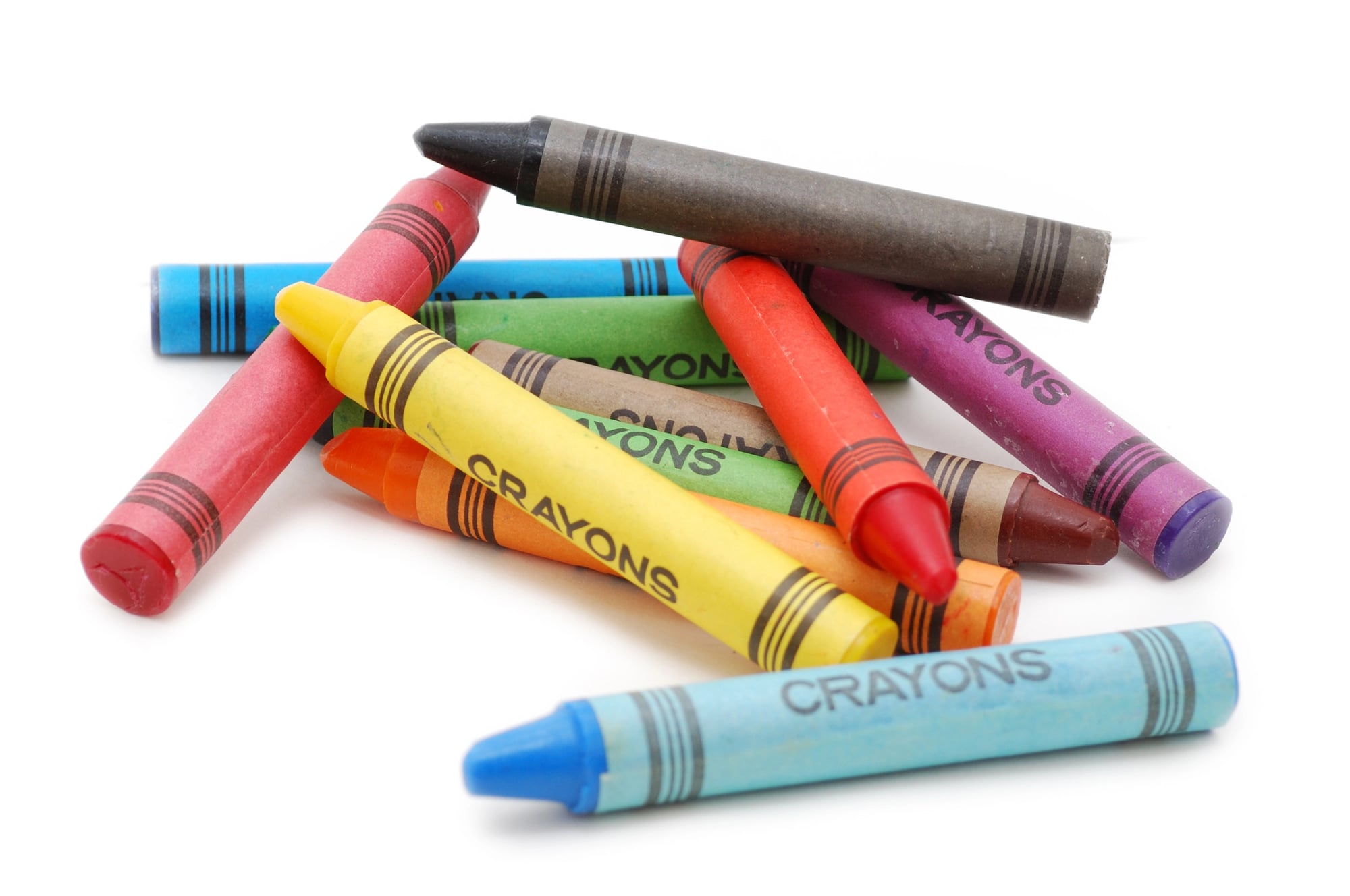
The waxy, slightly sweet smell of a fresh box of crayons is one of the most precisely catalogued scents in the world of childhood nostalgia — and for good reason. That smell is stearic acid, the same compound found in beef tallow, which gives crayons their distinctive color and texture and, it turns out, an astonishingly specific emotional footprint.
Open a new box and try not to feel something. Go ahead. Try.
Freshly Cut Grass
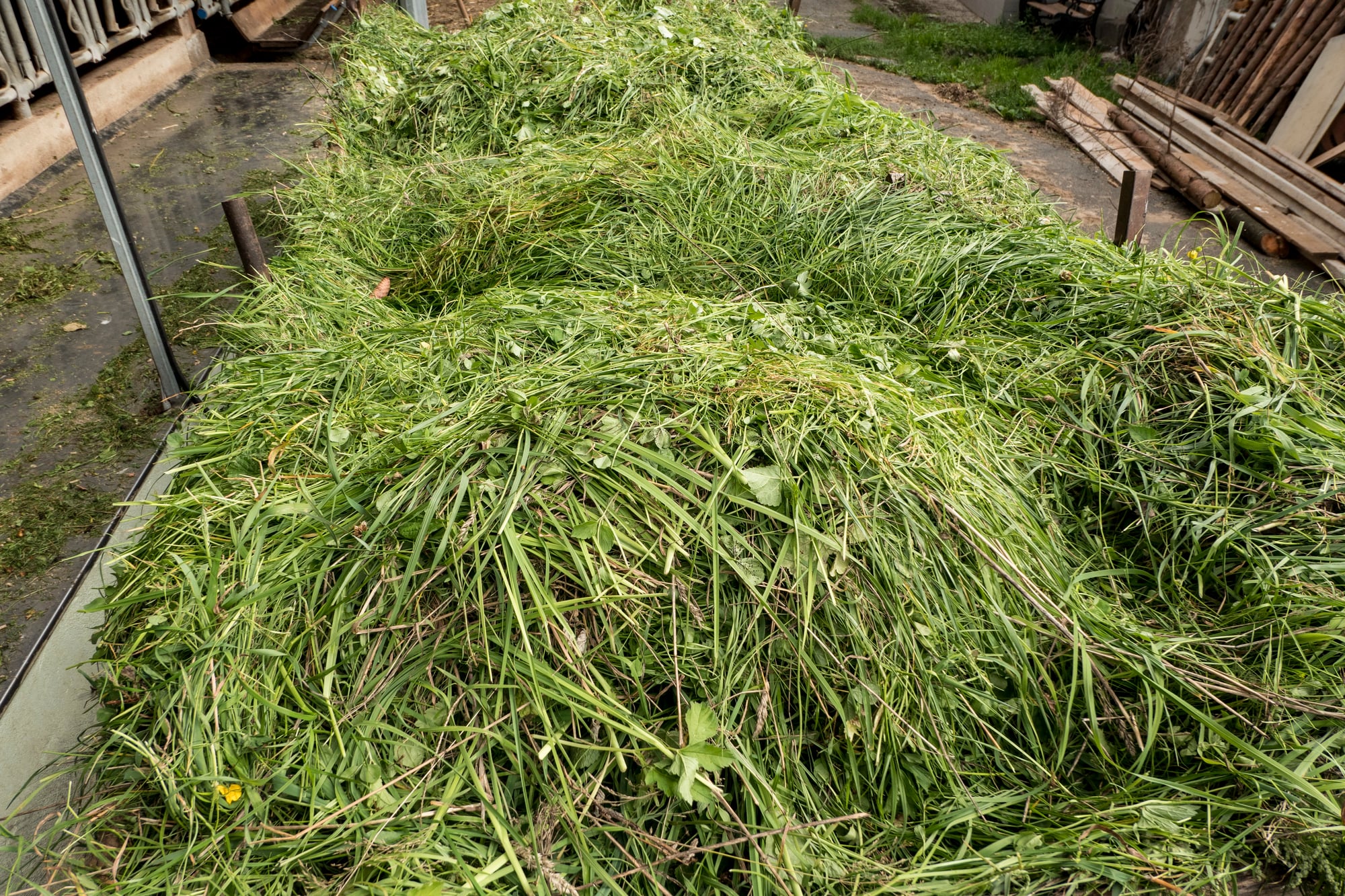
Freshly cut grass is the smell of Saturday morning obligations that, in retrospect, weren’t so bad. The green, almost herbal sharpness of it — that compound is called cis-3-hexenal, released when grass blades are severed — carries with it something ancient and domestic: lawnmowers, bare feet, the particular boredom of a summer afternoon with nowhere specific to go.
It’s the smell of time that felt endless before you knew what that meant.
Play-Doh
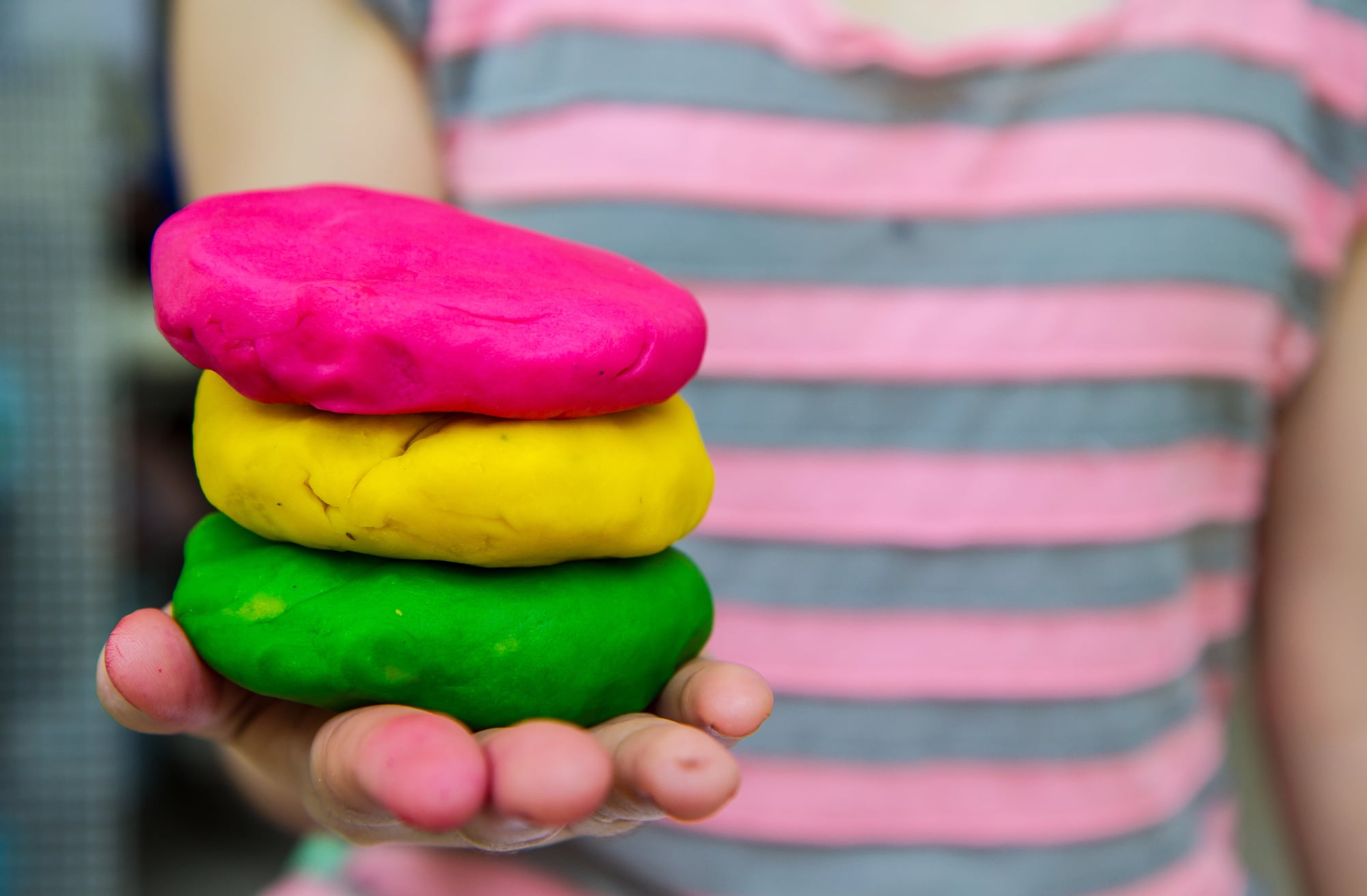
Play-Doh has a trademarked scent — which sounds absurd until you realize that the scent itself is arguably more recognizable than the product. Salty, slightly musty, vaguely vanilla-adjacent, it smells like nothing in the natural world and everything from a particular era of childhood.
And yet the moment you catch even a trace of it, something in your brain lights up like a switchboard.
Sunscreen

Sunscreen is a time machine that costs about eight dollars. That coconut-and-chemical combination — usually anchored by octinoxate or avobenzone mixed with fragrance — is inseparable from beach trips, peeling shoulders, and the particular parental insistence that you hold still for just one more second.
It smells less like a product and more like the whole idea of summer vacation before summer vacation became something you had to schedule months in advance.
Burning Leaves
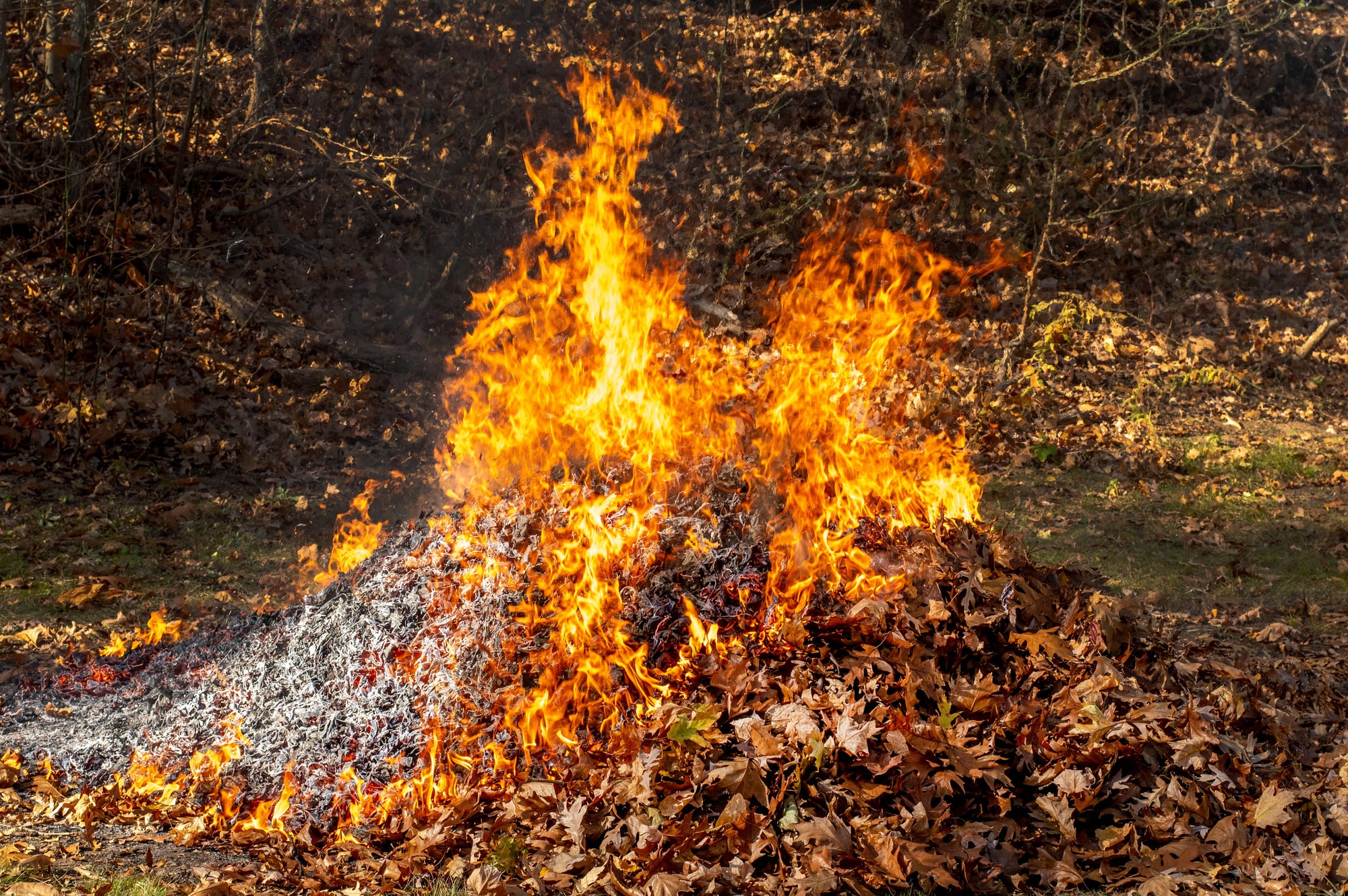
There’s a particular quality to the smoke from burning leaves in autumn — slower, earthier, and somehow more domestic than wood smoke — that doesn’t exist in the same way anymore in many places, because burning leaves is now restricted or banned outright across much of the country. So if you grew up somewhere and when it was still allowed, that smell is practically preserved in amber: raking, the cold starting to arrive, the late afternoon light going gold before it went dark.
It smells like the end of something, in the best possible way.
Old Books

Old books smell the way accumulated time smells. The specific combination of vanilla, almond, and faint musk comes from lignin and cellulose in the paper breaking down over decades, releasing aldehydes and organic acids in a slow, dignified exhale.
Pull a paperback from a box that’s been sitting in someone’s attic for thirty years and the smell hits you before a single word does — it corrects your posture, it slows you down, it deposits you somewhere you haven’t been in a long time.
Gasoline

Gasoline shouldn’t be pleasant. And yet here we are.
The benzene and aromatic compounds in fuel hit the nose in a way that triggers something primal — partly because childhood is full of gas stations on long road trips, partly because exposure during early life encodes certain smells with disproportionate emotional weight. To be fair, no one is recommending you stand by the pump longer than necessary.
But denying the nostalgia would be dishonest.
Campfire Smoke

Campfire smoke is possessive. It gets into clothing, hair, and memory in equal measure and refuses to leave any of them.
The smell is a mixture of dozens of combustion compounds — guaiacol, syringol, and phenols chief among them — but the brain doesn’t file it under chemistry. It files it under: dark sky, marshmallow, people you loved before you knew how to say so, the particular hush of a night that felt safe.
Rain on Hot Pavement
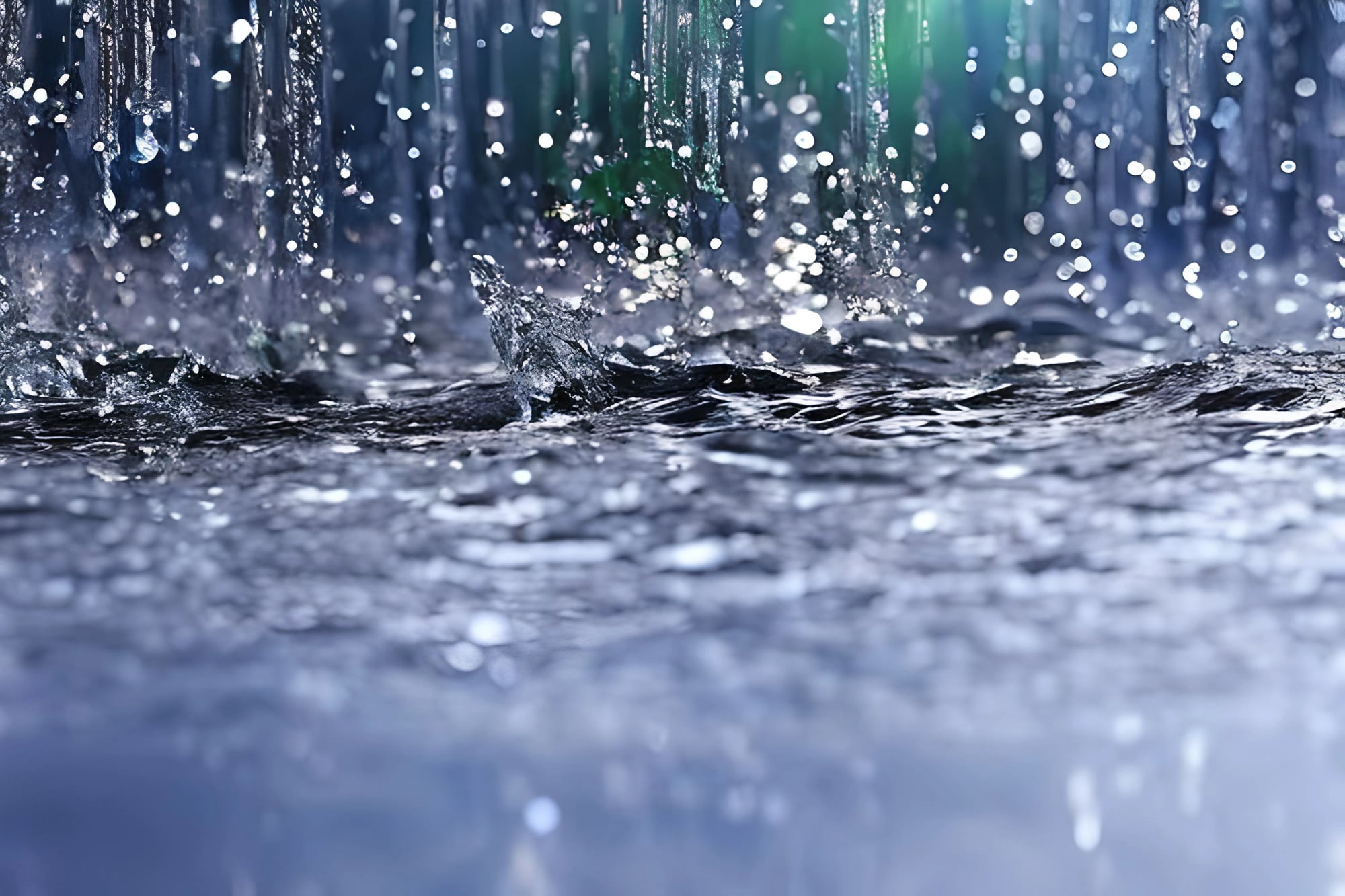
Petrichor — the word for the smell of rain hitting dry earth — is one of those phenomena that science can name but can’t quite explain away. The compound geosmin, released by soil bacteria when moisture arrives, combines with ozone from the storm above to create something that smells ancient, electric, and entirely specific to late summer.
You catch it a second before the first drop falls and somewhere in your body you’re eight years old, watching the sky go dark from a back porch.
School Hallway

The combination of industrial cleaning products, cafeteria food from three hallways away, and approximately four hundred slightly damp children produces a smell that is objectively not good — and yet wildly evocative. That institutional cocktail of pine cleaner and linoleum floor wax is a sensory fingerprint for every school that ever existed, and a single whiff of it in a gymnasium or community center can send you directly back to a September morning you haven’t thought about in twenty years.
Turns out the smell of childhood isn’t always appealing. It’s just accurate.
Vanilla Extract

Pure vanilla extract smells almost nothing like vanilla ice cream or vanilla cake — it’s sharper, more alcoholic, rawer — but the connection the brain makes doesn’t care about that distinction. It smells like baking, like a warm kitchen, like an adult who let you lick the spoon.
And those associations run so deep that even a quick pass of the bottle in a grocery store aisle can create a small, involuntary pause.
Moth Orbs

Moth orbs are the smell of grandparents’ closets — specifically, the closet that was never opened except on special occasions and held things that had been kept for reasons no one fully explained. Naphthalene or paradichlorobenzene, depending on the era of the product, created that sharp, almost camphor-like scent that clung to wool and cedar and old coats with heavy buttons.
It’s not a smell anyone misses exactly. But it puts you somewhere instantly.
WD-40
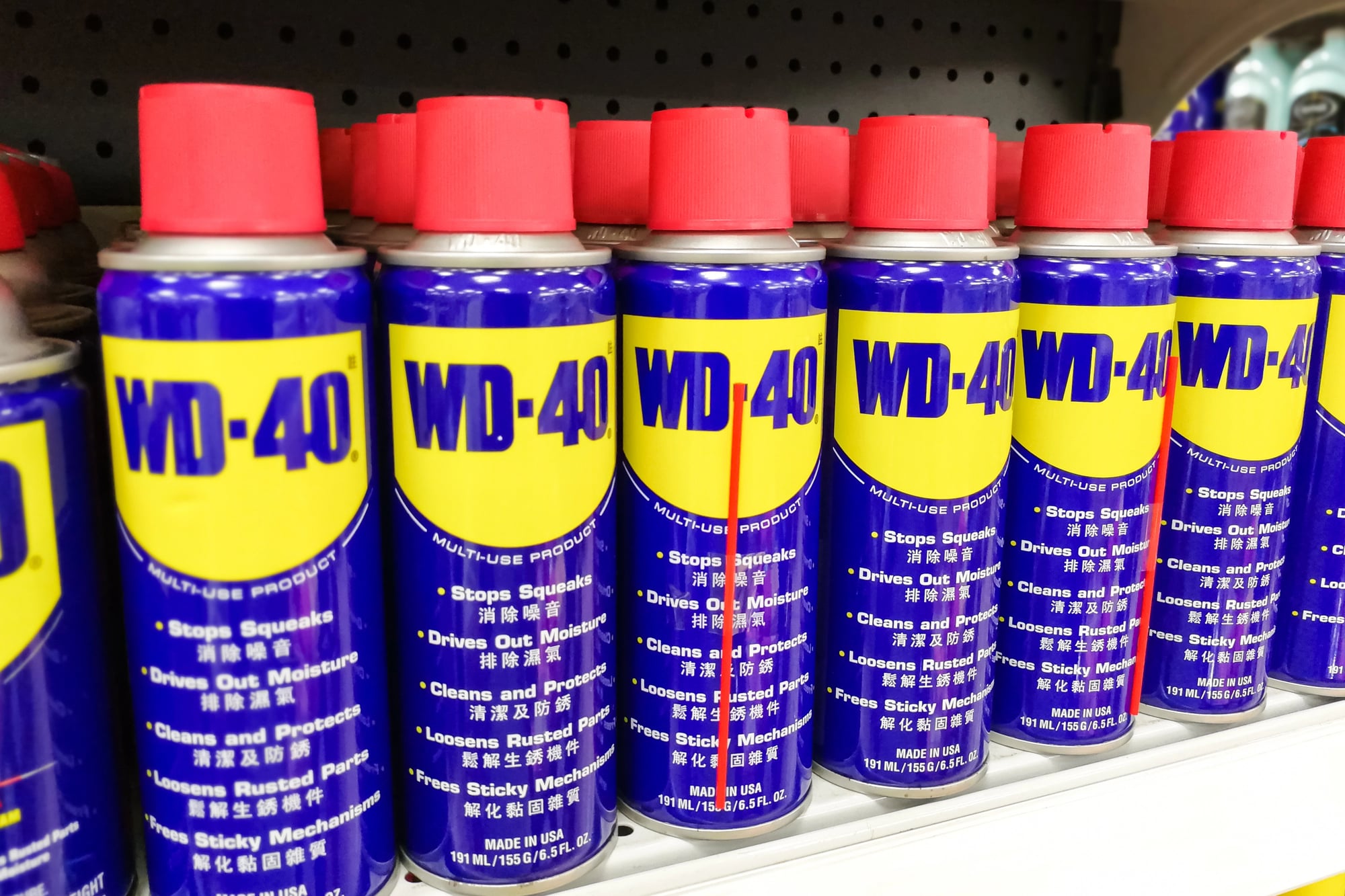
WD-40 smells like a garage on a weekend afternoon, which is to say it smells like a parent who was always fixing something. That petroleum-and-solvent combination is specific enough that the company trademarked the formula’s scent.
It smells like someone taking a problem seriously, like the quiet satisfaction of a stuck hinge finally giving way, like the particular competence of an adult who knew what tools to reach for.
Cinnamon
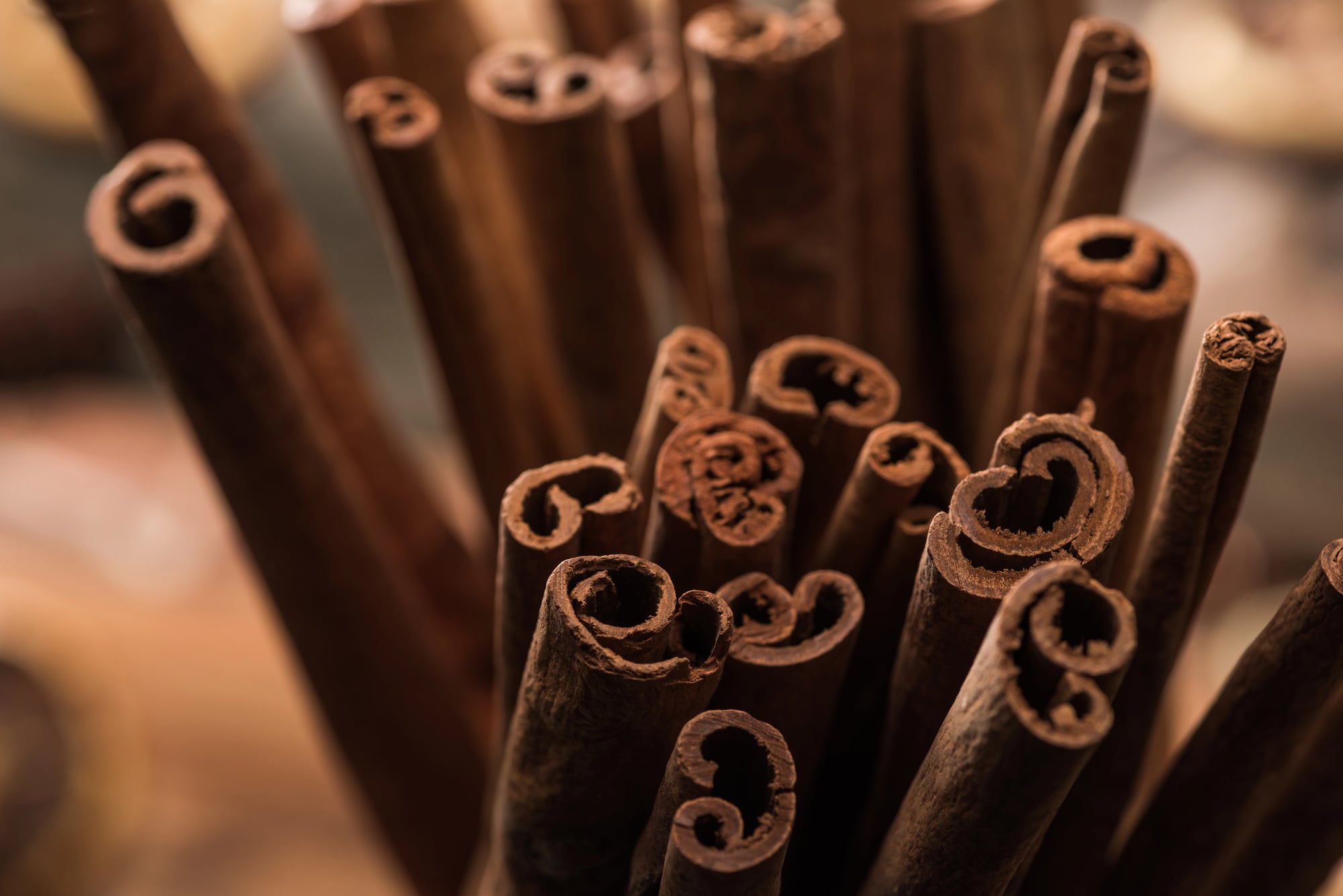
Cinnamon is the smell of winter before it actually arrives — or more precisely, it’s the smell of someone deciding to make the house feel like winter before the calendar agrees. It arrives on apple pies, on candles, on mulled cider that a child definitely got to taste once even though it was technically for adults.
Warm and slightly sharp and impossible to separate from something deeply domestic, cinnamon doesn’t just recall a season — it recalls a feeling of being inside while outside was cold and that being exactly right.
Fresh Laundry
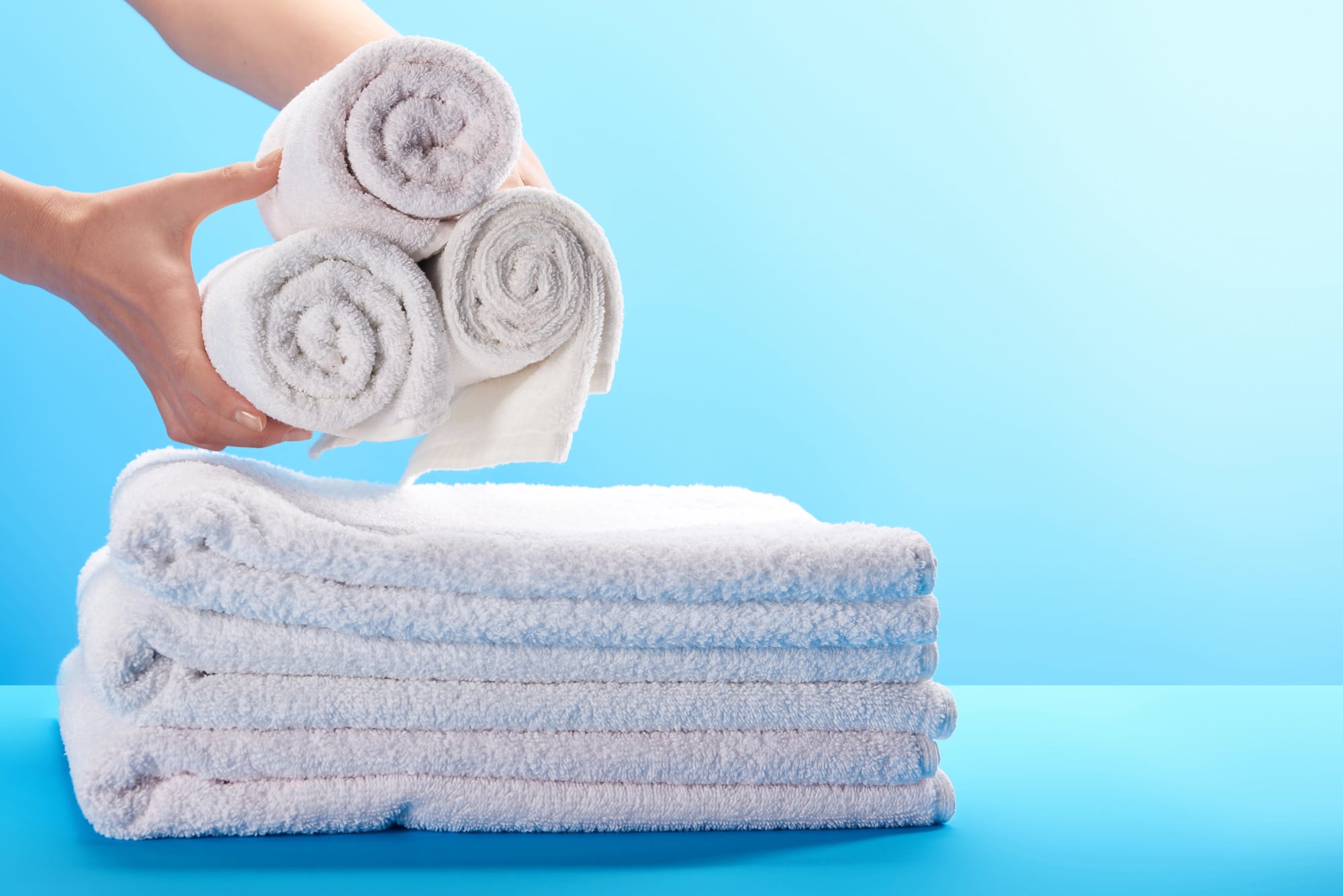
Fresh laundry is not one smell — it’s the specific laundry detergent your household used, and that specificity is exactly the point. Cheer smells different from Tide smells different from whatever generic brand became the house standard during lean years, and whichever one you grew up with is the one that will catch you off guard in a laundromat twenty years later and put you directly back in a bedroom you haven’t slept in since you were a teenager.
The smell of clean is the smell of home, but only the exact version of home you lived in.
Rubber
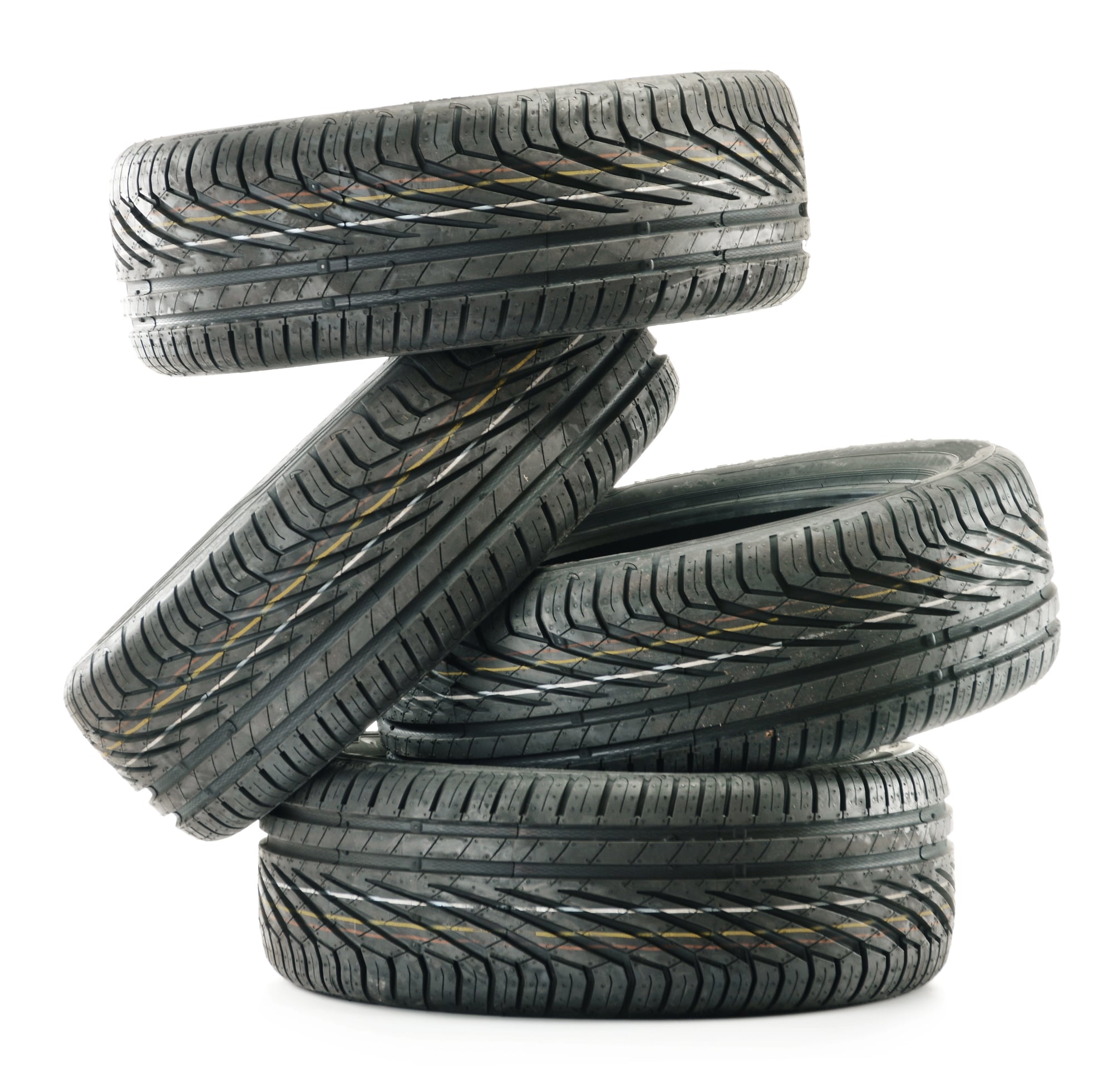
New rubber — the smell of sneakers pulled from a box, of a bicycle tire, of a basketball fresh from the packaging — is immediately and irreversibly childhood. It’s a compound called styrene, and it degrades quickly once the object is exposed to air, which is why the smell is so specific to newness.
There’s something almost sad about it: the scent of a thing that is exactly what it is before it becomes anything else.
Playdates and Carpet Cleaner

Every friend’s house smelled different — that’s the thing no one tells you, but everyone knows. The specific combination of carpet cleaner, whatever their family ate, the particular detergent that wasn’t the one your family used, and something ineffable that was simply the smell of a house that wasn’t yours — it was more distinct than any single scent, and walking through a stranger’s front door as an adult and catching a echo of a childhood friend’s living room is one of the most disorienting experiences a nose can produce.
Pine Trees
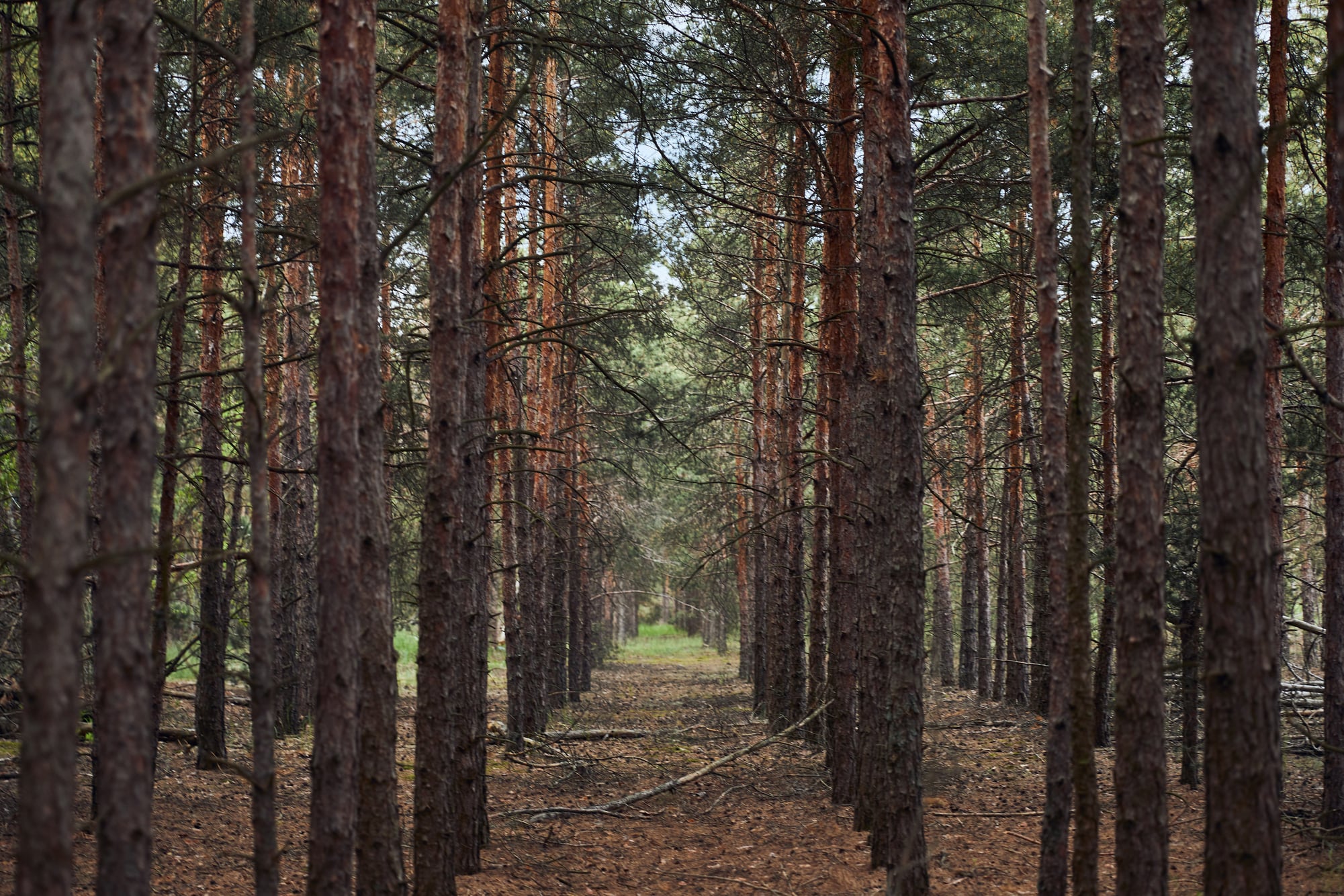
Pine is not a soft smell. It’s resinous and insistent, and it carries with it something specific to whichever forest or Christmas tree lot or mountain trail holds claim on your early years.
The terpenes released by pine needles — alpha-pinene chief among them — are so strongly associated with particular memories that even pine-scented cleaning products can trigger a response that has nothing to do with bathroom tile and everything to do with a December morning when you were six.
Leather

Leather smells like the interior of an older car, or a baseball glove that lived in the garage for a decade, or a wallet someone important kept in their back pocket. The tannins and natural oils used in curing leather create a smell that ages rather than fades — and that aging is part of the point.
Old leather smells like things that lasted, like objects that were used and used again and kept anyway.
Banana Runts
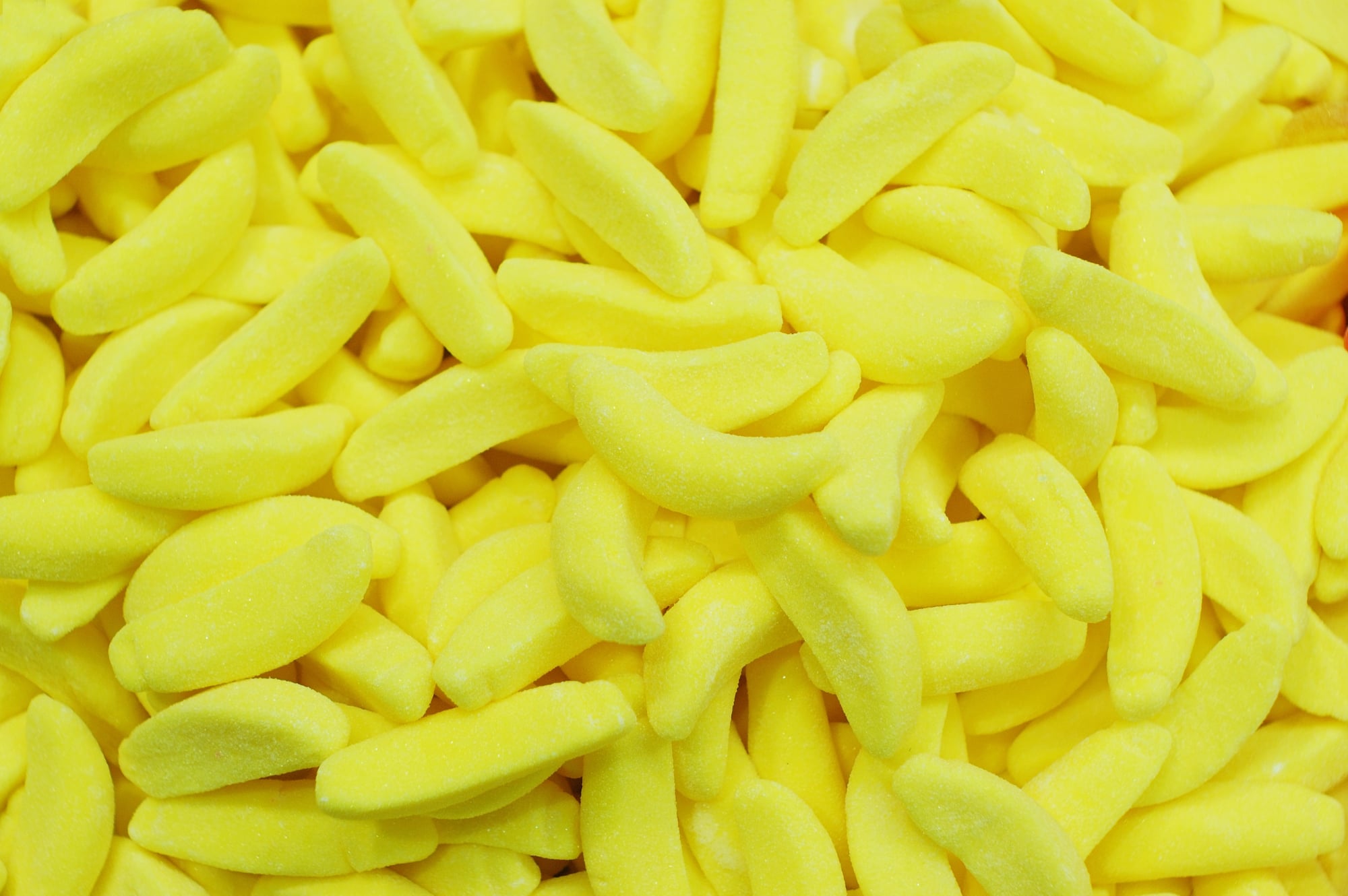
Banana-flavored candy doesn’t smell like bananas — it smells like isoamyl acetate, the synthetic compound that approximates a Gros Michel banana variety that largely disappeared from American grocery stores in the 1950s. So that artificial banana smell isn’t a bad imitation of a real banana — it’s a faithful recreation of a banana that most people alive today have never actually tasted.
Go figure. The candy is technically more historically accurate than the fruit.
Movie Theater Popcorn

Movie theater popcorn smells better than movie theater popcorn tastes, and everyone knows this — the theater industry knows it too, which is why the smell is vented toward the lobby entrance. Coconut oil or butter-flavored oil combined with the specific heat of commercial poppers creates a fragrance that peaks before you’ve bought a ticket.
And because most people experienced their first movies as children, the smell is paired with the particular excitement of something large happening in the dark.
Tide Original
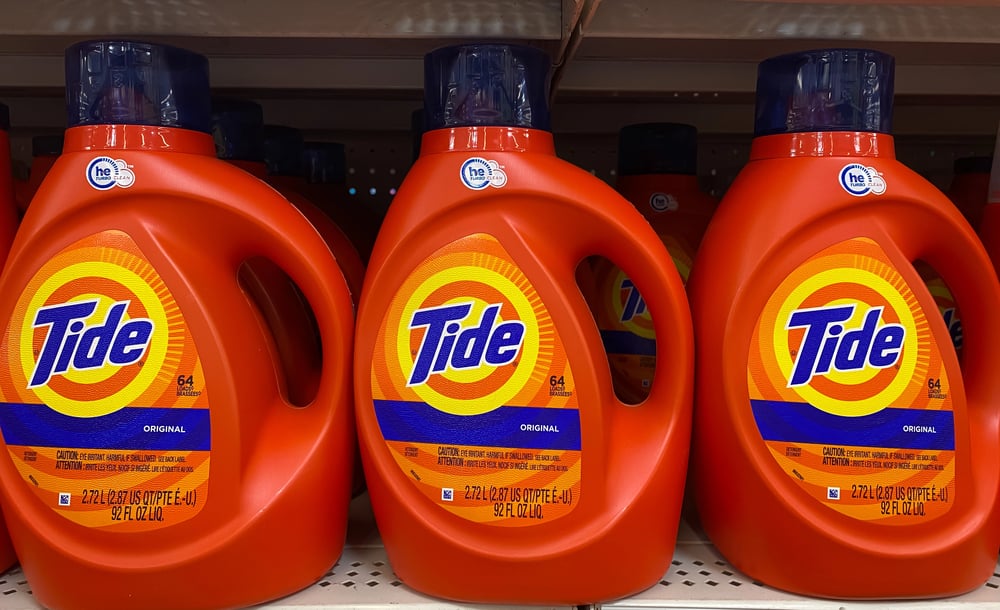
Tide original is, according to years of consumer research, one of the most recognized scents in American households — but its emotional power isn’t about brand loyalty. It’s about the specific comfort of a smell that meant the laundry was done, the week was in order, someone was managing the house.
That bright, almost floral chemical cleanness is the smell of a household that was functioning. Which, as a child, you didn’t appreciate until you had one of your own to manage.
Mulch
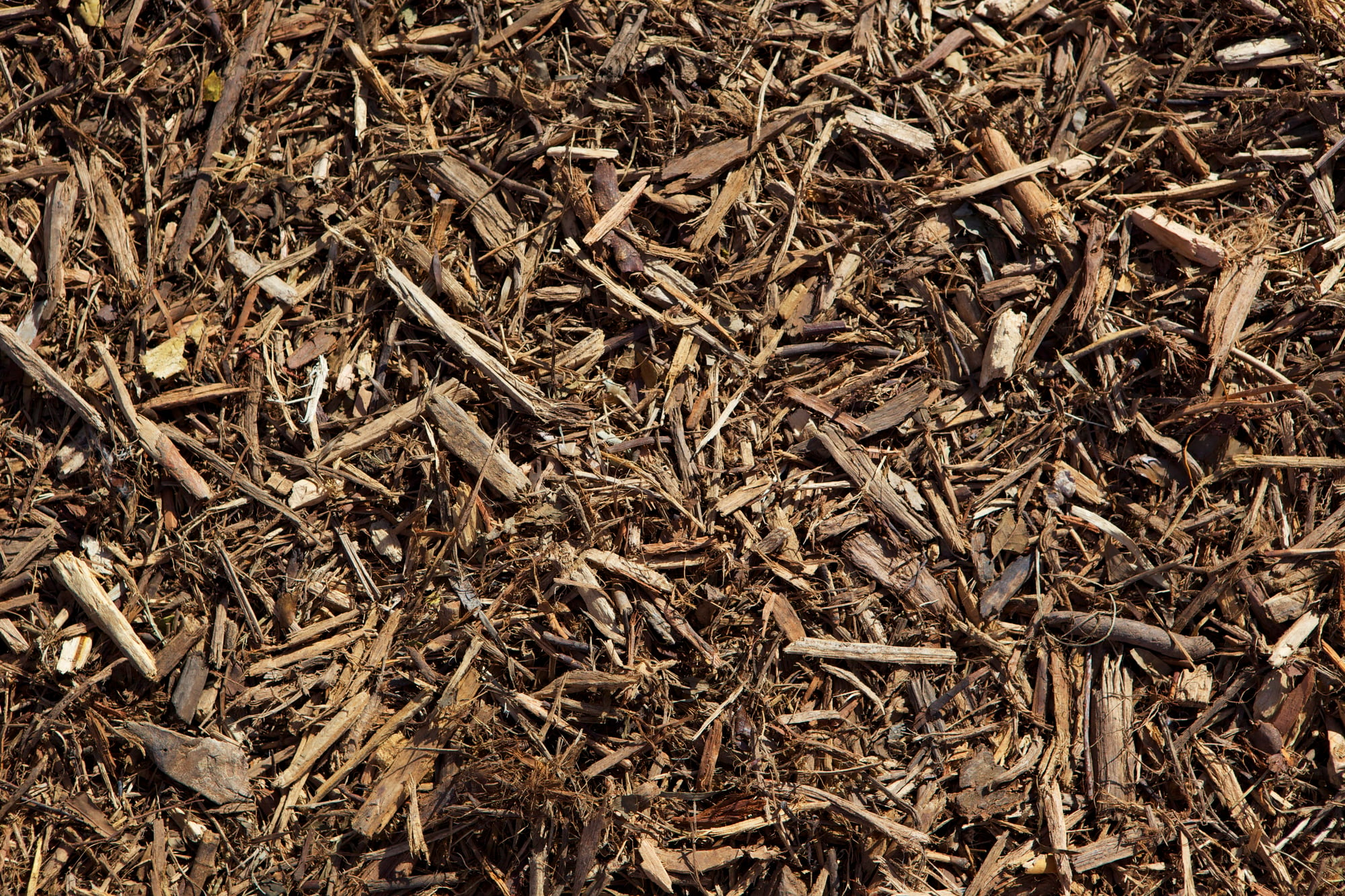
Mulch is not a glamorous memory trigger — and yet. The dark, earthy, composting smell of fresh wood chip mulch is inseparable from school playgrounds of a certain era, from the particular crunch underfoot and the slight give of it when you landed wrong off the monkey bars.
It smells like exertion and outdoor air and a kind of freedom that ended at a bell. It’s the smell of unscheduled time, which is possibly the most valuable thing a childhood contains.
Baking Bread

Bread baking produces hundreds of aromatic compounds — the Maillard reaction alone accounts for the nutty, caramelized crust — but the smell arrives as a single, unified warmth that fills a house from the kitchen outward. It’s the smell of a Sunday, or of someone who had time to make it, which amounts to the same thing.
Catch it unexpectedly from a bakery window and it’s possible to feel, for just a second, like no time has passed at all.
Chlorinated Pool Towels
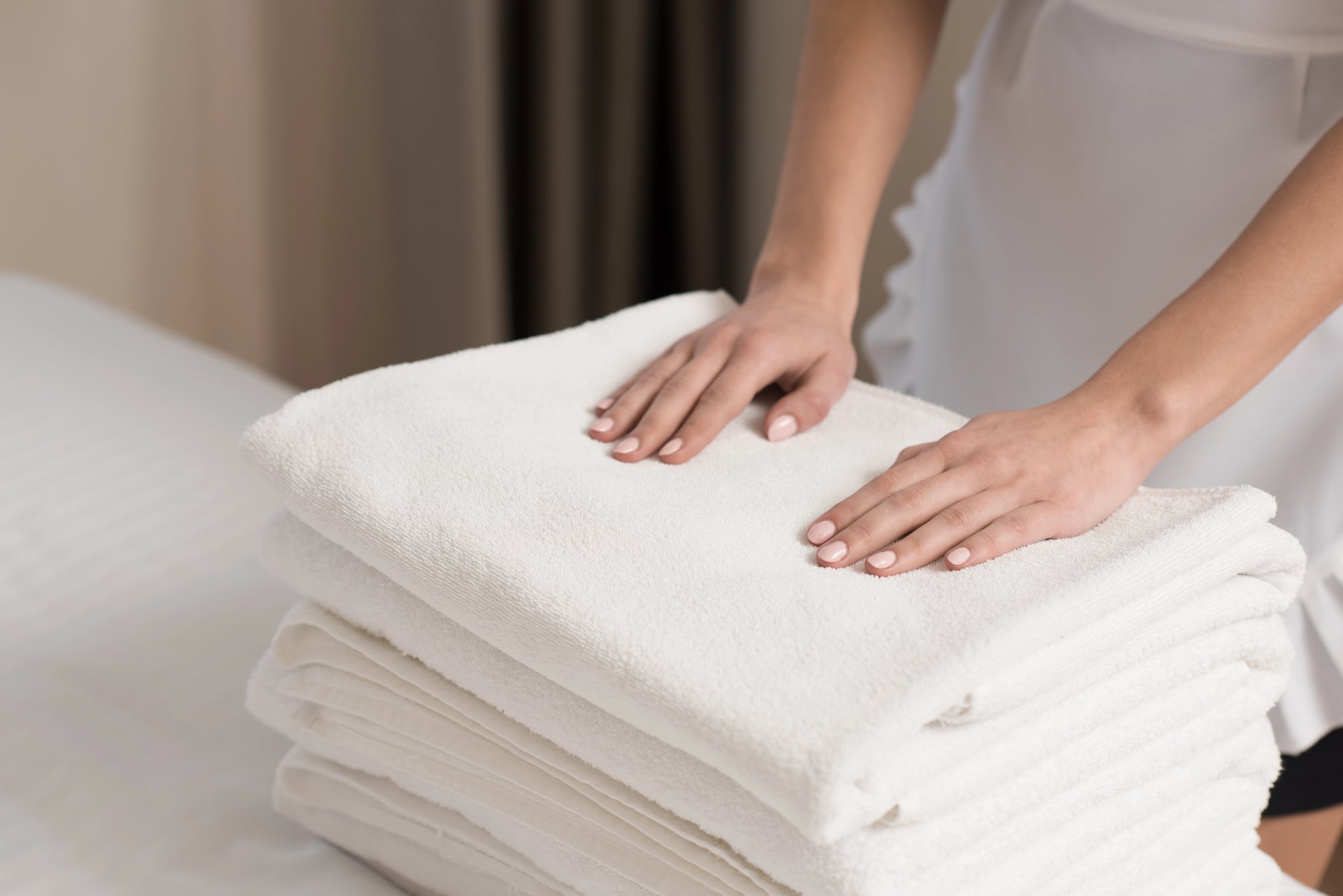
A wet towel that’s been sitting by a chlorinated pool in the sun develops a smell that is technically the result of chloramines combining with organic material — and practically the smell of every summer afternoon that ever mattered. It’s slightly sharp, slightly musty, entirely specific.
Nobody would spray this as a perfume. And yet it carries more weight than most things that come in bottles.
Grandparent’s House

Every grandparent’s house had a smell, and it was never just one thing. It was decades of cooking, of specific cleaning products falling out of fashion, of accumulated furniture and carpet and something faintly sweet that was probably a bowl of hard candy on a side table.
That smell is not reproducible. It existed in one place, in one particular time, and the people who lived there carried it with them in a way they never knew.
Catch something close to it — in an antique store, in an old hotel lobby, in someone else’s grandmother’s hallway — and it’s less like a memory and more like a hand on your shoulder from somewhere you can’t quite reach.
The Smell That Doesn’t Have a Name

Not every childhood smell is catalogued. Some of them live in the gap between language and experience — the smell of a specific car on a specific road trip, the smell of a school bag left in the sun, the smell of a house before something changed in it.
These are the ones that arrive without warning and leave before you can describe them, carrying someone or somewhere so precisely that the feeling lands before the thought does. The nose doesn’t explain itself.
It just delivers the past, and trusts you to know what to do with it.
More from Go2Tutors!

- The Romanov Crown Jewels and Their Tragic Fate
- 13 Historical Mysteries That Science Still Can’t Solve
- Famous Hoaxes That Fooled the World for Years
- 15 Child Stars with Tragic Adult Lives
- 16 Famous Jewelry Pieces in History
Like Go2Tutors’s content? Follow us on MSN.