29 Forbidden Locations Around The World That Remain Off-Limits To This Day
There are places on Earth where the sign says “no entry” and means it more seriously than most. Not the “staff only” kind of no entry, but the armed guard, international treaty, national law, or lethal hazard kind.
Some of these locations are restricted to protect what’s inside from us. Some are restricted to protect us from what’s inside.
And a few exist in a legal grey zone where the official reason and the likely real reason are probably not the same thing.
What follows is a selection of places where, regardless of your credentials, your wealth, or your persistence, your presence is either forbidden, actively discouraged by the resident population, or physically inadvisable in ways that make the distinction academic.
North Sentinel Island, India
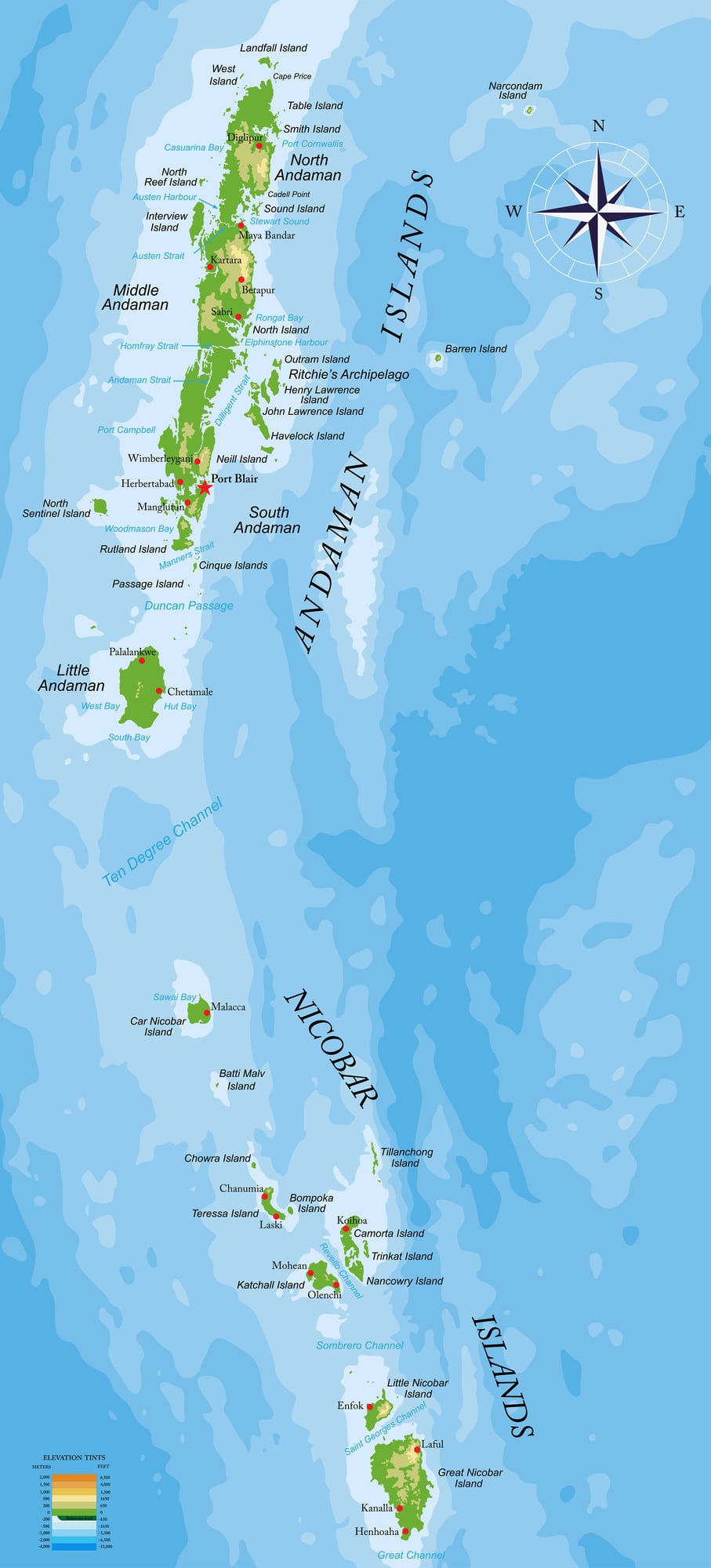
The Sentinelese people have lived on this small island in the Andaman archipelago for an estimated 50,000 years. They have never had sustained contact with the outside world, have actively resisted every attempt to establish it, and have killed outsiders who approached their shore.
The Indian government prohibits entry within five nautical miles of the island under the Andaman and Nicobar Islands (Protection of Aboriginal Tribes) Act, both to protect the Sentinelese from diseases to which they have no immunity and to protect visitors from a population that considers contact unwelcome. In 2018, an American missionary entered the exclusion zone illegally and was killed.
Zone Rouge, France
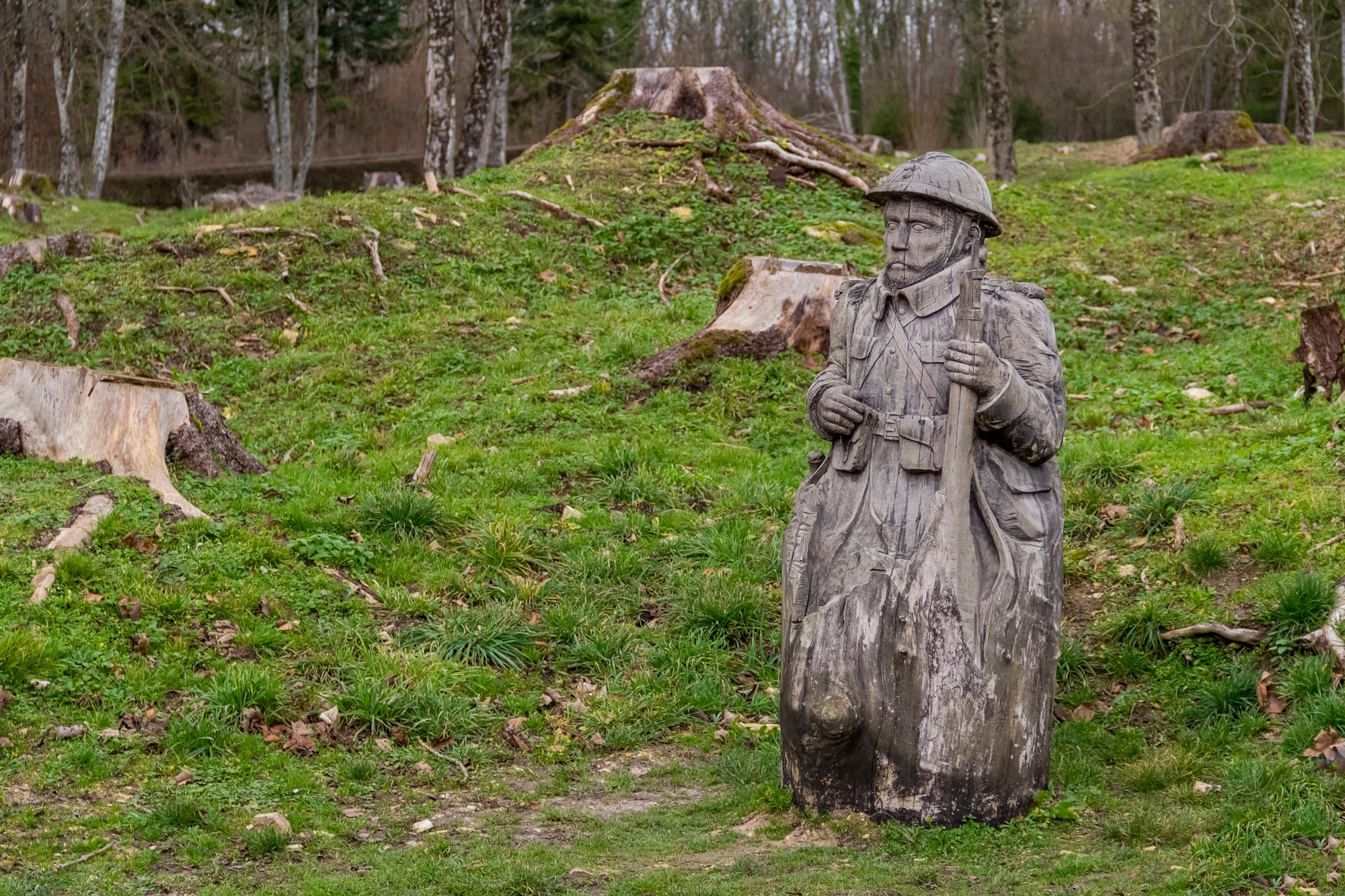
After the First World War, the French government assessed certain stretches of northeastern France and declared them permanently uninhabitable. The Zone Rouge — a series of non-contiguous areas once covering more than 1,200 square kilometres — was defined as showing “100% damage to properties, 100% damage to agriculture, impossible to clean.”
More than a century later, some sections remain off-limits because the soil is saturated with unexploded shells, human remains, and chemical contamination including arsenic, lead, mercury, and chlorine. French safety agencies estimate it will take at least another 700 years to fully clear the worst areas.
The town of Fleury-devant-Douaumont was destroyed in the battle of Verdun and has never been permitted to be rebuilt.
Ilha da Queimada Grande (Snake Island), Brazil
This island off the coast of São Paulo state has been closed to the public by the Brazilian Navy for one reason: golden lancehead vipers. The golden lancehead is one of the most venomous pit vipers in the world, and Ilha da Queimada Grande is the only place it exists.
Estimates of snake density vary, but researchers have recorded numbers suggesting between one and five snakes per square metre in certain areas. Even scientists who receive the rare government permits required to land on the island are advised not to go alone.
Svalbard Global Seed Vault, Norway
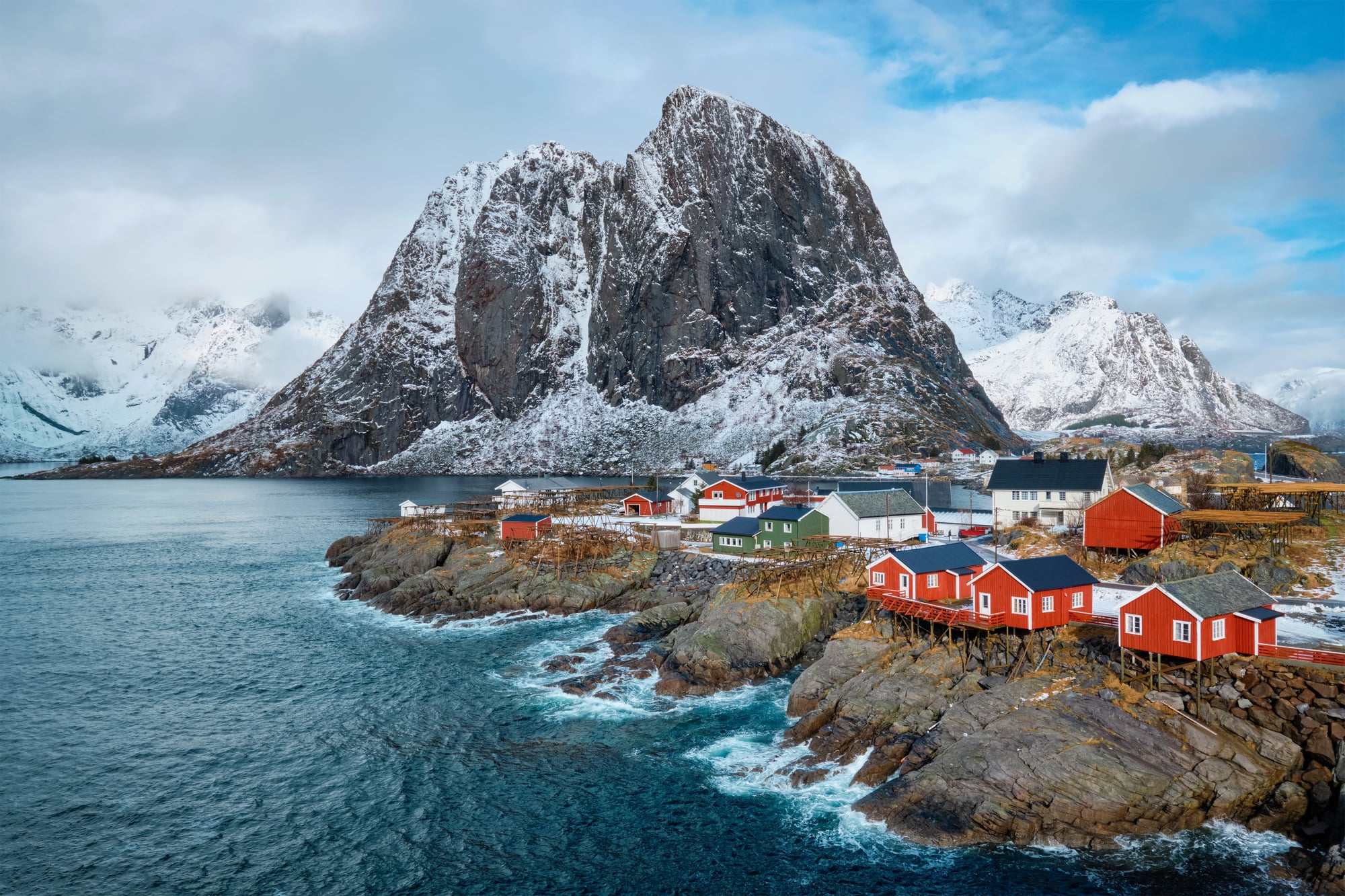
Carved 130 metres into a sandstone mountain on the Norwegian island of Spitsbergen, 1,300 kilometres from the North Pole, the Svalbard Global Seed Vault is the world’s largest backup storage facility for plant diversity. It holds over a million seed samples from virtually every country on Earth, stored at -18 degrees Celsius in conditions that would survive nuclear war, sea level rise, and loss of electricity.
The entrance — a dramatic angular structure that glows in the Arctic darkness — is visible to visitors, but the storage tunnels themselves are strictly off-limits to anyone outside the small team of authorised personnel. Even depositing countries cannot access each other’s samples.
Area 51, Nevada, USA
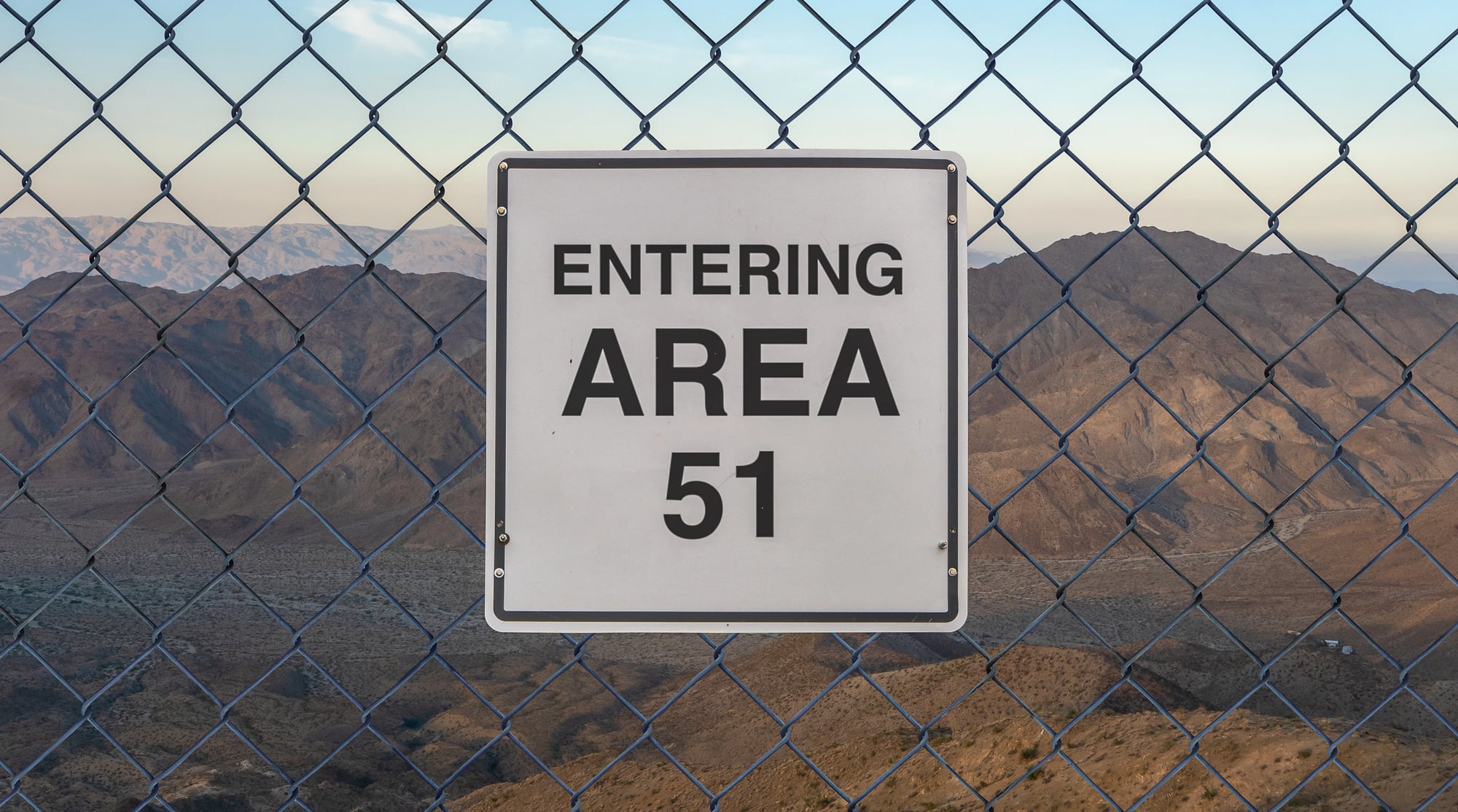
The existence of the US Air Force facility at Groom Lake, Nevada — officially the Nevada Test and Training Range — was not acknowledged by the US government until 2013. Strict no-fly restrictions, regular perimeter patrols, and warning signs advising that lethal force is authorised keep the site effectively inaccessible.
The facility was used for testing classified aircraft including the U-2 reconnaissance plane and the SR-71 Blackbird, which is why the US government spent decades neither confirming nor denying its existence while UFO theories multiplied in the vacuum.
The Ise Grand Shrine, Japan
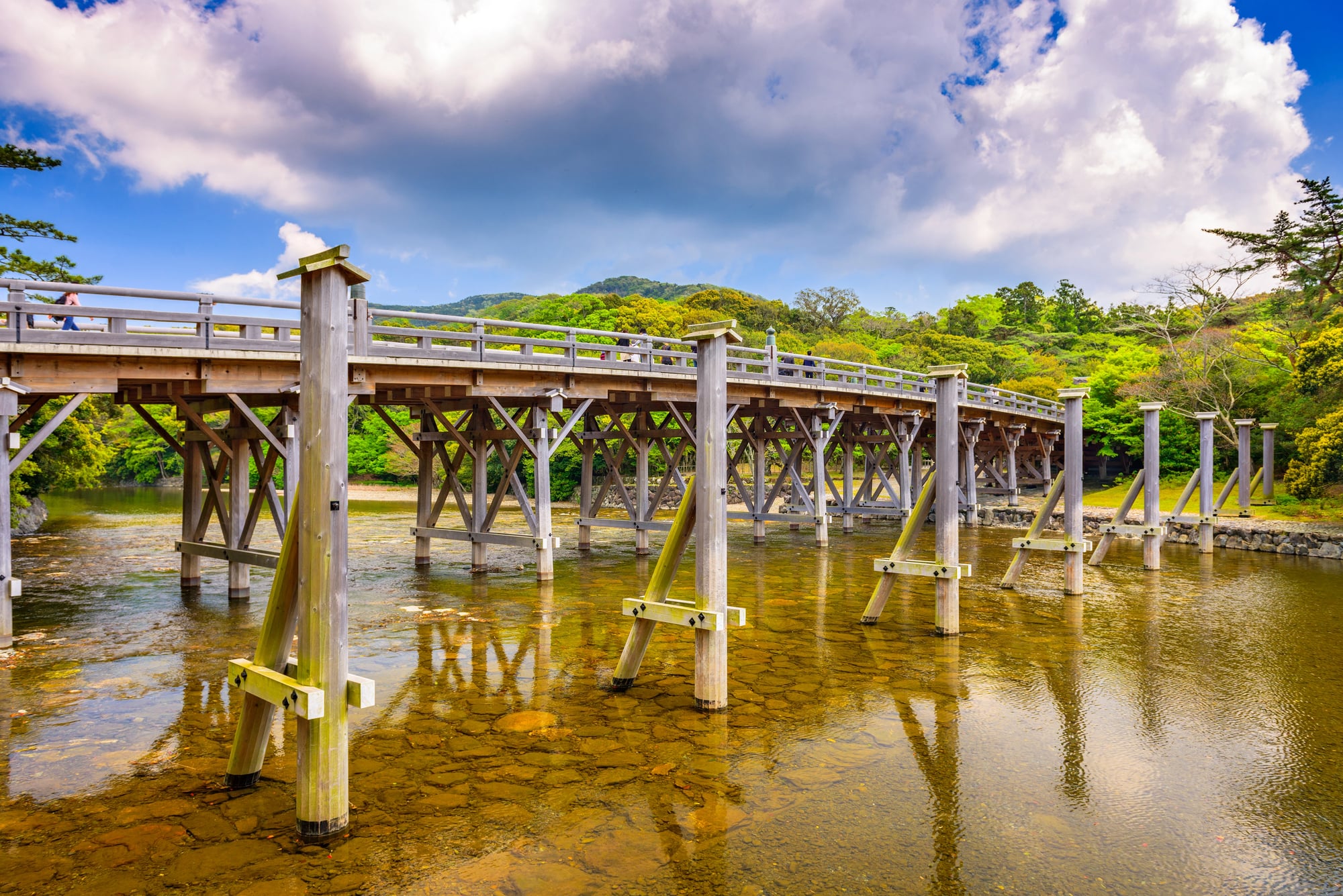
Japan’s most sacred Shinto site, Ise Jingū, consists of over 120 shrines spread across a forested area in Mie Prefecture. The innermost sanctuary — where the sun goddess Amaterasu is believed to reside — is accessible only to members of the Japanese Imperial Family and the highest-ranking Shinto priests.
The entire complex is rebuilt every twenty years using ancient techniques that preserve both the sacred space and the traditional craftsmanship, with the last reconstruction completed in 2013 and the next scheduled for 2033. What the innermost structure actually looks like is not publicly known.
The Vatican Apostolic Archives, Vatican City
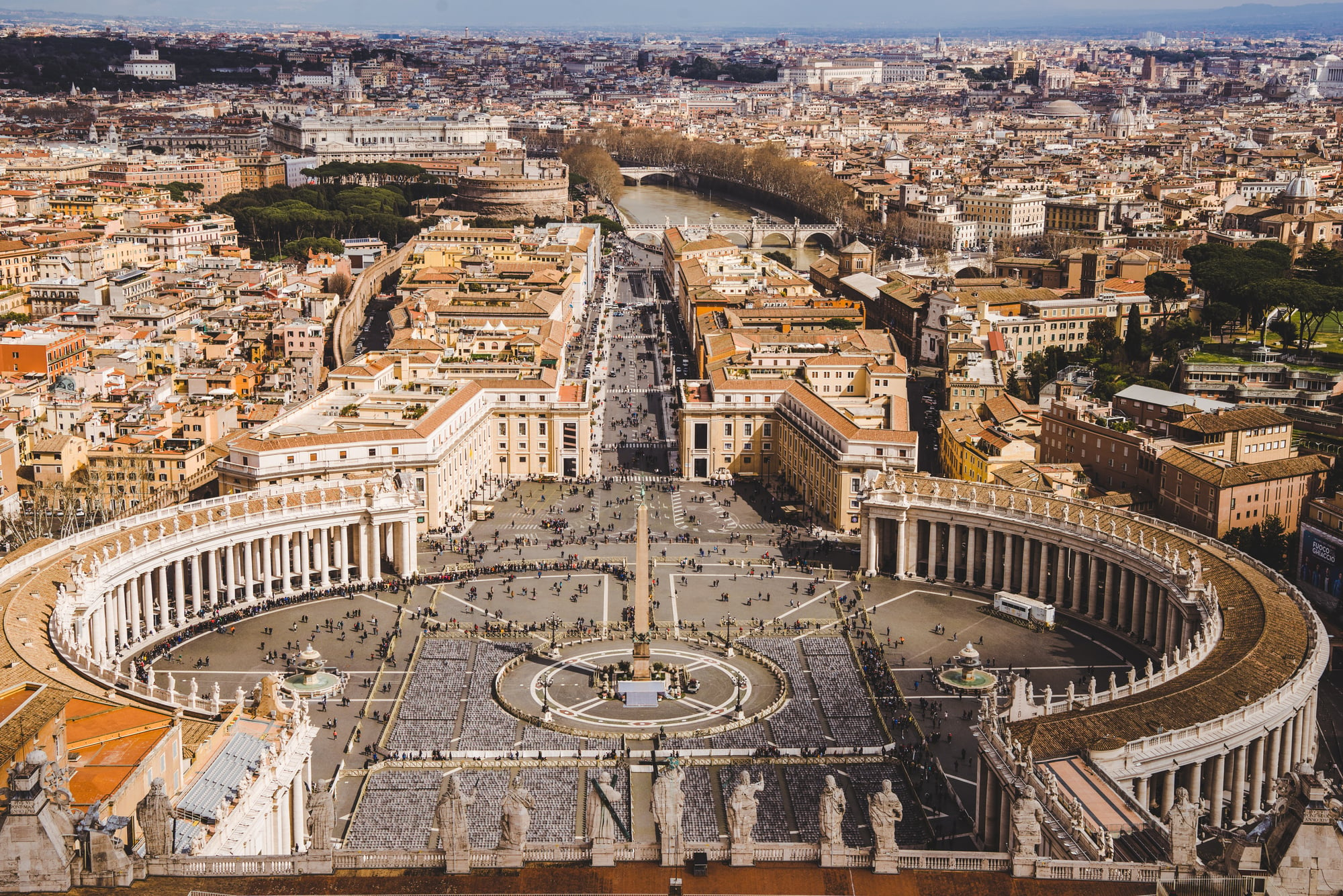
Formerly known as the Vatican Secret Archives, the collection was renamed in 2019 but the restrictions changed very little. The archives contain approximately 85 kilometres of shelving covering twelve centuries of papal correspondence, state papers, and historical documents.
Among the holdings are the petition for Henry VIII’s annulment of his marriage to Catherine of Aragon, letters from Mary Queen of Scots written before her execution, and the trial records of Galileo. Access is granted only to accredited scholars who know specifically what they need — browsing is not permitted.
An unknown number of documents remain restricted even to qualified researchers.
Surtsey, Iceland
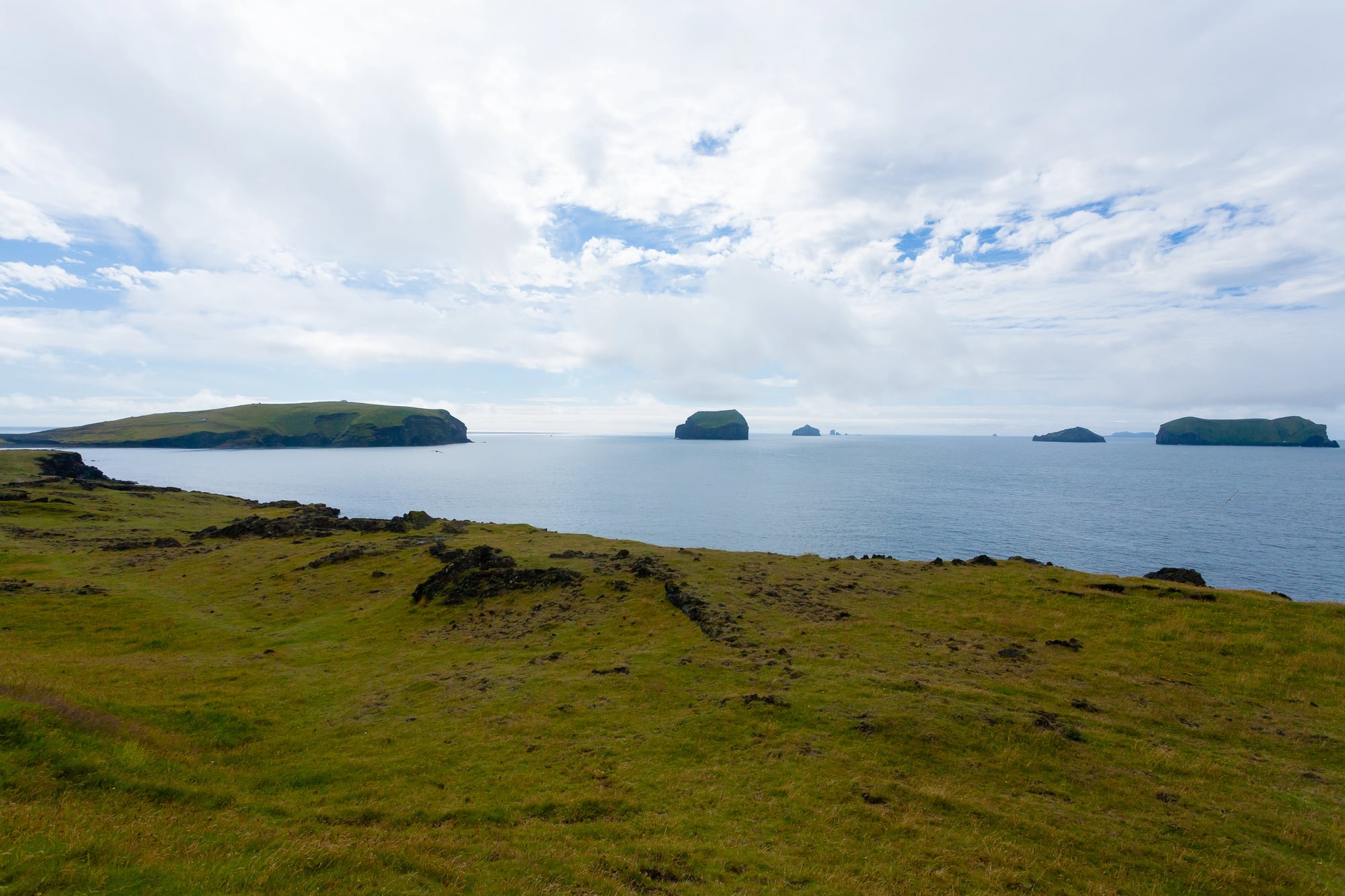
The island of Surtsey rose from the Atlantic Ocean between 1963 and 1967 as a result of a volcanic eruption. Since the moment it became accessible, the Icelandic government has restricted access to a small number of scientists studying ecological succession — how life colonises a completely sterile environment.
Every plant, insect, bird, and microorganism on Surtsey arrived without human assistance. Allowing uncontrolled human access would contaminate the experiment.
The island is a UNESCO World Heritage Site and ordinary visitors have been prohibited since its formation.
Room 39, North Korea
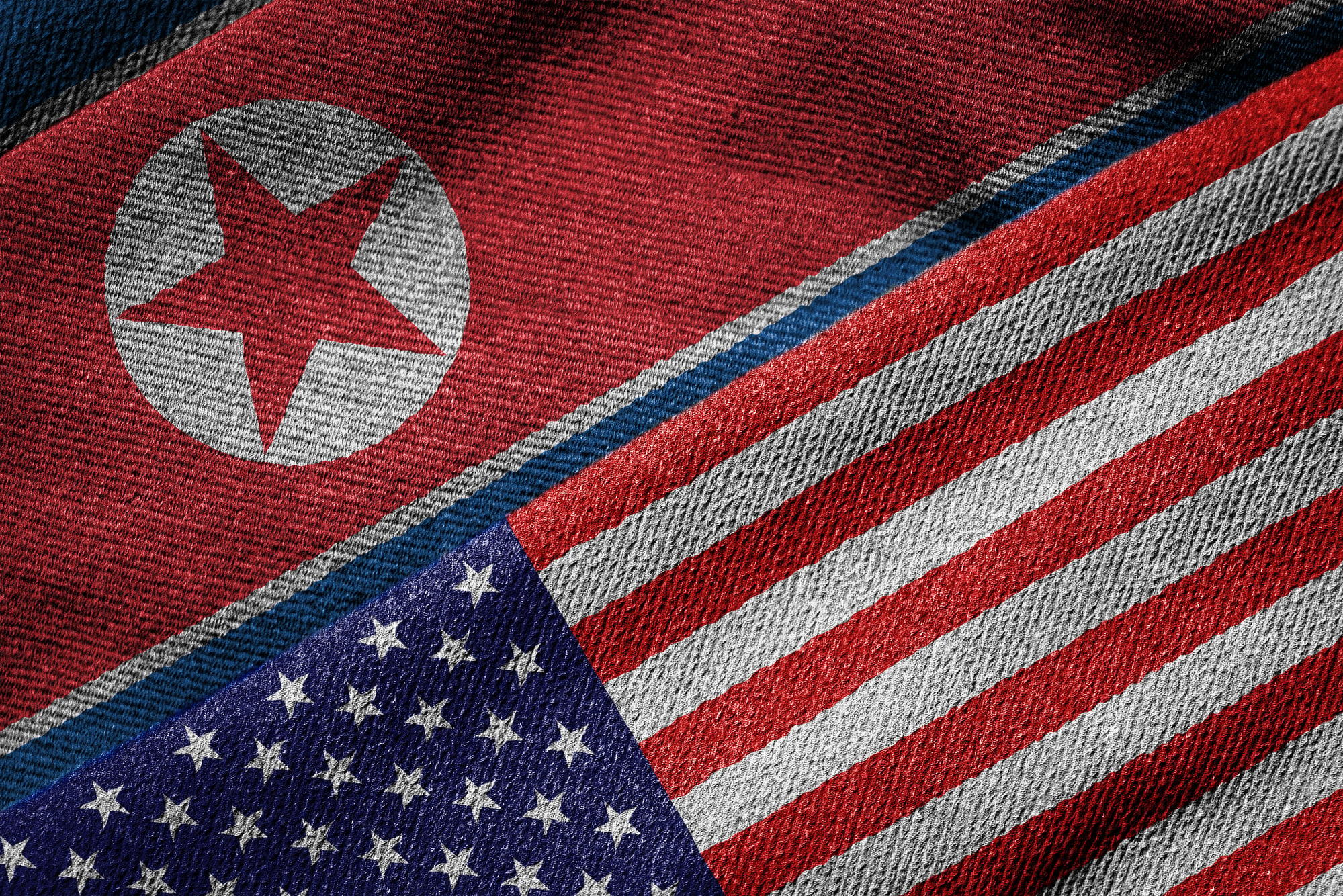
Room 39 — more formally known as Bureau 39 of the Korean Workers’ Party — is widely believed by Western intelligence agencies to be the financial engine of the North Korean regime, responsible for generating foreign currency through means that include drug trafficking, arms dealing, and counterfeiting US currency.
Its exact physical location within Pyongyang is not publicly confirmed. Even by the standards of the most secretive government on Earth, Room 39 operates in a stratum of opacity that places it firmly beyond any public access or verification.
Mezhgorye, Russia
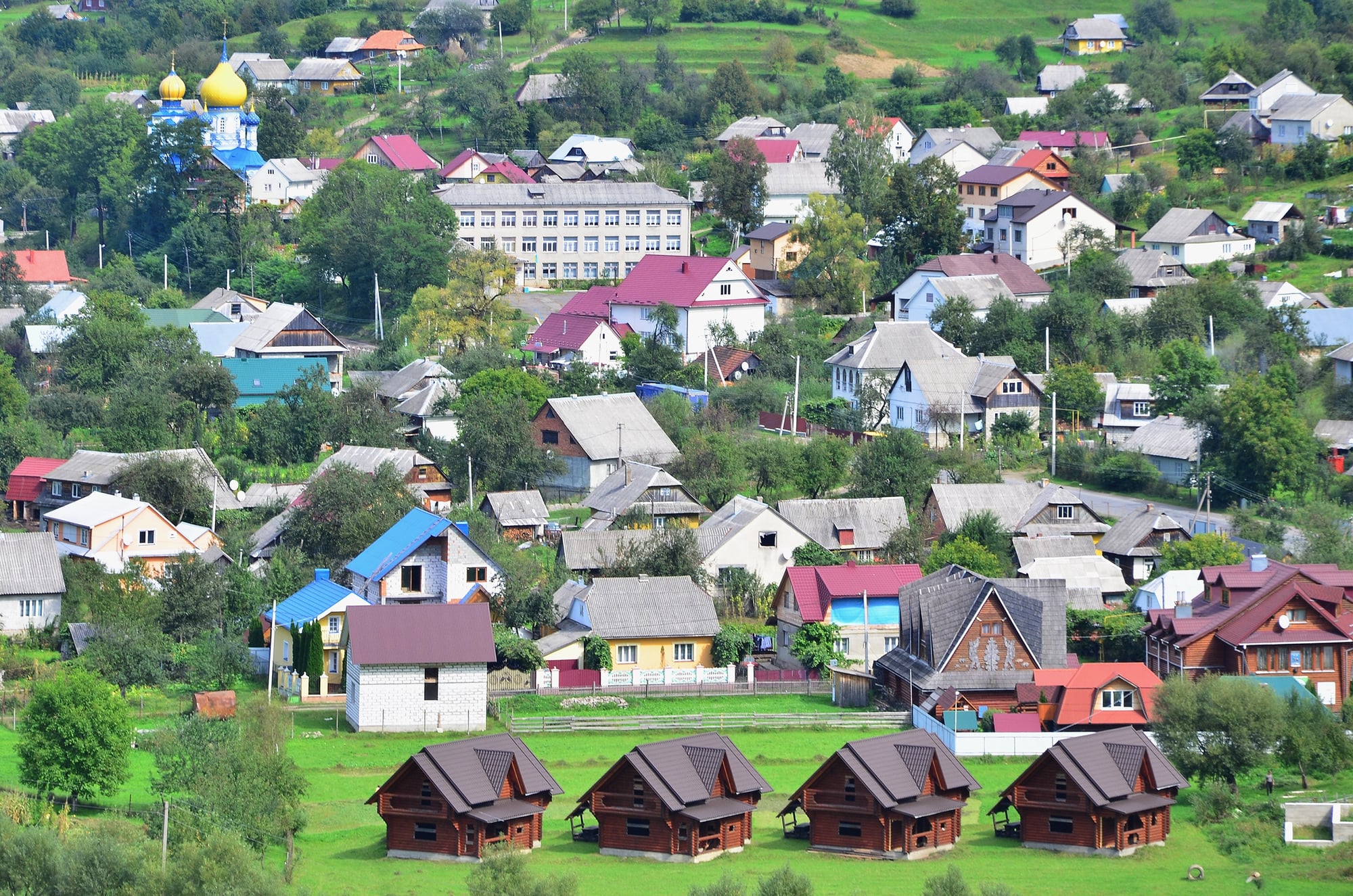
Mezhgorye is a closed town in the Ural Mountains of Russia, established during the Soviet era and believed to be associated with operations around Mount Yamantau — a mountain whose purpose the Russian government has never officially clarified, though it is widely believed to house a massive underground military complex, emergency government bunker, or nuclear facility.
Access is restricted to verified residents and government personnel. Foreign intelligence agencies have been monitoring the site since the Cold War without definitive conclusions.
Cheyenne Mountain Complex, Colorado, USA
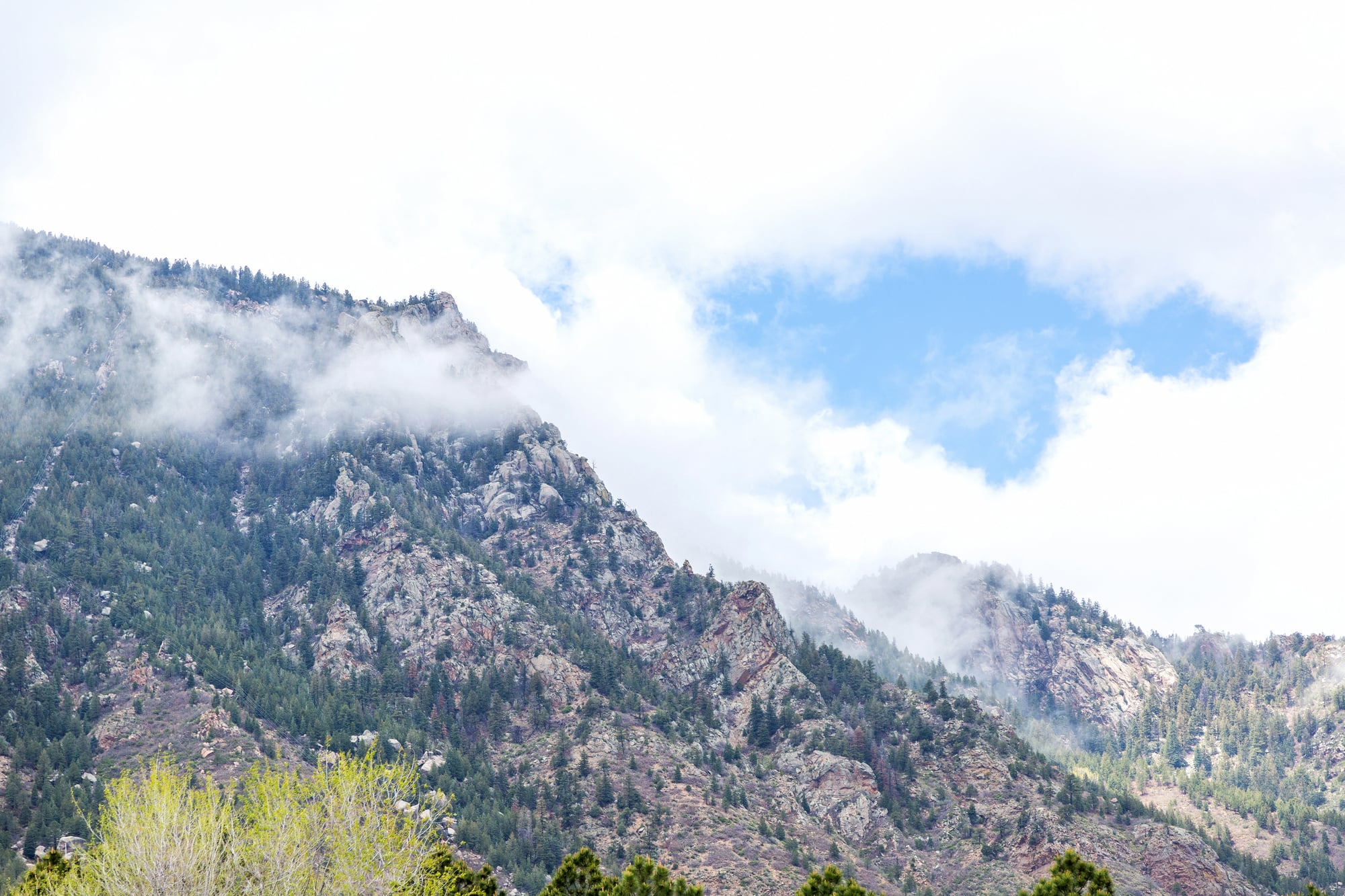
Built into a granite mountain outside Colorado Springs and protected by blast doors weighing 25 tonnes each, the Cheyenne Mountain Complex was designed as a command facility capable of surviving a nearby nuclear detonation.
It served as the headquarters of NORAD for decades and remains an operational facility, though its primary command functions shifted to Peterson Space Force Base in 2006. The mountain complex is maintained in a warm standby state and is not open to the public.
Getting near it draws attention from security personnel stationed around the perimeter.
Lascaux Cave, France
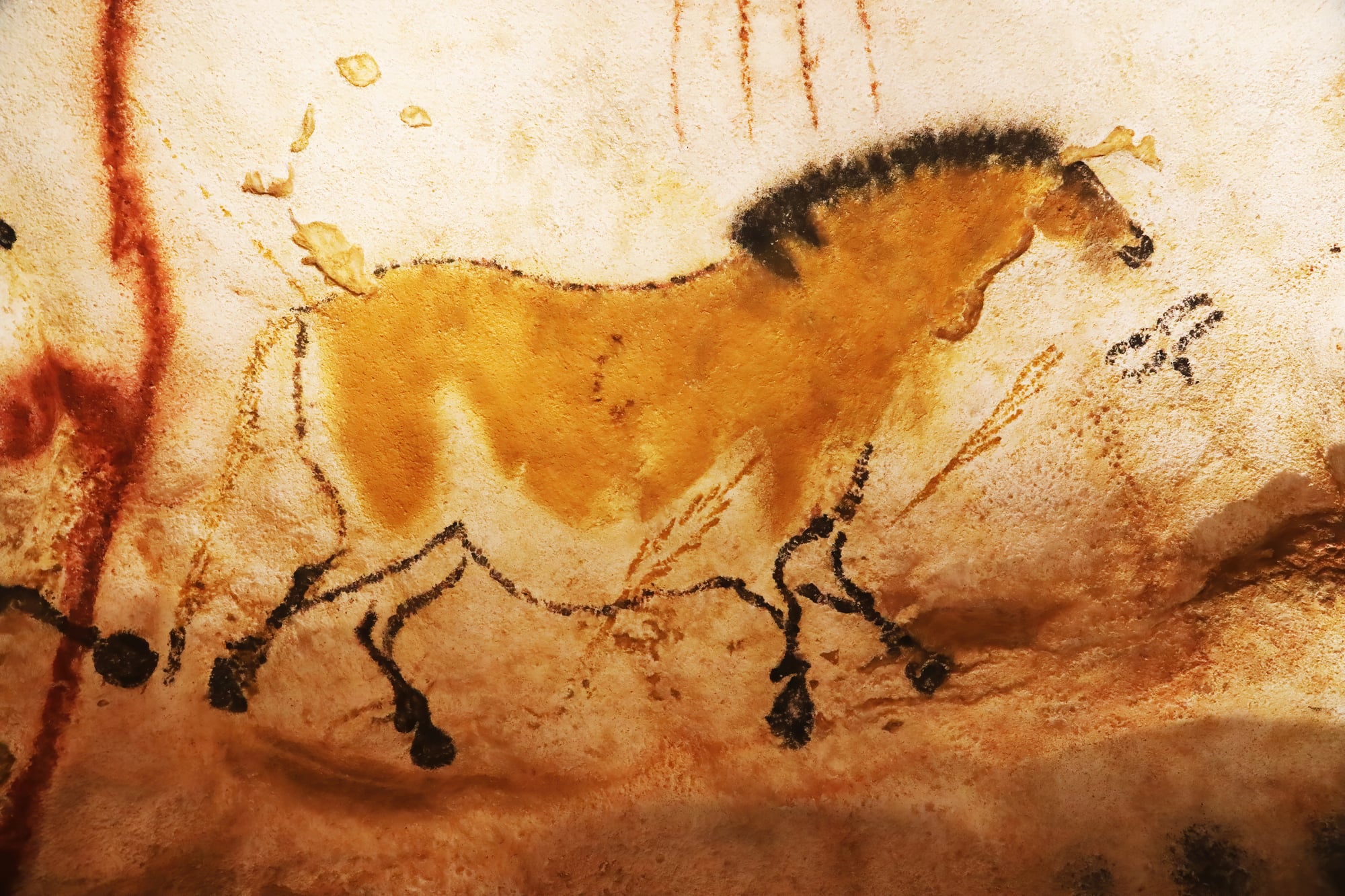
A group of teenagers exploring the Dordogne region of France in 1940 discovered a network of caves whose walls were covered with Palaeolithic paintings estimated to be at least 17,000 years old — images of horses, bison, deer, and aurochs in extraordinary detail and number.
The caves were opened to tourists from 1948, but by 1963, it was clear that the carbon dioxide, heat, and humidity produced by thousands of visiting humans was causing irreversible damage. The caves were closed.
They remain closed. Visitors can see Lascaux IV, a complete replica, but the original paintings are accessible only to a small number of researchers, and even that access is strictly controlled.
The Qin Shi Huang Mausoleum, China
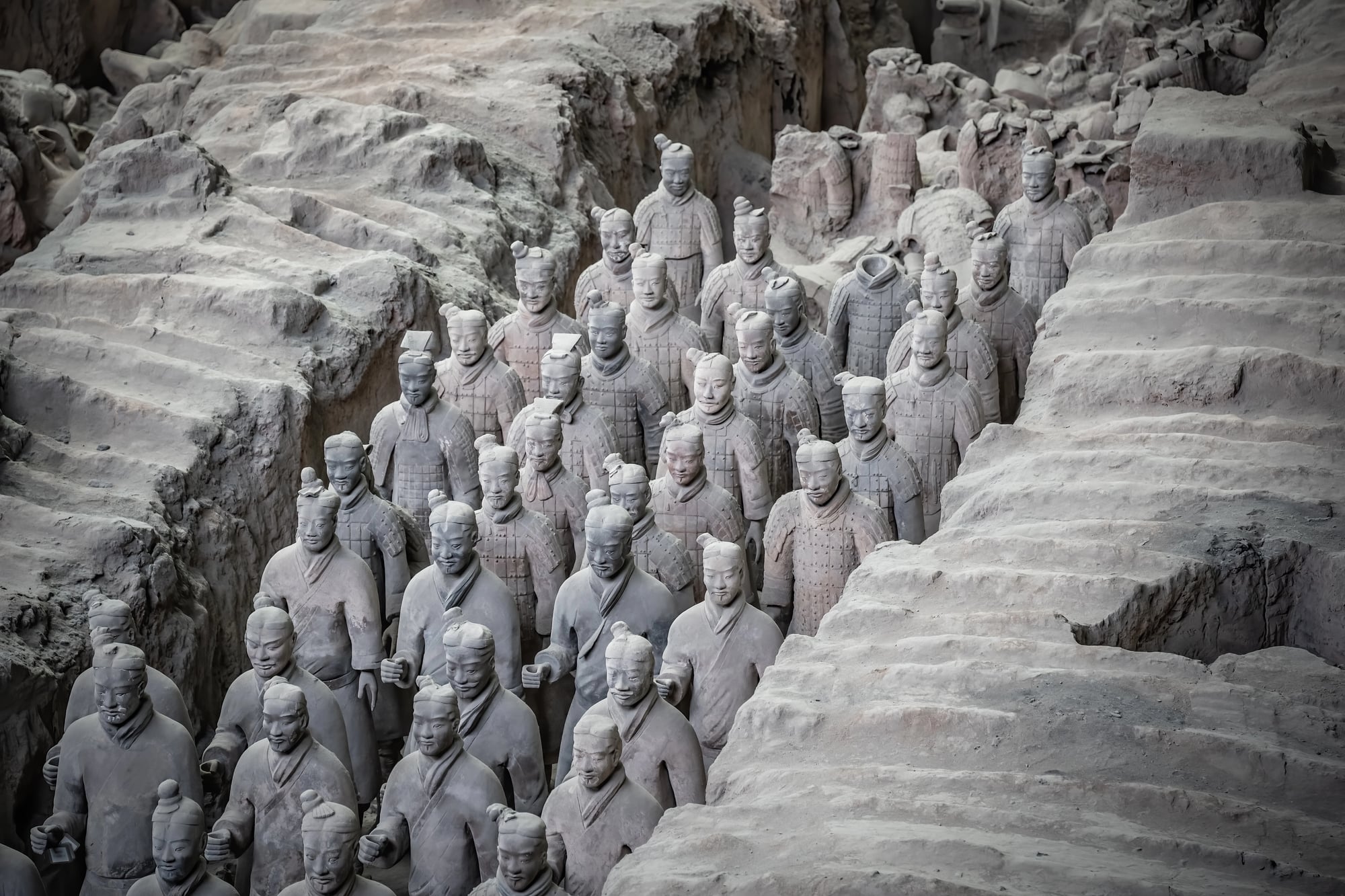
The tomb of China’s first emperor, Qin Shi Huang, who died in 210 BCE, has never been excavated. The outer areas have been partially explored and yielded the famous Terracotta Army — approximately 8,000 individual clay soldiers, along with chariots and horses — but the central burial mound remains sealed.
The Chinese government has prohibited excavation on grounds of preservation: current technology is not considered adequate to maintain the artefacts that may be inside. Ancient texts describe a vast underground palace with rivers of mercury and mechanical crossbows designed to fire at intruders.
Mercury levels detected around the site support at least part of that account.
Mount Athos, Greece
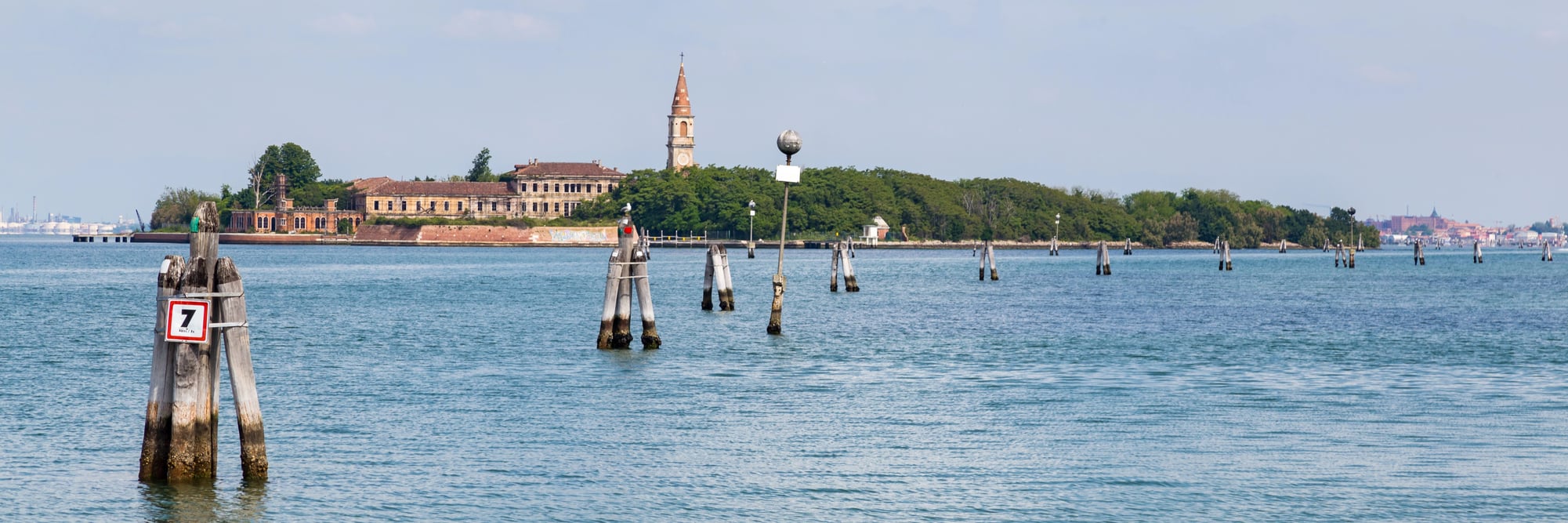
The monastic community on the Mount Athos peninsula in northern Greece has been entirely self-governing since the Byzantine period. Entry to the peninsula requires a special permit, the Diamonitirion, issued to a limited number of visitors each day — and exclusively to men.
Women have been prohibited from entering since the eleventh century by the decree of the Byzantine Emperor Constantine IX Monomachos, and a European Court of Human Rights ruling in the 1990s upheld Greece’s right to maintain this prohibition on grounds of religious autonomy. Orthodox monks have lived on the peninsula in unbroken continuity since the ninth century.
Poveglia Island, Italy
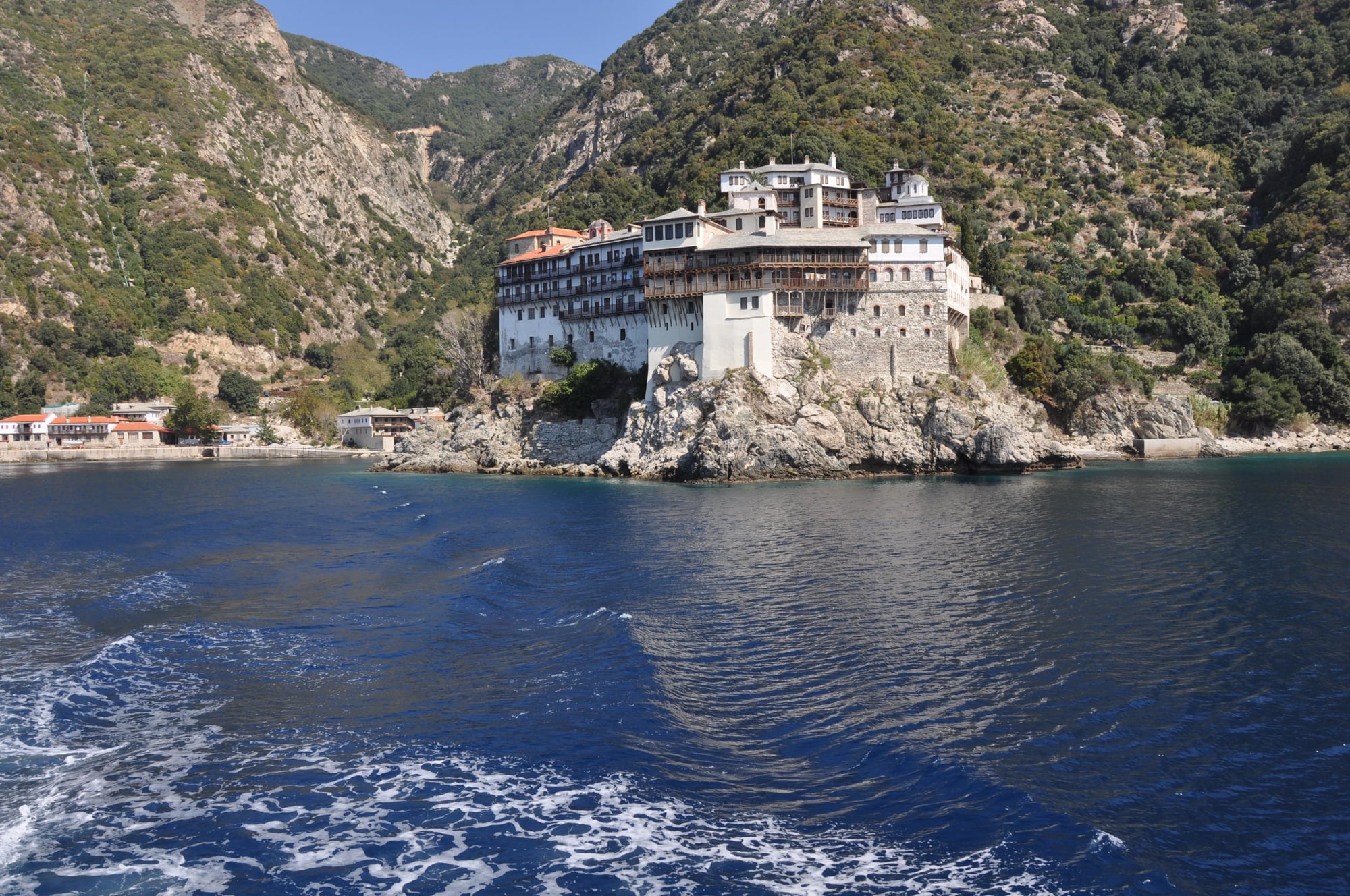
Poveglia lies in the lagoon between Venice and Lido and has been uninhabited and closed to the public for decades. The island served as a quarantine station for plague victims in the late eighteenth and nineteenth centuries, and later as a psychiatric institution that was closed in 1968.
The buildings are in advanced decay, and local legend holds that the soil contains the ash and remains of plague victims burned on the island — a claim that at least partially aligns with documented history. The Italian government periodically considers selling the island but access for ordinary visitors remains prohibited.
Woomera Prohibited Area, Australia
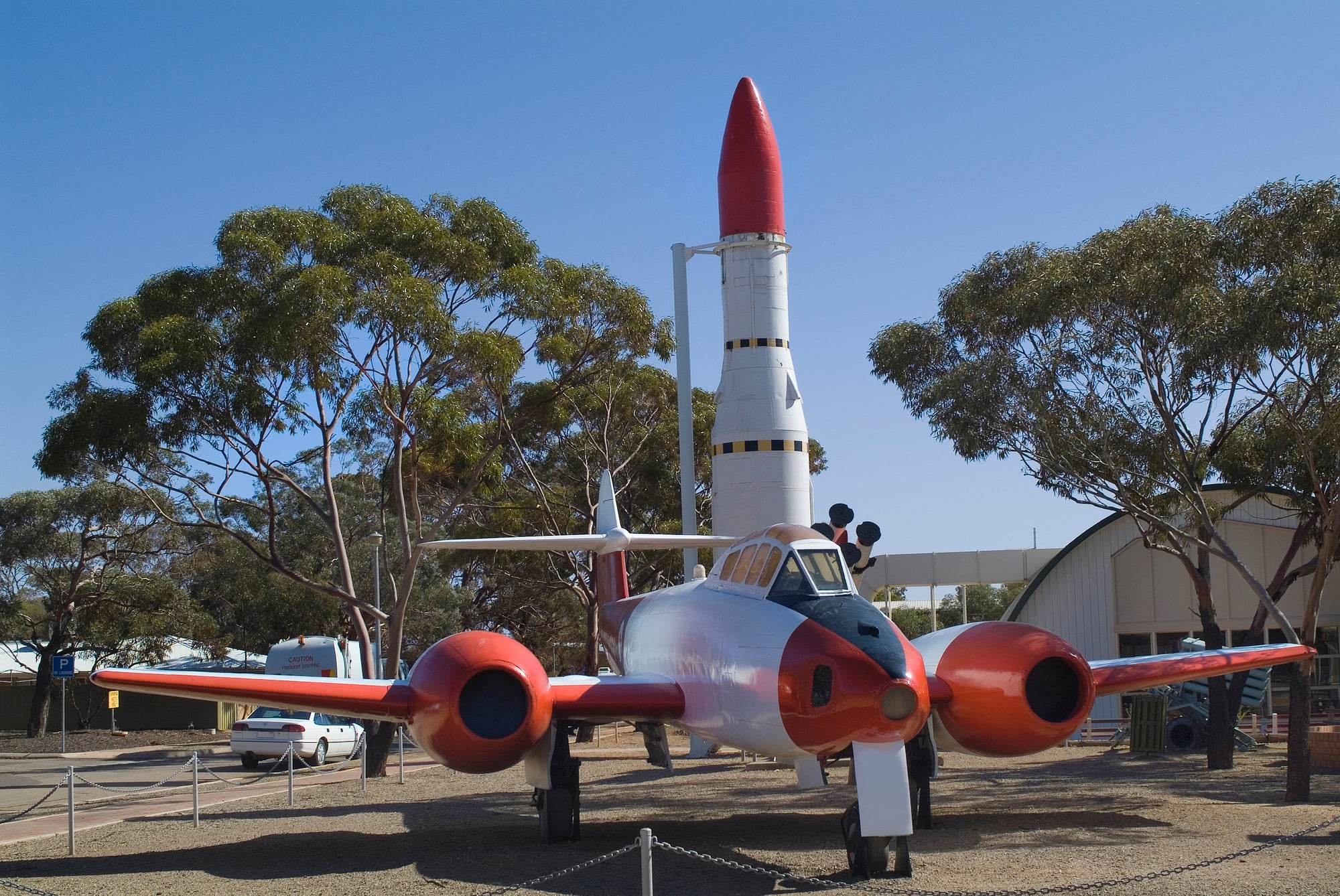
The Woomera Prohibited Area in South Australia is the largest land-based weapons testing range in the western world, covering 122,000 square kilometres — an area larger than many countries.
It has been used for weapons testing since 1947, including British atomic weapons tests in the 1950s, and continues to be used for testing missiles, drones, and other defence systems. Most of the area is closed to civilians, and airspace restrictions apply overhead.
The land below contains both unexploded ordnance and mineral resources estimated to be worth tens of billions of Australian dollars that cannot currently be accessed.
Bohemian Grove, California, USA
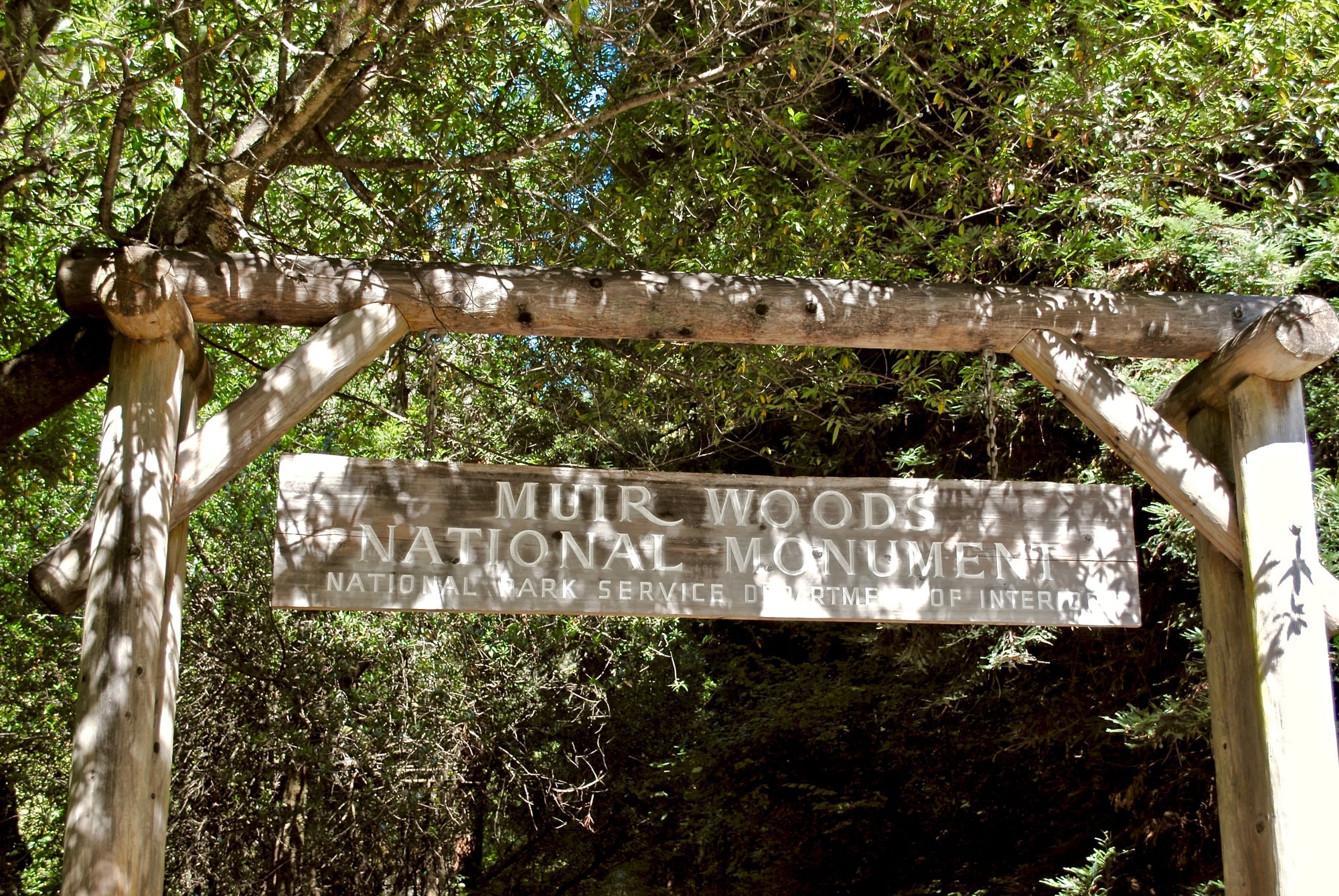
Each July, a private campground in the redwood forests of Sonoma County hosts a two-week gathering of what has been described as the most exclusive club in the world.
Bohemian Grove’s membership has historically included former US presidents, senior government officials, corporate executives, and prominent figures from finance and media. The site is strictly private, guarded, and not open to the public.
What exactly takes place at the annual encampment has been the subject of considerable speculation. A documentary-maker named Alex Jones infiltrated the site in 2000 and filmed a ceremony involving a large owl statue that he described as a Druidic ritual.
Attendees describe it as a summer camp for powerful old men who perform theatrical productions and give informal speeches in the woods.
Diego Garcia, British Indian Ocean Territory
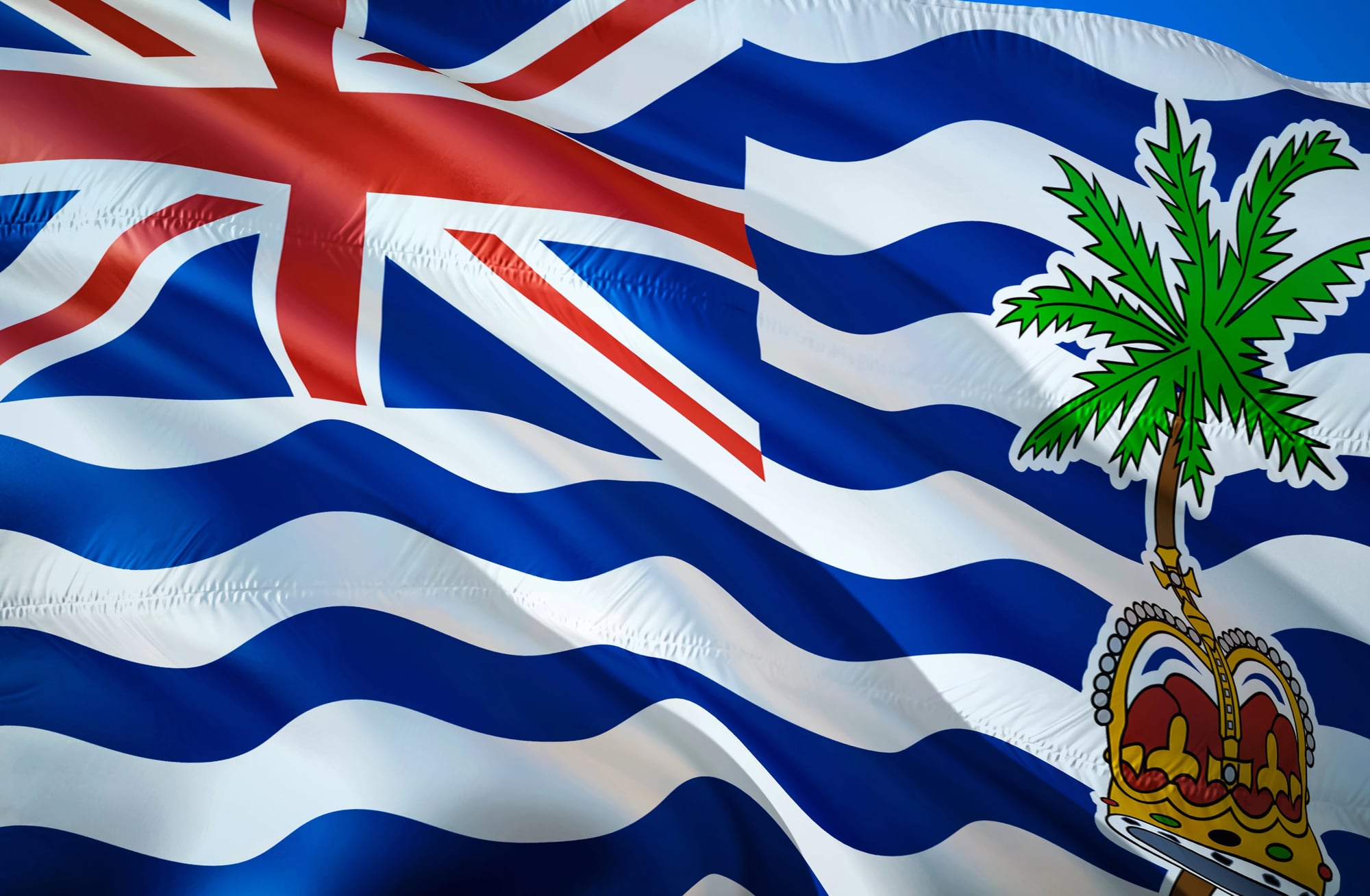
The island of Diego Garcia hosts a major US military installation in the Indian Ocean that functions as a critical logistics hub for military operations across the Middle East and South Asia.
Access is restricted to authorised military personnel and their supporting contractors. The island’s original inhabitants — the Chagossian people — were forcibly relocated by the British government between 1968 and 1973 to allow for the base’s construction, a displacement that has been the subject of ongoing legal proceedings in British courts for decades.
The Chagossians won the right to return in a 2024 treaty agreement, though the military base continues to operate.
Niihau, Hawaii, USA
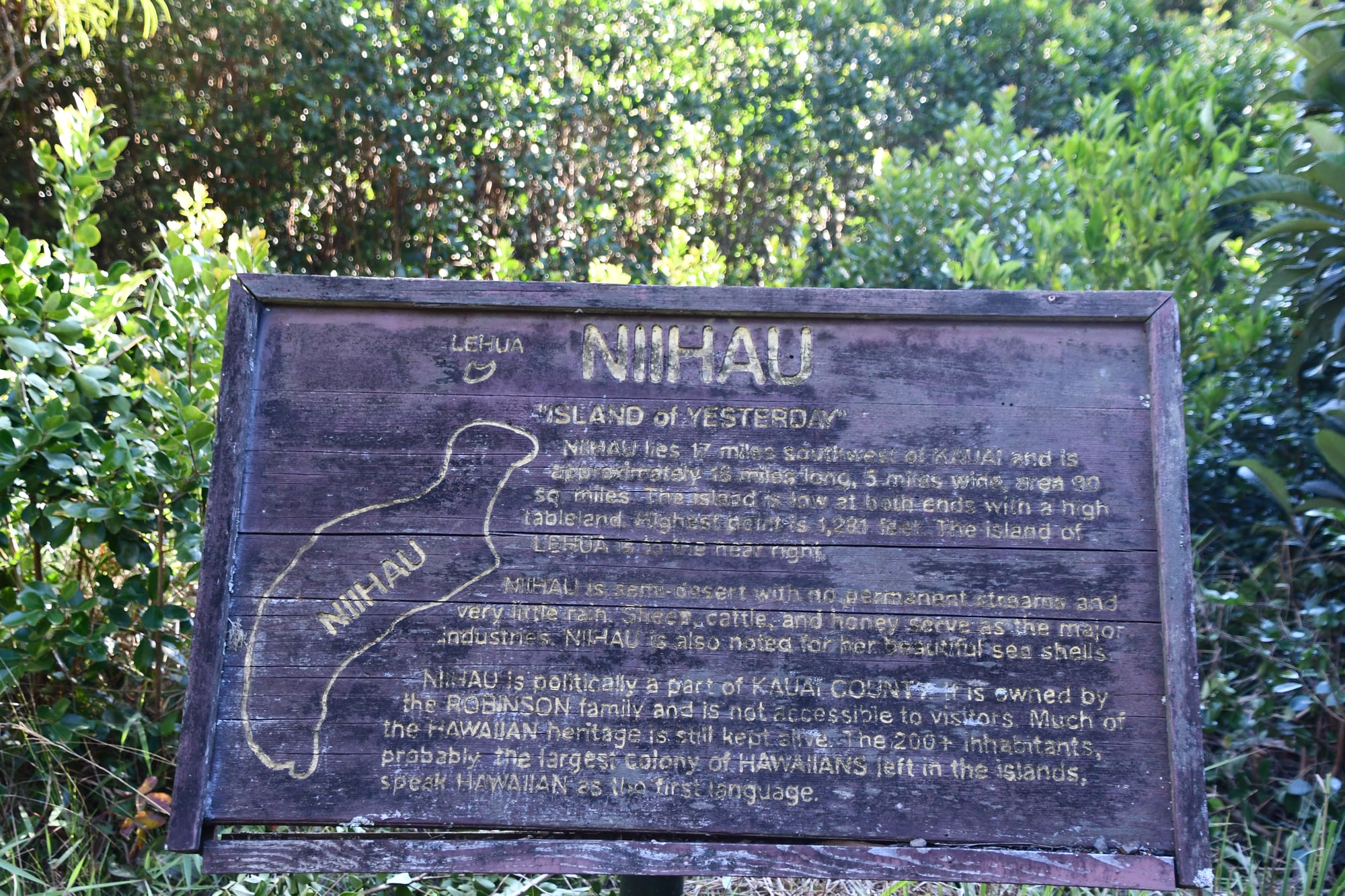
The smallest inhabited island in the Hawaiian archipelago has been owned by the Robinson family since 1864, when Elizabeth Sinclair purchased it from the Kingdom of Hawaii for $10,000 in gold.
The family restricts access entirely, with the approximately 70–80 Native Hawaiian residents constituting the only community. Outsiders are not admitted unless invited by a resident or granted rare clearance from the owners.
The Robinsons frame their policy as preservation of Hawaiian language and culture; critics describe it as paternalistic ownership. Niihau is sometimes called the Forbidden Isle.
Chernobyl Exclusion Zone Inner Areas, Ukraine
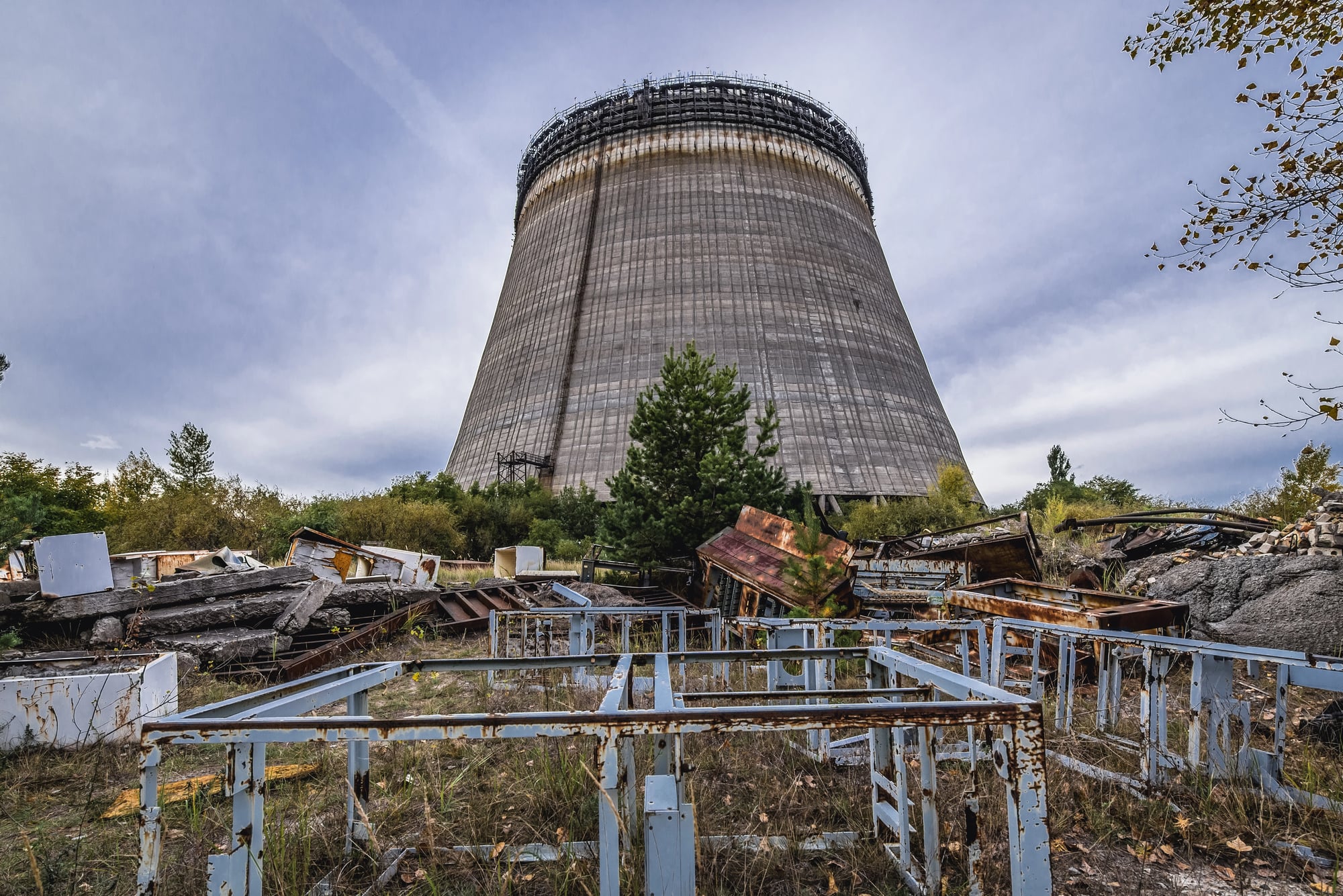
While guided tours of the outer areas of the Chernobyl Exclusion Zone have been permitted since the 1990s and expanded after the HBO series made the site internationally famous, the most heavily contaminated inner sections remain off-limits to the general public.
The reactor building itself, now enclosed under the New Safe Confinement structure completed in 2016, is accessible only to authorised workers managing the decommissioning process. The spent nuclear fuel inside Reactor No. 4 will remain dangerously radioactive for tens of thousands of years.
Pine Gap, Australia
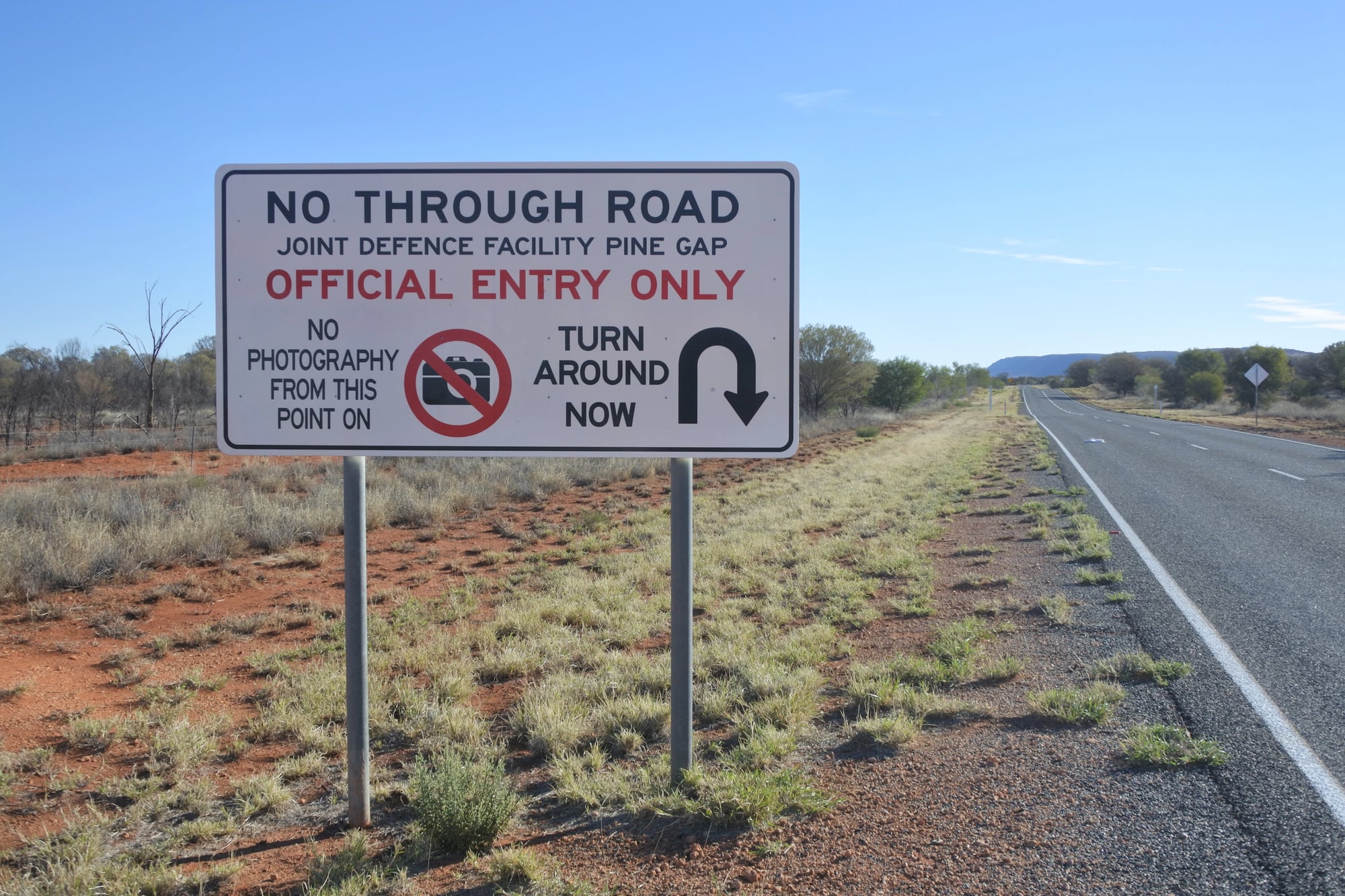
Located outside Alice Springs in the Northern Territory, Pine Gap is a joint Australian–American intelligence facility that forms a critical part of the United States’ global satellite surveillance network.
It monitors communications, tracks missiles, and feeds intelligence to military operations across the Asia-Pacific region and beyond. The facility is jointly staffed but the Australian government has never confirmed the full scope of its operations.
An exclusion zone prohibits aircraft from flying over the site, and access is restricted to authorised personnel.
Mecca and Medina, Saudi Arabia
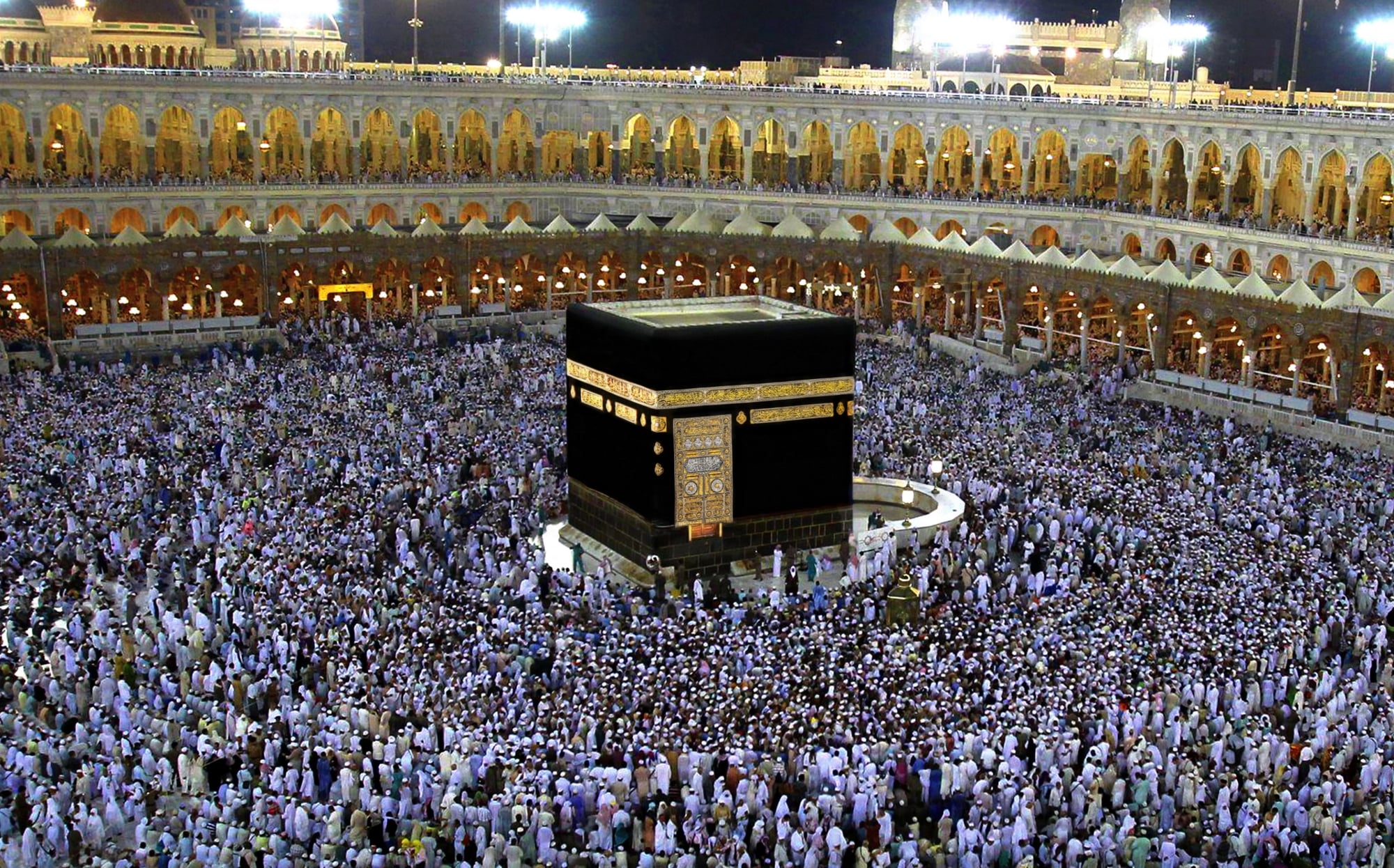
The two holiest cities in Islam are closed to non-Muslims by Saudi law, with the restrictions enforced through document checks and police patrols at the roads leading into each city.
Millions of Muslim pilgrims enter Mecca each year for the Hajj and the lesser pilgrimage, the Umrah. Non-Muslim travellers who have entered illegally and been caught have faced deportation and in some cases more serious penalties.
Richard Burton, the Victorian explorer and linguist, famously entered Mecca in disguise in 1853 and documented what he saw — a stunt that would end his career today.
Fort Knox, USA
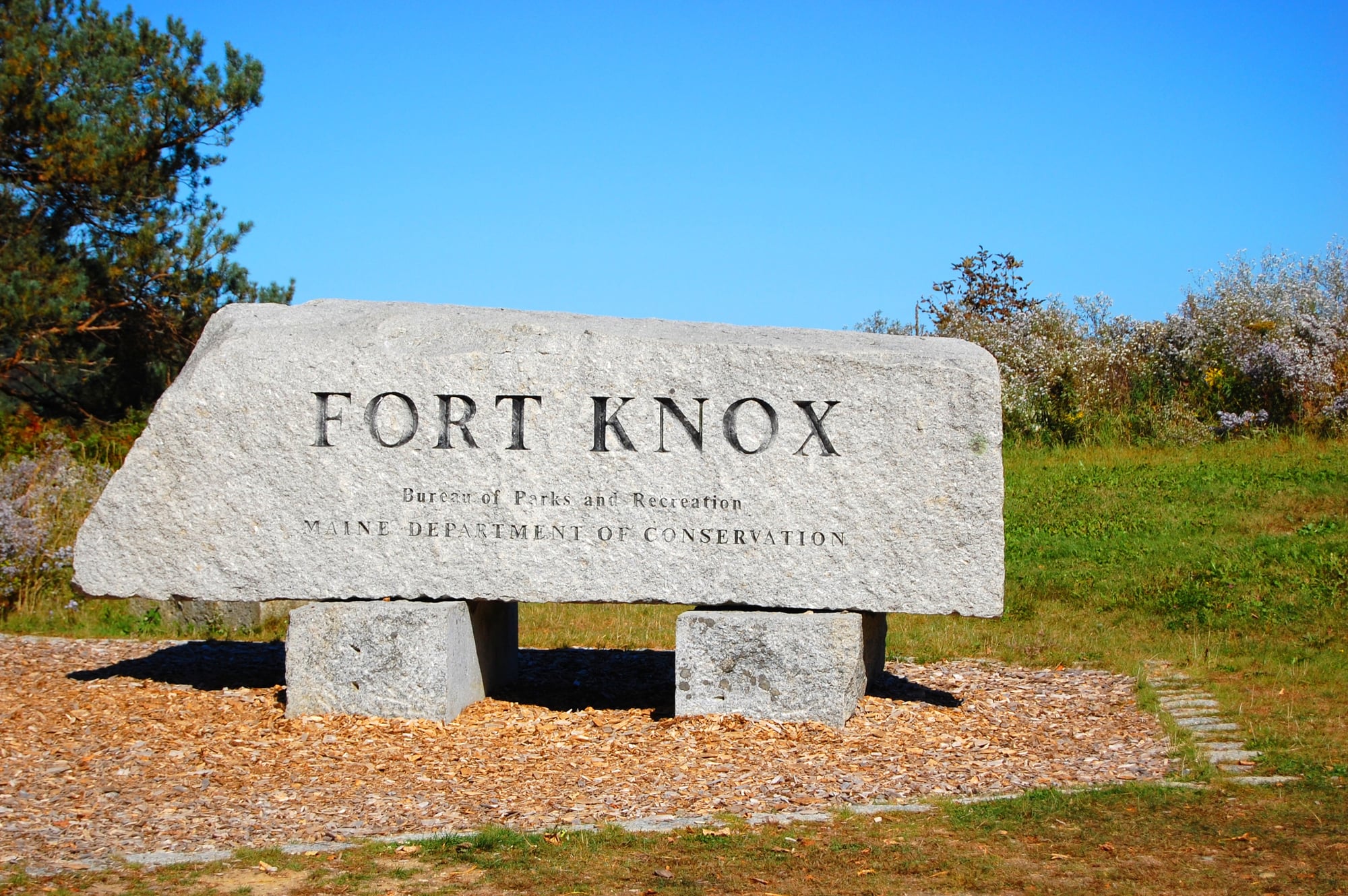
The United States Bullion Depository in Fort Knox, Kentucky, holds a significant portion of the US gold reserve.
The exact amount has been subject to periodic political controversy, but the facility itself is considered one of the most physically secure buildings in the world — surrounded by multiple security perimeters, multiple vaults, and the combined presence of a US Army post.
No president, no member of Congress, and no member of the public has conducted a full audit or inspection of the gold inside in decades. The last congressional inspection occurred in 1974.
Ryongsong Residence, North Korea
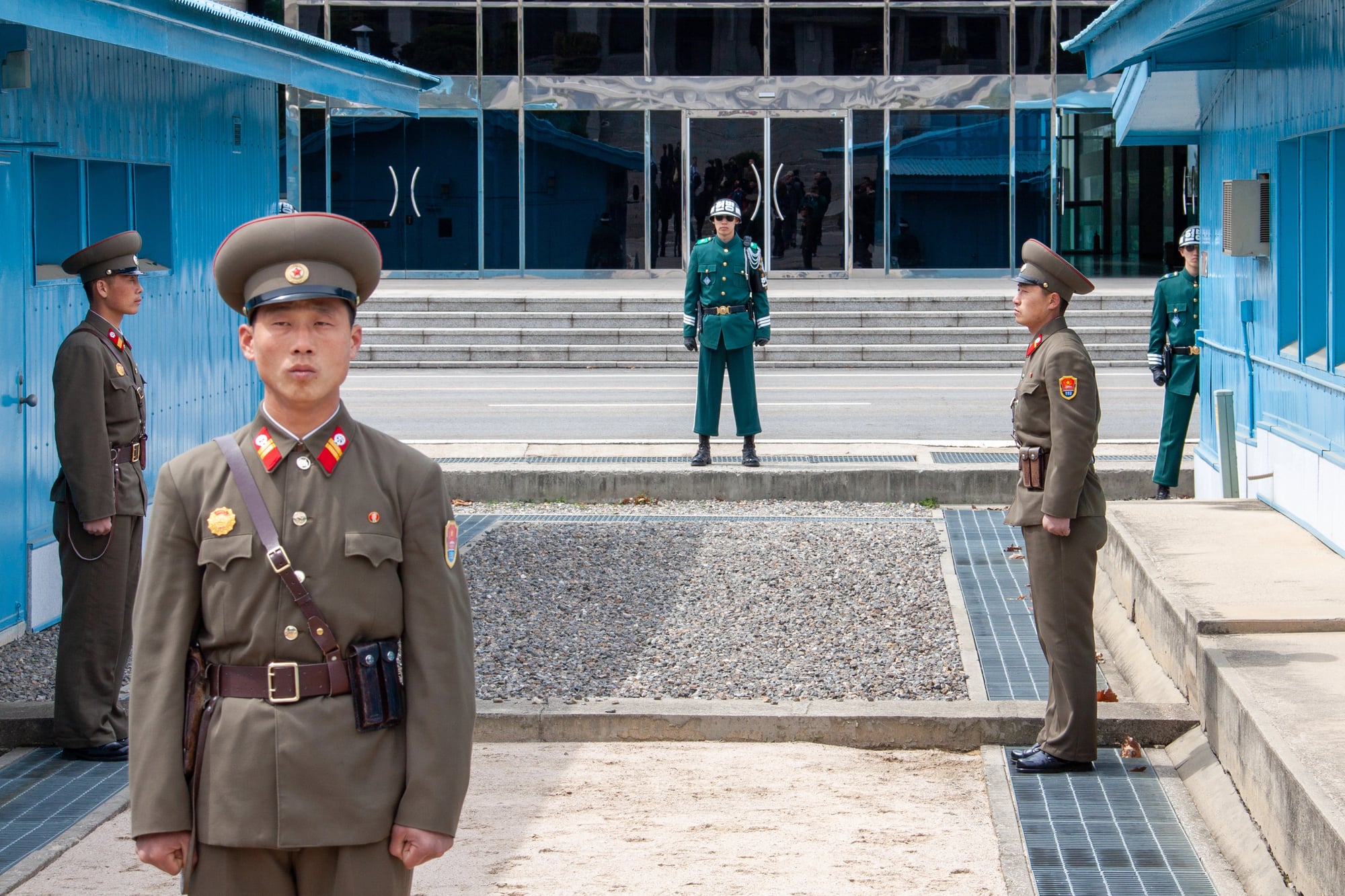
The primary residential compound of North Korea’s leadership — a sprawling complex outside Pyongyang that functions as a secure retreat for the Kim family — is off-limits to virtually all North Korean citizens and certainly to any foreigner.
Satellite imagery has revealed extensive gardens, sporting facilities, and what appears to be considerable infrastructure, but no independent journalist or diplomat has ever entered.
The compound is protected by a dedicated security force whose primary mandate is to prevent any threat to the leadership.
Heard Island, Australia
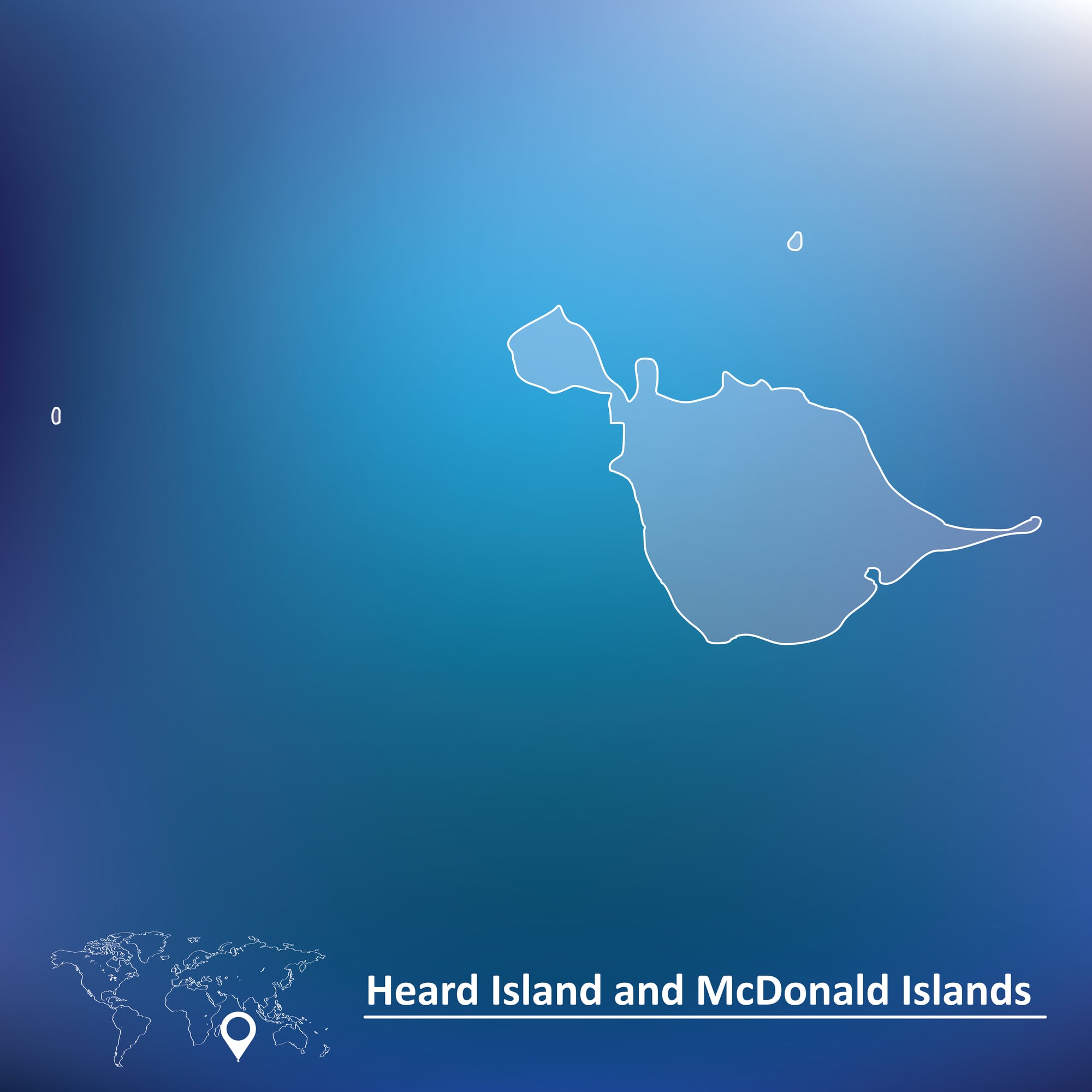
The most remote territory under Australian sovereignty, Heard Island sits in the sub-Antarctic Indian Ocean roughly 4,000 kilometres from Perth.
It contains two active volcanoes and is subject to extreme weather conditions. It is uninhabited, and access requires a permit from the Australian Antarctic Division, which grants very few.
The island’s remoteness means it has remained almost entirely undisturbed by human activity, and its ecosystems are considered some of the most pristine on Earth.
It appears in amateur radio logs more frequently than in travel articles.
The Bingham Canyon Mine Inner Operations Areas, USA
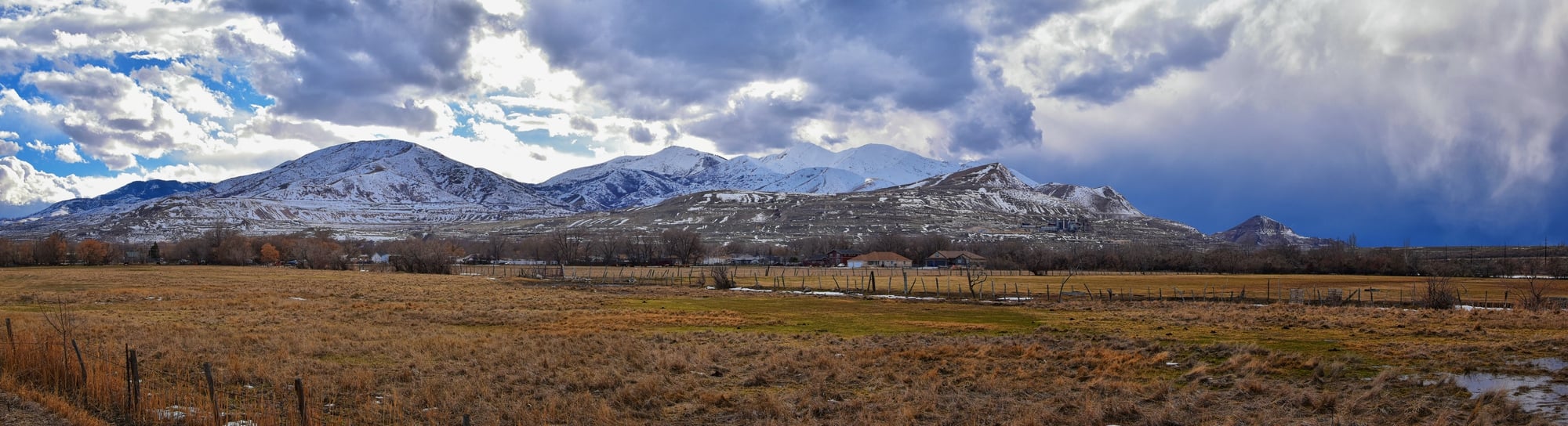
The Bingham Canyon open-pit copper mine in Utah is one of the largest man-made excavations on Earth — visible from space and deep enough to bury several of the world’s tallest buildings.
While a public overlook exists, the working mine itself is heavily restricted for obvious safety reasons. A massive landslide in 2013 added to the complexity of access.
Visitors occasionally confuse the overlook for meaningful proximity to the site; the actual pit floor and operational areas are not accessible.
The “Danger Zone” Off Gruinard Island, Scotland
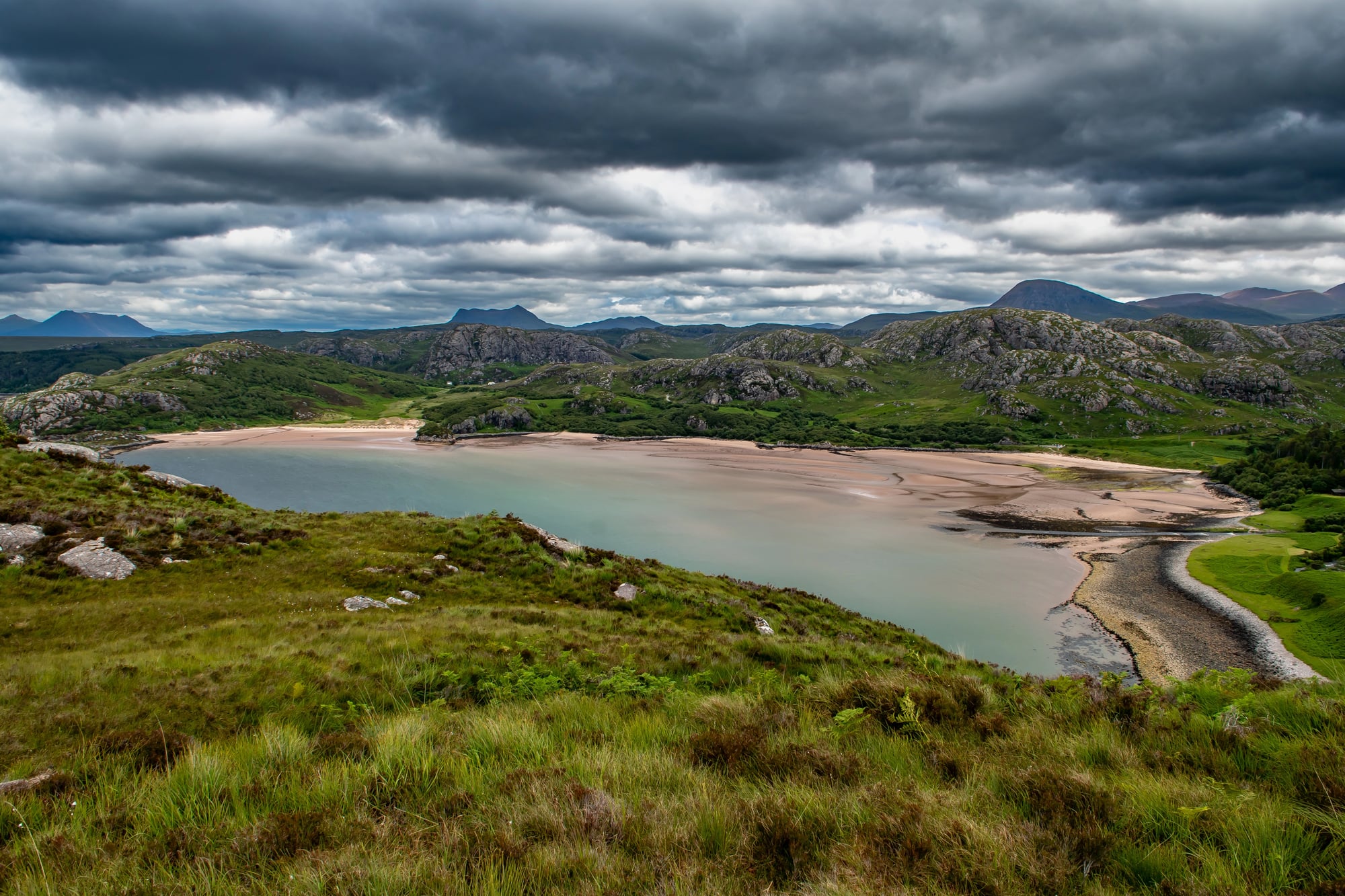
Gruinard Island off the northwest coast of Scotland was used by British military scientists during the Second World War to test the effects of anthrax bombs on a flock of sheep.
The island was contaminated and placed under quarantine in 1942. It remained off-limits for fifty years, with warning signs posted on nearby beaches.
A decontamination programme using formaldehyde solution sprayed from helicopters was completed in the 1980s, and the island was officially returned to the original owner’s family in 1990.
However, the memory of what happened there, and the reason it was quarantined for half a century, keeps it firmly in the category of locations most people are content to read about.
The Sentinel Hill Observatory, Antarctica
Various locations across Antarctica are designated Antarctic Specially Protected Areas under the Antarctic Treaty and its Protocol on Environmental Protection, restricting or prohibiting human access without specific permits for scientific purposes.
These areas exist to protect unique ecological and scientific values — sometimes a particular microhabitat, sometimes a geologically significant formation, sometimes an area where the soil contains microbial communities so sensitive that even small amounts of human disturbance would destroy years of scientific baseline data.
The boundaries are invisible on the ice, and the consequences for crossing them without authorisation are primarily diplomatic.
The Jungle of the Mosquito Coast, Honduras/Nicaragua
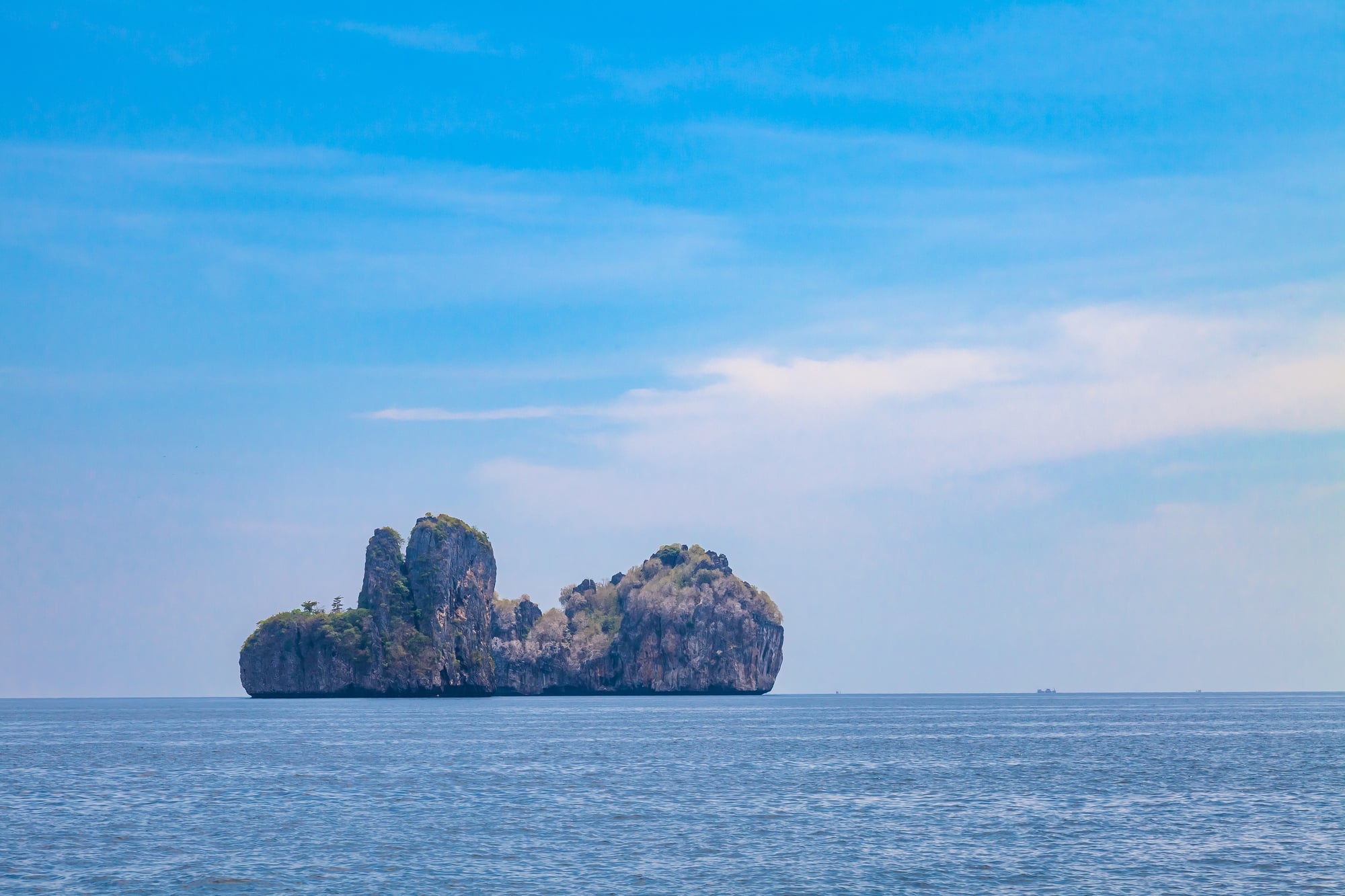
Not a facility or a designated restricted area but a practical prohibition, the Mosquito Coast — the remote jungle and wetland corridor along the Caribbean shore of Honduras and Nicaragua — is so dangerous to traverse that it functions as an effective no-go zone for all but the most experienced and prepared travellers.
Drug trafficking routes, the absence of any infrastructure, genuine wildlife hazards, and the historical precedent of people not returning from attempts to cross it without local knowledge combine to make it a de facto forbidden territory.
No law prohibits entry. The jungle enforces its own restrictions.
The Limits of Access
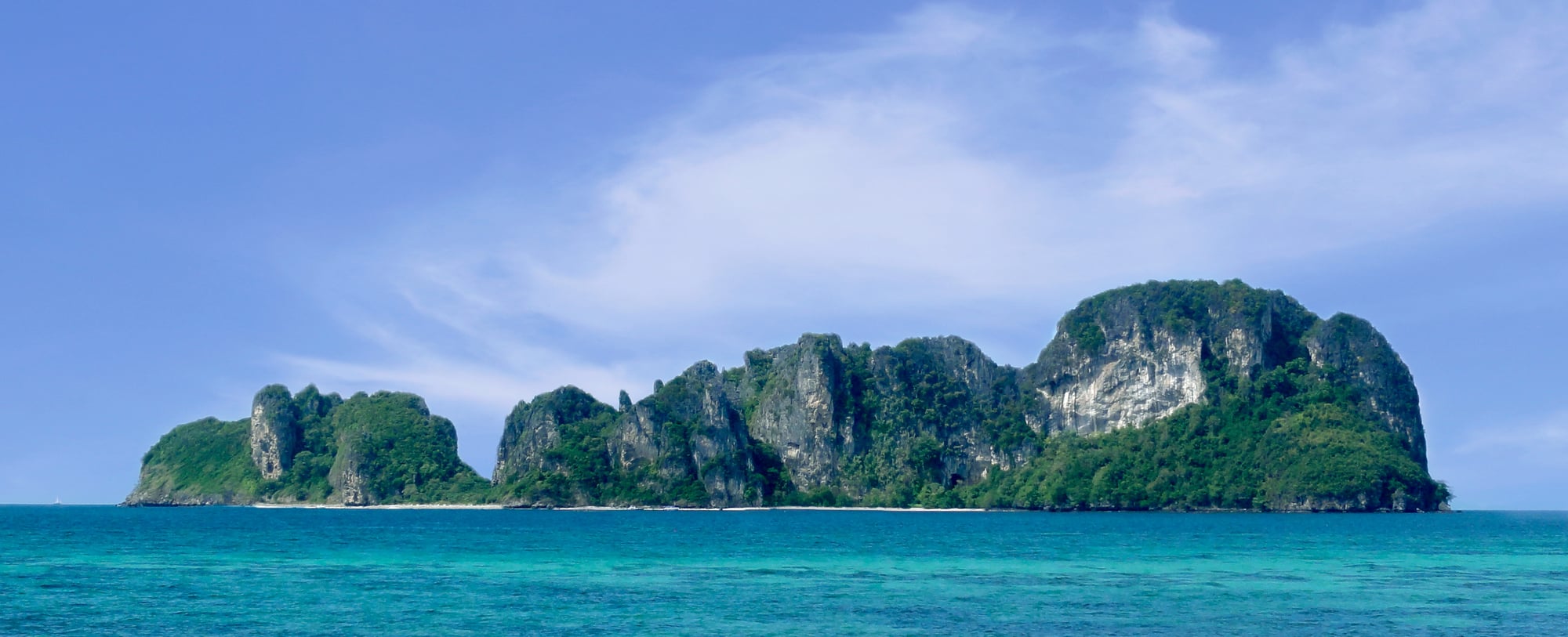
What is striking about this list is not how exotic these places are but how varied the reasons for restriction turn out to be. Some are off-limits because they are too dangerous, some because they are too sacred, some because governments want to keep secrets, and some because the thing being protected — a prehistoric painting, a seed collection, an isolated human culture — is too fragile to survive exposure.
The reasons are almost always legible. What draws people to these places anyway, despite knowing all of this, is probably the oldest impulse in the species: the urge to see what is on the other side of the sign that says stop.
More from Go2Tutors!

- The Romanov Crown Jewels and Their Tragic Fate
- 13 Historical Mysteries That Science Still Can’t Solve
- Famous Hoaxes That Fooled the World for Years
- 15 Child Stars with Tragic Adult Lives
- 16 Famous Jewelry Pieces in History
Like Go2Tutors’s content? Follow us on MSN.



