27 Snacks Sold in School Cafeterias That Disappeared
The cafeteria line offered treats that never appeared in home pantries or store shelves. Lunch money stretched further in the 1980s and 1990s because the snack line existed separately from meal purchases.
Students negotiated lunch requirements against purchasing a Honeybun or a cold drink, knowing the choice meant sacrificing nutrition. These items vanished not through regulation but through gradual economic pressure as manufacturers discontinued production.
Honeybun
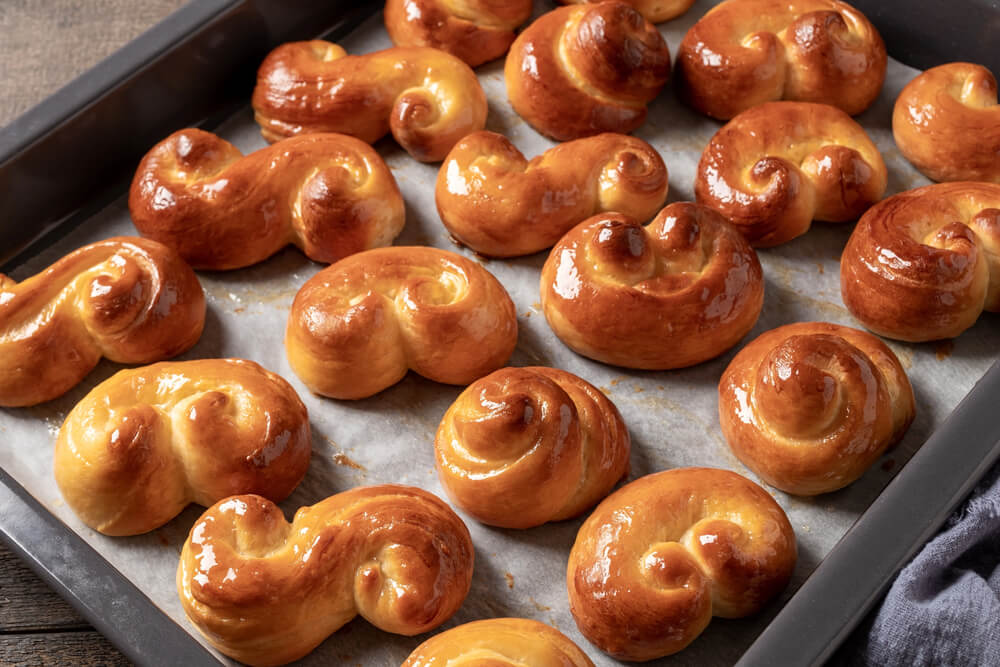
This spiral-shaped pastry came wrapped in plastic, coated in cinnamon and sugar with glaze hardening on top. The middle held sweetened filling that occasionally leaked when the pastry was squeezed.
Honeybuns cost roughly half of a full lunch, making them a popular trade-off when budget mattered.
Oatmeal Pie (Little Debbie)
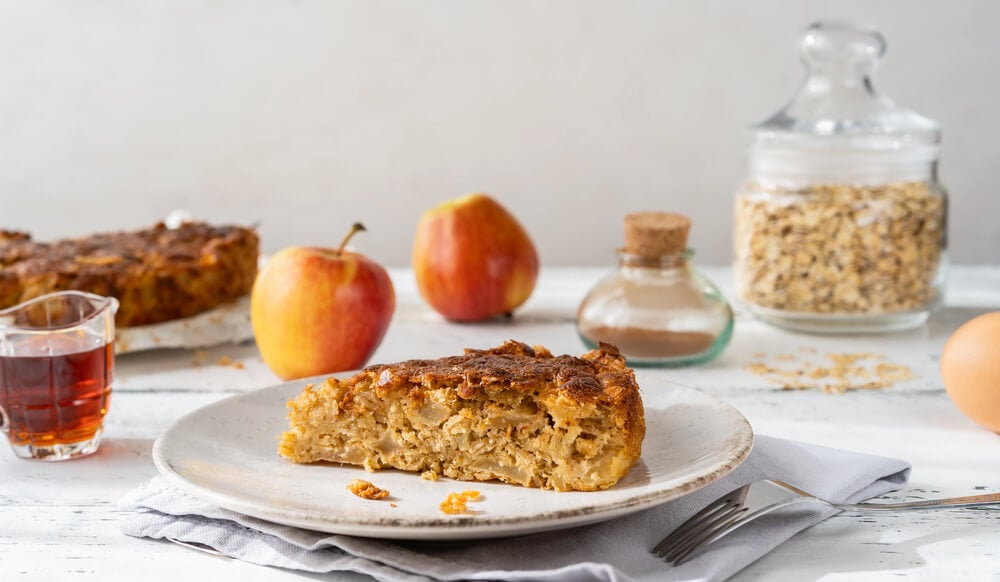
This round sandwich cookie with oatmeal-cinnamon filling and thin chocolate coating on bottom was mass-produced nationally. The cookies stayed fresh for months, matching school cafeteria storage realities.
Students recognized the gold packaging and knew exactly what texture and sweetness to expect.
Swiss Cake Roll
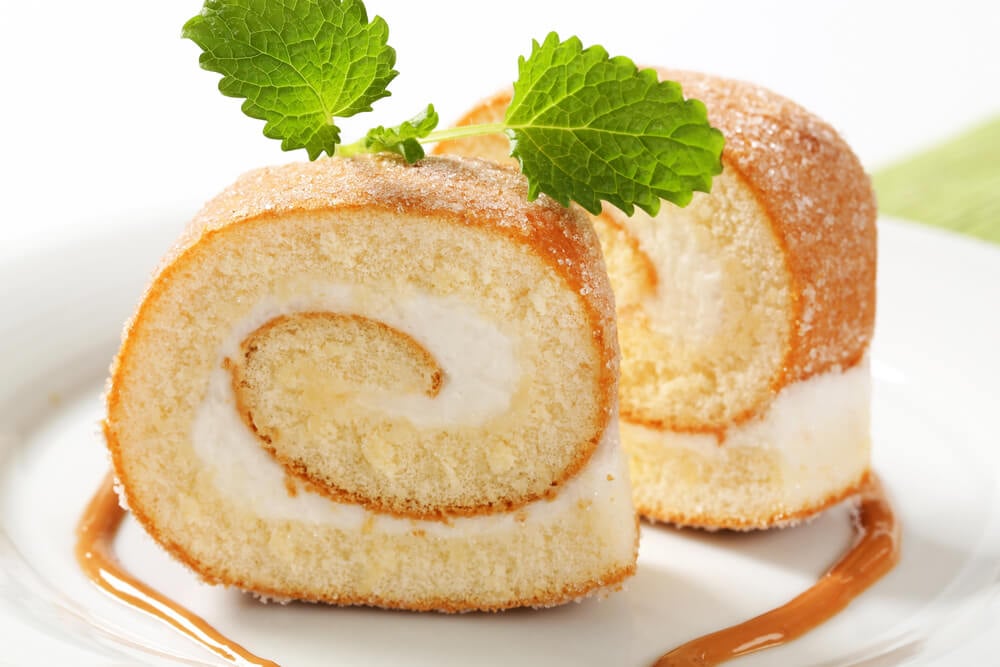
These oblong cakes layered with cream filling and coated entirely in chocolate came in packs of two or three. The coating cracked when squeezed, and the cream leaked slightly if the temperature rose.
The snack represented accessible luxury to students buying the cheapest possible food.
Nutty Bar
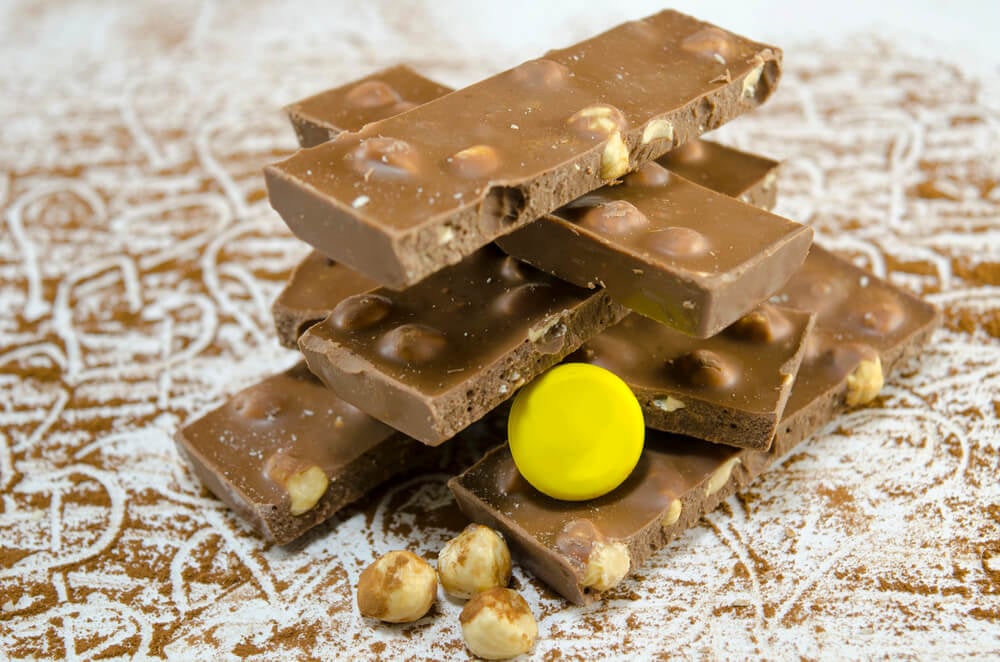
This wafer filled with peanut butter cream and topped with chocolate and crushed peanuts came from Little Debbie’s production line. The peanut crust occasionally fell off during handling, ending up in the wrapper.
The bar satisfied both chocolate and peanut butter cravings in a single snack.
Zebra Cake
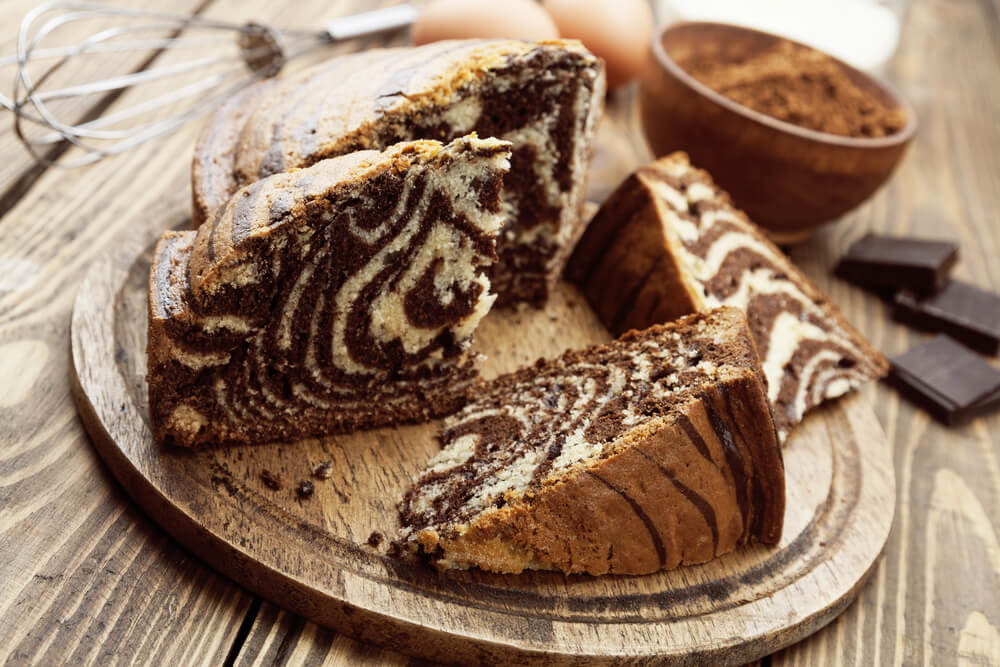
These oblong cakes featured light sponge with cream filling, topped with white and dark chocolate striping. The snack resembled smaller versions of bakery products but cost a fraction of the price.
The chocolate coating made them messier to eat than most comparable snacks.
Cosmic Brownie
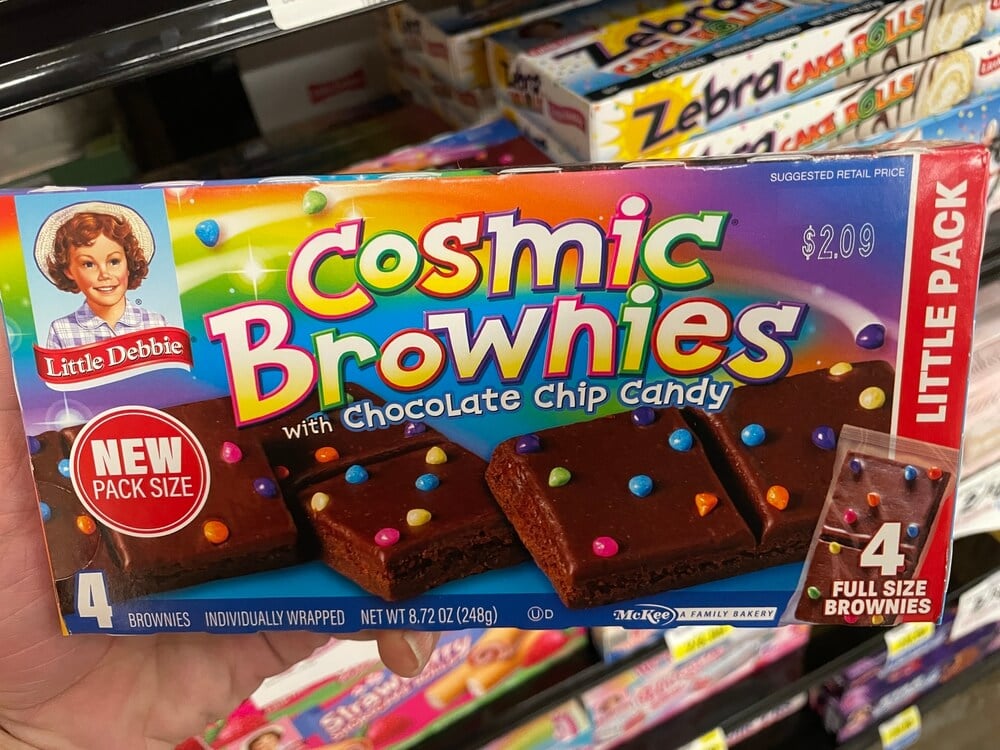
This chocolate cake topped with chocolate frosting and colorful crunchy candy pieces came wrapped in red foil. The candies occasionally melted onto the frosting, especially during warm weather storage.
Students considered the brownie a luxury snack despite its minimal cost.
Honey Bun (Different Brand)
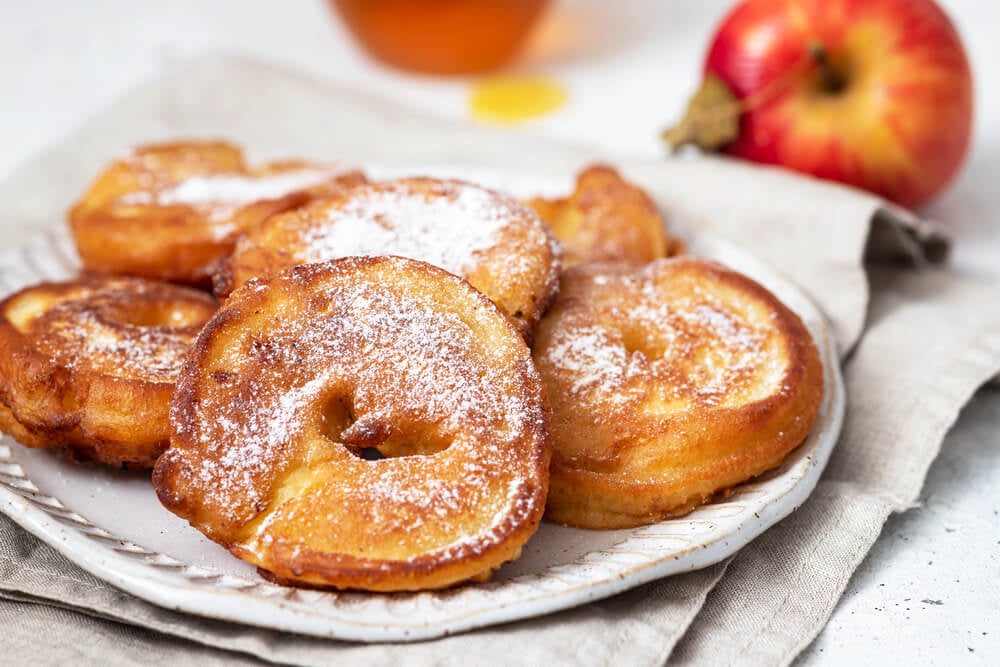
Various manufacturers produced similar spiral pastries with different coatings and fillings. The knockoff versions never quite matched the original’s texture, sometimes drier and less flaky.
The proliferation of similar products meant students had options at similar price points.
Powdered Donut
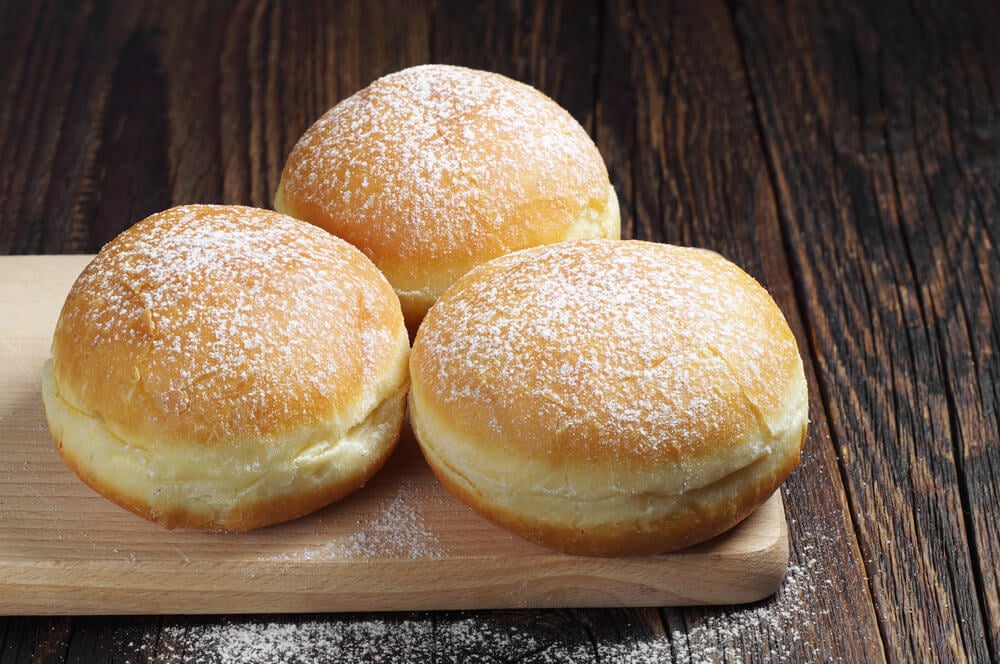
These bite-sized spheres came in paper bags dusted in powdered sugar. Eating them created a cloud of white powder on the consumer’s hands and face.
The donuts represented the most affordable sweet snack available, often two or three bags for the price of a complete snack.
Cinnamon Roll
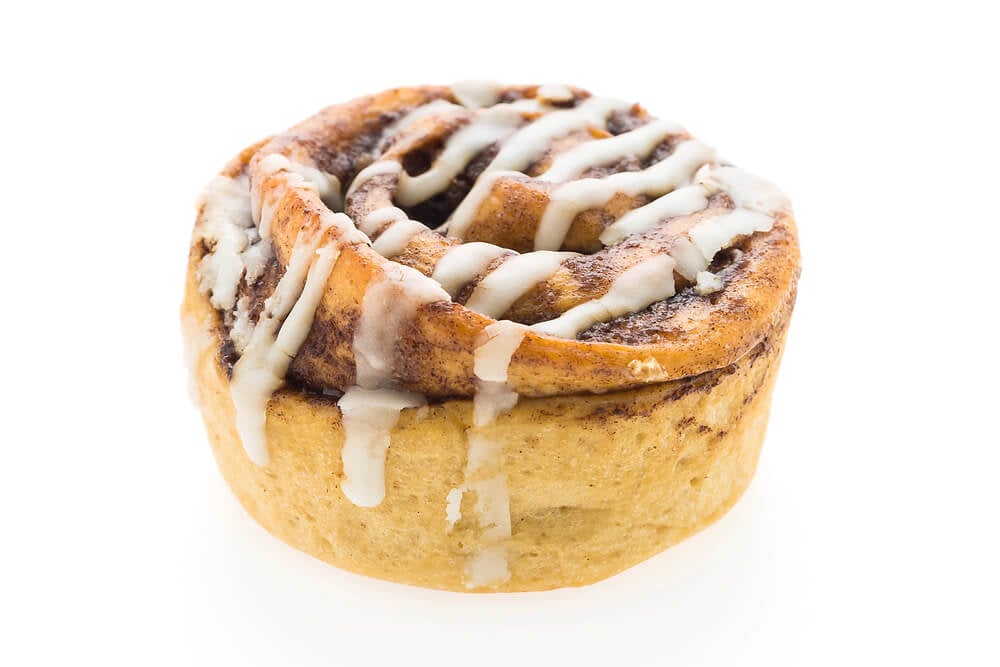
These larger pastries wrapped in cinnamon sugar and sometimes iced came individually wrapped. The swirled filling created dramatic layers visible when bitten.
The snack proved too sticky for cafeteria etiquette but tasted rich enough to justify the mess.
Blueberry Muffin
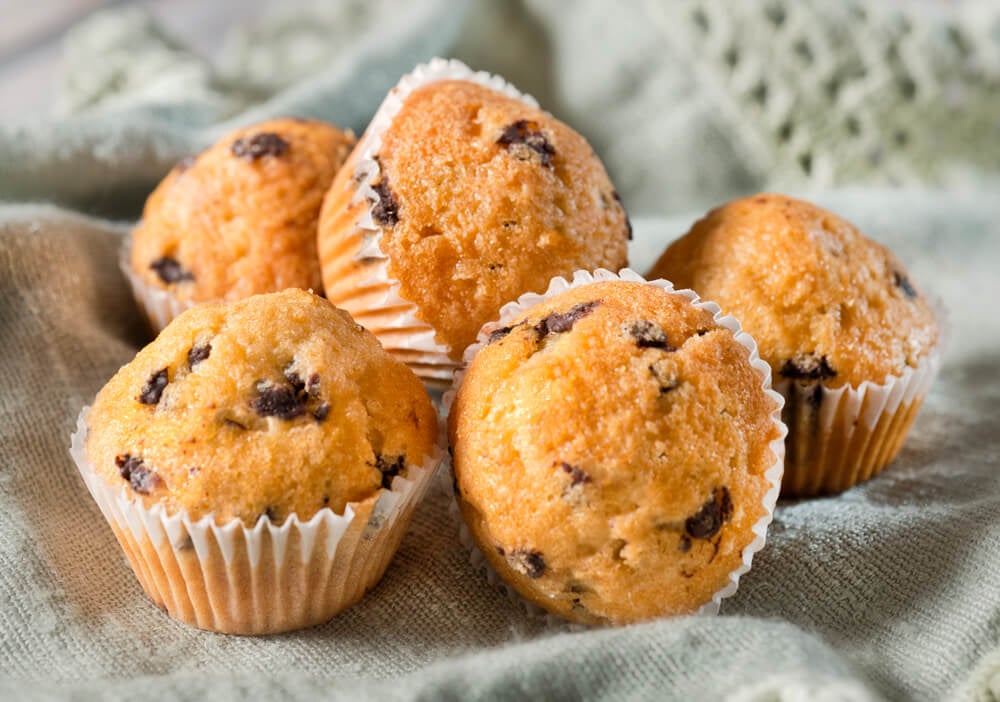
Mass-produced individually wrapped muffins appeared on cafeteria snack lines. The blueberries were frequently identified as artificial, though this didn’t diminish their popularity.
The muffins stayed fresh far longer than homemade versions through chemical preservation.
Corn Dog
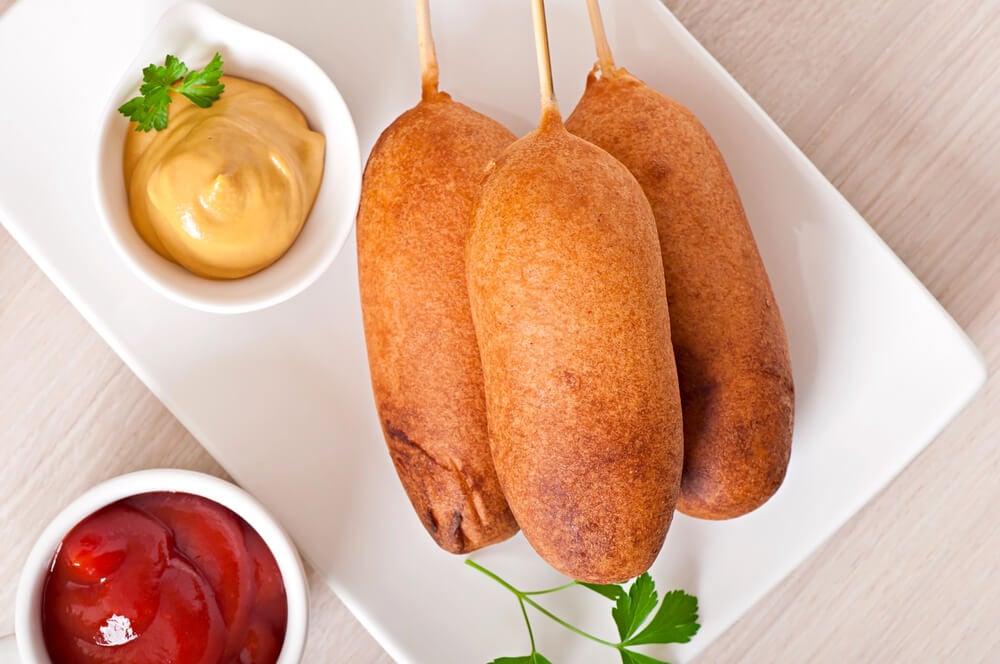
These hot dogs dipped in cornmeal batter and fried came on sticks. The exterior stayed crispy even after cooling, and the interior remained hot for hours.
Some cafeterias offered them as lunch items while others limited them to snack line purchases.
Pizza Bagel

These halves of bagels topped with tomato sauce and melted cheese met surprisingly little resistance on snack lines. The snack provided more nutrition than most cafeteria treats.
Microwaving them created fresh heat and melting cheese at a fraction of a full pizza slice’s cost.
Cheese Curl Snack
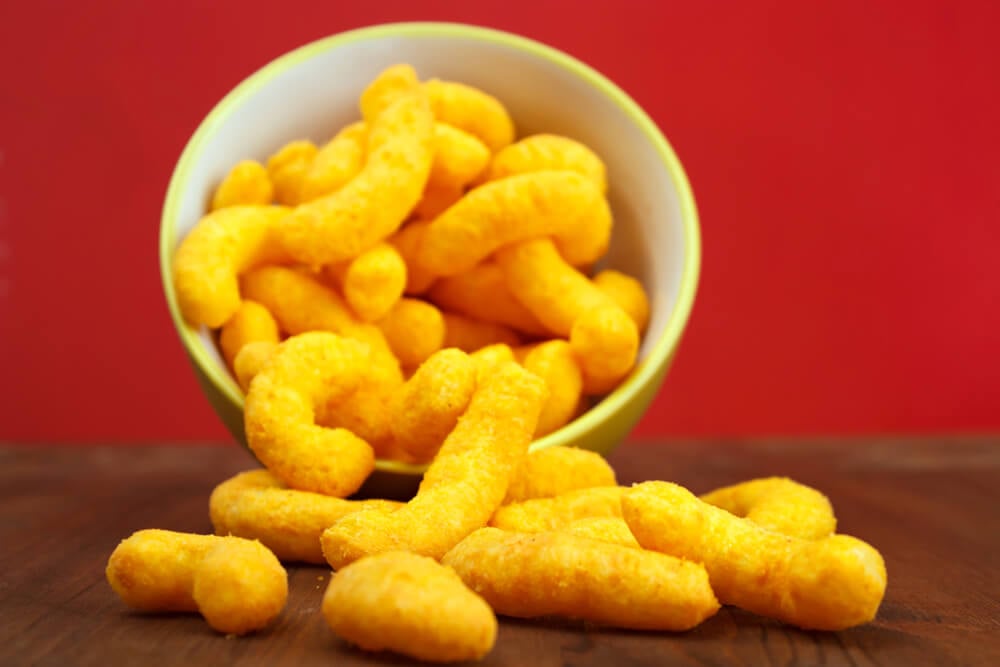
These puffy corn snacks dusted in orange cheese powder came in individual bags. The powder transferred to fingers, making it visible who had purchased cheese curls.
The bag size made it easy to consume entire portions before school ended.
Chex Mix
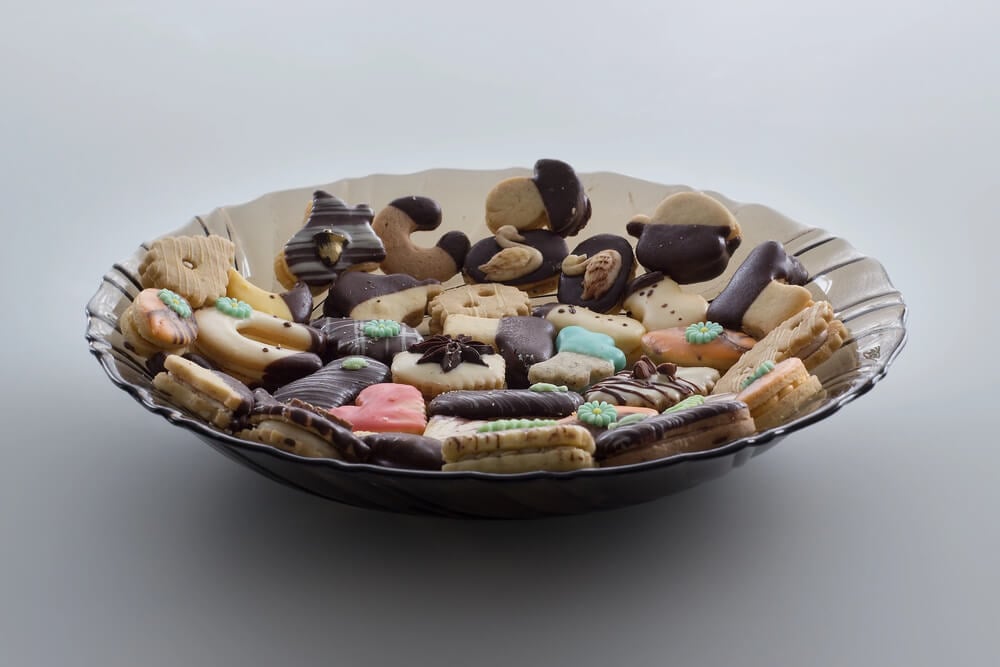
This combination of Chex cereal, nuts, and assorted crunchy items came in wax paper or plastic bags. Different cafeterias sourced different versions, with some including dried fruit and others maintaining strictly savory compositions.
The mix provided crunch and variety without overwhelming sweetness.
Beef Jerky
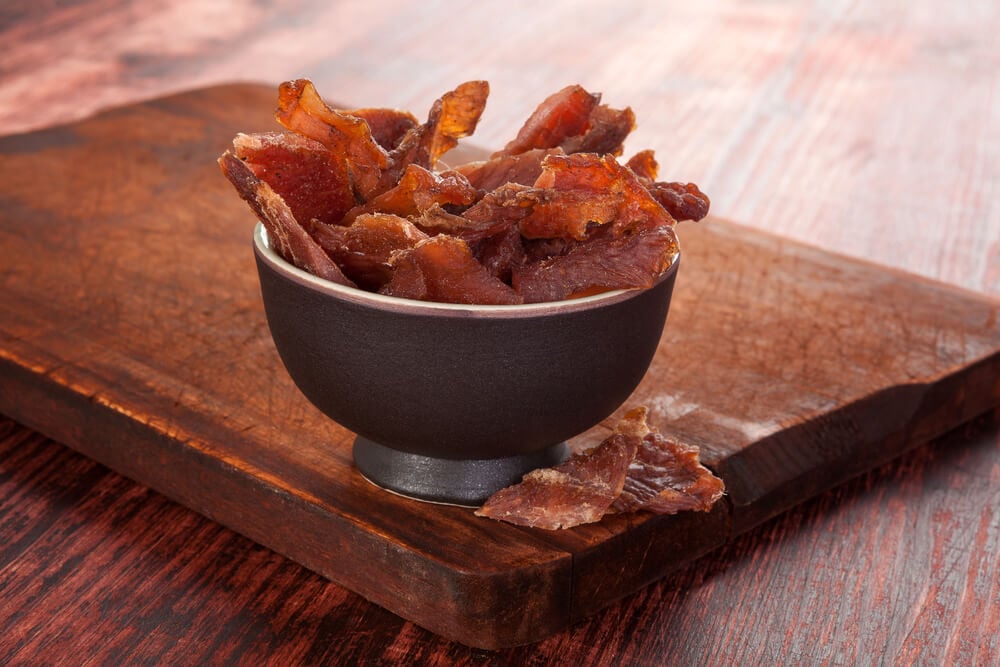
This dried, salted meat snack satisfied students who wanted savory rather than sweet. The texture required significant chewing and left residue between teeth.
High sodium content meant students bought drinks immediately after consuming jerky.
Sunflower Seeds
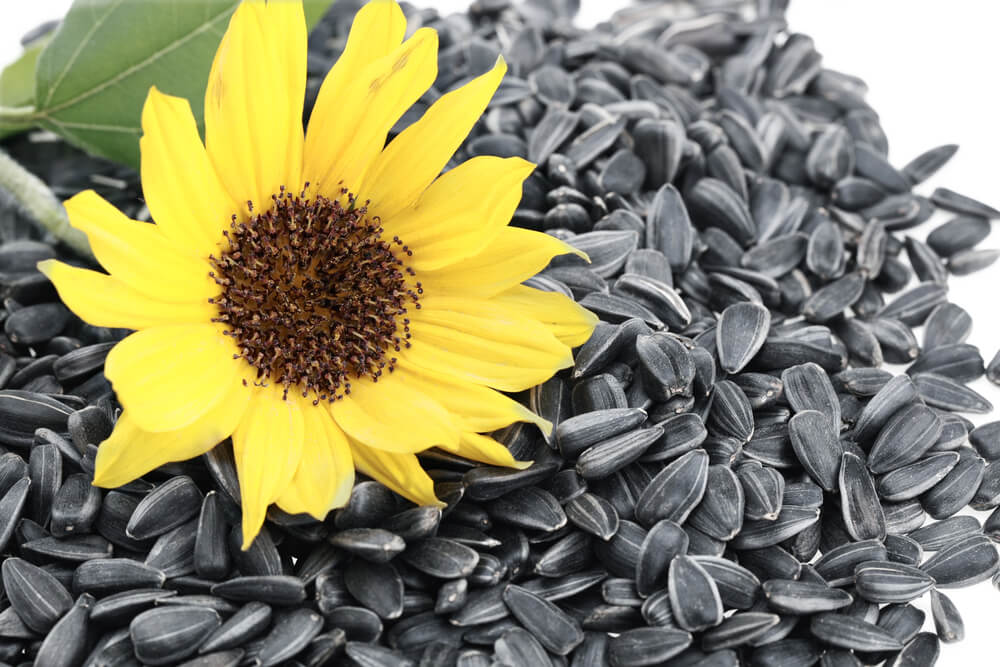
These shells required cracking to access the seed interior, creating lengthy consumption time. The process created shell debris and left fingers stained.
Students often weren’t allowed to purchase seeds during class time due to mess concerns.
Pork Rinds
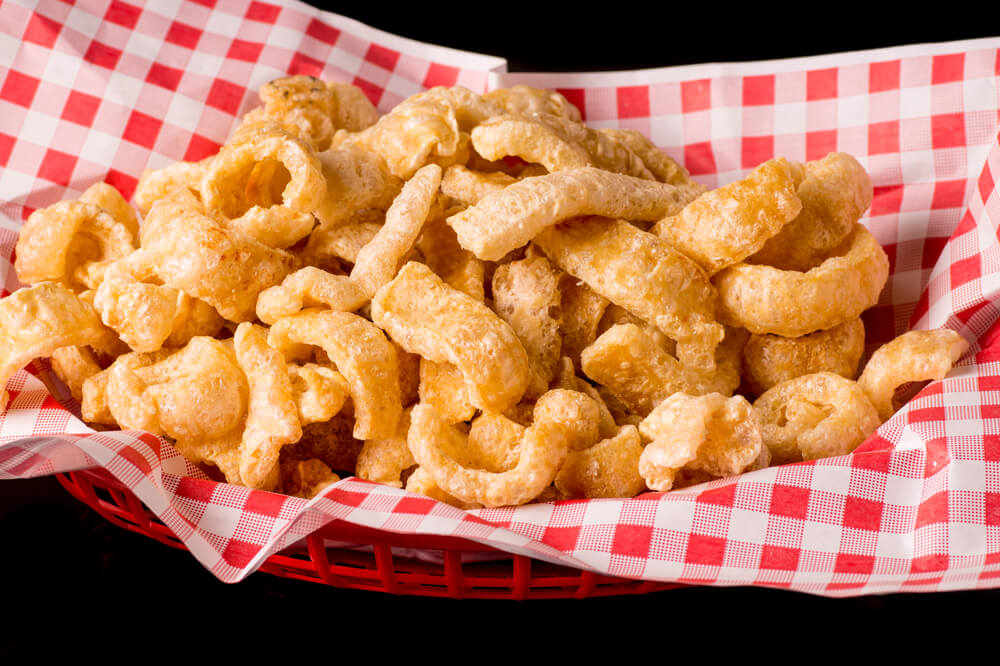
These fried pork skin pieces dusted in salt or flavor powder were high in fat and calories. The crunchy texture and short shelf life made them a cafeteria staple in some regions and completely absent in others.
The snack’s lingering smell concerned some parents.
Cheese Puffs
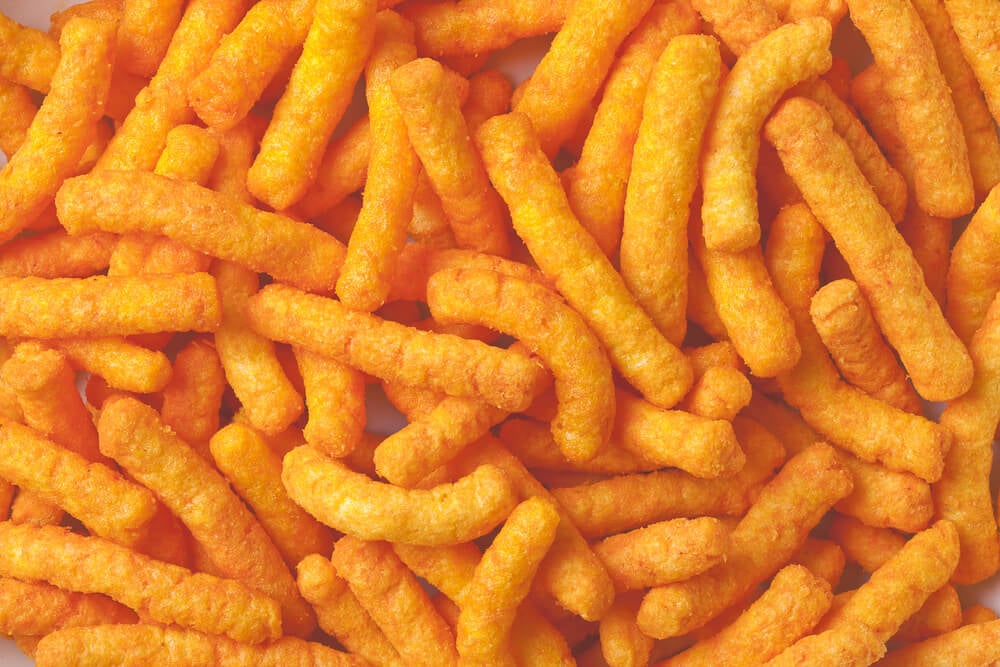
These cheese-dusted corn puffs created the same orange residue as curls but with lighter texture. The puffs melted slightly on the tongue, leaving powder behind.
Eating them quietly during class proved impossible.
Potato Chips
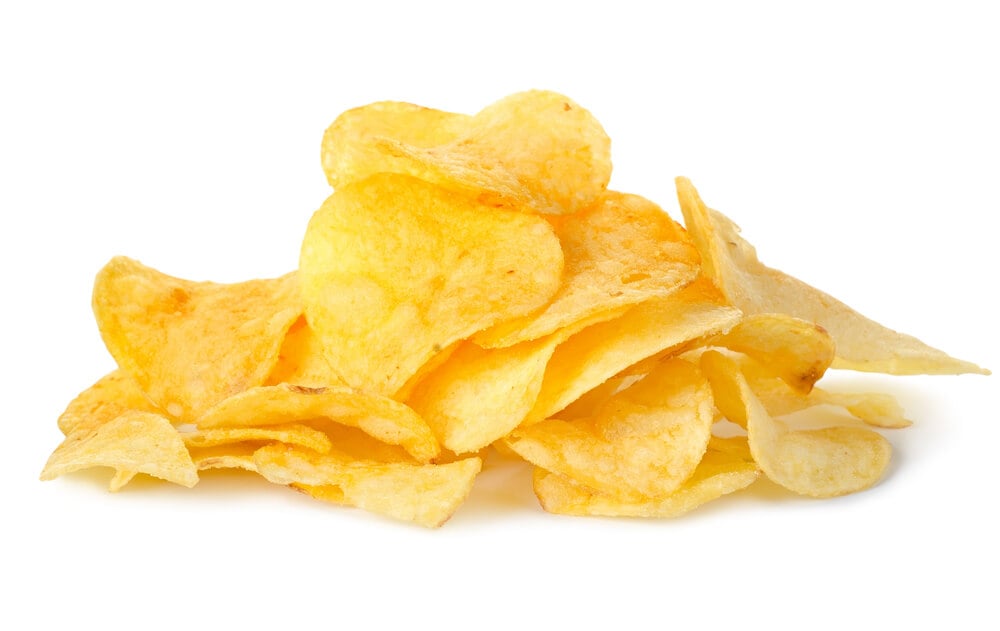
Individual bags or bulk containers held standard salted chips. The bags contained mostly air, a common complaint that persisted through decades.
The snacks provided salt and fat but minimal nutritional value.
Pretzels
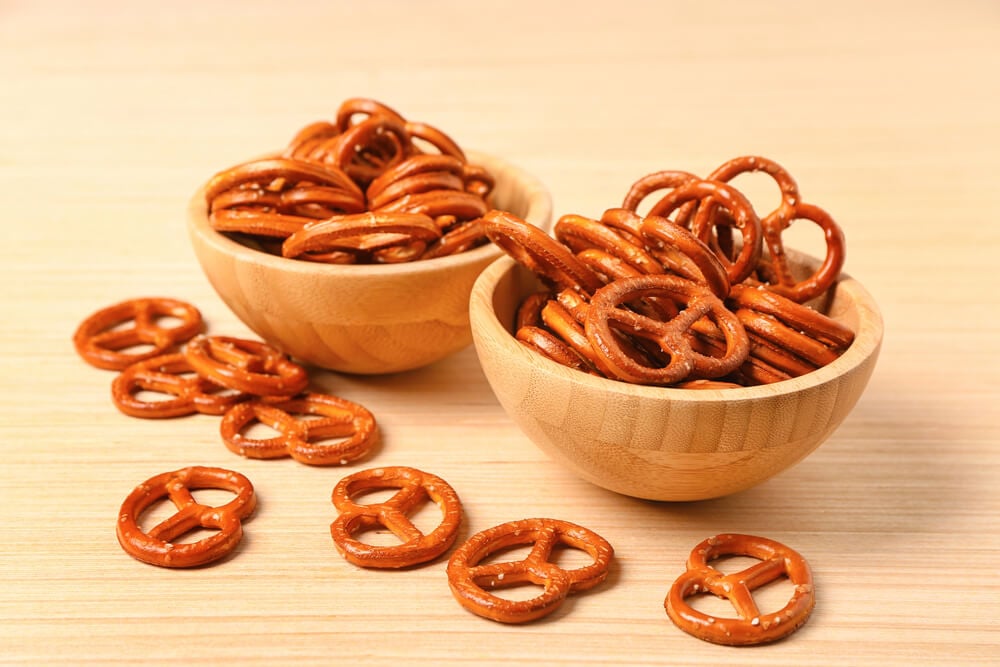
Hard twisted or straight pretzels coated in salt came individually bagged. The snacks satisfied crunching urges without being too sweet.
Some varieties included chocolate coating or peanut butter filling.
Cookies and Cream Wafer
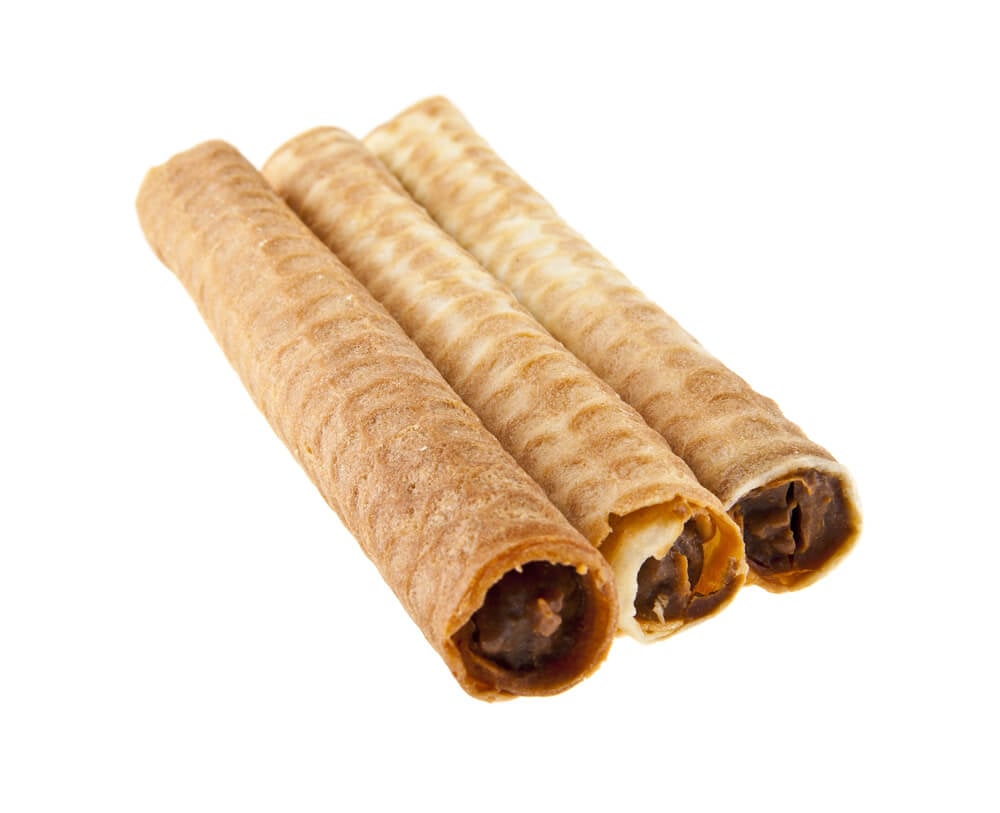
These wafer-filled cookies with sweetened cream centered between two chocolate-coated wafers came individually wrapped. The cream sometimes liquefied in warm temperatures, creating a sludgy center.
The snack represented accessible indulgence.
Peanut Brittle
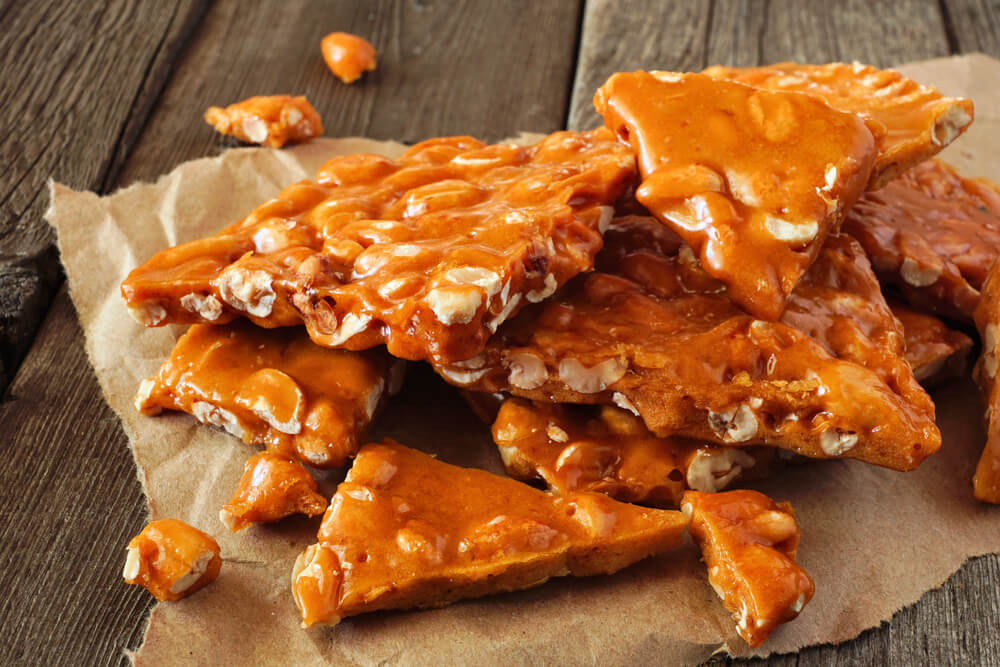
This hard candy combining peanuts with caramelized sugar shattered when bitten. The snack could crack teeth if bitten too aggressively, making it dangerous for students with loose teeth.
Despite the hazard, peanut brittle remained popular.
Caramel Corn
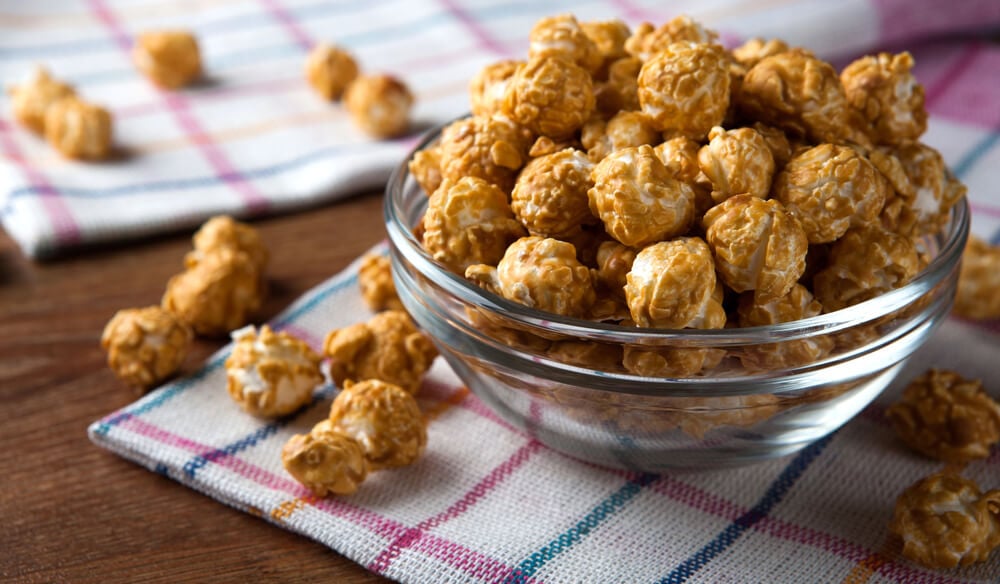
This popcorn coated in caramel came in bags of varying sizes. The coating occasionally caked together, requiring teeth-breaking force to separate pieces.
The snack left sticky residue on hands and occasionally on desks.
Fudge Stripe Cookie
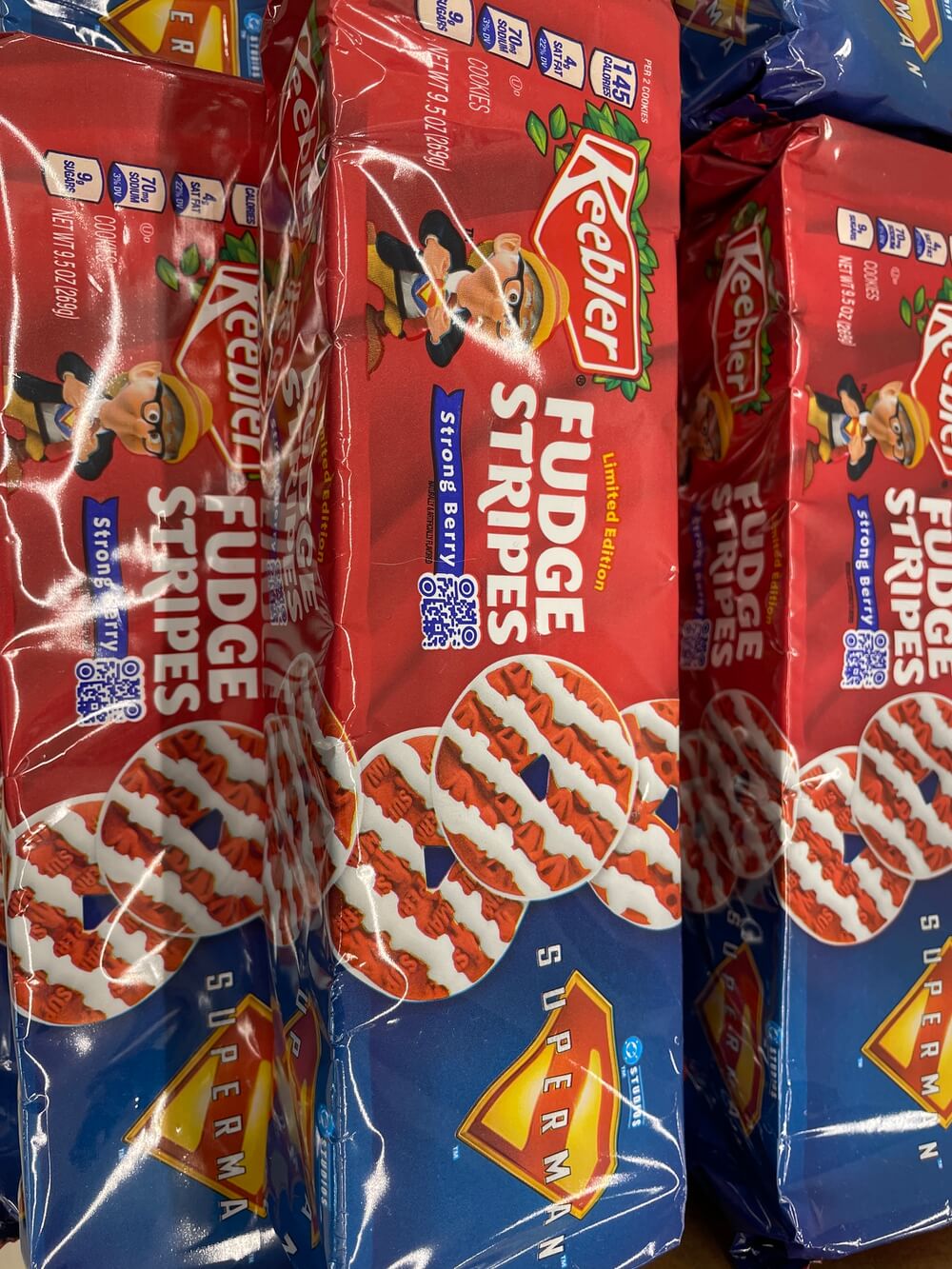
These rectangular cookies featured brown cookie with cream-colored striping and chocolate coating on one side. The combination of chocolate and cream appealed broadly to students with different preferences.
The cookies traveled well despite their fragility.
Vanilla Wafer
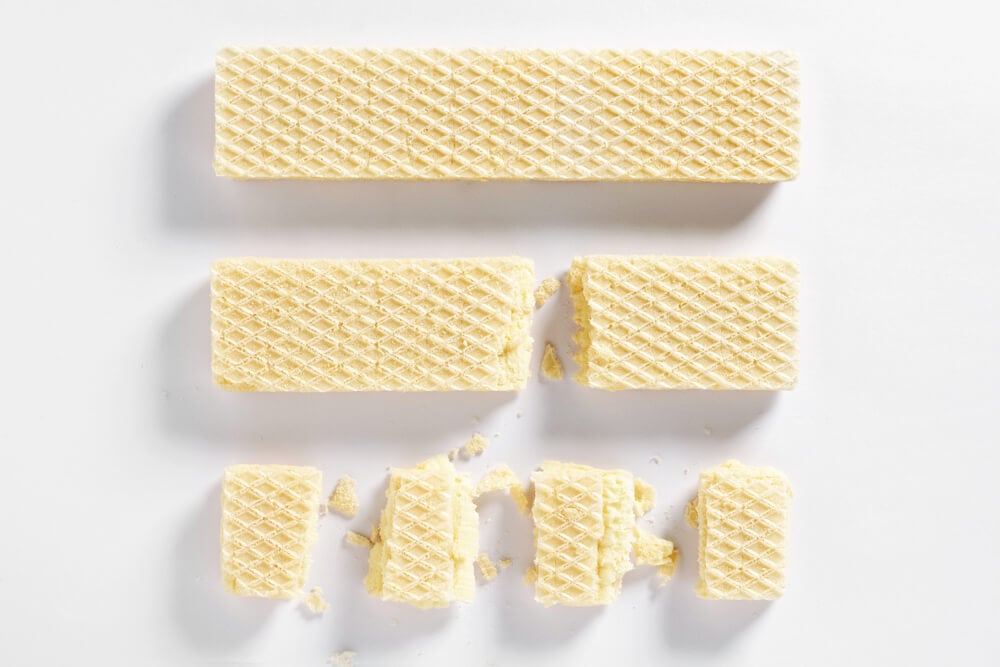
These thin rectangular wafers came wrapped in wax paper or boxed. The delicate texture meant many broke during transport from snack line to classroom.
Students ate them carefully to maximize the intact pieces.
Snack Cake (Various)
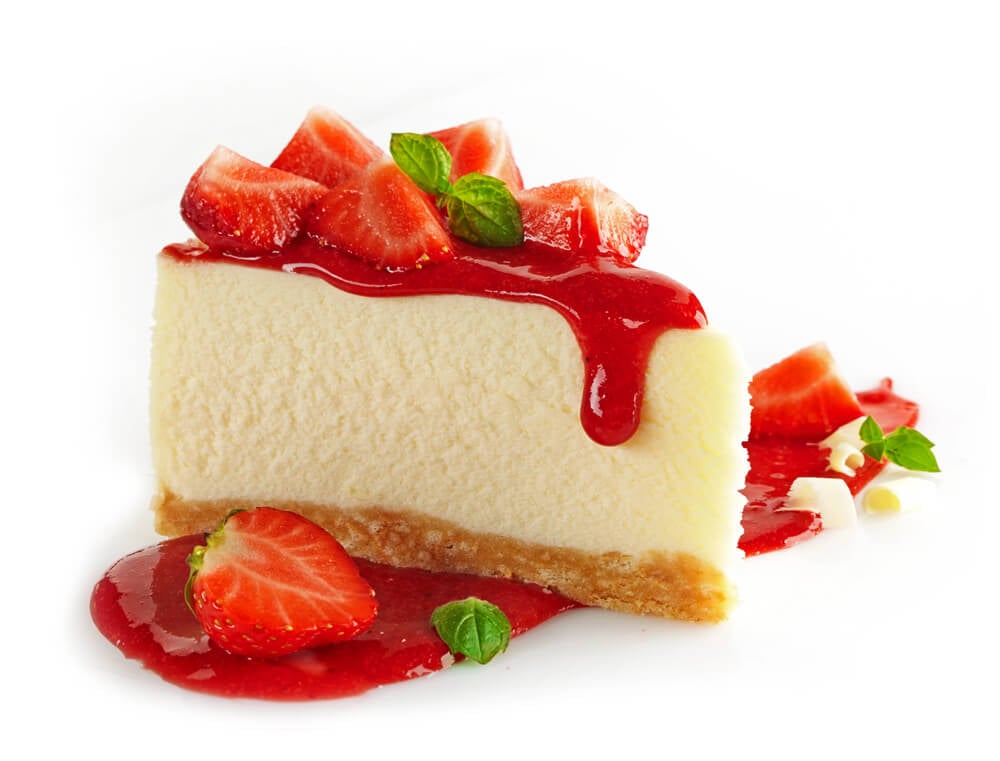
Manufacturers produced dozens of variations on the snack cake formula: sponge cake, cream filling, chocolate coating. The consistency and low cost made them cafeteria staples for decades.
Individual wrapping meant they never spoiled during storage.
Chips Ahoy Cookies
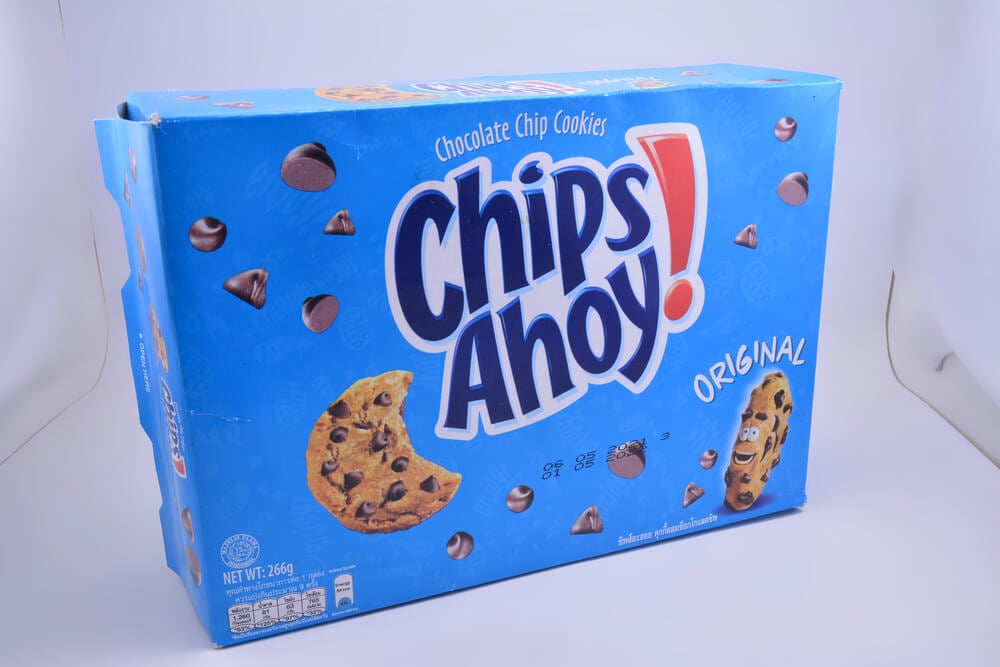
These mass-produced chocolate chip cookies came individually wrapped or in bulk bags. The uniform texture and consistent flavor from batch to batch made them predictable treats.
Students preferred them over homemade alternatives partly because of the novelty of commercially standardized cookies.
The Vending Machine Extinction
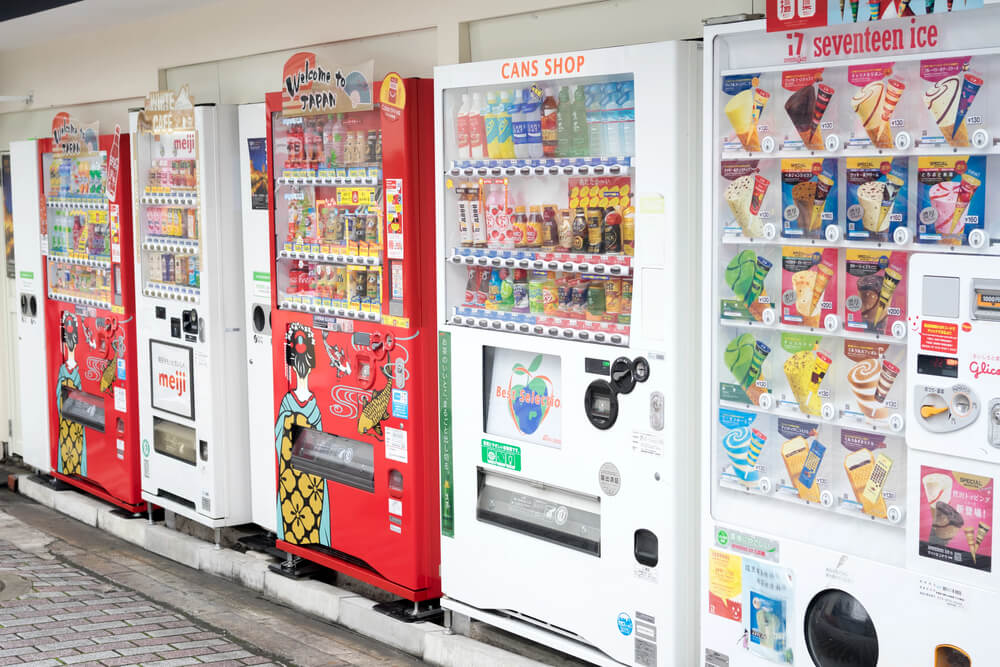
These snacks began disappearing in the 2000s as school nutritional standards tightened. Vending machine regulations and wellness policies removed many options that had existed for decades.
Budget-conscious students lost the affordable treat options that made cafeteria visits about more than just eating lunch.
More from Go2Tutors!

- The Romanov Crown Jewels and Their Tragic Fate
- 13 Historical Mysteries That Science Still Can’t Solve
- Famous Hoaxes That Fooled the World for Years
- 15 Child Stars with Tragic Adult Lives
- 16 Famous Jewelry Pieces in History
Like Go2Tutors’s content? Follow us on MSN.



