17 Internet Trends That Lasted One Week
The internet has a peculiar relationship with time. What feels earth-shattering on Monday becomes ancient history by Friday. Social media platforms thrive on this rapid-fire cycle of viral content, where trends emerge from nowhere, dominate our feeds for a few days, then vanish as quickly as they appeared.
These fleeting moments of collective obsession reveal something fascinating about digital culture and our shrinking attention spans. From dance challenges that had everyone contorting in their living rooms to bizarre food combinations that somehow made sense for exactly 72 hours, the internet graveyard is filled with trends that burned bright and fast.
Here is a list of 17 internet trends that captured the world’s attention for roughly one week before disappearing into digital obscurity.
Planking

Remember when lying face-down in unusual places was the height of internet creativity? Planking swept through social media like wildfire in 2011, with people photographing themselves in the rigid plank position on everything from park benches to rooftops.
The trend peaked when celebrities and news outlets started covering it, then died almost instantly when people realized how silly it looked in hindsight.
The Mannequin Challenge

Late 2016 brought us the mannequin challenge, where groups of people would freeze mid-action while someone filmed them to the tune of ‘Black Beatles’ by Rae Sremmurd. Everyone from classrooms to sports teams participated, creating elaborate frozen tableaus that looked genuinely impressive.
The trend faded once the novelty wore off and people ran out of creative scenarios to freeze in.
Like Go2Tutors’s content? Follow us on MSN.
Bottle Flipping

Mike Senese’s talent show performance turned flipping plastic water bottles into a global phenomenon in 2016. Suddenly, everyone was attempting to land bottles upright after a mid-air flip, with videos flooding every social platform.
The trend died when schools started banning it due to noise complaints and parents got tired of finding half-empty bottles scattered around their homes.
Fidget Spinners

These small spinning toys exploded onto the scene in early 2017 as stress-relief devices but quickly became a viral obsession. Within weeks, fidget spinners were everywhere, spinning in hands across classrooms, offices, and sidewalks worldwide.
The bubble burst when the market became oversaturated and the novelty factor completely disappeared, leaving warehouses full of unsold spinners.
The Ice Bucket Challenge

While technically lasting longer than a week, the peak intensity of the ALS Ice Bucket Challenge in August 2014 demonstrates how quickly internet trends can saturate. People dumped buckets of ice water over their heads, nominated others, and raised millions for ALS research.
The challenge faded when participation became more about social pressure than genuine awareness.
Like Go2Tutors’s content? Follow us on MSN.
Pokémon Go Mania
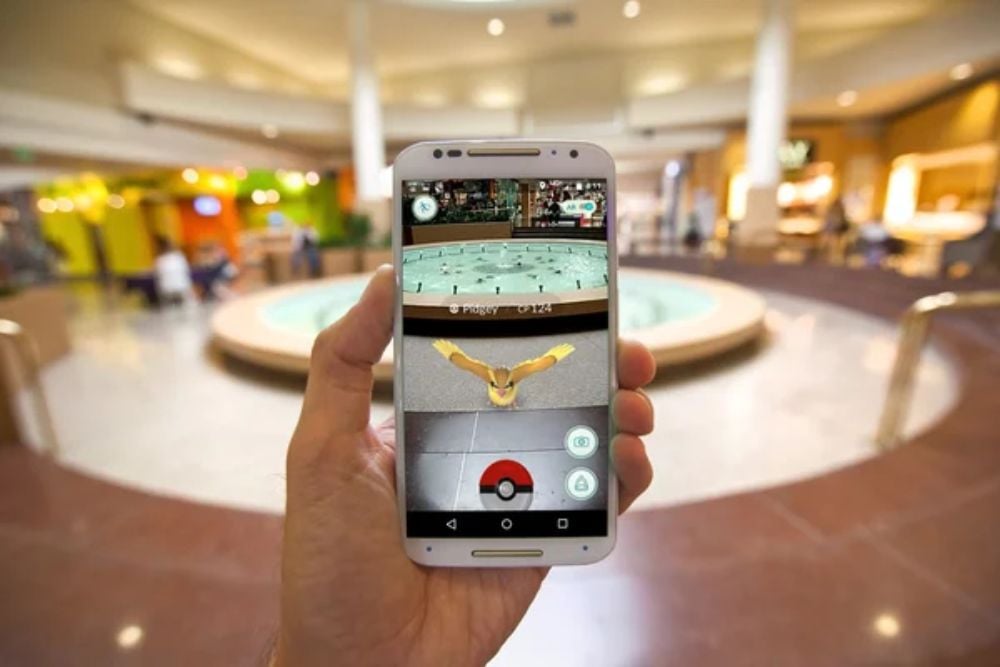
The initial week of Pokémon Go’s release in July 2016 saw unprecedented scenes of people wandering streets, parks, and landmarks hunting virtual creatures. News stories covered everything from car accidents to people discovering dead bodies while playing.
Though the game retained users, that first week’s cultural dominance was never replicated.
The Harlem Shake

Baauer’s track combined with the explosive video format created one of 2013’s biggest viral moments. The formula was simple: one person dances alone, then everyone goes wild when the beat drops.
Thousands of versions appeared within days, from office workers to entire sports teams, before the format became completely exhausted.
Gangnam Style’s Peak Week

While Psy’s hit had staying power, there was one specific week in late 2012 when ‘Gangnam Style’ reached maximum cultural penetration. Everyone was attempting the horse-riding dance, from morning show hosts to world leaders.
The song became the first YouTube video to hit one billion views during this period of absolute dominance.
Like Go2Tutors’s content? Follow us on MSN.
The Dress Debate

February 2015 brought us the most divisive optical illusion of the decade: was the dress blue and black or white and gold? For exactly one week, this simple question divided families, sparked scientific explanations, and dominated every conversation.
Once everyone had picked a side and argued about it, the internet moved on to other controversies.
Damn Daniel

A simple video of Daniel Lara and his white Vans shoes became an inexplicable phenomenon in February 2016. The catchphrase ‘Damn, Daniel’ echoed across social media, spawning remixes, merchandise, and even talk show appearances.
The trend vanished as mysteriously as it appeared, leaving everyone wondering why they found it so entertaining.
Cash Me Outside

Danielle Bregoli’s appearance on Dr. Phil created the phrase ‘cash me outside, how bout dat’ in September 2016. The meme exploded instantly, with people mimicking her accent and attitude across every platform.
Within a week, the phrase had run its course, though it launched Bregoli’s unexpected career in entertainment.
Like Go2Tutors’s content? Follow us on MSN.
Tide Pod Challenge
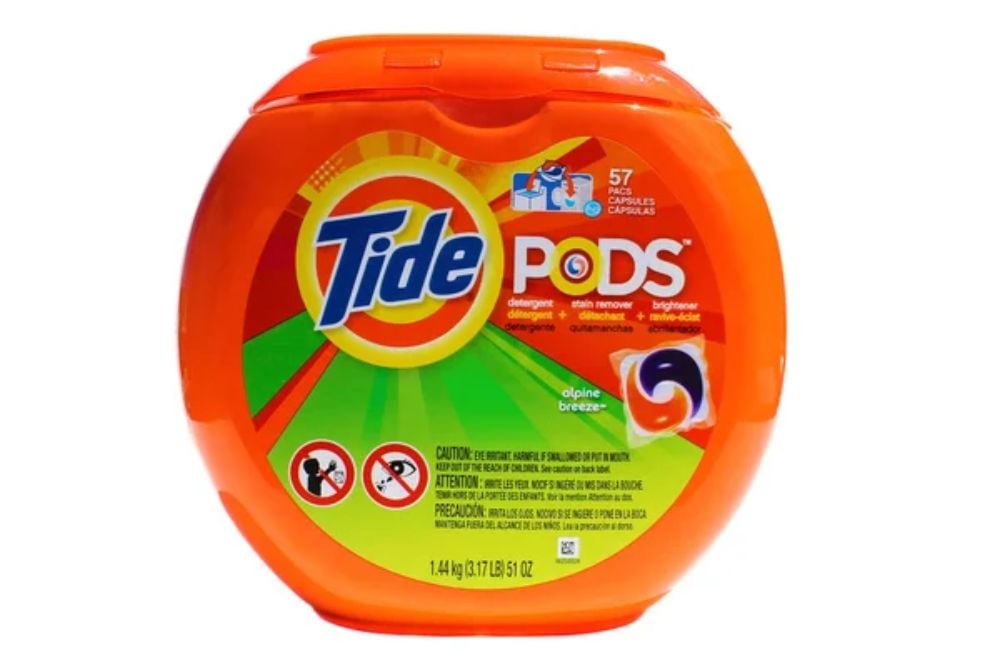
This dangerous trend thankfully lasted only about a week in early 2018 before platforms and authorities cracked down hard. People were filming themselves biting into laundry detergent pods, creating a genuine health crisis.
The swift response from social media companies and widespread condemnation killed the trend quickly, but not before causing real harm.
Area 51 Raid

The Facebook event ‘Storm Area 51, They Can’t Stop All of Us’ started as a joke in July 2019 but quickly gained millions of responses. For one week, memes about Naruto running past guards and finding aliens flooded the internet.
The actual event fizzled into a small peaceful gathering, and the memes died with it.
Baby Shark’s Viral Week
While the song had existed for years, there was one specific week in late 2018 when ‘Baby Shark’ reached peak viral status. Adults found themselves involuntarily singing ‘doo doo doo doo doo doo’ and the dance moves spread across social media platforms.
The earworm quality ensured longer staying power, but that initial explosive week was uniquely intense.
Like Go2Tutors’s content? Follow us on MSN.
The Laurel/Yanny Audio Clip

Similar to its visual predecessor, this auditory illusion captivated the internet for precisely one week in May 2018. People genuinely couldn’t understand how others heard different words in the same audio file.
The debate raged intensely across platforms before scientists explained the frequency differences and everyone moved on to other arguments.
Invisible Box Challenge
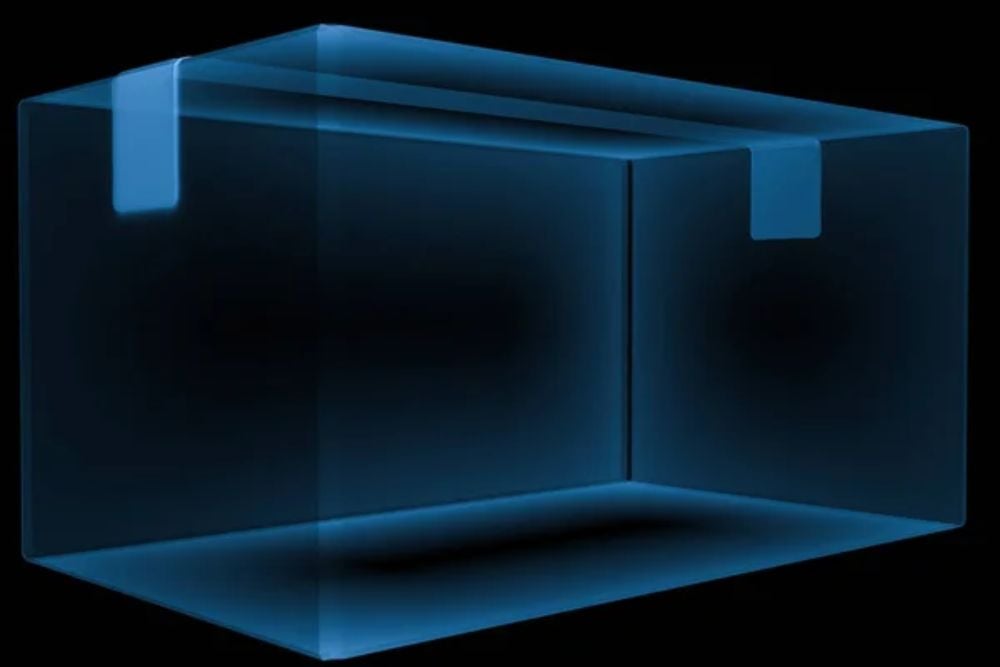
This trend required genuine athletic ability, as people pretended to step onto an invisible box in mid-air. The illusion looked amazing when done correctly, leading to thousands of attempts throughout late 2017.
The trend died when too many people failed spectacularly, creating painful videos that were more cringe than impressive.
Salt Bae

Nusret Gökçe’s dramatic salt-sprinkling technique became a global sensation in January 2017. His theatrical seasoning style spawned countless imitations and memes, with people recreating his signature move everywhere from kitchens to restaurants.
The novelty wore off quickly once everyone had tried their own version of the flamboyant salt sprinkle.
Like Go2Tutors’s content? Follow us on MSN.
When Trends Become Digital Archaeology
These week-long phenomena represent something uniquely modern about how we consume and discard cultural moments. Each trend follows a similar pattern: explosive growth, peak saturation, then immediate abandonment as the next shiny object appears.
They serve as digital time capsules, reminding us of specific moments when millions of people simultaneously decided something was worth their attention. The speed at which we collectively move on suggests our relationship with viral content is less about lasting entertainment and more about shared temporary experiences that briefly unite us before we scatter to the next trend.
More from Go2Tutors!

- 16 Restaurant Chains That Went Too Fast
- 12 Things Sold in the 80s That Are Now Illegal
- 15 Strange Things People Have Tried to Ban (And Failed)
- 16 Collectibles People Tossed Out Too Soon
- 17 Myths from Your Childhood That Were Actually Based on Real Things
Like Go2Tutors’s content? Follow us on MSN.