15 Ancient Technologies That Were Remarkably Advanced
When people picture cutting-edge technology, they’re usually thinking about smartphones, AI, or rockets heading to Mars. Yet humans have been solving complex problems for thousands of years, creating innovations that would leave today’s engineers scratching their heads.
Some ancient civilizations developed tech so advanced that we’re still figuring out how they pulled it off.
Here’s a list of 15 ancient technologies that show our ancestors were way more clever than most people realize.
Roman Concrete
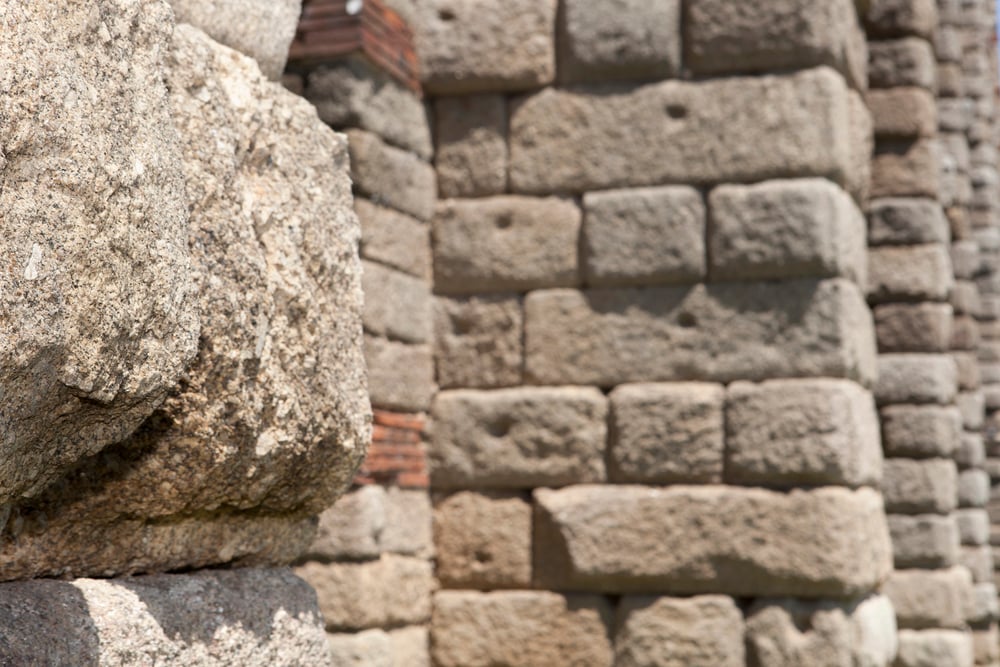
Romans didn’t just throw up impressive buildings—they made concrete that’s outlasted everything we build today. While modern concrete starts falling apart after a few decades, Roman structures have been standing strong for over 2,000 years.
The secret was volcanic ash, which triggered a chemical reaction that actually strengthened the concrete when it got wet with seawater. Scientists only cracked this code recently, and now we’re scrambling to copy their formula for our own construction projects.
Damascus Steel
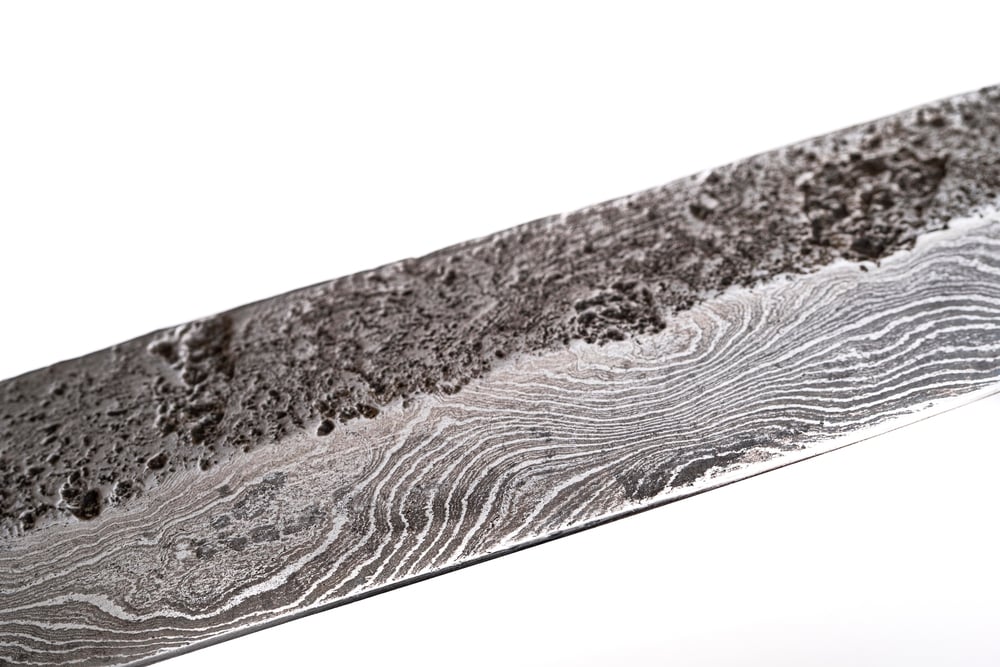
Blacksmiths in the Middle East created steel so superior that European knights would empty their treasuries for a single Damascus blade. These swords sliced through armor like it was made of cheese, yet they could bend without snapping.
The steel showed distinctive wavy patterns and contained carbon nanotubes—something we didn’t even know existed until the 1990s. The exact technique vanished around 1700, though, and despite decades of research, we still can’t recreate it perfectly.
Antikythera Mechanism
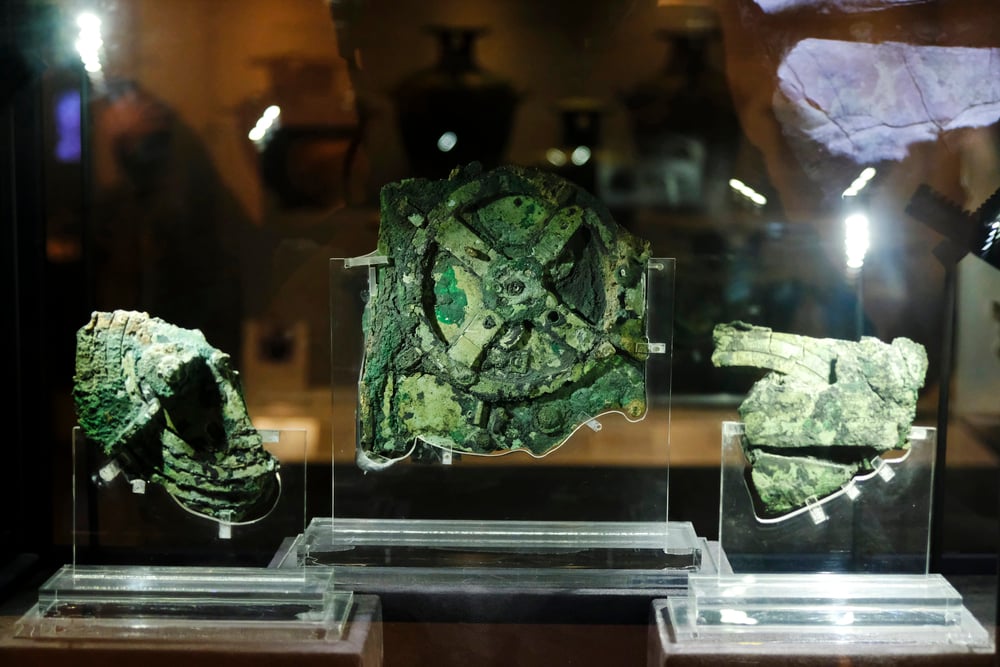
This bronze contraption from ancient Greece basically amounts to the world’s first analog computer, built around 100 BCE. It tracked celestial movements with stunning accuracy—predicting eclipses decades before they happened.
The mechanism packed over 30 meshing gears into a device that represented precision Europe wouldn’t see again until the 1300s. When researchers first pulled it from a shipwreck, they couldn’t believe something so advanced could be that old.
Chinese Earthquake Detector
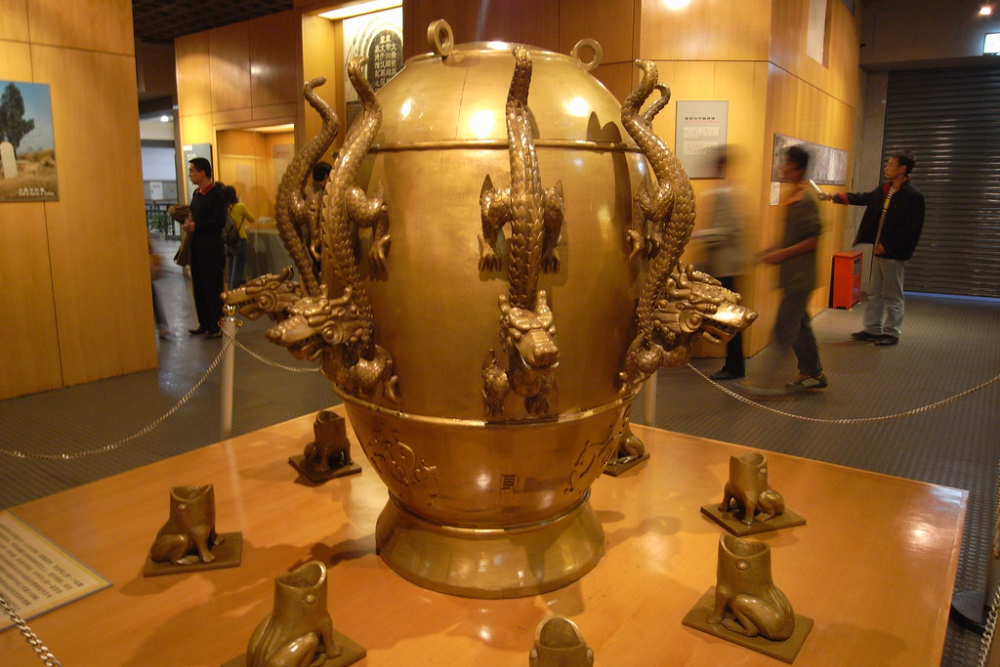
Zhang Heng built the first seismograph in 132 CE—a bronze vessel that could sense earthquakes from hundreds of miles away. The device used a pendulum system with eight dragons clutching bronze orbs in their mouths.
When tremors hit, the orbs dropped into waiting frogs below, showing which direction the quake came from. This early warning system worked so well it once detected an earthquake three days before anyone felt it locally.
Mayan Calendar System

The Maya developed one of history’s most accurate timekeeping systems—more precise than our current Gregorian calendar. Their calculations were off by just 19 minutes per year, and they could predict eclipses thousands of years into the future.
They pulled this off without telescopes or metal tools, relying purely on observation and mathematical brilliance. Their calendar correctly calculated a year as 365.242 days long, incredibly close to our modern measurement of 365.242199 days.
Greek Fire

The Byzantine Empire’s secret weapon was liquid fire that burned on water and couldn’t be put out with normal methods. This early napalm was so effective it helped the empire survive for centuries against impossible odds.
The formula was guarded so closely that it died with its creators—modern chemists still argue about what made it so devastating. Some theories point to petroleum, quicklime, or chemical compounds we didn’t officially discover until much later.
Persian Windmills
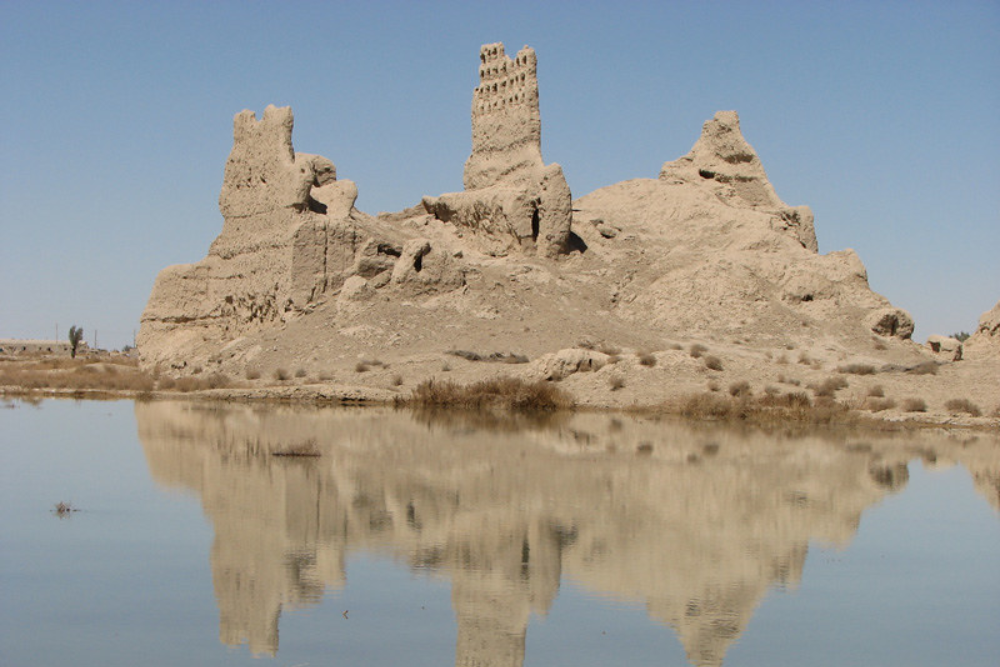
While Europe was still depending on waterwheels, Persia was capturing wind power with vertical-axis windmills around 900 CE. These clever devices could work in any wind direction and were perfectly suited to the region’s steady breezes.
The design was so efficient that some Persian windmills ran continuously for over 1,000 years. They ground grain and pumped water across vast distances—supporting entire communities in desert regions.
Nazca Lines
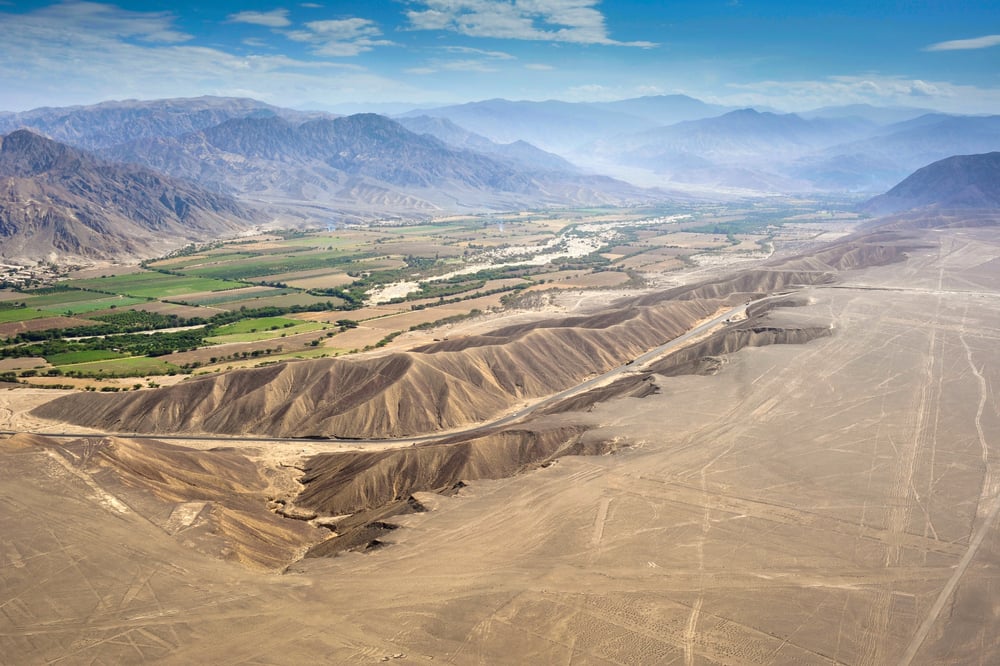
The Nazca people of Peru created enormous ground drawings that can only be fully seen from the air, yet they were made between 500 BCE and 500 CE, centuries before human flight. These lines stretch for miles across the desert, depicting animals, plants, and geometric shapes with mathematical precision.
The drawings were created by removing dark surface stones to reveal lighter soil beneath. They’ve survived for over 1,500 years thanks to the region’s bone-dry climate.
Indian Steel Production

Ancient India produced steel using crucible techniques that created some of the world’s highest quality metal. Indian steel was so prized it got exported everywhere—from Rome to China.
The process involved sealed clay crucibles and precise temperature control that produced steel with perfectly balanced carbon content for strength and flexibility. This technology was so advanced that British colonizers spent decades trying to reverse-engineer it.
Inca Stone Cutting
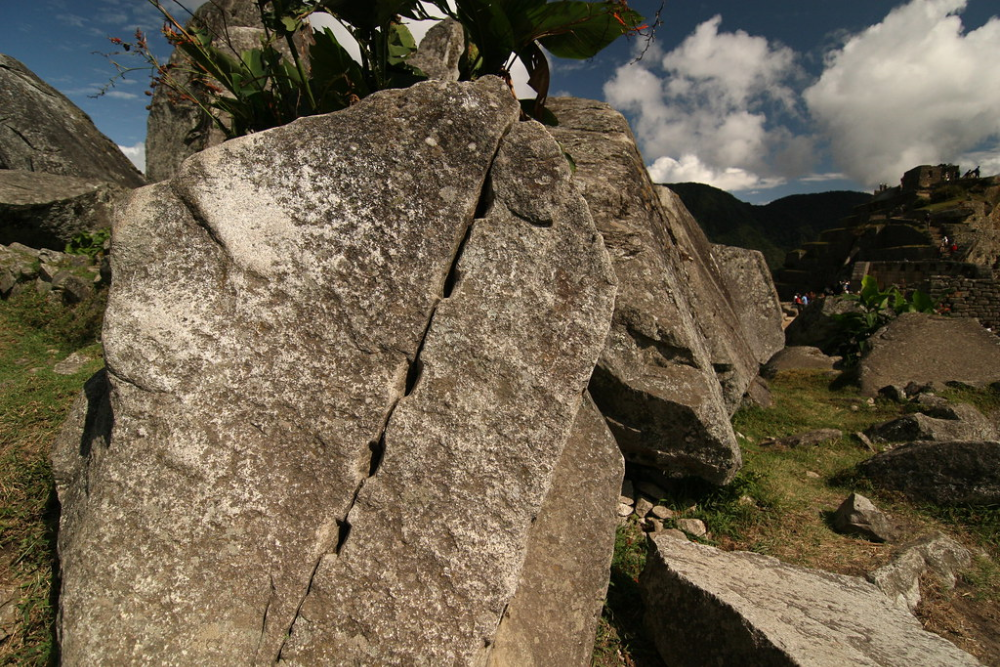
The Inca fitted massive stone blocks together so perfectly you can’t slip a knife blade between them—all without mortar or metal tools. Some blocks weigh over 100 tons and were cut from quarries miles away, then hauled across mountainous terrain.
The precision is so exact that these structures have survived major earthquakes that flattened Spanish colonial buildings. Modern engineers still can’t figure out how they achieved such accuracy using only bronze tools and human labor.
Chinese Compass
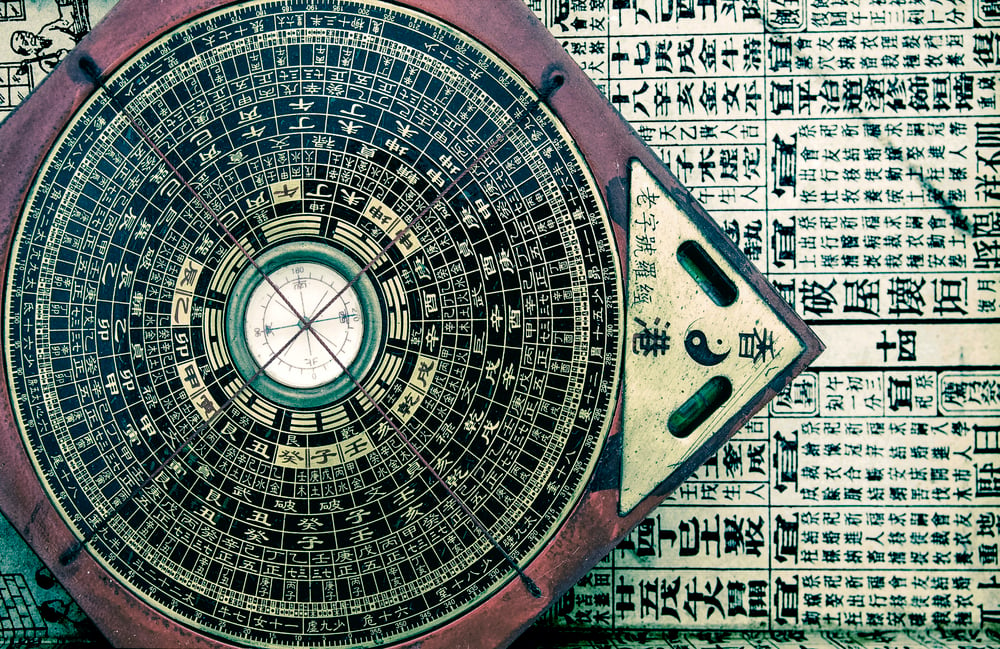
The Chinese invented the magnetic compass around 200 BCE, originally for feng shui and fortune-telling rather than navigation. The device used magnetized lodestone floating in water to indicate direction.
This technology didn’t reach Europe until the 12th century, giving Chinese navigators a thousand-year head start in ocean exploration. The compass was so revolutionary that it enabled the great age of Chinese maritime exploration under Admiral Zheng He.
Roman Aqueducts
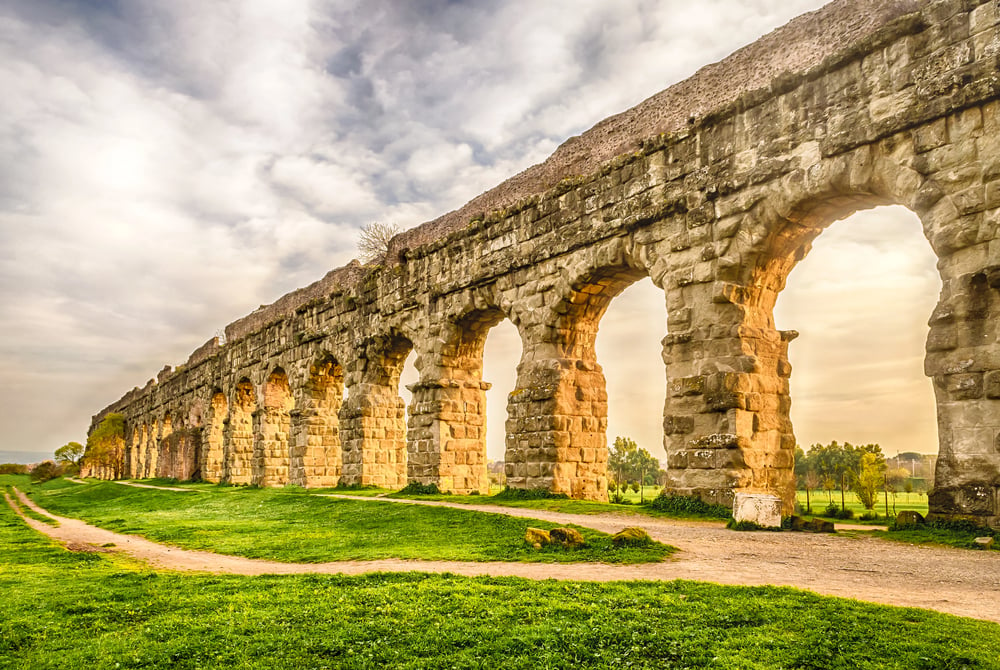
Roman engineers built water distribution systems that supplied cities with fresh water from sources over 50 miles away, using only gravity and precise engineering. The aqueducts maintained a steady downward slope of just 1-3 feet per mile across their entire length, threading through mountains and across valleys.
Some Roman aqueducts are still in use today, nearly 2,000 years later, supplying water to modern cities like Rome and Segovia.
Polynesian Navigation

Pacific islanders navigated across thousands of miles of open ocean using only the stars, wave patterns, and wildlife behavior. These master navigators could detect land from over 100 miles away by reading subtle changes in wave swells and cloud formations.
They used stick charts made from bamboo and shells to map ocean currents and island positions. This mental navigation system was so sophisticated that Polynesian navigators could find tiny islands in the vast Pacific with greater accuracy than early European explorers using instruments.
Mayan Plumbing

The Maya developed pressurized water systems that included fountains, toilets, and steam baths in their cities. The palace at Palenque featured a three-story tower with running water supplied by underground aqueducts.
They also created sophisticated drainage systems that prevented flooding during the rainy season. This level of urban planning and hydraulic engineering wasn’t seen in Europe until the Renaissance.
Chinese Seismograph
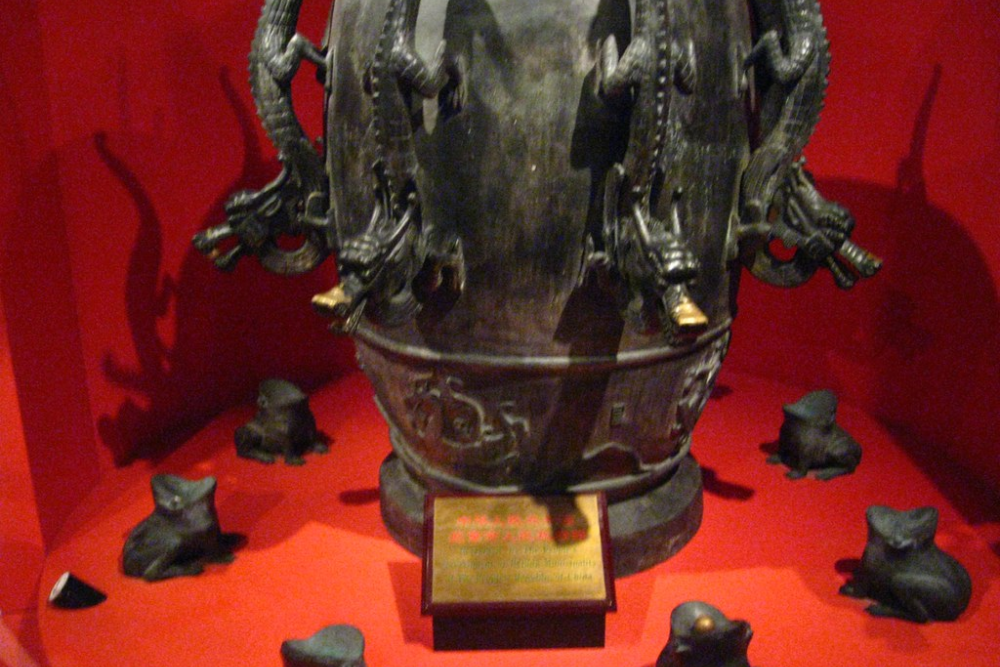
Beyond earthquake detection, the Chinese developed a comprehensive understanding of seismic activity that included mapping fault lines and predicting aftershocks. Their bronze seismographs were so sensitive they could detect earthquakes too small for humans to feel, providing early warnings that saved countless lives.
The devices were strategically placed throughout the empire, creating the world’s first seismic monitoring network. This systematic approach to earthquake study was centuries ahead of similar efforts in other civilizations.
Echoes of Innovation
These ancient technologies remind us that human ingenuity isn’t a modern invention. It’s been driving progress for millennia.
Many of these innovations were lost for centuries, only to be rediscovered or reinvented in our own time. The knowledge that our ancestors possessed challenges our assumptions about the progression of human civilization.
Today, as we face new global challenges, perhaps we should look backward as well as forward, learning from the brilliant minds who solved complex problems with simpler tools but no less creativity.
More from Go2Tutors!

- The Romanov Crown Jewels and Their Tragic Fate
- 13 Historical Mysteries That Science Still Can’t Solve
- Famous Hoaxes That Fooled the World for Years
- 15 Child Stars with Tragic Adult Lives
- 16 Famous Jewelry Pieces in History
Like Go2Tutors’s content? Follow us on MSN.



