27 Wristwatch Brands Worth Checking Before Selling
A dead relative’s watch drawer is one of the few places where a dusty object with a cracked strap might be worth more than the car parked outside. Most old watches are worth very little, but a small number of names can turn a scratched steel case into a serious payday.
The difference usually comes down to a name on the dial, a reference number on the caseback, and whether the original parts are still inside.
Sellers who read the dial before accepting the first offer tend to do far better than those who do not. The brands below are the ones that make dealers lean in a little closer.
Rolex
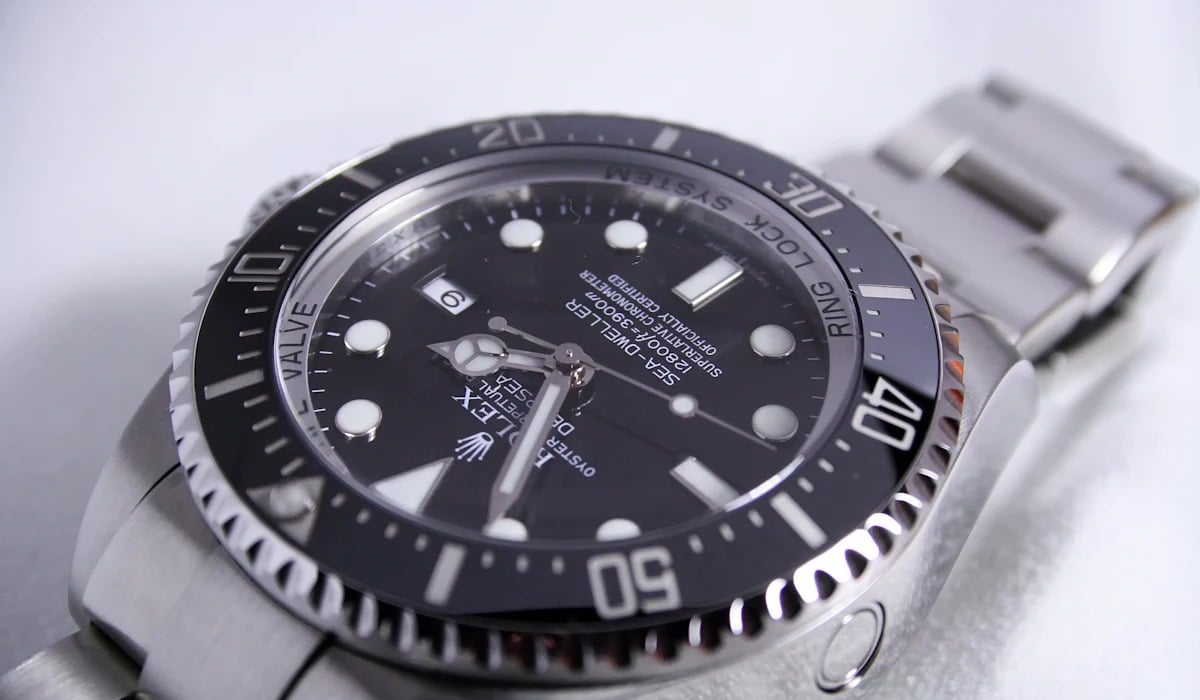
No name moves the needle like Rolex, and certain models, particularly the Daytona and Submariner, attract especially strong collector interest. Paul Newman’s own Daytona sold at Phillips in New York in October 2017 for $17,752,500, a record-setting result that still draws attention to the model.
That sale was an extraordinary exception, not a benchmark for ordinary Daytonas. Steel sports models from the 1960s through the 1990s can trade in the five figures, while some Datejust and Oyster Perpetual models from those decades sell for a few thousand dollars.
The price swings hard on originality, since a replaced dial, refinished hands or an aftermarket bezel insert can significantly reduce the value. Box and papers can help, and heavy polishing can hurt.
Tudor
Tudor was developed by Rolex founder Hans Wilsdorf as a more affordable alternative to Rolex, and for decades it used Rolex cases and crowns alongside movements from other suppliers. That shared hardware is one reason vintage Tudor Submariners, including the snowflake-hand versions supplied to the French navy, can sell for five figures in strong condition.
Oyster Prince models from the 1950s and 1960s are generally more accessible and can sell for around $1,000 to $4,000, depending on the reference and condition. Military-issued examples with verifiable provenance may bring a premium, as can watches whose dials have aged evenly rather than developed spotting.
Modern Black Bay pieces can retain value well, but resale prices vary by reference and market conditions.
Patek Philippe
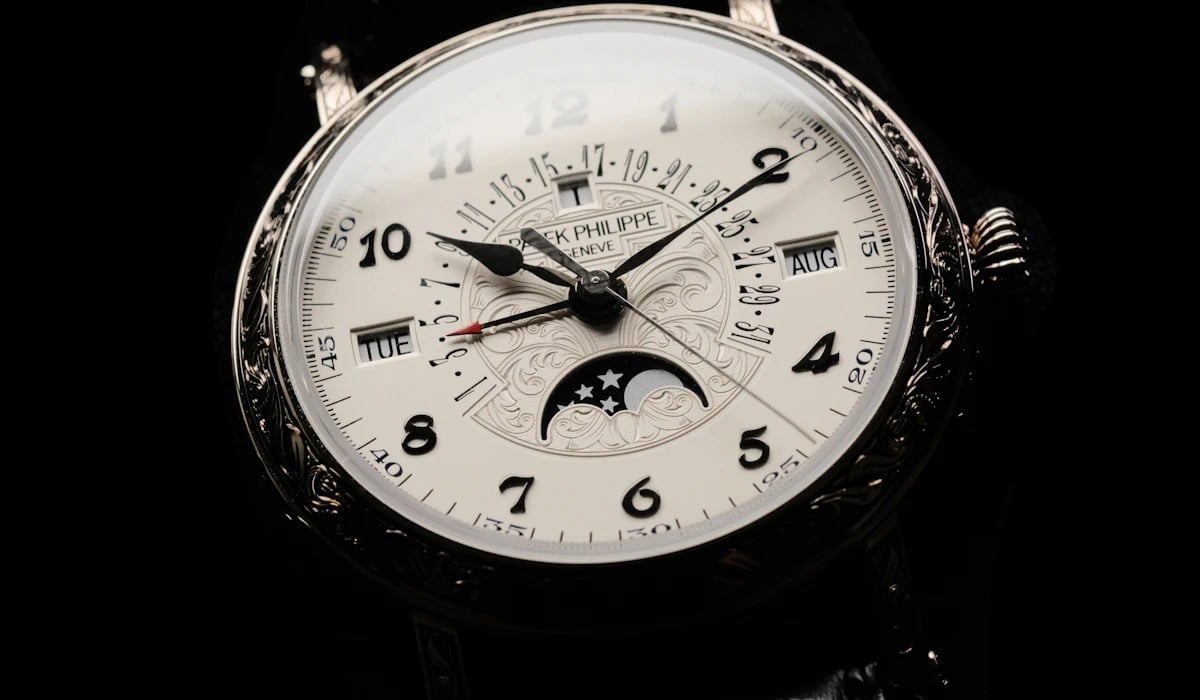
Patek Philippe sits at the top of the secondhand market, and the steel Nautilus reference 5711 is a clear example of a watch that has sold far above its original retail price. After the company announced the 5711’s discontinuation in early 2021, secondhand asking prices climbed to several times the retail figure before cooling.
Vintage Calatrava dress watches in gold can bring five figures, and complicated pieces with perpetual calendars or chronographs can reach hundreds of thousands of dollars at auction. An Extract from the Archives, which Patek issues for a fee, can provide historical information about a watch’s original production details, but it is not a guarantee of authenticity or originality today.
Unsigned replacement crowns and swapped dials can reduce value.
Audemars Piguet
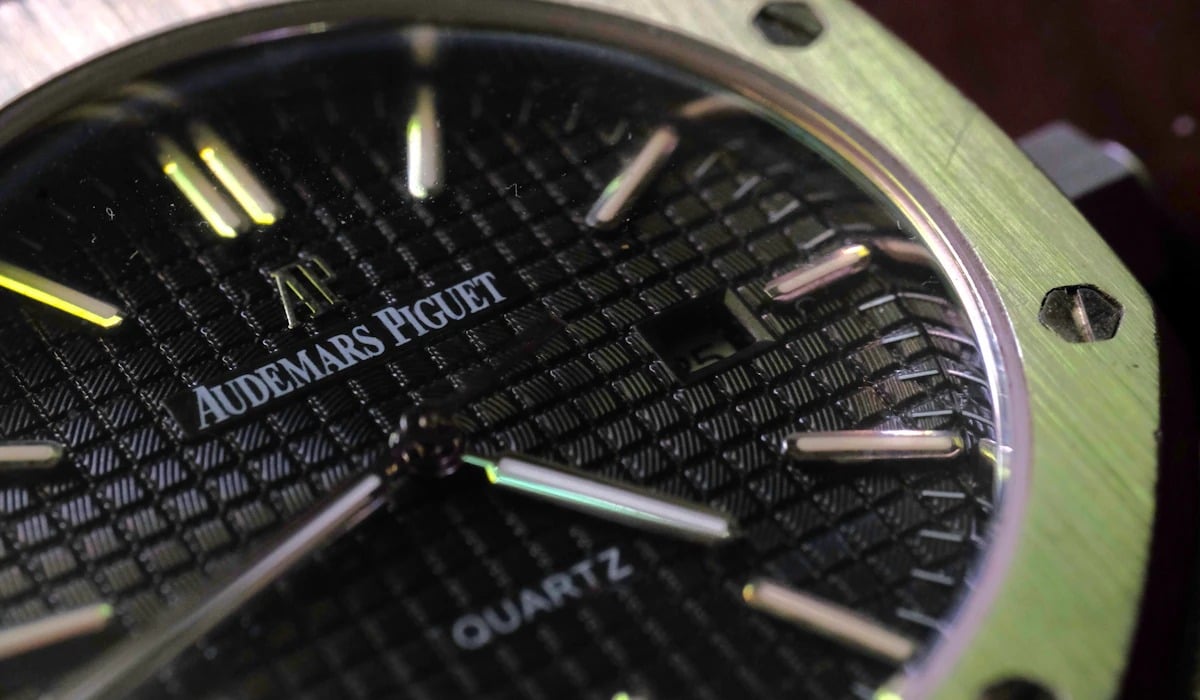
The Royal Oak changed what a luxury watch could look like when it appeared in 1972 with its octagonal bezel, exposed screws and integrated steel bracelet. Early examples of the original reference 5402, often called the Jumbo, can sell for well into the five figures and sometimes beyond.
Later Royal Oak Offshore models from the 1990s onward also attract collectors, although resale prices vary substantially by reference and condition. Audemars Piguet dress watches from the mid-20th century in gold can be more affordable by comparison, sometimes selling for a few thousand dollars.
A bracelet that has stretched from wear, or one that has been shortened and lost its links, can knock real money off the final figure.
Vacheron Constantin
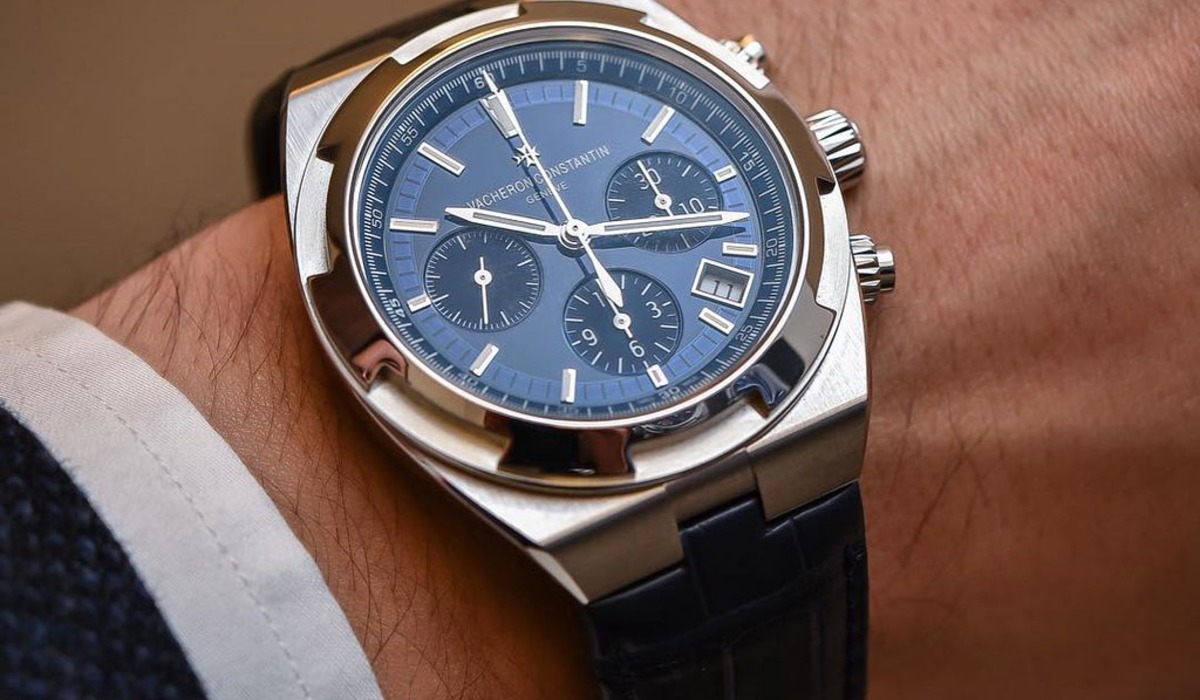
Vacheron Constantin has been making watches in Geneva since 1755, which makes it one of the oldest continuously operating watchmakers anywhere. Vintage gold dress watches from the 1940s through the 1960s can sell for a few thousand dollars, with chronographs and calendar models bringing much more.
The Overseas, the brand’s steel sports line, has gained ground on the Nautilus and Royal Oak in recent years and some references have traded above retail, though this is not true of every model or market period. Caliber 1003 ultra-thin movements from the 1950s attract specialist buyers who care deeply about case condition.
Sharp lugs and an untouched dial can help separate a strong result from an average one.
Omega
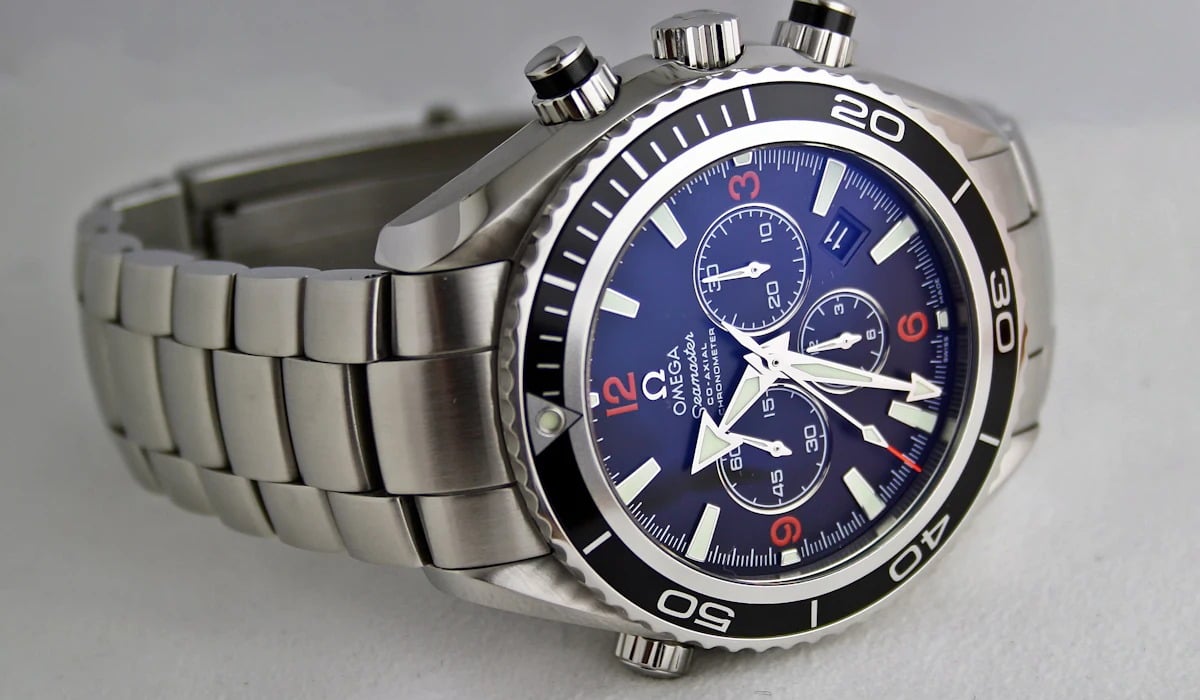
Omega’s Speedmaster was worn by Buzz Aldrin during the Apollo 11 mission in 1969, and that history drives the vintage market. The watch Aldrin wore on the lunar surface was later reported missing, so it should not be confused with surviving Speedmasters from the same era.
Pre-moon references such as the 2915 and 2998 from the late 1950s and early 1960s have sold at auction for six figures, while many 1970s and 1980s Speedmasters sell for a few thousand dollars. The Seamaster line, including 1990s models worn in the James Bond films, is generally more modestly priced but still has a strong market.
Omega’s archive service can help confirm historical production information for eligible watches. Original Hesalite crystals, correct bezels and unpolished cases are among the details buyers check first.
Cartier
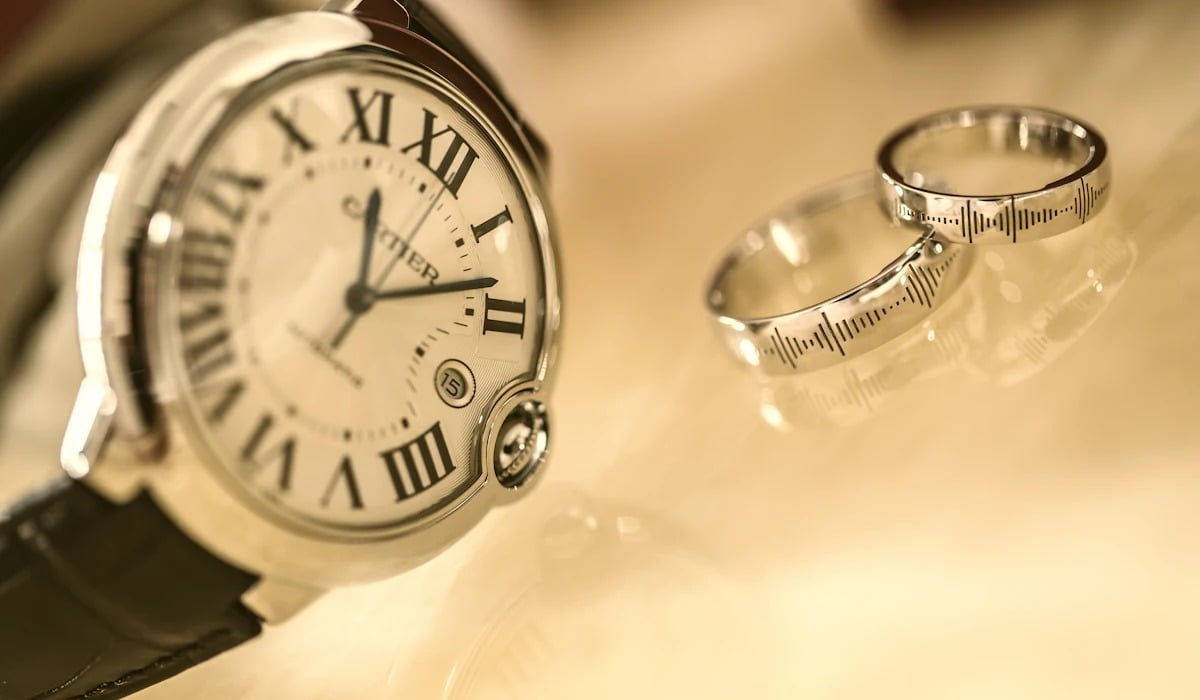
Cartier is the rare jeweler whose watches matter as much as its rings. The Tank, designed by Louis Cartier and introduced in 1917, remains one of the best-known rectangular watch designs, and the Santos, developed for aviator Alberto Santos-Dumont in the early 1900s, is close behind.
Vintage gold Tanks from the mid-20th century can sell for several thousand dollars, while larger Tank Cintrée or Tank Louis Cartier models in platinum can reach five figures and up. Gold-plated Must de Cartier pieces from the 1970s and 1980s are cheaper but can still be worth a few hundred to a couple of thousand dollars.
Replaced quartz movements and worn plating can lower the result.
Breitling
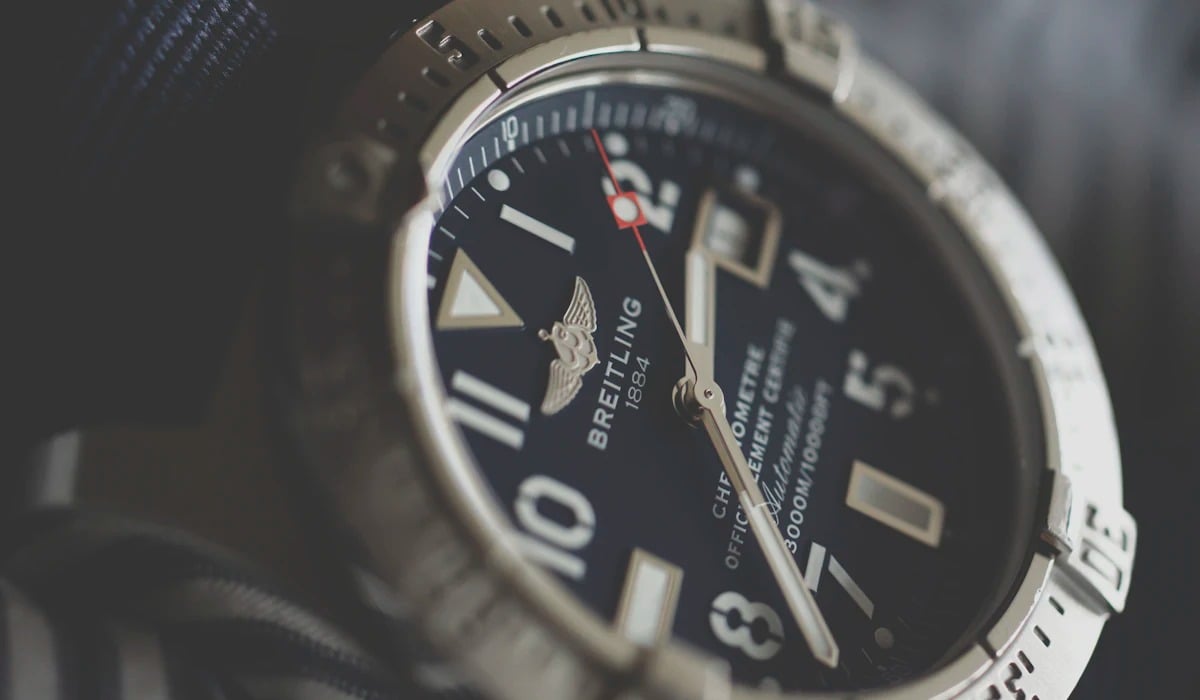
Breitling built its reputation on chronographs, and the Navitimer, introduced in 1952 with a rotating slide-rule bezel for pilots, is the model collectors chase. Versions bearing the winged logo of the Aircraft Owners and Pilots Association from the 1950s and 1960s can bring strong prices, often in the mid-four figures and higher.
The Top Time, worn by Sean Connery in the 1965 James Bond film Thunderball, and the Chronomat, introduced in the 1940s, also attract collectors. Many Navitimers were serviced with replacement bezels and hands over the decades, and buyers may pay a premium for examples with original components.
A rotating bezel that still turns smoothly is useful to check, but it does not by itself prove that a watch was well cared for.
IWC
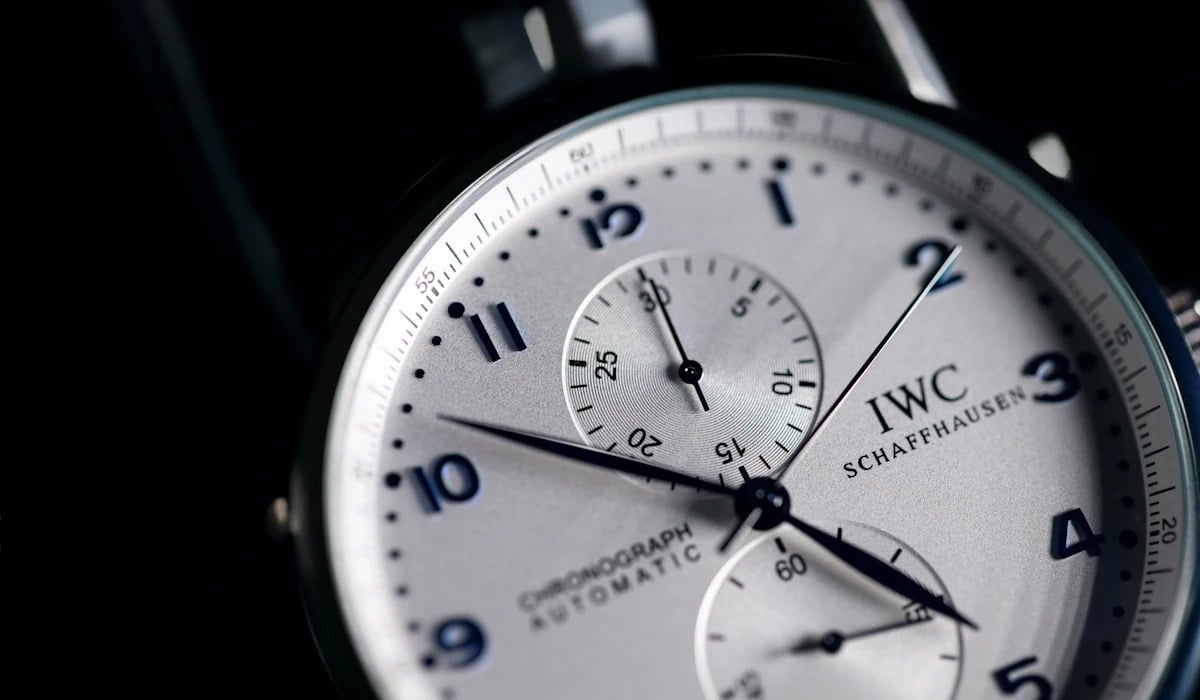
IWC in Schaffhausen is unusual among Swiss makers because it sits in the German-speaking northeast rather than the French-speaking watch valleys. Its Mark XI pilot’s watch, built for military use from 1948 with a soft-iron inner case to shield the movement from magnetism, can be a valuable collector’s piece, with prices depending on its service history, originality and military provenance.
Caliber 89 dress watches from the 1950s and 1960s in steel can bring a few thousand dollars and are considered among the notable hand-wound movements of their era. The Portugieser and the Ingenieur also have followings.
Military markings on the caseback should be verified, since forged or misleading engravings can circulate.
Jaeger-LeCoultre
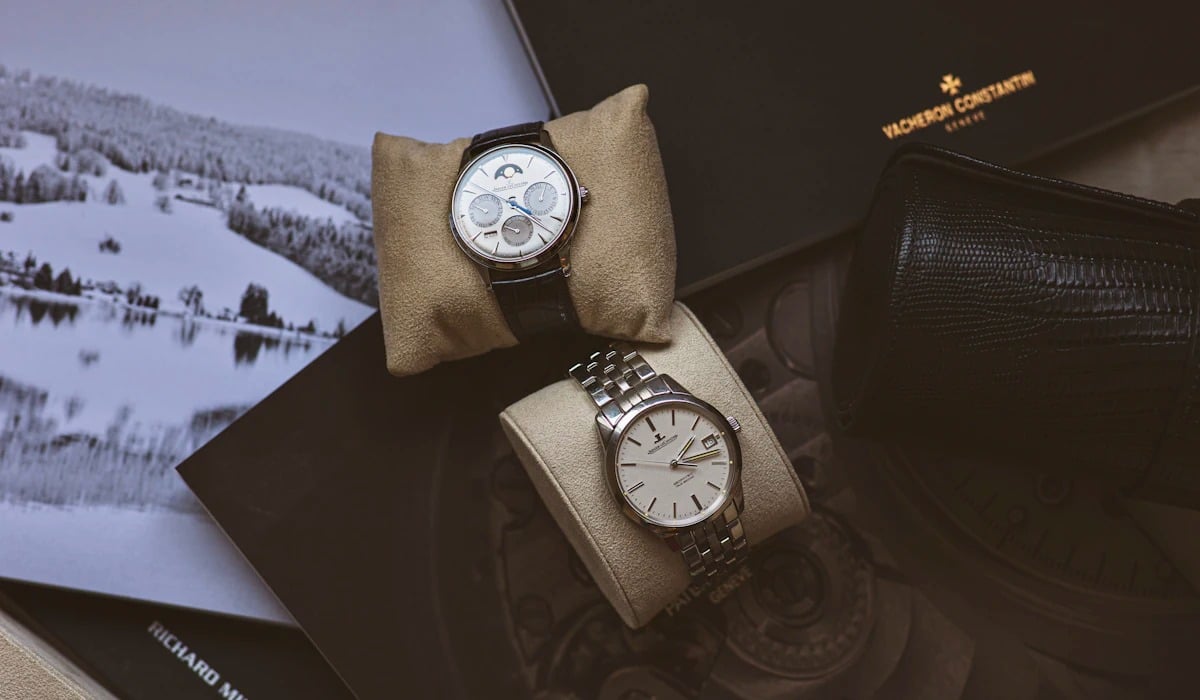
Jaeger-LeCoultre has supplied movements to many of the grandest Swiss names, which gives its own watches a reputation that can outstrip their resale prices. The Reverso, launched in 1931 so polo players could flip the case to protect the crystal, is the model to look for, and early steel examples from the 1930s can sell for five figures.
Later Reversos from the 1990s onward often bring a few thousand dollars, depending on the reference. The Memovox alarm watch from the 1950s and 1960s is another strong seller, especially with a working alarm.
Dial refinishing was common on some vintage watches, and an original dial with light aging can be worth more than a crisp redone one.
Heuer and TAG Heuer
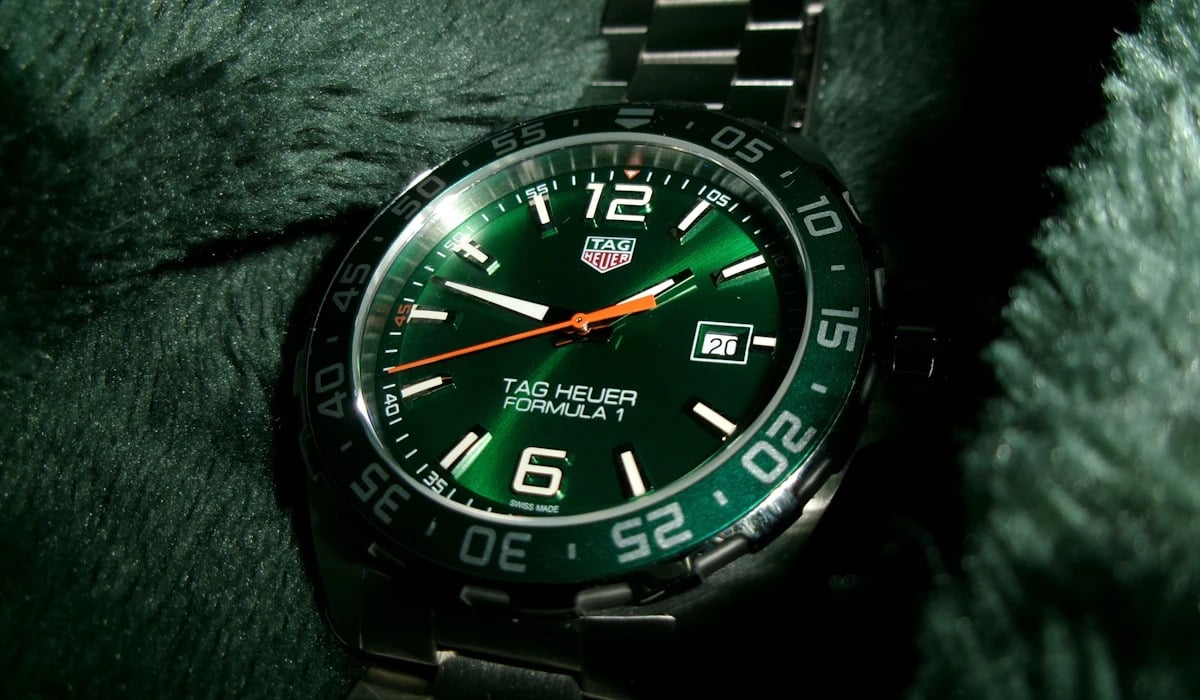
Watches signed simply Heuer, from before the company became TAG Heuer in 1985–86, can be worth considerably more than many later models. The Carrera, designed by Jack Heuer in 1963, the Autavia and the square Monaco worn by Steve McQueen in the 1971 film Le Mans are the names that matter, with clean examples bringing anywhere from the mid-four figures to well into five figures.
Many of these chronographs used the Valjoux 72 movement, and a service history showing that the watch was maintained rather than assembled with mismatched parts can support its value. TAG Heuer models from the late 1980s and 1990s, including the Formula 1, generally sell for less than vintage Heuer chronographs, though some collectible references are worth more than a few hundred dollars.
Zenith
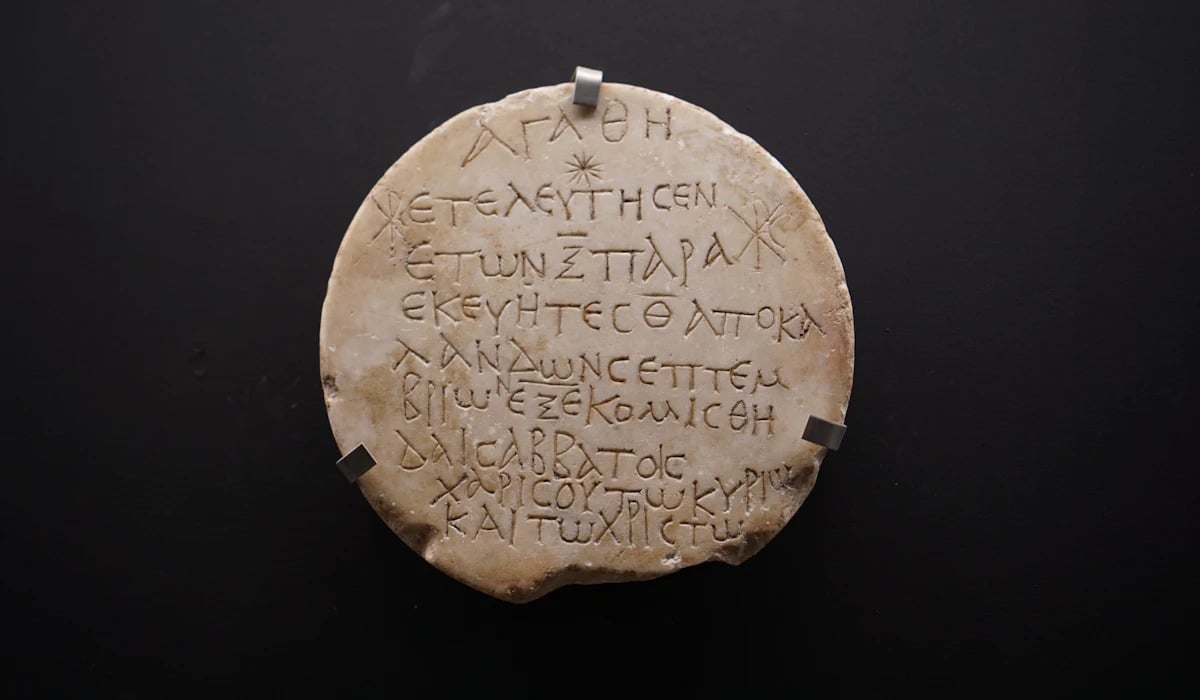
Zenith’s El Primero, released in 1969, was among the earliest automatic chronograph movements and ran at a high beat of 36,000 vibrations per hour. Original 1969 to 1971 El Primero watches such as the A386, with its tricolor subdials, can sell for five figures.
The movement’s survival is linked to watchmaker Charles Vermot, who preserved its tooling and plans when the company planned to discontinue production during the quartz crisis. Earlier Zenith pilot’s watches and chronographs from the 1930s and 1940s also find buyers.
Later models with the same movement, including those built for other brands, are generally less valuable but still worth a look. Replaced pushers and relumed hands can reduce a vintage watch’s appeal.
Universal Genève
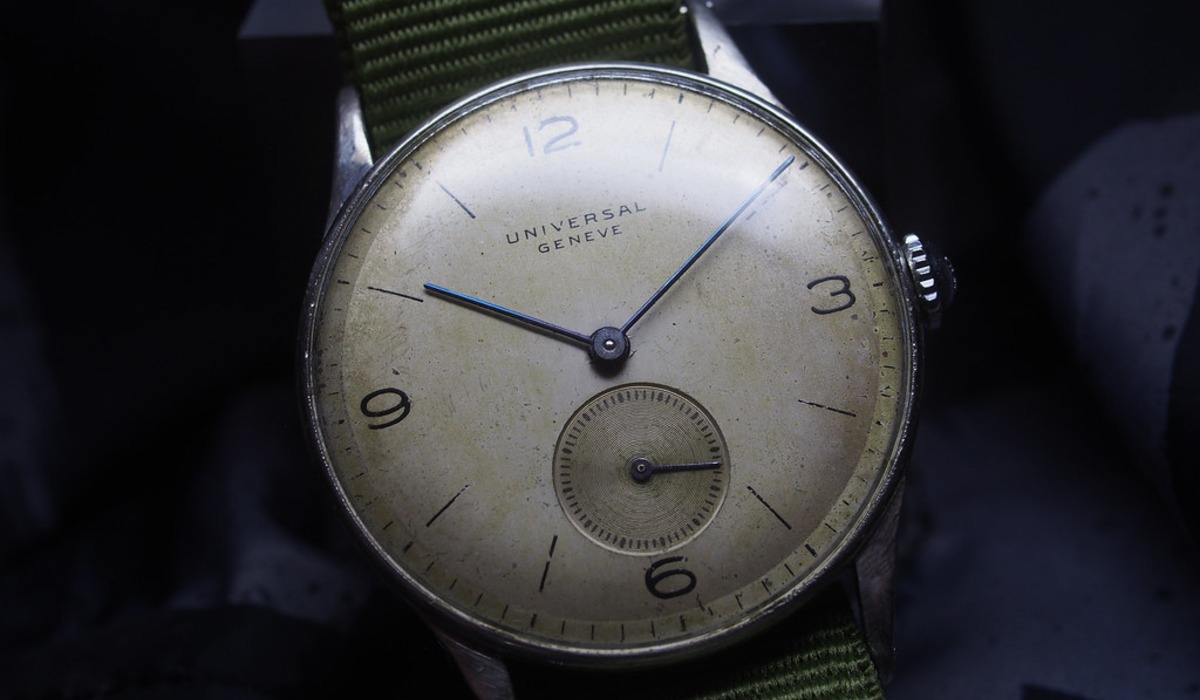
Universal Genève is a clear case of a once-dormant brand whose vintage watches attracted renewed attention while the company was inactive. The Polerouter, designed by a young Gerald Genta in 1954 and supplied to Scandinavian Airlines crews flying polar routes, is an entry point and can sell in the low to mid-four figures.
The Compax and Tri-Compax chronographs from the 1940s through the 1960s can go much higher, with the Nina Rindt reference sometimes reaching well into five figures. Breitling acquired Universal Genève in 2023, and the brand was relaunched in 2024, drawing renewed attention to vintage examples.
A microtor movement in good working order matters, although serviceability and parts availability should also be considered.
Longines
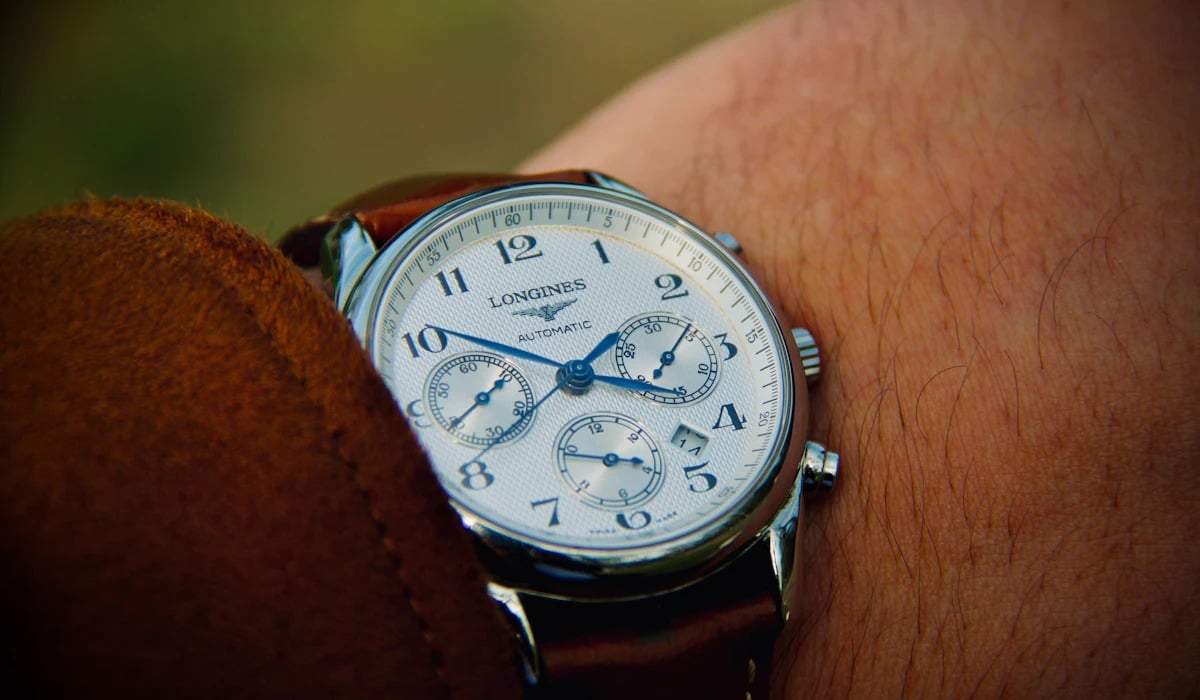
Longines today sells watches across a range of price points, but its vintage output included high-grade chronographs that collectors prize. Chronographs with the in-house 13ZN movement, introduced in 1936, and the later 30CH are among the most sought-after models, often selling for five figures and occasionally more in gold or oversized steel cases.
Pilot’s models connected to Charles Lindbergh and the Hour Angle watch of the 1930s can also bring strong results. Plain Longines dress watches from the 1950s and 1960s are more common and usually sell for a few hundred dollars.
The company’s heritage department can issue archive extracts, and a watch whose serial numbers and components match its documented history may be easier to authenticate.
Breguet
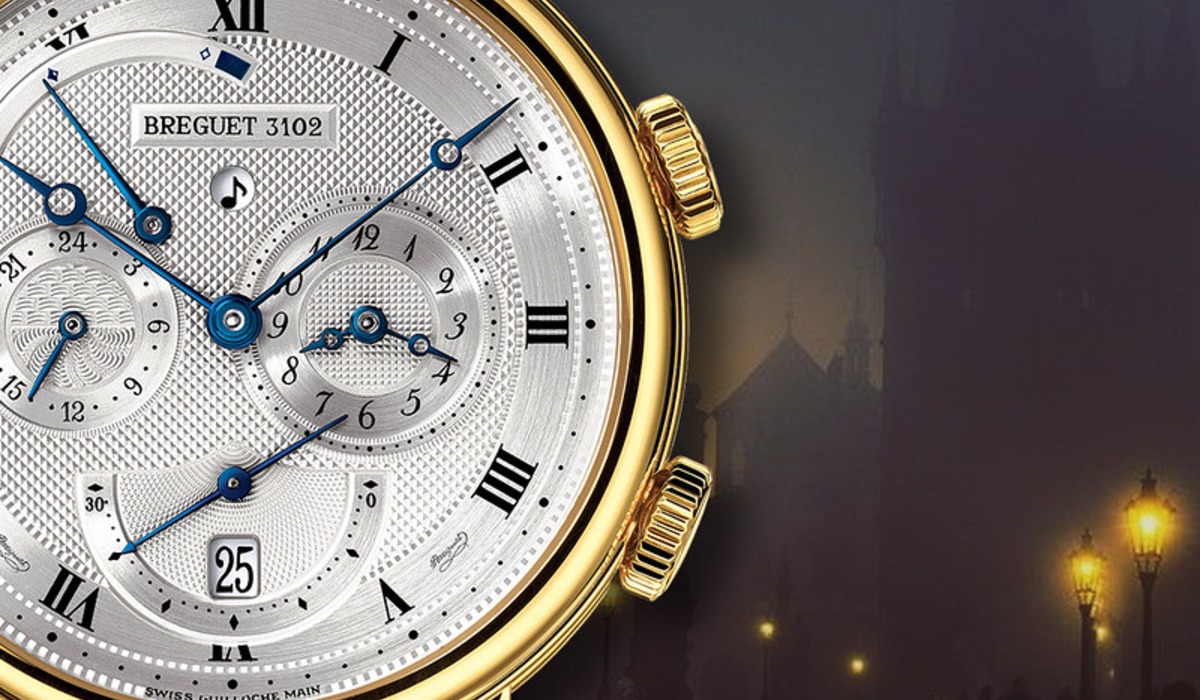
Abraham-Louis Breguet received a patent for the tourbillon in 1801, and the modern company trades heavily on that legacy. Vintage wristwatches bearing the Breguet name are relatively scarce, and the brand’s modern production spans a wide range of values.
Classique models in gold from the 1990s onward can sell in the five figures, while the Type XX pilot’s chronograph, introduced in the 1950s, is also sought by collectors. The guilloché dials and blued pomme hands are carefully finished and can be damaged, so a scratched dial can count against the price.
Factory paperwork can help establish provenance, but its effect on value depends on the specific watch.
A. Lange & Söhne
A. Lange & Söhne was refounded in Glashütte in 1990 after decades of absence during the East German period, and its 1994 launch collection reset expectations for German watchmaking.
The Lange 1, with its off-center dial and outsized date, is the model that anchors resale, and early examples in gold or platinum can sell in the strong five figures. The Datograph chronograph can bring more, and the Zeitwerk and Lange 1 Tourbillon can command substantially higher prices.
Prewar Lange pocket watches also have value but belong to a different market. Dealers may look for the original box, certificate and evidence of recent servicing, although the importance of each depends on the reference and buyer.
Blancpain
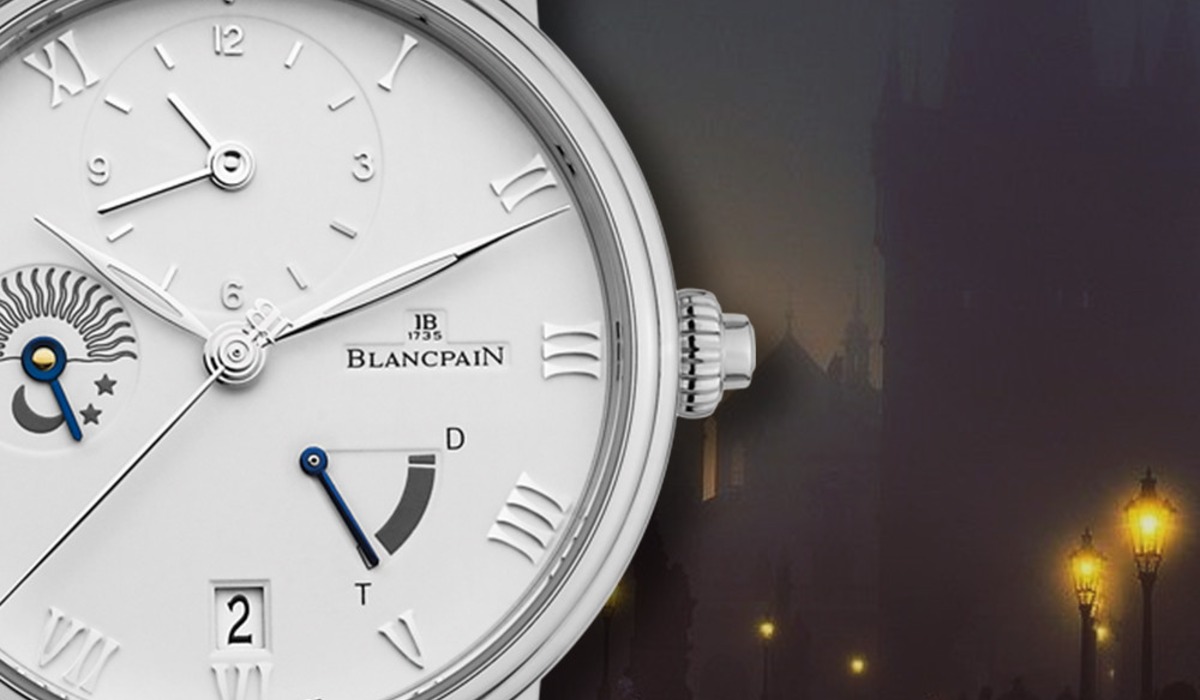
Blancpain’s Fifty Fathoms, introduced in 1953 for French naval combat divers, was among the earliest purpose-built dive watches and appeared in the same year as the first Rolex Submariner. Original 1950s and 1960s examples, including models made for the German military with a moisture indicator on the dial, can sell for five figures.
Later Fifty Fathoms models from the modern era hold value to varying degrees, depending on reference and condition. Blancpain’s revival under Jean-Claude Biver in the 1980s produced small gold dress watches that can bring a few thousand dollars.
Bakelite bezels can crack easily, and an intact original one may be a major factor in the valuation.
Panerai
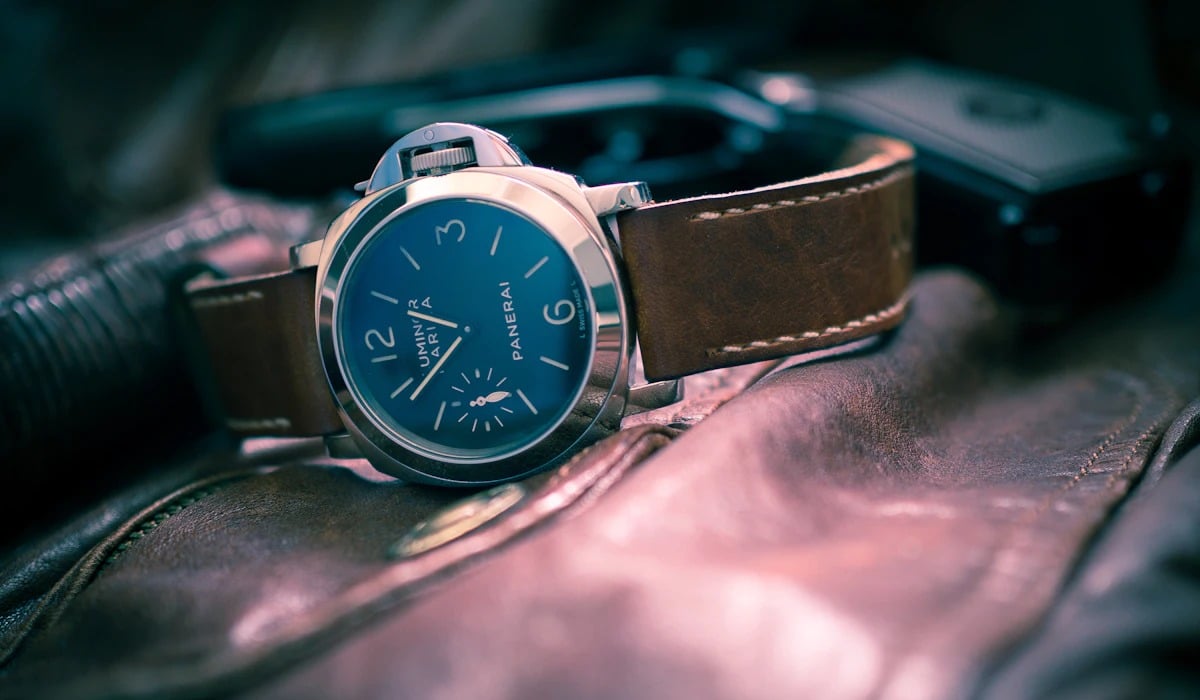
Panerai watches were supplied to Italian navy frogmen from the late 1930s, with oversized cushion cases and luminous sandwich dials, and genuine wartime pieces have sold at auction for six figures. For most sellers, the more likely finds are limited runs made after the brand’s 1993 civilian relaunch and the 1997 purchase by Richemont.
Pre-Vendôme models from 1993 to 1997, and early Luminor and Radiomir references with Rolex-derived movements, can bring strong four- and five-figure prices. Panerai later issued many more watches per year, so common references may sell below their original retail prices.
Case engravings and the original strap can matter, but the reference and overall originality are more important than any single detail.
Grand Seiko
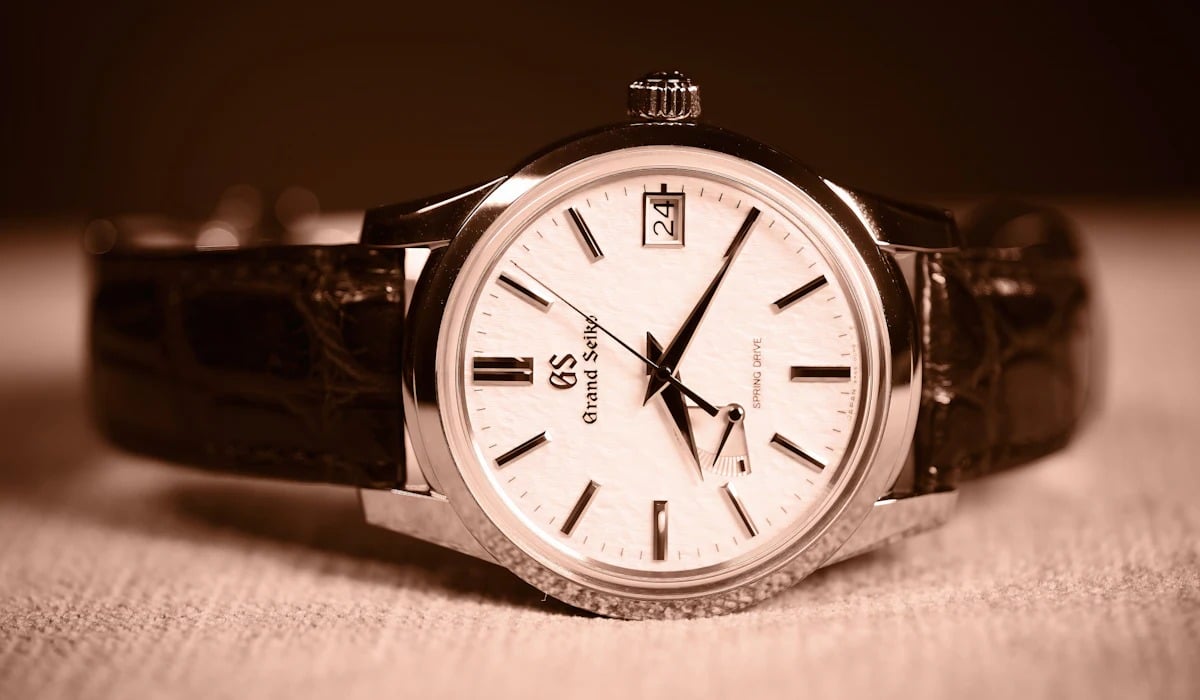
Grand Seiko began in 1960 as Seiko’s effort to compete with Swiss accuracy, and some vintage pieces carry a lion emblem on the caseback. The 1967 44GS, with sharply polished flat surfaces that defined the brand’s design language, and the high-beat 61GS and 45GS from the late 1960s are models to look for.
Clean examples can sell in the low to mid-four figures, although prices vary with reference, movement and condition. Grand Seiko became a standalone brand in 2017, and some modern Spring Drive pieces retain value better than many other Japanese watches.
The Zaratsu-polished cases can lose their crisp lines under aggressive polishing, which may hurt resale.
Seiko
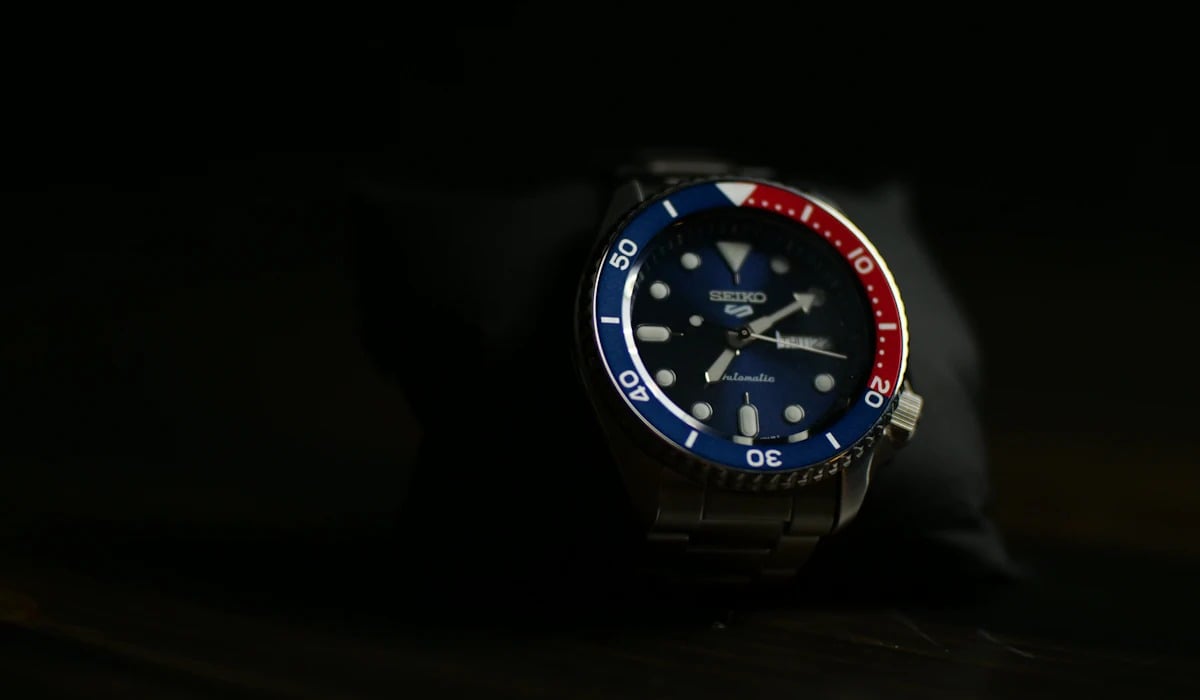
Ordinary Seiko watches are mostly worth little, but a few references have become collectible enough to justify a careful look. The 6139 automatic chronograph, including the yellow-dial version worn by astronaut William Pogue aboard Skylab in 1973, is known as the Pogue and can sell for several hundred dollars to over $1,000 in good condition.
The 6105 diver from the late 1960s, seen on Martin Sheen in Apocalypse Now, and the 1970s Tuna models can bring similar or higher prices. Early Astron quartz watches from 1969 and 1970 are scarce and valued by collectors of watchmaking history.
Replaced bezel inserts and non-original crystals can reduce the price.
Hamilton
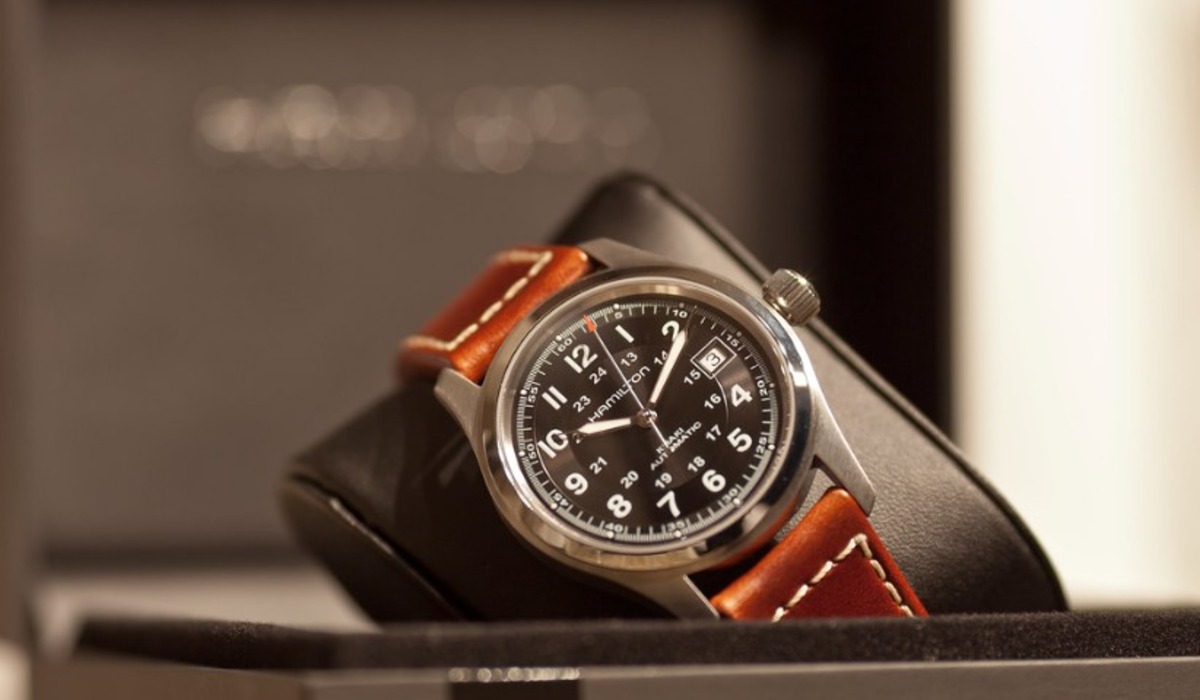
Hamilton of Lancaster, Pennsylvania, introduced the Ventura in 1957 as the world’s first electric wristwatch sold commercially, and its asymmetrical case became known through Elvis Presley, who wore one in Blue Hawaii. Original 1957 to 1963 Venturas in gold-filled cases can sell for a few thousand dollars, with solid-gold examples bringing more.
Hamilton’s American-made military watches from World War II and the 1960s, along with Piping Rock and other Art Deco models, also have a steady market. Watches made after production moved to Switzerland in 1969 are generally worth less, although the exact model matters.
Electric movements can be difficult to service, so a working example may command a premium.
Bulova
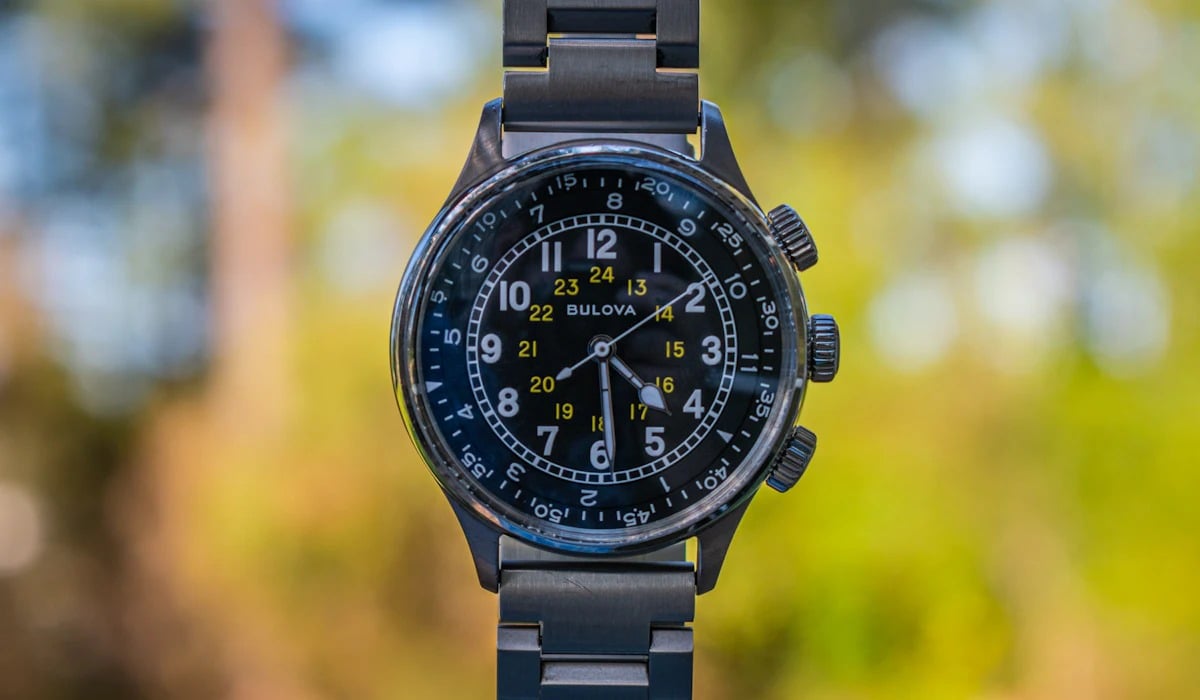
Bulova’s Accutron, introduced in 1960, kept time with a humming tuning fork rather than a balance wheel, an idea developed by engineer Max Hetzel. The Spaceview model, which exposed the green circuitry through a clear dial, is the version collectors want, and clean examples can sell for several hundred dollars to over $1,000 depending on case metal and originality.
Accutron movements were used in some aerospace instruments and railroad applications, and the brand still leans on that history. Many Spaceviews on the market are conversions from standard Accutron watches, so factory-original examples can bring more.
A working tuning-fork movement matters, since repairs can be expensive.
Gallet
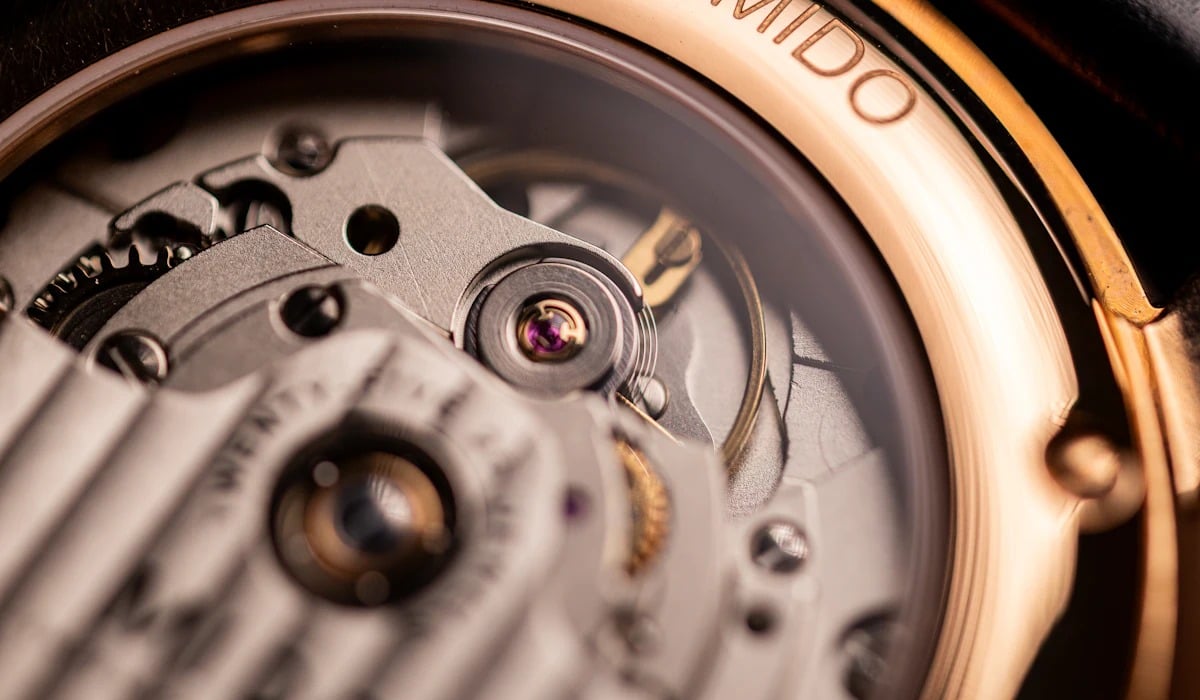
Gallet is a name many people have never heard, which is exactly why it is worth checking. The Swiss company’s MultiChron chronographs of the 1930s and 1940s were used by military and civilian pilots, and the Flying Officer model, with a rotating bezel marked for world cities, is associated with U.S.
President Harry Truman. Good examples can sell in the low to mid-four figures, and rare dial variants may go higher.
Gallet also supplied watches sold under other names, so a Gallet movement inside a differently signed case is not unusual. A clear caseback stamp and matching serials are details collectors may examine before paying a premium.
Doxa
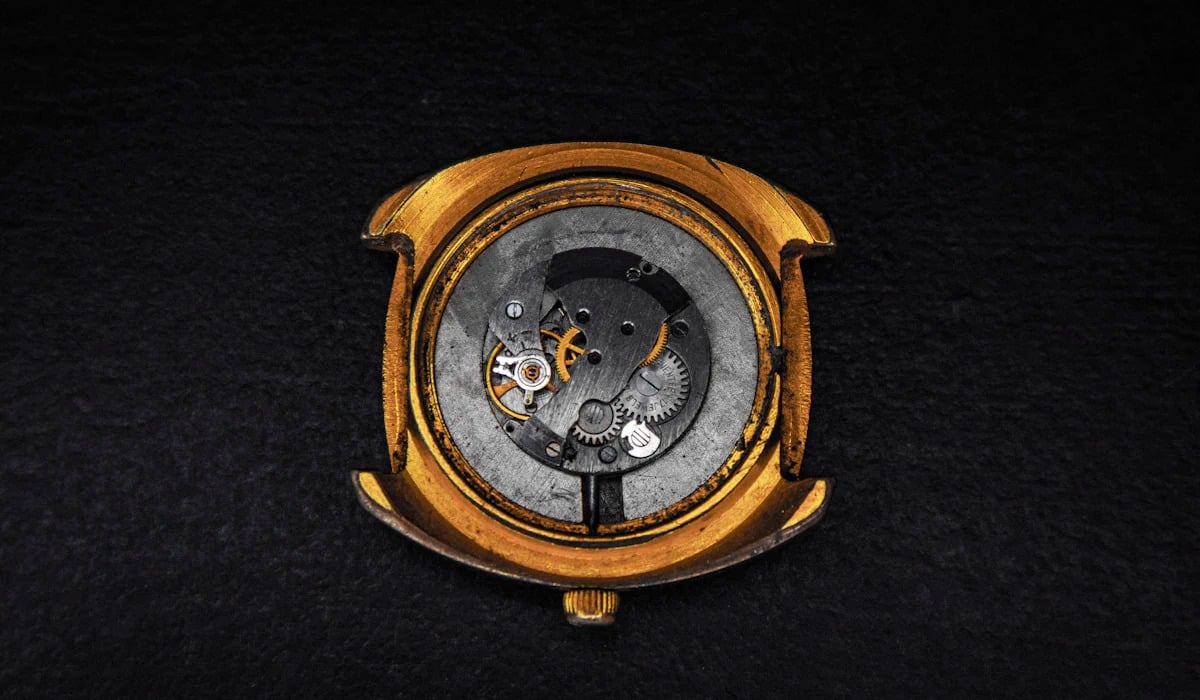
Doxa’s Sub 300 arrived in 1967 with a bright orange dial chosen for legibility underwater and a bezel marked with no-decompression limits. The brand worked with Jacques Cousteau’s U.S.
Divers company, and versions sold through that channel carry an Aqua-Lung logo on the dial that can add value. Original 1960s and early 1970s Sub 300 and Sub 300T models can sell in the low to mid-four figures, sometimes well above the price of modern re-editions.
Orange dials can fade to salmon or brown over time, and collectors differ on how they value that change. A bezel that clicks correctly and an original beads-of-rice bracelet can help the result.
Enicar
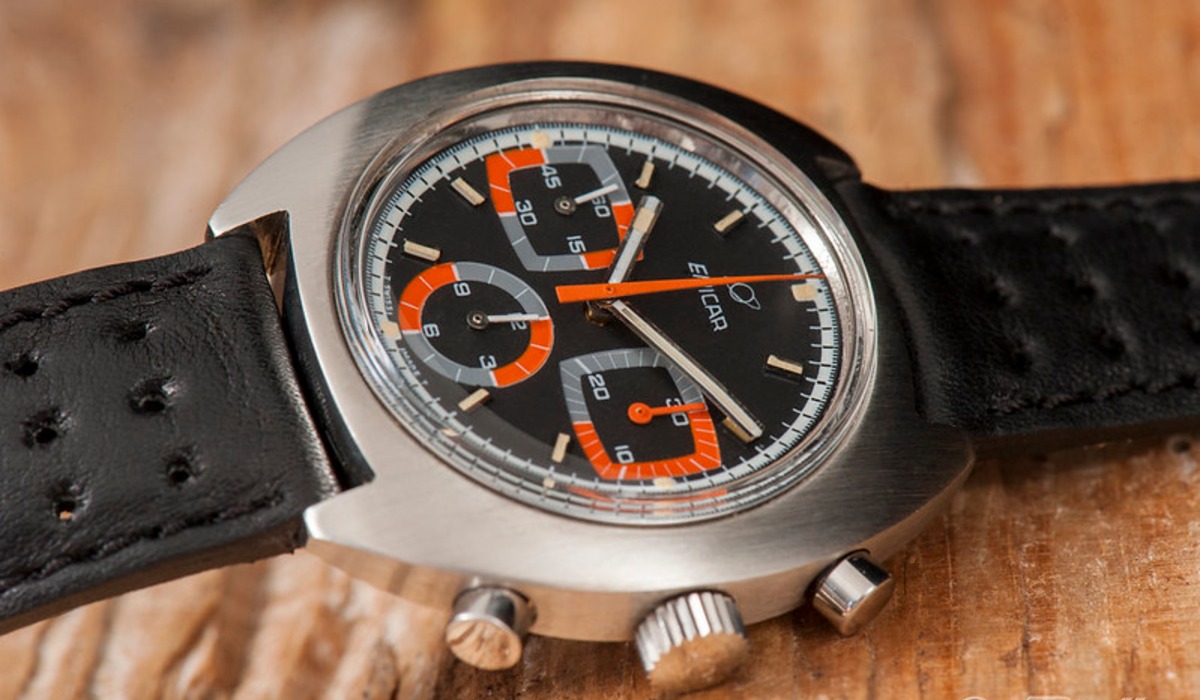
Enicar, a Swiss maker from Lengnau that ceased operations in the late 1980s, built tough sports watches under the Sherpa name that have become a niche collector favorite. The Sherpa Graph chronograph with a Valjoux 72 movement and the Sherpa Super Dive are among the models worth researching.
The Sherpa Guide, with its internal rotating bezel and world-city markings, can also attract buyers. The Saturn logo on the dial and the construction of the case can help identify particular models.
Because the brand is less widely known, some watches may sell for less than comparable Heuer pieces, but values depend heavily on the reference and condition.
Movado
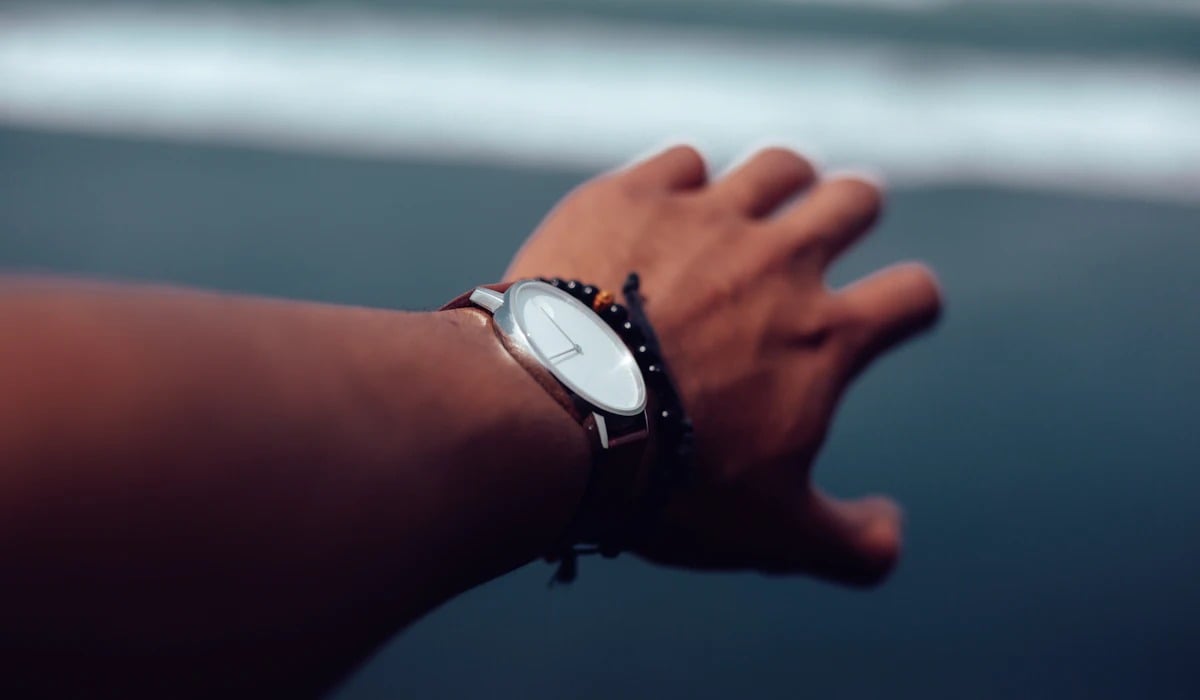
Movado today is known for the Museum Watch, the black dial with a single gold dot at twelve that Nathan George Horwitt designed in 1947 and that entered the Museum of Modern Art’s collection in 1960. Later mass-produced quartz versions usually sell for relatively little, but early examples from the 1960s and 1970s can bring a few hundred to a couple of thousand dollars.
Vintage Movado chronographs from the 1940s and 1950s with the in-house M90 and M95 movements are the more valuable finds, often reaching the mid-four figures and higher. The Ermeto purse watch of the 1920s and 1930s also finds buyers.
Dial reprints are common, so originality matters.
Eterna
Eterna of Grenchen introduced the Eterna-Matic in 1948, an automatic movement whose rotor ran on five tiny steel bearings, an innovation the company turned into a five-dot logo that still appears on its dials. Eterna’s movement-making business later became part of ETA, which went on to supply much of the Swiss watch industry.
Eterna-Matic dress watches from the 1950s and 1960s usually sell for a few hundred dollars, with the KonTiki diver, named for Thor Heyerdahl’s 1947 raft expedition, often bringing more. The Super KonTiki from the 1970s, including examples issued to the Israeli Defense Forces, can reach the low four figures.
A replacement crown may affect originality, but it is only one factor in a watch’s value.
Crowns, Casebacks and the Price of Knowing
Crowns, casebacks and reference numbers are where the money hides, and almost none of it is visible from across the room. A buyer at a pawn counter sees a scratched steel watch and offers accordingly, while a specialist sees a Valjoux 72 or an archive-confirmed dial and may offer considerably more.
The gap between the two numbers is not luck. It is the result of knowing which name on the dial changes the conversation.
Condition still governs everything, and no brand name rescues a watch with a swapped dial, a buffed case and no paperwork. But an honest, unrestored example from any of these companies deserves a second opinion before it is sold for scrap value.
The watches were built to be serviced and worn for decades, and the market now rewards some of the ones that were. Reading the dial costs nothing, and skipping that step has cost plenty of sellers a great deal.
More from Go2Tutors!

- The Romanov Crown Jewels and Their Tragic Fate
- 13 Historical Mysteries That Science Still Can’t Solve
- Famous Hoaxes That Fooled the World for Years
- 15 Child Stars with Tragic Adult Lives
- 16 Famous Jewelry Pieces in History
Like Go2Tutors’s content? Follow us on MSN.