31 Saturday Morning Cartoons People Still Quote
Long before streaming let anyone watch anything at any hour, an entire generation planned its weekend around a single block of network programming. Decades later, the catchphrases and character bits from those shows still surface in ordinary conversation, often quoted by people who could not name the year the series originally aired.
Looney Tunes
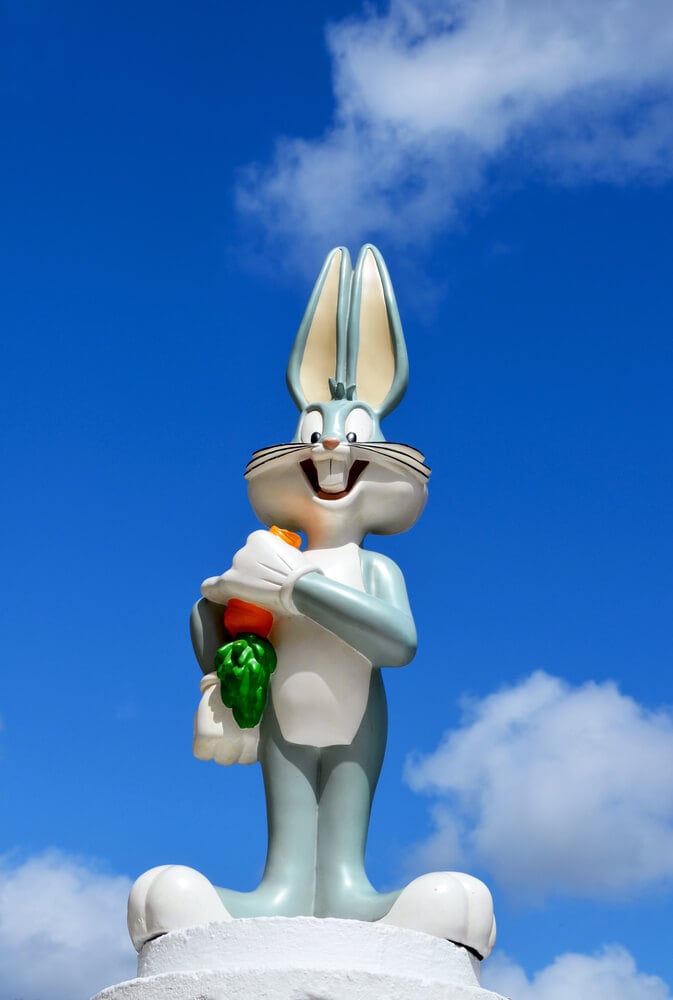
Warner Bros’ stable of characters, including Bugs Bunny, Daffy Duck, and Elmer Fudd, originated in theatrical shorts beginning in the 1930s before migrating to Saturday morning television decades later. Bugs Bunny’s “What’s up, doc?” and Elmer Fudd’s mangled “Be vewy vewy quiet” remain two of the most widely recognized lines in American animation.
Scooby-Doo, Where Are You!
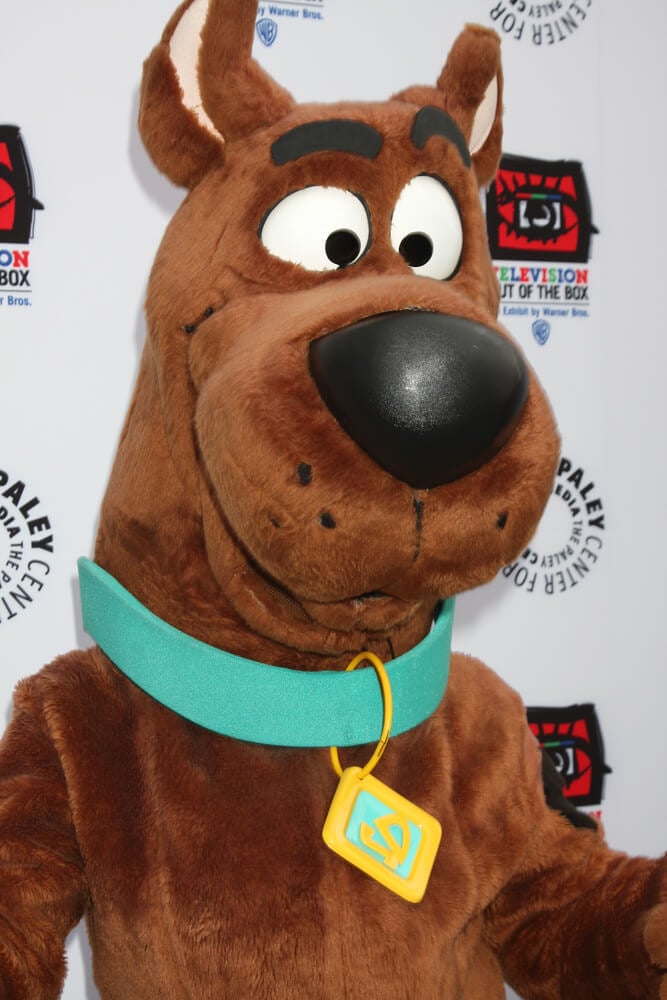
Hanna-Barbera’s mystery-solving dog and his teenage companions debuted in 1969, built around a formula so durable it has been reused in dozens of spin-offs and reboots over the following decades. Scooby’s nervous catchphrase “Ruh-roh” and the villain-unmasking twist ending became franchise signatures instantly recognizable even to viewers who never saw the original series.
The Flintstones
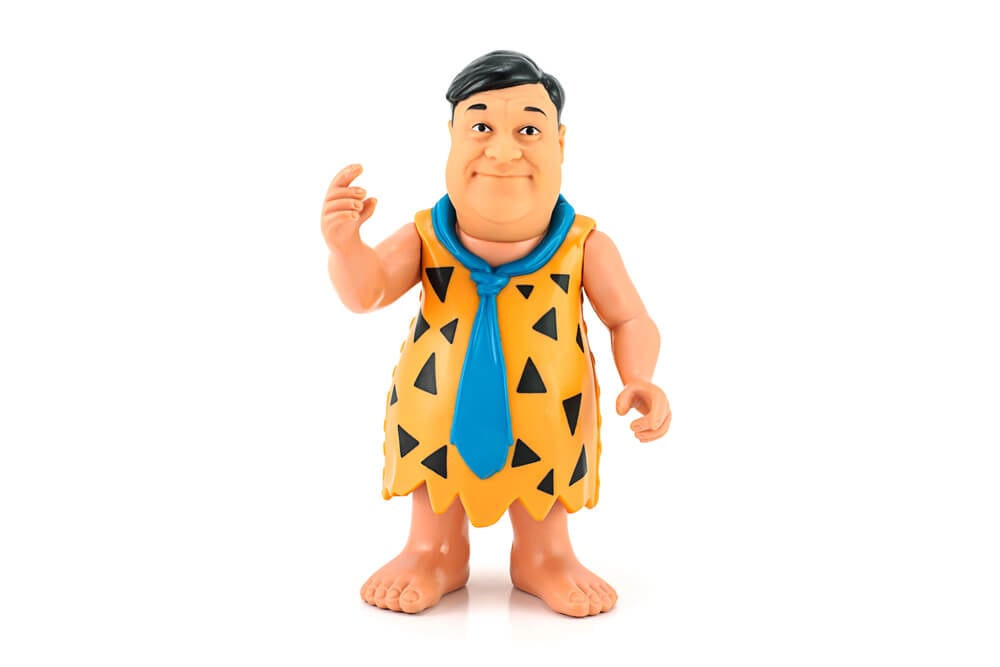
Set in a cartoon Stone Age but built on the rhythms of a 1960s American suburb, Hanna-Barbera’s series ran in primetime before finding its lasting audience in Saturday morning reruns. Fred Flintstone’s triumphant “Yabba dabba doo!” has outlived nearly every other line from the era in casual pop culture references.
Underdog
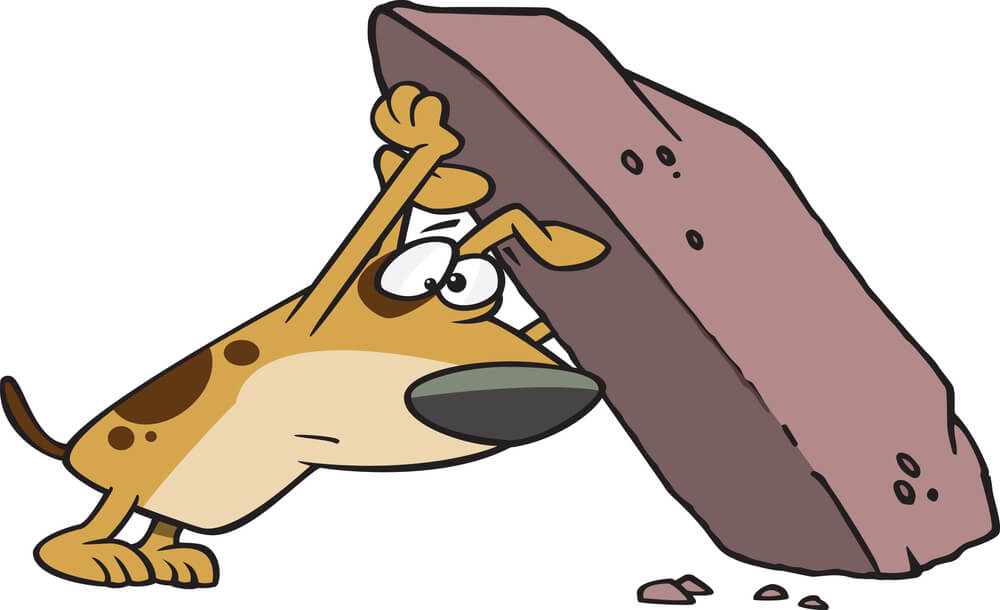
A mild-mannered shoeshine dog who transformed into a caped superhero, Underdog first aired in 1964 and built its identity around rhyming dialogue delivered in a deliberately stiff, formal cadence. The character’s signature line, “There’s no need to fear, Underdog is here,” became a template that later cartoons have knowingly parodied.
Scrappy-Doo
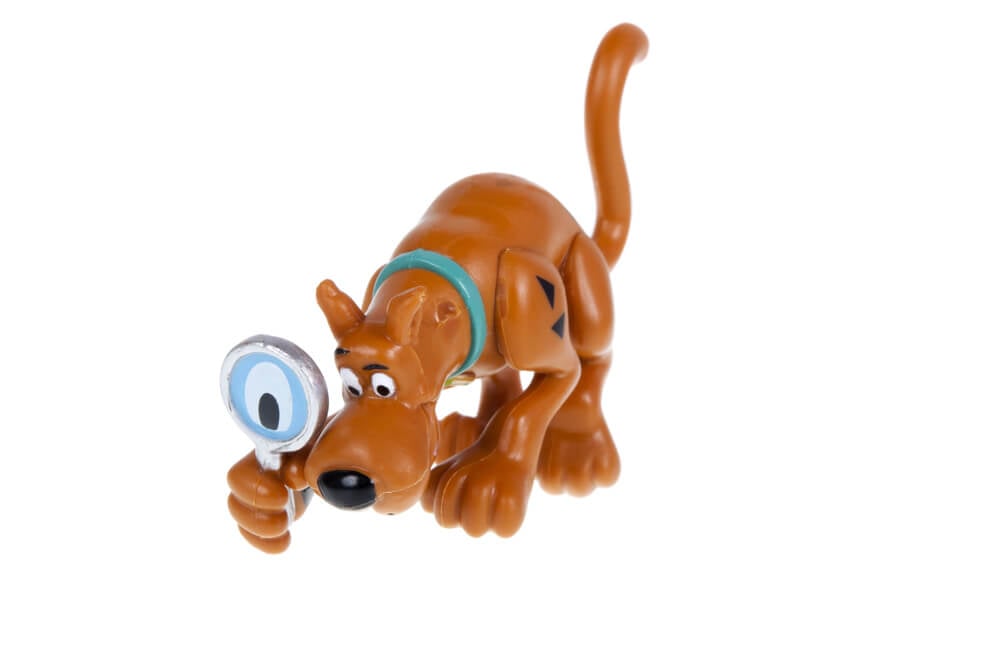
Introduced in 1979 as Scooby’s overconfident nephew, Scrappy-Doo arrived to boost ratings on a flagging franchise and became known almost entirely for one repeated line, “Puppy power!”, delivered before charging into danger far beyond his size. The character became such a lightning rod for criticism that later Scooby-Doo productions have openly referenced the backlash.
He-Man and the Masters of the Universe
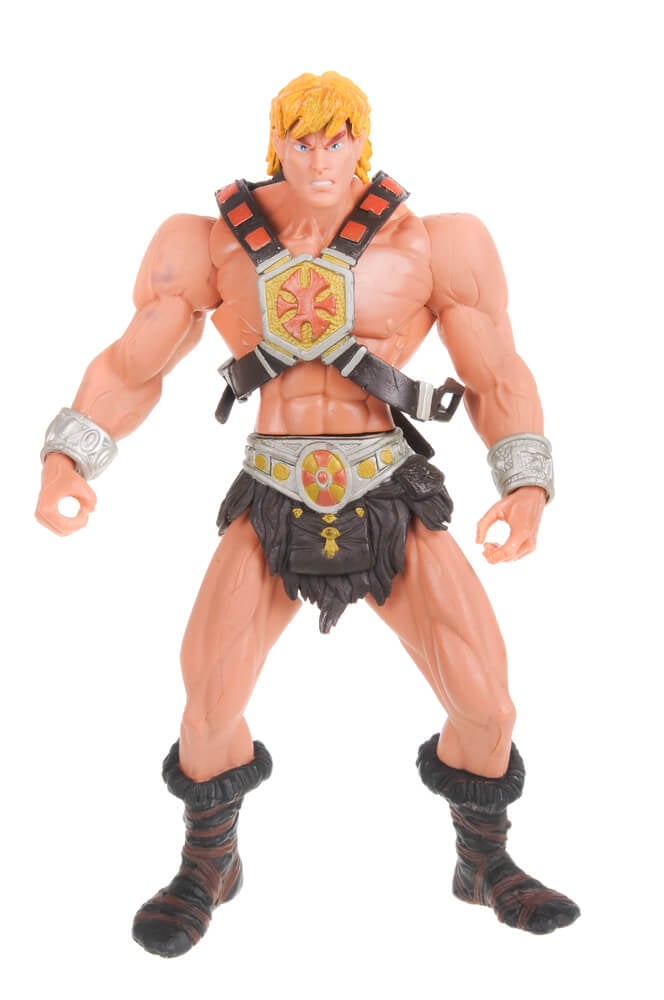
Filmation’s 1983 series, built around a toy line from Mattel, turned mild-mannered Prince Adam’s transformation shout, “By the power of Grayskull, I have the power!”, into one of the most imitated lines in children’s animation. The show’s moralizing after-episode segments became just as quotable, often for how earnestly out of place they felt next to the sword-and-sorcery plots.
Thundercats
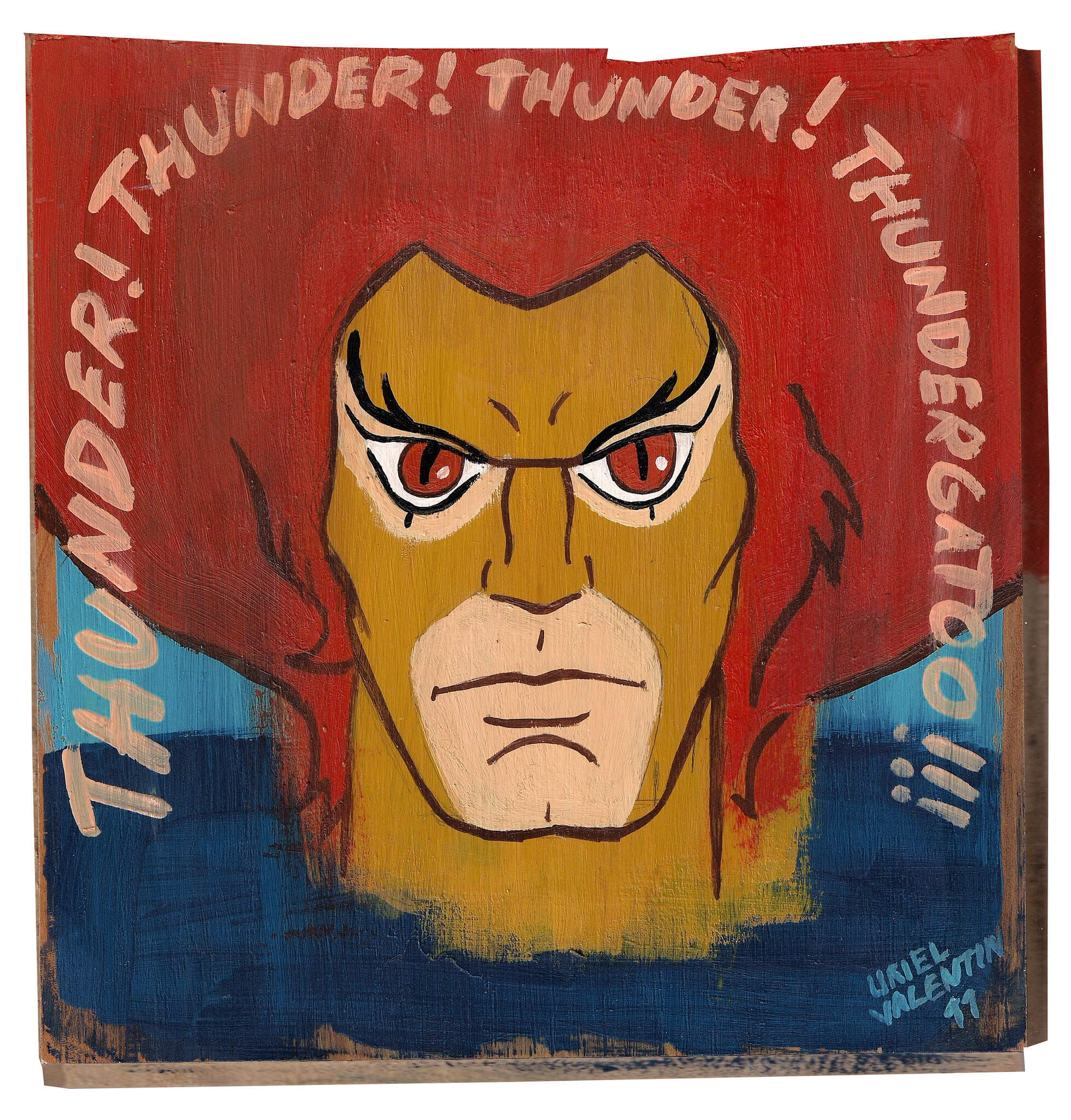
Debuting in 1985, this series followed a group of feline humanoid warriors led by Lion-O, whose command to his enchanted sword, “Thundercats, ho!”, became the show’s most enduring line. The character designs and mythology, unusually elaborate for the era, gave the franchise staying power well beyond its original three-season run.
Inspector Gadget
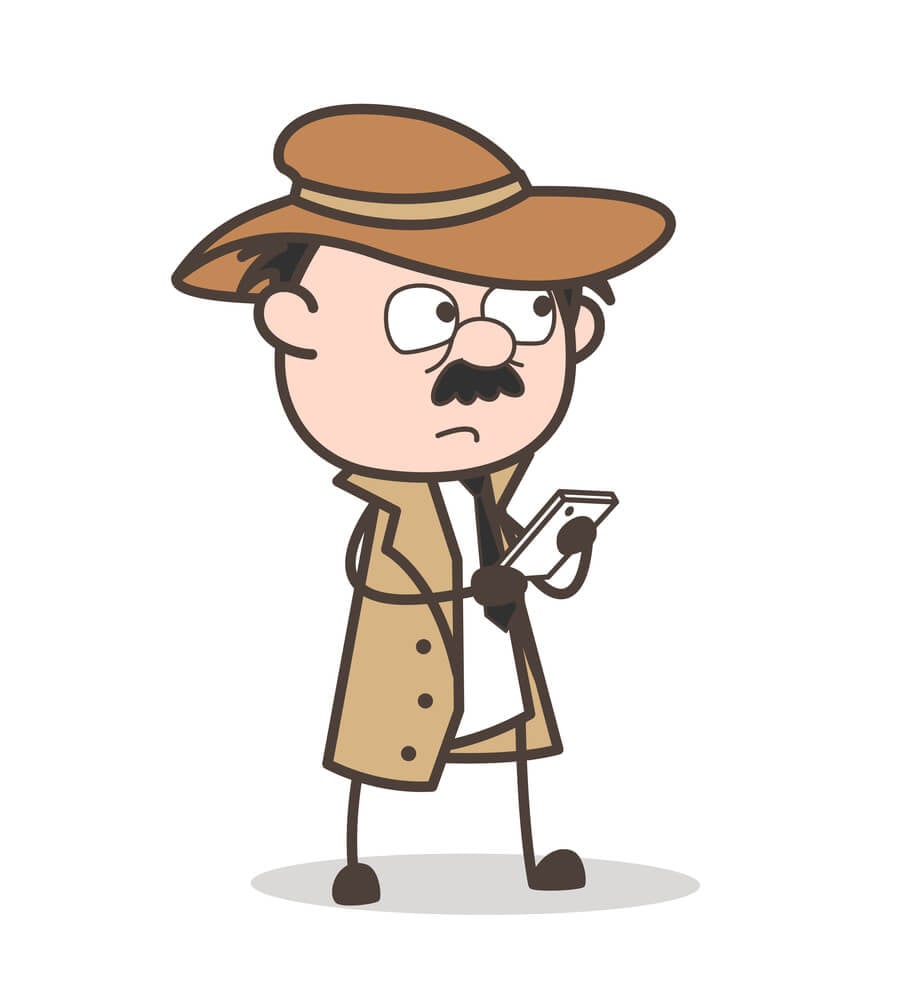
DIC’s 1983 series followed a bumbling cyborg detective whose gadget-filled body parts almost never worked as intended, with his niece Penny quietly solving every case behind the scenes. The closing narration line, “I’ll get you next time, Gadget,” delivered by the villain Dr. Claw, became shorthand for any comically repeated failure.
The Smurfs
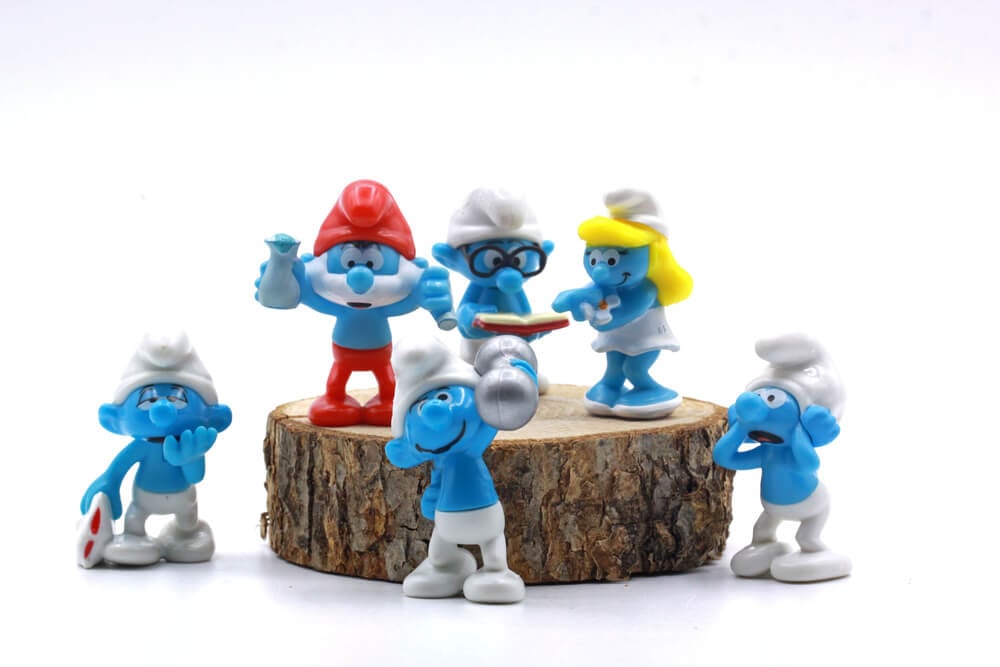
Adapted from a Belgian comic strip, Hanna-Barbera’s 1981 series turned the tiny blue creatures’ habit of substituting the word “smurf” for nearly any noun or verb into the show’s defining verbal gimmick. The linguistic joke became so widely recognized that “smurf” entered casual English usage as a stand-in placeholder word entirely apart from the show itself.
Captain Planet and the Planeteers
This 1990 environmental-themed series followed five teenagers whose rings summoned a superhero powered by combined elements, introduced by the group’s shouted “By your powers combined, I am Captain Planet!” The show’s earnest environmental messaging became a frequent subject of later comedic references, often affectionately mocking its era-specific style of moralizing.
DuckTales
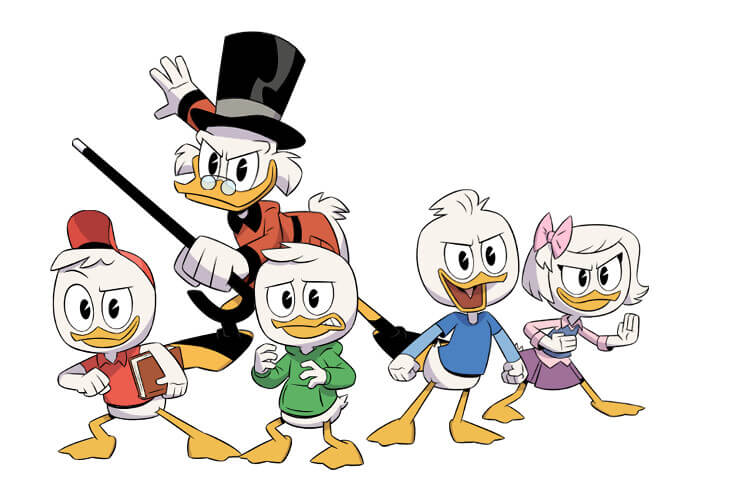
Disney’s 1987 series centered on Scrooge McDuck’s adventures with his grandnephews, built around a theme song so catchy that its “Woo-oo!” hook has remained instantly recognizable across generations. The show helped kick off Disney’s push into daily syndicated animation, a business model that reshaped children’s television scheduling through the following decade.
Muppet Babies
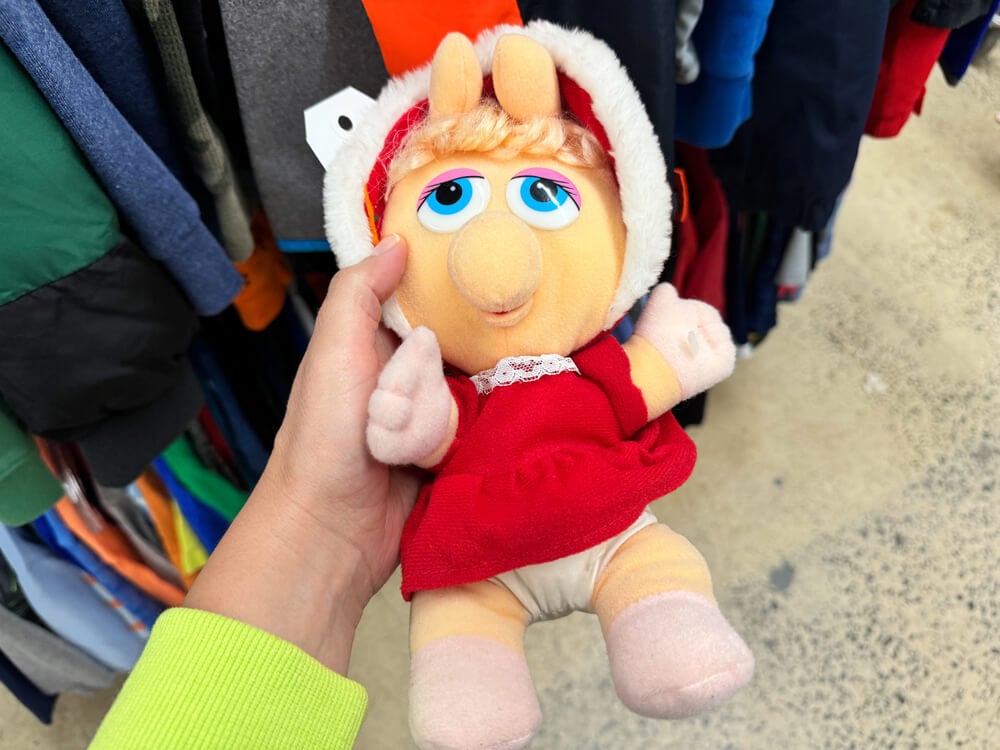
Jim Henson’s 1984 series imagined the Muppet characters as young children living together in a nursery, narrated in part through the recurring device of imaginative daydream sequences. The show’s gentle tone and blend of live-action footage with animation made it a distinct outlier on a Saturday morning schedule otherwise dominated by action franchises.
Voltron: Defender of the Universe
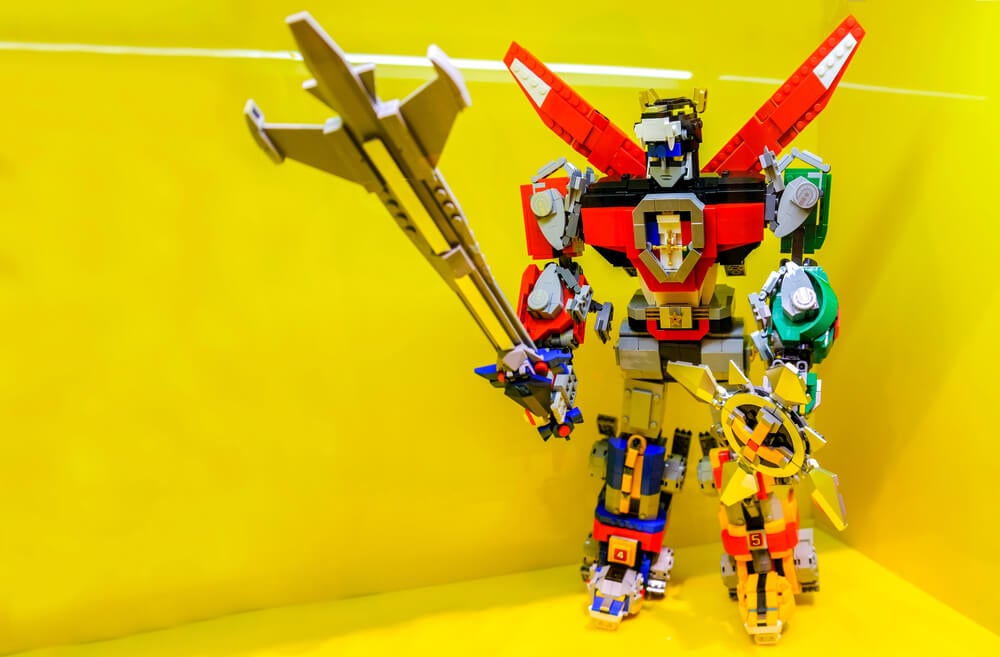
Adapted from Japanese source material for American audiences in 1984, Voltron followed five pilots whose individual robotic lions combined into a single giant defender, a transformation announced through the command “Form Voltron!” The combining-robot concept became one of the most imitated action-cartoon structures of the following decade.
G.I. Joe: A Real American Hero
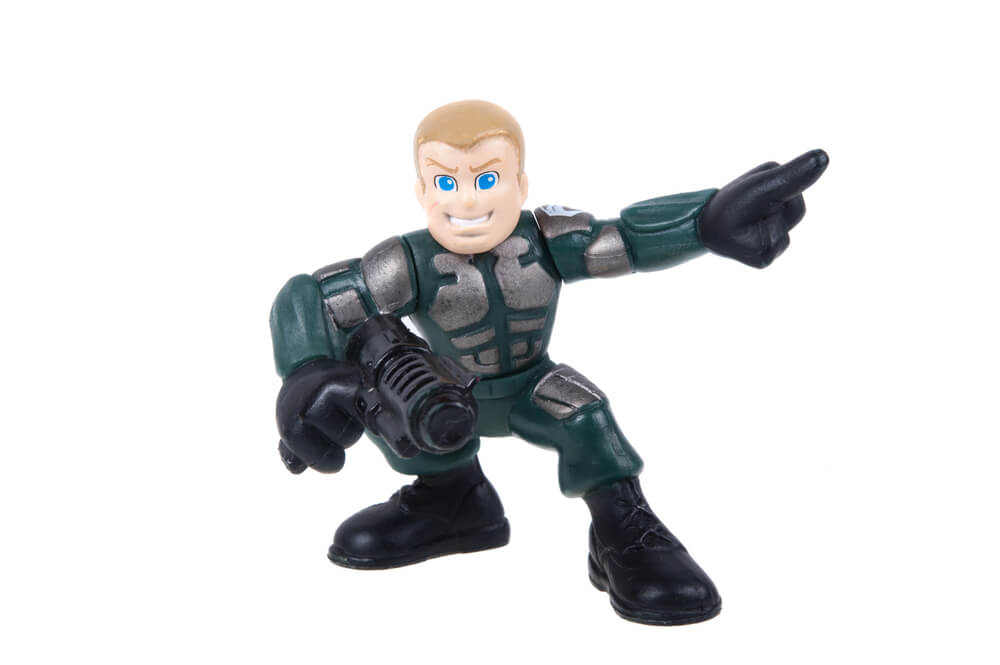
Sunbow’s 1983 series, built around Hasbro’s revived action figure line, closed nearly every episode with a public-service-style segment ending in the tagline “Knowing is half the battle.” The line became so widely quoted, often ironically, that it has outlived the memory of the specific plots it originally followed.
Transformers
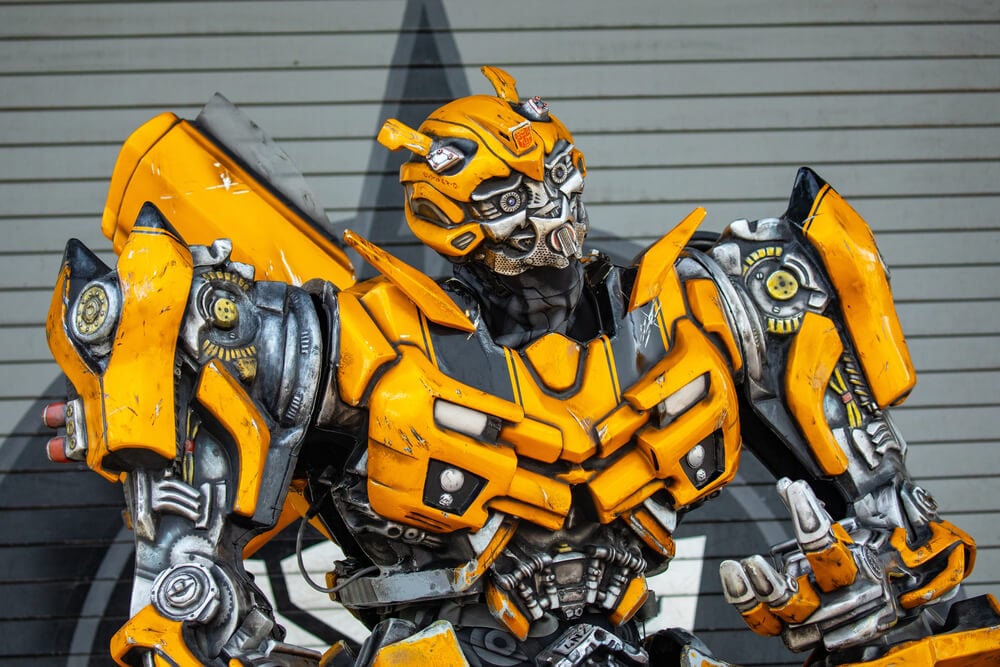
Debuting in 1984 alongside its own Hasbro toy line, Transformers built its mythology around a war between the heroic Autobots and villainous Decepticons, with leader Optimus Prime’s calm, measured speeches becoming a defining voice of the franchise. The transformation sound effect and the phrase “Autobots, roll out!” remain instantly identifiable even to viewers unfamiliar with the plot.
Jem and the Holograms
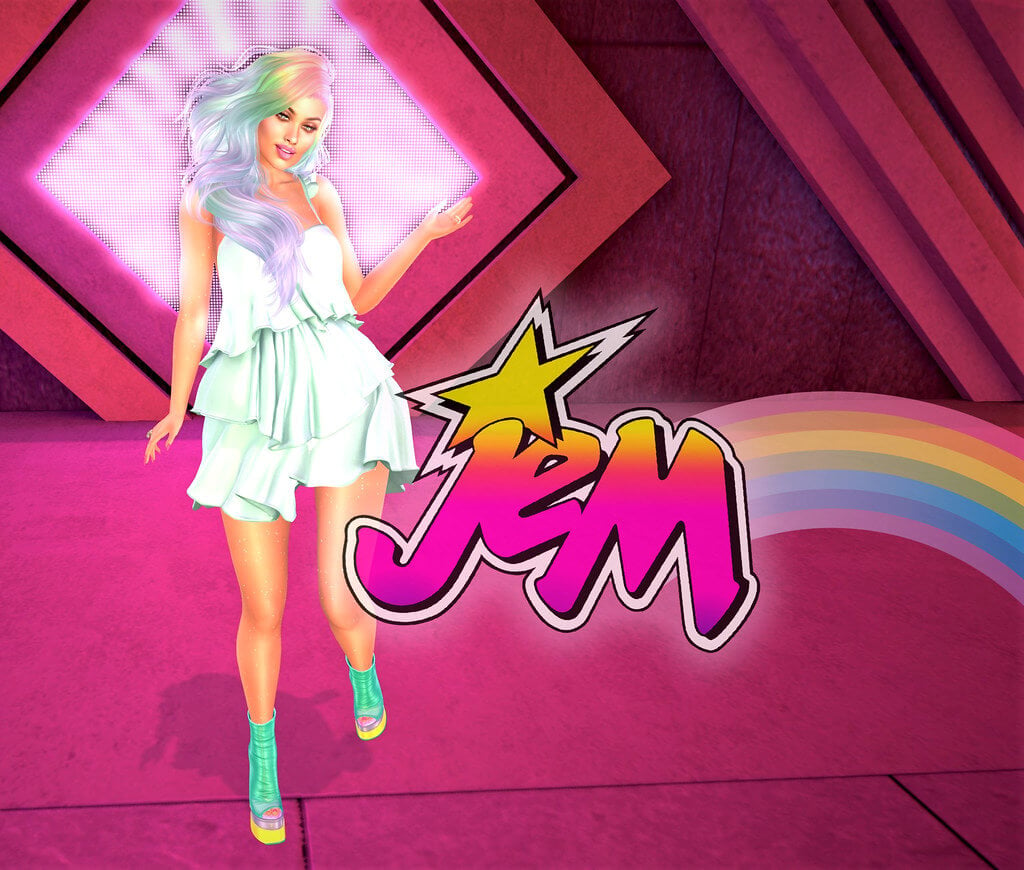
Hasbro’s 1985 series followed a music executive who used holographic technology to transform into a rock star alter ego, opening each episode with the line “Jem is truly, truly outrageous.” The show’s blend of music-industry plotlines and science-fiction gadgetry set it apart from the largely combat-focused lineup surrounding it on the schedule.
The Real Ghostbusters
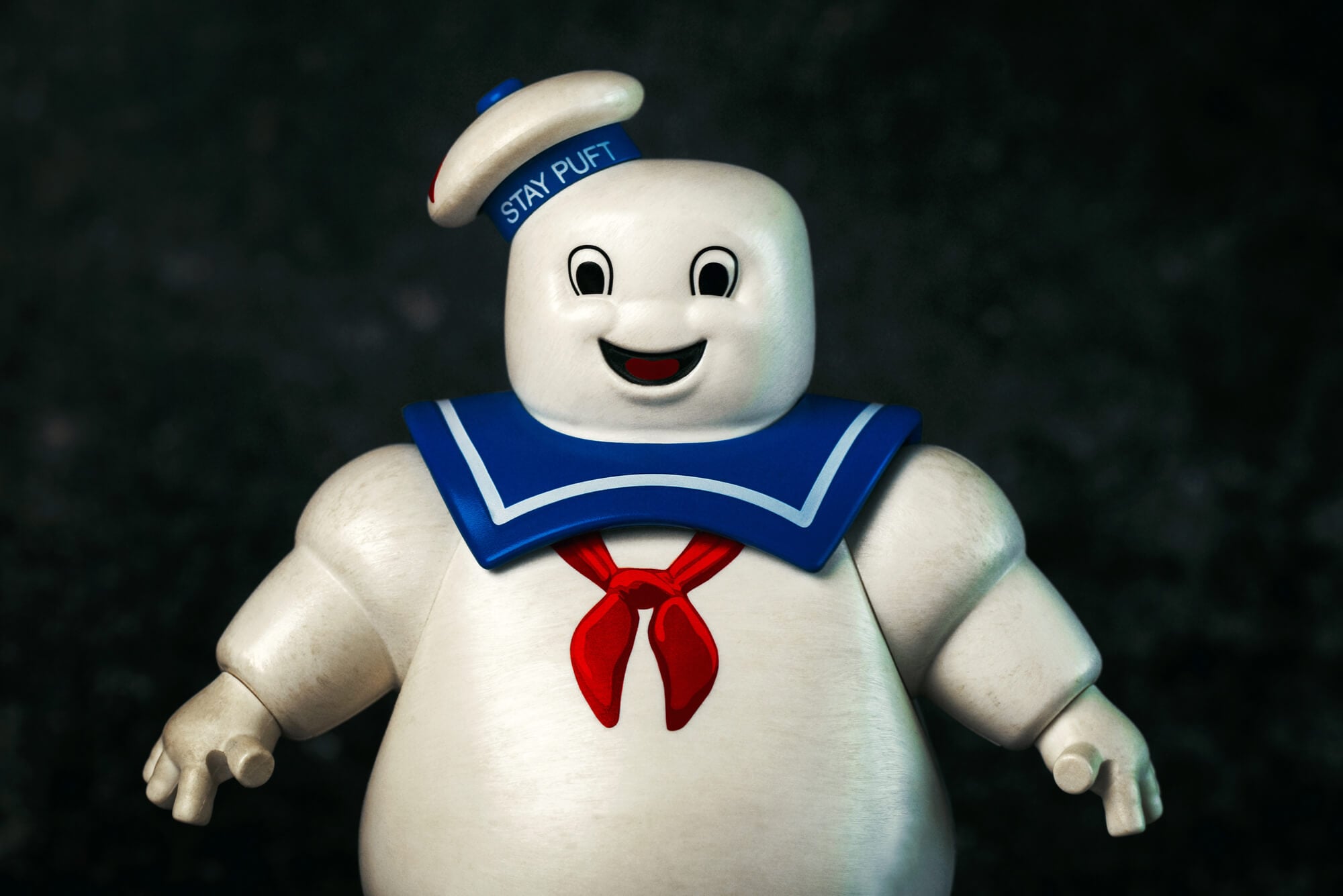
Adapted from the 1984 film, this animated series followed the same ghost-hunting team through new supernatural cases, anchored by the instantly hummable theme song built around the question “Who you gonna call?” The show’s proton-pack special effects and consistent tone helped it stand out among the era’s many film-to-cartoon adaptations.
Alvin and the Chipmunks
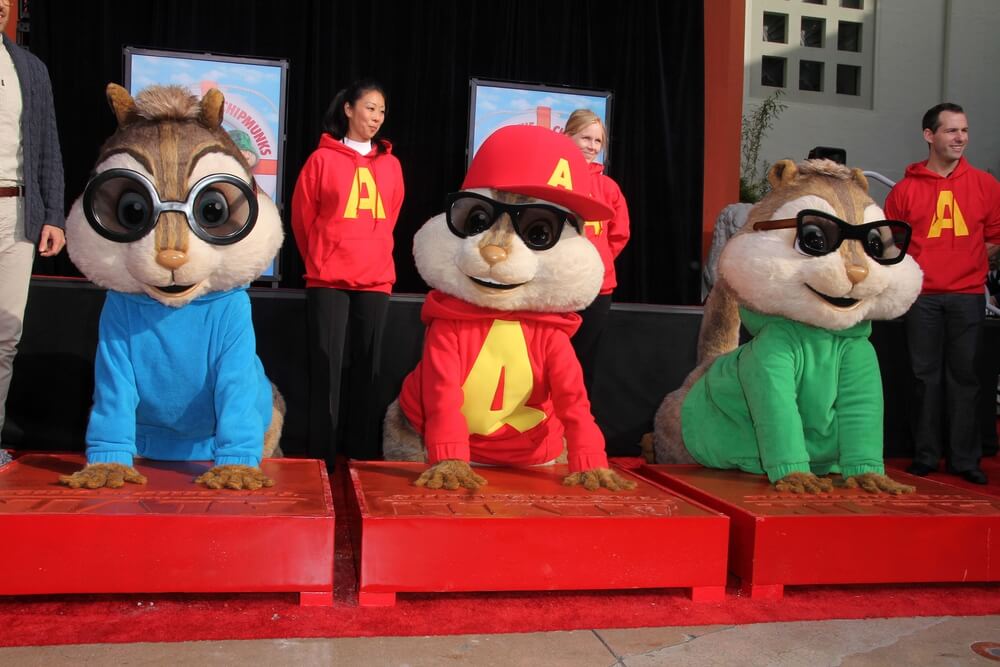
Originally created as a novelty recording act in 1958, the sped-up-voice singing chipmunks got a long-running animated series in 1983 that leaned heavily on Alvin’s exasperated catchphrase-worthy antics and his brother Simon’s repeated, weary “Alvin!” The character concept has proven durable enough to survive multiple television revivals and a series of feature films decades later.
Garfield and Friends
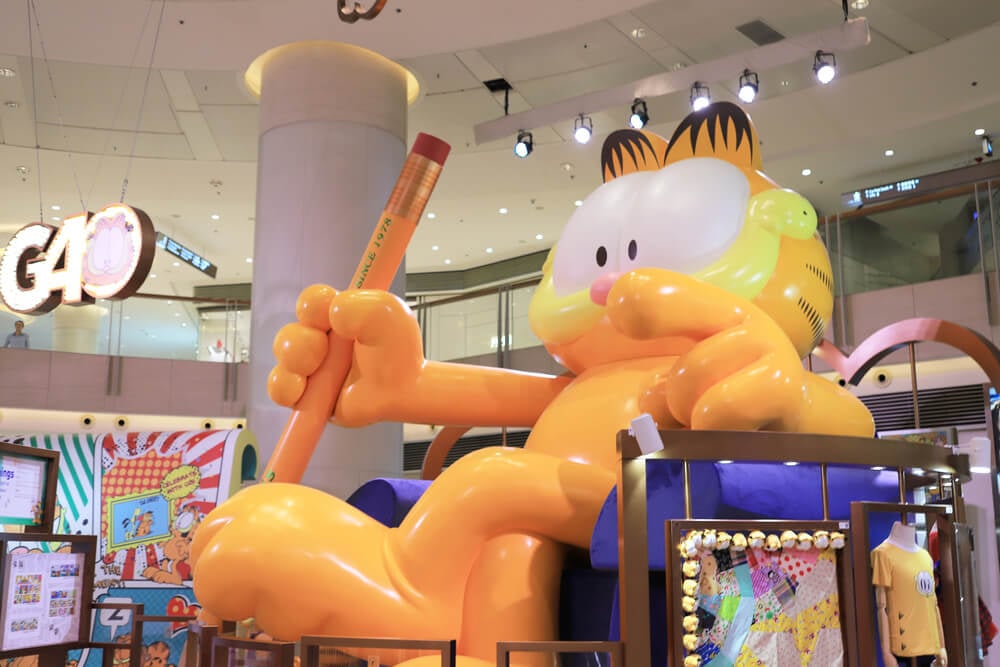
Based on Jim Davis’s newspaper comic strip, this 1988 series brought the lasagna-obsessed, Monday-hating cat to television with narration that preserved much of the strip’s dry, deadpan humor. Garfield’s flat delivery and open contempt for exercise and enthusiasm became a recognizable comedic voice distinct from the more manic energy of most surrounding action cartoons.
Animaniacs
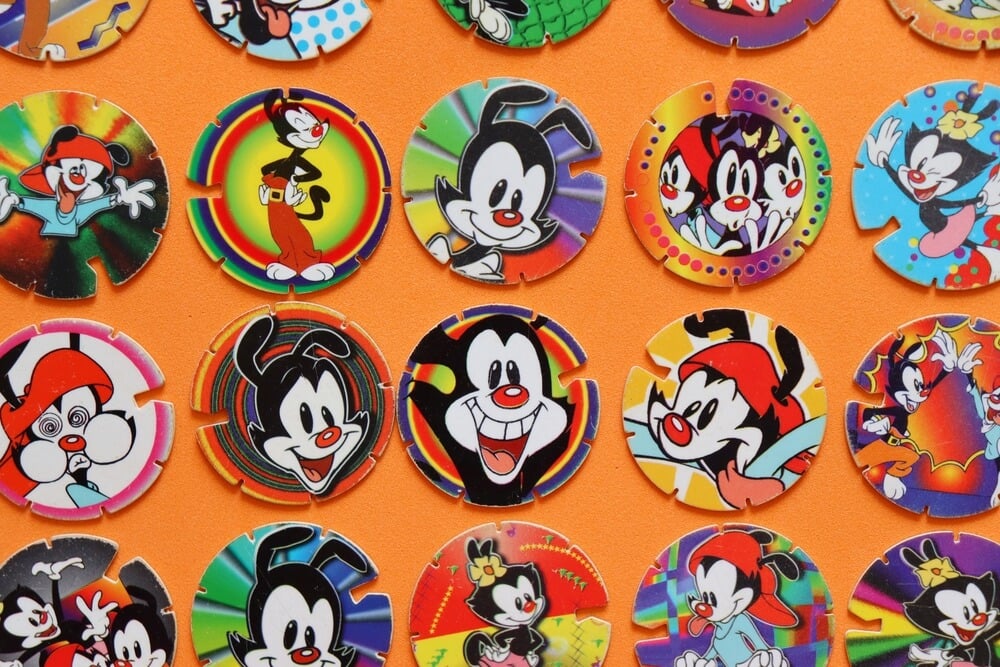
Steven Spielberg’s 1993 series followed the chaotic Warner siblings Yakko, Wakko, and Dot alongside a rotating cast of shorts, packing rapid-fire wordplay and musical numbers into a format explicitly built to appeal to both children and adults watching alongside them. The show’s density of pop-culture references has made individual bits resurface online decades after the original broadcasts ended.
Tiny Toon Adventures
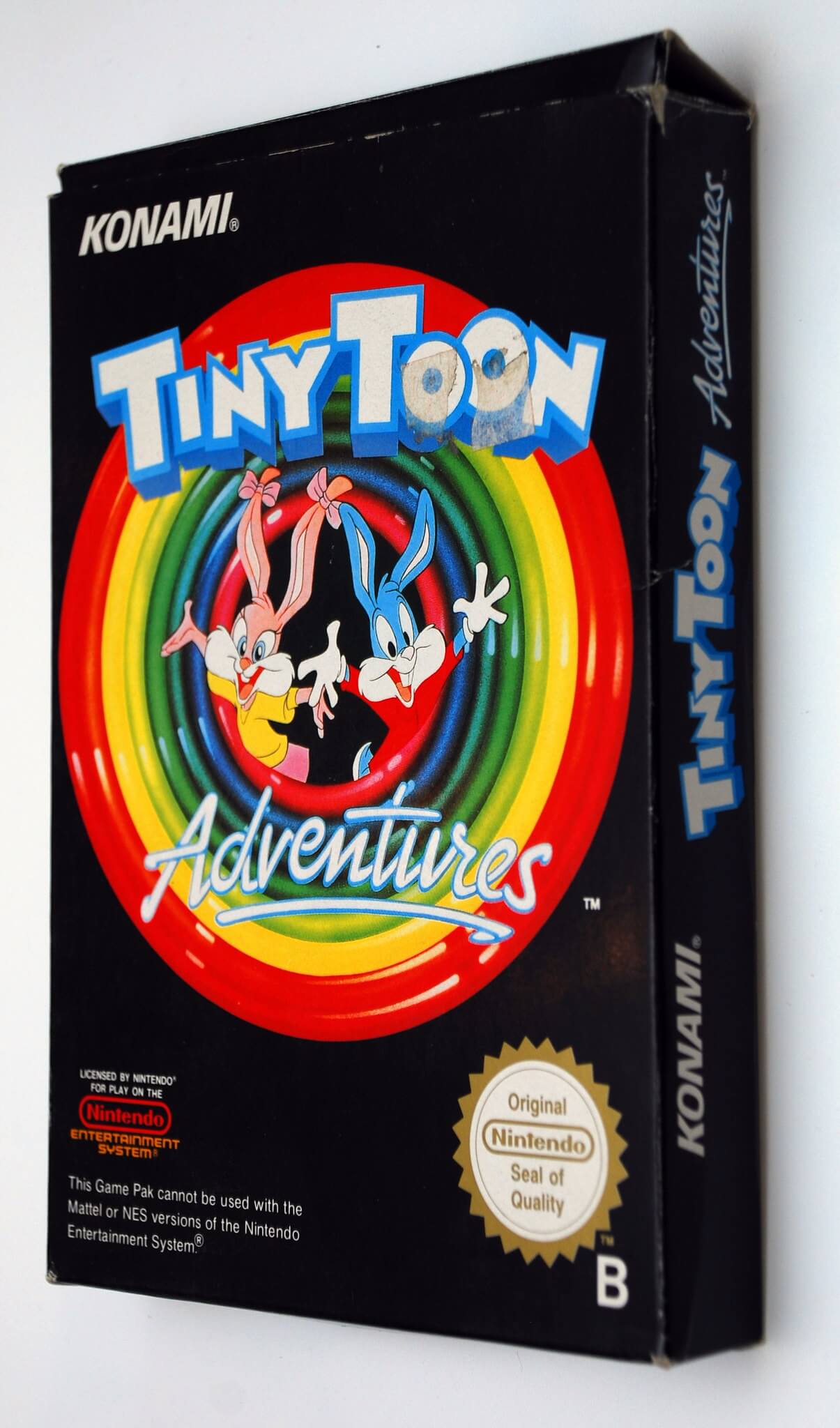
A spin-off from the classic Looney Tunes universe, this 1990 series followed a new generation of animal characters attending a cartoon-themed school under the tutelage of the original characters. The show balanced homage to classic animation gags with a faster, more self-aware sense of humor suited to its era.
Doug
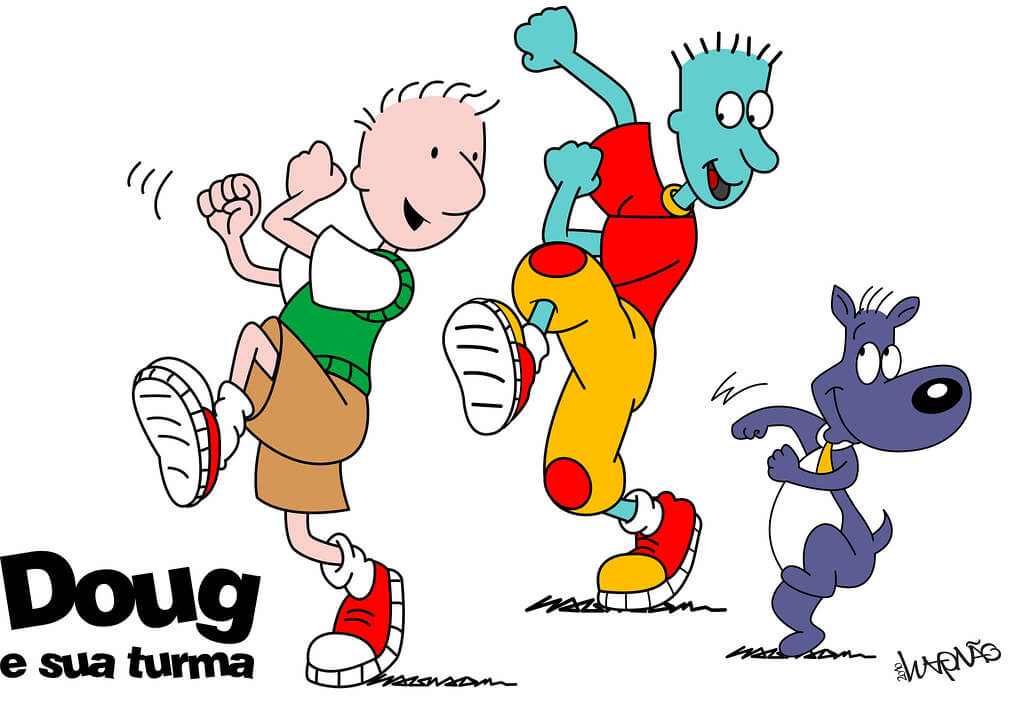
Nickelodeon’s 1991 series followed an anxious, imaginative middle schooler named Doug Funnie, whose habit of narrating his own thoughts through a private journal gave the show a distinctly introspective tone for the format. Doug’s exaggerated alter-ego fantasy sequences as the superhero Quailman became one of the show’s most referenced recurring bits.
Rugrats
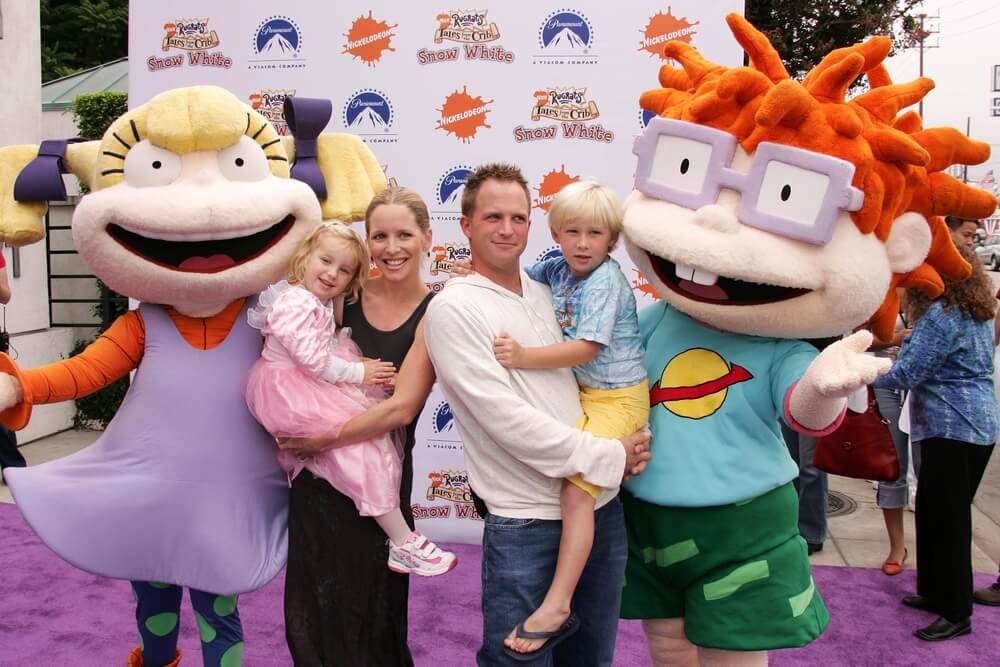
Nickelodeon’s 1991 series told stories from the perspective of a group of infants who could understand each other’s babbling as full conversation, a framing device that let the show explore anxieties from a uniquely low vantage point. Tommy Pickles’s rallying cry, delivered before nearly every backyard adventure, became one of the network’s most recognized catchphrases.
The Ren and Stimpy Show
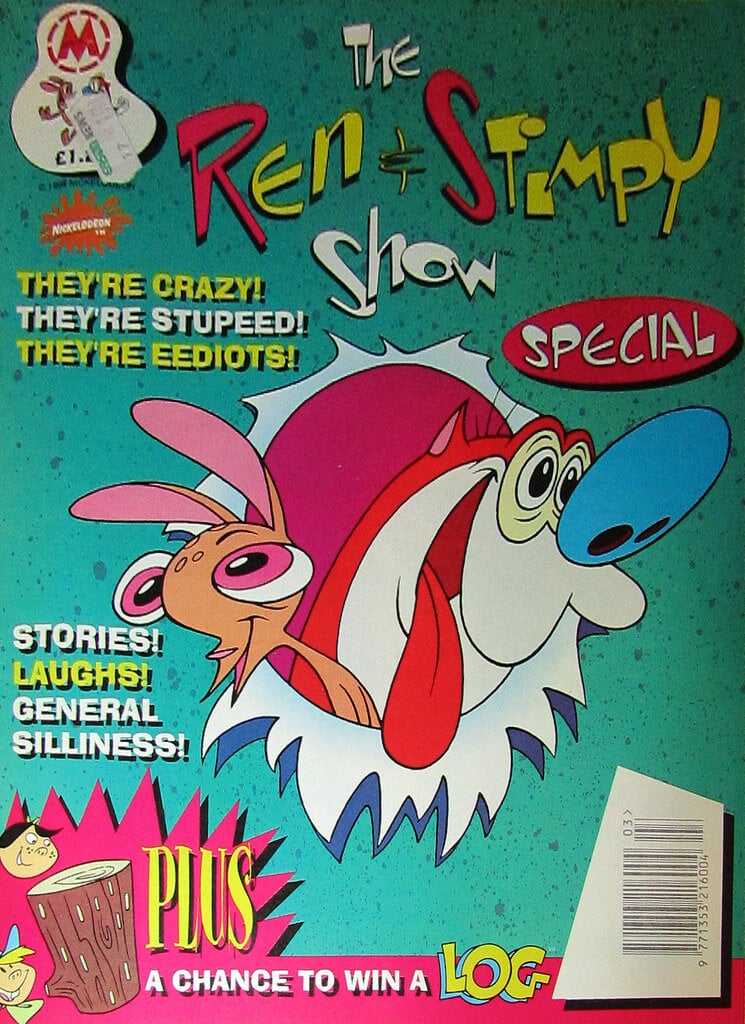
Nickelodeon’s 1991 series paired a manic, aggressive chihuahua with a dim, cheerful cat, pushing the visual and tonal limits of children’s animation with exaggerated close-ups and grotesque humor rarely seen on the format before. Stimpy’s cheerful catchphrase “Happy happy, joy joy” became widely quoted well outside the show’s original young audience.
Pinky and the Brain
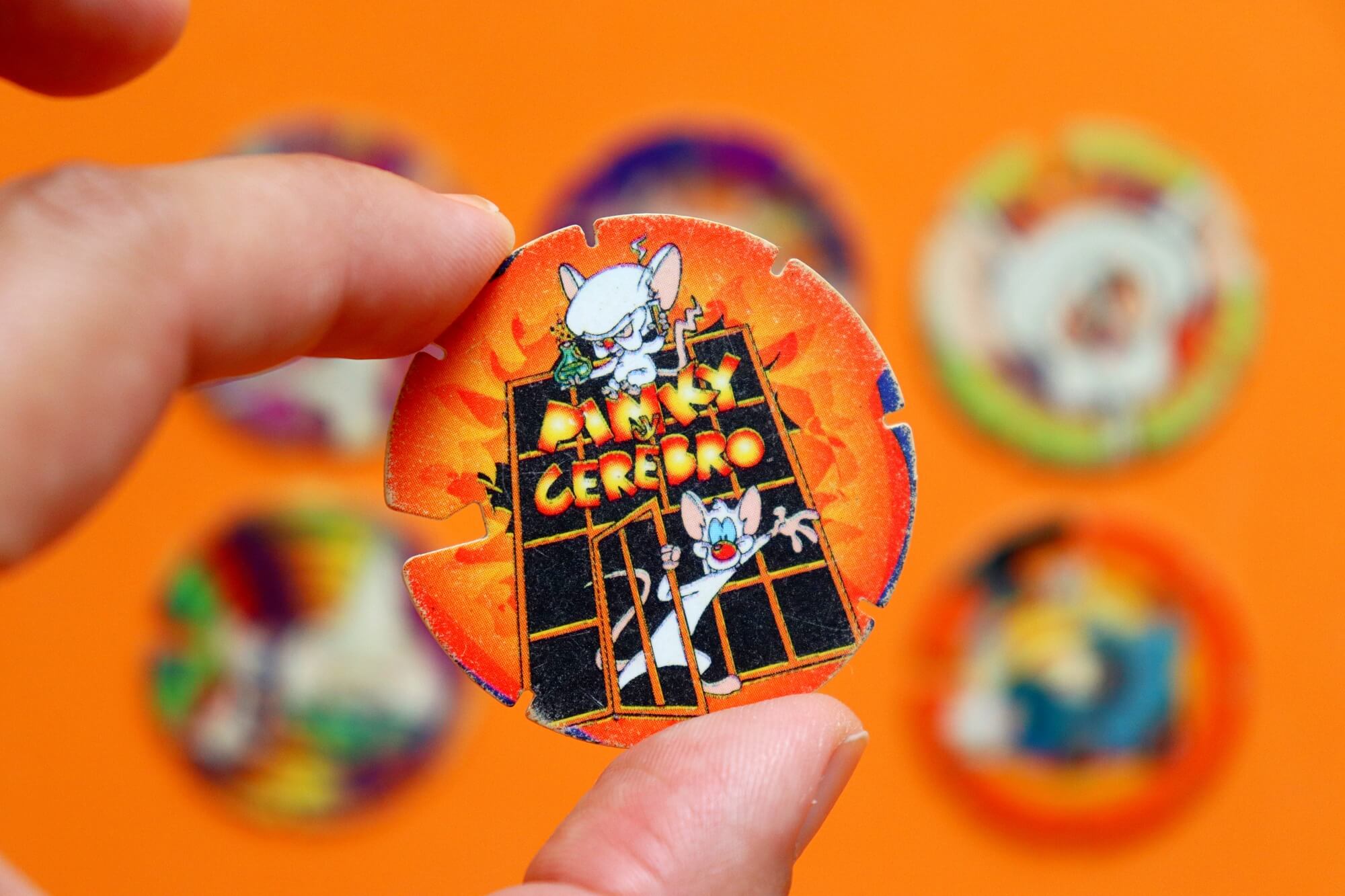
Spun off from Animaniacs in 1995, this series followed two genetically enhanced laboratory mice, one a scheming genius and the other cheerfully oblivious, repeating variations of the same exchange each episode about that night’s plan for world domination. The formulaic setup became part of the joke itself, with audiences quoting the ritual exchange as much as any specific plan.
Freakazoid!
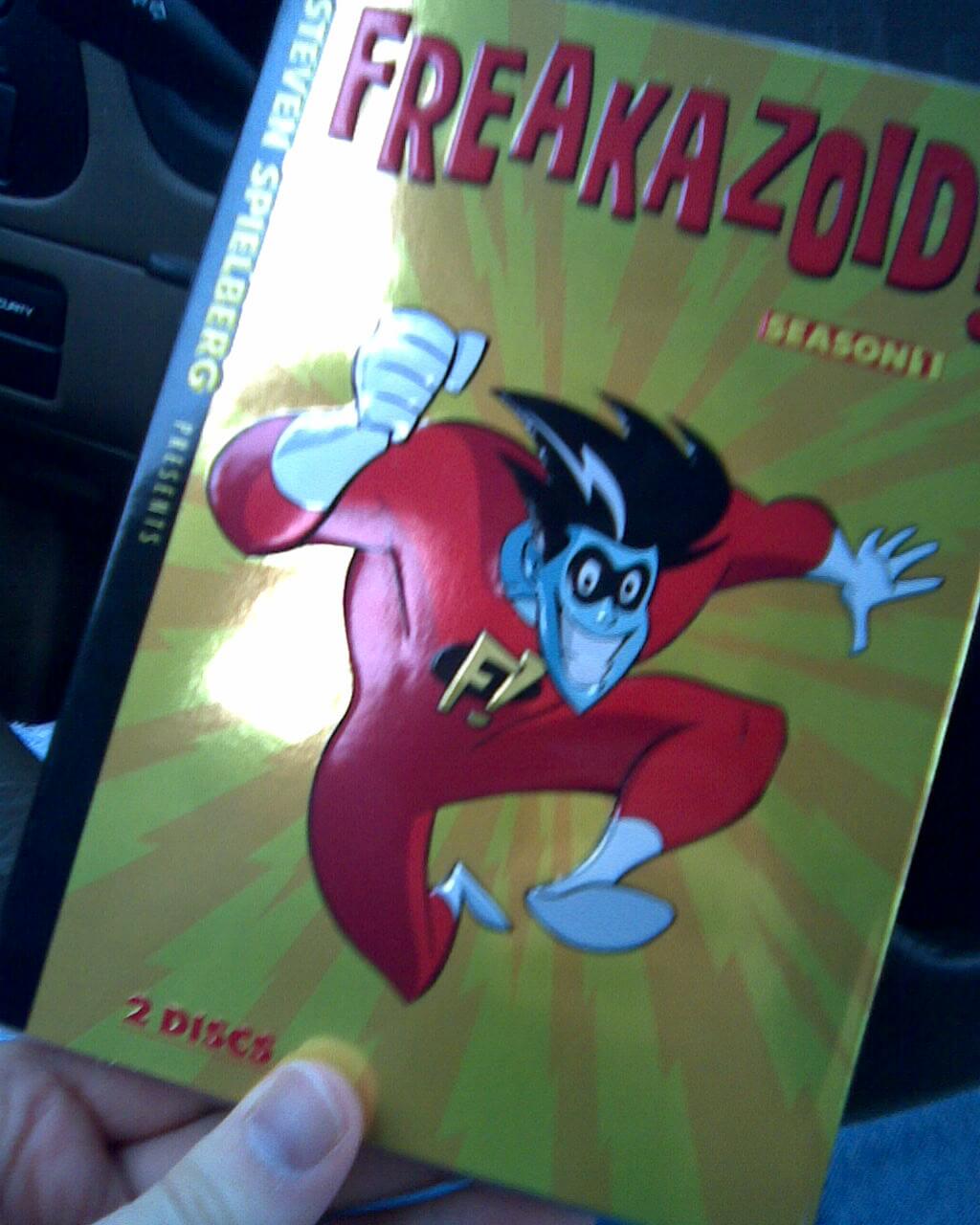
This 1995 series followed a teenager who gained bizarre superpowers after an accident involving early internet technology, structured around rapid tonal shifts and self-aware jokes about the conventions of superhero cartoons. Freakazoid’s manic, fourth-wall-breaking energy made individual lines and bits spread among fans well beyond the show’s relatively short two-season run.
Dexter’s Laboratory
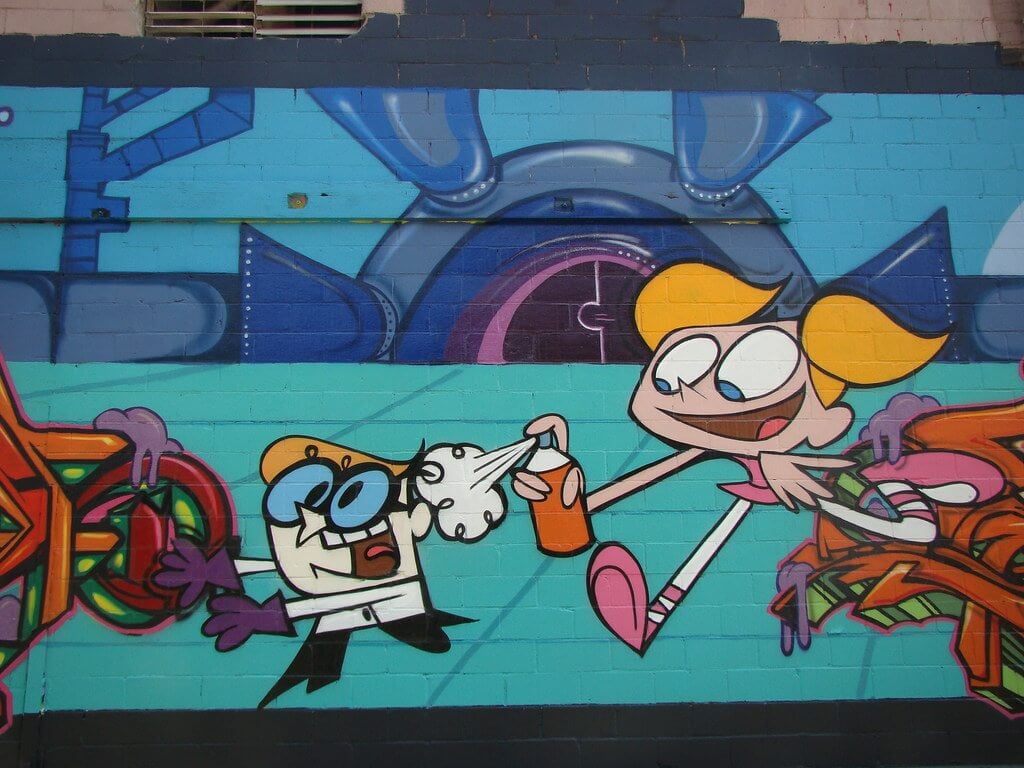
Cartoon Network’s 1996 series followed a child genius with a secret laboratory hidden behind his bedroom wall, constantly foiled by his oblivious older sister Dee Dee’s habit of wandering in uninvited. Dexter’s exasperated, thickly accented demands that Dee Dee leave his laboratory became one of the network’s most recognizable running bits.
The Powerpuff Girls
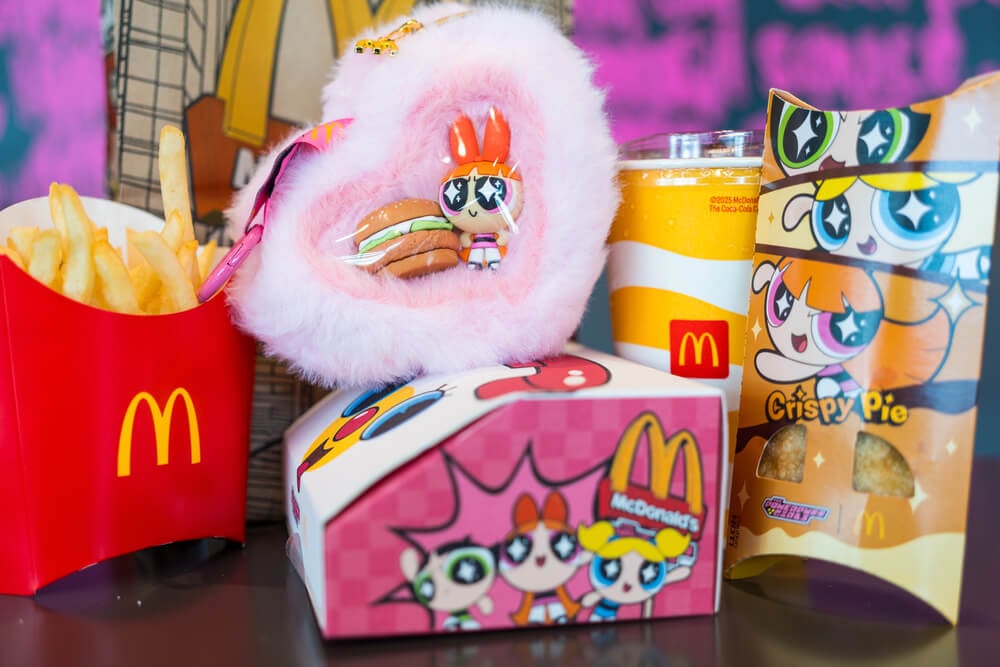
Cartoon Network’s 1998 series followed three chemically created kindergarten-age superheroes, framed each episode by narration explaining their origin from sugar, spice, and an accidentally added extra ingredient. The narrator’s opening formula became so recognizable that it has been referenced and parodied across unrelated media for years afterward.
Johnny Bravo
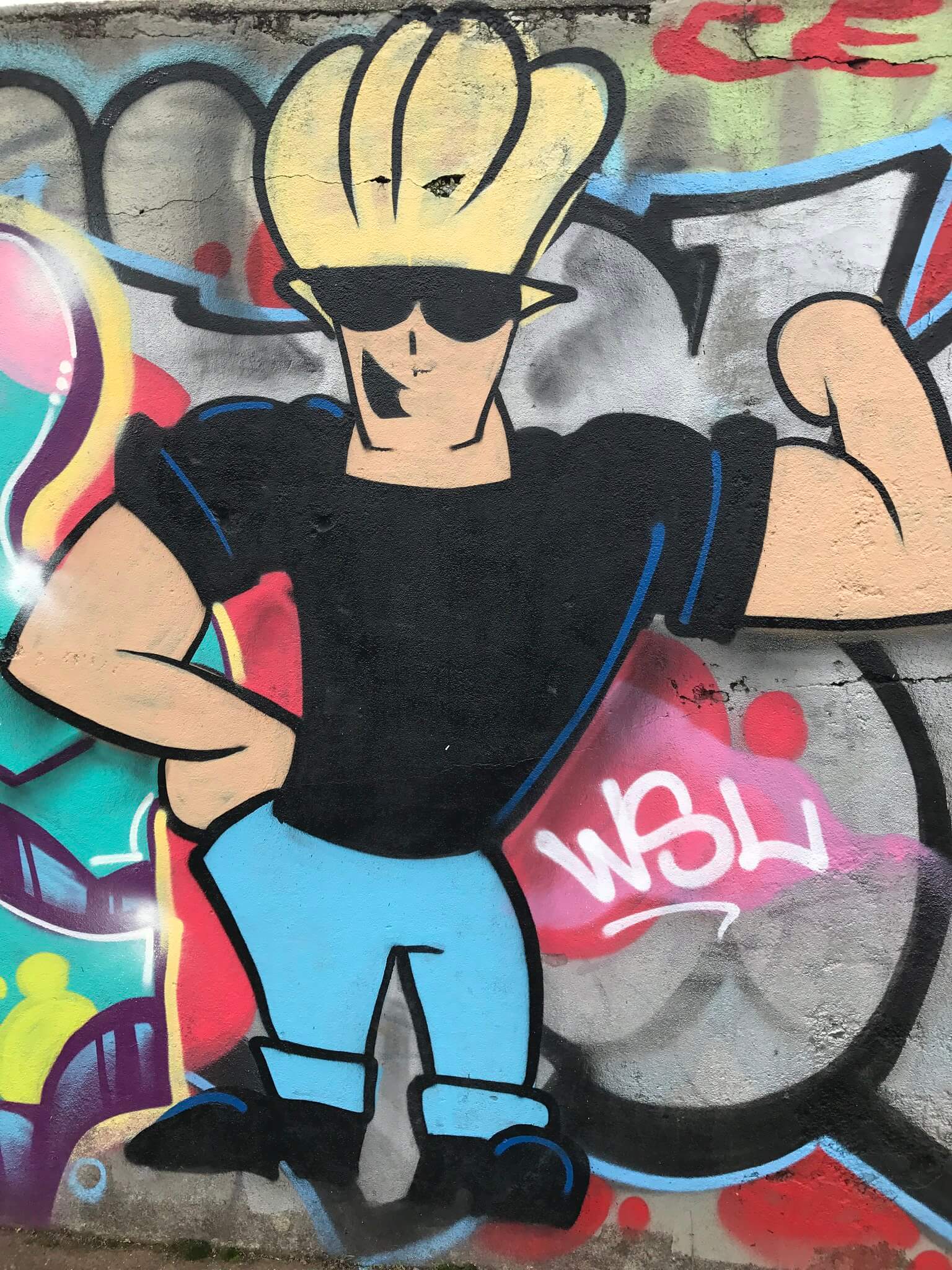
Cartoon Network’s 1997 series followed a vain, muscle-bound man whose exaggerated self-confidence and comb routine never once translated into actual success with anyone he tried to impress. The character’s oblivious catchphrases and Elvis-inflected mannerisms made him one of the network’s most instantly imitable characters.
Courage the Cowardly Dog
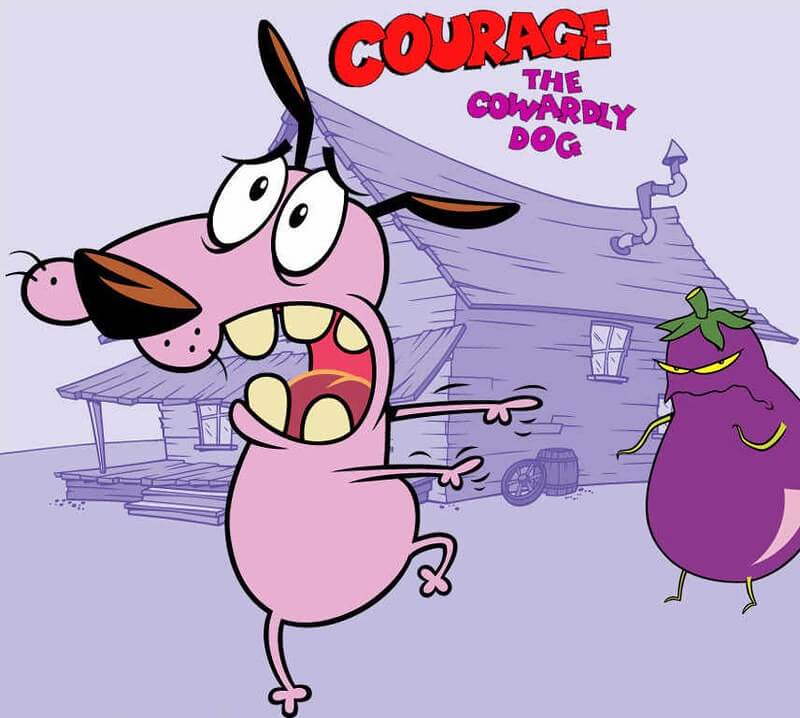
This 1999 series followed a nervous pink dog living on a remote farmhouse with two elderly owners, facing a new nightmarish threat almost every episode while repeatedly muttering some version of dread before diving into action anyway. The show’s unusually dark visual style and horror-inflected humor made it stand out sharply from the brighter tone of most surrounding programming.
SpongeBob SquarePants
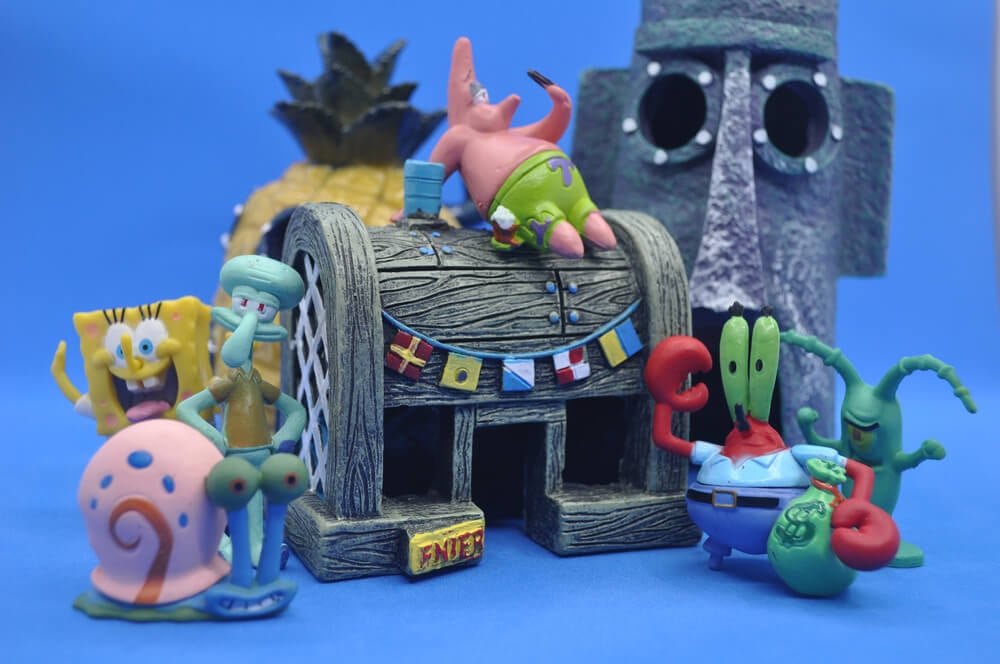
Nickelodeon’s 1999 series followed an endlessly optimistic sea sponge working at an undersea fast-food counter, built around dialogue so quotable that entire lines have become detached from their original episodes and repurposed as internet shorthand. Nearly every character, from the perpetually irritated Squidward to the excitable Patrick, contributed lines that have outlasted the specific plots that introduced them.
Reruns Never Really End
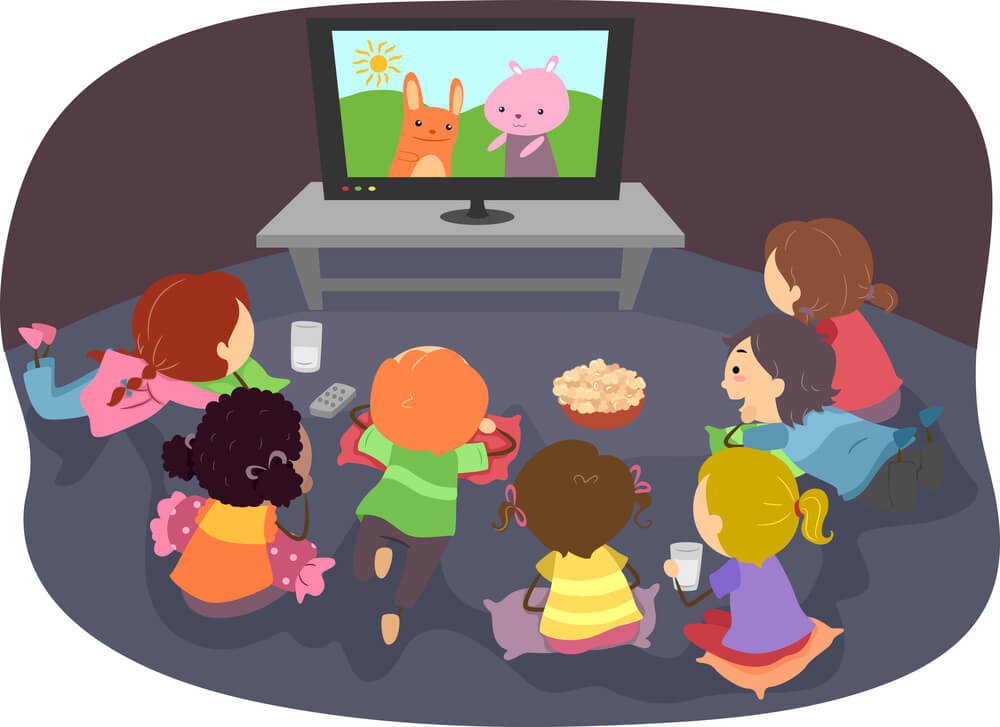
The list above spans six decades of Saturday mornings, yet the lines endure in roughly the same way regardless of when they first aired. A single repeated phrase, delivered at just the right moment, apparently does more to lodge a show permanently in memory than any plot ever could.
What actually gets quoted, looking back, rarely has much to do with a show’s ambition or artistry. It comes down to timing, delivery, and the accident of a line short enough to repeat on a playground the following Monday.
More from Go2Tutors!

- The Romanov Crown Jewels and Their Tragic Fate
- 13 Historical Mysteries That Science Still Can’t Solve
- Famous Hoaxes That Fooled the World for Years
- 15 Child Stars with Tragic Adult Lives
- 16 Famous Jewelry Pieces in History
Like Go2Tutors’s content? Follow us on MSN.