17 Things That Were Once Considered Luxuries
What counts as a luxury changes dramatically over time. Items that once symbolized wealth and status have gradually become everyday necessities that most people take for granted. The transformation from exclusive privilege to common convenience tells fascinating stories about human progress, technological advancement, and shifting social values.
These transitions rarely happen overnight — they usually unfold over decades as innovations become cheaper, more accessible, and eventually essential. Here is a list of 17 things that were once considered luxuries but are now part of everyday life.
Sugar

Sugar was once so precious that it was called ‘white gold’ and kept locked away like jewelry. In medieval Europe, only the wealthy could afford this exotic sweetener imported from distant lands at enormous expense.
A single pound of sugar cost the equivalent of several weeks’ wages for an average worker. The colonial sugar trade transformed entire economies, though it came with devastating human costs through plantation slavery.
Today, sugar is so common that health experts worry more about people consuming too much rather than too little.
Spices
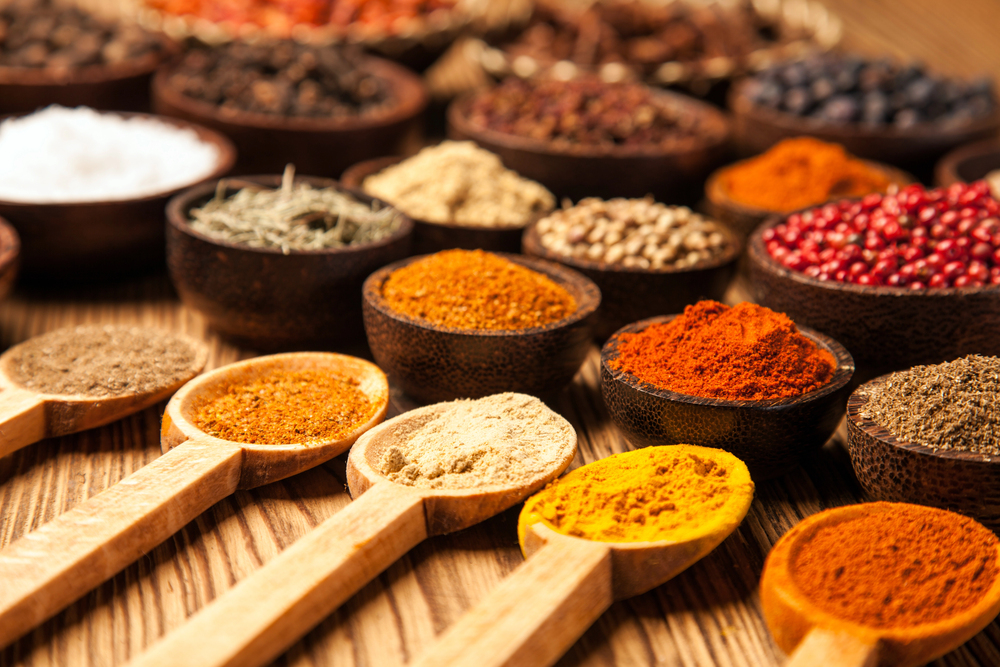
Black pepper was literally worth its weight in silver during the Middle Ages, and other spices commanded similarly astronomical prices. Europeans paid fortunes for cinnamon, nutmeg, and cloves that had traveled thousands of miles along dangerous trade routes.
Wealthy families displayed their spice collections as status symbols, much like people today might show off expensive wine collections. The search for cheaper spice routes drove the age of exploration and fundamentally changed world history.
Now you can buy a full spice rack at any grocery store for less than what a single pinch of pepper once cost.
Ice

Before refrigeration, ice was a luxury item that wealthy families stored in specially built ice houses insulated with sawdust. The ice trade was a massive industry in the 1800s, with crews harvesting frozen blocks from northern lakes and shipping them around the world.
Rich households in hot climates paid premium prices for ice to chill their drinks and preserve food during summer months. Ice cream parlors became symbols of prosperity because they could afford to keep ice year-round.
Today, ice machines are standard appliances, and getting ice cubes is as simple as opening a freezer door.
White Bread

White bread was the ultimate status symbol in ancient Rome and medieval Europe because refining flour required expensive processing techniques. Only the aristocracy could afford bread made from finely milled wheat flour, while common people ate dark, coarse bread made from whatever grains they could find.
The whiter the bread, the higher your social standing — it showed you could afford the most processed and ‘pure’ food available. Bakers who could produce perfectly white loaves commanded premium prices and served exclusive clientele.
Ironically, modern nutrition science has revealed that the whole grain breads eaten by medieval peasants were actually healthier than the refined white bread their wealthy neighbors prized.
Mirrors
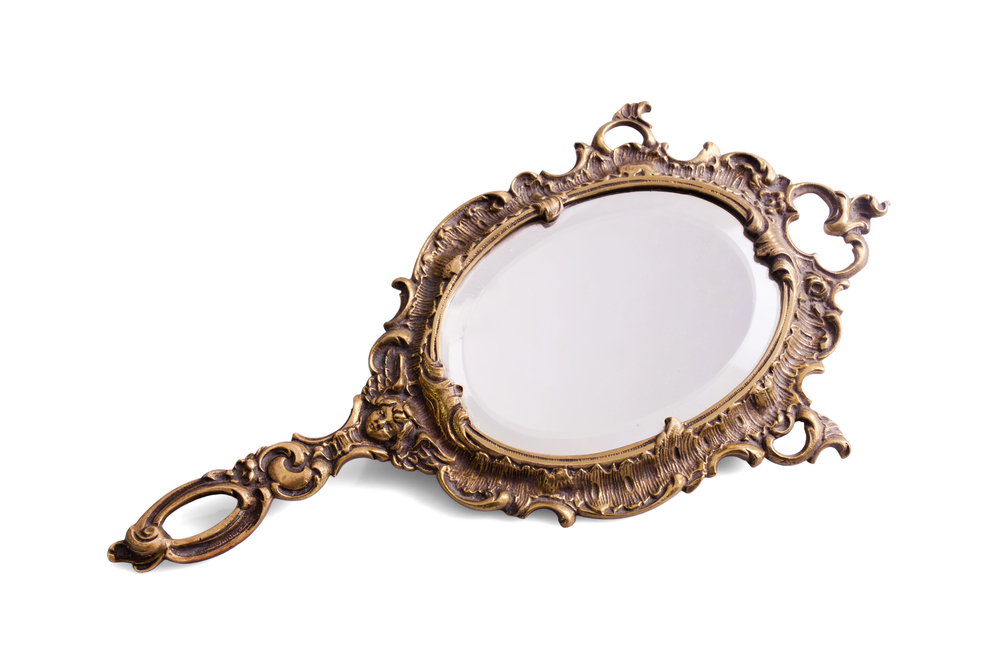
High-quality mirrors were once so expensive that only royalty and the extremely wealthy could own them. The secret of making clear, reflective glass was closely guarded by Venetian artisans who charged enormous sums for their products.
A single large mirror could cost as much as a ship, making them among the most valuable possessions in any household. People would travel great distances just to see their reflection clearly, since polished metal provided only distorted images.
The Hall of Mirrors at Versailles was built partly to show off the French king’s incredible wealth through its 357 mirrors.
Glass Windows

Glass windows were such a luxury in medieval times that wealthy people would take them along when they moved houses. Most homes had shutters, oiled paper, or thin animal membranes covering their window openings instead of actual glass.
Clear, flat glass required skilled craftsmen and expensive materials, making windows a powerful symbol of prosperity. The phrase ‘window tax’ comes from actual taxes levied on homes with glass windows since they indicated wealth.
Even small panes of glass were precious enough to pass down as family heirlooms.
Books

Before the printing press, books were handwritten by scribes and incredibly expensive to produce. A single illuminated manuscript could cost as much as a farm, making personal libraries the exclusive domain of monasteries, universities, and the super-rich.
Most books were chained to reading desks to prevent theft, highlighting their enormous value. The ability to read was itself a luxury since most people couldn’t afford education or access to written materials.
Gutenberg’s printing press revolutionized society by making books affordable enough for middle-class families to own.
Bananas

Bananas were exotic tropical fruits that cost a fortune in temperate climates before modern transportation developed. In the early 1900s, a single banana in the United States could cost the equivalent of several dollars today.
People would buy them for special occasions or give them as expensive gifts to impress others. The development of refrigerated ships and faster transportation methods gradually brought prices down.
Now bananas are among the cheapest fruits available in most grocery stores worldwide.
Pineapples

Pineapples were the ultimate symbol of hospitality and wealth in colonial America, often rented by the hour for dinner parties. A single pineapple could cost the equivalent of $8,000 in today’s money because they had to survive long sea voyages from the Caribbean.
Wealthy hosts would display pineapples at social gatherings to demonstrate their prosperity and worldliness. Some people couldn’t even afford to eat them — they would just rent them for display purposes and return them to the merchant afterward.
The pineapple became such a powerful status symbol that its image was carved into gateposts and incorporated into architectural designs.
Silk

Silk was once more valuable than gold and reserved exclusively for royalty and the highest nobility. The Chinese monopoly on silk production lasted for centuries, and revealing the secrets of sericulture was punishable by death.
Roman emperors passed laws limiting who could wear silk because it was draining the empire’s gold reserves through trade with China. A single silk garment represented months or years of wages for ordinary workers.
The Silk Road became one of history’s most important trade networks largely because of this single luxury fabric.
Purple Dye

Purple dye was so expensive in ancient times that it became synonymous with royalty itself. The color came from murex shells, and it took thousands of shells to produce just a small amount of dye.
Only emperors and kings could afford clothing in ‘royal purple,’ making it the ultimate status symbol throughout the ancient world. The phrase ‘born to the purple’ referred to children of royalty because only they could wear this incredibly expensive color.
Laws in many societies actually forbade commoners from wearing purple, making it an illegal luxury reserved for the elite.
Salt

Salt was once so valuable that Roman soldiers were sometimes paid in salt rather than money, giving us the phrase ‘worth his salt.’ This mineral was essential for preserving food before refrigeration, making it literally a matter of life and death in many societies.
Salt routes became major trade highways, and wars were fought over access to salt mines. Wealthy merchants built fortunes on the salt trade, while governments heavily taxed it as a luxury item.
The Boston Tea Party was partly inspired by British salt taxes that made this necessity unaffordable for many colonists.
Chocolate

Chocolate was considered so divine that the Aztecs used cacao beans as currency and reserved chocolate drinks for royalty and warriors. When Spanish conquistadors brought chocolate to Europe, it remained an expensive luxury for the aristocracy for centuries.
Chocolate houses became exclusive clubs where wealthy gentlemen would gather to drink this exotic beverage and conduct business. The process of making smooth, sweet chocolate required expensive ingredients and complex techniques that kept prices high.
Mass production finally brought chocolate within reach of ordinary people in the late 1800s.
Tea

Tea was such an expensive luxury in 18th-century Europe that people kept it locked in special tea caddies with multiple keys. A pound of tea could cost several months’ wages, making afternoon tea a privilege of the wealthy elite.
Tea sets became valuable family heirlooms passed down through generations because of their association with this precious commodity. The British Empire’s expansion was partly driven by the desire to control tea trade routes and reduce the enormous cost of importing it from China.
Tea smuggling became a lucrative criminal enterprise because the legal product was so expensive.
Coffee

Coffee was initially so expensive that coffee houses became exclusive gathering places for merchants, intellectuals, and the wealthy elite. A single cup of coffee cost more than most people earned in a day, making it a rare treat reserved for special occasions.
Coffee houses were called ‘penny universities’ because the price of coffee bought you access to newspapers, debates, and networking opportunities. The drink was so associated with wealth and sophistication that some governments tried to ban it to prevent social unrest.
Coffee plantations and the slave labor that supported them developed largely to meet European demand for this luxury beverage.
Mechanical Clocks

Personal timepieces were once incredibly expensive mechanical marvels that only the wealthy could afford. A pocket watch represented months of skilled craftsman work and cost more than most people’s annual income.
Being able to tell precise time was a luxury that gave wealthy merchants and professionals significant advantages in business dealings. Public clocks were rare, so owning a personal timepiece marked you as someone of considerable means.
The phrase ‘time is money’ became meaningful only when accurate timekeeping became accessible to business owners.
Indoor Plumbing

Indoor plumbing was the ultimate luxury in ancient Rome and didn’t become common again until the modern era. Wealthy Romans had elaborate bathroom facilities with running water, heated floors, and sophisticated drainage systems that wouldn’t be matched for over a thousand years.
During the Middle Ages, even kings and queens used chamber pots and outdoor privies while dreaming of Roman-style bathrooms. Indoor toilets and running water remained expensive luxuries available only to the very rich until the late 1800s.
The transformation of indoor plumbing from luxury to necessity represents one of the most dramatic improvements in human living standards.
When Luxuries Become Necessities
The journey from luxury to necessity reflects humanity’s remarkable ability to innovate, adapt, and democratize comfort. What once required tremendous wealth and social status now sits within reach of ordinary families, fundamentally changing how we define prosperity and basic living standards.
These transformations continue today as items like smartphones and internet access shift from luxuries to essential tools for modern life. The next generation will likely look back at today’s expensive innovations — perhaps space travel or advanced medical treatments — and wonder how people ever lived without them.
More from Go2Tutors!

- The Romanov Crown Jewels and Their Tragic Fate
- 13 Historical Mysteries That Science Still Can’t Solve
- Famous Hoaxes That Fooled the World for Years
- 15 Child Stars with Tragic Adult Lives
- 16 Famous Jewelry Pieces in History
Like Go2Tutors’s content? Follow us on MSN.



