Things You Only Understand If You Grew Up in the 90s
The 1990s were a unique time to be a kid. Technology existed but hadn’t taken over every part of daily life yet.
Kids played outside until the streetlights came on, cartoons only aired at certain times, and the internet made that screeching dial-up sound that parents hated. Growing up in that decade meant experiencing things that seem completely foreign to kids today, and anyone who lived through it carries memories that make perfect sense to fellow 90s kids but sound bizarre to everyone else.
Let’s dive into all those things that only make sense if someone was actually there.
Rewinding VHS tapes before returning them
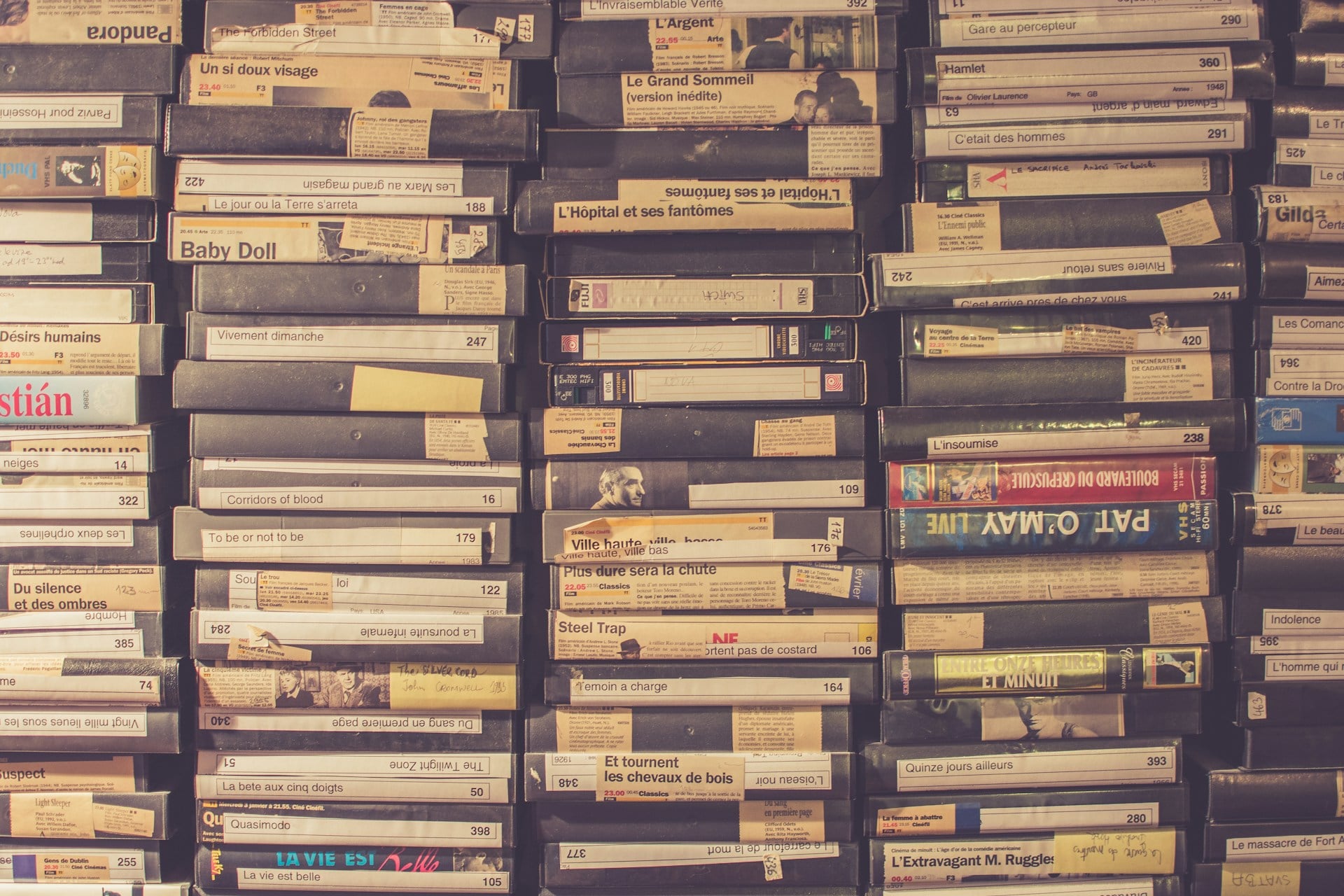
Blockbuster had signs everywhere reminding customers to rewind their tapes, and people actually worried about getting charged fees for not doing it. The kind rewind button on the VCR got used constantly, though some families splurged on a separate rewinding machine shaped like a race car.
Waiting for a movie to rewind felt like forever, especially when someone just wanted to watch their favorite part again. Younger generations will never understand the specific frustration of popping in a tape only to discover the last person didn’t rewind it.
The pain of a scratched CD
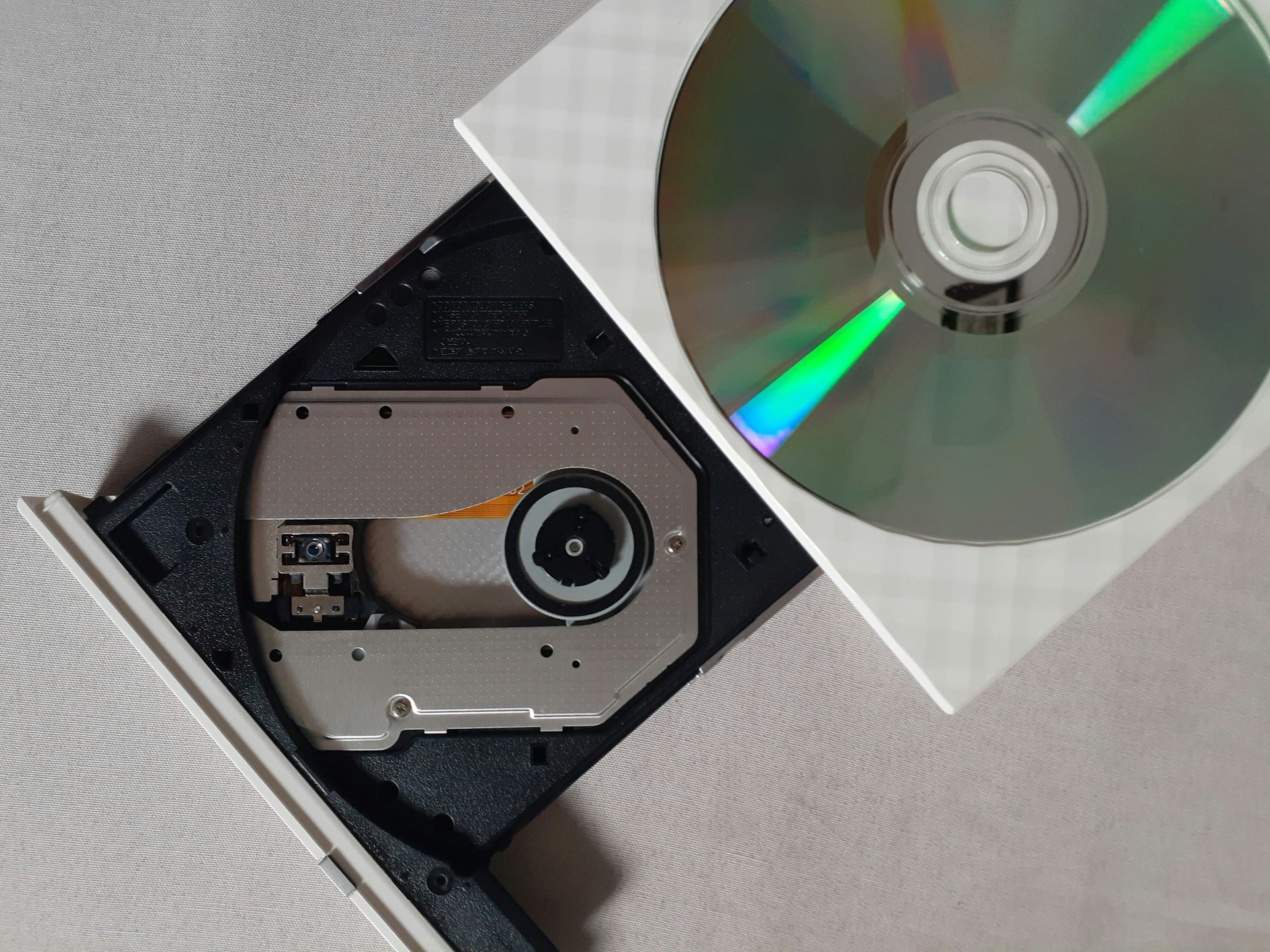
One tiny scratch could make a CD skip during the best part of a song, and there was no fixing it no matter what anyone tried. Kids learned to handle CDs by the edges only, treating them like fragile treasures that could break at any moment.
Some people swore by rubbing toothpaste on scratches or running them under water, but those tricks rarely worked. Watching someone toss a CD onto a table without its case made any 90s kid cringe.
The jump from track five to track seven because track six was ruined became a common experience everyone shared.
Recording songs off the radio

Getting a perfect recording meant sitting by the radio with a finger hovering over the record button, waiting for a favorite song to play. The DJ always talked over the beginning or end, ruining what could have been a clean copy.
Someone who managed to record a full song without interruptions felt like they’d won the lottery. Mix tapes took hours to create, and each one represented serious effort and planning.
The whole process taught patience in a way that clicking ‘add to playlist’ never could.
Having only one phone line for the whole house

When someone was on the internet, nobody could use the phone, which started countless family arguments. Parents yelled at kids to get off the computer so they could make calls, and kids got mad when calls kicked them offline.
Call waiting meant someone might interrupt an important conversation or cause a friend to get disconnected mid-chat. The phone cord stretched across the kitchen as someone tried to have a private conversation, which was basically impossible.
Every member of the family knew everyone else’s business because privacy didn’t really exist.
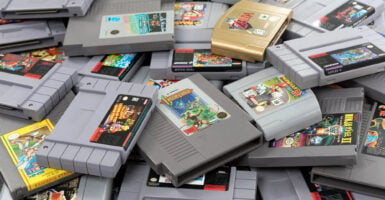
Blowing into Nintendo cartridges
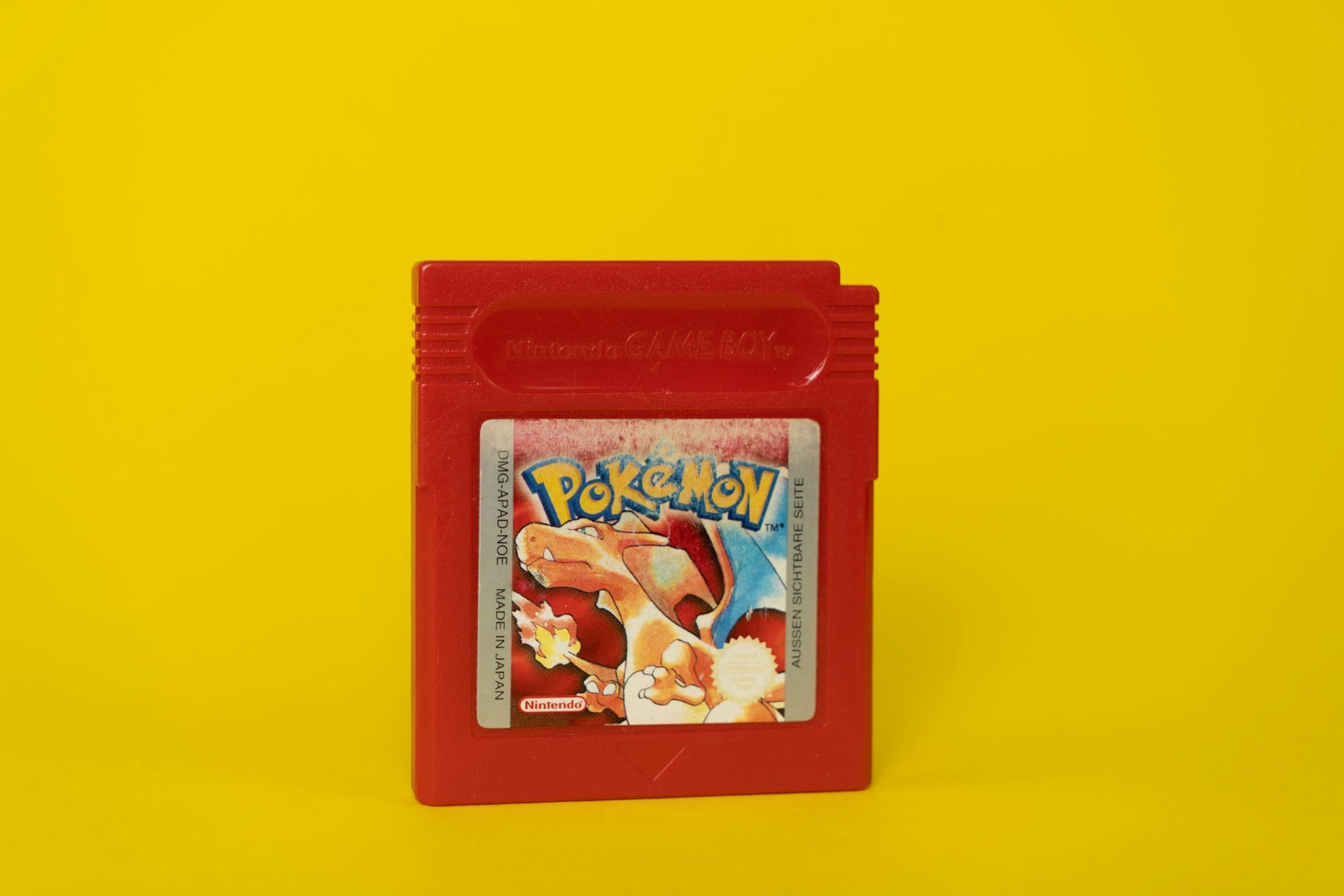
This ritual happened before every gaming session, even though Nintendo said not to do it. Something about blowing into the cartridge, the console, or both made games work when they wouldn’t load properly.
Nobody knew if it actually helped or if it was just superstition, but everyone did it anyway. Some kids developed elaborate techniques involving multiple blows from different angles.
The gray box and the games themselves became dusty from years of use, but they kept working long past when they probably should have quit.
Planning to meet friends without cell phones

Arrangements made at school had to stick because there was no way to change plans once everyone went home. If someone said they’d be at the park at 3 pm, they had better show up or friends would wait around annoyed.
Getting separated at the mall meant meeting at a predetermined spot, usually the food court, and hoping everyone remembered. Parents dropping kids off somewhere had to agree on a specific pickup time and location.
The whole system required trust and good memory, and it somehow worked most of the time.
Waiting a week for the next episode

Binge-watching didn’t exist, so cliffhangers at the end of episodes meant actual waiting and wondering what would happen. Miss an episode and there was no easy way to catch up unless it aired as a rerun months later.
Everyone at school talked about the same shows because they all watched them at the same time. TV Guide told families what would air and when, and people actually planned their schedules around their favorite programs.
The anticipation built excitement in a way that having every episode available at once doesn’t quite match.
Using encyclopedias for school reports

Research meant going to the library and hoping they had the right volume of the encyclopedia set. World Book and Encyclopedia Britannica took up entire shelves, and their information was years out of date but nobody had better options.
Kids copied passages almost word for word, changing a few terms here and there to make it sound original. The school library limited how many books could be checked out, so popular topics created competition for resources.
A CD-ROM encyclopedia like Encarta felt revolutionary when it came out, even though it couldn’t compare to what the internet would offer later.
The excitement of getting mail order items
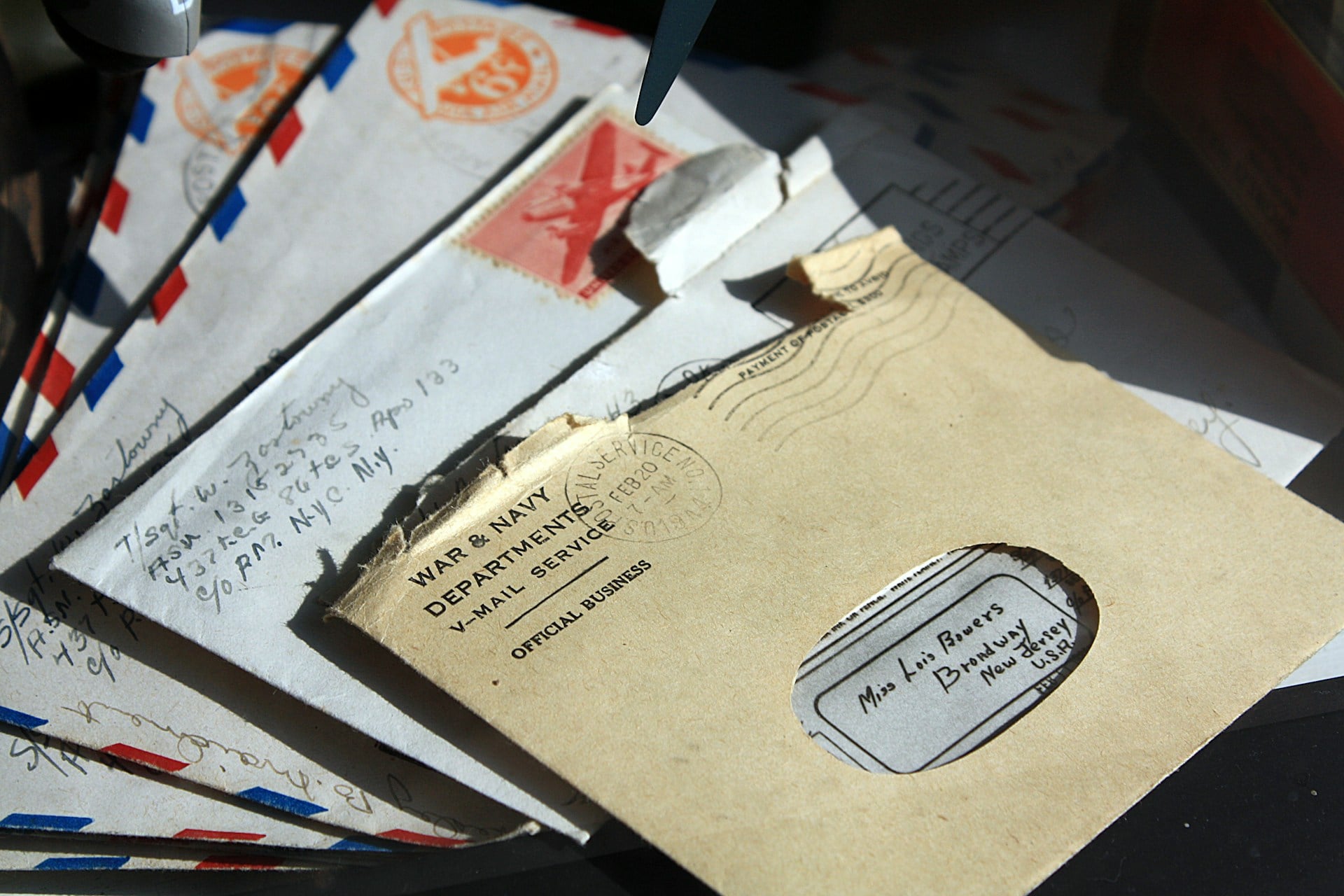
Sending away box tops or money for items advertised in magazines or on cereal boxes meant waiting four to six weeks for delivery. Kids checked the mailbox every single day, hoping their Sea Monkeys or X-Ray Specs had arrived.
The anticipation built for weeks, making the actual arrival feel like Christmas morning. Half the time, items looked nothing like the advertisements and were pretty disappointing.
But that didn’t stop anyone from sending away for the next cool thing they saw.
Documenting everything on disposable cameras

Taking photos meant being selective because each roll only had 24 or 36 shots. People actually thought about whether a moment deserved to waste film.
Getting photos developed took days or weeks, and opening that envelope to see how pictures turned out was always a surprise. Half the shots were blurry, cut off heads, or had fingers covering the lens.
The anticipation of waiting to see vacation or birthday photos added to the overall experience of events.
The logo on everything

Brands slapped their names across every piece of clothing in huge letters, and people actually wanted to be walking advertisements. Tommy Hilfiger, FUBU, and Gap had logos so big that anyone could read them from across the room.
Wearing the right brands mattered for social status in a way that seems silly looking back. Kids begged parents for specific overpriced items just because of the label on them.
Fashion was less about actual style and more about showing off brand names everyone recognized.
Saturday morning cartoon marathons

Waking up early on weekends wasn’t a chore when cartoons were involved. Kids camped out in front of the TV with cereal, watching back-to-back shows for hours.
The lineup changed seasonally, and everyone knew the schedule by heart. Once cartoons ended around noon, there was nothing good on until much later.
Those few hours of animated shows were precious because cartoons didn’t air all day like they do now on dedicated channels.
Passing notes in class

Folding notes into complicated shapes became an art form, and everyone learned different techniques to share with friends. Teachers tried to catch note-passers, which made the whole thing feel rebellious and exciting.
The contents were usually silly gossip or plans for after school, nothing particularly important. Getting caught meant the teacher might read the note aloud, which was mortifying for everyone involved.
Texting replaced notes completely, but it lacks the personal touch of handwritten messages passed hand to hand.
AOL Instant Messenger away messages

Crafting the perfect away message took serious thought because it told everyone what someone was doing or how they felt. Song lyrics, inside jokes, and vague statements about life filled these status updates before status updates were even a thing.
People checked friends’ away messages obsessively to see if anything changed or if someone was subtly talking about them. The buddy list showed who was online, and hearing that door opening sound meant a friend had signed on.
Entire conversations happened through away messages instead of actual instant messages sometimes.
Trapper Keepers and their designs

These three-ring binders with folders built in came in countless designs, from sports to animals to abstract patterns. The Velcro closure made a satisfying ripping sound every time someone opened one.
Kids showed off their Trapper Keepers and judged each other’s choices in designs. They fell apart by the end of the year from daily use and abuse.
The brand became so connected to school supplies that the name was basically synonymous with binders, even though other companies made similar products.
Scholastic Book Fair excitement

The day the book fair came to the school library felt like a holiday. Walking through the displays with a few dollars from parents, trying to decide what to buy, was a huge deal.
Most kids wanted erasers, pencils, and posters more than actual books. The smell of fresh pages and the excitement of picking something to take home made school bearable for those few days.
Teachers gave time during class to browse, which beat doing regular schoolwork by a long shot.
Waiting for pictures to download
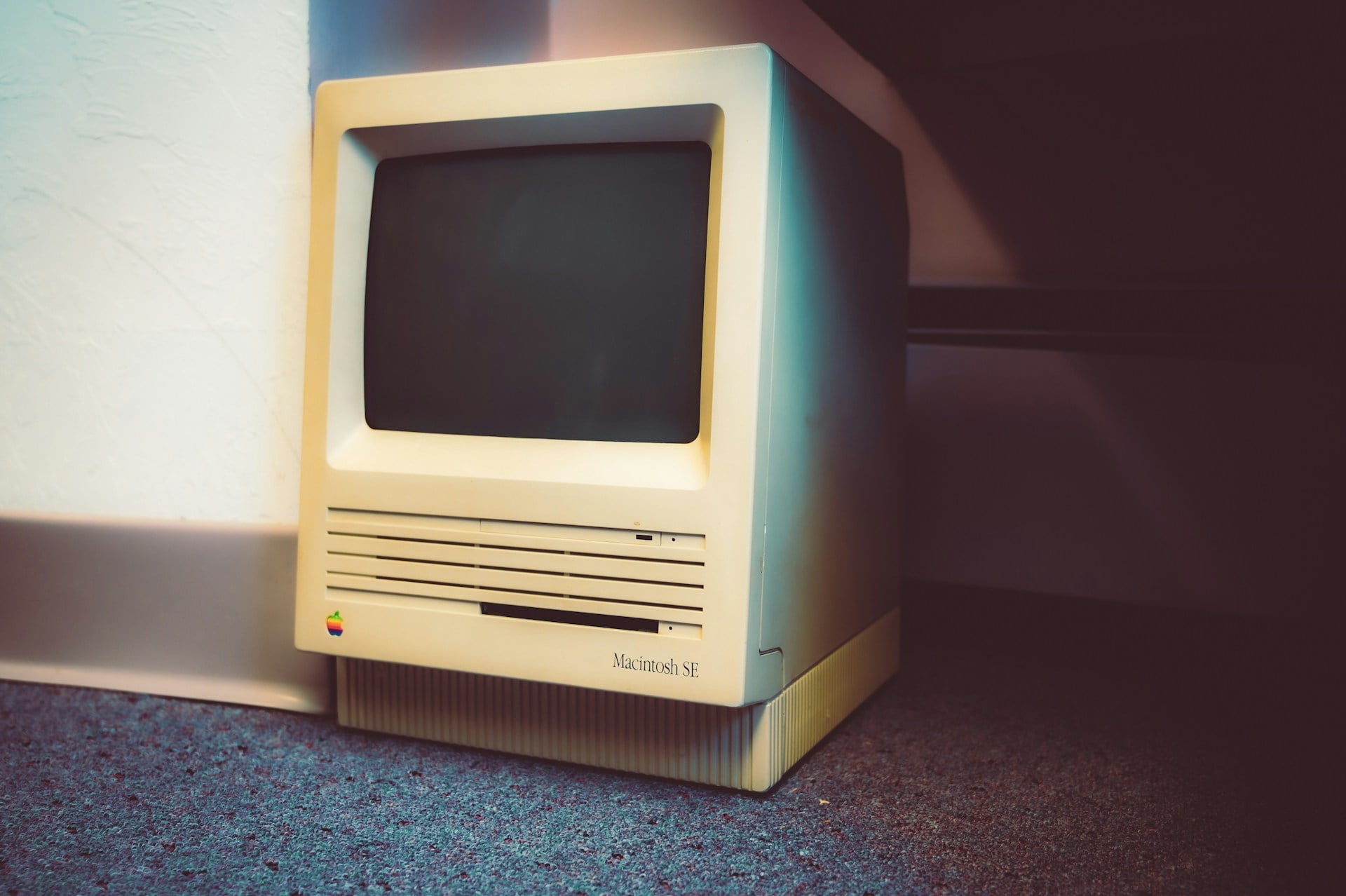
Images loaded line by line from top to bottom, taking minutes to fully appear on screen. Someone could start loading a picture, go make a sandwich, come back, and it still wouldn’t be done.
Patience wasn’t optional because there was no faster way to see what was online. The anticipation of waiting to see what would appear made the internet feel mysterious.
Younger people who grew up with instant loading have no idea what that wait was like.
When the internet stayed in the 90s
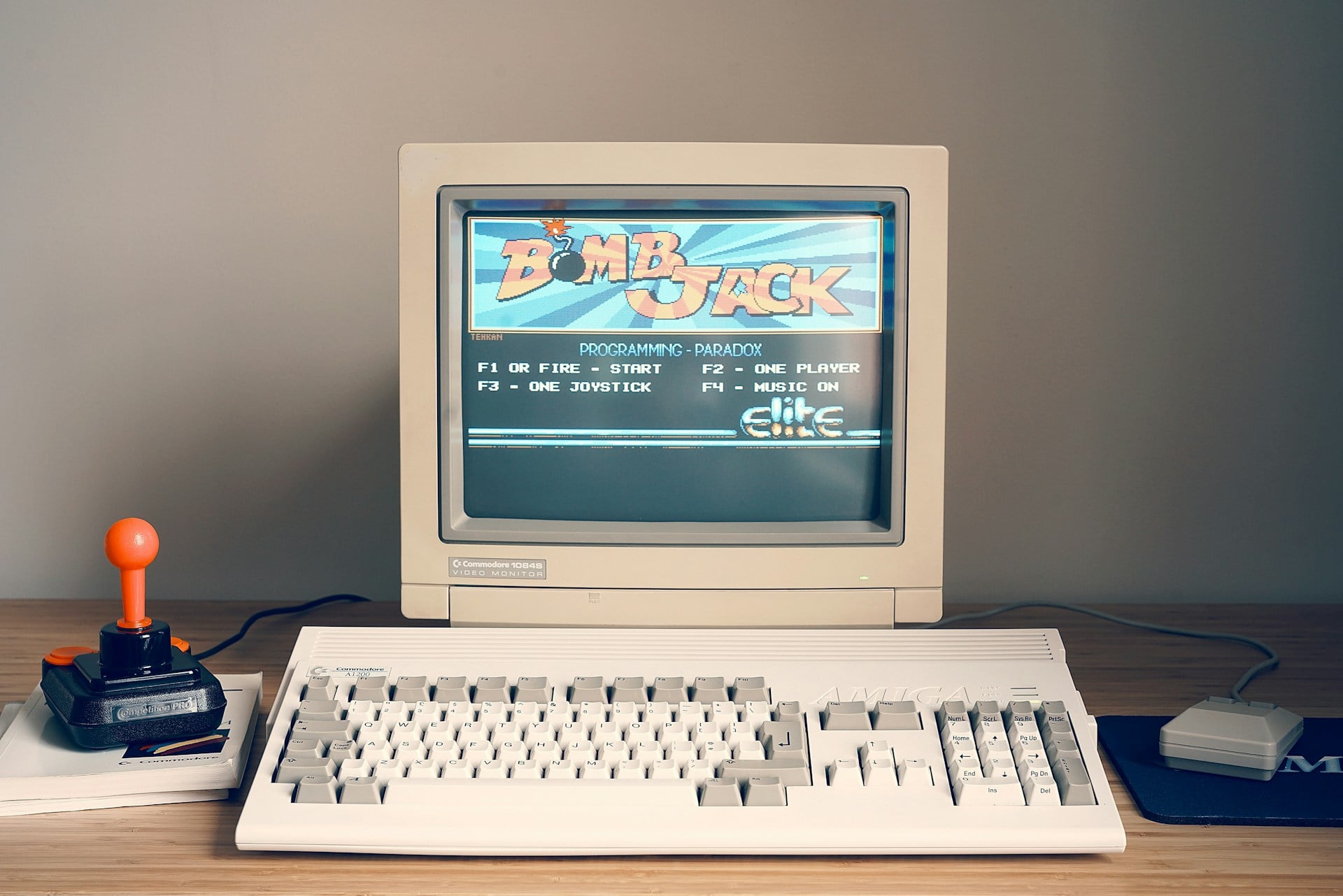
Those memories and experiences shaped a generation in ways that are hard to explain to people who didn’t live through them. Technology has made life more convenient, but something got lost in the transition from physical media and face-to-face plans to digital everything.
The 90s taught patience, creativity, and how to function without constant connectivity, skills that seem almost old-fashioned now. Kids growing up today have different experiences that will seem just as strange to future generations.
But for anyone who remembers rewinding tapes, blowing in cartridges, and planning to meet friends without a single text message, those years created a shared understanding that bonds 90s kids together forever.
More from Go2Tutors!

- The Romanov Crown Jewels and Their Tragic Fate
- 13 Historical Mysteries That Science Still Can’t Solve
- Famous Hoaxes That Fooled the World for Years
- 15 Child Stars with Tragic Adult Lives
- 16 Famous Jewelry Pieces in History
Like Go2Tutors’s content? Follow us on MSN.