20 Old Book Bindings With Details Worth Preserving
A book cover can outlast the words inside it. Leather, silk, vellum and gold leaf carry marks of the hands that made them, and sometimes of the people who owned them.
The twenty bindings below show how much history a spine can hold. Some are grand, some are plain, and several survive only because someone refused to throw away a shabby cover.
The Chains at Hereford Cathedral

Hereford Cathedral holds the largest surviving chained library in the world, with roughly 1,500 books. The oak furniture dates to 1611, and the chains, rods and locks that kept readers honest are still in place.
Among the volumes is the eighth-century Hereford Gospels, one of 229 chained medieval manuscripts.
Russia Leather Salvaged From a Shipwreck
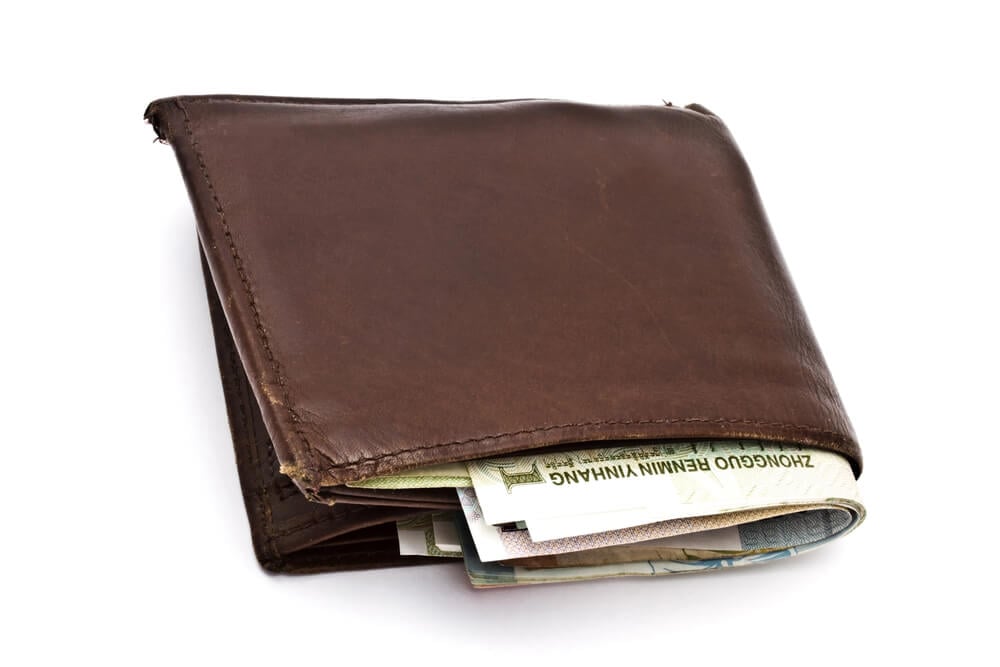
The Danish brigantine Metta Catharina sank in Plymouth Sound on November 10, 1786, carrying bundles of Russia leather made from reindeer hide. Divers recovered the ship’s bell and the leather in October 1973.
The pungent, insect-resistant leather had been prized by binders, and the wreck proved how well it survived long immersion.
The Oldest Known Dust Jacket
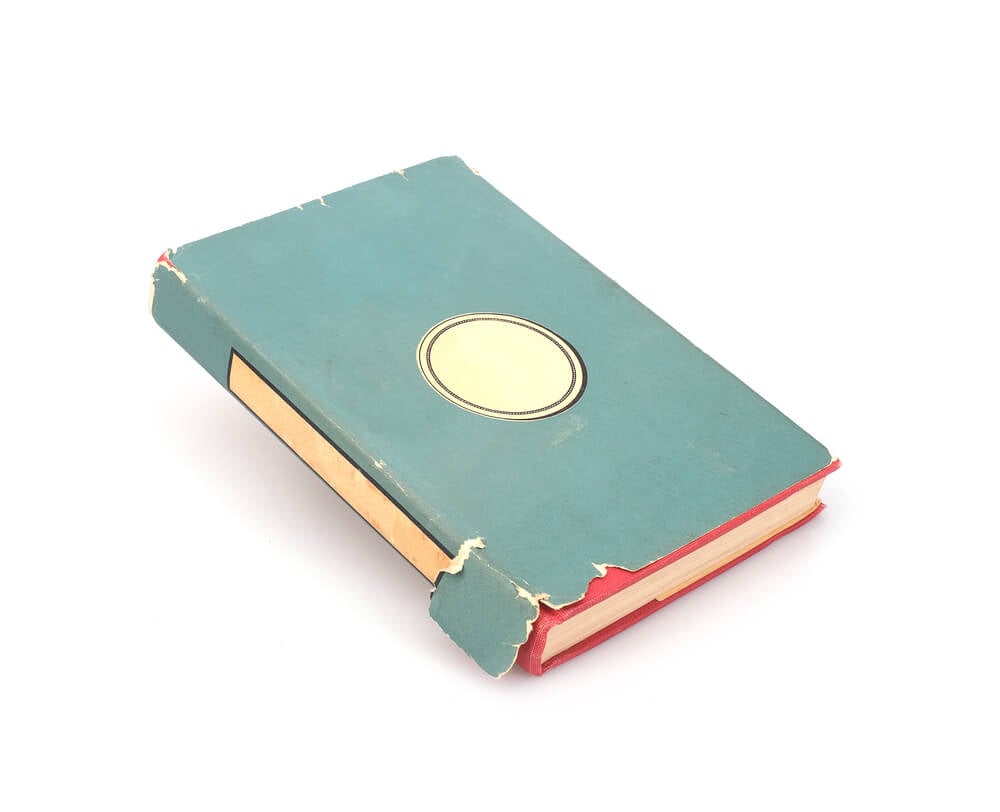
A wrapper from 1829 enclosed an entire silk-bound gift book, Friendship’s Offering, for the 1830 season. It was printed with the 12-shilling price and was found at the Bodleian Library.
Dust jackets were treated as disposable for generations, which is why this one is a rarity.
A Princess’s Needlework Cover
In 1544, eleven-year-old Elizabeth gave her stepmother Katherine Parr a manuscript called the Miroir. The cover is embroidered in silver and gold thread on blue silk, and it carries Katherine’s initials.
Elizabeth probably did the stitching herself, which makes the binding a rare example of royal childhood handiwork.
Girdle Books Worn From the Belt
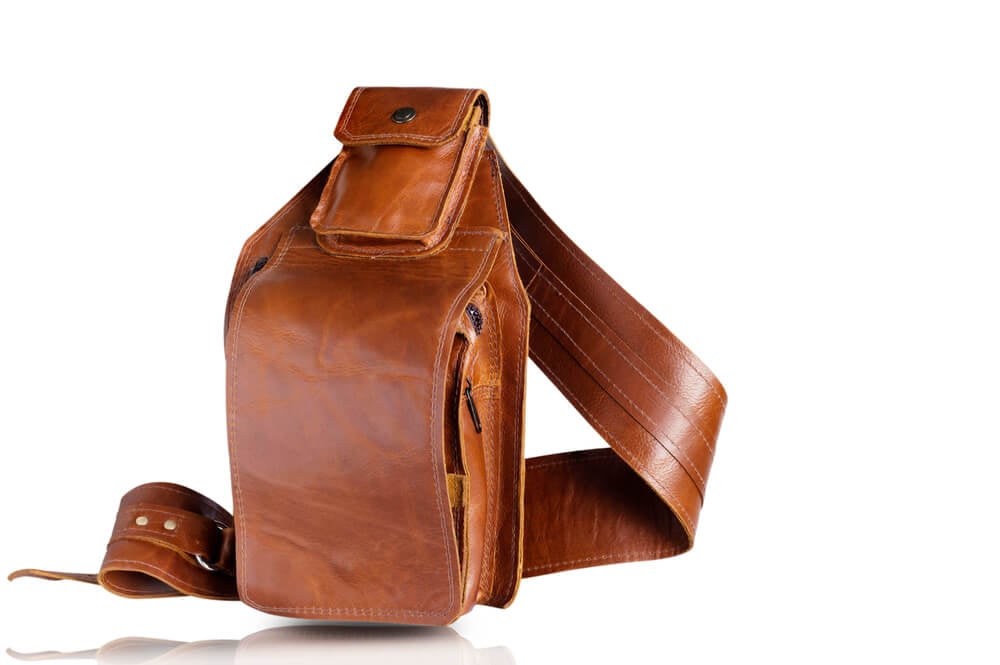
Late medieval girdle books extend the leather cover into a long tail that ends in a knot. The knot was tucked under a belt so a small prayer book or manual could hang at the hip.
Very few survive with the tail intact, since the exposed leather wore away with use.
Cosway Bindings With Hidden Portraits
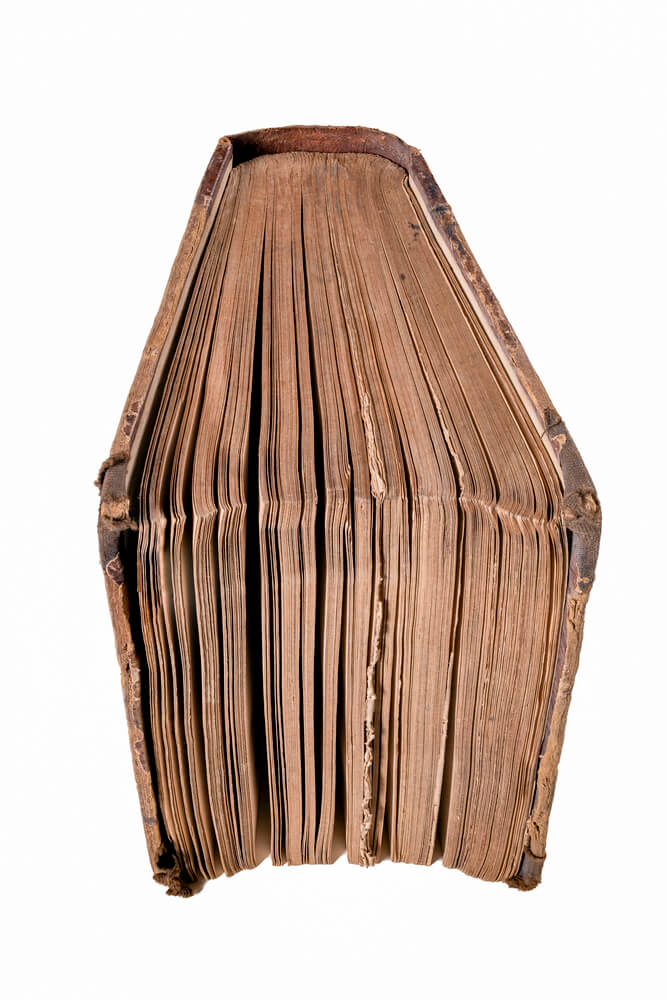
Early twentieth-century London binderies produced Cosway bindings, which set a miniature portrait painted on ivory into the cover. The style takes its name from the eighteenth-century miniaturist Richard Cosway.
The tiny portraits are protected by a thin layer of glass and a frame of gold tooling.
The Great Omar and the Titanic
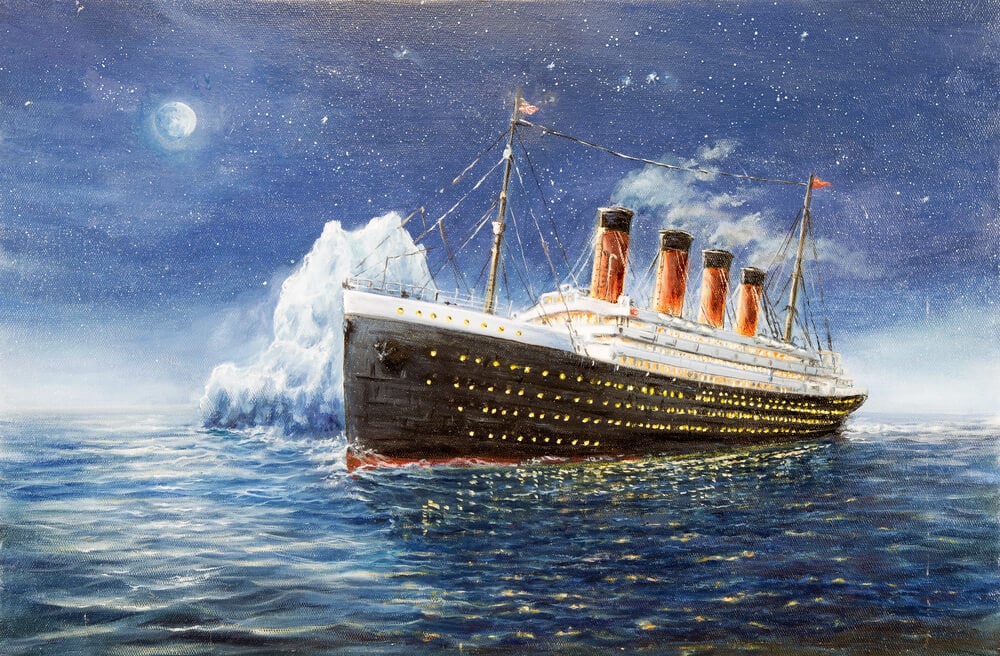
Sangorski and Sutcliffe finished a jeweled binding of the Rubaiyat in 1911, set with more than 1,000 stones and decorated with three peacocks. The book sailed for New York in 1912 and went down with the Titanic.
A replacement binding was later made, but the original lies on the ocean floor.
Limp Vellum With Laces
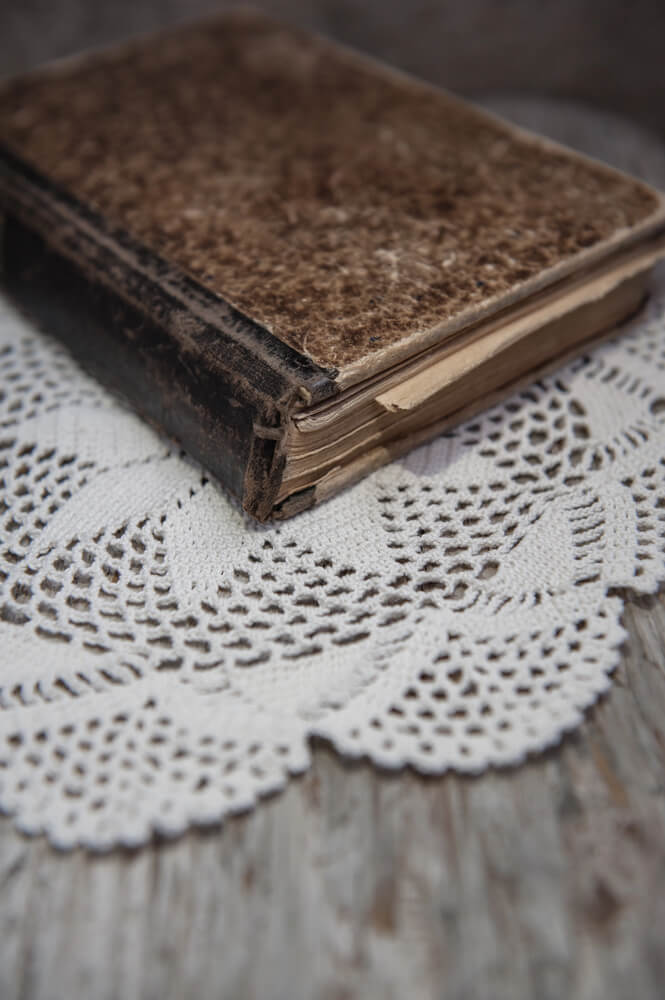
Many sixteenth- and seventeenth-century books were covered in soft, unstiffened vellum and tied shut with leather laces. The style was cheap, flexible and quick to make.
Surviving examples often show the original ties and a handwritten title inked on the spine, since no one wasted gold on them.
Paintings Hidden in the Page Edges

Fore-edge paintings are watercolors applied to the edges of a book’s pages, invisible until the leaves are fanned. The firm of Edwards of Halifax made them fashionable in the eighteenth century.
Some books carry a second painting on the opposite fan direction, so the hidden scene changes depending on which way the pages bend.
Boiled Leather Cases
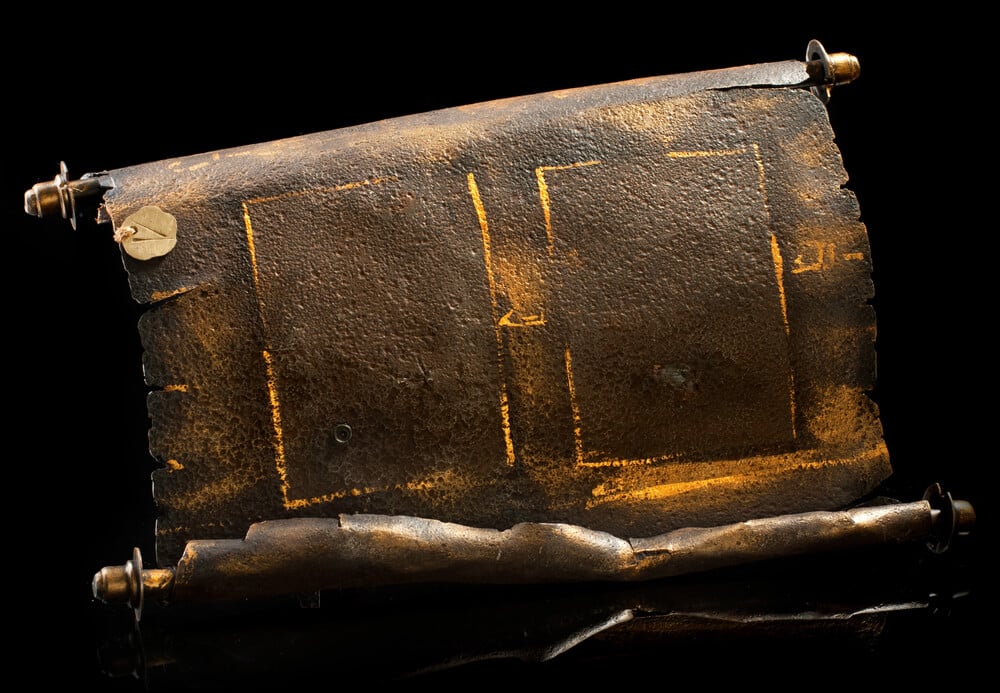
Cuir bouilli, or boiled leather, was soaked and molded into shape, then hardened as it dried. Medieval craftsmen used it for book covers and protective cases, often pressing in fine patterns.
The process produced a hard shell that could last for centuries.
The Coptic Codices of Nag Hammadi
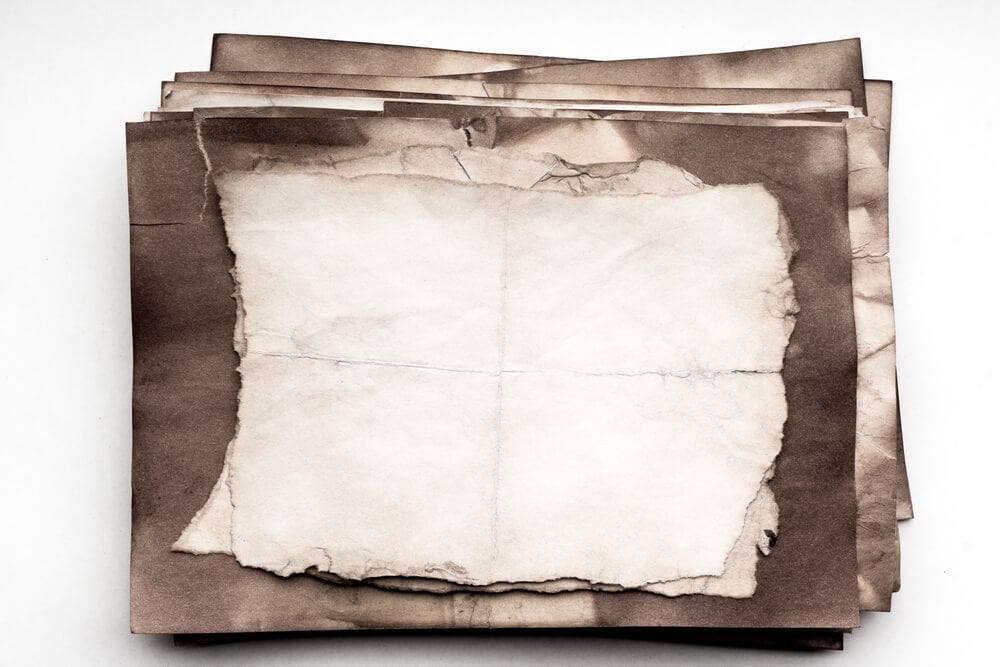
Thirteen leather-bound papyrus codices were found near Nag Hammadi in Egypt in 1945. They date to the fourth century, and their covers show the early Coptic technique of sewing leaves together with exposed thread.
The bindings matter as much as the texts, since they show how books were built before the modern spine existed.
Gold and Gems on the Lindau Gospels
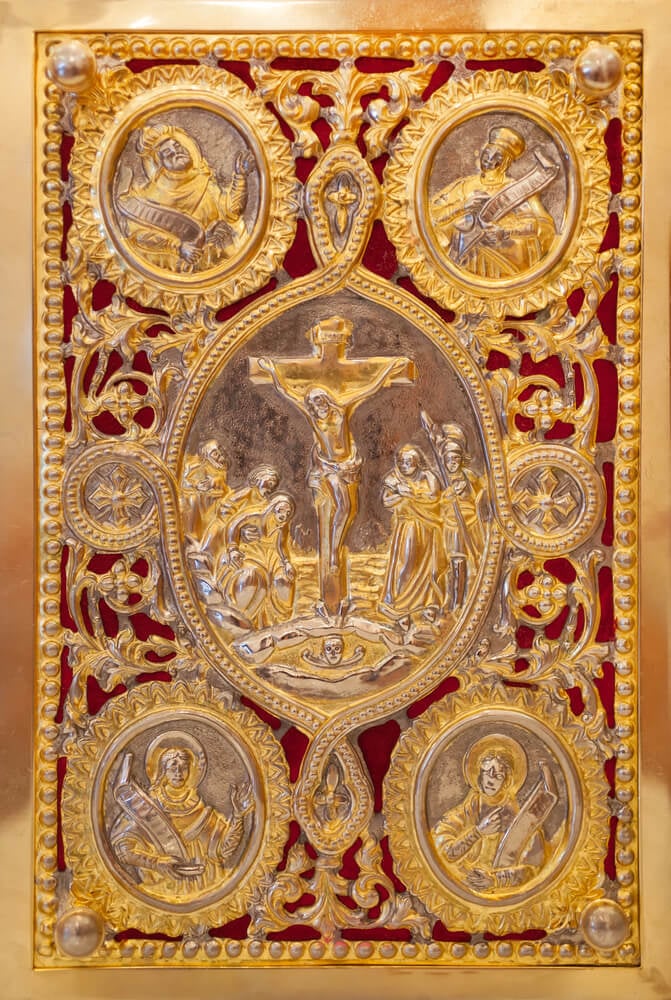
Carolingian gospel books received treasure bindings of gold, pearls and gemstones. The Lindau Gospels, now held in New York, has gem-studded covers made in the ninth century.
These covers were meant to be seen on an altar, and the book inside was almost secondary.
The Doublure Inside the Cover
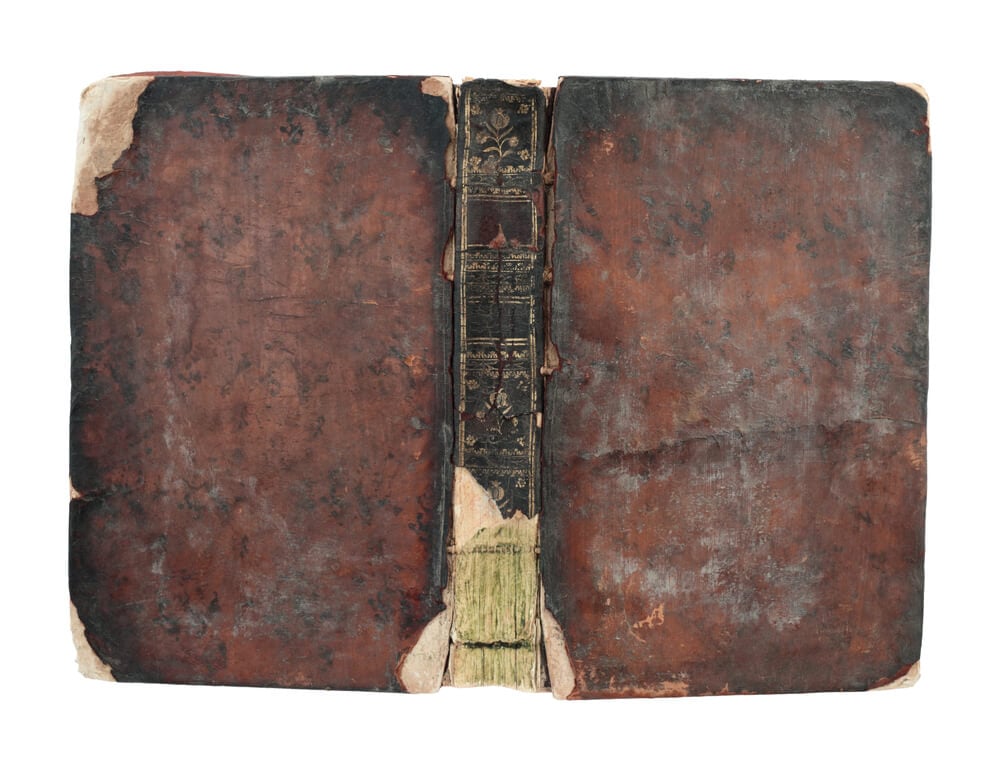
A doublure is a decorative lining pasted to the inside of a book’s cover, made of leather or silk. Fine French binders made them as elaborate as the outside.
Opening the book reveals a second binding hidden from anyone looking only at the spine.
Grolier’s Mark of Friendship

Jean Grolier, a sixteenth-century French treasurer, had his books stamped with a Latin phrase declaring that they belonged to him and to his friends. His bindings combine interlaced strapwork with gold tooling.
That inscription turned a private library into a stated promise of sharing.
Fanfare Style Interlacing
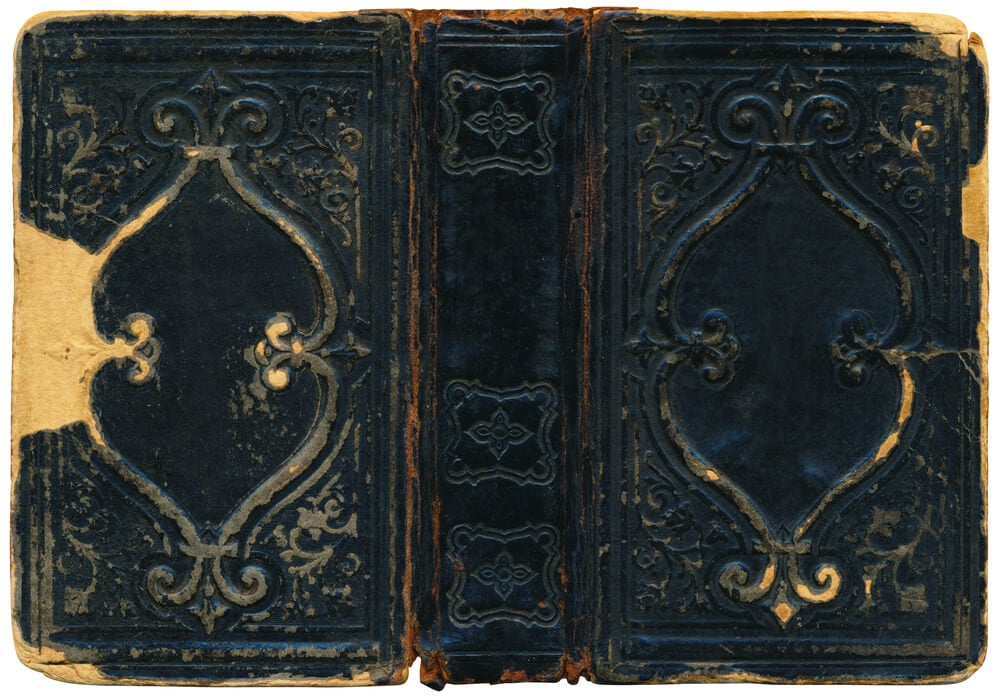
Parisian binders of the late sixteenth century developed the fanfare style, covering boards with interlaced ribbons and sprigs of foliage in gold. Each compartment was filled with small tools, giving the cover a dense, woven look.
Collectors prize unbroken examples, since the delicate gold work flakes easily.
The Arrival of Cloth Covers

Publishers began using cloth for trade bindings in the 1820s. Cloth was cheaper than leather, could be stamped by machine, and took color well.
Early cloth bindings are surprisingly scarce in good condition, because they were made to be temporary.
Marbled Endpapers

Turkish marbling, known as ebru, reached Europe in the seventeenth century. Binders pasted the swirled papers inside covers, where each sheet was one of a kind.
No two marbled endpapers match exactly, since the pattern depends on how pigment floated on the bath.
Pale Pigskin With Blind Stamps
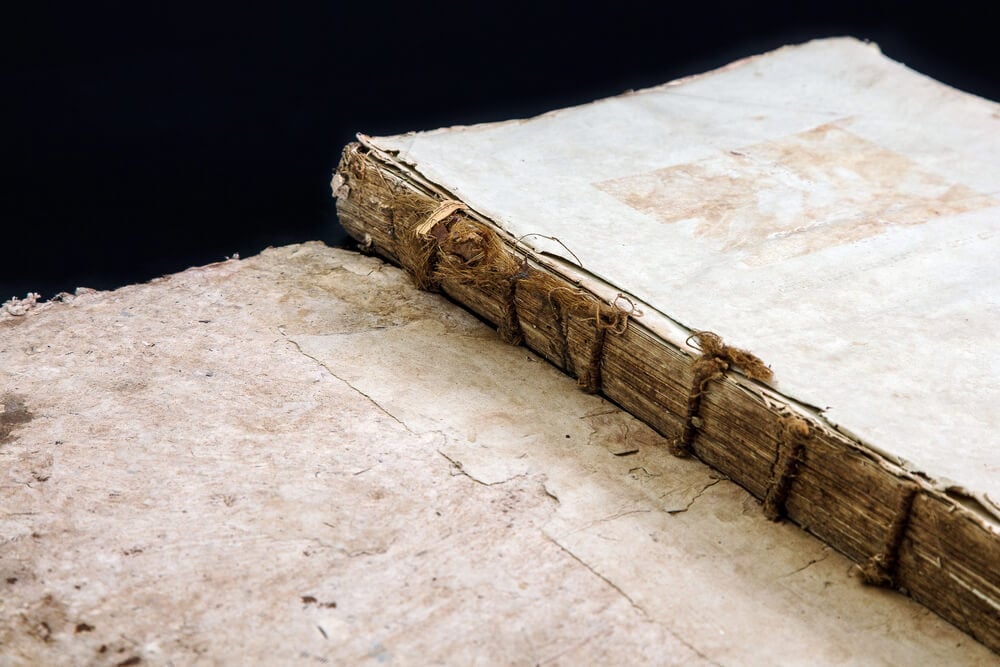
German binders of the fifteenth and sixteenth centuries often used pigskin tanned with alum and salt, which left it pale. They decorated it with blind stamps, meaning impressions without any gold.
The pigskin ages to a soft honey color, and the stamped designs can show animals, flowers and saints.
Persian Lacquer Covers
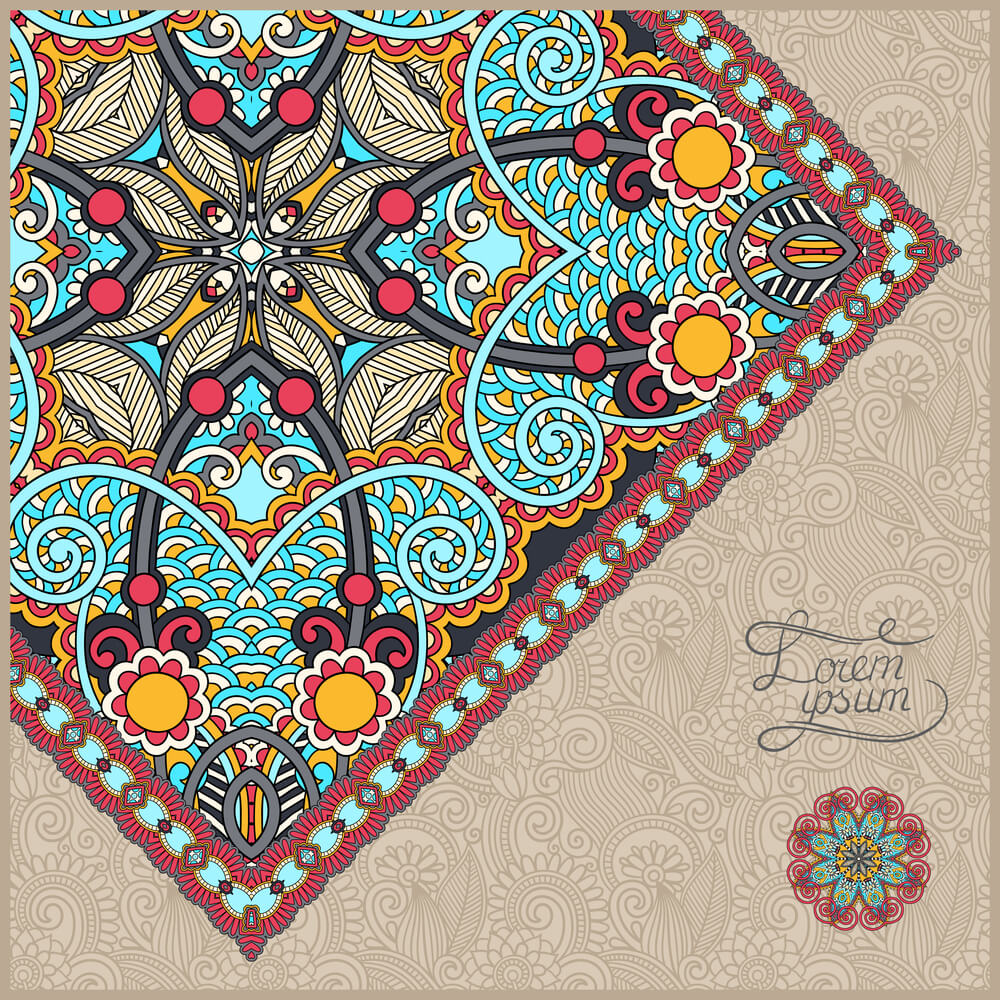
Painted and lacquered bindings were a specialty of Persian workshops in the Safavid and Qajar periods. Artists painted birds, flowers and scenes onto papier-mache covers, then sealed them under glossy varnish.
The covers could be treated as small paintings in their own right.
Chinese Thread Binding
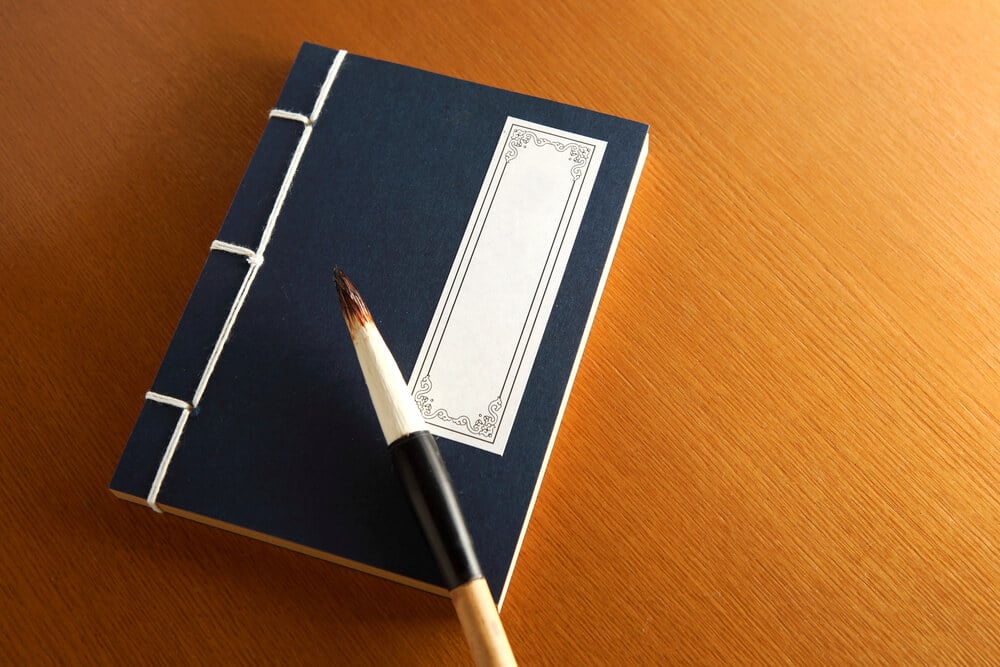
Traditional Chinese books were bound by stitching folded sheets together along the open edge with silk thread. This kept the spine soft and the book easy to repair.
The method was used throughout the Ming and Qing dynasties, and a loose thread can be replaced without damaging a page.
What a Cover Remembers
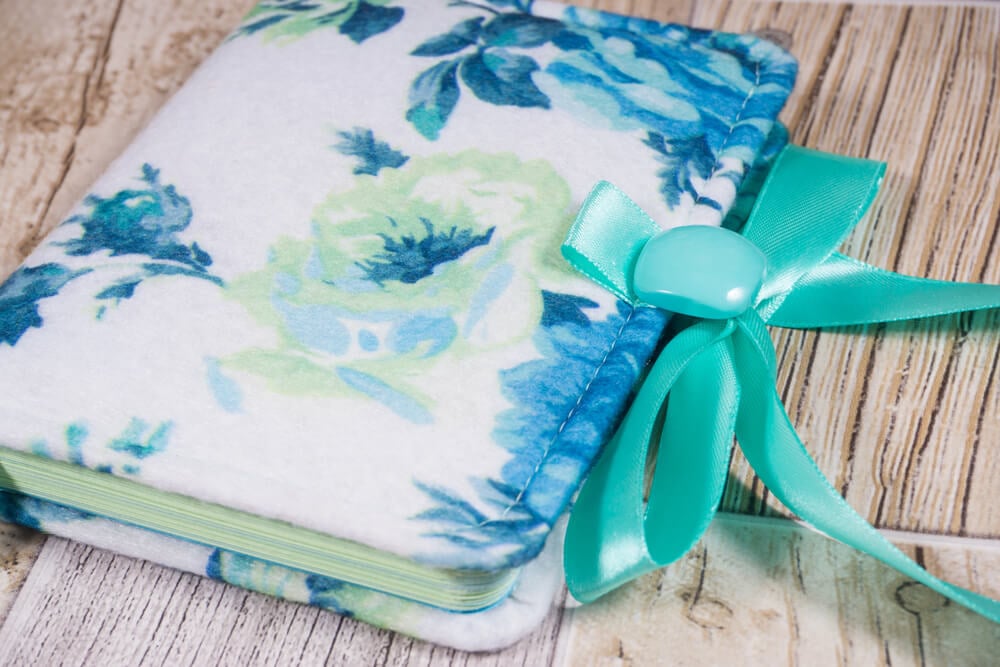
A binding records choices that the text never mentions: which leather was cheap, which owner was proud, and which repair was done in a hurry. Chains, embroidery, jewels and stitches turn a book into an object with a biography.
Preserving those details means resisting the urge to tidy them away. A faded spine, a worn tie or a repaired corner often tells the story better than a flawless restoration could.
More from Go2Tutors!

- 27 Silver Dollars and Half Dollars Worth Keeping
- 28 Restaurant Menu Items Nobody Orders Anymore
- 17 Places Built in Seemingly Impossible Spots
- 27 Vintage Rings Worth More Than They Look
- 25 Restricted Sites Tourists Can’t Enter
Like Go2Tutors’s content? Follow us on MSN.