28 Accidental Discoveries Made by People Who Had No Idea What They Found
Some of the most important things humans have ever stumbled upon weren’t found by people who were looking for them. They were found by farmers plowing fields, scientists chasing unrelated problems, children poking at strange rocks, and workers who just happened to dig in the right spot at the right time.
The history of discovery is less a straight line of intentional progress and more a long series of happy accidents — moments where curiosity, luck, or simple clumsiness collided with something the world had been waiting to know about. These 28 discoveries prove that the universe has a habit of revealing itself to people who weren’t paying attention in quite the right direction.
Penicillin

Alexander Fleming came back from vacation in 1928 to find mold growing on one of his petri dishes — and instead of tossing it, he noticed that the bacteria around the mold had died. Most people would have cleaned the dish and moved on.
That particular failure to tidy up changed modern medicine entirely.
The Dead Sea Scrolls

A Bedouin shepherd threw a rock into a cave near the Dead Sea in 1947, heard the sound of breaking pottery, and went inside to investigate. What he found were clay jars containing some of the oldest known biblical manuscripts ever recovered — texts dating back more than 2,000 years.
The scrolls rewrote what historians knew about early religious texts, and it all started with a teenager lobbing a rock at a cliffside out of mild curiosity.
Cosmic Microwave Background Radiation
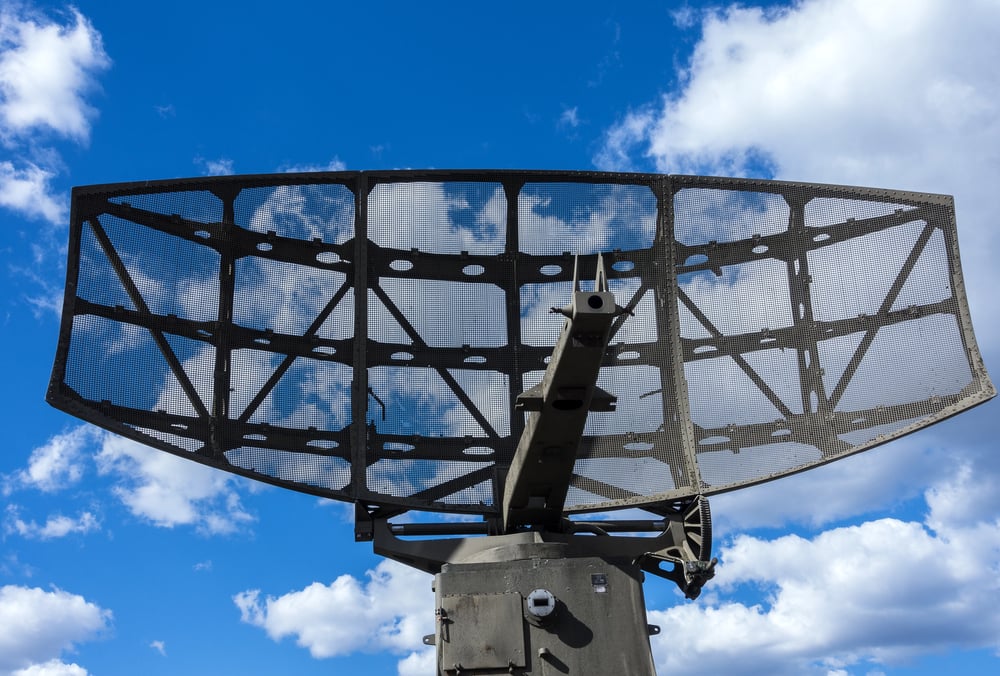
Arno Penzias and Robert Wilson were trying to use a large antenna in New Jersey in 1965 to detect faint radio signals from space, but kept picking up an annoying, persistent hiss they couldn’t explain — one that seemed to come from every direction at once, regardless of where they aimed the antenna. They checked for equipment failure, they even cleaned out pigeon droppings from the receiver (twice), and the hiss stubbornly refused to go away.
So they had accidentally detected the afterglow of the Big Bang itself: the faint radiation left over from the birth of the universe, the most significant cosmological evidence ever recorded, found by two engineers annoyed by what they thought was interference.
X-Rays
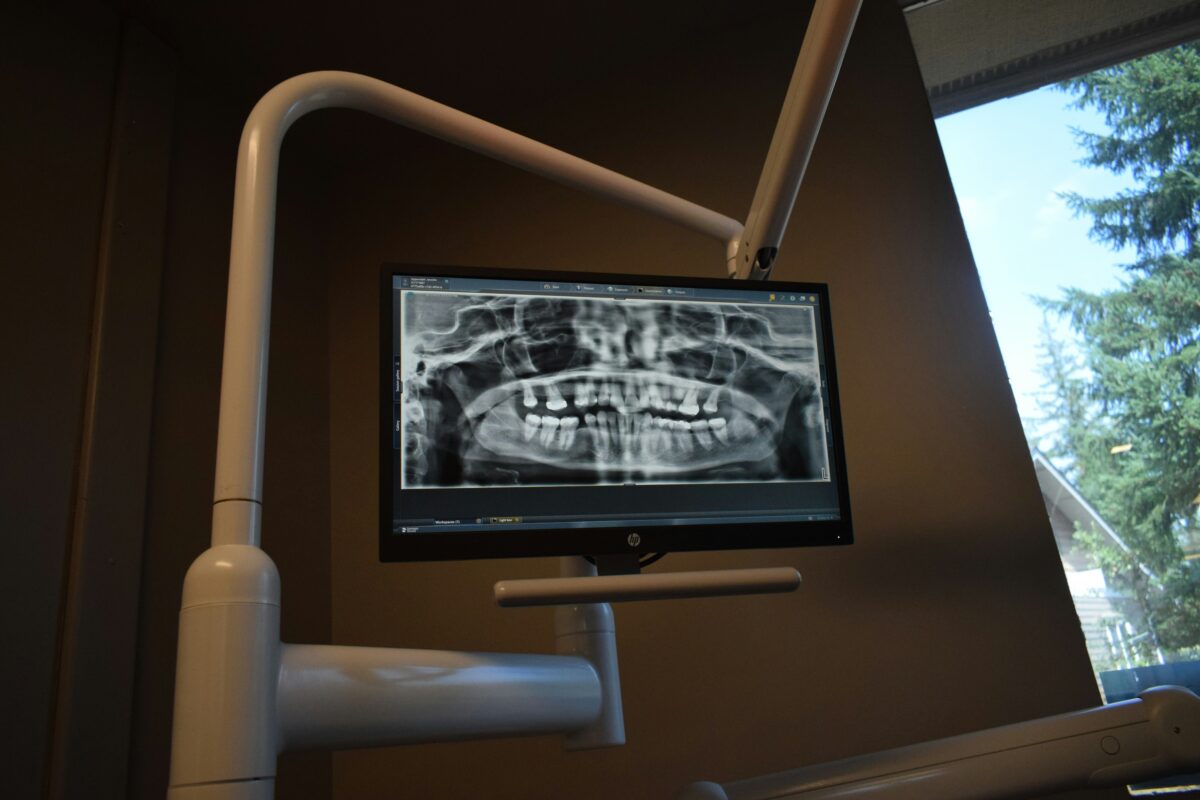
Wilhelm Röntgen was experimenting with cathode ray tubes in 1895 when he noticed something strange — a fluorescent screen across the room was glowing even though it wasn’t in the beam’s path and should have been completely unaffected. The ray that was causing it passed through solid material.
Within weeks, Röntgen had taken the first X-ray image of a human hand, his wife’s, and the world had a new way of seeing inside the body.
Teflon
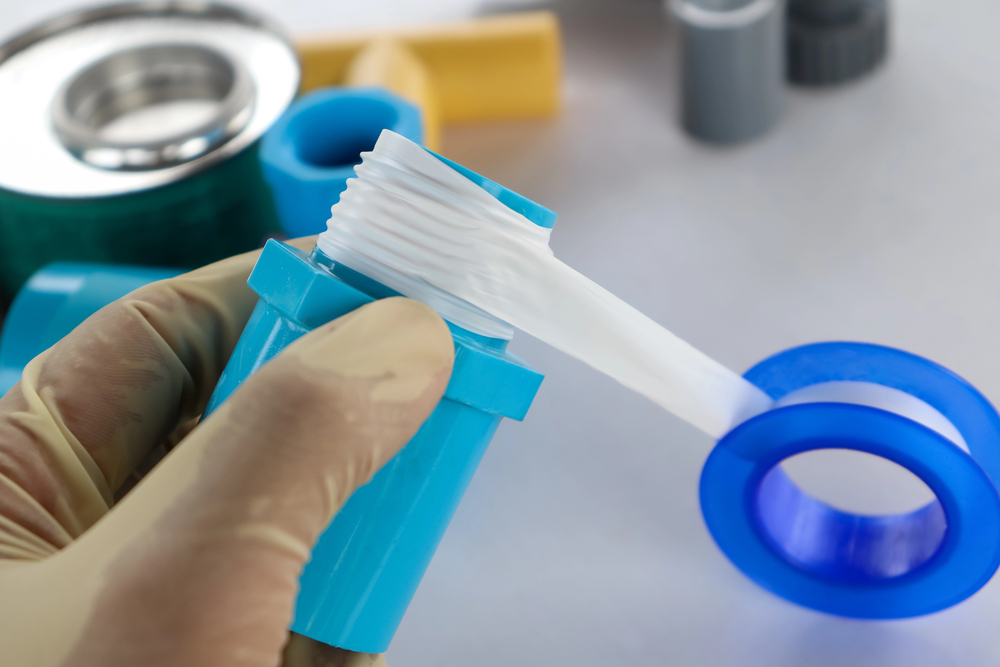
Roy Plunkett was trying to develop a new refrigerant at DuPont in 1938 when a canister of tetrafluoroethylene gas stopped flowing — not because it was empty, but because the gas had polymerized inside the canister and turned into a white, waxy solid. That solid turned out to be extraordinarily slippery and heat-resistant.
It took another decade before someone figured out how to coat a frying pan with it, but Plunkett’s accidental polymerization launched one of the most commercially successful materials in kitchen history.
Velcro
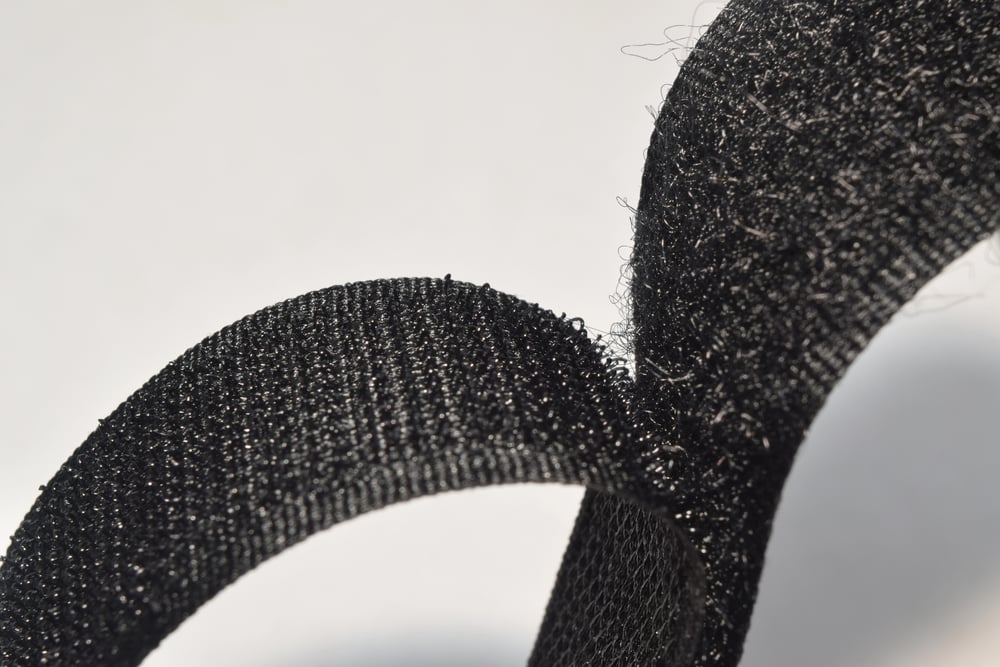
George de Mestral came home from a walk in the Swiss countryside in 1941 and found his coat and his dog covered in burrs — the kind that cling to fabric with an almost personal stubbornness. Most people just pull them off and complain.
De Mestral put one under a microscope instead and spent the next several years reverse-engineering the tiny hooks on the burr’s surface into a fastening system that would eventually reach the moon on NASA spacesuits.
The Rosetta Stone

French soldiers digging foundations for a fort near Rosetta, Egypt, in 1799 hit a large, dark slab of granodiorite and realized the surface was covered in inscriptions. The stone carried the same message written in three scripts — Ancient Egyptian hieroglyphics, Demotic script, and Ancient Greek — and it became the key that finally unlocked the meaning of hieroglyphics after centuries of frustrated guessing.
A demolition crew stumbled onto one of the most significant linguistic discoveries in human history before their fort was even built.
Saccharin

Constantin Fahlberg was working in a chemistry lab at Johns Hopkins in 1879 and forgot to wash his hands before lunch — when he bit into a bread roll, it tasted inexplicably sweet. He traced the sweetness back to a compound he had been synthesizing that day, a coal tar derivative that turned out to be hundreds of times sweeter than sugar.
Fahlberg promptly patented it without mentioning his supervisor, which reportedly did not go over well, but saccharin went on to become the world’s first widely used artificial sweetener.
Machu Picchu

Hiram Bingham III was searching for Vilcabamba, the lost final capital of the Inca Empire, in 1911 when a local farmer named Melchor Arteaga offered — for about fifty cents — to lead him up a nearby ridge. What Bingham found at the top wasn’t Vilcabamba.
It was Machu Picchu, a spectacularly intact 15th-century Inca citadel sitting above the clouds, known to local farmers for generations but invisible to the outside world. He was looking for one lost city and accidentally found a different one entirely.
Microwave Ovens

Percy Spencer was an engineer at Raytheon in 1945, testing a magnetron — a device used in radar systems — when he reached into his pocket and found that the chocolate bar he’d been carrying had melted, though nothing around him was hot. Spencer connected the dots between the magnetron’s microwave emissions and the melted candy, then systematically tested it with popcorn kernels and an egg.
The egg exploded, the popcorn worked, and within two years Raytheon had filed a patent for the first microwave oven, a machine that stands roughly five feet tall and weighs about 750 pounds in its original form.
Gunpowder
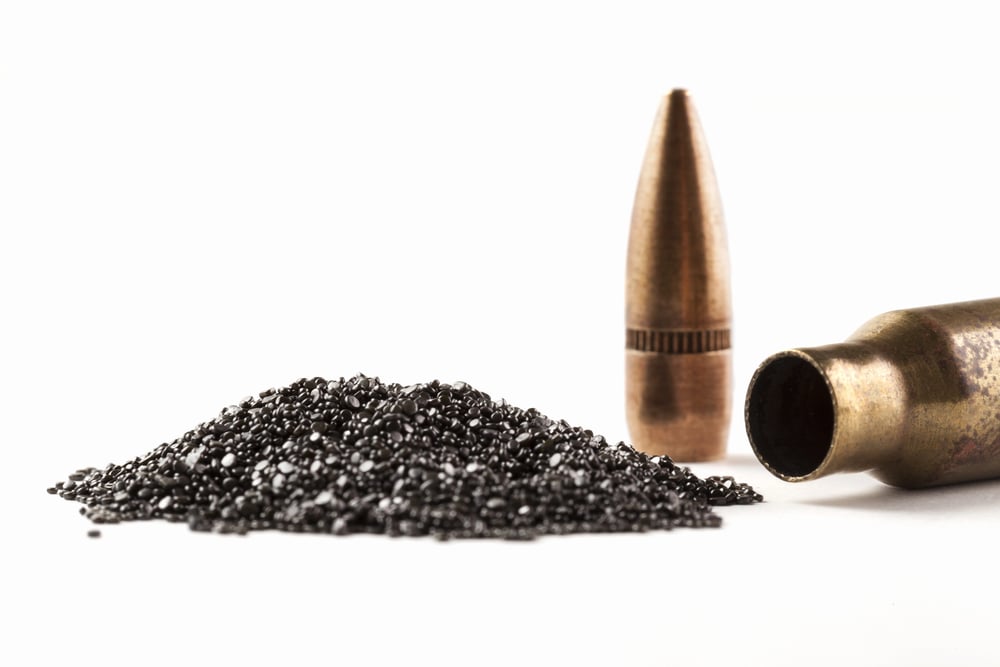
Chinese alchemists during the Tang dynasty were doing the opposite of discovering an explosive — they were specifically trying to find the elixir of immortality. Mixing sulfur, charcoal, and potassium nitrate in various combinations produced an unexpected and emphatic result: fire.
The discovery they made around the 9th century wasn’t what they were looking for, and the search for eternal life inadvertently produced one of history’s most destructive inventions.
The Lascaux Cave Paintings
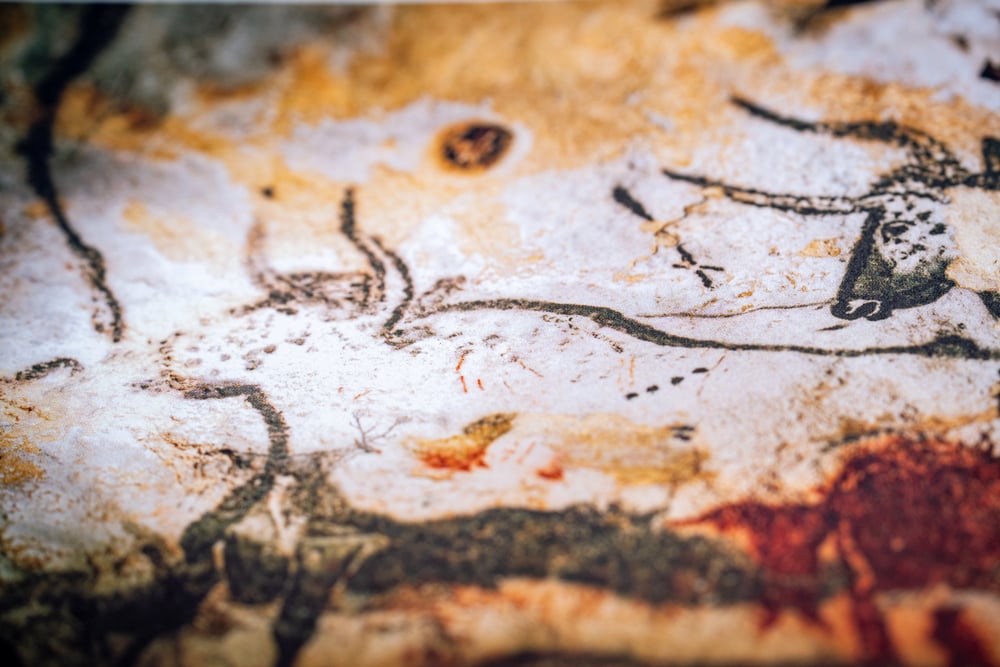
Four teenagers in the Dordogne region of France were exploring the woods in September 1940 after their dog disappeared into a pit in the ground. They widened the opening, crawled in after the dog, and found themselves inside a cave covered from floor to ceiling in prehistoric paintings — horses, deer, and bison rendered in red and black pigment by artists who had stood in that same space roughly 17,000 years earlier.
The dog’s name was Robot, which seems like the least accurate name in the history of remarkable moments.
Rubber Vulcanization
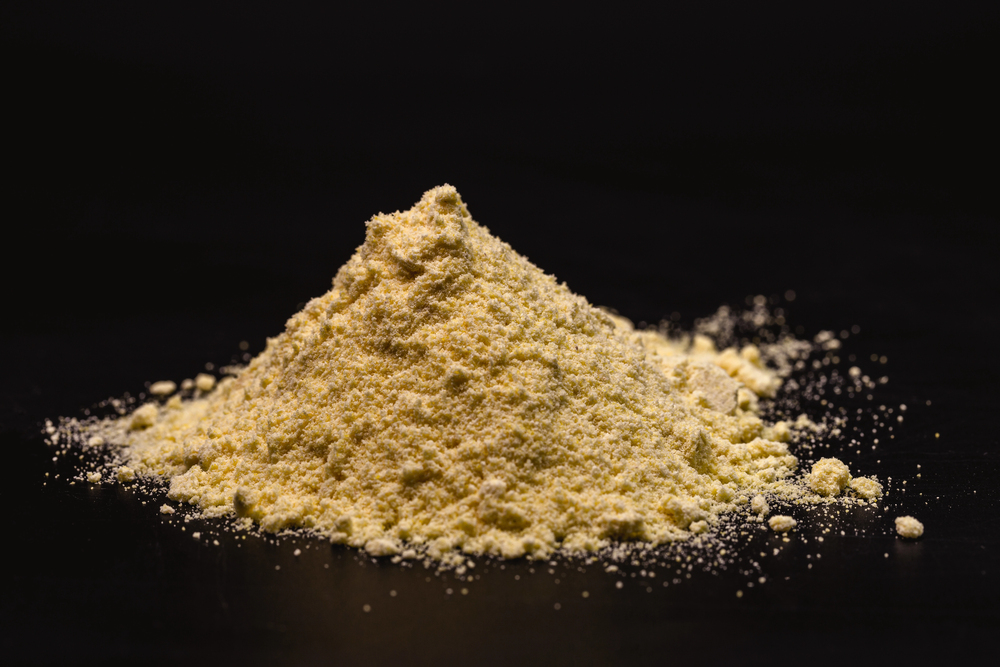
Charles Goodyear had been obsessed for years with stabilizing natural rubber, which was practically useless — it melted in summer heat and cracked in winter cold — and had nearly bankrupted himself pursuing it. In 1839, he accidentally dropped a mixture of rubber and sulfur onto a hot stove and found that instead of melting, it charred slightly at the edges but stayed flexible and strong in the middle.
That accident — sulfur plus heat — was vulcanization, and it made rubber into a material the industrial world could actually use.
Pompeii

Workers digging an aqueduct channel near Naples in 1599 uncovered walls, coins, and inscriptions — and their supervisor, the architect Domenico Fontana, ordered the work to proceed and the findings to be reburied. The city of Pompeii sat waiting under the volcanic ash for another 150 years until further excavations in the 1740s brought it fully to light.
Fontana had walked over one of the most remarkable archaeological sites in history and kept digging his canal.
Safety Glass

Édouard Bénédictus, a French chemist, knocked a glass flask off a shelf in his Paris laboratory in 1903 and watched it shatter — but the fragments, strangely, held together in the rough shape of the original flask rather than spraying across the floor. The flask had previously held cellulose nitrate solution, which had evaporated and left a thin, invisible film on the inside of the glass.
Bénédictus connected his accident to a newspaper report he’d been reading about injuries from car windshields and filed a patent for laminated safety glass within 24 hours.
Pulsars

Jocelyn Bell Burnell was a graduate student in 1967, manually analyzing paper chart recordings from a radio telescope, when she noticed a small repeating signal she described as “a bit of scruff” — a steady pulse arriving every 1.33 seconds with clockwork precision. The signal was so regular that the team briefly, seriously considered the possibility it came from extraterrestrial intelligence (they called it LGM-1, for Little Green Men) before Bell identified it as a rapidly rotating neutron star.
Her supervisor received the Nobel Prize for the discovery; she did not, which remains one of the more quietly infuriating footnotes in scientific history.
Quinine as a Malaria Treatment
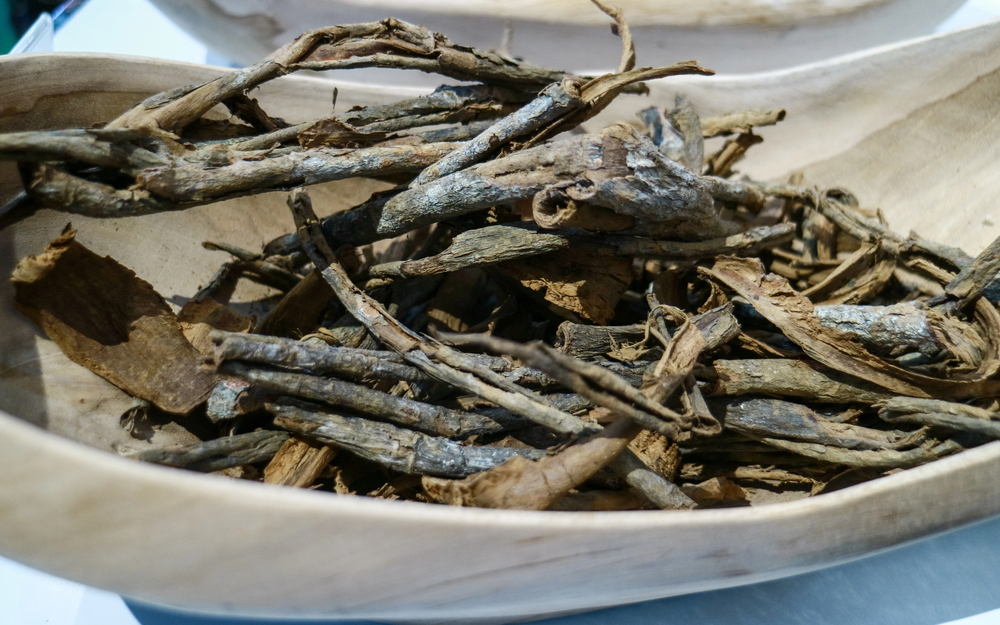
Indigenous peoples of South America had known for a long time that the bark of the cinchona tree could treat fever — but the knowledge reached European medicine partly through observation rather than formal experimentation, with Spanish missionaries and later colonists noticing that Peruvians chewed the bark when suffering from the fevers Europeans associated with malaria. The mechanism wasn’t understood for centuries, and the connection between the bark, the alkaloid quinine, and the specific parasite causing malaria took even longer to establish.
The treatment arrived in European medicine long before anyone understood why it worked.
Uranus

William Herschel wasn’t looking for a new planet on March 13, 1781. He was cataloguing stars with a telescope he had built himself when he noticed one object that didn’t behave like a star — it had a small but distinct disk shape, and over subsequent nights, it moved.
Herschel initially thought he’d found a comet. It was, in fact, the seventh planet from the sun, and the first planet ever discovered with a telescope, found by a man who was simply trying to count stars more carefully than anyone had before.
Nylon

Wallace Carothers and his team at DuPont were experimenting with polymerization in the early 1930s — pulling a heated mixture of two compounds apart and watching it stretch into thin, strong fibers. The fiber that became nylon wasn’t the goal of the experiment, but a byproduct of exploring how molecules bonded under certain conditions.
DuPont introduced it to the public in 1938 as the material for women’s stockings, and the first day of sales in Wilmington, Delaware, sold out the entire supply.
Radioactivity

Henri Becquerel was studying phosphorescent materials in 1896 and had planned to expose uranium salts to sunlight, then place them on photographic plates to see if they glowed in the dark. Paris clouds foiled the sunlight part of the plan, so he left the uranium sitting in a drawer on top of the unexposed plates — and when he developed the plates anyway, he found they had been darkened by something emanating from the uranium without any sunlight involved at all.
The uranium was producing radiation spontaneously, and Becquerel had discovered radioactivity by accident while waiting for better weather.
Stainless Steel

Harry Brearley was working for a Sheffield steel manufacturer in 1913, tasked with developing a tougher steel for gun barrels, when he noticed that some of the steel samples he’d been discarding — the failures — weren’t rusting like the other scraps on the floor. The high chromium content he’d been adding for hardness had also made the steel corrosion-resistant.
Brearley figured out what he had, and cutlery makers were among the first to see the practical value of a steel that didn’t rust — which is a slightly humbling origin for something now found in nearly every kitchen in the world.
LSD

Albert Hofmann synthesized lysergic acid diethylamide in 1938 while working at Sandoz Pharmaceuticals in Basel, set it aside as uninteresting after initial animal tests showed nothing remarkable, and didn’t think about it again for five years. In April 1943, something made him return to LSD-25 and resynthesize it — during which, he later believed, a small amount must have been absorbed through his fingertips.
He rode his bicycle home that afternoon in what became the first documented LSD experience in history, which is quite a commute.
The Terracotta Army

In March 1974, a group of farmers drilling a well near Xi’an, China, hit something unexpected at about 16 feet down — fragments of a clay figure, bronze arrowheads, and pieces of ancient tile. They had broken into the outer edge of the burial complex of Qin Shi Huang, the first emperor of China, which contained more than 8,000 life-size terracotta soldiers, horses, and chariots arranged in battle formation.
The farmers had been trying to find water and instead found one of the largest archaeological discoveries of the 20th century.
Aniline Dyes
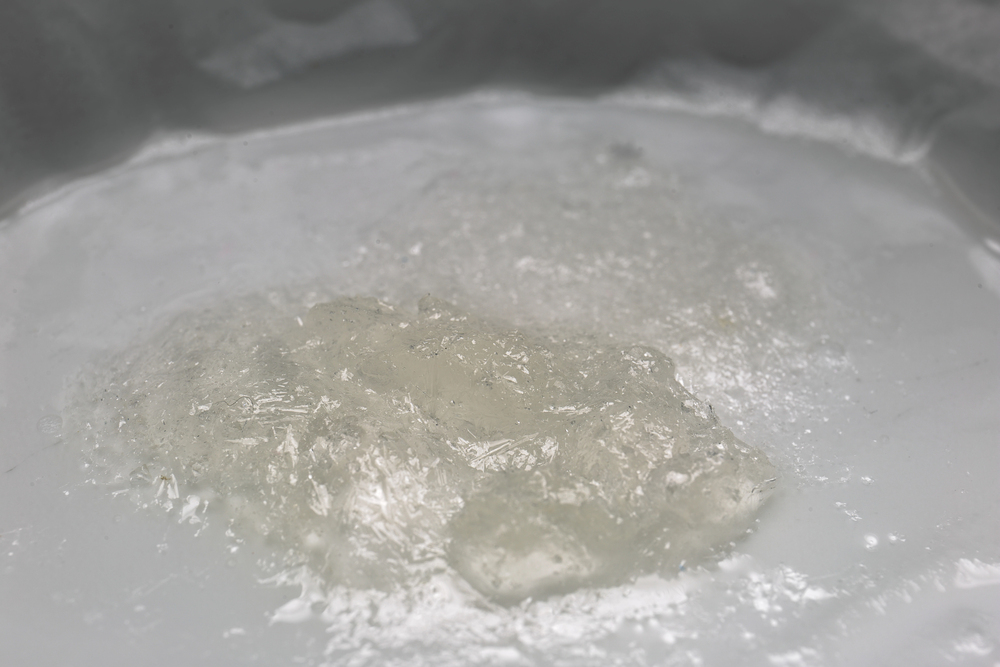
William Henry Perkin was eighteen years old and trying to synthesize quinine — the malaria treatment — in his home laboratory in 1856 when he produced a dark, tar-like sludge instead. He cleaned his flask with alcohol and noticed that the residue dissolved into a vivid, startling purple.
Perkin recognized immediately that he had a synthetic dye, which the textile industry was desperately hungry for, and had his discovery commercially available within a year. He became wealthy before he turned twenty.
The Planet Neptune
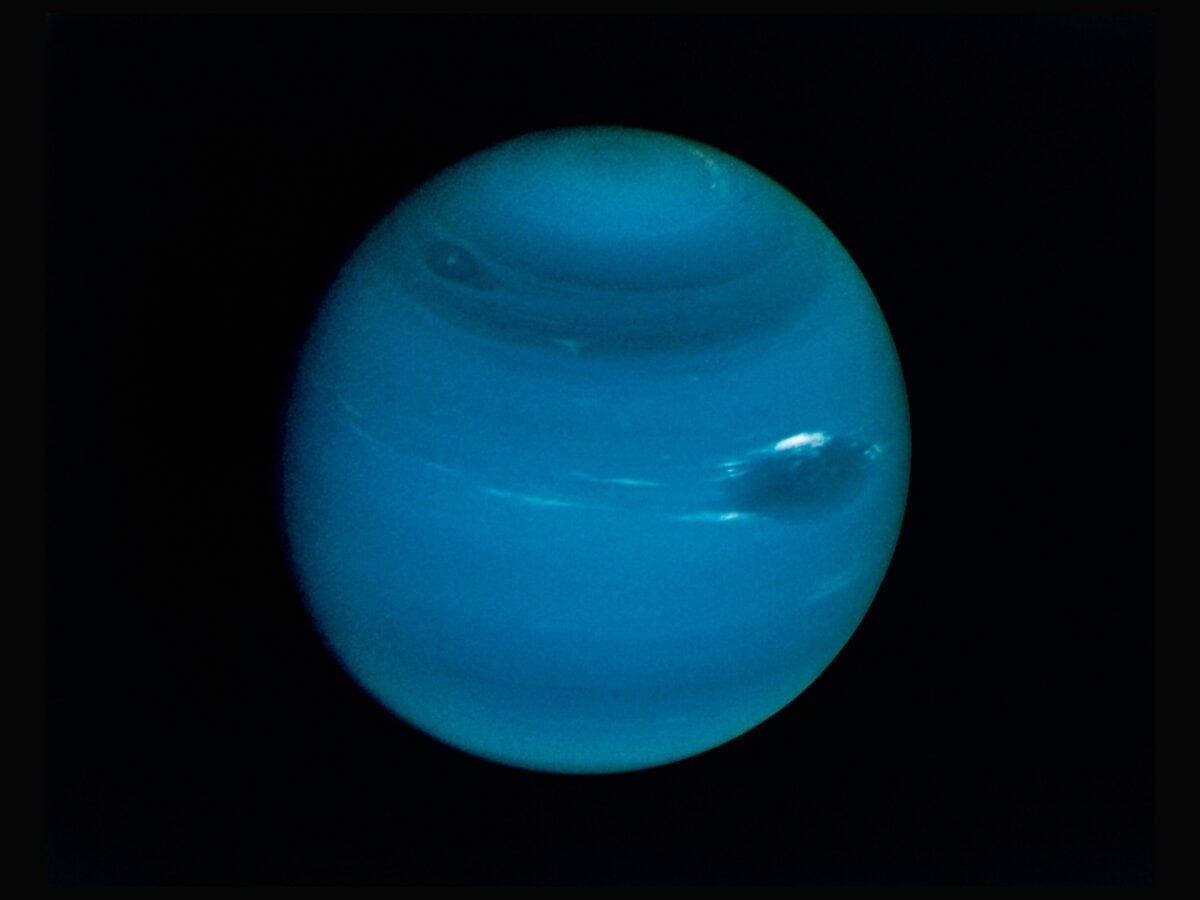
Neptune was predicted before it was seen — mathematicians including Urbain Le Verrier calculated that irregularities in Uranus’s orbit suggested a gravitational pull from an unseen body. But Johann Galle, who actually pointed a telescope at the right spot in 1846 and confirmed Neptune’s existence, had simply acted on Le Verrier’s instructions.
The discovery blurs the line between accident and prediction: the planet was where the math said it should be, but nobody had thought to look until a Frenchman sent a letter to a German astronomer asking him to check.
Insulin’s Role in Diabetes

Frederick Banting’s key insight came in 1920 after reading a journal article about the pancreatic cells that produce what was then called “internal secretion” — and he scribbled a note to himself that became the foundation of his experiments on dogs at the University of Toronto. The connection between a damaged pancreas and diabetes had been noted before, but the idea of extracting and injecting the pancreatic secretion directly hadn’t been pursued systematically.
The first human patient received insulin in January 1922 and survived a condition that had been a death sentence, largely because a country doctor had an idea in the middle of the night.
Lycra
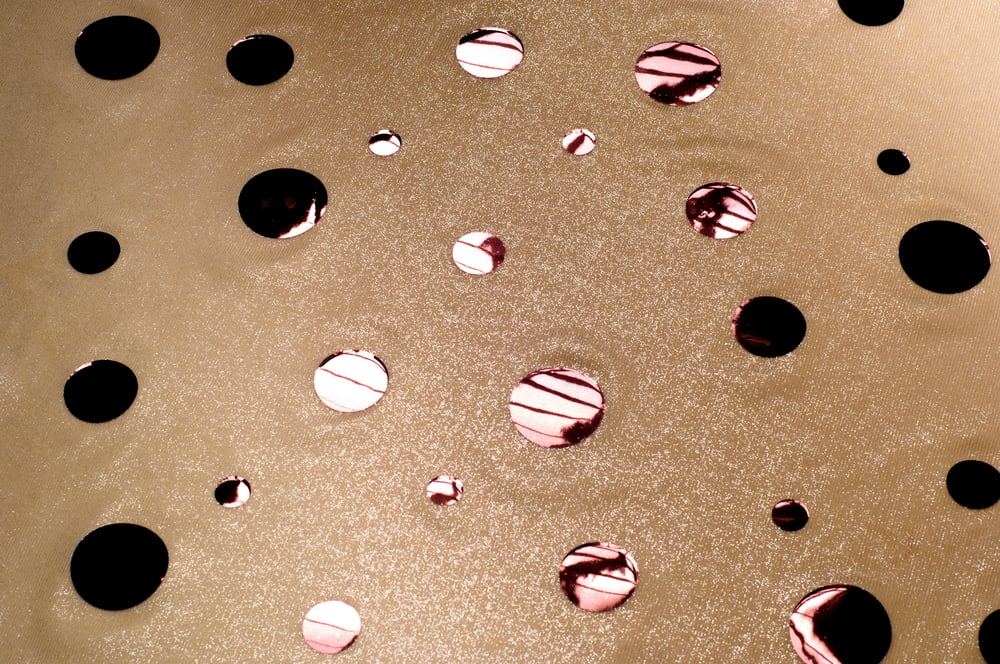
Joseph Shivers, a chemist at DuPont, had been working since the mid-1950s to develop a synthetic fiber that could replace rubber in clothing — rubber being expensive, heavy, and prone to deterioration. What he eventually produced in 1958 was a polyurethane fiber that could stretch to five times its length and snap back without losing its shape.
DuPont called it Lycra. It took a few more years before it reached swimsuits and athletic wear, but Shivers had solved a problem the textile industry had been frustrated by for decades.
Pluto
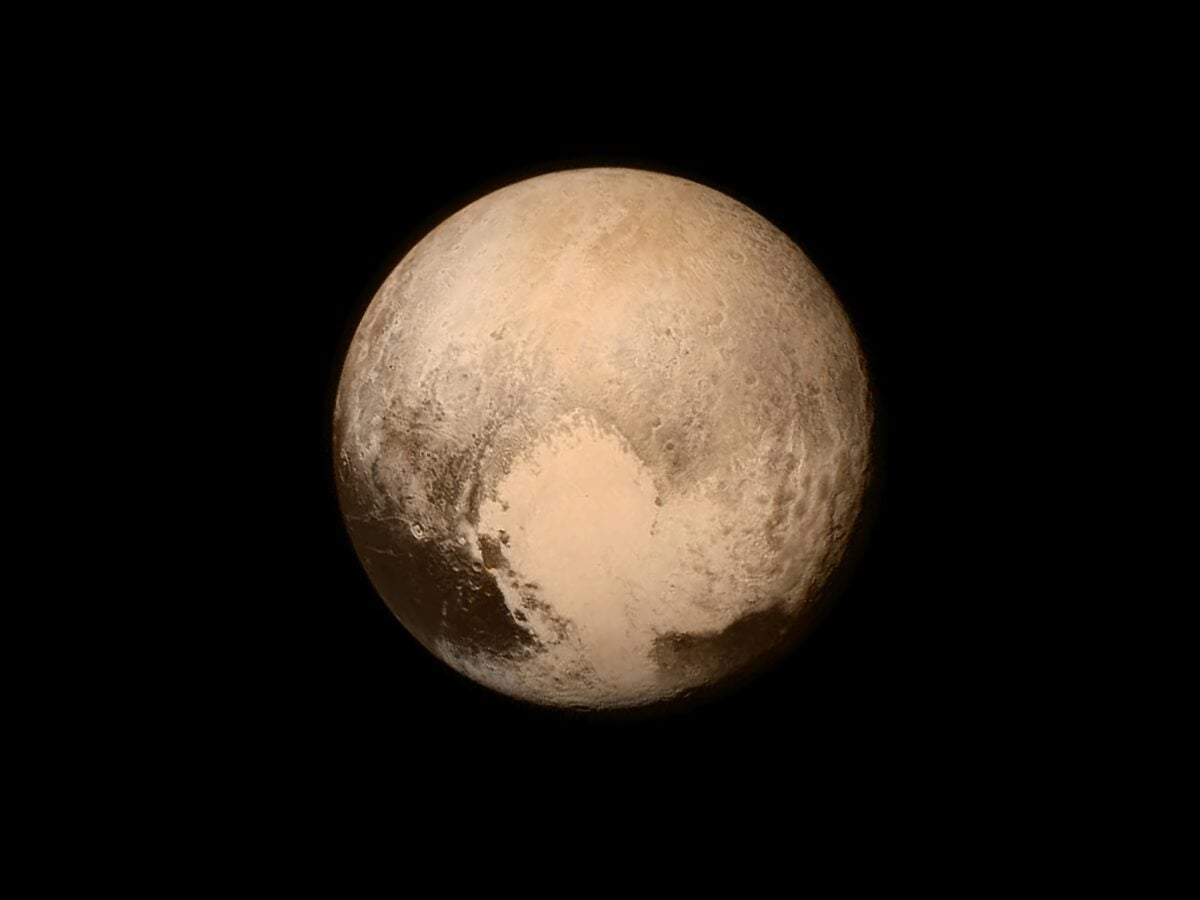
Clyde Tombaugh was a 23-year-old farm boy from Kansas with no formal astronomy degree when he was hired by Lowell Observatory in 1929 to do the tedious work of comparing photographic plates of the night sky — looking for any object that moved between exposures, which would indicate it wasn’t a star. He found Pluto on February 18, 1930, a tiny dot that had shifted position between two plates taken six days apart.
The observatory had been searching specifically for a ninth planet, so it wasn’t entirely accidental — but nobody expected it to be found by a man who had never been to college and had built his first telescope out of farm equipment.
When the World Wasn’t Paying Attention

What ties all of these moments together isn’t luck, exactly — it’s the willingness to stop and ask why something unexpected just happened instead of explaining it away. Fleming could have thrown out the moldy dish.
Bénédictus could have swept up the glass and moved on. Becquerel could have assumed his photographic plates had been improperly stored.
The accidental part of each discovery was real, but the recognition of what the accident meant required someone stubborn enough to take it seriously. The history of human knowledge is, at least in part, a record of people who refused to call something a mistake and walk away from it.
More from Go2Tutors!

- The Romanov Crown Jewels and Their Tragic Fate
- 13 Historical Mysteries That Science Still Can’t Solve
- Famous Hoaxes That Fooled the World for Years
- 15 Child Stars with Tragic Adult Lives
- 16 Famous Jewelry Pieces in History
Like Go2Tutors’s content? Follow us on MSN.



