31 Summertime Rituals That Started the Moment the Last School Bell Rang
The last bell of the school year was a different bell. Every other bell in the calendar year just meant the end of one thing and the start of another — another class, another lunch period, another afternoon.
The last bell of June meant something categorically different: the end of structure, the opening of a stretch of weeks that belonged entirely to you. The moment it rang, summer already existed, even if it technically started in the car on the way home with the window down.
The rituals that followed were not planned. They accumulated. Repeated over enough summers, they became the texture of the season itself, and decades later they are what summer was.
Running Out of School Without Looking Back
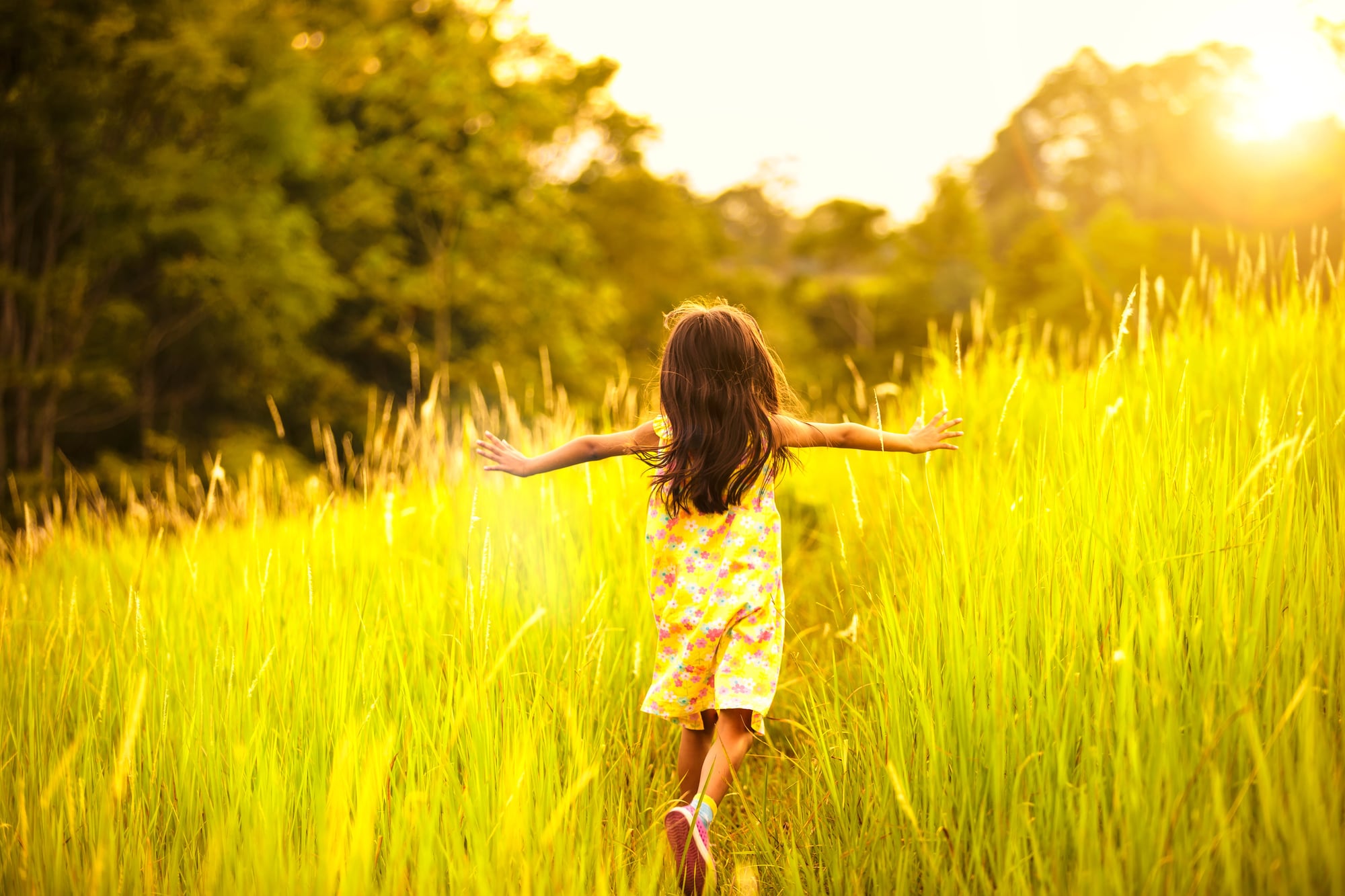
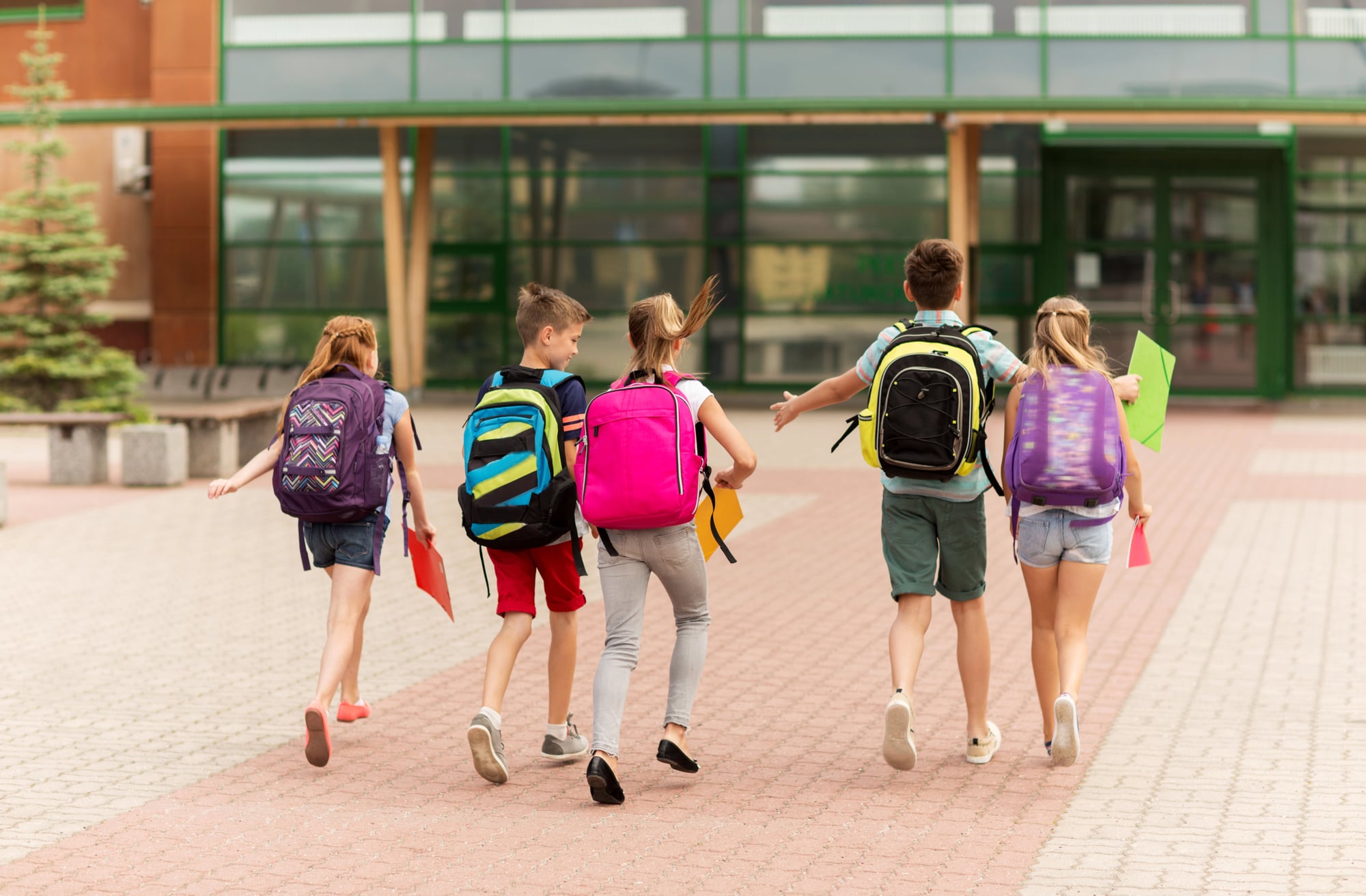
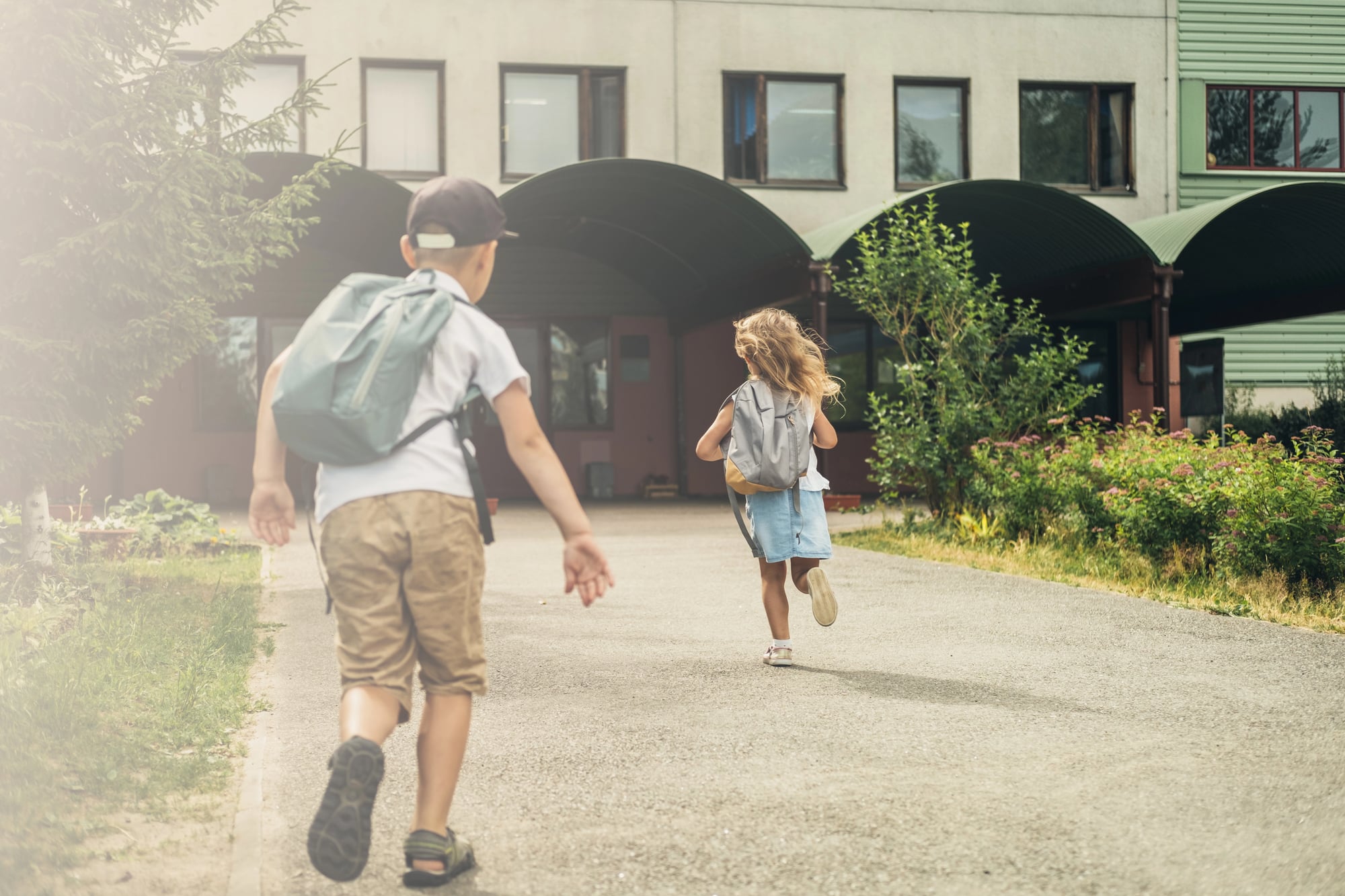
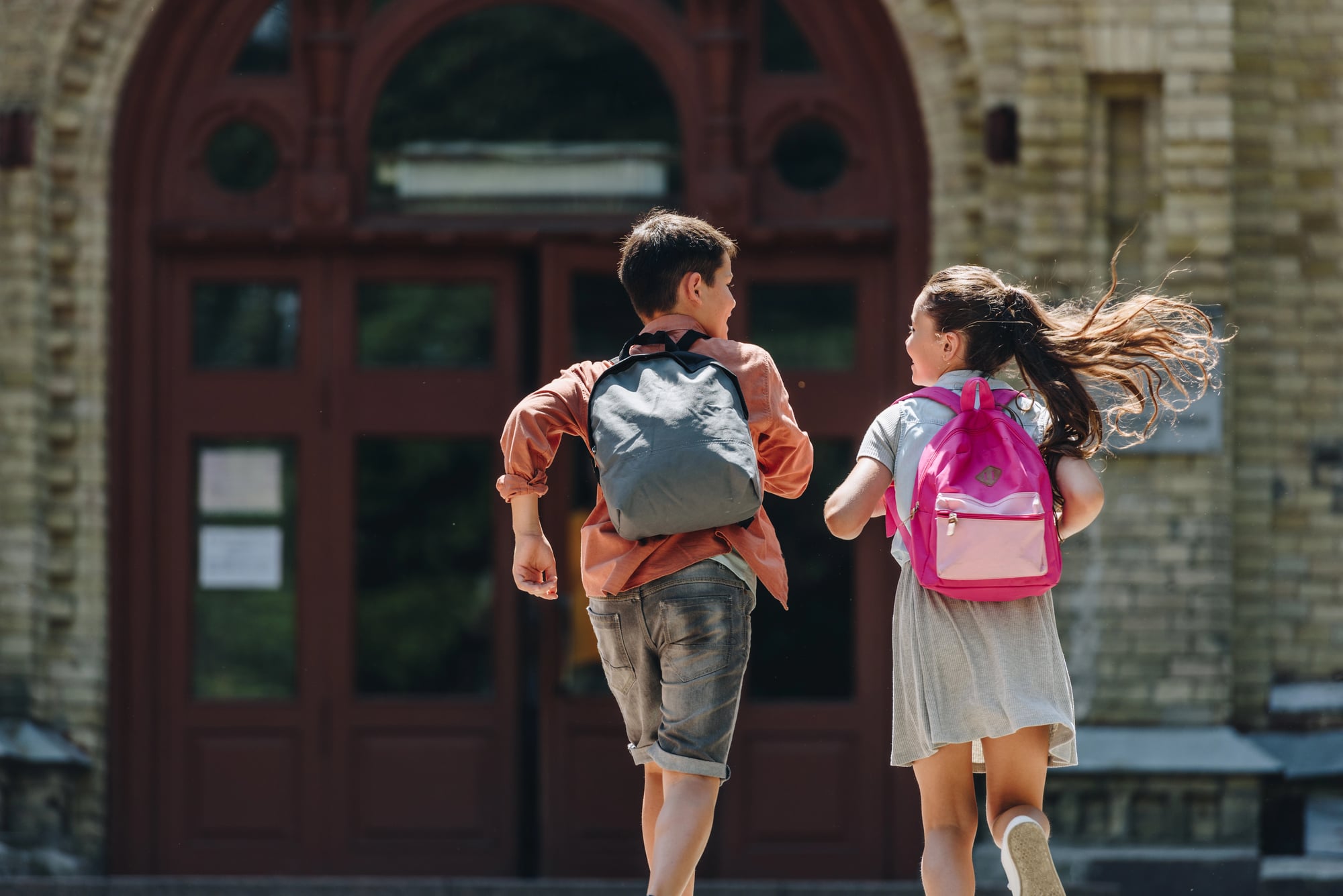
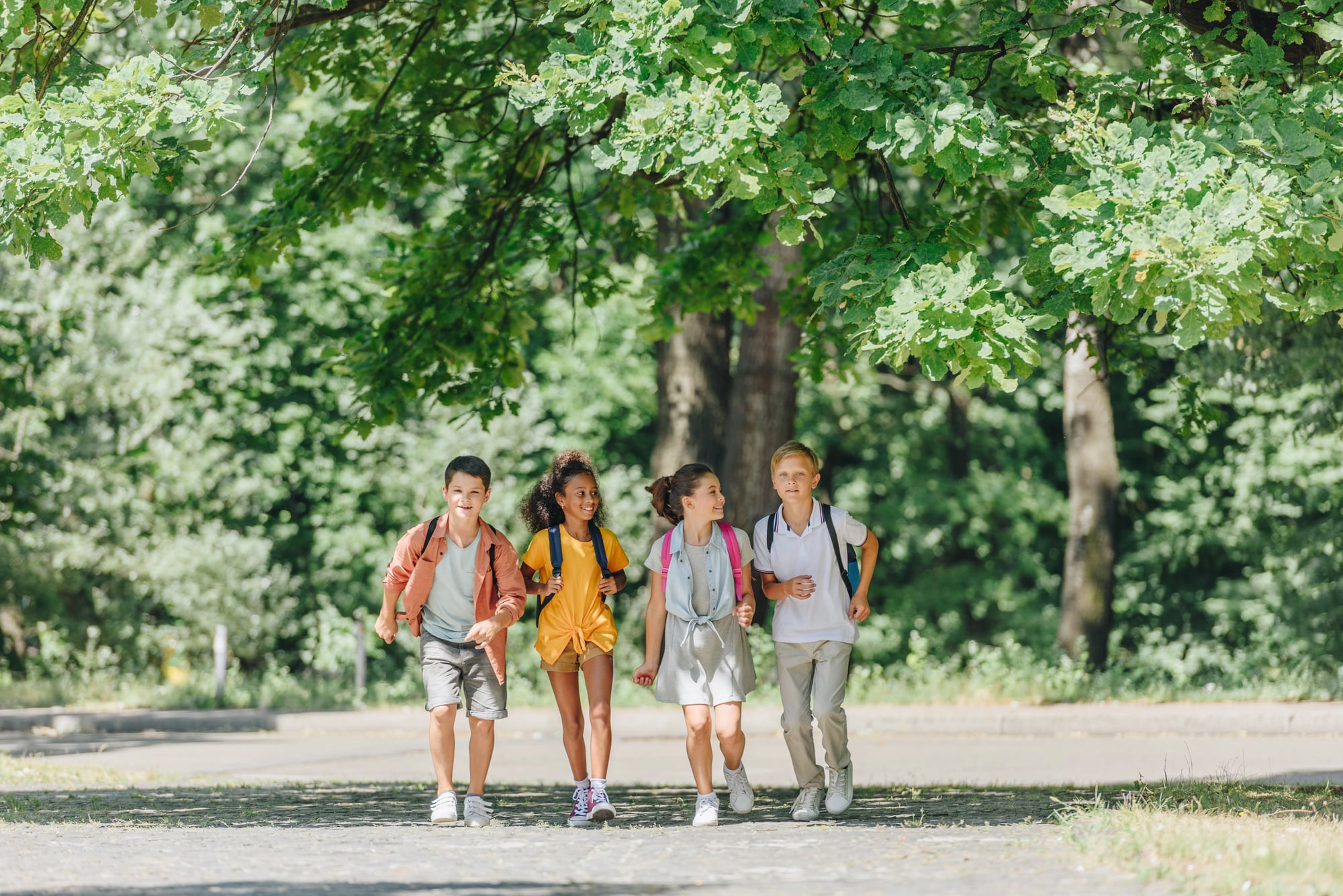
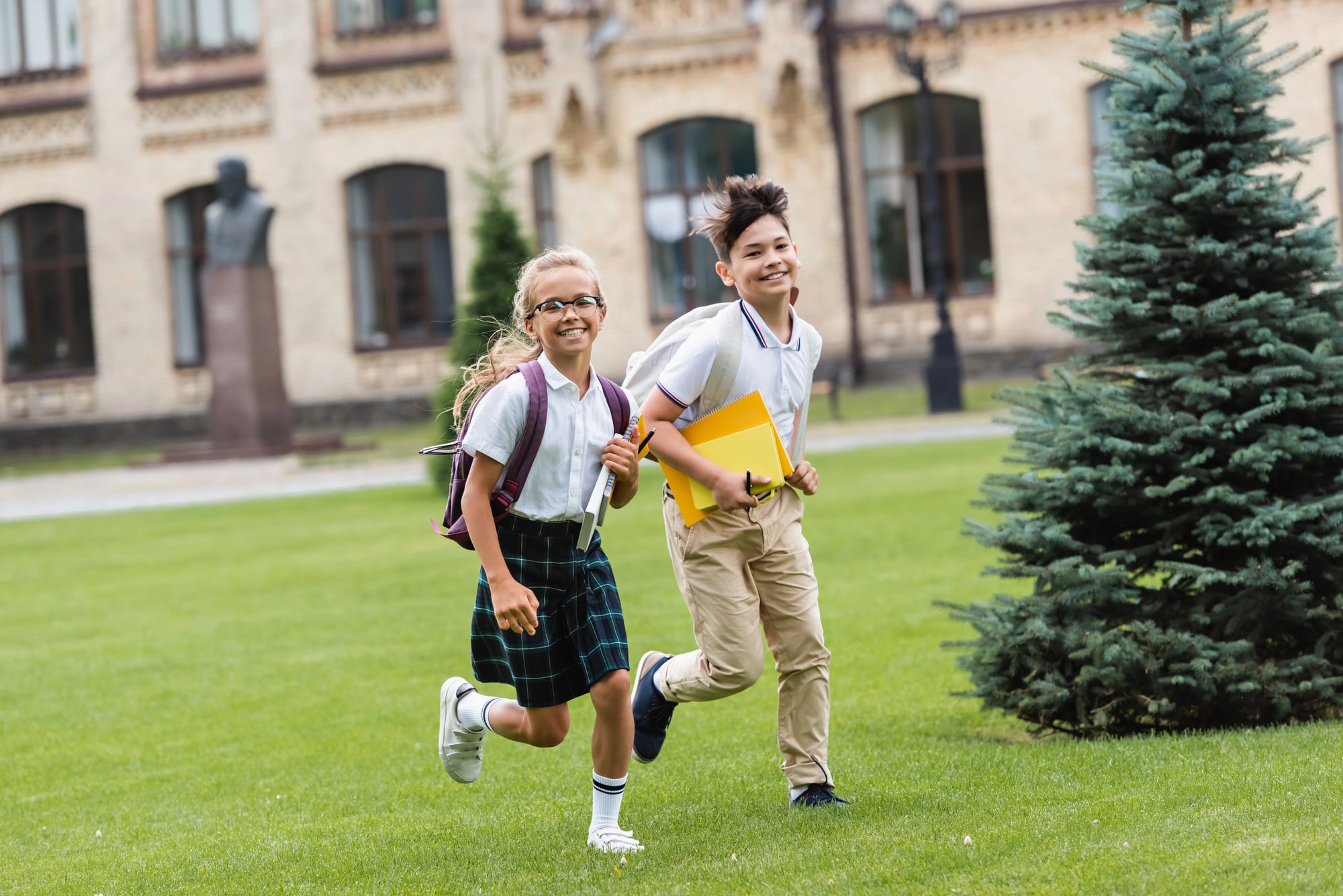
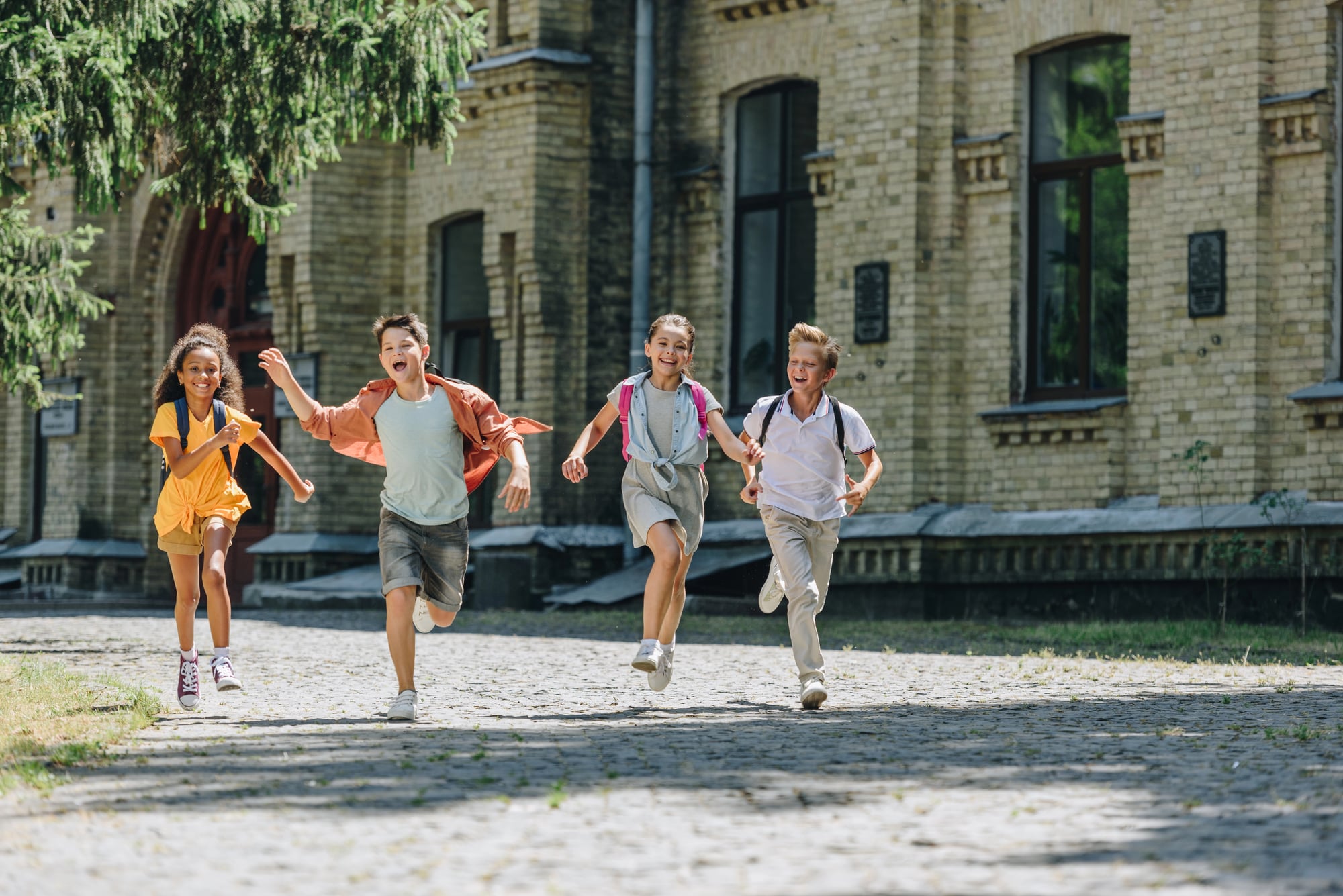
The final bell produced a very specific type of exit. Kids who walked in the morning ran home in the afternoon of the last day.
The backpack was heavier with the cleaned-out contents of a locker or desk — report card, art projects, the accumulated paper record of a school year — but the feet were faster. The distance between the school door and wherever summer was going to happen felt shorter that day than any other day of the year.
Sleeping In Past the Time School Would Have Started

The first morning of summer break had a specific quality that subsequent mornings in June and July couldn’t replicate. Waking up and realizing there was nowhere to be, then going back to sleep past seven, then past eight — the luxury wasn’t the sleep, exactly.
It was the proof that something had changed. The alarm clock didn’t go off. Breakfast happened at a different time. The morning belonged to whoever was inside it.
Watching Daytime TV That Was Normally Off-Limits
Game shows, soap operas, and talk programming that played while school was in session suddenly became available. Price Is Right at 11 AM. The afternoon soaps with storylines that required weeks of continuous viewing to follow.
Kids who spent summer mornings on the couch watching daytime television developed an intimate familiarity with programming aimed at homemakers and retirees, which produced a very specific kind of cultural knowledge that served no clear purpose and remained oddly persistent.
Riding Bikes the Entire First Week Without a Specific Destination
The first days of summer produced a kind of velocity. The bike was out, the neighborhood was available, and there was no particular reason to go anywhere — which meant you went everywhere.
Routes that had been used as transportation during the school year became routes used for their own sake. Every alley, every back street, every shortcut through the park was available for investigation at whatever pace felt right, which was usually as fast as possible.
The First Barefoot Day of the Season
Taking your shoes and socks off on the first genuinely warm day was not ceremonial, but it functioned that way. The first contact between bare feet and warm pavement, or warm grass, or warm concrete — that sensory moment was summer beginning.
Kids who spent summers primarily outdoors built up enough callus by August to walk on most surfaces without issue, which felt like a genuine achievement and was probably the most honest measure of how the season had been spent.
Chasing the Ice Cream Truck
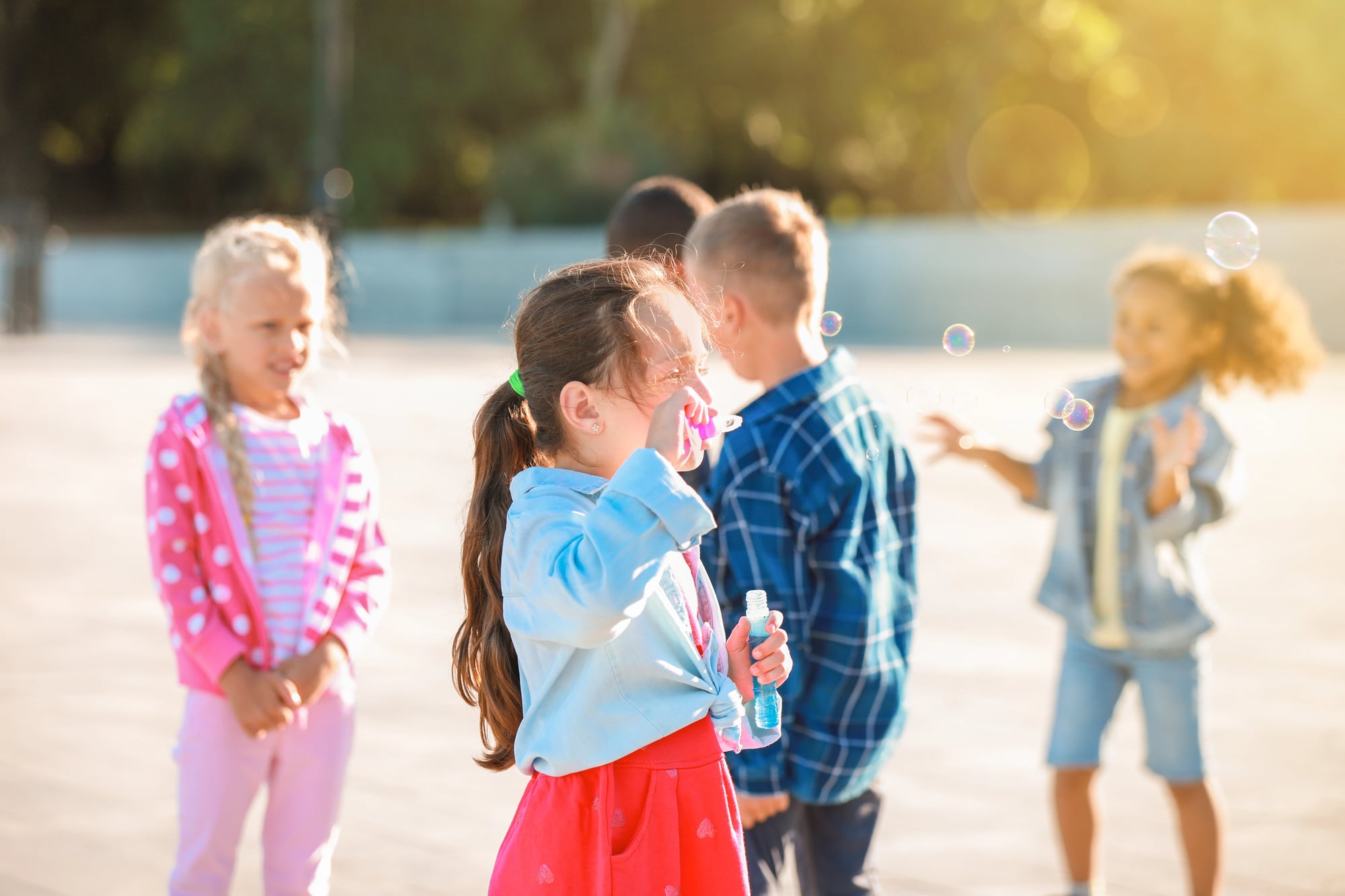
The sound preceded the truck — a specific, slightly distorted musical loop playing from a speaker mounted somewhere on the vehicle. The identification of that sound, anywhere within earshot, produced an immediate suspension of whatever was happening.
You stopped, located the direction, calculated the intercept, and ran. The run was part of it. A truck that arrived too easily would have been less meaningful. The chase gave the ice cream purchase the structure of a small victory.
Setting Up a Sprinkler
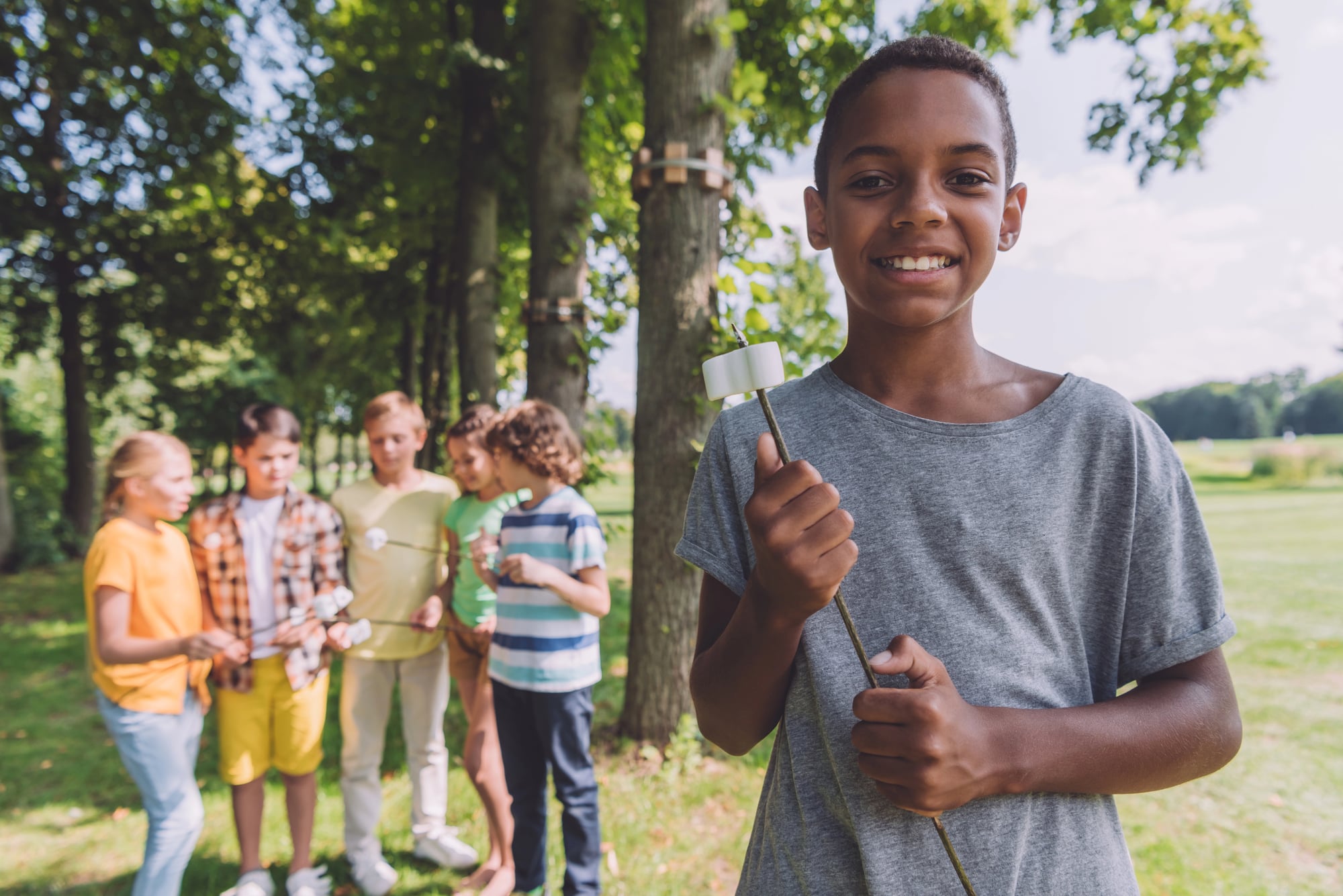
Not a pool, not an organized water activity — just a sprinkler staked into the lawn and left running. The pleasure was entirely physical: the cold water, the summer heat, the repetitive pleasure of running through and then doing it again.
The game was the movement through, which required negotiating the arc of the spray and sometimes the competing bodies of siblings or neighborhood kids who had materialized the same way neighborhood kids always did, drawn by nothing more specific than the sound of water on a hot day.
Building a Fort or Finding a Hiding Spot
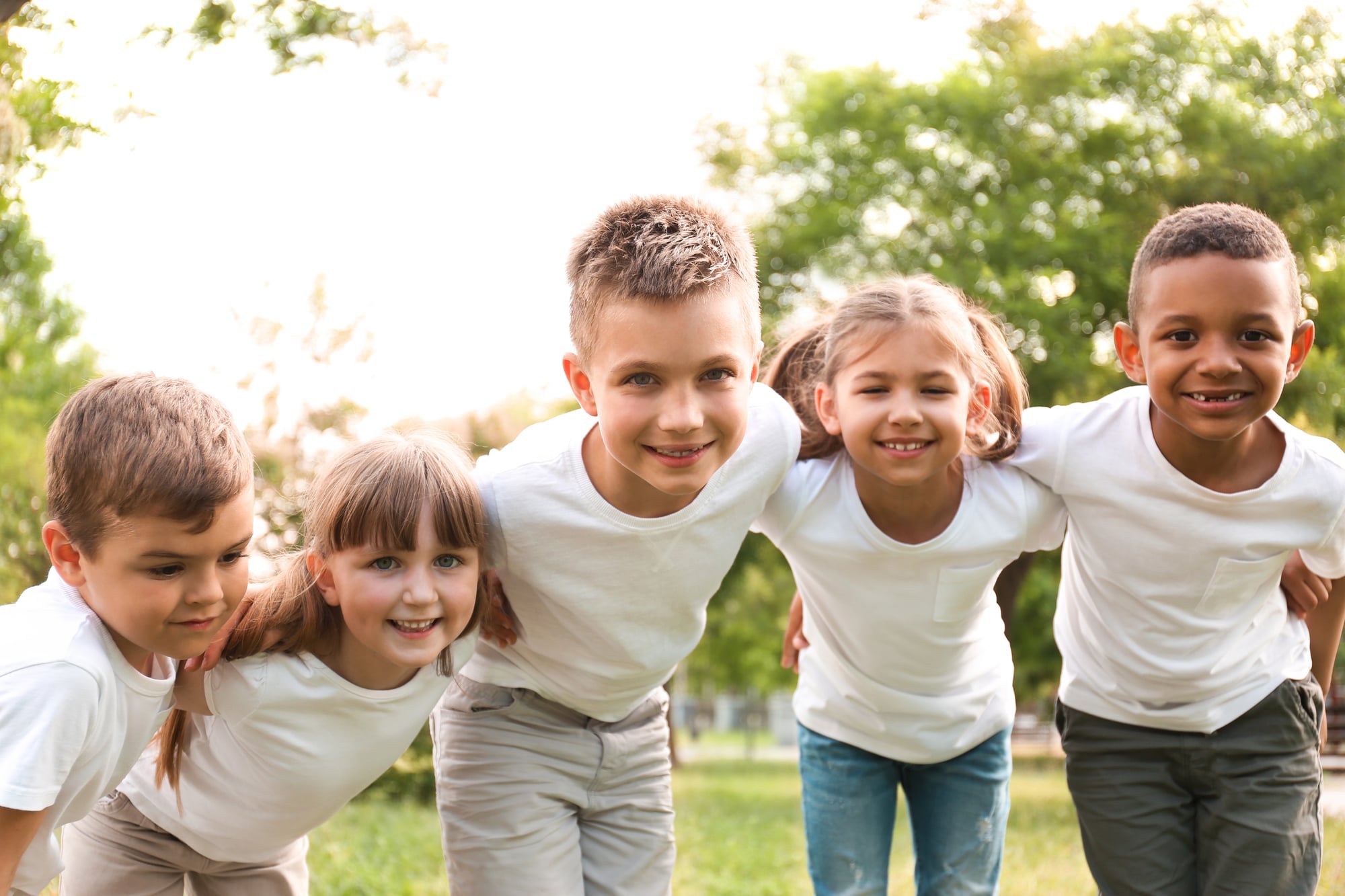
Summer produced an urge toward private space. The blanket fort constructed in the living room on a rainy day, the space between the back of the shed and the fence that nobody else knew about, the elevated position in the backyard tree that required a specific way of getting up and provided a specific view of the surrounding world.
These were not sophisticated constructions. They were claims on space, brief assertions of territory in a domestic landscape that was otherwise shared.
Going to the Public Pool
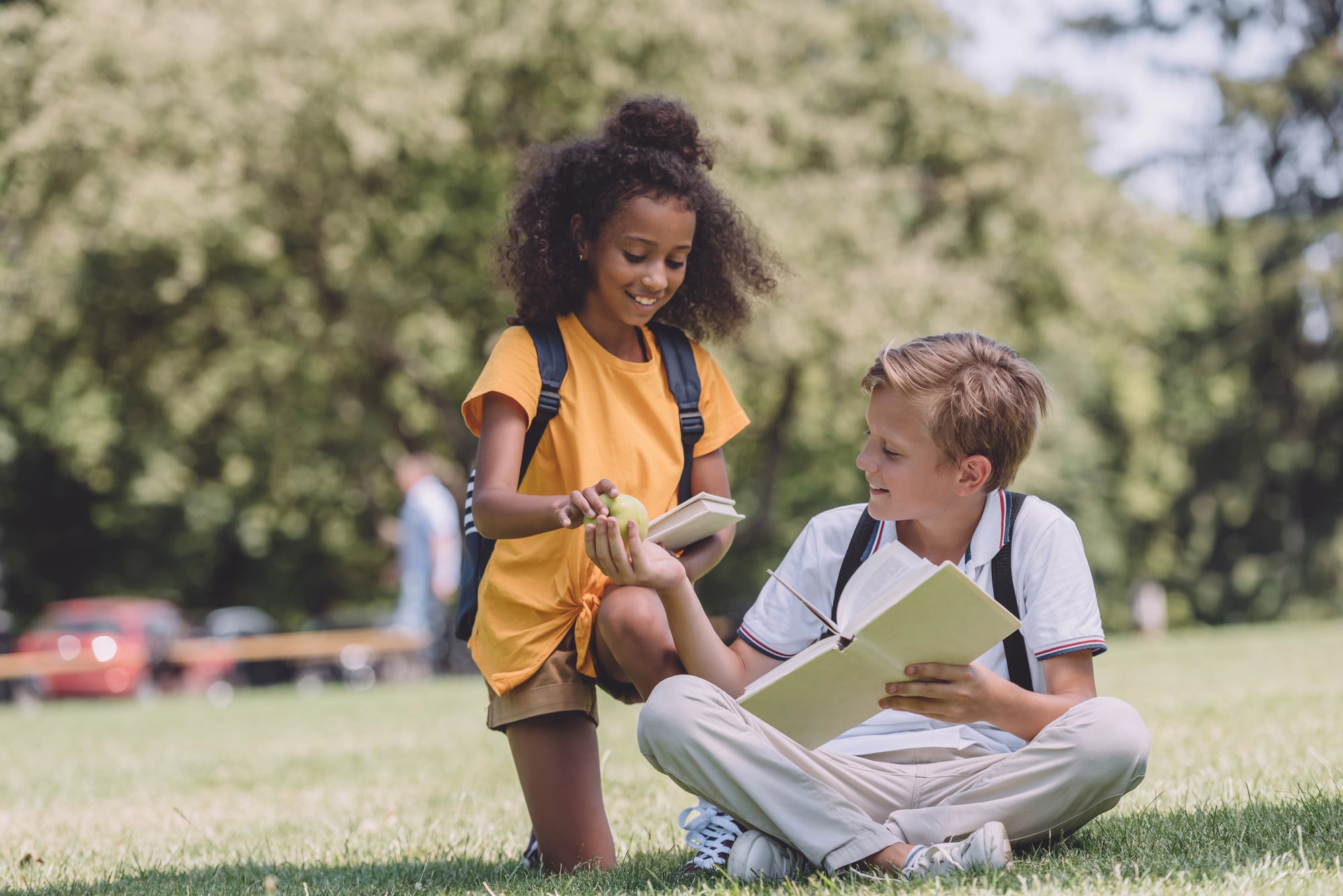
The public pool was summer’s most democratic institution. Everyone arrived, the parking lot filled, the locker rooms were crowded, and then five or six hours went by in the water.
Public pools had diving boards, snack bars, lifeguards who blew their whistles at intervals, and the specific chemistry of chlorinated water that dried on your skin by the time you got home and left a specific residue that smelled like summer for about three hours after you left.
Running Through Sprinklers With the Neighbor’s Kids
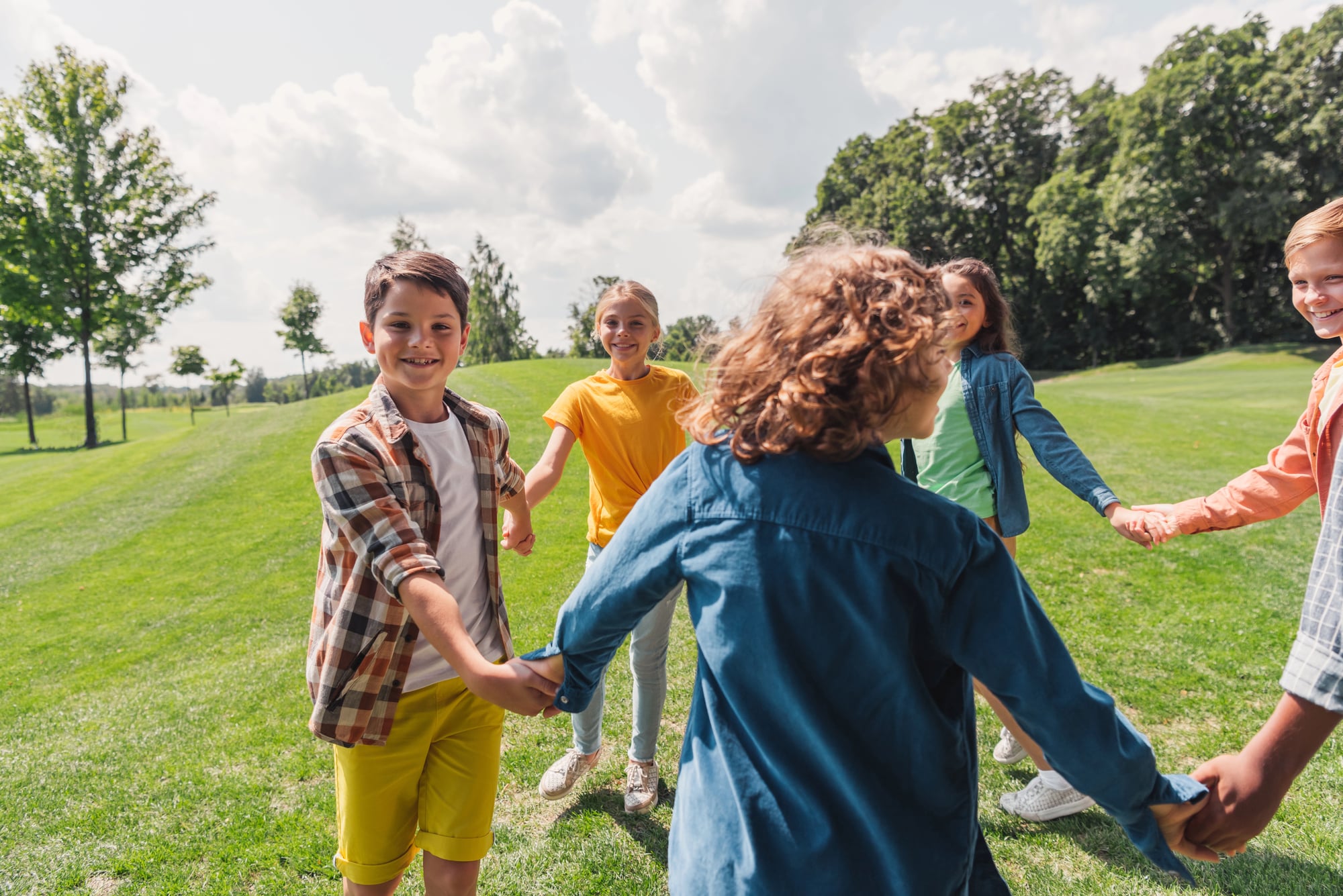
The neighbor kids appeared in summer the way they didn’t appear the rest of the year. School sorted children by age and geography, but summer sorted them by availability, and the eleven-year-old from two houses down suddenly had everything in common with the nine-year-old next door because they were both outside on a Tuesday at 2 PM with nothing scheduled.
The Slip ‘N Slide, the sprinkler, the garden hose — all of it was better with more participants than you actually had.
Catching Fireflies at Dusk
The firefly appeared at a very specific time — not full dark, but the transition, the twenty-minute window between the sun going down and actual nightfall. The game required a jar, ideally with holes punched in the lid, and the patience to wait for the light to appear, then move toward it.
Mason jars glowing on the nightstand were a specific childhood object that parents let pass without comment because it was harmless and beautiful and the firefly released into the grass the next morning was just as alive as when it had been caught.
Staying Up Past Bedtime Without Anyone Making It a Big Deal
Summer loosened the rules around sleep. The bedtime that was non-negotiable during the school year became approximate, then aspirational, then largely theoretical.
Kids who were outside when the sky turned dark were allowed to stay out a little longer. The family watching something on TV at nine could include whoever was still awake. The license to stay up later than usual — and to make that choice yourself — felt like a significant expansion of territory.
The Summer Reading Program at the Library
Many public libraries ran summer reading programs with tracking charts, completion prizes, and the specific pleasure of having something to show for the hours spent indoors with books. Kids who signed up received a pamphlet, a chart, and a set of goals.
The library became a destination rather than a resource. Some children read far beyond the program’s requirements and received the completion prize in the first two weeks, then kept going because the alternative was the heat.
Drinking Water Directly From the Garden Hose
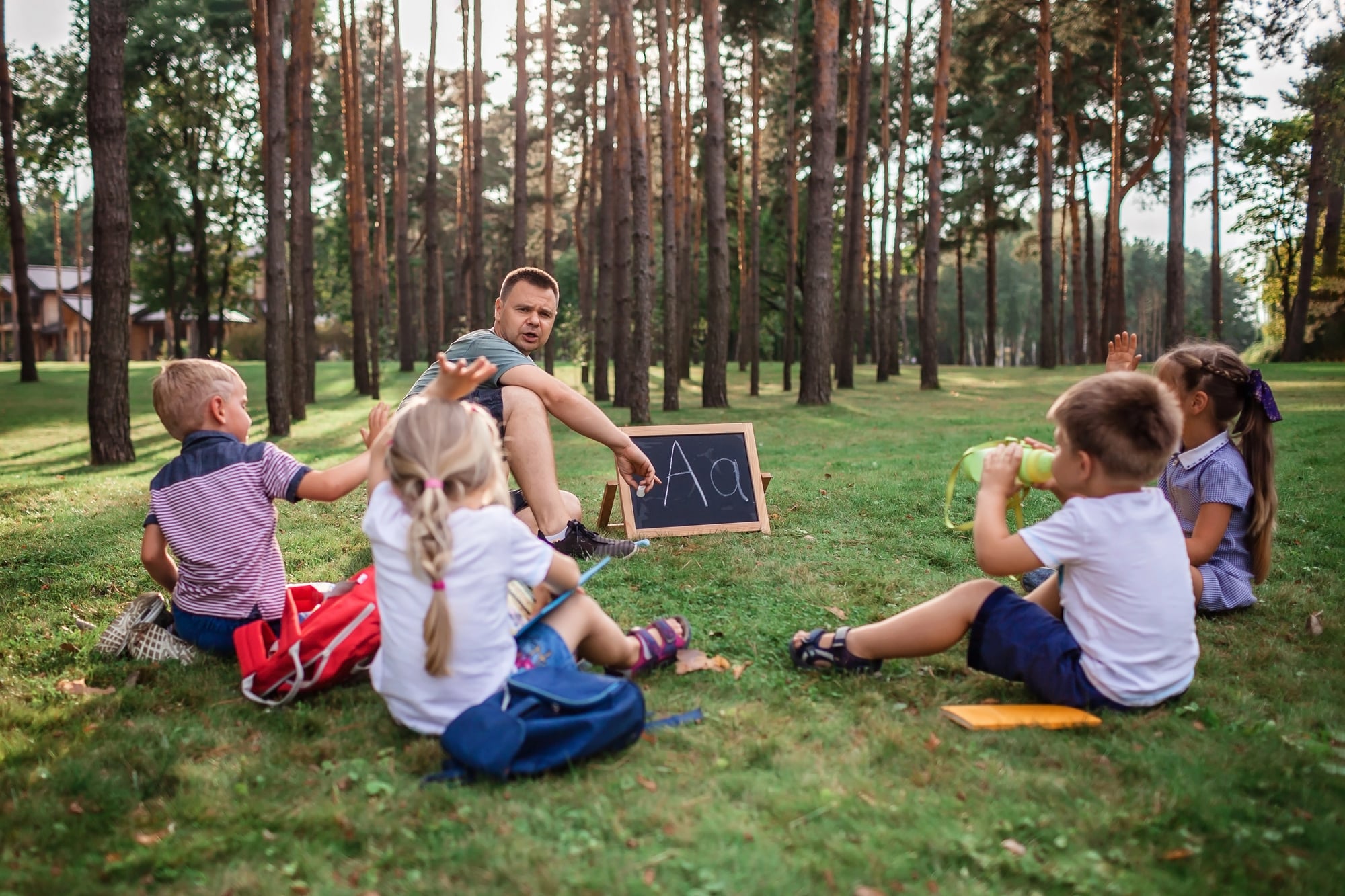
The hose was cold, the water was adequate, and the alternative was going inside, which interrupted things. Hose water had a specific metallic quality from the pipe it traveled through, and it was always colder than expected on the first taste.
Kids who drank from the hose in summer did not get sick from it with any notable frequency, which was either a tribute to childhood immunity or a reminder that most bacteria fears are overstated in the context of a kid who was also spending time in a public pool.
Making Something — Lemonade, Crafts, Elaborate Plans
Summer generated a specific kind of industriousness in children who didn’t have enough structure to fill the day. The lemonade stand was the classic version — a table at the end of the driveway, a pitcher of something cold, a hand-lettered sign, and an optimism about foot traffic that was rarely borne out by the reality of a residential street on a Tuesday.
The craft project half-finished on the kitchen table. The elaborate outdoor construction that got rained on and abandoned. Summer plans were always bigger than summer hours, which was part of the point.
Getting Sunburned at Least Once
The sunburn was neither desired nor planned, but it arrived with statistical reliability in the first few weeks of summer, before the skin had adjusted and before anyone was paying close enough attention. The shoulders, the nose, the tops of the feet left bare in sandals.
The night of a sunburn was its own minor domestic event — the aloe vera or after-sun lotion, the slight tenderness through the following day, the eventual peeling that was deeply satisfying to the wrong type of person. Kids who burned early remembered sunscreen for the rest of the summer, which was one teaching method that worked.
Finding Out What Your Friends Were Doing Over Summer
The last day of school produced a flurry of information exchange that shaped the social geography of the months ahead. Who was going to camp, who was staying home, who was going to their grandparents’ for six weeks and therefore unavailable.
These conversations were the summer’s first logistics, conducted at lockers or on the walk home, and they established which of your school friends you’d see, which you’d call, and which you’d essentially lose until September.
Going Somewhere on a Day Trip
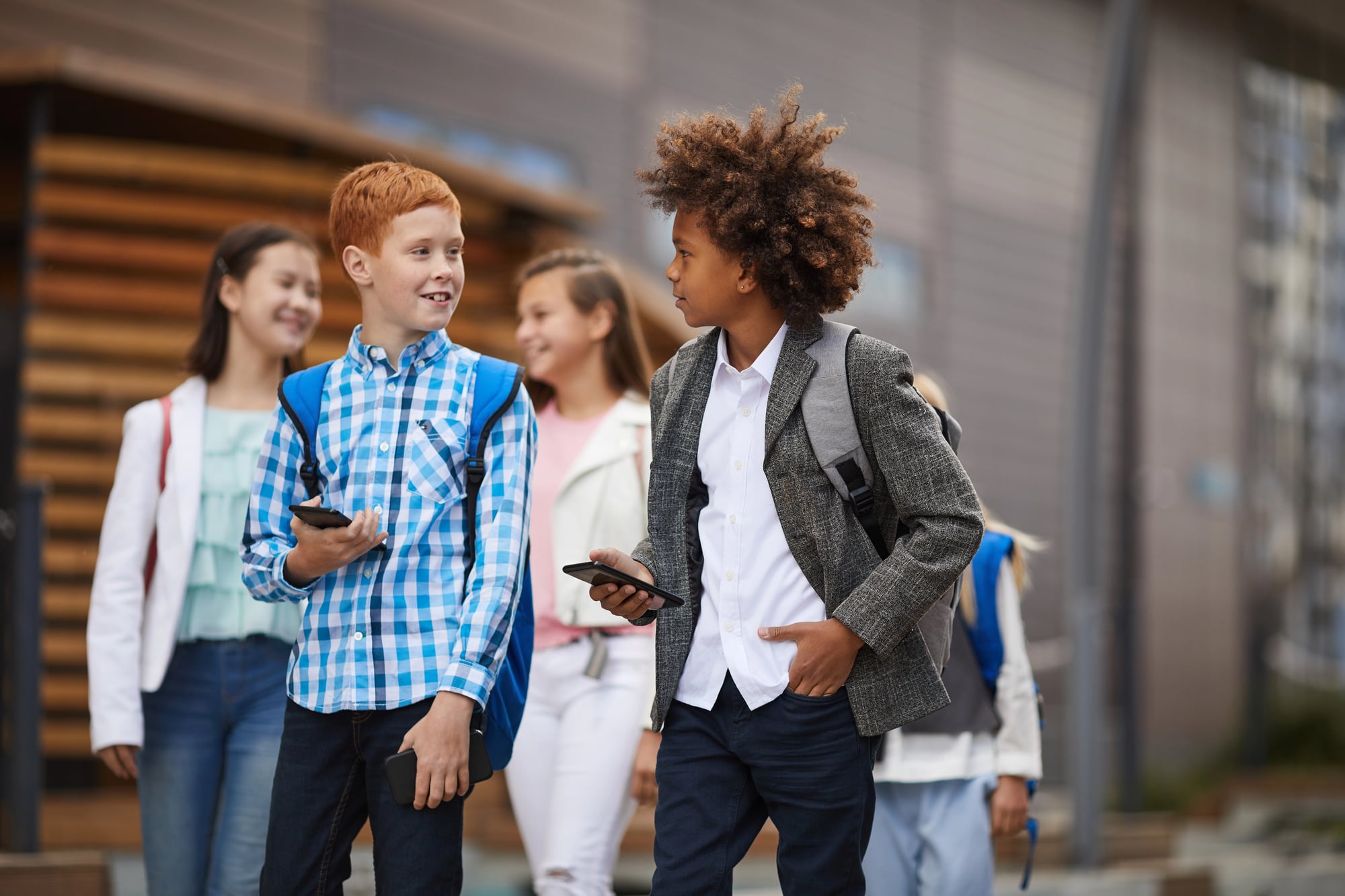
Not a vacation — a day. A lake an hour away, a state park, a town with an outdoor fair.
The day trip was summer’s short-form travel: the car loaded in the morning, the return home before dark, the full day of something different from the usual geography. The lunch packed from home and eaten at a picnic table. The ice cream on the way back. The radio station that changed as you drove through different coverage areas. A day trip was a day with a shape, and in the shapeless middle of a long summer, that was worth something.
Playing in the Dark
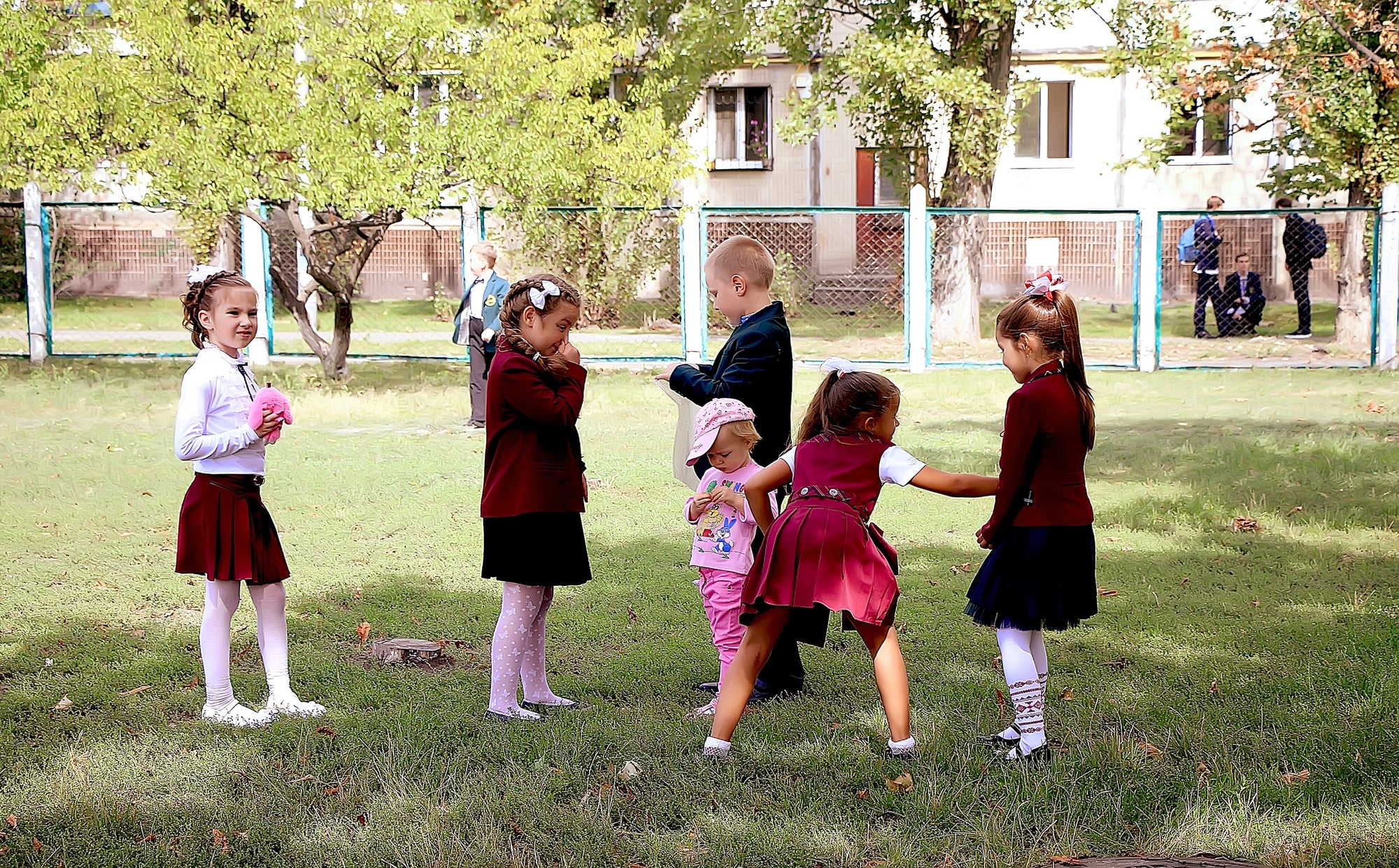
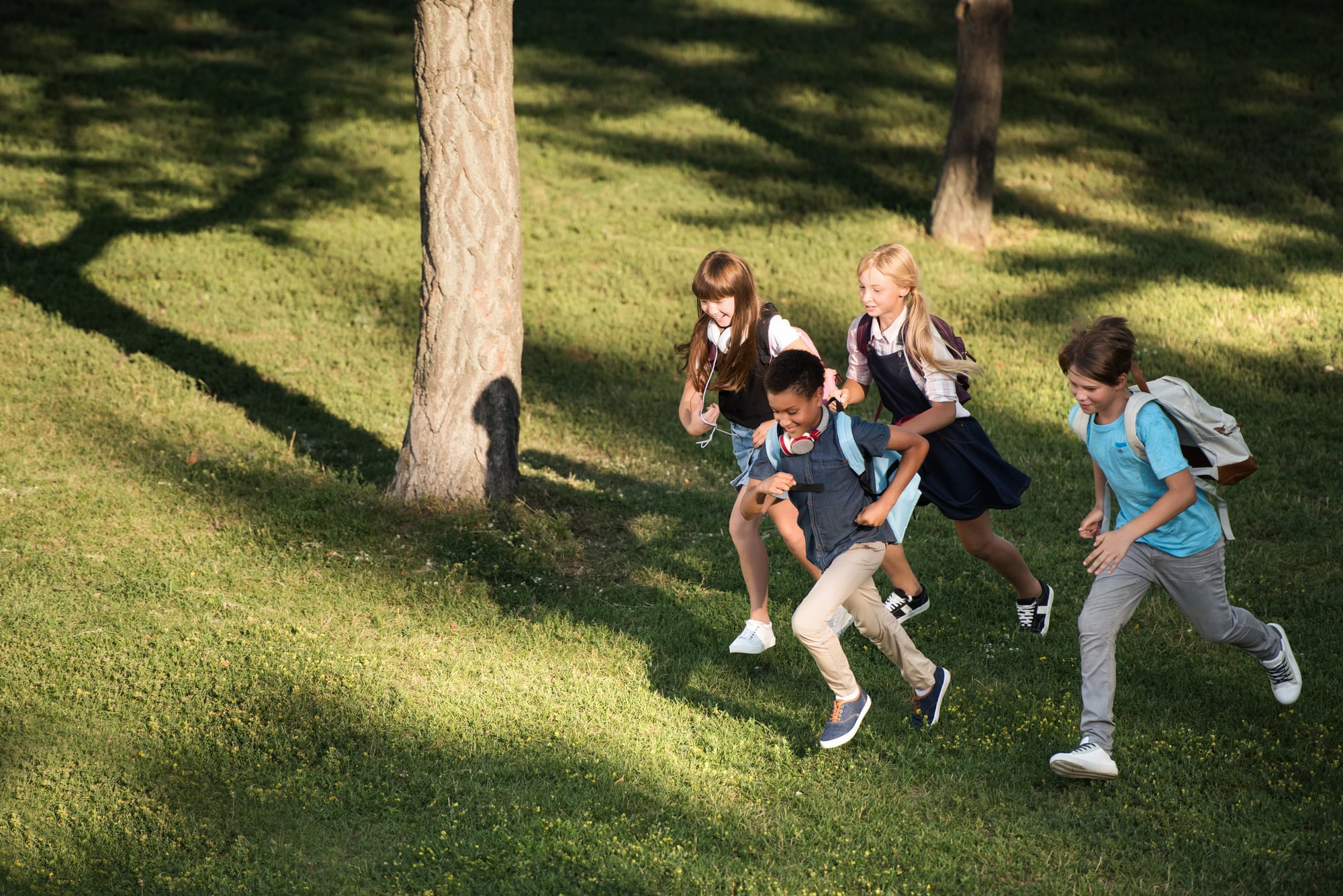
Flashlight tag, Ghosts in the Graveyard, any version of a game that required darkness and a large enough outdoor space to contain it. Playing after dark was specifically a summer thing because summer had long enough evenings to make it possible.
Kids who were allowed outside after dark understood they were operating in extended time — past the usual perimeter, past the usual rules — which gave evening games an energy that afternoon games couldn’t match.
Picking Something and Eating It Off the Vine

The garden at a grandparent’s house, or the berry bushes at the edge of a property line, or the apple tree in the backyard that produced fruit of variable quality but infinite abundance in late summer. Eating something directly from the source — a warm tomato, a handful of strawberries, a green bean snapped off and consumed immediately — was a form of connection to the season that had no nutritional or practical significance and was therefore more memorable than most actual meals.
Waiting for the Mail to Come
Summer produced more mail — correspondence camps, pen pals, catalogs from children’s book clubs, the occasional birthday card from a relative who sent them seasonally. Waiting for the mail was not a sophisticated activity, but it structured a certain part of the mid-morning the same way it structured things for adults.
The walk to the box, the examination of the contents, the possibility of something interesting. Most days there was nothing interesting. Occasionally there was something interesting enough to justify all the days there wasn’t.
Making Up Games With Rules That Only Your Group Understood
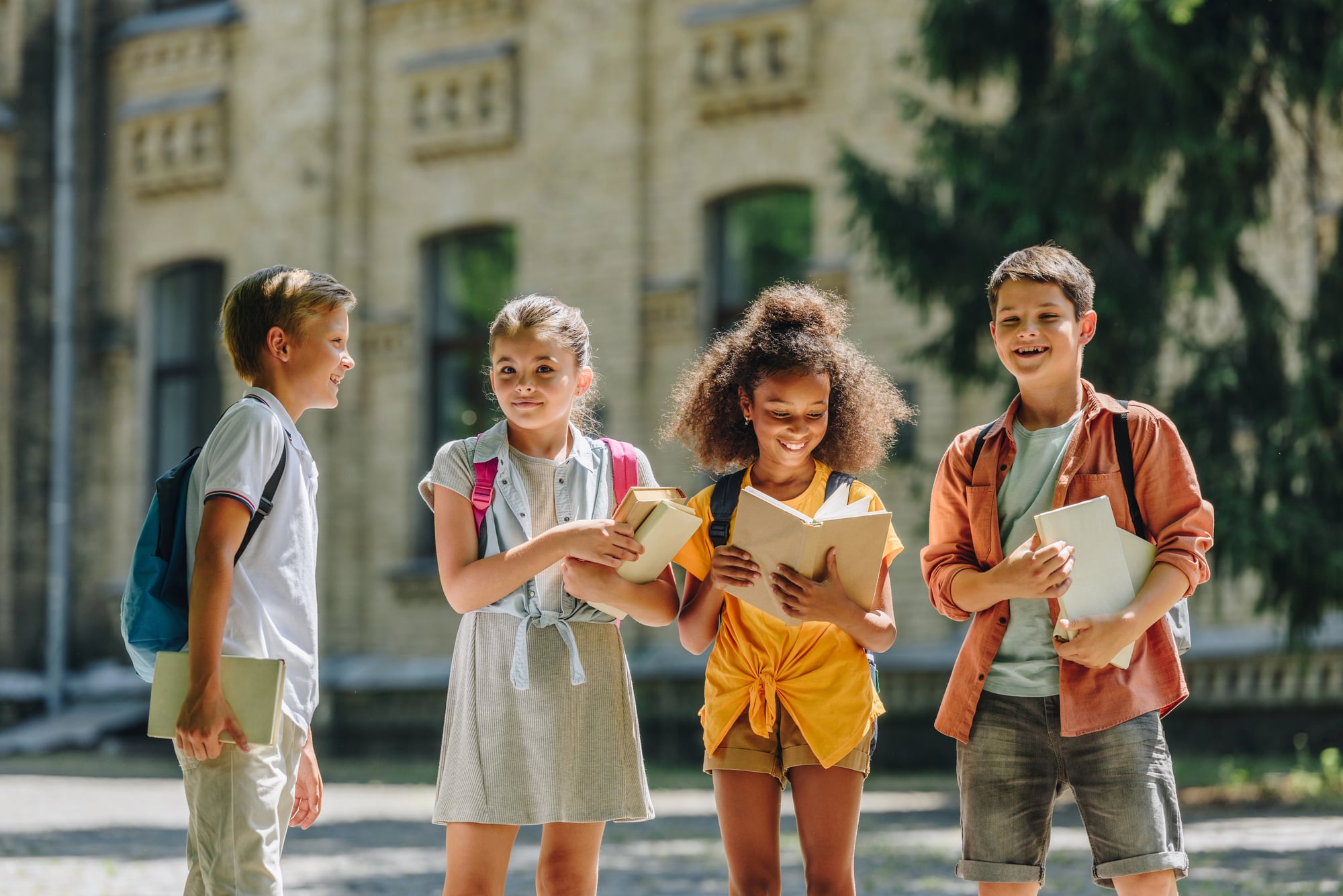
The games that developed over a summer in a particular group of kids had internal logic and internal governance that couldn’t be exported. The rules of the particular version of tag that six neighborhood children developed across three summers contained exceptions and precedents and interpretations that no newcomer could access without weeks of participation.
These games were the closest thing children had to institutional culture — self-generated, self-enforced, belonging entirely to the group that made them.
Calling Friends on the Landline With No Particular Agenda
The summer phone call was different from the school-year phone call. There was no news to exchange, no event to coordinate.
You called because the afternoon had opened and you wanted to know what was happening in someone else’s afternoon. The call sometimes lasted five minutes and sometimes lasted an hour, and the content mattered less than the contact. Adults who grew up before mobile phones report a specific longing for the focused presence of a phone call made to no purpose at all.
Watching Thunderstorms From the Porch
Summer storms arrived in the afternoon with serious theatrics — the darkening sky, the drop in temperature that came before the rain, the first drops on the driveway, then the lightning and thunder in sequence that let you calculate how far the storm was by counting the seconds between them.
Watching a thunderstorm from a porch was passive and absorbing simultaneously. The weather was doing something enormous and you were close enough to feel it without being in it, which was its own form of entertainment.
Attending a Backyard Barbecue That Went on Too Long
The event that started at noon and ended when the light finally gave out, with more people arriving in the late afternoon than had been expected and the food supplemented from whatever was in the kitchen because the initial estimate had been wrong.
Backyard barbecues in summer had a social metabolism that resisted conclusion — there was always another round, always someone arriving just as you thought the event was winding down. Kids who grew up at these gatherings learned to read social events at a pace that was slower than their school-day default.
Eating Lunch Outside
Not a picnic with preparation — just taking whatever was being made for lunch and eating it outside, on the porch steps, in the backyard, at the picnic table if there was one.
The physical act of taking the meal outside changed it without changing anything about the meal itself. Sandwiches tasted different outside. The food court comparison to school lunch was implicit in every outdoor meal.
The Summer Your Parents Got a Pool or You Found Out Someone Else Had One
The summer the inflatable pool appeared in the backyard, or the summer you found out that the kid four houses down had an in-ground pool and was willing to have people over — these summers were remembered by name and associated with specific people and specific hours.
The pool reorganized the social geography of the neighborhood in the same way a significant attraction reorganizes foot traffic, except the attraction was inflatable and cost thirty-five dollars.
Getting to the Last Page of a Book at 1 AM
Summer reading didn’t respect reasonable stopping points. The book that was one chapter from the end at 11 PM was one chapter from the end at midnight, and then the chapter turned into two chapters and the ending was twenty pages away.
The permission — tacit or genuine — to stay up finishing something you’d started was one of the cleanest pleasures the season offered. The light off at 1 AM, the book closed, the particular satisfaction of something finished.
Going Back-to-School Shopping in August
Not summer exactly — the end of summer, the signal that summer was ending. The aisles of the stationery shop or the back-to-school section of a department store with fresh folders and new notebooks and the specific possibility of a clean start.
Children who hated school could still find something appealing in new supplies. The smell of new notebooks is a specific sensory memory that exists outside any context and arrives intact decades later.
Noticing That the Days Were Getting Shorter
At some point in late July or early August, someone noticed that it was getting dark earlier. Not dramatically — maybe by twenty minutes since June — but the trend was real and the implication was clear.
Summer was a finite quantity and it was decreasing. This observation, which arrived every year and was never welcome, was proof that summer had a shape and the shape could be seen from within it. The awareness of ending was itself part of what summer was.
The Last Night of Summer
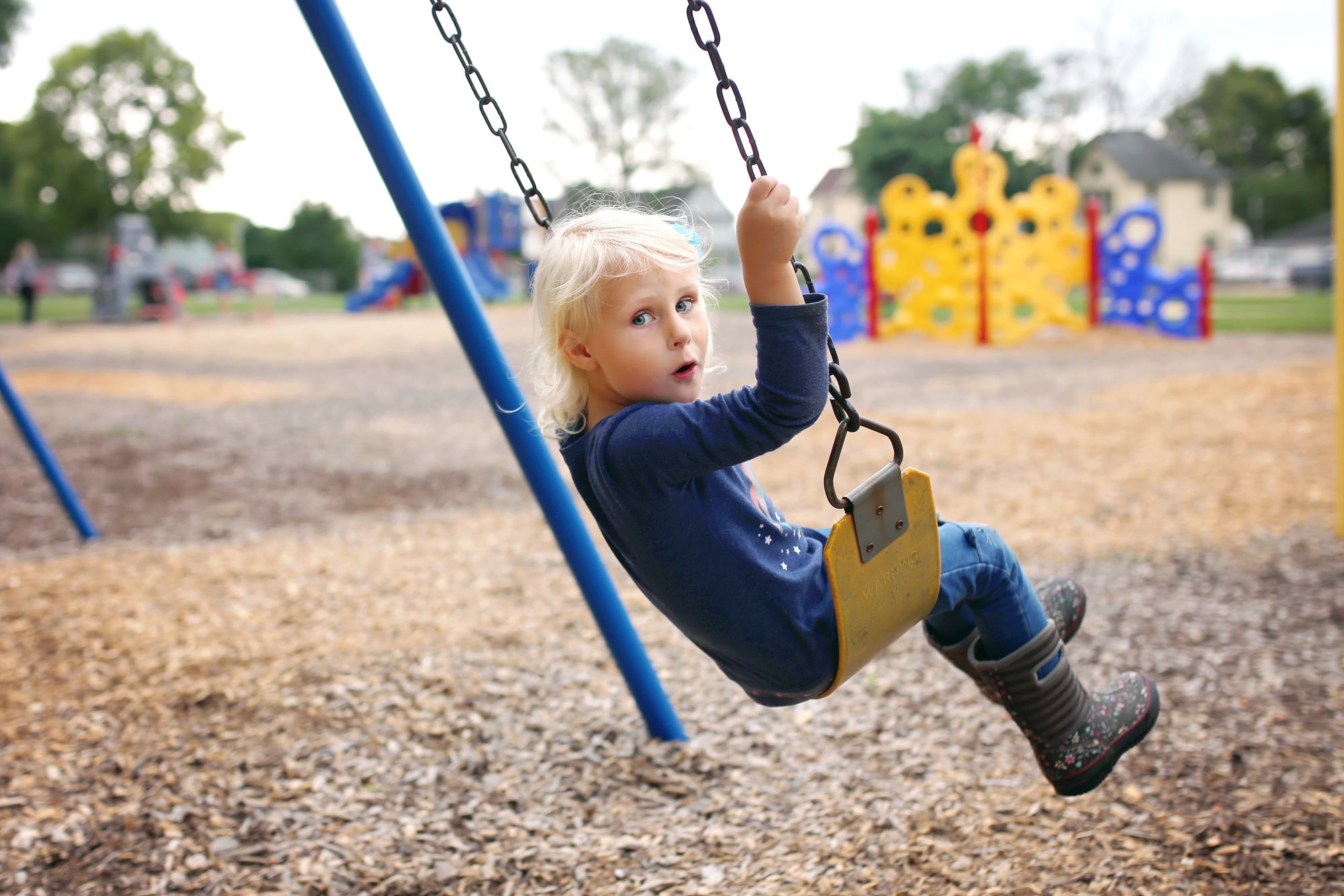
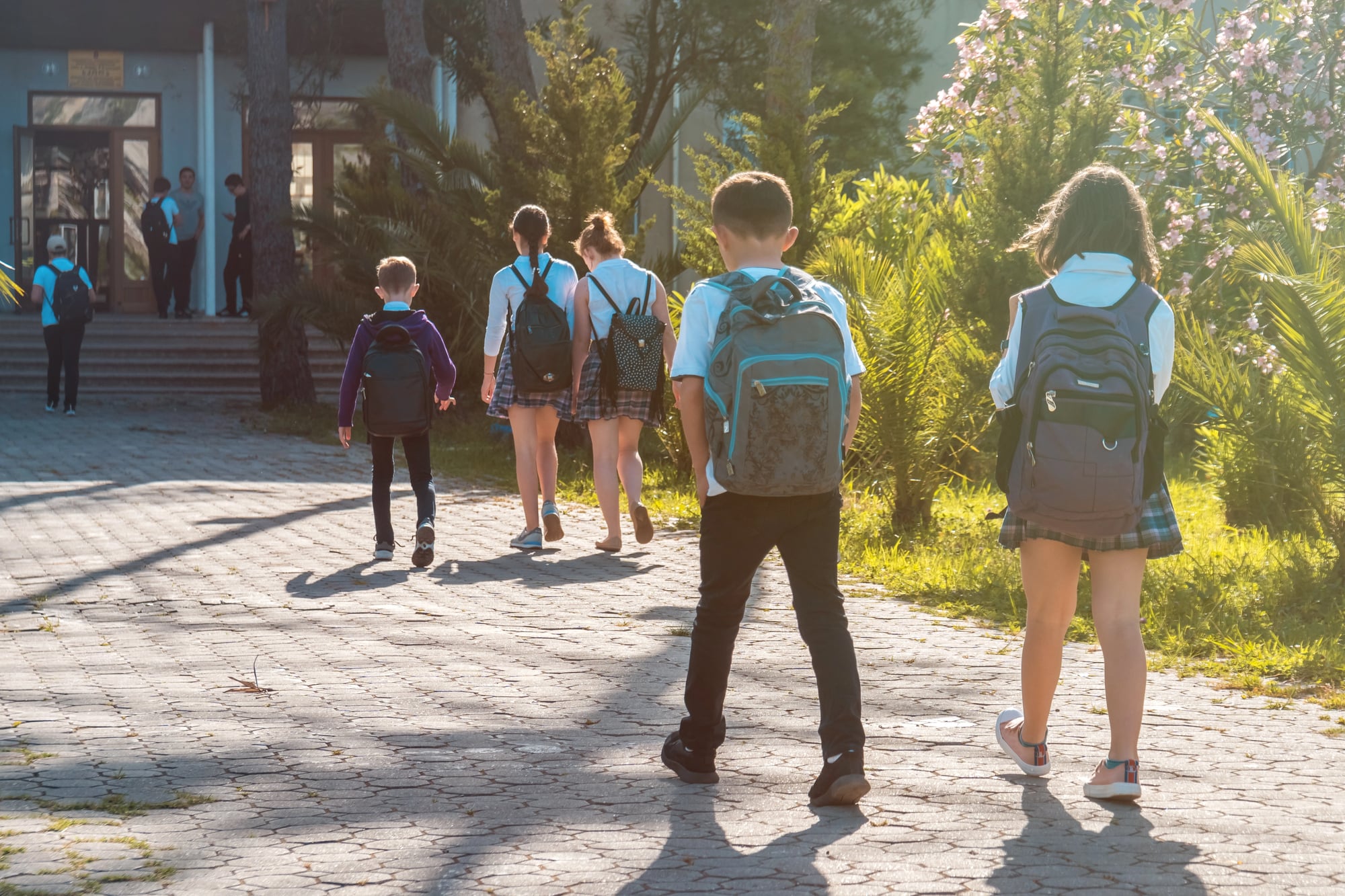
The night before school started again had a specific quality distinct from every other night of the year. The backpack had been packed. The new clothes had been laid out or not. The alarm clock had been set for a time that had been impossible for three months and now became necessary again.
Kids who had stayed up late all summer found the transition particularly brutal. The noise of the neighborhood outside, which had been background, became suddenly significant on the last night — because after tonight, it would be background again when it was dark, and by then you’d be asleep.
The Joys of Summer
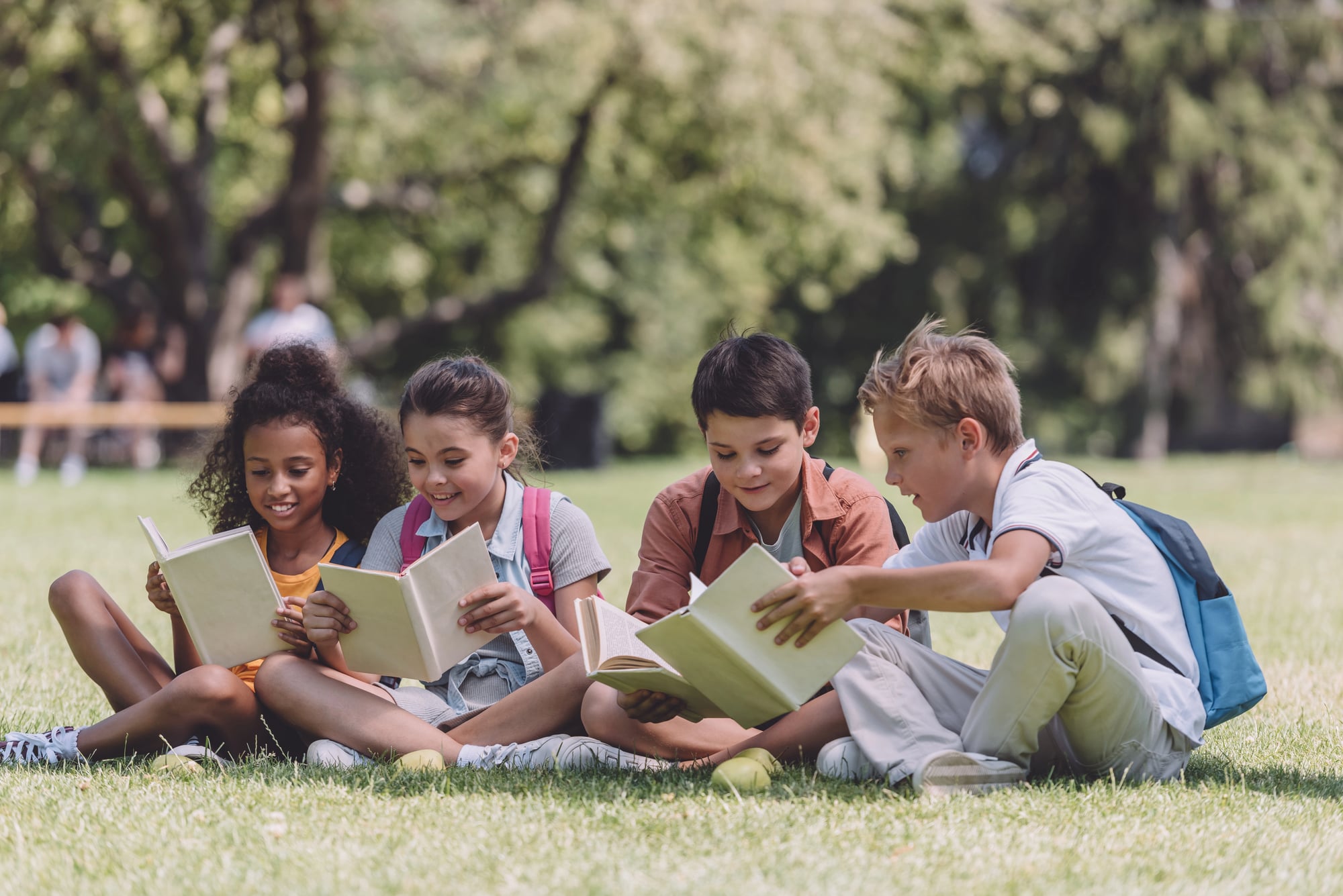
Summer didn’t end because school started again. It ended because the version of yourself who had spent it — barefoot, unhurried, catching fireflies, drinking hose water, arguing about rules no one else knew — had run out of time to be that version.
The rituals listed here were not the cause of what summer was. They were the evidence of it. What they documented was a stretch of weeks in which children existed largely outside adult scheduling and were required to invent the day themselves. That particular form of freedom produced a particular kind of memory: not of events exactly, but of how it felt to have an entire season that belonged to you.
More from Go2Tutors!

- The Romanov Crown Jewels and Their Tragic Fate
- 13 Historical Mysteries That Science Still Can’t Solve
- Famous Hoaxes That Fooled the World for Years
- 15 Child Stars with Tragic Adult Lives
- 16 Famous Jewelry Pieces in History
Like Go2Tutors’s content? Follow us on MSN.



