28 Ancient Cities Buried by Disasters and Found Centuries Later
Earthquakes, volcanoes, floods, tsunamis, and droughts have erased entire civilizations from the map, burying cities under ash, sand, water, and jungle for centuries. Archaeologists stumble upon these buried worlds—sometimes by accident, sometimes through decades of methodical excavation—and discover that time, far from destroying everything, occasionally preserves moments of life in extraordinary detail.
A city buried in minutes can reveal how people dressed, what they ate, and how they died when unearthed millennia later. The buried cities that follow were lost not because they were abandoned and forgotten in obscurity, but because natural catastrophes destroyed them so completely that rediscovering them required either chance, technology, or persistent archaeologists willing to search where civilization seemed impossible.
Each burial tells a story of fragility—how quickly human achievement crumbles when nature unleashes its forces.
Pompeii and the Ash That Preserved Everything
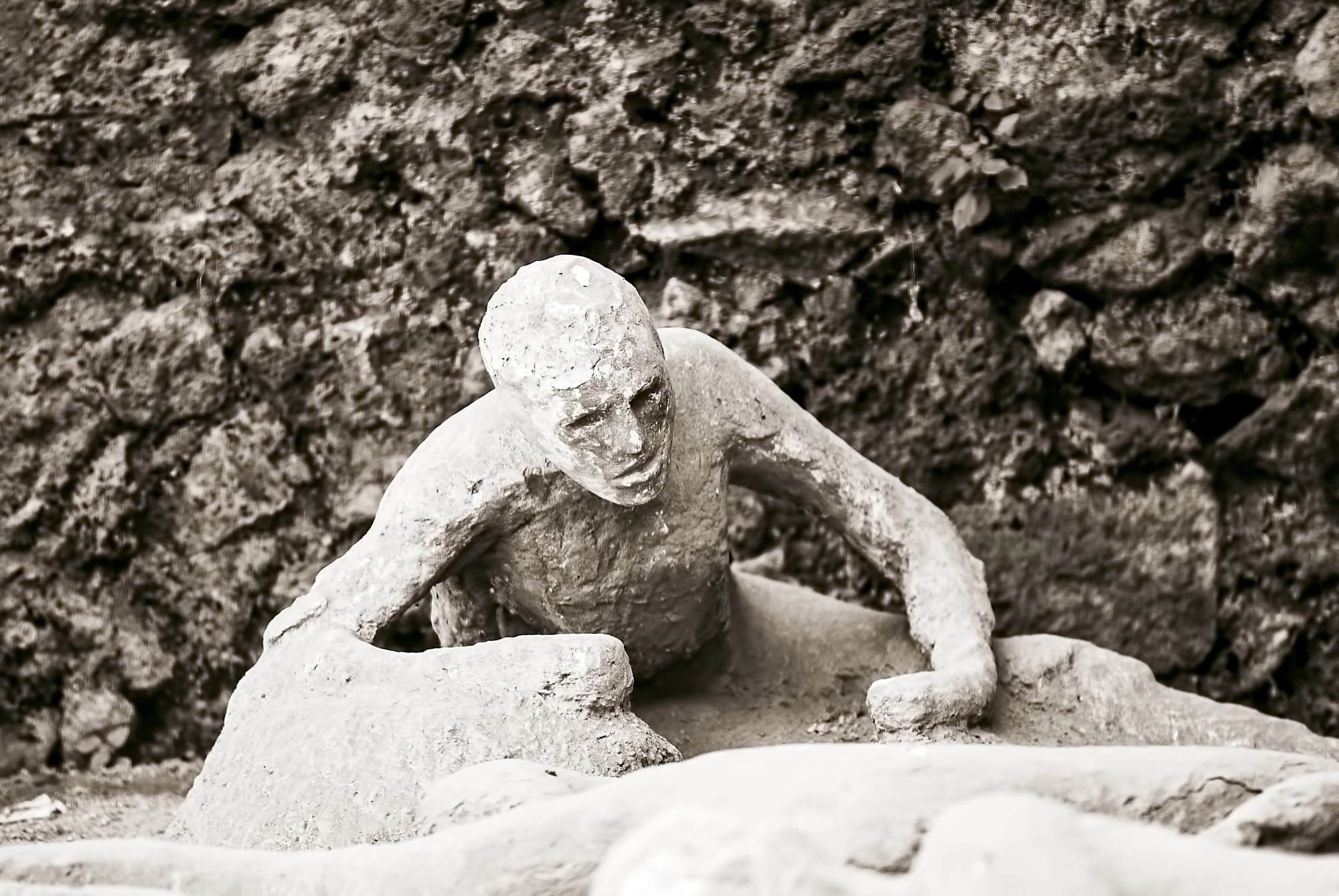
Mount Vesuvius erupted without warning on August 24, 79 AD, burying Pompeii under meters of pumice and ash. The destruction was so sudden that people died in their positions, their bodies leaving voids in the hardened ash.
When archaeologist Giuseppe Fiorelli injected plaster into these cavities in the 1860s, he revealed haunting casts of final moments: a dog straining against its chain, a woman shielding her face. Pompeii’s 11,000 residents left behind an entire city frozen in time—loaves of bread in bakeries, wine in amphorae, graffiti on walls, explicit scenes in brothels.
The pyroclastic flows that killed so many also preserved a snapshot of Roman provincial life so complete that visitors today can walk streets unchanged for nearly 2,000 years.
Herculaneum and the Pyroclastic Flow
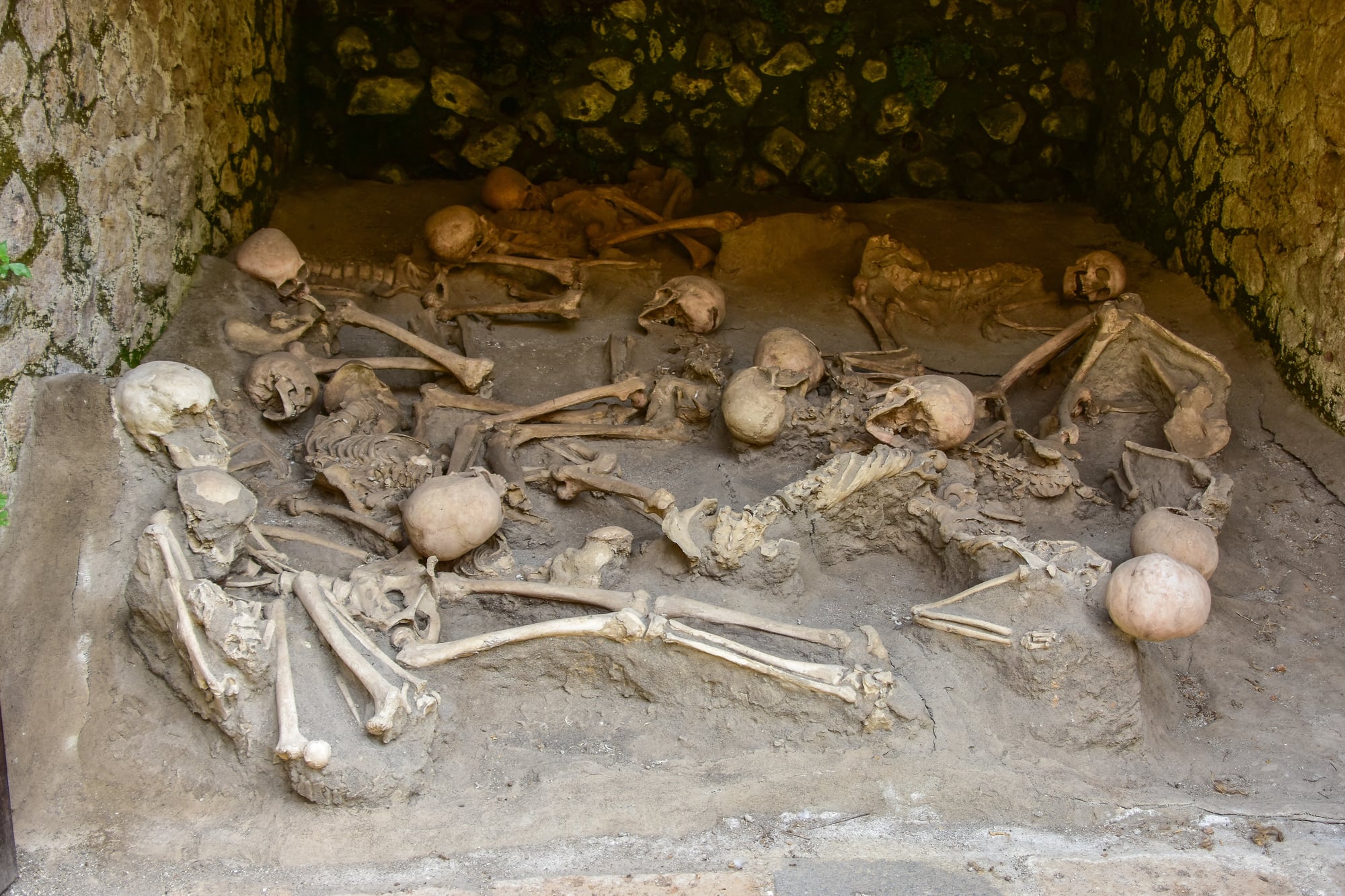
Herculaneum, buried by the same eruption as Pompeii but under a faster-moving pyroclastic surge, underwent different preservation. The superheated flow literally carbonized organic materials—wood, papyrus, food—turning them to carbon while preserving their form.
Wooden furniture survived, scrolls remained readable, even loaves of bread retained their shape. A wealthier resort town than Pompeii, Herculaneum’s affluence is evident in its frescoes and carefully appointed homes.
Archaeologists discovered the city almost by accident in the 1700s when workers digging a well broke through into buried streets. The carbonization was so effective that some artifacts remain almost untouched, revealing details of daily life that Pompeii’s ash could not preserve.
Akrotiri and the Atlantis of the Aegean
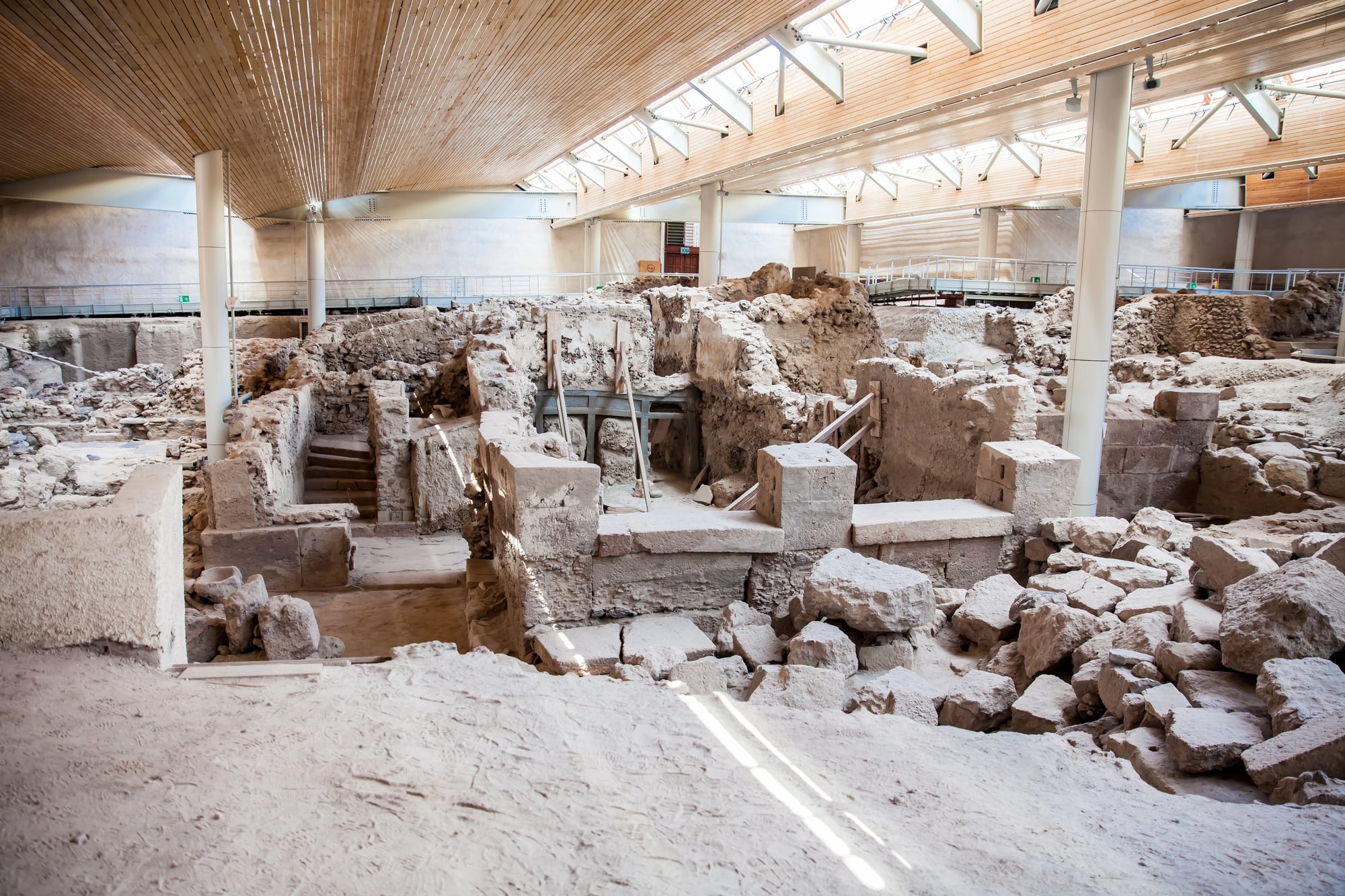
Bronze Age Akrotiri on Santorini was buried by the massive eruption of Thera around 1600 BCE, preserving a Minoan city so perfectly that archaeologists call it the Aegean’s answer to Pompeii. Multi-story buildings with wooden beams and upper floors survived, along with paved streets, advanced plumbing systems, and frescoes in vibrant colors that captured maritime scenes, religious processions, and daily life.
Unlike Pompeii, few human remains were found, suggesting residents had time to evacuate before the eruption. The city lay untouched for over 3,600 years until excavations began in 1967.
Port Royal and the Earthquake-Tsunami Combination
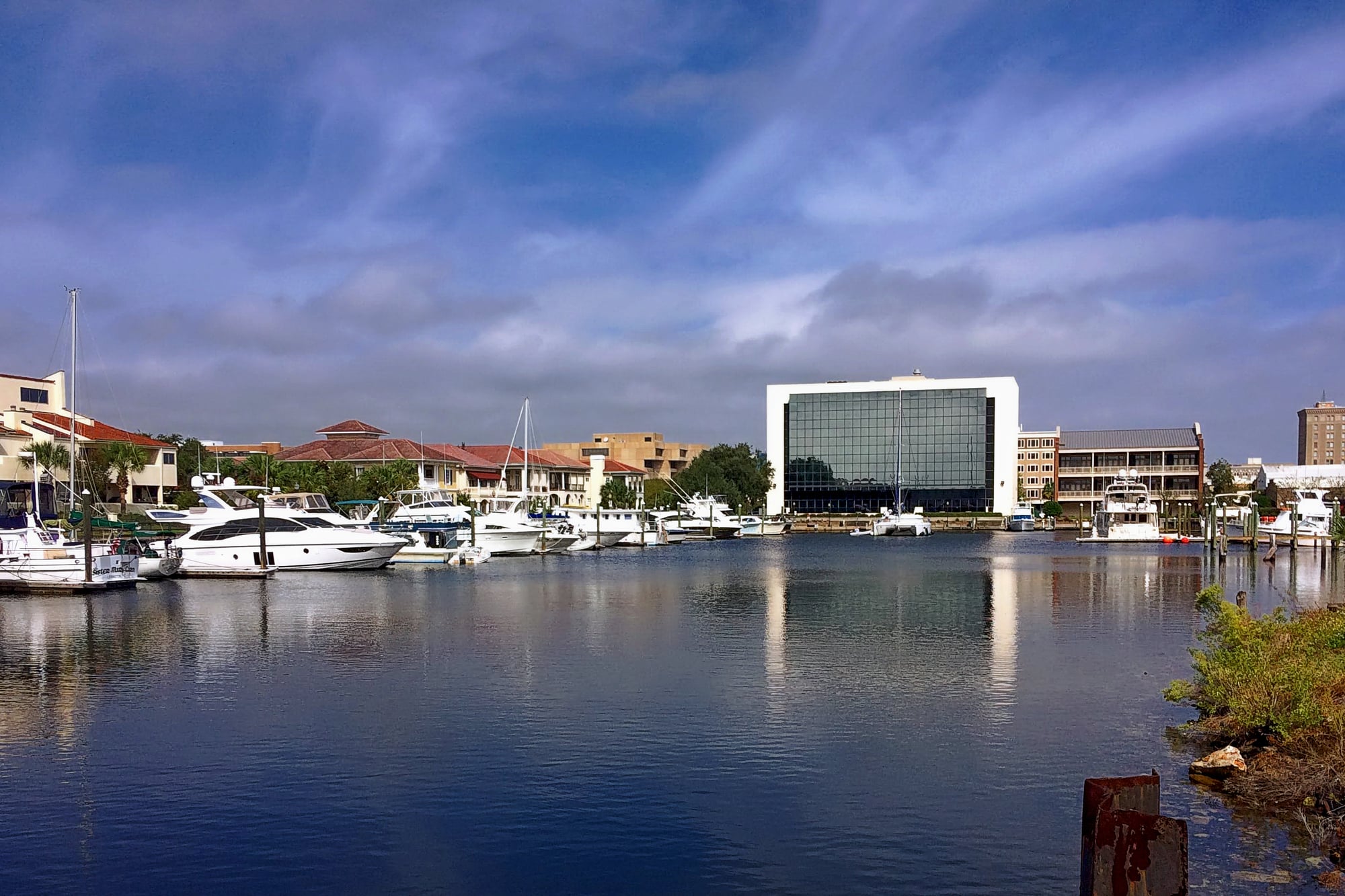
Port Royal, Jamaica’s notorious pirate capital, was destroyed on June 7, 1692, by an earthquake that liquefied the sandy soil the city rested upon, combined with a tsunami that submerged 90 percent of it in minutes. The combined forces killed half the population instantly, and epidemics finished most survivors.
The city sank into the sea, where it remained preserved under water and silt until 20th-century excavations recovered ships, buildings, and artifacts. The disaster was so complete and sudden that Port Royal became a Caribbean Pompeii, a cautionary tale about building cities on unstable geography.
Çatalhöyük and the Covered Town
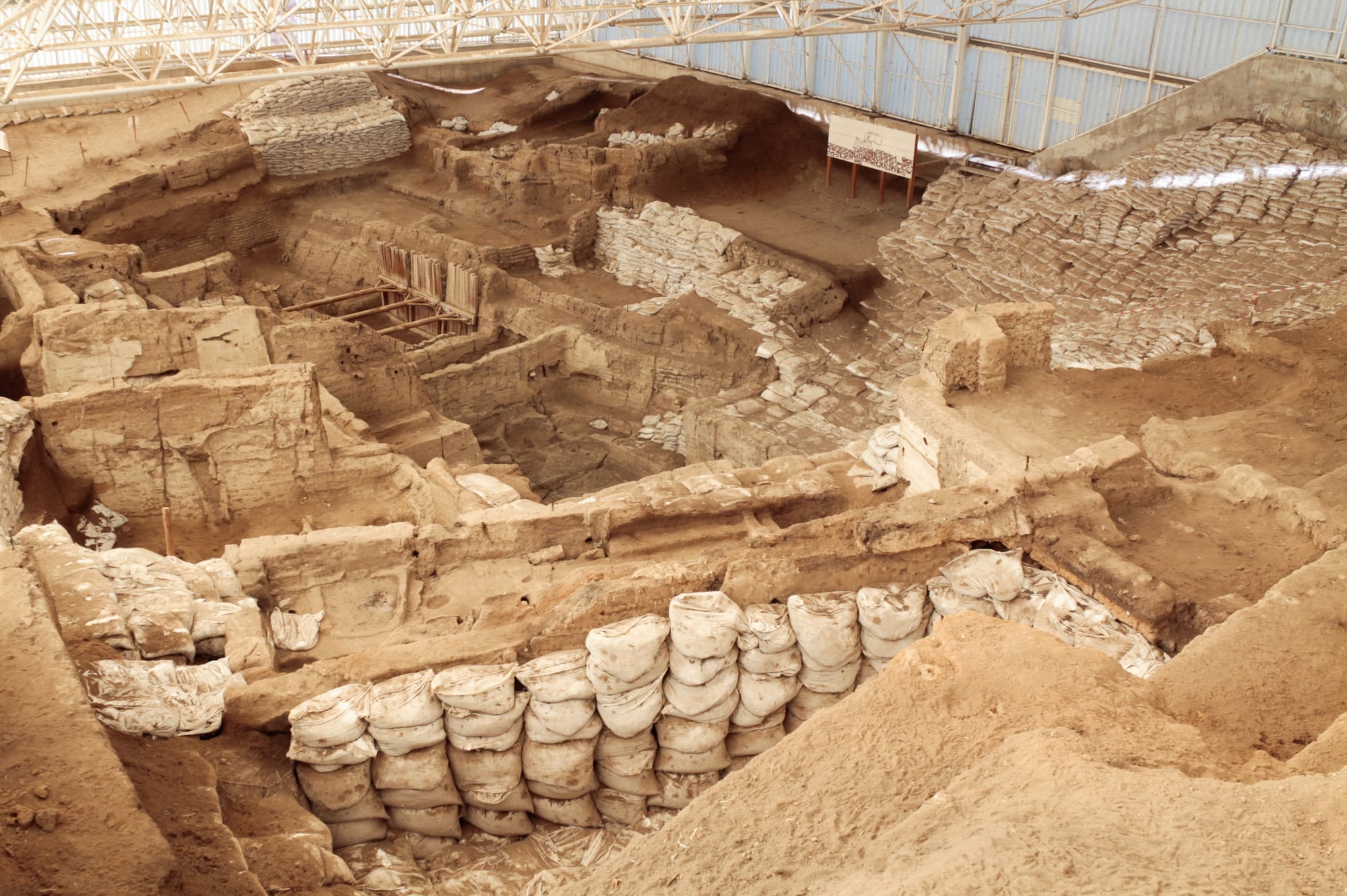
Çatalhöyük in Turkey was not buried by disaster but by simple accumulation—successive generations built new homes directly atop the ruins of previous ones, creating a massive tell that rose above the surrounding landscape. This Neolithic settlement showcased some of the earliest urban planning, with mud-brick homes in a honeycomb pattern.
Excavations revealed 18 layers of occupation, each one a separate phase of human habitation. The site is unique in that it demonstrates not catastrophic burial but the patient accumulation of time as communities rebuilt and added to their settlements.
Machu Picchu and the Inca’s Hidden City
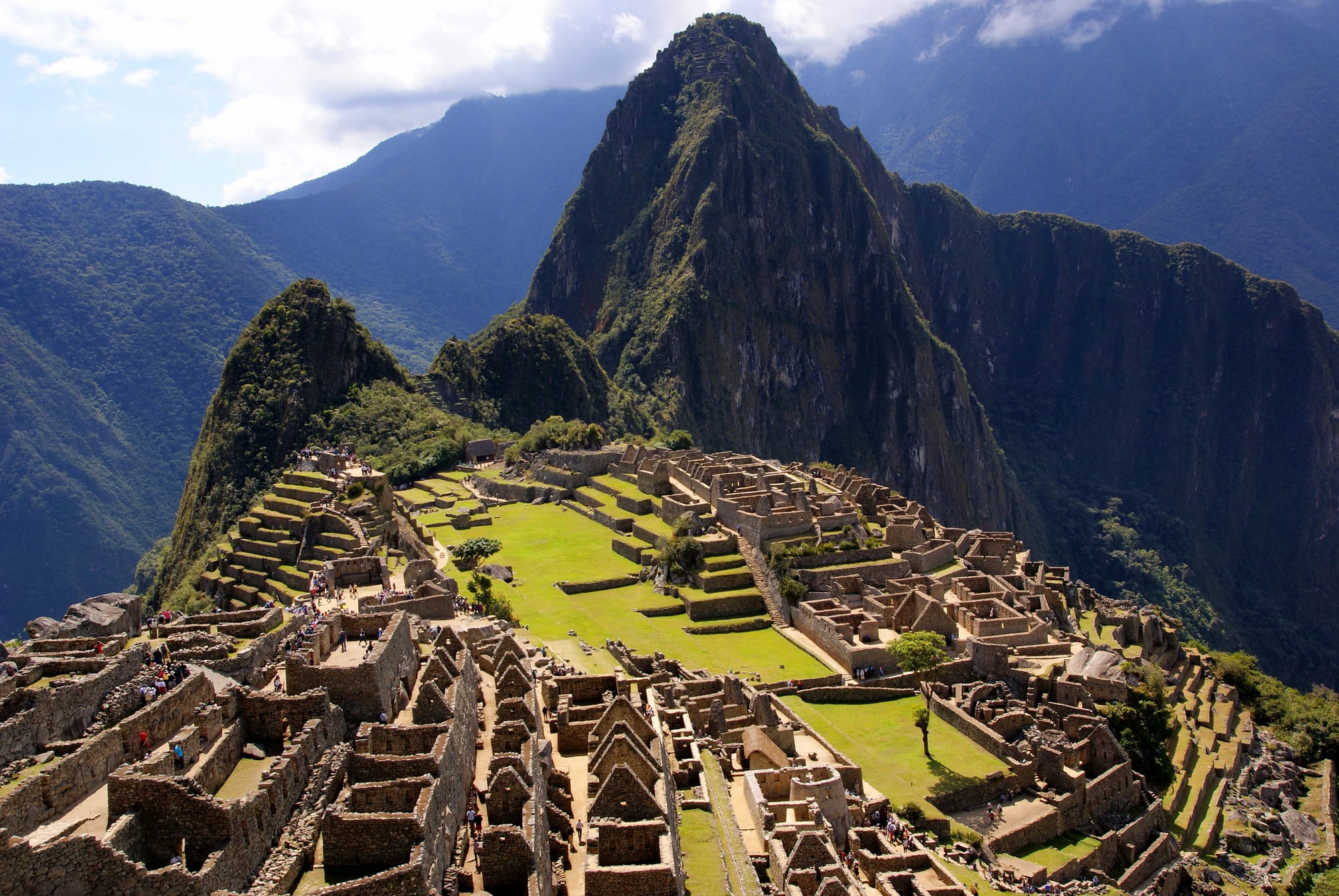
Perched high in the Andes, Machu Picchu was built around 1450 as an Inca citadel and likely abandoned within a century as the Spanish conquest disrupted the empire. The Spanish conquistadors never found it—its remote mountain location kept it hidden.
For centuries, it remained known only to local indigenous people until American explorer Hiram Bingham brought it to international attention in 1911. The precision stonework, with blocks fitted together without mortar and interlocked to resist earthquakes, survives intact today.
Machu Picchu teaches that burial can also mean hiding, that remoteness and jungle can preserve what human violence fails to destroy.
Mohenjo-daro and the Drought That Emptied a City
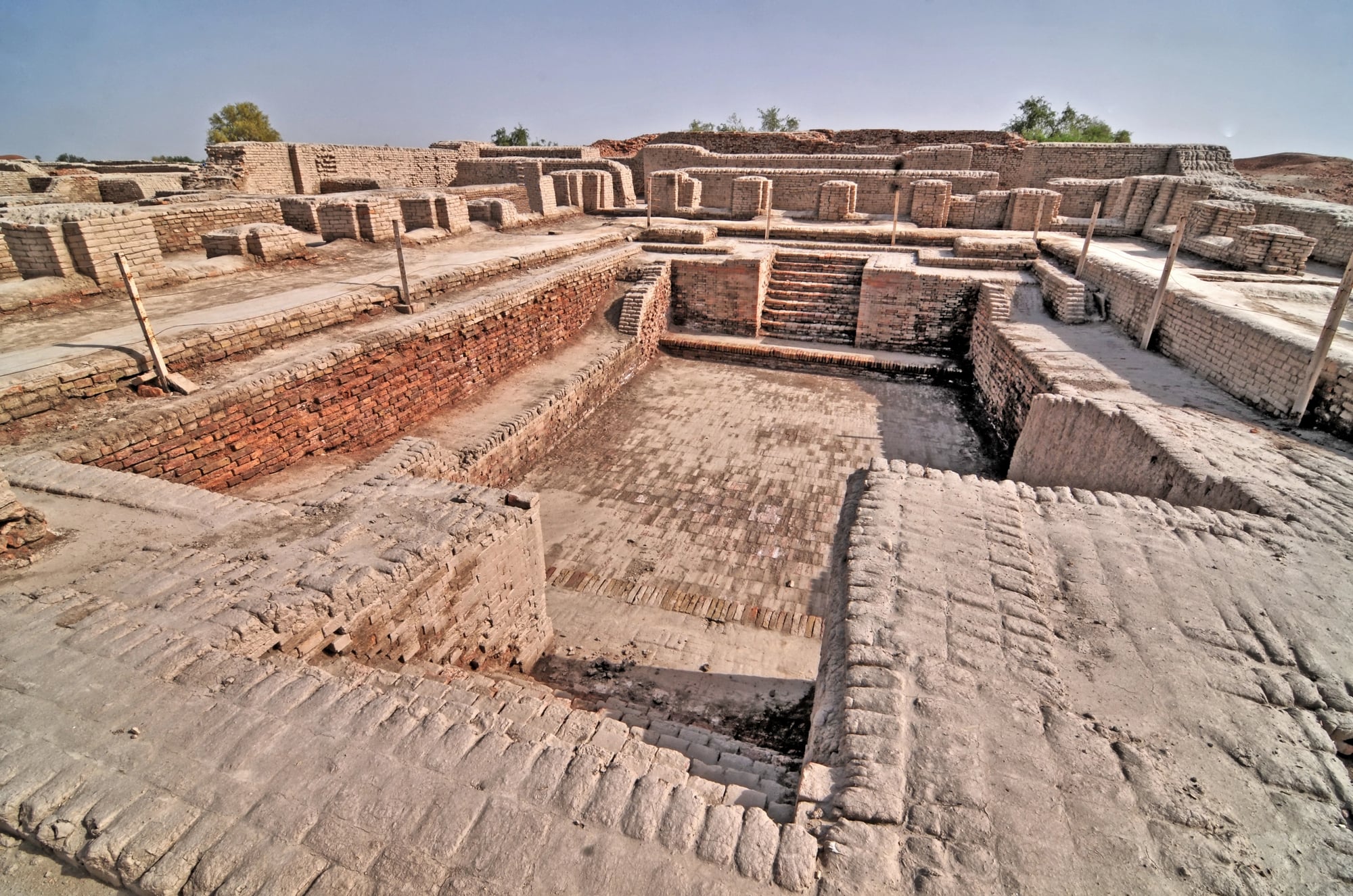
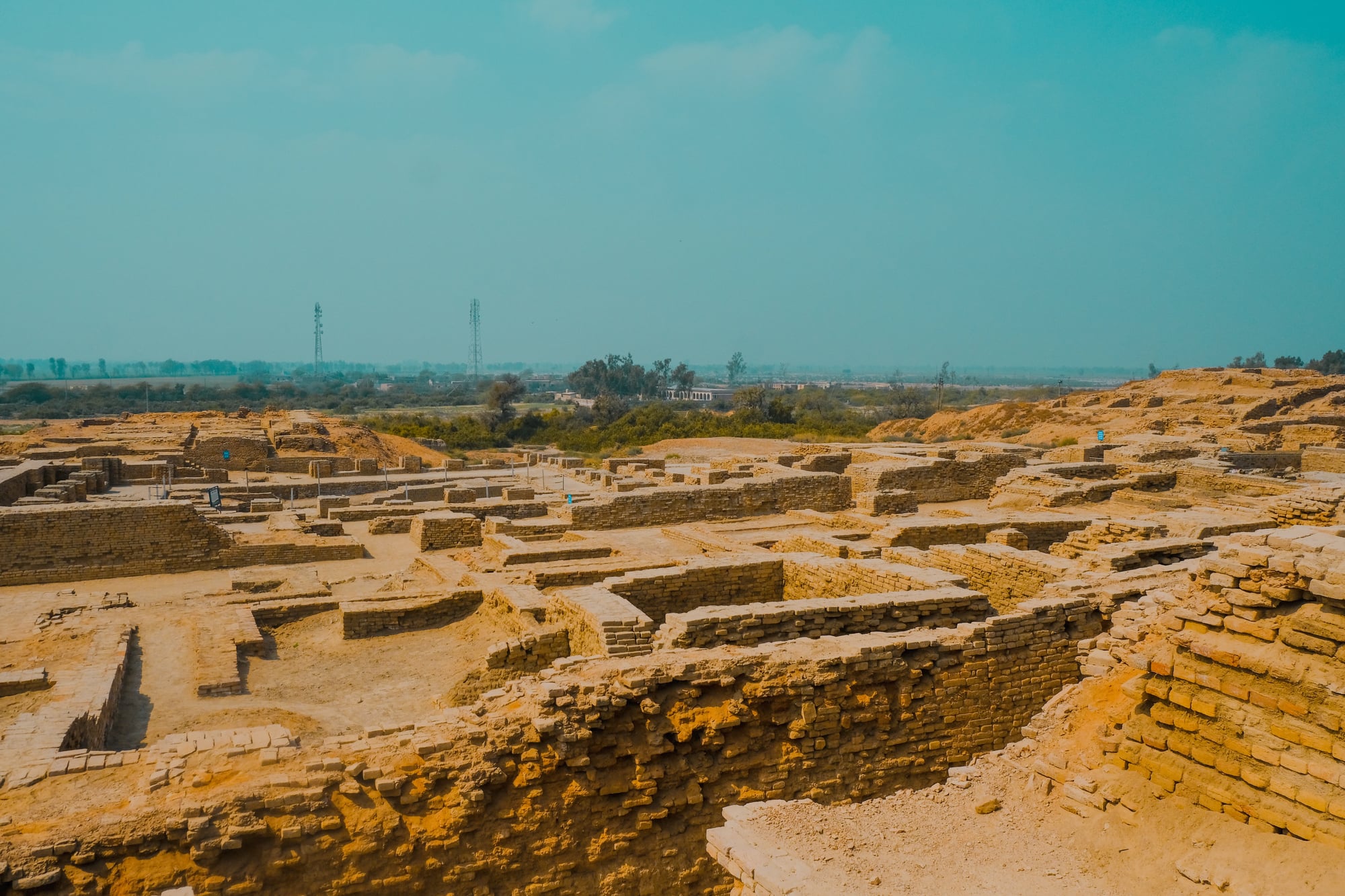
The Harappan civilization, contemporaneous with ancient Egypt, built sophisticated cities like Mohenjo-daro with grid-patterned streets and advanced drainage systems. A 200-year drought transformed fertile farmland into desert, forcing inhabitants to abandon great cities that thrived for centuries.
The cities were not suddenly destroyed but gradually emptied as agricultural collapse forced migration. Mohenjo-daro stands half-excavated, with entire blocks still underground, a city buried not by disaster but by the slow pressure of environmental change that transformed the landscape.
Petra and the Earthquake That Sealed a City
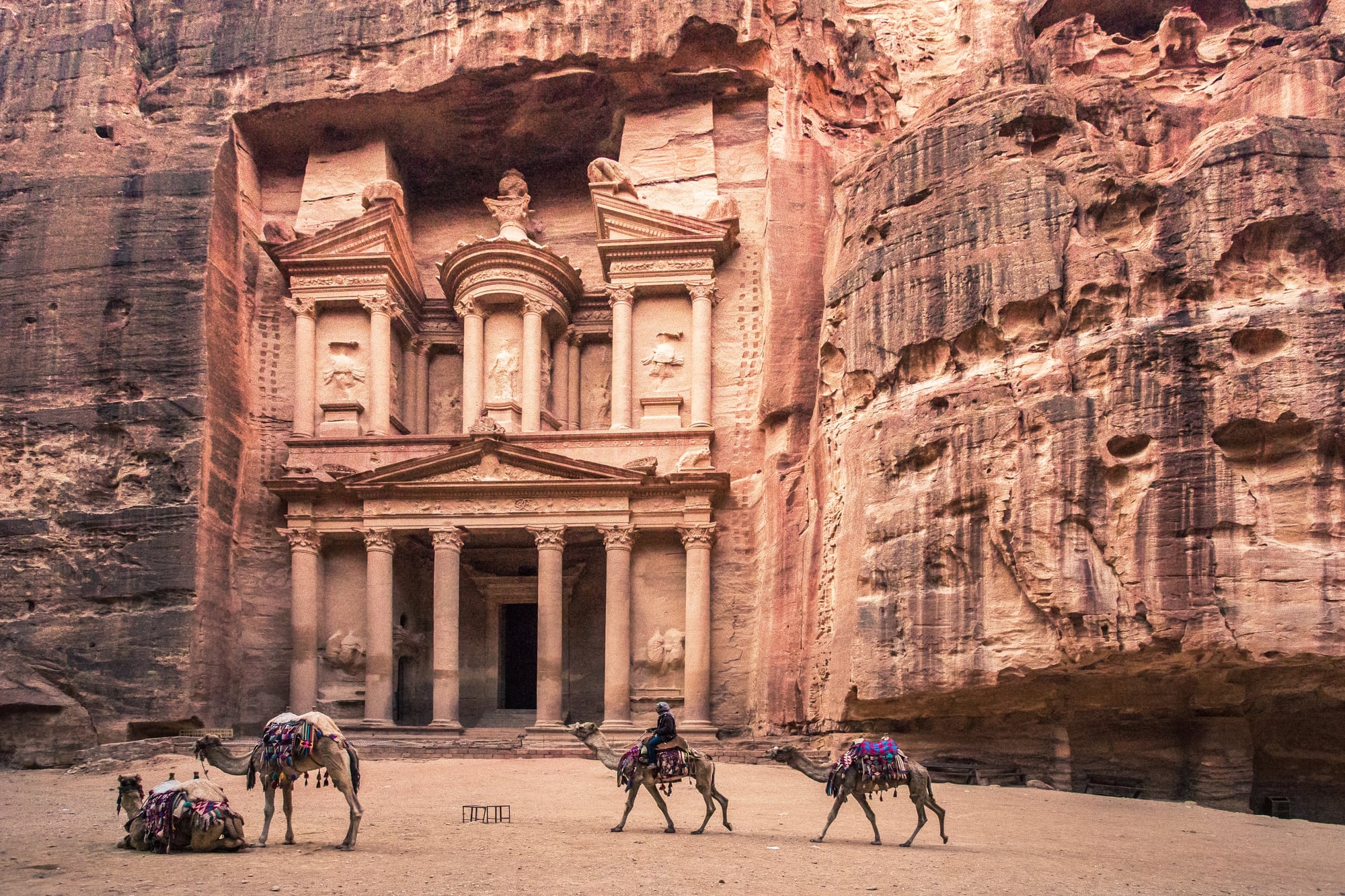
Petra, Jordan’s carved-stone city, was devastated by a series of earthquakes, most notably in 363 CE, that damaged the elaborate water system Nabataeans had engineered into the rock. Without water, the trade center could not survive.
The earthquakes didn’t destroy Petra’s buildings—they destroyed its lifeblood. The city was gradually abandoned as inhabitants migrated to more stable locations.
Petra’s facades survived, carved into pink sandstone, but the community within vanished. A Swiss explorer rediscovered it in 1812, finding intact tombs and temples but a city long silent.
Troy and the Multiple Destructions
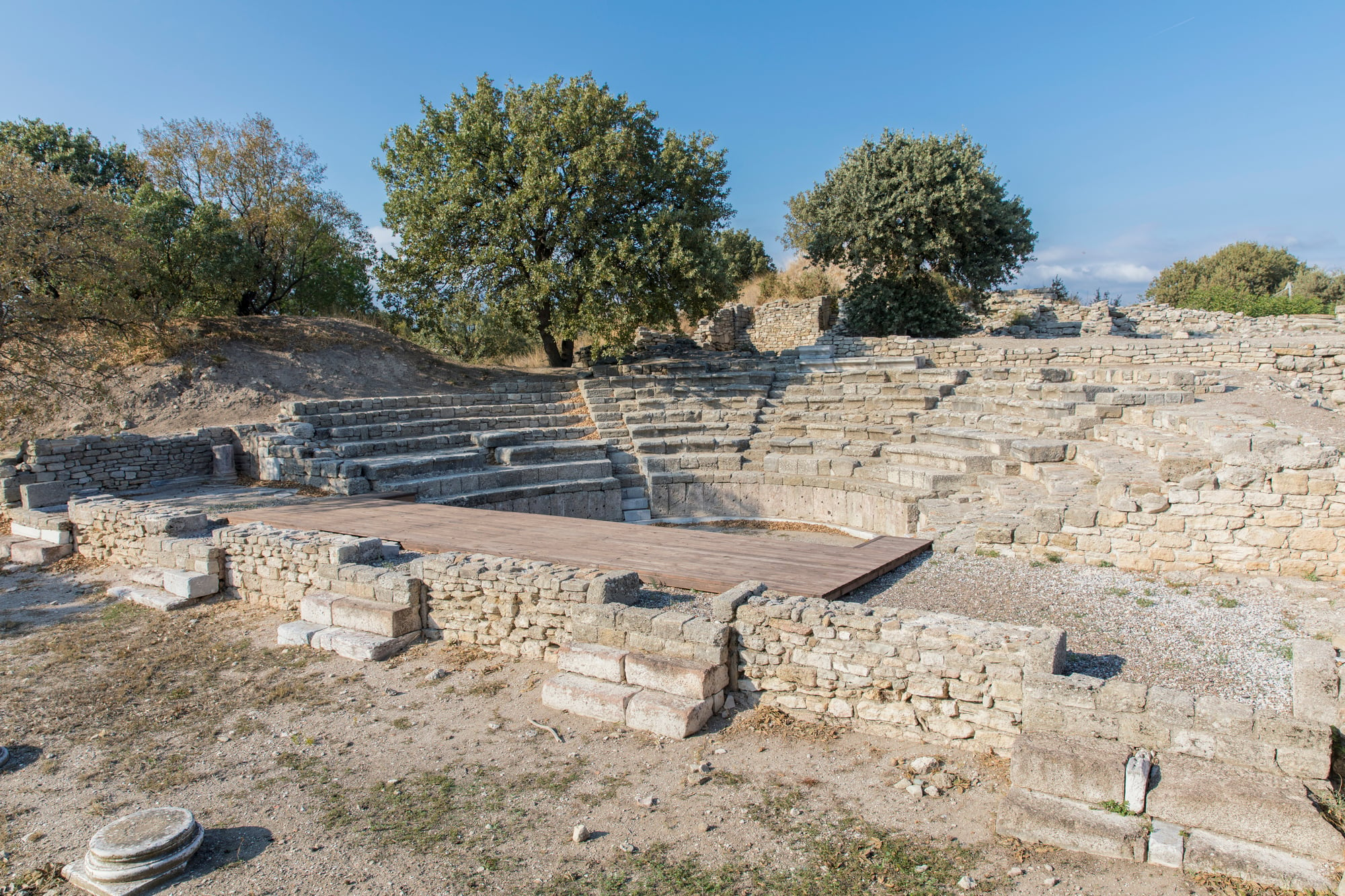
Troy in Turkey was destroyed and rebuilt repeatedly, with archaeology revealing nine major occupation phases. Earthquakes, warfare, and resource depletion each contributed to the city’s falls.
The ruins form a massive tell where each destruction layer sits atop another, creating a stratigraphic record of civilizations rising and falling. Homer’s Troy, long thought mythical, was found in the archaeological layers, proving that epic poetry and geological catastrophe could intertwine across millennia.
Jericho and the Walls That Fell
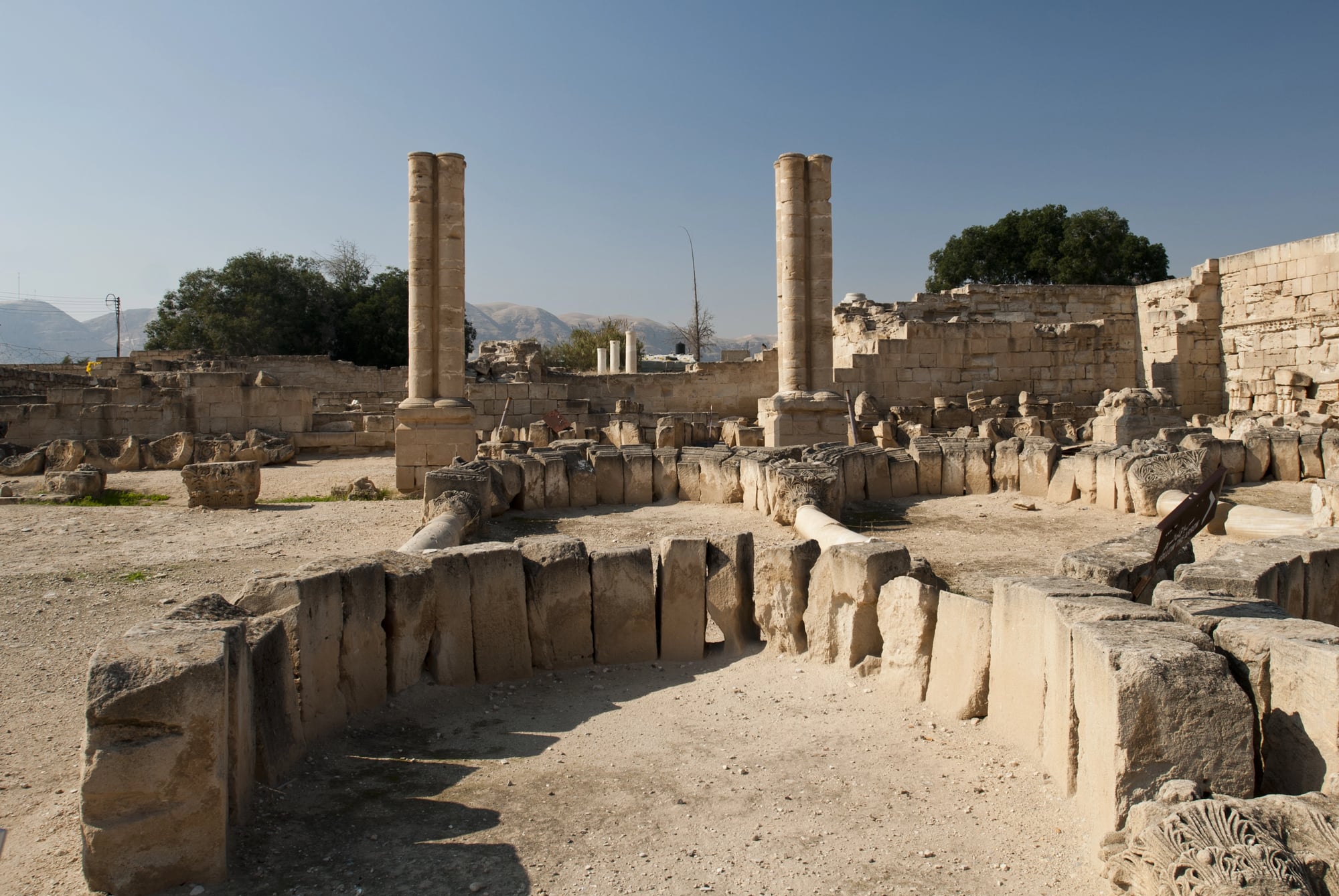
Jericho, one of the world’s oldest cities, shows evidence of destruction layers that match biblical accounts, though archaeologists debate the precise dating. Multiple walls stood in concentric rings, each phase representing a separate period of construction and destruction.
Earthquakes and siege warfare left traces in the archaeology, creating a palimpsest of repeated destruction and rebuilding. The city’s location on seismic fault lines made it vulnerable to earthquakes, yet its strategic position ensured it was always rebuilt.
Thonis-Heracleion and the Underwater Port
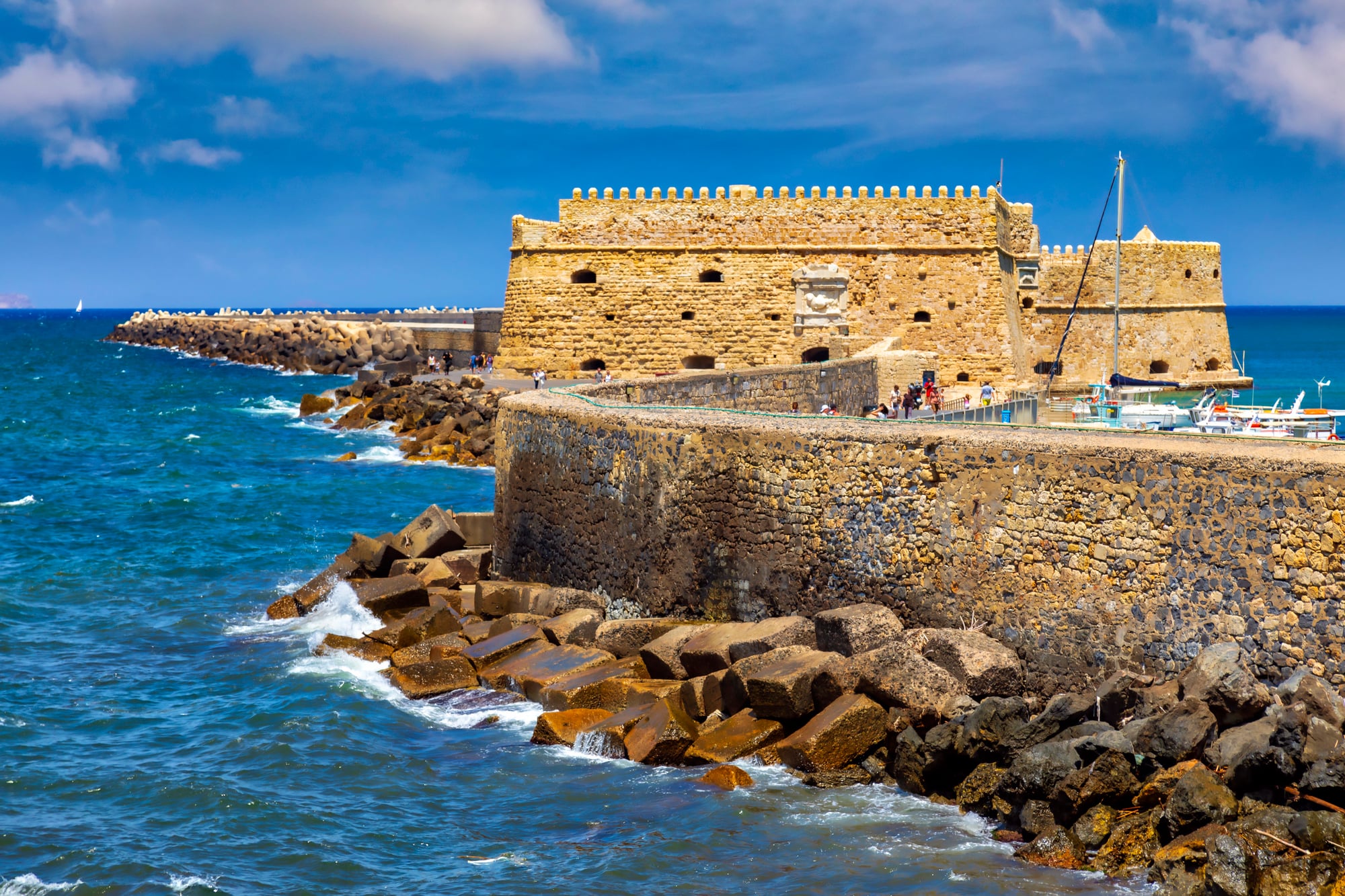
An Egyptian port city that once thrived as a center of Mediterranean trade, Thonis-Heracleion was swallowed by earthquakes that liquefied the sandy substrate. The city sank literally into the earth, lying forgotten underwater for millennia.
In 2000, divers discovered statue fragments that led to the discovery of the entire city preserved on the seafloor: temples, sculptures, and inscriptions still intact. The city’s location had become legendary—its very disappearance made it the subject of myth until underwater archaeology brought it back.
Lajia and the Earthquake That Froze a Moment
Lajia, a Bronze Age Chinese settlement, was buried by earthquake and mudslides that killed residents and preserved them in their final moments. Archaeological excavation revealed people frozen in the positions they died, with detailed pottery and primitive noodles still visible.
The burial was so sudden and complete that the settlement became a perfect snapshot of a moment: families in homes, food being prepared, daily life interrupted and preserved by the same force that ended it.
Doggerland and the Tsunami That Drowned a Continent
Doggerland, a fertile land mass that connected Britain to continental Europe during the Mesolithic period, was inundated by rising seas and a massive tsunami around 6500 BCE. Archaeological finds on the North Sea floor—tools, bones, evidence of human settlement—reveal a drowned world, a lost continent submerged under water rather than buried under ash.
Doggerland was home to hunter-gatherer societies whose traces remain embedded on the seabed, a geography literally overwritten by rising oceans.
Angkor Wat and the Jungle’s Reclamation
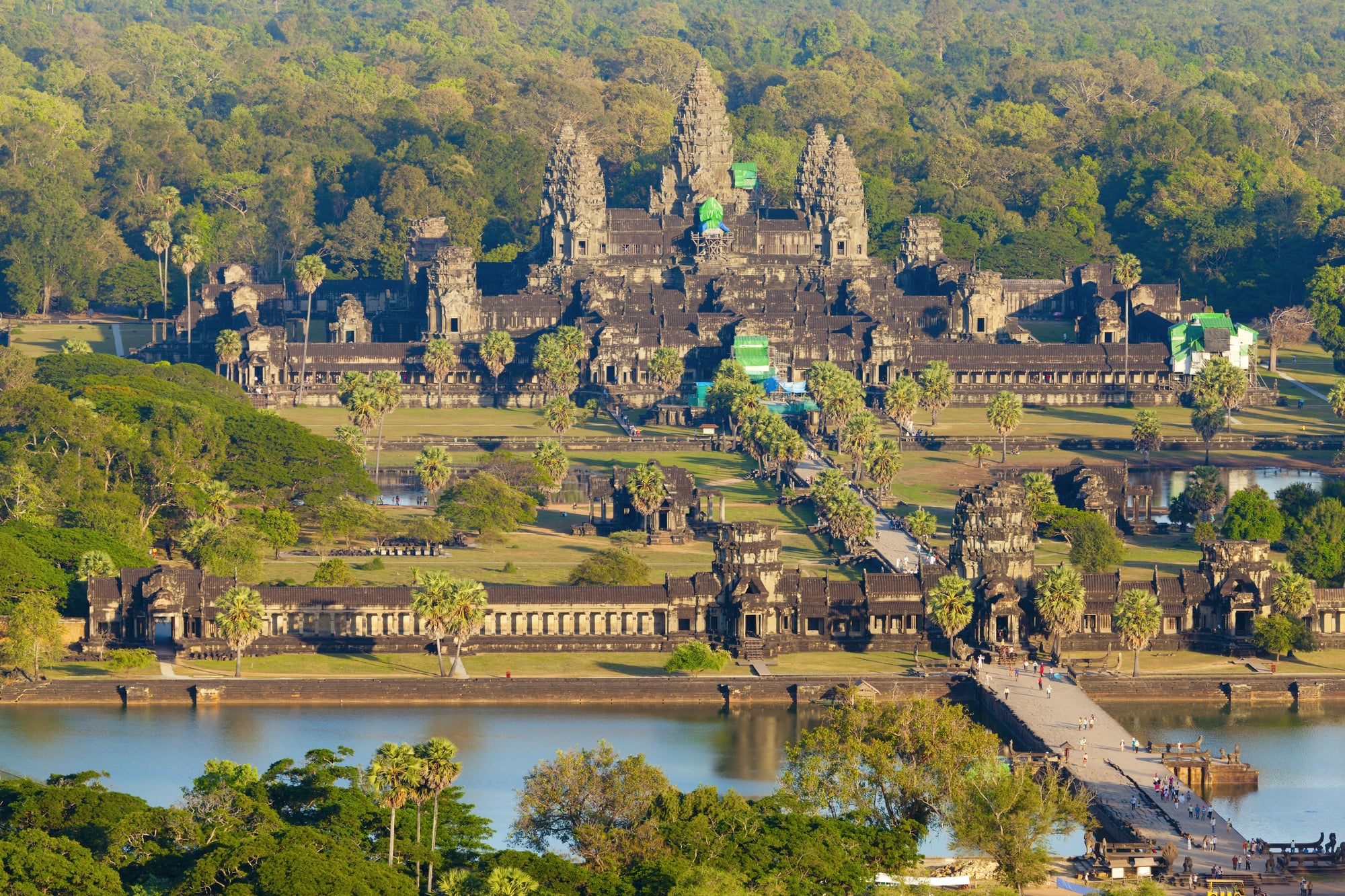
Angkor Wat in Cambodia was not buried by disaster but by jungle, as political instability and changing trade routes caused inhabitants to abandon the site. The rainforest reclaimed temples and palaces, tree roots cracking stone, vines obscuring the elaborate carvings.
Medieval travelers forgot where the city was; locals knew it remained in the jungle but outsiders lost track. French explorers rediscovered it in the 19th century, finding a civilization of staggering complexity overgrown but surviving beneath the tropical canopy.
Ubar and the Sandy Grave
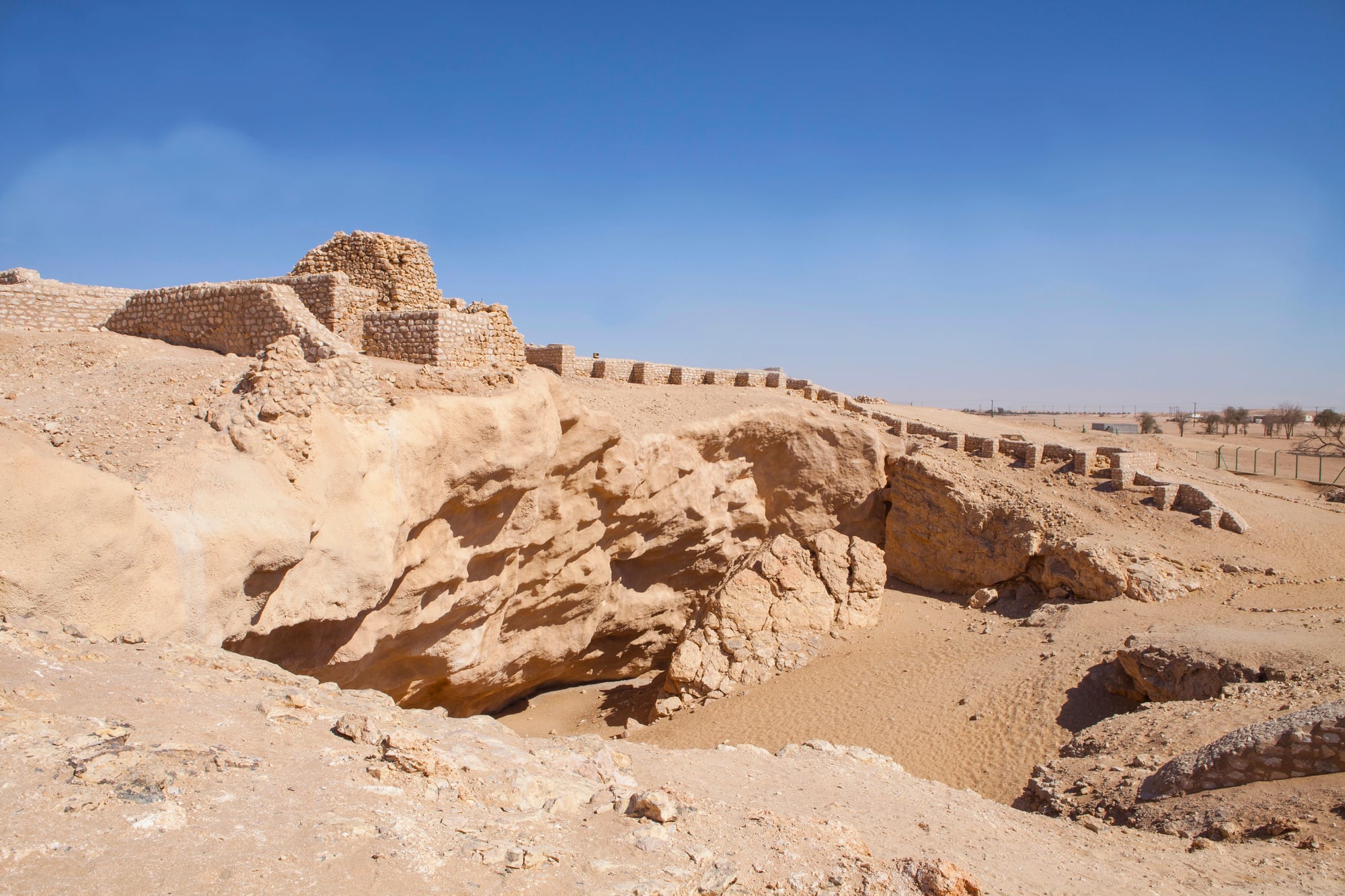
Ubar, legendary city of Arabian Peninsula traders, was destroyed and buried in sand according to Islamic tradition. For centuries it remained lost, a city of wealth and spires erased from maps and memory.
Modern archaeological evidence suggests an oasis settlement that declined as trade routes shifted, its gradual abandonment hastened by environmental degradation. Satellite photography identified likely ruins in Oman, confirming that legend and archaeological reality sometimes coincide, though the truth proved less dramatic than the myth.
The Bronze Age Collapse and Multiple Simultaneous Destructions
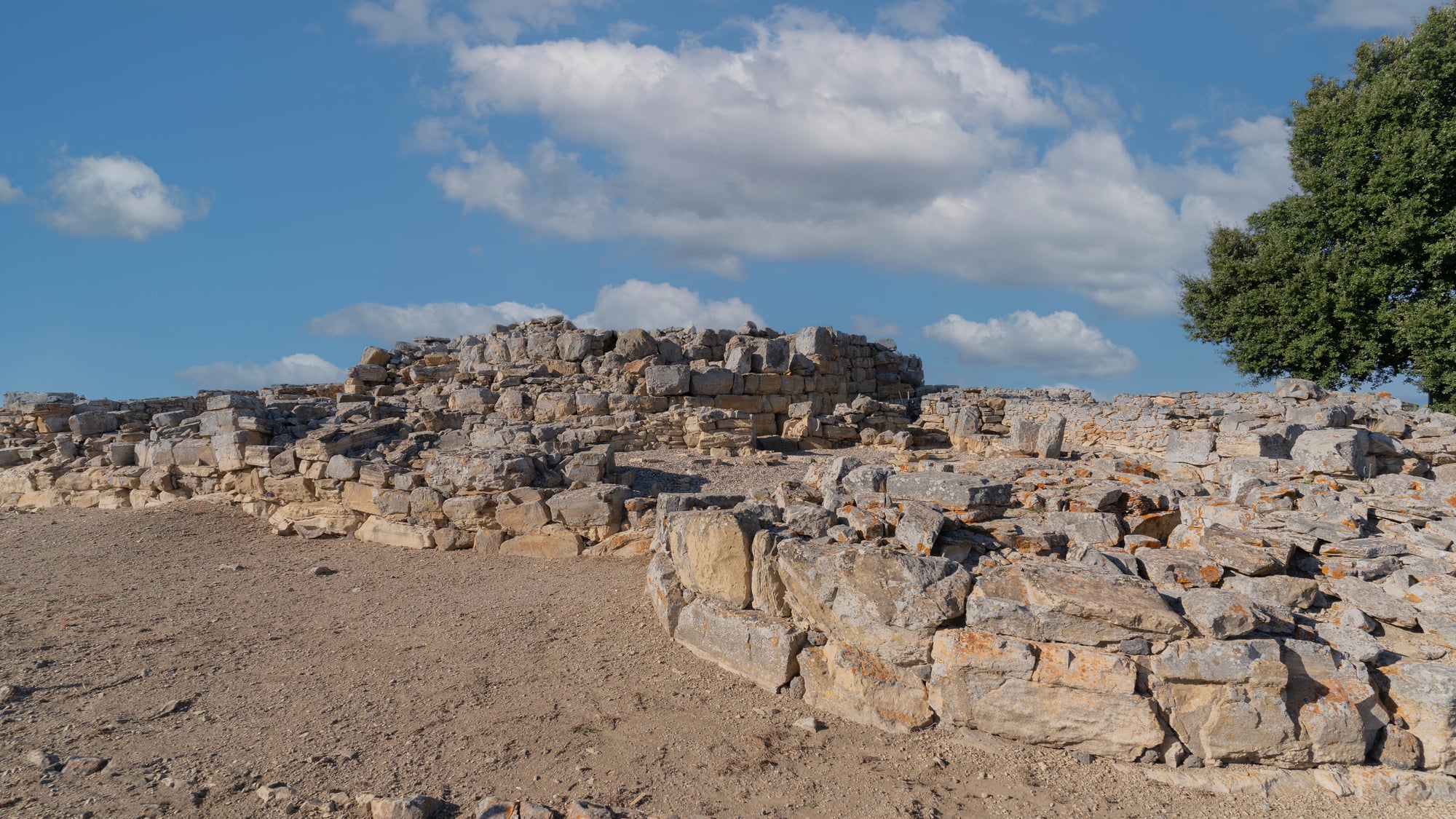
Around 1200 BCE, civilizations across the Mediterranean and Near East collapsed nearly simultaneously. Cities were destroyed by warfare, natural disasters, and systems collapse, creating an archaeological horizon where multiple great cities ended at roughly the same time.
Troy fell, Mycenaean palaces were destroyed, Sea Peoples raided coasts. The causes—earthquake supervolcano eruption, climate change, warfare—remain debated, but the result was clear: an entire era of civilization ended in a generation, leaving behind ruins stacked upon each other.
Mayan Cities and the Jungle That Swallows Civilization
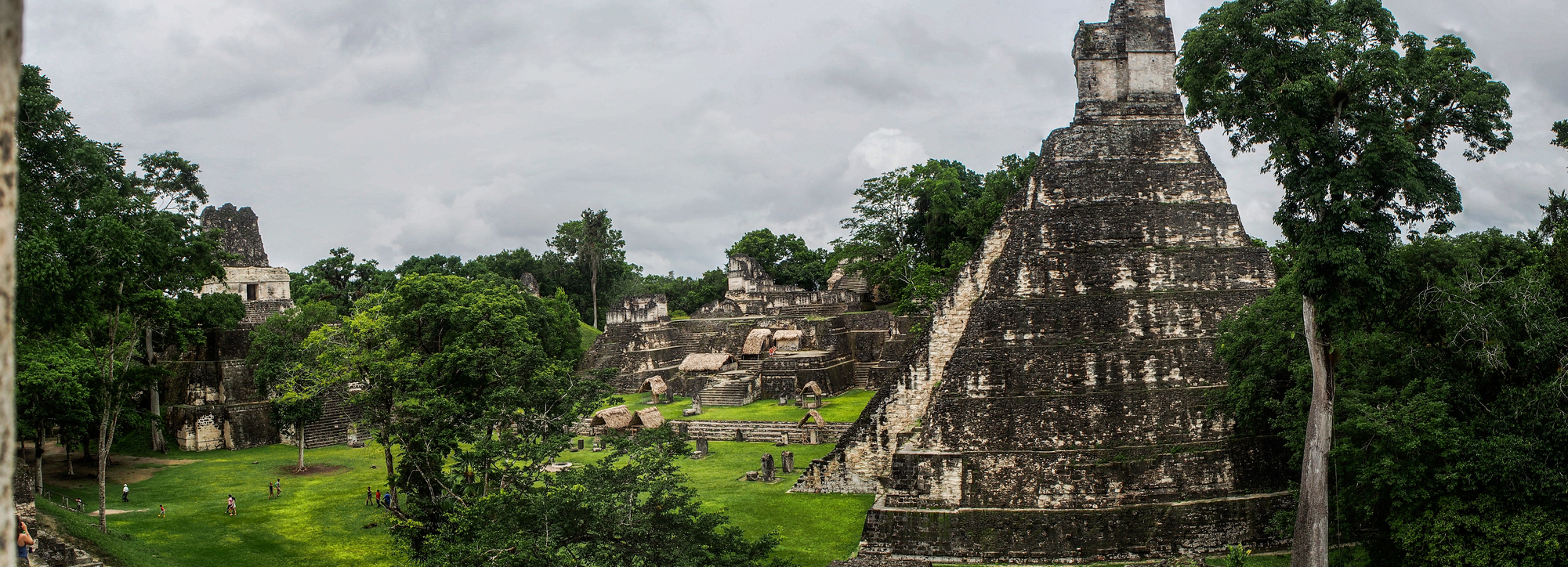
Mayan cities throughout Central America were buried not by a single catastrophe but by jungle overgrowth following the civilization’s inexplicable collapse. Palenque, Tikal, and dozens of other sites disappeared into the rainforest, their pyramids and palaces becoming forested hills.
Modern LIDAR technology reveals cities beneath the jungle canopy, entire urban complexes hidden under vegetation. The Mayans didn’t disappear—their cities did, reclaimed by the landscape they had cleared centuries earlier.
Aitape and the Earliest Tsunami Victim

A mysterious skull found inland at Aitape in Papua New Guinea revealed a tragic story: the remains of a person caught in one of the earliest documented ancient tsunamis, around 2000 BCE. Geological and forensic analysis confirmed the person had been swept inland by catastrophic waves, then buried under sediment.
The skull represents not just a death but evidence of disaster older than written records, preserved in bone and stone.
Helike and the Lost Greek City
Helike, a Greek city, was struck by earthquake and tsunami in 373 BCE, disappearing so completely that ancient sources disagreed about its location. Strange omens preceded the disaster—animals fled, mysterious lights appeared—but no warning proved sufficient.
The combined forces of earthquake and tsunami destroyed the city and drowned it. Helike became almost mythical to later Greeks, a cautionary tale about divine vengeance.
Modern archaeology has identified likely underwater sites where Helike may rest, a city lost and refound after 2,400 years.
Sodom and Geological Catastrophe
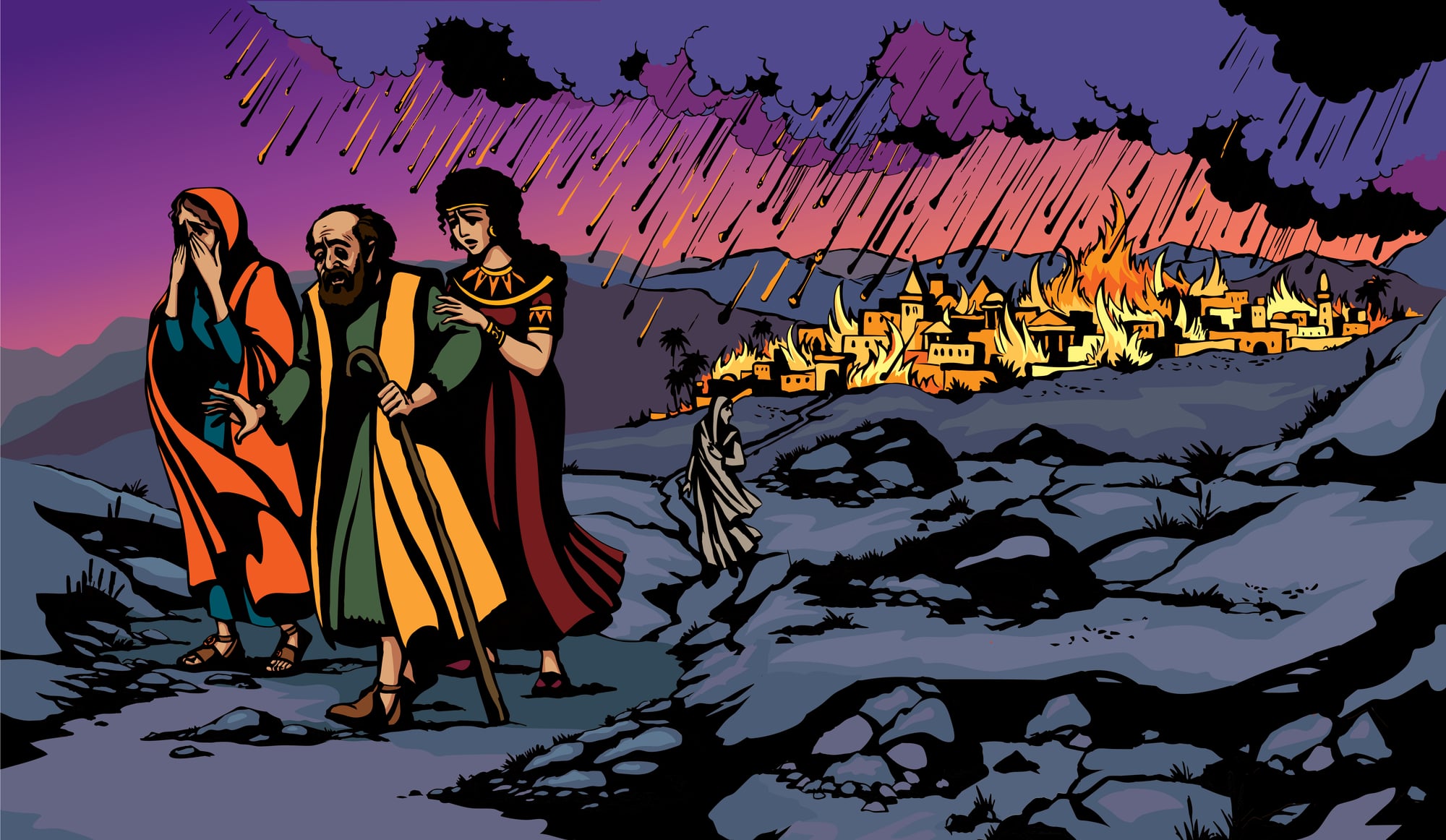
Sodom, biblical city of destruction, appears in ancient sources and Islamic tradition as a place where God intervened to destroy a corrupt settlement. Modern geological analysis suggests the Dead Sea region experienced earthquakes, liquefaction, and eruptions of burning bitumen and sulfur—natural phenomena that could produce catastrophic destruction interpreted as divine judgment.
Whether Sodom was a specific city or a composite legend, the geology of the Dead Sea region created conditions for sudden, complete destruction.
Ani and the Political Abandonment
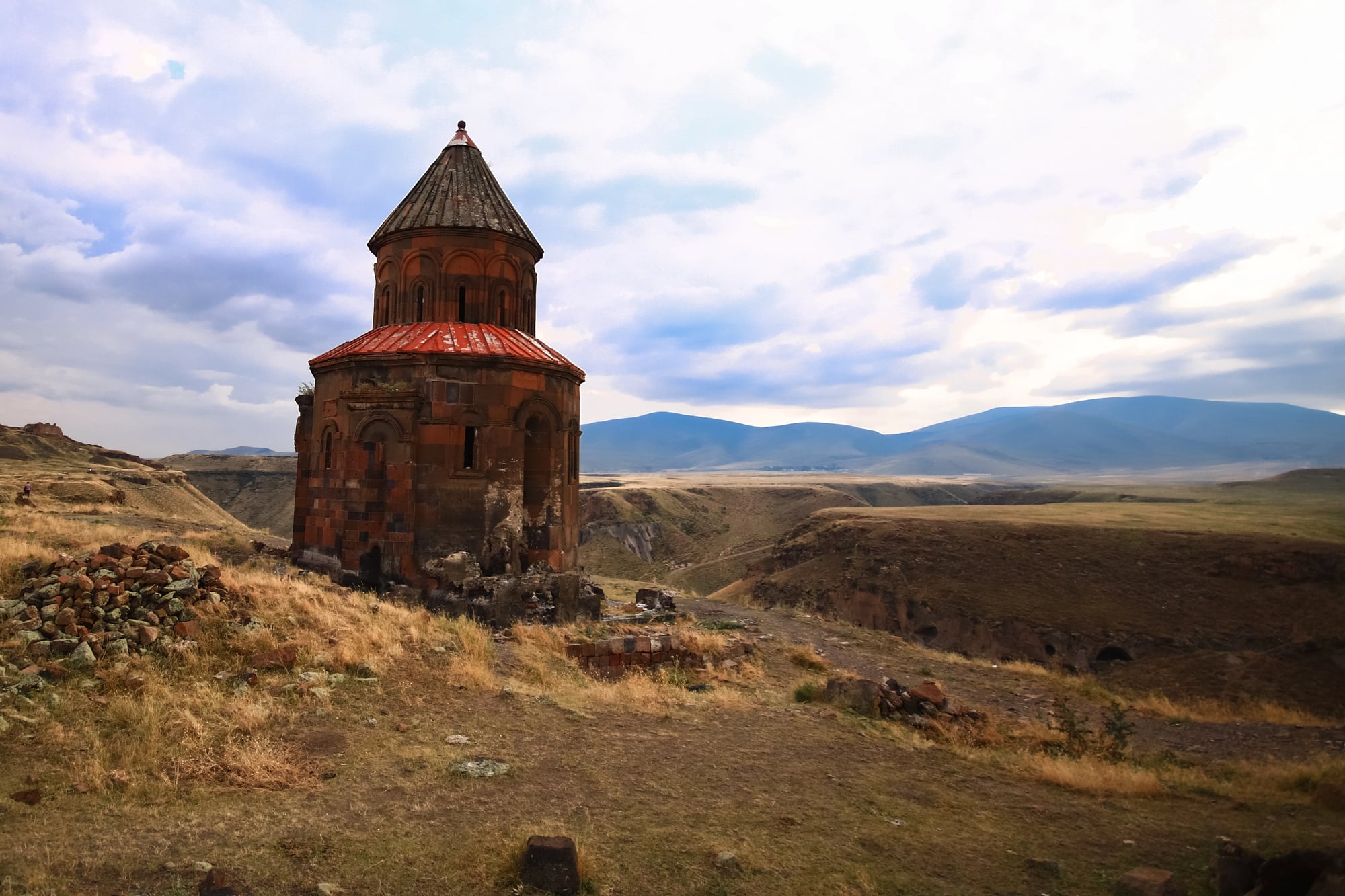
Ani, a medieval Armenian city known as the “City of a Thousand Churches,” was not buried by disaster but gradually abandoned due to shifting trade routes and political upheaval. Earthquakes damaged its structures, warfare disrupted its economy, and competition from other cities reduced its importance.
Ani became a ghost city of stone, its churches intact but inhabited only by memory. Modern visitors find a silent city of ruins, preserved by abandonment rather than destruction.
Pompeii’s Lesser-Known Neighbors
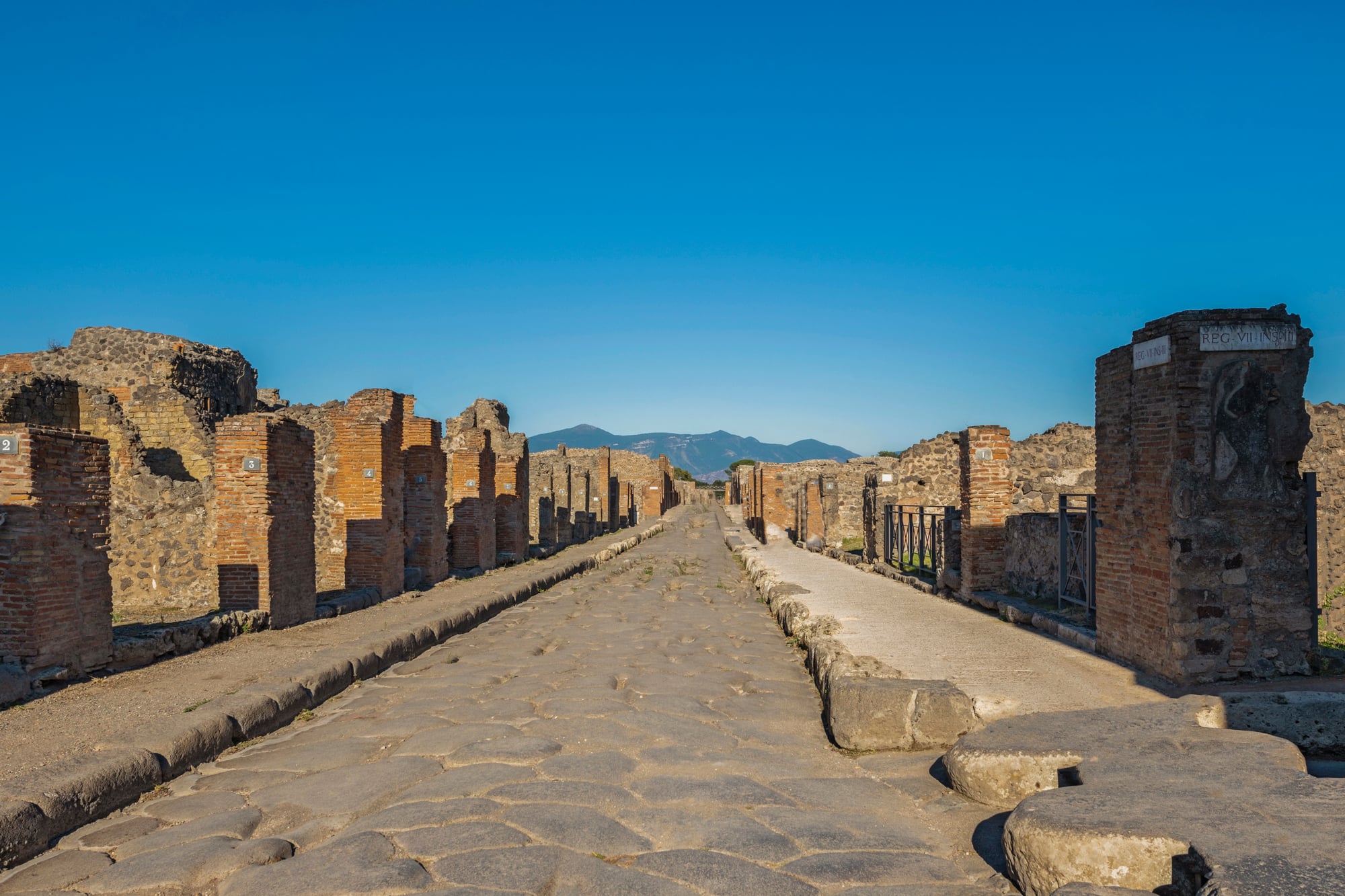
Multiple smaller settlements buried alongside Pompeii—Stabiae, Oplontis, Boscoreale—reveal that Vesuvius’s reach extended beyond the famous city. These satellite communities preserved luxury villas, farms, and commercial buildings.
Stabiae’s resort town atmosphere, Oplontis’s imperial connections, Boscoreale’s agricultural installations—all were frozen by the same eruption that buried Pompeii, yet they remained largely unknown for centuries.
Vesuvius’s Multiple Eruptions and Their Victims
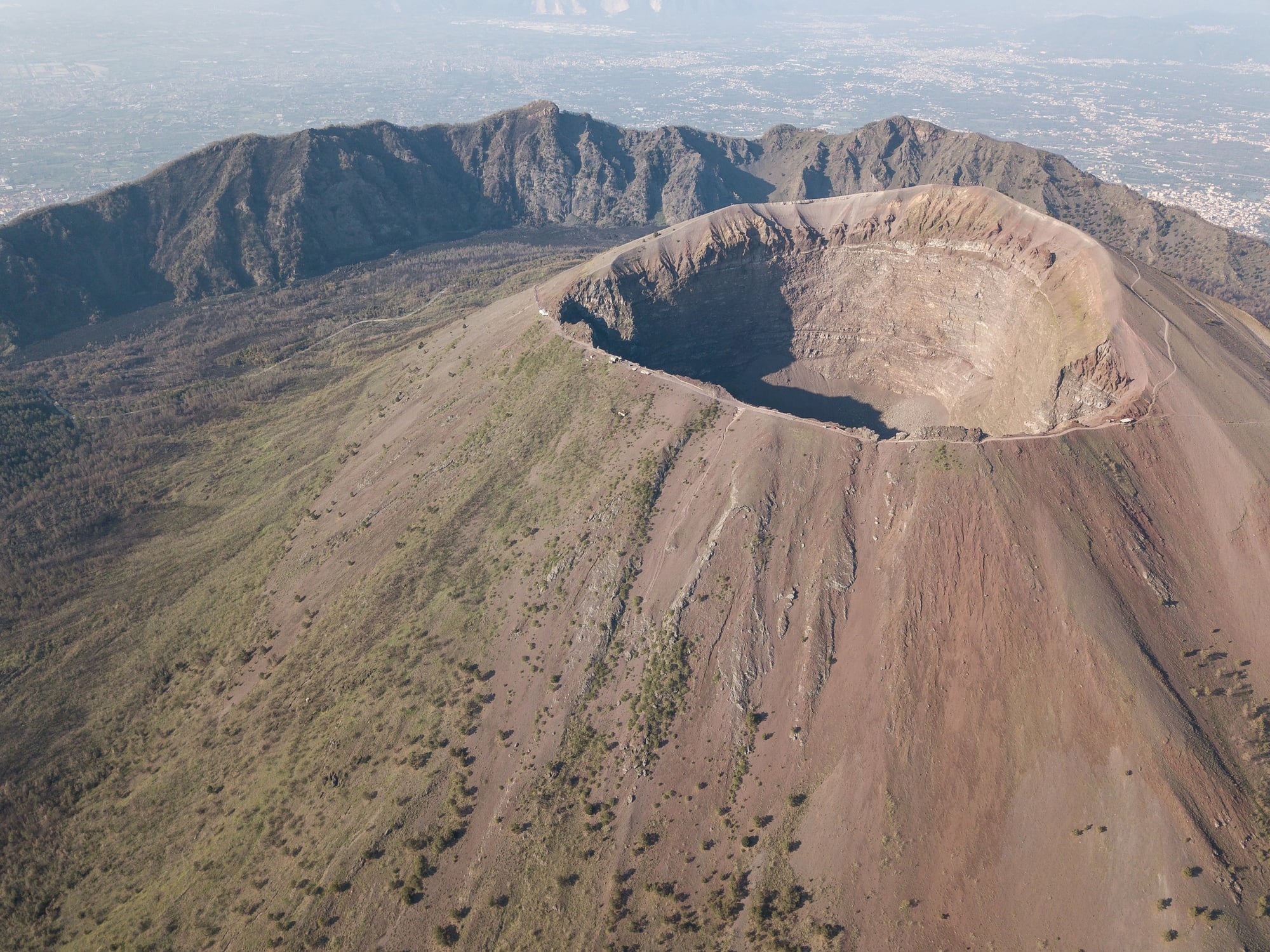
Mount Vesuvius did not stop with its 79 AD eruption. It erupted again in 1631, killing thousands.
Modern populations living on its slopes face the same risks that killed Pompeians 2,000 years ago. Vesuvius continues to threaten Naples and surrounding regions, demonstrating that natural disasters are not historical curiosities but ongoing threats to civilizations built on geologically unstable ground.
Tanagra and the Earthquake That Ended a City
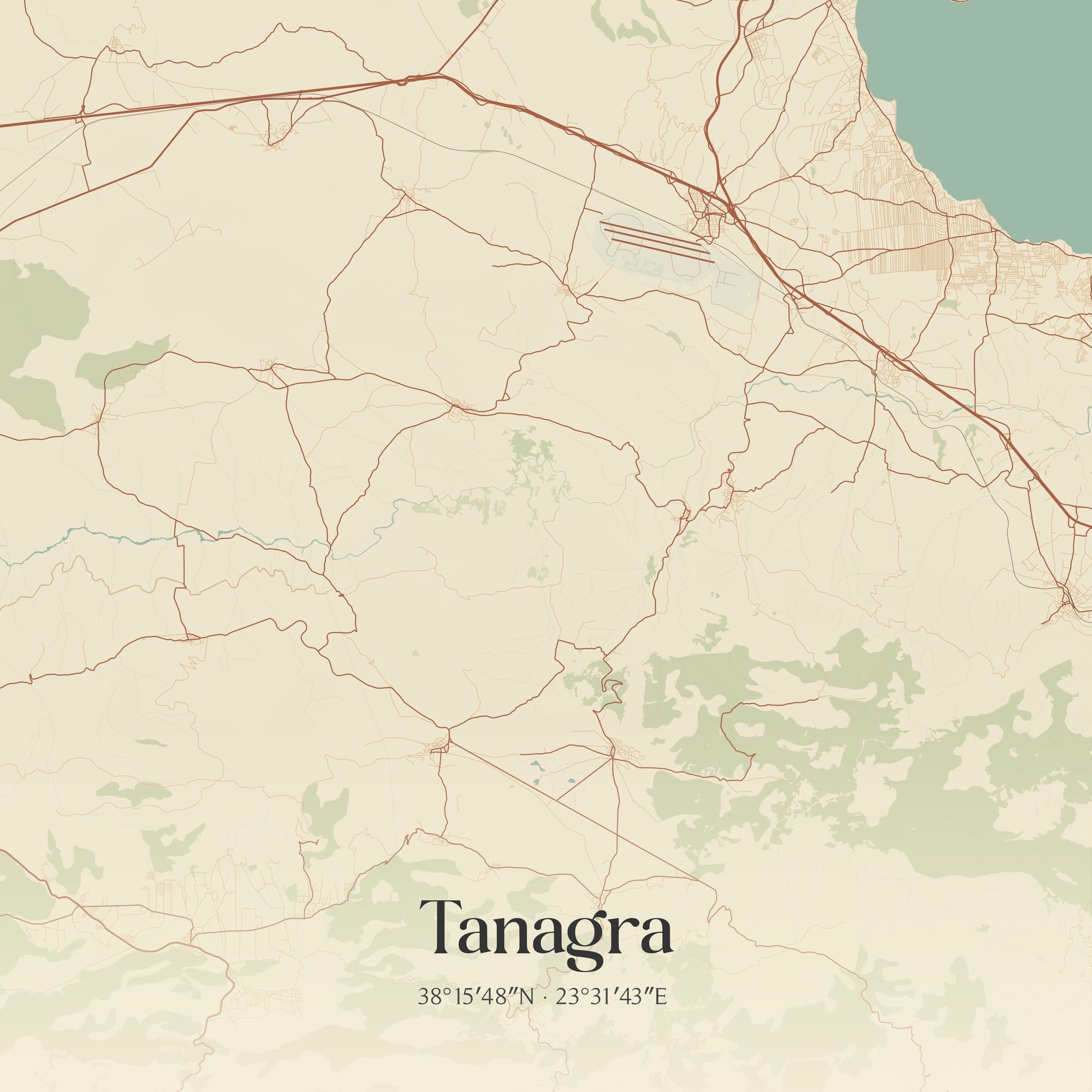
The Greek city of Tanagra was destroyed by massive earthquakes that disrupted its economy and forced abandonment. The ruins, buried under rubble, reveal a prosperous city suddenly ended.
Tanagra’s pottery production ceased, its trade networks collapsed, and the city was left to decay. Centuries later, archaeologists found the remains, reading in broken architecture the story of a single catastrophic moment.
Harappa and the Saraswati’s Disappearance
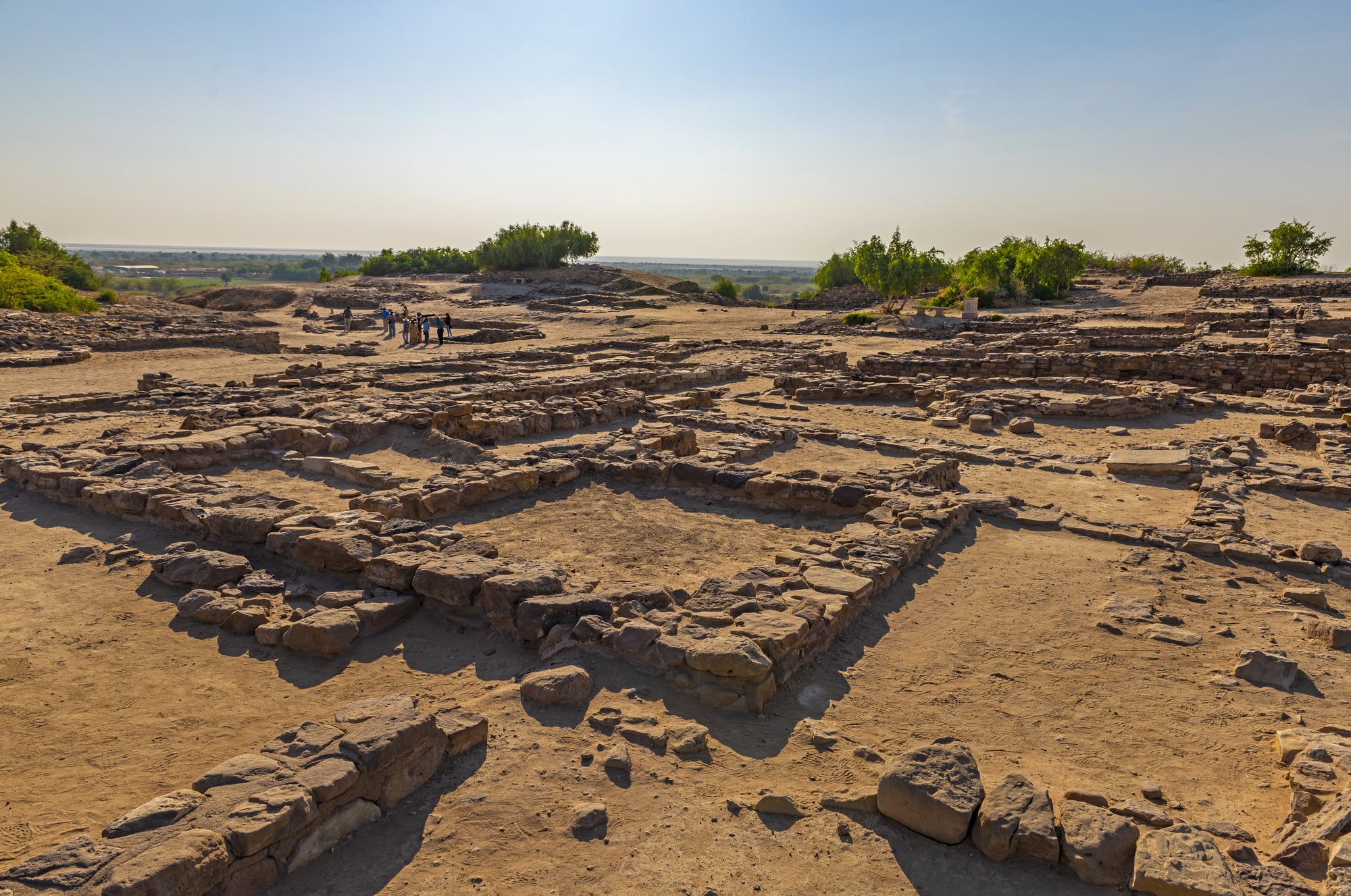
Harappa, one of the Indus Valley Civilization’s major cities, was depopulated as the Saraswati River, which provided water and defined the civilization’s heartland, gradually dried. The river’s disappearance is documented in geological records—satellite imagery shows its dried riverbed.
As water failed, agriculture collapsed, trade networks fractured, and the civilization dispersed. Harappa’s slow decline, unlike Pompeii’s sudden burial, reveals how environmental change can bury a civilization through gradual abandonment.
El Mirador and the Maya’s Greatest City
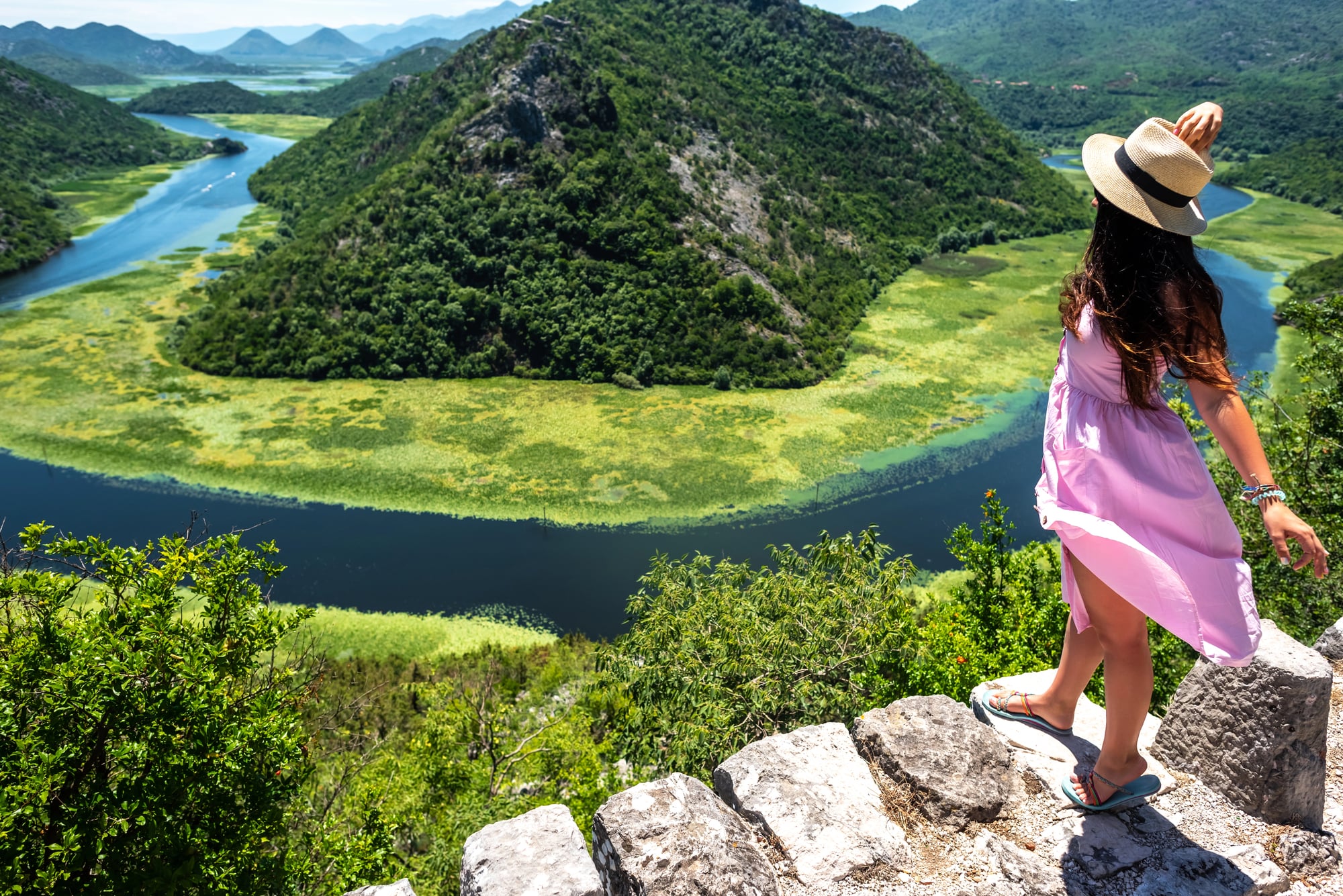
El Mirador, a vast Preclassic Maya city in Guatemala, was largely abandoned before Spanish conquest, its collapse predating European contact. Hidden in jungle for centuries, its scale—revealed by modern LIDAR—exceeds many later Maya centers.
The city’s decline and burial under vegetation suggests that internal collapse, not external conquest, led to abandonment. Its rediscovery challenges narratives of continuous Maya civilization, revealing instead cycles of rise and mysterious decline.
Tenochtitlan Beneath Modern Mexico City
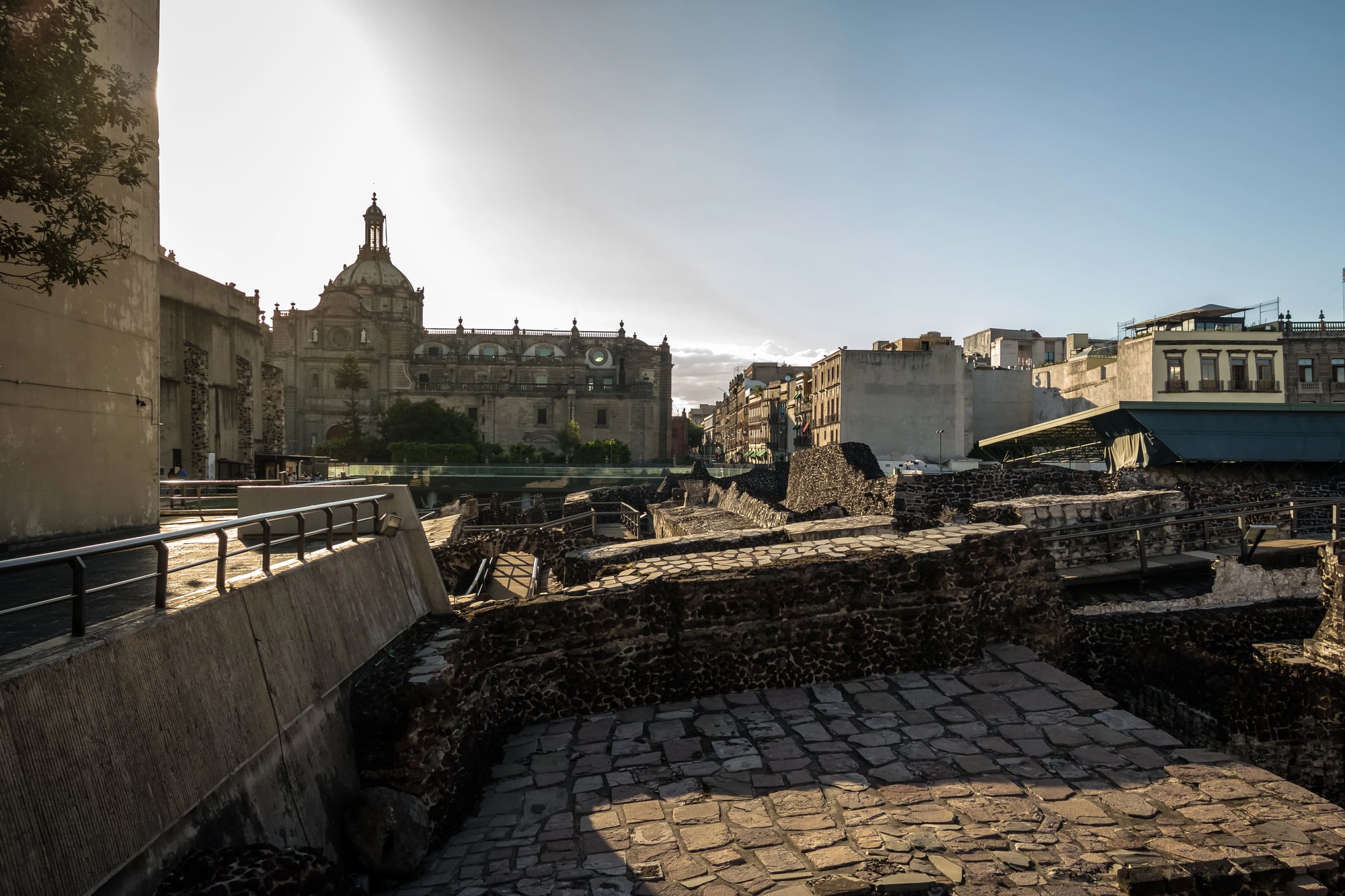
Aztec Tenochtitlan was built on an island in a lake, a floating city of extraordinary engineering. When Spanish conquistadors conquered it, they destroyed most structures and built Mexico City atop the ruins.
Tenochtitlan’s foundations lie beneath modern streets, unearthed only during construction projects. The city is simultaneously destroyed and preserved, its original features buried under colonial and modern infrastructure.
Archaeological excavations recover Aztec architecture and artifacts from beneath downtown Mexico City.
Cahokia and the Mississippi Civilization
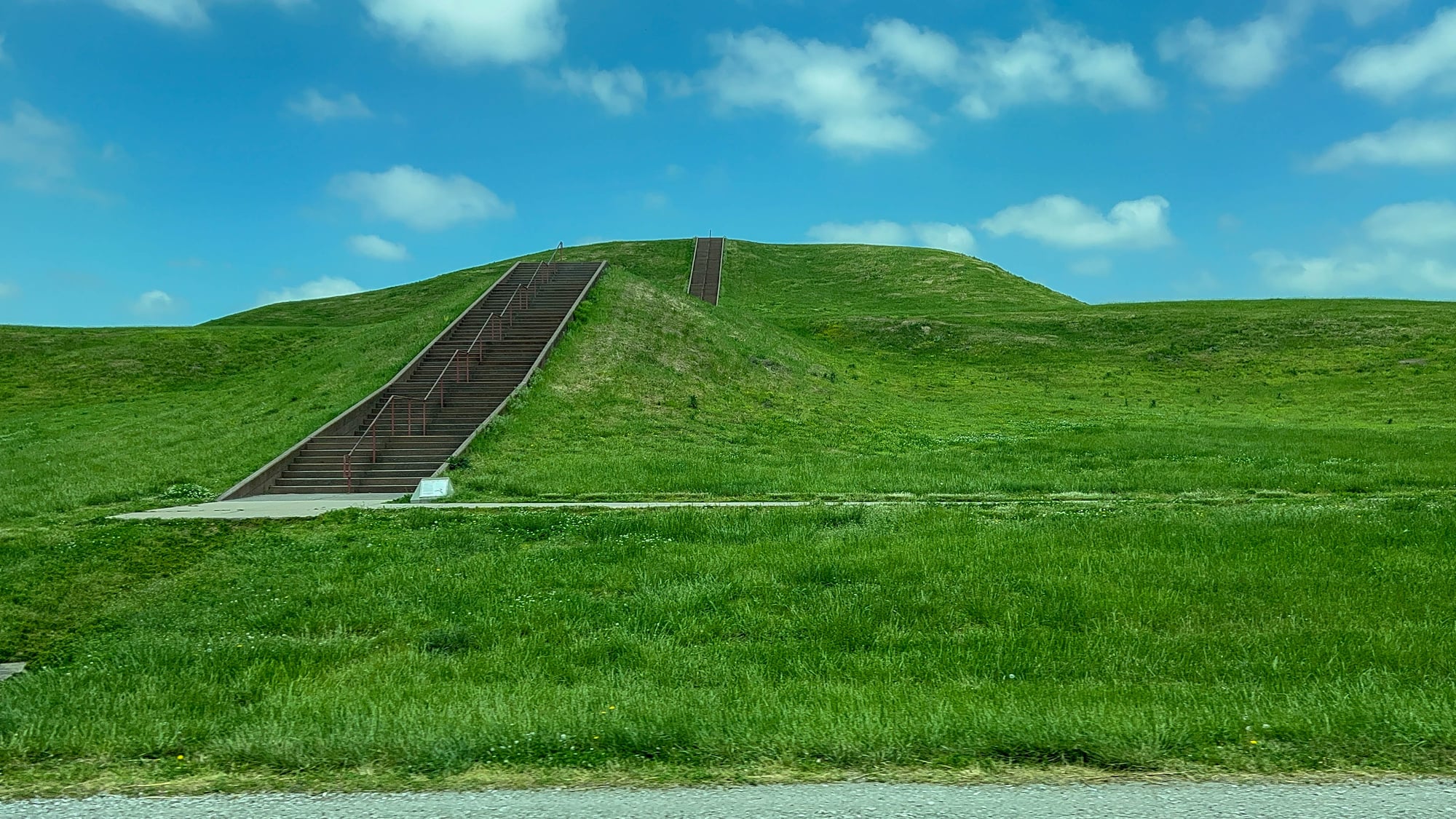
Cahokia, the largest pre-Columbian settlement north of Mexico, was built near present-day St. Louis. Monks Mound, the largest earthwork in North America, remains visible, but the city surrounding it was gradually abandoned.
The settlement’s decline came before European contact, its causes debated by archaeologists. Cahokia’s mounds stand as earthen remnants of a civilization that built a city rivaling medieval European centers, then vanished from historical memory.
Lost Cities and Rediscovered Histories
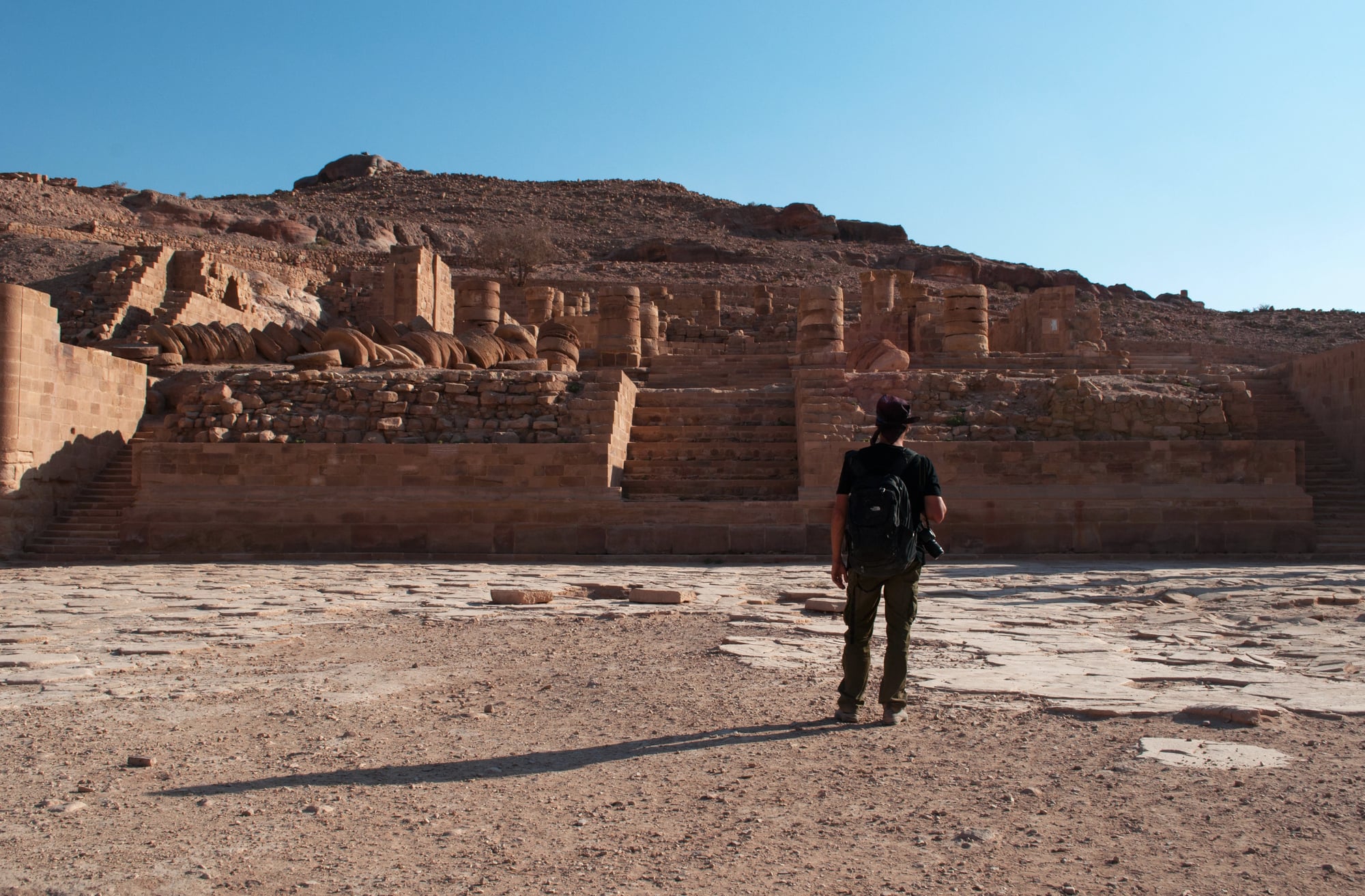
The buried cities remind us that civilization is not inevitable or permanent. Great cities can disappear, their locations forgotten, their names becoming legend.
Yet the physical traces persist, waiting for archaeologists equipped with technology and determination. Pompeii, Herculaneum, and a hundred others demonstrate that burial does not mean obliteration.
Sometimes disaster becomes preservation, and time’s passage becomes an archive frozen in ash, silt, and sand.
More from Go2Tutors!

- The Romanov Crown Jewels and Their Tragic Fate
- 13 Historical Mysteries That Science Still Can’t Solve
- Famous Hoaxes That Fooled the World for Years
- 15 Child Stars with Tragic Adult Lives
- 16 Famous Jewelry Pieces in History
Like Go2Tutors’s content? Follow us on MSN.